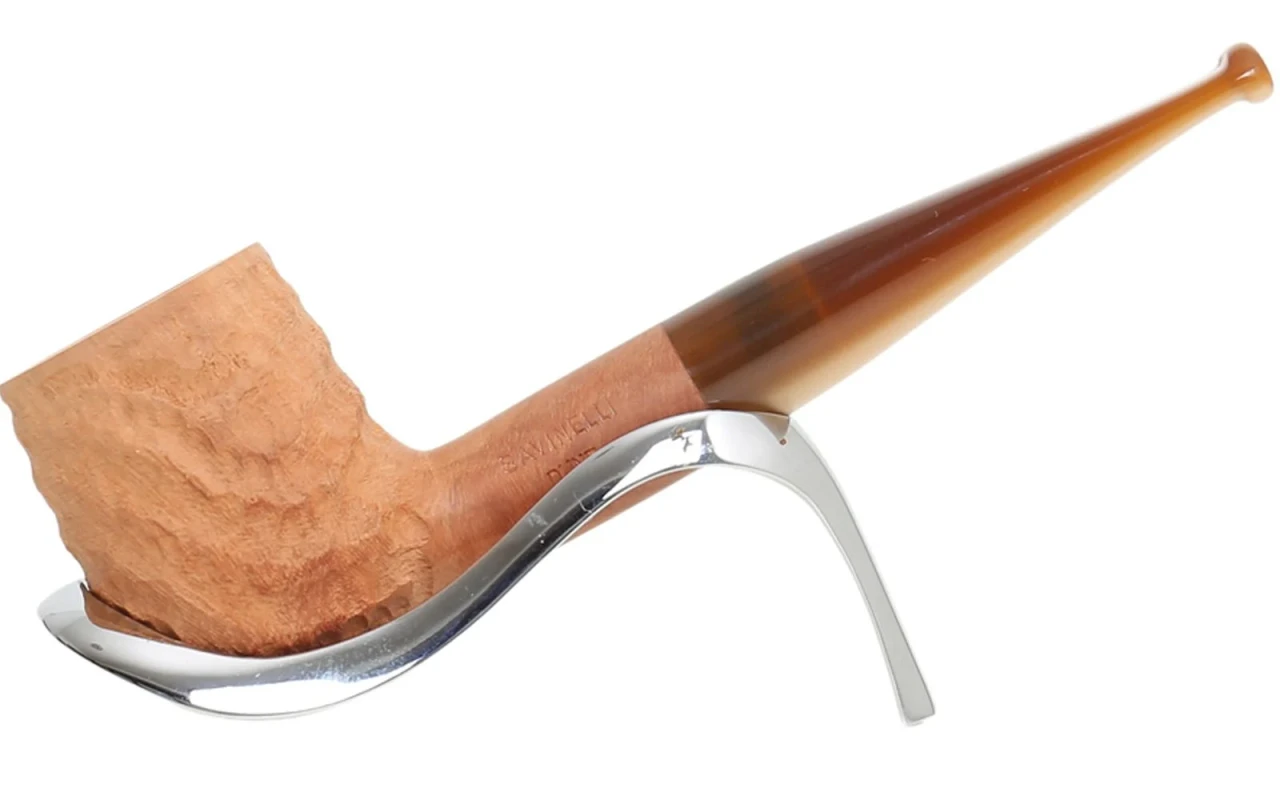
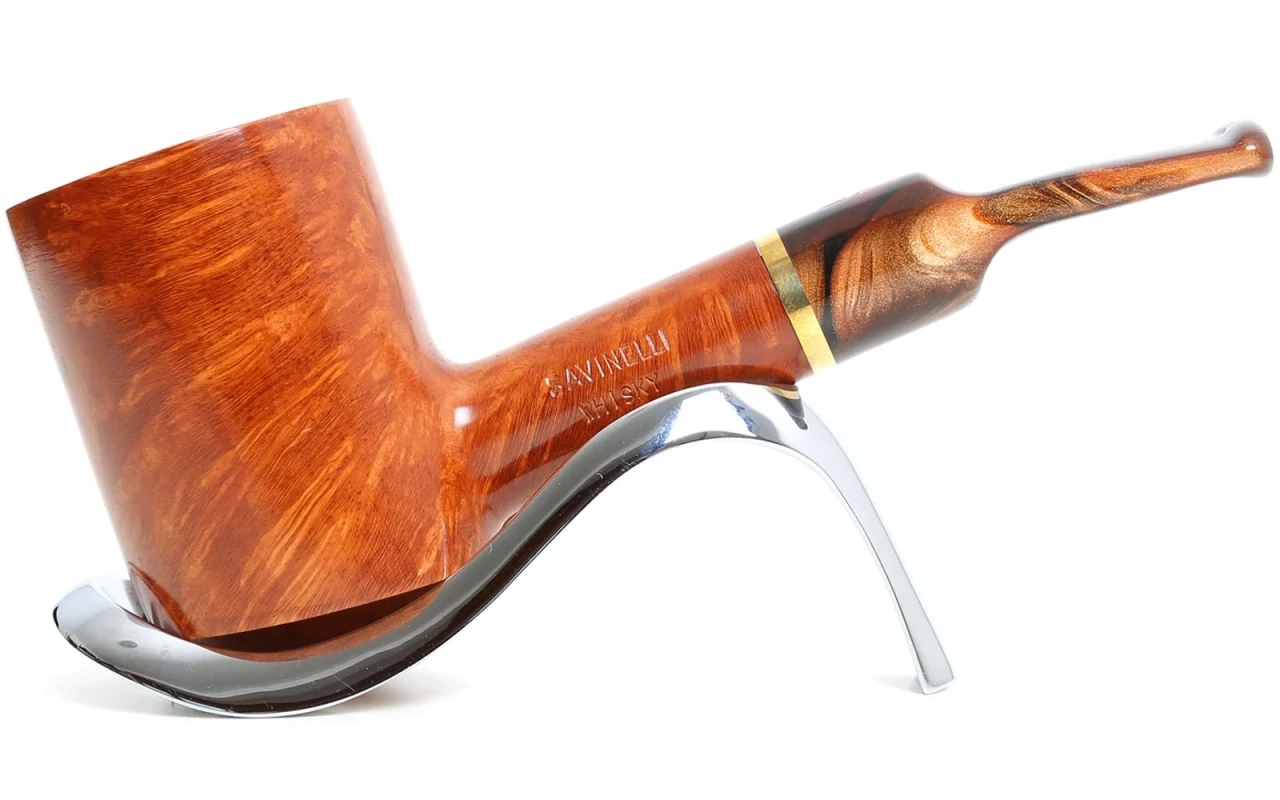
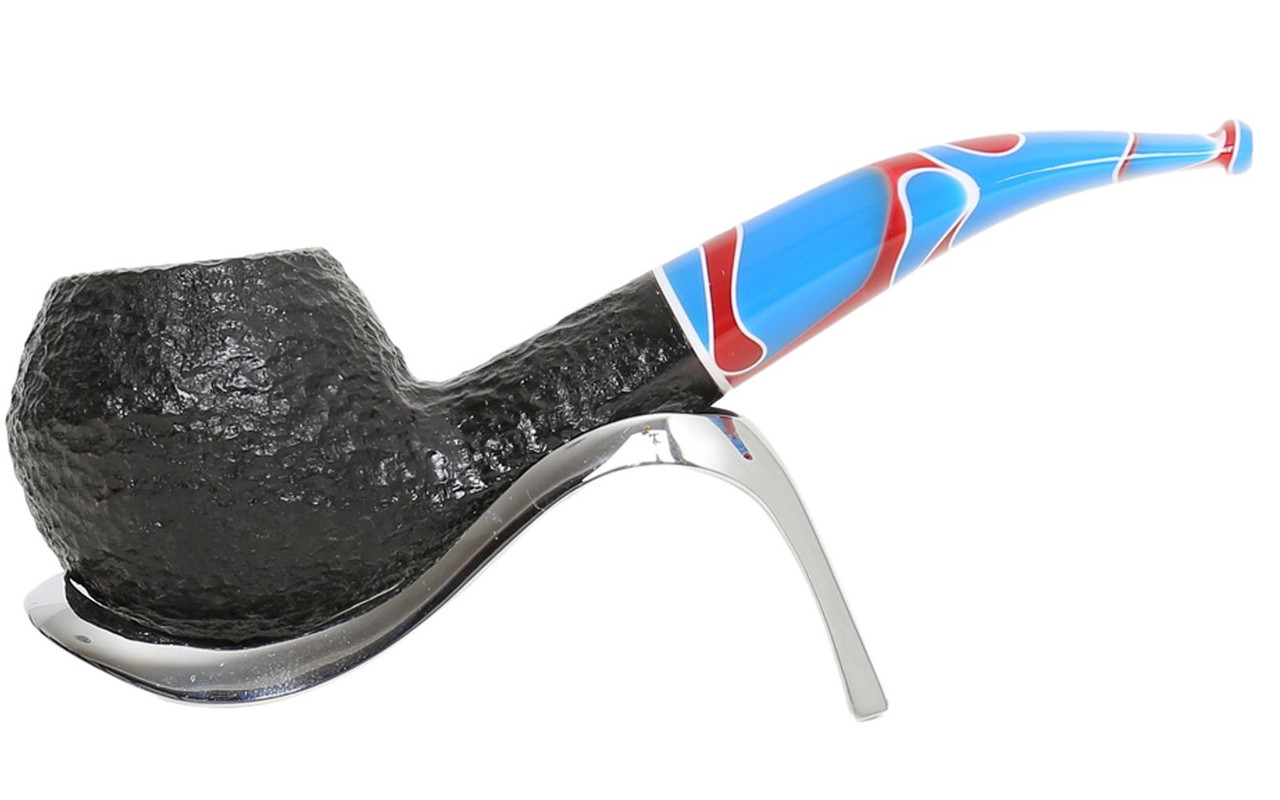
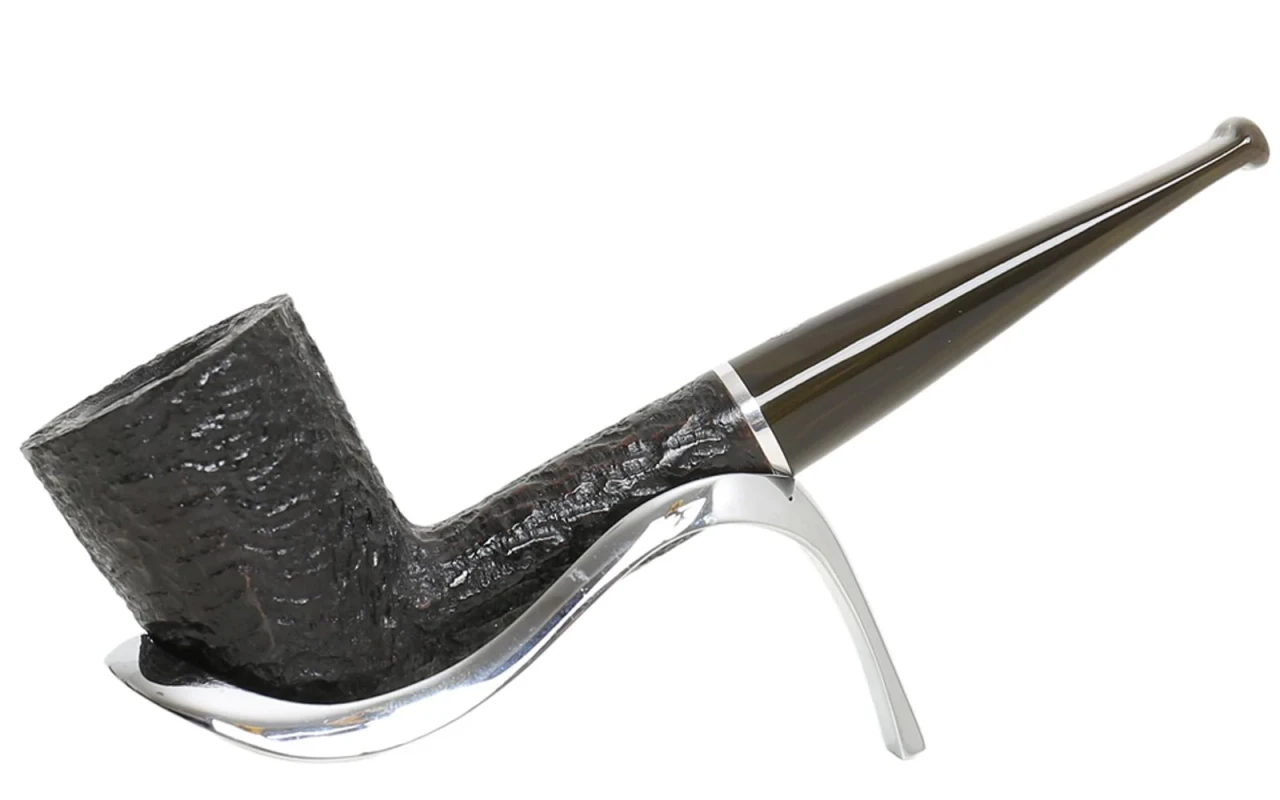
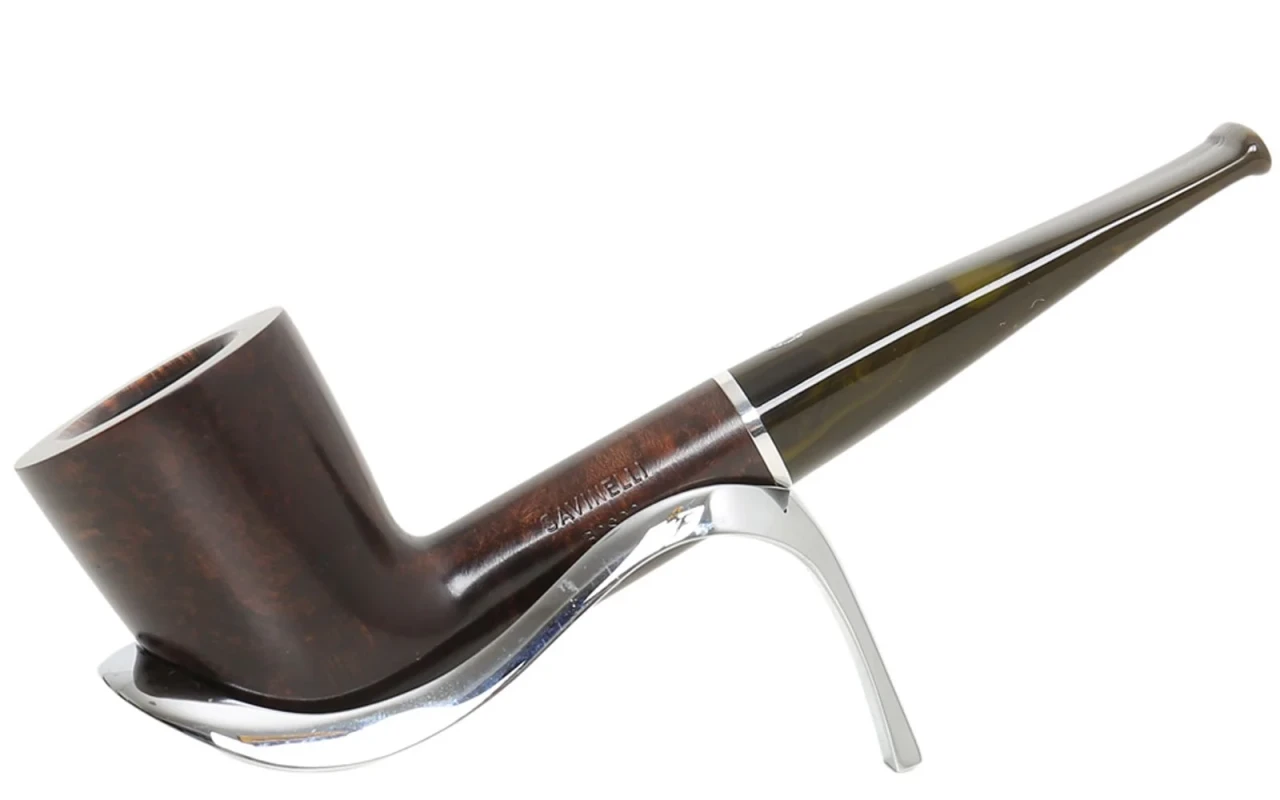
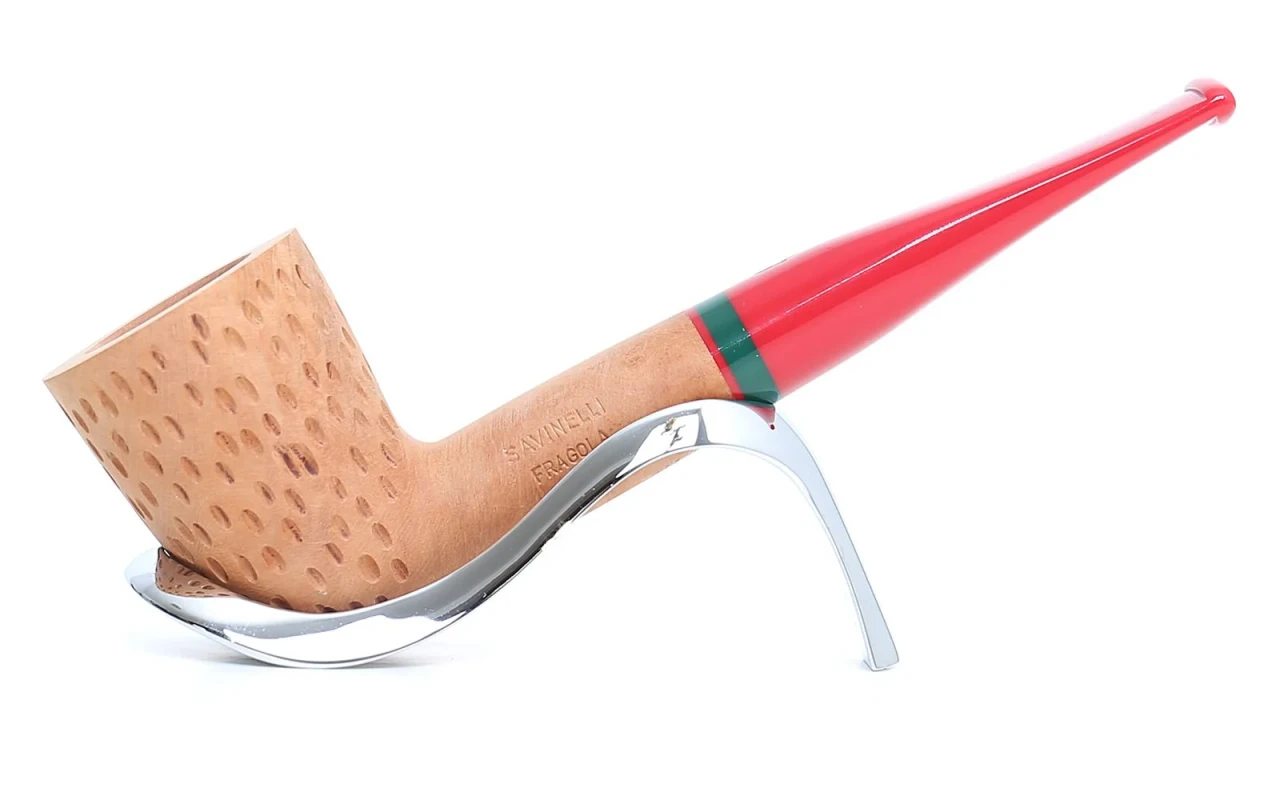
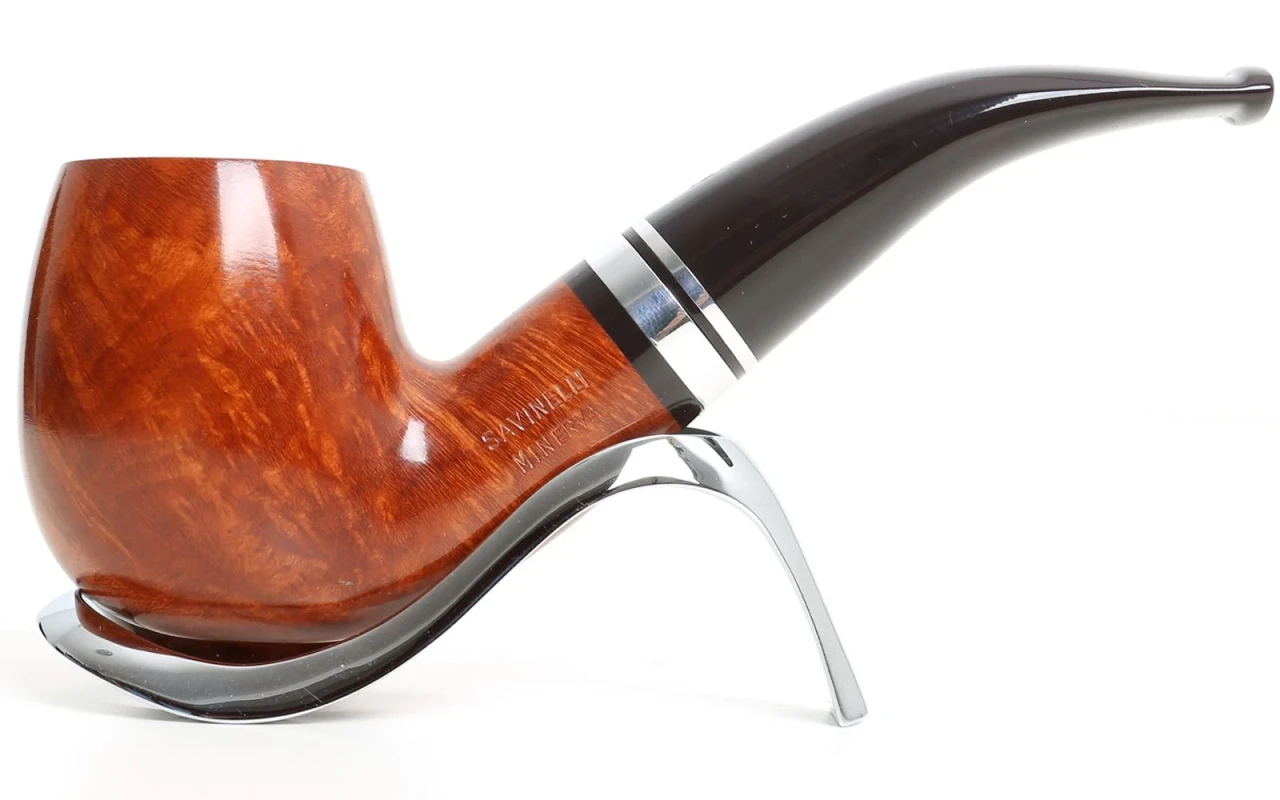
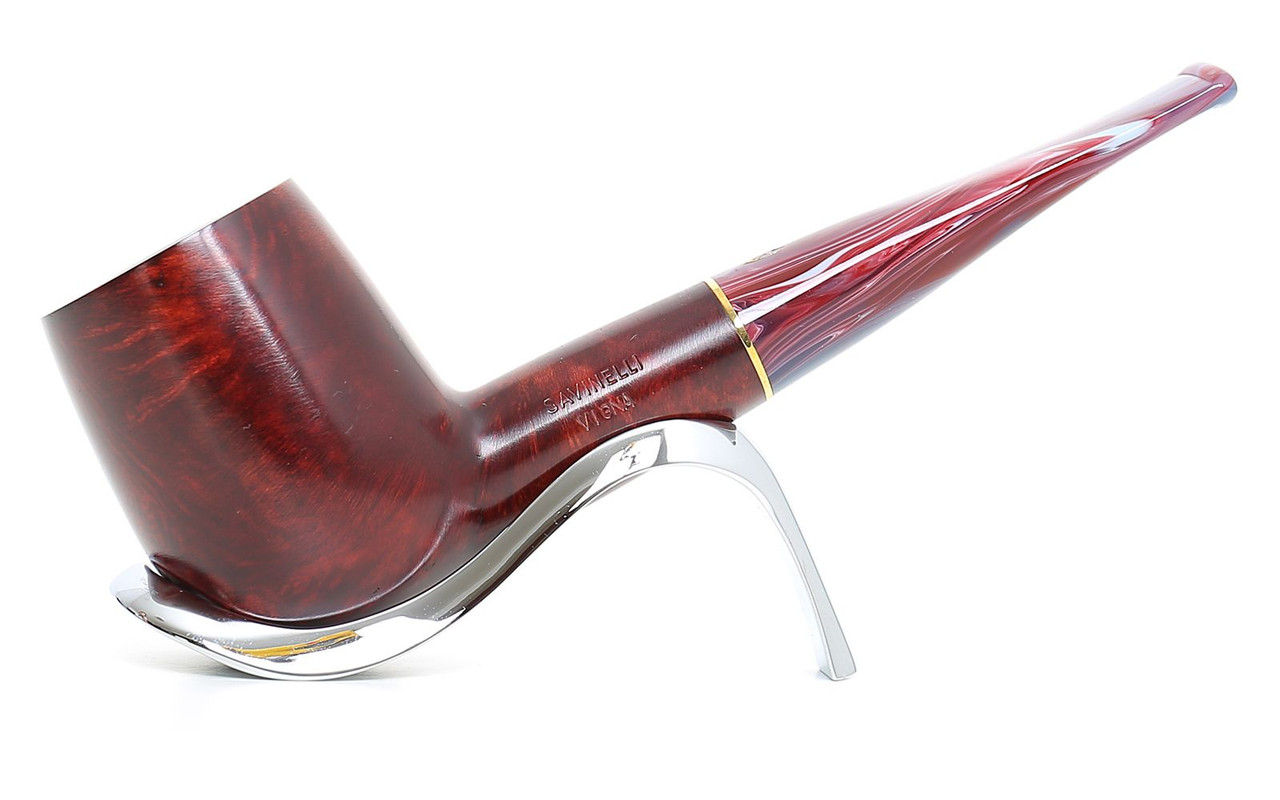
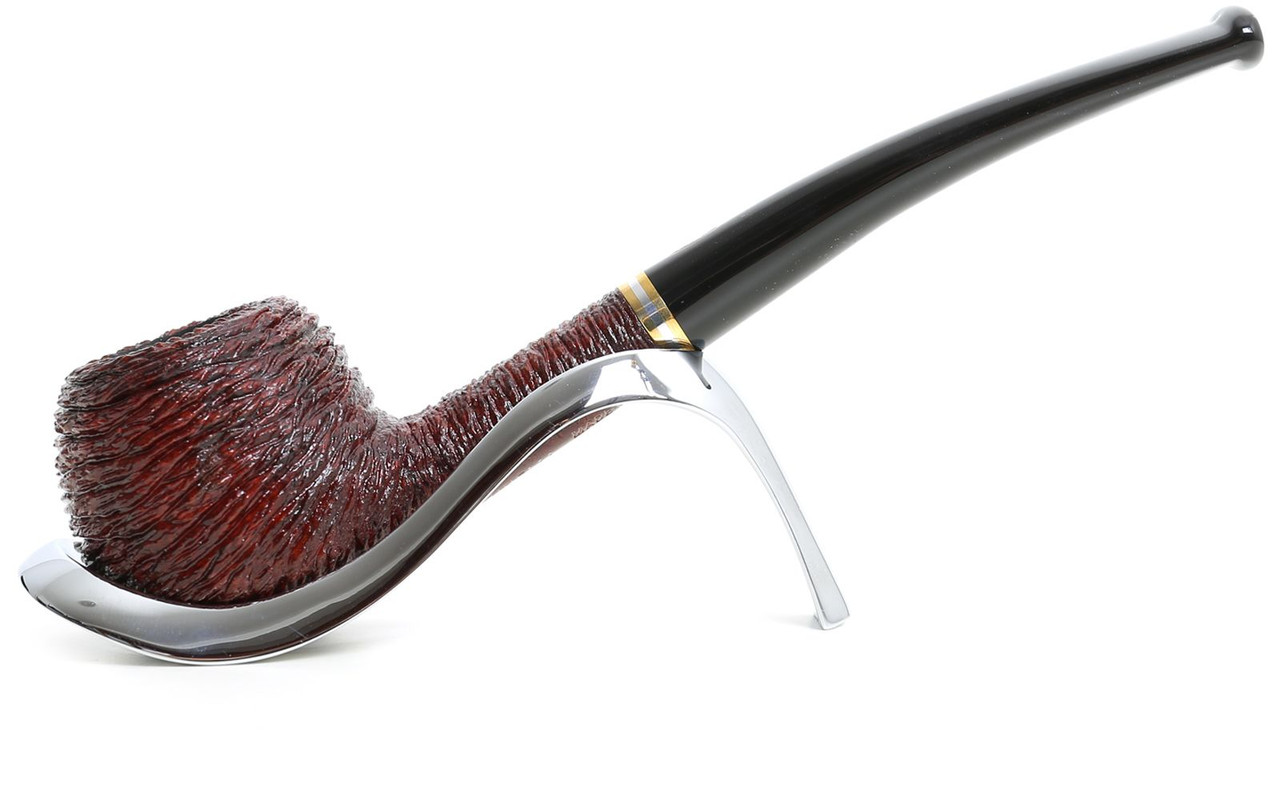
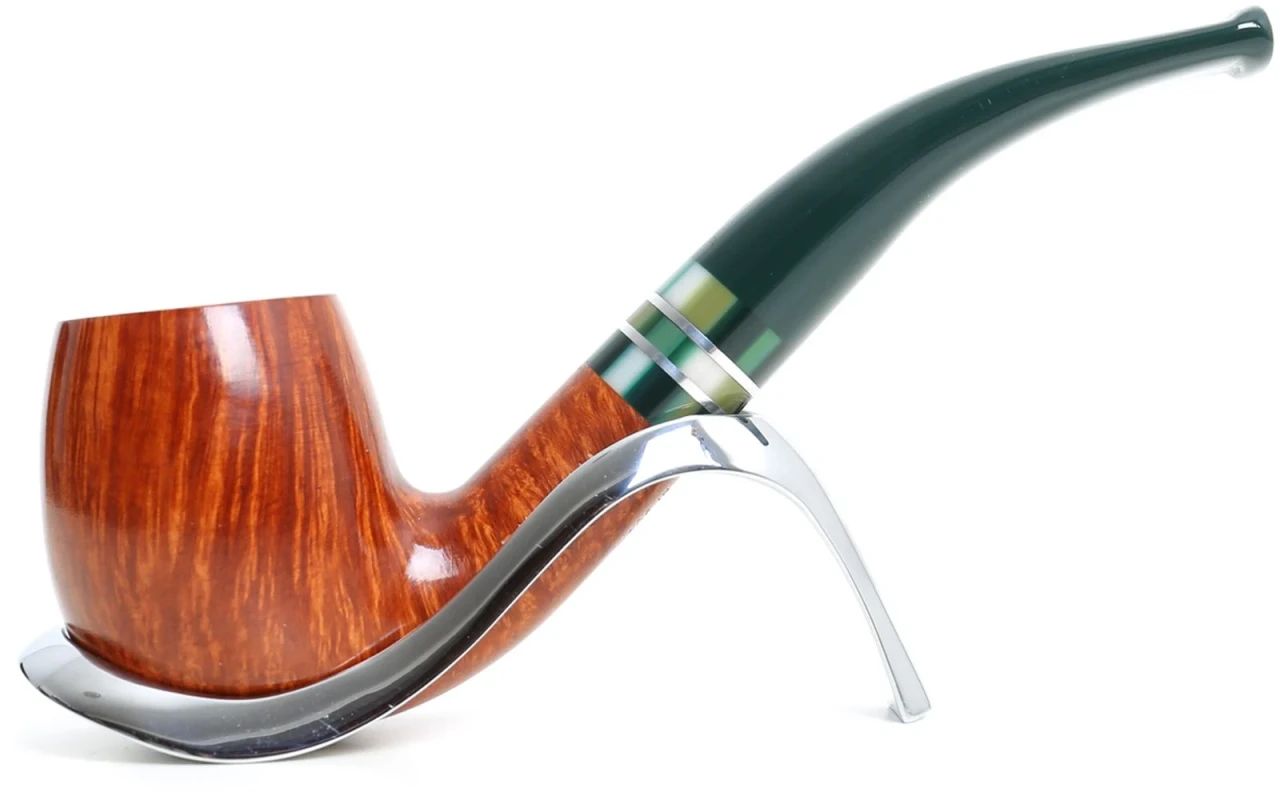
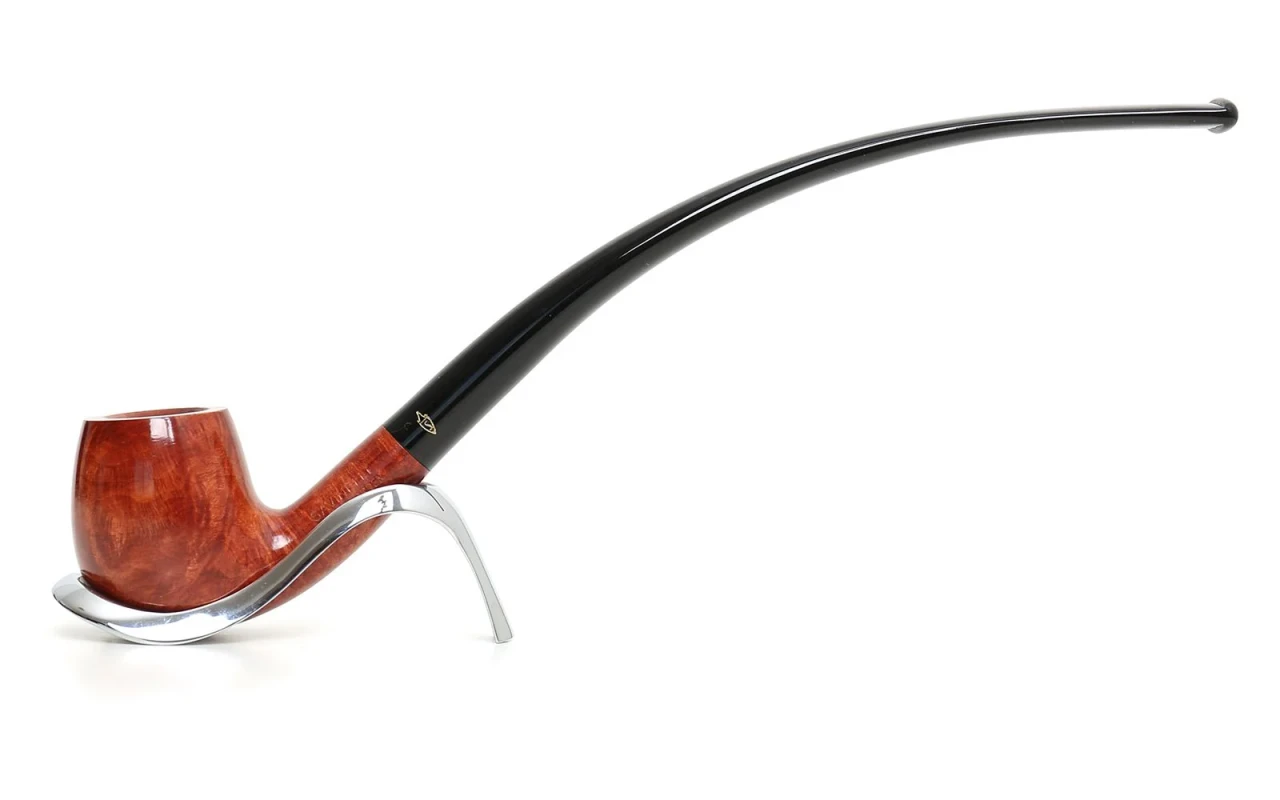
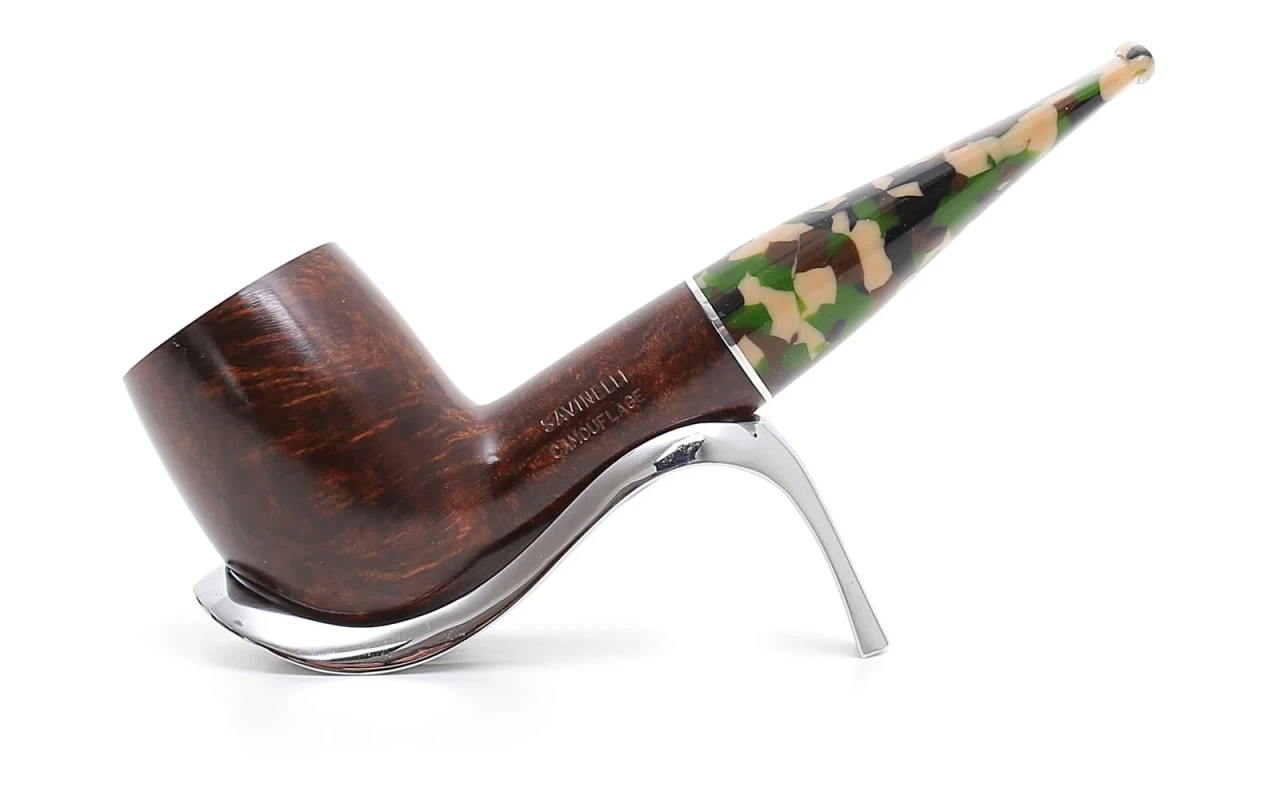
The tobacco pipe has undergone significant evolution, transitioning from simple handcrafted forms to refined and diversified models. Over time, materials, designs, and manufacturing techniques have changed, reflecting different cultures and technological innovations, ultimately becoming a cult object for aficionados of slow smoking.
How has the tobacco pipe evolved over the centuries? Deep dive
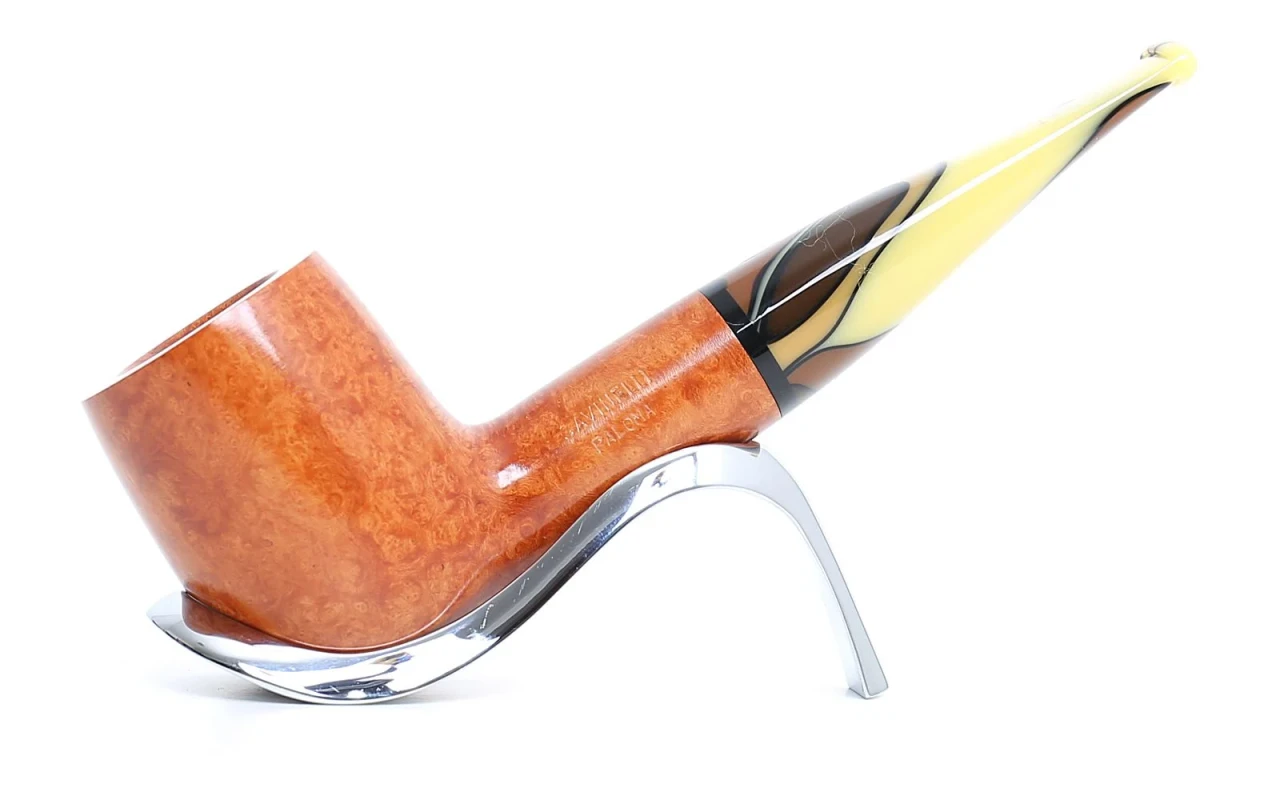
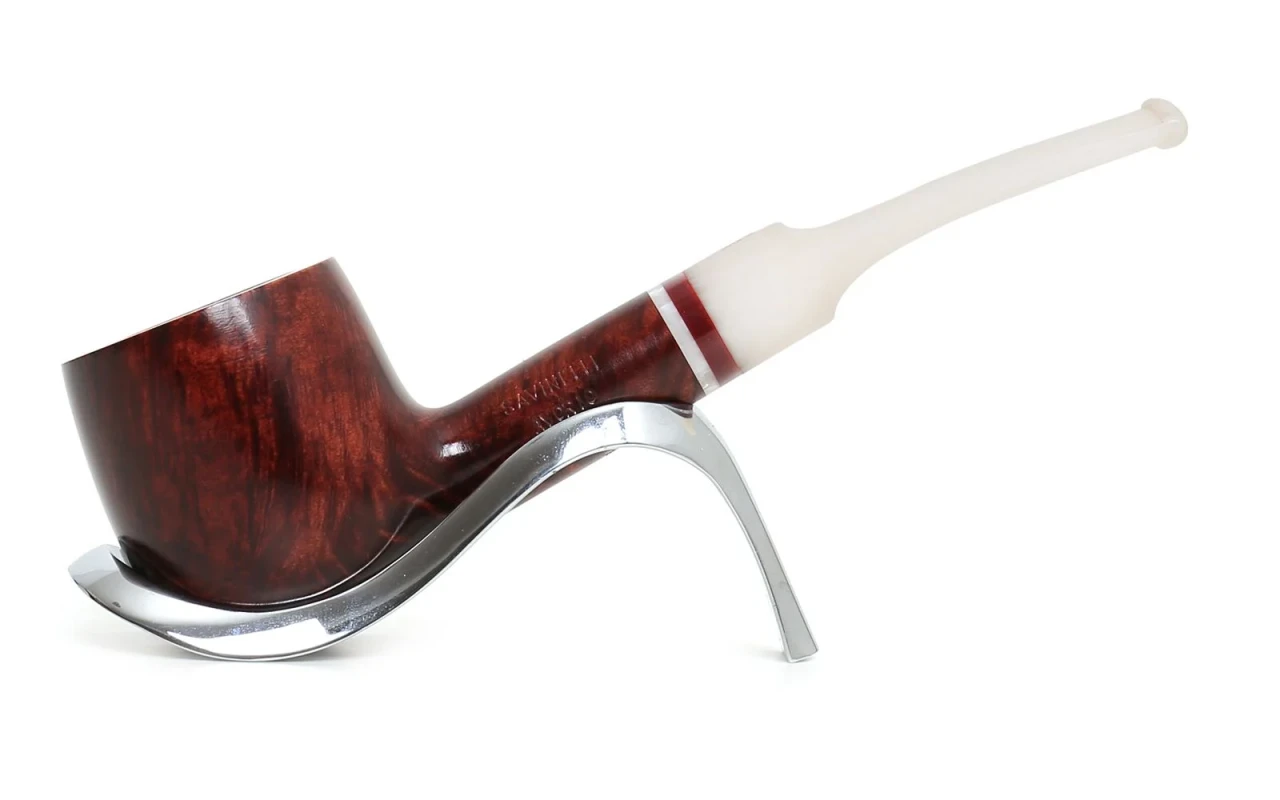
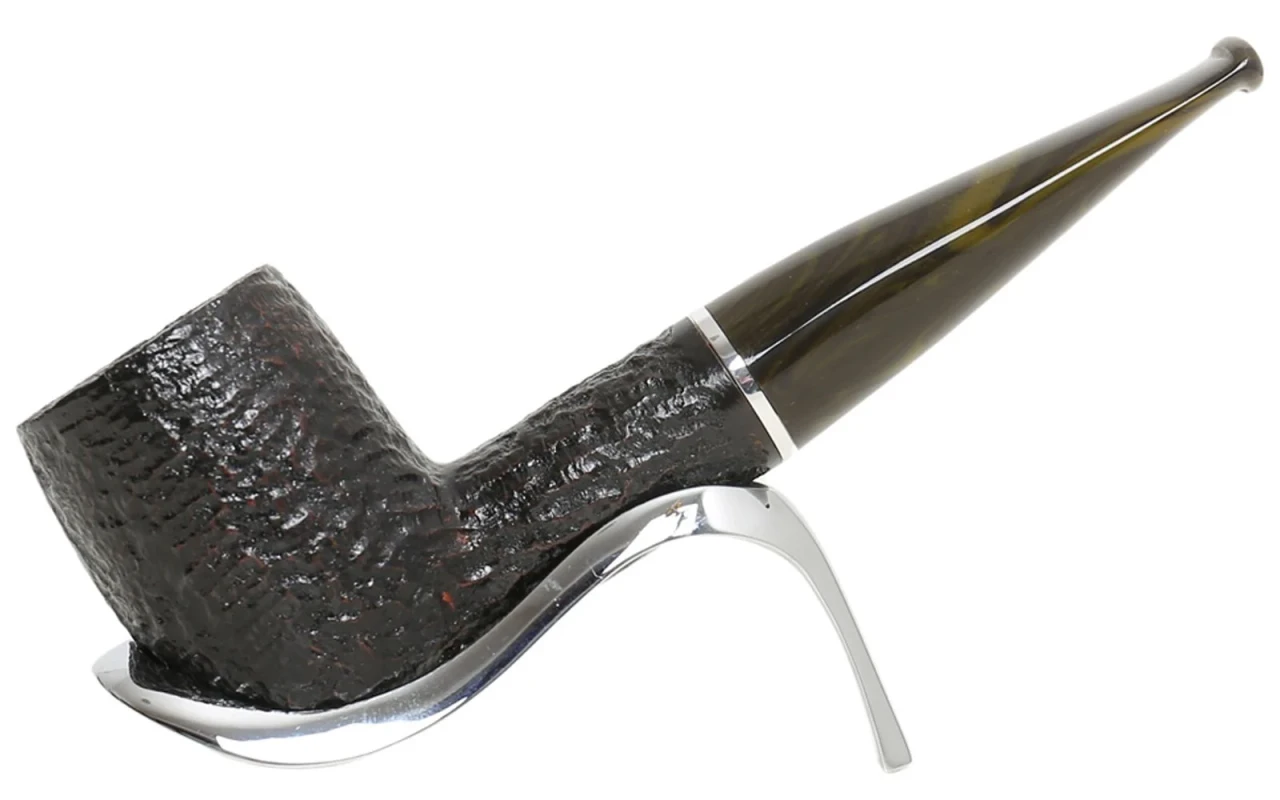
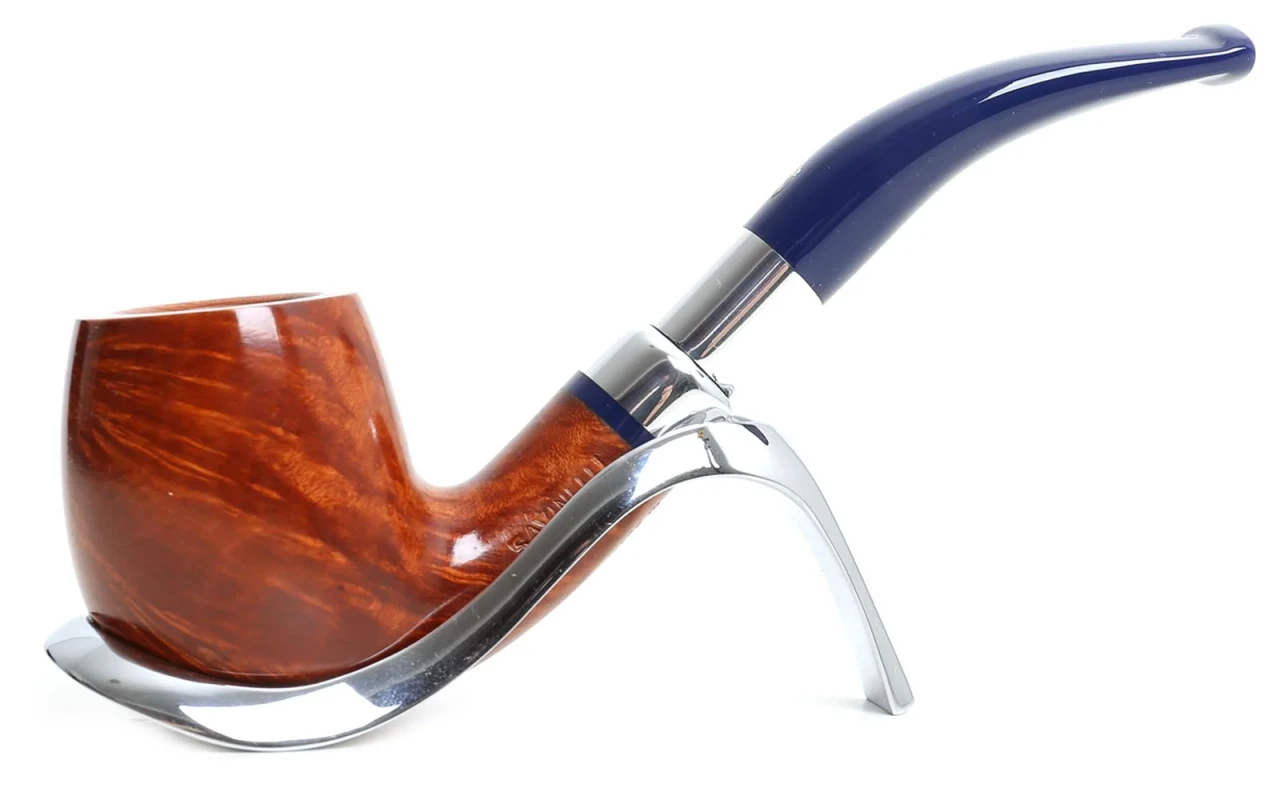
The tobacco pipe boasts a rich and complex history spanning centuries, evolving in response to cultural, artistic, and functional needs. Originally crafted from natural materials such as wood, clay, or stone, pipes were often simple and rudimentary. Over time, craftsmanship was refined, introducing precious materials like boxwood, briar, and even metals, enhancing durability and aesthetics. Shapes became more varied and sophisticated, moving from classic models to innovative designs that mirror local tastes and traditions. Finishes have also transformed, with polishing and decoration techniques highlighting the natural beauty of the materials. The pipe’s evolution was also influenced by the spread of tobacco and consumption habits, leading to the creation of specific accessories and greater attention to maintenance to ensure an optimal smoking experience. Today, the pipe represents not only a smoking tool but also a collectible object and a symbol of culture and lifestyle connected to slow and contemplative smoking.