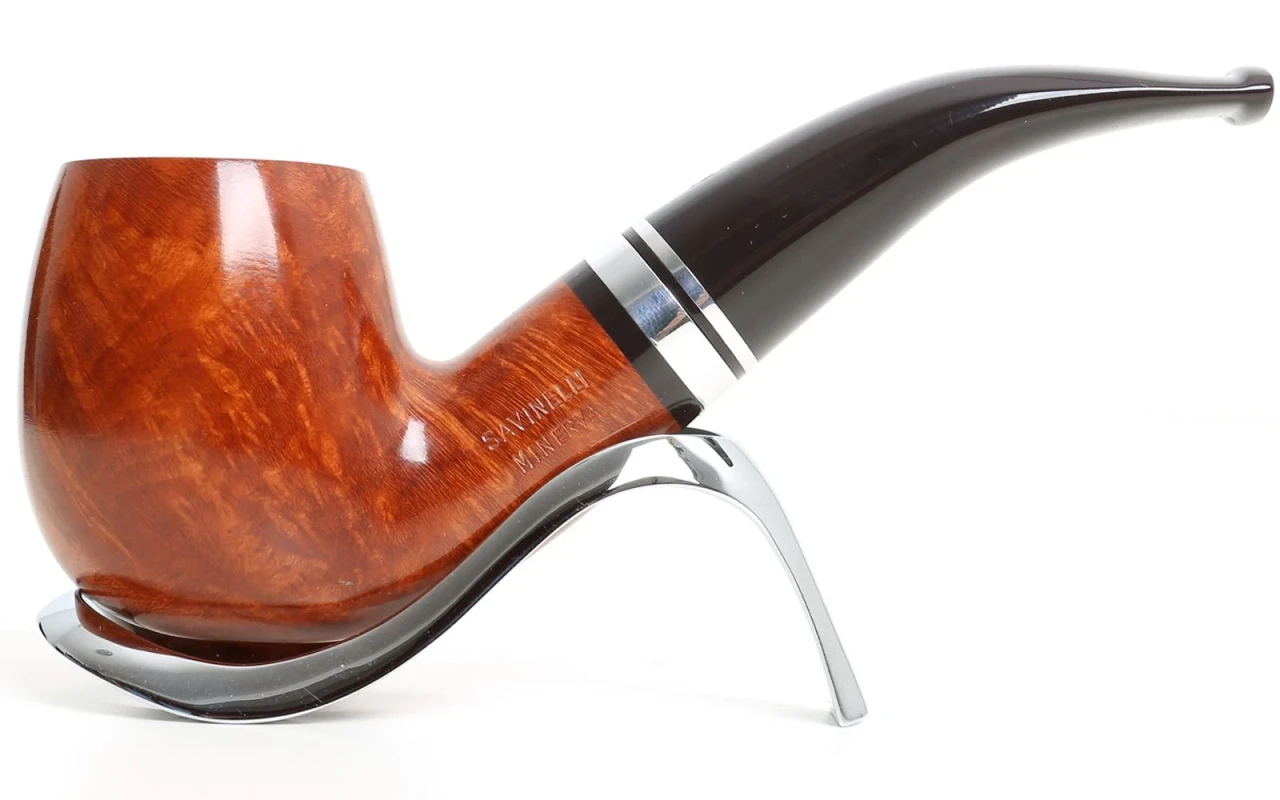
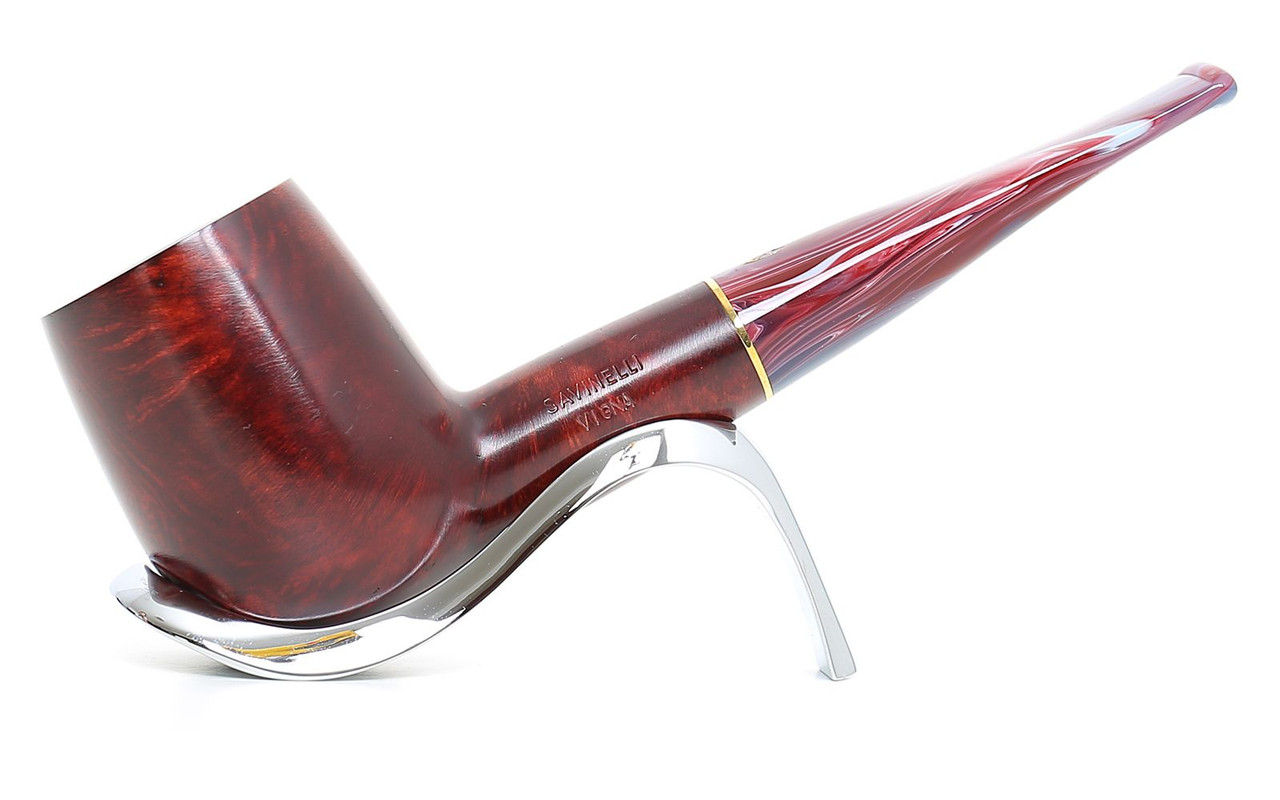
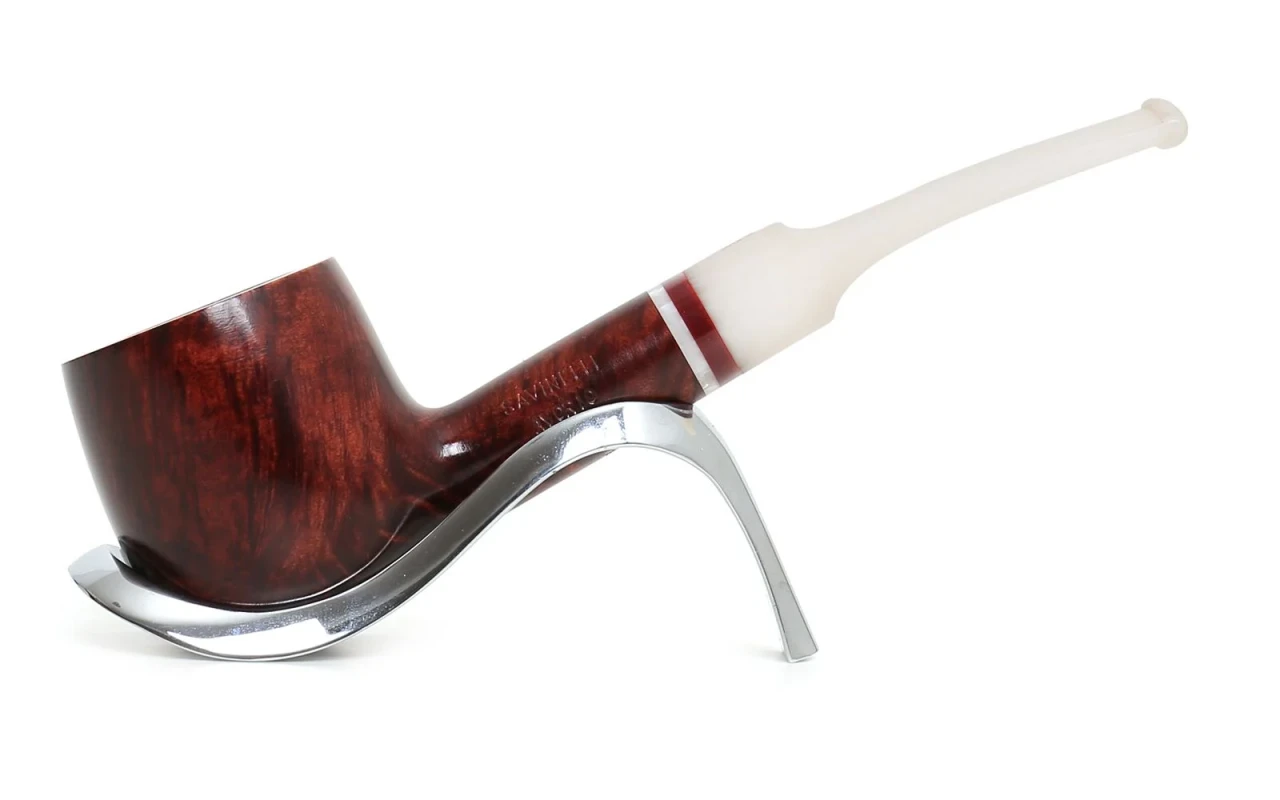
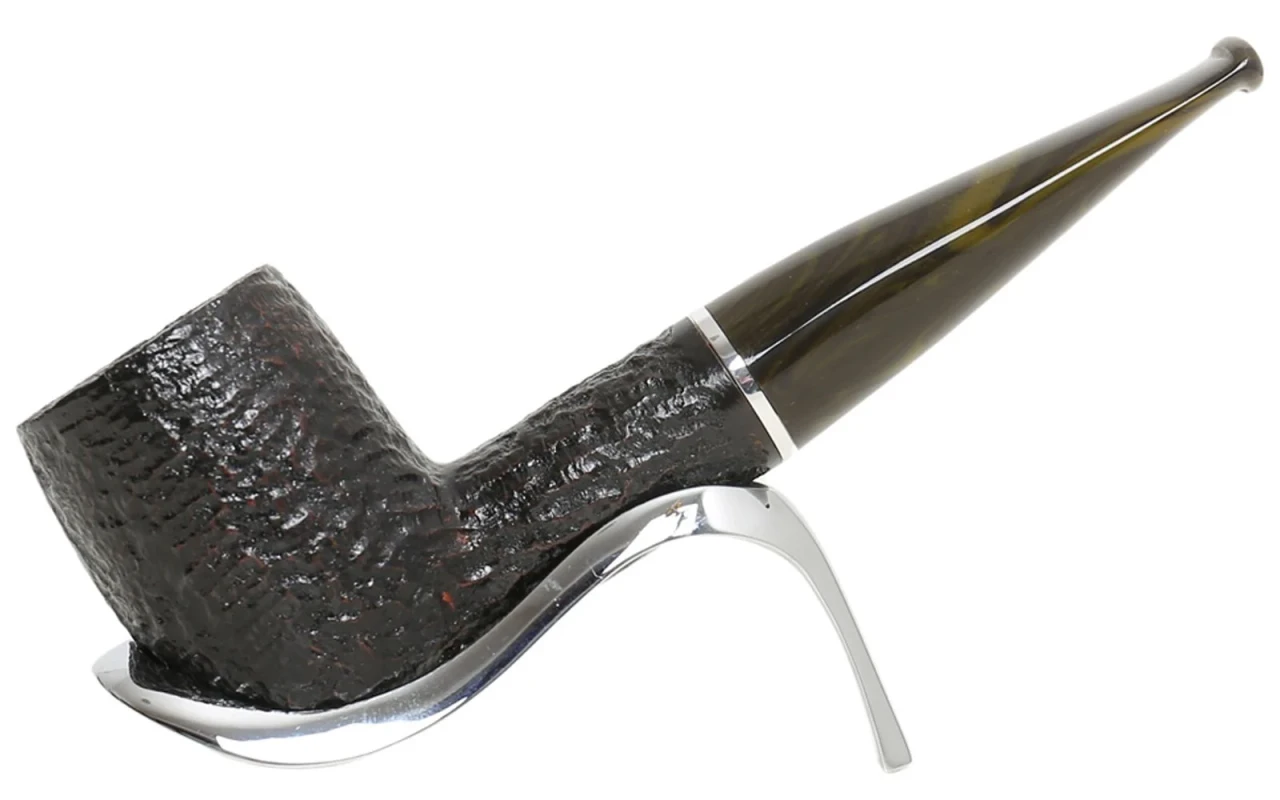
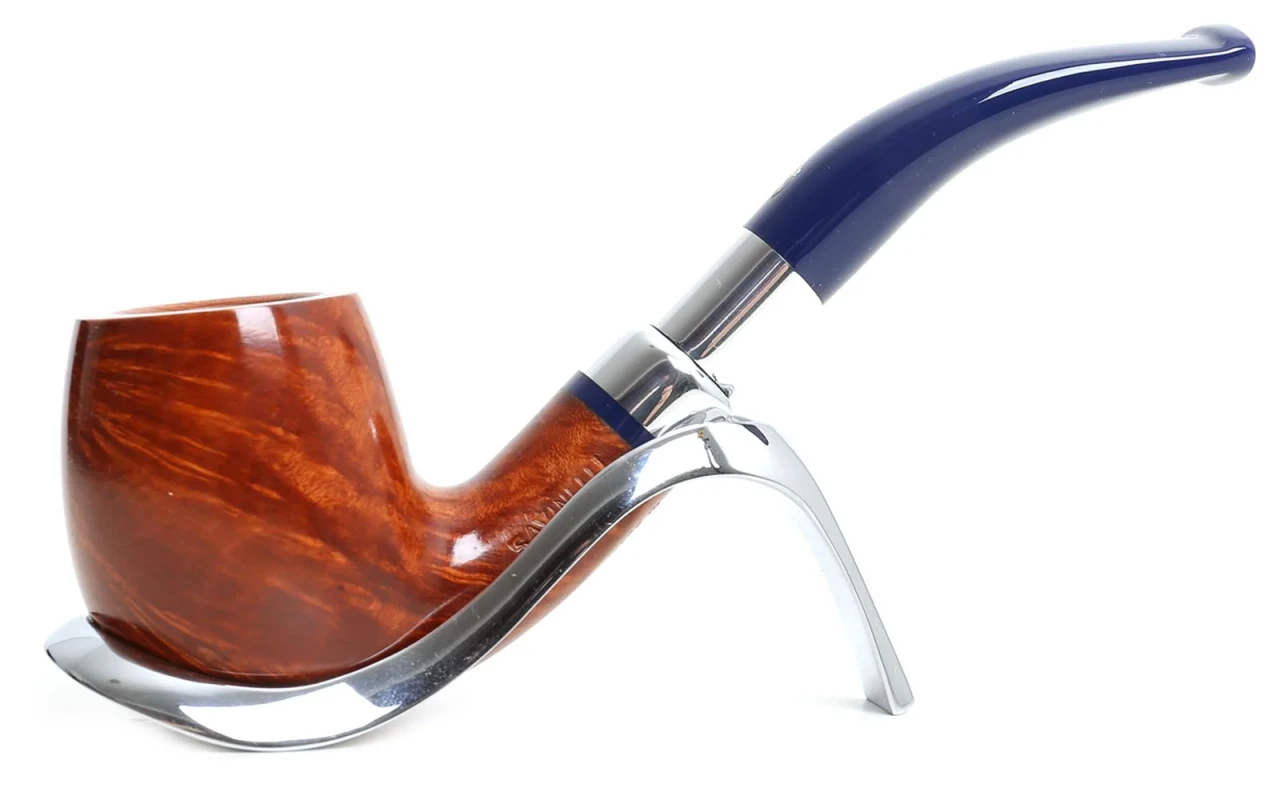
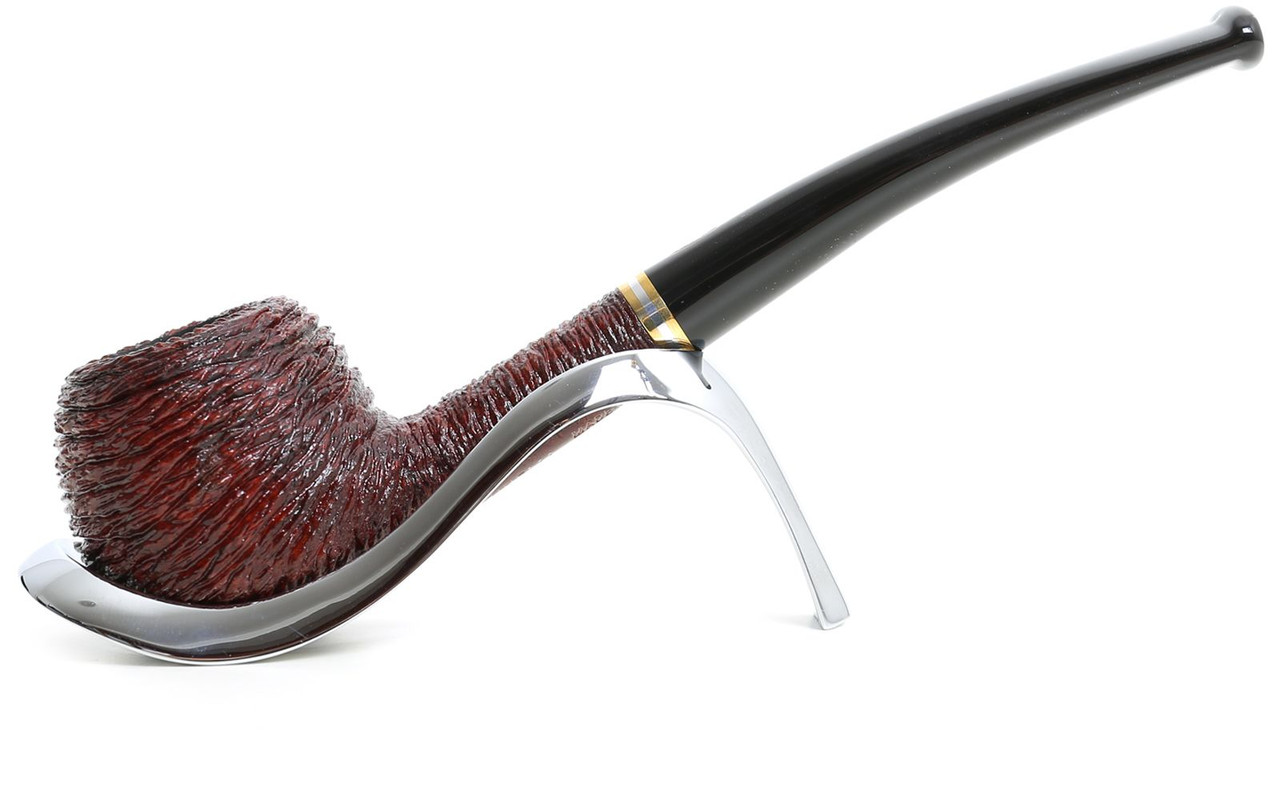
The pipe spread in Europe in the 16th century thanks to contact with the New World, where indigenous populations already used it. European navigators and merchants introduced tobacco and the pipe, which quickly became popular as a status symbol and a tool for slow, ritual smoking.
How did the pipe spread in Europe after the discovery of America? Deep dive
Following the discovery of America in 1492, the pipe spread throughout Europe mainly through exploratory voyages and trade with the indigenous peoples of the New World. Native Americans used the pipe not only for smoking tobacco but also in social and spiritual rituals. European navigators, fascinated by this practice, imported both tobacco and pipes, initially made from natural materials such as clay and wood. During the 16th century, the pipe became a widespread accessory among European social classes, valued for the slow and meditative smoke it offered. Its dissemination was also supported by the growing artisanal production and the variety of shapes and materials employed, making it an object of cult and distinction. Over time, the pipe established itself as a symbol of relaxation and reflection, accompanying the culture of slow smoking in Europe up to the present day.