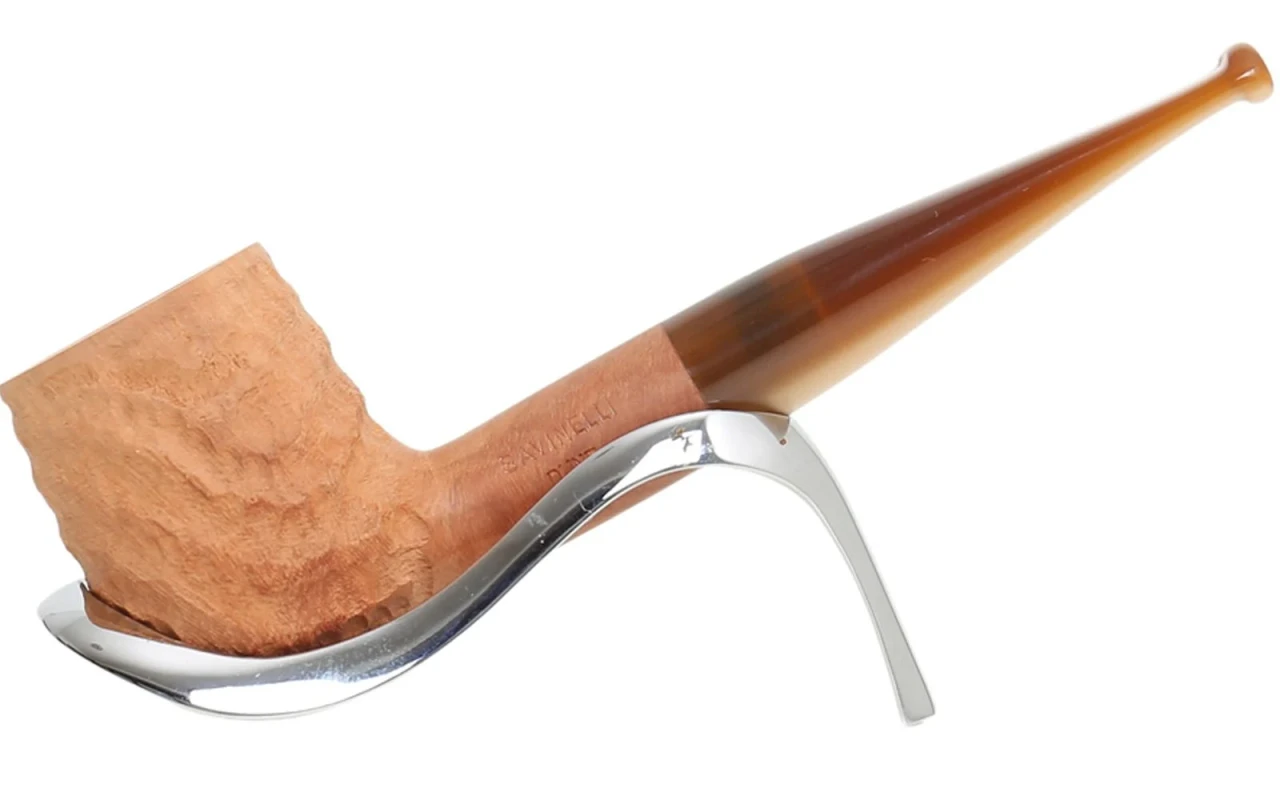
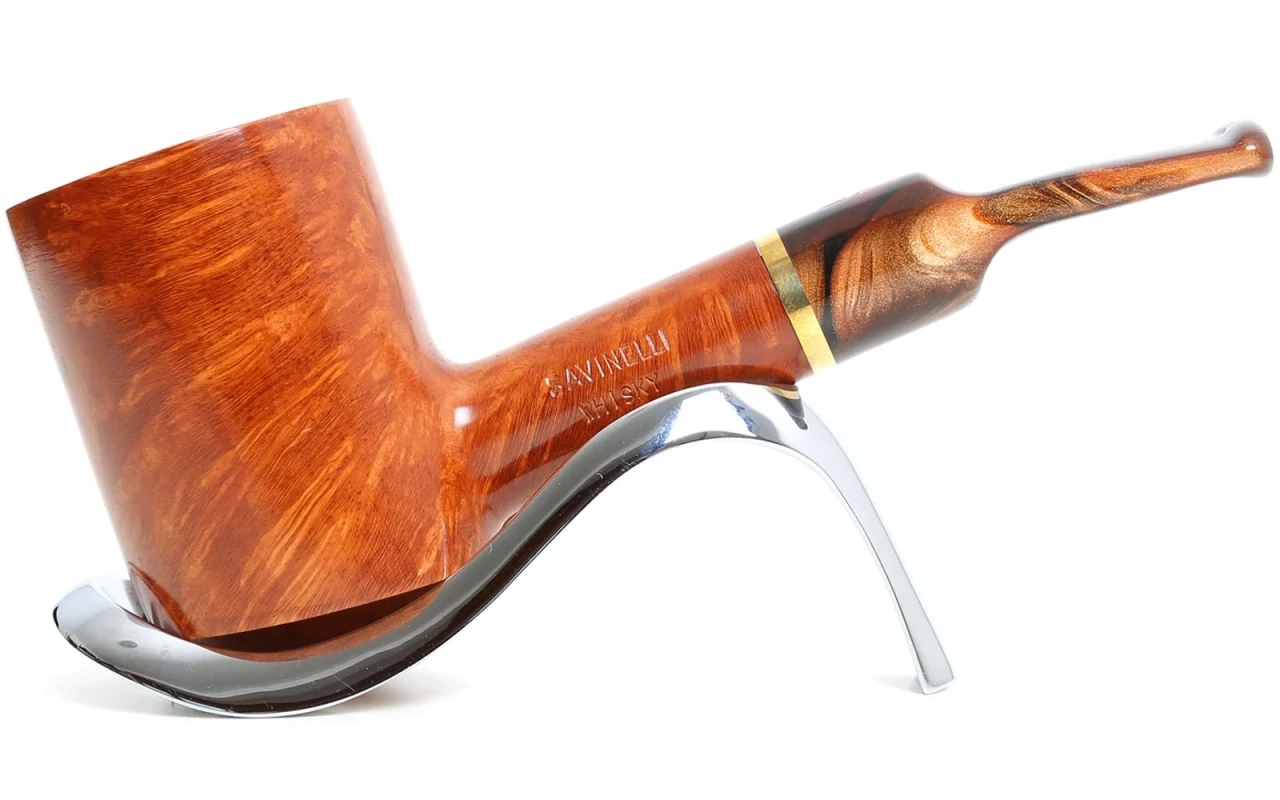
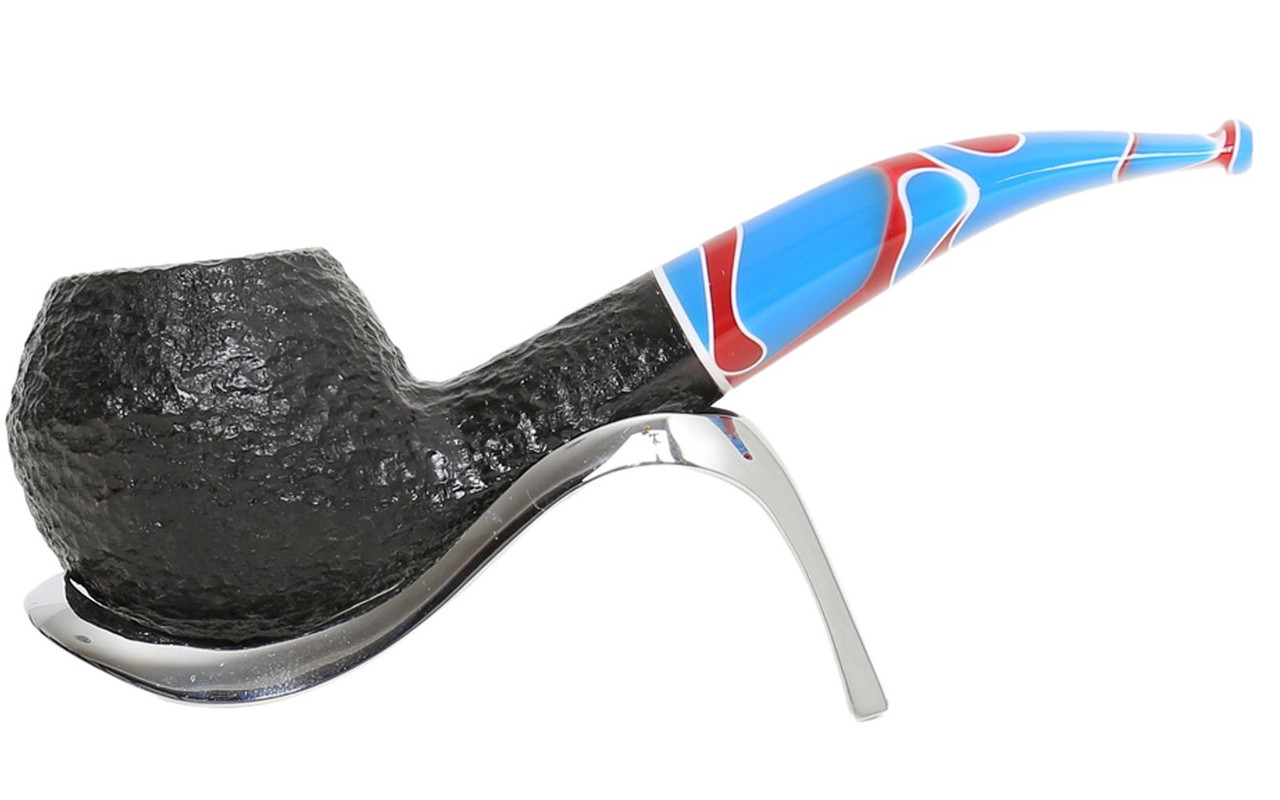
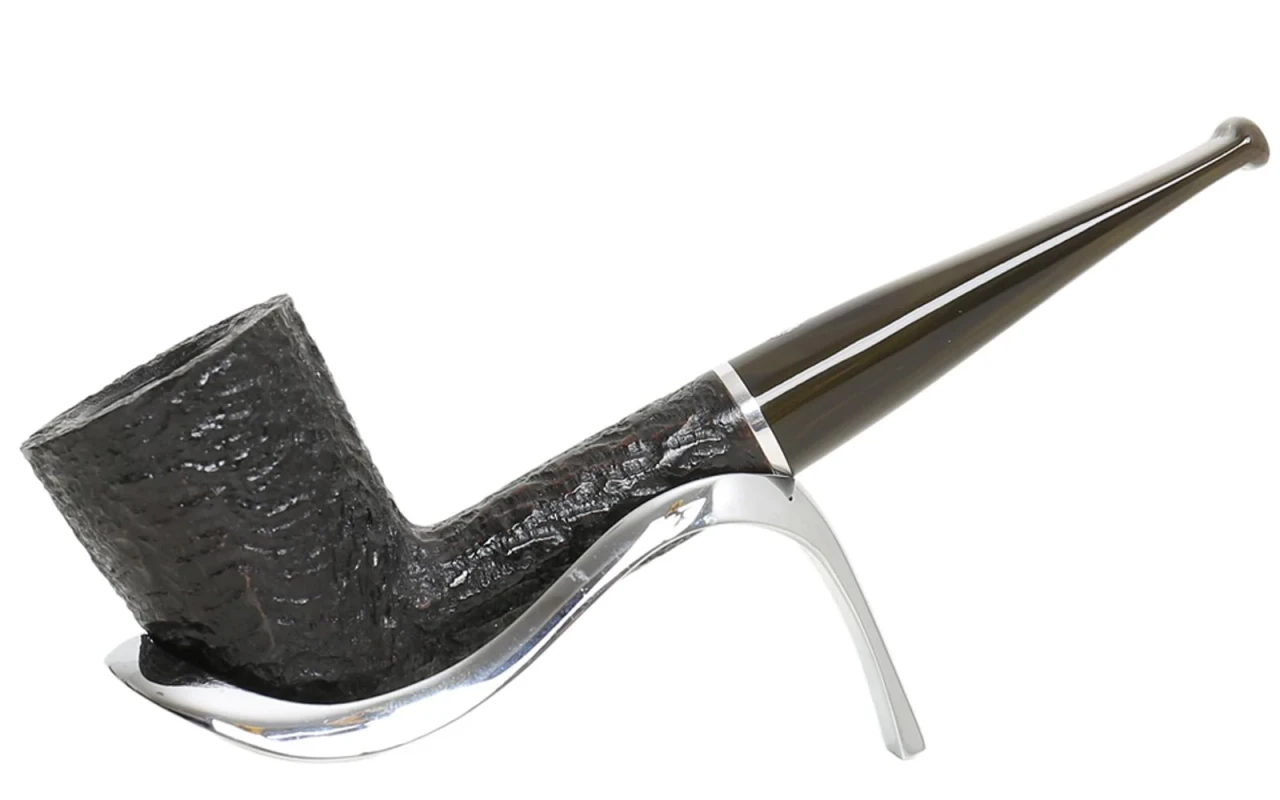
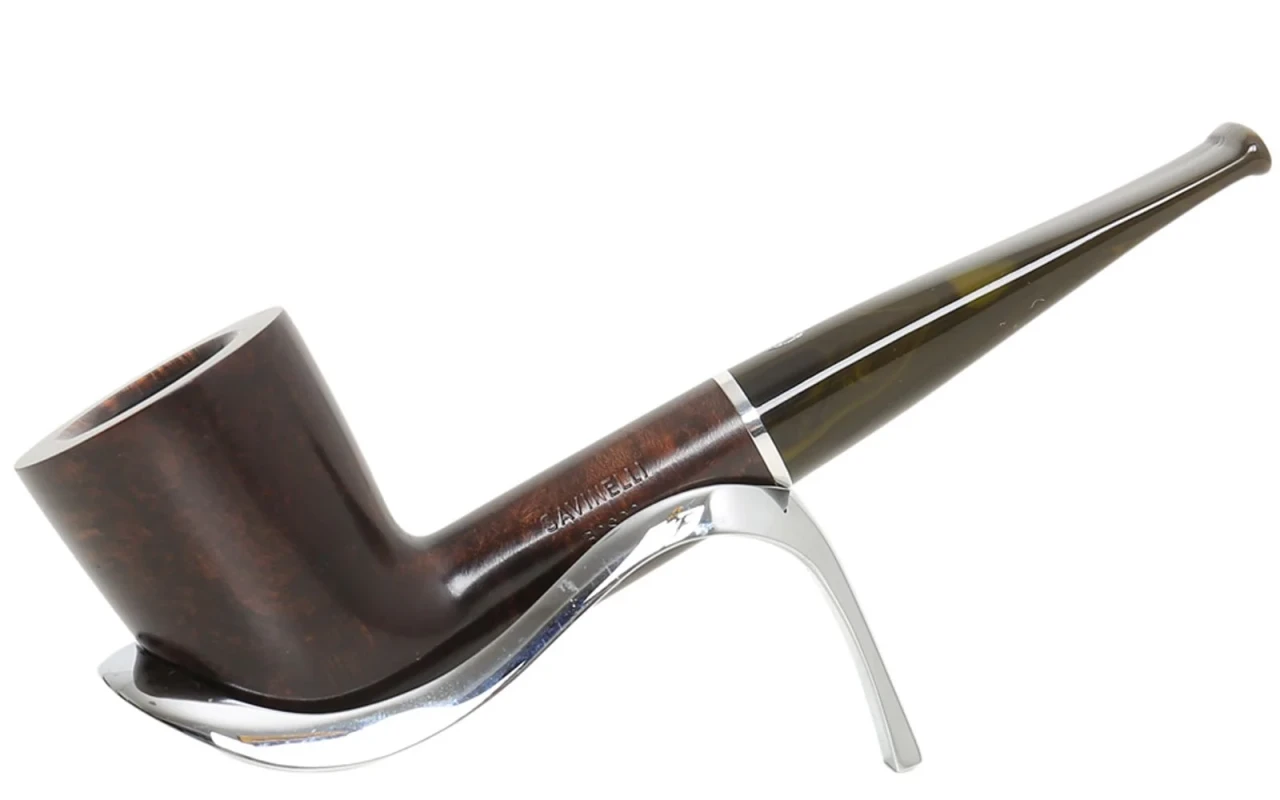
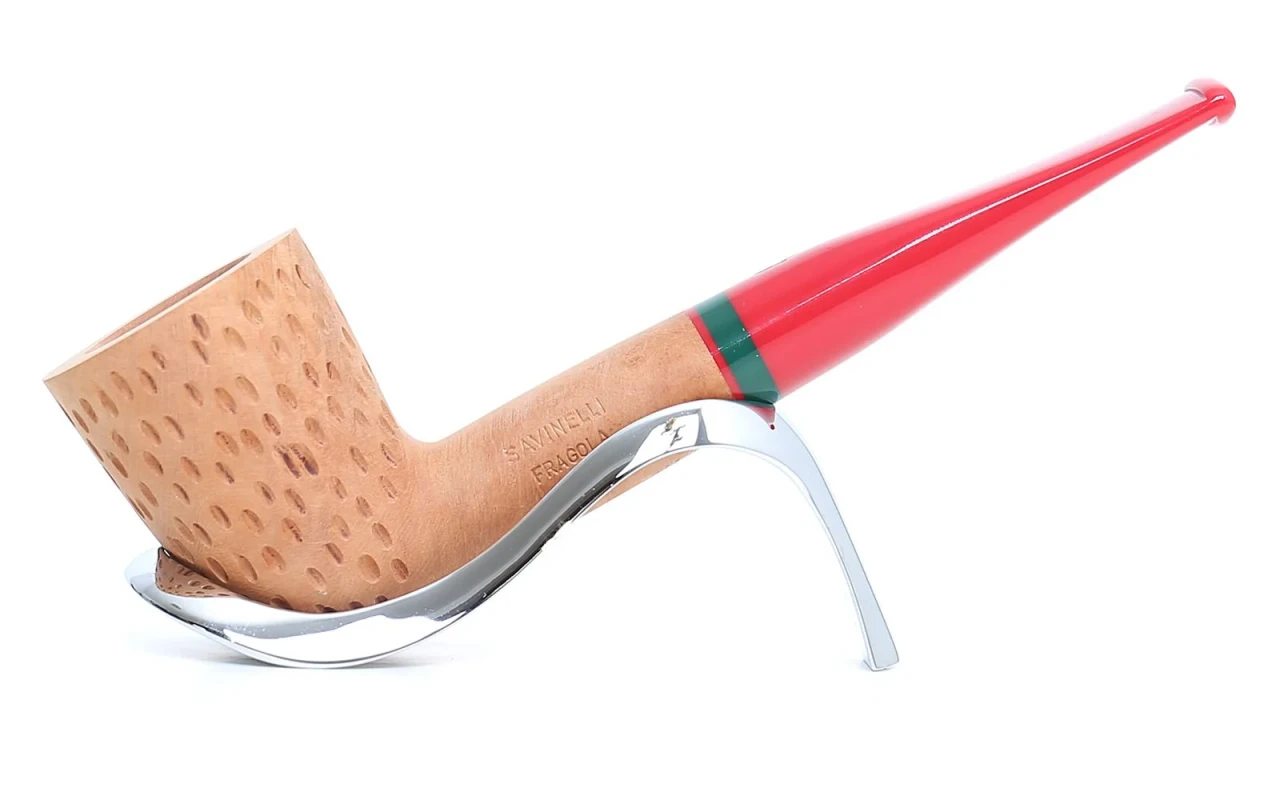
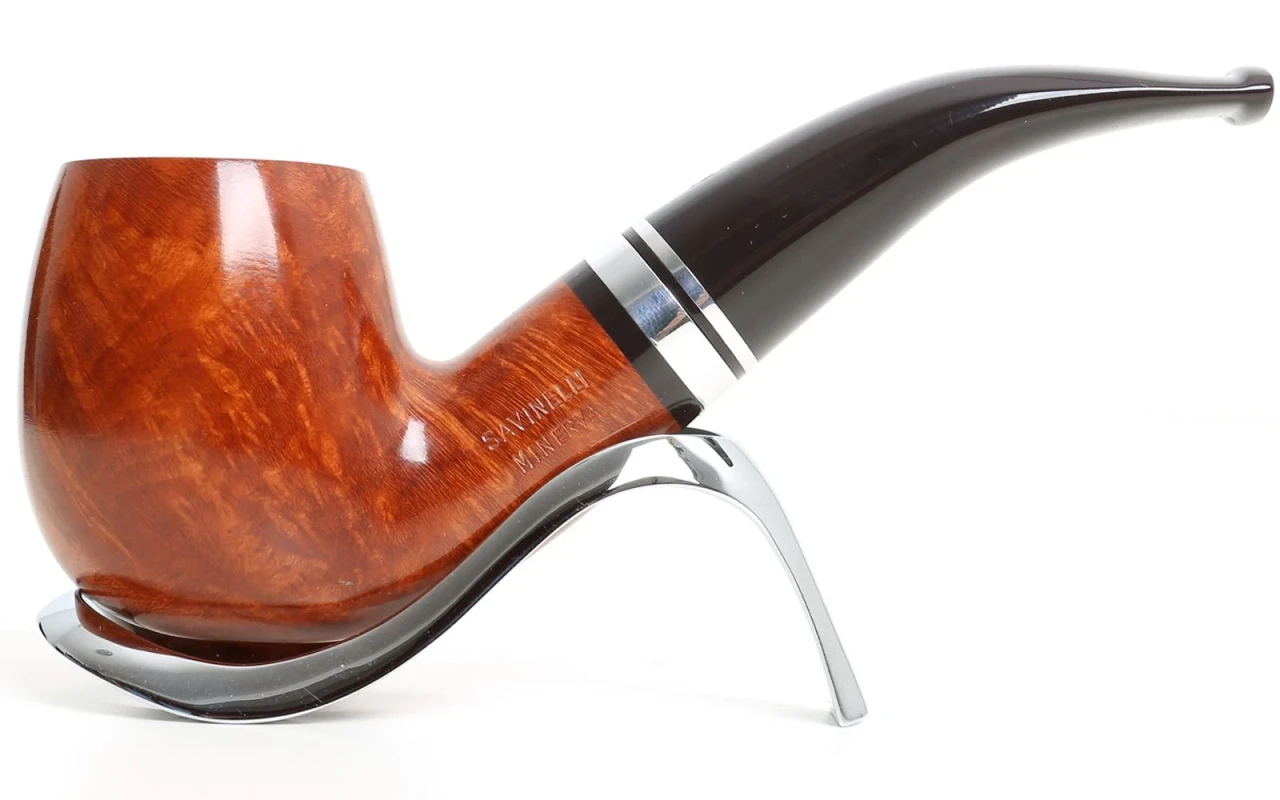
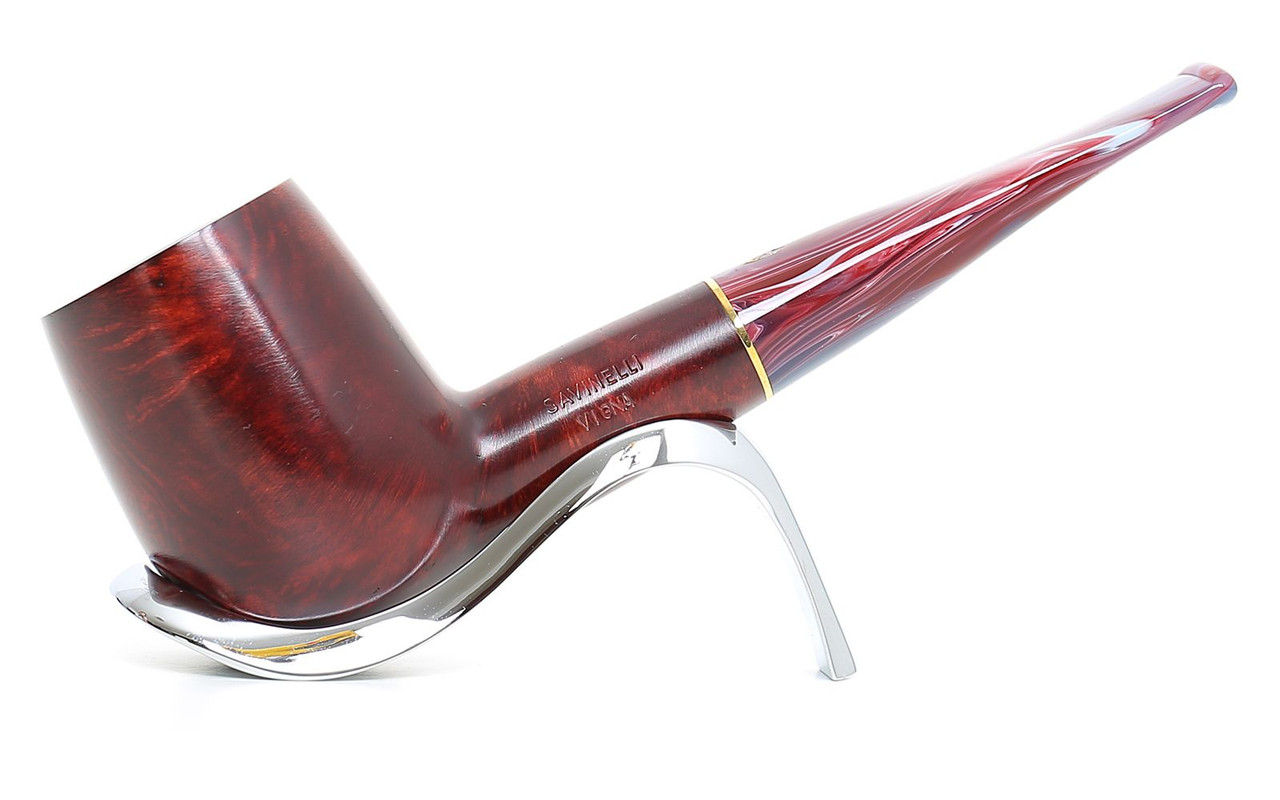
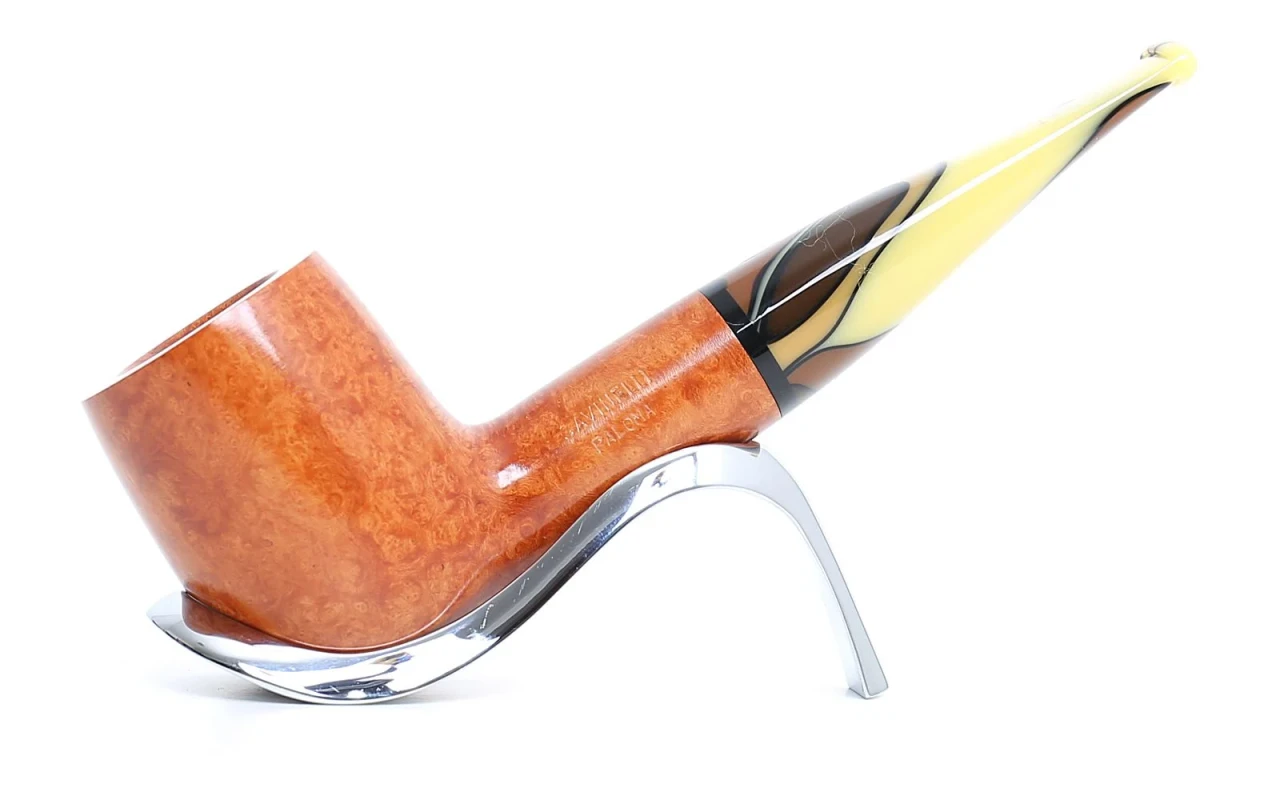
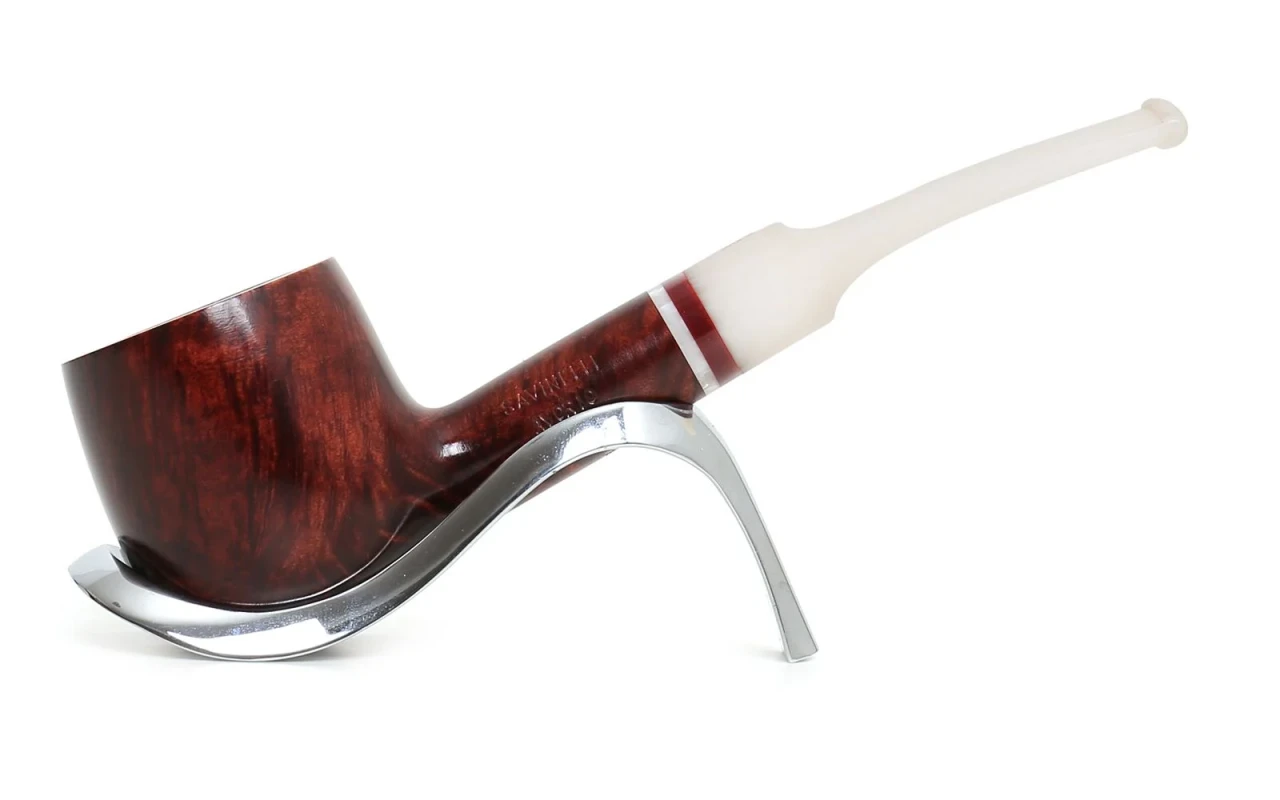
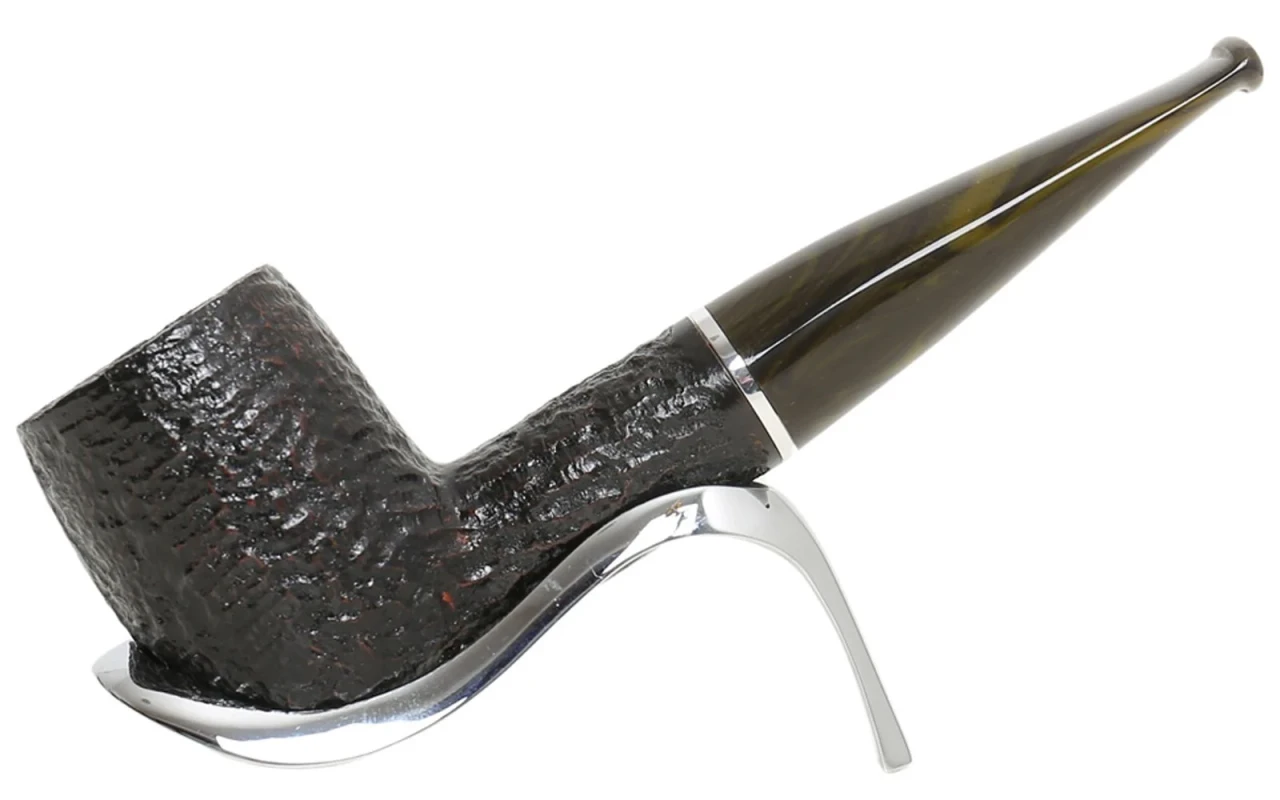
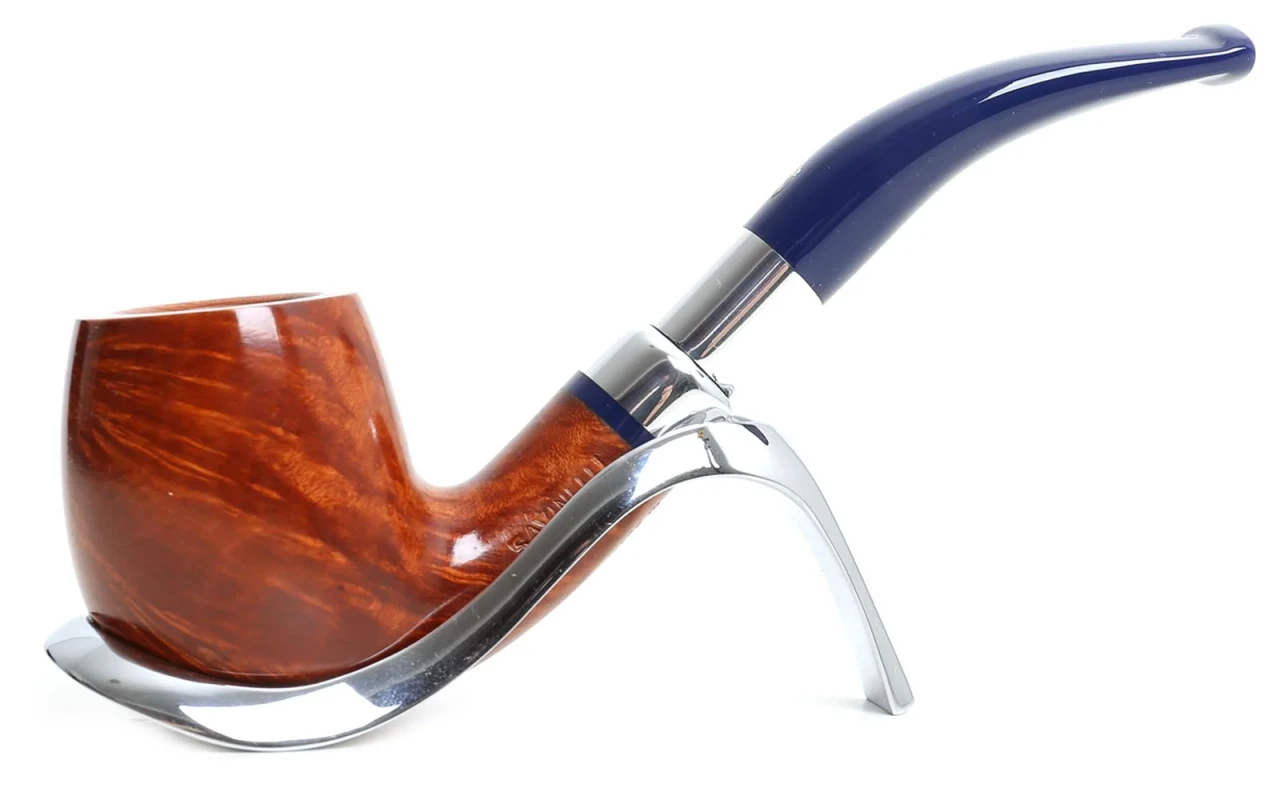
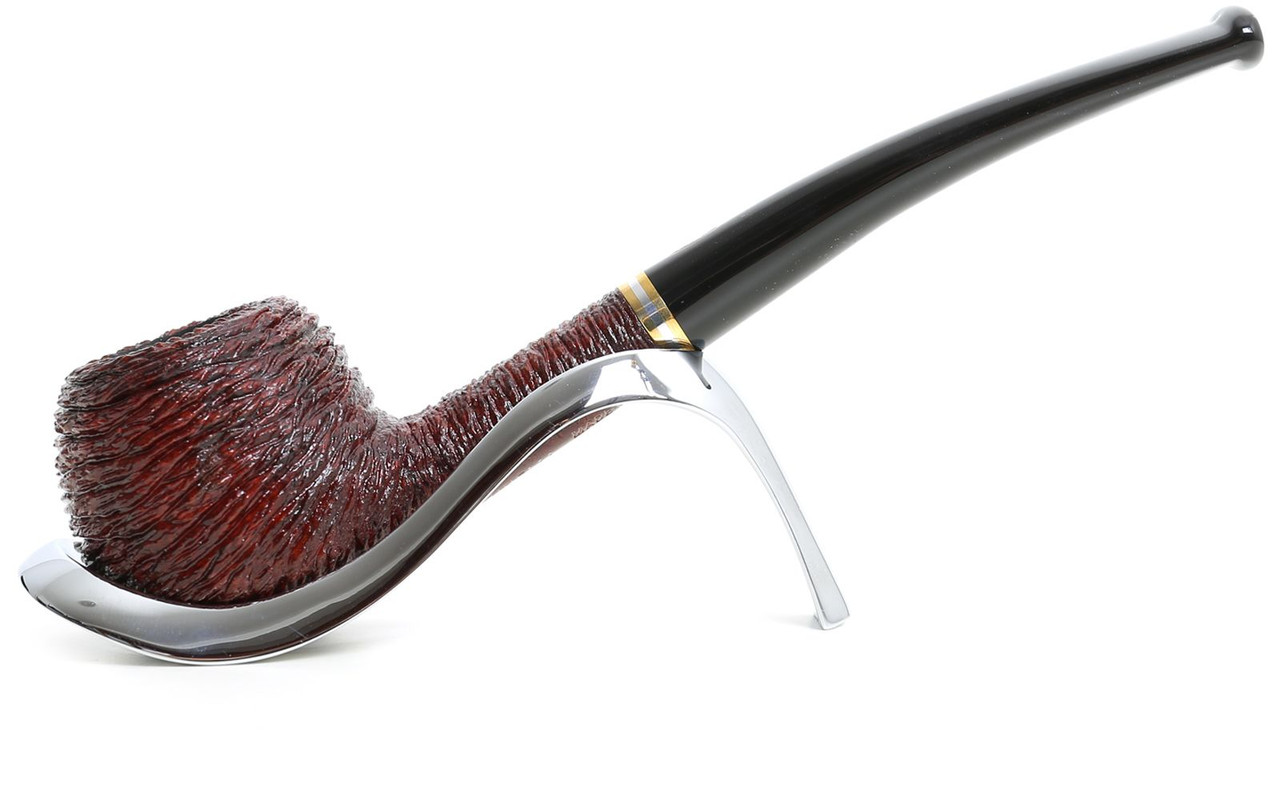
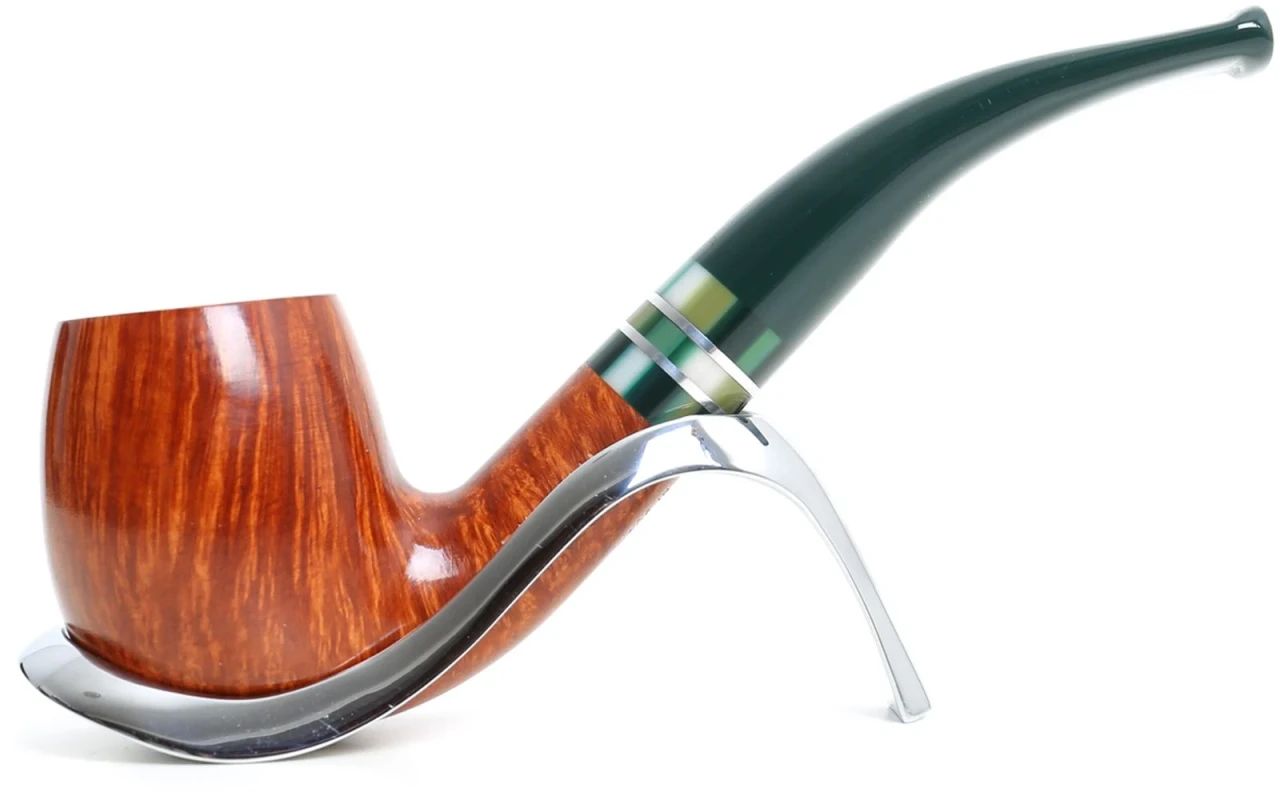
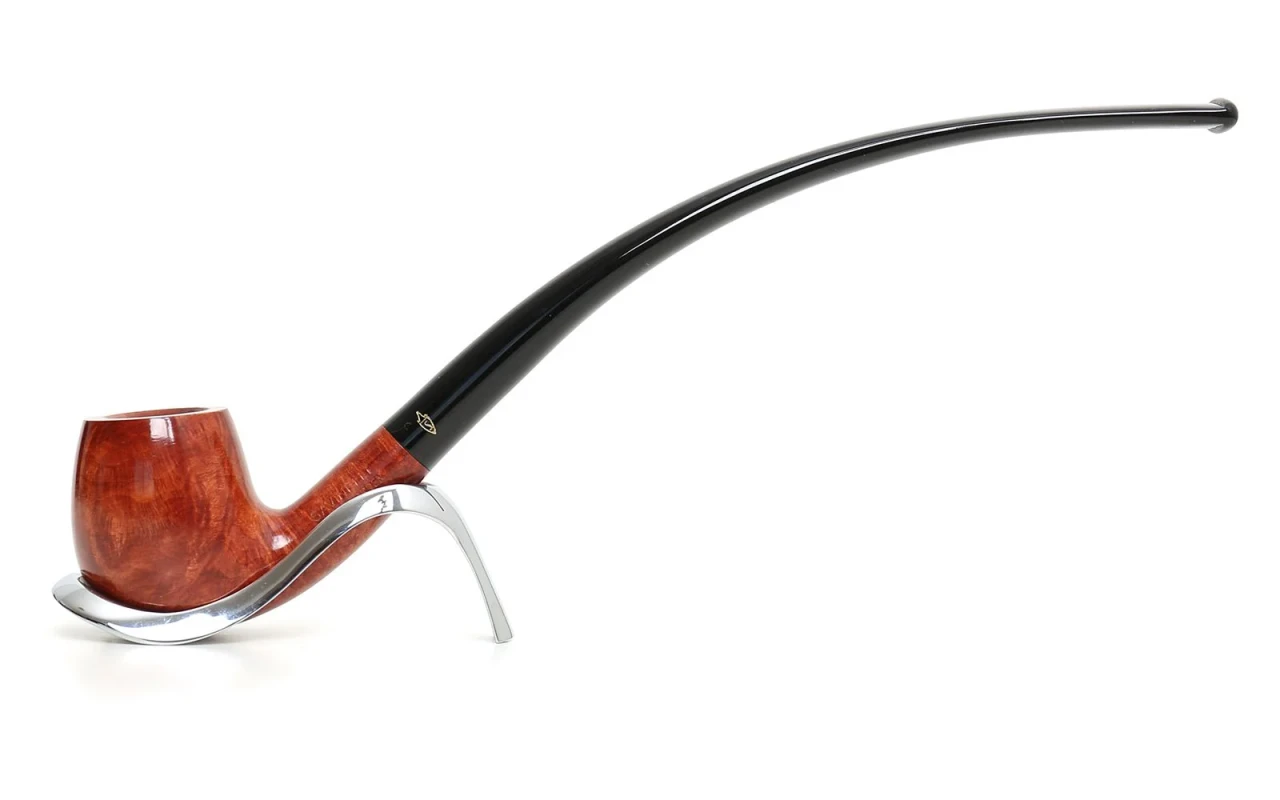
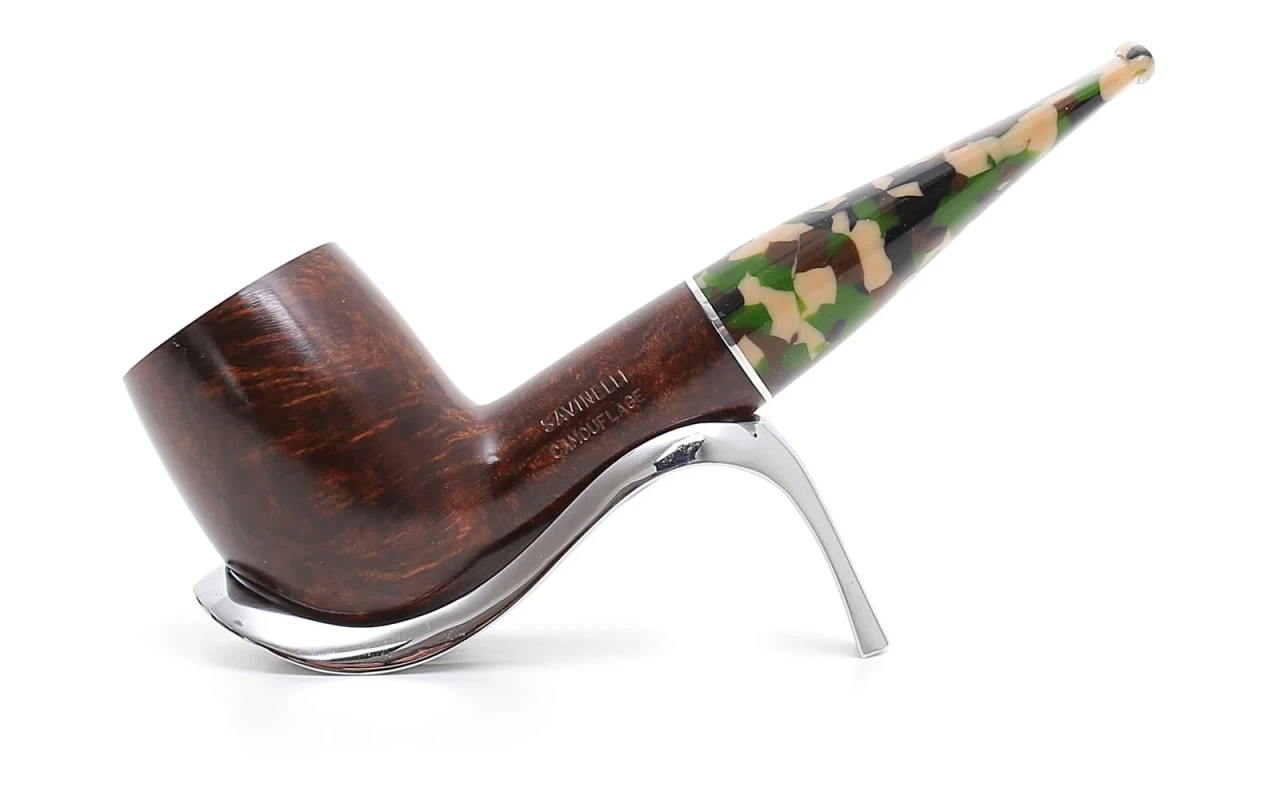
The tobacco pipe has ancient origins, born in the indigenous cultures of the Americas, where it was used in ritual ceremonies. After the discovery of the New World, the pipe spread to Europe and the rest of the world, evolving in shapes and materials, becoming a symbol of slow-smoking culture and tradition.
Where was the tobacco pipe born and how did it spread worldwide? Deep dive
The tobacco pipe has deep roots in the indigenous cultures of the Americas, where it was used not only for tobacco consumption but also in ritual and social contexts. These peoples developed the first pipes, often made from natural materials such as stone, clay, or wood. With the arrival of European explorers in the 15th and 16th centuries, the pipe and tobacco were introduced to Europe, where they quickly gained popularity. Over the centuries, the pipe evolved in terms of design, materials, and crafting techniques, transitioning from clay to briar wood, and later to more modern materials. The global spread of the pipe was also facilitated by trade and the culture of slow smoking, which elevated the pipe as a handcrafted object and symbol of relaxation and reflection. Today, the pipe represents an established tradition in many parts of the world, with a wide range of shapes and finishes that reflect the history and culture of slow smoking.