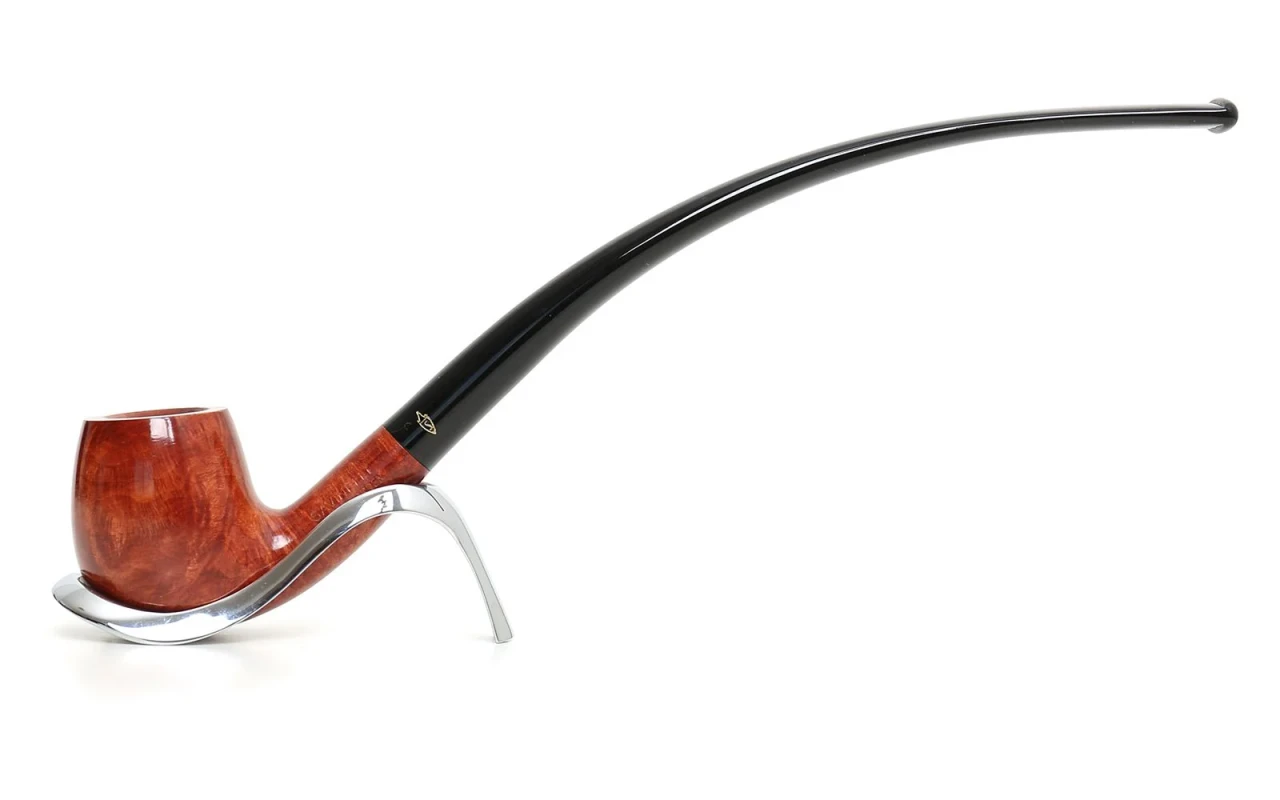
New tobacco has a fresher, often sharper taste, while aged tobacco develops softer, more complex aromas through maturation. Aging reduces harsh notes, making smoking more balanced and enjoyable for many pipe enthusiasts.
What is the difference between new and aged pipe tobacco? Deep dive
The main difference between new and aged pipe tobacco lies in aroma profile and flavor complexity. New tobacco, freshly processed or minimally aged, tends to retain a more intense, fresh, and sometimes sharper taste, with notes that may feel more pungent or less harmonious. This is because aromatic components have not yet fully blended or matured. In contrast, aged tobacco undergoes a maturation process lasting months or years, during which moisture decreases and volatile compounds transform or mellow. This results in a softer, rounder, and more complex aroma with deeper flavors and less bitterness. Aging also diminishes harsh or overly strong notes, producing a more balanced and pleasant smoke. For pipe smokers, choosing between new and aged tobacco depends on personal taste and desired experience: new tobacco offers a lively character, while aged tobacco is prized for refinement and harmony. Both require proper storage to maintain qualities, using airtight containers and controlled humidity to preserve freshness and aroma.