 ES
ES FR
FR EN
EN IT
IT DE
DE
Grain and Colors of Pipes
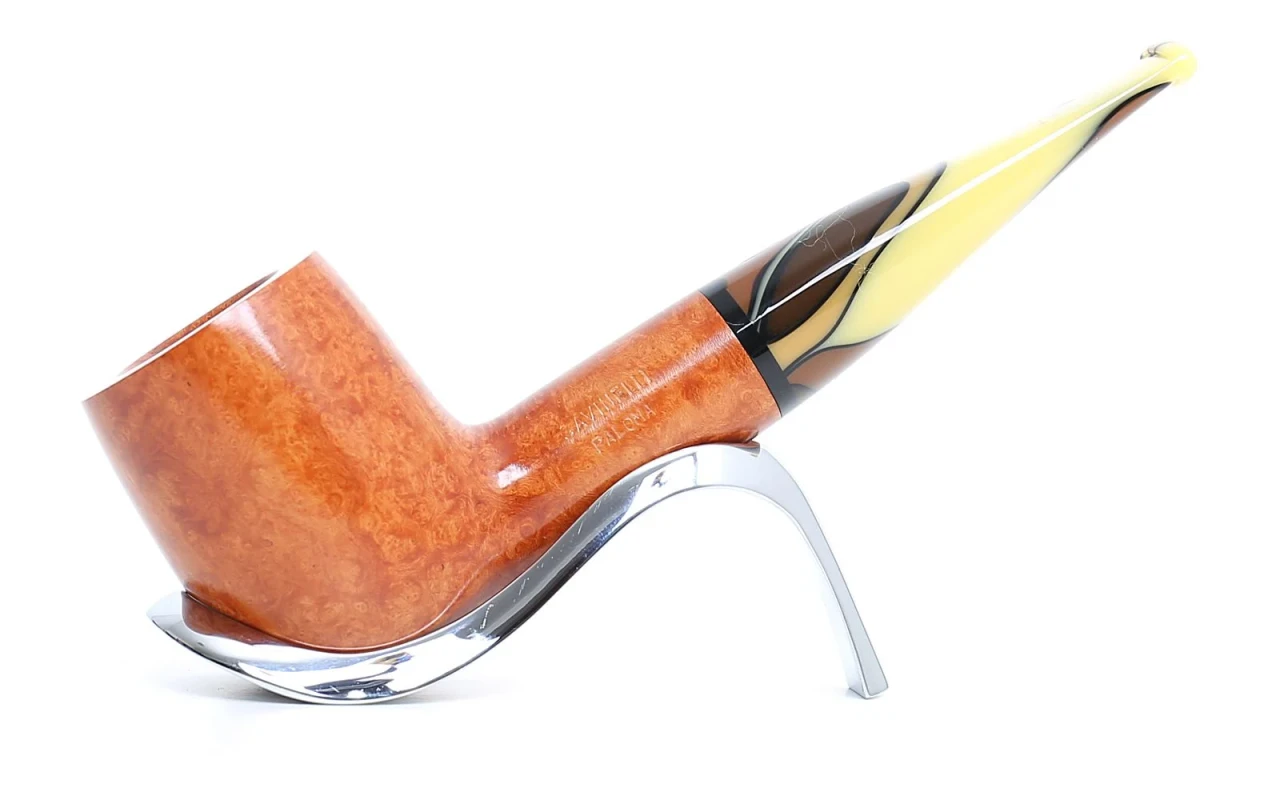
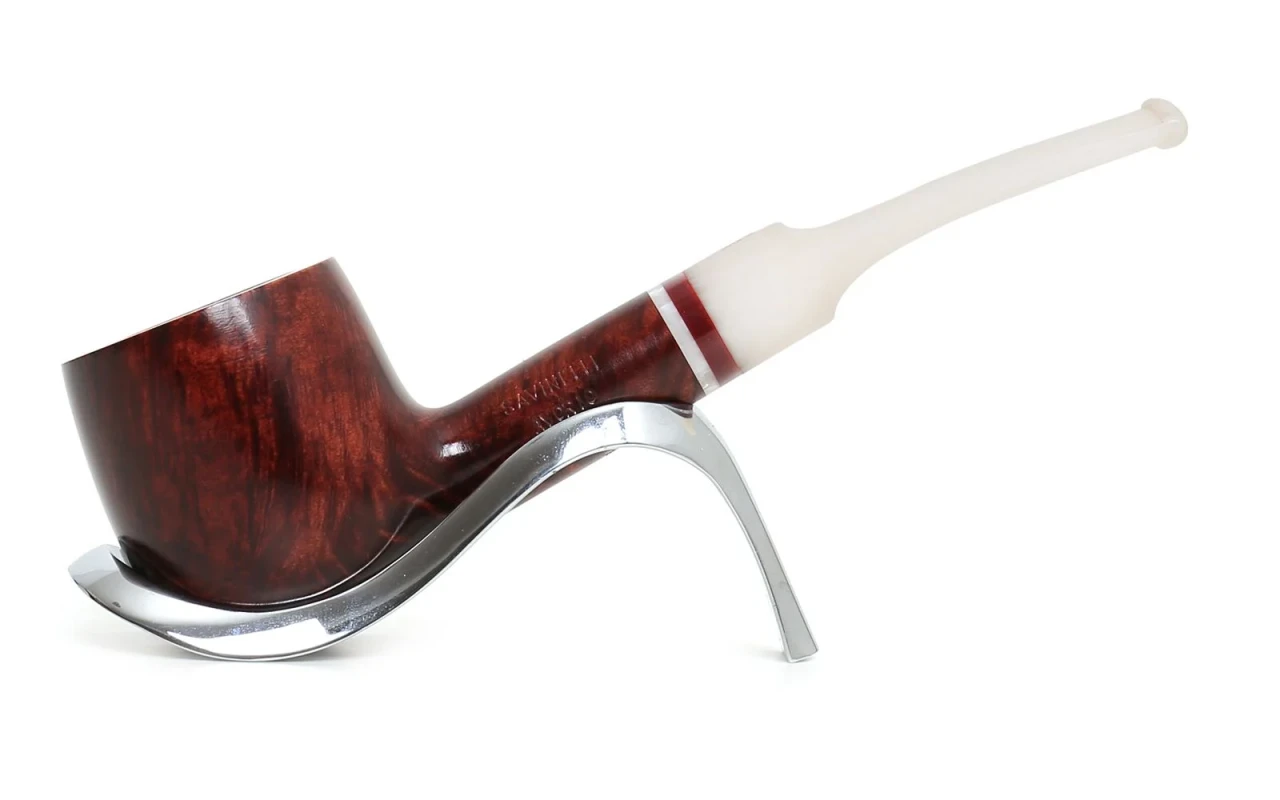
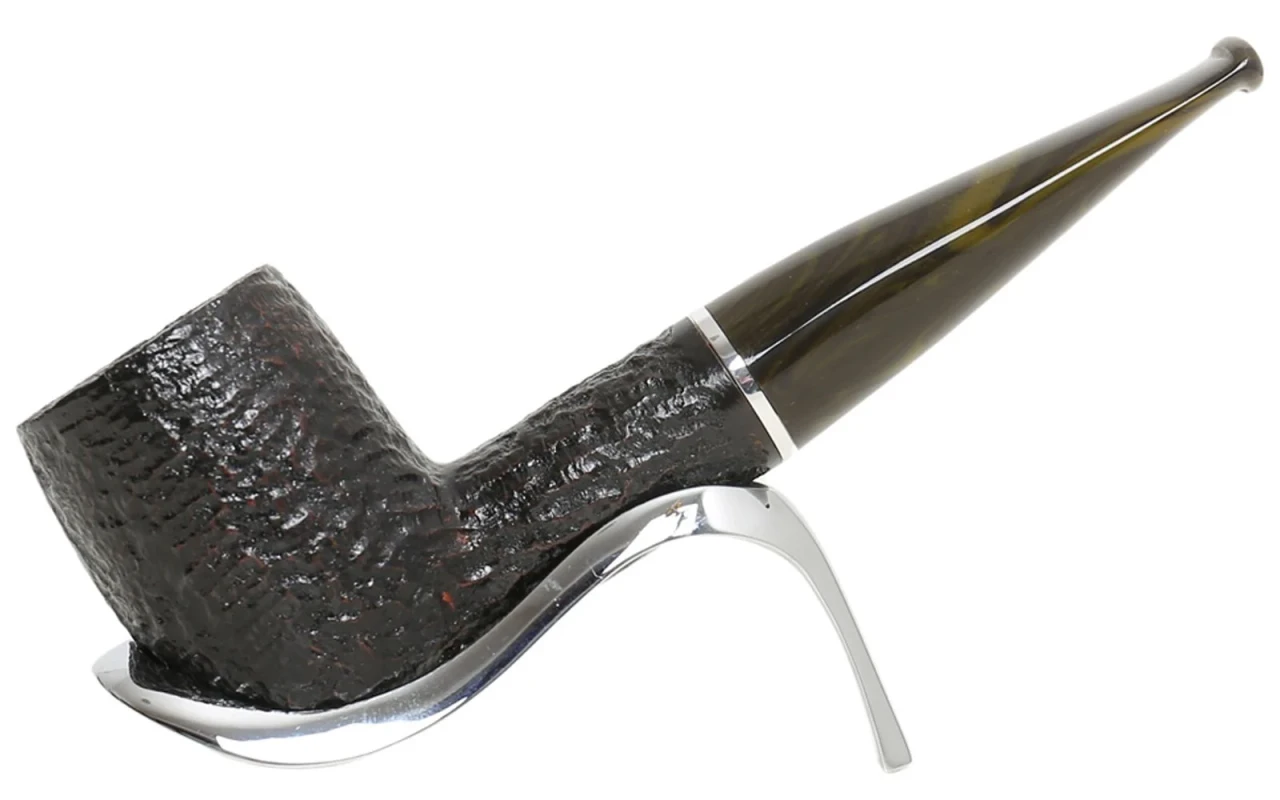
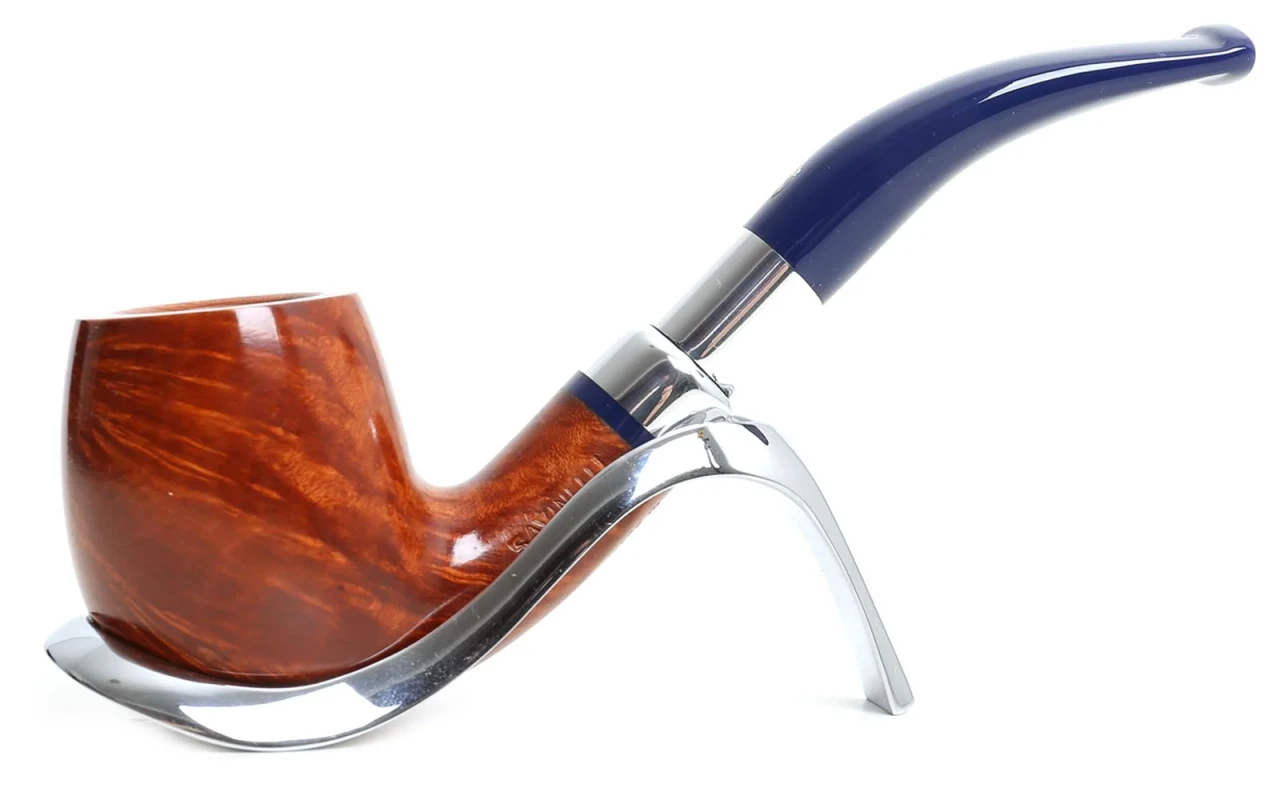
Grain and Colors of Pipes
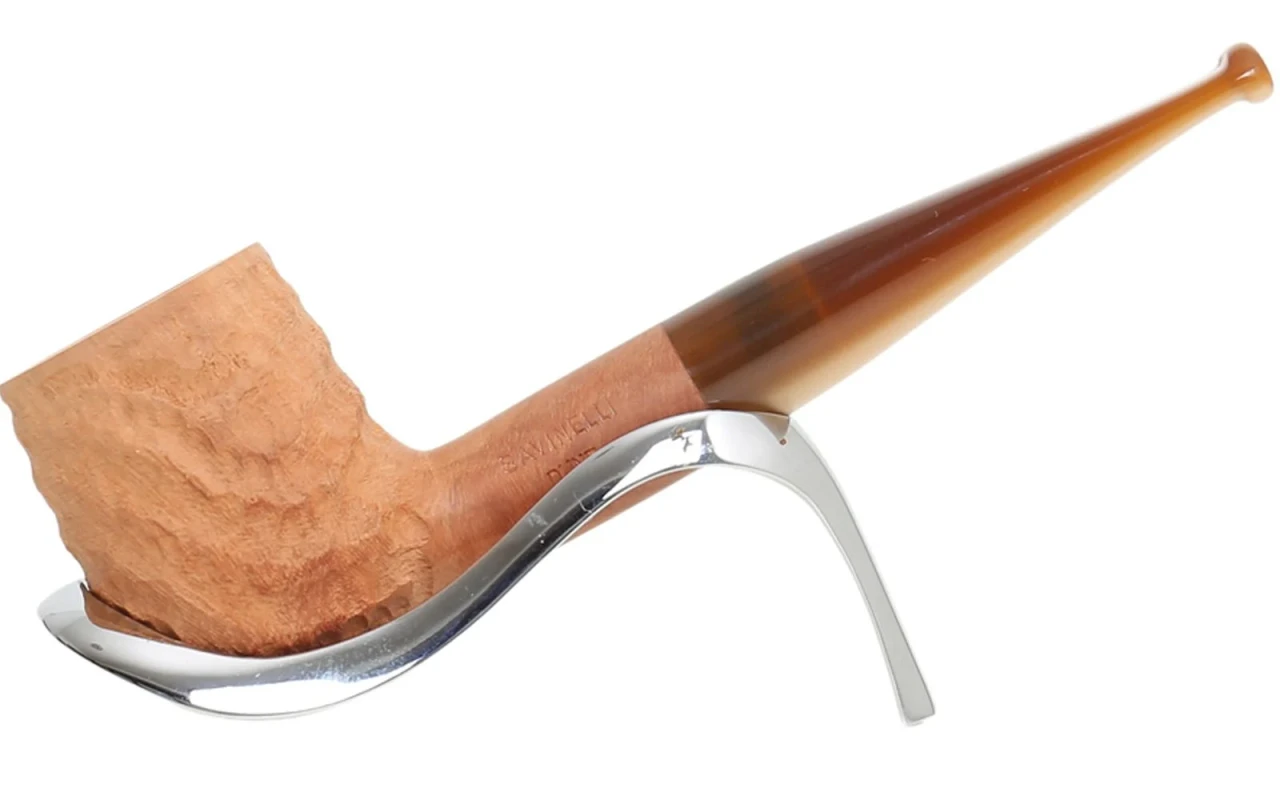
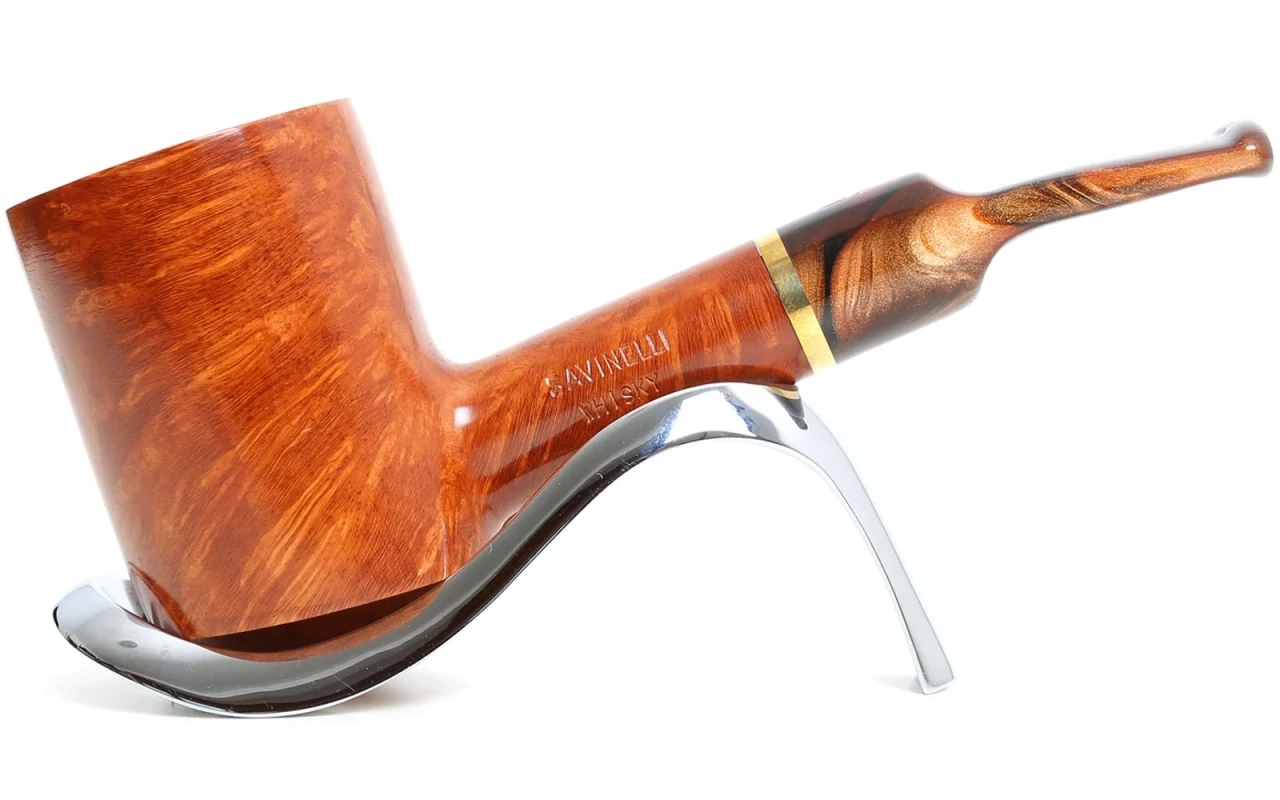
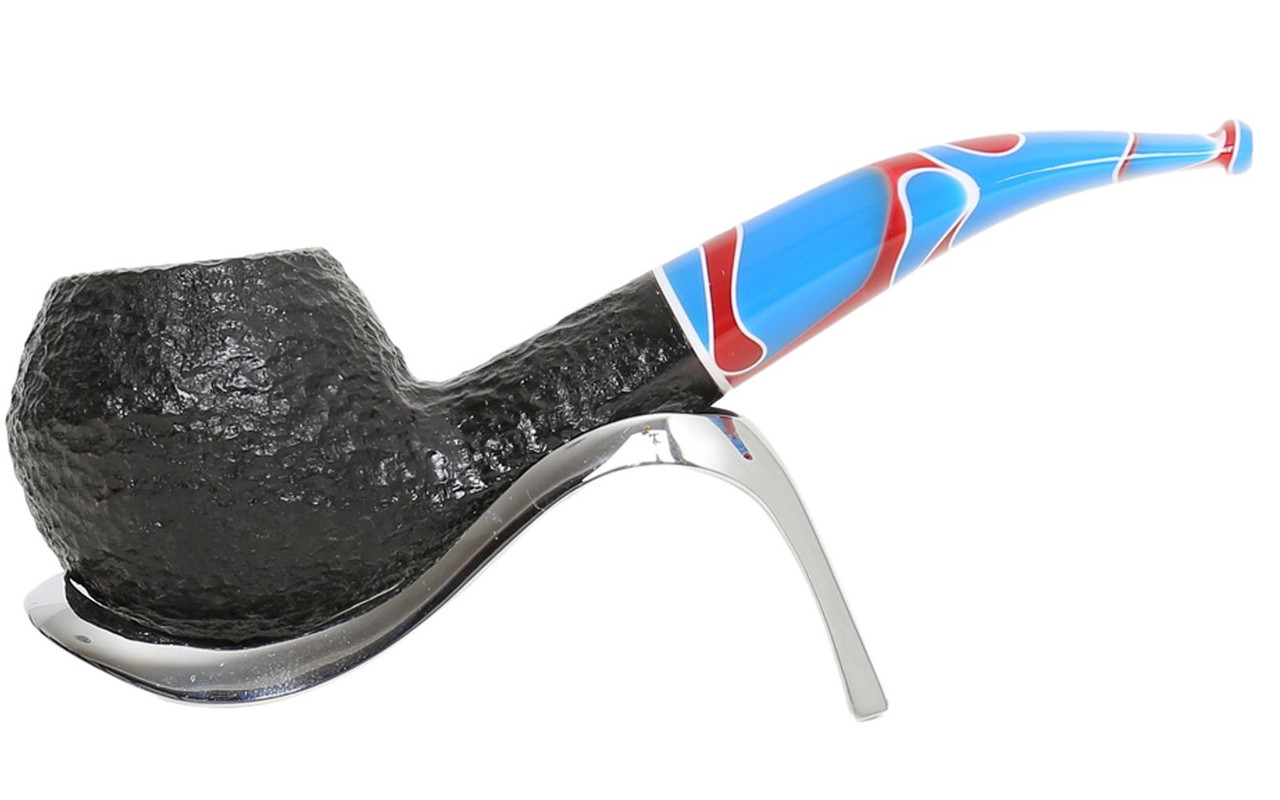
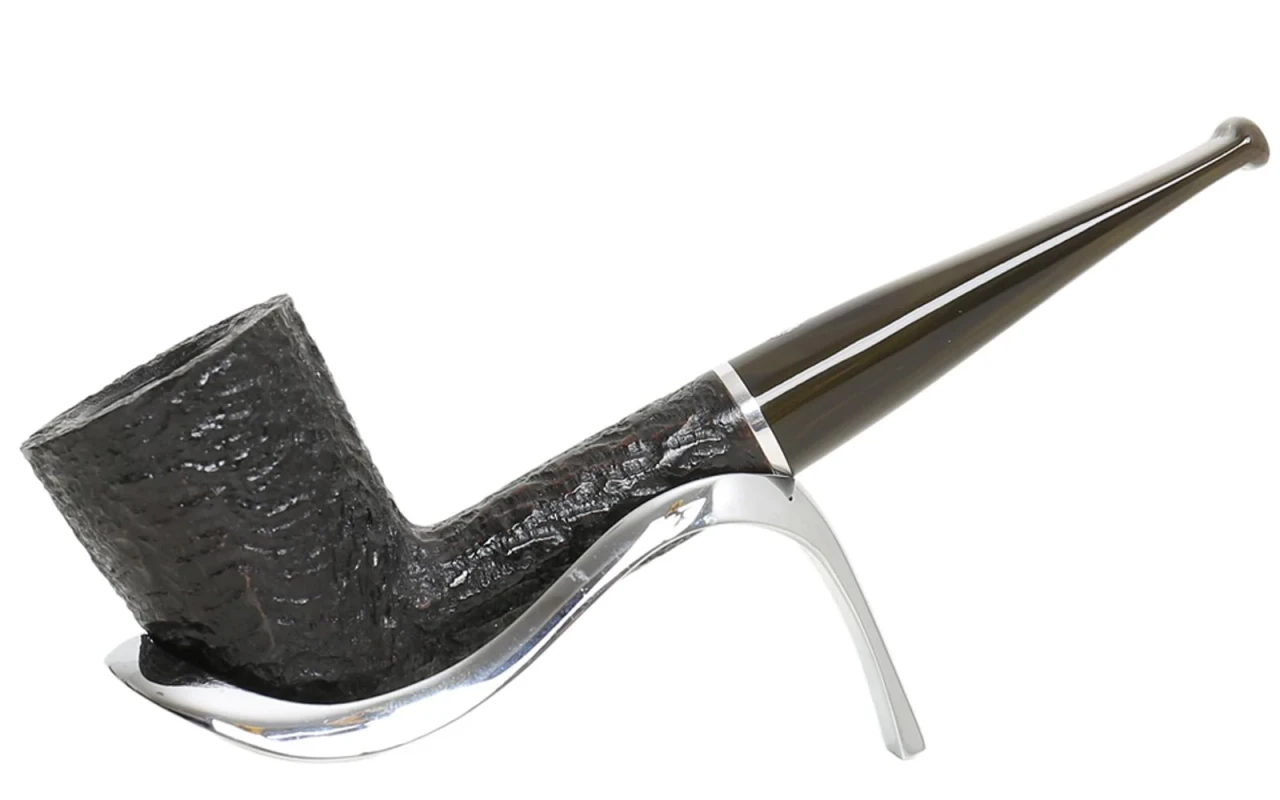
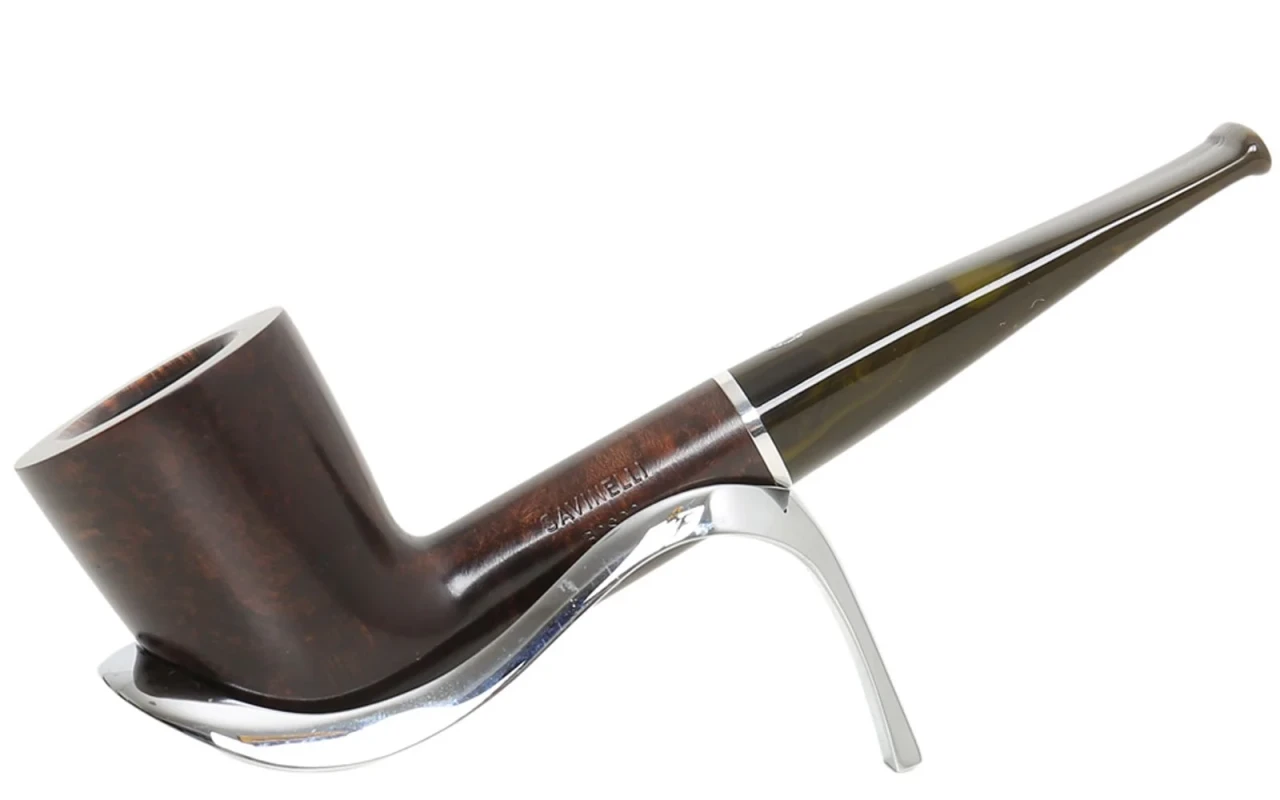
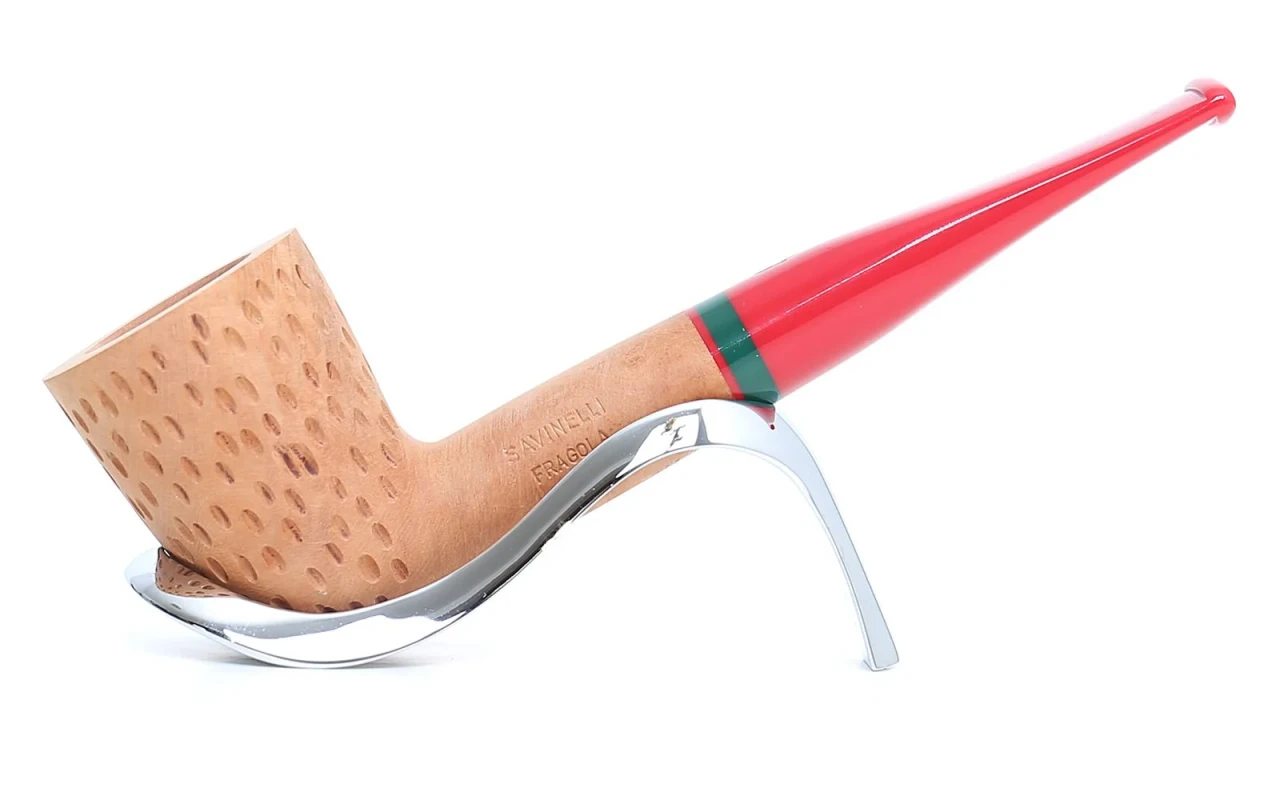
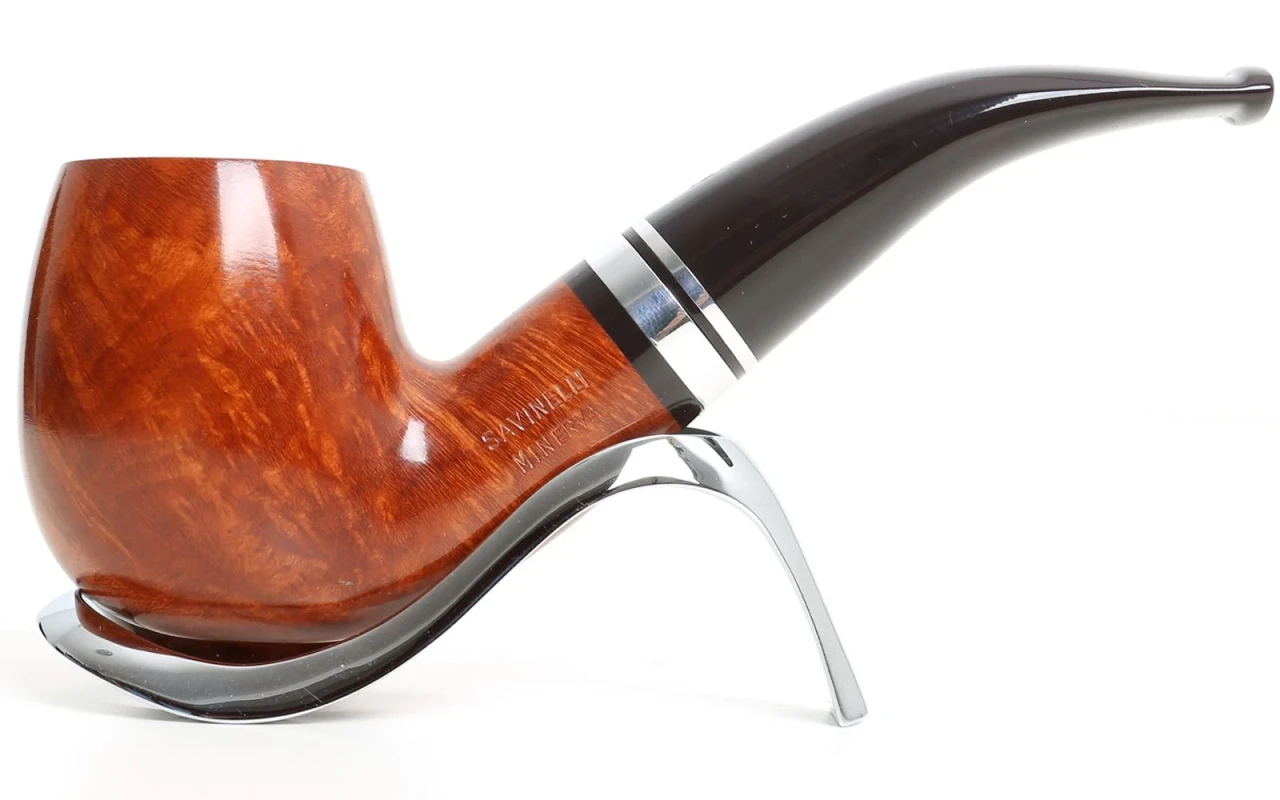
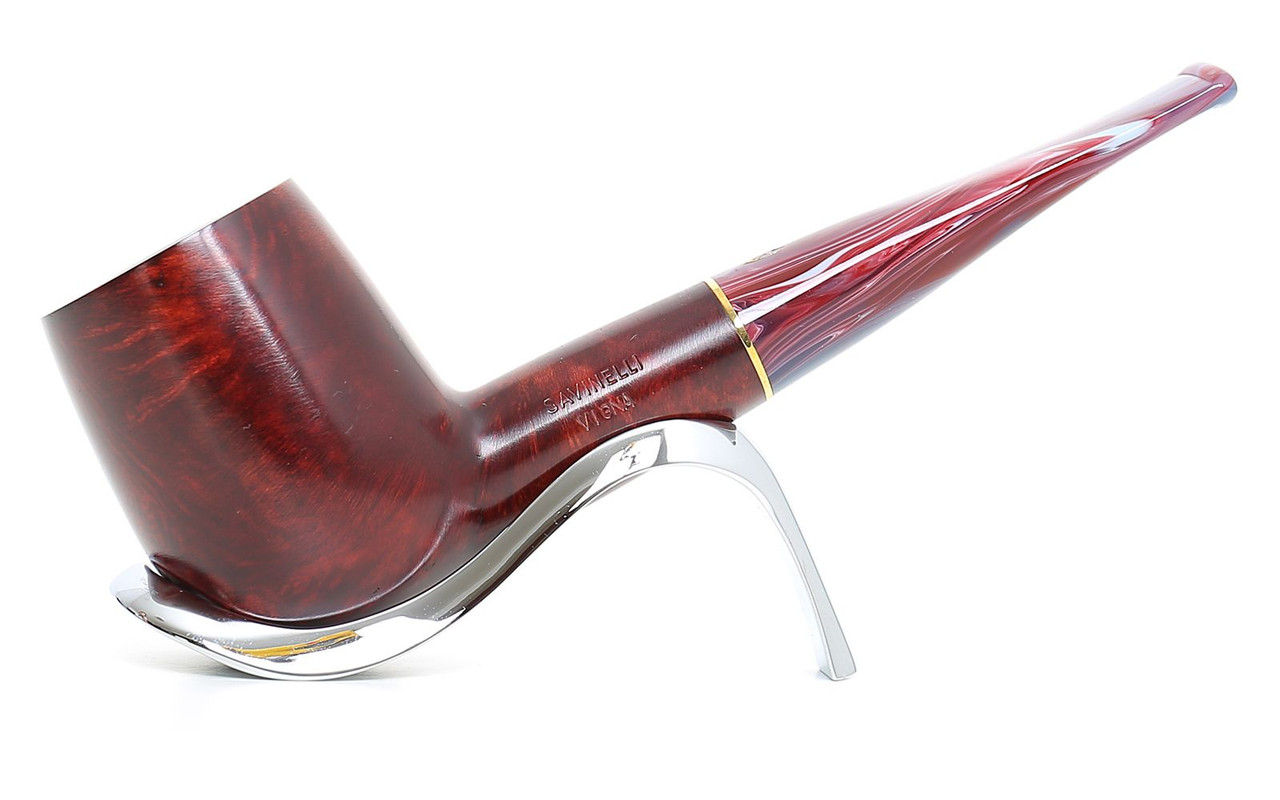
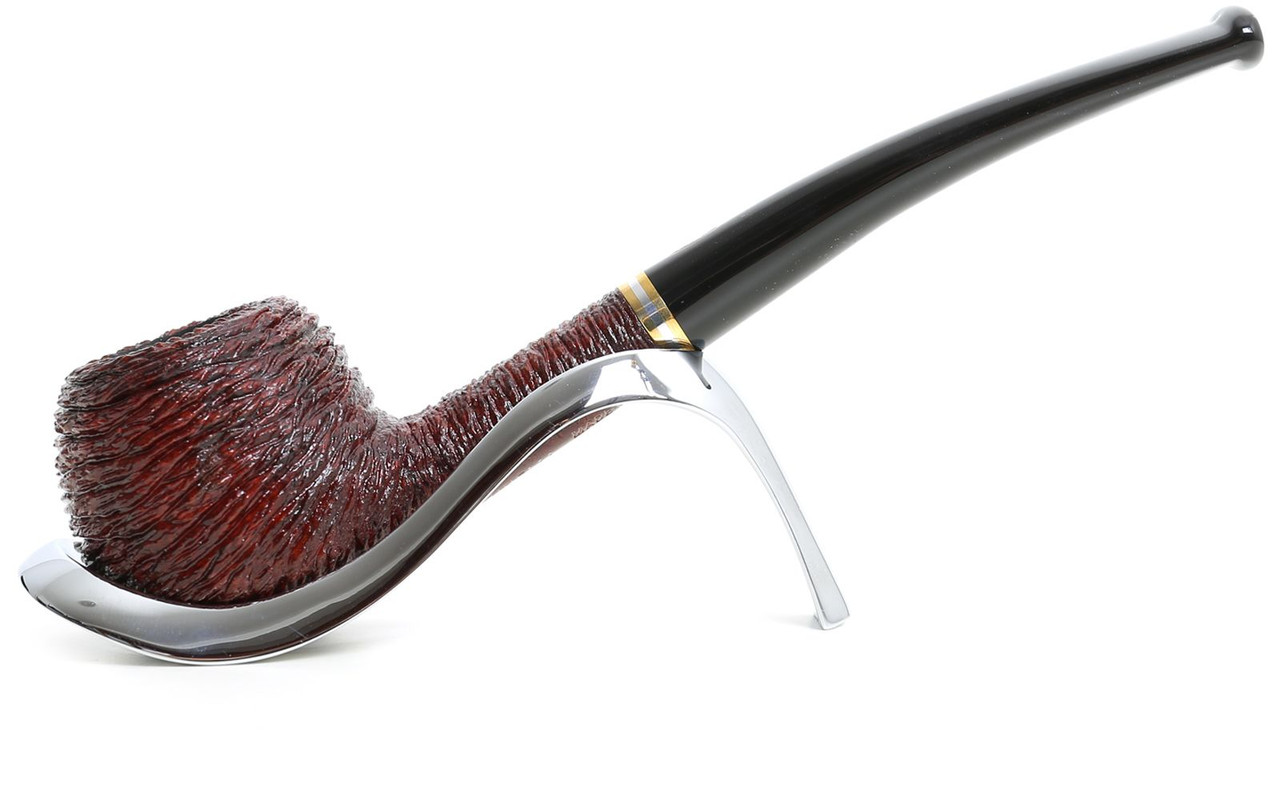
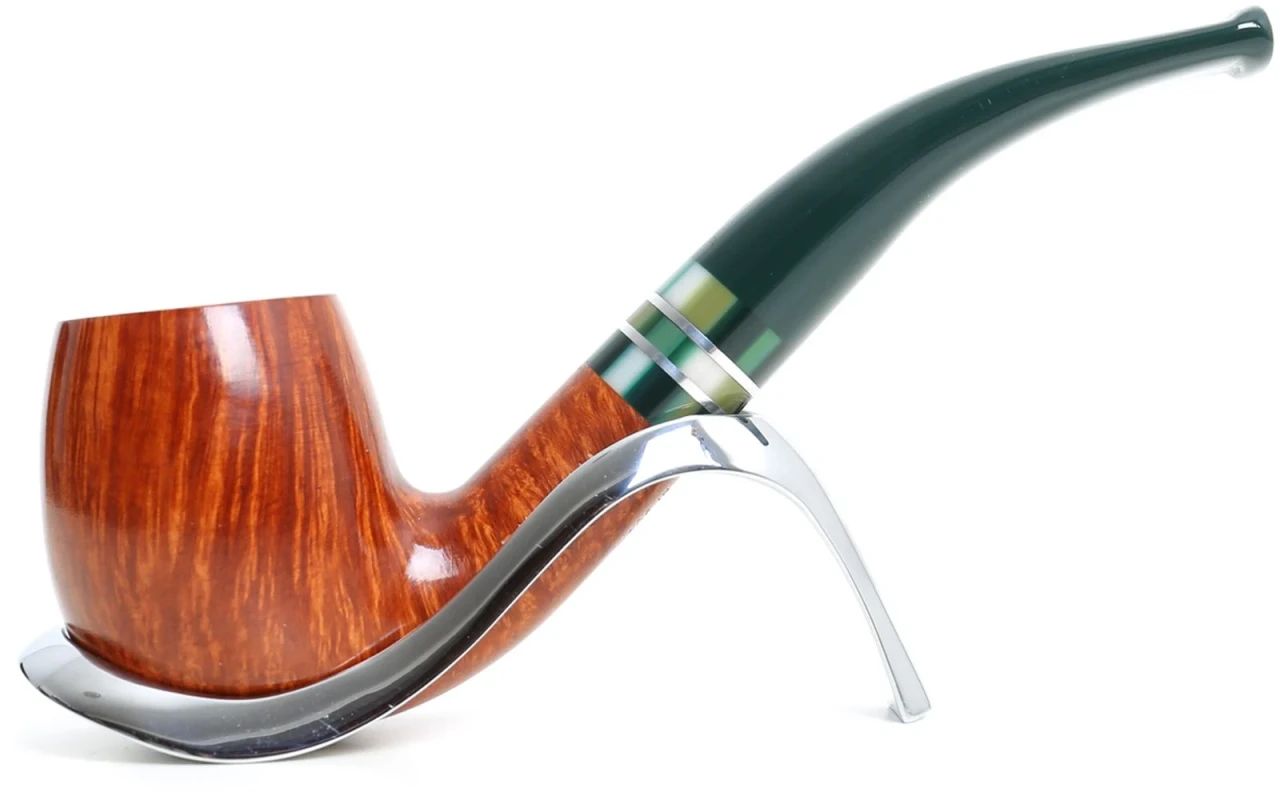
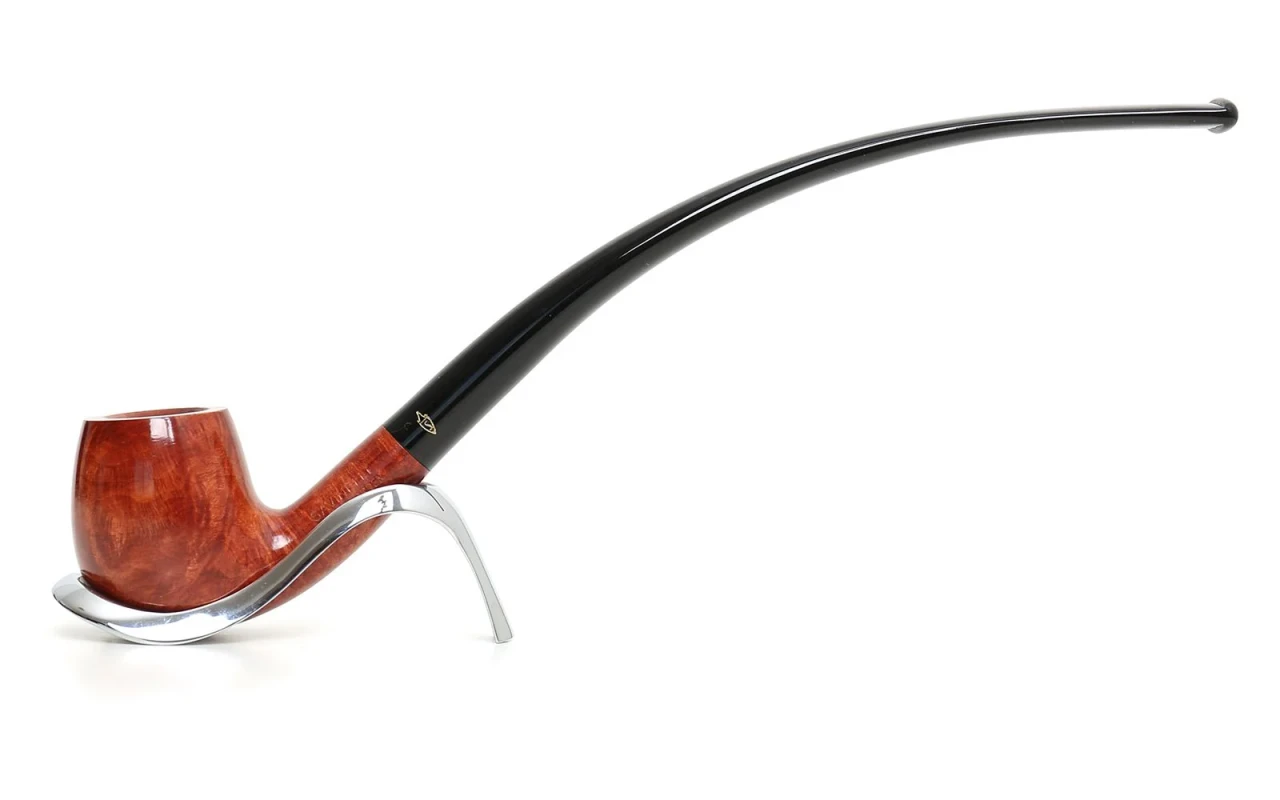
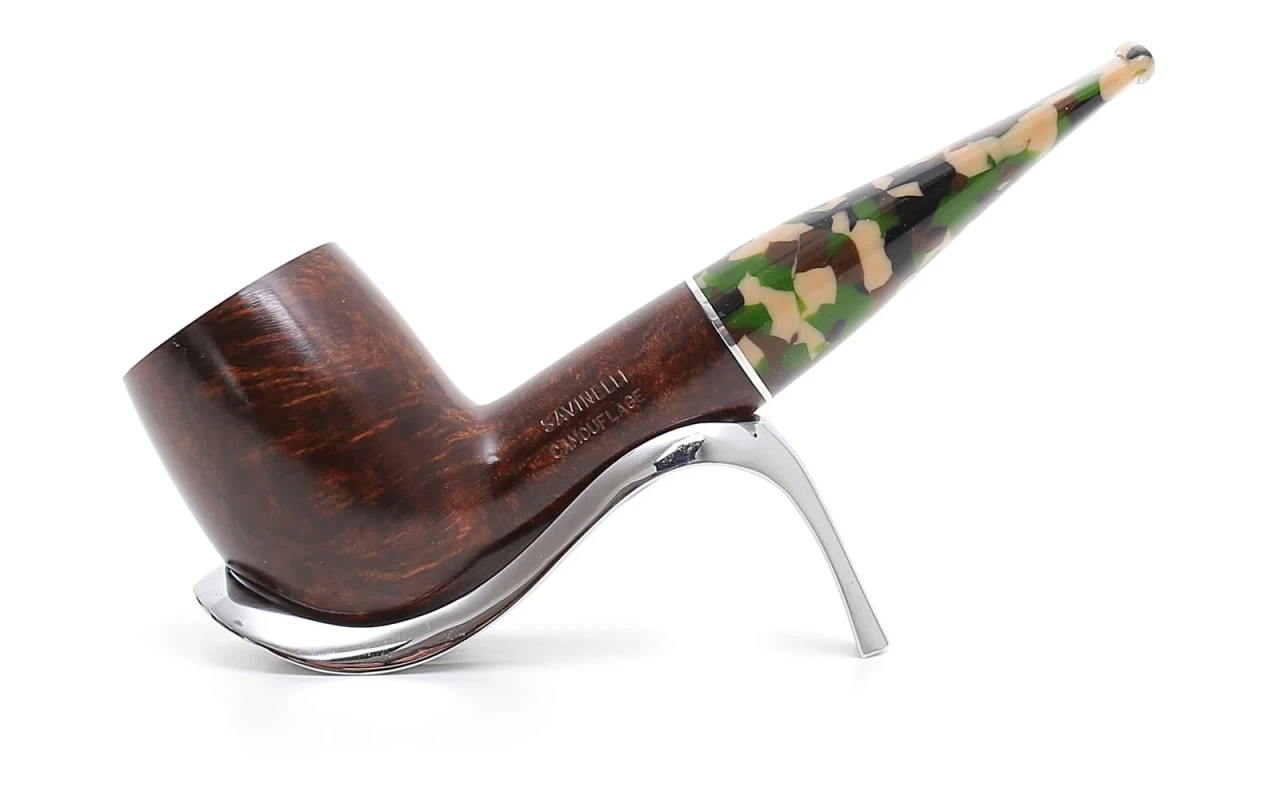
The grain and colors of pipes mainly depend on the type of wood used in their production. The grain of the wood refers to the natural lines that form during the tree's growth, giving each pipe a unique appearance. For instance, briar wood often exhibits very pronounced and intricate grain patterns, while olive wood may have more delicate and uniform grain. In terms of colors, pipes can range from light to dark shades depending on the type of wood and finishing process applied. Some woods may be left natural, while others are treated with oils or resins to enhance or alter the original color.
Materials of smoking pipes
Smoking pipes can be made from different materials, each with specific characteristics:- **Wood**: traditionally used for its ability to absorb moisture and enhance the flavor of tobacco.- **Clay**: lightweight and porous, it allows for a cool and dry smoke.- **Corn cob**: economical and light, often chosen for budget smoking pipes.- **Metals**: such as brass or silver, offer durability and resistance.- **Meerschaum**: a porous stone that absorbs tar, ensuring a cleaner smoke.The choice of material influences the smoking characteristics and the overall taste of the smoking experience.
Pipe crafting technique
The pipe crafting technique is an artisanal process that requires precision and mastery. Pipes are mainly made of wood, but also of other materials such as briar or clay. The first step is the selection of the material and its processing to shape the pipe. Subsequently, the process involves creating the combustion chamber, smoke passage, and mouthpiece. Finally, the pipe is smoothed, polished, and finished with oils or waxes to enhance the natural beauty of the material. This meticulous artisanal technique ensures that each pipe is unique and of high quality.
Pipe finishing aesthetics
The aesthetic finishes of pipes are a fundamental element for pipe smoking enthusiasts. There are different types of finishes that give a unique and personalized look to the artifacts. Among the most common finishes, we find smooth finish, which highlights the natural beauty of the wood, sandblasted finish, which gives the pipe a rough and tactile surface, rustic finish, characterized by imperfections and knots in the wood, and partially sandblasted rustic finish, which combines elements of rustic and sandblasted finishes. Each finish has its charm and contributes to creating a one-of-a-kind piece.
'%3e%3cg id='Final-Copy-2_2_' transform='translate(1275.000000, 200.000000)'%3e%3cpath class='st0' d='M7.4,12.8h6.8l3.1-11.6H7.4C4.2,1.2,1.6,3.8,1.6,7S4.2,12.8,7.4,12.8z'/%3e%3c/g%3e%3c/g%3e%3c/g%3e%3cg id='final---dec.11-2020'%3e%3cg id='_x30_208-our-toggle' transform='translate(-1275.000000, -200.000000)'%3e%3cg id='Final-Copy-2' transform='translate(1275.000000, 200.000000)'%3e%3cpath class='st1' d='M22.6,0H7.4c-3.9,0-7,3.1-7,7s3.1,7,7,7h15.2c3.9,0,7-3.1,7-7S26.4,0,22.6,0z M1.6,7c0-3.2,2.6-5.8,5.8-5.8 h9.9l-3.1,11.6H7.4C4.2,12.8,1.6,10.2,1.6,7z'/%3e%3cpath id='x' class='st2' d='M24.6,4c0.2,0.2,0.2,0.6,0,0.8l0,0L22.5,7l2.2,2.2c0.2,0.2,0.2,0.6,0,0.8c-0.2,0.2-0.6,0.2-0.8,0 l0,0l-2.2-2.2L19.5,10c-0.2,0.2-0.6,0.2-0.8,0c-0.2-0.2-0.2-0.6,0-0.8l0,0L20.8,7l-2.2-2.2c-0.2-0.2-0.2-0.6,0-0.8 c0.2-0.2,0.6-0.2,0.8,0l0,0l2.2,2.2L23.8,4C24,3.8,24.4,3.8,24.6,4z'/%3e%3cpath id='y' class='st3' d='M12.7,4.1c0.2,0.2,0.3,0.6,0.1,0.8l0,0L8.6,9.8C8.5,9.9,8.4,10,8.3,10c-0.2,0.1-0.5,0.1-0.7-0.1l0,0 L5.4,7.7c-0.2-0.2-0.2-0.6,0-0.8c0.2-0.2,0.6-0.2,0.8,0l0,0L8,8.6l3.8-4.5C12,3.9,12.4,3.9,12.7,4.1z'/%3e%3c/g%3e%3c/g%3e%3c/g%3e%3c/g%3e%3c/svg%3e) Your Privacy Choices
Your Privacy Choices 


