 ES
ES FR
FR EN
EN IT
IT DE
DE
Evaluation of pipe material in the selection process
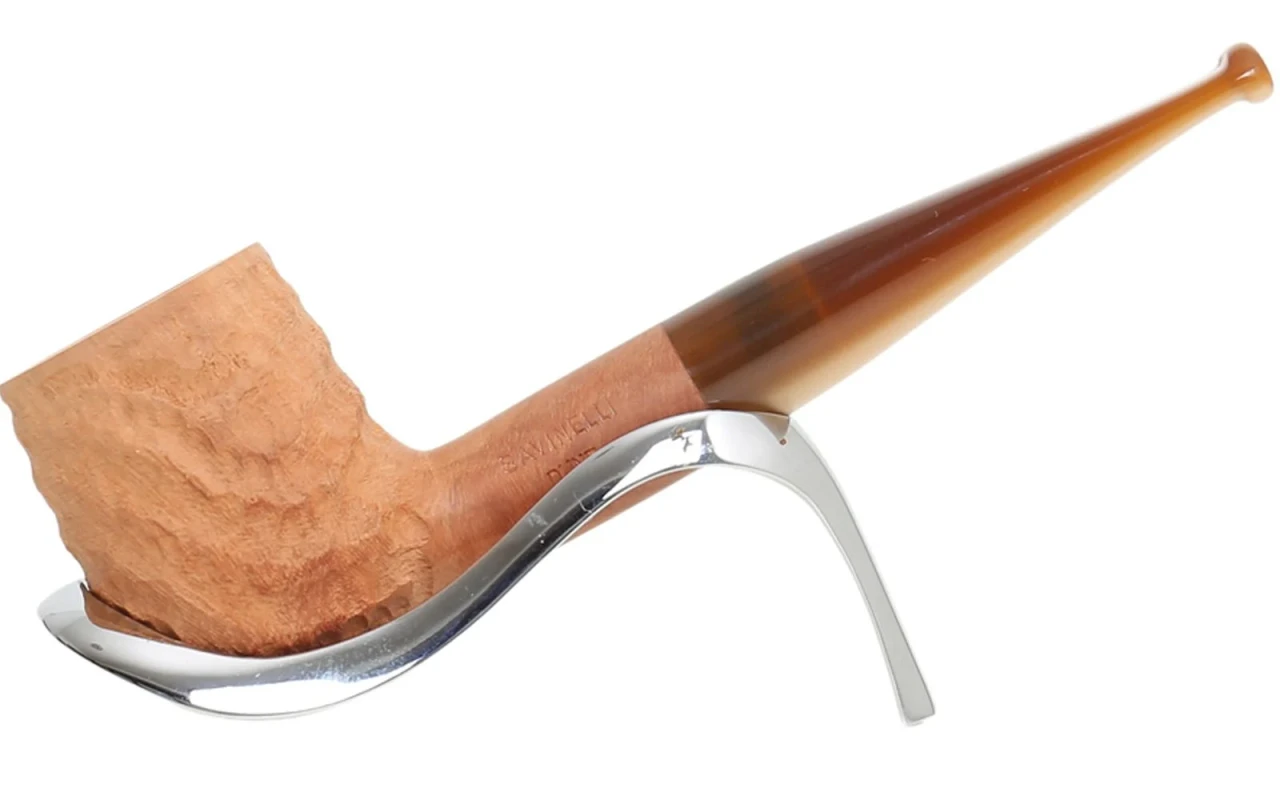
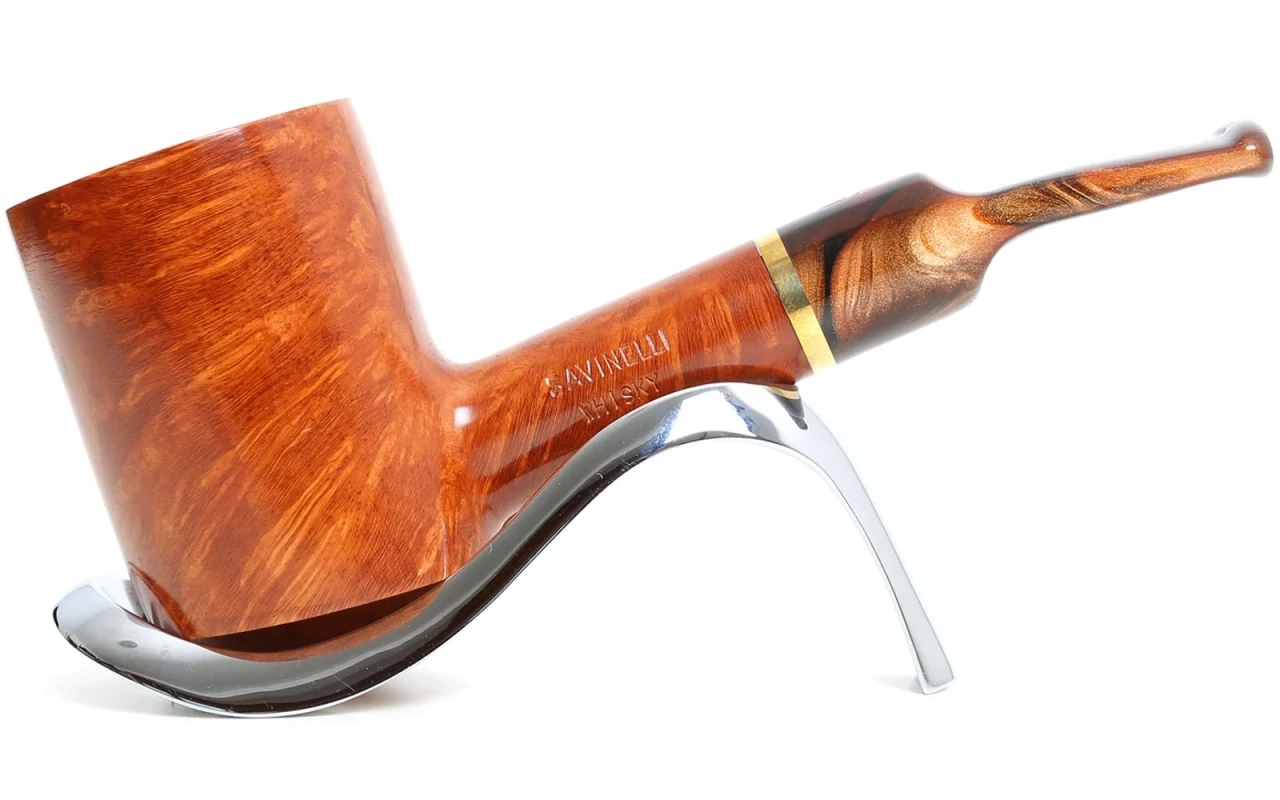
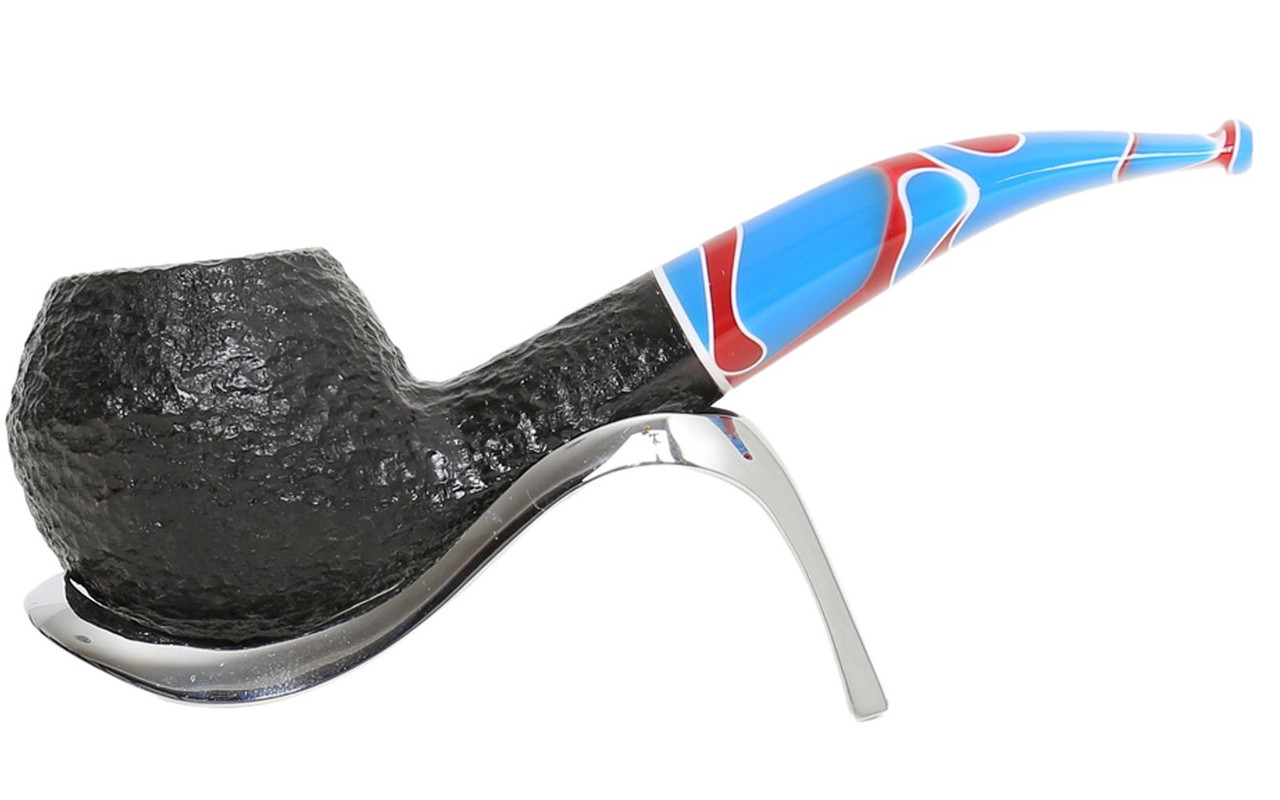
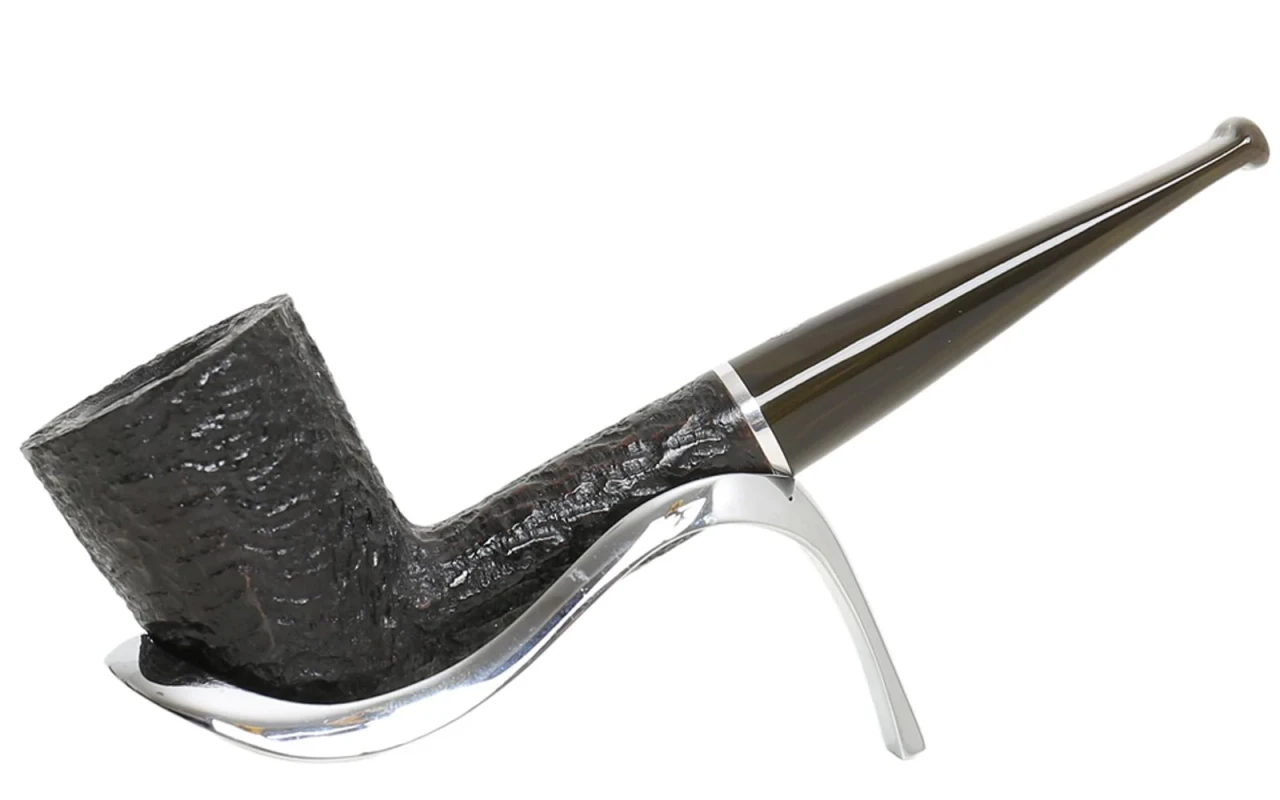
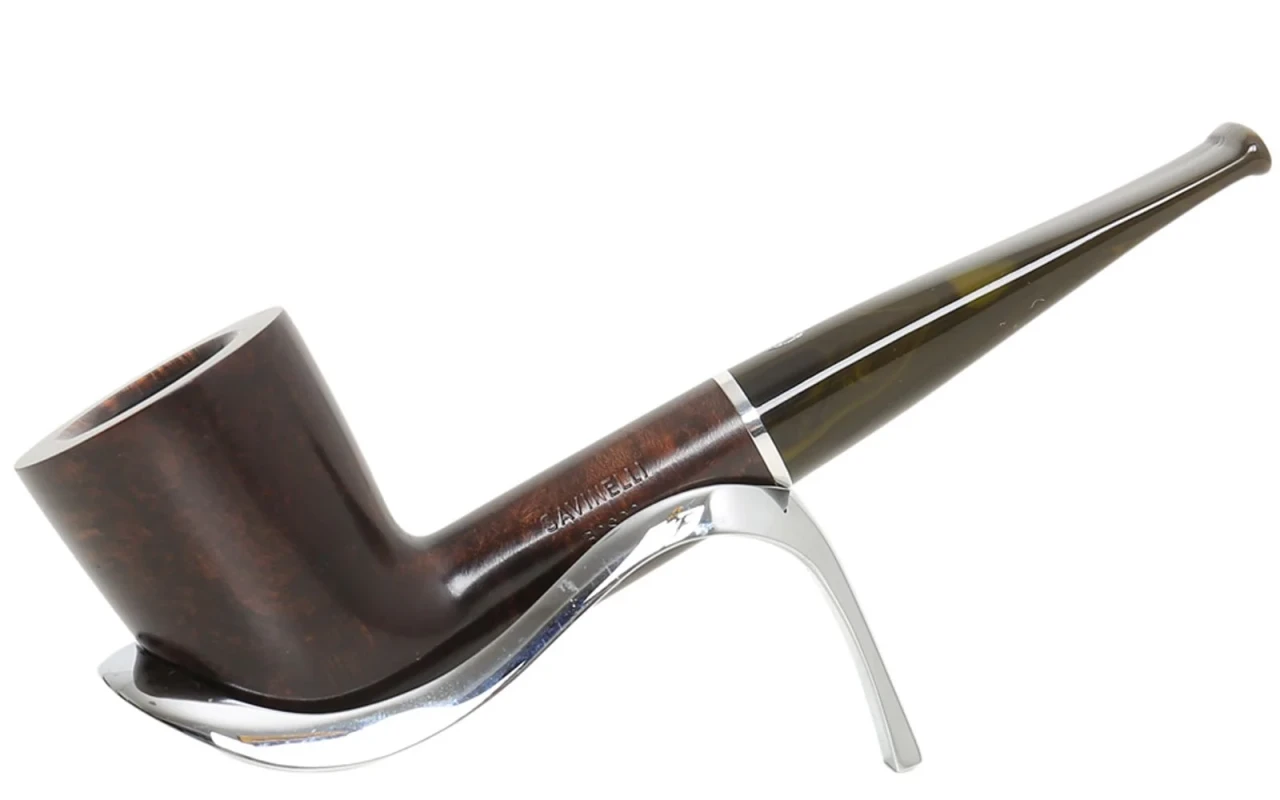
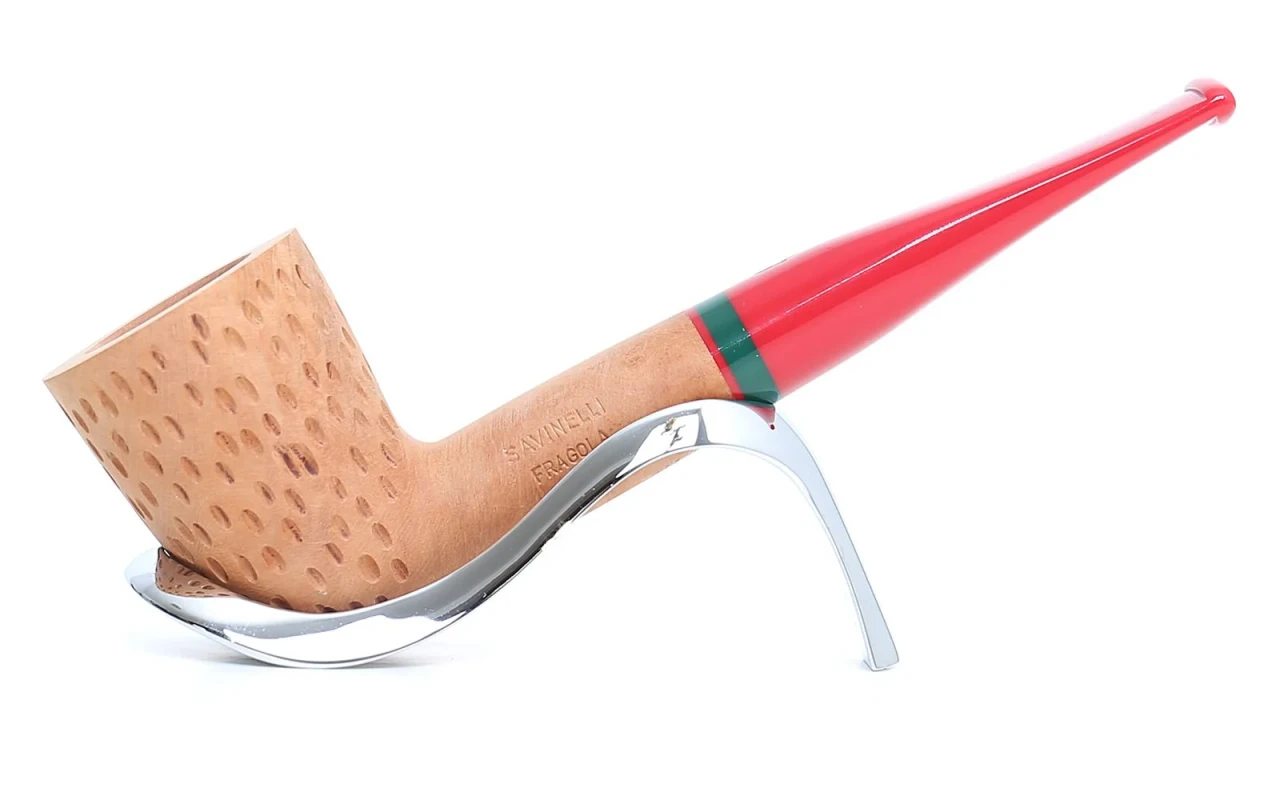
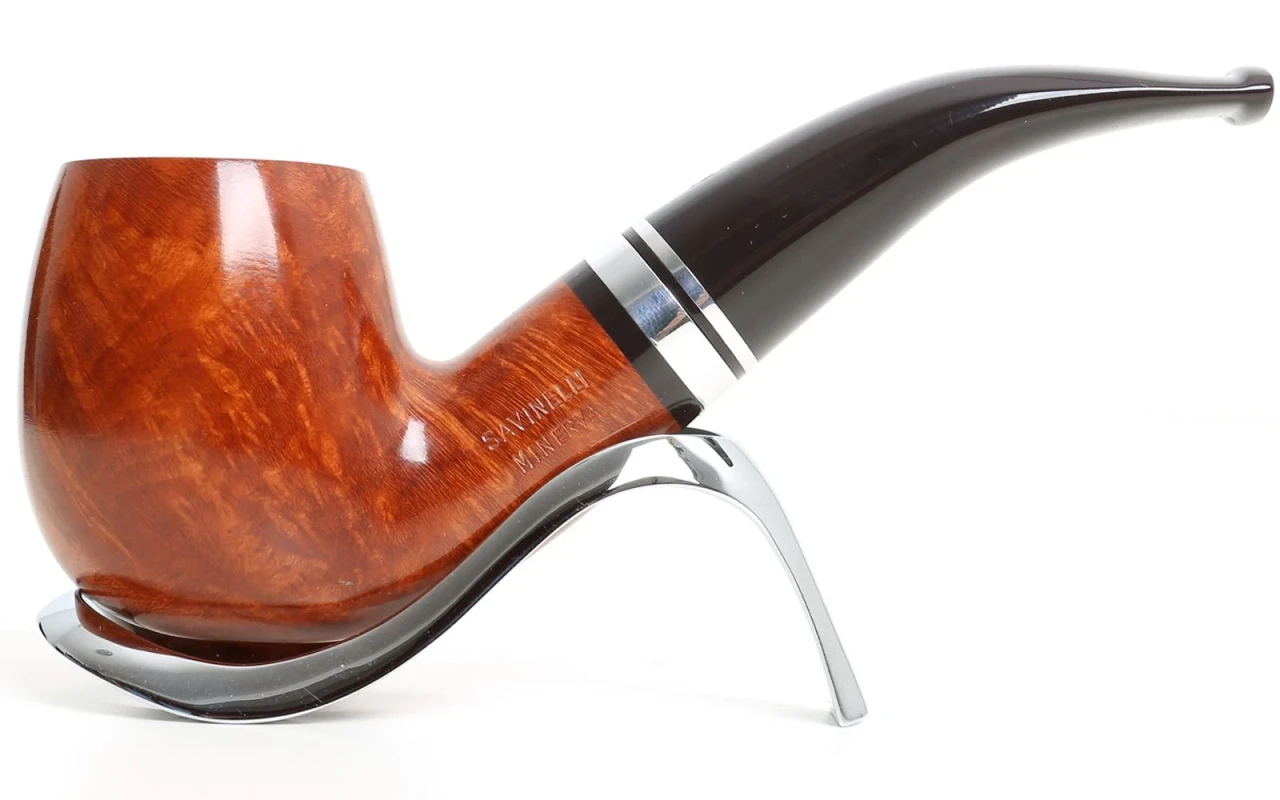
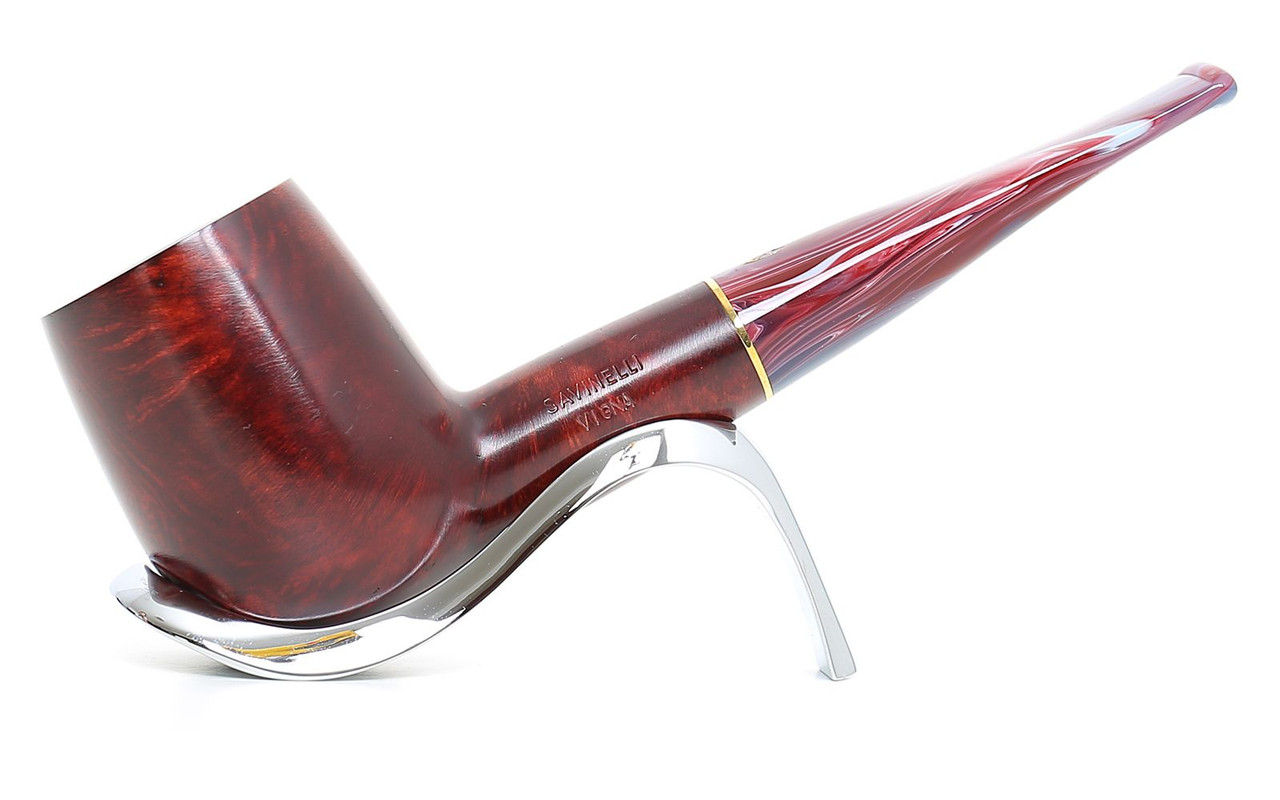
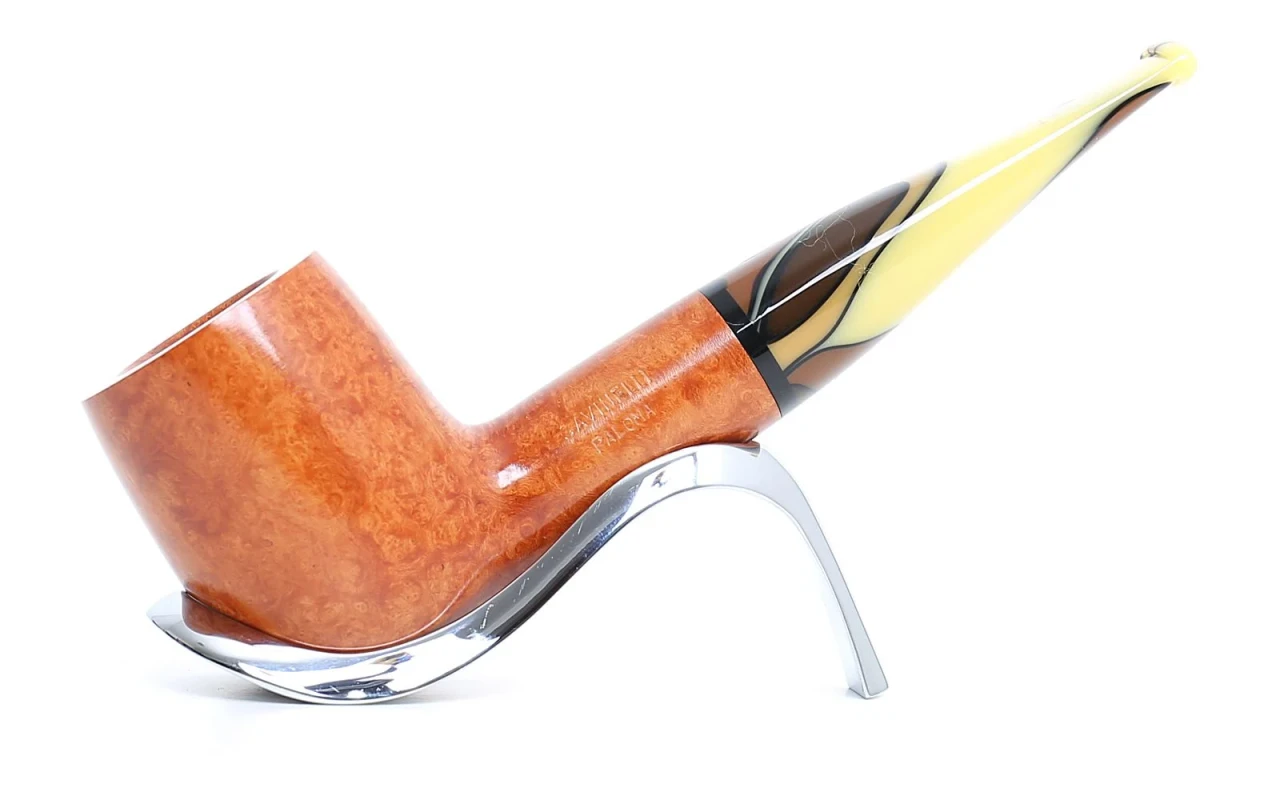
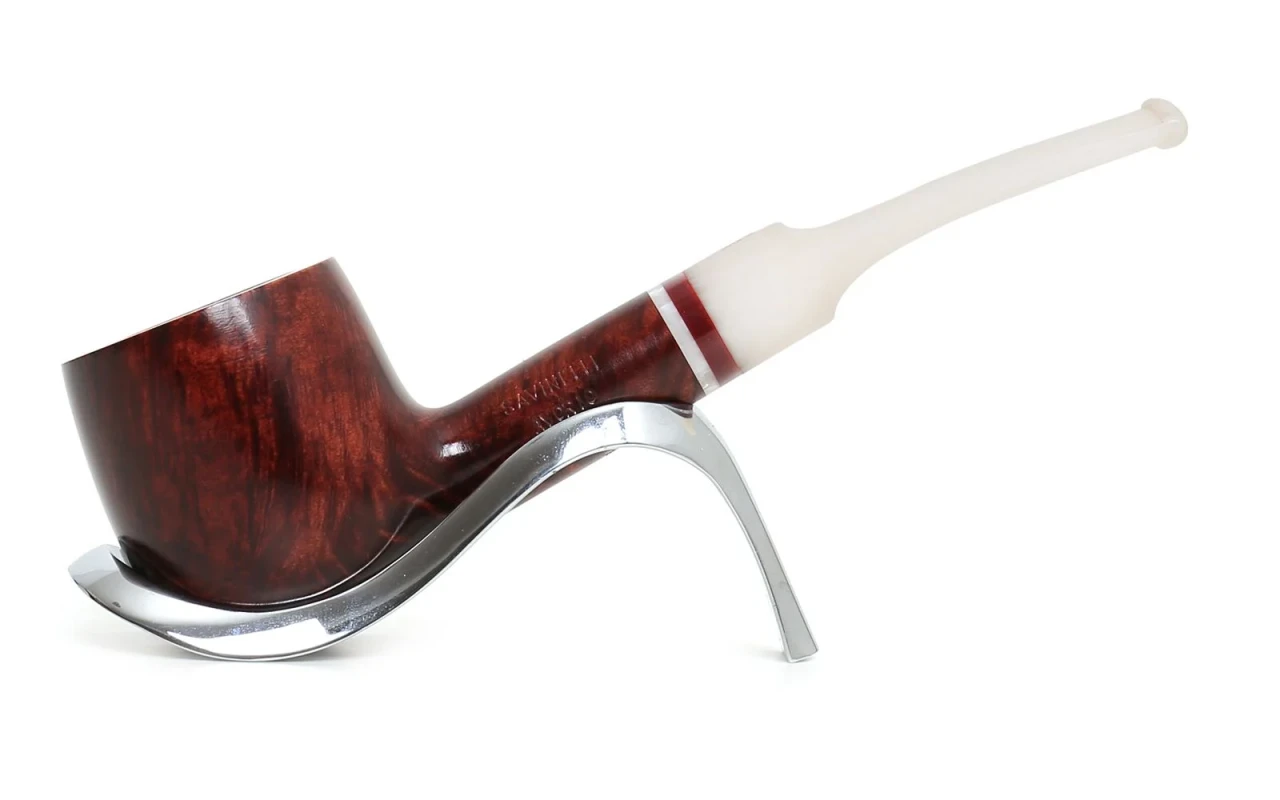
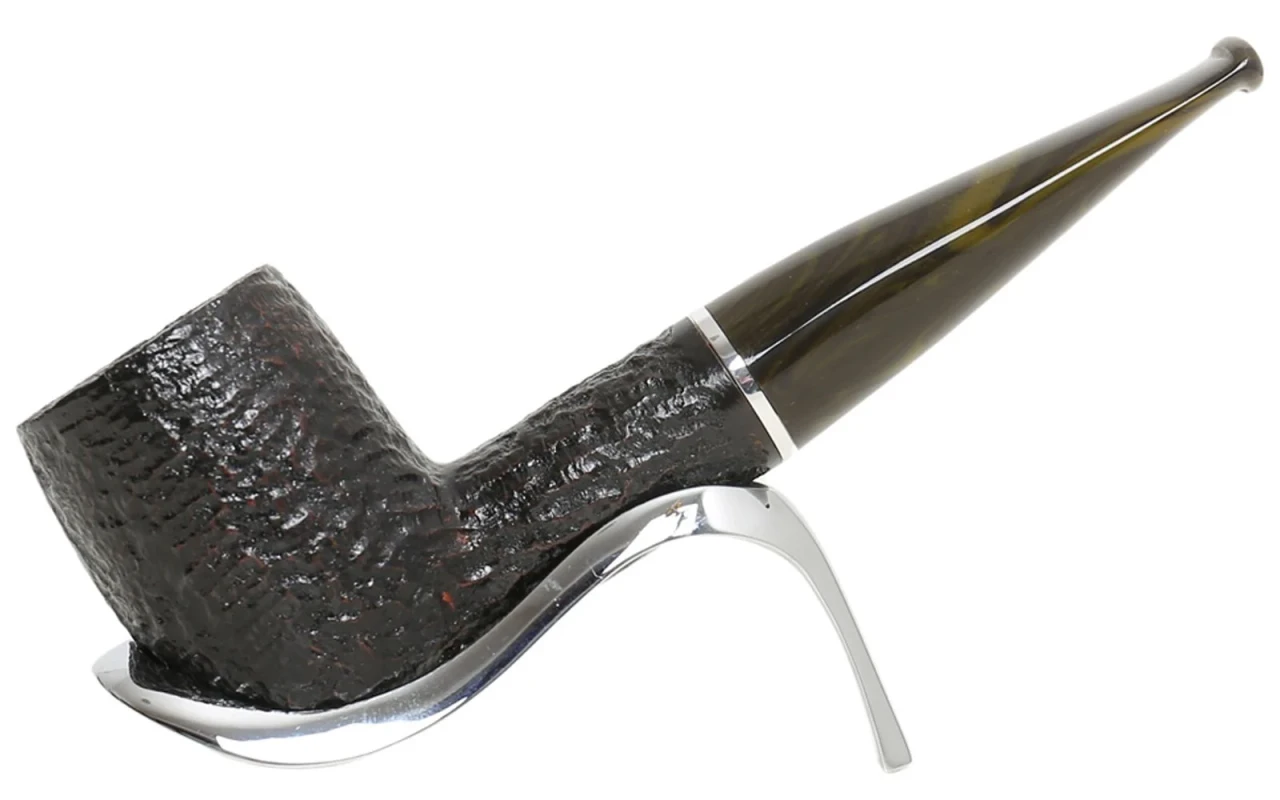
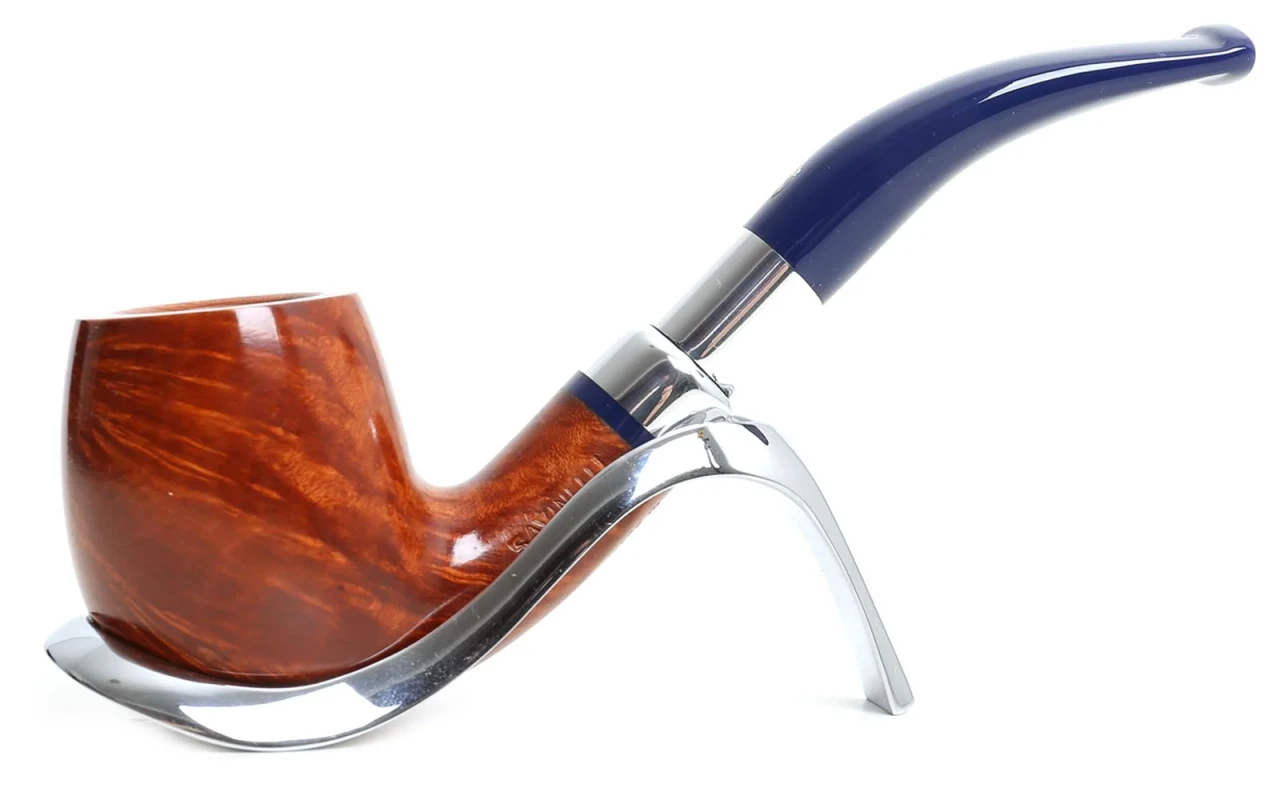
Evaluation of pipe material in the selection process
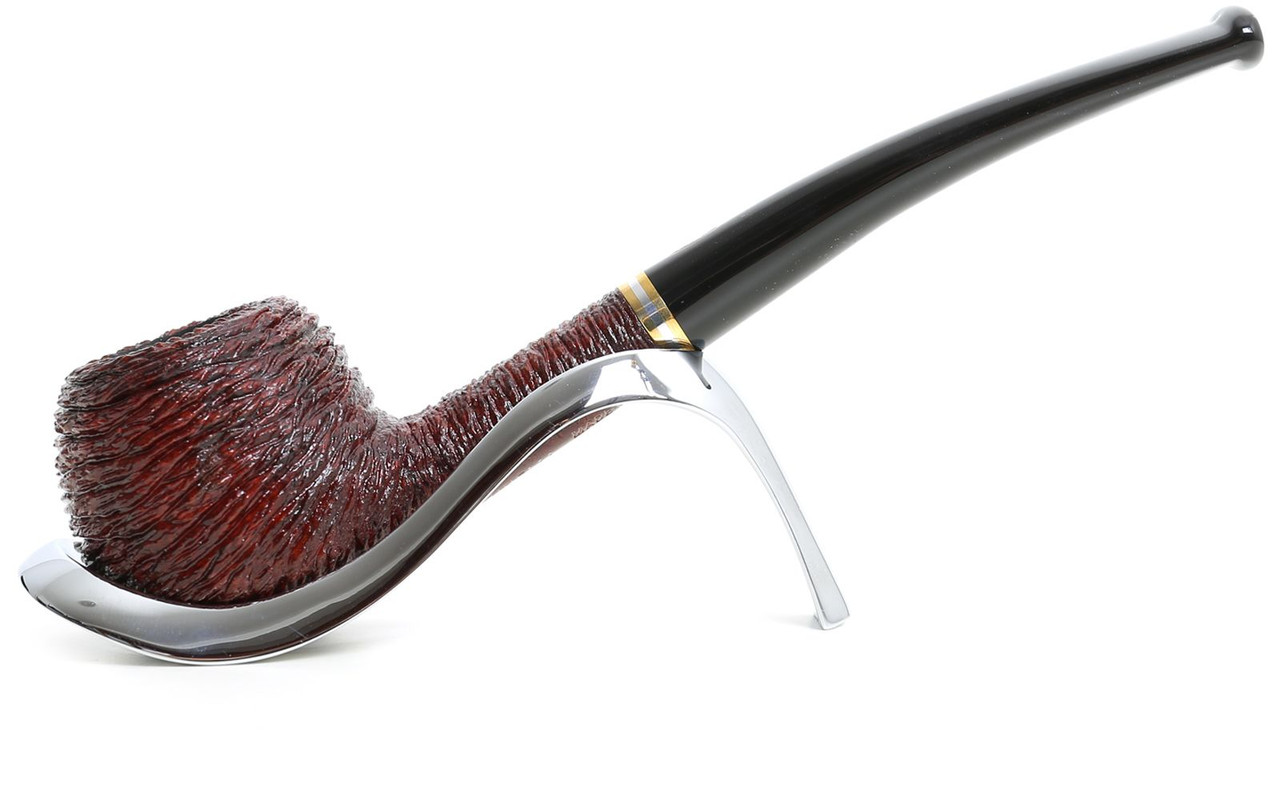
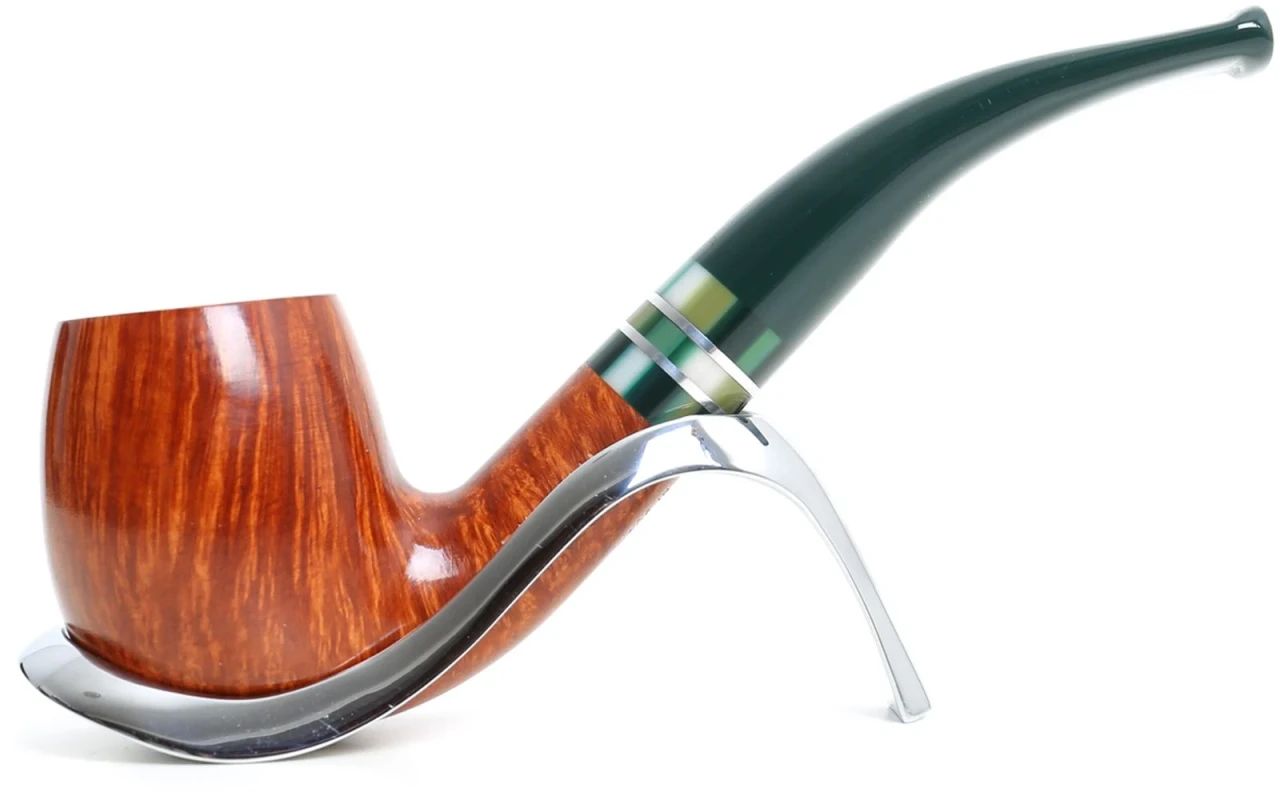
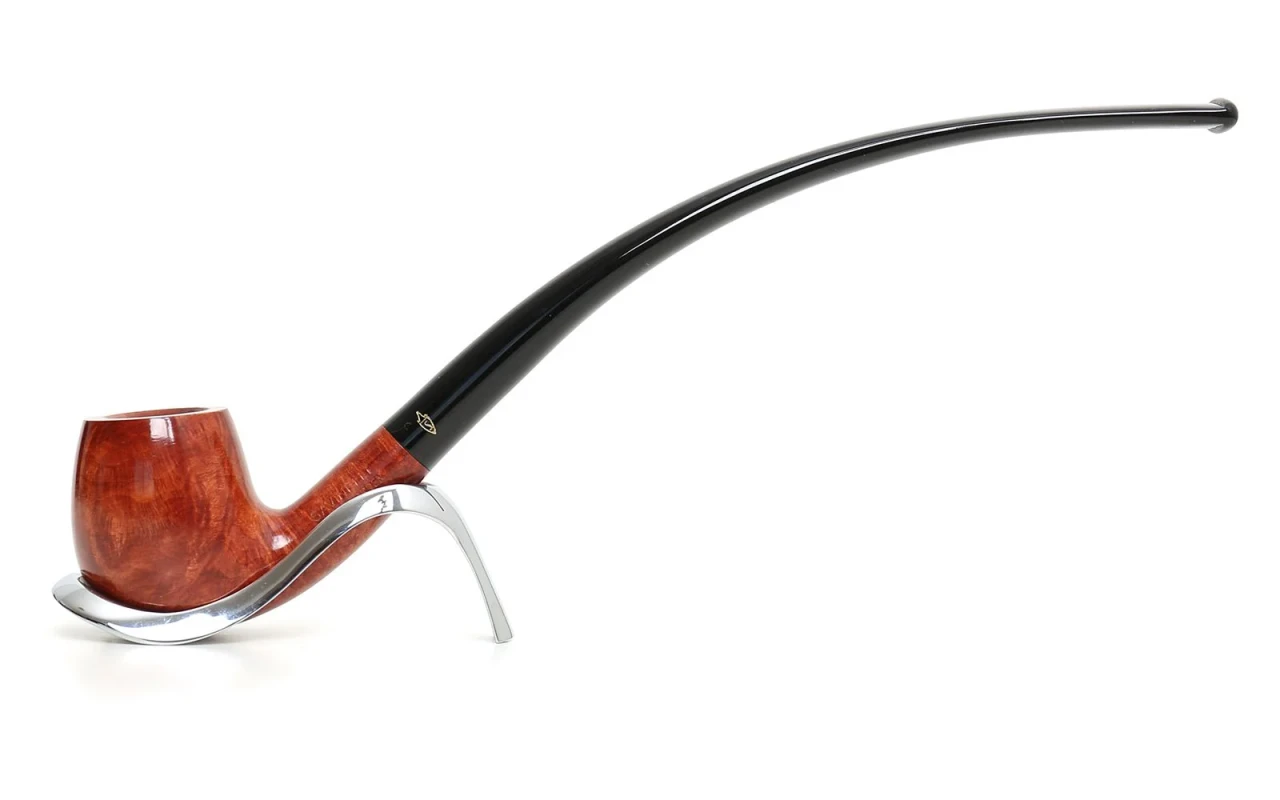
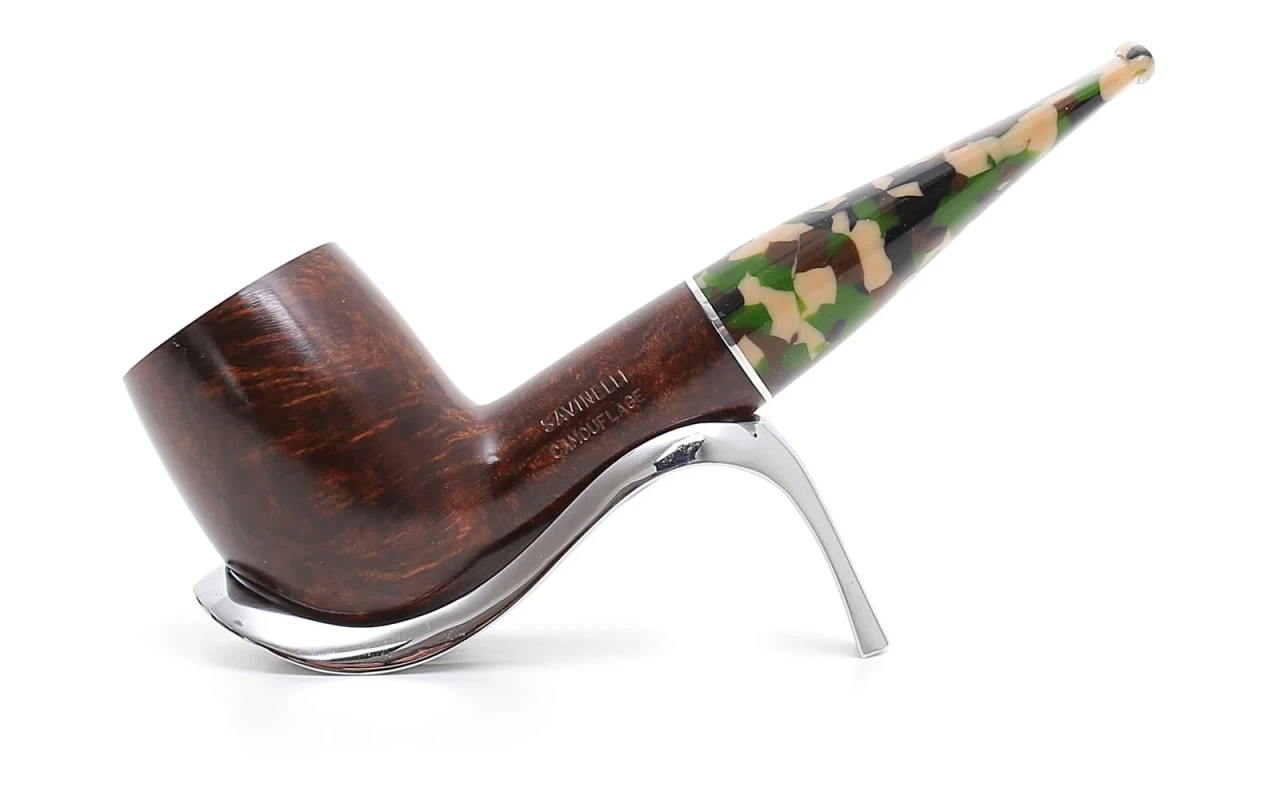
Evaluating the material of the pipe is crucial when choosing a quality product. The most common materials are wood, briar, corn cob, and clay. Briar is particularly appreciated for its heat resistance and lack of residual taste, while wood offers a wide range of aesthetic options. Corn cob is light and affordable, but less durable over time. Clay is traditional and provides a pure smoking experience. The choice depends on personal preferences and the desired smoking experience. It is advisable to carefully assess the pros and cons of each material before making a purchase.
Best Material for Smoking Pipes
The best material for smoking pipes is undoubtedly briar root, known as "seabreeze." This wood boasts excellent heat resistance and combustion properties, ensuring long-lasting durability. Moreover, seabreeze has the ability to absorb tobacco moisture, allowing for a cooler and more pleasant smoking experience. Pipes made from this wood provide an excellent sensory experience and a unique aroma during smoking. It is important to choose pipes made from high-quality materials to ensure good combustion and lasting pleasure in the practice of pipe smoking.
Guide to Tobacco Pipe Materials
The most common materials used for crafting smoking pipes include:- Briar wood: light and durable, it provides good combustion and absorbs moisture.- Olive wood: hard and resistant, it adds a unique beauty to the pipe.- Walnut wood: imparts a slightly sweet flavor to the tobacco.- Corn cob: economical and lightweight, often used for travel pipes.- Silver: used for decorations or mouthpieces.- Other fine woods: such as cherry, pear, or chestnut.It is recommended to choose high-quality materials to ensure a superior smoking experience.
Materials characteristics of tobacco pipes
Tobacco pipes can be made of different materials, each with unique characteristics:- Briar wood: light, heat-resistant, with natural veins that give a unique appearance.- Corn cob: light, inexpensive, and with excellent absorbing properties.- Clay: porous material that absorbs moisture, ensuring a cool smoke.- Meerschaum: porous stone, light and heat-resistant, which colors over time with use.- Briar: wood from the Erica arborea, resistant, with fine pores that guarantee a dry and cool smoke.Each material affects the performance and the experience of smoking a tobacco pipe.
'%3e%3cg id='Final-Copy-2_2_' transform='translate(1275.000000, 200.000000)'%3e%3cpath class='st0' d='M7.4,12.8h6.8l3.1-11.6H7.4C4.2,1.2,1.6,3.8,1.6,7S4.2,12.8,7.4,12.8z'/%3e%3c/g%3e%3c/g%3e%3c/g%3e%3cg id='final---dec.11-2020'%3e%3cg id='_x30_208-our-toggle' transform='translate(-1275.000000, -200.000000)'%3e%3cg id='Final-Copy-2' transform='translate(1275.000000, 200.000000)'%3e%3cpath class='st1' d='M22.6,0H7.4c-3.9,0-7,3.1-7,7s3.1,7,7,7h15.2c3.9,0,7-3.1,7-7S26.4,0,22.6,0z M1.6,7c0-3.2,2.6-5.8,5.8-5.8 h9.9l-3.1,11.6H7.4C4.2,12.8,1.6,10.2,1.6,7z'/%3e%3cpath id='x' class='st2' d='M24.6,4c0.2,0.2,0.2,0.6,0,0.8l0,0L22.5,7l2.2,2.2c0.2,0.2,0.2,0.6,0,0.8c-0.2,0.2-0.6,0.2-0.8,0 l0,0l-2.2-2.2L19.5,10c-0.2,0.2-0.6,0.2-0.8,0c-0.2-0.2-0.2-0.6,0-0.8l0,0L20.8,7l-2.2-2.2c-0.2-0.2-0.2-0.6,0-0.8 c0.2-0.2,0.6-0.2,0.8,0l0,0l2.2,2.2L23.8,4C24,3.8,24.4,3.8,24.6,4z'/%3e%3cpath id='y' class='st3' d='M12.7,4.1c0.2,0.2,0.3,0.6,0.1,0.8l0,0L8.6,9.8C8.5,9.9,8.4,10,8.3,10c-0.2,0.1-0.5,0.1-0.7-0.1l0,0 L5.4,7.7c-0.2-0.2-0.2-0.6,0-0.8c0.2-0.2,0.6-0.2,0.8,0l0,0L8,8.6l3.8-4.5C12,3.9,12.4,3.9,12.7,4.1z'/%3e%3c/g%3e%3c/g%3e%3c/g%3e%3c/g%3e%3c/svg%3e) Your Privacy Choices
Your Privacy Choices 


