 ES
ES FR
FR EN
EN IT
IT DE
DE
Using filters to protect your pipe



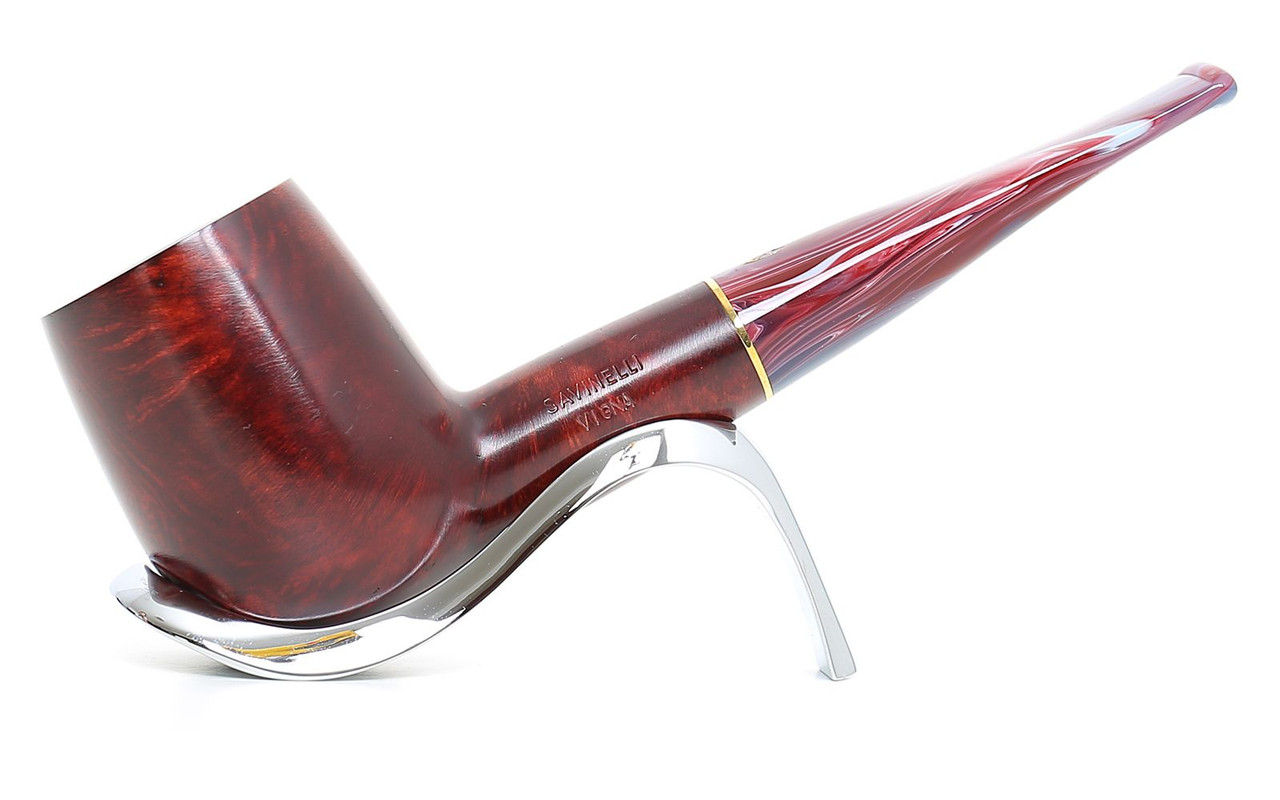

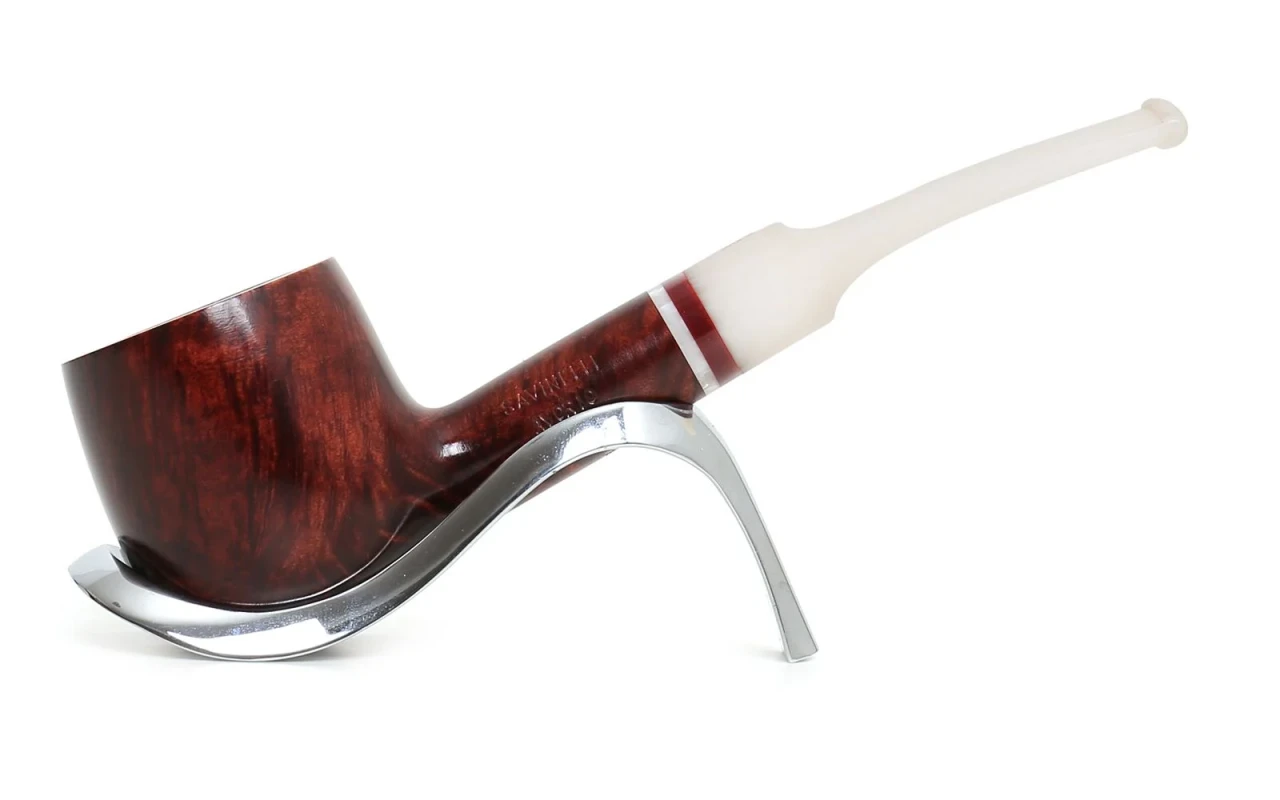
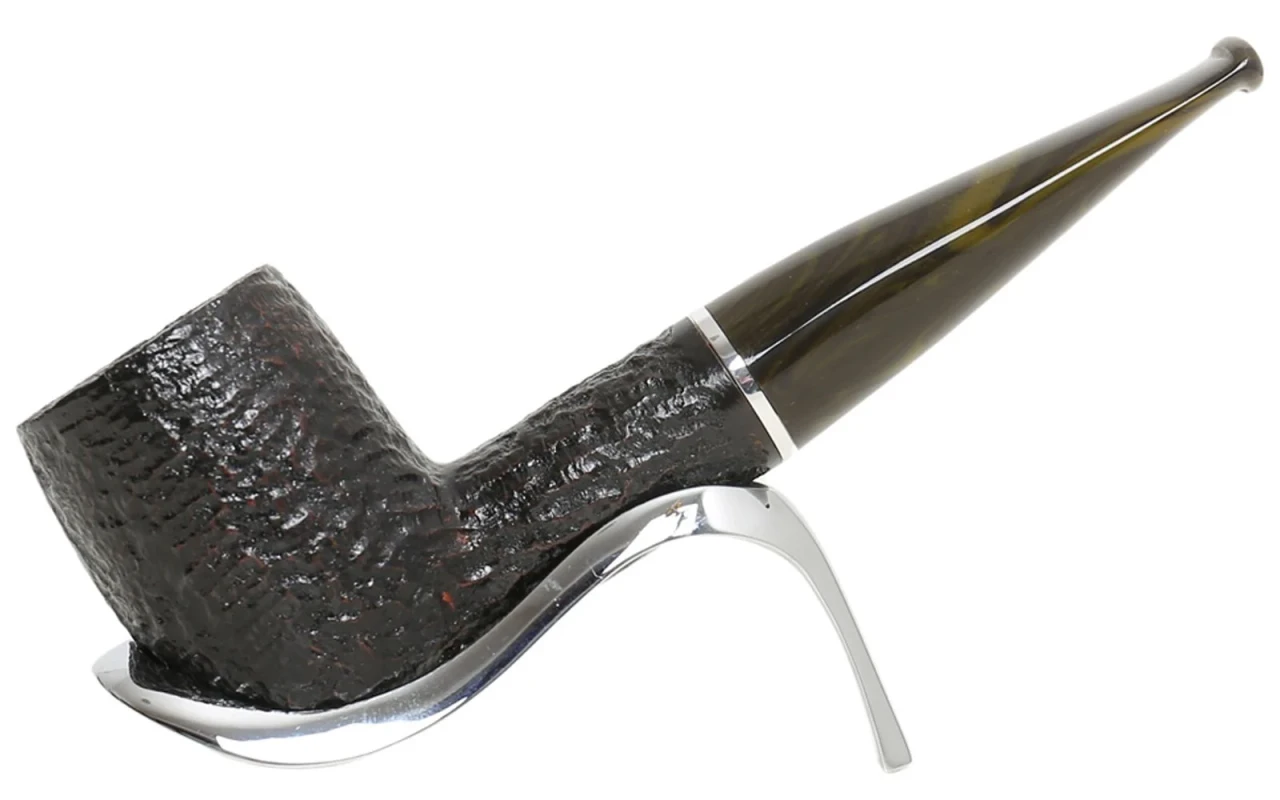
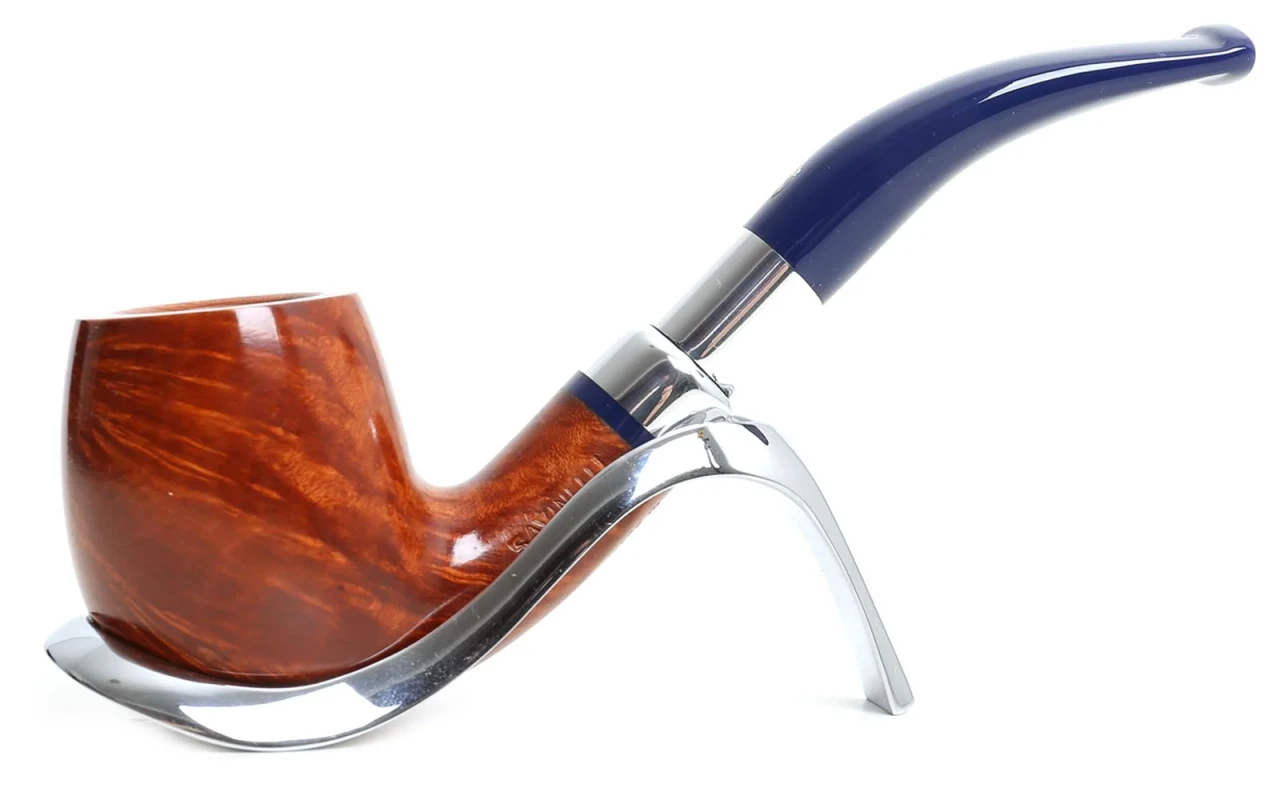

Using filters to protect your pipe
To protect your pipe from debris and residue buildup, it is advisable to use specific filters designed for this purpose. Pipe filters can be made of different materials, such as sponge, activated charcoal, or ceramic, and are intended to trap impurities present in the smoke. These filters not only enhance the smoke quality but also help keep the pipe itself clean. Make sure to choose filters compatible with your pipe model and replace them regularly to ensure an optimal smoking experience.
Types of Pipe Filters
There are several types of pipe filters that can be used to enhance the smoking experience. Here are some of the main types of filters available on the market:- Active charcoal filters: they absorb harmful substances in the smoke, improving the taste and reducing the impact on health.- Foam filters: they capture excess moisture and reduce the amount of inhaled nicotine and tar.- Paper filters: they filter out larger impurities in the smoke, providing a cleaner smoke.- Ceramic filters: they lower the smoke temperature, ensuring a smoother and cooler smoke.The choice of filter depends on the smoker's personal preferences and the desired effect during the smoking session.
How to Clean Pipe Filters
To effectively clean pipe filters, follow these steps:1. Carefully remove the filter from the pipe.2. Dispose of any burnt tobacco residues.3. Use a dedicated brush to remove residues from the filter.4. If necessary, rinse the filter with hot water and let it dry thoroughly.5. If the filter is made of metal, you can immerse it in a solution of water and alcohol for a deeper clean.6. Reassemble the filter in the pipe only when it is completely dry.7. Remember to regularly clean the filters to ensure optimal smoking experience and fully enjoy your pipe.
The importance of filters for smoking a pipe
Filters for smoking a pipe, also known as pipe filters, play a fundamental role in the overall smoking experience. These devices are designed to reduce moisture and harmful residues during pipe smoking, ensuring a smoother and cleaner smoke. Filters can help capture impurities present in the smoke, thus reducing the accumulation of harmful deposits inside the pipe itself. Additionally, they help prevent small tobacco particles from entering the mouth during inhalation. Using quality filters can significantly improve the quality of the smoke and preserve the longevity and efficiency of one's pipe over time.
'%3e%3cg id='Final-Copy-2_2_' transform='translate(1275.000000, 200.000000)'%3e%3cpath class='st0' d='M7.4,12.8h6.8l3.1-11.6H7.4C4.2,1.2,1.6,3.8,1.6,7S4.2,12.8,7.4,12.8z'/%3e%3c/g%3e%3c/g%3e%3c/g%3e%3cg id='final---dec.11-2020'%3e%3cg id='_x30_208-our-toggle' transform='translate(-1275.000000, -200.000000)'%3e%3cg id='Final-Copy-2' transform='translate(1275.000000, 200.000000)'%3e%3cpath class='st1' d='M22.6,0H7.4c-3.9,0-7,3.1-7,7s3.1,7,7,7h15.2c3.9,0,7-3.1,7-7S26.4,0,22.6,0z M1.6,7c0-3.2,2.6-5.8,5.8-5.8 h9.9l-3.1,11.6H7.4C4.2,12.8,1.6,10.2,1.6,7z'/%3e%3cpath id='x' class='st2' d='M24.6,4c0.2,0.2,0.2,0.6,0,0.8l0,0L22.5,7l2.2,2.2c0.2,0.2,0.2,0.6,0,0.8c-0.2,0.2-0.6,0.2-0.8,0 l0,0l-2.2-2.2L19.5,10c-0.2,0.2-0.6,0.2-0.8,0c-0.2-0.2-0.2-0.6,0-0.8l0,0L20.8,7l-2.2-2.2c-0.2-0.2-0.2-0.6,0-0.8 c0.2-0.2,0.6-0.2,0.8,0l0,0l2.2,2.2L23.8,4C24,3.8,24.4,3.8,24.6,4z'/%3e%3cpath id='y' class='st3' d='M12.7,4.1c0.2,0.2,0.3,0.6,0.1,0.8l0,0L8.6,9.8C8.5,9.9,8.4,10,8.3,10c-0.2,0.1-0.5,0.1-0.7-0.1l0,0 L5.4,7.7c-0.2-0.2-0.2-0.6,0-0.8c0.2-0.2,0.6-0.2,0.8,0l0,0L8,8.6l3.8-4.5C12,3.9,12.4,3.9,12.7,4.1z'/%3e%3c/g%3e%3c/g%3e%3c/g%3e%3c/g%3e%3c/svg%3e) Your Privacy Choices
Your Privacy Choices 


