 ES
ES FR
FR EN
EN IT
IT DE
DE
Using sustainable materials in pipe production
Using sustainable materials in pipe production
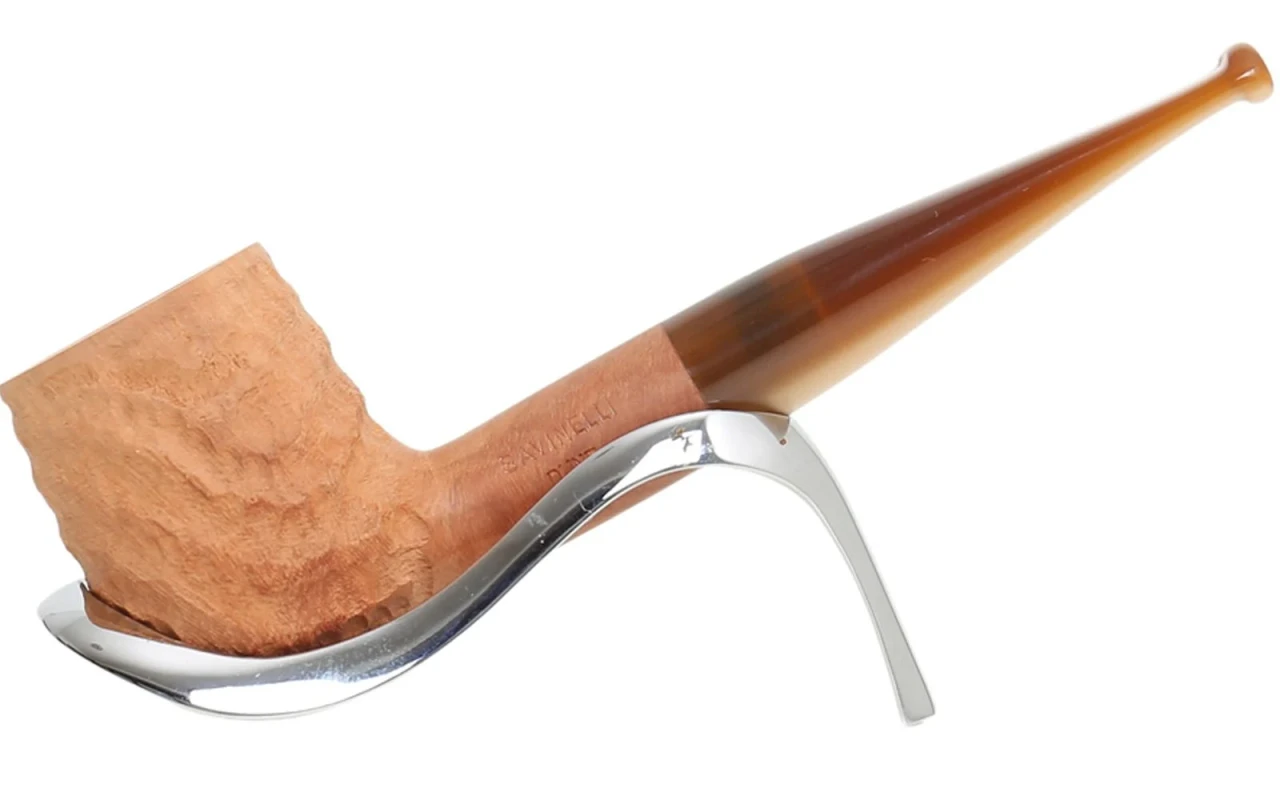
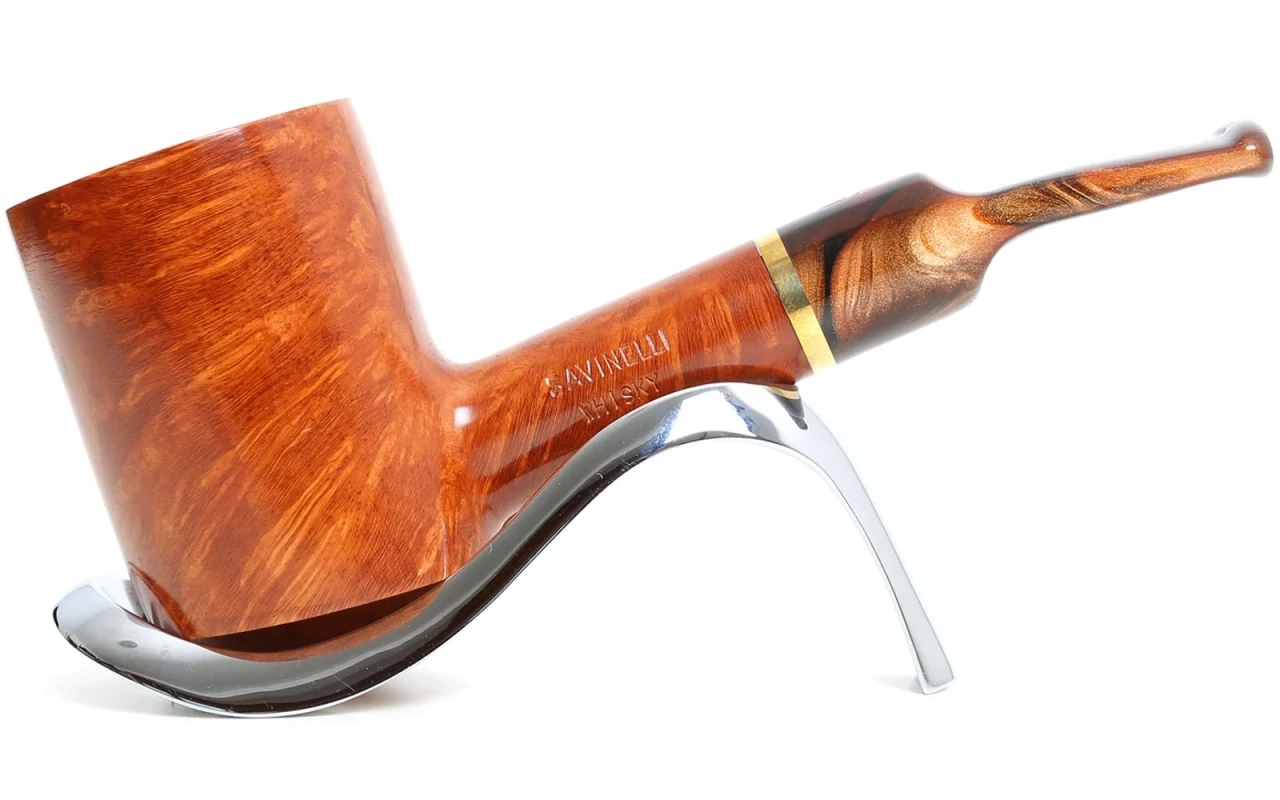
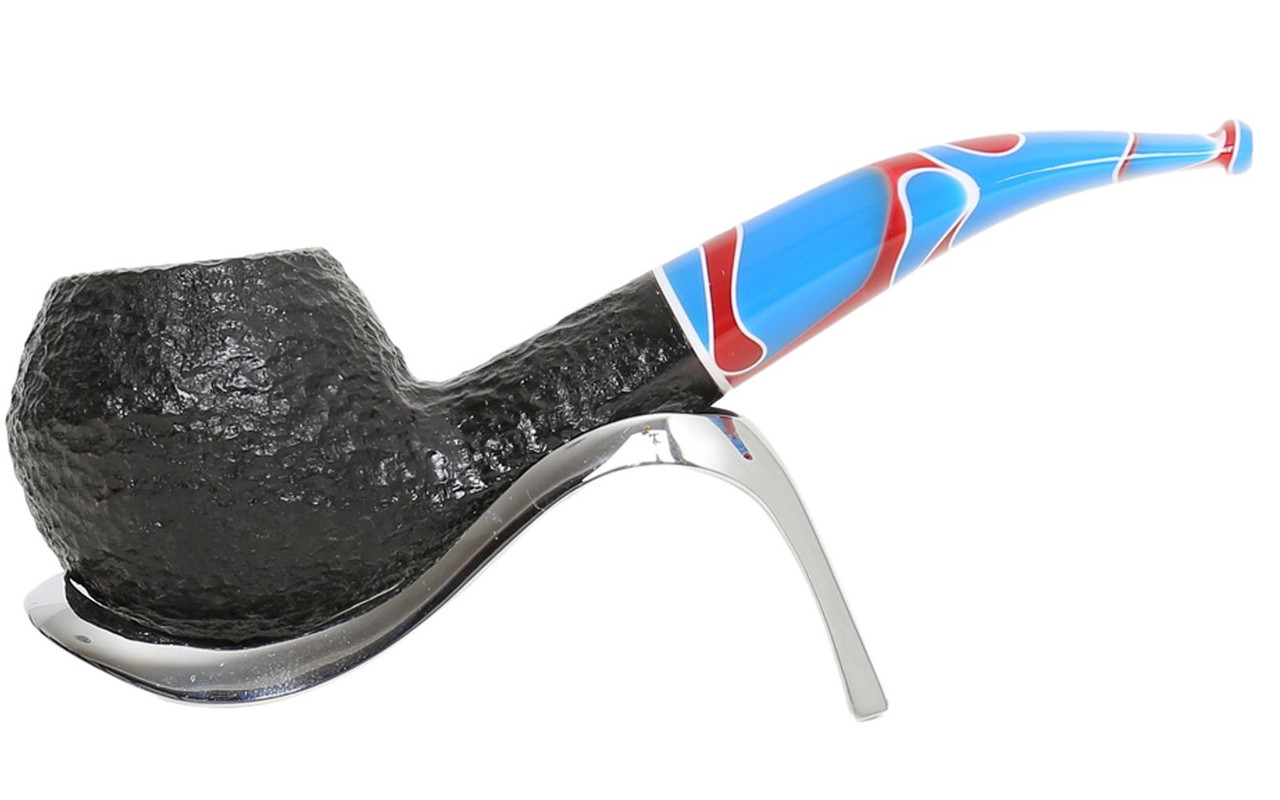
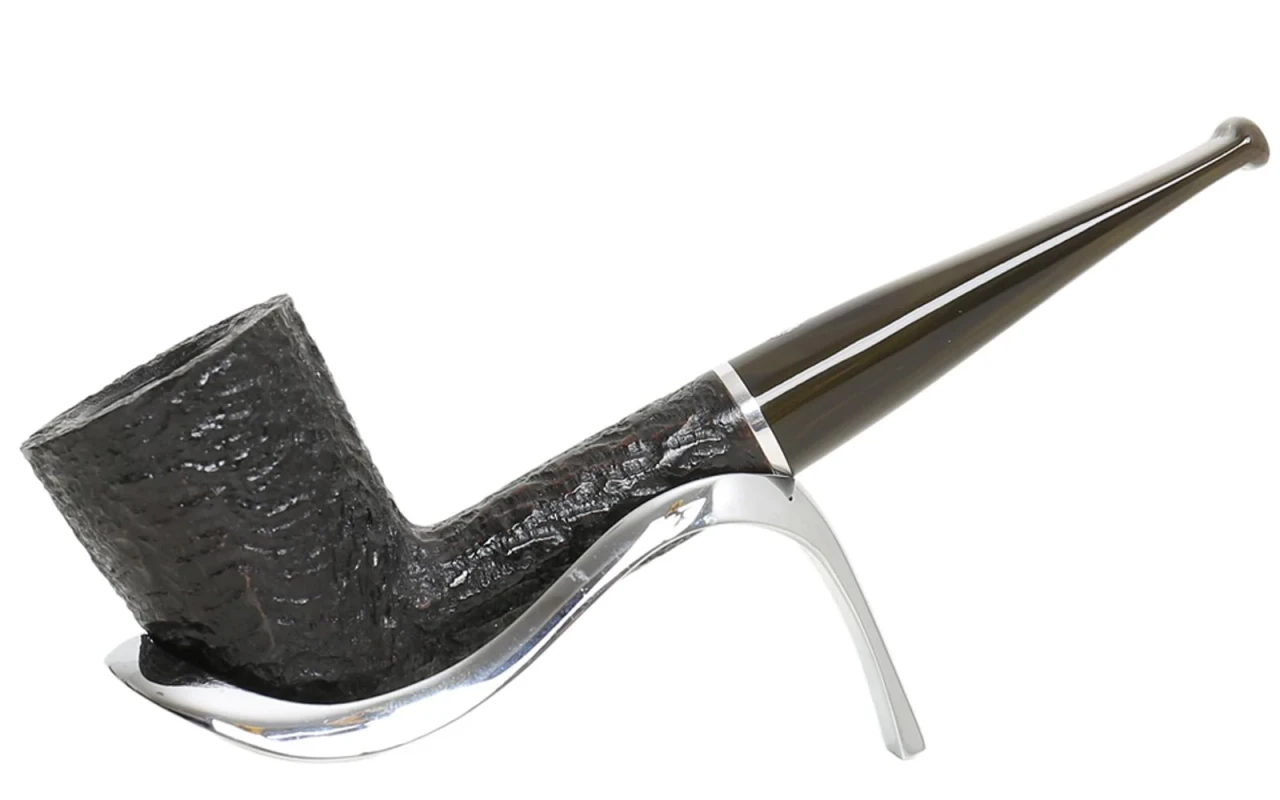
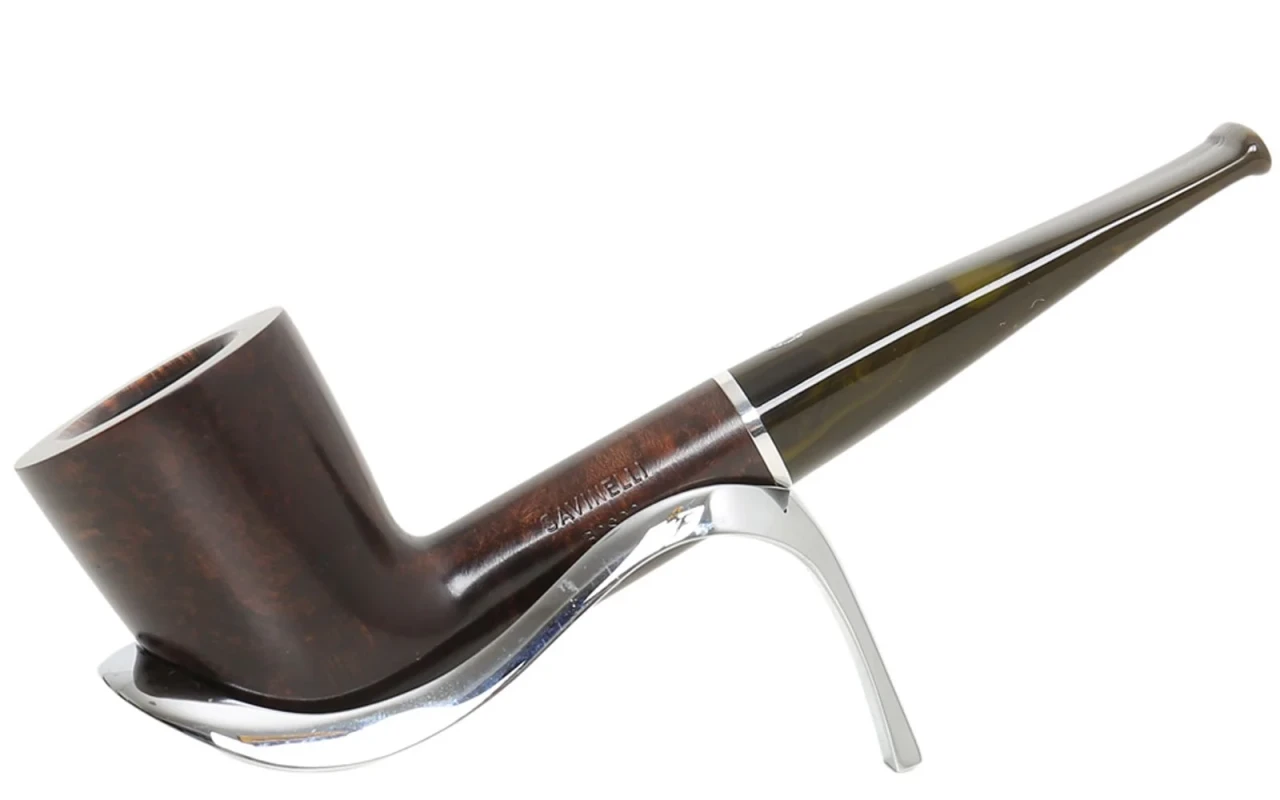
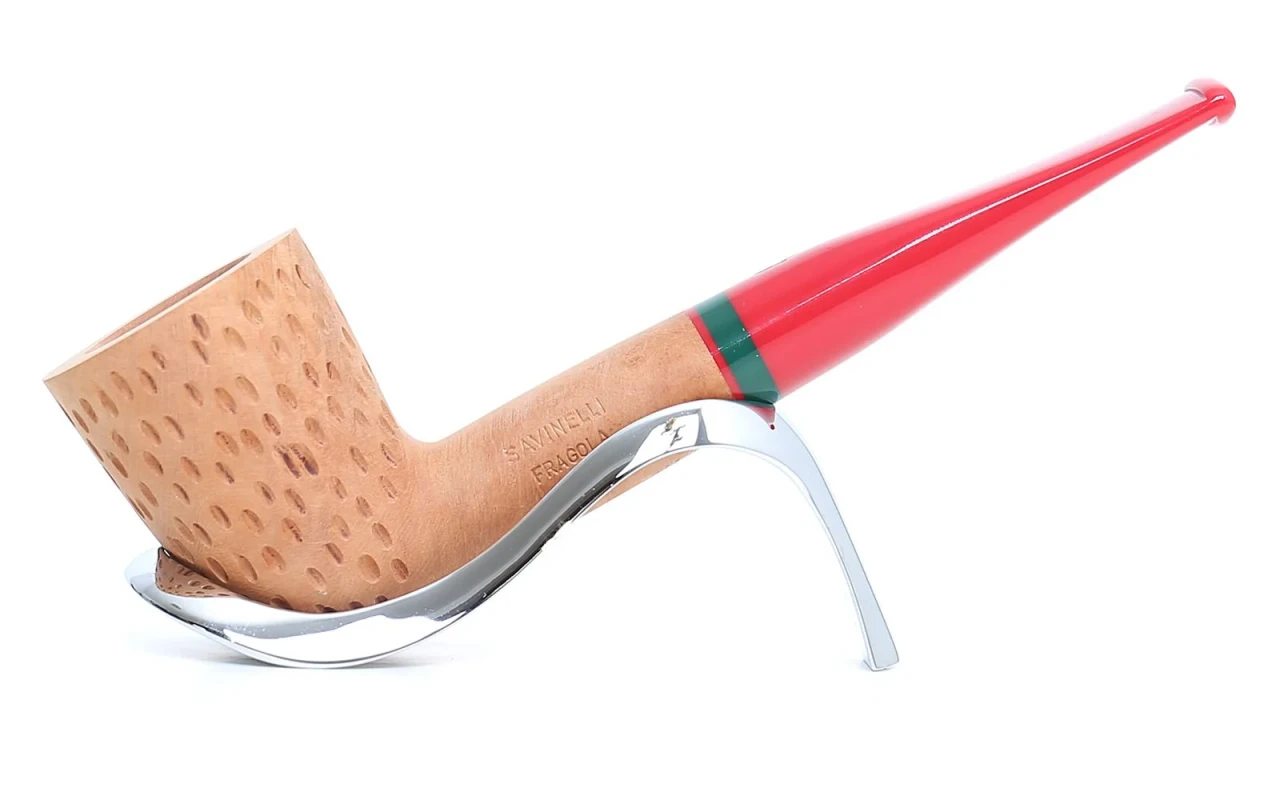
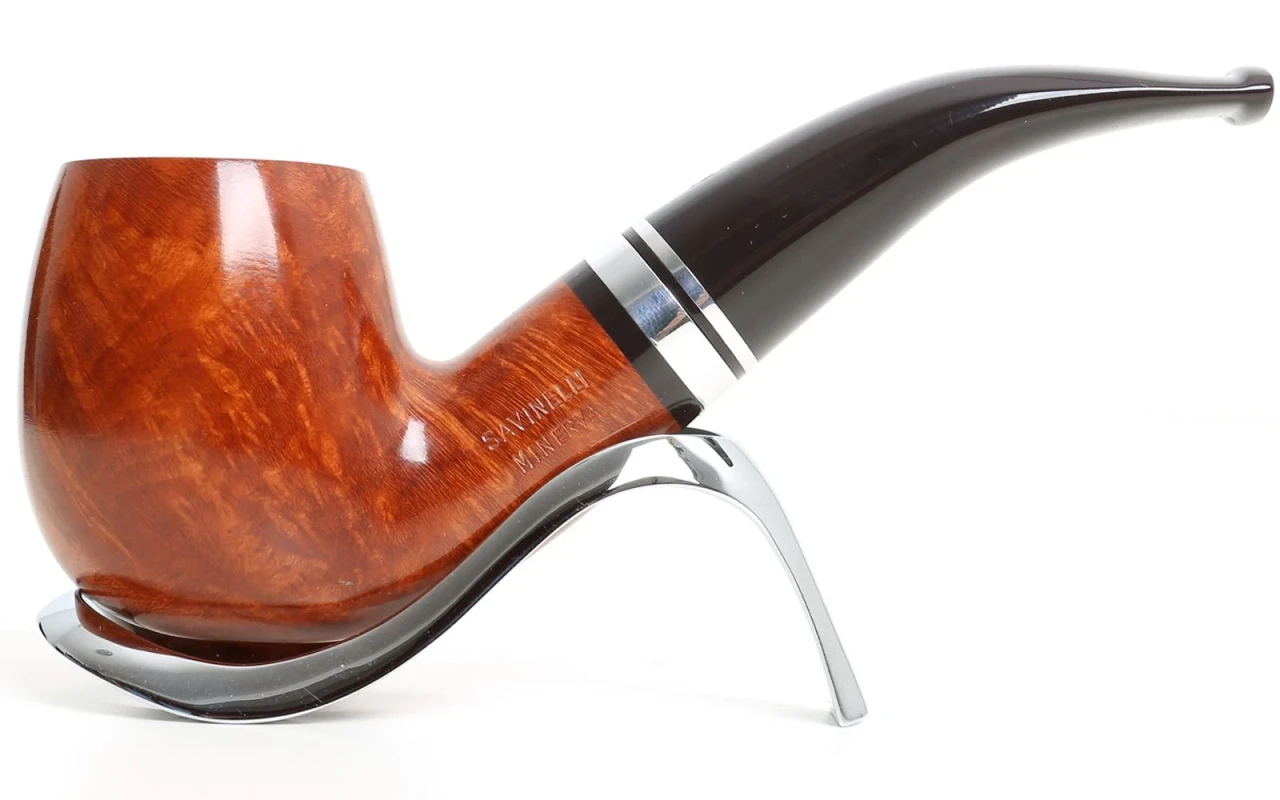
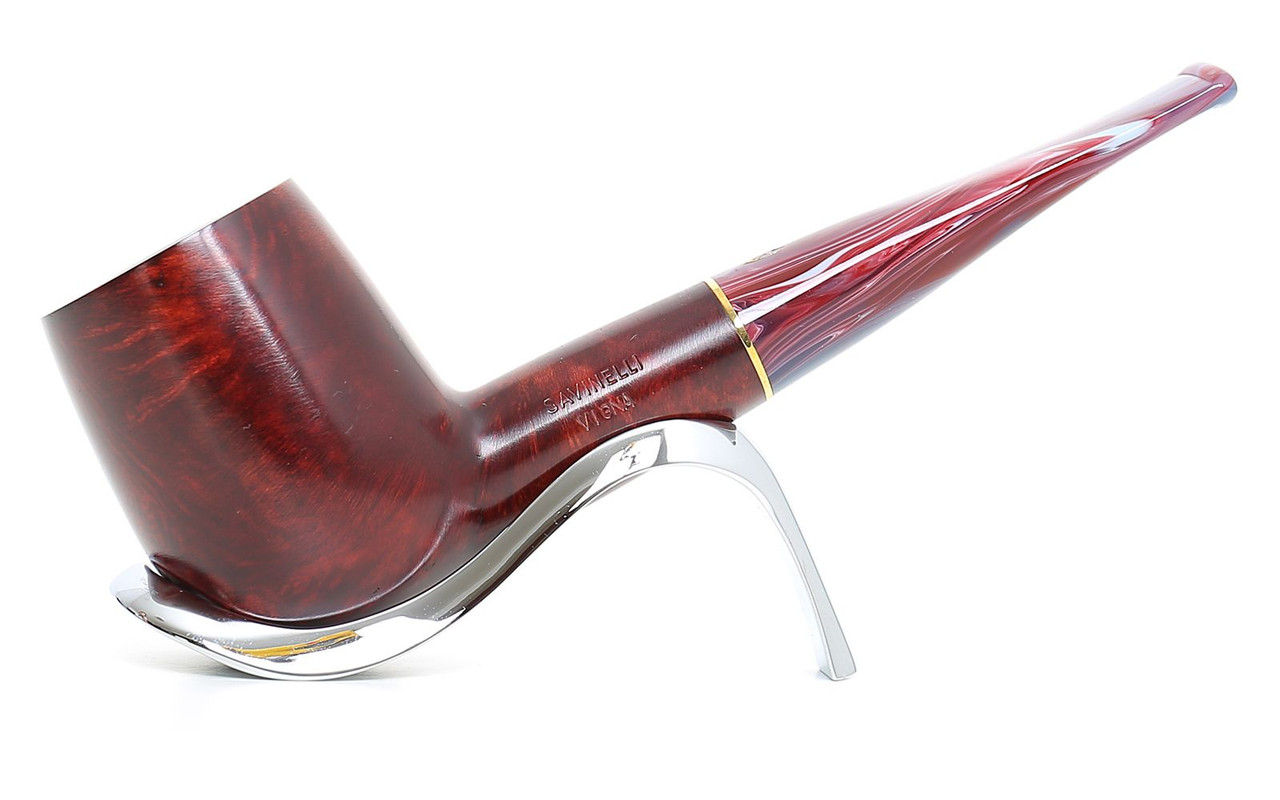
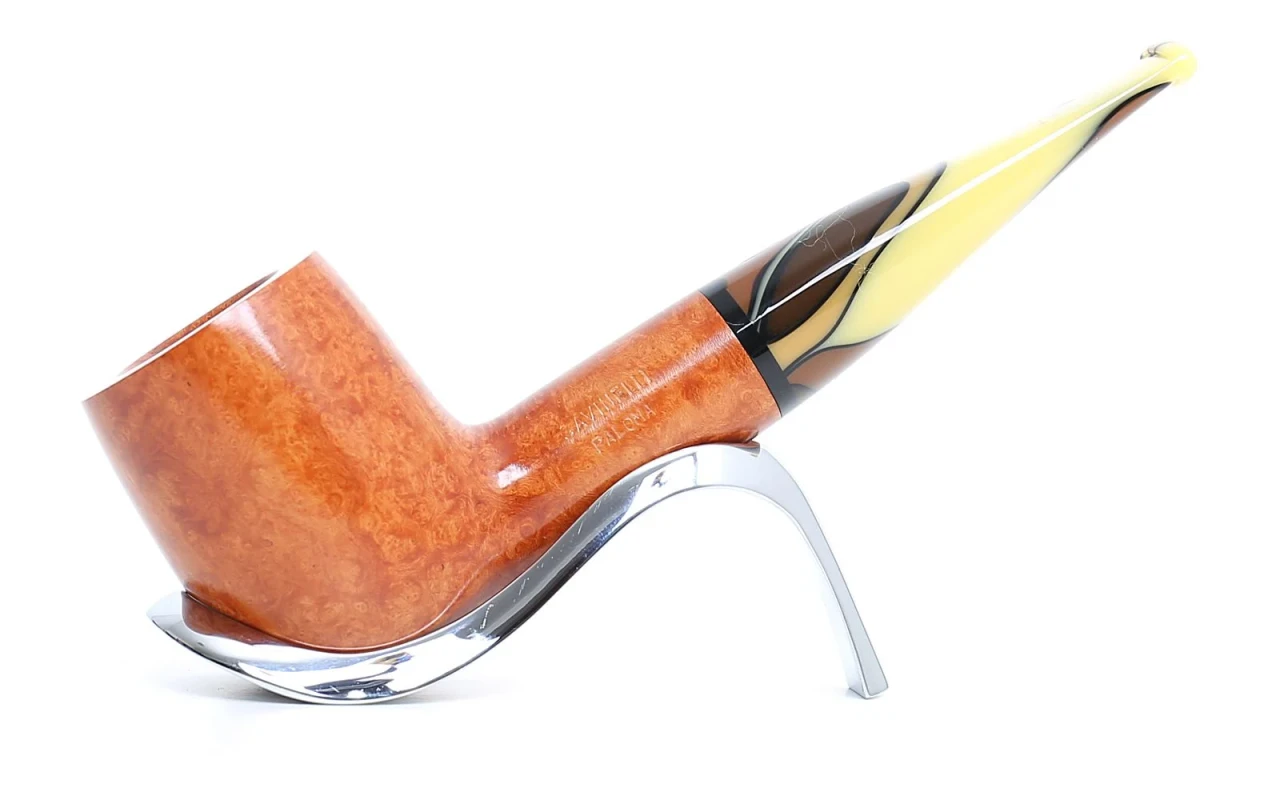
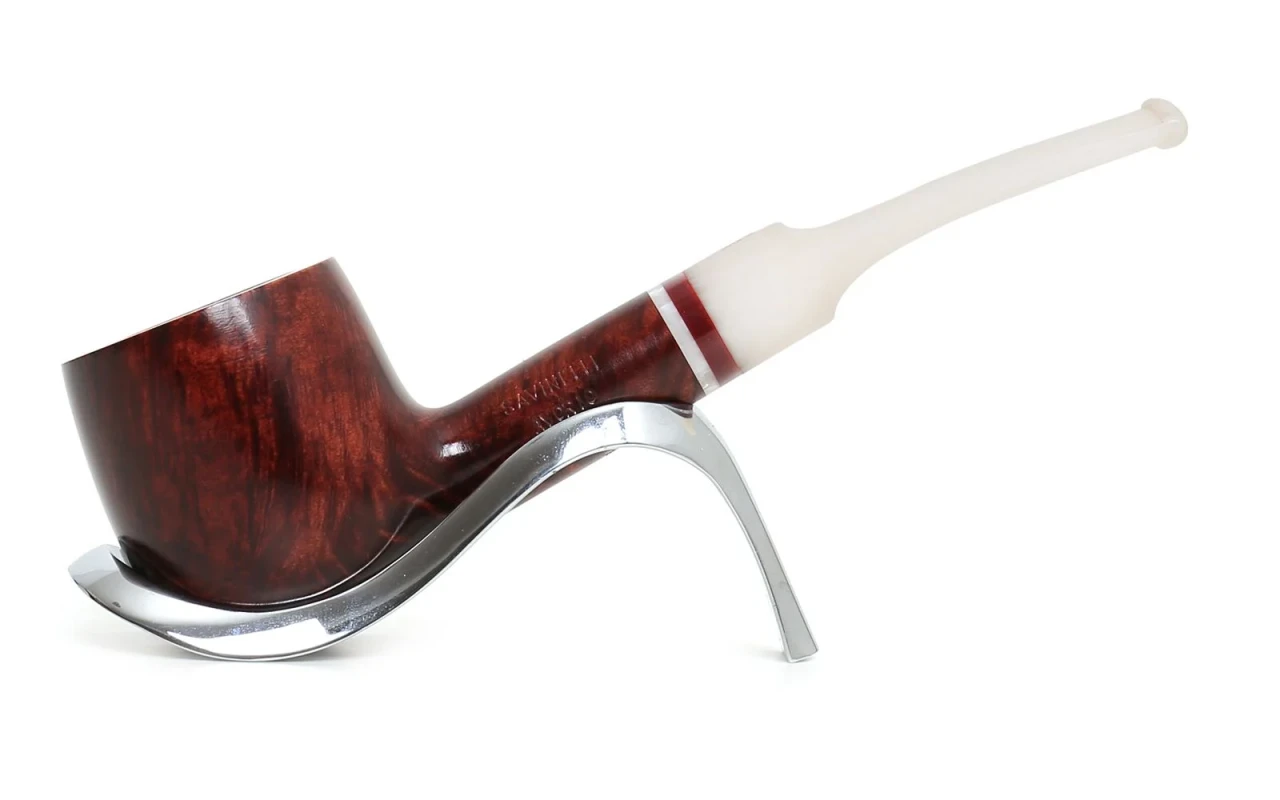
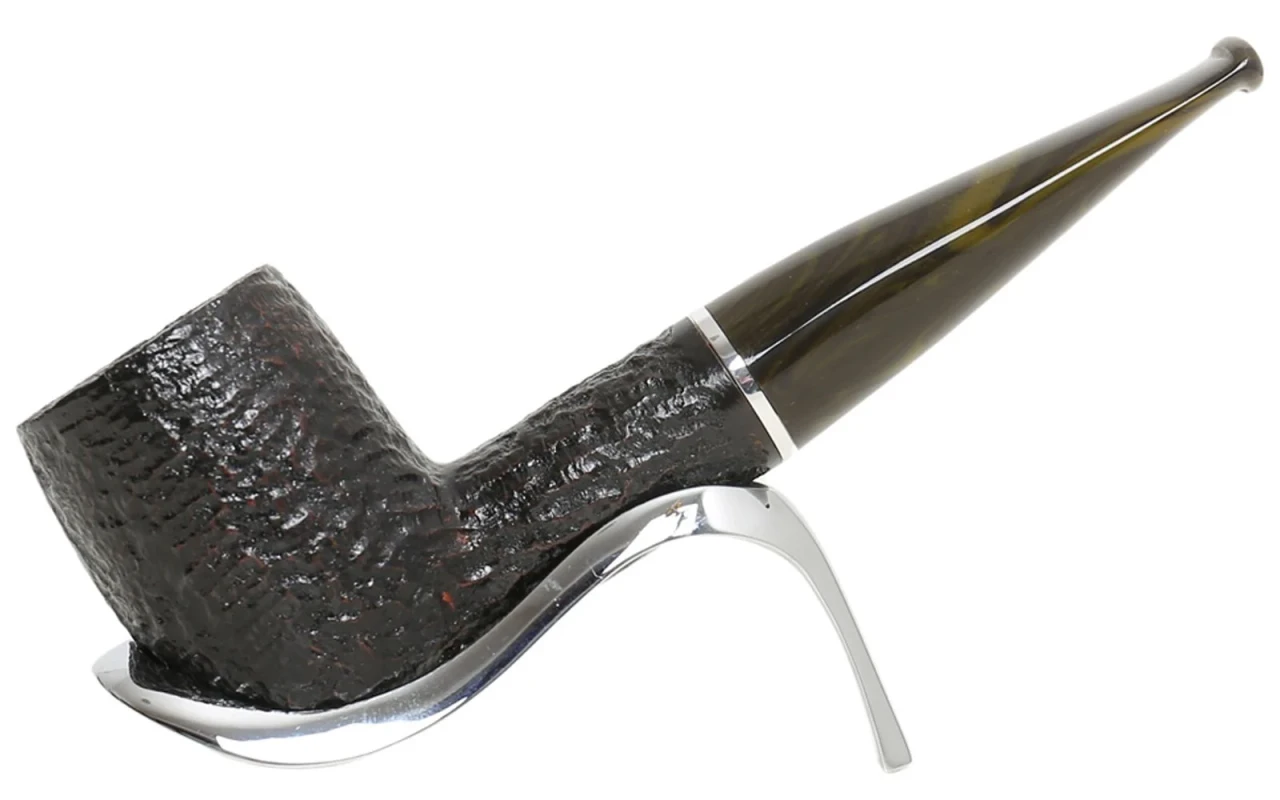
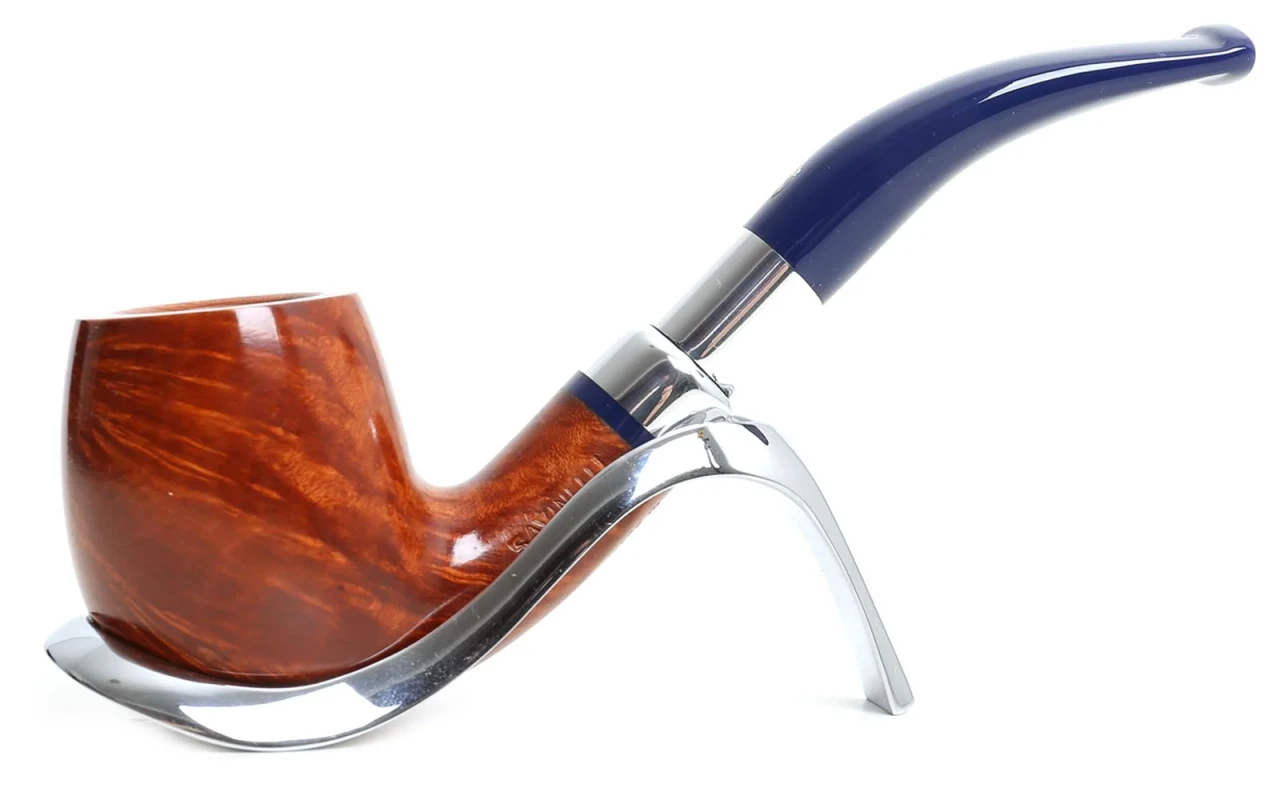
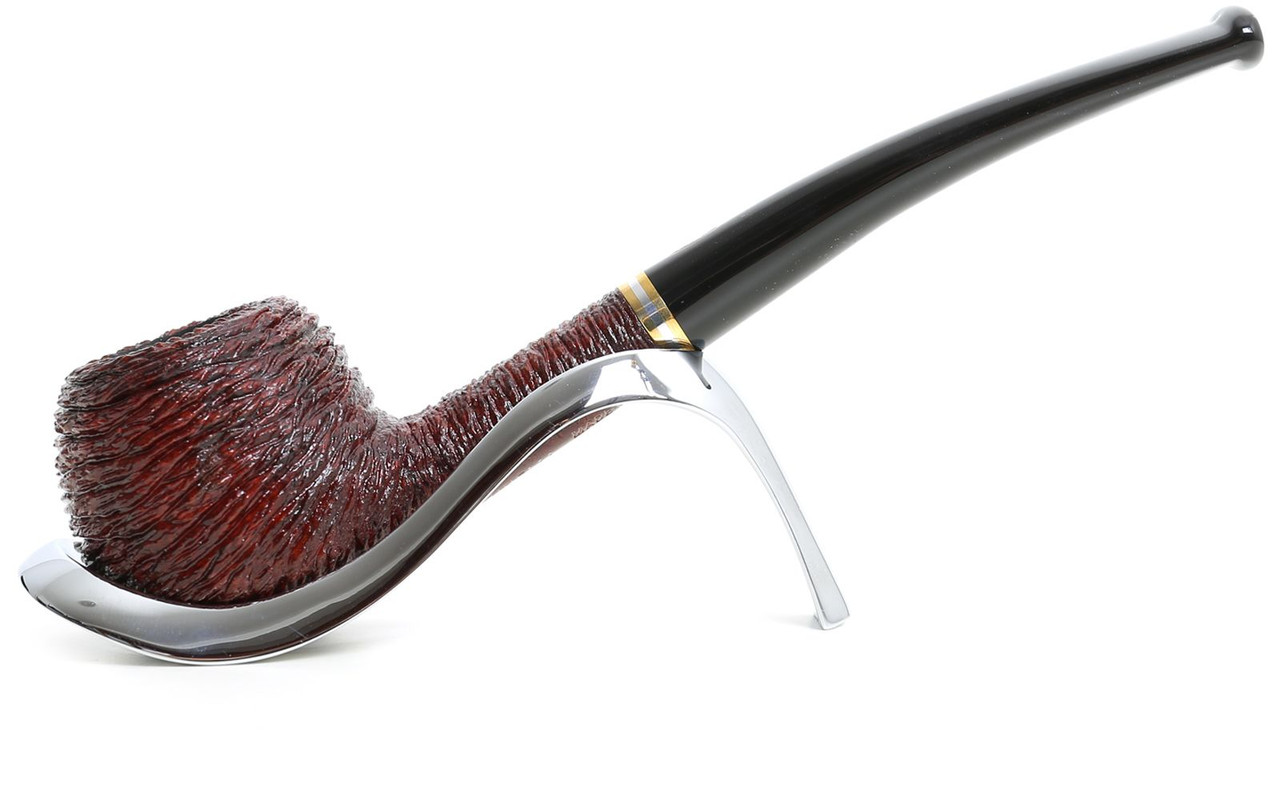
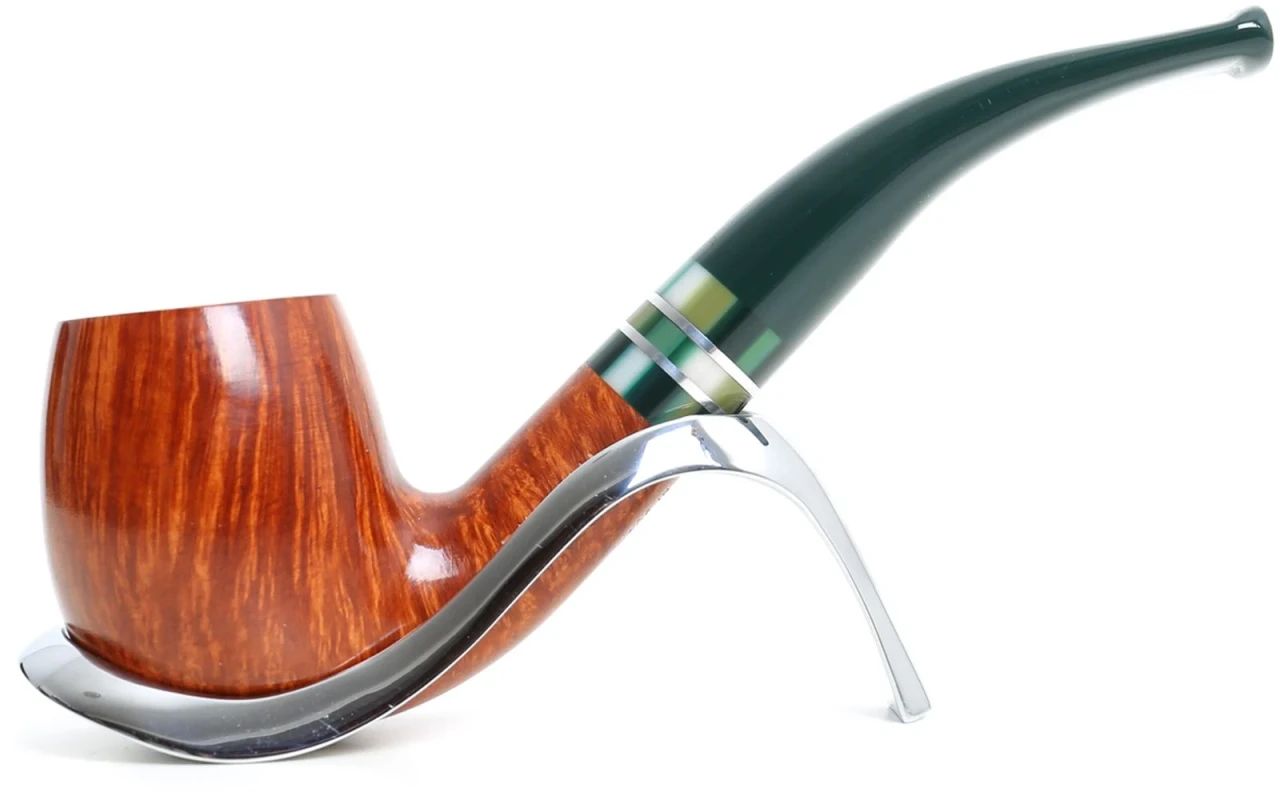
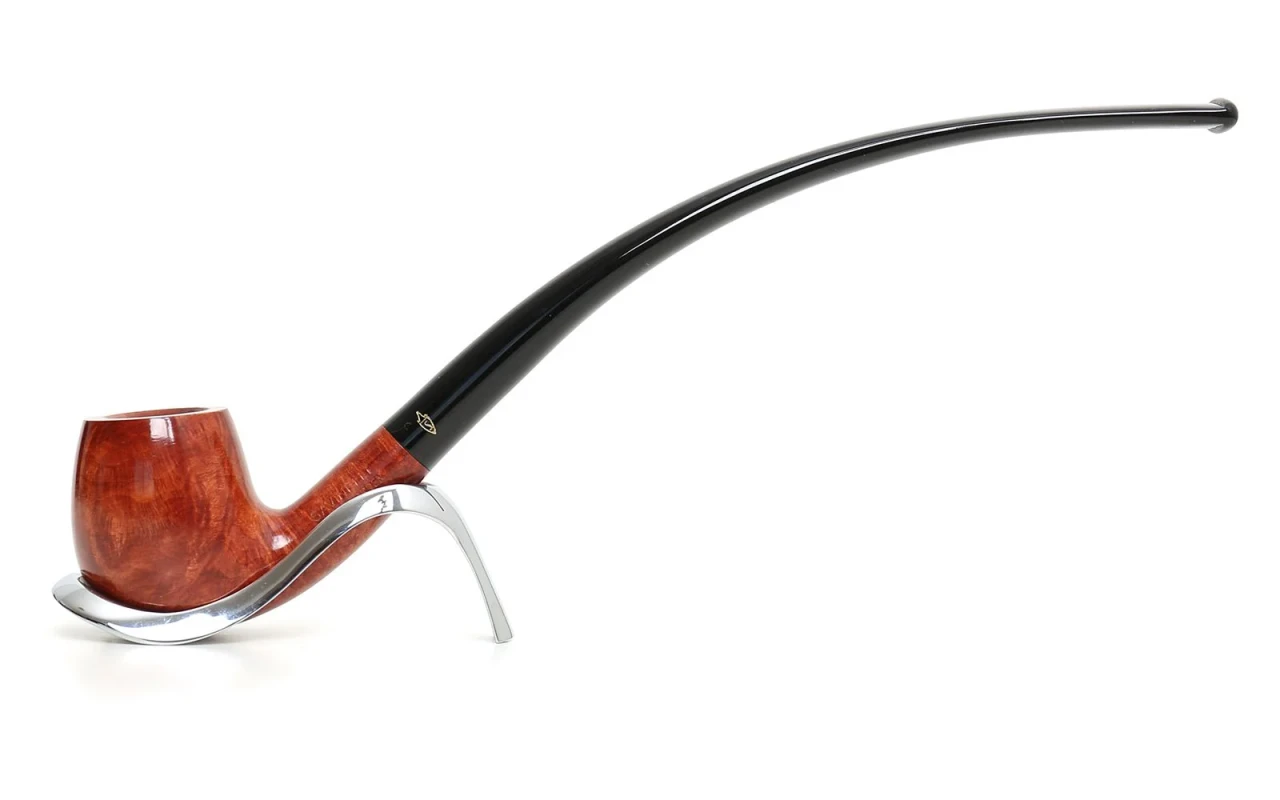
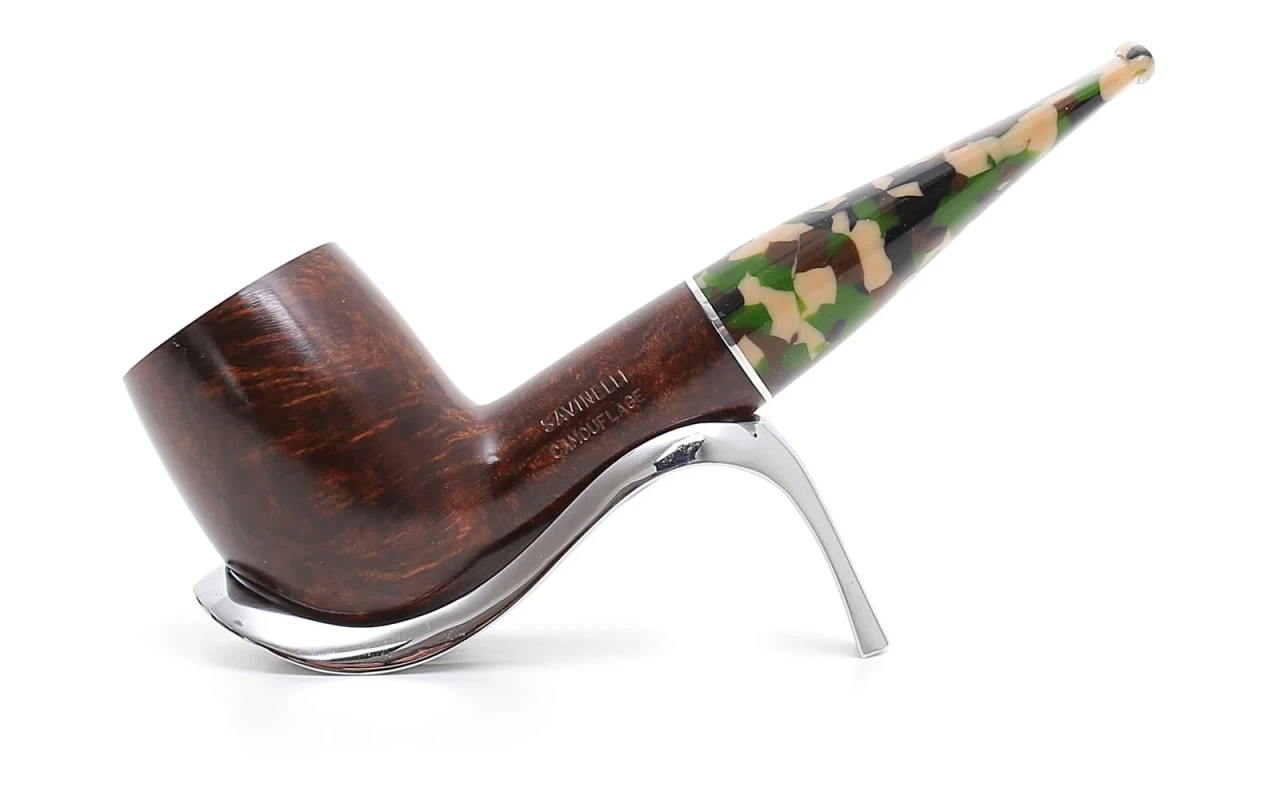
Pipes made from sustainable materials represent an ecological and responsible choice. Some manufacturers use woods from sustainably managed forests, such as briar root or bamboo. Other eco-friendly materials employed in pipe production include corn, olive wood, or mortar root. These alternatives help reduce the environmental impact of pipe production, ensuring the quality and elegance typical of these artifacts. Furthermore, using sustainable materials contributes to promoting conscious and environmentally-friendly consumption practices.
PIPE PIPE SMOKING
Pipe smoking is the result of tobacco combustion inside a specially designed pipe. During the process, the burning tobacco produces smoke that is inhaled through the pipe's stem. This practice is cherished by many enthusiasts for the unique sensory experience it provides, including different flavors and aromas depending on the type of tobacco used. Pipe smoking requires a certain skill in properly packing the pipe, controlling the combustion temperature, and maintaining proper smoke management. It is important to carefully choose the tobacco and pipe to ensure a pleasant and satisfying experience.
Best materials for smoking pipes
The most commonly used materials for crafting smoking pipes are:- Heather root: light, heat resistant, and neutral in taste, ideal for an excellent smoke.- Briar wood: precious wood known for its durability and longevity.- Silver: appreciated for its elegance and antibacterial properties.- Corn cob: inexpensive yet of good quality, lightweight and heat resistant.- Acrylic stems: durable plastic materials that are easy to clean.- Meerschaum: porous stone capable of absorbing moisture, ensuring a cooler and drier smoke.
Ecological Materials for Smoking Pipes
There are several options for ecological materials used in the production of smoking pipes, meeting the needs for sustainability and environmental respect. Some common materials include:- Wood sourced from sustainably managed forests- Corn or processed corn (such as glazed or roasted corn)- Briar root- Clay or terracotta- Corn or processed corn (such as glazed or roasted corn)- Briar rootThese materials provide eco-friendly and biodegradable alternatives to plastics or metals, allowing smoking pipe enthusiasts to indulge in their passion in a more sustainable manner.
Natural Materials for Handcrafted Pipes
Handcrafted pipes can be made with a variety of high-quality natural materials. Some common materials used by master pipemakers include briar root, walnut burl, olive wood, cherry wood, and corn cob. Briar root is particularly prized for its durability and ability to absorb moisture. Walnut burl, on the other hand, is renowned for its beauty and long-lasting nature. Olive wood and cherry wood offer an elegant and unique finish, while corn cob pipes are lightweight and provide a sweet and cool smoke. The choice of material often depends on the smoker's personal preferences and the desired aesthetic.
'%3e%3cg id='Final-Copy-2_2_' transform='translate(1275.000000, 200.000000)'%3e%3cpath class='st0' d='M7.4,12.8h6.8l3.1-11.6H7.4C4.2,1.2,1.6,3.8,1.6,7S4.2,12.8,7.4,12.8z'/%3e%3c/g%3e%3c/g%3e%3c/g%3e%3cg id='final---dec.11-2020'%3e%3cg id='_x30_208-our-toggle' transform='translate(-1275.000000, -200.000000)'%3e%3cg id='Final-Copy-2' transform='translate(1275.000000, 200.000000)'%3e%3cpath class='st1' d='M22.6,0H7.4c-3.9,0-7,3.1-7,7s3.1,7,7,7h15.2c3.9,0,7-3.1,7-7S26.4,0,22.6,0z M1.6,7c0-3.2,2.6-5.8,5.8-5.8 h9.9l-3.1,11.6H7.4C4.2,12.8,1.6,10.2,1.6,7z'/%3e%3cpath id='x' class='st2' d='M24.6,4c0.2,0.2,0.2,0.6,0,0.8l0,0L22.5,7l2.2,2.2c0.2,0.2,0.2,0.6,0,0.8c-0.2,0.2-0.6,0.2-0.8,0 l0,0l-2.2-2.2L19.5,10c-0.2,0.2-0.6,0.2-0.8,0c-0.2-0.2-0.2-0.6,0-0.8l0,0L20.8,7l-2.2-2.2c-0.2-0.2-0.2-0.6,0-0.8 c0.2-0.2,0.6-0.2,0.8,0l0,0l2.2,2.2L23.8,4C24,3.8,24.4,3.8,24.6,4z'/%3e%3cpath id='y' class='st3' d='M12.7,4.1c0.2,0.2,0.3,0.6,0.1,0.8l0,0L8.6,9.8C8.5,9.9,8.4,10,8.3,10c-0.2,0.1-0.5,0.1-0.7-0.1l0,0 L5.4,7.7c-0.2-0.2-0.2-0.6,0-0.8c0.2-0.2,0.6-0.2,0.8,0l0,0L8,8.6l3.8-4.5C12,3.9,12.4,3.9,12.7,4.1z'/%3e%3c/g%3e%3c/g%3e%3c/g%3e%3c/g%3e%3c/svg%3e) Your Privacy Choices
Your Privacy Choices 


