 ES
ES FR
FR EN
EN IT
IT DE
DE
3D Printing Technologies for Pipe Design
3D Printing Technologies for Pipe Design
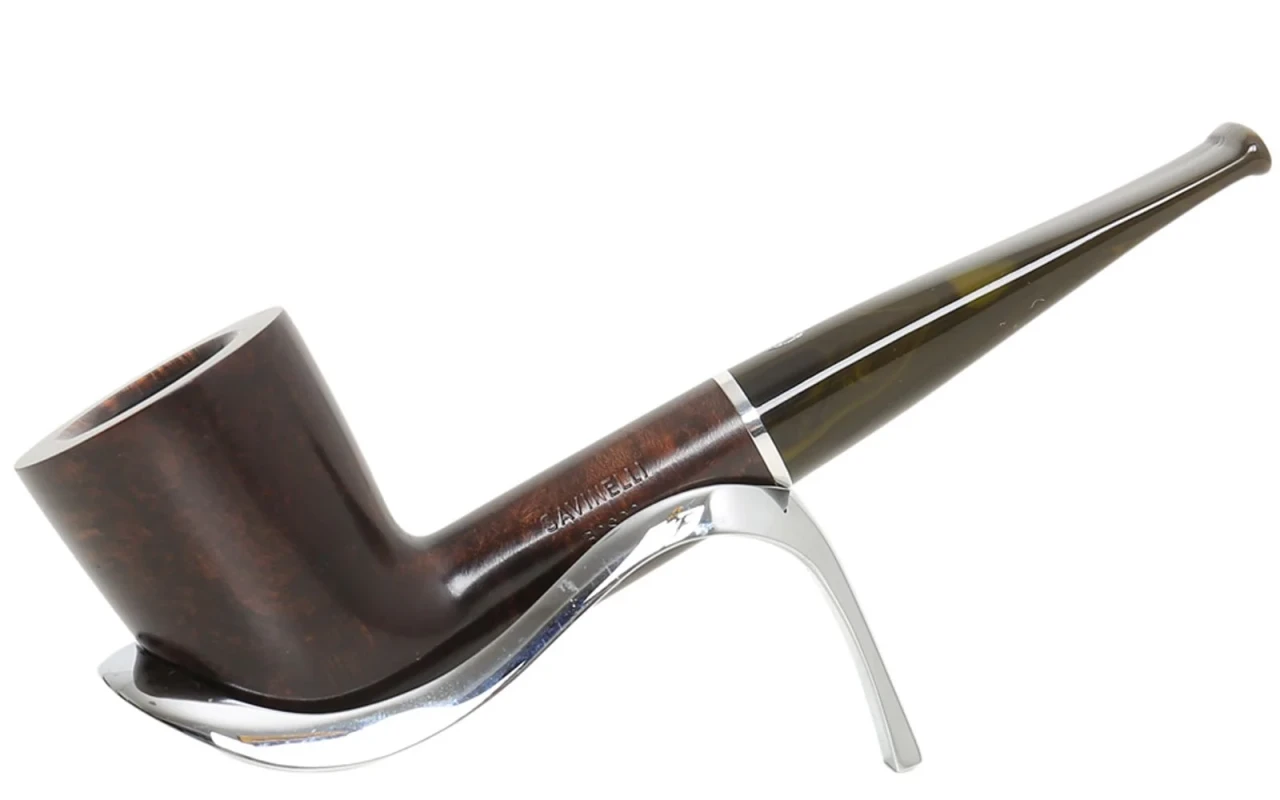
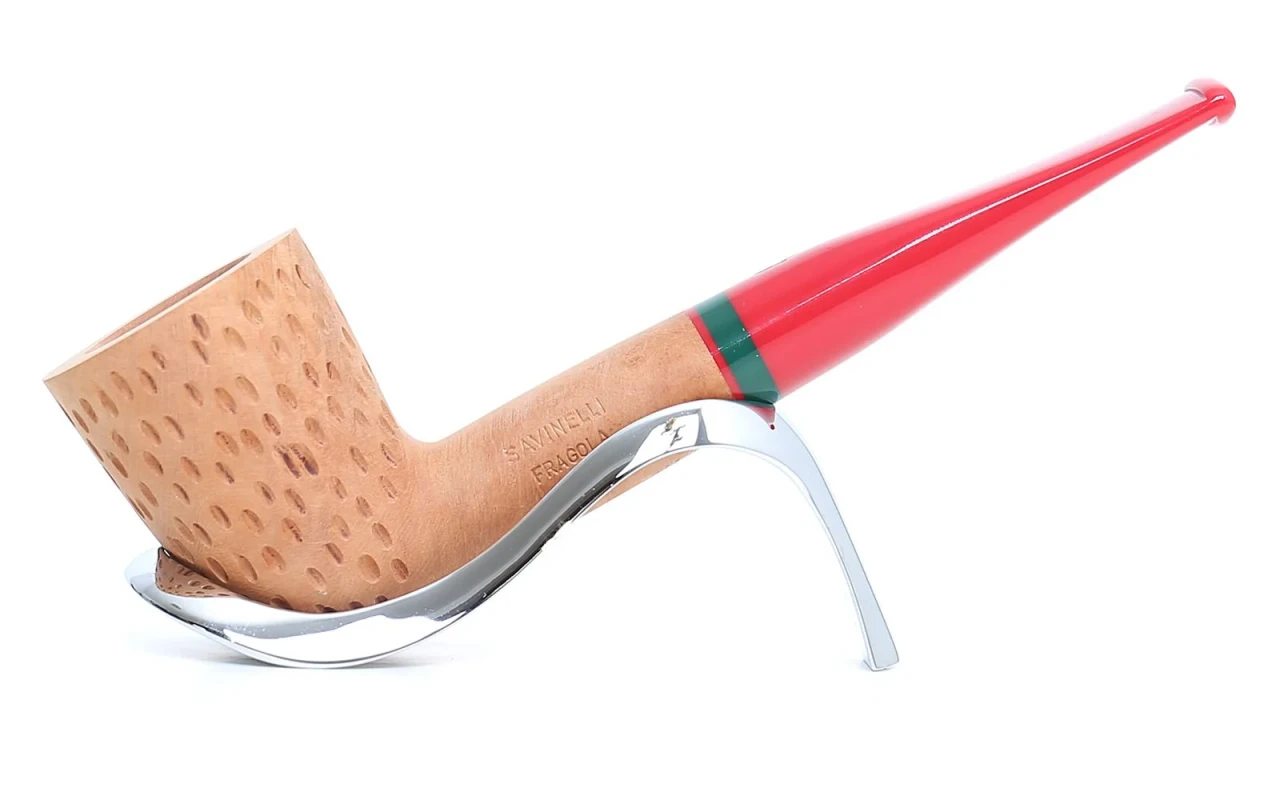
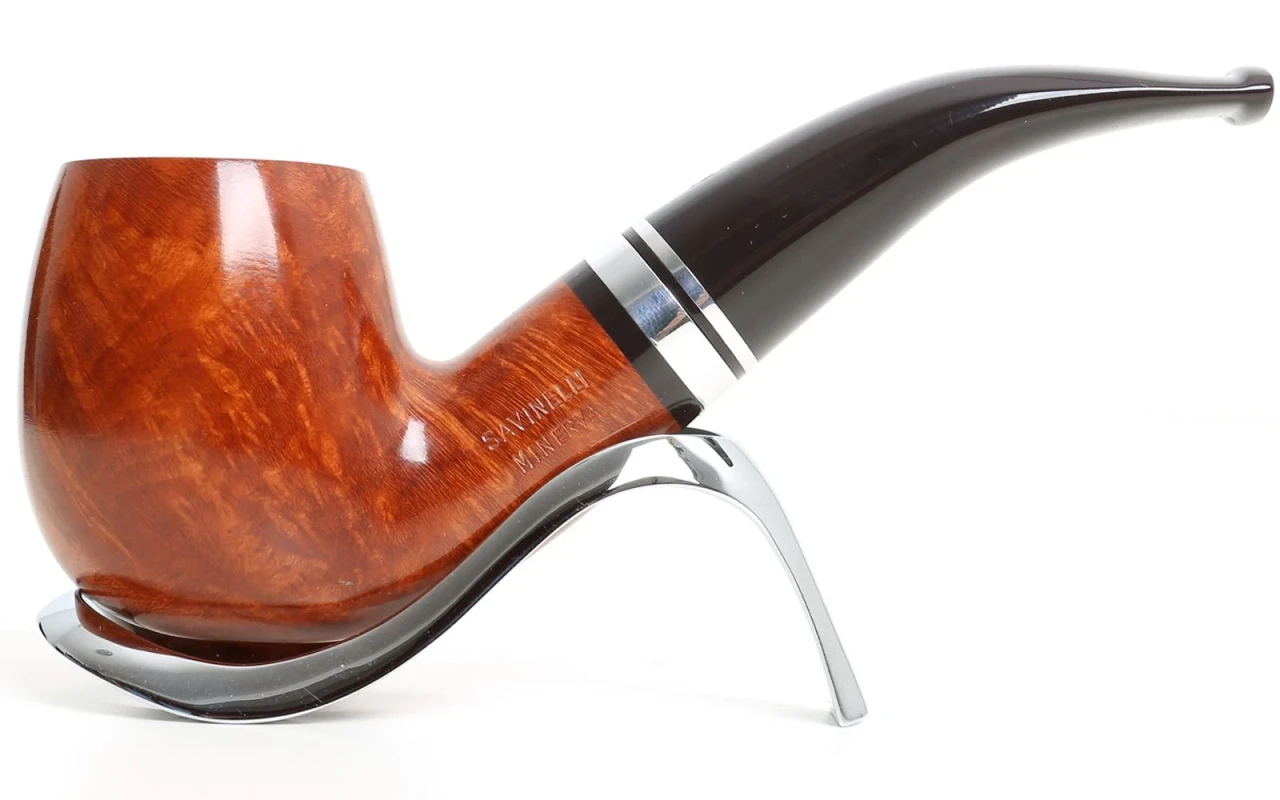
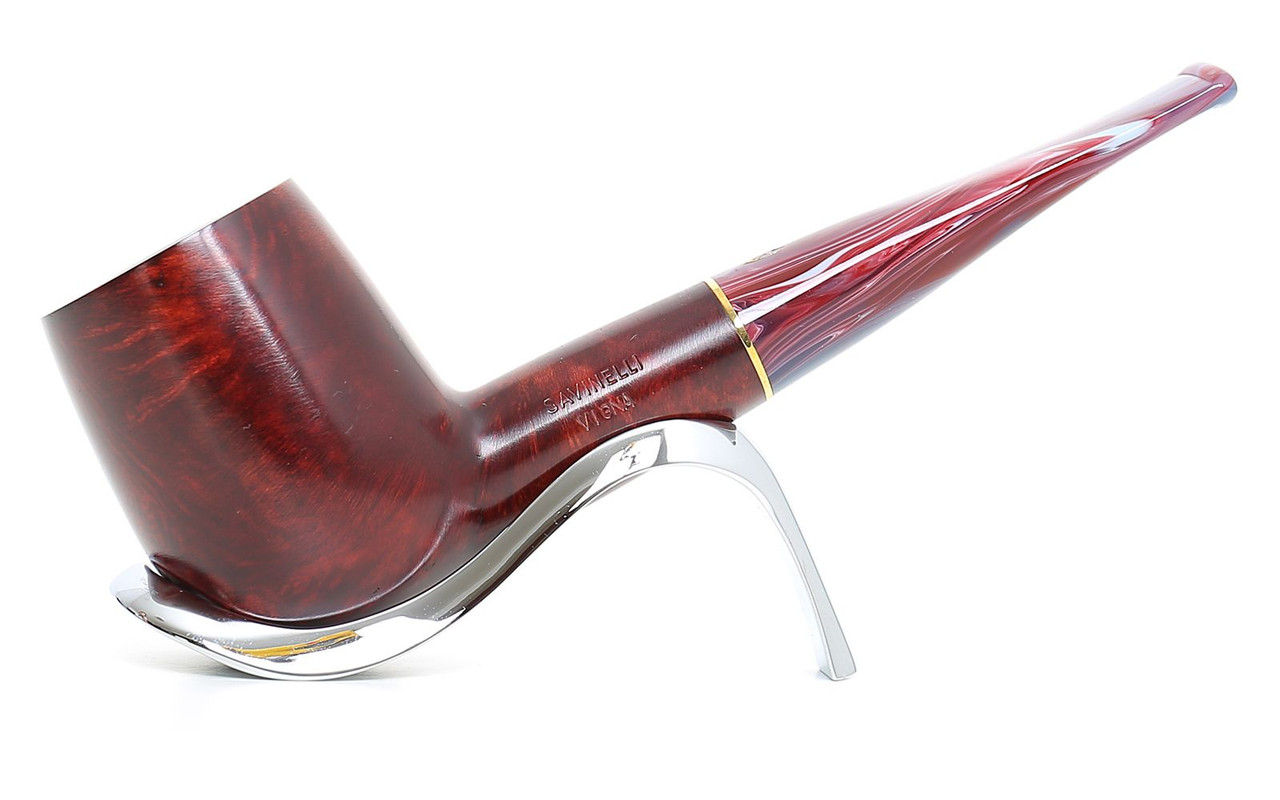
3D printing technologies offer new possibilities in pipe design, allowing the creation of personalized and complex models. With 3D printing, it is possible to produce pipes with unique and innovative designs, using materials such as PLA, ABS, or special resins. This method allows for greater creative freedom compared to traditional production. Additionally, 3D printing enables rapid testing of new ideas and prototypes, optimizing shapes and functionalities. Thanks to these advanced technologies, pipe enthusiasts can obtain tailor-made, high-quality products.
Materials for 3D printing of pipes
3D printing offers various material options for creating customized pipes. The most common materials used for printing pipes include:- PLA: a biodegradable and easy-to-print material, ideal for decorative or occasional pipes.- ABS: strong and durable, suitable for more robust and heat-resistant pipes.- PETG: solvent and heat-resistant, great compromise between PLA and ABS.- Nylon: lightweight and moisture-resistant, ideal for lightweight and portable pipes.- Resin: provides very precise details, perfect for high-quality pipes.The choice of material depends on the intended use and the designer's personal preferences.
Digital Models for 3D Printed Pipes
Digital models for 3D printed pipes represent an innovative solution in the world of pipes. Thanks to 3D printing technology, it is possible to create unique and personalized designs, tailored to each smoker's preferences. These digital models allow for experimenting with different shapes, materials, and sizes, ensuring greater creative freedom in the production of custom pipes. Moreover, 3D printing allows for greater precision and detail in the final results, offering smokers a unique experience in enjoying pipe smoking.
Design Techniques for 3D Printed Pipes
Design techniques for 3D printed pipes are essential to achieve optimal results. Here are some useful tips:- **Airflow optimization**: design an efficient combustion chamber to ensure good airflow circulation.- **Appropriate materials**: choose materials suitable for high temperatures and the required mechanical resistance.- **Ergonomic design**: consider ergonomic shape and dimensions for a comfortable grip and practical use.- **Supports and reinforcement structures**: integrate supports and reinforcement structures to ensure the stability and durability of the 3D printed pipe.- **Surface finishes**: consider applying surface finishes to enhance the aesthetics and durability of the pipe.By following these guidelines, it is possible to obtain high-quality and functional 3D printed pipes.
'%3e%3cg id='Final-Copy-2_2_' transform='translate(1275.000000, 200.000000)'%3e%3cpath class='st0' d='M7.4,12.8h6.8l3.1-11.6H7.4C4.2,1.2,1.6,3.8,1.6,7S4.2,12.8,7.4,12.8z'/%3e%3c/g%3e%3c/g%3e%3c/g%3e%3cg id='final---dec.11-2020'%3e%3cg id='_x30_208-our-toggle' transform='translate(-1275.000000, -200.000000)'%3e%3cg id='Final-Copy-2' transform='translate(1275.000000, 200.000000)'%3e%3cpath class='st1' d='M22.6,0H7.4c-3.9,0-7,3.1-7,7s3.1,7,7,7h15.2c3.9,0,7-3.1,7-7S26.4,0,22.6,0z M1.6,7c0-3.2,2.6-5.8,5.8-5.8 h9.9l-3.1,11.6H7.4C4.2,12.8,1.6,10.2,1.6,7z'/%3e%3cpath id='x' class='st2' d='M24.6,4c0.2,0.2,0.2,0.6,0,0.8l0,0L22.5,7l2.2,2.2c0.2,0.2,0.2,0.6,0,0.8c-0.2,0.2-0.6,0.2-0.8,0 l0,0l-2.2-2.2L19.5,10c-0.2,0.2-0.6,0.2-0.8,0c-0.2-0.2-0.2-0.6,0-0.8l0,0L20.8,7l-2.2-2.2c-0.2-0.2-0.2-0.6,0-0.8 c0.2-0.2,0.6-0.2,0.8,0l0,0l2.2,2.2L23.8,4C24,3.8,24.4,3.8,24.6,4z'/%3e%3cpath id='y' class='st3' d='M12.7,4.1c0.2,0.2,0.3,0.6,0.1,0.8l0,0L8.6,9.8C8.5,9.9,8.4,10,8.3,10c-0.2,0.1-0.5,0.1-0.7-0.1l0,0 L5.4,7.7c-0.2-0.2-0.2-0.6,0-0.8c0.2-0.2,0.6-0.2,0.8,0l0,0L8,8.6l3.8-4.5C12,3.9,12.4,3.9,12.7,4.1z'/%3e%3c/g%3e%3c/g%3e%3c/g%3e%3c/g%3e%3c/svg%3e) Your Privacy Choices
Your Privacy Choices 


