 ES
ES FR
FR EN
EN IT
IT DE
DE
Traditional techniques for decorating briar pipes
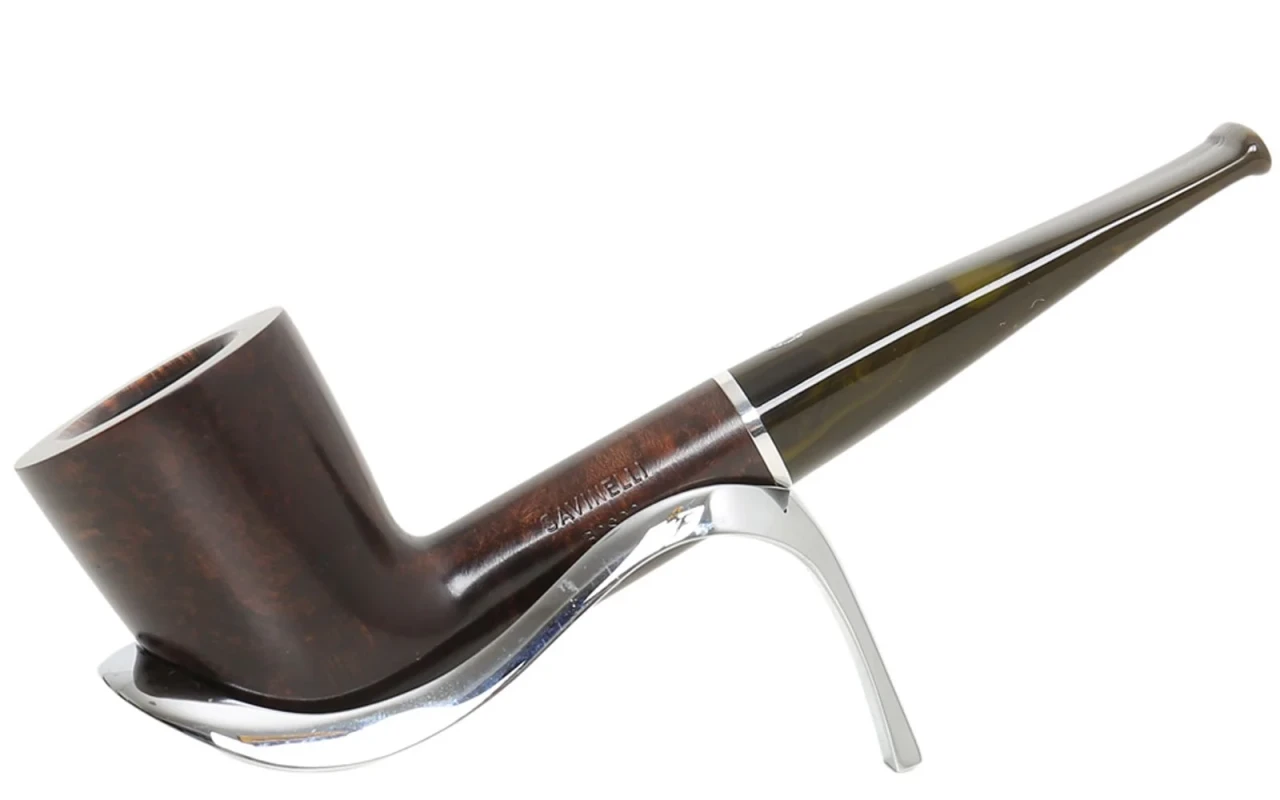
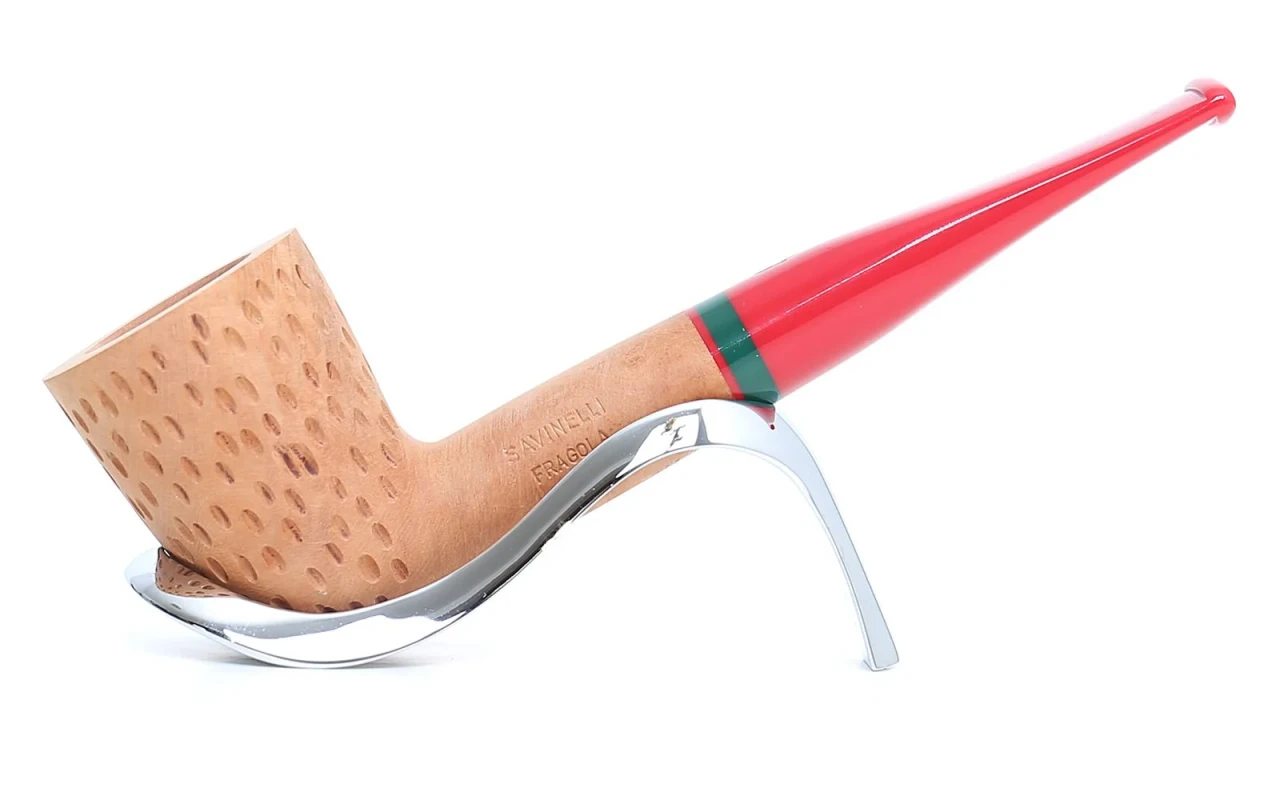
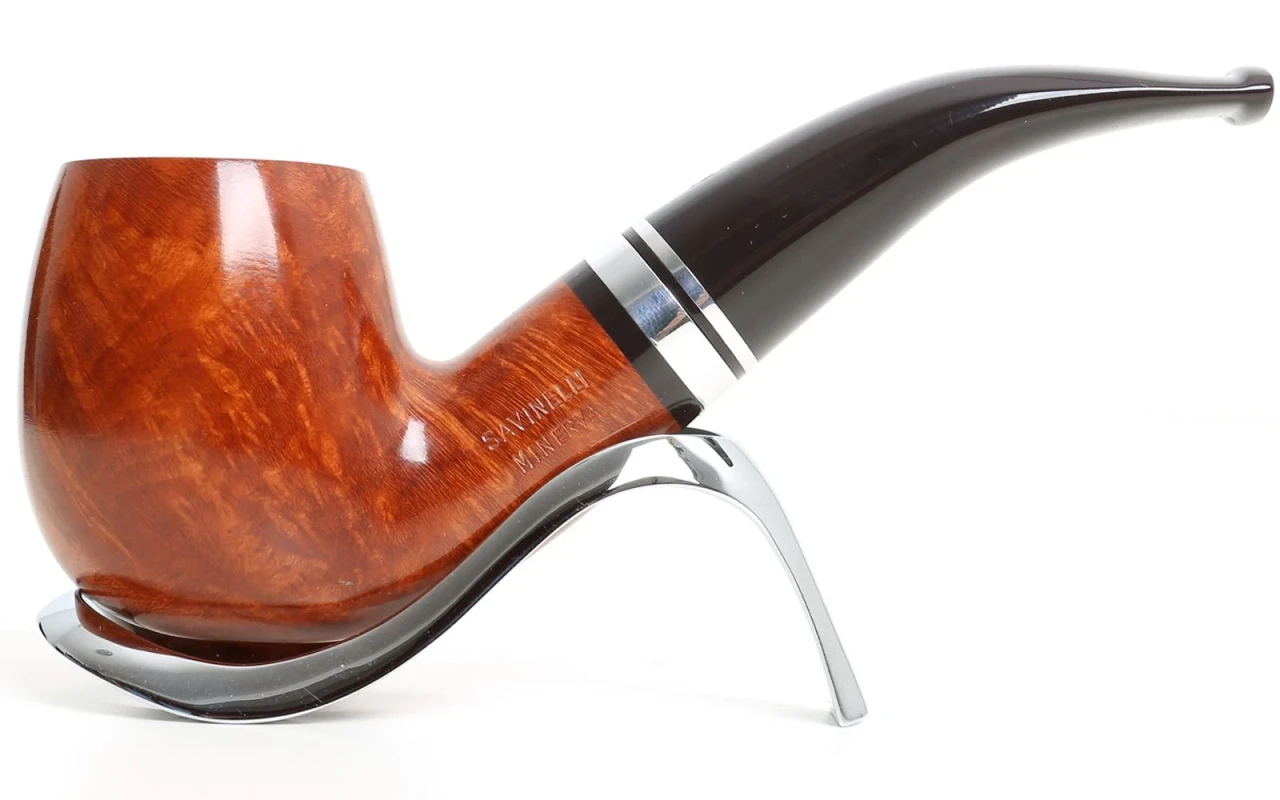
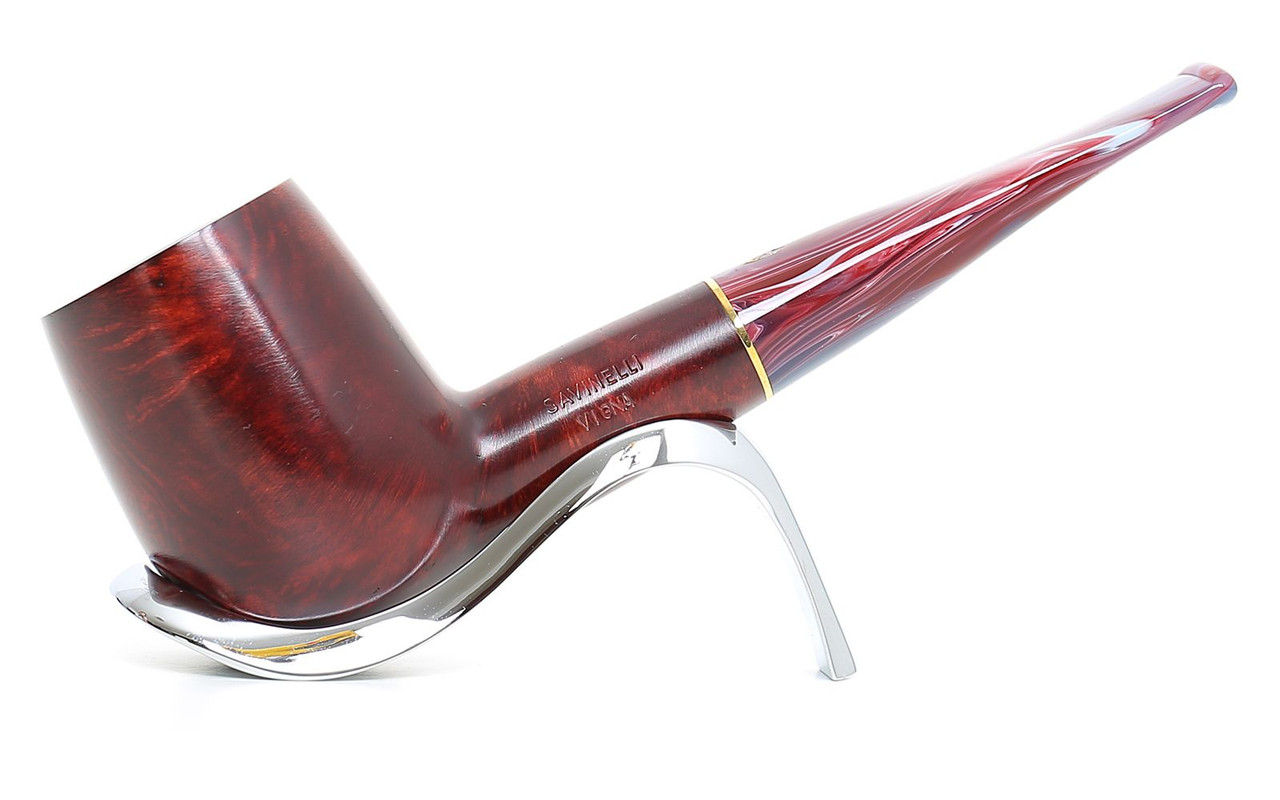
Traditional techniques for decorating briar pipes
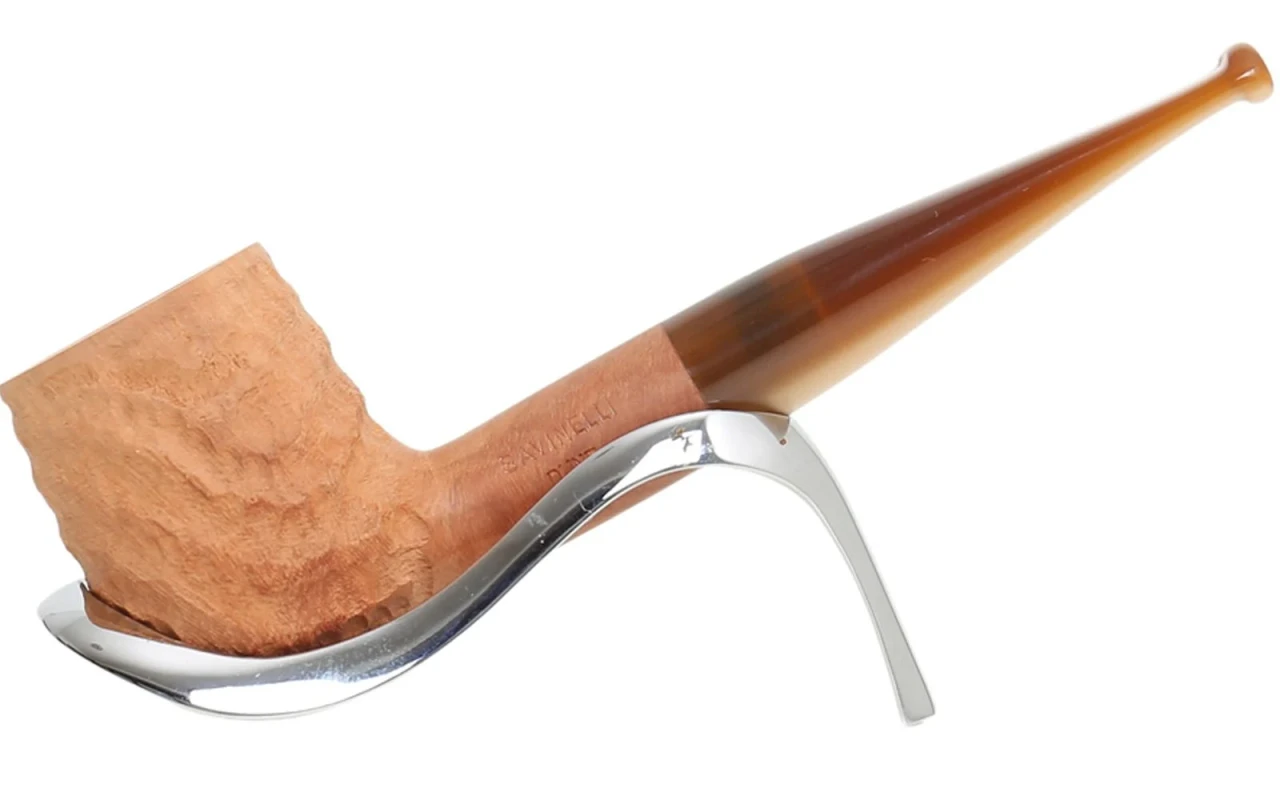
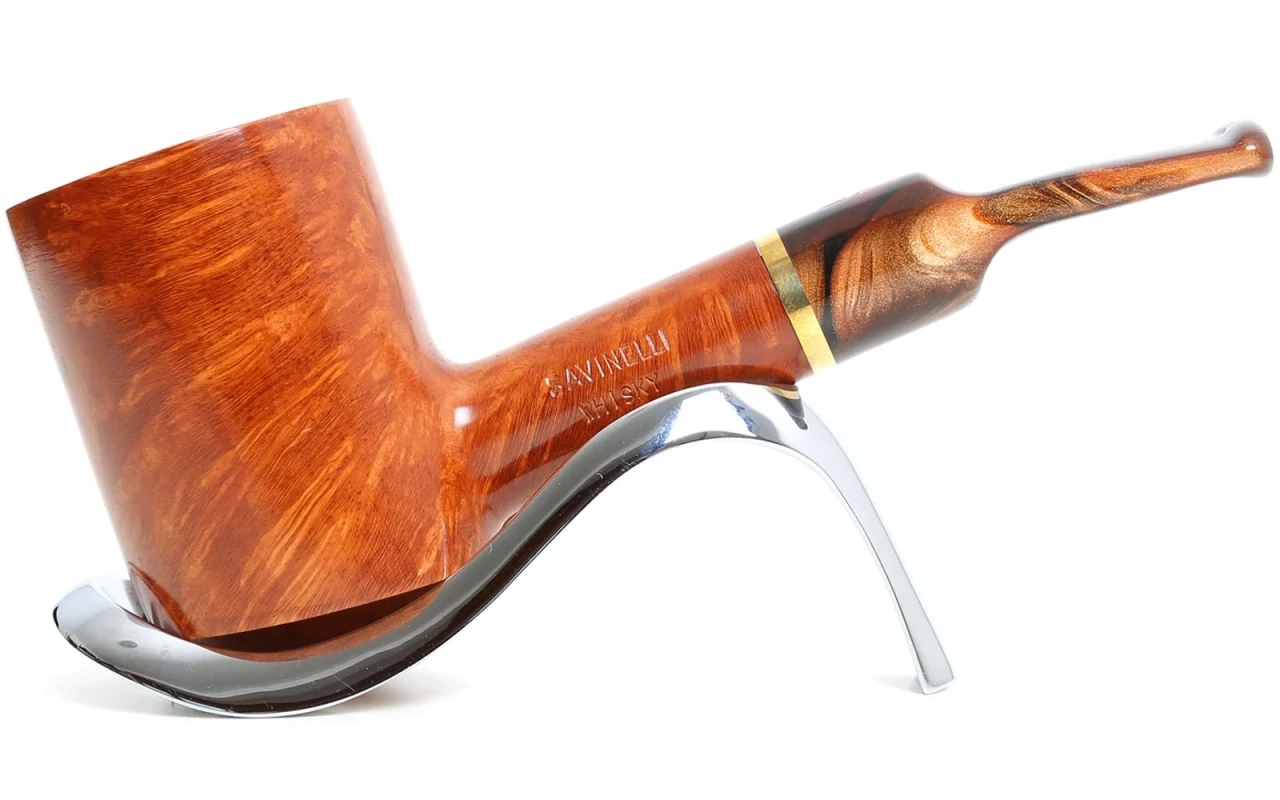
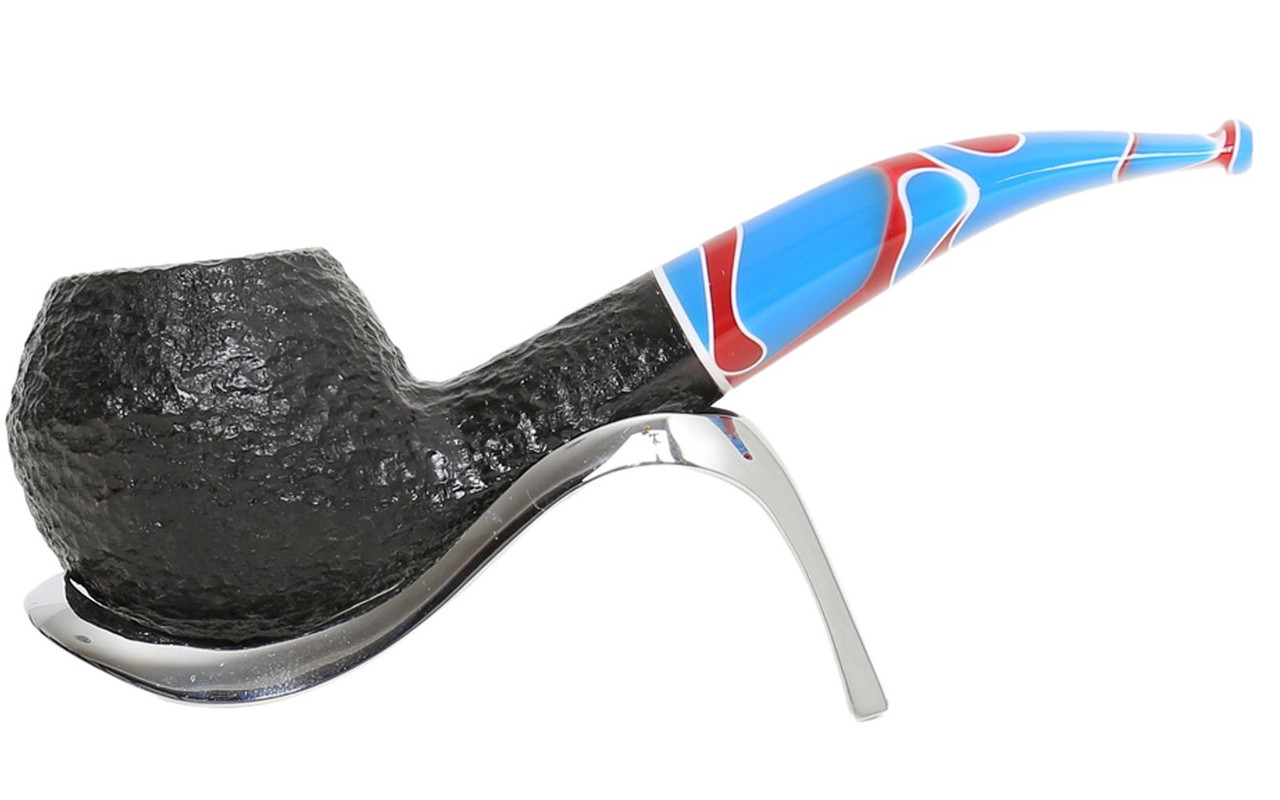
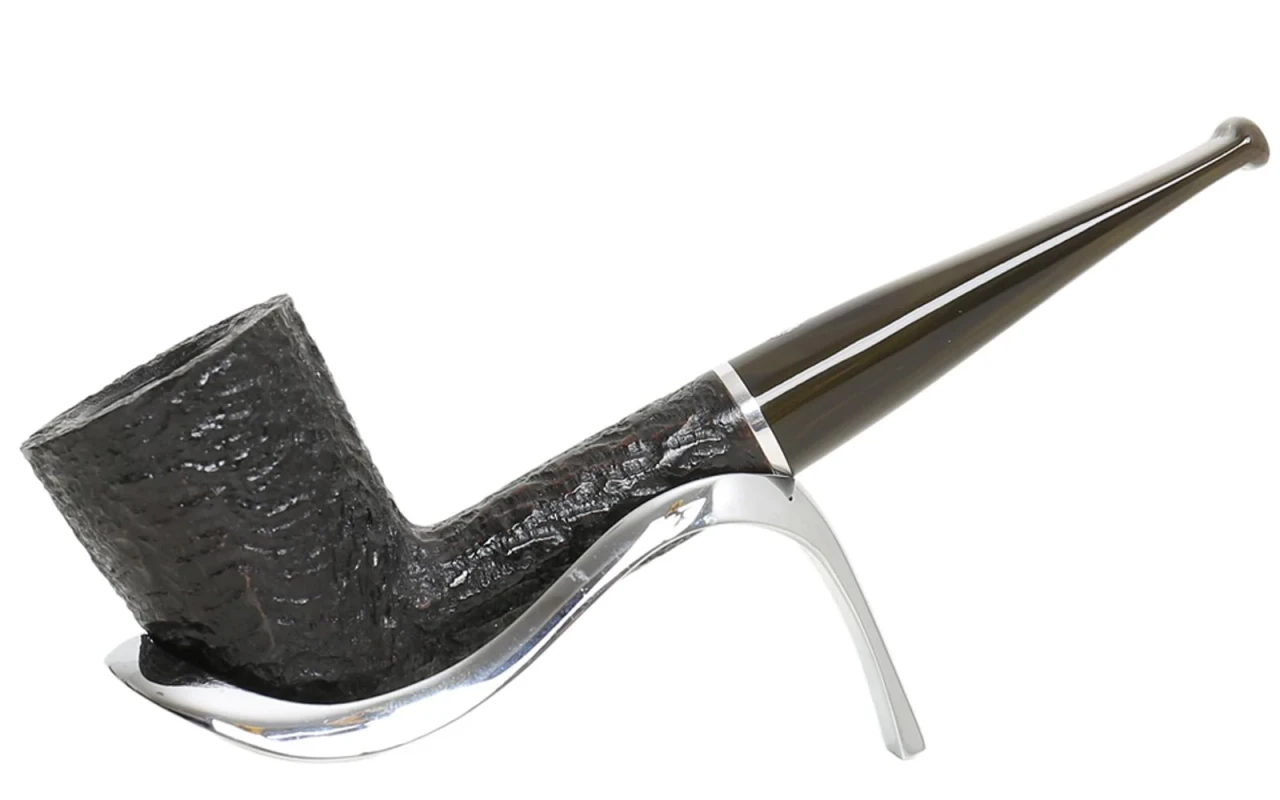
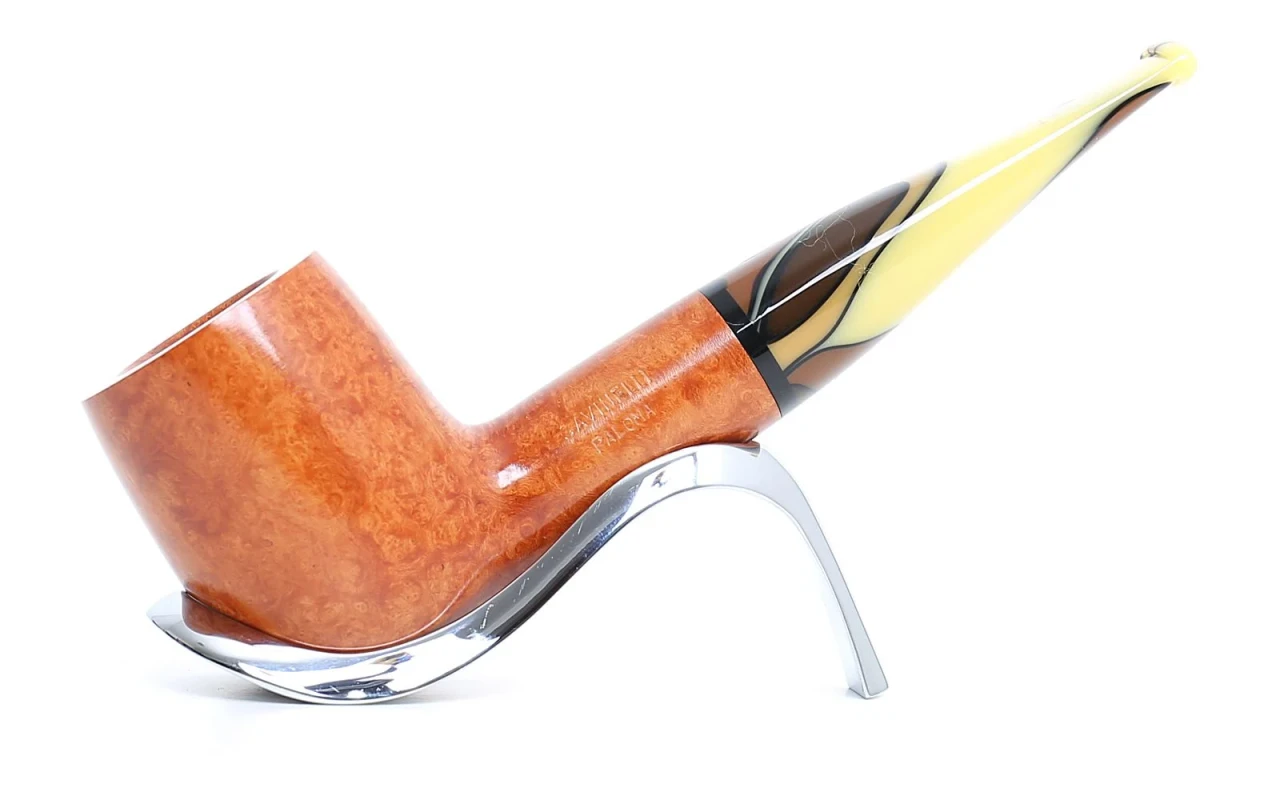
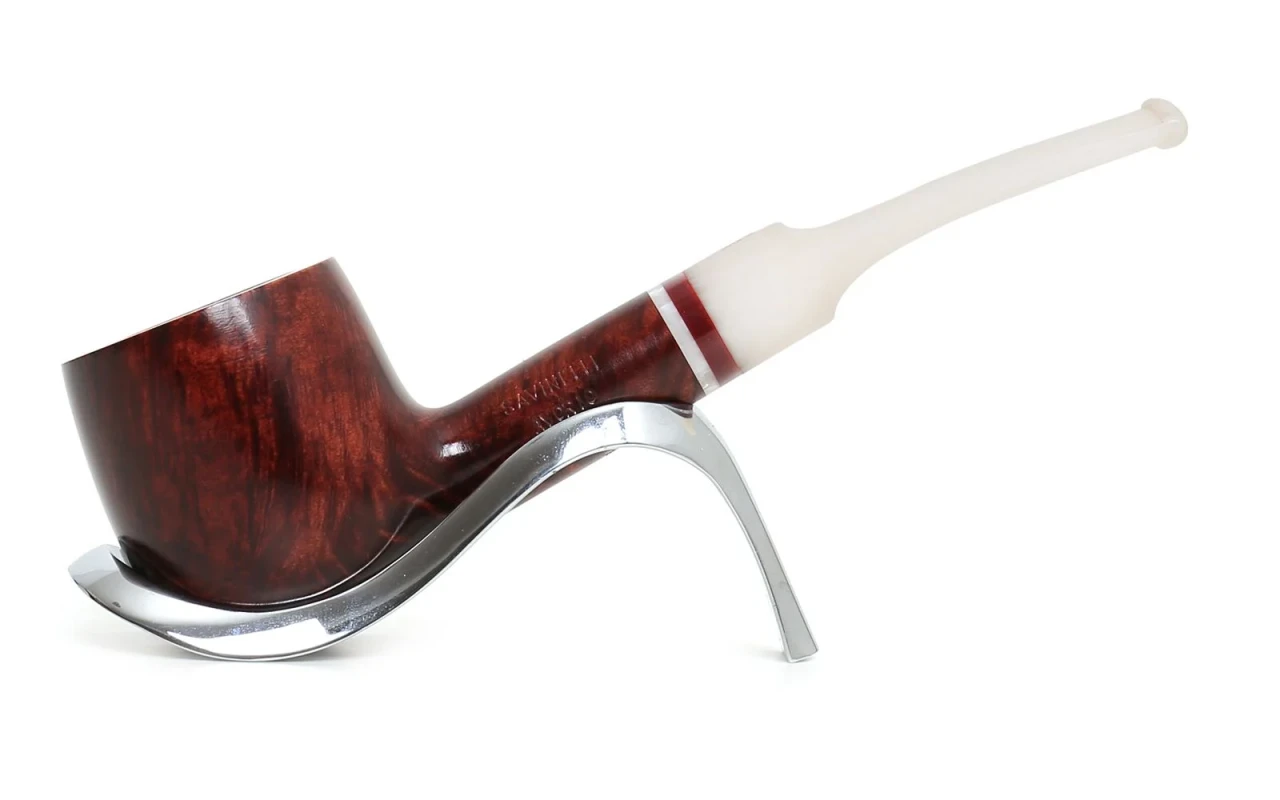
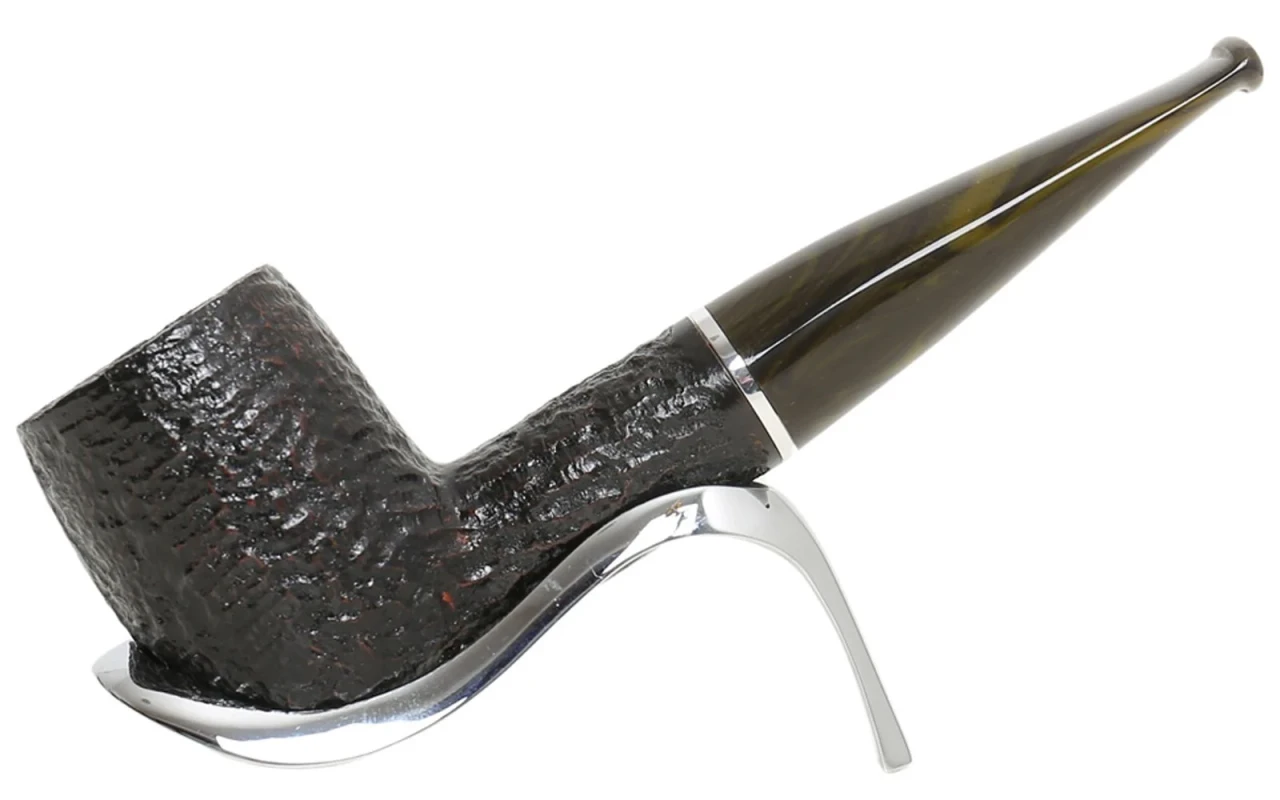
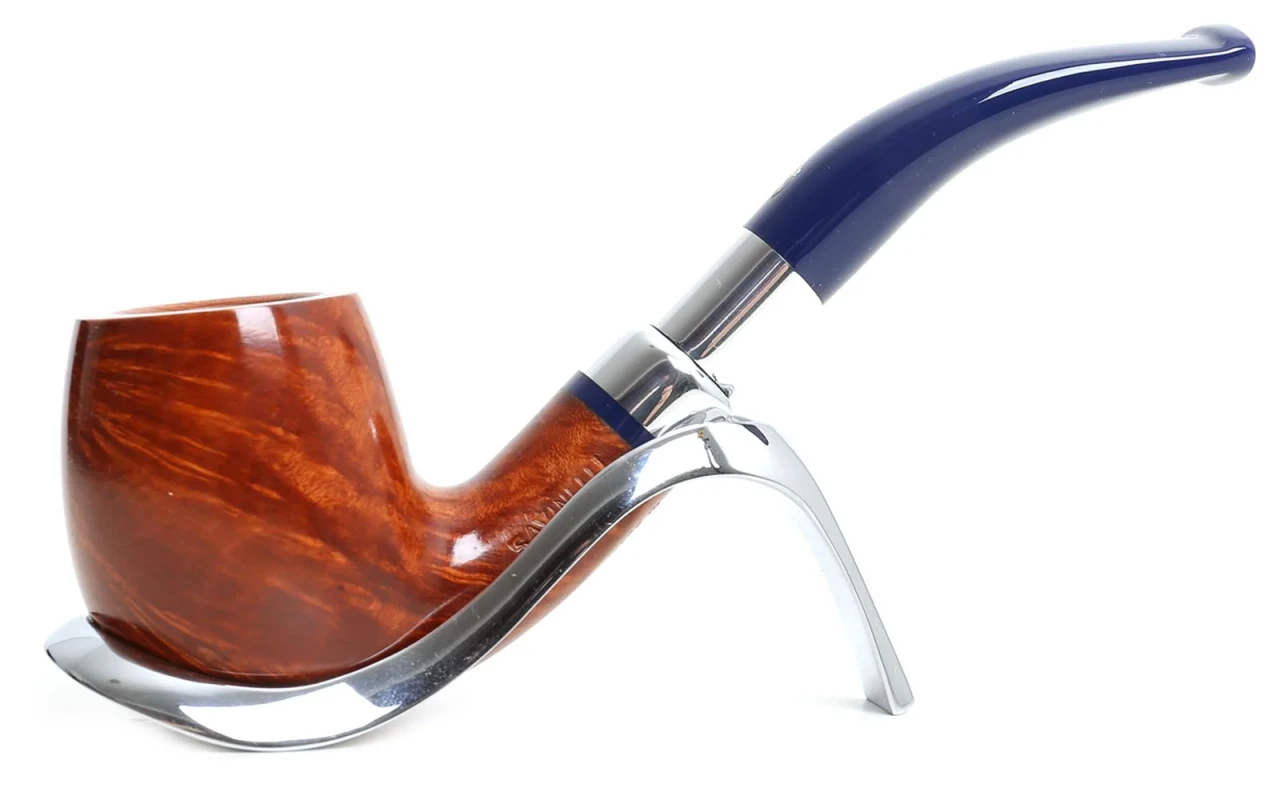
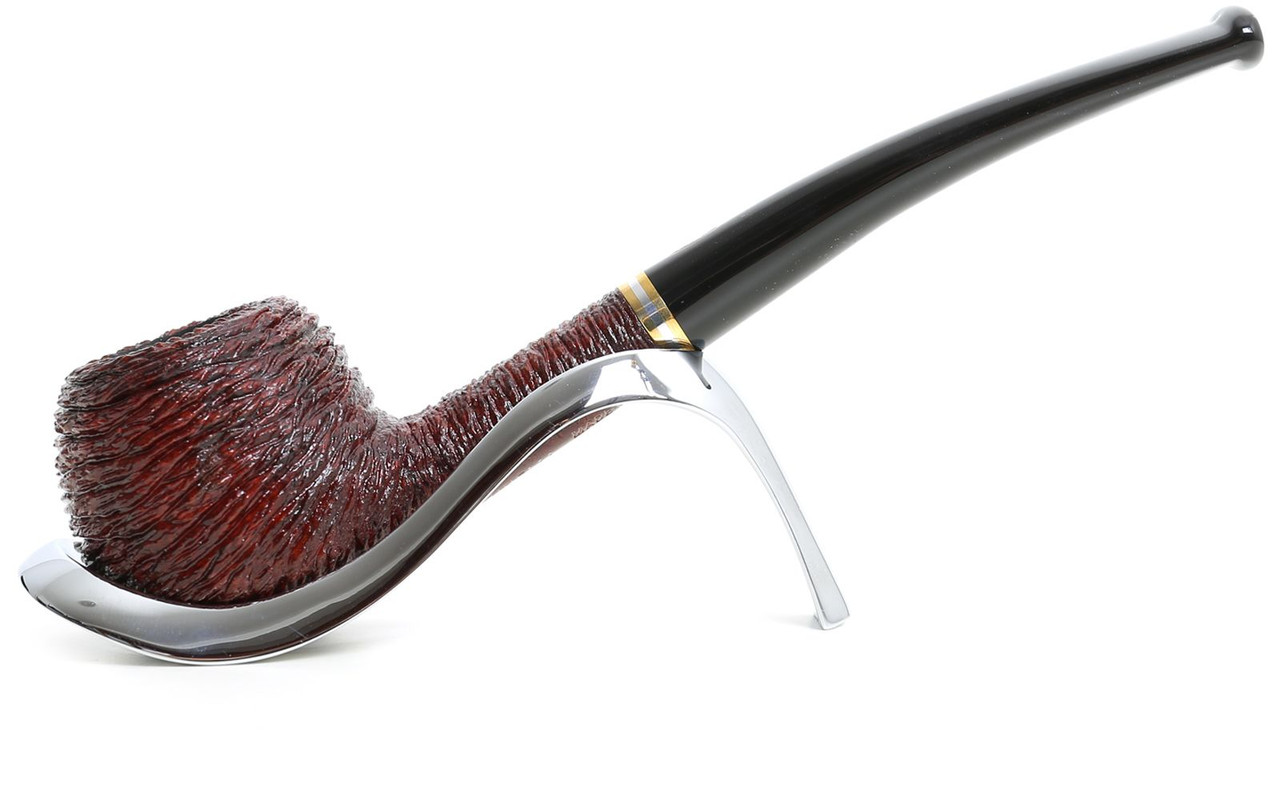
The decoration of briar pipes uses traditional techniques that enhance the beauty and elegance of this material. Master pipemakers employ various techniques to decorate briar pipes, including carving, lacquering, burning, and sandblasting. Carving involves creating designs and patterns on the outer surface of the pipe, while lacquering gives the briar a particular color and shine. Burning, on the other hand, entails creating dark designs on the pipe's surface through heat. Finally, sandblasting is a technique that involves using sand to create textured effects on the surface of the briar.
Pipe stems manufacturing techniques
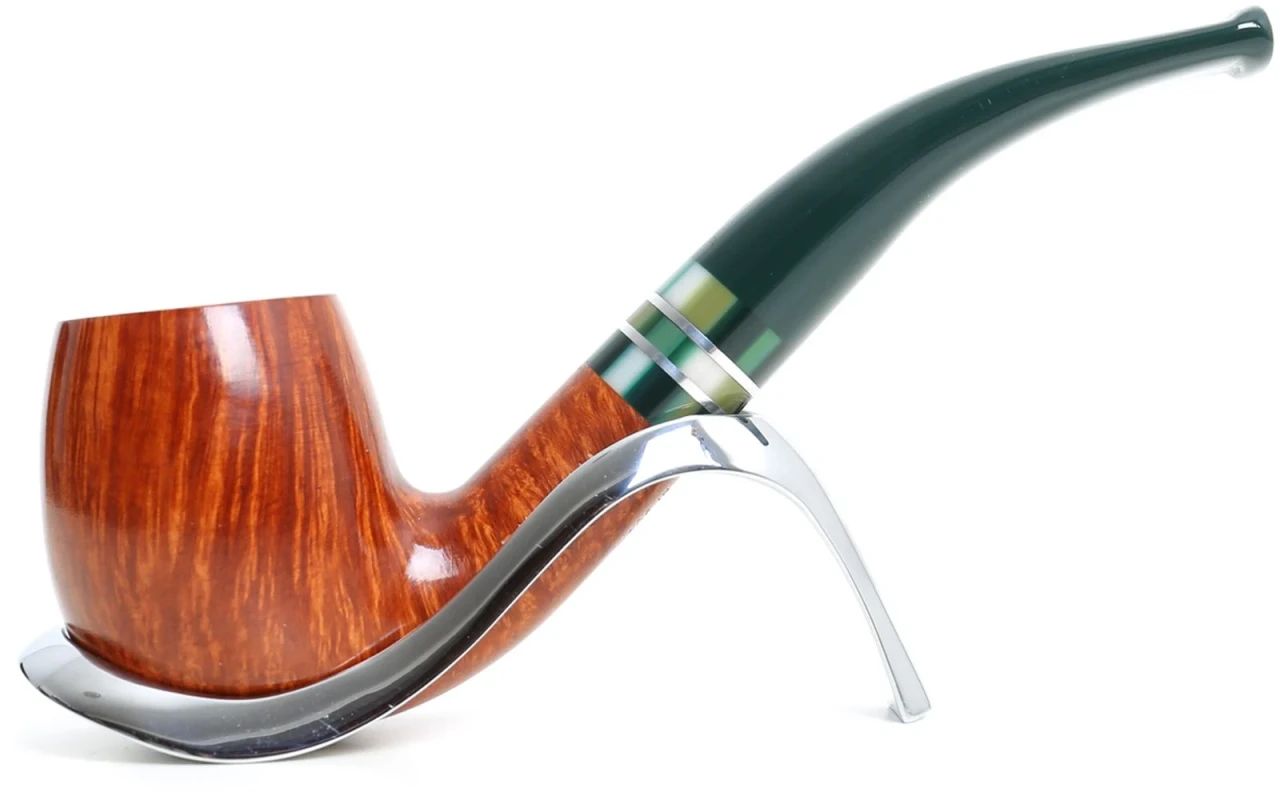
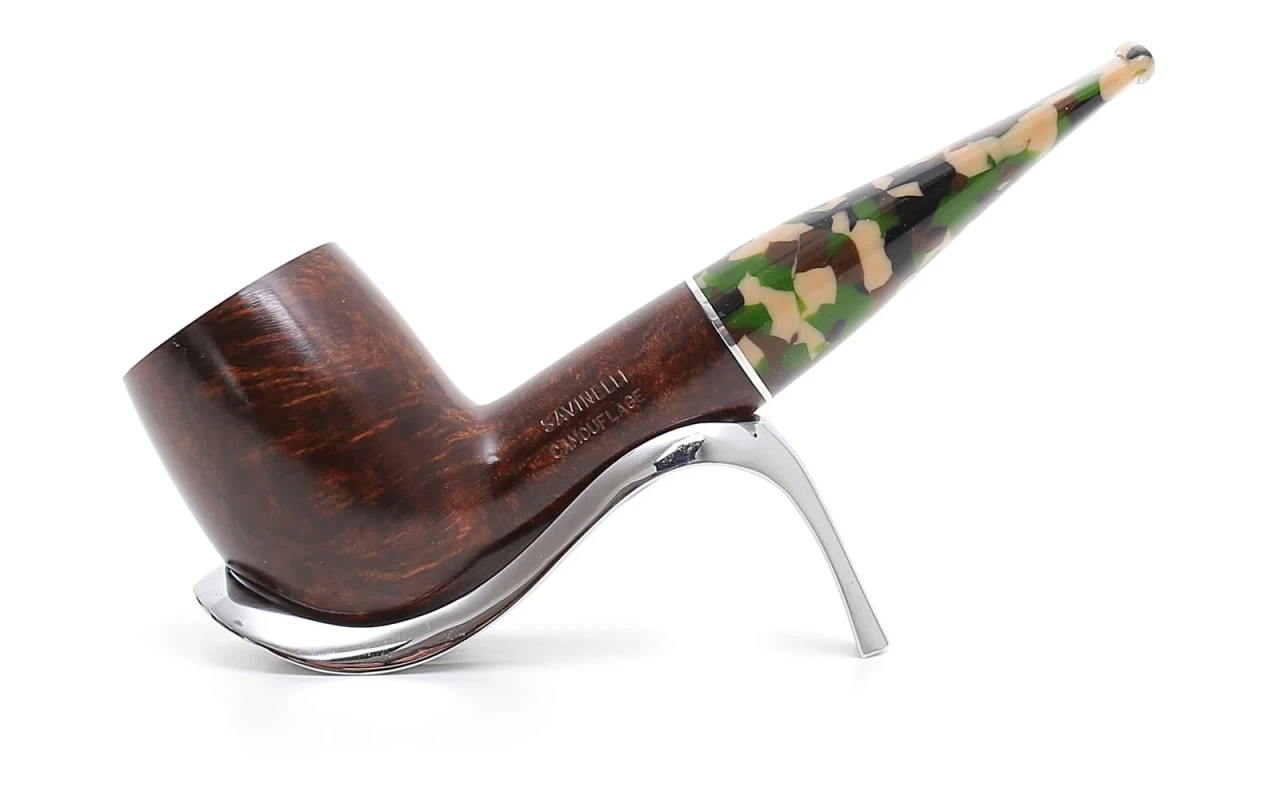
The manufacturing techniques for pipe stems are crucial to ensure the quality and functionality of these components. Stems can be made using various high-quality materials, such as acrylic or ebony, and are precisely shaped to fit the smoker's mouth. The processes may involve turning, sanding, and polishing to achieve a smooth and comfortable surface for lip contact. Additionally, carving techniques can be applied to create decorative or customized designs on the stems. These artisanal practices help make each pipe unique and refined.
Materials for smoking pipes
There are various materials used in the production of smoking pipes, each with unique characteristics. The most common materials are:- **Wood**: among the most popular for pipes, it offers a wide range of wood types with different combustion and aroma characteristics.- **Briar**: appreciated for its heat resistance and moisture absorption capacity.- **Corn cob**: used for affordable and lightweight pipes.- **Clay**: offers a pure taste, but is fragile.- **Metals**: such as silver or bronze, occasionally used for luxury pipes.The choice of material will influence how the pipe burns and the taste of the smoke.
Crafted pipe styles
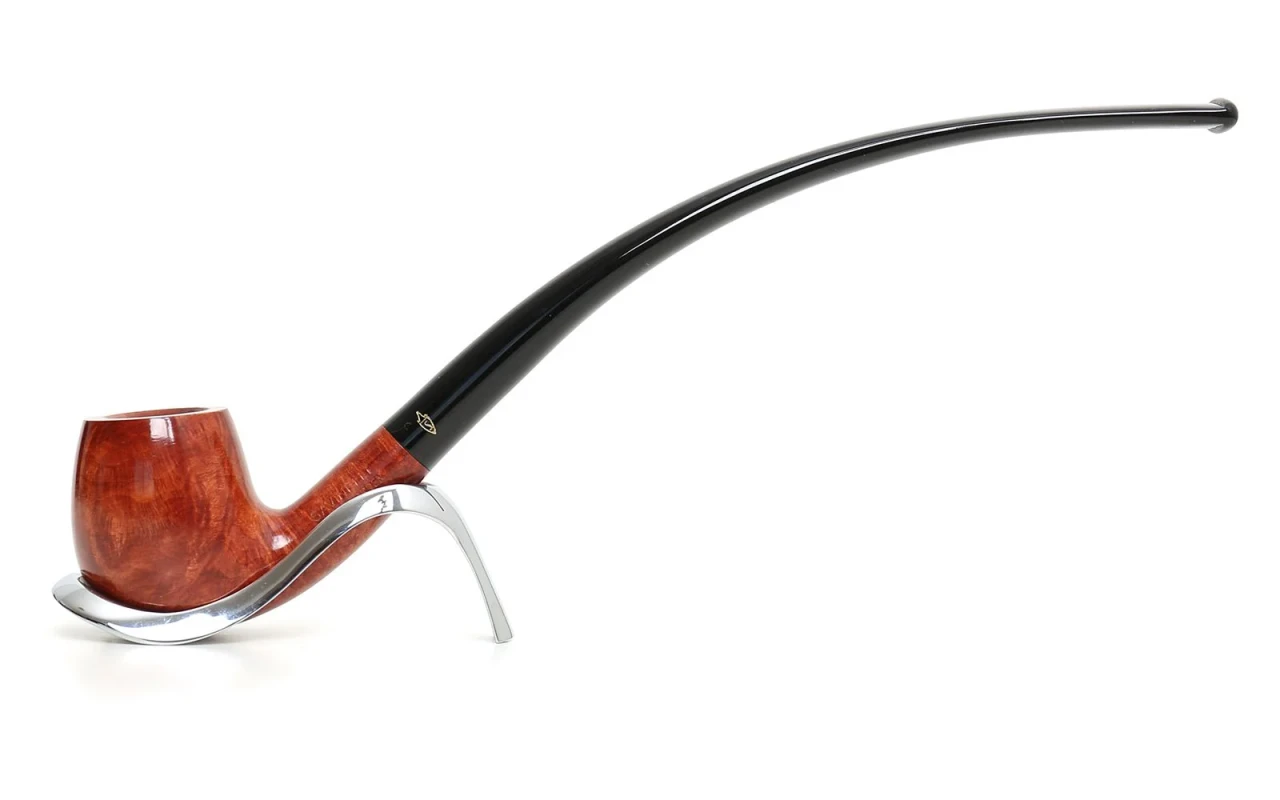
Crafted pipe styles vary greatly depending on the taste and creativity of the producer. Among the main styles of crafted pipes we find:- Classic: characterized by clean and sober lines, with elegant finishes.- Rustic: with a rough surface and irregular textures for a rustic and natural look.- Freehand: hand-shaped without predefined shapes, often with unique and imaginative designs.- Smooth: with a glossy and polished surface for a more refined and elegant look.- Dublin: with an inverse cone shape and a long, slim stem.- Bulldog: with a wide base shape, short stem, and distinct edges.Each style of crafted pipe has its distinctive characteristics that reflect the skill and creativity of the manufacturer.
'%3e%3cg id='Final-Copy-2_2_' transform='translate(1275.000000, 200.000000)'%3e%3cpath class='st0' d='M7.4,12.8h6.8l3.1-11.6H7.4C4.2,1.2,1.6,3.8,1.6,7S4.2,12.8,7.4,12.8z'/%3e%3c/g%3e%3c/g%3e%3c/g%3e%3cg id='final---dec.11-2020'%3e%3cg id='_x30_208-our-toggle' transform='translate(-1275.000000, -200.000000)'%3e%3cg id='Final-Copy-2' transform='translate(1275.000000, 200.000000)'%3e%3cpath class='st1' d='M22.6,0H7.4c-3.9,0-7,3.1-7,7s3.1,7,7,7h15.2c3.9,0,7-3.1,7-7S26.4,0,22.6,0z M1.6,7c0-3.2,2.6-5.8,5.8-5.8 h9.9l-3.1,11.6H7.4C4.2,12.8,1.6,10.2,1.6,7z'/%3e%3cpath id='x' class='st2' d='M24.6,4c0.2,0.2,0.2,0.6,0,0.8l0,0L22.5,7l2.2,2.2c0.2,0.2,0.2,0.6,0,0.8c-0.2,0.2-0.6,0.2-0.8,0 l0,0l-2.2-2.2L19.5,10c-0.2,0.2-0.6,0.2-0.8,0c-0.2-0.2-0.2-0.6,0-0.8l0,0L20.8,7l-2.2-2.2c-0.2-0.2-0.2-0.6,0-0.8 c0.2-0.2,0.6-0.2,0.8,0l0,0l2.2,2.2L23.8,4C24,3.8,24.4,3.8,24.6,4z'/%3e%3cpath id='y' class='st3' d='M12.7,4.1c0.2,0.2,0.3,0.6,0.1,0.8l0,0L8.6,9.8C8.5,9.9,8.4,10,8.3,10c-0.2,0.1-0.5,0.1-0.7-0.1l0,0 L5.4,7.7c-0.2-0.2-0.2-0.6,0-0.8c0.2-0.2,0.6-0.2,0.8,0l0,0L8,8.6l3.8-4.5C12,3.9,12.4,3.9,12.7,4.1z'/%3e%3c/g%3e%3c/g%3e%3c/g%3e%3c/g%3e%3c/svg%3e) Your Privacy Choices
Your Privacy Choices 


