 ES
ES FR
FR EN
EN IT
IT DE
DE
Production Techniques of Smoking Pipes
Production Techniques of Smoking Pipes
The production techniques of smoking pipes vary depending on the material used. Briar pipes are crafted through turning, inlaying, and polishing. Terracotta pipes are made through molding and high-temperature firing. Corn cob pipes are produced through drying, shaping, and subsequent artisanal finishing. Meerschaum pipes are hand-carved from blocks of natural material. Regardless of the material, pipe production requires artisanal skills and special care in processing to ensure the quality and functionality of the final product.
Materials for smoking pipes
The materials for smoking pipes can significantly influence the smoking experience. The most common options include:- Briar wood: high-quality wood widely appreciated for its heat resistance and moisture absorption characteristics.- Corn cob: lightweight and inexpensive, suitable for budget smoking pipes.- Clay: a porous material that absorbs tobacco flavors over time.- Meerschaum: a porous stone that can change color with use, offering a unique patina.- Morta: an affordable and durable material, often used for low-end smoking pipes.The choice of material depends on personal preferences and the desired experience.
Artisanal Pipe Styles
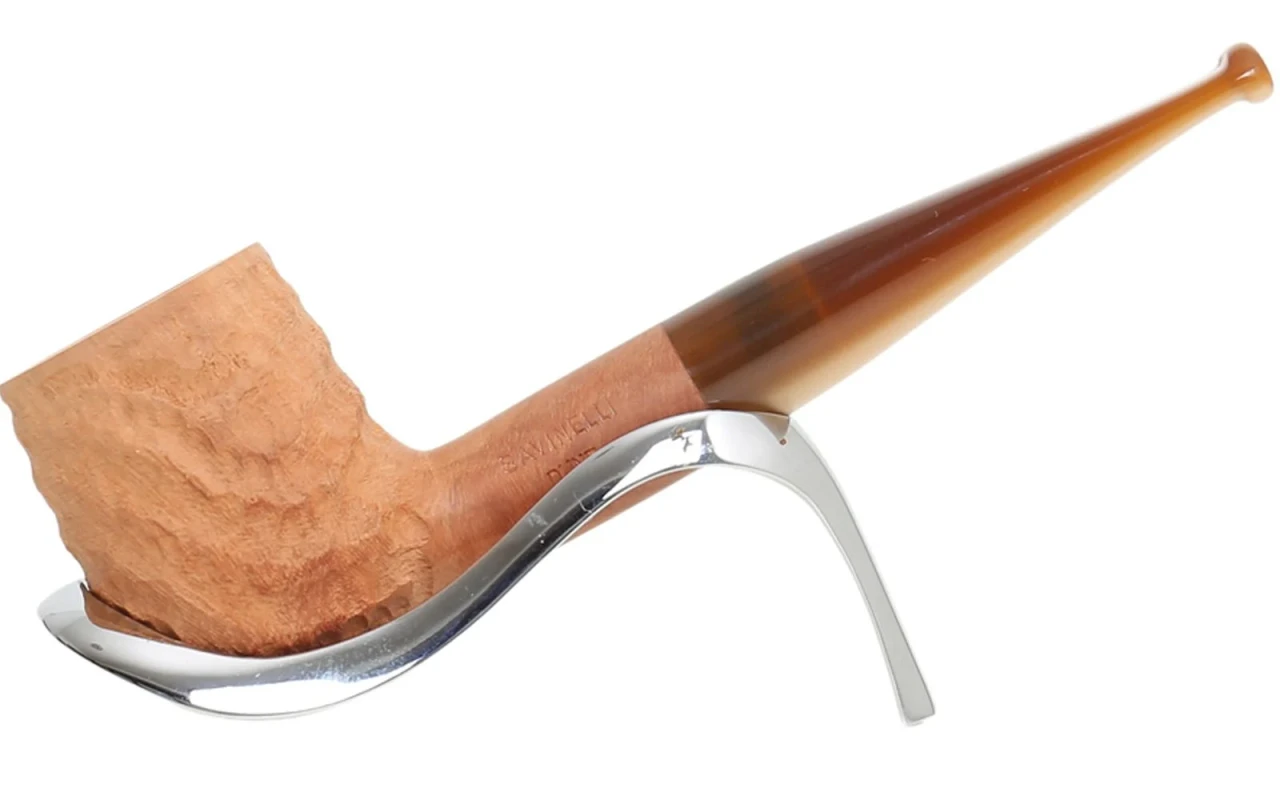
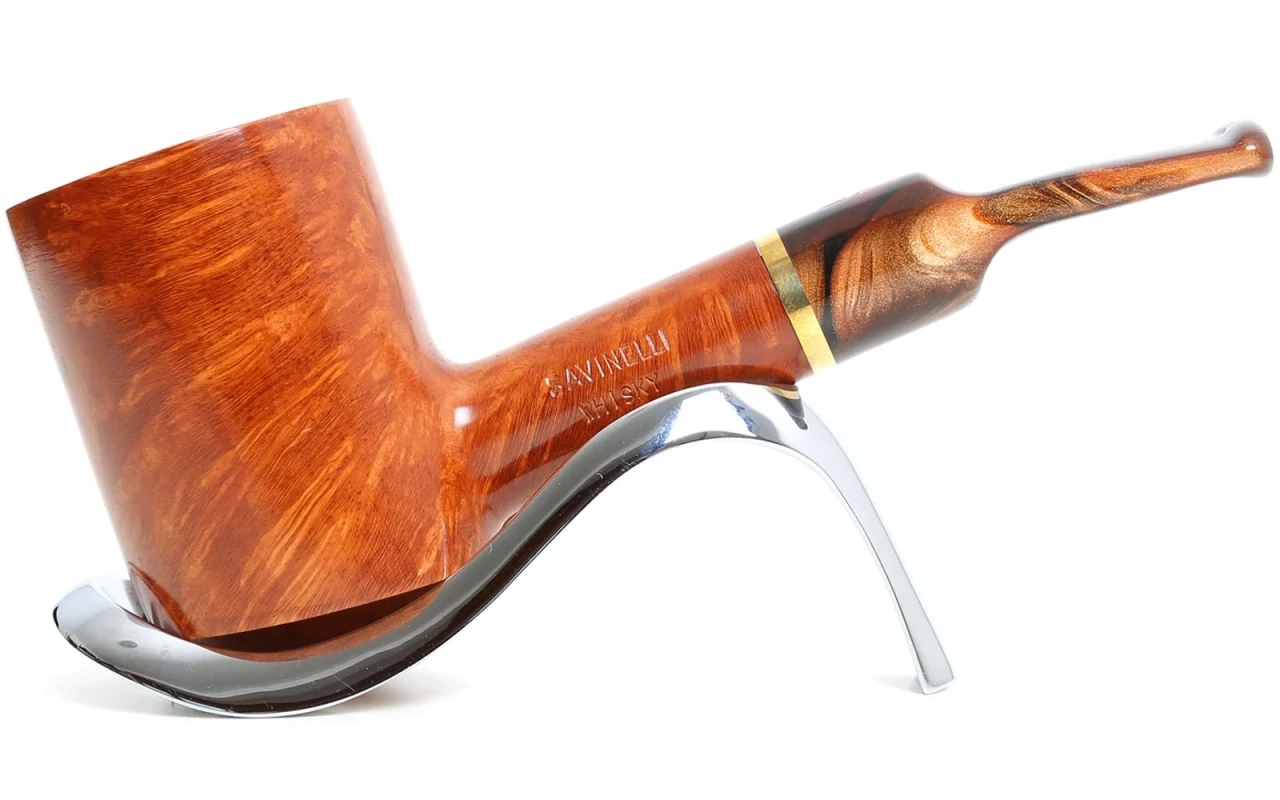
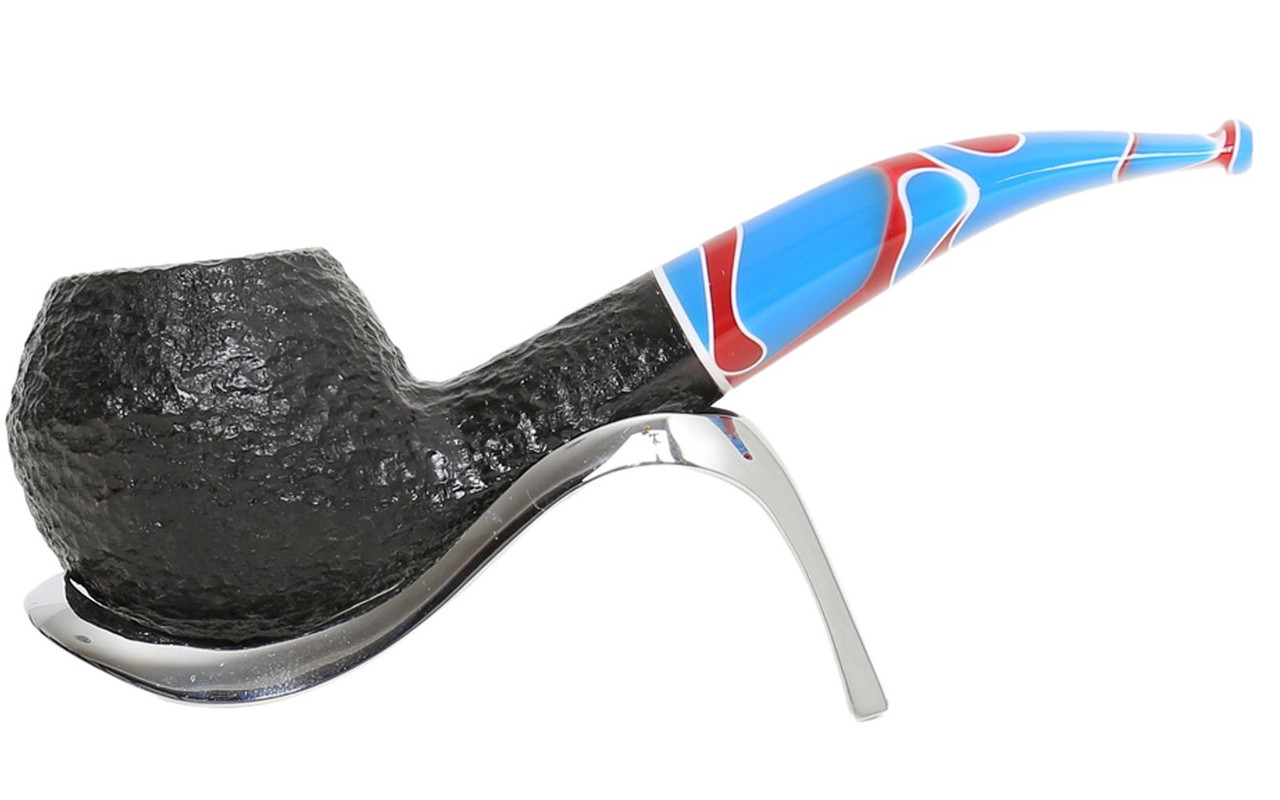
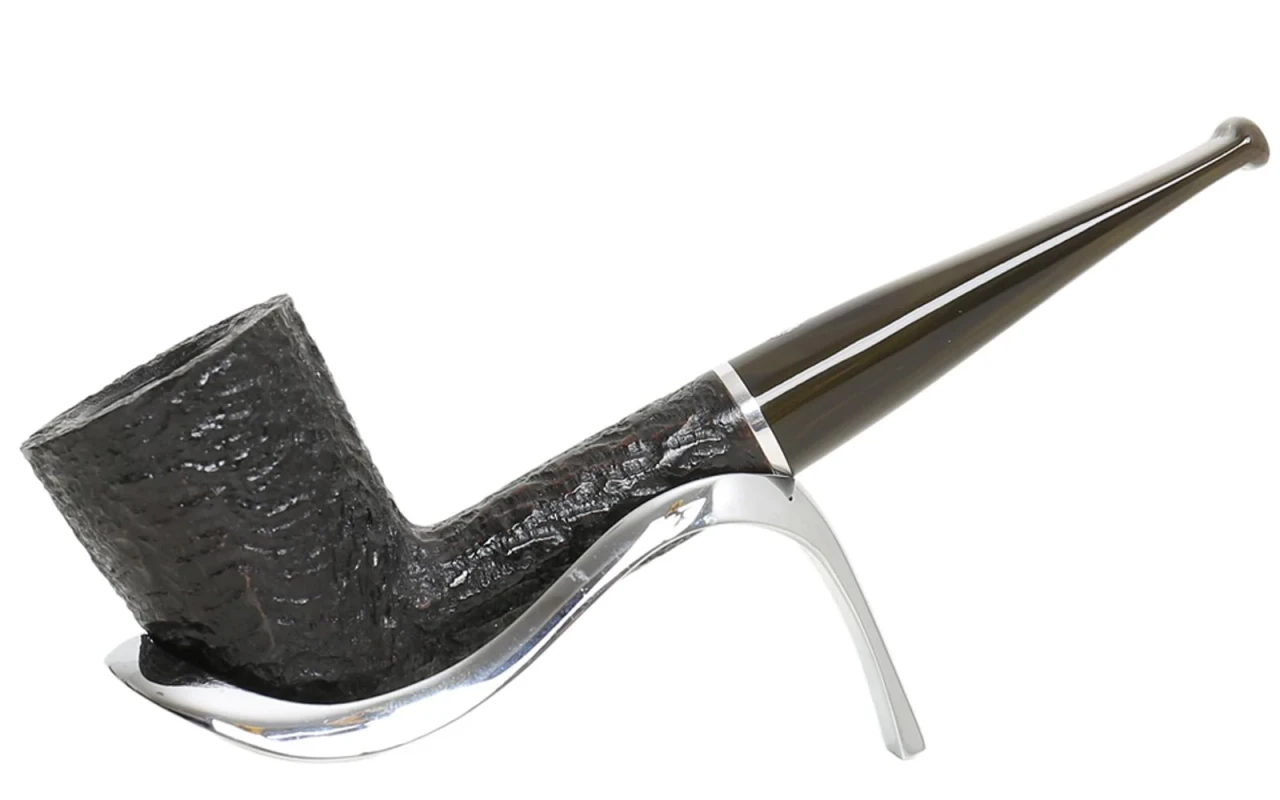
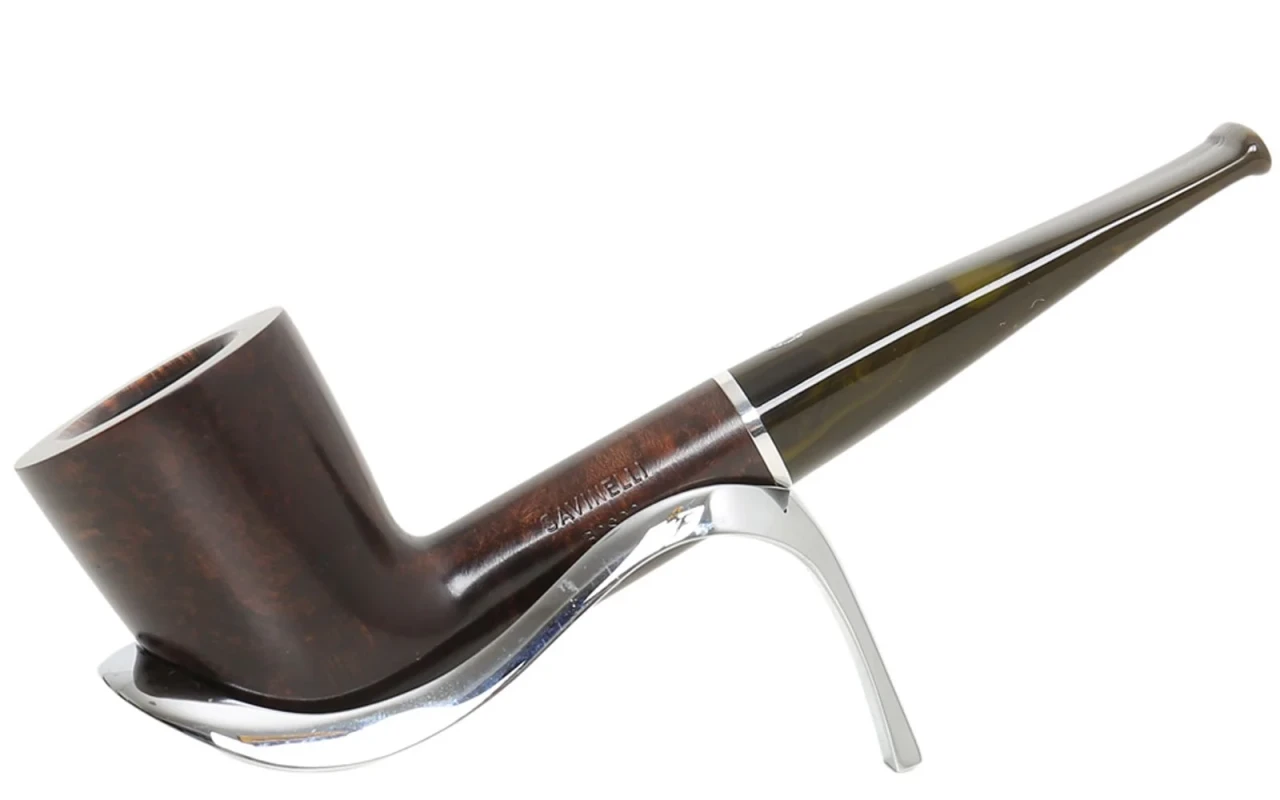
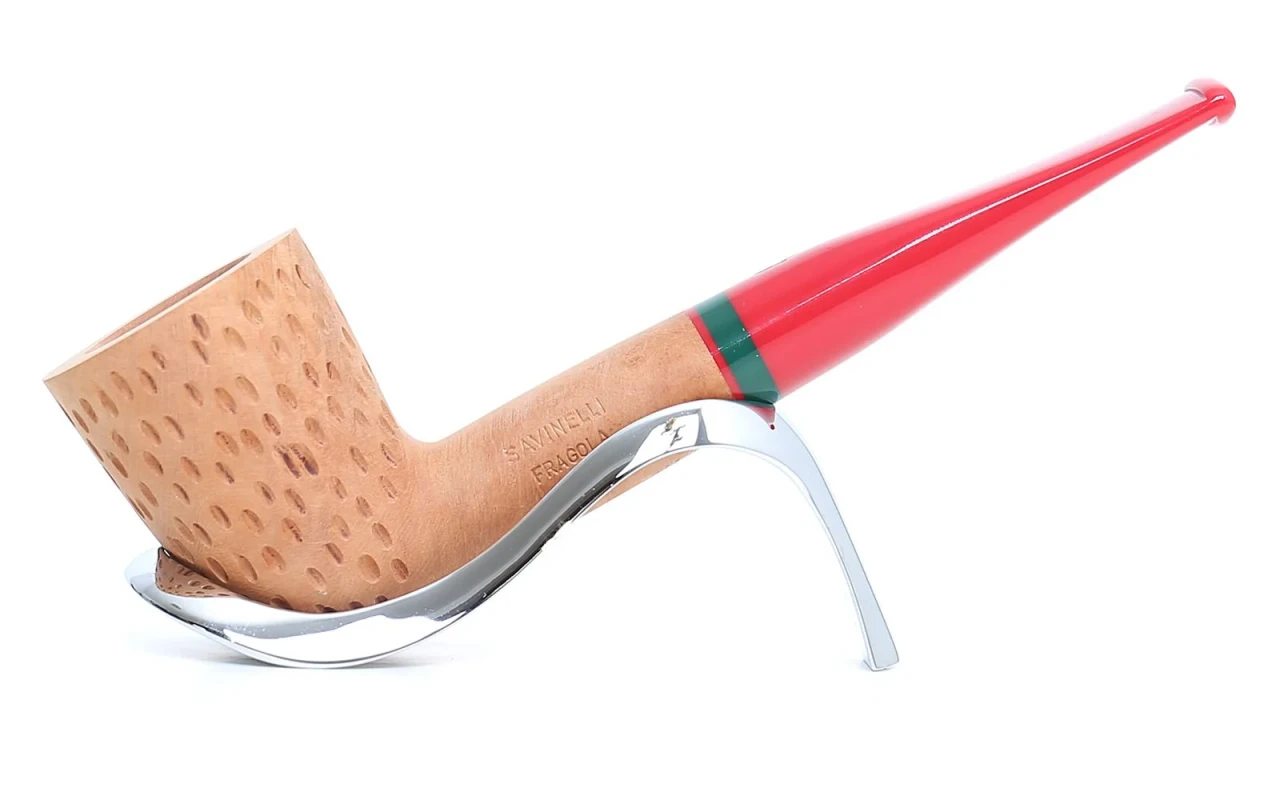
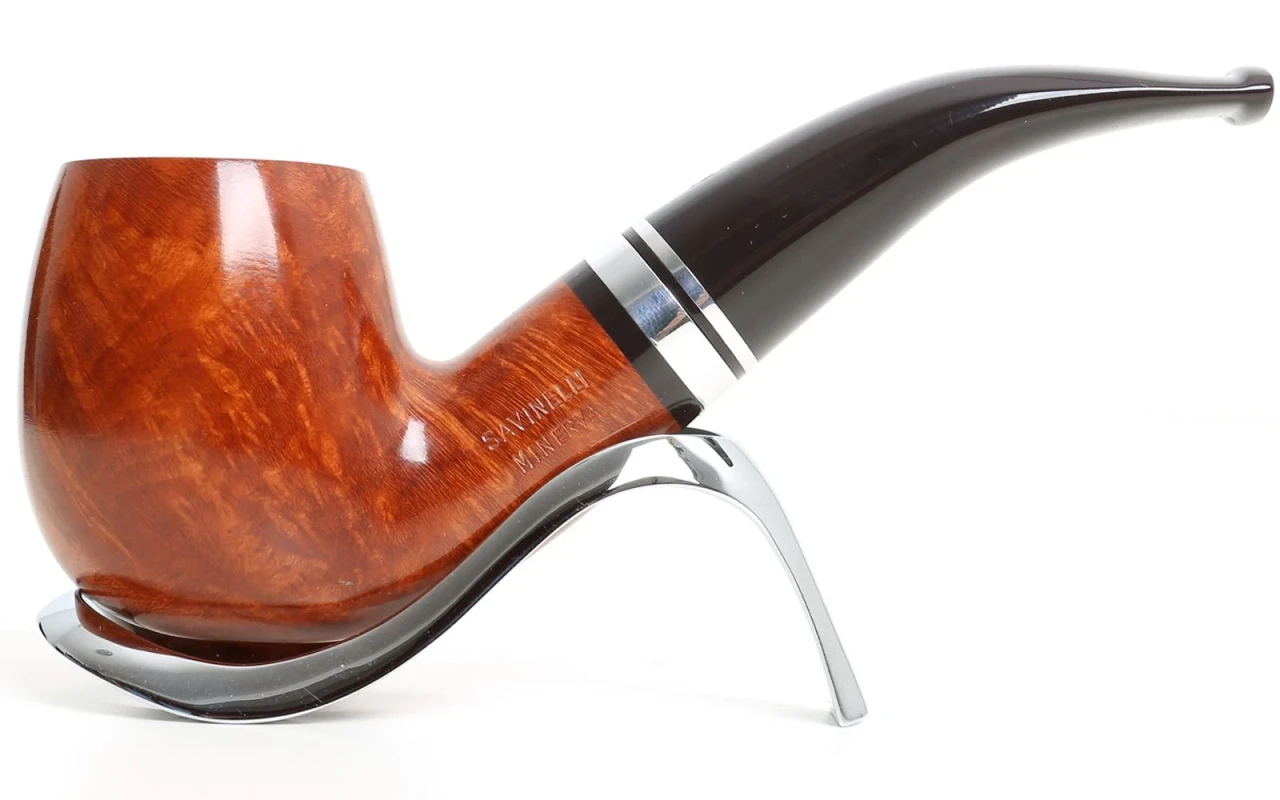
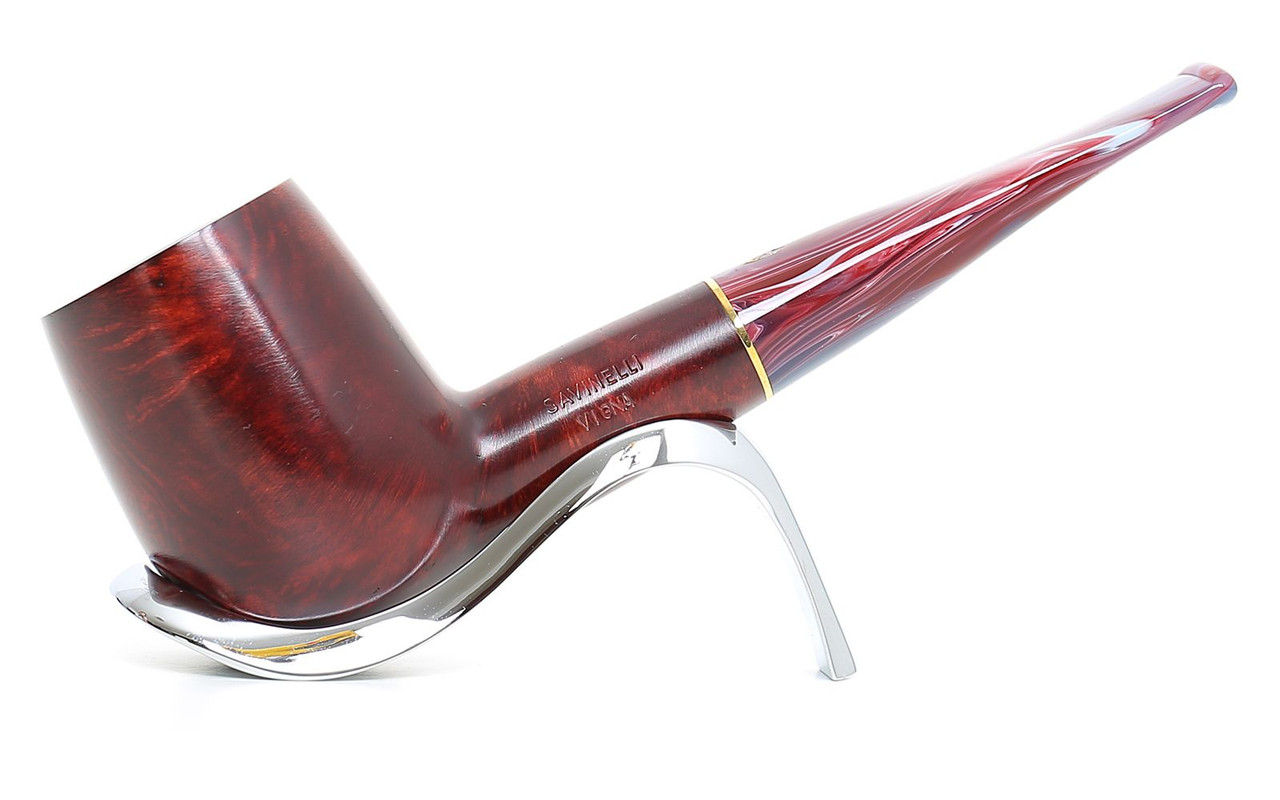
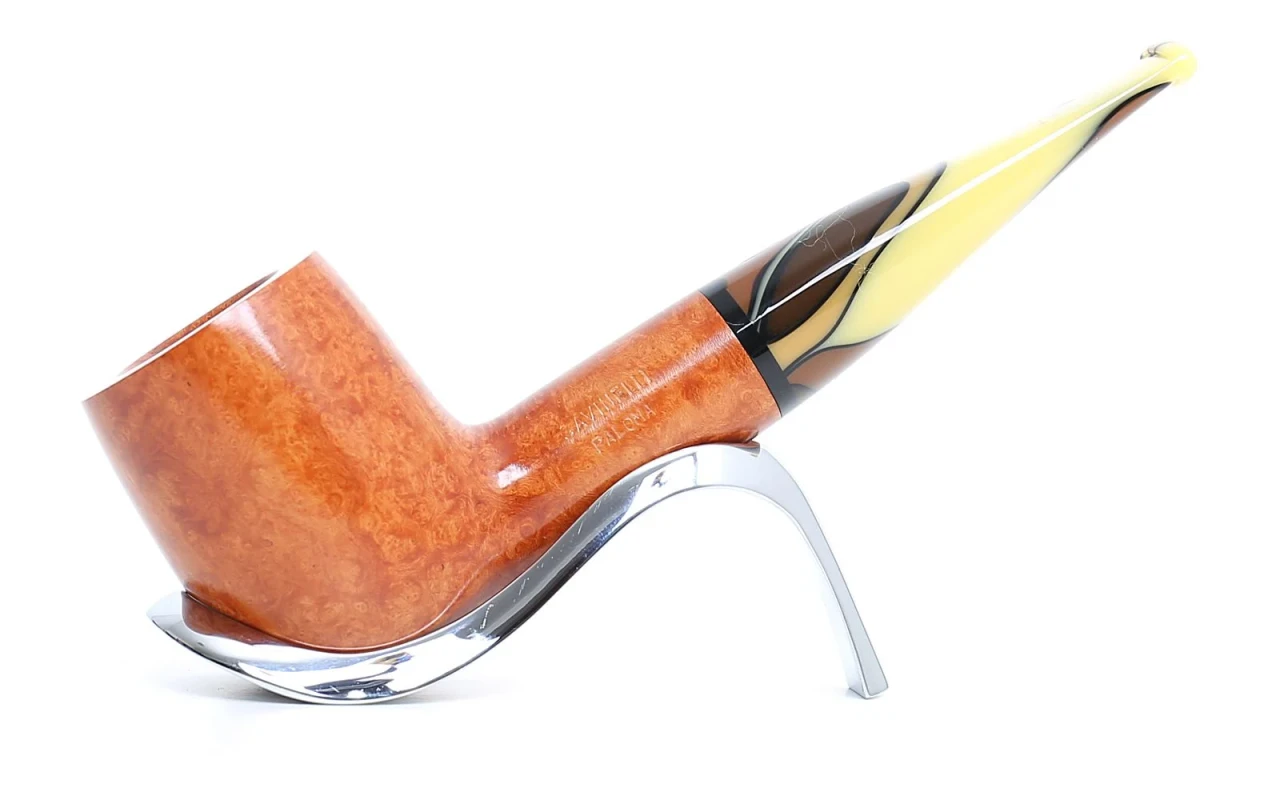
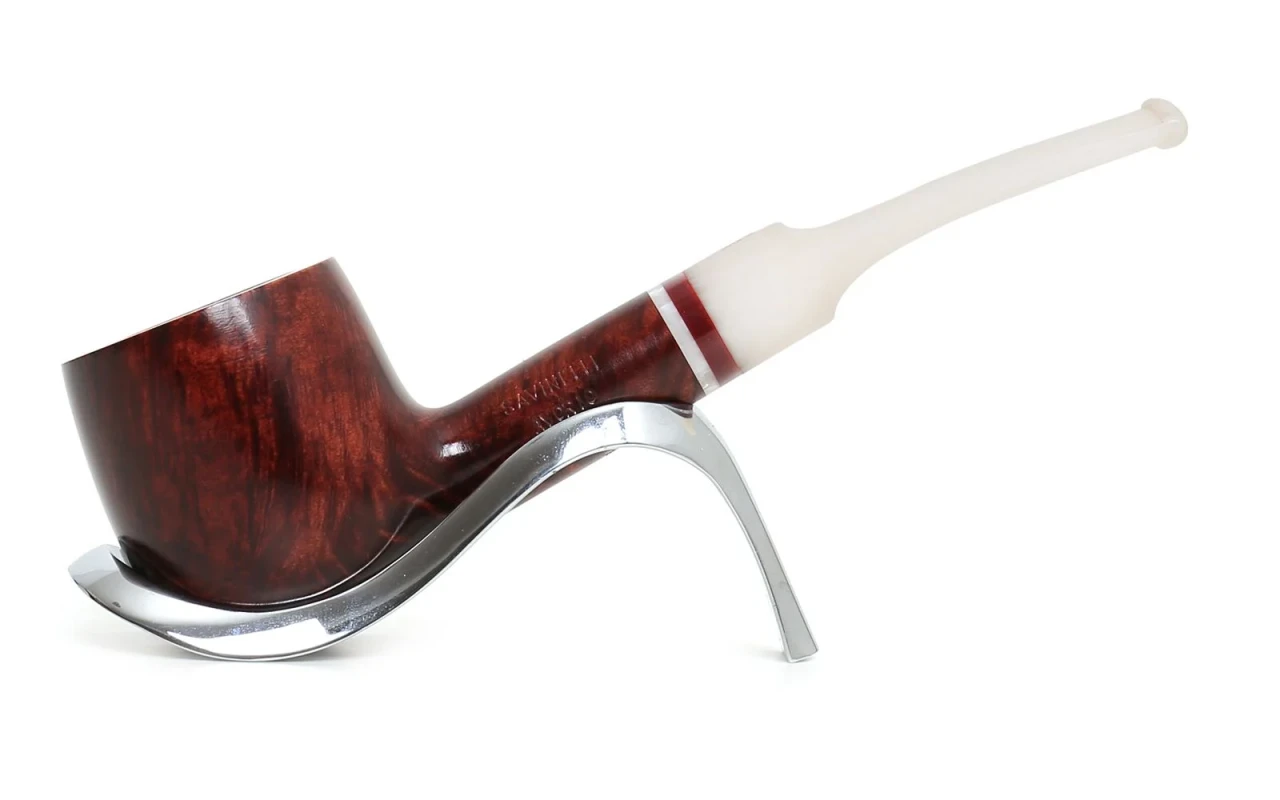
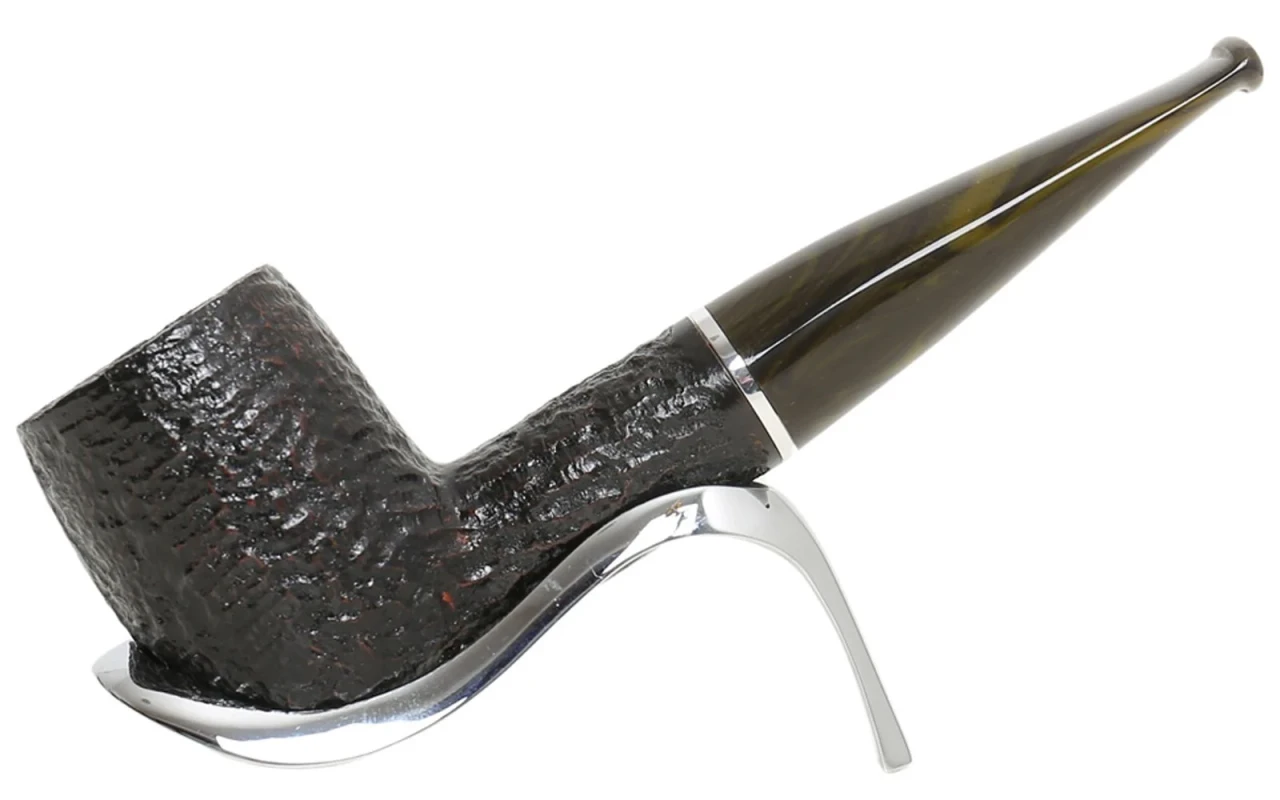
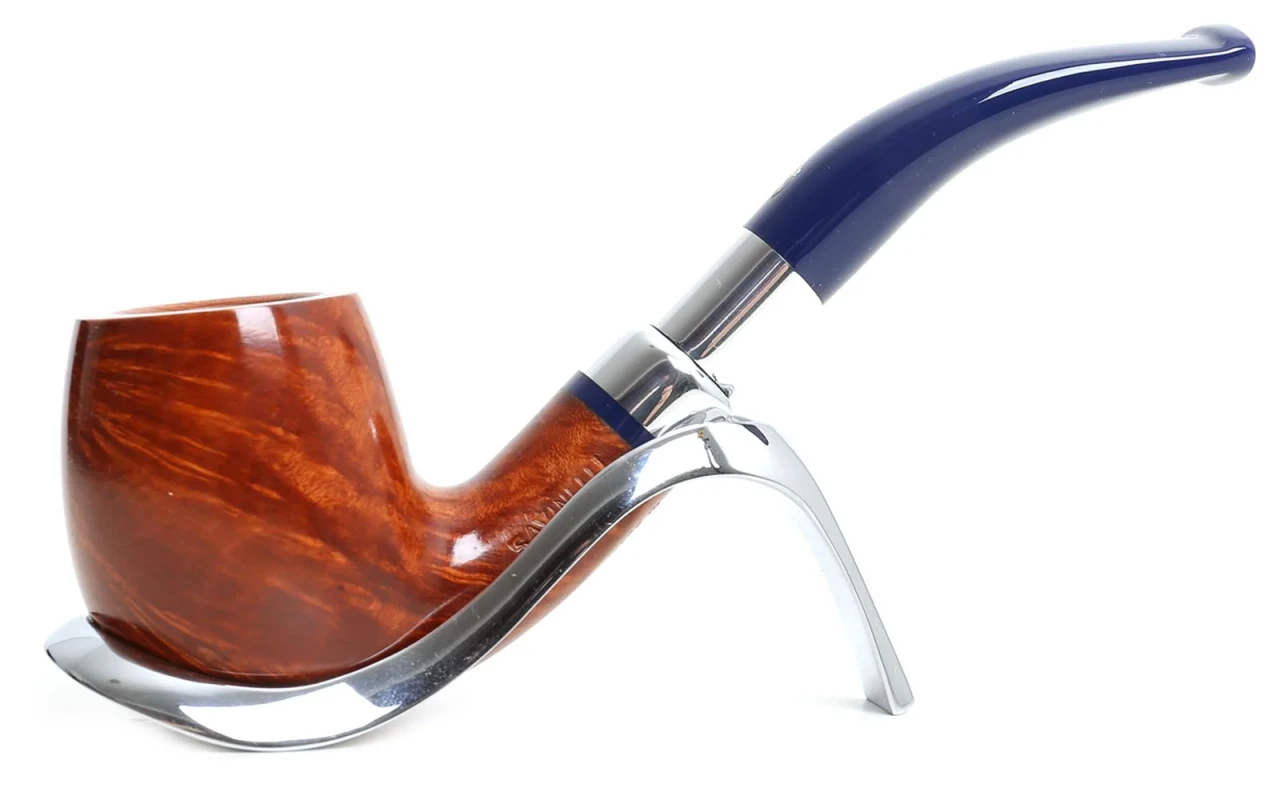
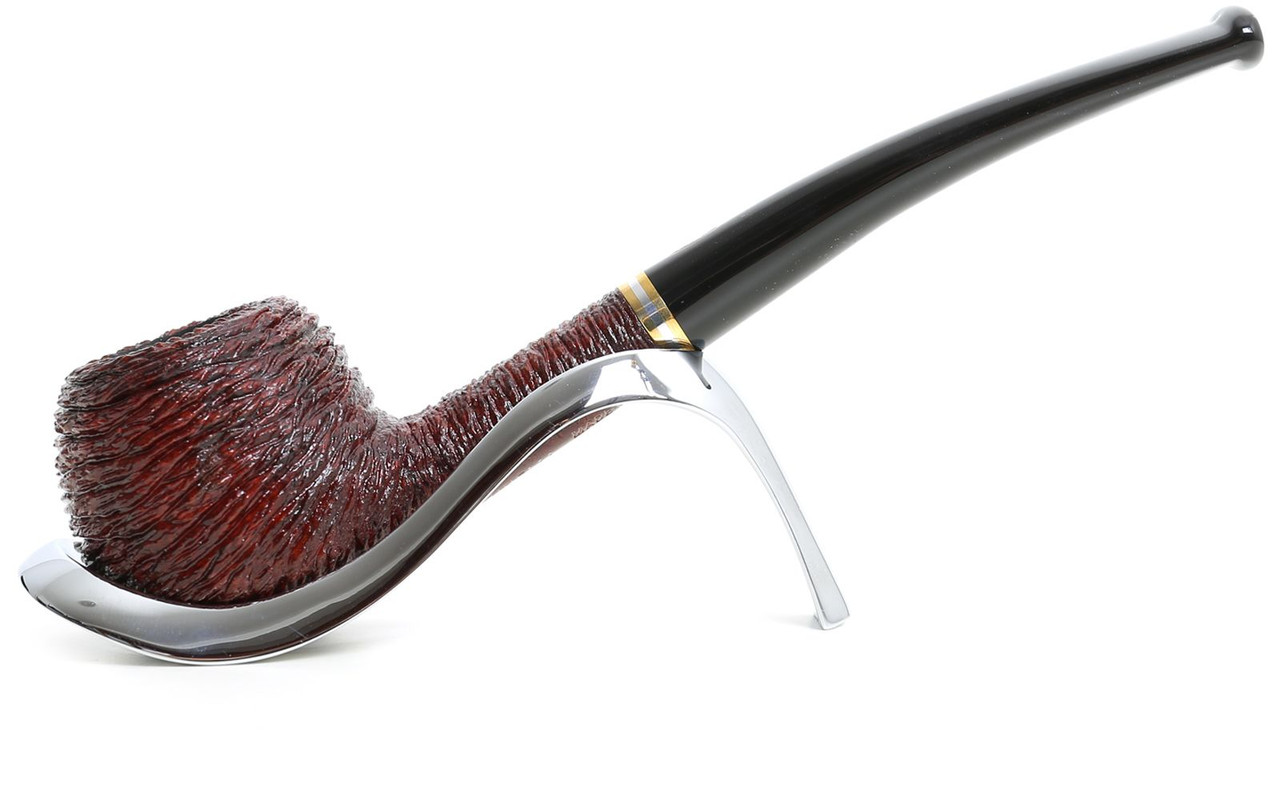
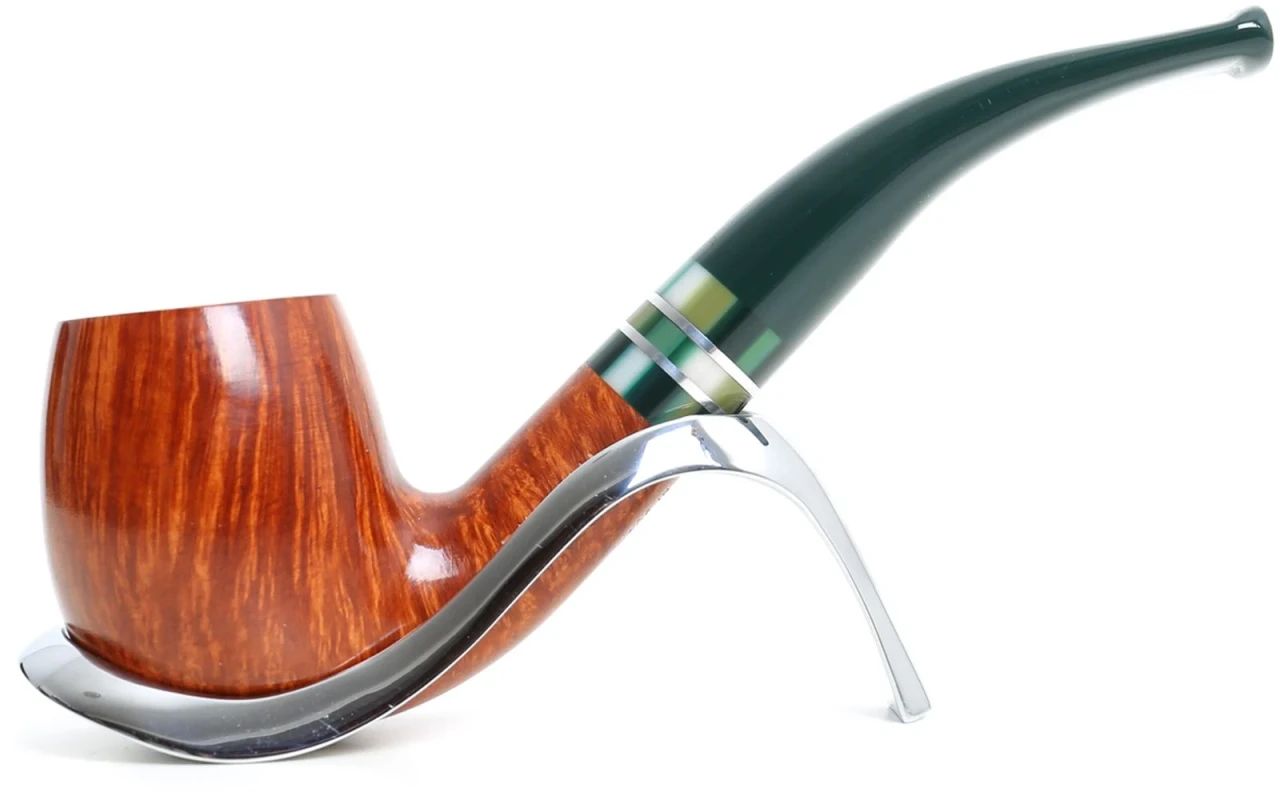
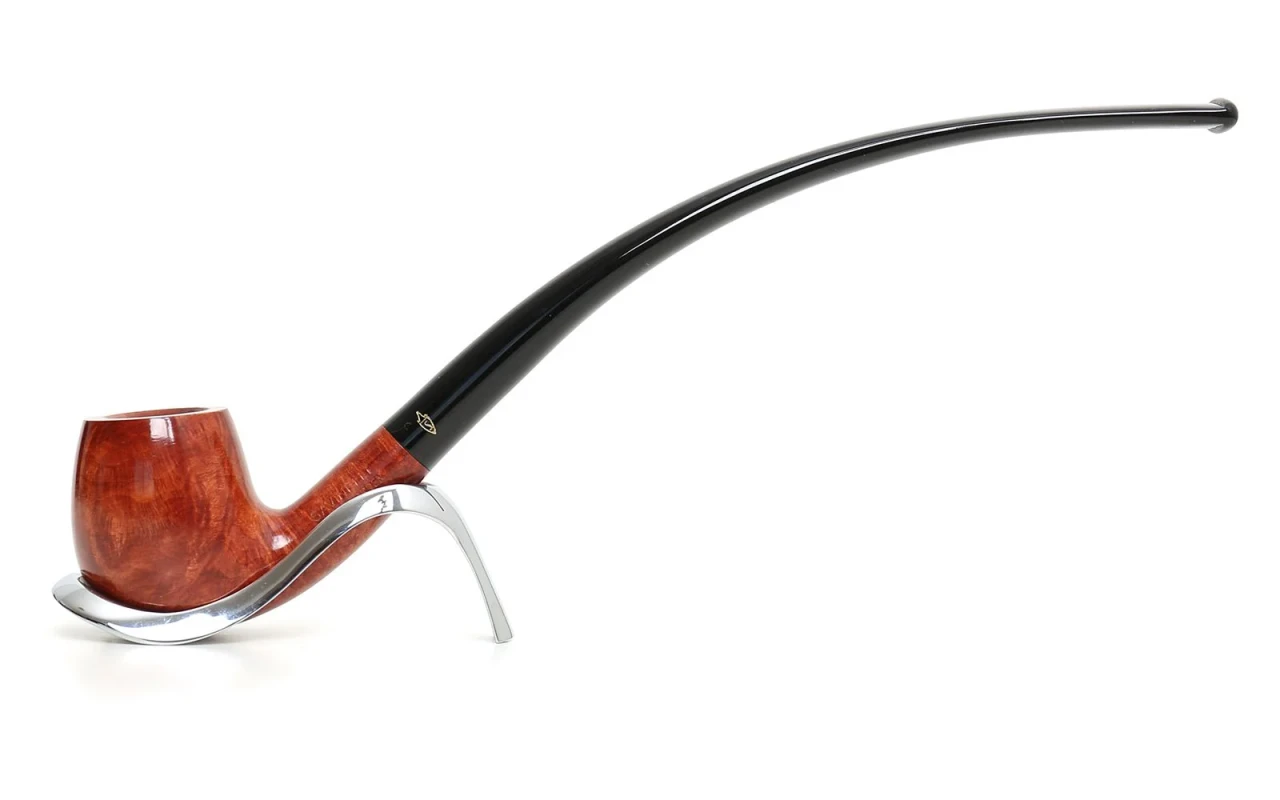
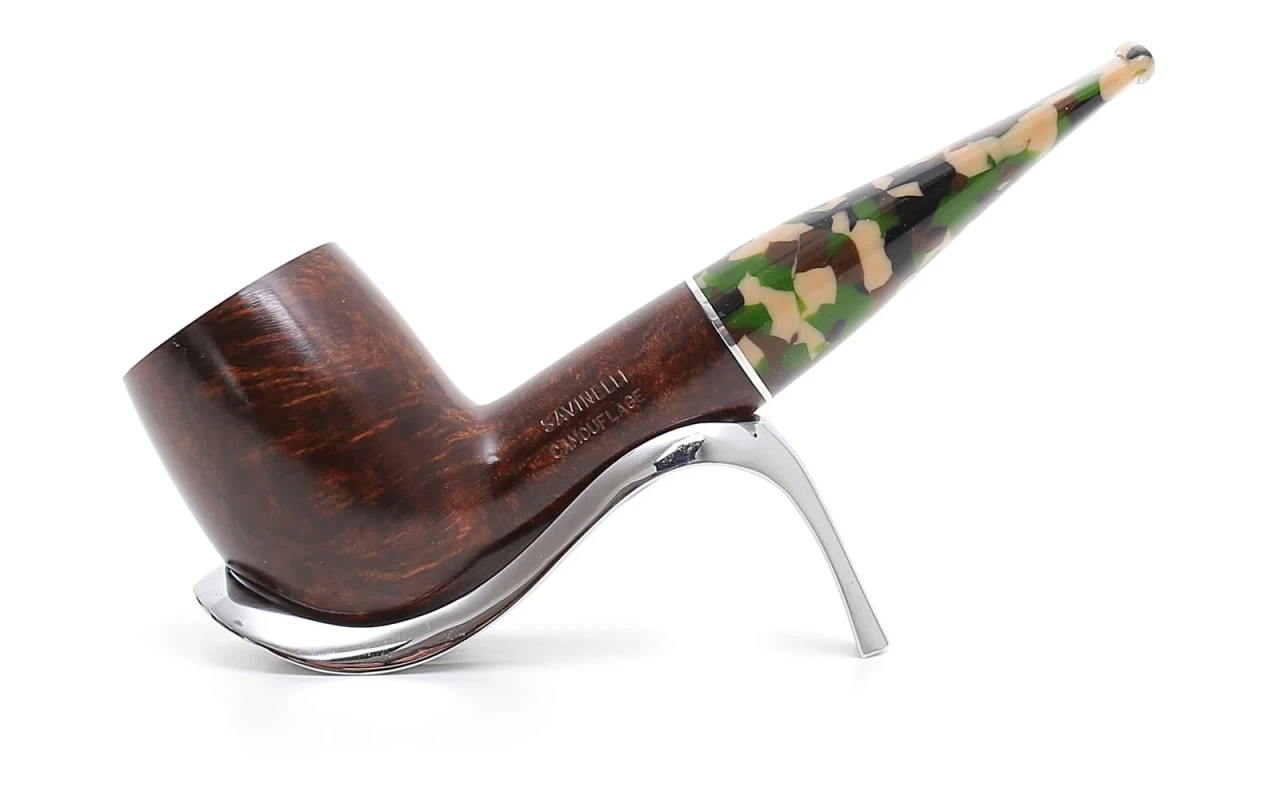
Artisanal pipe styles are multiple and varied, offering a wide range of options for pipe smoking enthusiasts. Among the main artisanal pipe styles, we find:- Ballerina: characterized by an elegant and slender shape, with a thin and harmonious curve.- Bulldog: distinguished by a square shape with grooves around the pipe's head.- Dublin: featuring a conical head with a slight curve upwards.- Pot: with a cylindrical shape and a rounded head.- Poker: with a straight and cylindrical shape, similar to a beer mug.These are just some of the most common styles, each with its distinctive and particular characteristics.
Maintenance of smoking pipes
Maintenance of smoking pipes is essential to ensure a better smoking experience and preserve the lifespan of the pipe itself. Here are some useful tips:- Regularly clean the pipe by removing burnt tobacco residues and accumulated moisture.- Use brushes and pipe cleaners to effectively clean the stem and the mouthpiece.- Avoid overpacking the pipe and overheating it during smoking.- Roll and dry the tobacco before loading the pipe to prevent blockages.- Store the pipe in a dry and well-ventilated environment when not in use.By following these simple practices, you will ensure better performance and longevity for your smoking pipe.
'%3e%3cg id='Final-Copy-2_2_' transform='translate(1275.000000, 200.000000)'%3e%3cpath class='st0' d='M7.4,12.8h6.8l3.1-11.6H7.4C4.2,1.2,1.6,3.8,1.6,7S4.2,12.8,7.4,12.8z'/%3e%3c/g%3e%3c/g%3e%3c/g%3e%3cg id='final---dec.11-2020'%3e%3cg id='_x30_208-our-toggle' transform='translate(-1275.000000, -200.000000)'%3e%3cg id='Final-Copy-2' transform='translate(1275.000000, 200.000000)'%3e%3cpath class='st1' d='M22.6,0H7.4c-3.9,0-7,3.1-7,7s3.1,7,7,7h15.2c3.9,0,7-3.1,7-7S26.4,0,22.6,0z M1.6,7c0-3.2,2.6-5.8,5.8-5.8 h9.9l-3.1,11.6H7.4C4.2,12.8,1.6,10.2,1.6,7z'/%3e%3cpath id='x' class='st2' d='M24.6,4c0.2,0.2,0.2,0.6,0,0.8l0,0L22.5,7l2.2,2.2c0.2,0.2,0.2,0.6,0,0.8c-0.2,0.2-0.6,0.2-0.8,0 l0,0l-2.2-2.2L19.5,10c-0.2,0.2-0.6,0.2-0.8,0c-0.2-0.2-0.2-0.6,0-0.8l0,0L20.8,7l-2.2-2.2c-0.2-0.2-0.2-0.6,0-0.8 c0.2-0.2,0.6-0.2,0.8,0l0,0l2.2,2.2L23.8,4C24,3.8,24.4,3.8,24.6,4z'/%3e%3cpath id='y' class='st3' d='M12.7,4.1c0.2,0.2,0.3,0.6,0.1,0.8l0,0L8.6,9.8C8.5,9.9,8.4,10,8.3,10c-0.2,0.1-0.5,0.1-0.7-0.1l0,0 L5.4,7.7c-0.2-0.2-0.2-0.6,0-0.8c0.2-0.2,0.6-0.2,0.8,0l0,0L8,8.6l3.8-4.5C12,3.9,12.4,3.9,12.7,4.1z'/%3e%3c/g%3e%3c/g%3e%3c/g%3e%3c/g%3e%3c/svg%3e) Your Privacy Choices
Your Privacy Choices 


