 ES
ES FR
FR EN
EN IT
IT DE
DE
Most common inlay techniques for pipes
Most common inlay techniques for pipes
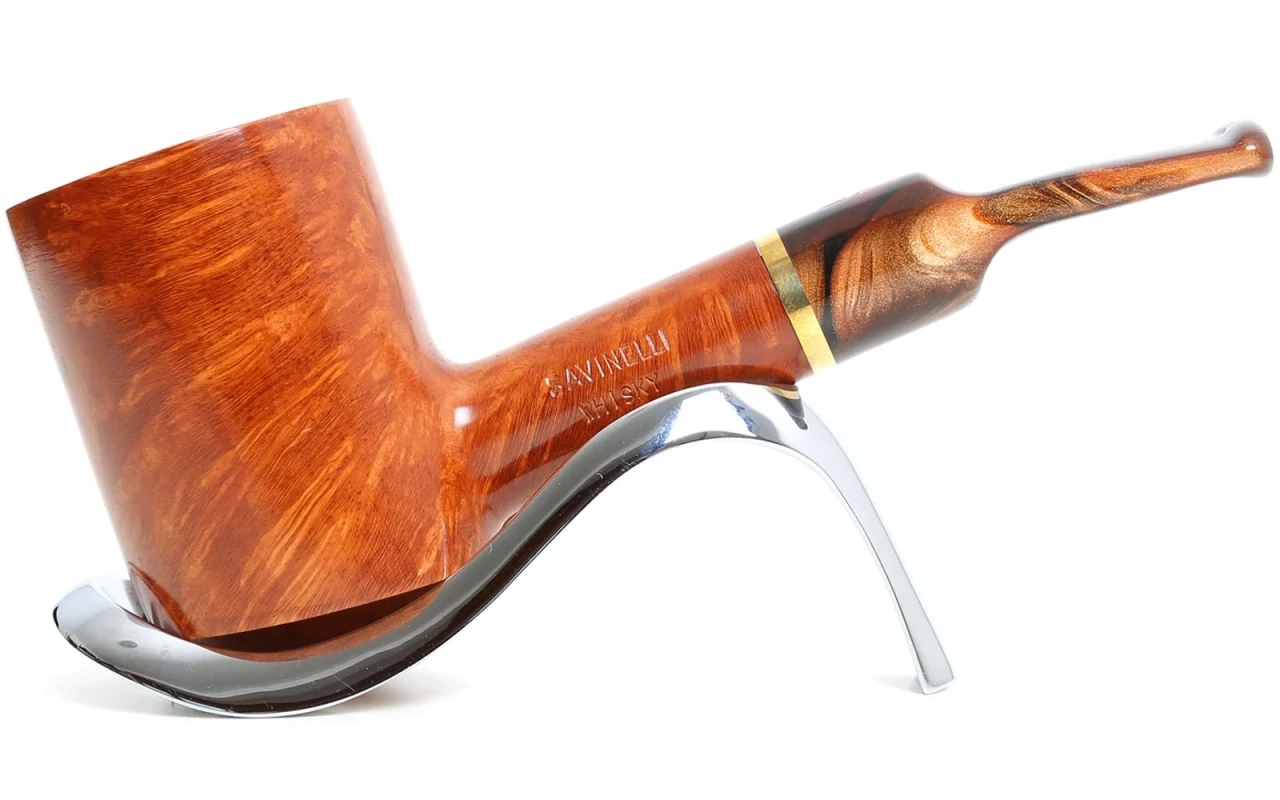
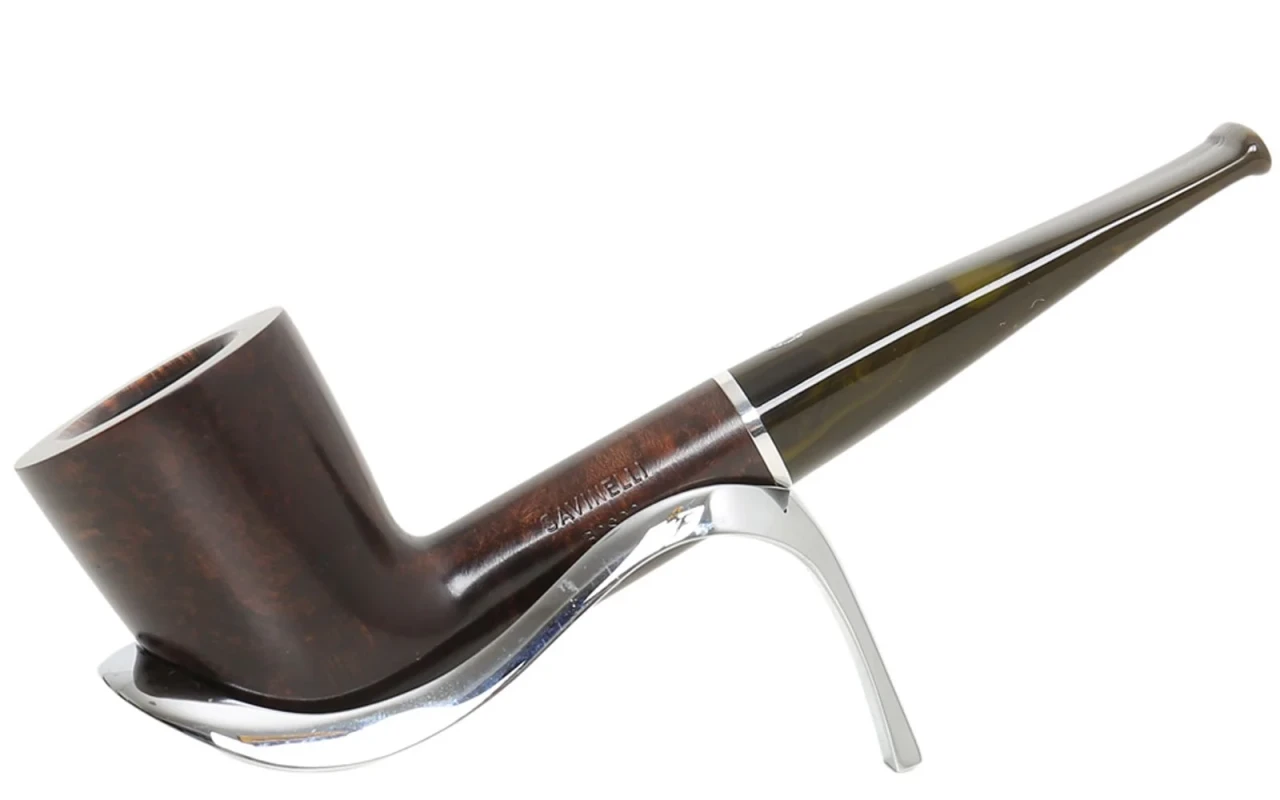
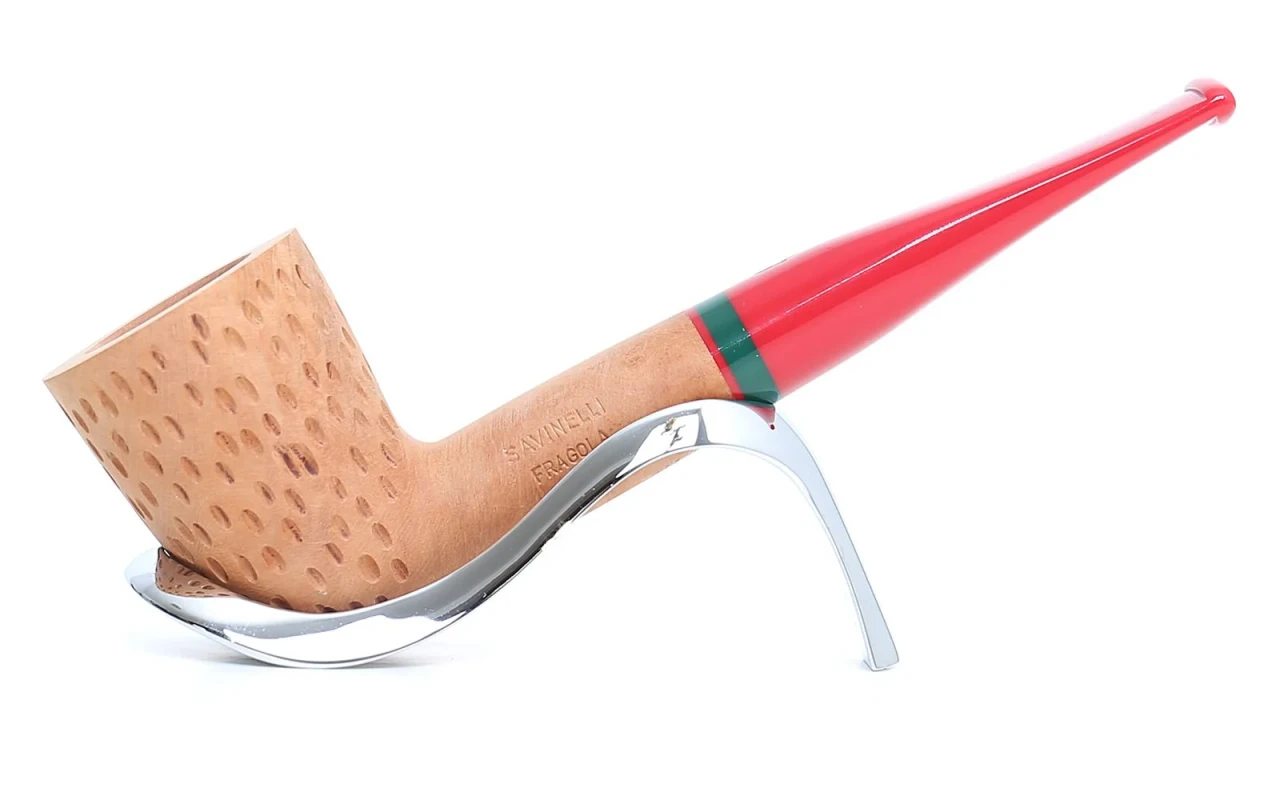
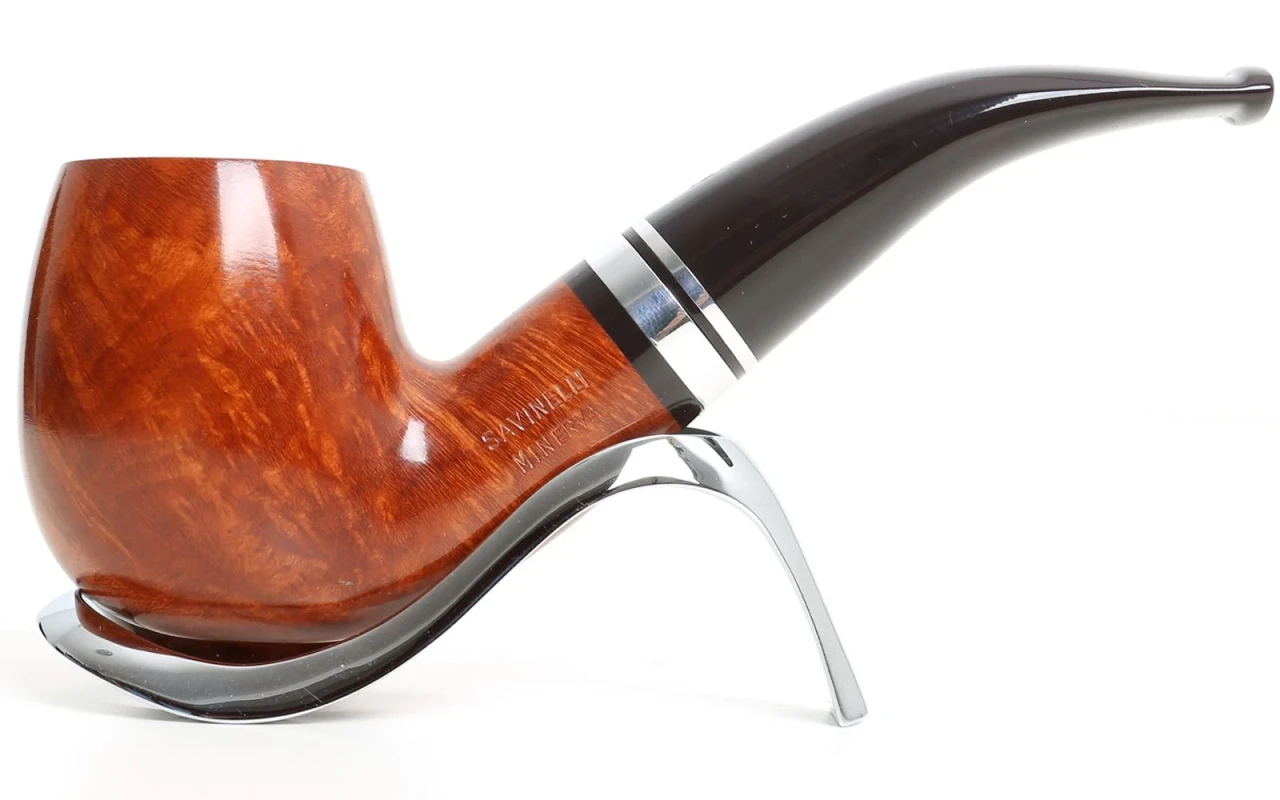
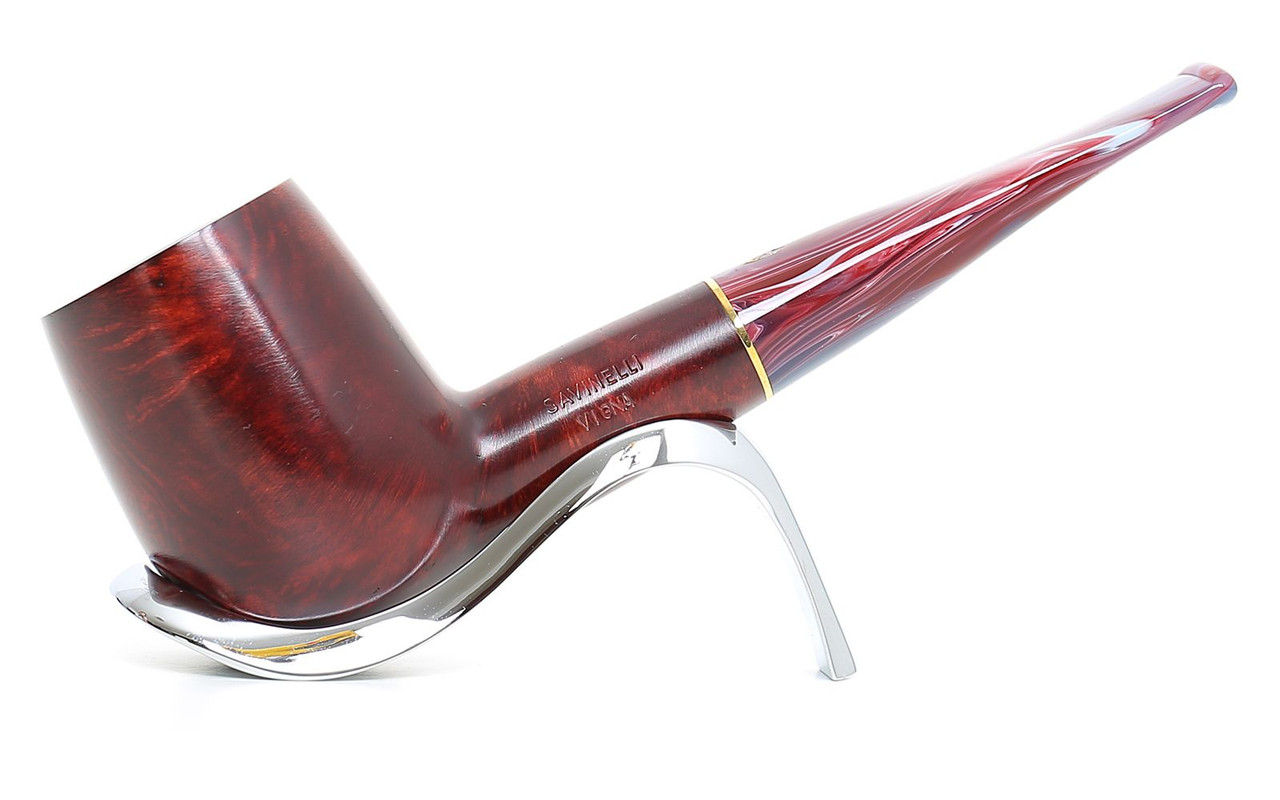
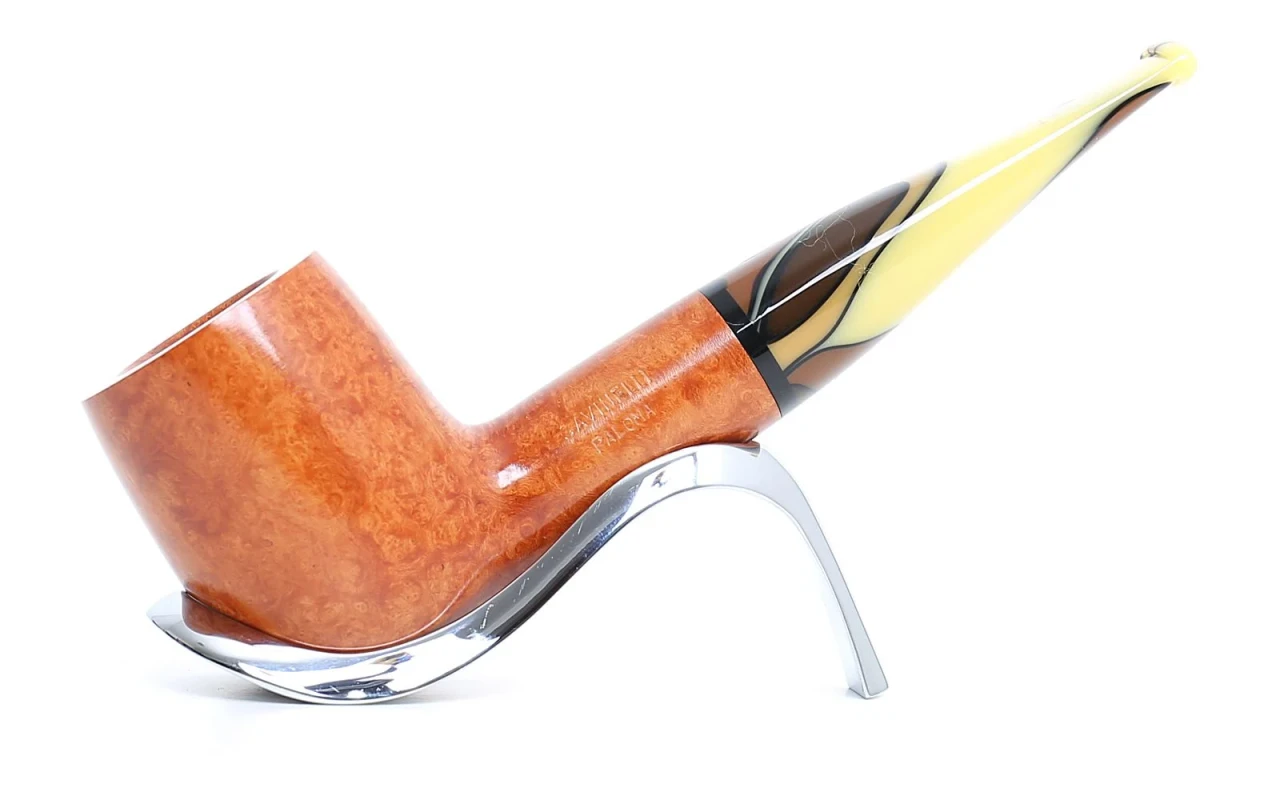
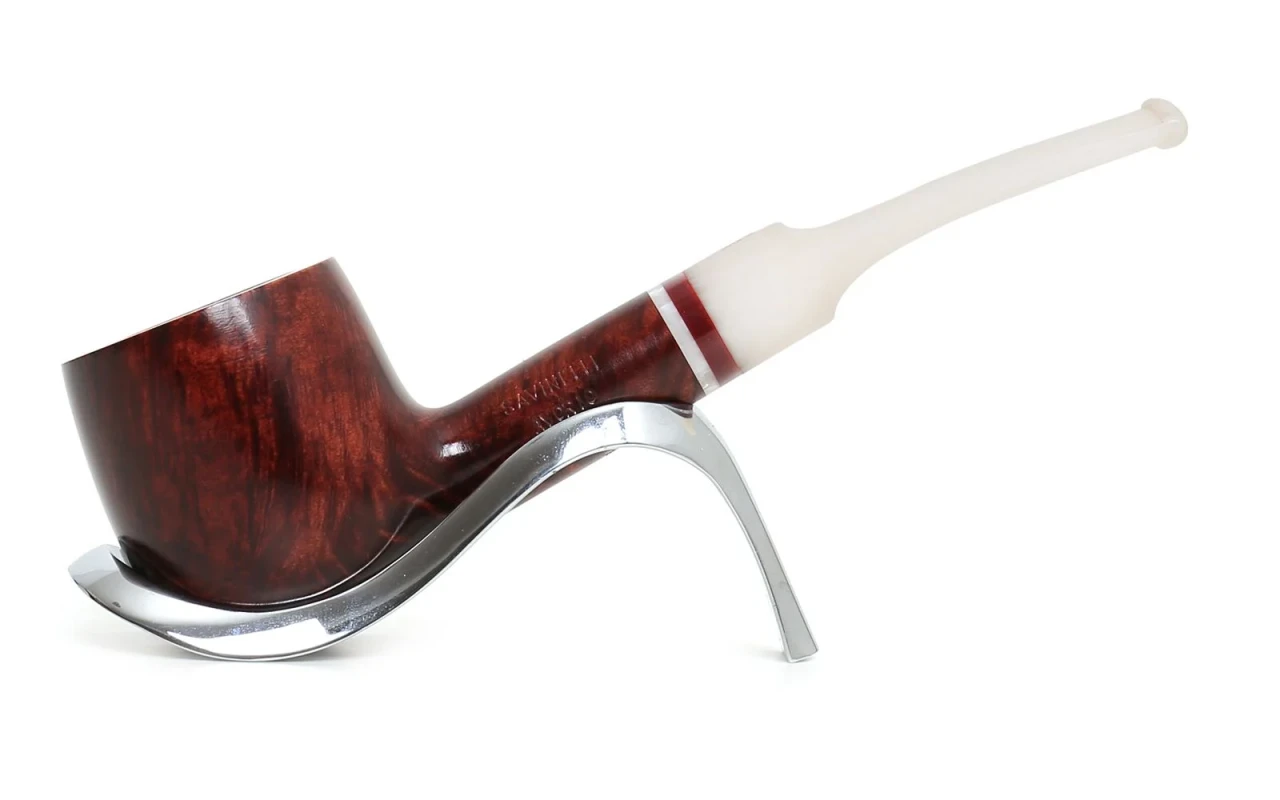
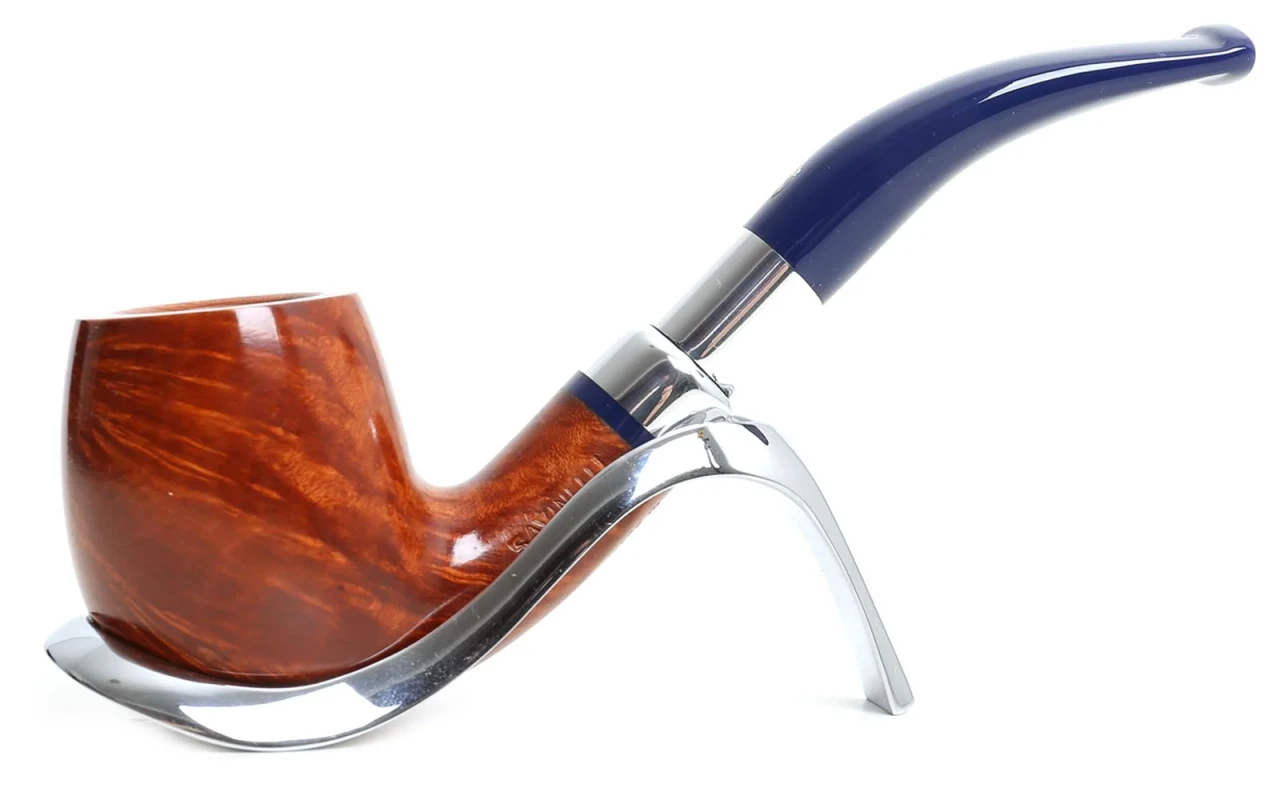
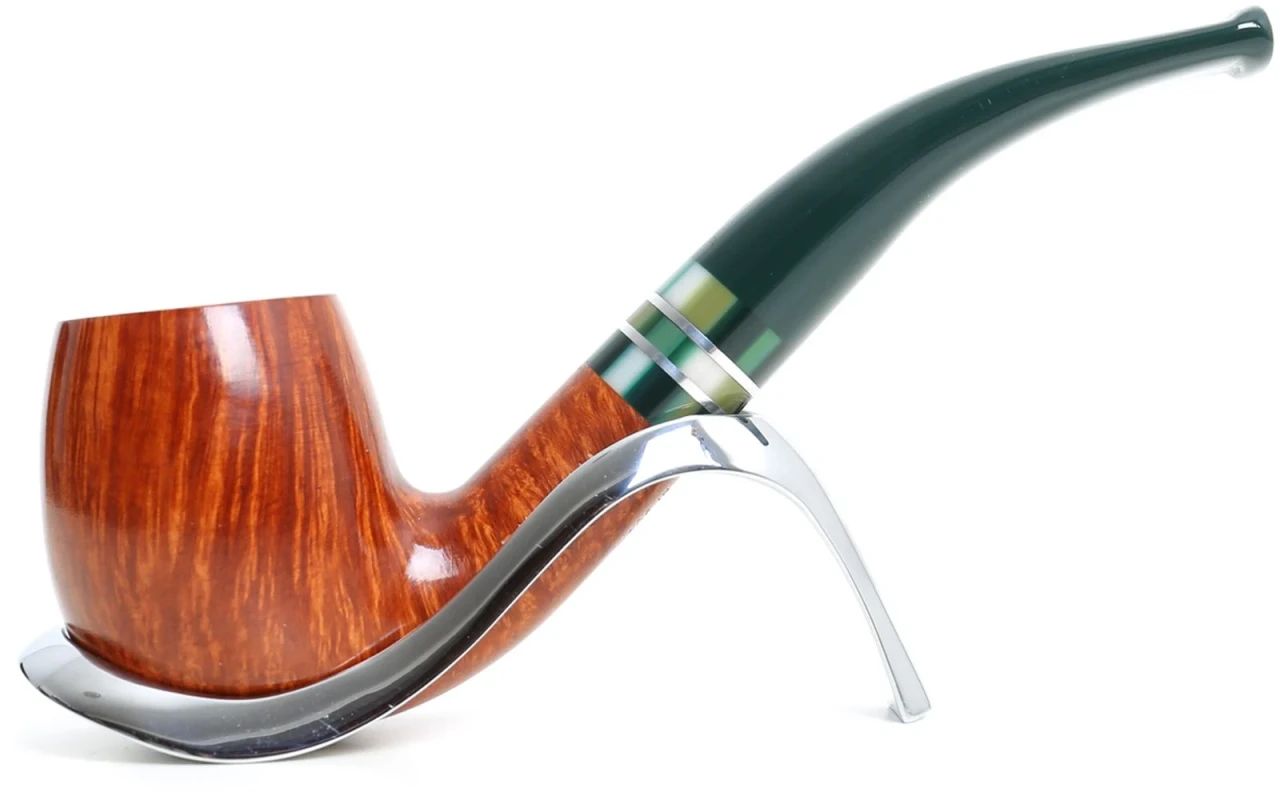
The most common inlay techniques for pipes include:- Dot inlay: it uses small pieces of different materials to create detailed designs.- Band inlay: consists of applying strips of various materials such as wood, metal, or bone around the pipe.- Motif inlay: involves the use of geometric or figurative patterns to decorate the pipe.- Filigree inlay: employs thin metal wires to create intricate designs on the surface of the pipe.These techniques add aesthetic value and unique character to smoking pipes, making them true handmade works of art.
Woodworking techniques for pipes
Woodworking techniques for pipes require precision and artisanal mastery. The fundamental steps include selecting high-quality wood, cutting and shaping the pipe, crafting the combustion chamber, and applying aesthetic finishes. Artisans use specialized tools such as lathes, chisels, and rasps to carefully shape the wood. Proper wood seasoning is essential to ensure the strength and durability of the pipe. Lastly, finishing with natural oils or waxes protects the wood and enhances its beauty, creating a high-quality pipe with impeccable design.
Materials used in pipe production
The most common materials used in pipe production are wood, briar root, clay, corn cob, and metal. Wood is widely appreciated for its ability to absorb smoke moisture, ensuring a cooler and more pleasant smoke. Briar root is renowned for its heat and flame resistance, while clay pipes offer excellent heat conduction. Corn cob pipes, lightweight and inexpensive, are suitable for beginners. Lastly, metal pipes are durable and easy to clean. Each material imparts unique characteristics to pipes, influencing the overall smoking experience.
Pipe design styles
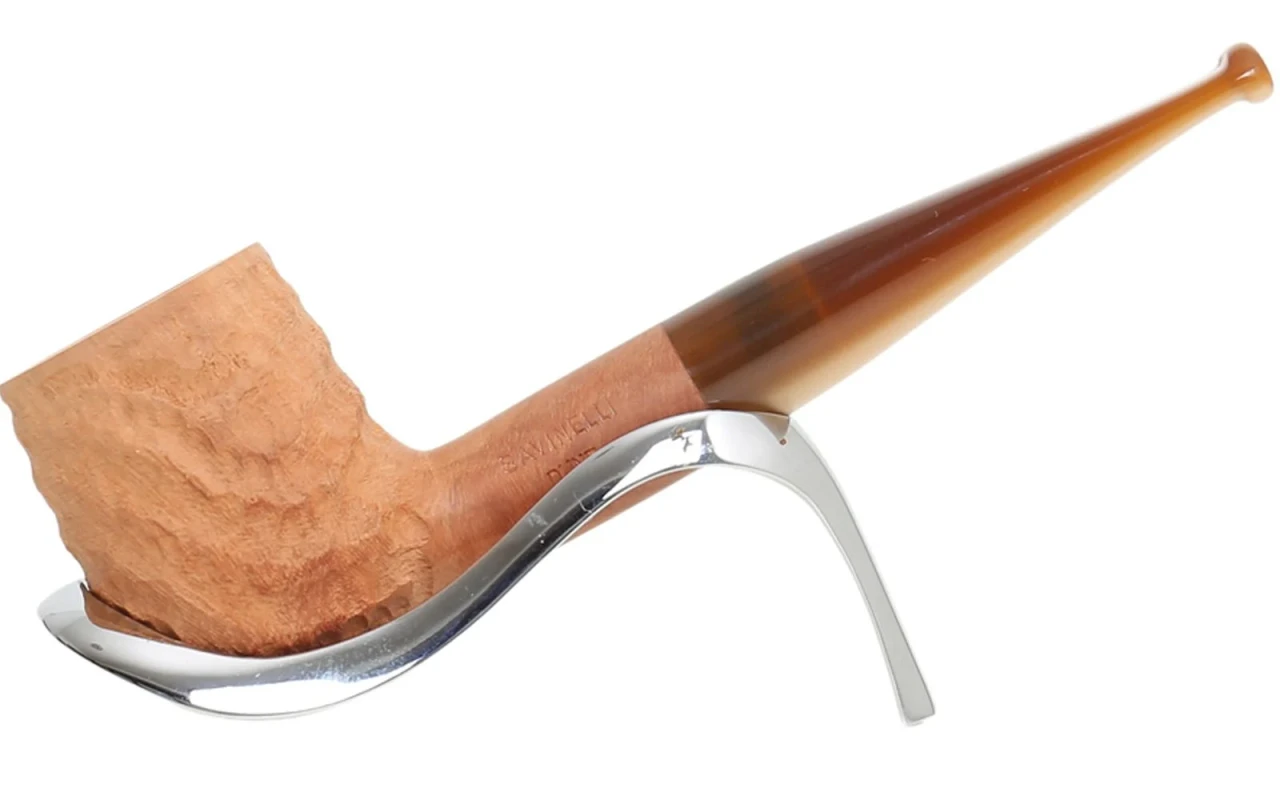
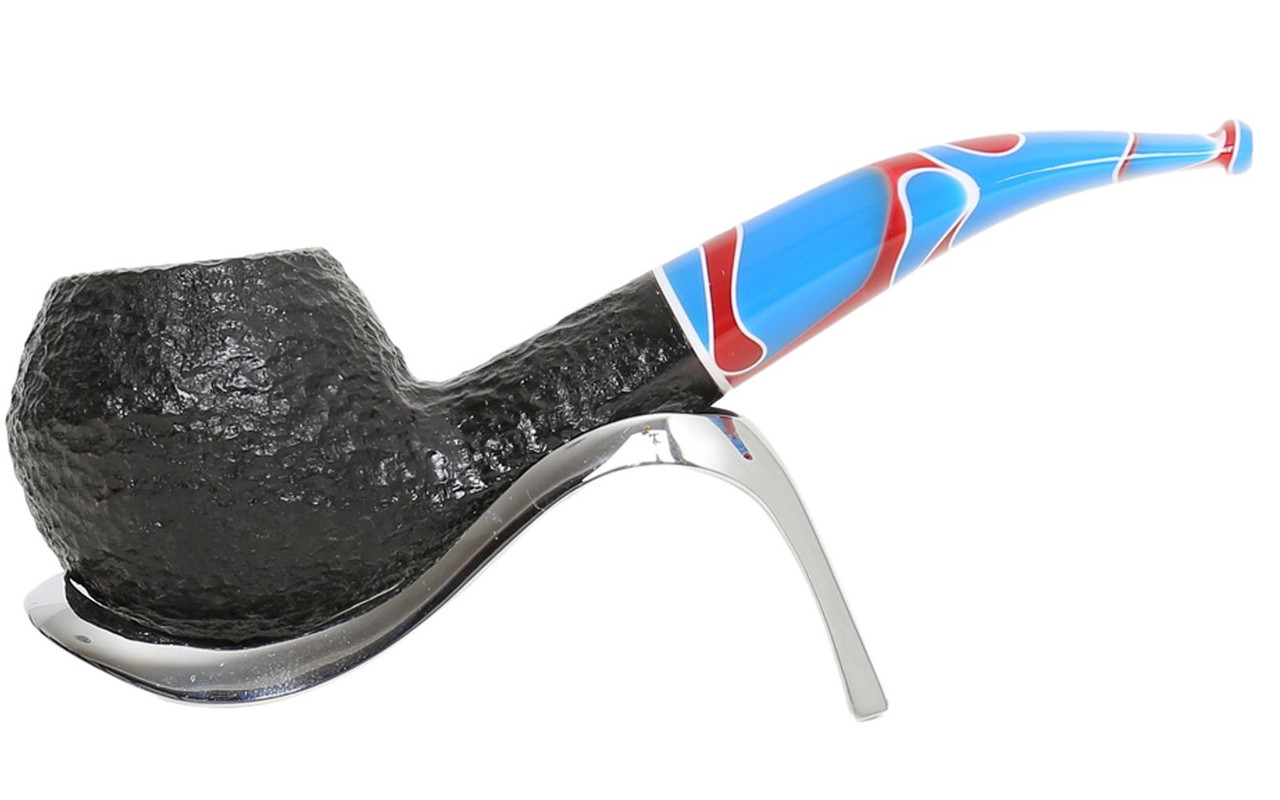
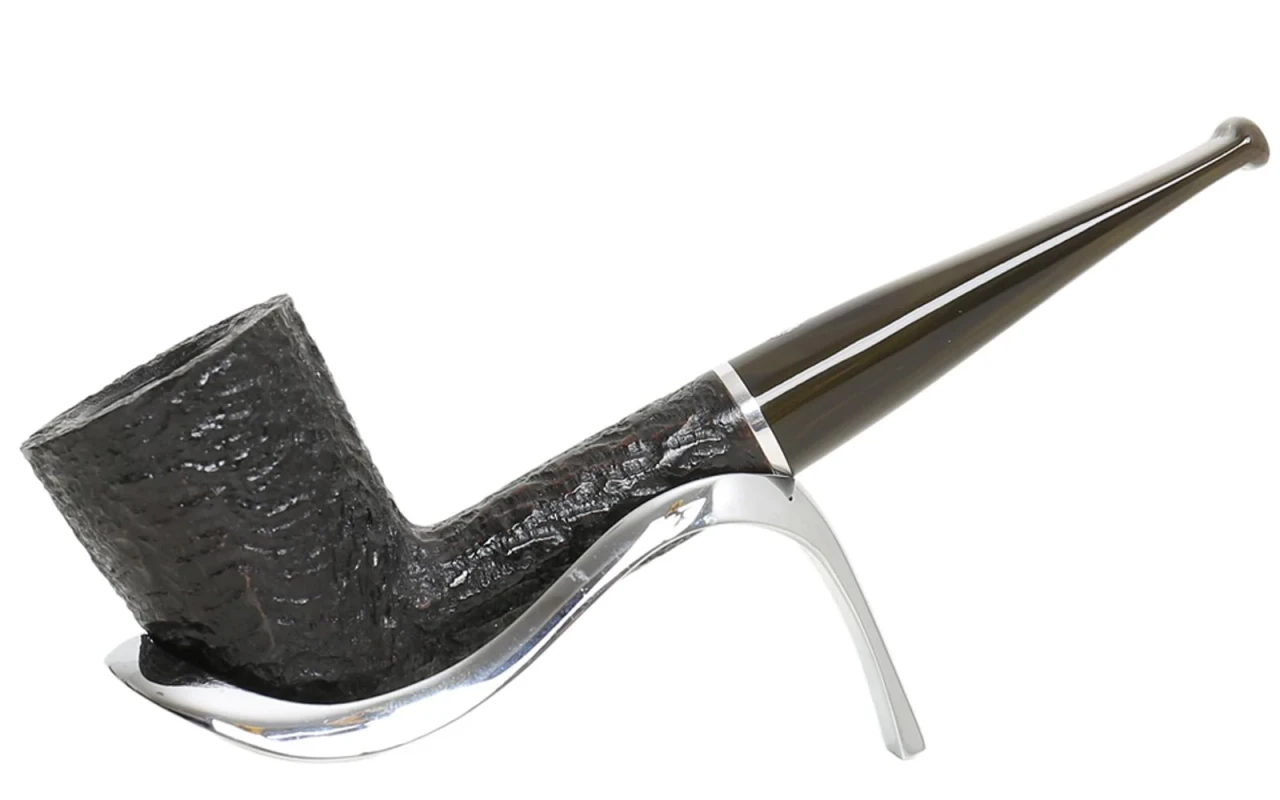
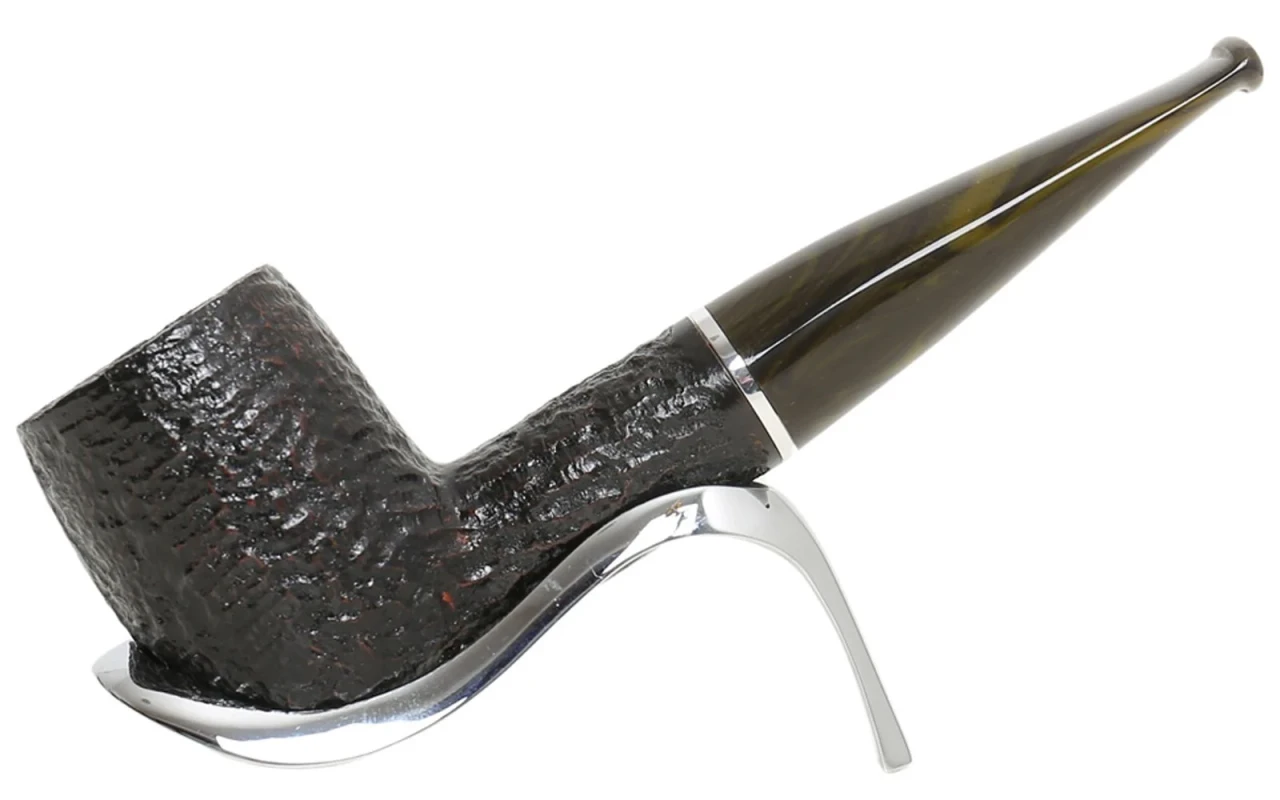
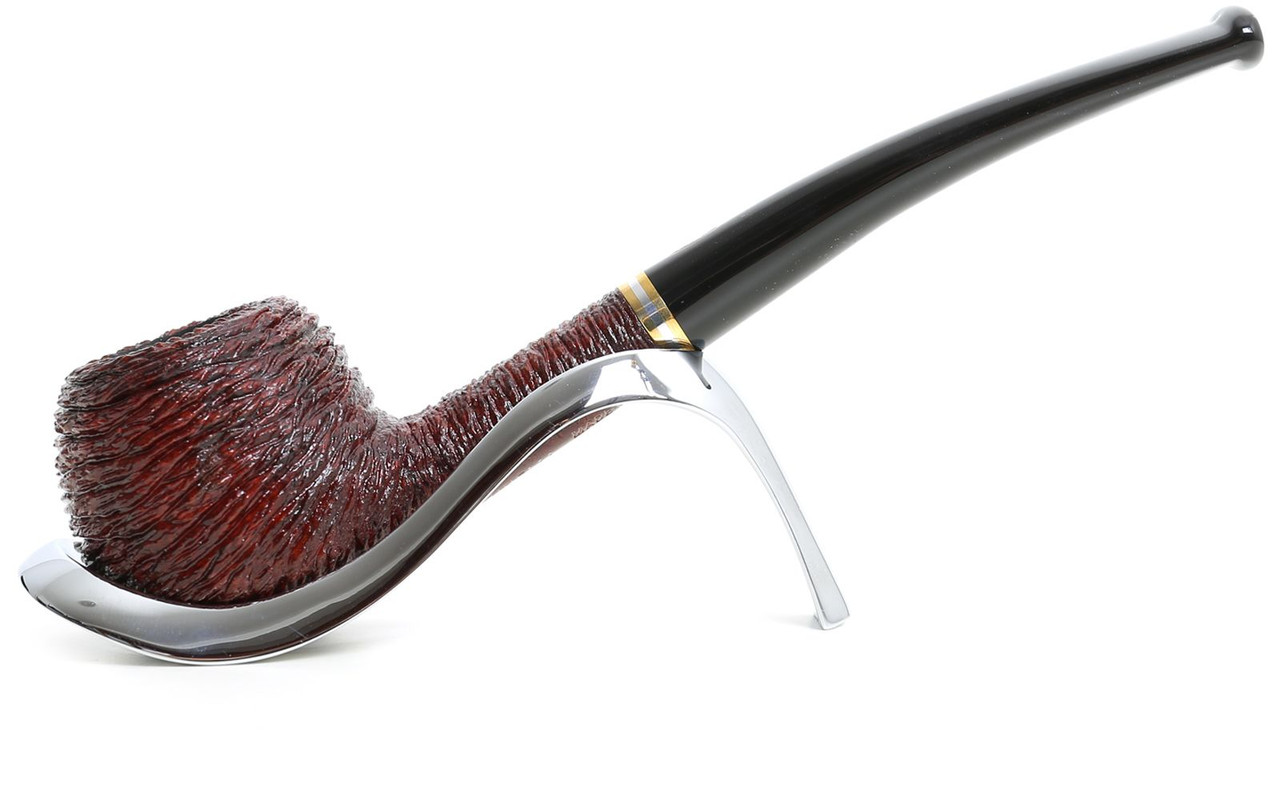
Pipe design styles vary significantly, offering a wide range of options for enthusiasts. Among the main styles, you can find:- Classic: characterized by clean and sober lines, often made of high-quality wood.- Rustic: with a more rough and rugged appearance, usually made with briar or natural materials.- Artistic: unique and customized pipes, often decorated with inlays or sculptures.- Modern: innovative designs that may include materials other than traditional wood, such as glass or metal.Each design style reflects the creativity and craftsmanship of pipe makers, providing enthusiasts with a wide choice to express their personality.
'%3e%3cg id='Final-Copy-2_2_' transform='translate(1275.000000, 200.000000)'%3e%3cpath class='st0' d='M7.4,12.8h6.8l3.1-11.6H7.4C4.2,1.2,1.6,3.8,1.6,7S4.2,12.8,7.4,12.8z'/%3e%3c/g%3e%3c/g%3e%3c/g%3e%3cg id='final---dec.11-2020'%3e%3cg id='_x30_208-our-toggle' transform='translate(-1275.000000, -200.000000)'%3e%3cg id='Final-Copy-2' transform='translate(1275.000000, 200.000000)'%3e%3cpath class='st1' d='M22.6,0H7.4c-3.9,0-7,3.1-7,7s3.1,7,7,7h15.2c3.9,0,7-3.1,7-7S26.4,0,22.6,0z M1.6,7c0-3.2,2.6-5.8,5.8-5.8 h9.9l-3.1,11.6H7.4C4.2,12.8,1.6,10.2,1.6,7z'/%3e%3cpath id='x' class='st2' d='M24.6,4c0.2,0.2,0.2,0.6,0,0.8l0,0L22.5,7l2.2,2.2c0.2,0.2,0.2,0.6,0,0.8c-0.2,0.2-0.6,0.2-0.8,0 l0,0l-2.2-2.2L19.5,10c-0.2,0.2-0.6,0.2-0.8,0c-0.2-0.2-0.2-0.6,0-0.8l0,0L20.8,7l-2.2-2.2c-0.2-0.2-0.2-0.6,0-0.8 c0.2-0.2,0.6-0.2,0.8,0l0,0l2.2,2.2L23.8,4C24,3.8,24.4,3.8,24.6,4z'/%3e%3cpath id='y' class='st3' d='M12.7,4.1c0.2,0.2,0.3,0.6,0.1,0.8l0,0L8.6,9.8C8.5,9.9,8.4,10,8.3,10c-0.2,0.1-0.5,0.1-0.7-0.1l0,0 L5.4,7.7c-0.2-0.2-0.2-0.6,0-0.8c0.2-0.2,0.6-0.2,0.8,0l0,0L8,8.6l3.8-4.5C12,3.9,12.4,3.9,12.7,4.1z'/%3e%3c/g%3e%3c/g%3e%3c/g%3e%3c/g%3e%3c/svg%3e) Your Privacy Choices
Your Privacy Choices 


