 ES
ES FR
FR EN
EN IT
IT DE
DE
History of pipes over time
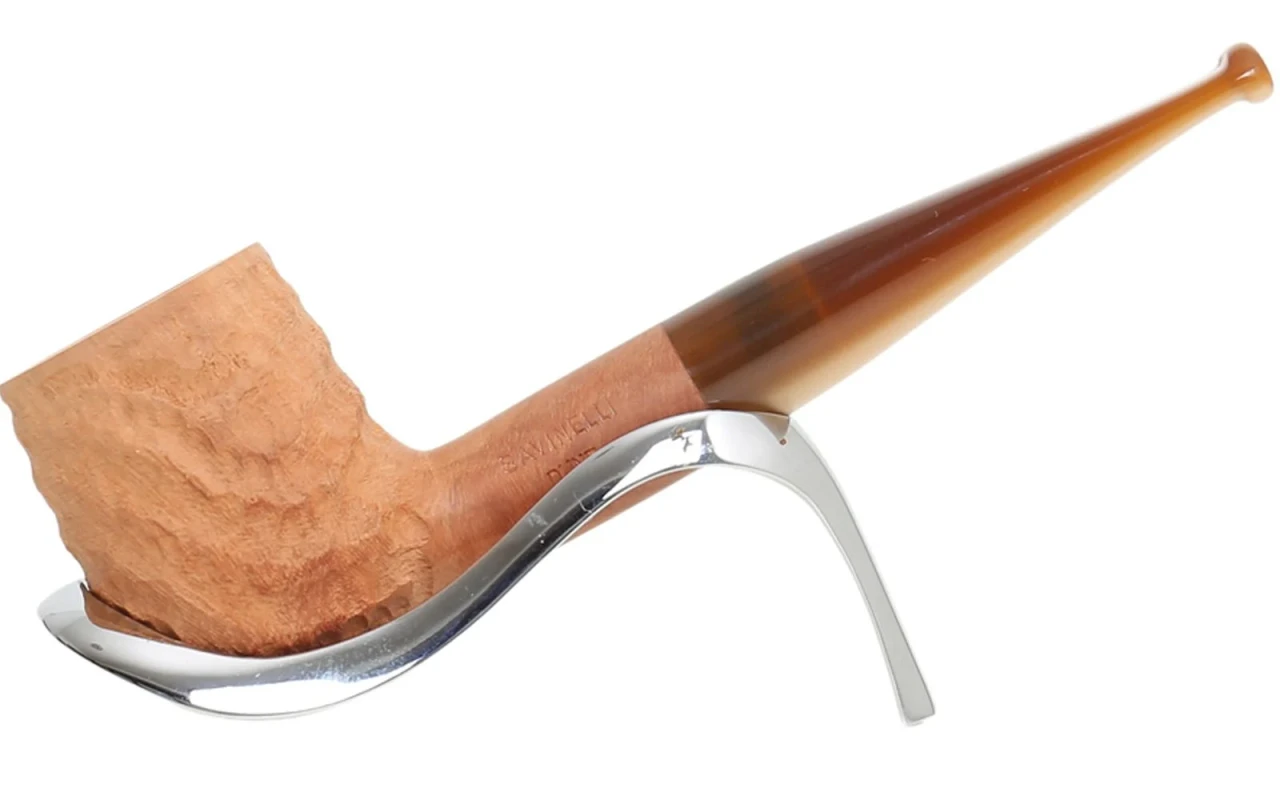
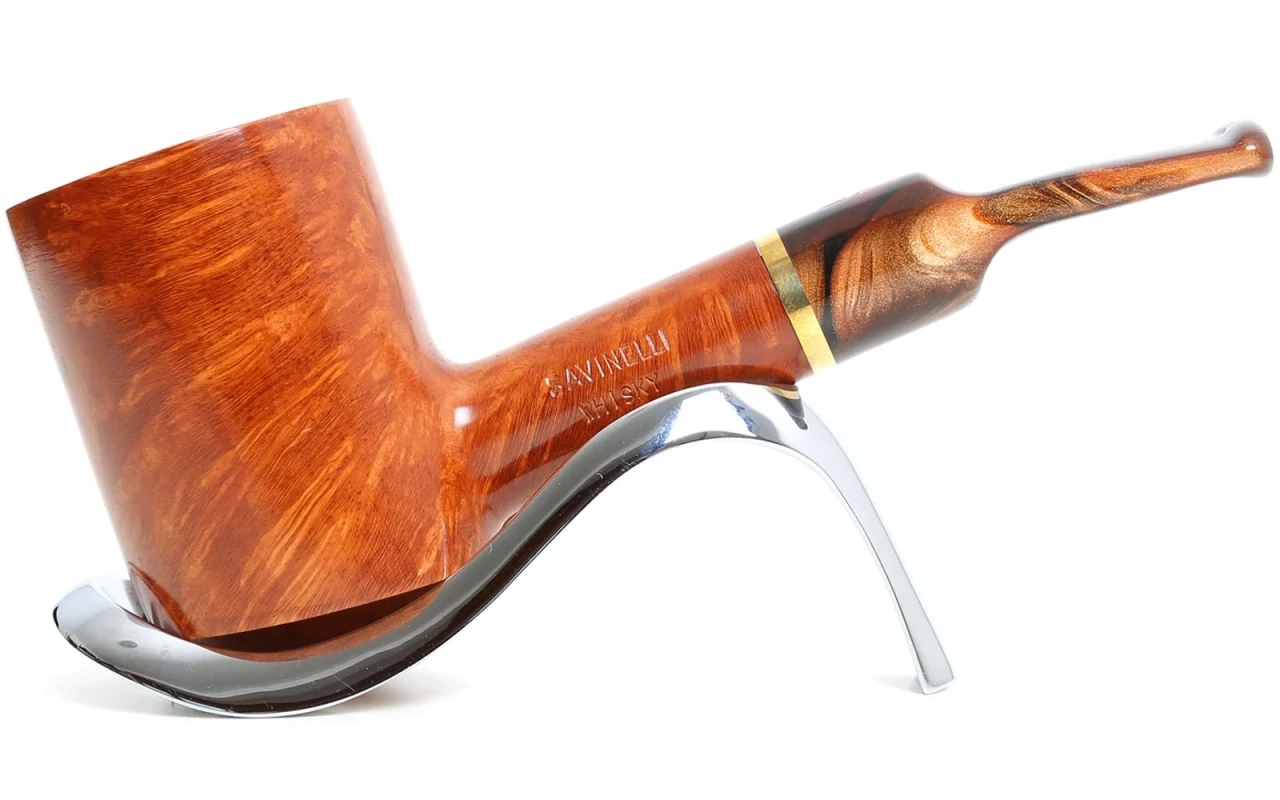
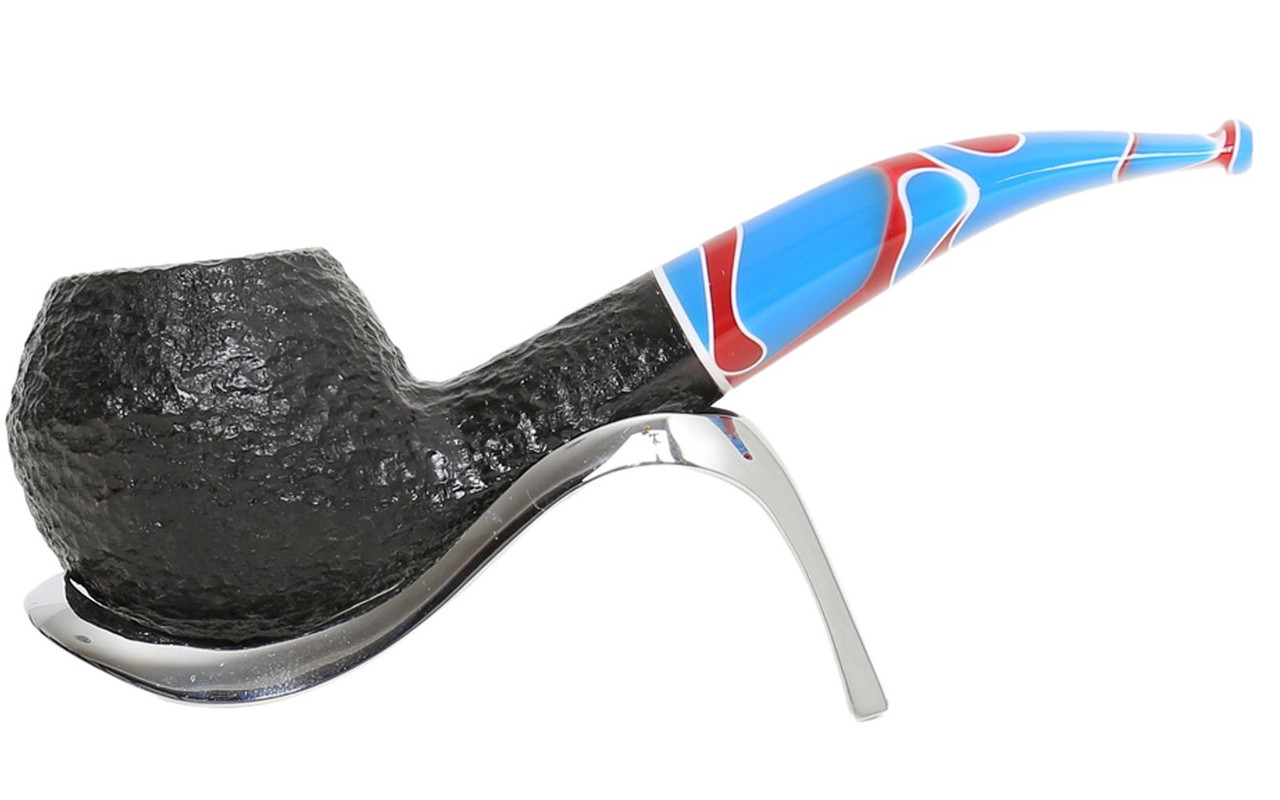
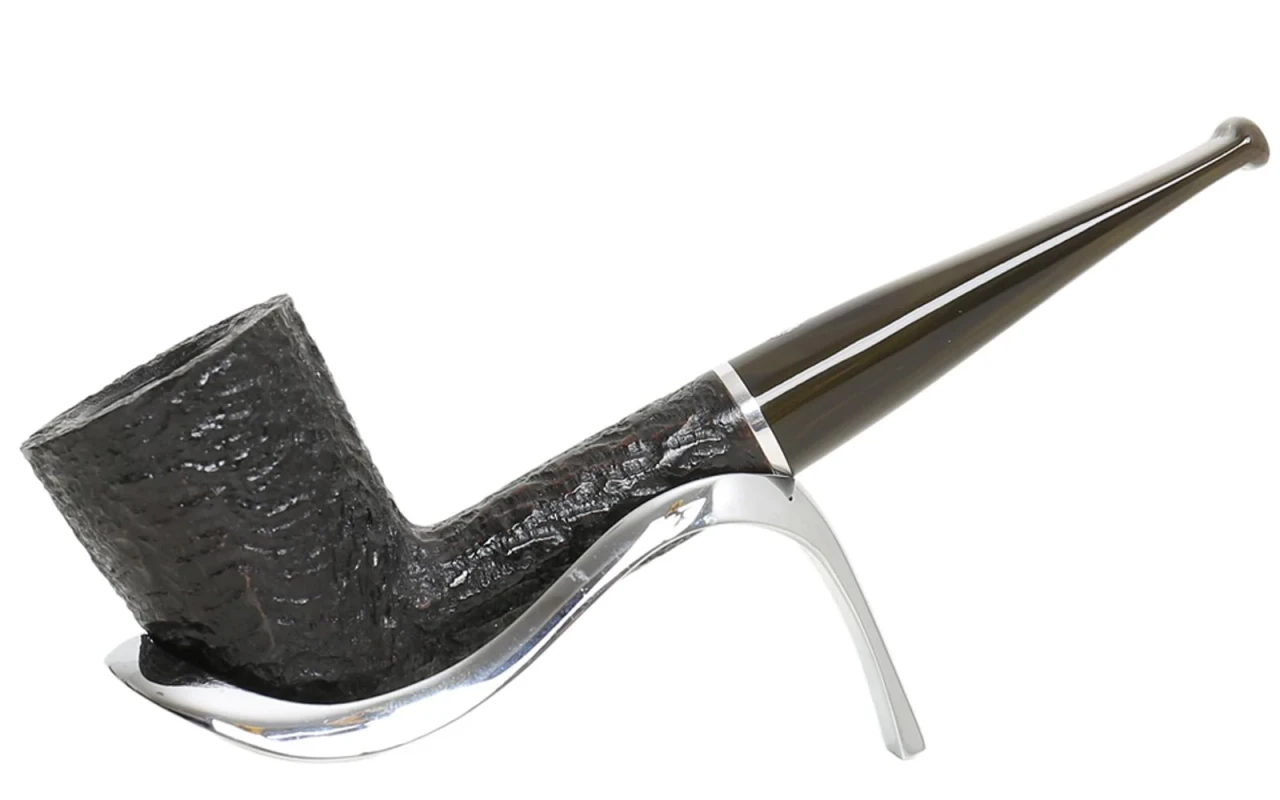
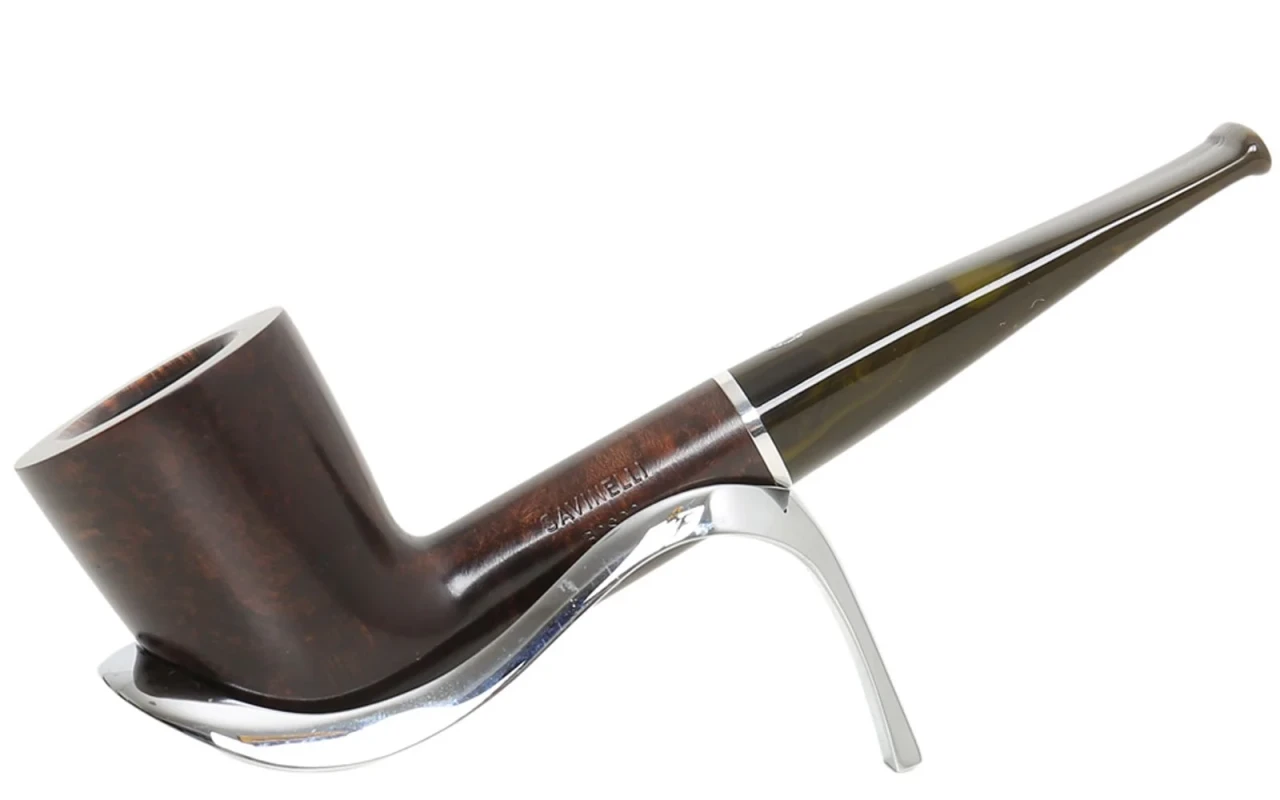
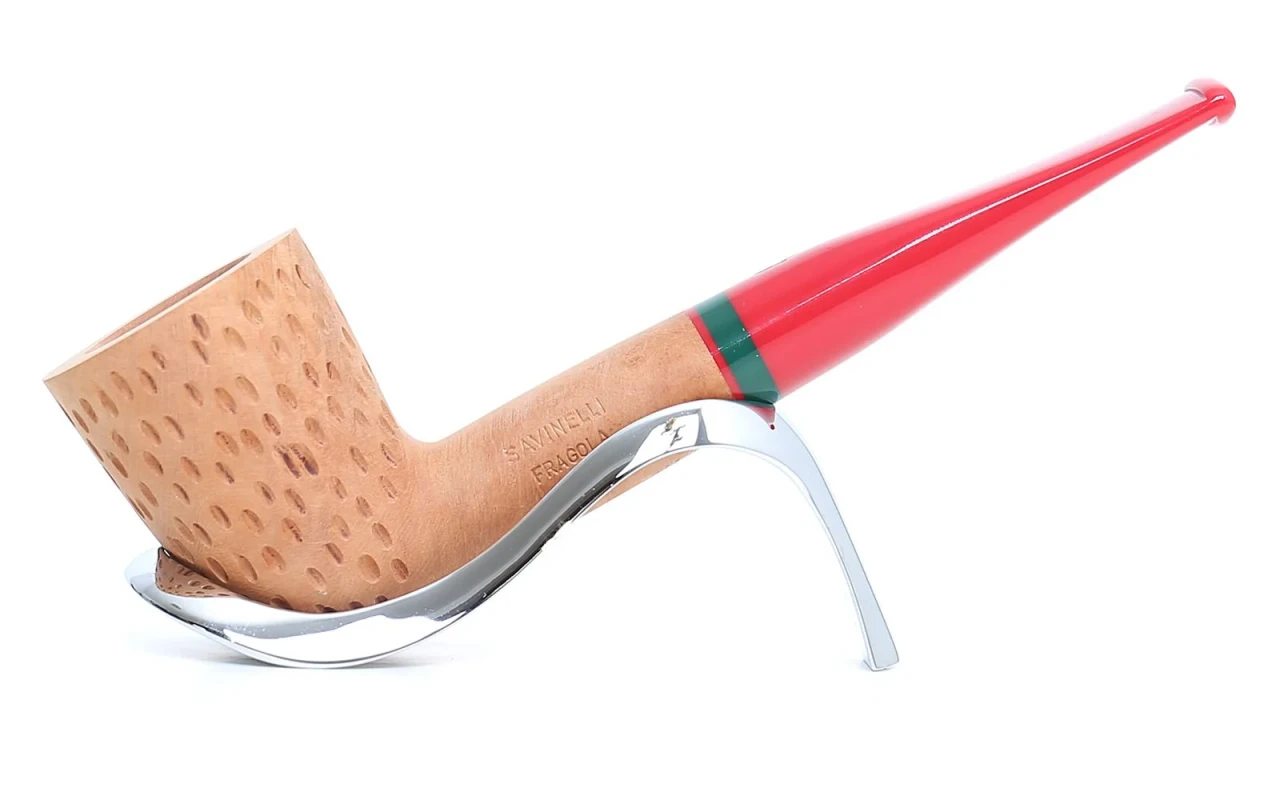
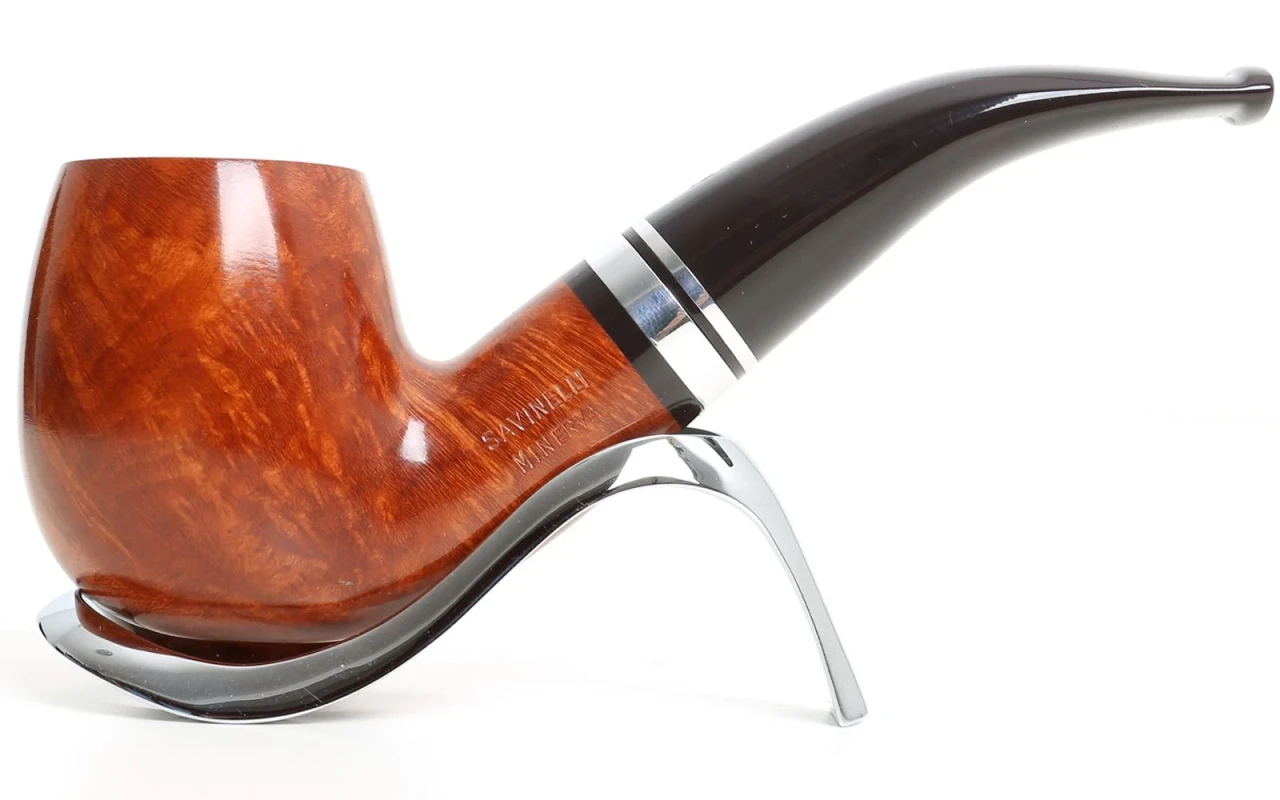
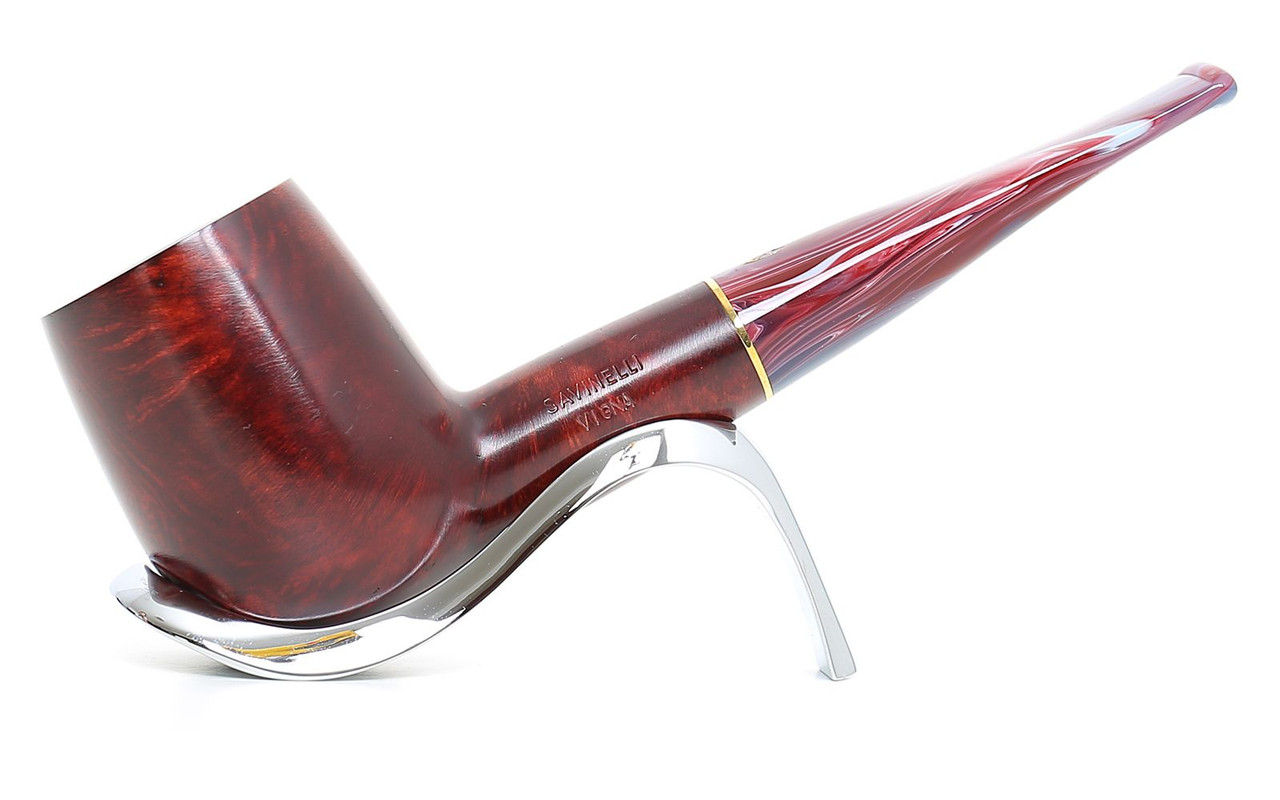
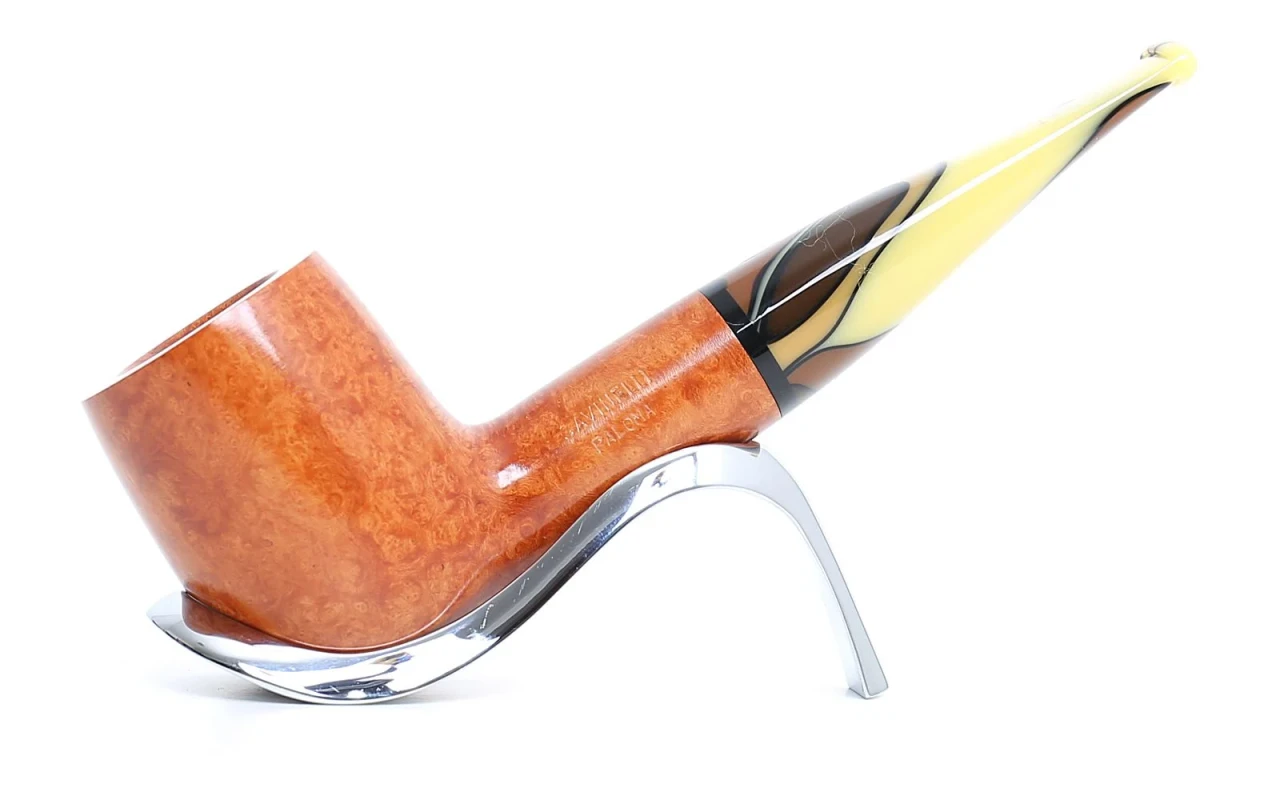
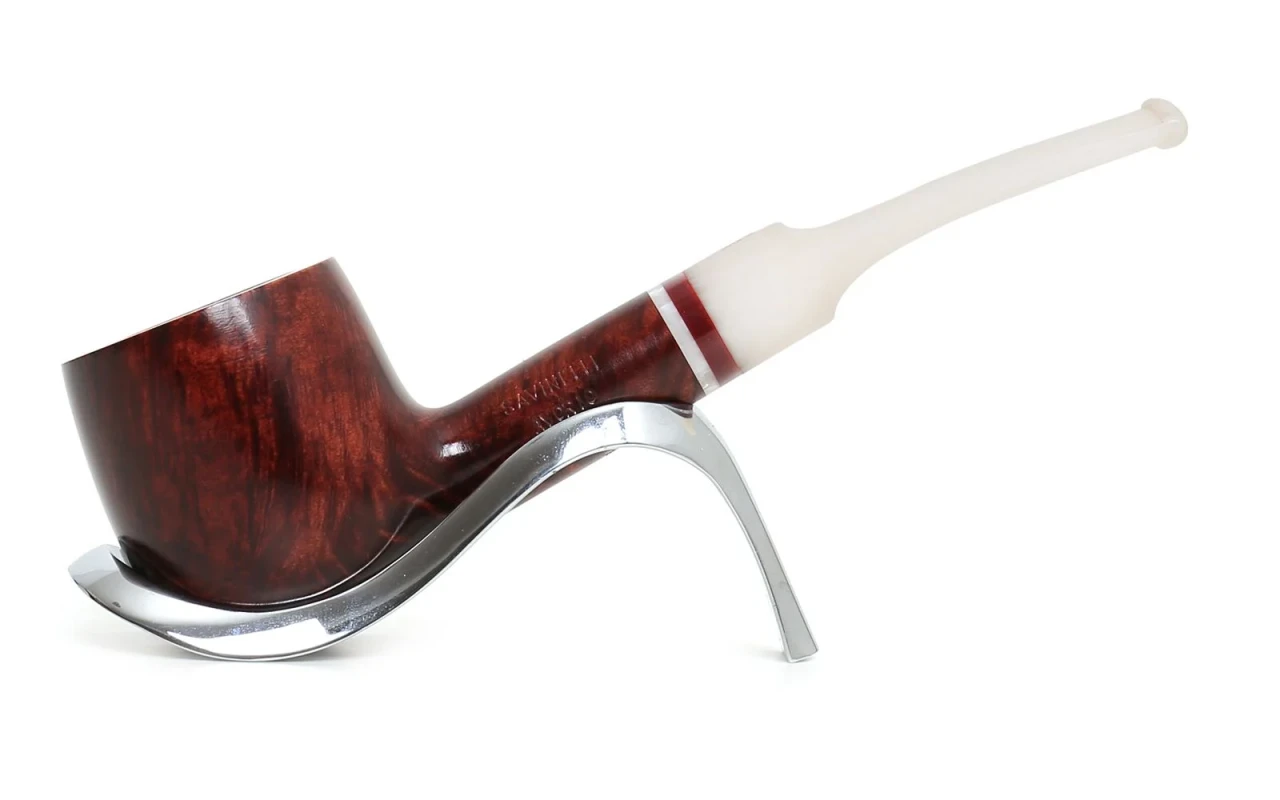
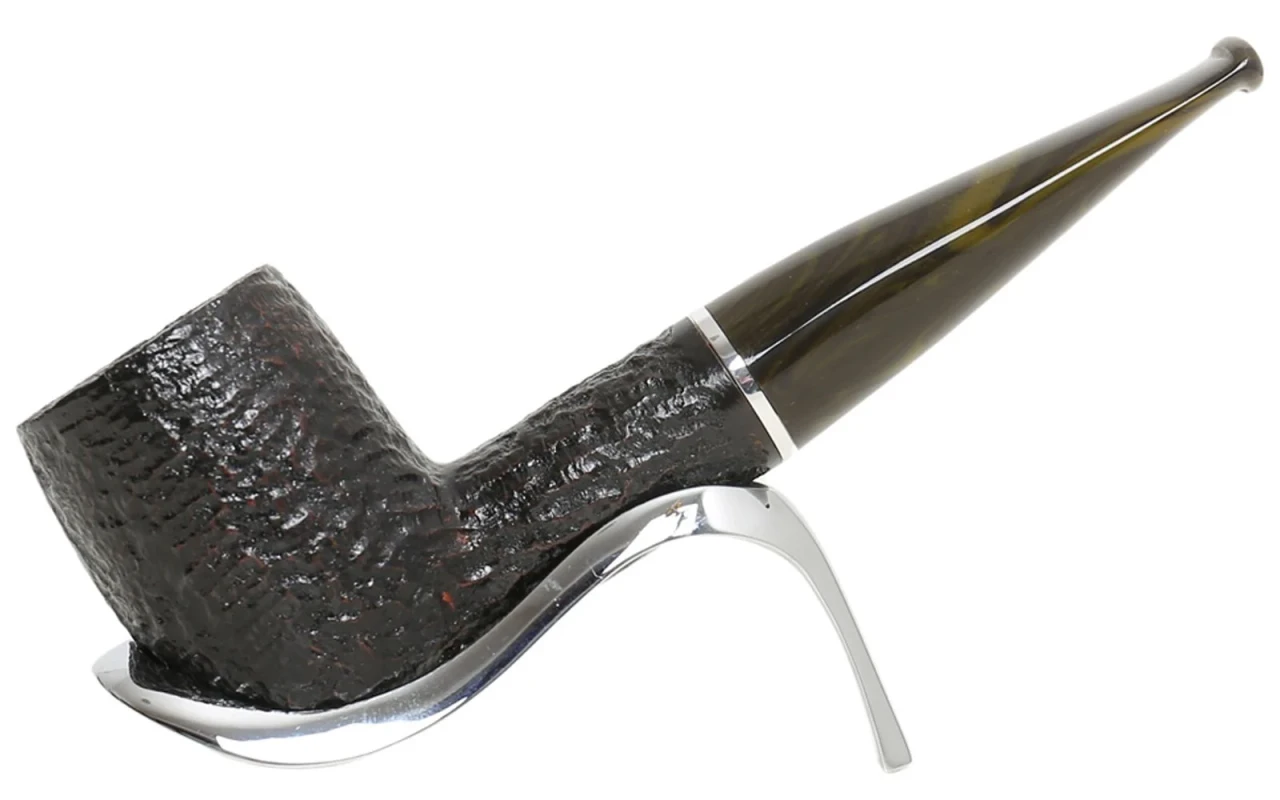
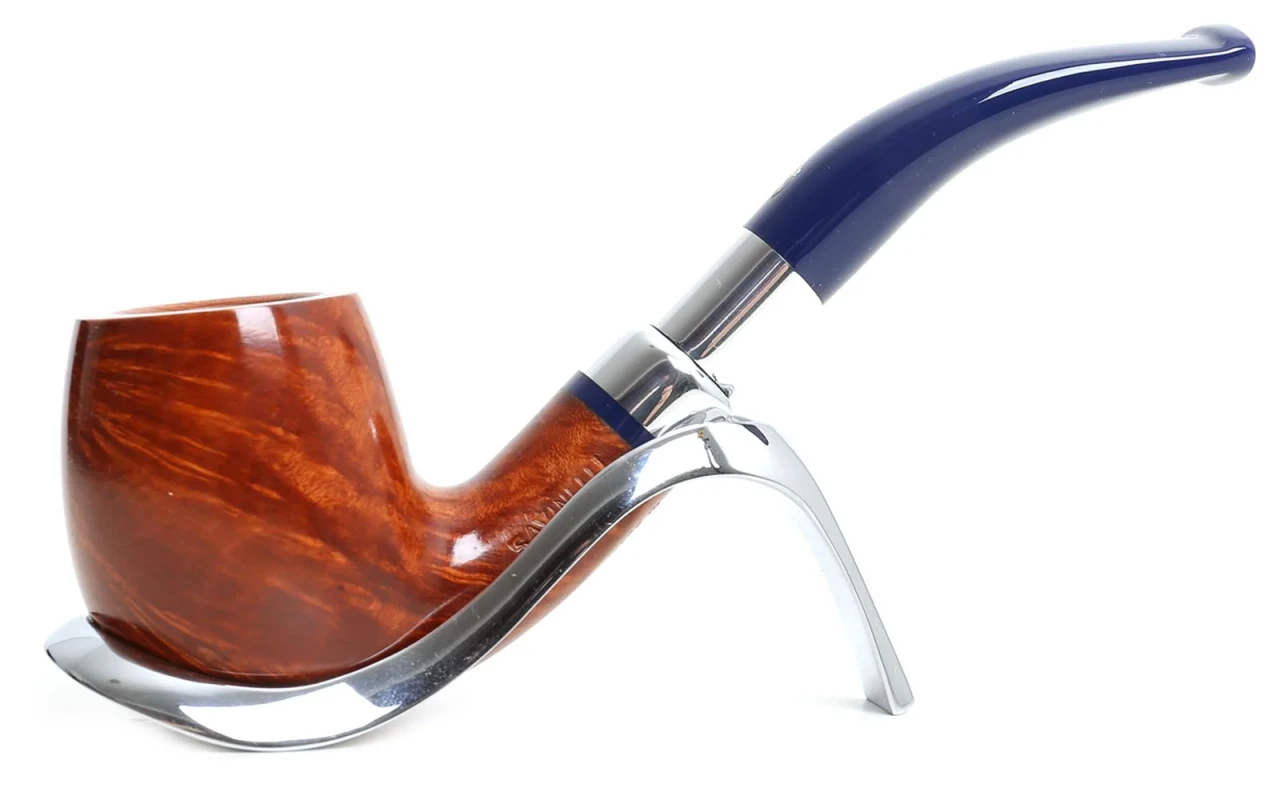
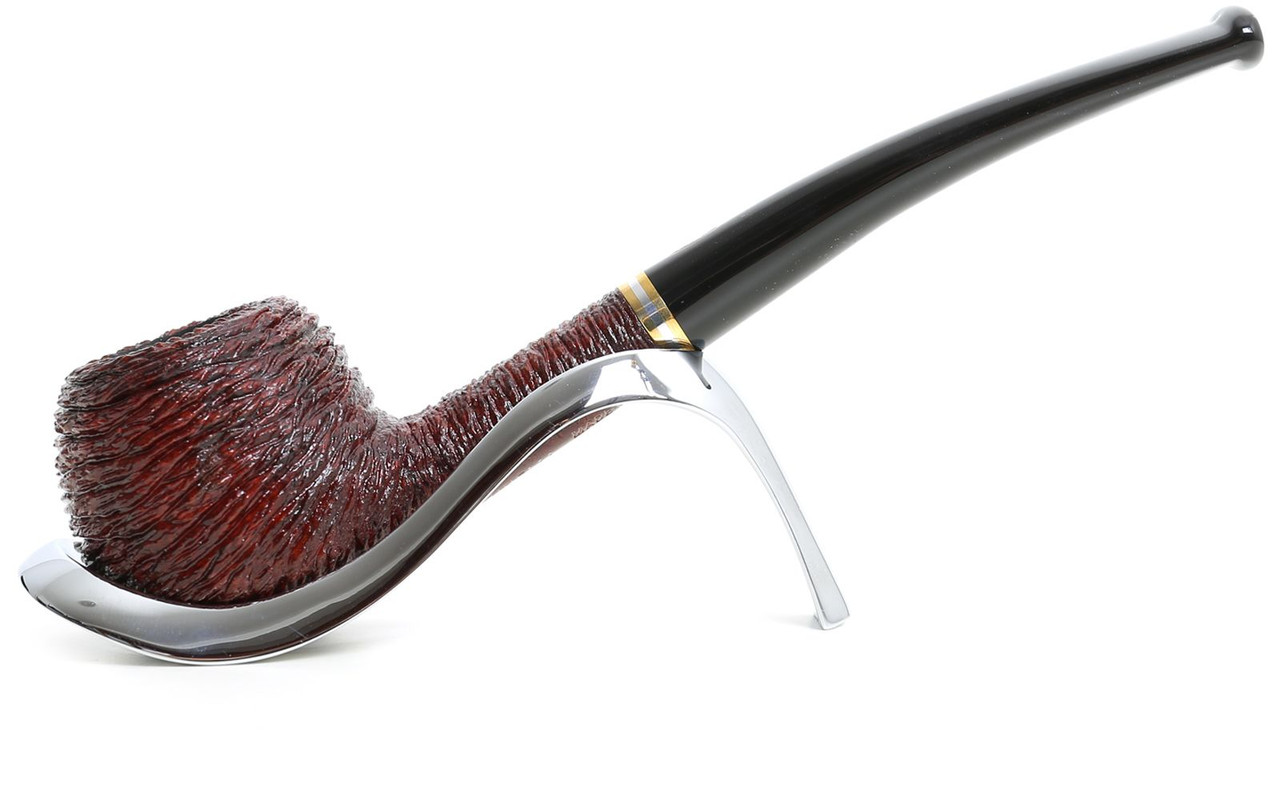
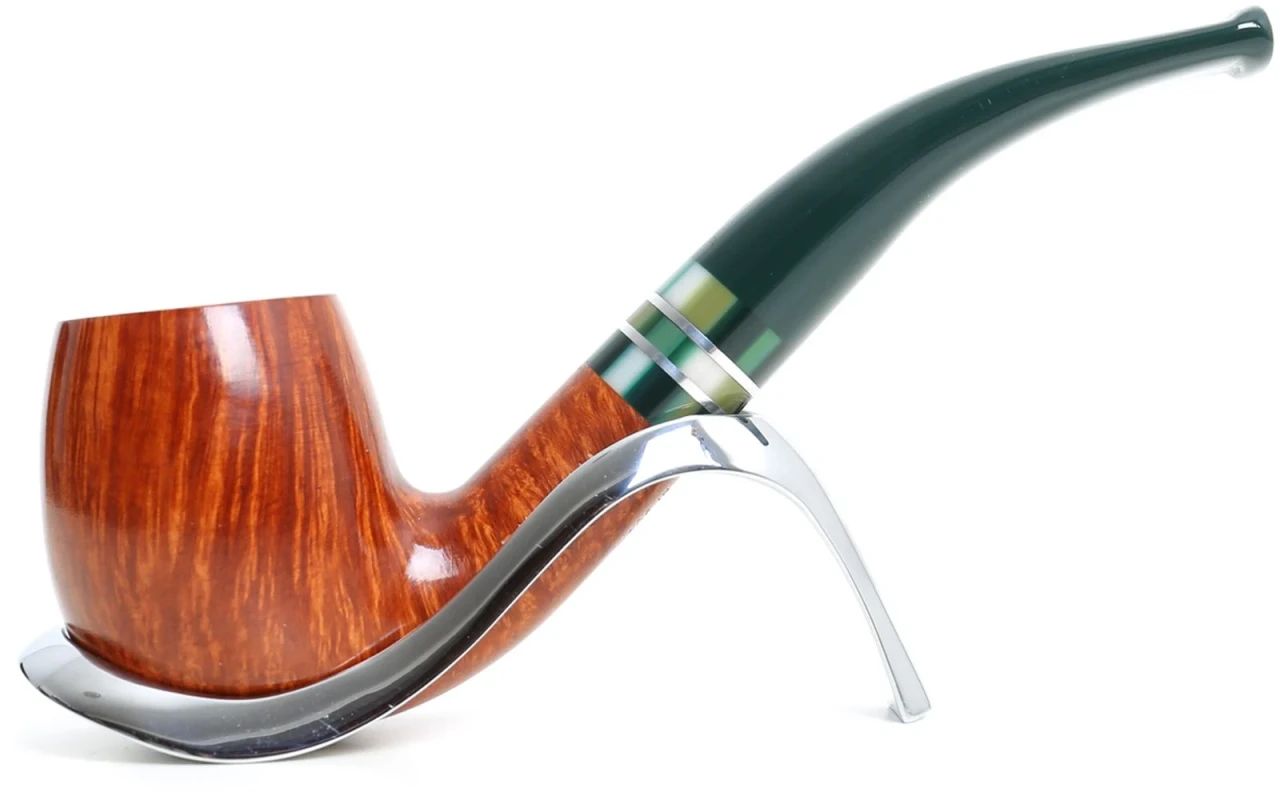
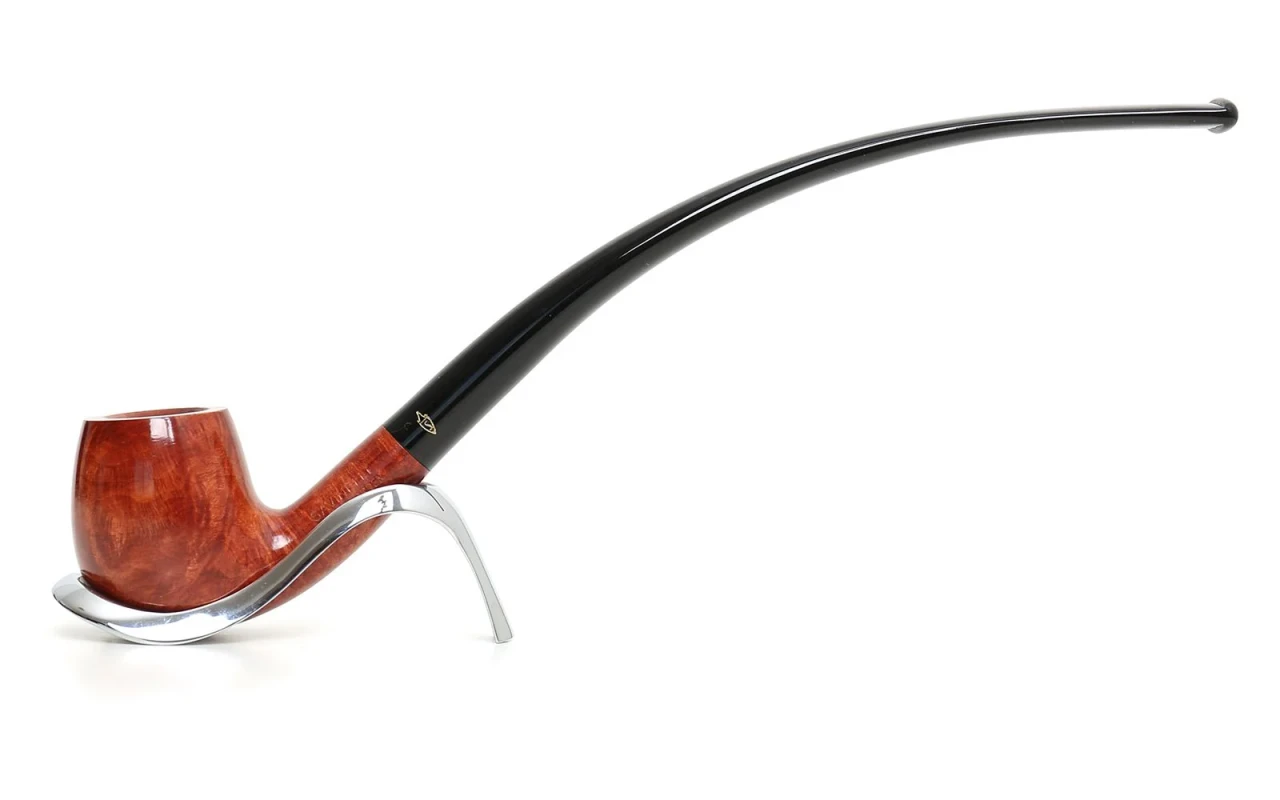
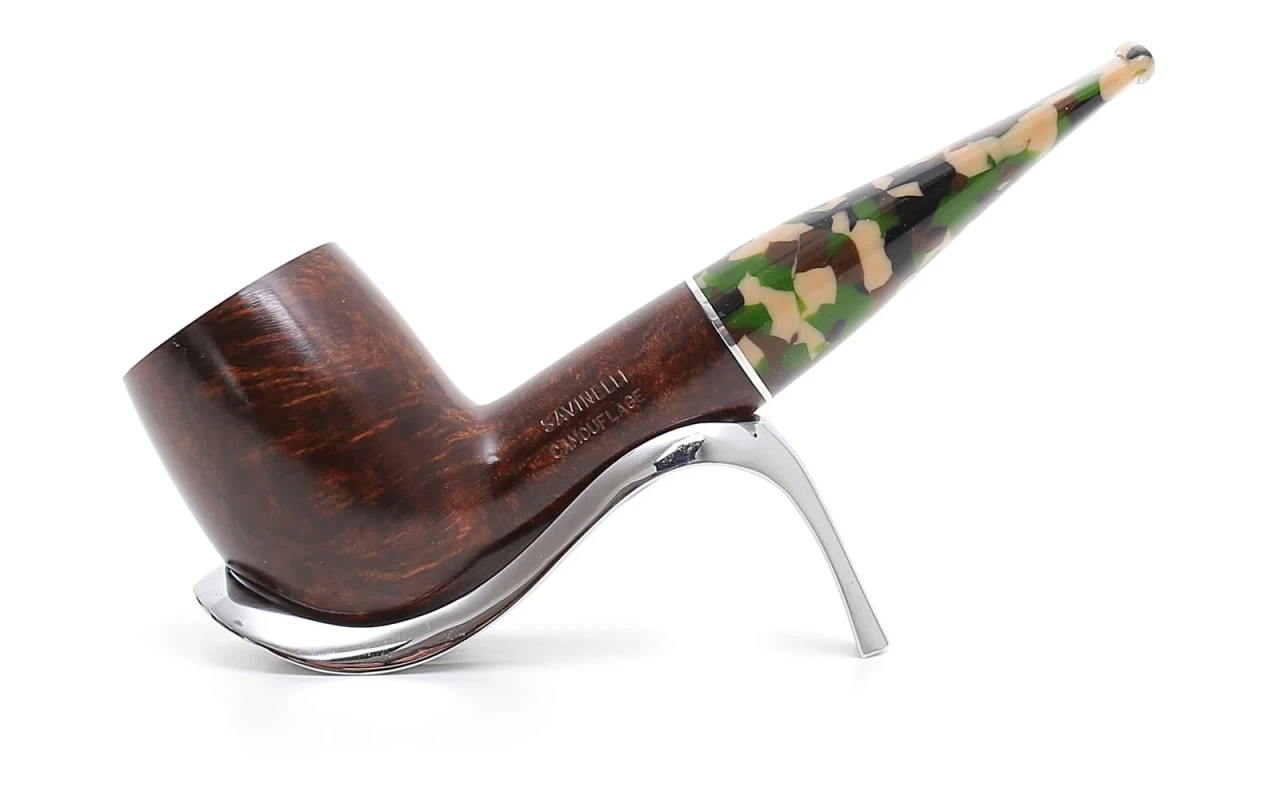
History of pipes over time
Pipes, smoking instruments for tobacco, have an ancient history dating back centuries. Here is a brief overview of the history of pipes over time:- Antiquity: The first pipes date back to ancient Egypt and pre-Columbian civilizations, made of clay or stone.- Middle Ages: Pipes became popular in Europe, especially among nobles and bourgeois.- Renaissance: High-quality wooden pipes decorated and crafted with care became widespread.- Modern Age: With the arrival of tobacco from America, pipes became increasingly common and diverse.- Today: Pipes are appreciated by collectors and enthusiasts, with a wide variety of materials and styles available on the market.
Evolution of smoking pipes
Smoking pipes have undergone significant evolution over the centuries. Originally made from natural materials such as stone, wood, or clay, modern pipes are now available in a wide range of materials, including briar, corn cob, and even synthetic materials. The evolution of pipes has led to more ergonomic and innovative designs, with various shapes and sizes to cater to individual preferences. Furthermore, modern production techniques have made it possible to create pipes with excellent smoking and cooling properties, ensuring an optimal smoking experience.
Cultural influences on pipe design
Cultural influences on pipe design are multiple and vary depending on the traditions and artistic trends of different regions of the world. For example, the calumet-shaped pipes, traditionally used by Native Americans in sacred ceremonies, have inspired "Indian" style pipe models with ornaments and carvings that recall tribal symbols. Similarly, oriental pipes like the shisha have influenced the design of modern water pipes, with elegant lines and sophisticated decorations. In Europe, the classic style of briar smoking pipes is linked to craftsmanship traditions and local materials.
Traditional materials for pipe production
The most common traditional material used for pipe production is briar root, also known as bruyère. This wood mainly comes from the Mediterranean region and is chosen for its heat and combustion resistance, as well as its ability to absorb moisture during smoking. Other traditional materials used include corn, often employed for more affordable smoking pipes, and clay, which is fired and glazed to create decorative and functional pipes. The choice of material influences the characteristics and performance of the pipe, determining the taste and quality of the smoking experience.
'%3e%3cg id='Final-Copy-2_2_' transform='translate(1275.000000, 200.000000)'%3e%3cpath class='st0' d='M7.4,12.8h6.8l3.1-11.6H7.4C4.2,1.2,1.6,3.8,1.6,7S4.2,12.8,7.4,12.8z'/%3e%3c/g%3e%3c/g%3e%3c/g%3e%3cg id='final---dec.11-2020'%3e%3cg id='_x30_208-our-toggle' transform='translate(-1275.000000, -200.000000)'%3e%3cg id='Final-Copy-2' transform='translate(1275.000000, 200.000000)'%3e%3cpath class='st1' d='M22.6,0H7.4c-3.9,0-7,3.1-7,7s3.1,7,7,7h15.2c3.9,0,7-3.1,7-7S26.4,0,22.6,0z M1.6,7c0-3.2,2.6-5.8,5.8-5.8 h9.9l-3.1,11.6H7.4C4.2,12.8,1.6,10.2,1.6,7z'/%3e%3cpath id='x' class='st2' d='M24.6,4c0.2,0.2,0.2,0.6,0,0.8l0,0L22.5,7l2.2,2.2c0.2,0.2,0.2,0.6,0,0.8c-0.2,0.2-0.6,0.2-0.8,0 l0,0l-2.2-2.2L19.5,10c-0.2,0.2-0.6,0.2-0.8,0c-0.2-0.2-0.2-0.6,0-0.8l0,0L20.8,7l-2.2-2.2c-0.2-0.2-0.2-0.6,0-0.8 c0.2-0.2,0.6-0.2,0.8,0l0,0l2.2,2.2L23.8,4C24,3.8,24.4,3.8,24.6,4z'/%3e%3cpath id='y' class='st3' d='M12.7,4.1c0.2,0.2,0.3,0.6,0.1,0.8l0,0L8.6,9.8C8.5,9.9,8.4,10,8.3,10c-0.2,0.1-0.5,0.1-0.7-0.1l0,0 L5.4,7.7c-0.2-0.2-0.2-0.6,0-0.8c0.2-0.2,0.6-0.2,0.8,0l0,0L8,8.6l3.8-4.5C12,3.9,12.4,3.9,12.7,4.1z'/%3e%3c/g%3e%3c/g%3e%3c/g%3e%3c/g%3e%3c/svg%3e) Your Privacy Choices
Your Privacy Choices 


