 ES
ES EN
EN IT
IT
History of briar smoking pipes
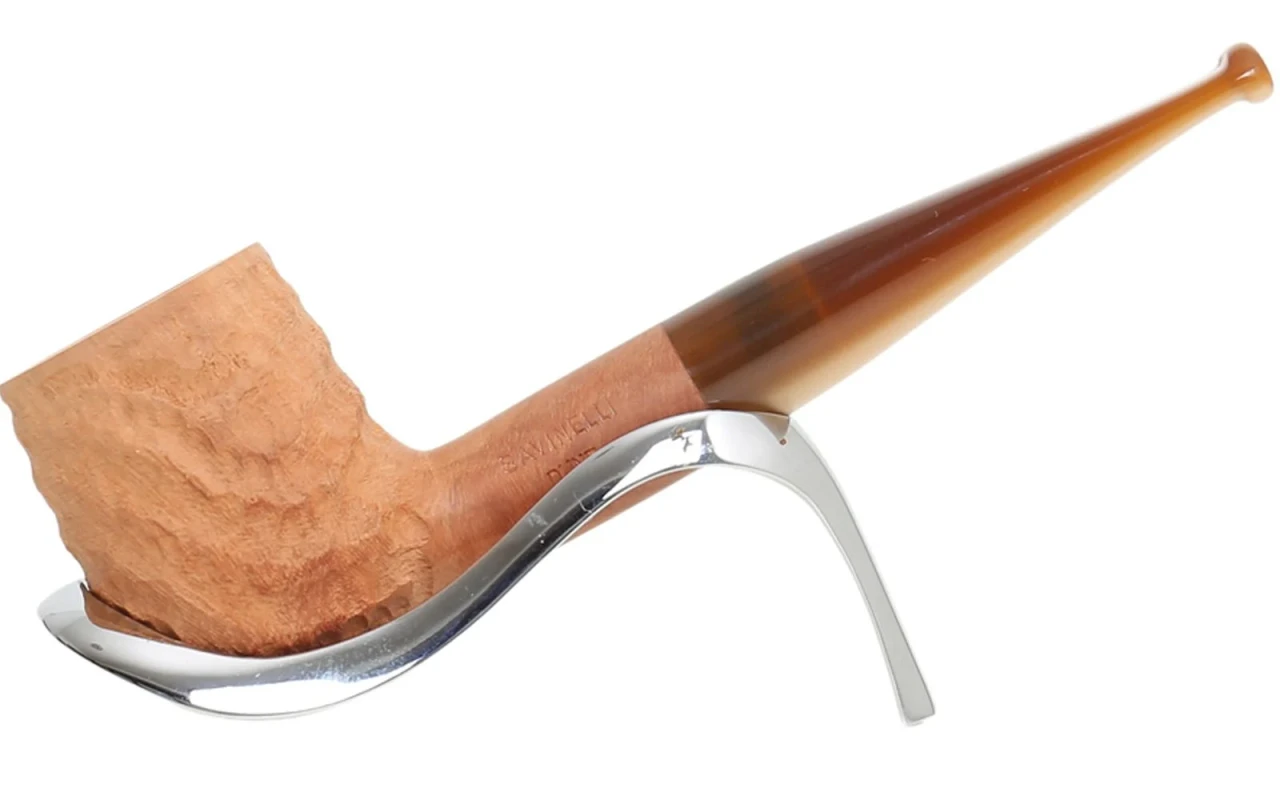
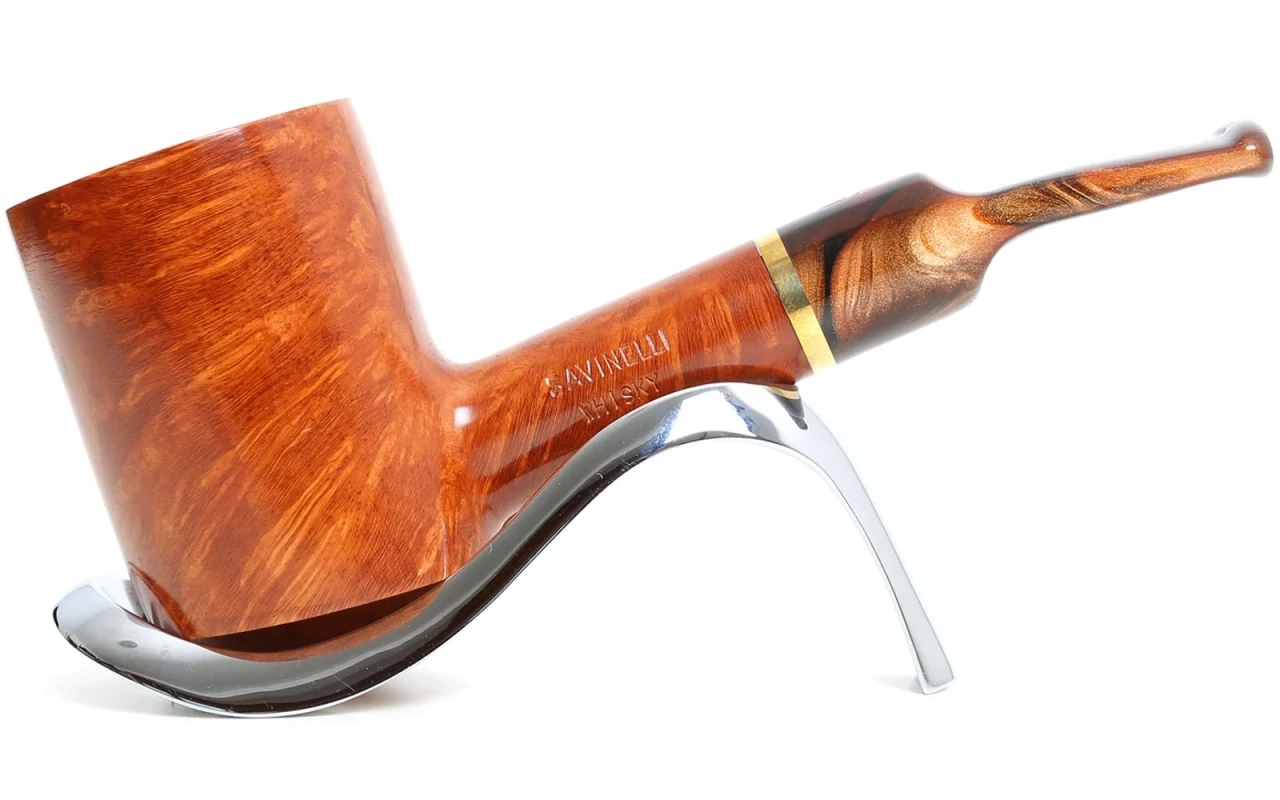
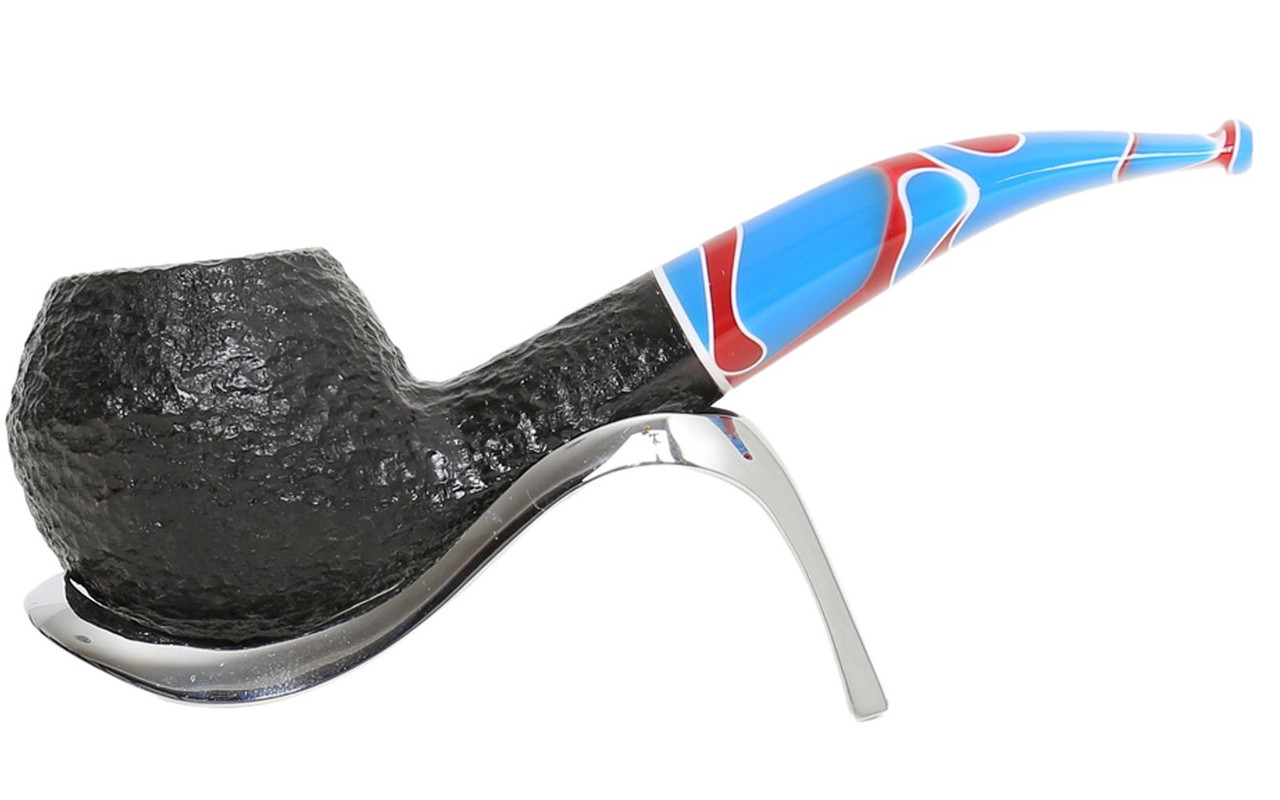
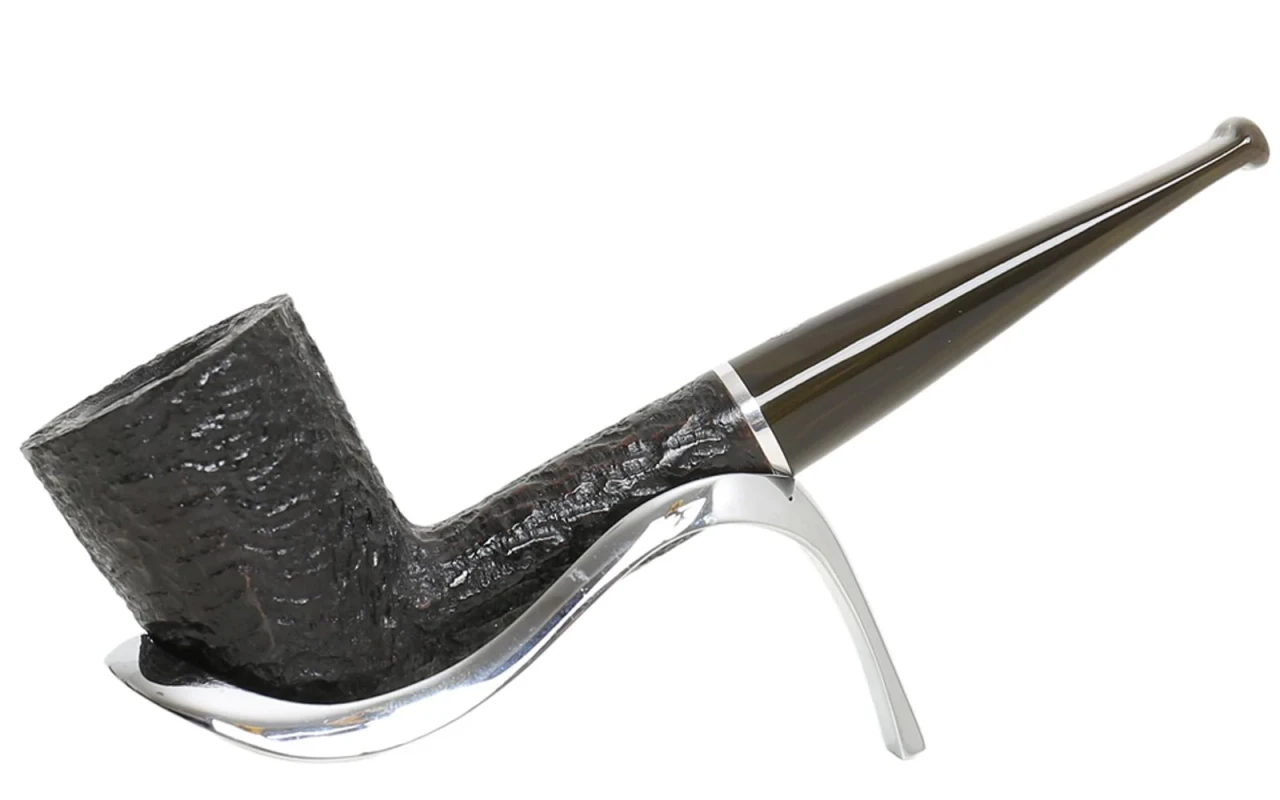
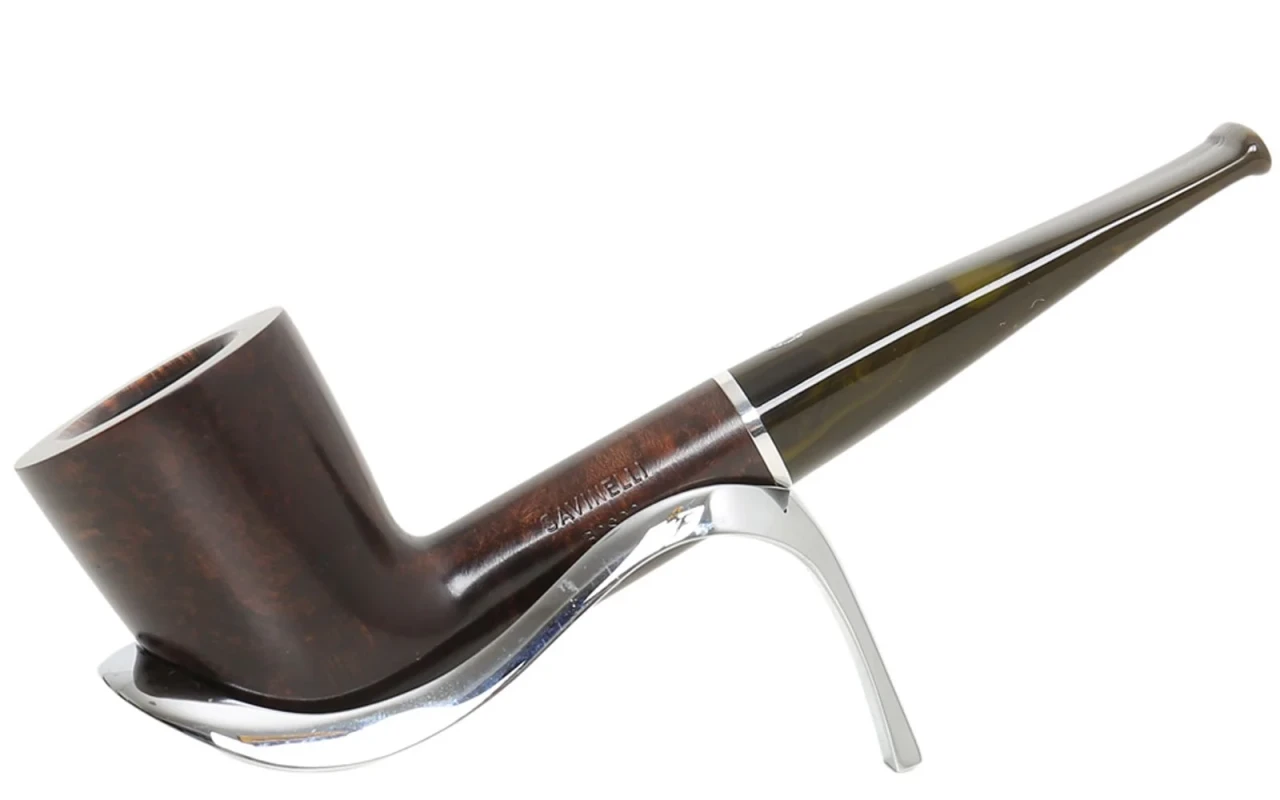
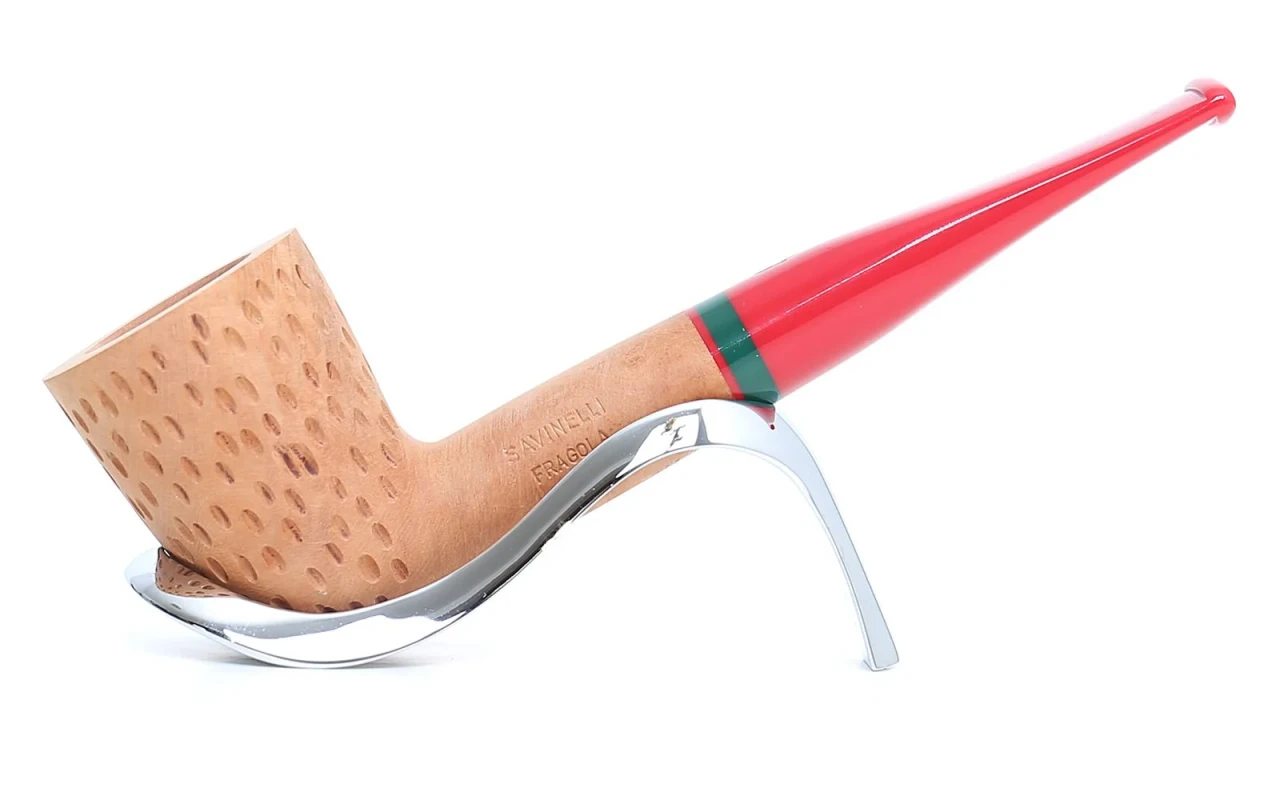
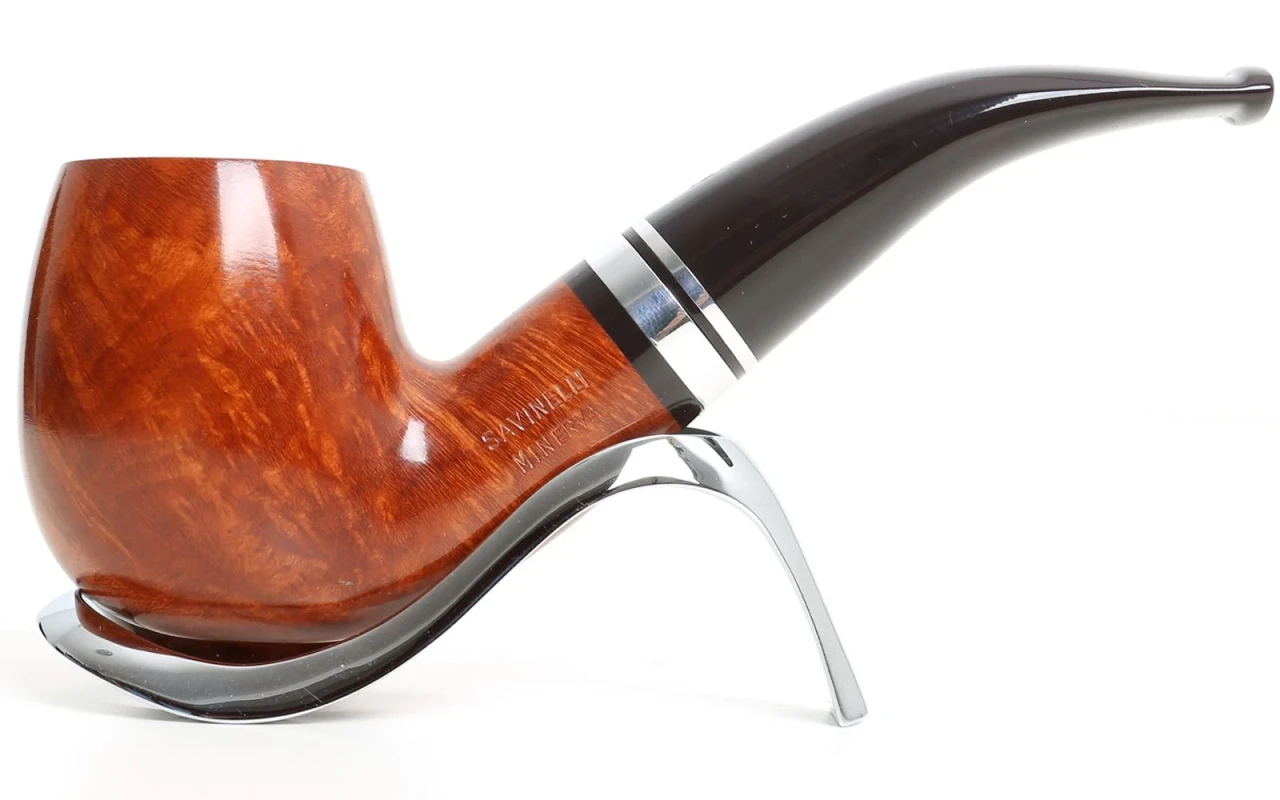
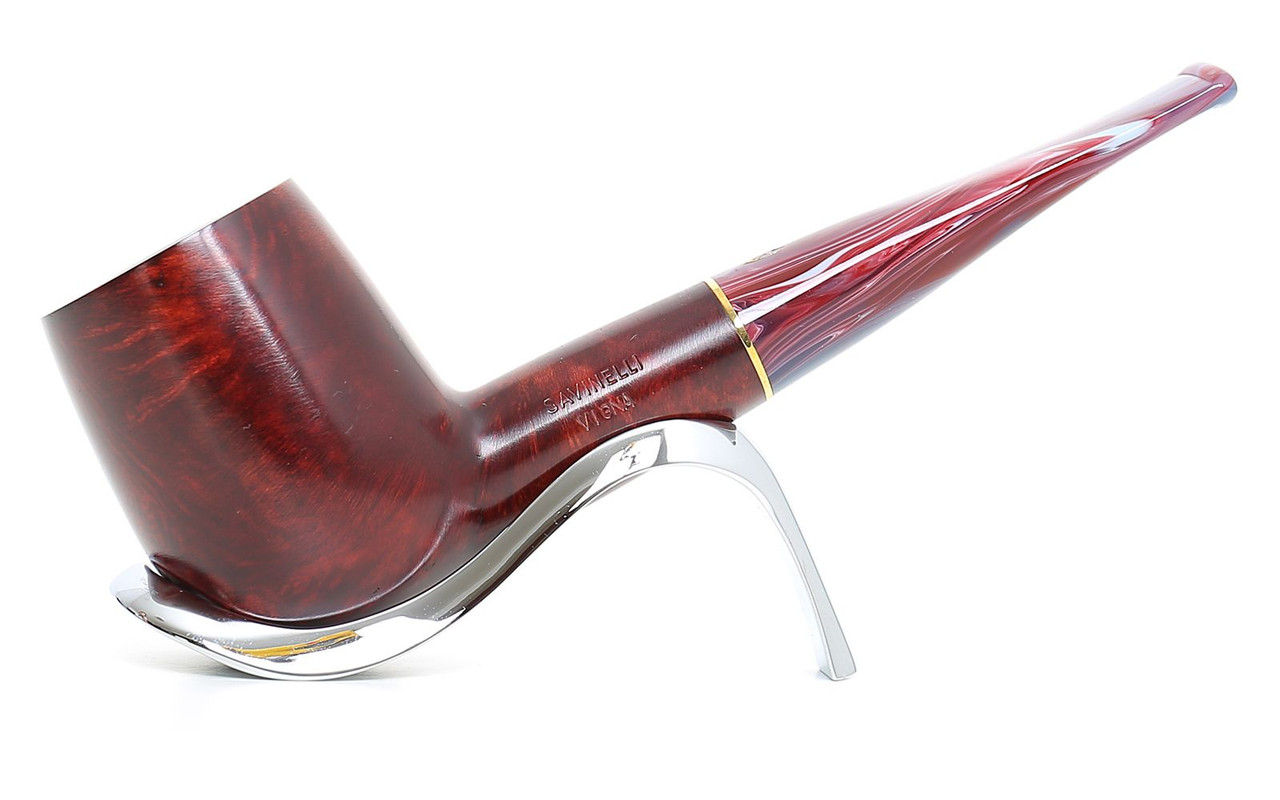
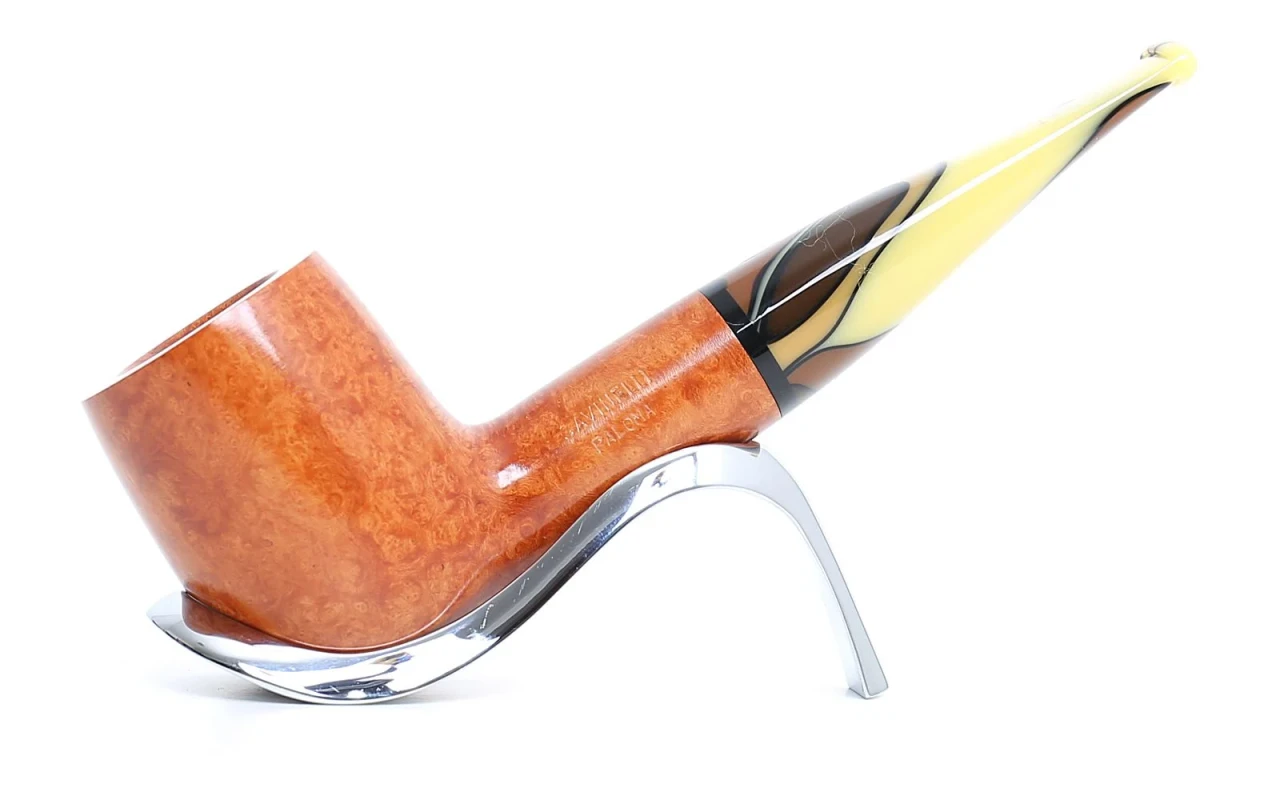
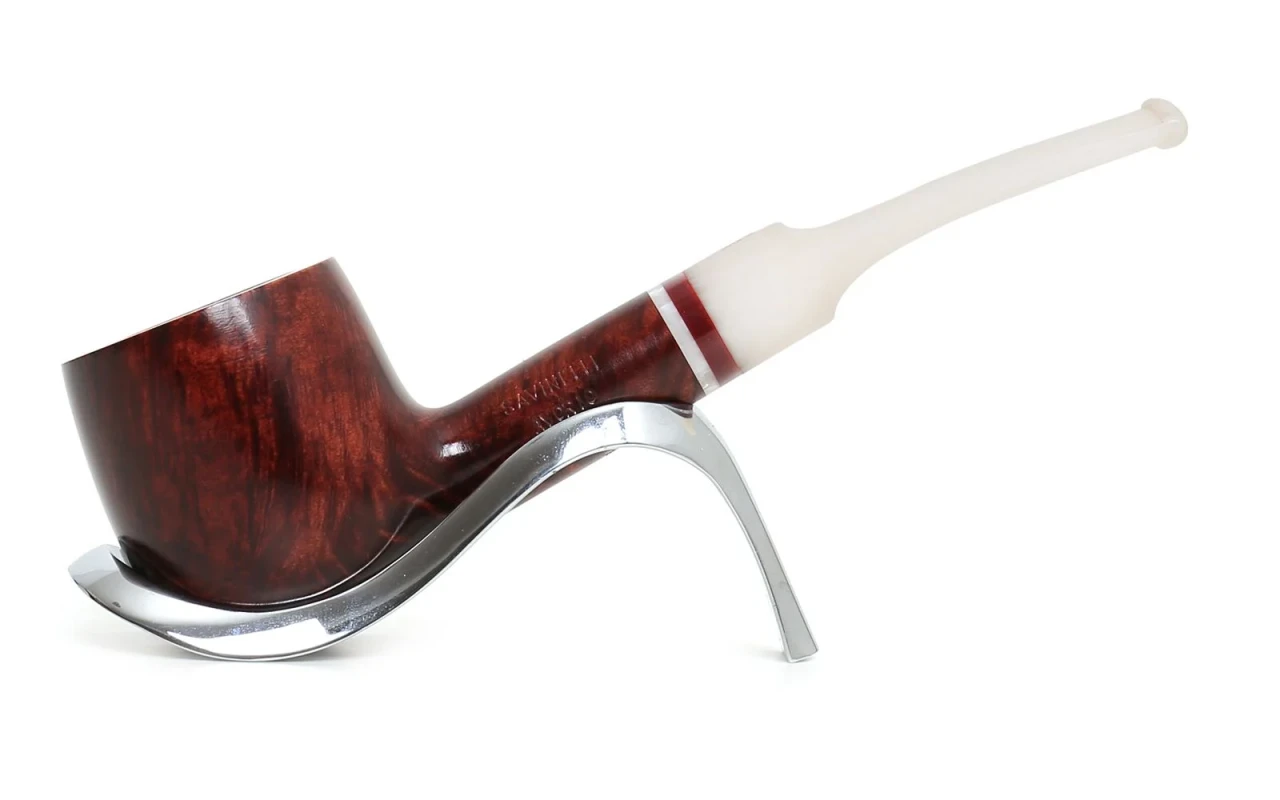
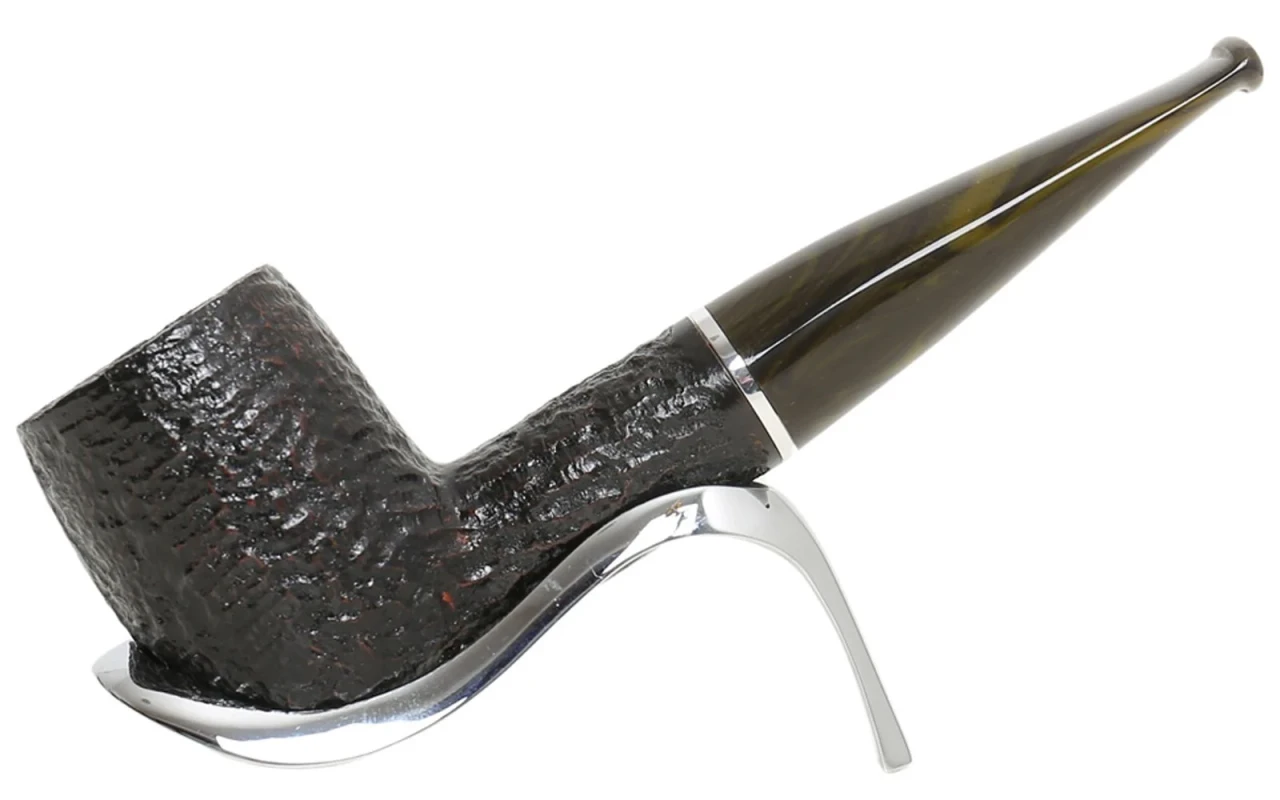
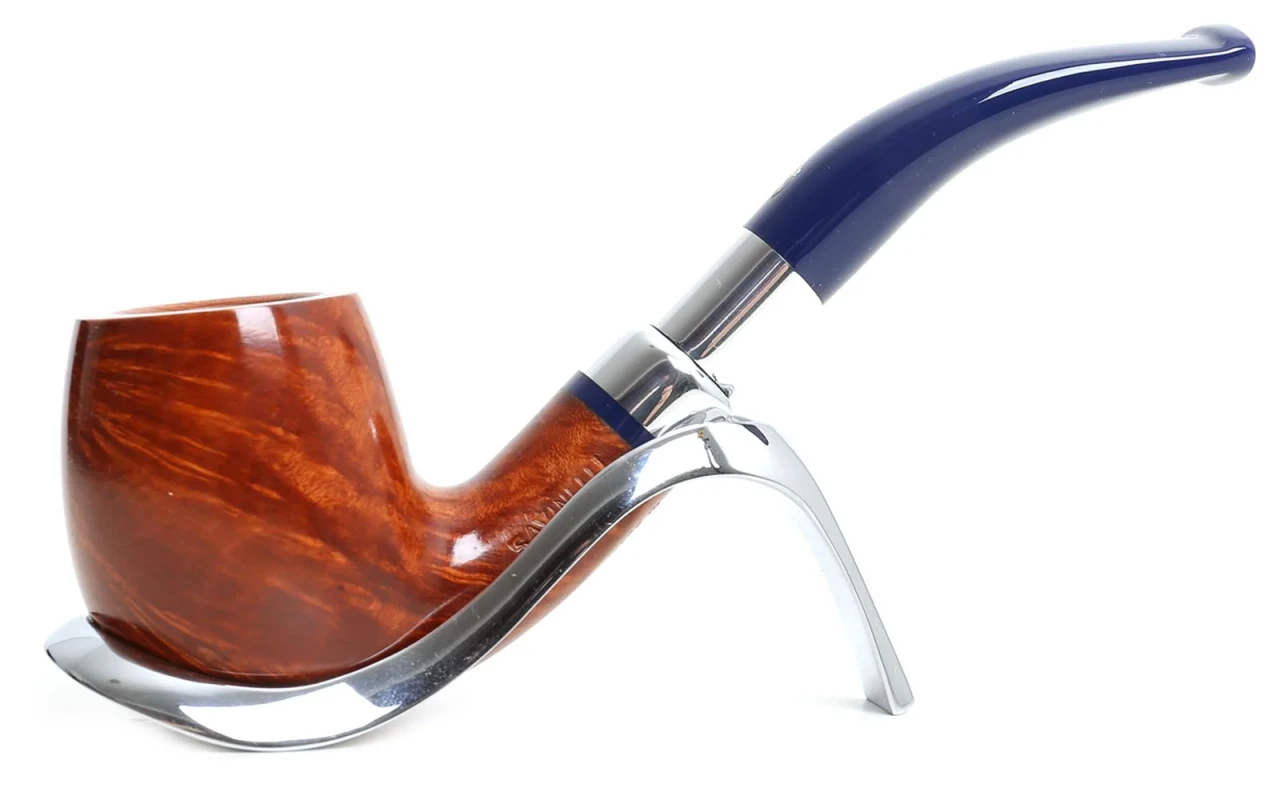
History of briar smoking pipes
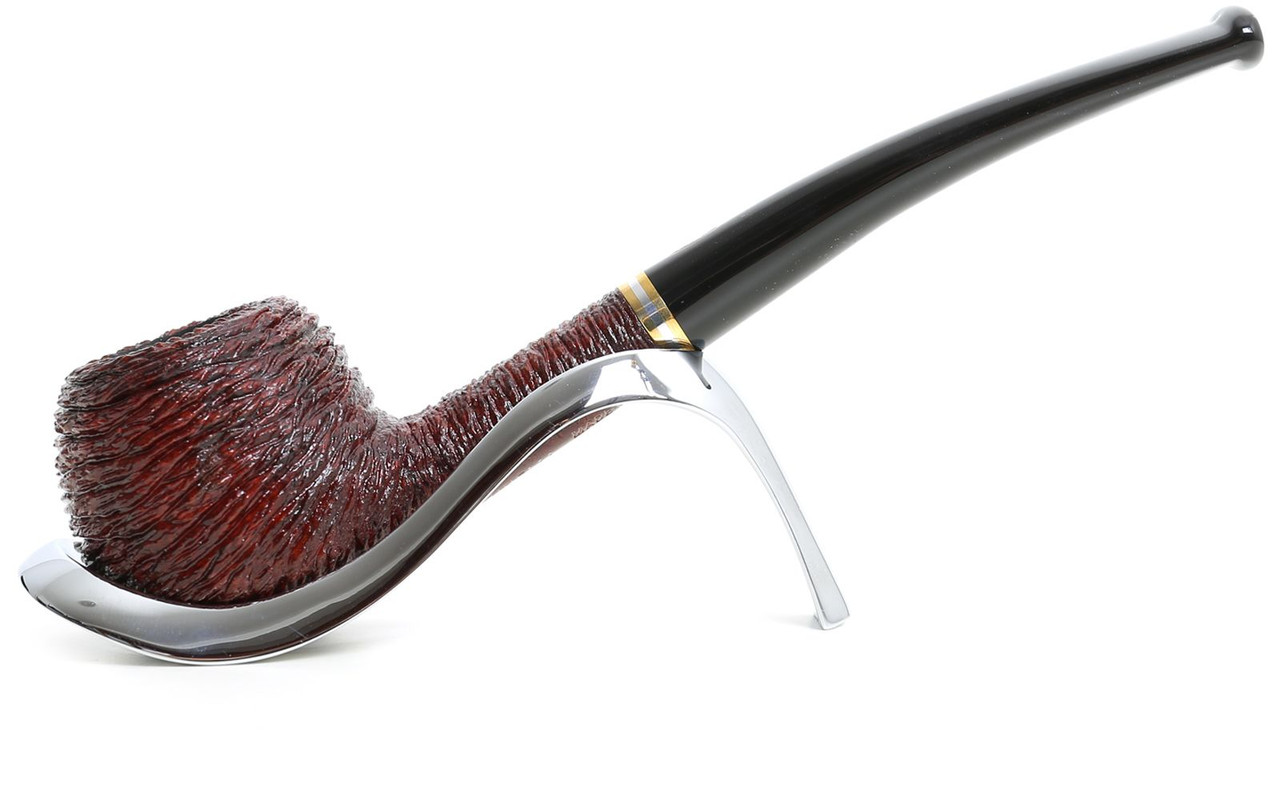
Briar smoking pipes boast a long history and a deep-rooted tradition. Briar, typically sourced from the roots of trees like heather, is a renowned material in the world of pipes for its heat resistance and moisture-absorbing properties. The first briar pipes date back to the 1800s and have since been regarded as objects of prestige and sophistication. Handcrafted by master pipe makers, briar pipes symbolize elegance and class for smoking enthusiasts. Working with briar requires skill and patience, ensuring a unique and gratifying smoking experience.
Materials for smoking pipes
The materials for smoking pipes are essential for the quality and smoking experience. The most common ones are:- Briarwood: high-quality wood, heat and flame-resistant.- Corn cob: lightweight and affordable, often chosen for travel pipes.- Clay: porous material that absorbs moisture, ensuring a cool smoke.- Meerschaum: porous stone, lightweight and heat resistant, absorbs nicotine and develops a patina over time.- Porcelain: elegant and durable, but more fragile compared to other materials.- Metal: like brass, heat resistant but can influence the tobacco flavor.The choice of material affects the taste and longevity of the pipe.
Types of tobacco pipes
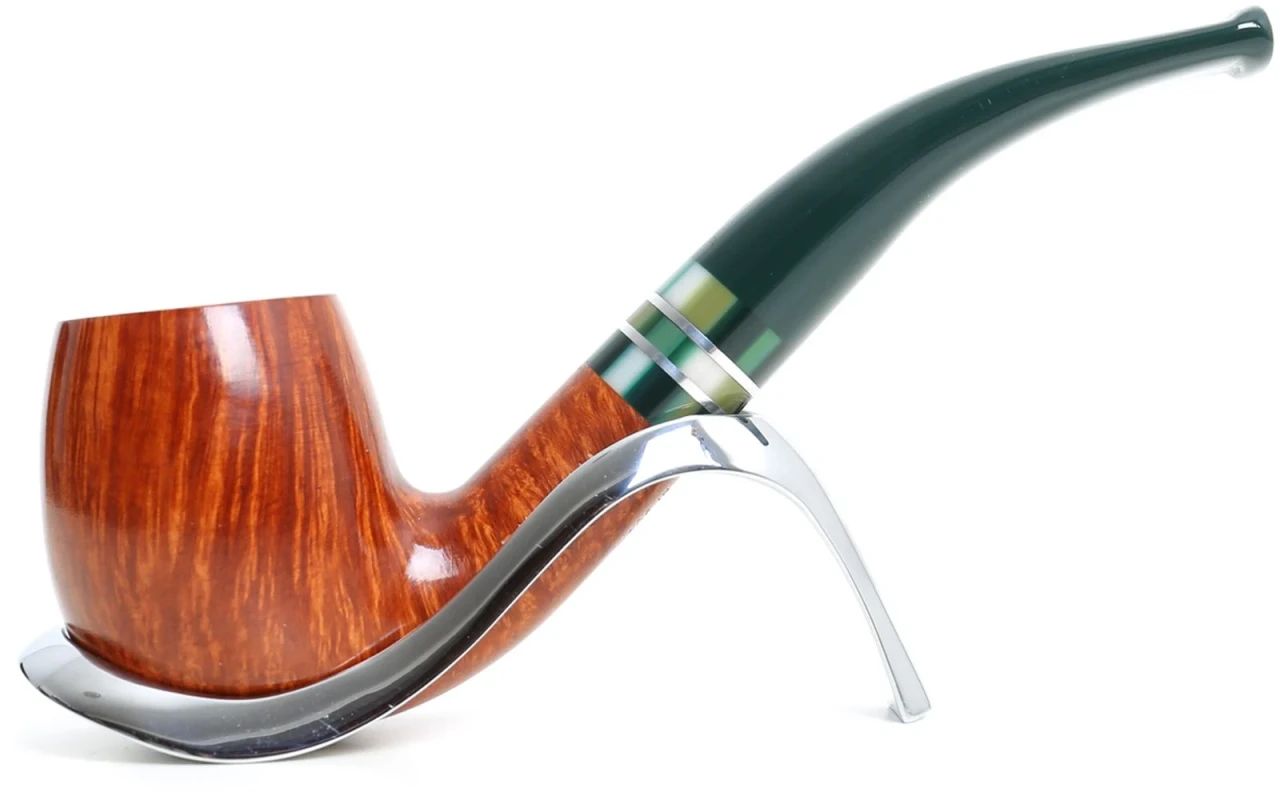
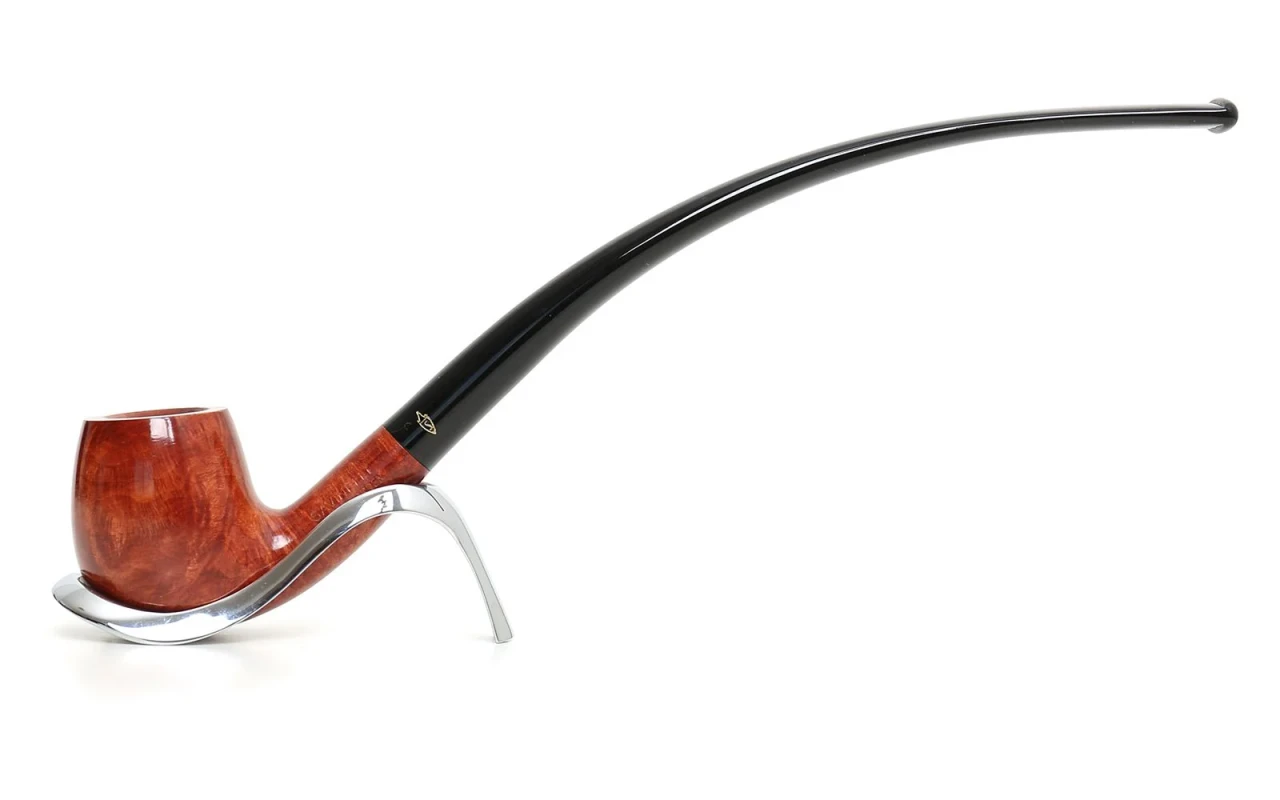
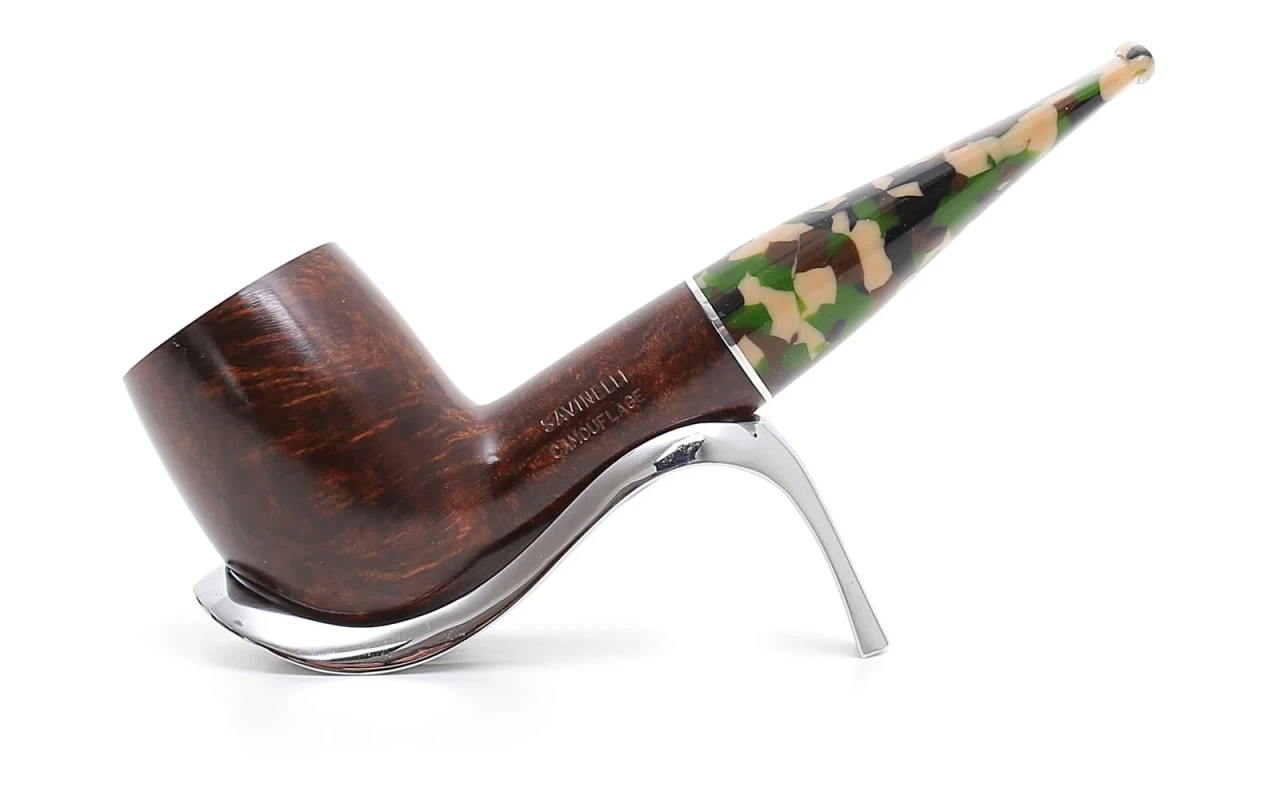
There are different types of pipes for smoking tobacco, each with unique characteristics that influence the smoking experience. Here are some of the main types of pipes:- Straight pipe: the classic shape, with a straight bowl.- Curved pipe: with a curved stem, offering a different smoking experience.- Tulip-shaped pipe: characterized by a wider bowl and a thin stem.- Poker-shaped pipe: with a short stem and a square bowl.- Calabash-shaped pipe: with a rounded bowl and a detachable stem.Each type of pipe offers a different aesthetic and can influence how the tobacco burns and the smoke develops.
Pipe smoking maintenance
Maintenance of smoking pipes is essential to ensure a good smoking experience and preserve the pipe's lifespan. Here are some useful tips:- Regular cleaning: remove burnt tobacco residues and tar with a dedicated pipe scraper.- Thorough drying: allow the pipe to dry after each use to prevent moisture stagnation.- Pipe rotation: alternate the use of pipes to allow for resting and avoid overheating.- Filter replacement: if the pipe is equipped with a filter, make sure to replace it regularly to maintain smoke quality.By following these maintenance practices, you can enjoy your smoking pipes for a long time.
'%3e%3cg id='Final-Copy-2_2_' transform='translate(1275.000000, 200.000000)'%3e%3cpath class='st0' d='M7.4,12.8h6.8l3.1-11.6H7.4C4.2,1.2,1.6,3.8,1.6,7S4.2,12.8,7.4,12.8z'/%3e%3c/g%3e%3c/g%3e%3c/g%3e%3cg id='final---dec.11-2020'%3e%3cg id='_x30_208-our-toggle' transform='translate(-1275.000000, -200.000000)'%3e%3cg id='Final-Copy-2' transform='translate(1275.000000, 200.000000)'%3e%3cpath class='st1' d='M22.6,0H7.4c-3.9,0-7,3.1-7,7s3.1,7,7,7h15.2c3.9,0,7-3.1,7-7S26.4,0,22.6,0z M1.6,7c0-3.2,2.6-5.8,5.8-5.8 h9.9l-3.1,11.6H7.4C4.2,12.8,1.6,10.2,1.6,7z'/%3e%3cpath id='x' class='st2' d='M24.6,4c0.2,0.2,0.2,0.6,0,0.8l0,0L22.5,7l2.2,2.2c0.2,0.2,0.2,0.6,0,0.8c-0.2,0.2-0.6,0.2-0.8,0 l0,0l-2.2-2.2L19.5,10c-0.2,0.2-0.6,0.2-0.8,0c-0.2-0.2-0.2-0.6,0-0.8l0,0L20.8,7l-2.2-2.2c-0.2-0.2-0.2-0.6,0-0.8 c0.2-0.2,0.6-0.2,0.8,0l0,0l2.2,2.2L23.8,4C24,3.8,24.4,3.8,24.6,4z'/%3e%3cpath id='y' class='st3' d='M12.7,4.1c0.2,0.2,0.3,0.6,0.1,0.8l0,0L8.6,9.8C8.5,9.9,8.4,10,8.3,10c-0.2,0.1-0.5,0.1-0.7-0.1l0,0 L5.4,7.7c-0.2-0.2-0.2-0.6,0-0.8c0.2-0.2,0.6-0.2,0.8,0l0,0L8,8.6l3.8-4.5C12,3.9,12.4,3.9,12.7,4.1z'/%3e%3c/g%3e%3c/g%3e%3c/g%3e%3c/g%3e%3c/svg%3e) Your Privacy Choices
Your Privacy Choices 


