 ES
ES FR
FR EN
EN IT
IT DE
DE
History of Cutty Pipes in Pipe Smoking

History of Cutty Pipes in Pipe Smoking
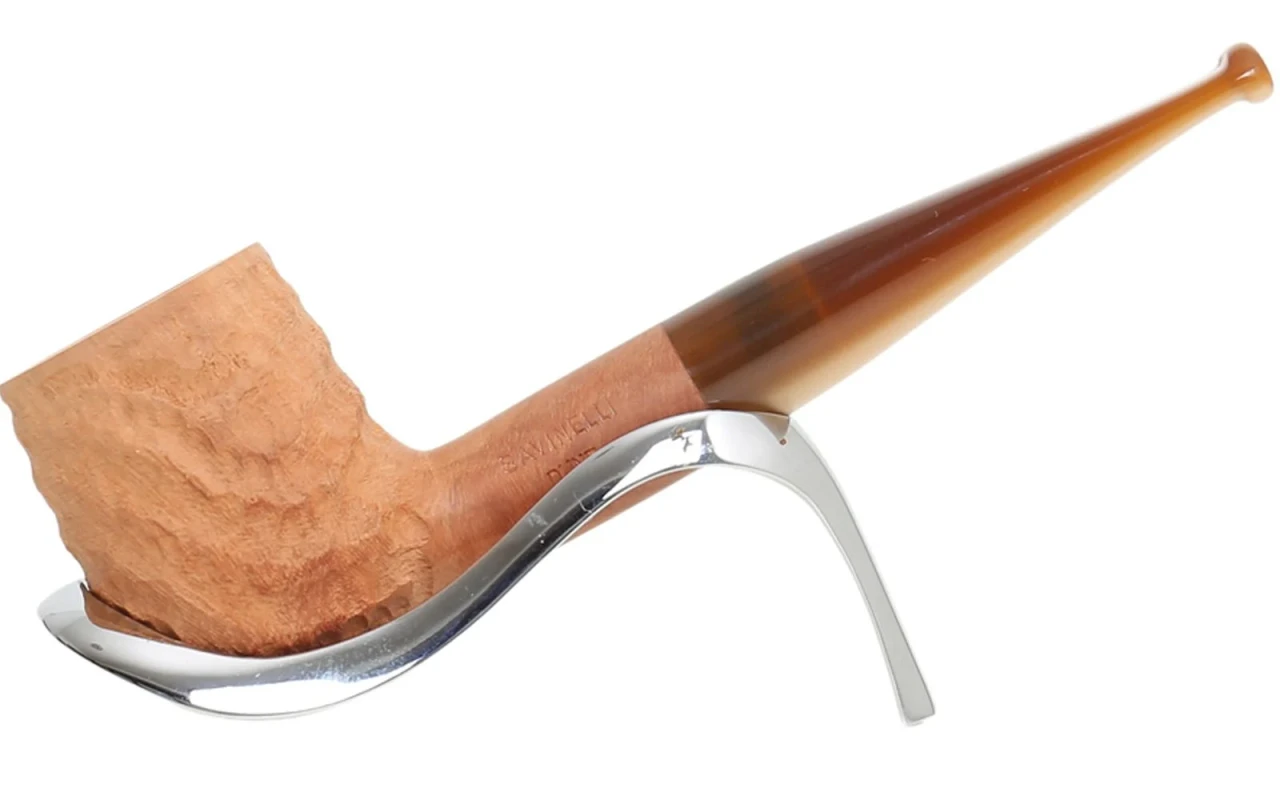
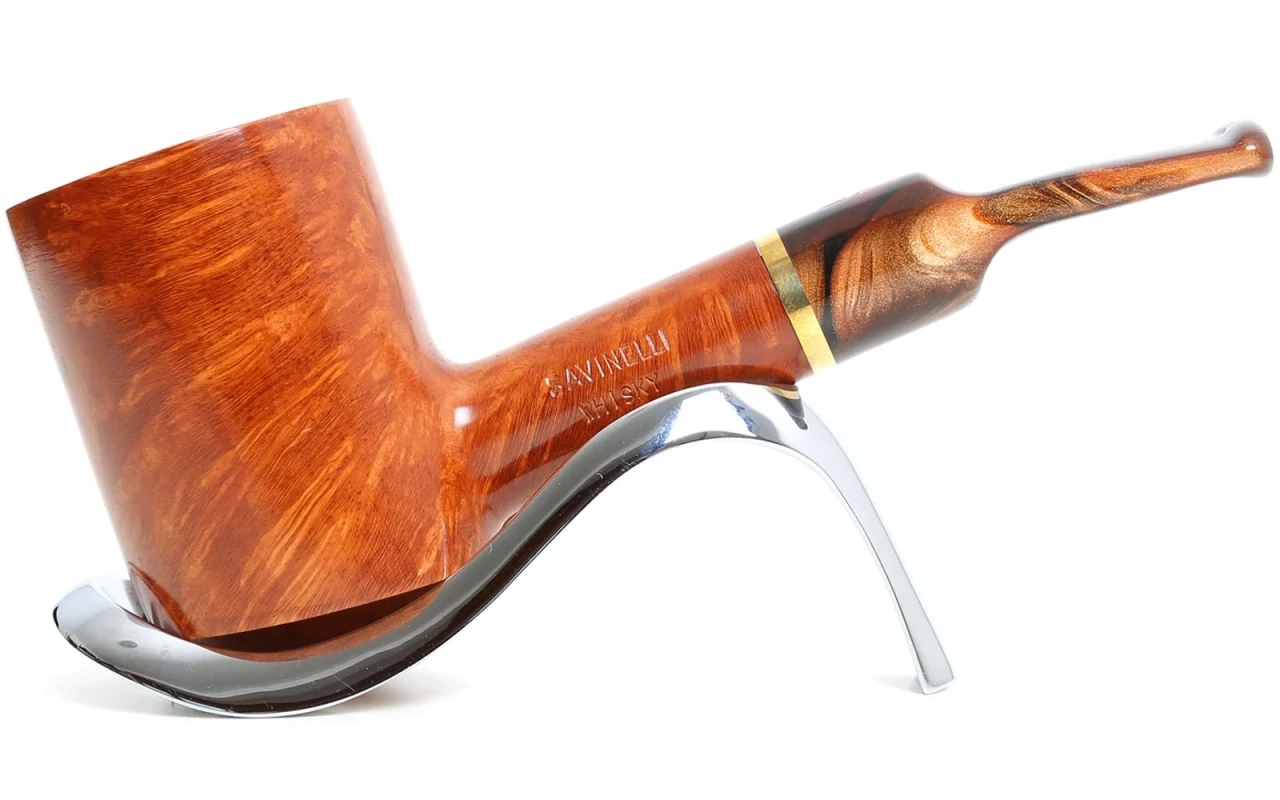
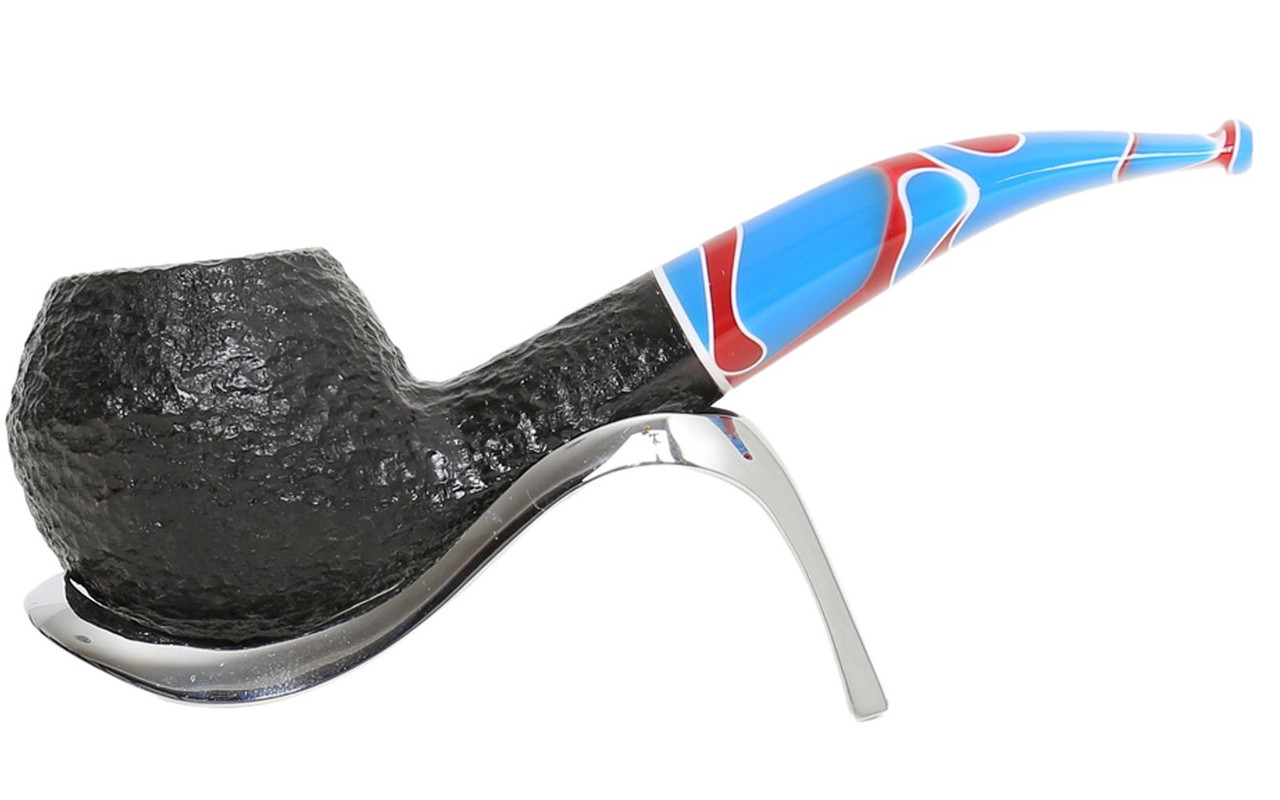
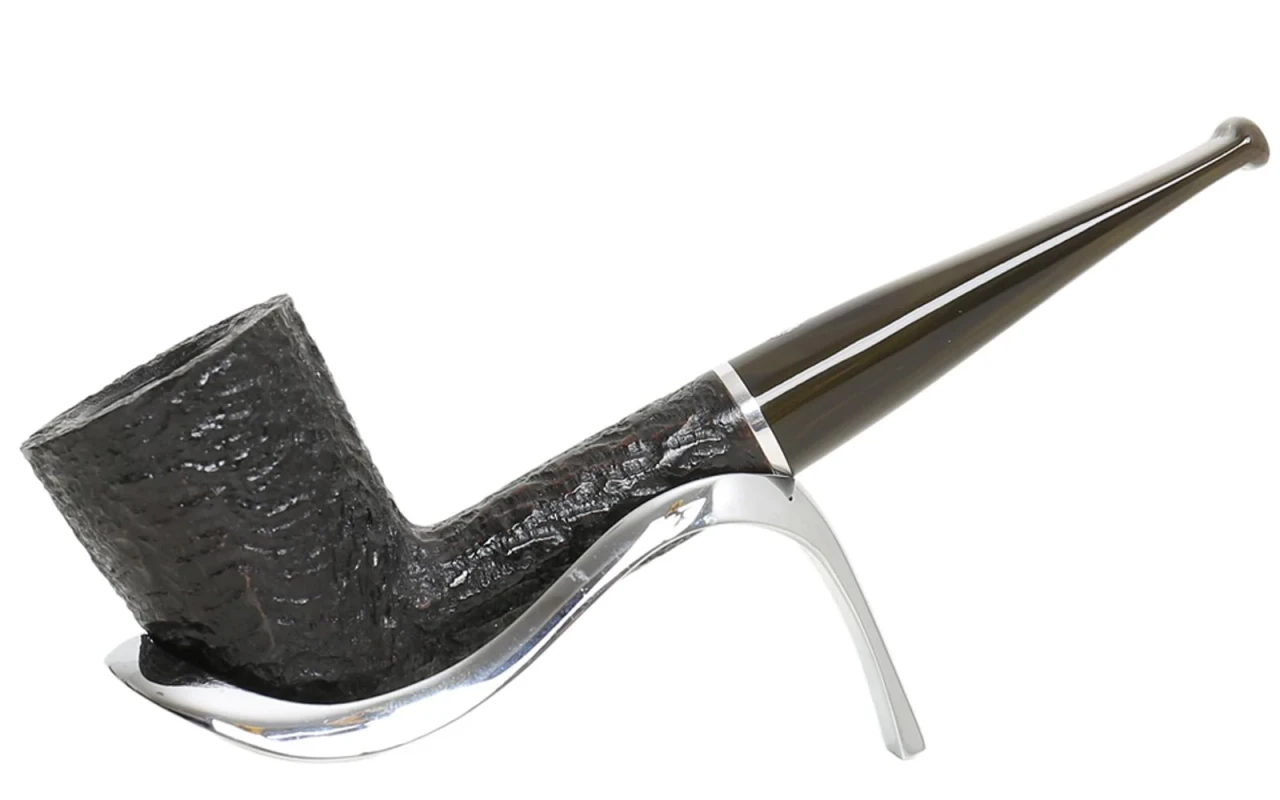
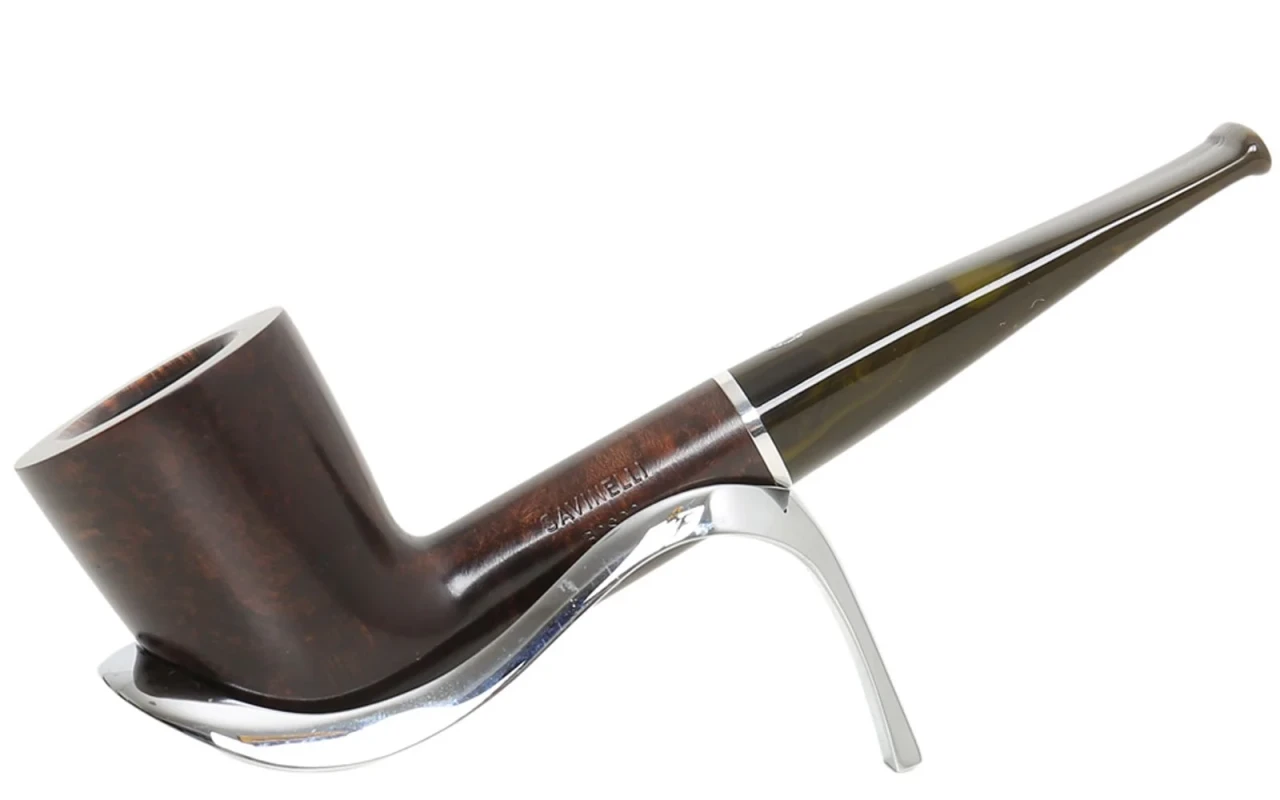
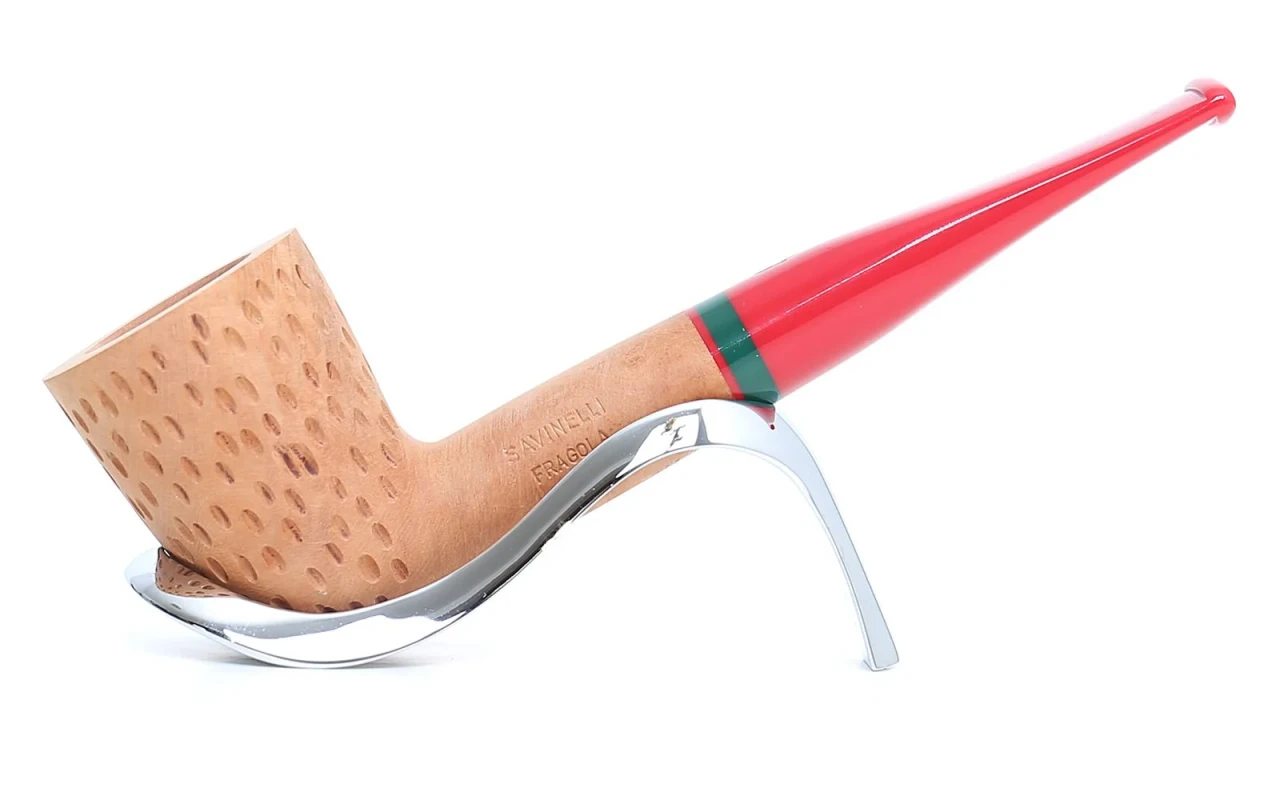
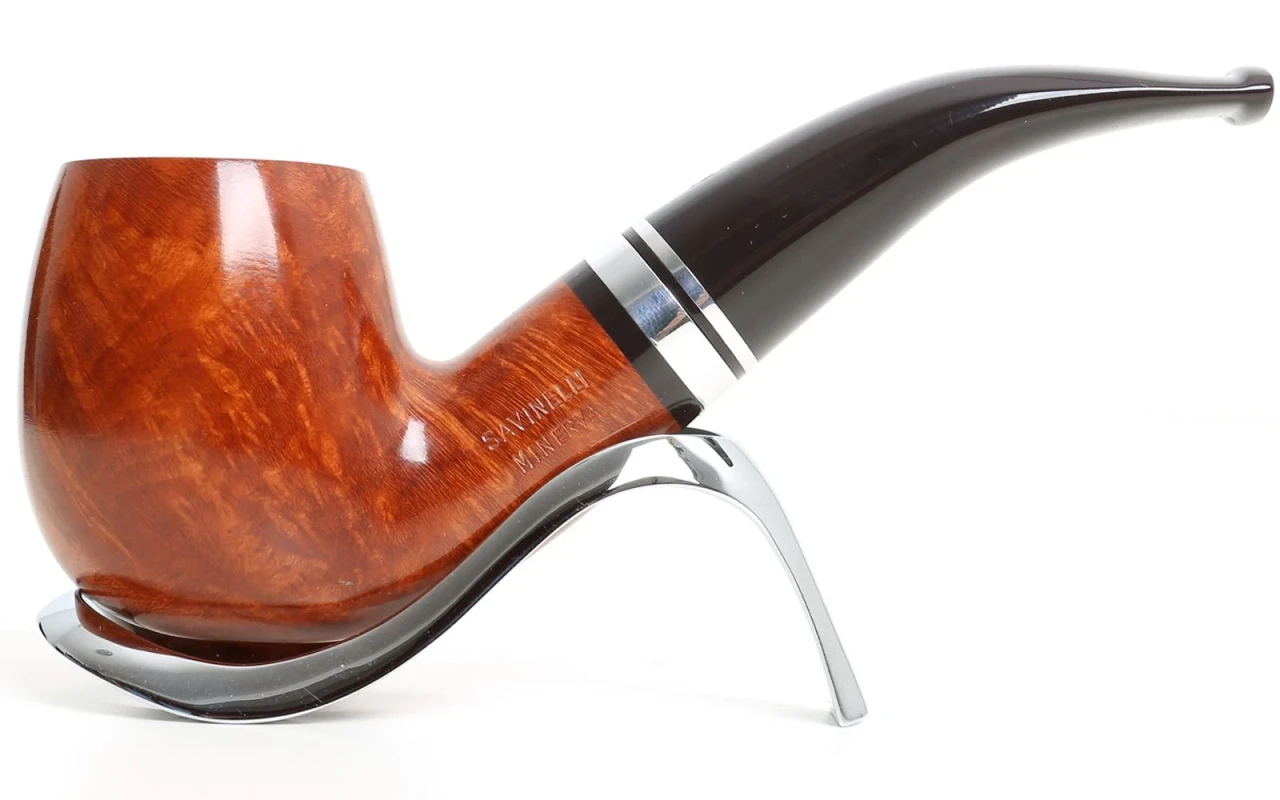
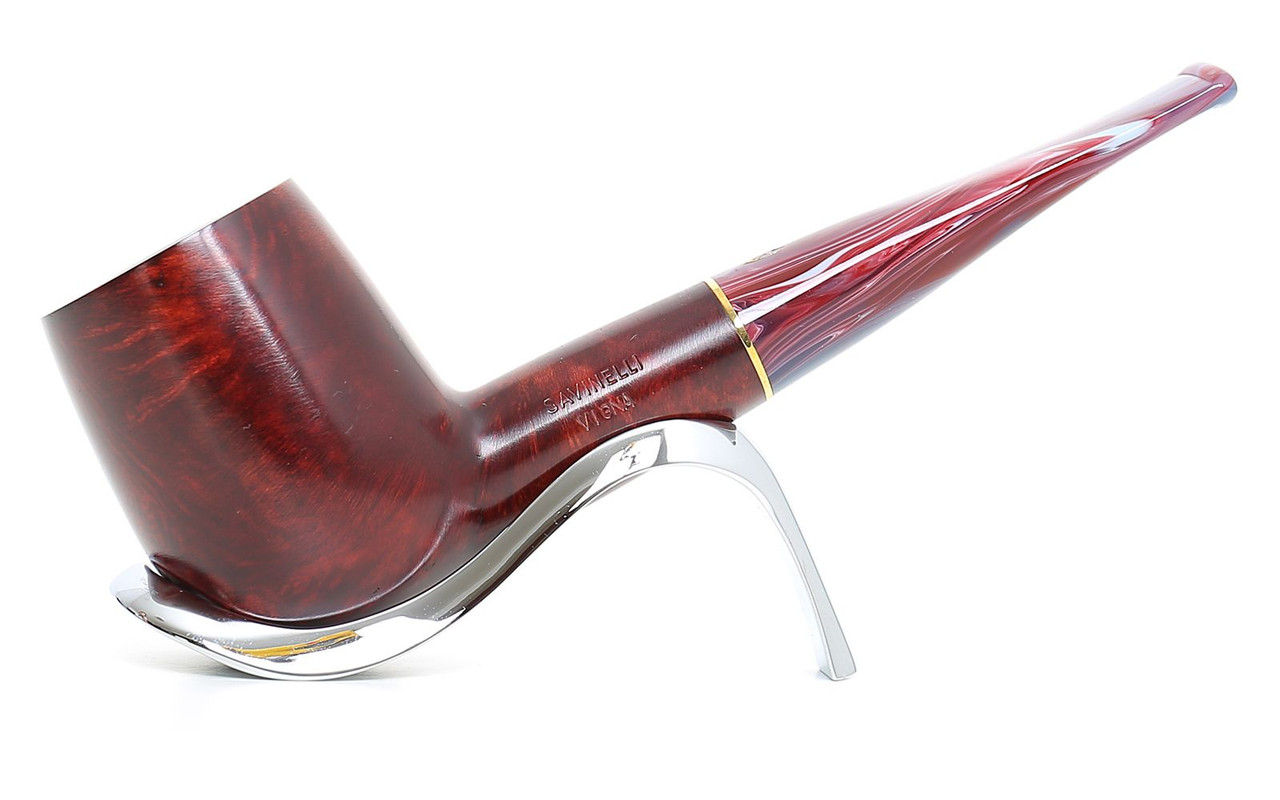
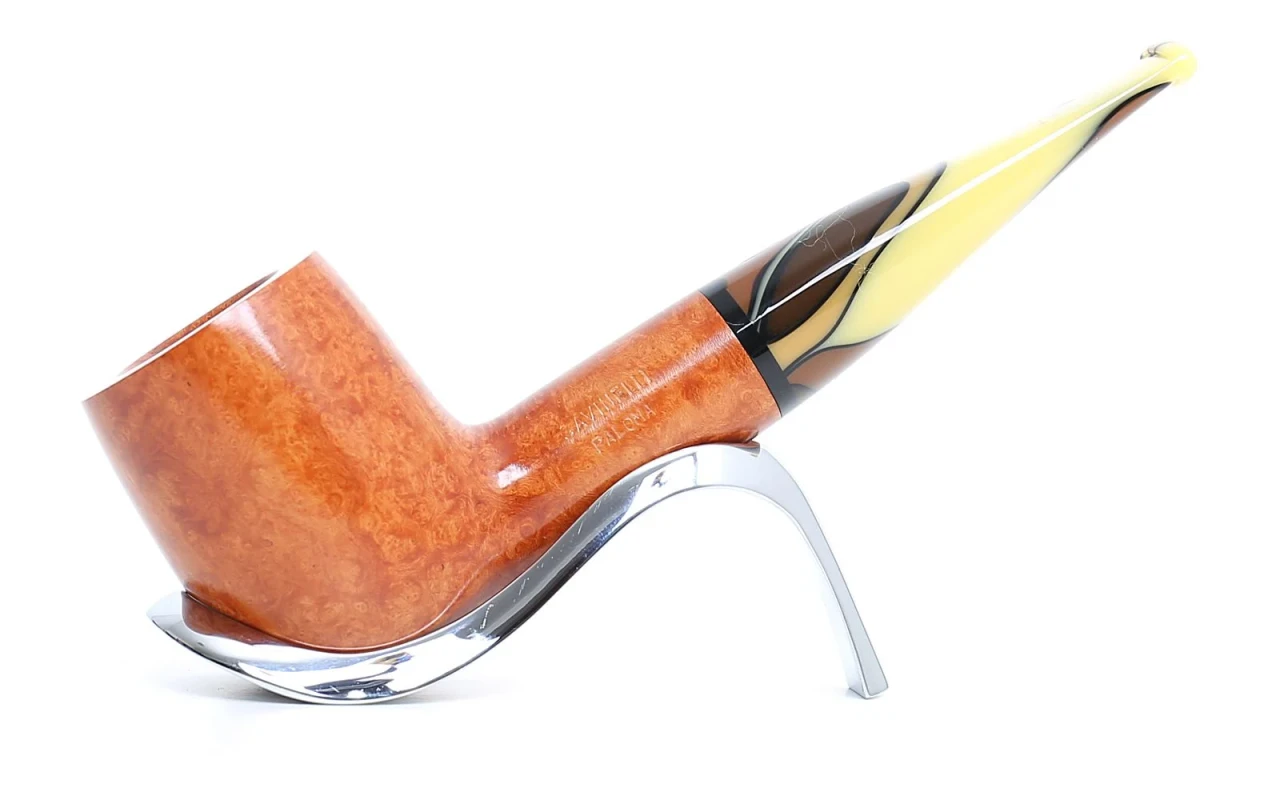
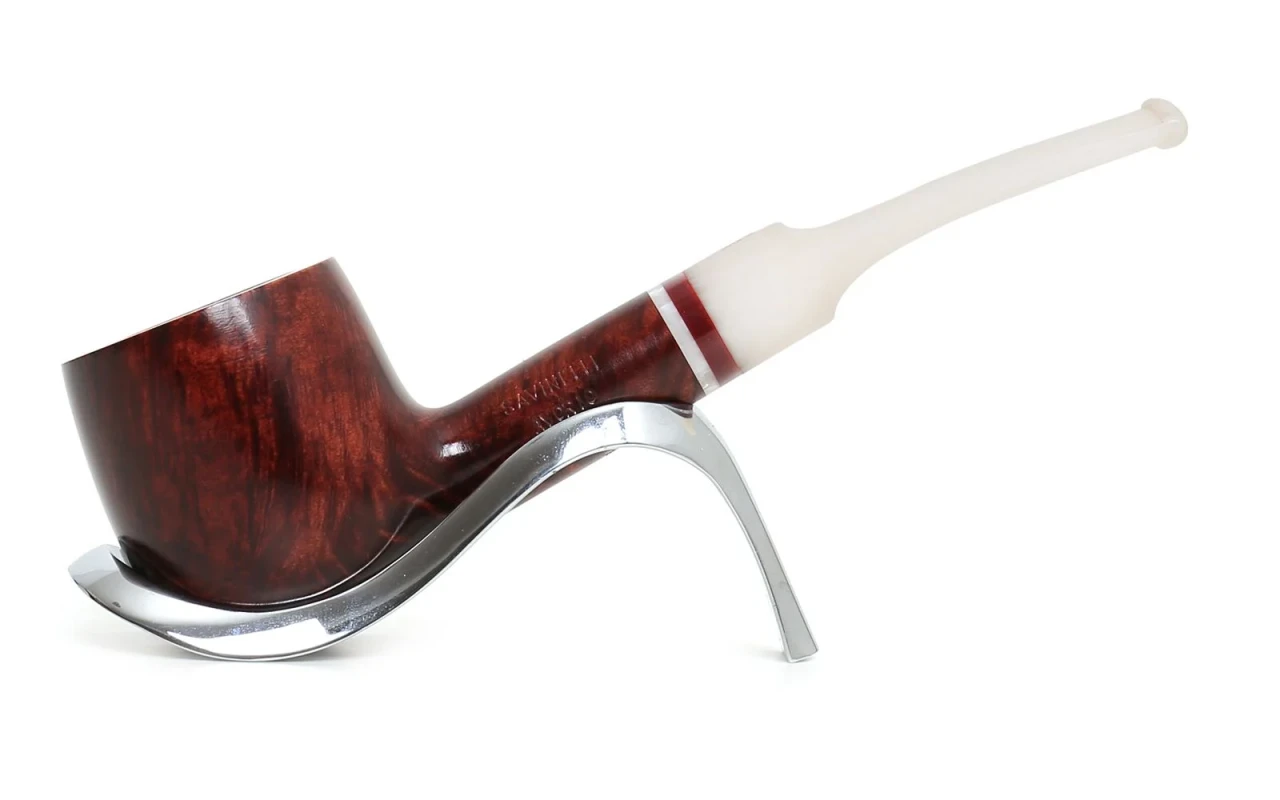
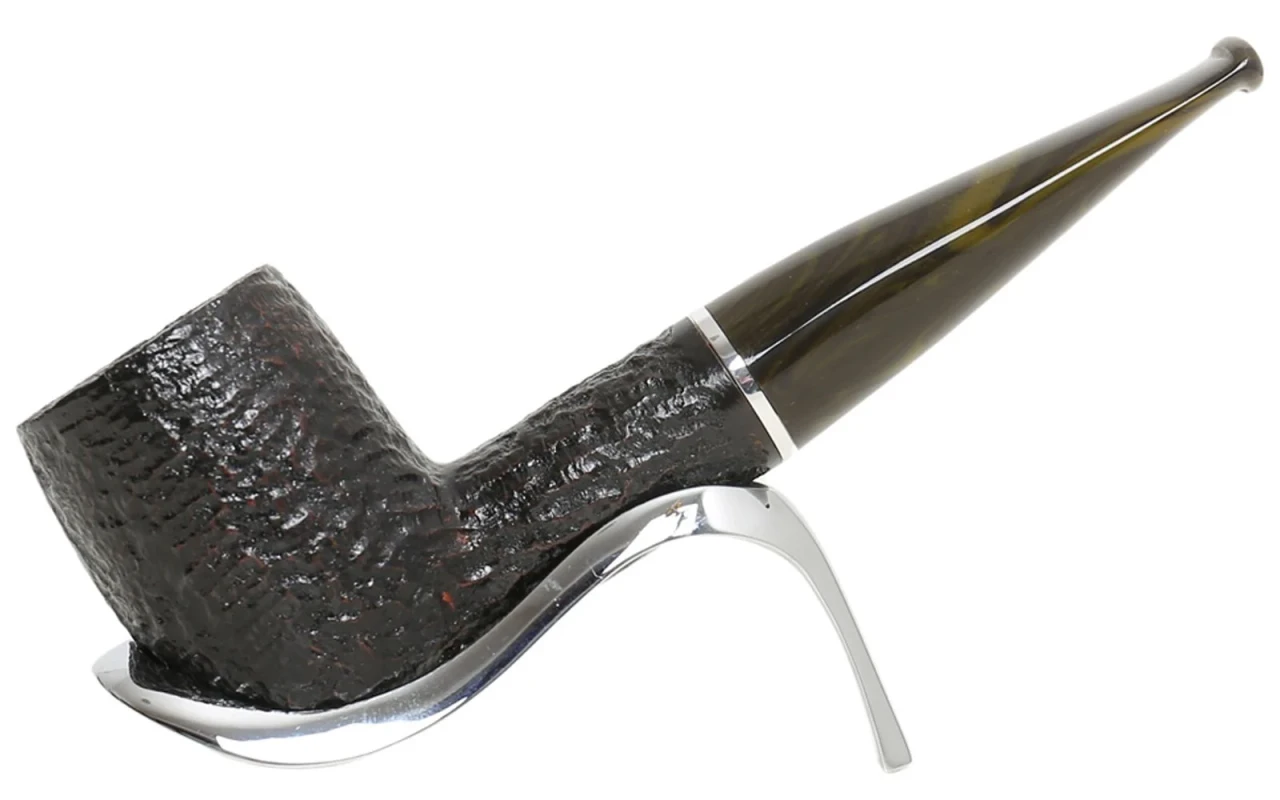
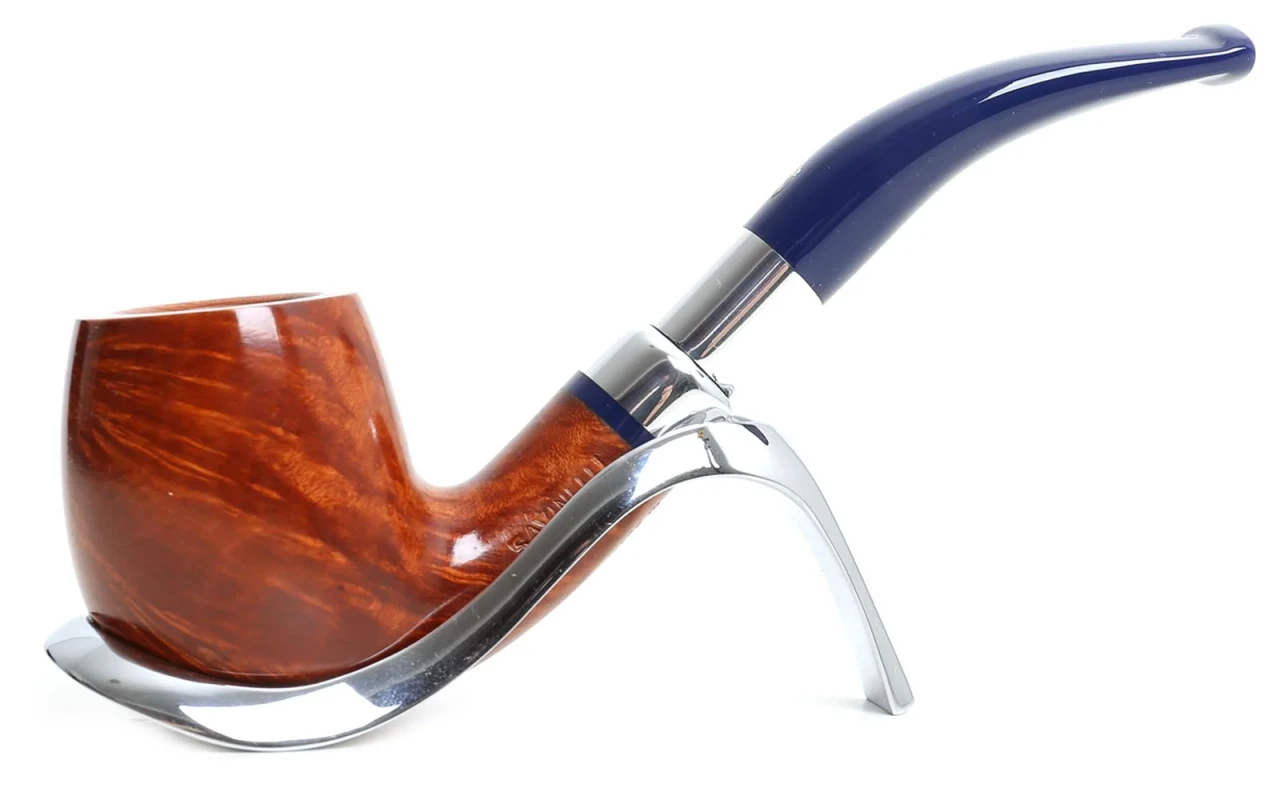
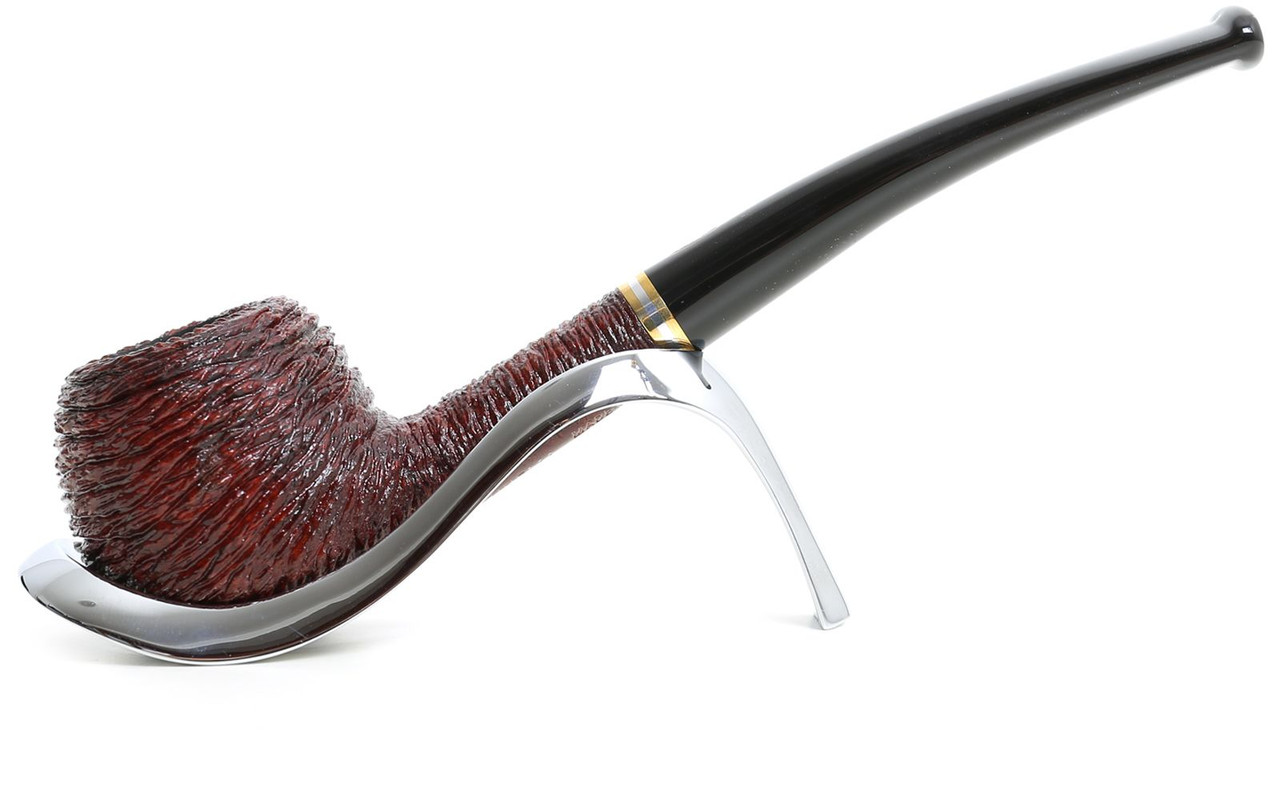
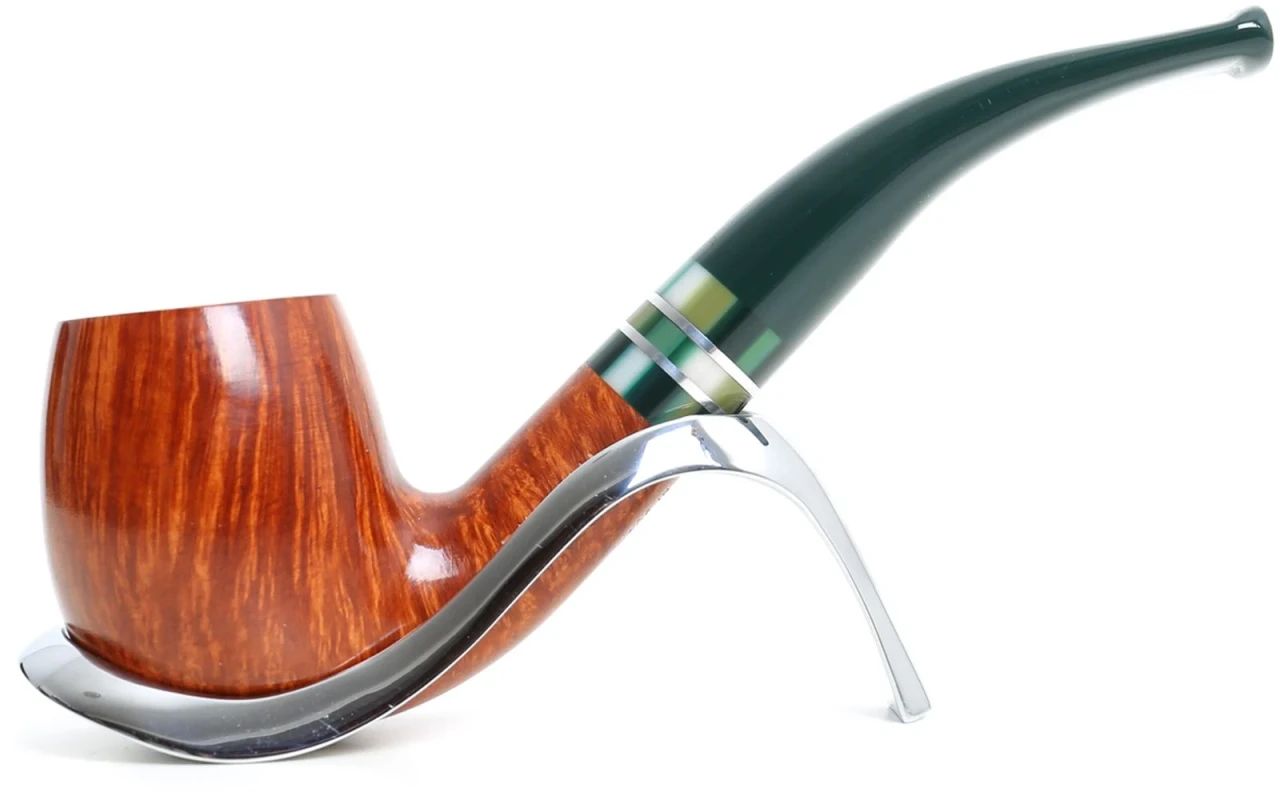
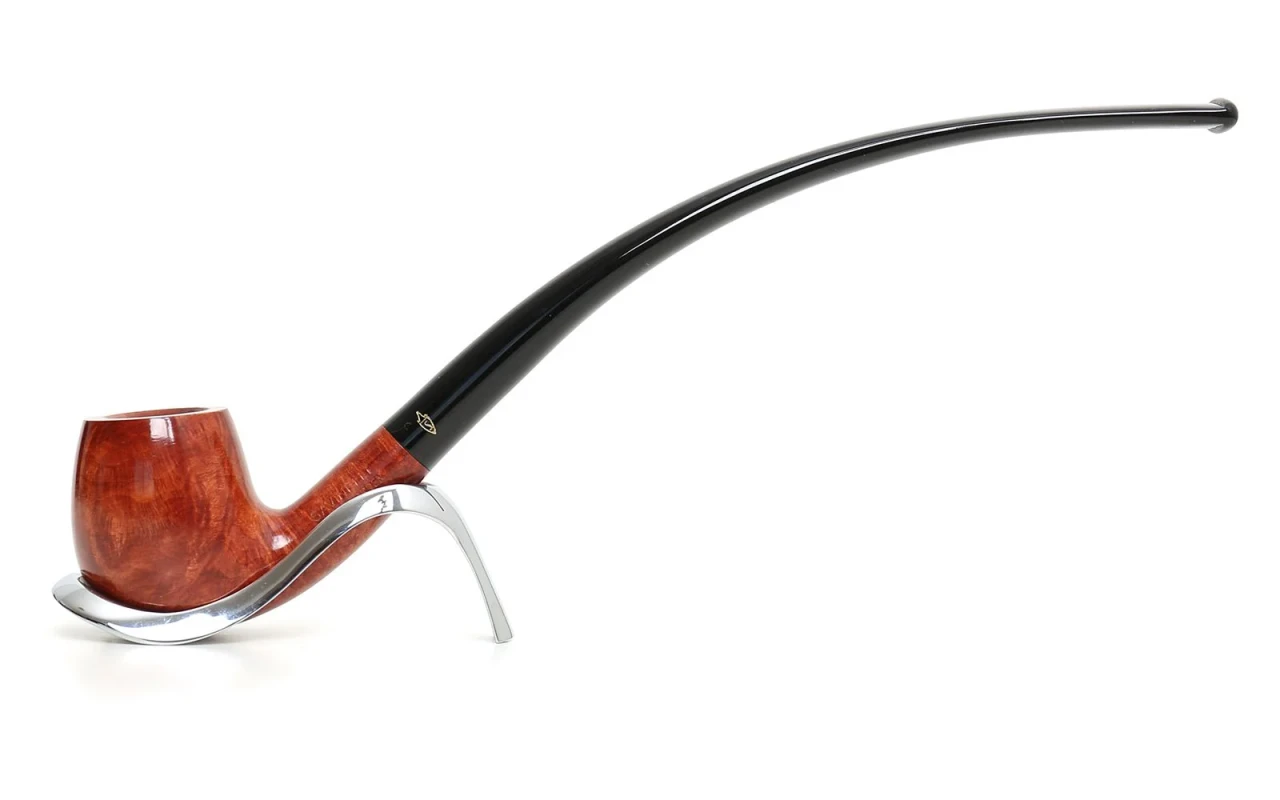
Cutty pipes are an iconic variation of smoking pipes, characterized by a curved bowl and a long straight stem. This distinctive design dates back to the 19th century and is inspired by tobacco pipes used by sailors. Cutty pipes were particularly popular among pipe smokers during the Victorian era and are still cherished by enthusiasts today. With their elegant shape and practicality in smoking, Cutty pipes have become a symbol in the world of pipe smoking. Their history is rooted in the craftsmanship tradition of pipes and a taste for classic design.
History of Cutty Pipes
Cutty pipes are an iconic variation of Dublin-shaped pipes, characterized by a long curved stem and a wide bowl. This particular design was made famous by a story by Charles Dickens, where the character Mr. Cutty smokes a pipe with these features. Cutty pipes became popular during the 19th century and are still appreciated by pipe enthusiasts for their elegance and practicality. Thanks to the curved shape of the stem, Cutty pipes can be easily set down without tipping over, making them ideal for those who enjoy smoking comfortably while relaxing.
Features of Cutty Pipes
Cutty pipes are a particular type of pipe characterized by some specific features:- Slim and elongated shape, with a thin shank and a curved stem.- Generally made of high-quality briar, such as Erica root briar.- Their slender shape makes them easy to carry and handle.- Typically equipped with a straight or slightly curved mouthpiece for a comfortable smoking experience.- The stem is usually long and slender, with an elegant curvature.Cutty pipes are appreciated by many smokers for their unique and refined design, which makes them particularly elegant and distinctive.
Traditional materials for smoking pipes
Traditional smoking pipes are made with carefully selected materials to ensure an optimal smoking experience. The most common materials include:- Briar wood: a hard and durable wood, widely used for its ability to absorb moisture and enhance the tobacco flavor.- Olive wood: a precious wood that adds an elegant touch to the pipe and, once seasoned, becomes particularly long-lasting.- Corn cob: an inexpensive and lightweight material, often chosen for budget smoking pipes or travel models.- Clay: used for high-quality artisanal pipes, capable of absorbing excess heat during smoking.- Meerschaum: a porous natural stone, valued for its ability to absorb flavors and darken over time, giving a unique character to the pipe.
Pipe Maintenance Tips
Maintaining pipe pipes is essential to ensure optimal smoking and extend the life of the device. Here are some useful tips:- Regularly clean the pipe with a pipe cleaner to remove tobacco residues and moisture.- Avoid overloading the pipe with tobacco to prevent clogging the chimney.- Rotate the tobacco during smoking for even combustion.- Do not knock the pipe to avoid damage to the stem.- Allow the pipe to cool completely before storing it.- Consider replacing the filter if necessary.By following these practices, it will be possible to keep the pipe in optimal condition for a long time.
'%3e%3cg id='Final-Copy-2_2_' transform='translate(1275.000000, 200.000000)'%3e%3cpath class='st0' d='M7.4,12.8h6.8l3.1-11.6H7.4C4.2,1.2,1.6,3.8,1.6,7S4.2,12.8,7.4,12.8z'/%3e%3c/g%3e%3c/g%3e%3c/g%3e%3cg id='final---dec.11-2020'%3e%3cg id='_x30_208-our-toggle' transform='translate(-1275.000000, -200.000000)'%3e%3cg id='Final-Copy-2' transform='translate(1275.000000, 200.000000)'%3e%3cpath class='st1' d='M22.6,0H7.4c-3.9,0-7,3.1-7,7s3.1,7,7,7h15.2c3.9,0,7-3.1,7-7S26.4,0,22.6,0z M1.6,7c0-3.2,2.6-5.8,5.8-5.8 h9.9l-3.1,11.6H7.4C4.2,12.8,1.6,10.2,1.6,7z'/%3e%3cpath id='x' class='st2' d='M24.6,4c0.2,0.2,0.2,0.6,0,0.8l0,0L22.5,7l2.2,2.2c0.2,0.2,0.2,0.6,0,0.8c-0.2,0.2-0.6,0.2-0.8,0 l0,0l-2.2-2.2L19.5,10c-0.2,0.2-0.6,0.2-0.8,0c-0.2-0.2-0.2-0.6,0-0.8l0,0L20.8,7l-2.2-2.2c-0.2-0.2-0.2-0.6,0-0.8 c0.2-0.2,0.6-0.2,0.8,0l0,0l2.2,2.2L23.8,4C24,3.8,24.4,3.8,24.6,4z'/%3e%3cpath id='y' class='st3' d='M12.7,4.1c0.2,0.2,0.3,0.6,0.1,0.8l0,0L8.6,9.8C8.5,9.9,8.4,10,8.3,10c-0.2,0.1-0.5,0.1-0.7-0.1l0,0 L5.4,7.7c-0.2-0.2-0.2-0.6,0-0.8c0.2-0.2,0.6-0.2,0.8,0l0,0L8,8.6l3.8-4.5C12,3.9,12.4,3.9,12.7,4.1z'/%3e%3c/g%3e%3c/g%3e%3c/g%3e%3c/g%3e%3c/svg%3e) Your Privacy Choices
Your Privacy Choices 


