 ES
ES FR
FR EN
EN IT
IT DE
DE
History of Handcrafted Pipe Production
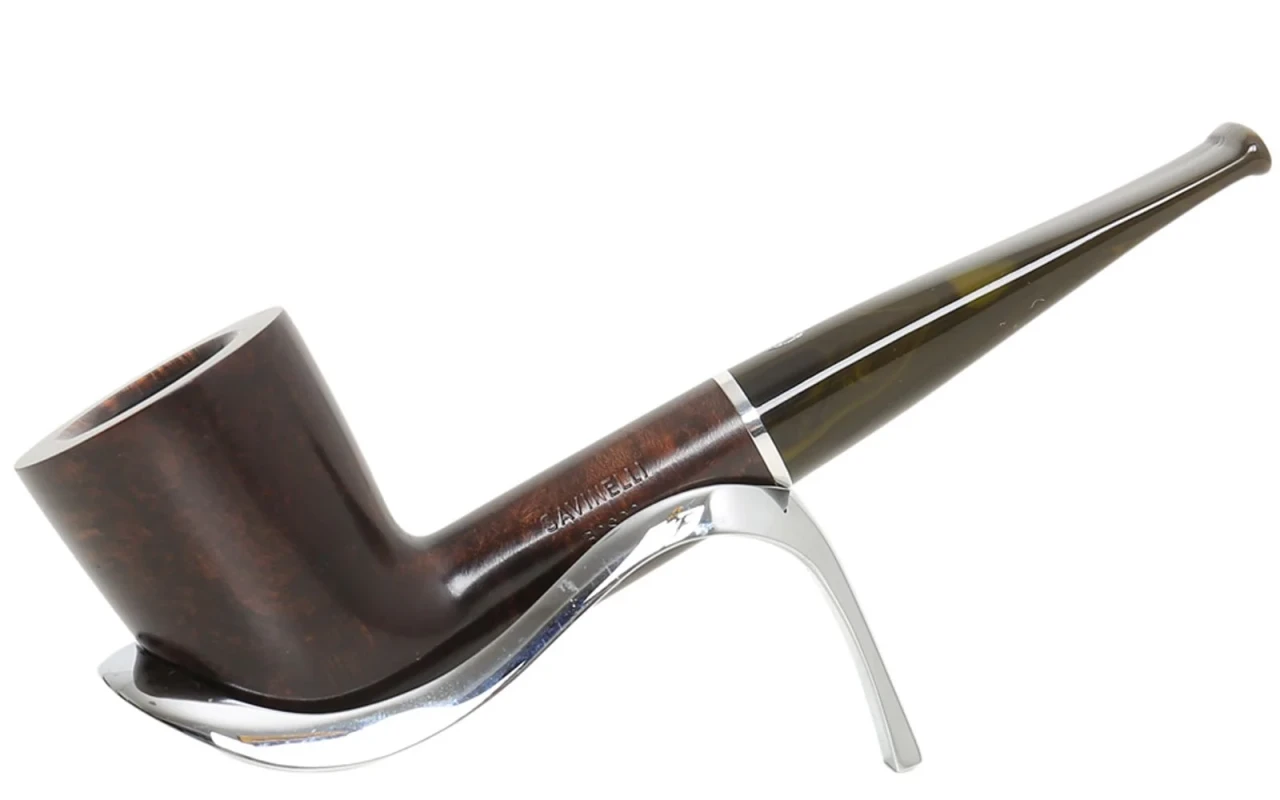
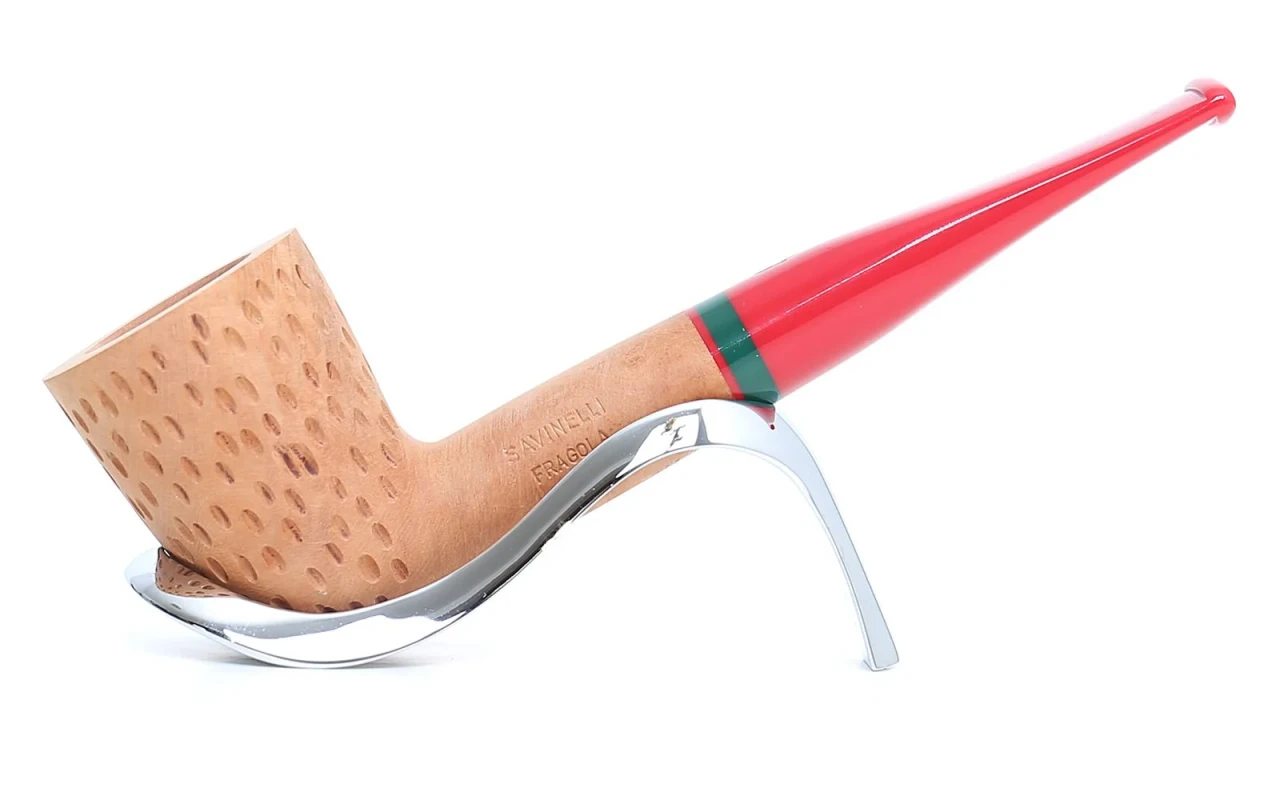
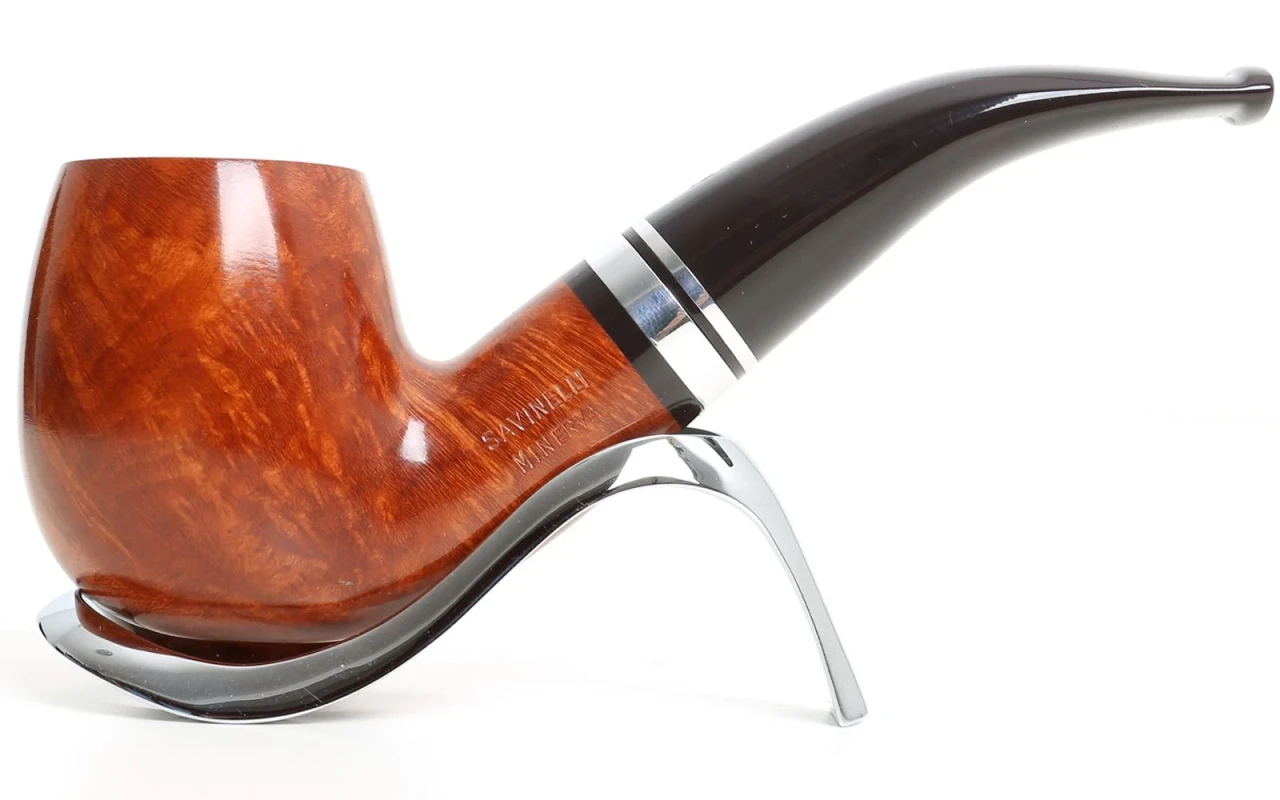
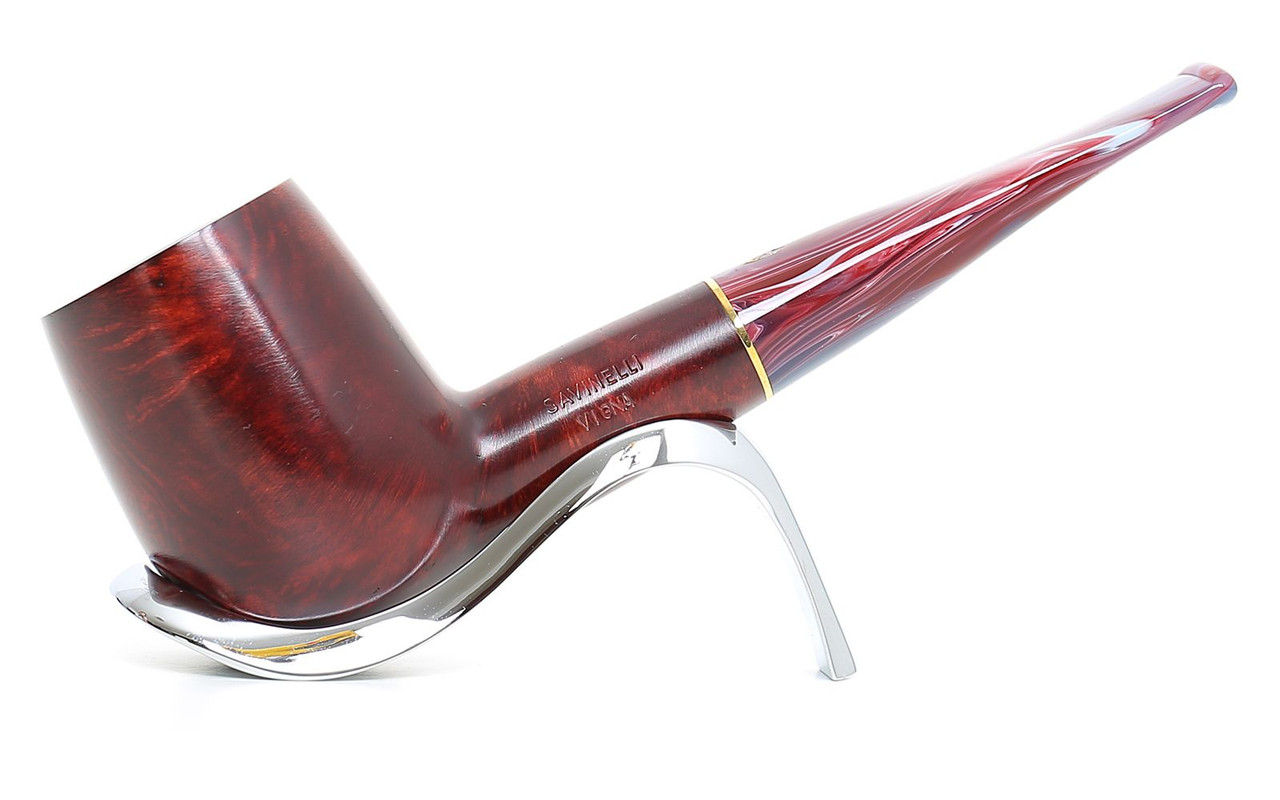
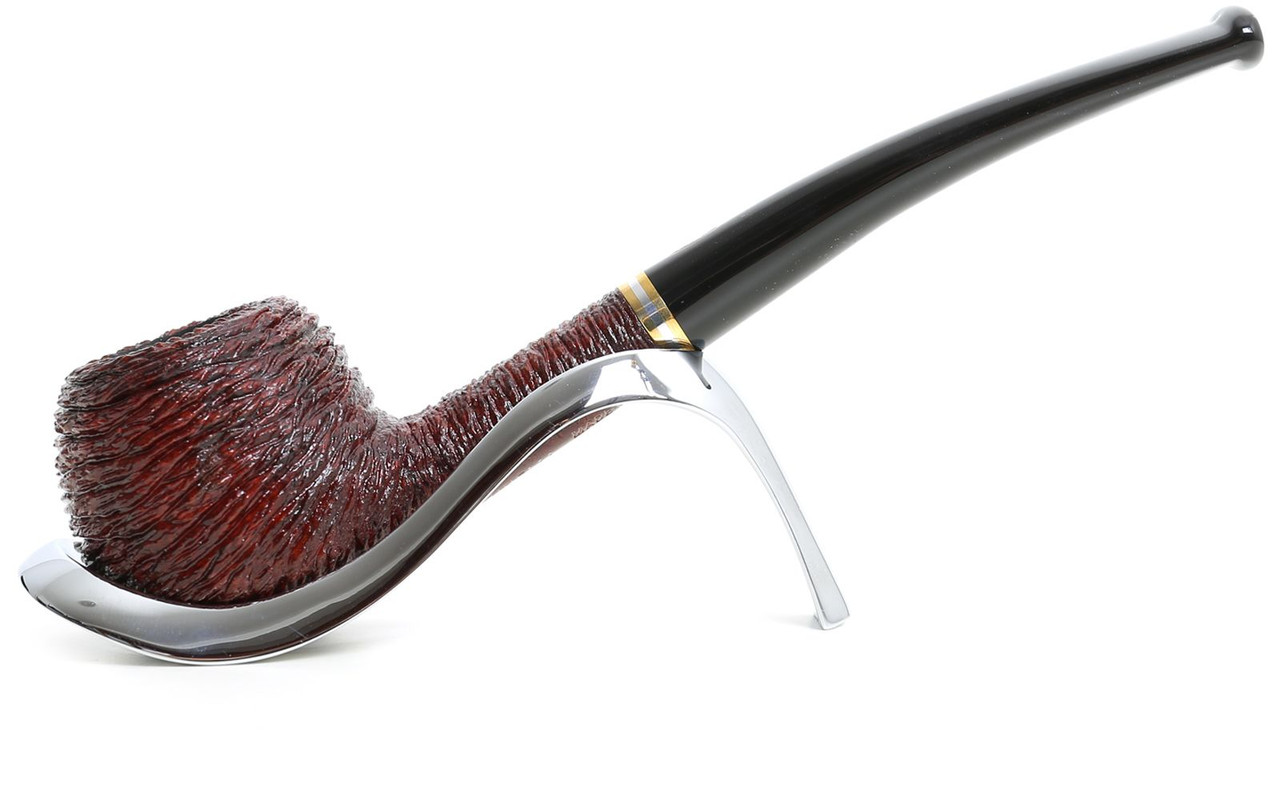
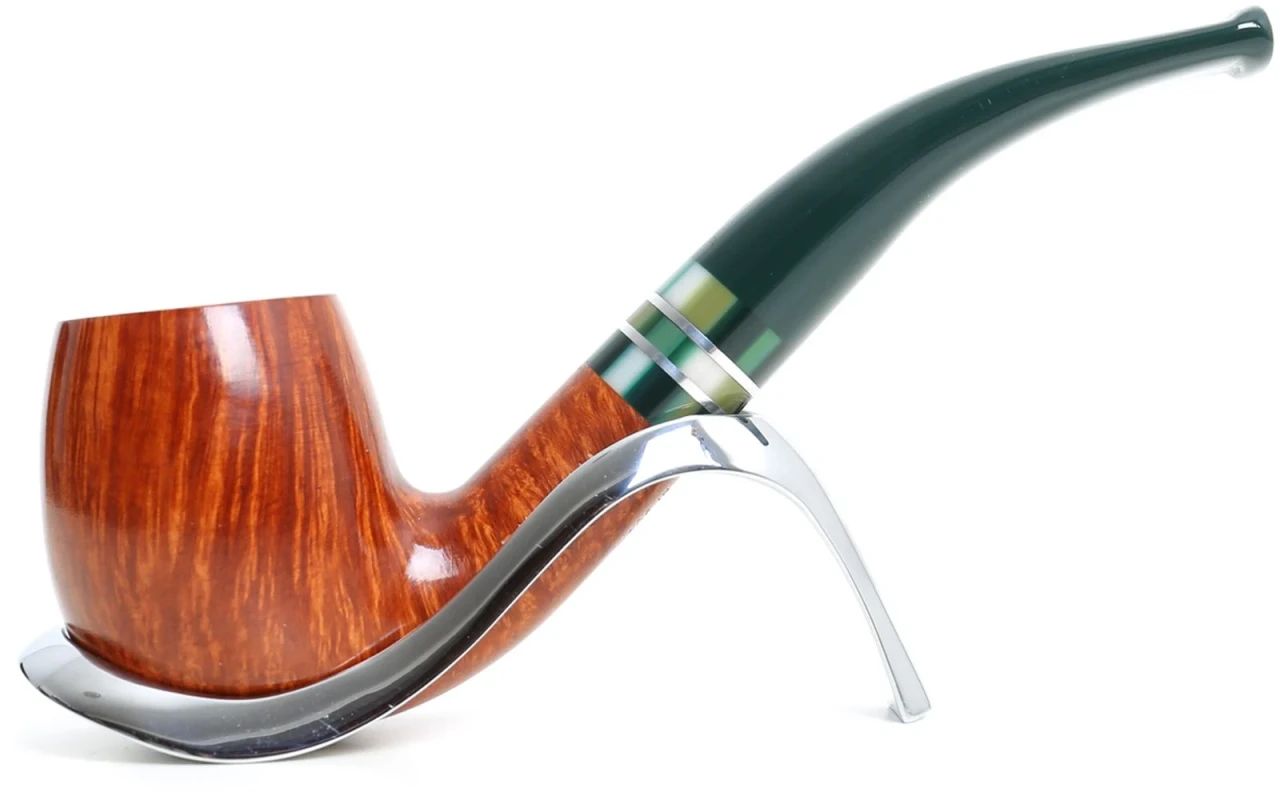
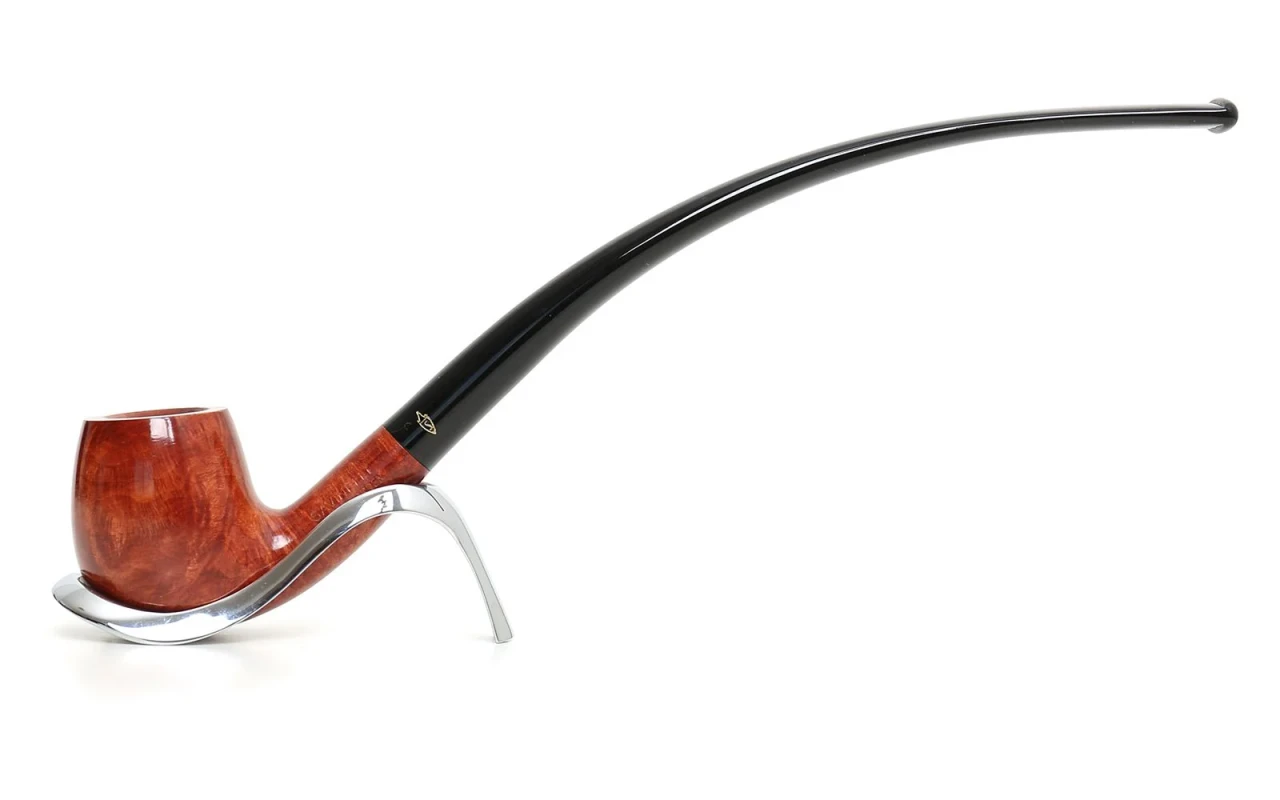
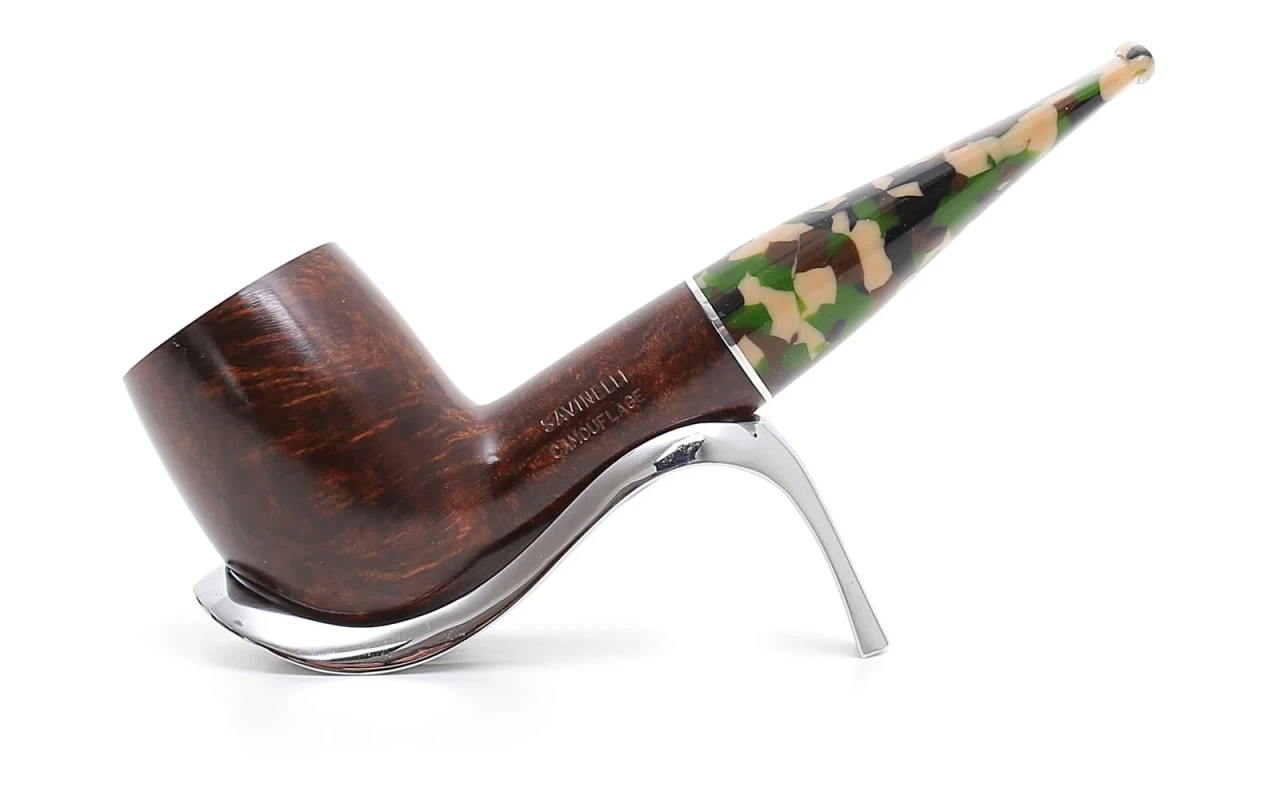
History of Handcrafted Pipe Production
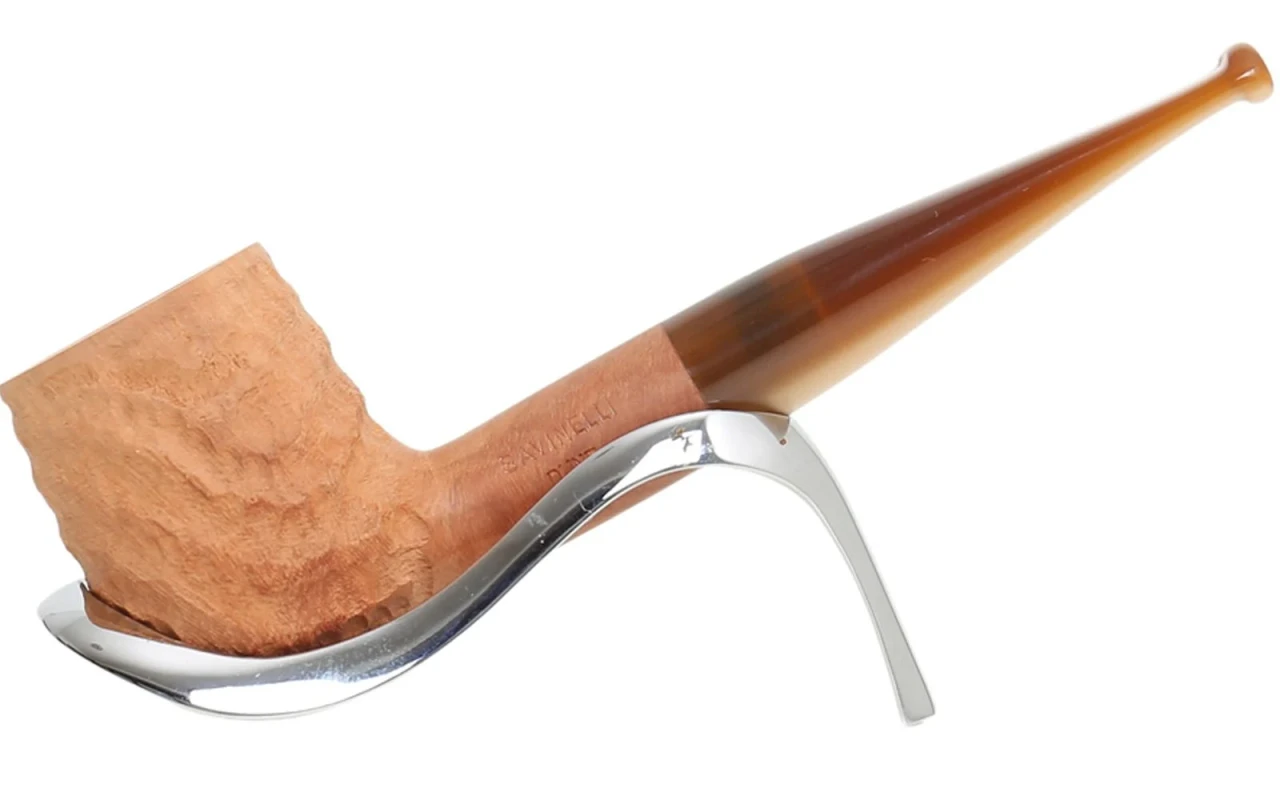
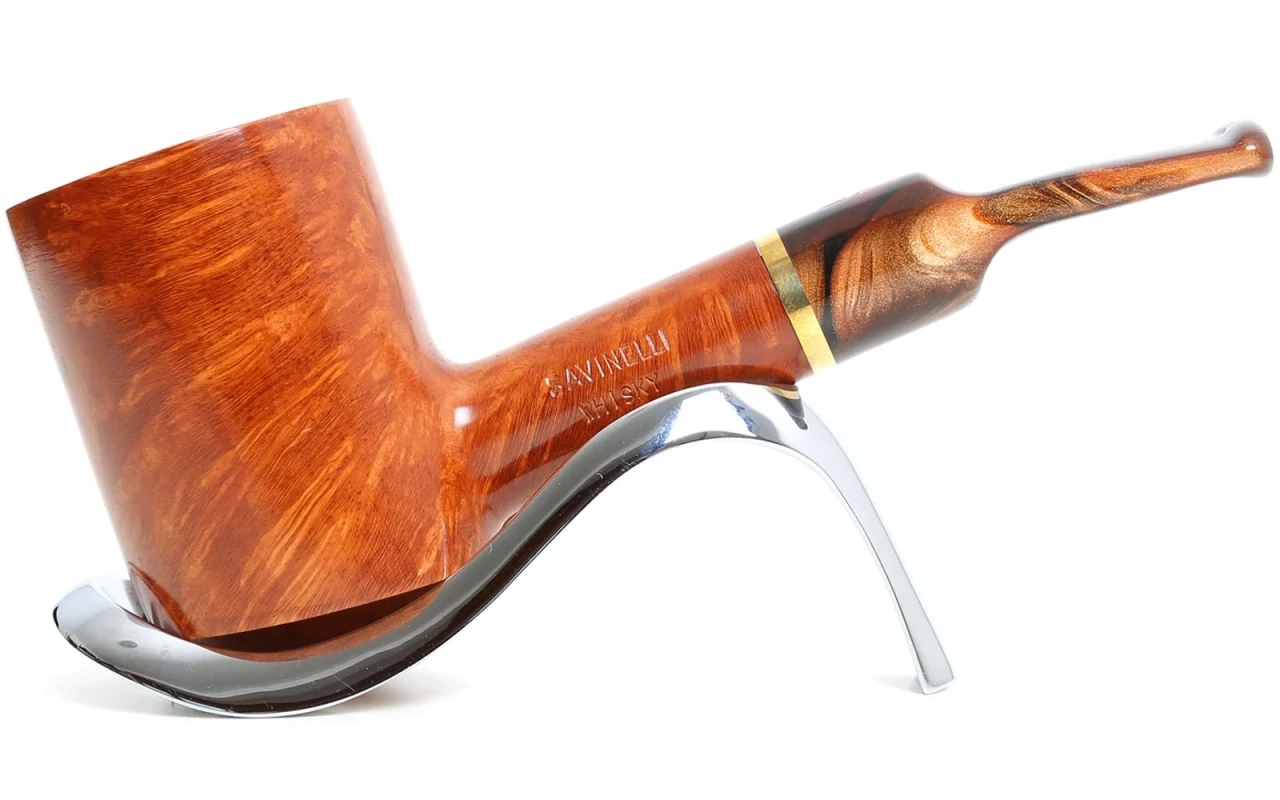
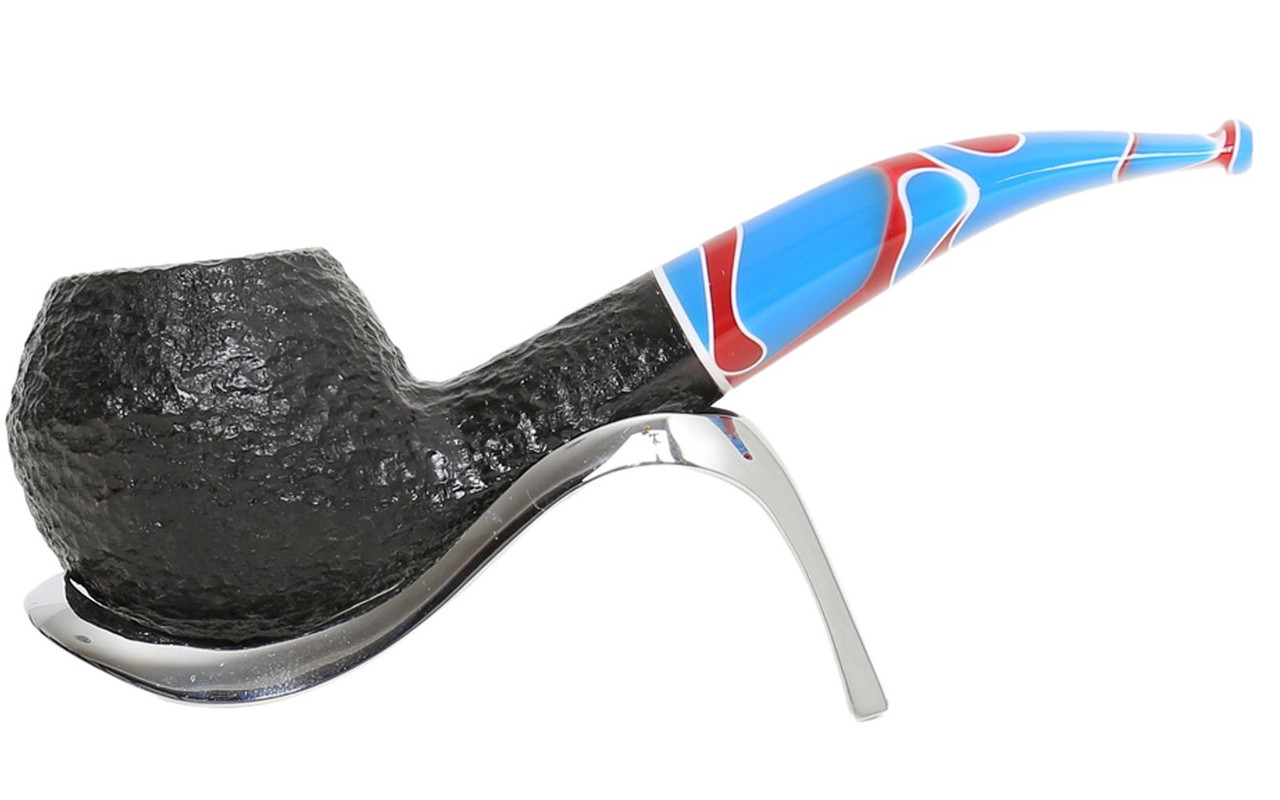
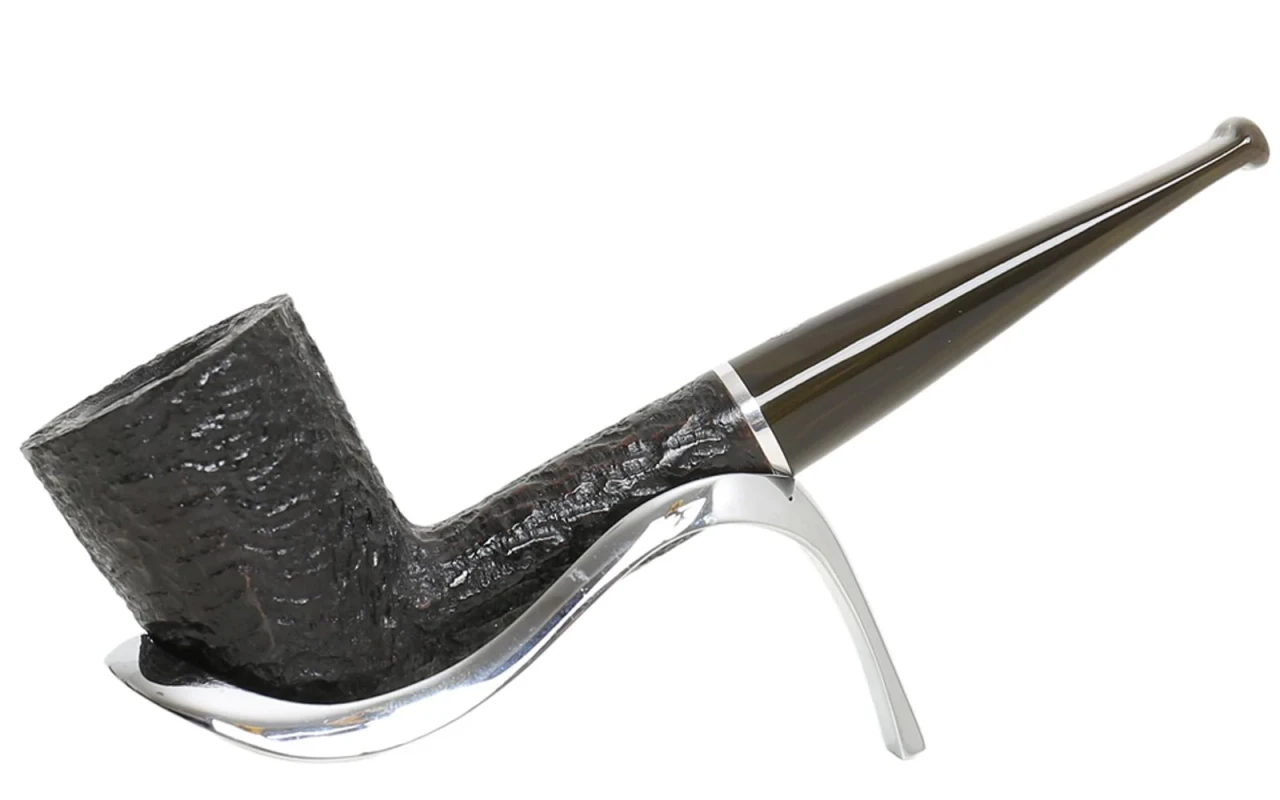
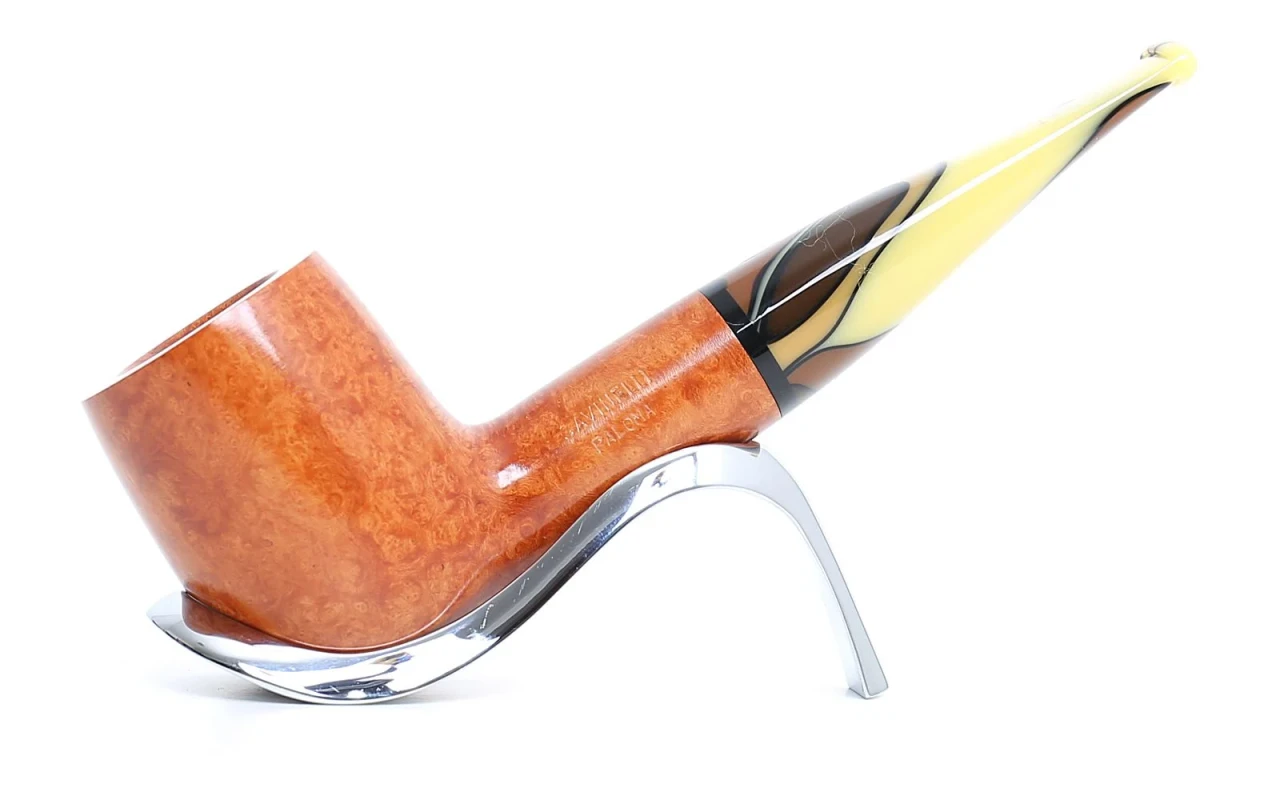
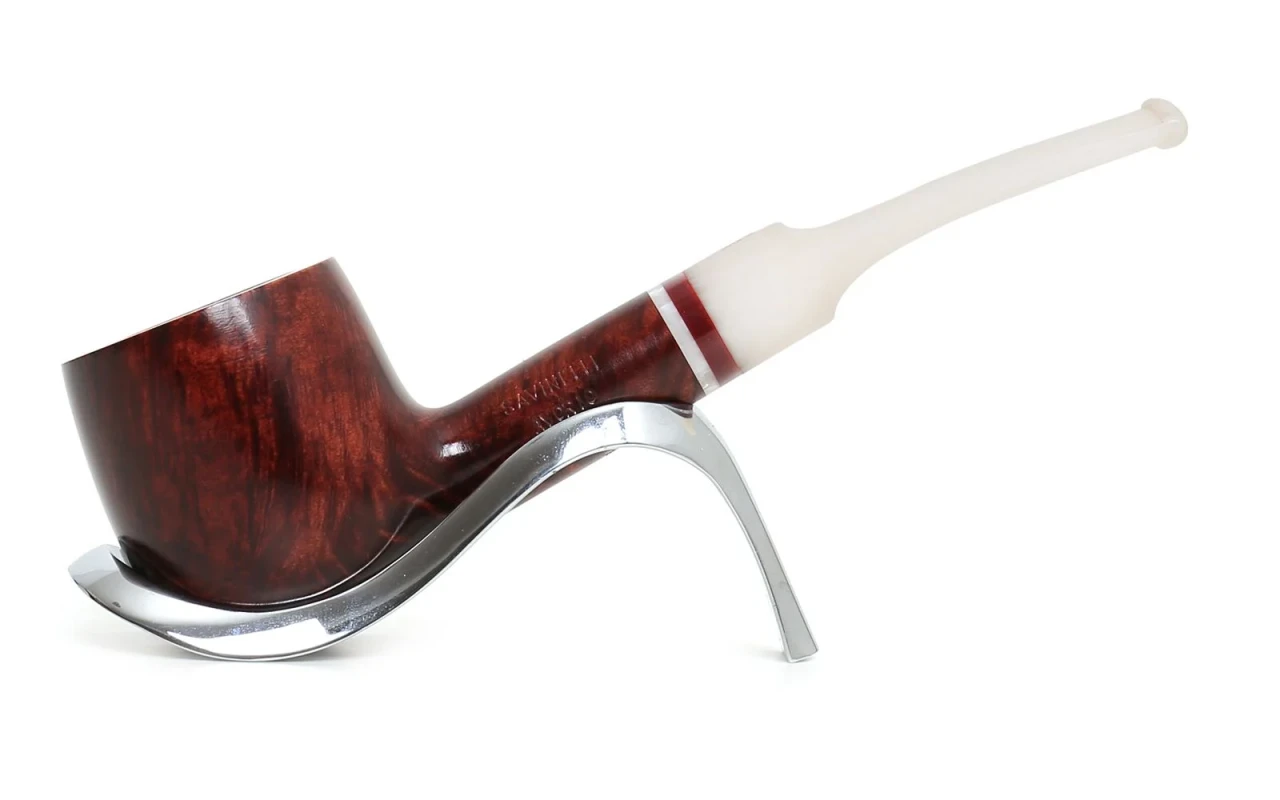
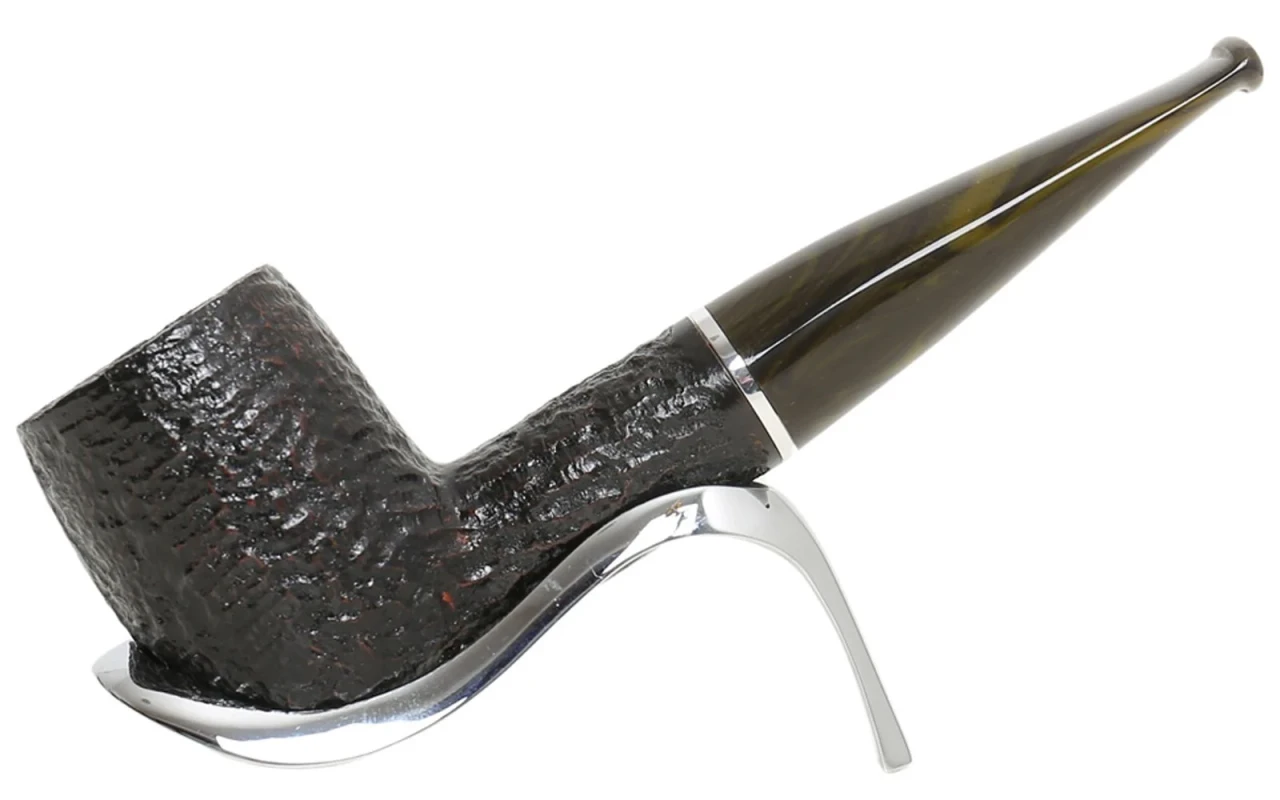
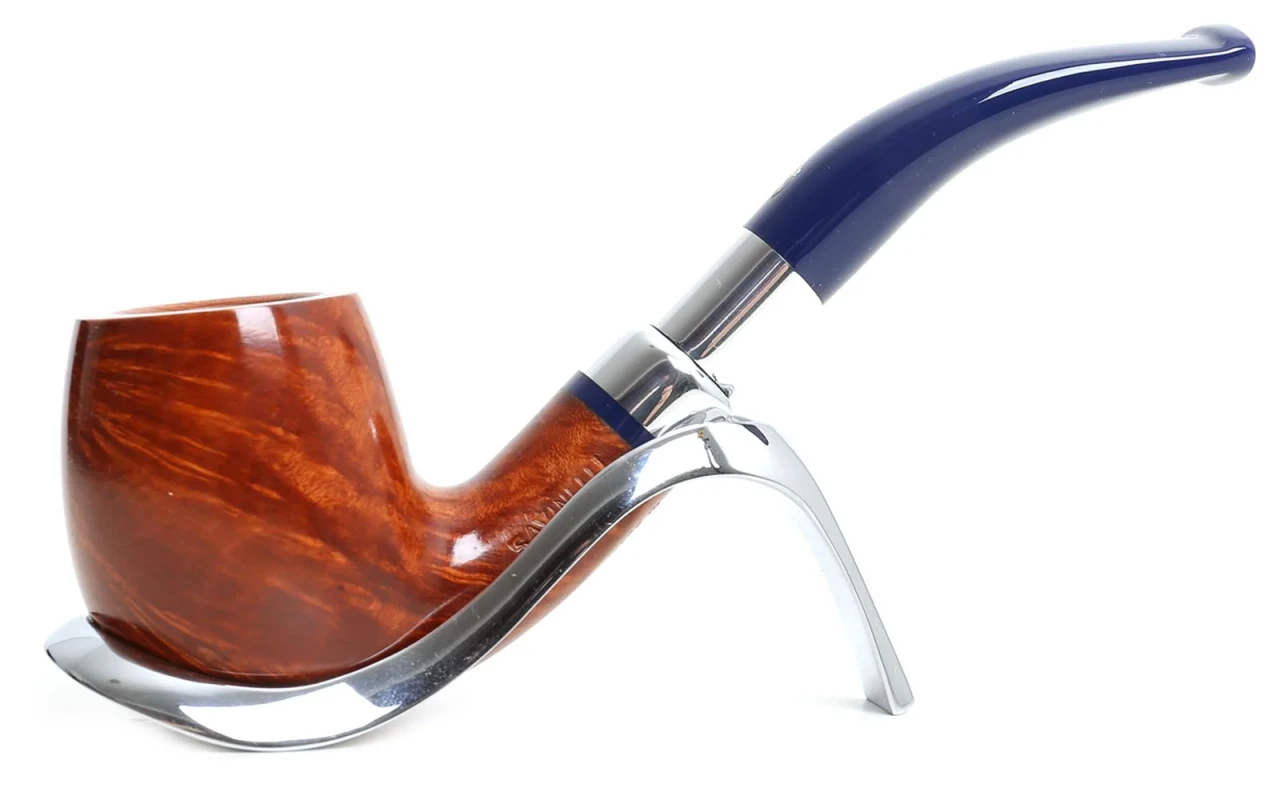
The production of handcrafted pipes has ancient roots and is deeply intertwined with the history of tobacco itself. The first pipes date back centuries ago, when Native American populations used rudimentary pipes to smoke herbs. Over the centuries, pipe production has evolved into a refined art, with artisans creating unique and customized pieces. Handcrafted pipes are made with precious materials such as briar wood, corn cob, and olive wood, and are often decorated with intricate inlays or special finishes. Today, the production of handcrafted pipes continues to be appreciated by collectors and enthusiasts of high-quality items.
History of Handcrafted Pipe Production
The history of handcrafted pipe production dates back centuries, when pipes began to be handmade by skilled artisans. These pipes are traditionally crafted using high-quality wood, such as briar or olive wood, and following traditional methods passed down from generation to generation. Handcrafted pipes are valued for their quality, unique design, and ability to offer a superior smoking experience compared to industrially produced pipes. Artisans are dedicated to creating custom pipes, often tailored to the customer and adorned with intricate details. Therefore, handcrafted pipe production represents a perfect combination of tradition, artisanal skill, and passion for pipe smoking.
How handmade pipes are made
Handmade pipes are mainly crafted from briar or mortar burl. These materials provide the pipes with heat resistance and a certain level of porosity, ensuring optimal drying of the tobacco. The pipes are crafted through an artisanal process involving various stages: from the selection of the burl to the manual shaping using lathes and milling machines. Handmade pipes often feature unique designs and meticulous details, showcasing the skill and creativity of the master pipemaker. Each handmade pipe is a one-of-a-kind piece, a result of mastery and passion for this ancient craft.
Materials for handmade pipes
Materials for handmade pipes can vary depending on the preferences and techniques of the maker. However, the most common materials include high-quality wood (such as oak, briar root, or olive wood), briar root, corn cob, clay, acrylic, and meerschaum. Each material offers unique characteristics that influence the taste, durability, and handling of the pipe. For example, briar root is widely appreciated for its heat resistance and ability to absorb moisture, while corn cob is lightweight and affordable. The choice of material often depends on the smoker's personal preferences and the craftsman's skill in working with the selected material.
Crafting techniques for artisanal pipes
Crafting techniques for artisanal pipes are varied and require craftsmanship skills and precision. Among the main methodologies used by master pipemakers are:- Carving: the process of sculpting wood or other materials to create unique shapes and designs.- Finishing: smoothing and polishing the surface to achieve a smooth and glossy finish.- Drilling: creating the tobacco chamber and smoke passage through the pipe.- Assembly: putting together the various parts of the pipe, such as the stem and bowl.- Lacquering: applying varnishes or lacquers to protect and decorate the pipe.These artisanal techniques contribute to the creation of high-quality pipes with exclusive designs.
'%3e%3cg id='Final-Copy-2_2_' transform='translate(1275.000000, 200.000000)'%3e%3cpath class='st0' d='M7.4,12.8h6.8l3.1-11.6H7.4C4.2,1.2,1.6,3.8,1.6,7S4.2,12.8,7.4,12.8z'/%3e%3c/g%3e%3c/g%3e%3c/g%3e%3cg id='final---dec.11-2020'%3e%3cg id='_x30_208-our-toggle' transform='translate(-1275.000000, -200.000000)'%3e%3cg id='Final-Copy-2' transform='translate(1275.000000, 200.000000)'%3e%3cpath class='st1' d='M22.6,0H7.4c-3.9,0-7,3.1-7,7s3.1,7,7,7h15.2c3.9,0,7-3.1,7-7S26.4,0,22.6,0z M1.6,7c0-3.2,2.6-5.8,5.8-5.8 h9.9l-3.1,11.6H7.4C4.2,12.8,1.6,10.2,1.6,7z'/%3e%3cpath id='x' class='st2' d='M24.6,4c0.2,0.2,0.2,0.6,0,0.8l0,0L22.5,7l2.2,2.2c0.2,0.2,0.2,0.6,0,0.8c-0.2,0.2-0.6,0.2-0.8,0 l0,0l-2.2-2.2L19.5,10c-0.2,0.2-0.6,0.2-0.8,0c-0.2-0.2-0.2-0.6,0-0.8l0,0L20.8,7l-2.2-2.2c-0.2-0.2-0.2-0.6,0-0.8 c0.2-0.2,0.6-0.2,0.8,0l0,0l2.2,2.2L23.8,4C24,3.8,24.4,3.8,24.6,4z'/%3e%3cpath id='y' class='st3' d='M12.7,4.1c0.2,0.2,0.3,0.6,0.1,0.8l0,0L8.6,9.8C8.5,9.9,8.4,10,8.3,10c-0.2,0.1-0.5,0.1-0.7-0.1l0,0 L5.4,7.7c-0.2-0.2-0.2-0.6,0-0.8c0.2-0.2,0.6-0.2,0.8,0l0,0L8,8.6l3.8-4.5C12,3.9,12.4,3.9,12.7,4.1z'/%3e%3c/g%3e%3c/g%3e%3c/g%3e%3c/g%3e%3c/svg%3e) Your Privacy Choices
Your Privacy Choices 


