 ES
ES FR
FR EN
EN IT
IT DE
DE
Signs of cold heat damage on a pipe
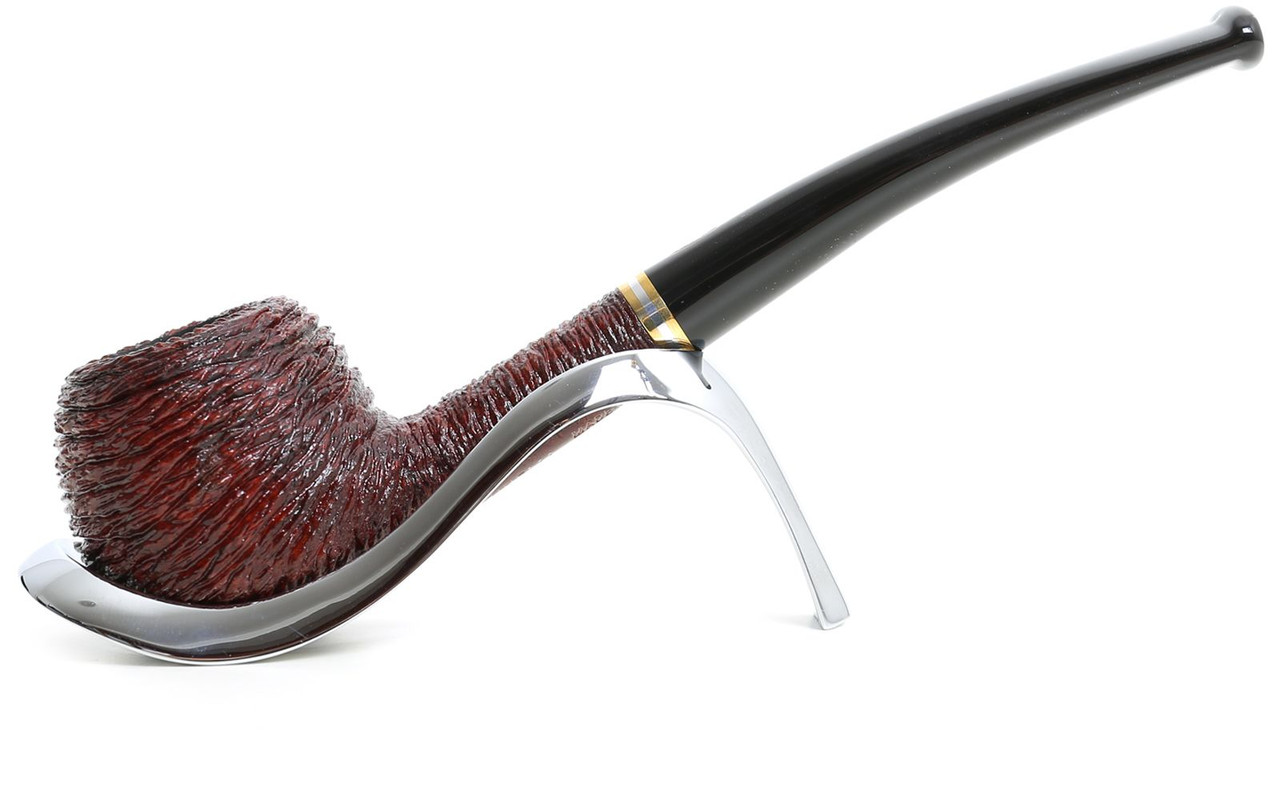
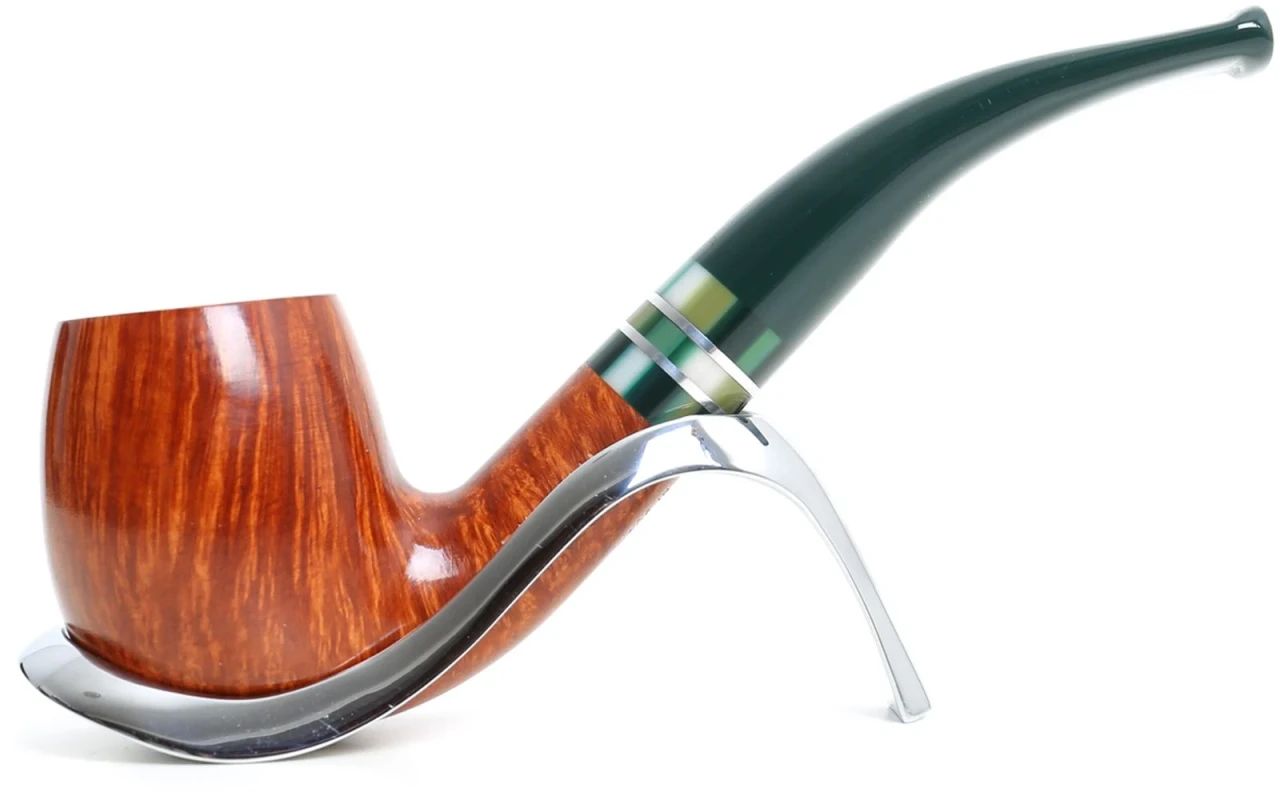
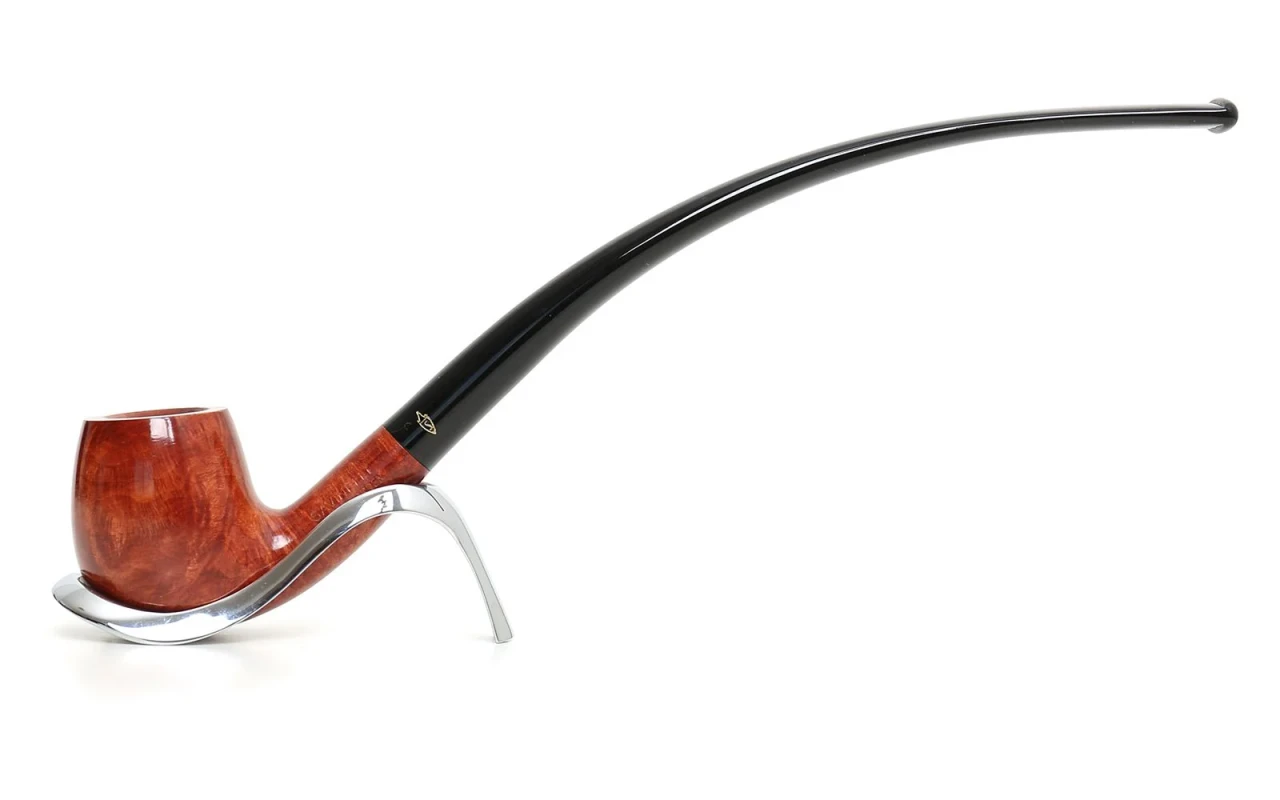
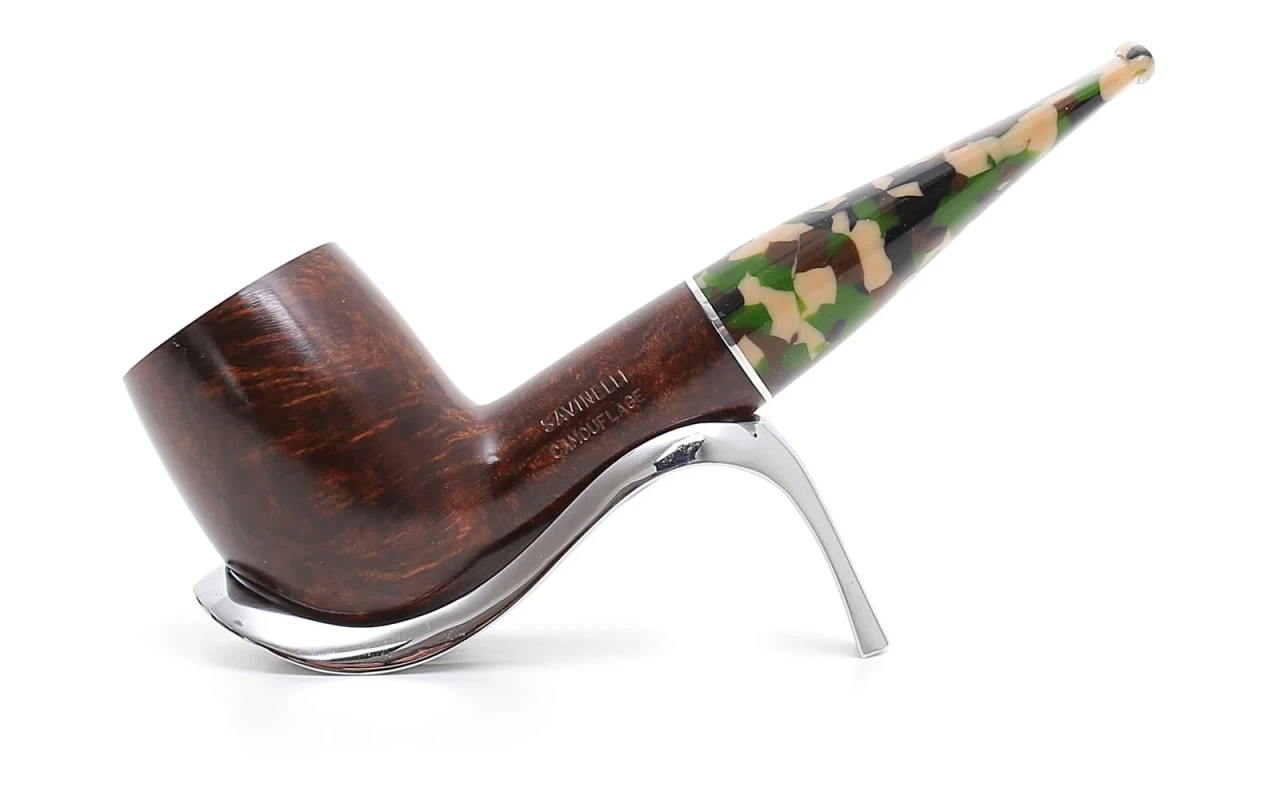
Signs of cold heat damage on a pipe
Cold heat damage to a pipe is a common issue among pipe enthusiasts. Cold temperatures can negatively affect the wood or other materials of pipes, causing cracks, breaks, or deformations. Some signs of cold damage include the appearance of cracks on the wood, changes in the shape of the pipe, or even the breaking of the material. To prevent such damage, it is advisable to avoid exposing pipes to extreme temperatures and to store them properly in a controlled environment. In case of damage, it is important to consult an expert to assess whether the pipe can be repaired or if replacement is necessary.
How to protect your pipe from heat and cold
Protecting your pipe from heat and cold is essential to ensure its longevity. Here are some useful tips:- Avoid exposing the pipe to direct sources of heat and excessively intense flames that could damage it.- During the winter, shield it from the cold and sudden temperature changes that could create stress on the material.- Use specific cases or bags for transportation to protect the pipe from impacts and weather conditions.- After use, make sure to thoroughly clean the pipe and let it dry completely before storing it in a safe place.
How to prevent damage to your pipe due to extreme temperatures
Extreme temperatures can harm pipes if proper precautions are not taken. Here are some useful tips:- Avoid exposing your pipe to sources of excessive heat or extremely low temperatures.- Before lighting the pipe, make sure it is at room temperature to prevent thermal shock.- Avoid blowing too forcefully into the pipe, as excessive heat could damage it.- After smoking, allow the pipe to cool down naturally, avoiding placing it in water or in overly cold places.- Always keep the pipe clean and dry to prevent damage caused by moisture buildup or tobacco residues.
Best heat and cold resistant materials for pipes
Tobacco pipes can be made from various materials, but the best ones to withstand heat and cold are:- Briar: wood from the root of the Mediterranean heath tree, known for its heat and flame resistance.- Morta: fossilized wood from peat bogs, extremely durable and able to absorb heat.- Corn cob: pipes made from processed corn, lightweight and with excellent thermal properties.- Clay: a traditional material for pipes, heat resistant but fragile.- Meerschaum: a porous stone derived from marine deposits, lightweight and heat resistant.These materials offer a combination of thermal resistance and durability for an optimal smoking experience.
'%3e%3cg id='Final-Copy-2_2_' transform='translate(1275.000000, 200.000000)'%3e%3cpath class='st0' d='M7.4,12.8h6.8l3.1-11.6H7.4C4.2,1.2,1.6,3.8,1.6,7S4.2,12.8,7.4,12.8z'/%3e%3c/g%3e%3c/g%3e%3c/g%3e%3cg id='final---dec.11-2020'%3e%3cg id='_x30_208-our-toggle' transform='translate(-1275.000000, -200.000000)'%3e%3cg id='Final-Copy-2' transform='translate(1275.000000, 200.000000)'%3e%3cpath class='st1' d='M22.6,0H7.4c-3.9,0-7,3.1-7,7s3.1,7,7,7h15.2c3.9,0,7-3.1,7-7S26.4,0,22.6,0z M1.6,7c0-3.2,2.6-5.8,5.8-5.8 h9.9l-3.1,11.6H7.4C4.2,12.8,1.6,10.2,1.6,7z'/%3e%3cpath id='x' class='st2' d='M24.6,4c0.2,0.2,0.2,0.6,0,0.8l0,0L22.5,7l2.2,2.2c0.2,0.2,0.2,0.6,0,0.8c-0.2,0.2-0.6,0.2-0.8,0 l0,0l-2.2-2.2L19.5,10c-0.2,0.2-0.6,0.2-0.8,0c-0.2-0.2-0.2-0.6,0-0.8l0,0L20.8,7l-2.2-2.2c-0.2-0.2-0.2-0.6,0-0.8 c0.2-0.2,0.6-0.2,0.8,0l0,0l2.2,2.2L23.8,4C24,3.8,24.4,3.8,24.6,4z'/%3e%3cpath id='y' class='st3' d='M12.7,4.1c0.2,0.2,0.3,0.6,0.1,0.8l0,0L8.6,9.8C8.5,9.9,8.4,10,8.3,10c-0.2,0.1-0.5,0.1-0.7-0.1l0,0 L5.4,7.7c-0.2-0.2-0.2-0.6,0-0.8c0.2-0.2,0.6-0.2,0.8,0l0,0L8,8.6l3.8-4.5C12,3.9,12.4,3.9,12.7,4.1z'/%3e%3c/g%3e%3c/g%3e%3c/g%3e%3c/g%3e%3c/svg%3e) Your Privacy Choices
Your Privacy Choices 


