 ES
ES FR
FR EN
EN IT
IT DE
DE
Choice of raw material for pipes
Choice of raw material for pipes
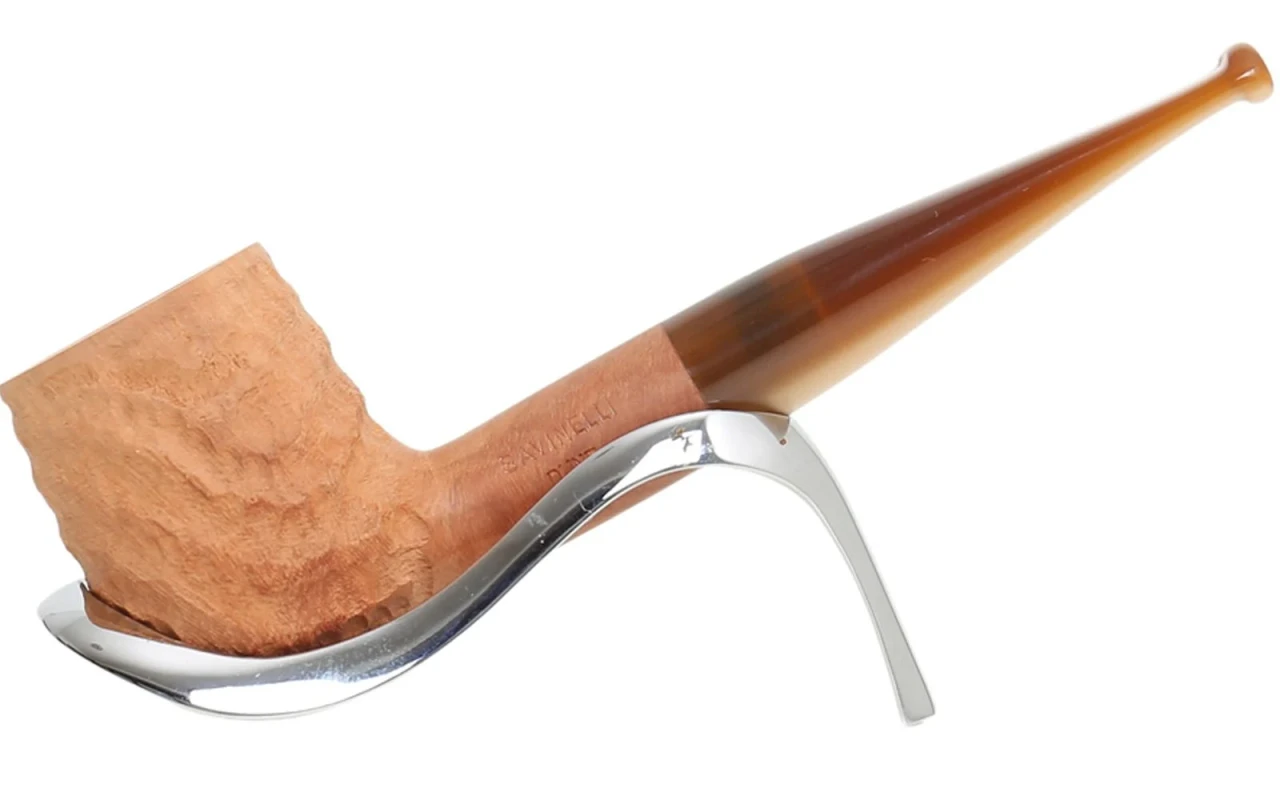
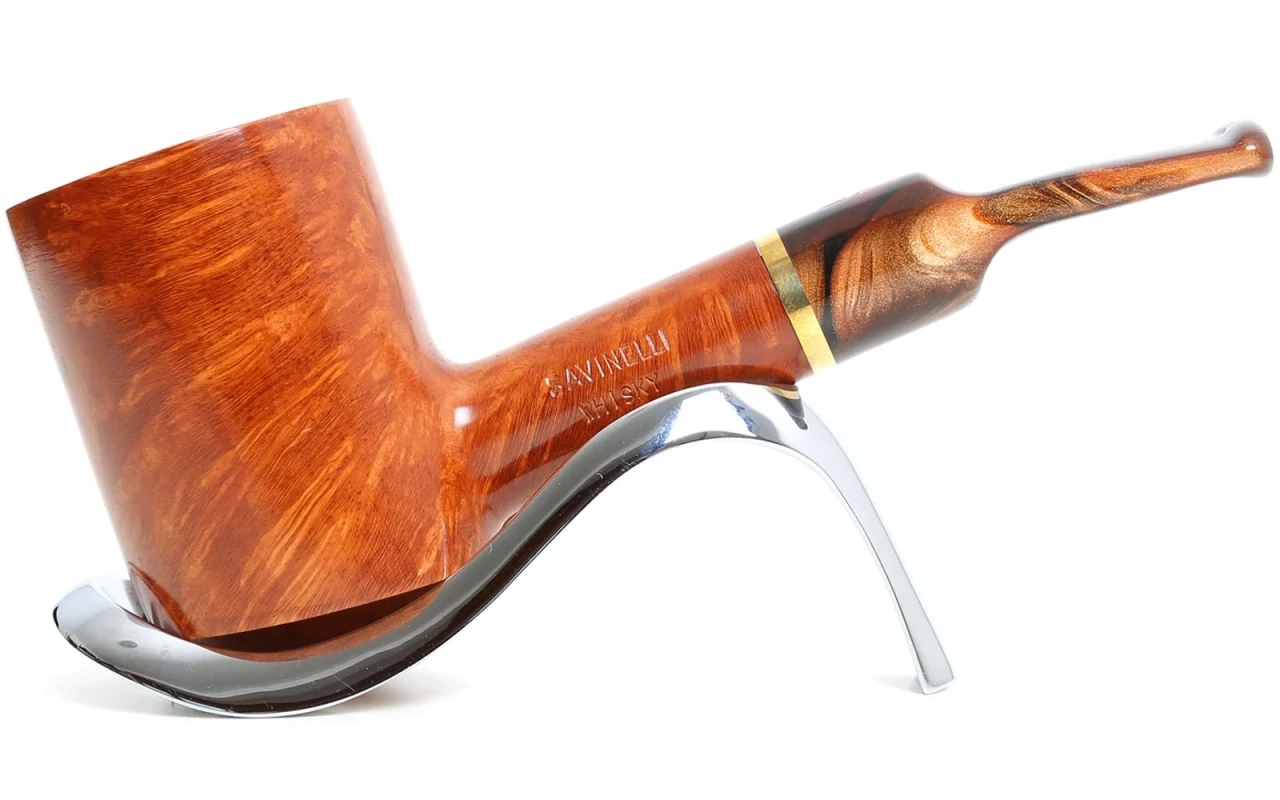
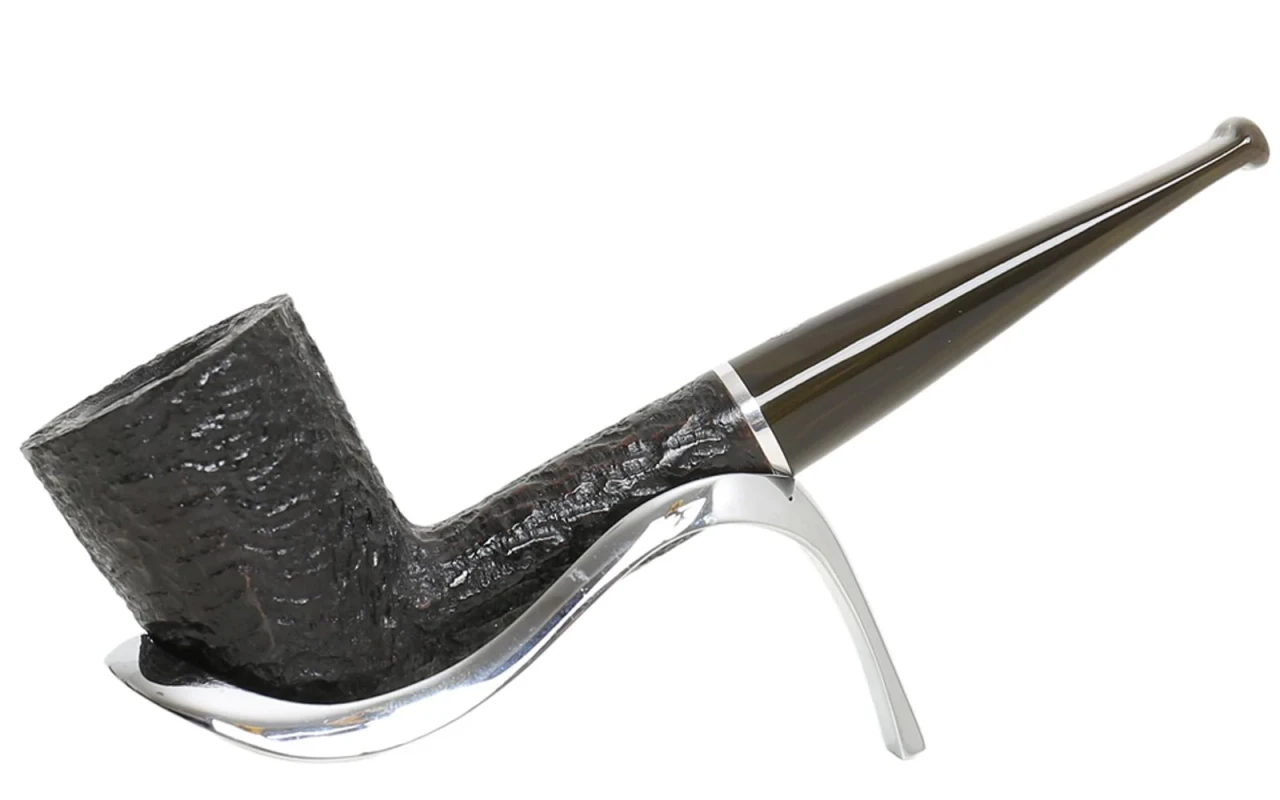
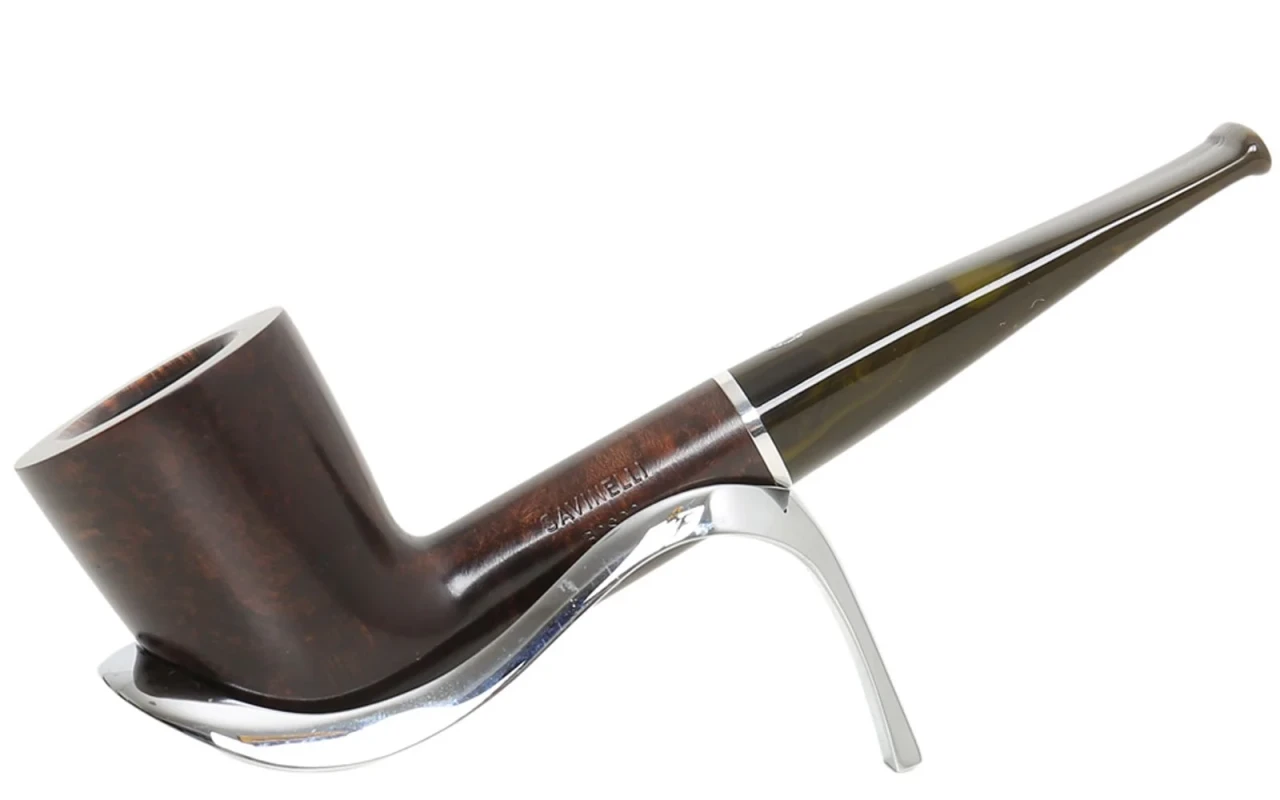
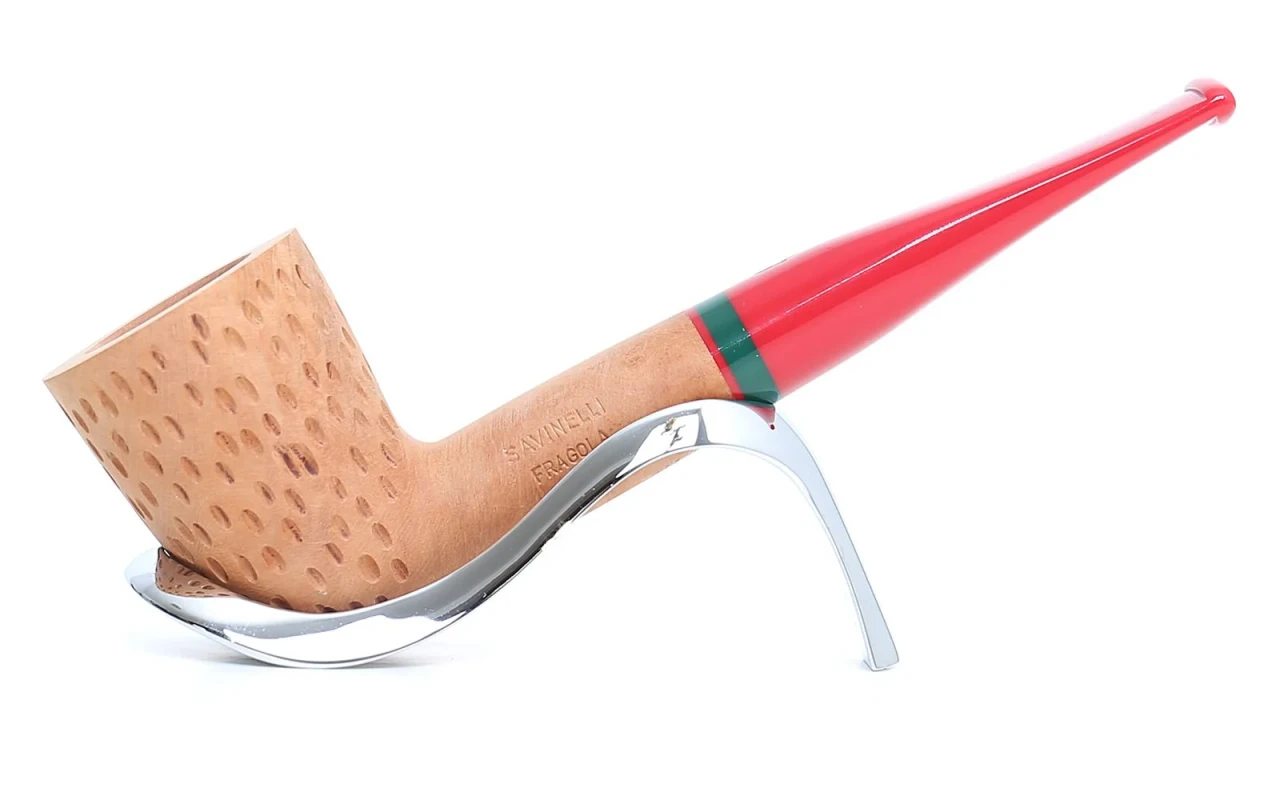
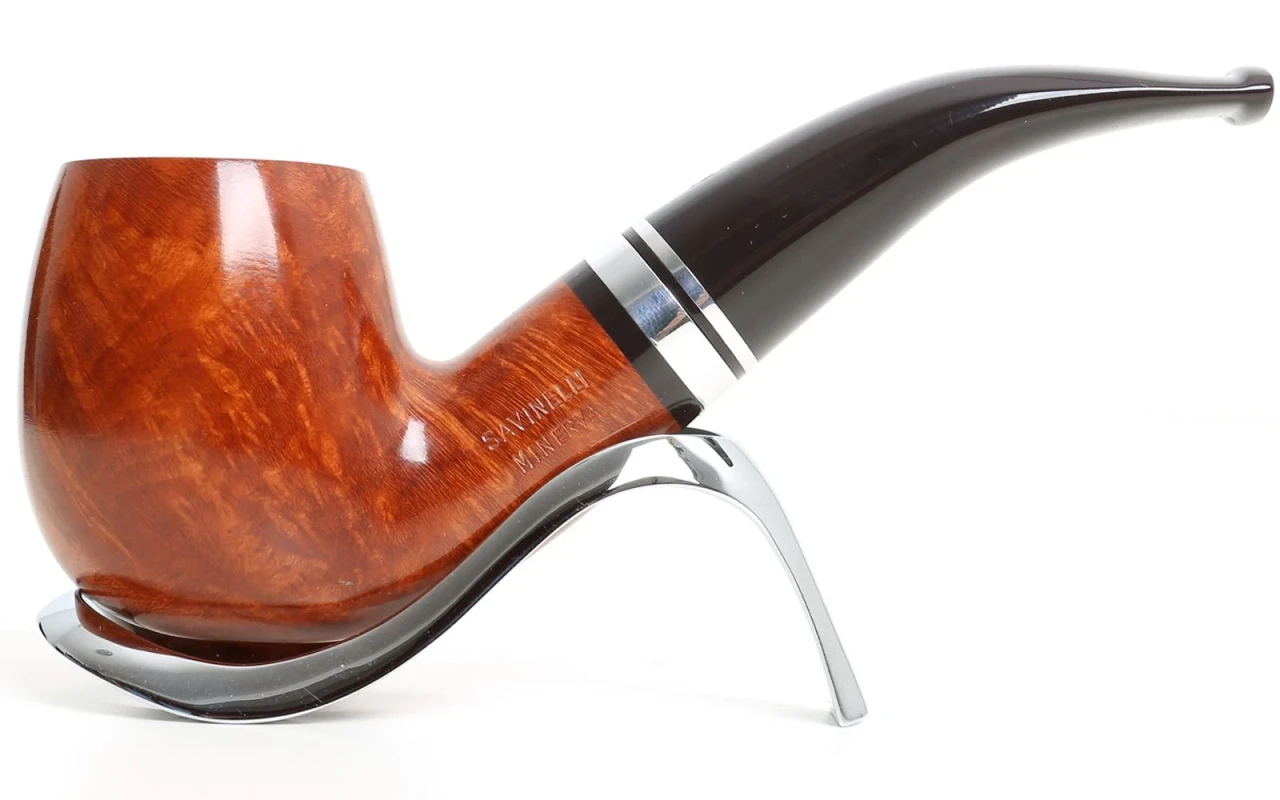
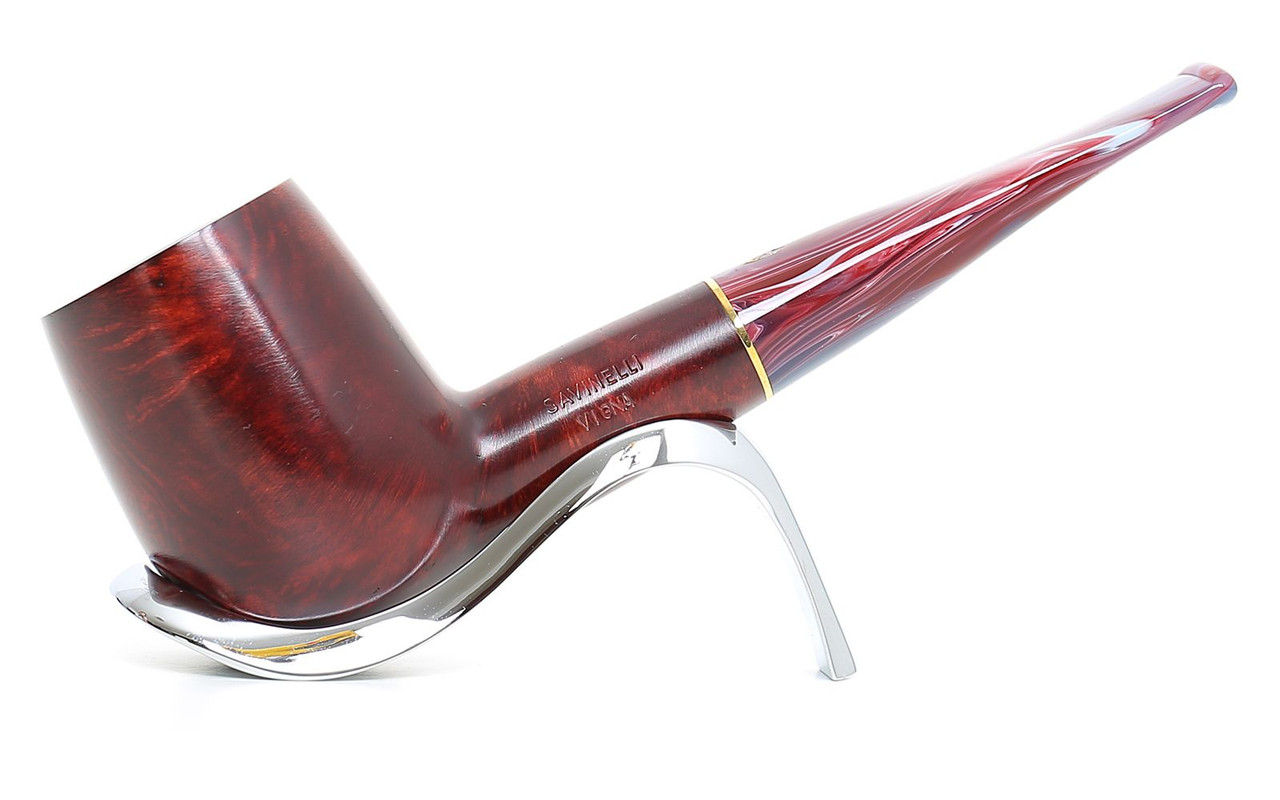
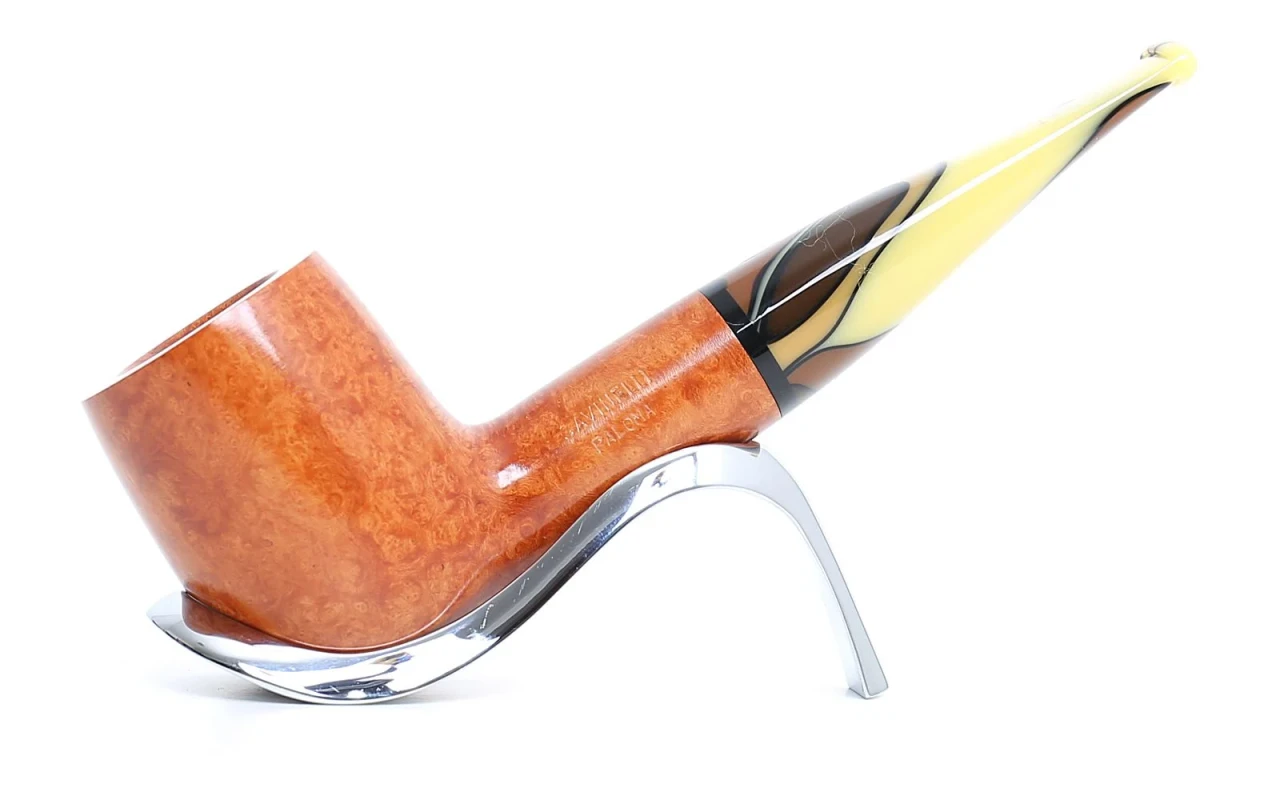
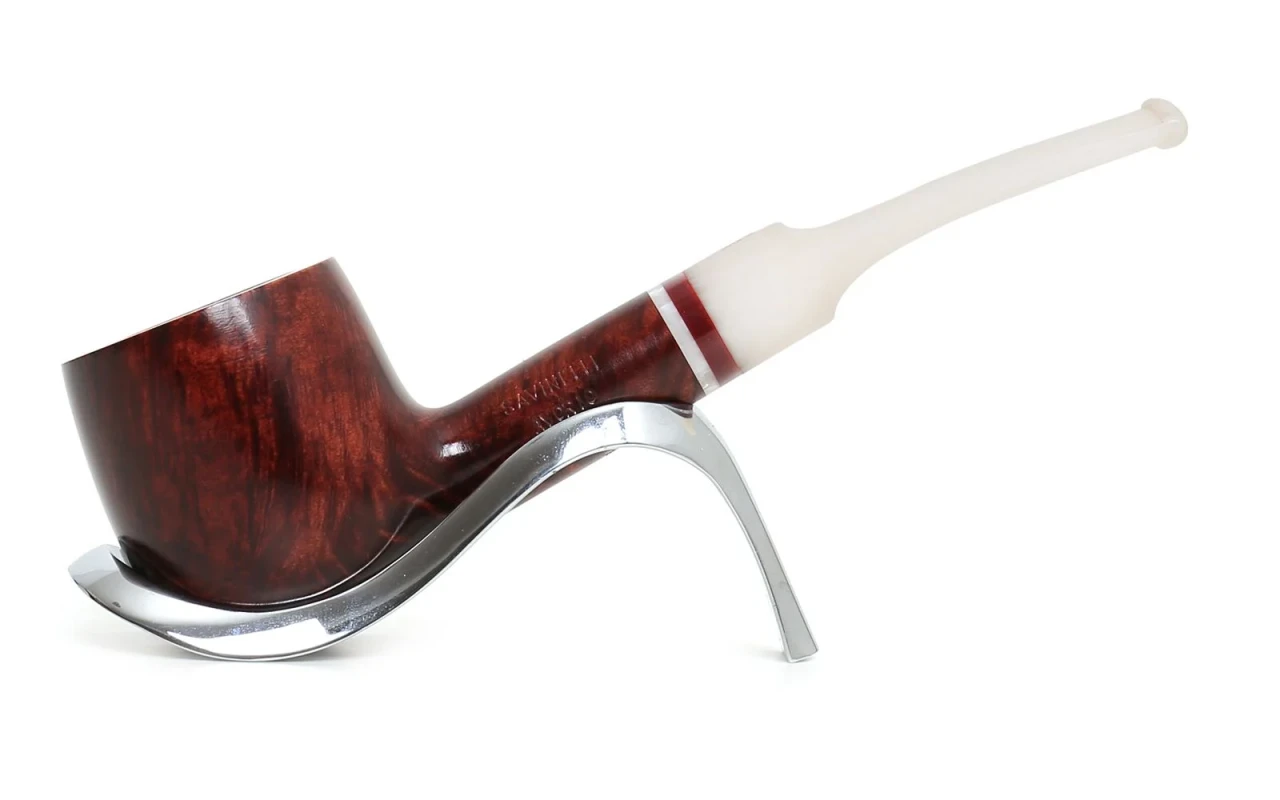
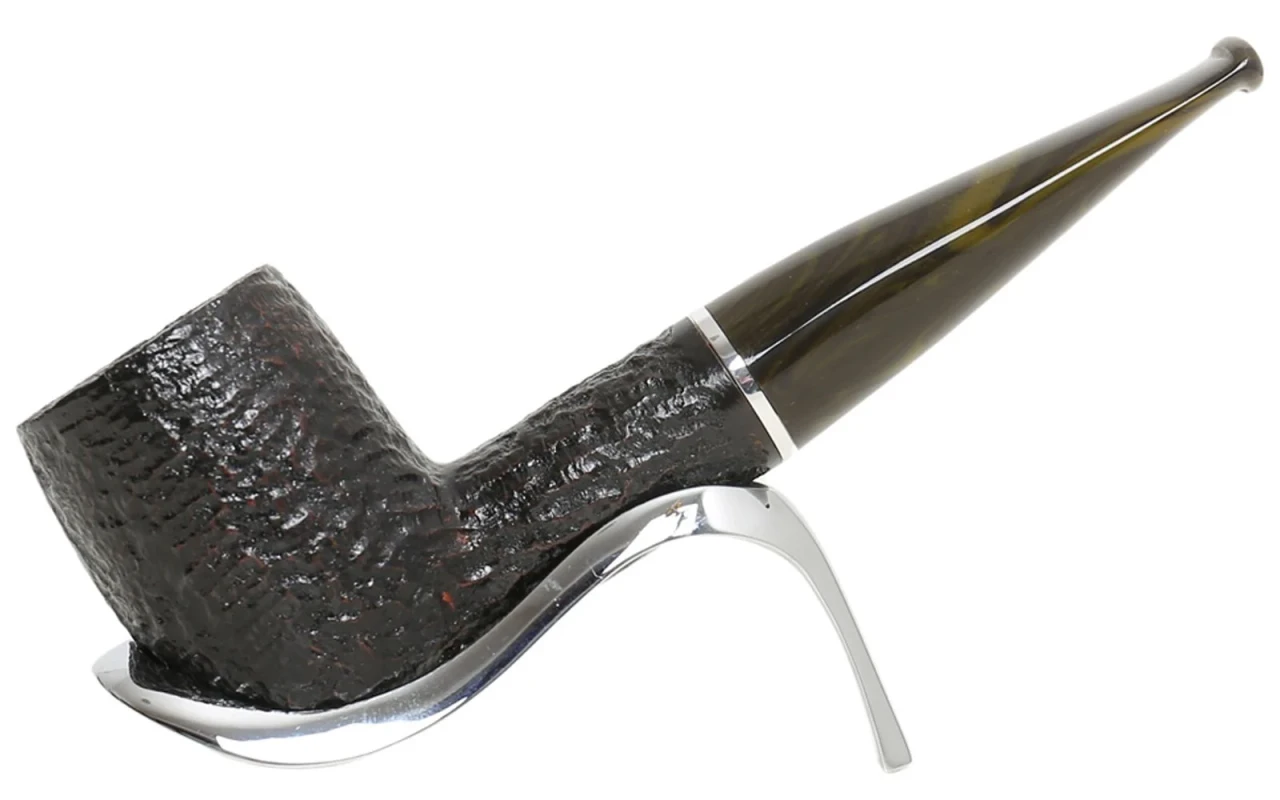
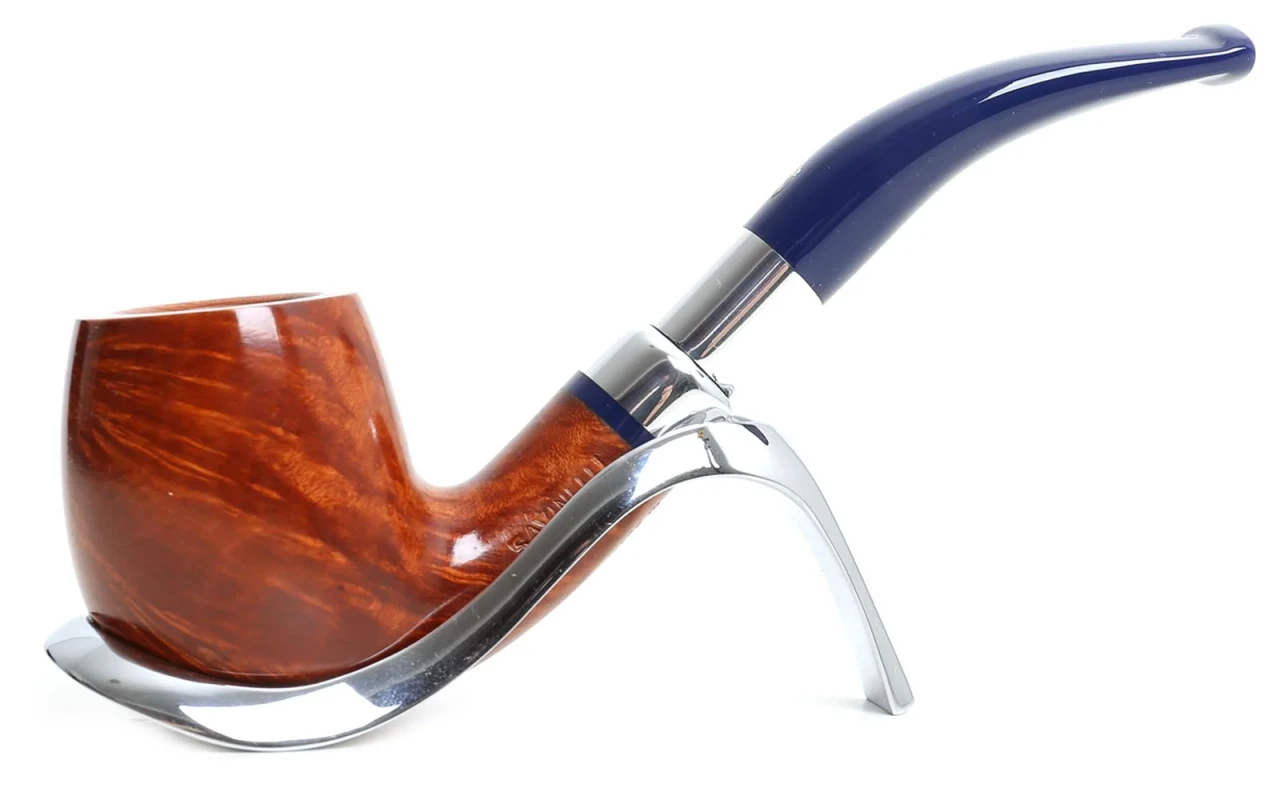
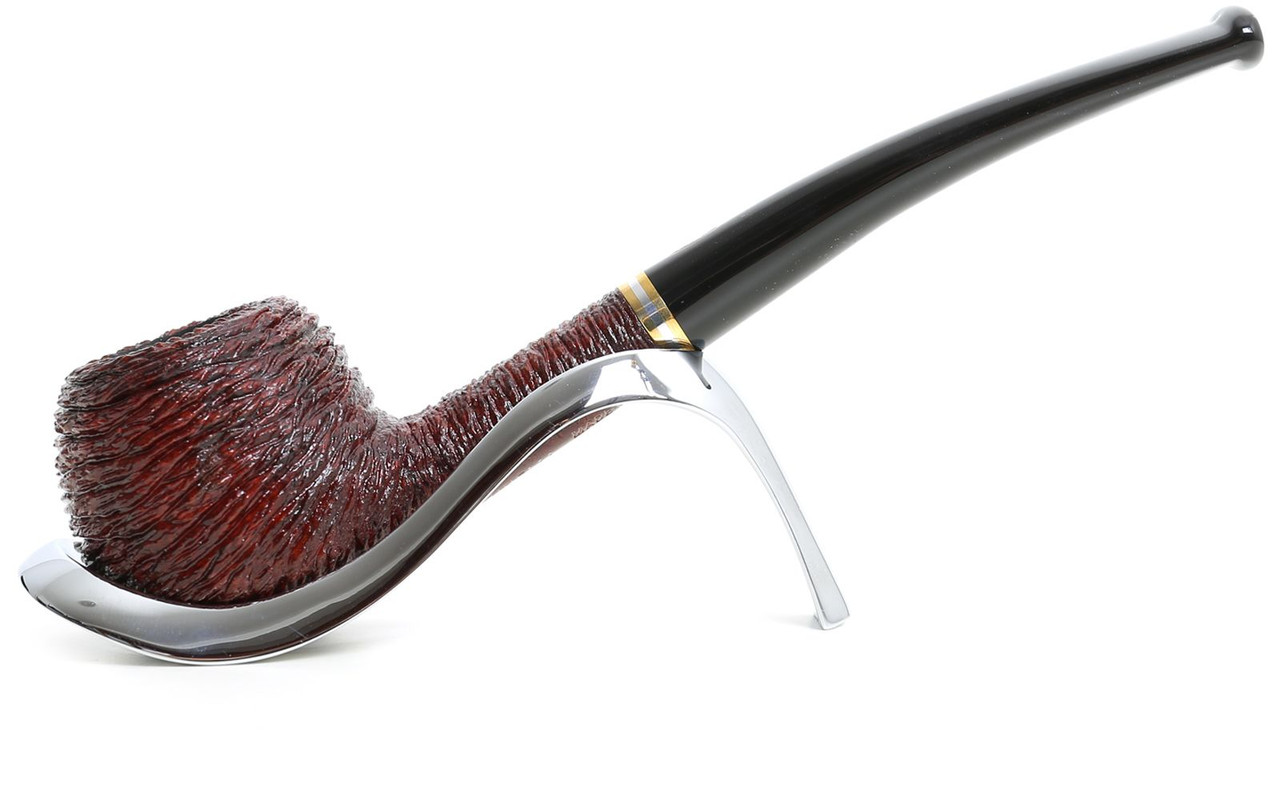
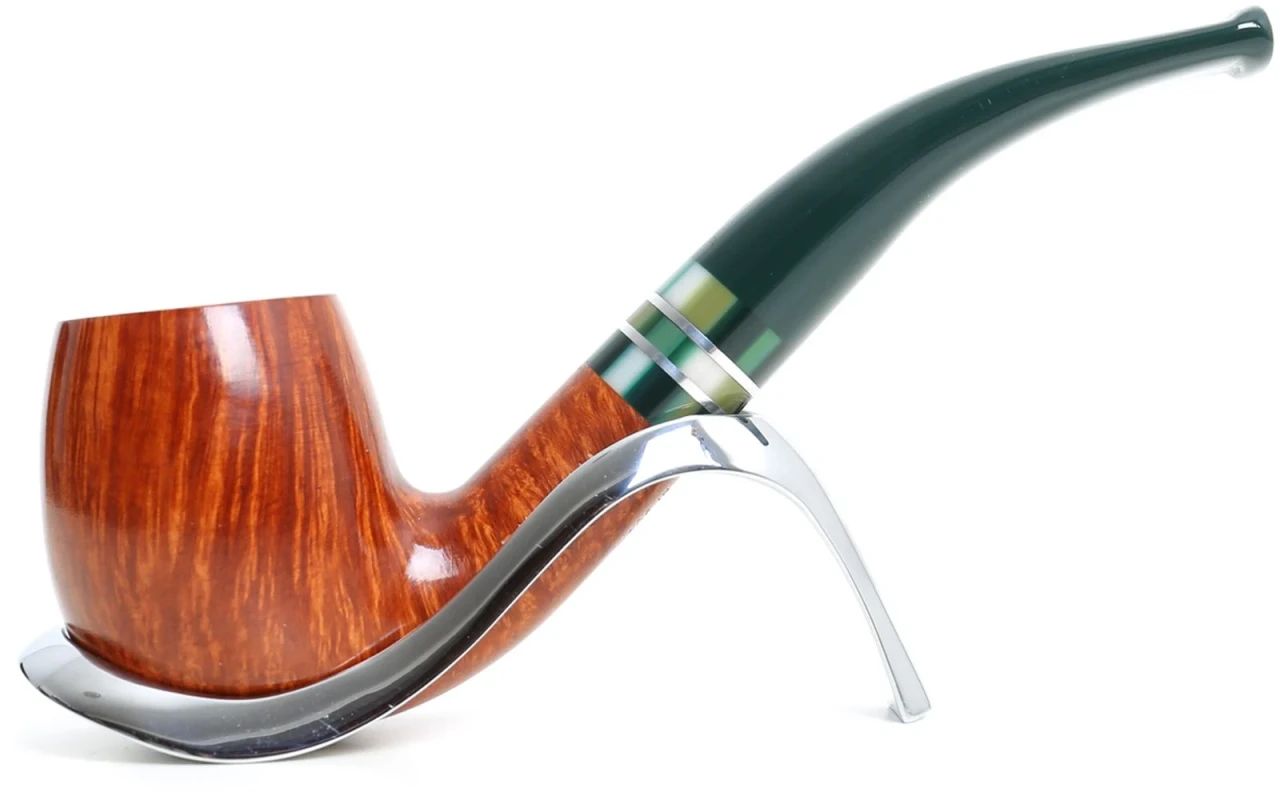
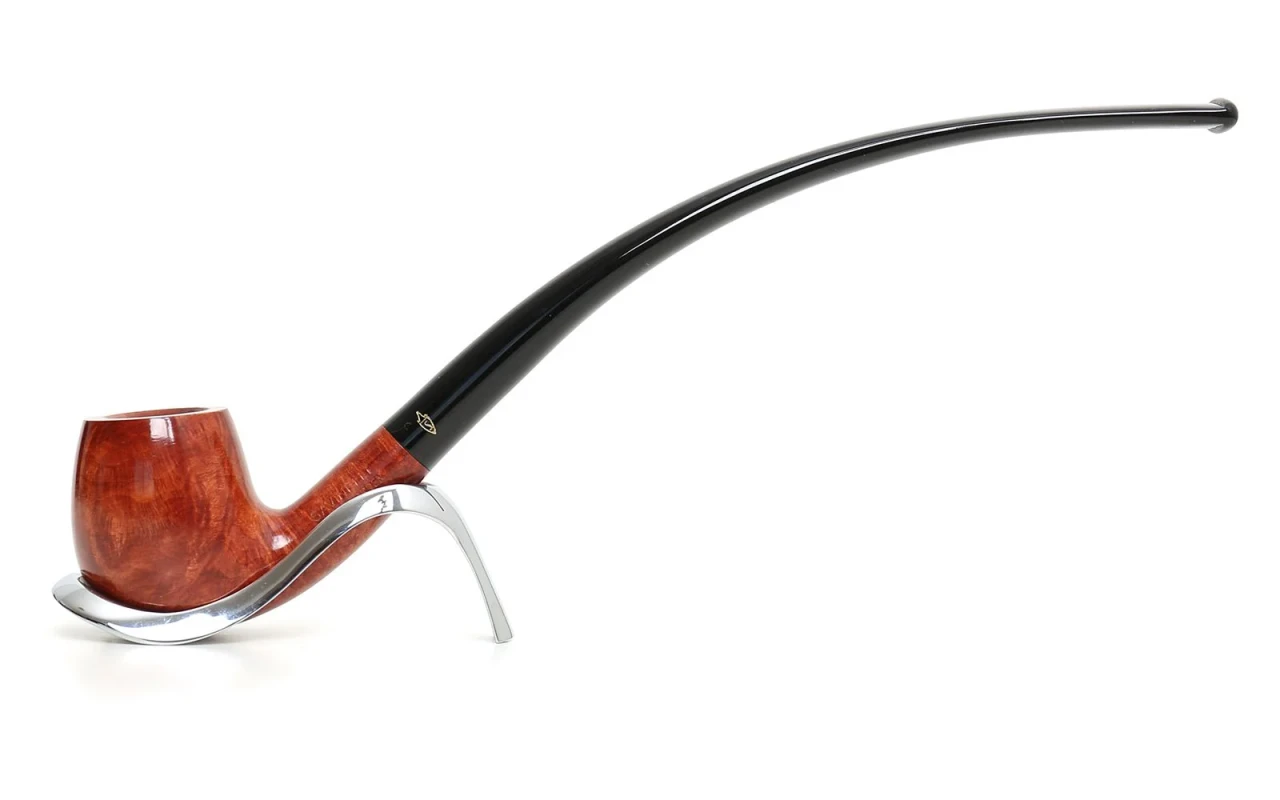
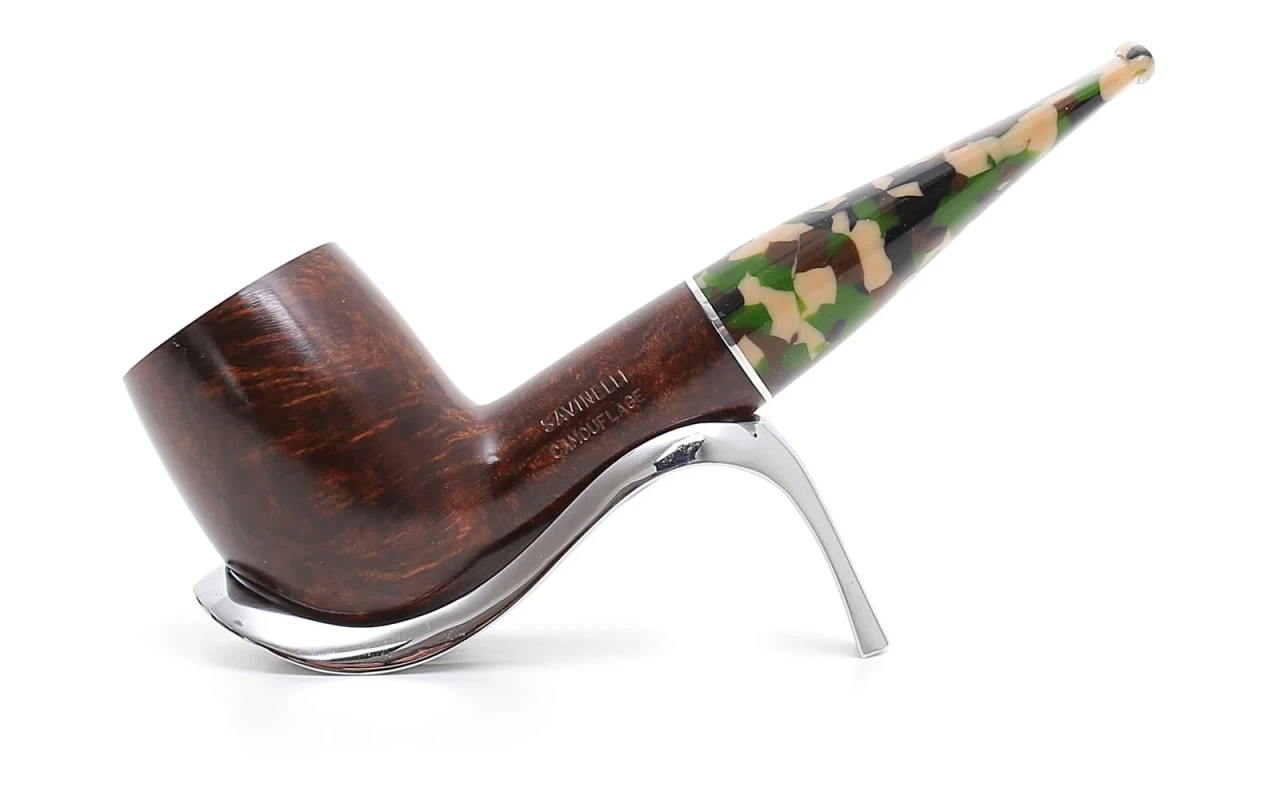
The choice of raw material for pipes is a crucial step to ensure good quality and an optimal smoking experience. The most common raw materials for pipe production are:- Briar wood: considered the best for its heat resistance and slow combustion.- Corn cob: used for inexpensive pipes or to create special models.- Meerschaum: a porous stone that absorbs moisture, ensuring a cool smoke.Each material has unique characteristics that influence the taste, durability, and maintenance of the pipe. The choice depends on personal preferences and the intended use of the pipe.
Best Woods for Pipes
The best woods for pipes are those that ensure an optimal and long-lasting smoke. Among the most appreciated varieties, we find briar wood, known for its heat and flame resistance, as well as its ability to absorb tobacco moisture. Briar wood, originating from the Erica arborea plant, is widely used for its durability and flavor-enhancing properties. Other premium woods include mortaio, cherry, and walnut. It is important to choose high-quality woods to ensure a pleasant smoking experience and longer pipe lifespan.
Materials Quality for Pipes
Smoking pipes are crafted from a wide range of materials, each with its own characteristics. The most common ones include:- Briar wood: light and durable, offering a neutral taste.- Olive wood: hard and with a distinctive color, imparting a unique flavor to the tobacco.- Oak wood: sturdy with interesting veins, contributing to the taste.- Corn cob: light and affordable, often used for travel pipes.- Clay: traditional and porous, capable of influencing the taste.- Meerschaum: light and porous, capable of absorbing liquids and enhancing the flavor.The choice of material impacts not only the aesthetics but also the performance and taste of the pipe.
Wood Selection for Pipes
The selection of woods for pipes is a fundamental process to ensure quality and optimal performance of the instrument. The most commonly used woods include:- Briar wood: a hard and resilient wood, appreciated for its ability to absorb moisture and enhance the flavor of tobacco.- Olive wood: a precious wood with unique grain patterns, adding elegance and sophistication to the pipe.- Oak wood: a sturdy wood resistant to heat, ideal for outdoor pipes.- Cherry wood: a lightweight wood with warm tones, valued for its aesthetic beauty.The choice of wood depends on personal preferences and the intended use of the pipe.
'%3e%3cg id='Final-Copy-2_2_' transform='translate(1275.000000, 200.000000)'%3e%3cpath class='st0' d='M7.4,12.8h6.8l3.1-11.6H7.4C4.2,1.2,1.6,3.8,1.6,7S4.2,12.8,7.4,12.8z'/%3e%3c/g%3e%3c/g%3e%3c/g%3e%3cg id='final---dec.11-2020'%3e%3cg id='_x30_208-our-toggle' transform='translate(-1275.000000, -200.000000)'%3e%3cg id='Final-Copy-2' transform='translate(1275.000000, 200.000000)'%3e%3cpath class='st1' d='M22.6,0H7.4c-3.9,0-7,3.1-7,7s3.1,7,7,7h15.2c3.9,0,7-3.1,7-7S26.4,0,22.6,0z M1.6,7c0-3.2,2.6-5.8,5.8-5.8 h9.9l-3.1,11.6H7.4C4.2,12.8,1.6,10.2,1.6,7z'/%3e%3cpath id='x' class='st2' d='M24.6,4c0.2,0.2,0.2,0.6,0,0.8l0,0L22.5,7l2.2,2.2c0.2,0.2,0.2,0.6,0,0.8c-0.2,0.2-0.6,0.2-0.8,0 l0,0l-2.2-2.2L19.5,10c-0.2,0.2-0.6,0.2-0.8,0c-0.2-0.2-0.2-0.6,0-0.8l0,0L20.8,7l-2.2-2.2c-0.2-0.2-0.2-0.6,0-0.8 c0.2-0.2,0.6-0.2,0.8,0l0,0l2.2,2.2L23.8,4C24,3.8,24.4,3.8,24.6,4z'/%3e%3cpath id='y' class='st3' d='M12.7,4.1c0.2,0.2,0.3,0.6,0.1,0.8l0,0L8.6,9.8C8.5,9.9,8.4,10,8.3,10c-0.2,0.1-0.5,0.1-0.7-0.1l0,0 L5.4,7.7c-0.2-0.2-0.2-0.6,0-0.8c0.2-0.2,0.6-0.2,0.8,0l0,0L8,8.6l3.8-4.5C12,3.9,12.4,3.9,12.7,4.1z'/%3e%3c/g%3e%3c/g%3e%3c/g%3e%3c/g%3e%3c/svg%3e) Your Privacy Choices
Your Privacy Choices 


