 ES
ES FR
FR EN
EN IT
IT DE
DE
Resistance and workability of materials for pipes
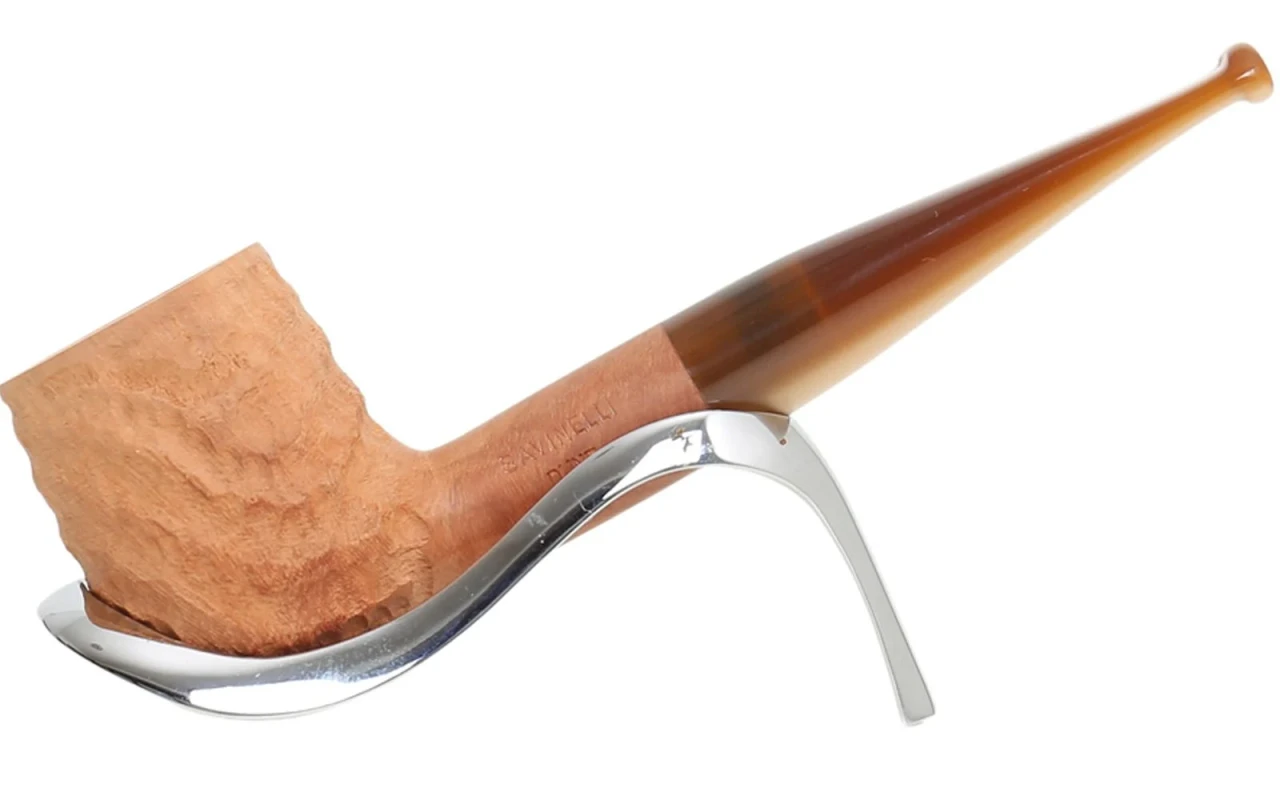
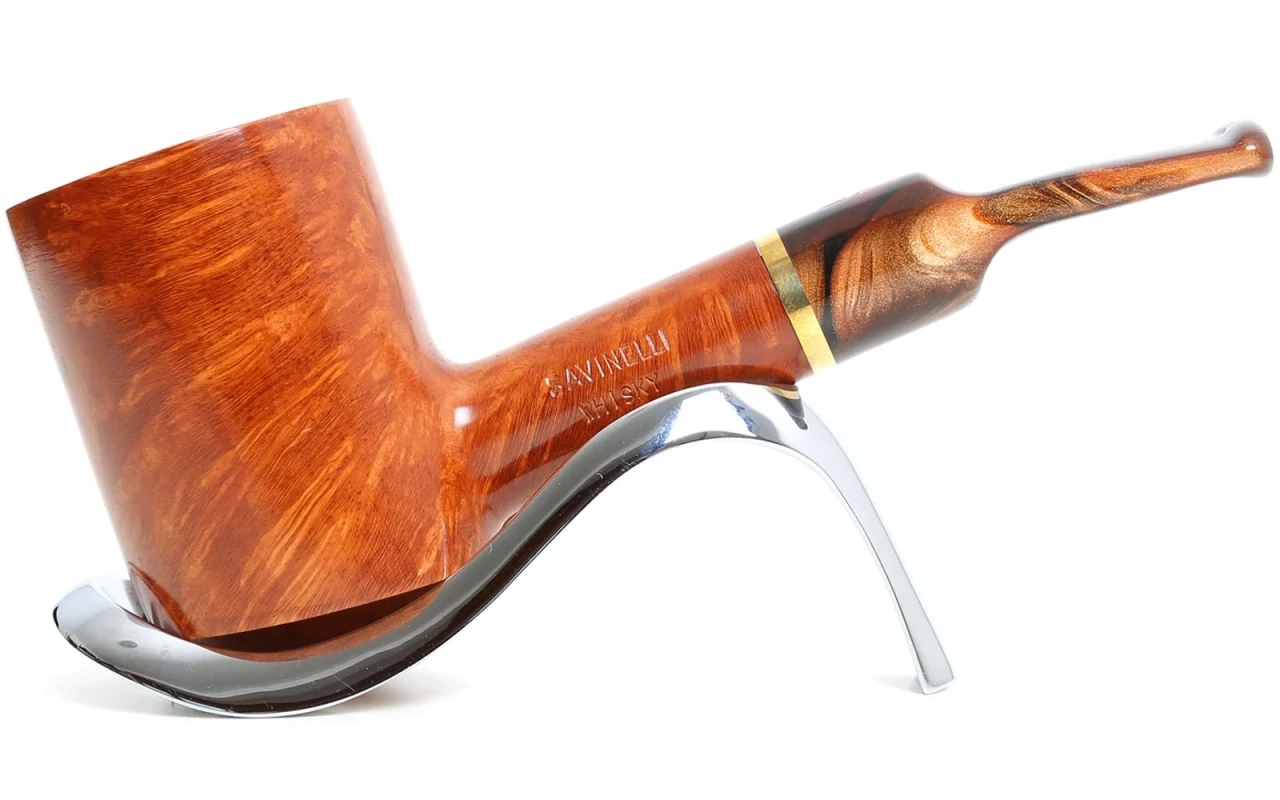
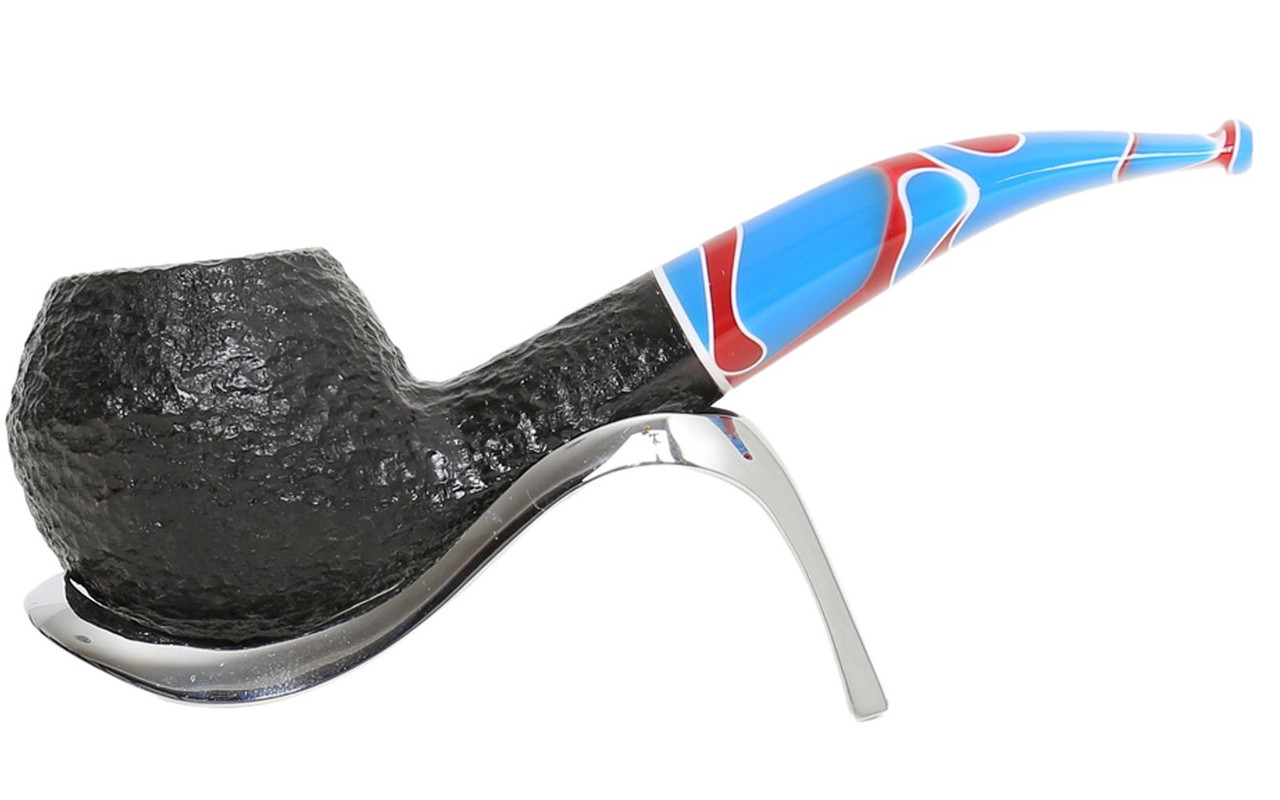
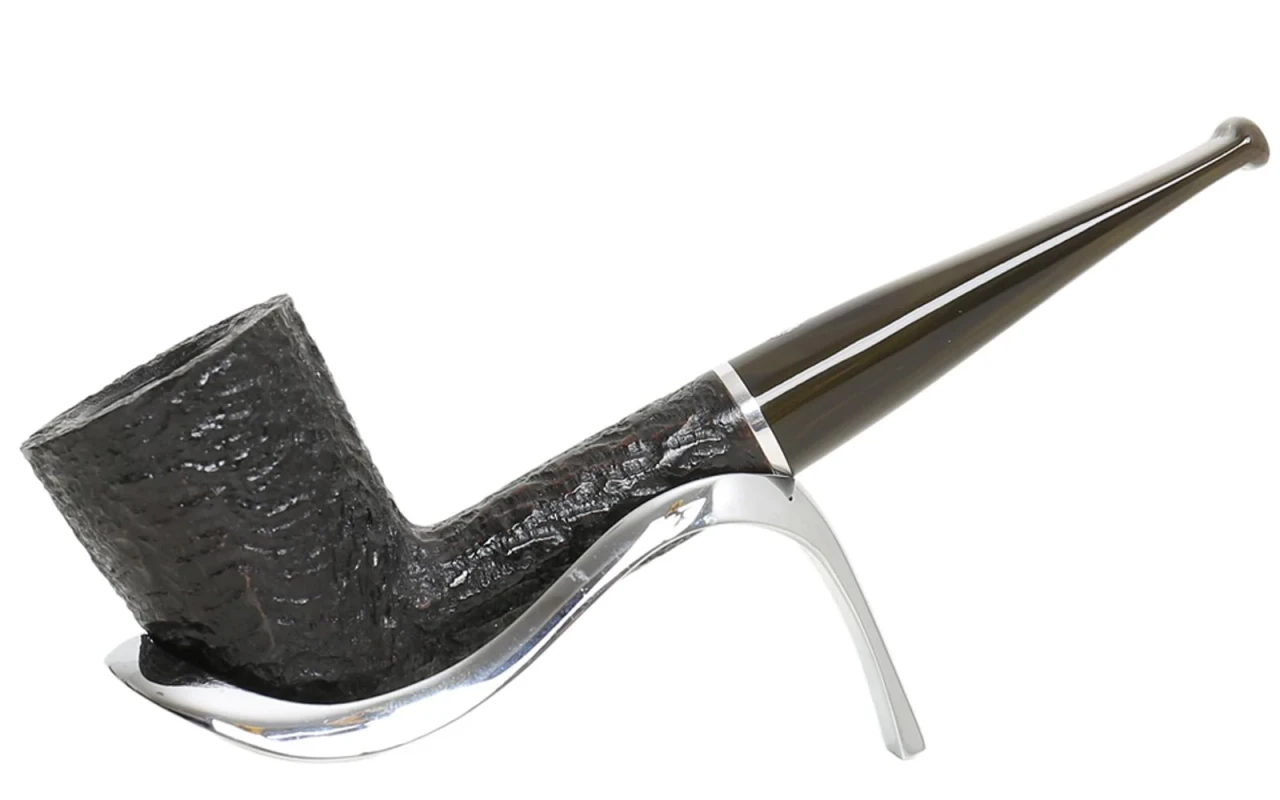
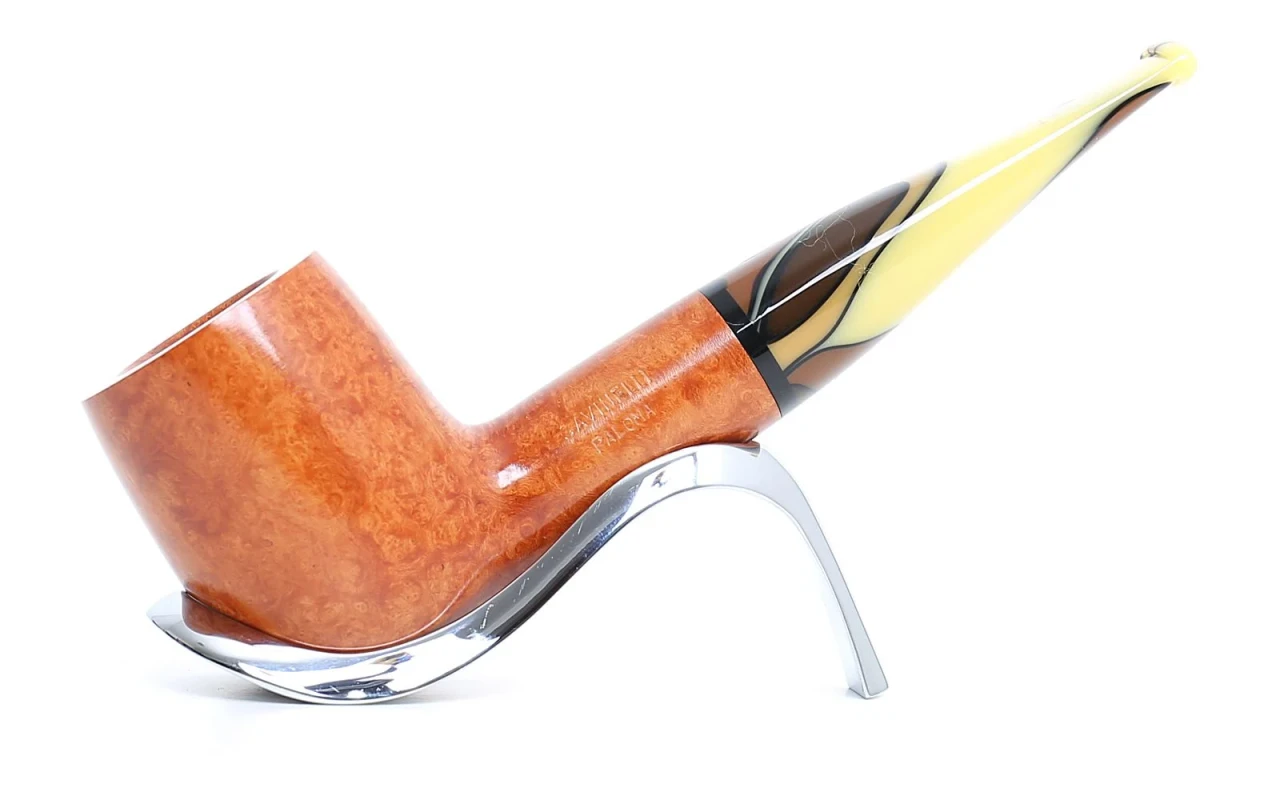
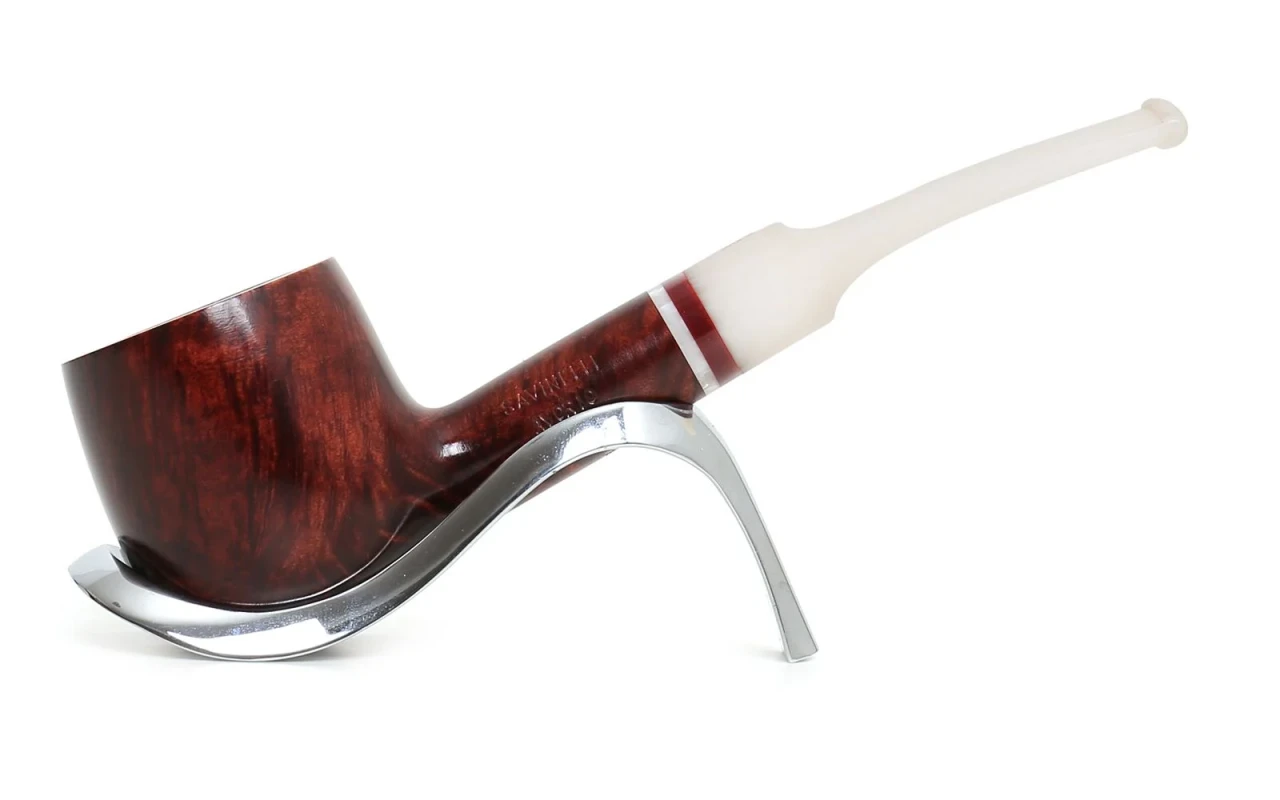
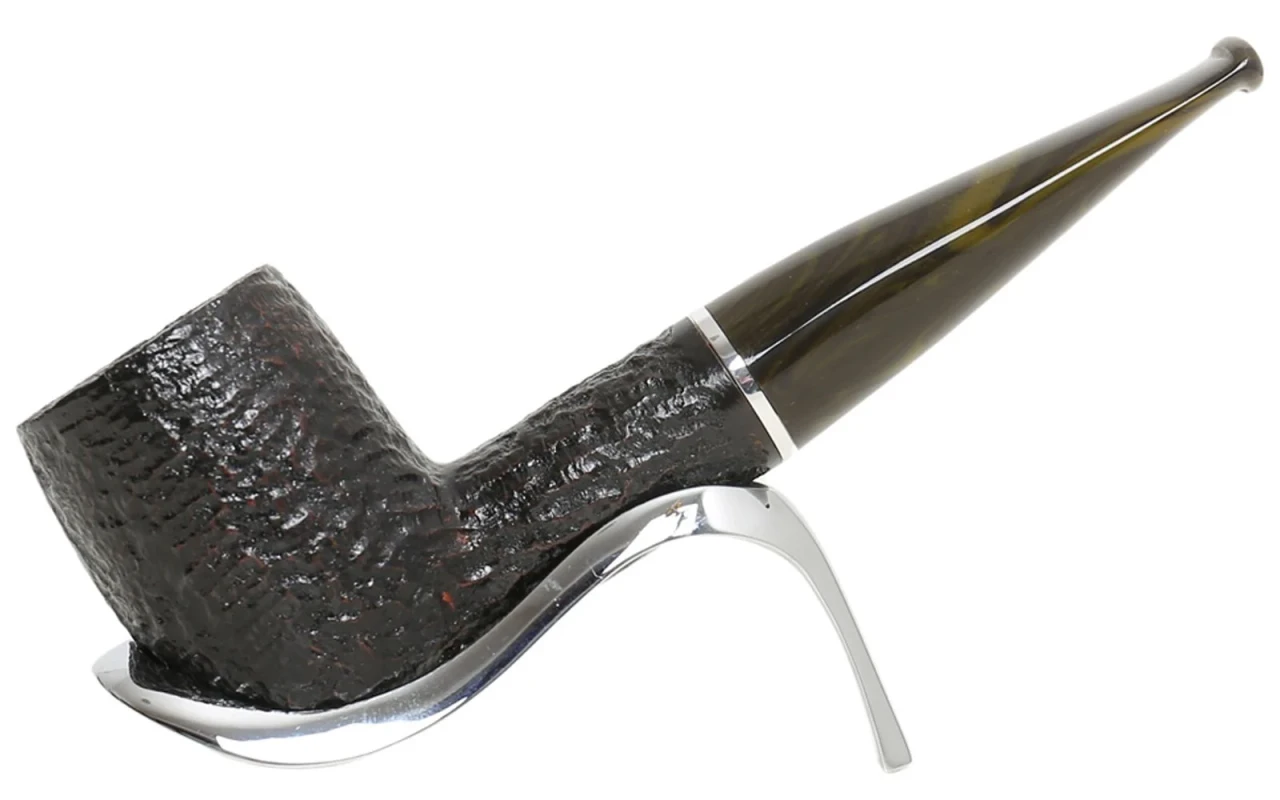
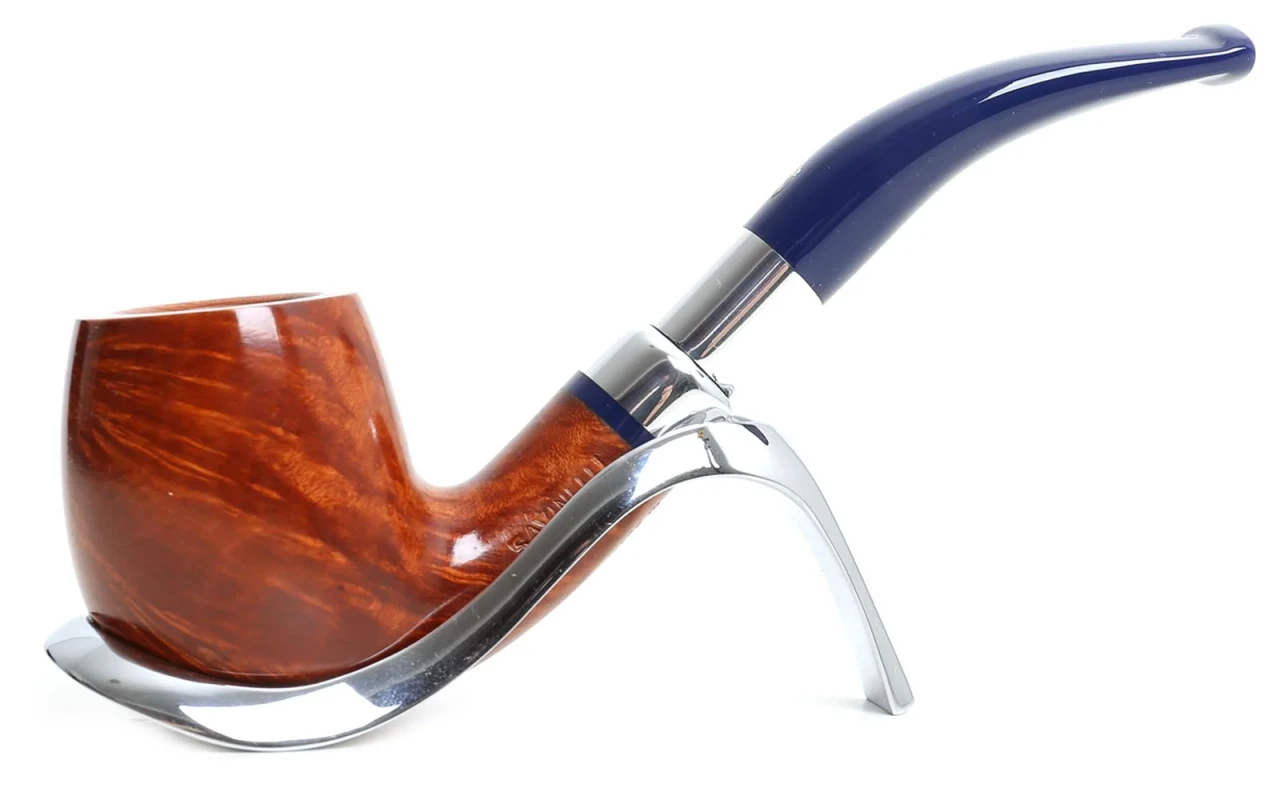
Resistance and workability of materials for pipes
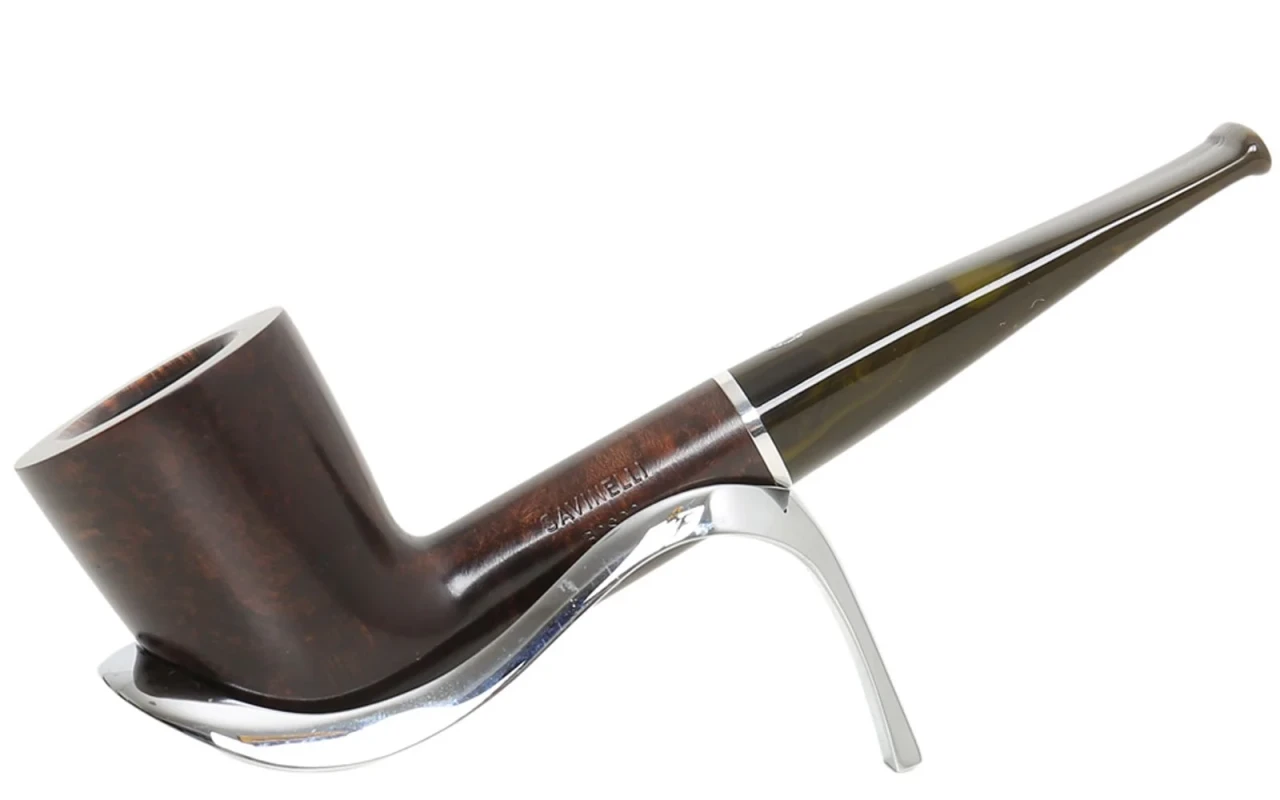
Resistance and workability of materials for pipes are two fundamental characteristics to consider when choosing the most suitable material for pipe manufacturing. Resistance is essential to ensure the durability and safety of pipes, especially when they are subjected to pressure or mechanical stress. Materials such as stainless steel, carbon steel, and PVC are known for their high resistance. On the other hand, workability is important for the ease with which the material can be shaped and assembled during the pipe production process. Materials like PVC, copper, and steel are appreciated for their workability, allowing for easy installation and maintenance of pipelines.
Best Materials for Smoking Pipes
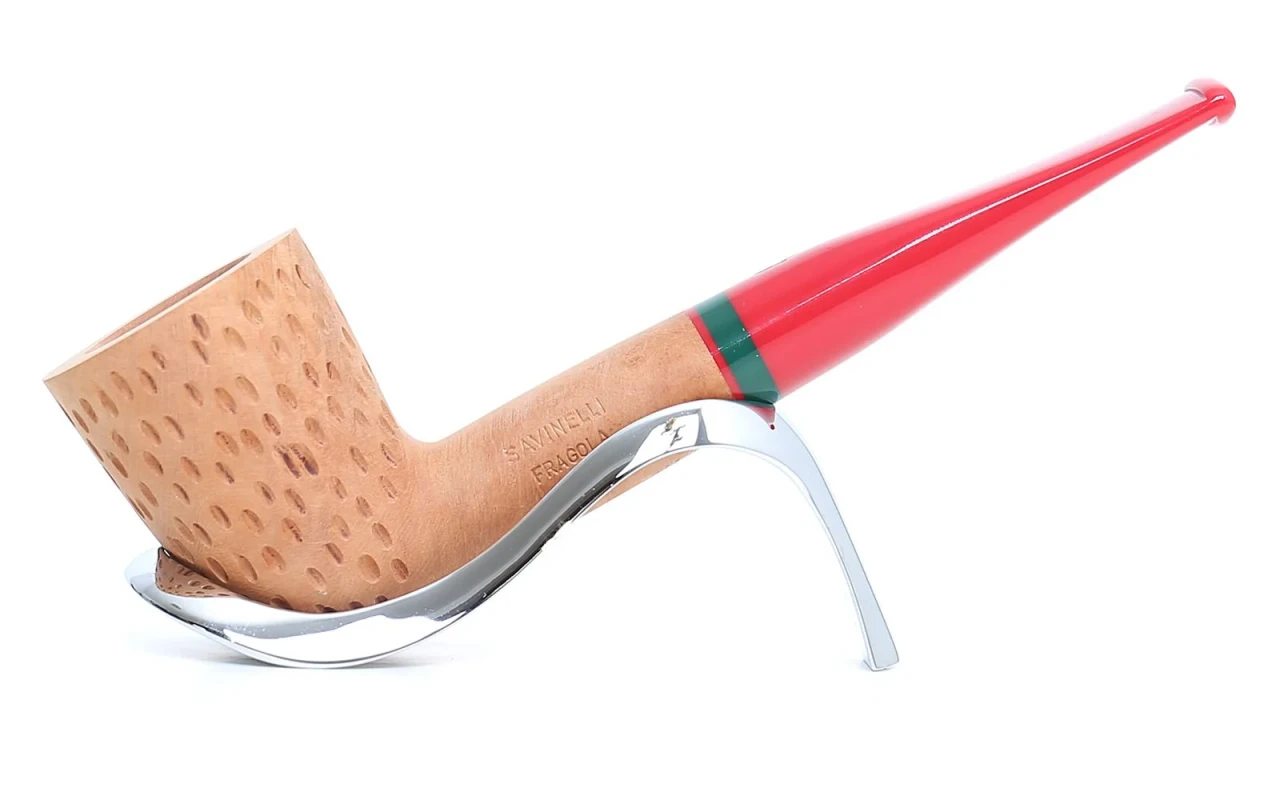
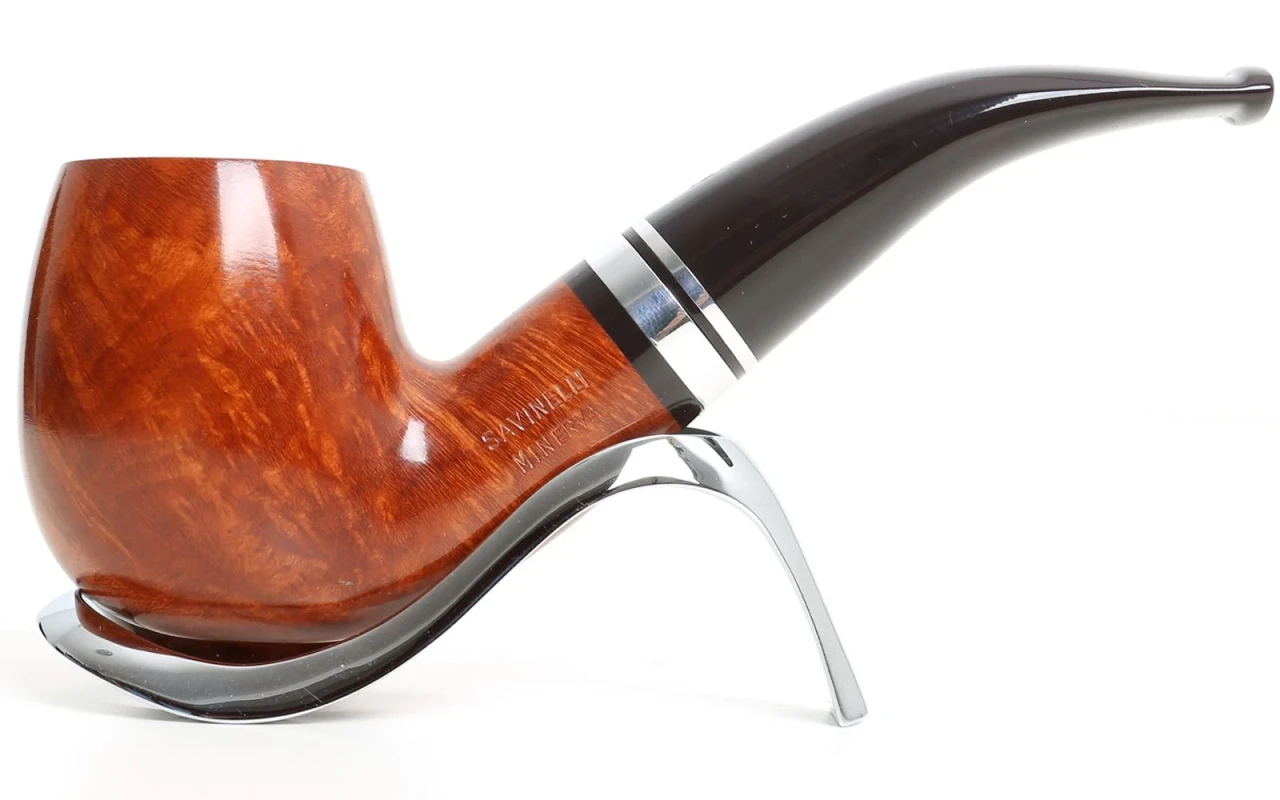
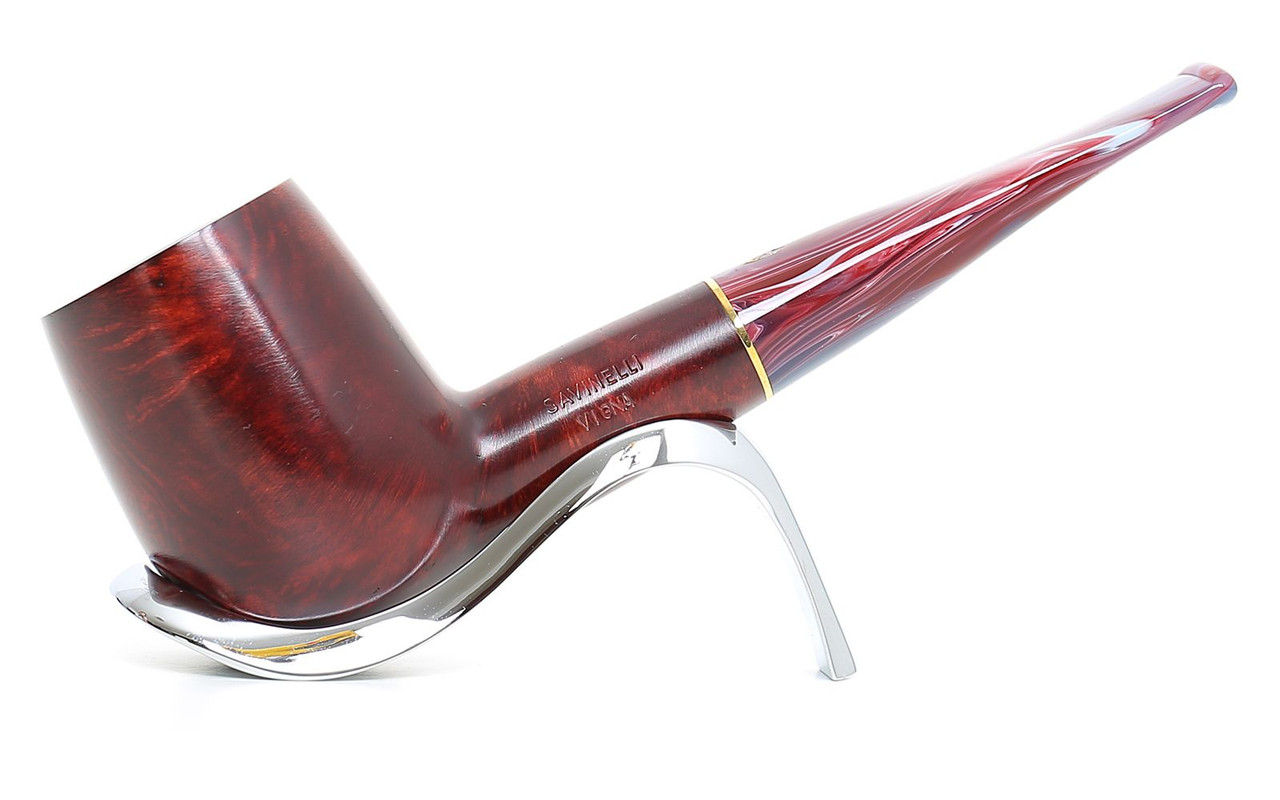
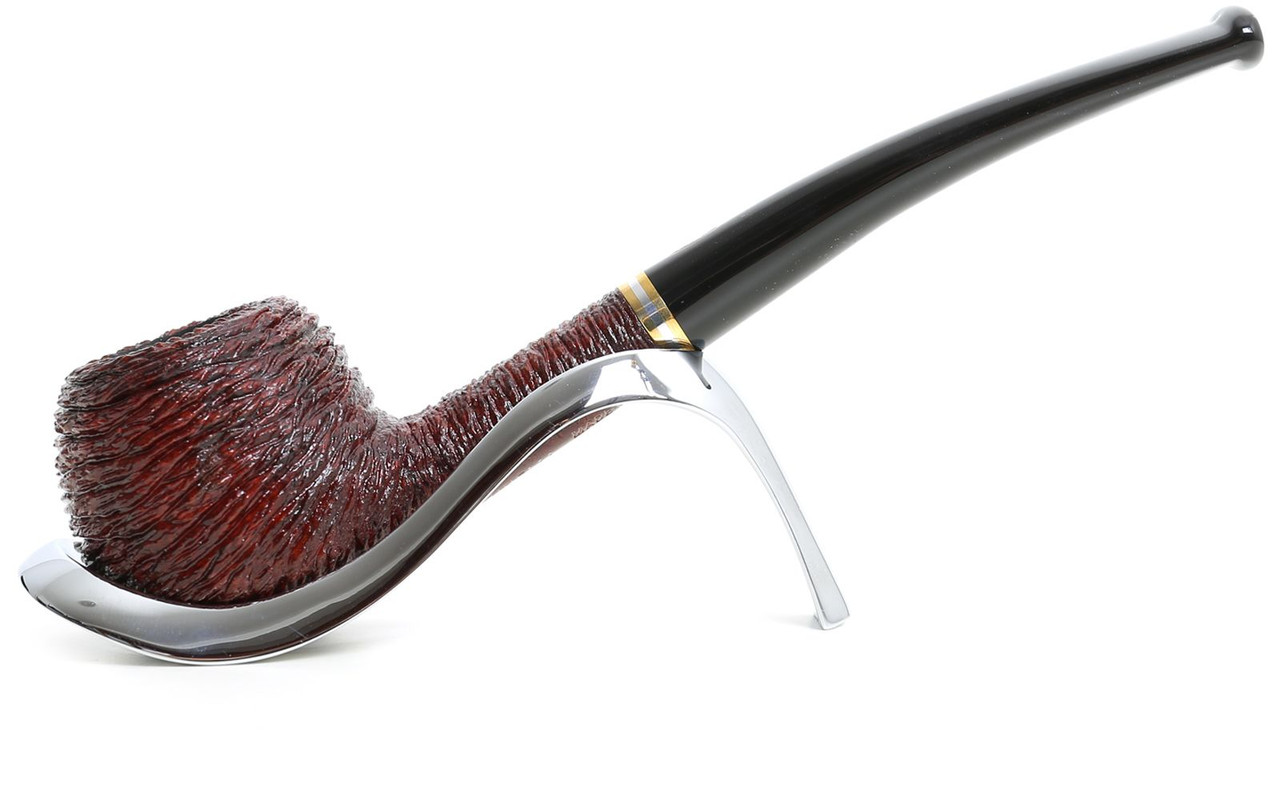
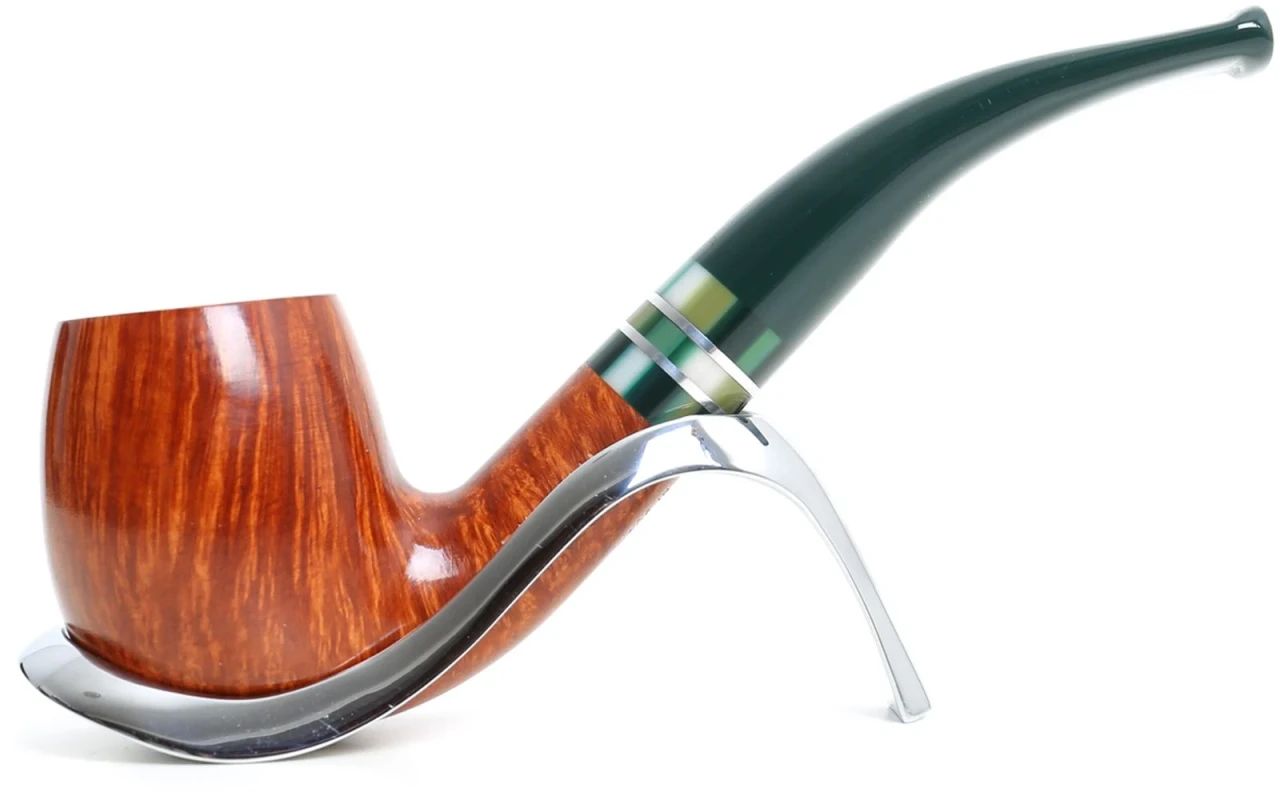
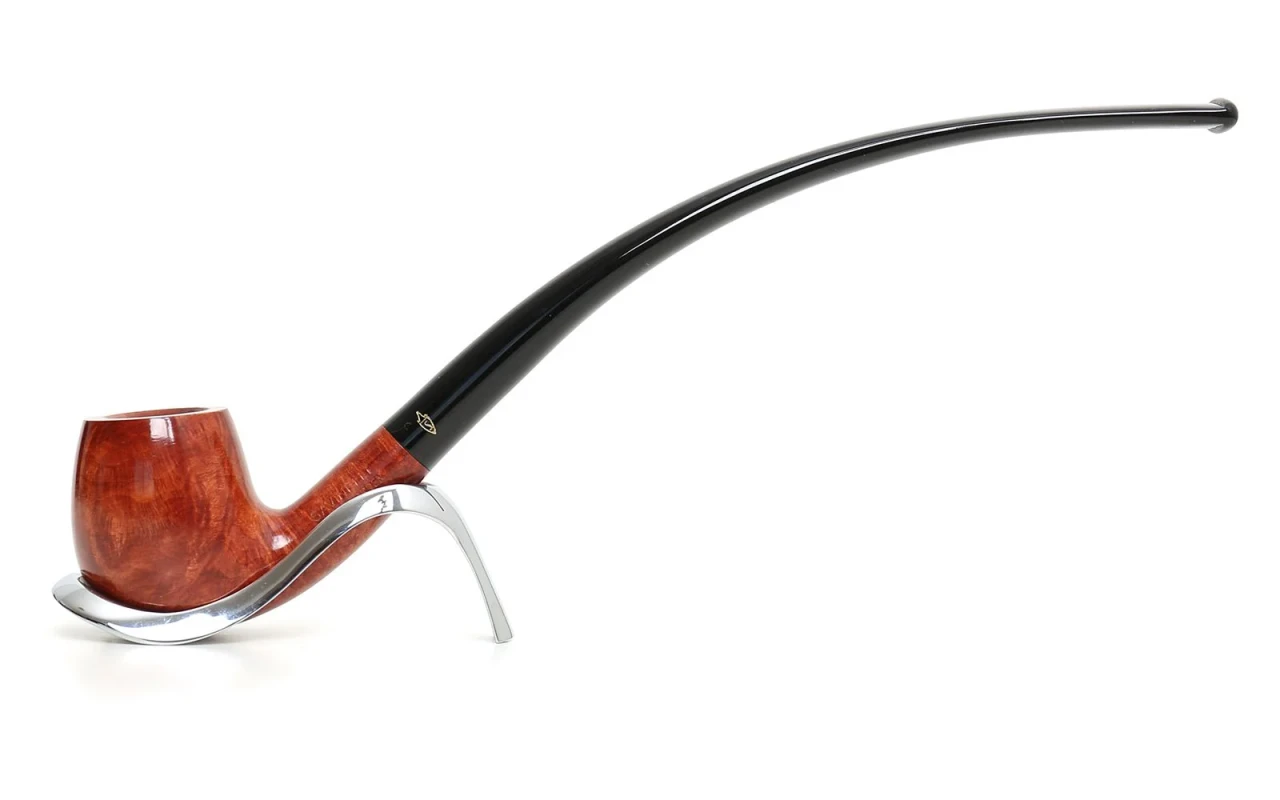
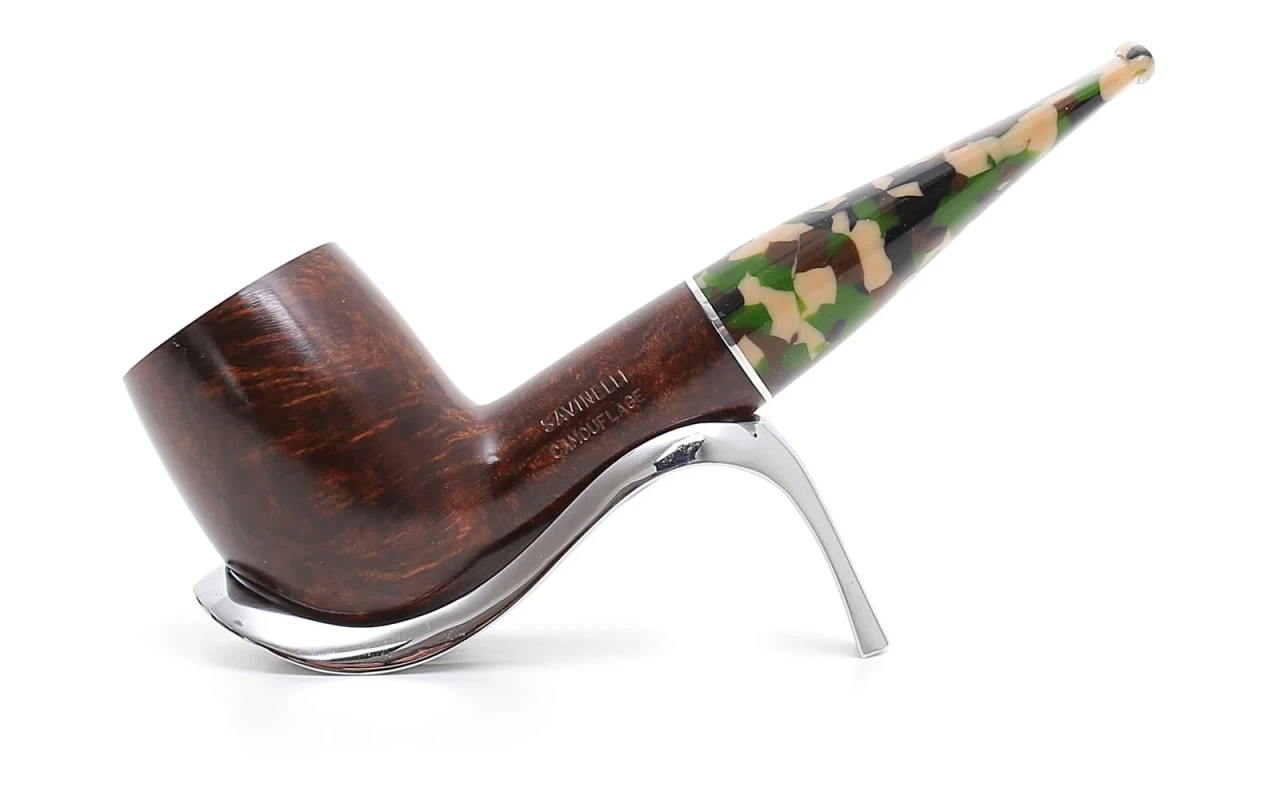
The most commonly used materials for crafting high-quality smoking pipes are:- Briar wood: lightweight and durable, promotes good combustion and absorbs moisture.- Oak wood: provides a smooth and uniform finish, ensuring long-lasting durability.- Meerschaum: a porous stone that absorbs nicotine residues and develops a unique patina with use.- Clay: lightweight and porous, allows for a cool and dry smoke.- Corn cob: economical and lightweight, absorbs moisture and prevents the pipe from overheating.The choice of material depends on personal preferences and the smoker's experience.
Traditional Materials for Pipe Construction
The most common traditional material for pipe construction is Erica arborea briar root, also known as briar. This wood from the briar plant is particularly suitable for making smoking pipes due to its heat resistance and ability to absorb moisture. Other traditional materials used include corn, clay, and ebony. The choice of material influences the characteristics and taste of the pipe, creating unique smoking experiences for enthusiasts. The craftsmanship of these materials requires skill and precision to create high-quality pipes.
Duration and maintenance of smoking pipes
The duration and maintenance of smoking pipes depend on various factors. Firstly, the lifespan of a pipe is influenced by the construction material: high-quality briar pipes can last for decades if properly cared for. It is important to clean the pipe regularly after each use to prevent the accumulation of tobacco residues and moisture that can damage it over time. Additionally, it is advisable to regularly replace the filter and check the condition of the draft hole to ensure optimal smoking and preserve the longevity of the pipe.
'%3e%3cg id='Final-Copy-2_2_' transform='translate(1275.000000, 200.000000)'%3e%3cpath class='st0' d='M7.4,12.8h6.8l3.1-11.6H7.4C4.2,1.2,1.6,3.8,1.6,7S4.2,12.8,7.4,12.8z'/%3e%3c/g%3e%3c/g%3e%3c/g%3e%3cg id='final---dec.11-2020'%3e%3cg id='_x30_208-our-toggle' transform='translate(-1275.000000, -200.000000)'%3e%3cg id='Final-Copy-2' transform='translate(1275.000000, 200.000000)'%3e%3cpath class='st1' d='M22.6,0H7.4c-3.9,0-7,3.1-7,7s3.1,7,7,7h15.2c3.9,0,7-3.1,7-7S26.4,0,22.6,0z M1.6,7c0-3.2,2.6-5.8,5.8-5.8 h9.9l-3.1,11.6H7.4C4.2,12.8,1.6,10.2,1.6,7z'/%3e%3cpath id='x' class='st2' d='M24.6,4c0.2,0.2,0.2,0.6,0,0.8l0,0L22.5,7l2.2,2.2c0.2,0.2,0.2,0.6,0,0.8c-0.2,0.2-0.6,0.2-0.8,0 l0,0l-2.2-2.2L19.5,10c-0.2,0.2-0.6,0.2-0.8,0c-0.2-0.2-0.2-0.6,0-0.8l0,0L20.8,7l-2.2-2.2c-0.2-0.2-0.2-0.6,0-0.8 c0.2-0.2,0.6-0.2,0.8,0l0,0l2.2,2.2L23.8,4C24,3.8,24.4,3.8,24.6,4z'/%3e%3cpath id='y' class='st3' d='M12.7,4.1c0.2,0.2,0.3,0.6,0.1,0.8l0,0L8.6,9.8C8.5,9.9,8.4,10,8.3,10c-0.2,0.1-0.5,0.1-0.7-0.1l0,0 L5.4,7.7c-0.2-0.2-0.2-0.6,0-0.8c0.2-0.2,0.6-0.2,0.8,0l0,0L8,8.6l3.8-4.5C12,3.9,12.4,3.9,12.7,4.1z'/%3e%3c/g%3e%3c/g%3e%3c/g%3e%3c/g%3e%3c/svg%3e) Your Privacy Choices
Your Privacy Choices 


