 ES
ES FR
FR EN
EN IT
IT DE
DE
High-quality Erica and Briar Wood for Pipes
High-quality Erica and Briar Wood for Pipes
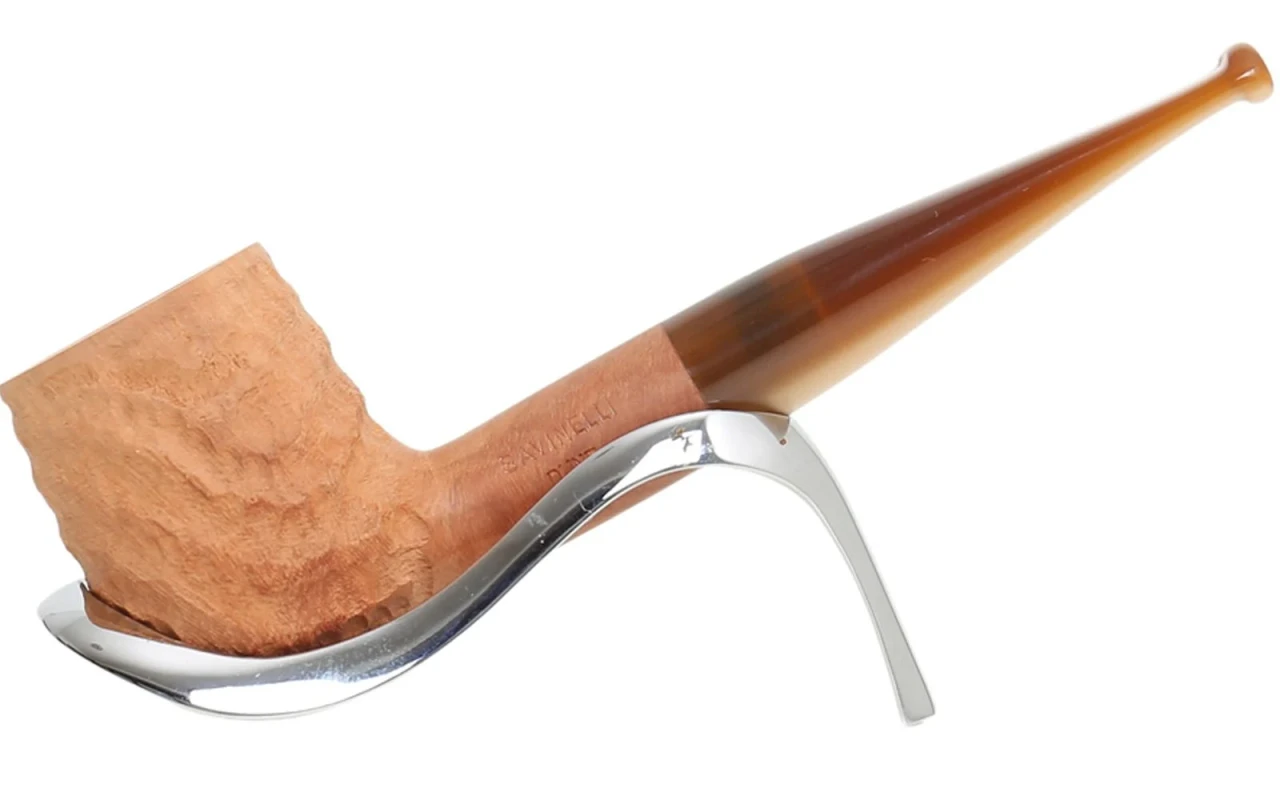
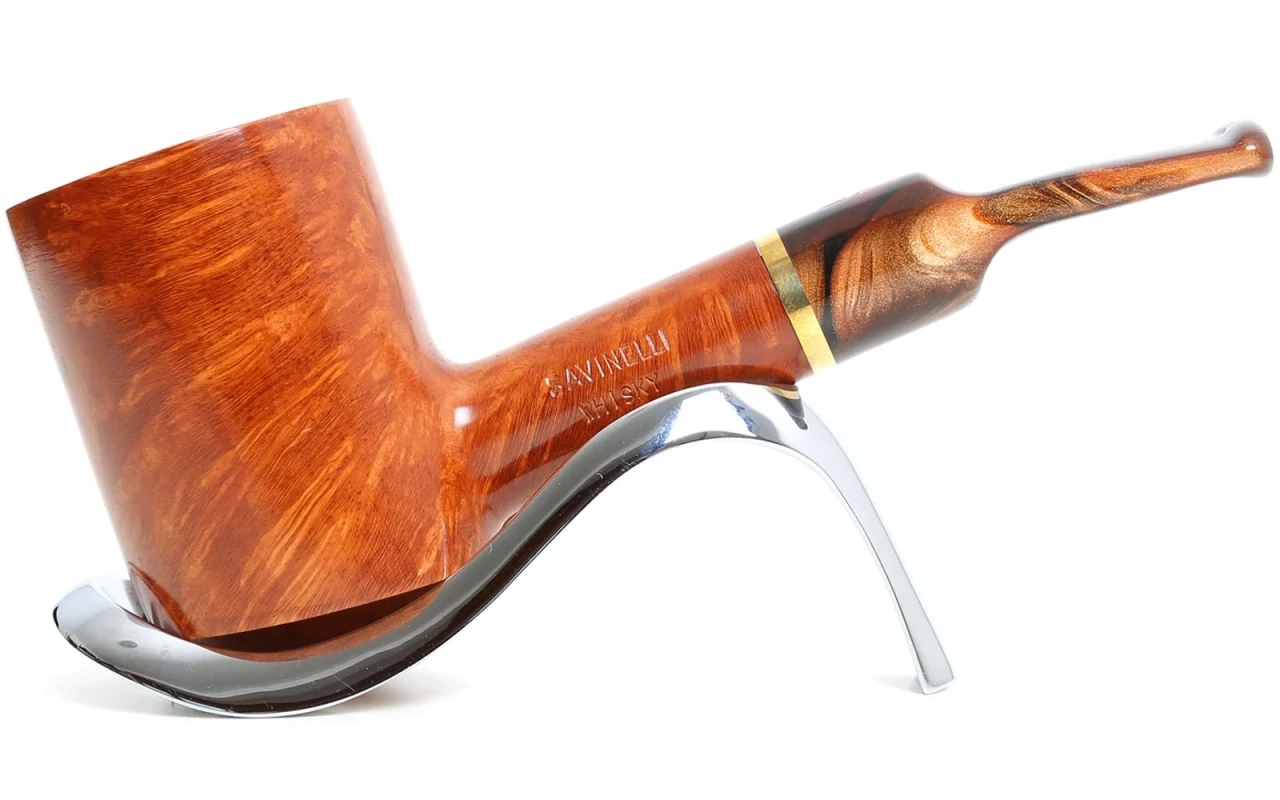
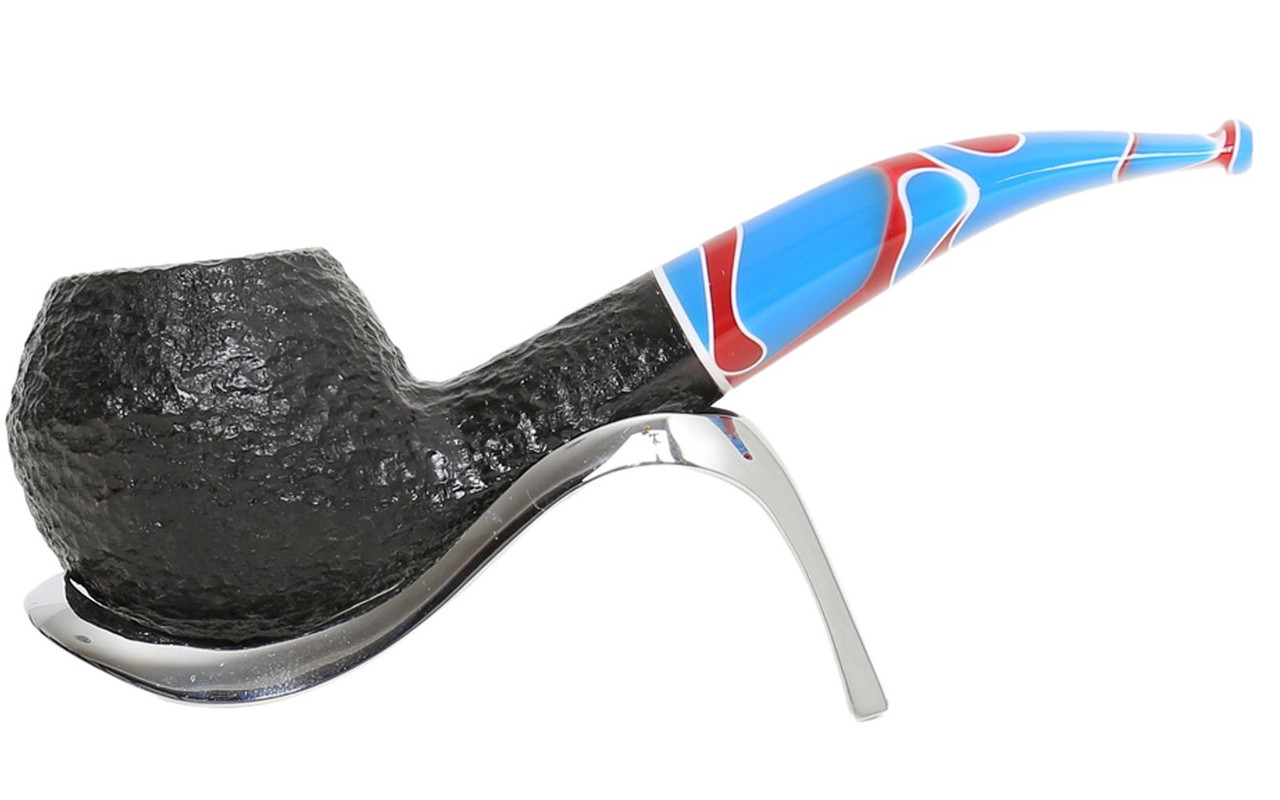
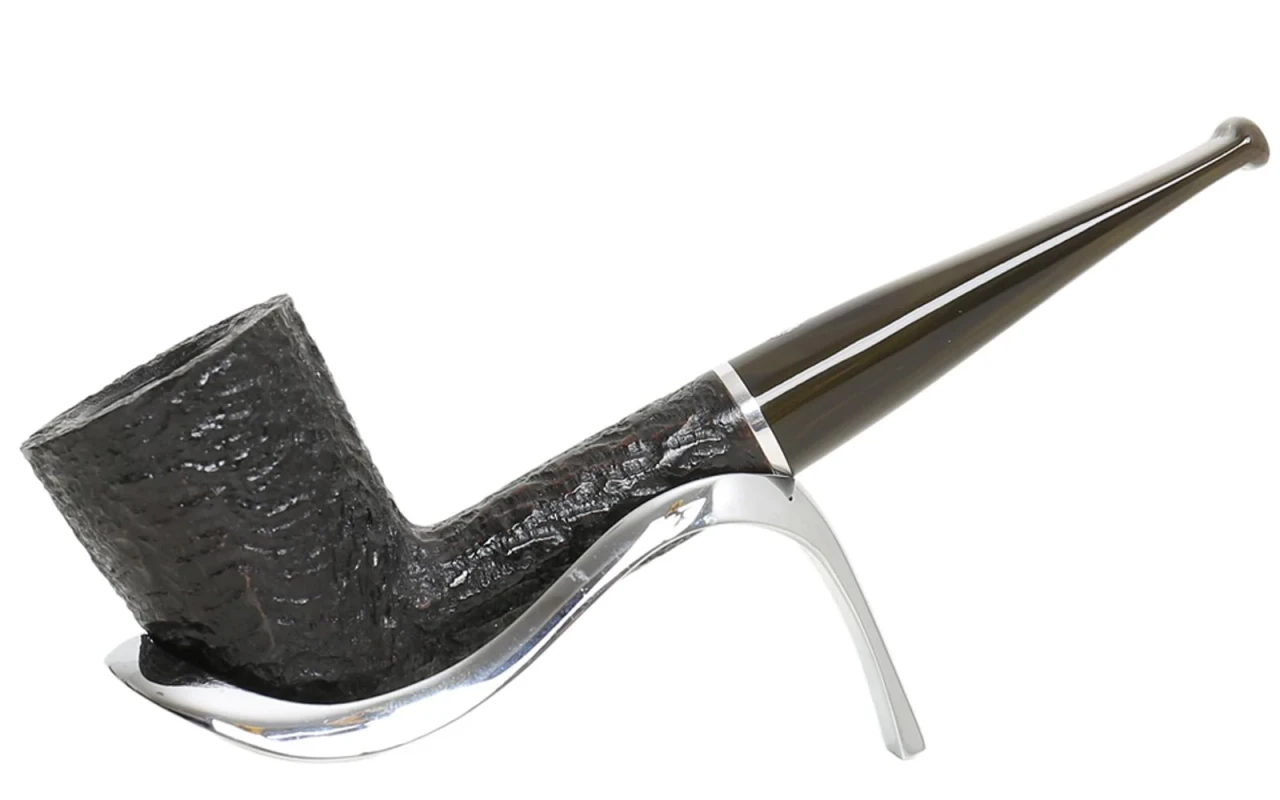
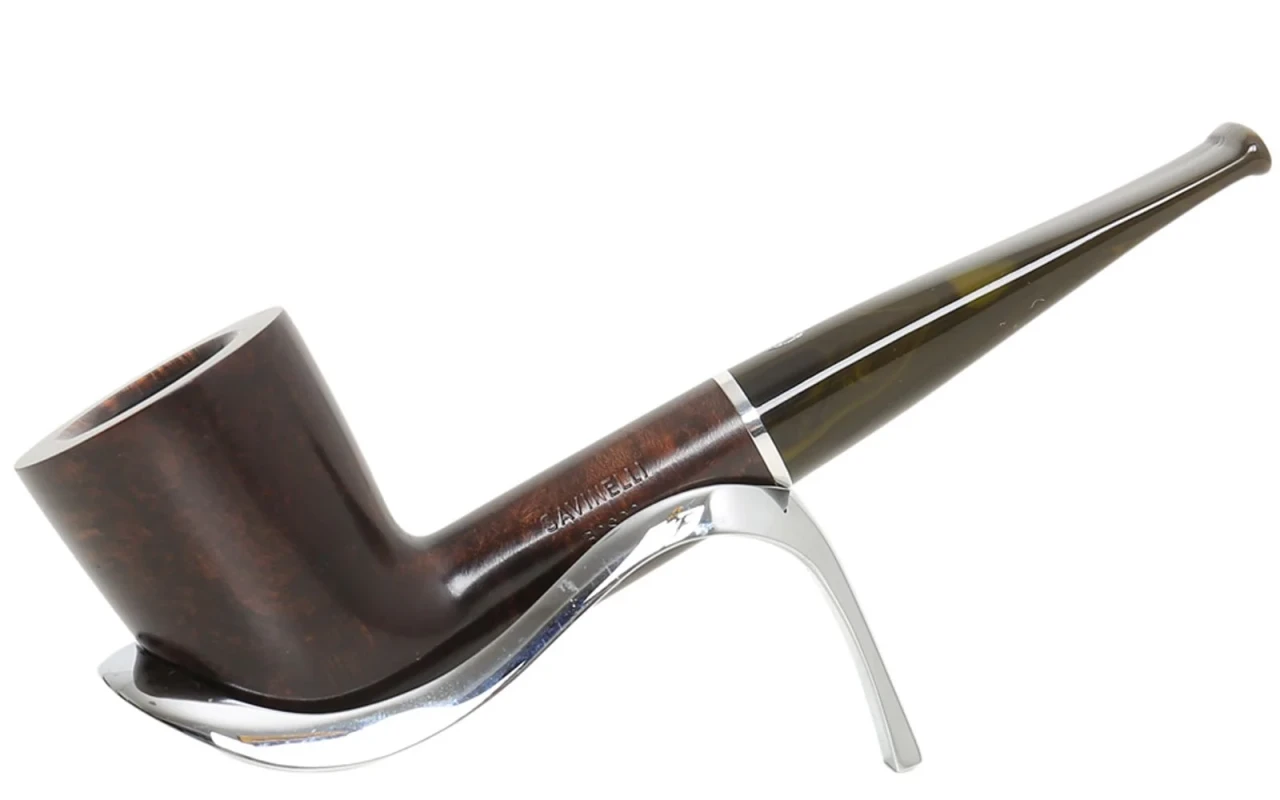
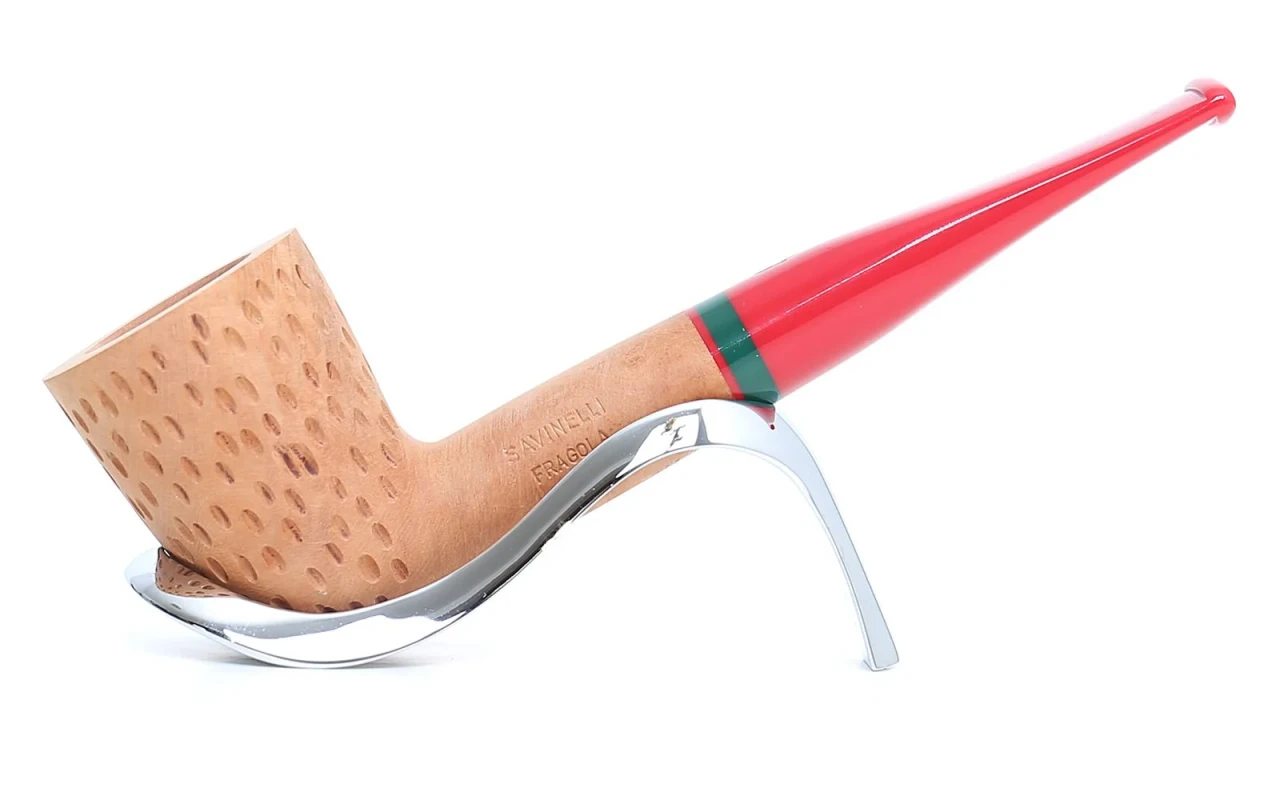
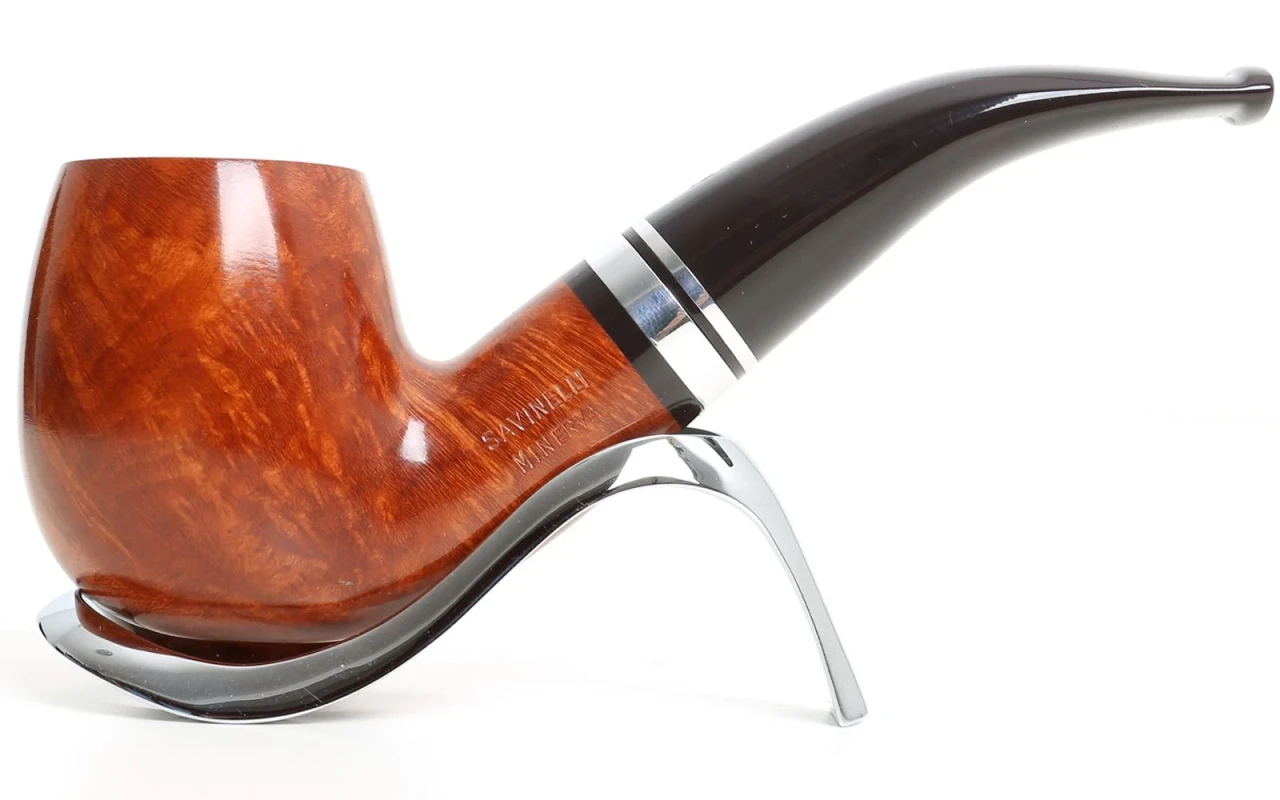
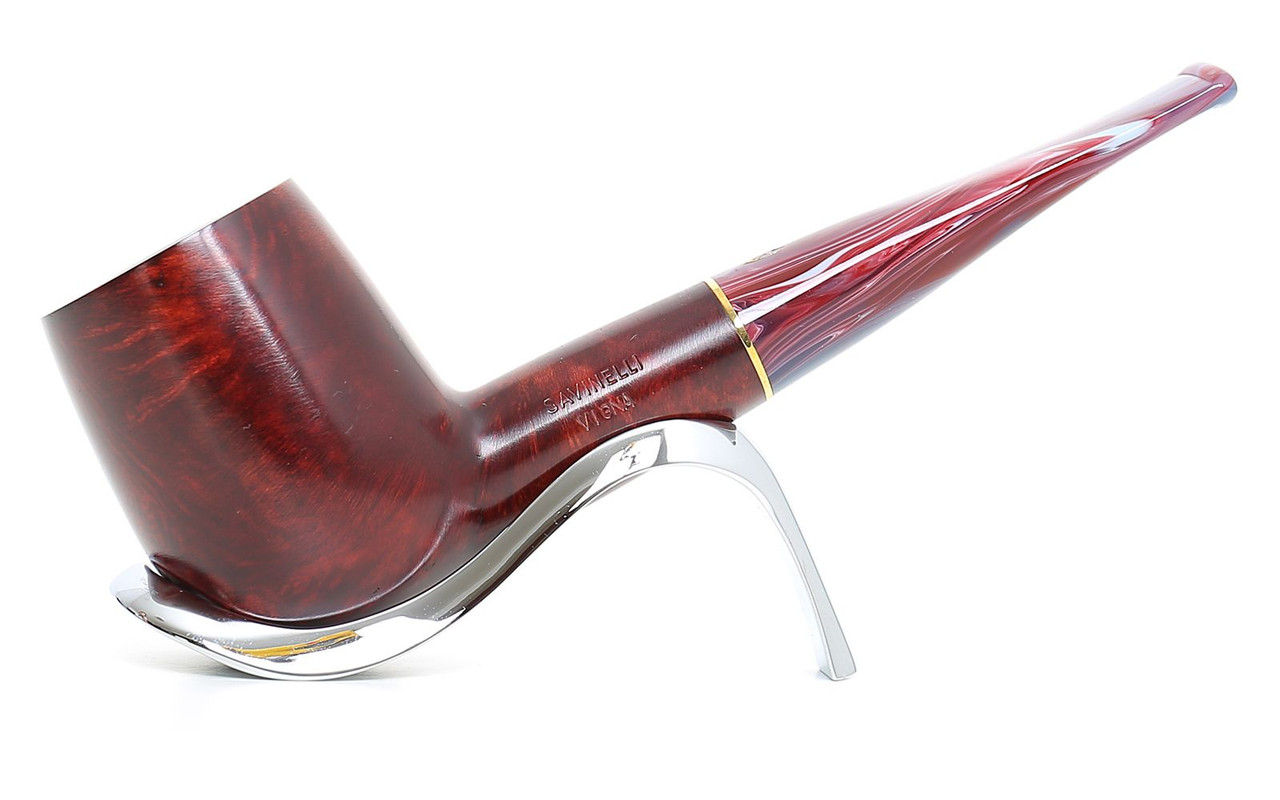
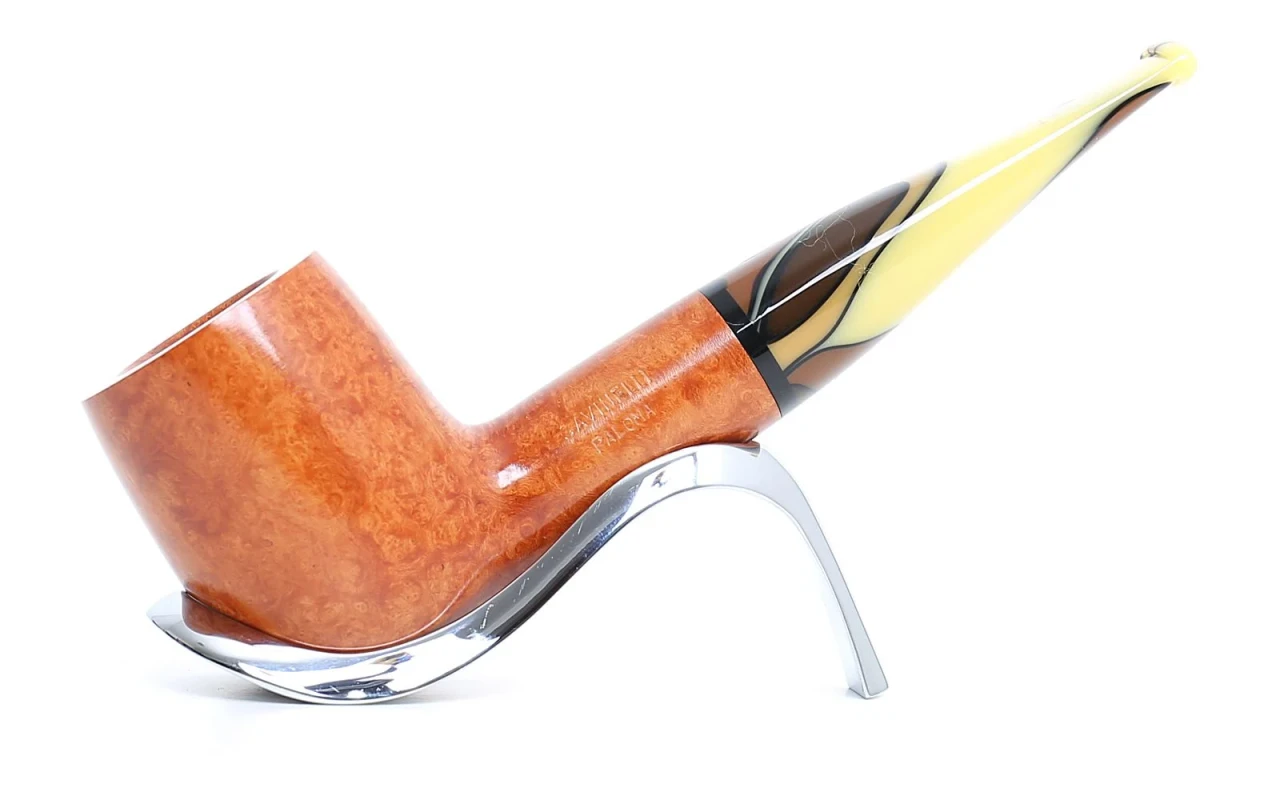
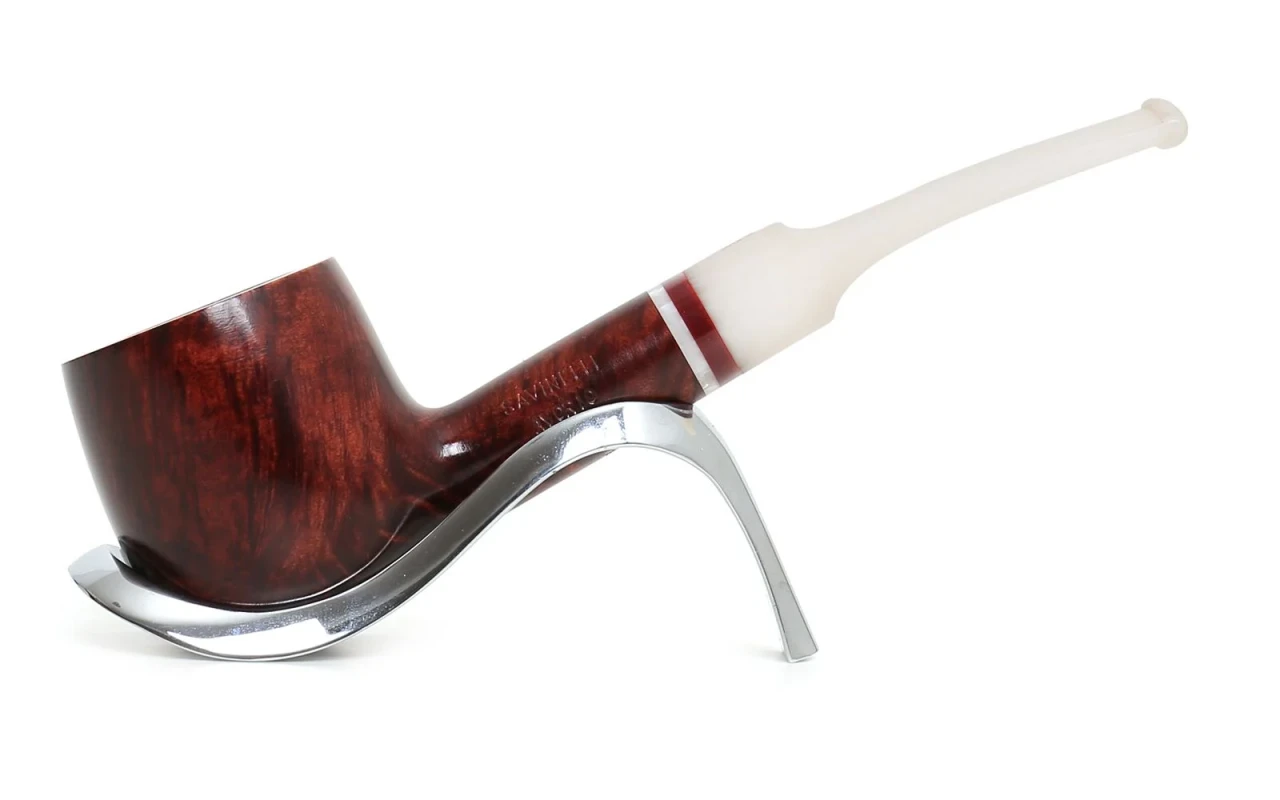
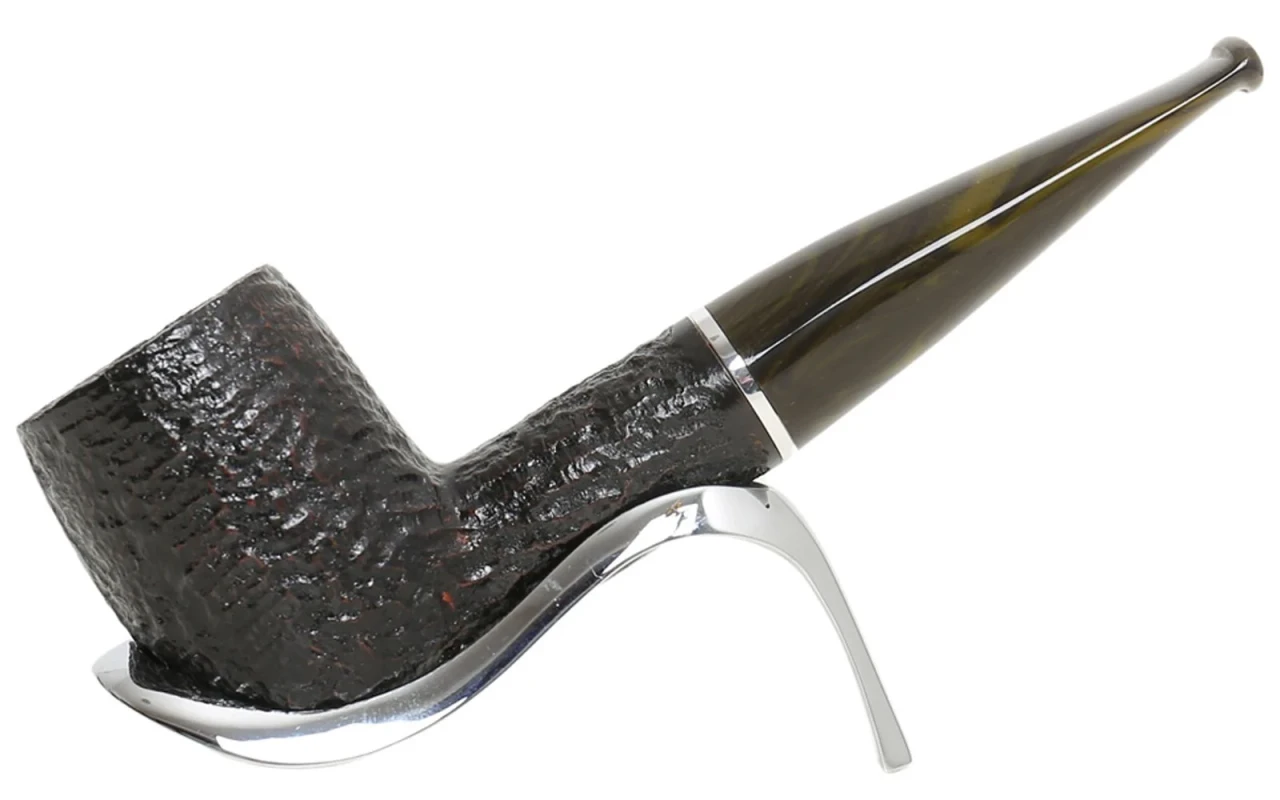
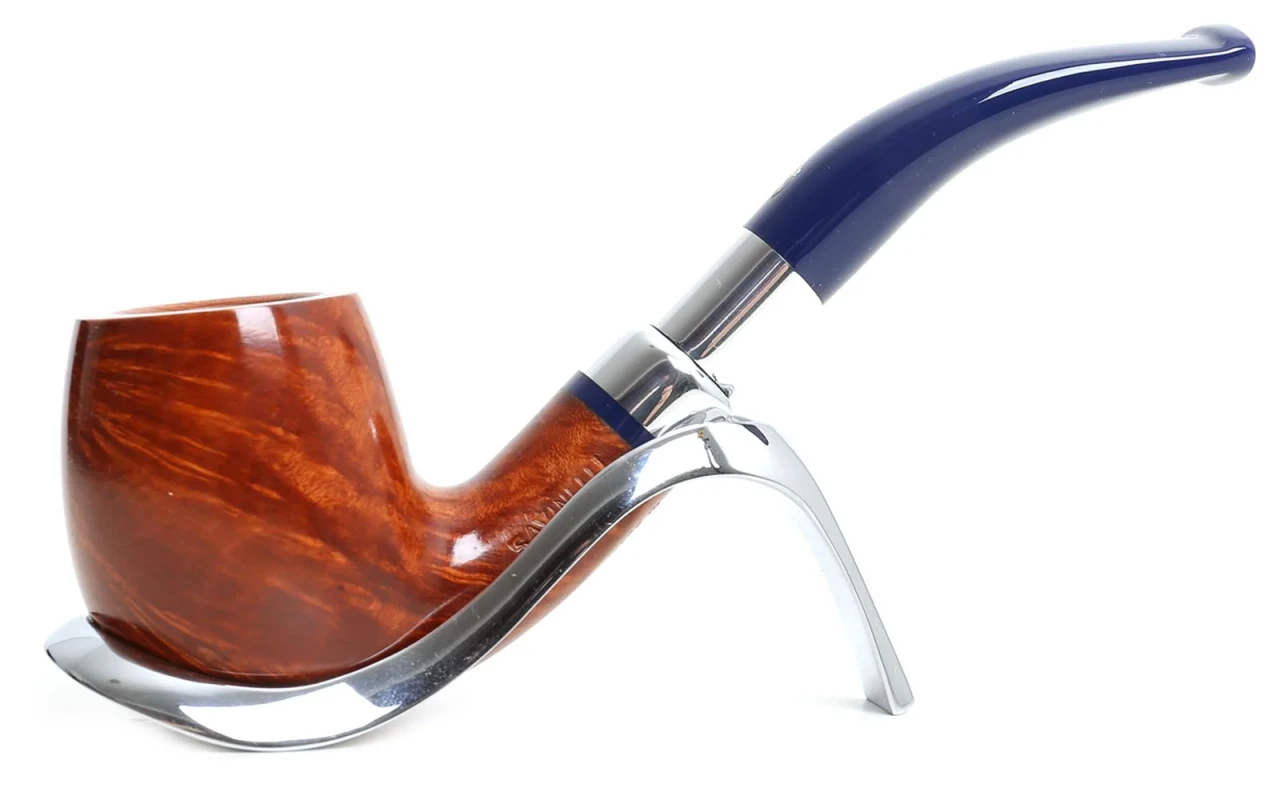
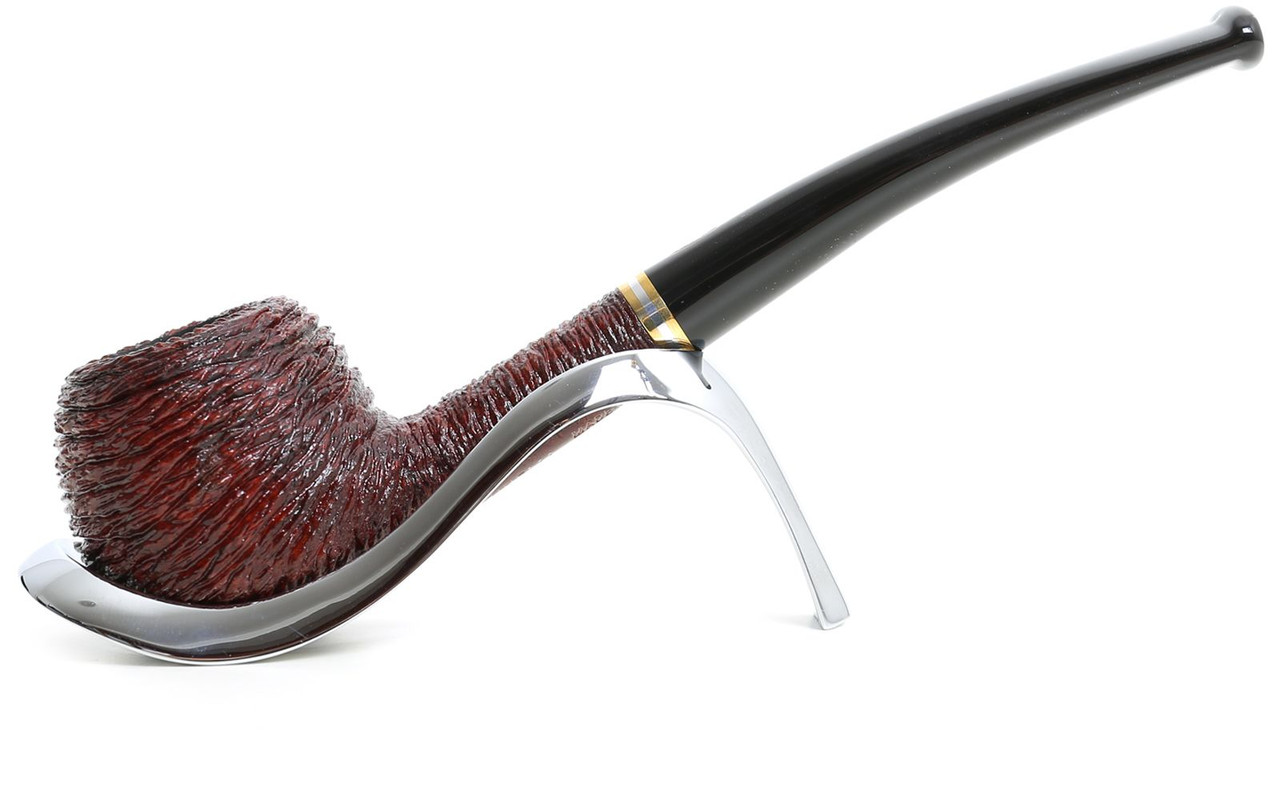
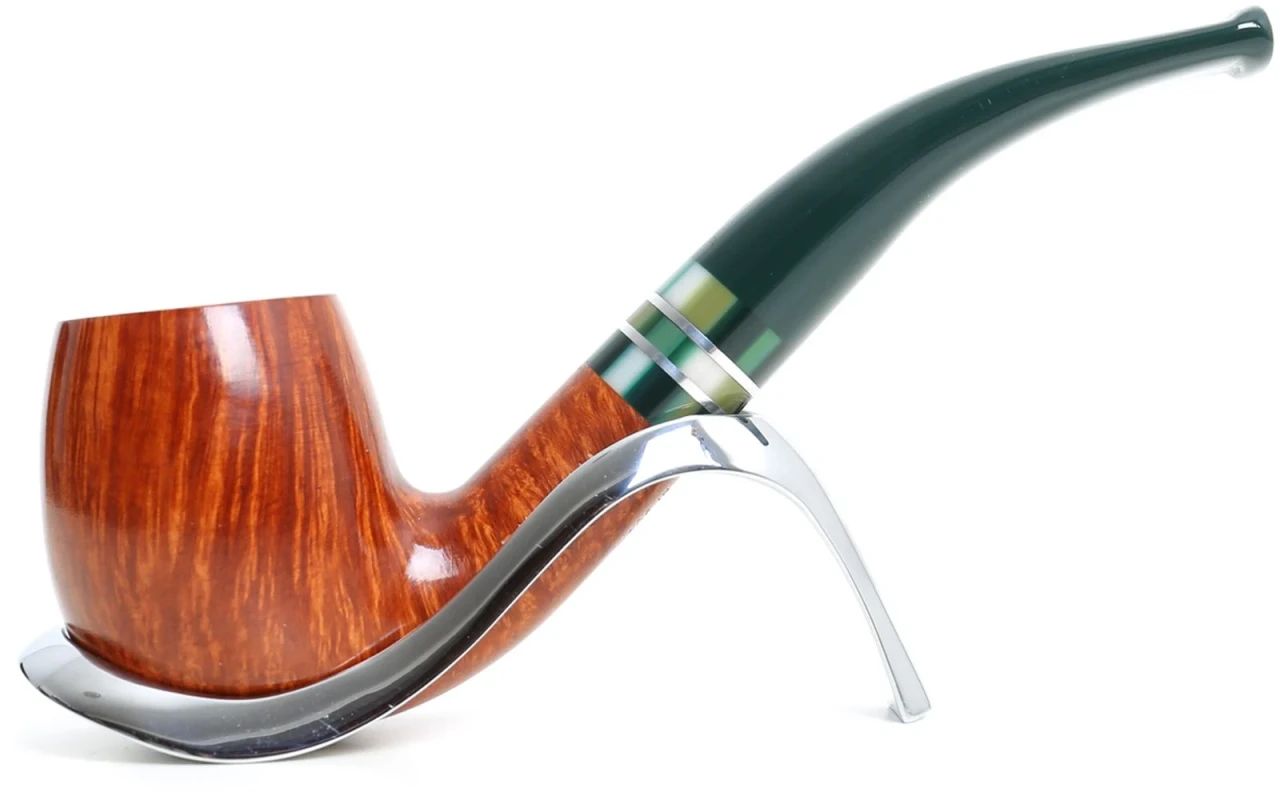
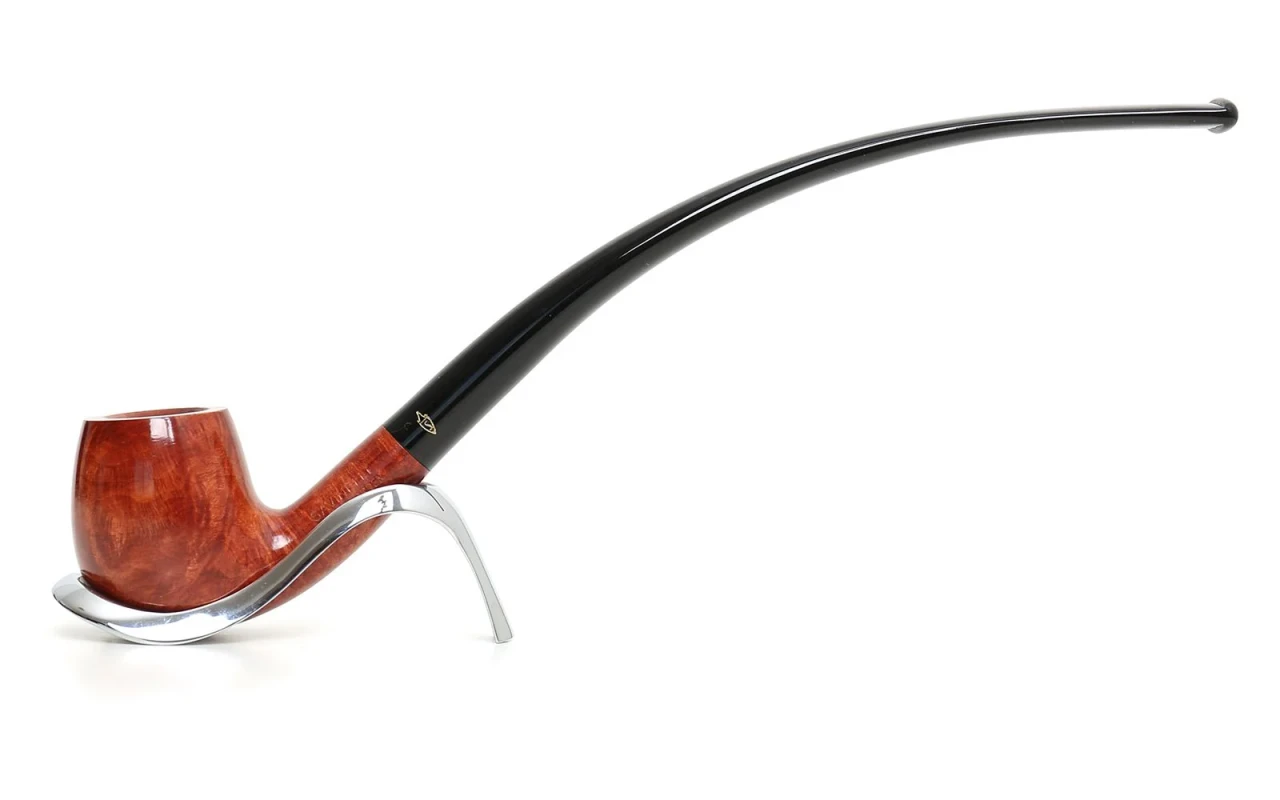
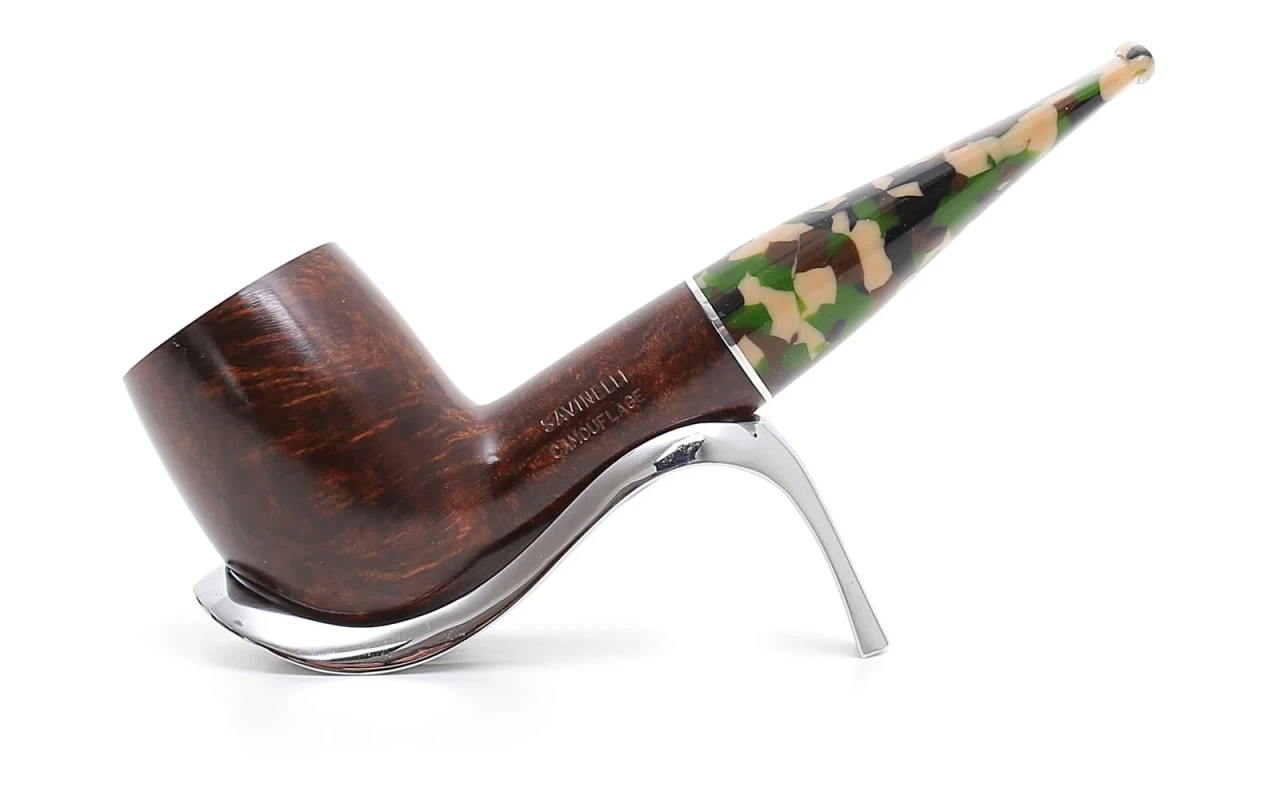
Erica and briar wood are precious materials commonly used in the crafting of high-quality pipes. Erica wood is valued for its heat and flame resistance, while briar wood is renowned for its ability to absorb moisture, ensuring a drier and cooler smoke. These woods are meticulously crafted to create unique and elegant pipes, cherished by pipe tobacco enthusiasts. Pipes made with erica and briar wood are regarded as among the finest on the market for their beauty, durability, and unmatched performance.
High-Quality Pipe Materials
High-quality pipe materials vary depending on the individual preferences of pipe smokers. However, the most common and appreciated materials include:- Briar wood: lightweight and durable, offering excellent heat dissipation.- Ebony wood: hard wood with a smooth and glossy finish.- Olive wood: dense and long-lasting, with unique and beautiful grain patterns.- Corn cob: lightweight and affordable, with excellent absorbing qualities.- Meerschaum: a porous mineral that colors with use, ensuring a unique pipe over time.The choice of material depends on personal taste and the needs of each pipe smoker.
Differences between briar and heather root
Heather root and briar are both materials used in the production of high-quality smoking pipes. The main differences between the two materials are as follows:- Heather root is light and generally has a lighter color compared to briar, which is darker and denser.- Heather root tends to absorb less moisture than briar, which can impact the taste and tobacco combustion.- Briar is generally considered the most prized material for making pipes, while heather root is valued for its lightness and durability.In summary, while briar is more common and renowned in the world of smoking pipes, heather root offers unique characteristics that make it an interesting choice for some enthusiasts.
Maintenance of briar pipes
Maintaining briar pipes is essential to ensure optimal performance and extend their lifespan. Here are some useful tips:- After each use, gently clean the inside of the pipe with a dedicated pipe cleaner.- Avoid overloading the pipe excessively with tobacco to prevent damage.- Periodically, remove any tar residues with a specific scraper.- Store the pipe in a cool and dry place to prevent the briar from deteriorating.- Once a year, it is advisable to perform a more thorough cleaning with denatured alcohol.By following these simple practices, you can enjoy your briar pipe for a long time.
'%3e%3cg id='Final-Copy-2_2_' transform='translate(1275.000000, 200.000000)'%3e%3cpath class='st0' d='M7.4,12.8h6.8l3.1-11.6H7.4C4.2,1.2,1.6,3.8,1.6,7S4.2,12.8,7.4,12.8z'/%3e%3c/g%3e%3c/g%3e%3c/g%3e%3cg id='final---dec.11-2020'%3e%3cg id='_x30_208-our-toggle' transform='translate(-1275.000000, -200.000000)'%3e%3cg id='Final-Copy-2' transform='translate(1275.000000, 200.000000)'%3e%3cpath class='st1' d='M22.6,0H7.4c-3.9,0-7,3.1-7,7s3.1,7,7,7h15.2c3.9,0,7-3.1,7-7S26.4,0,22.6,0z M1.6,7c0-3.2,2.6-5.8,5.8-5.8 h9.9l-3.1,11.6H7.4C4.2,12.8,1.6,10.2,1.6,7z'/%3e%3cpath id='x' class='st2' d='M24.6,4c0.2,0.2,0.2,0.6,0,0.8l0,0L22.5,7l2.2,2.2c0.2,0.2,0.2,0.6,0,0.8c-0.2,0.2-0.6,0.2-0.8,0 l0,0l-2.2-2.2L19.5,10c-0.2,0.2-0.6,0.2-0.8,0c-0.2-0.2-0.2-0.6,0-0.8l0,0L20.8,7l-2.2-2.2c-0.2-0.2-0.2-0.6,0-0.8 c0.2-0.2,0.6-0.2,0.8,0l0,0l2.2,2.2L23.8,4C24,3.8,24.4,3.8,24.6,4z'/%3e%3cpath id='y' class='st3' d='M12.7,4.1c0.2,0.2,0.3,0.6,0.1,0.8l0,0L8.6,9.8C8.5,9.9,8.4,10,8.3,10c-0.2,0.1-0.5,0.1-0.7-0.1l0,0 L5.4,7.7c-0.2-0.2-0.2-0.6,0-0.8c0.2-0.2,0.6-0.2,0.8,0l0,0L8,8.6l3.8-4.5C12,3.9,12.4,3.9,12.7,4.1z'/%3e%3c/g%3e%3c/g%3e%3c/g%3e%3c/g%3e%3c/svg%3e) Your Privacy Choices
Your Privacy Choices 


