 ES
ES FR
FR EN
EN IT
IT DE
DE
Production process of industrial pipes
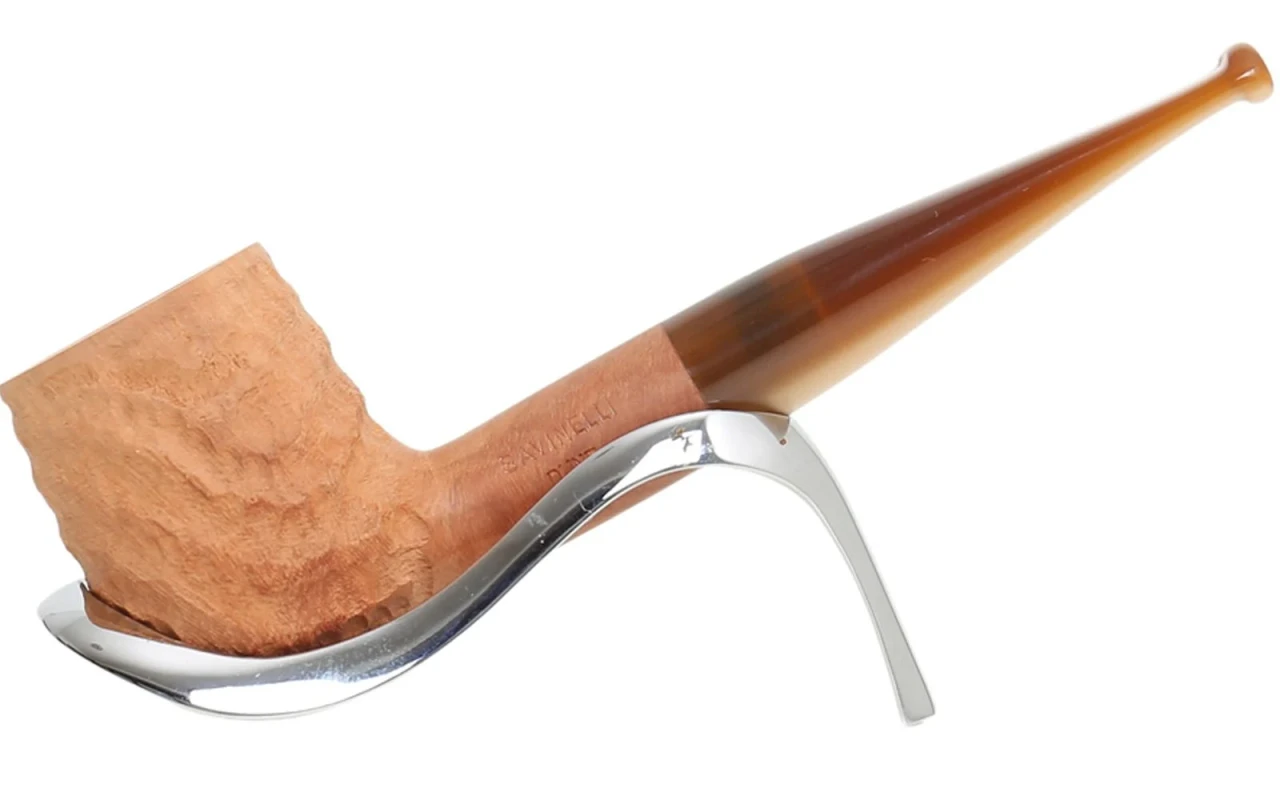
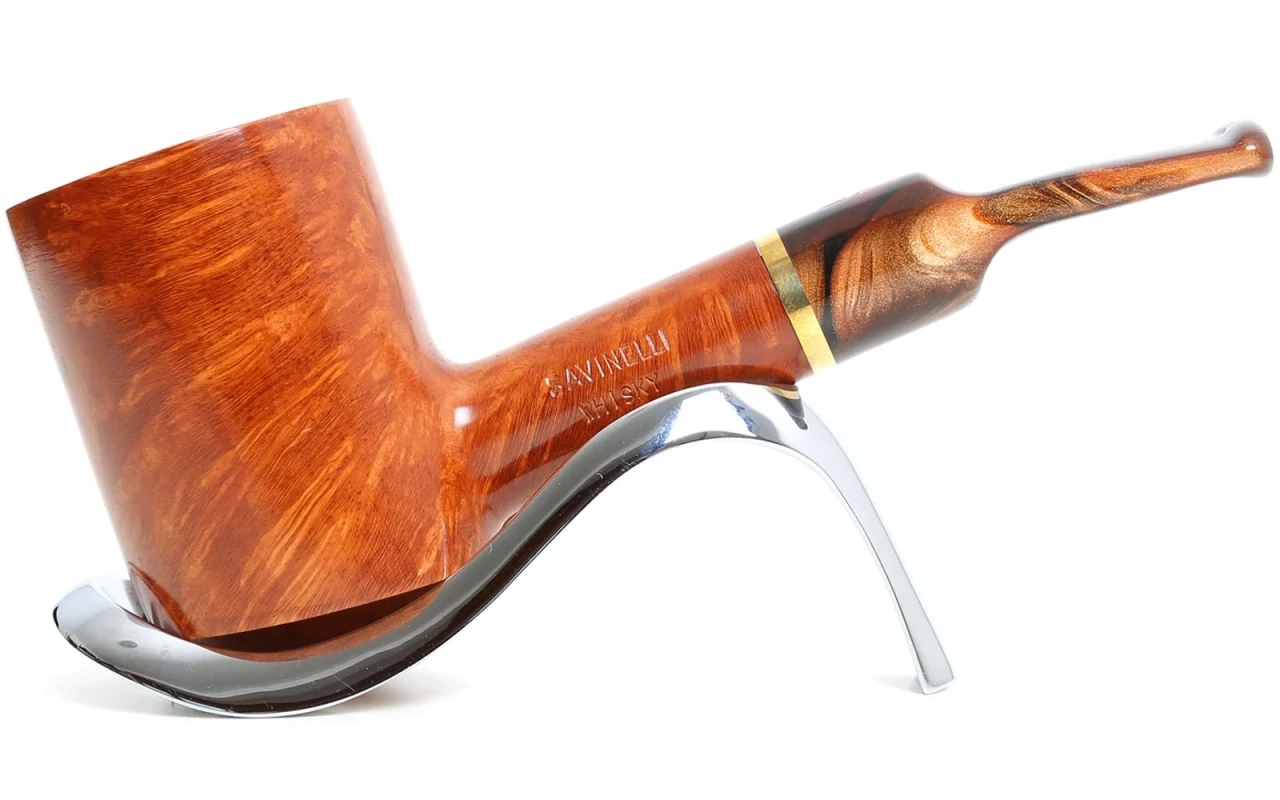
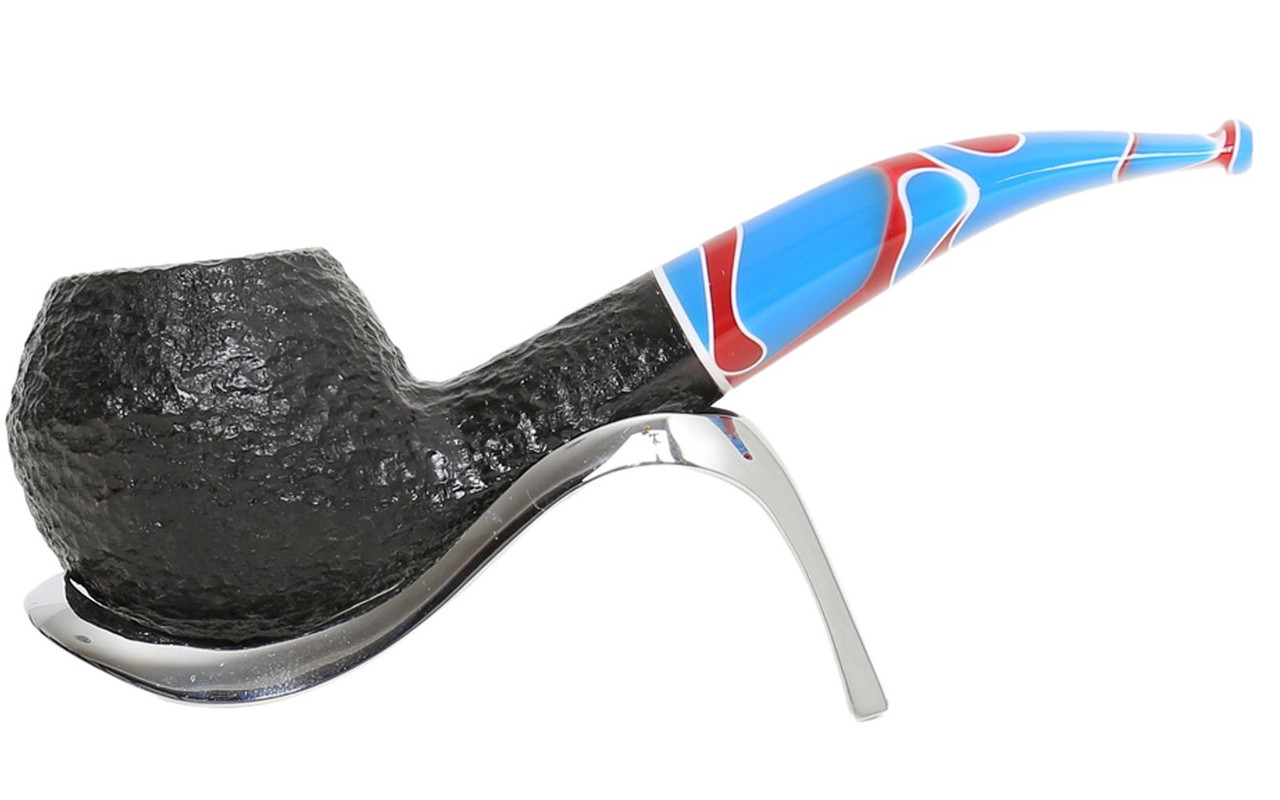
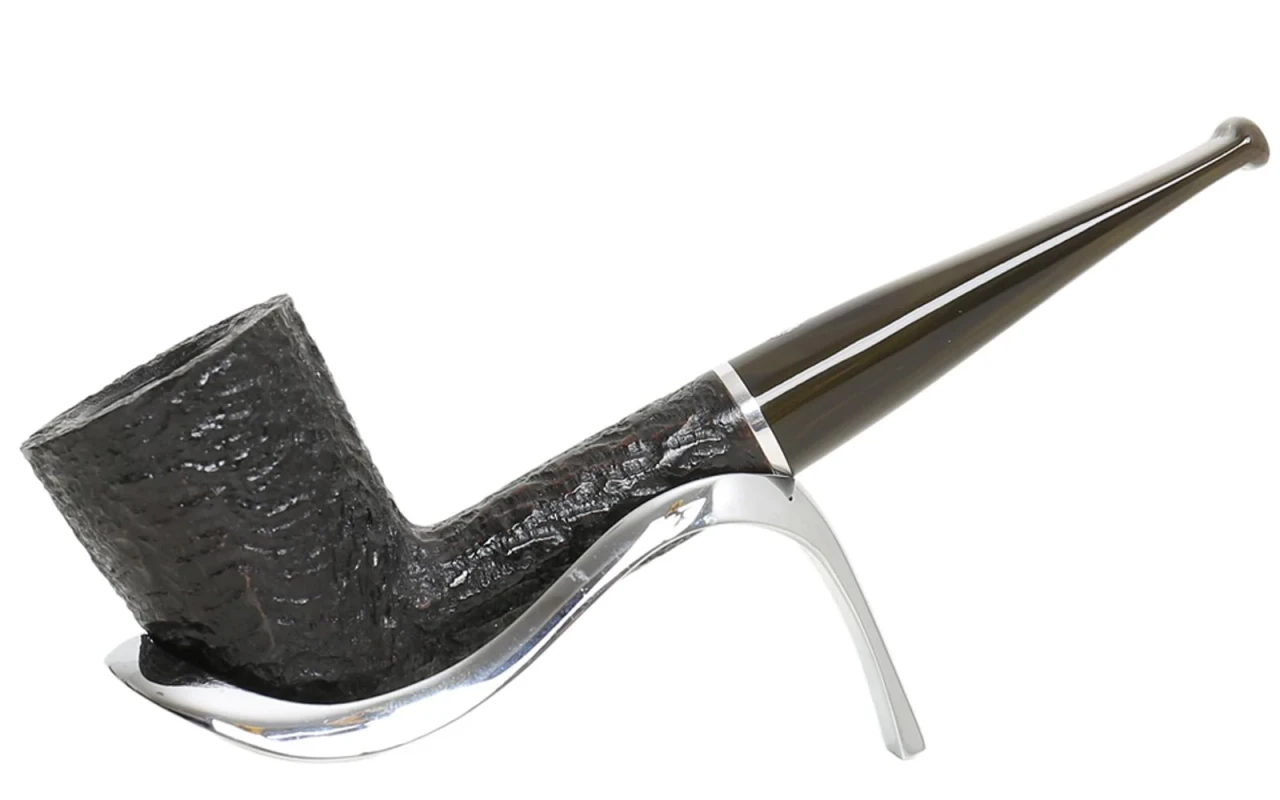
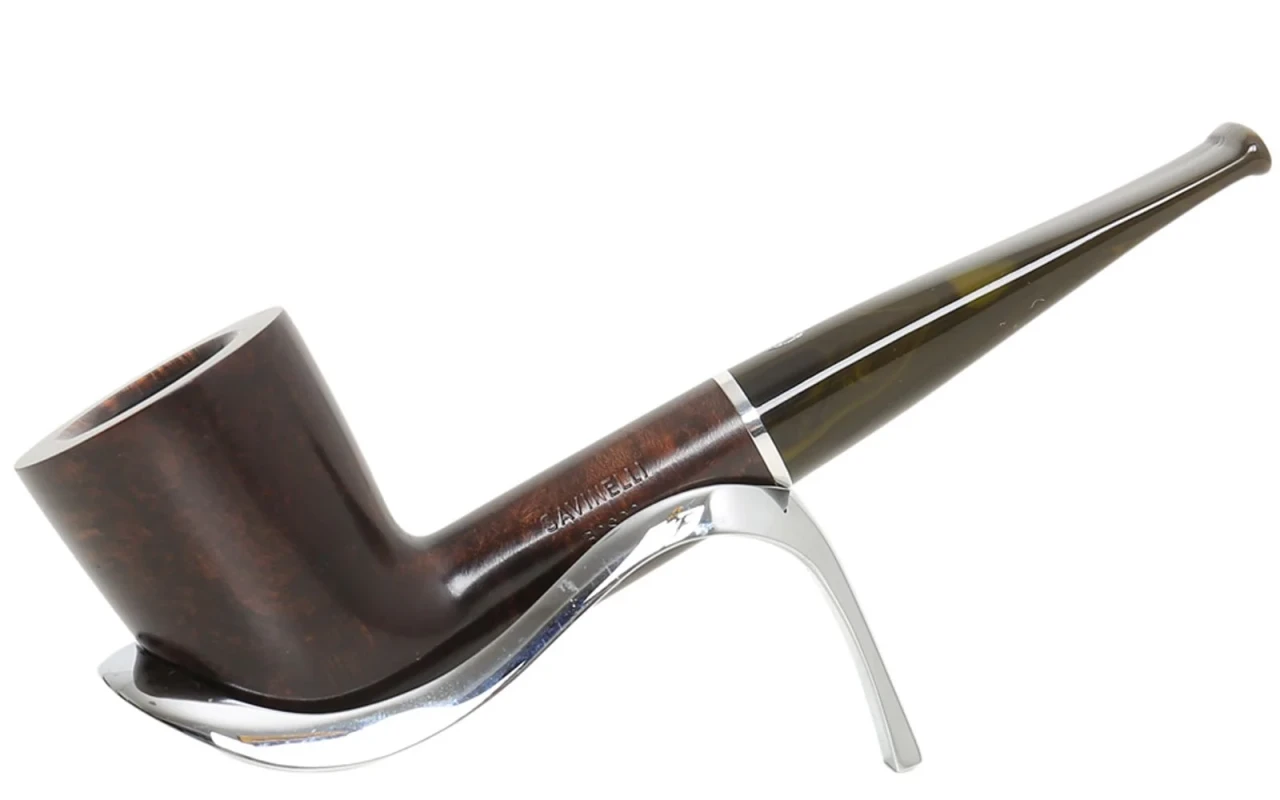
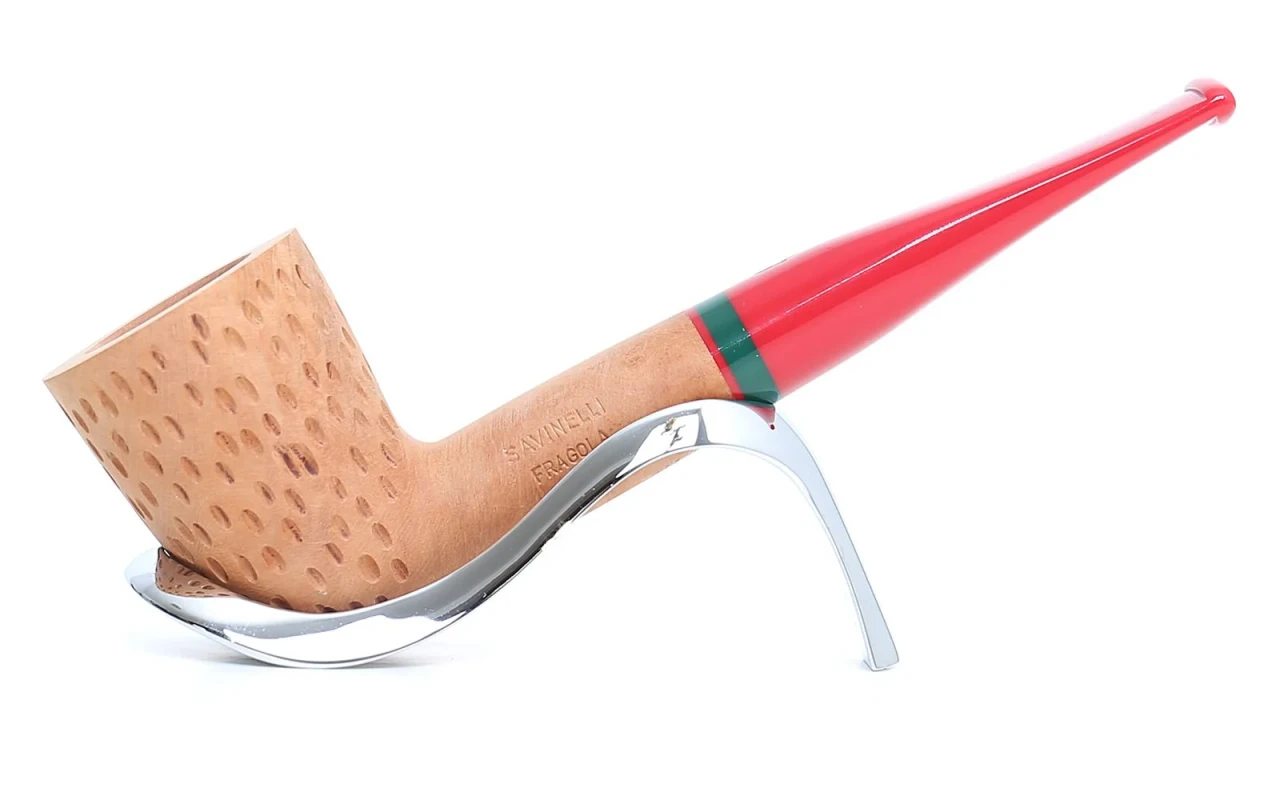
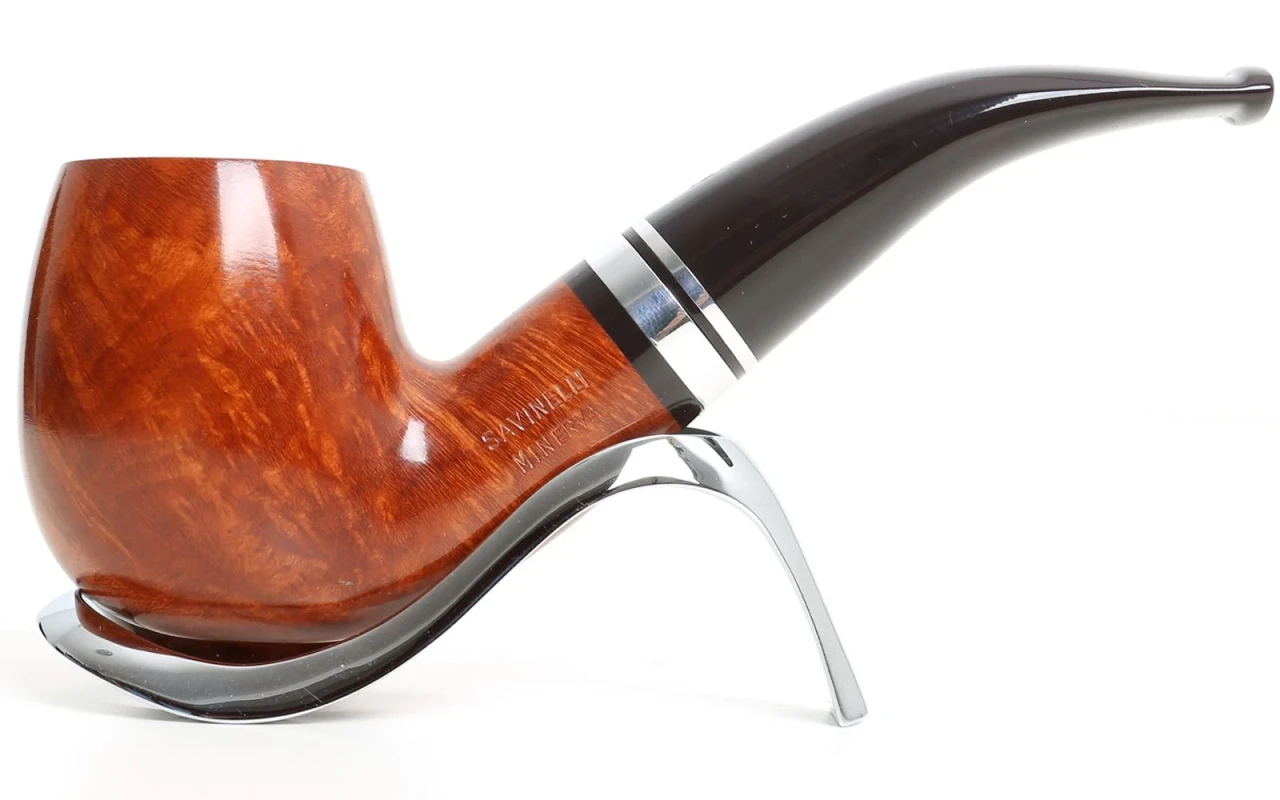
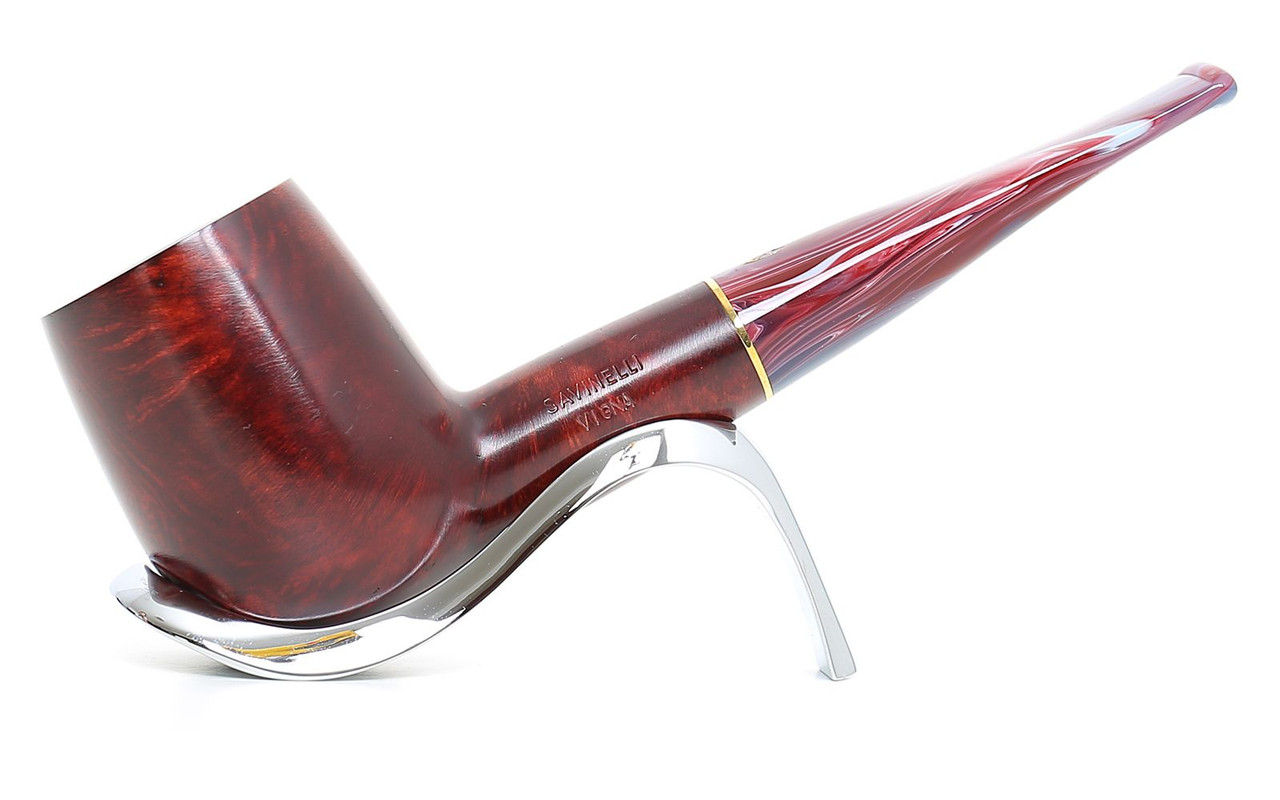
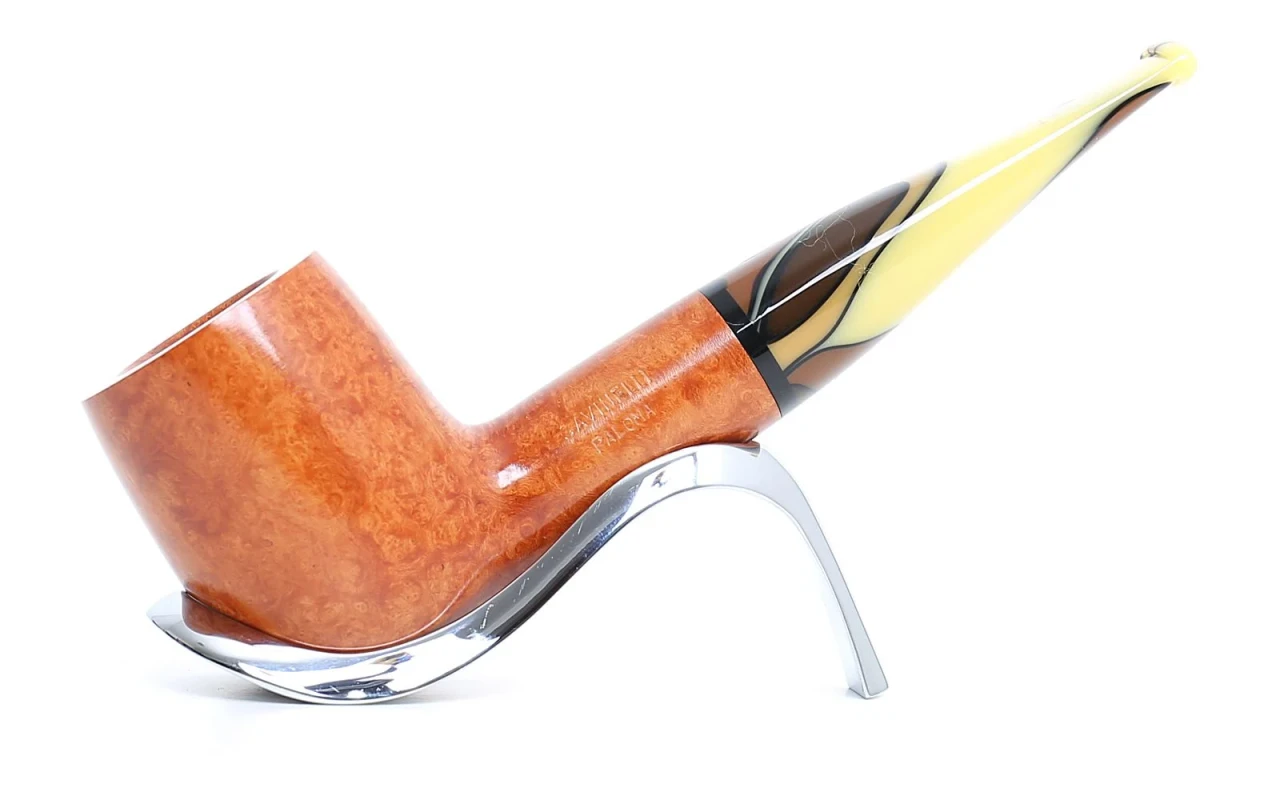
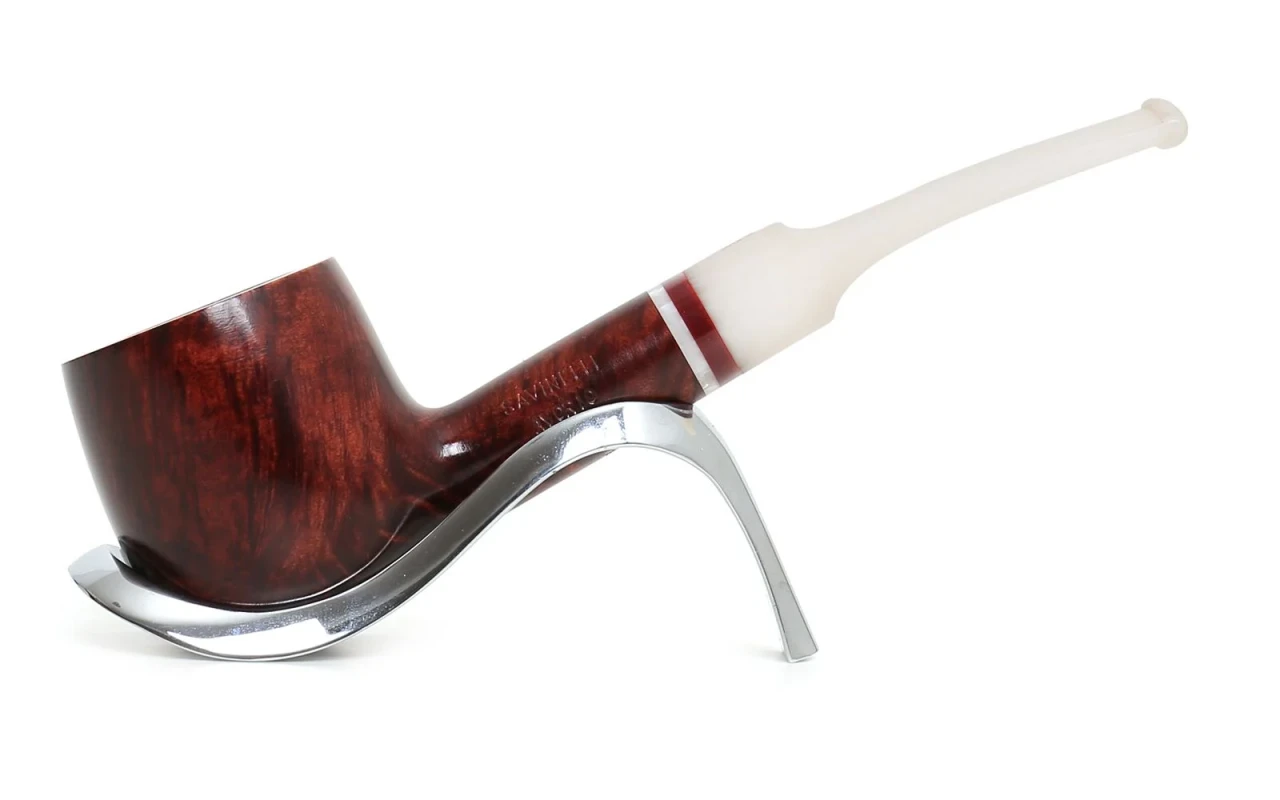
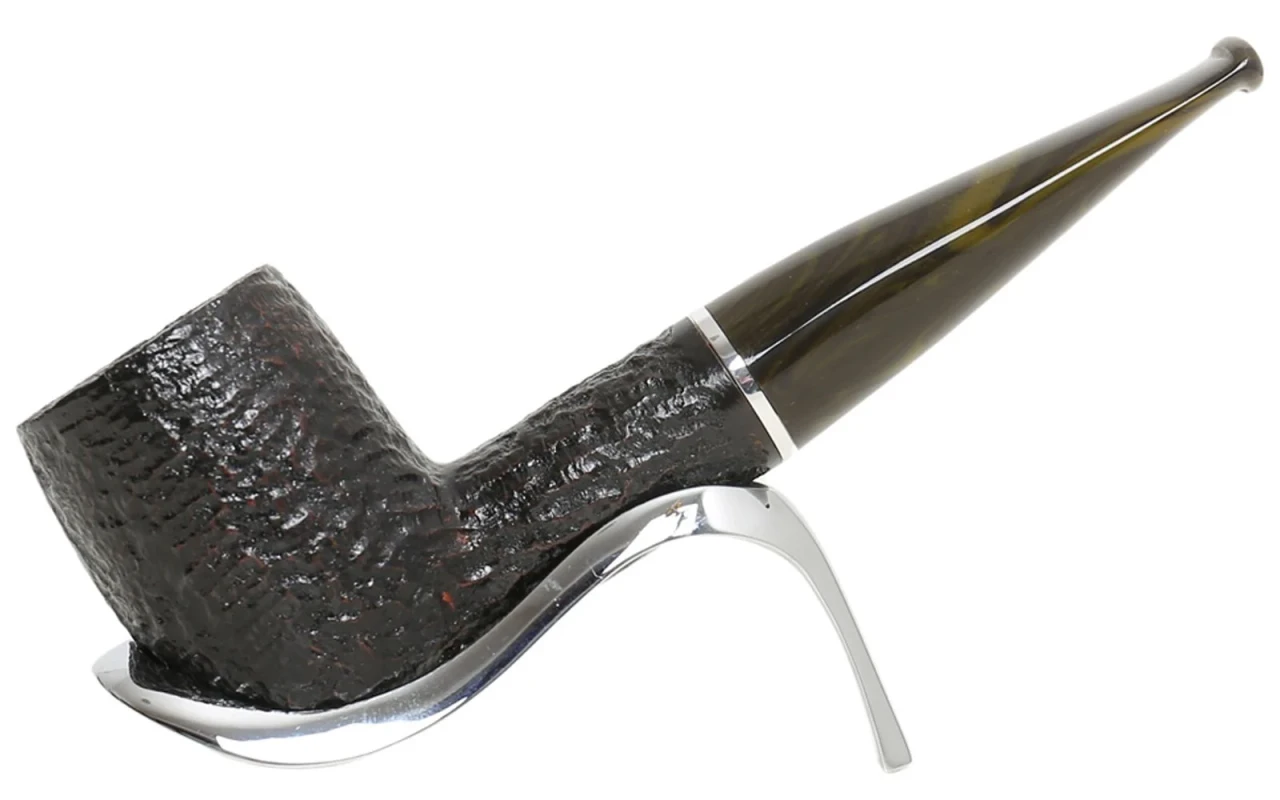
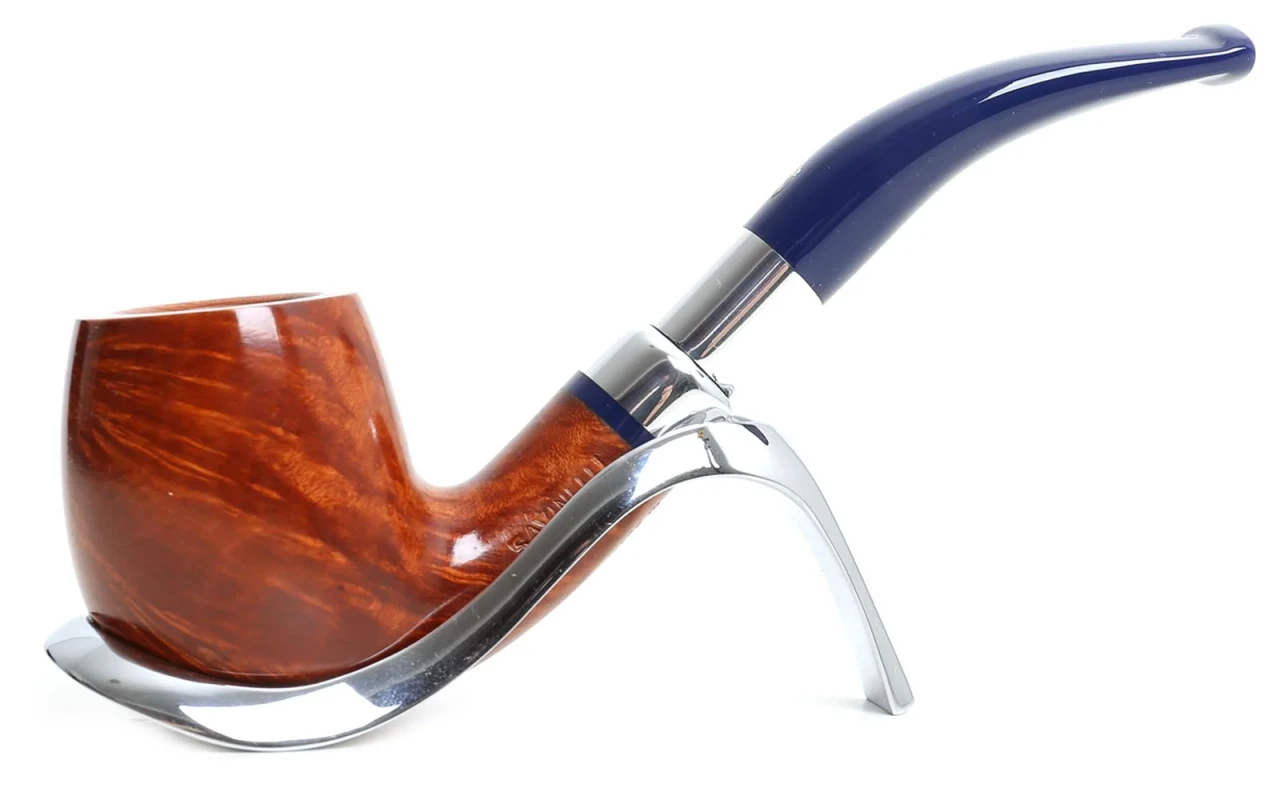
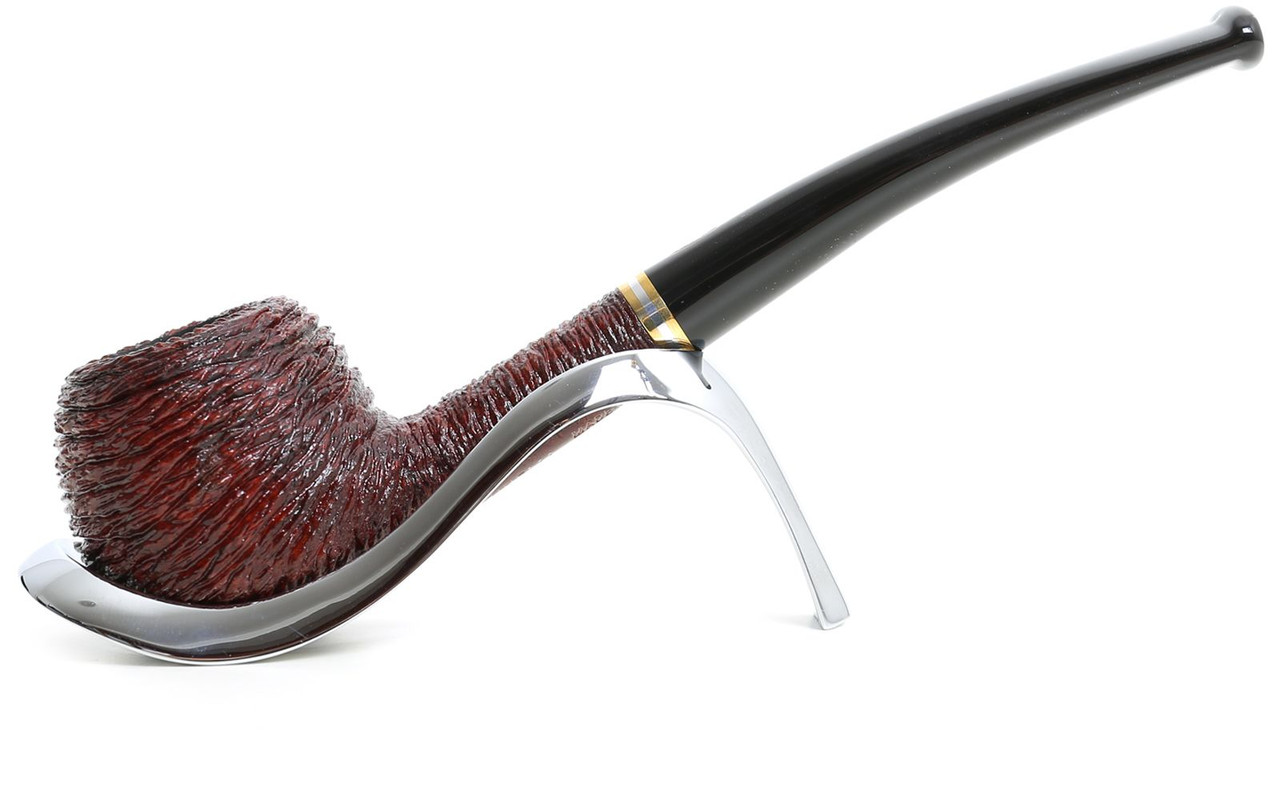
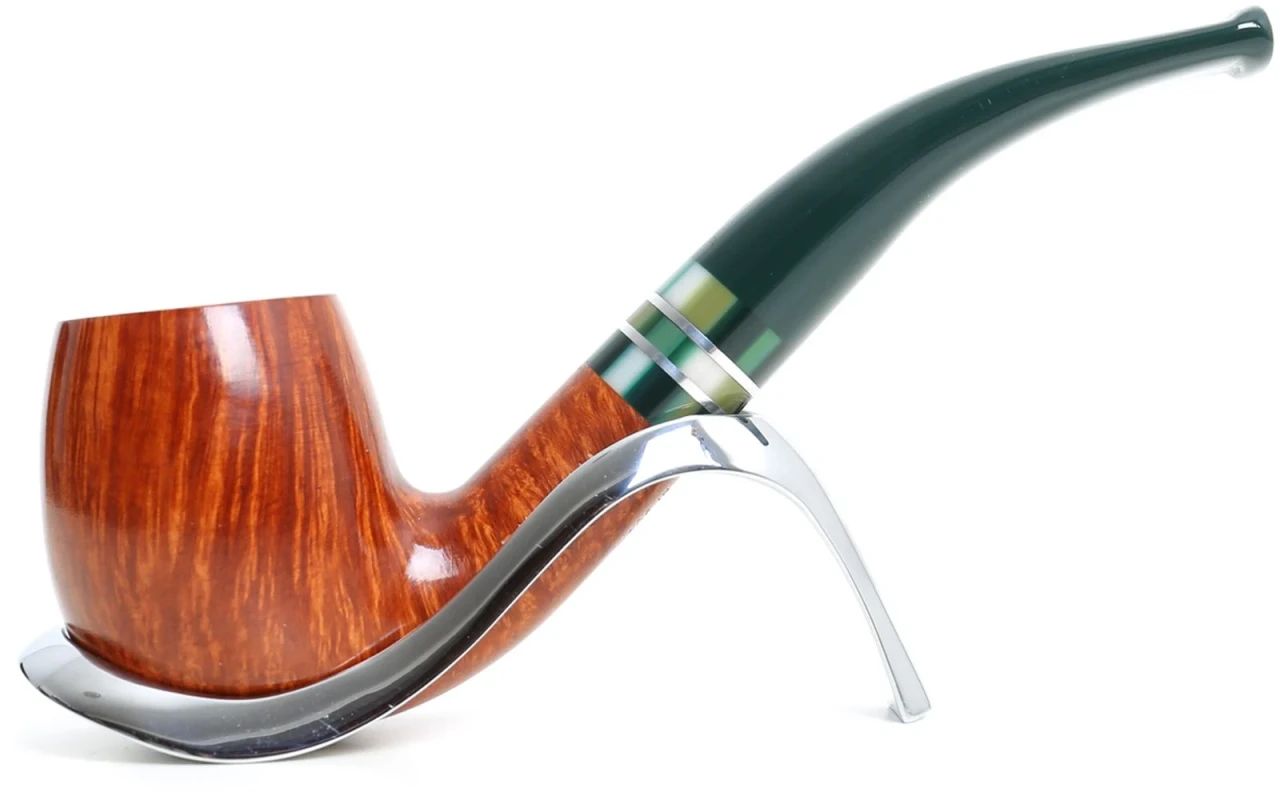
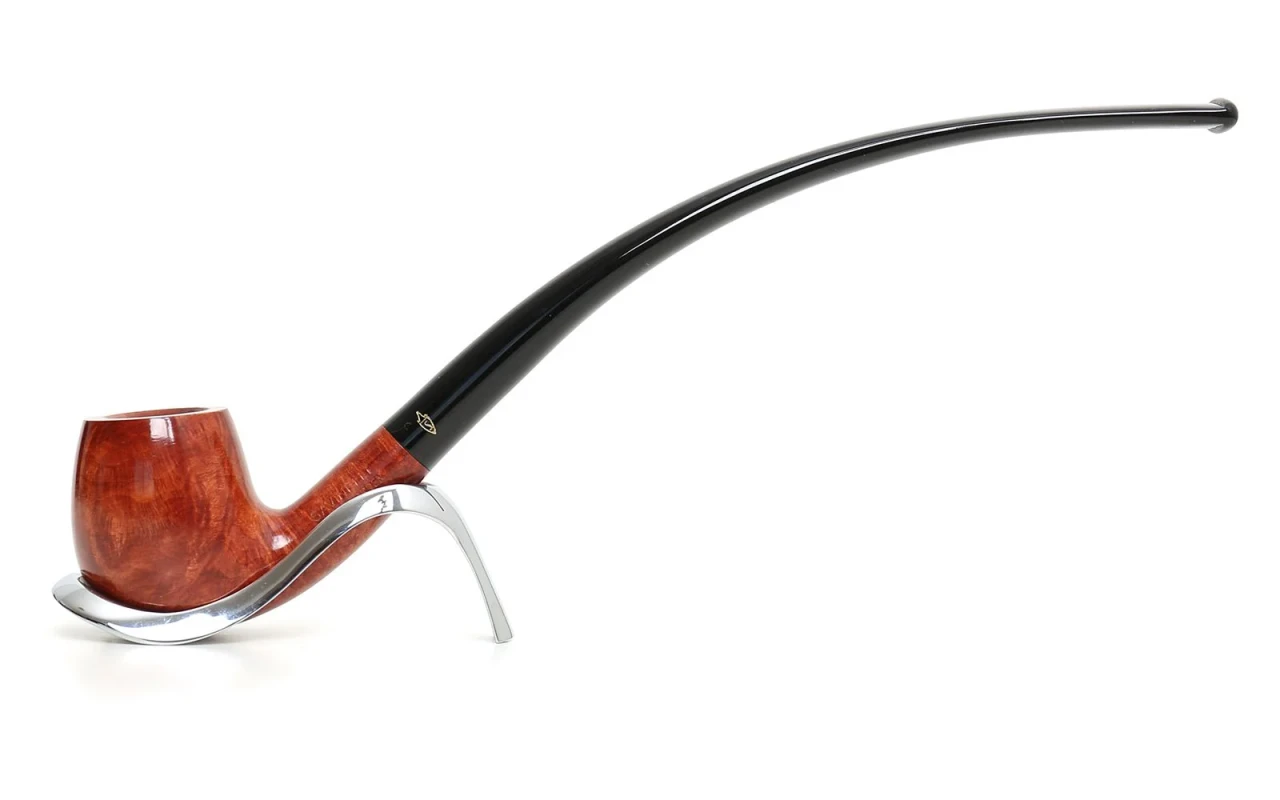
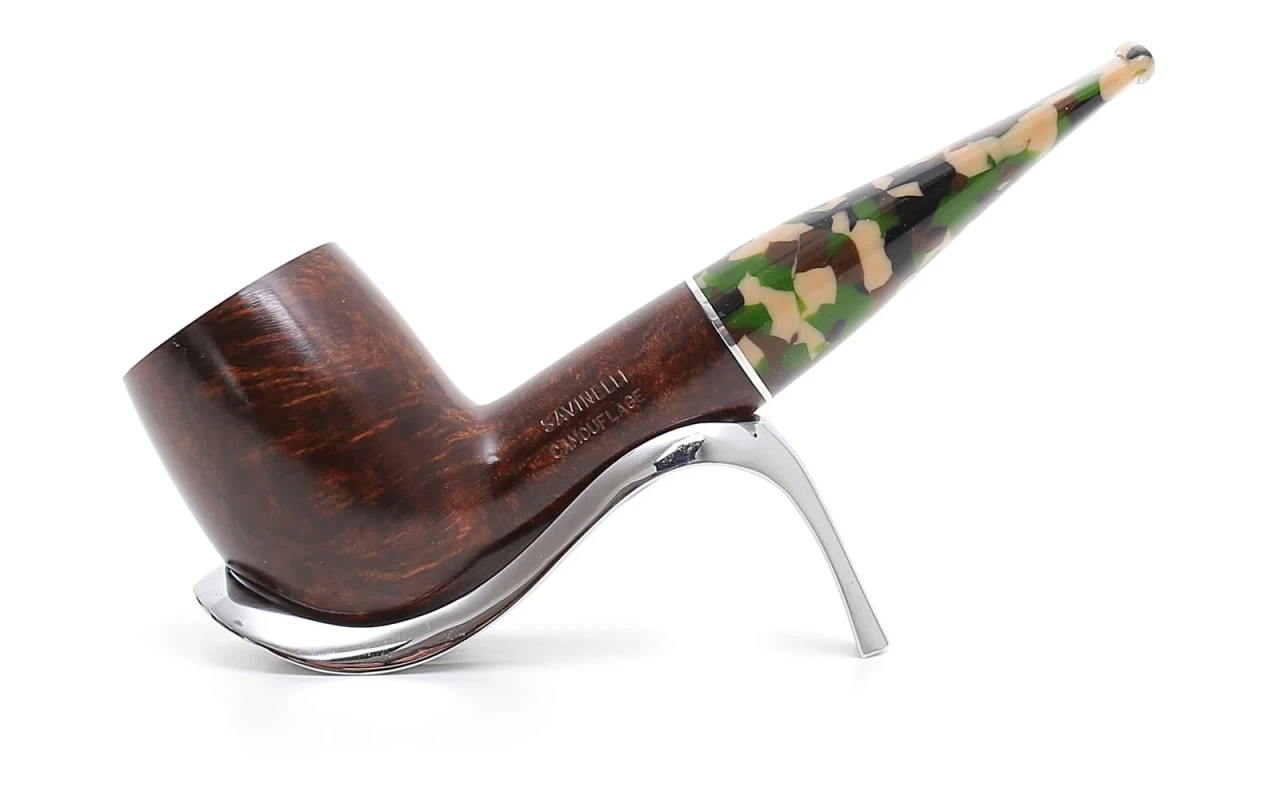
Production process of industrial pipes
The production process of industrial pipes includes several fundamental stages to ensure the quality and durability of the final product. Firstly, it starts with the selection of materials, which can be steel, aluminum, copper, or special alloys depending on the requirements. Subsequently, the material is shaped through rolling or extrusion processes. The pipes are then cut into the desired lengths and undergo processes such as welding, finishing, and quality control. Finally, the pipes are treated with protective coatings or paints to preserve their integrity over time.
Production techniques of handmade pipes
The production techniques of handmade pipes vary depending on the style and the material used. However, in general, the process starts with the selection of high-quality wood or other materials. Subsequently, the wood block is turned to shape the desired form of the pipe. Once the basic shape is achieved, the maker carves the bowl and the internal combustion chamber with precision. Following this, the pipe is smoothed and polished to obtain a smooth and glossy surface. Finally, any decorative or protective finishes are applied. These artisanal techniques require skill and precision to create high-quality and aesthetically pleasing pipes.
Materials for the production of smoking pipes
The most common materials used for the production of smoking pipes include:- Heather root: light, heat and flame resistant, it is very popular for pipes.- Oak root: hard and durable, often used for high-quality pipes.- Olive root: offers a beautiful grain pattern and increased corrosion resistance.- Meerschaum: a porous and lightweight stone, ideal for absorbing moisture and smoke condensates.- Clay: traditionally used for pipes, it offers a neutral taste and can be easily molded.- Briar: rare and precious heather wood, highly valued for its fire and heat resistance.The choice of material influences the characteristics and taste of the smoking pipe.
Processing stages of collectible pipes
The processing stages of collectible pipes are crucial to obtain a high-quality product. Here are the main stages involved in the process:- Material selection: pipes can be made of briar, meerschaum, clay, or other precious materials.- Block carving: the wood is shaped and carved to create the desired shape of the pipe.- Polishing: the surface of the pipe is smoothed and polished to make it smooth and shiny.- Assembly: accessories such as the mouthpiece and the filter are added, completing the pipe.- Quality control: every detail is carefully checked to ensure that the pipe is perfect for the collection.These stages ensure that each collectible pipe is a unique and high-quality piece of art.
'%3e%3cg id='Final-Copy-2_2_' transform='translate(1275.000000, 200.000000)'%3e%3cpath class='st0' d='M7.4,12.8h6.8l3.1-11.6H7.4C4.2,1.2,1.6,3.8,1.6,7S4.2,12.8,7.4,12.8z'/%3e%3c/g%3e%3c/g%3e%3c/g%3e%3cg id='final---dec.11-2020'%3e%3cg id='_x30_208-our-toggle' transform='translate(-1275.000000, -200.000000)'%3e%3cg id='Final-Copy-2' transform='translate(1275.000000, 200.000000)'%3e%3cpath class='st1' d='M22.6,0H7.4c-3.9,0-7,3.1-7,7s3.1,7,7,7h15.2c3.9,0,7-3.1,7-7S26.4,0,22.6,0z M1.6,7c0-3.2,2.6-5.8,5.8-5.8 h9.9l-3.1,11.6H7.4C4.2,12.8,1.6,10.2,1.6,7z'/%3e%3cpath id='x' class='st2' d='M24.6,4c0.2,0.2,0.2,0.6,0,0.8l0,0L22.5,7l2.2,2.2c0.2,0.2,0.2,0.6,0,0.8c-0.2,0.2-0.6,0.2-0.8,0 l0,0l-2.2-2.2L19.5,10c-0.2,0.2-0.6,0.2-0.8,0c-0.2-0.2-0.2-0.6,0-0.8l0,0L20.8,7l-2.2-2.2c-0.2-0.2-0.2-0.6,0-0.8 c0.2-0.2,0.6-0.2,0.8,0l0,0l2.2,2.2L23.8,4C24,3.8,24.4,3.8,24.6,4z'/%3e%3cpath id='y' class='st3' d='M12.7,4.1c0.2,0.2,0.3,0.6,0.1,0.8l0,0L8.6,9.8C8.5,9.9,8.4,10,8.3,10c-0.2,0.1-0.5,0.1-0.7-0.1l0,0 L5.4,7.7c-0.2-0.2-0.2-0.6,0-0.8c0.2-0.2,0.6-0.2,0.8,0l0,0L8,8.6l3.8-4.5C12,3.9,12.4,3.9,12.7,4.1z'/%3e%3c/g%3e%3c/g%3e%3c/g%3e%3c/g%3e%3c/svg%3e) Your Privacy Choices
Your Privacy Choices 


