 ES
ES FR
FR EN
EN IT
IT DE
DE
Sandblasting process in pipe manufacturing



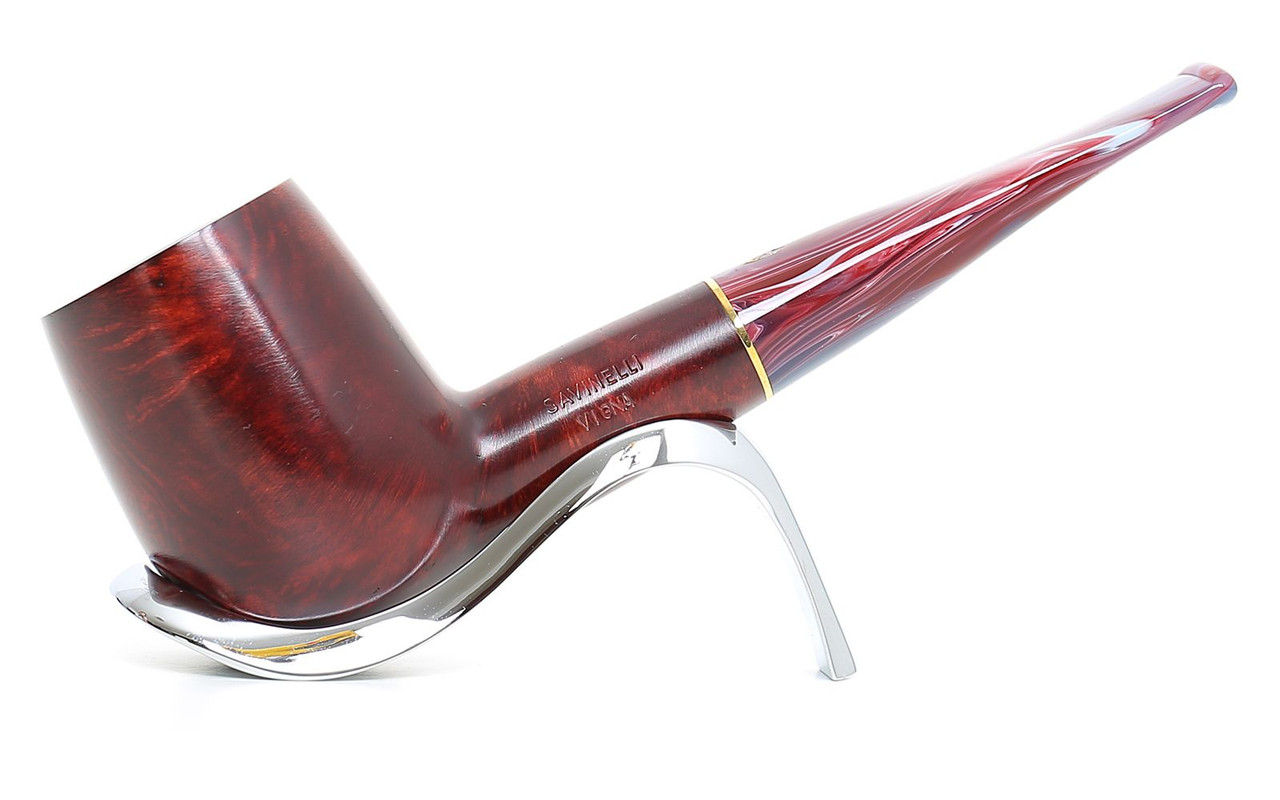
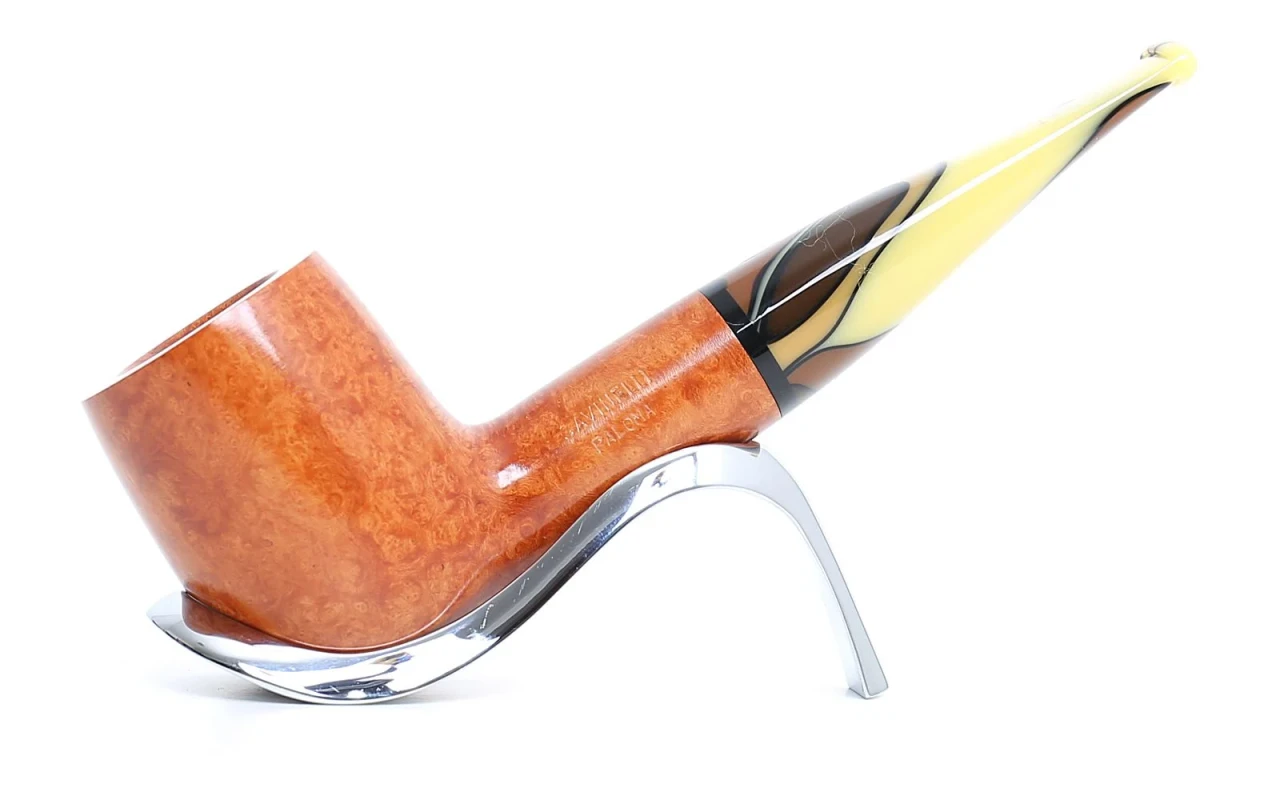
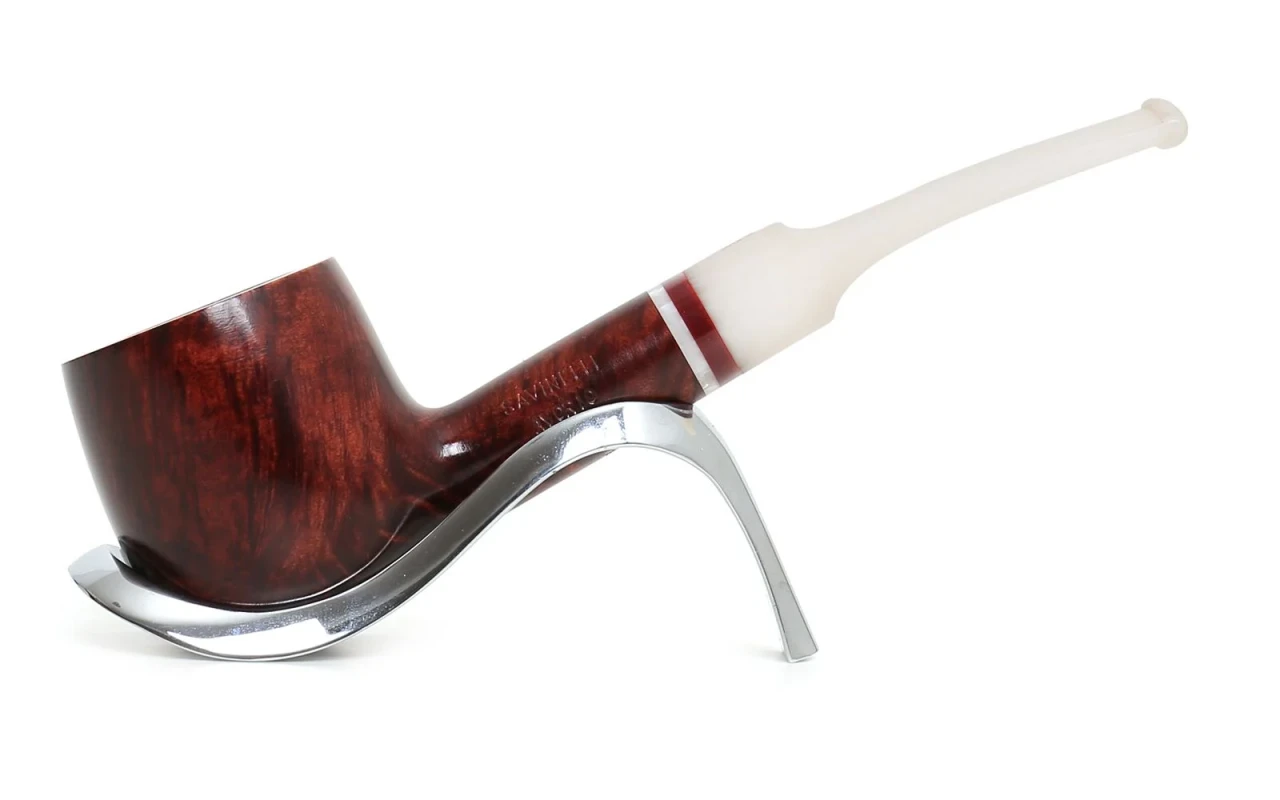
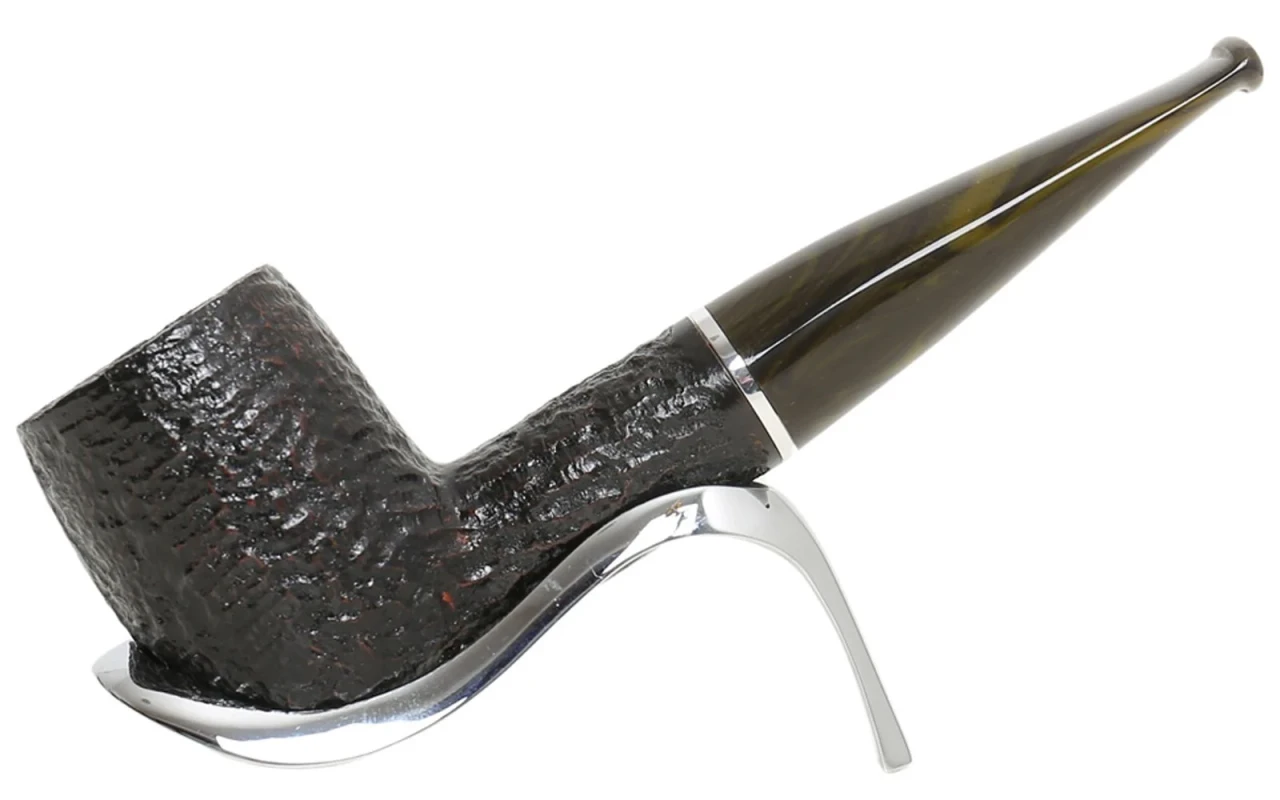


Sandblasting process in pipe manufacturing
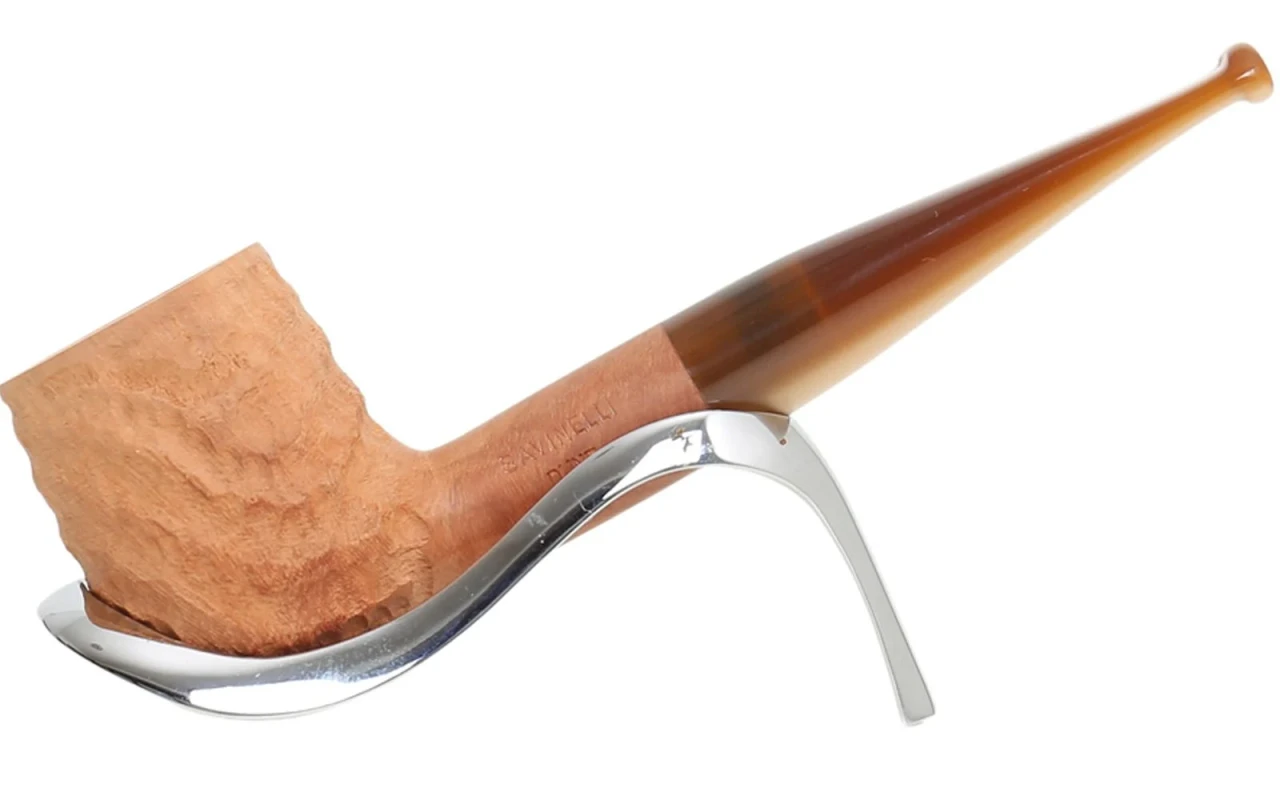
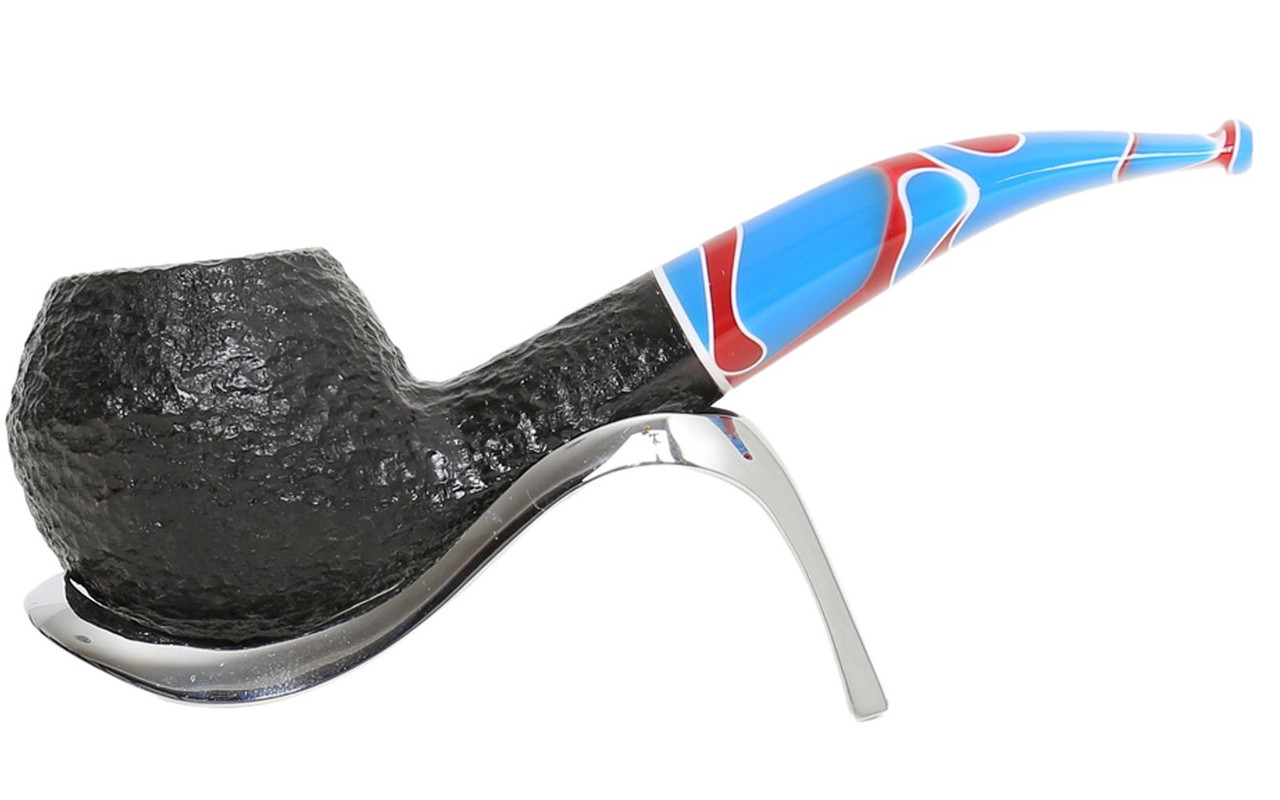
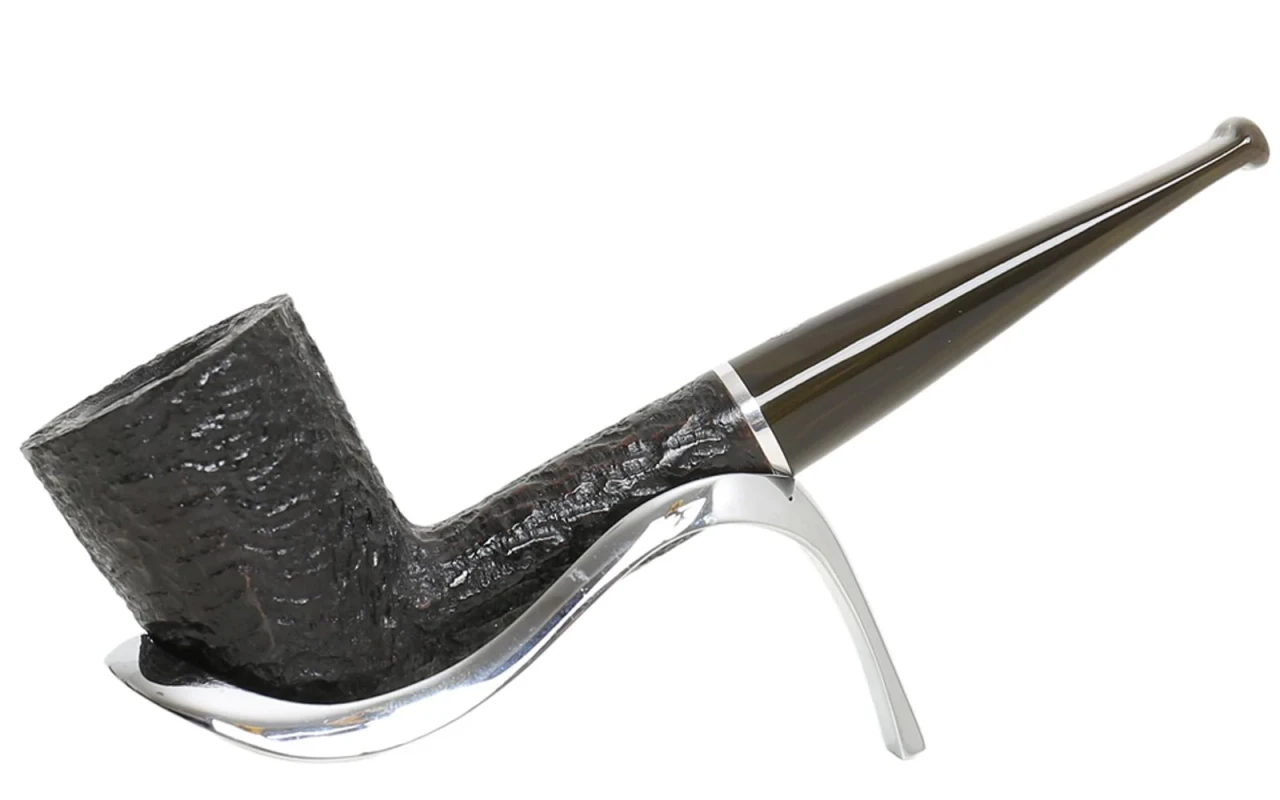
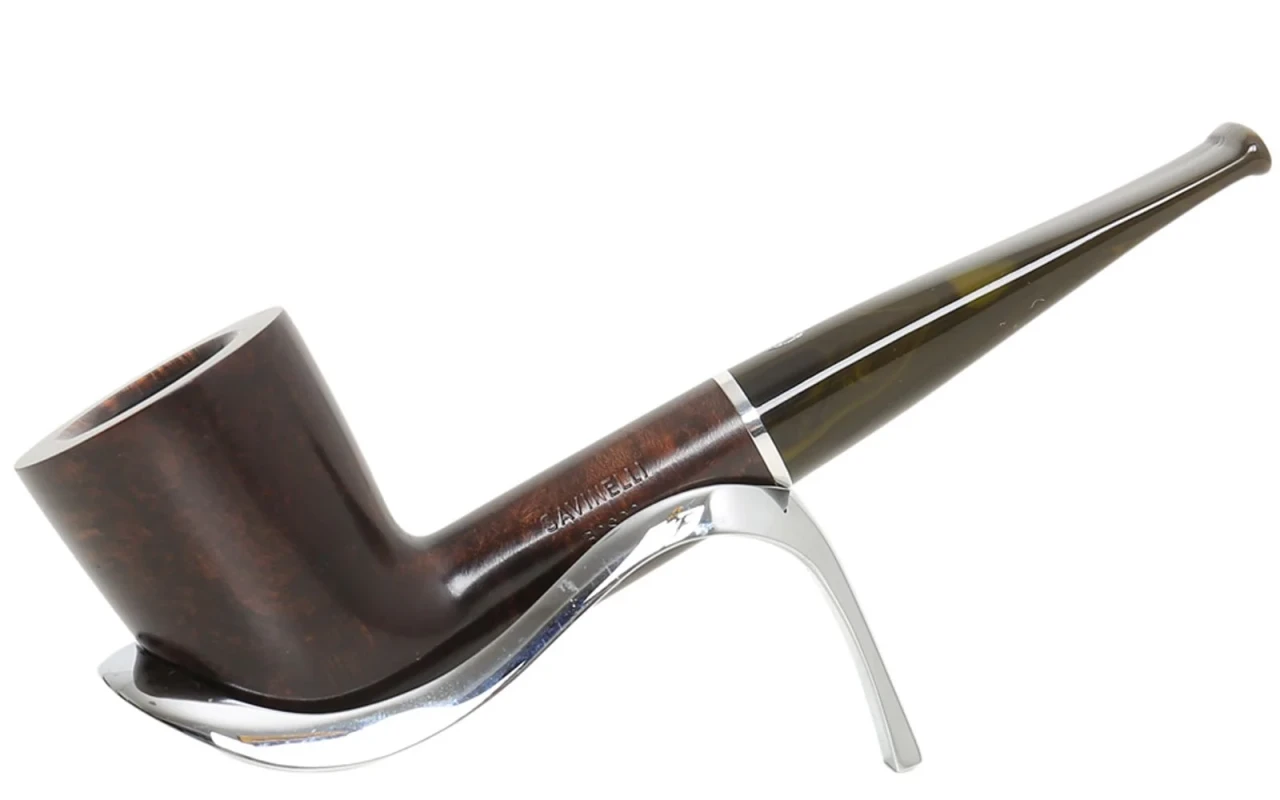
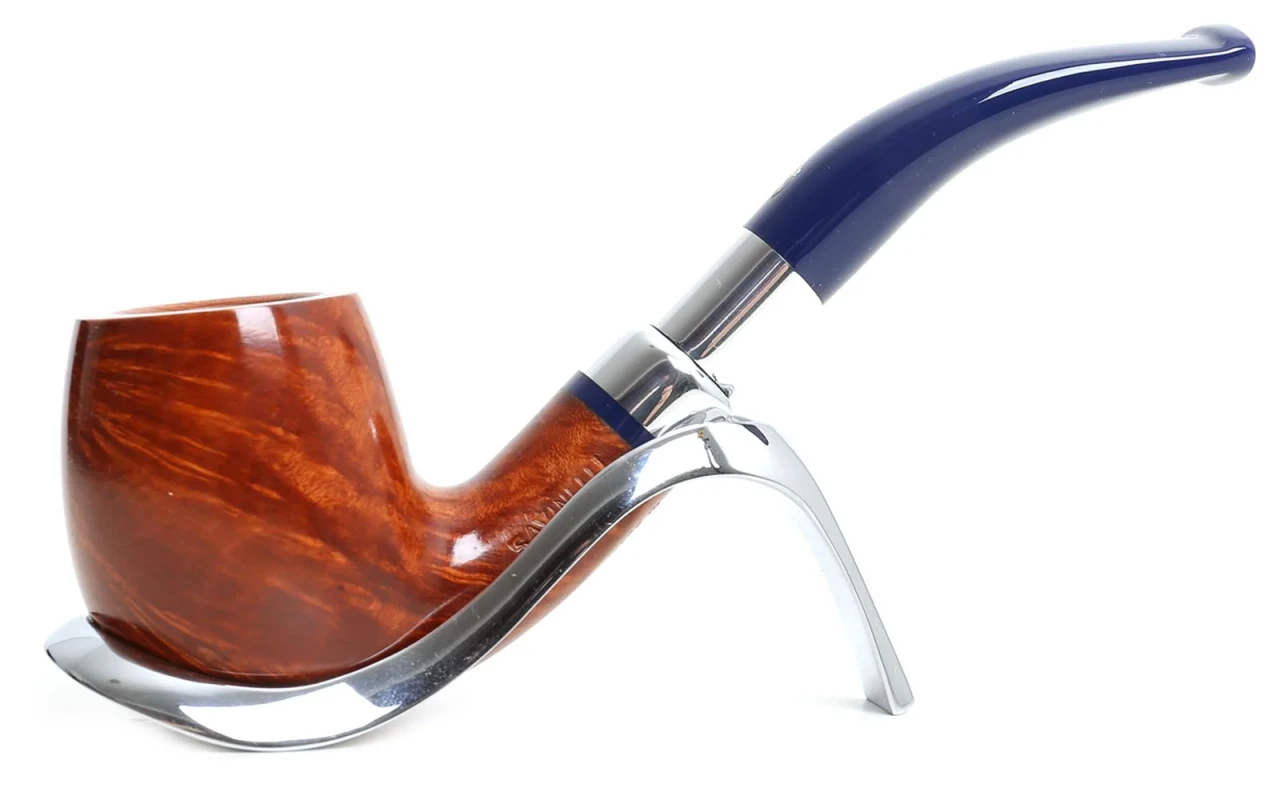
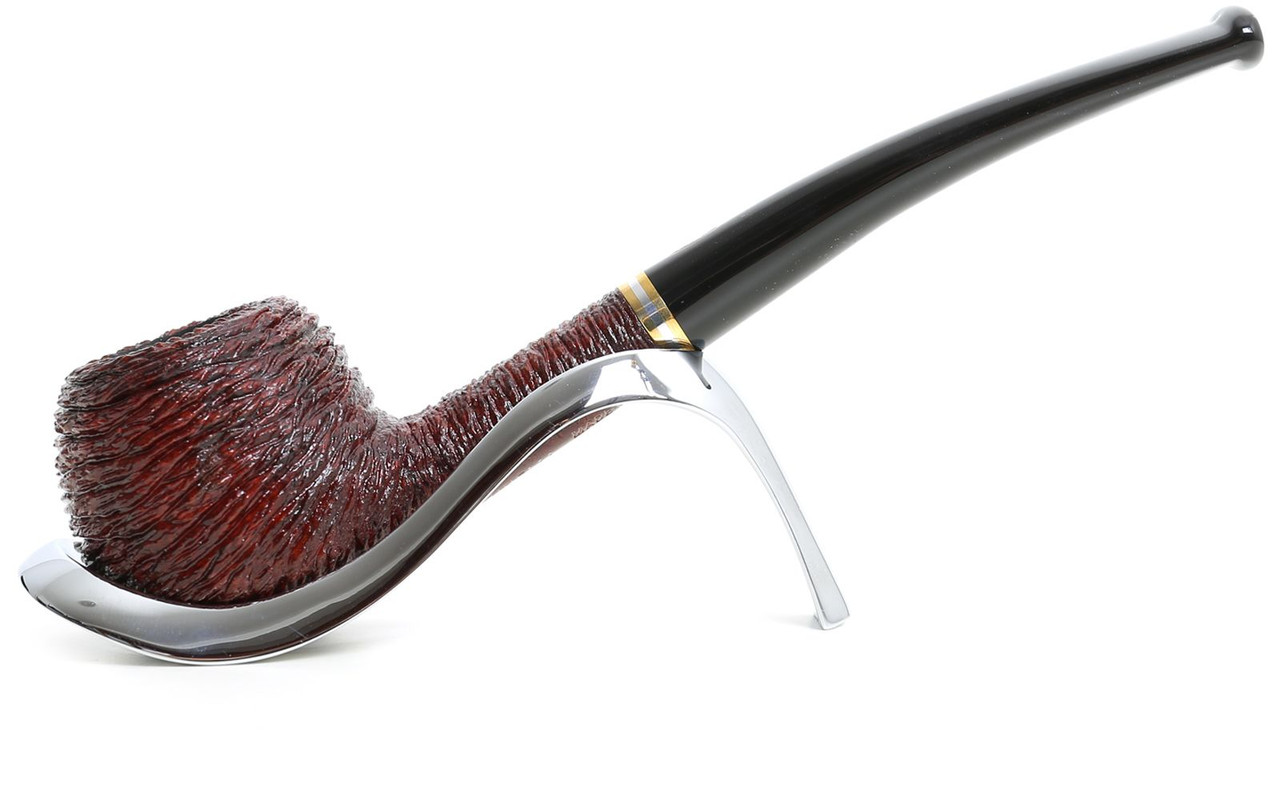
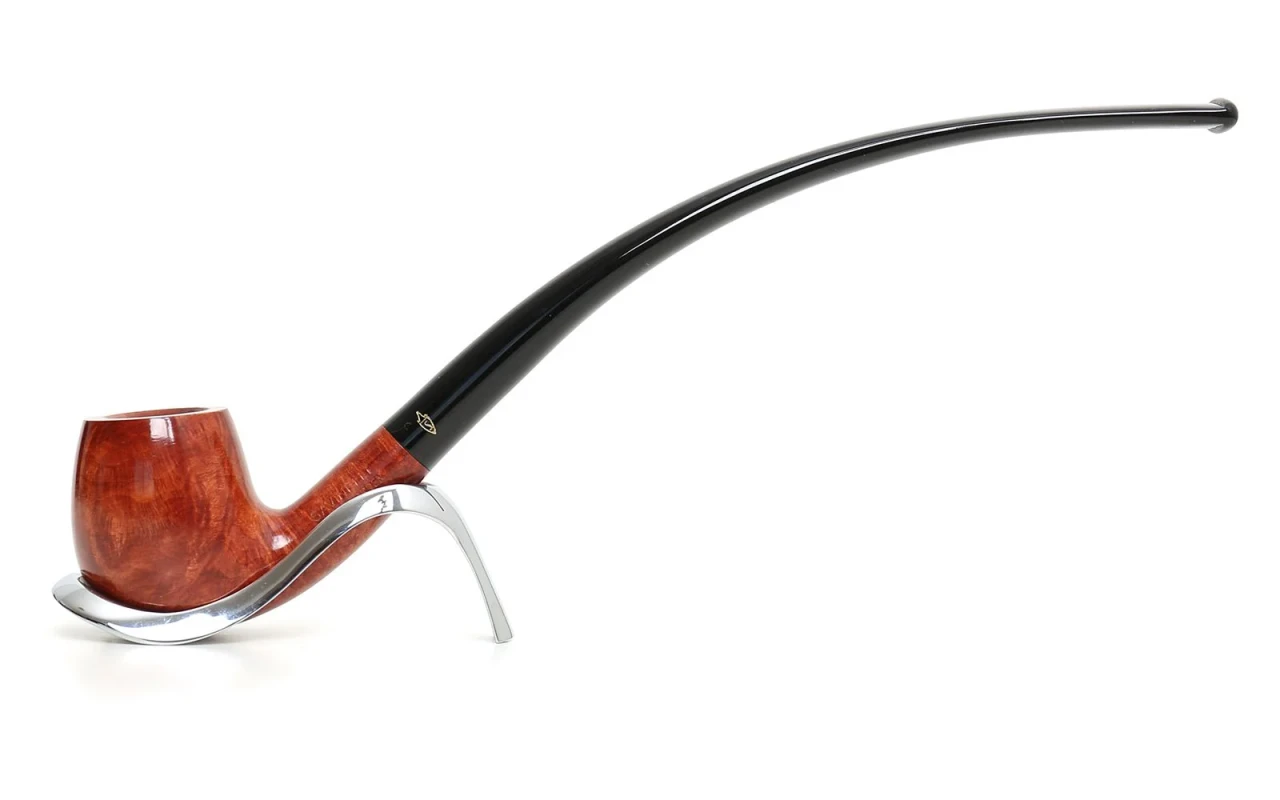
Sandblasting in pipe manufacturing is a process used to create rustic finishes on the internal and external surfaces of the pipe's stem and bowl. This method involves the use of sand or similar materials that are blasted onto the pipe's surface under pressure to create a rough and interesting texture. Sandblasting can be done lightly or heavily, depending on the desired final outcome. This technique not only adds an aesthetic touch to the pipe but can also help improve grip during use.
Sandblasting Pipes
Sandblasting pipes is a process used to effectively clean and restore the surface of pipes. It involves the use of sand or other abrasive materials blasted at high pressure onto the pipe surface, removing dirt, rust, or any previous coatings. Sandblasting helps prepare the surface for subsequent painting or protective treatment, ensuring better adhesion and long-term durability. It is important that sandblasting is carried out correctly by experienced professionals to avoid damage to the pipe and ensure an optimal result.
Sandblasting Techniques
Sandblasting is a surface processing technique that uses abrasive granules propelled with compressed air to clean, smooth, or modify the surface of a material. Sandblasting techniques can also be used for cleaning and restoring smoking pipes. In this process, the abrasive material is precisely shot onto the surface of the pipe to remove dirt, paint, or rust accumulated over time. Sandblasting is particularly effective in restoring the original appearance of pipes gently yet efficiently, preserving their integrity and characteristics.
Sandblasting your pipe at home
Sandblasting your pipe at home is an effective method to clean and revitalize the wood of your favorite pipe. To carry out this process, you will need fine sandpaper, sandblasting sand, a sandblasting container, and an air compressor. First, disassemble the pipe and cover the mouthpiece with tape to protect it. Next, gently sandblast the outer surface of the pipe in circular motions. Make sure to maintain a proper distance to avoid wood damage. Once the sandblasting is completed, carefully remove any excess sand and apply a sealant to protect the wood.
'%3e%3cg id='Final-Copy-2_2_' transform='translate(1275.000000, 200.000000)'%3e%3cpath class='st0' d='M7.4,12.8h6.8l3.1-11.6H7.4C4.2,1.2,1.6,3.8,1.6,7S4.2,12.8,7.4,12.8z'/%3e%3c/g%3e%3c/g%3e%3c/g%3e%3cg id='final---dec.11-2020'%3e%3cg id='_x30_208-our-toggle' transform='translate(-1275.000000, -200.000000)'%3e%3cg id='Final-Copy-2' transform='translate(1275.000000, 200.000000)'%3e%3cpath class='st1' d='M22.6,0H7.4c-3.9,0-7,3.1-7,7s3.1,7,7,7h15.2c3.9,0,7-3.1,7-7S26.4,0,22.6,0z M1.6,7c0-3.2,2.6-5.8,5.8-5.8 h9.9l-3.1,11.6H7.4C4.2,12.8,1.6,10.2,1.6,7z'/%3e%3cpath id='x' class='st2' d='M24.6,4c0.2,0.2,0.2,0.6,0,0.8l0,0L22.5,7l2.2,2.2c0.2,0.2,0.2,0.6,0,0.8c-0.2,0.2-0.6,0.2-0.8,0 l0,0l-2.2-2.2L19.5,10c-0.2,0.2-0.6,0.2-0.8,0c-0.2-0.2-0.2-0.6,0-0.8l0,0L20.8,7l-2.2-2.2c-0.2-0.2-0.2-0.6,0-0.8 c0.2-0.2,0.6-0.2,0.8,0l0,0l2.2,2.2L23.8,4C24,3.8,24.4,3.8,24.6,4z'/%3e%3cpath id='y' class='st3' d='M12.7,4.1c0.2,0.2,0.3,0.6,0.1,0.8l0,0L8.6,9.8C8.5,9.9,8.4,10,8.3,10c-0.2,0.1-0.5,0.1-0.7-0.1l0,0 L5.4,7.7c-0.2-0.2-0.2-0.6,0-0.8c0.2-0.2,0.6-0.2,0.8,0l0,0L8,8.6l3.8-4.5C12,3.9,12.4,3.9,12.7,4.1z'/%3e%3c/g%3e%3c/g%3e%3c/g%3e%3c/g%3e%3c/svg%3e) Your Privacy Choices
Your Privacy Choices 


