 ES
ES FR
FR EN
EN IT
IT DE
DE
Pipe manufacturing process
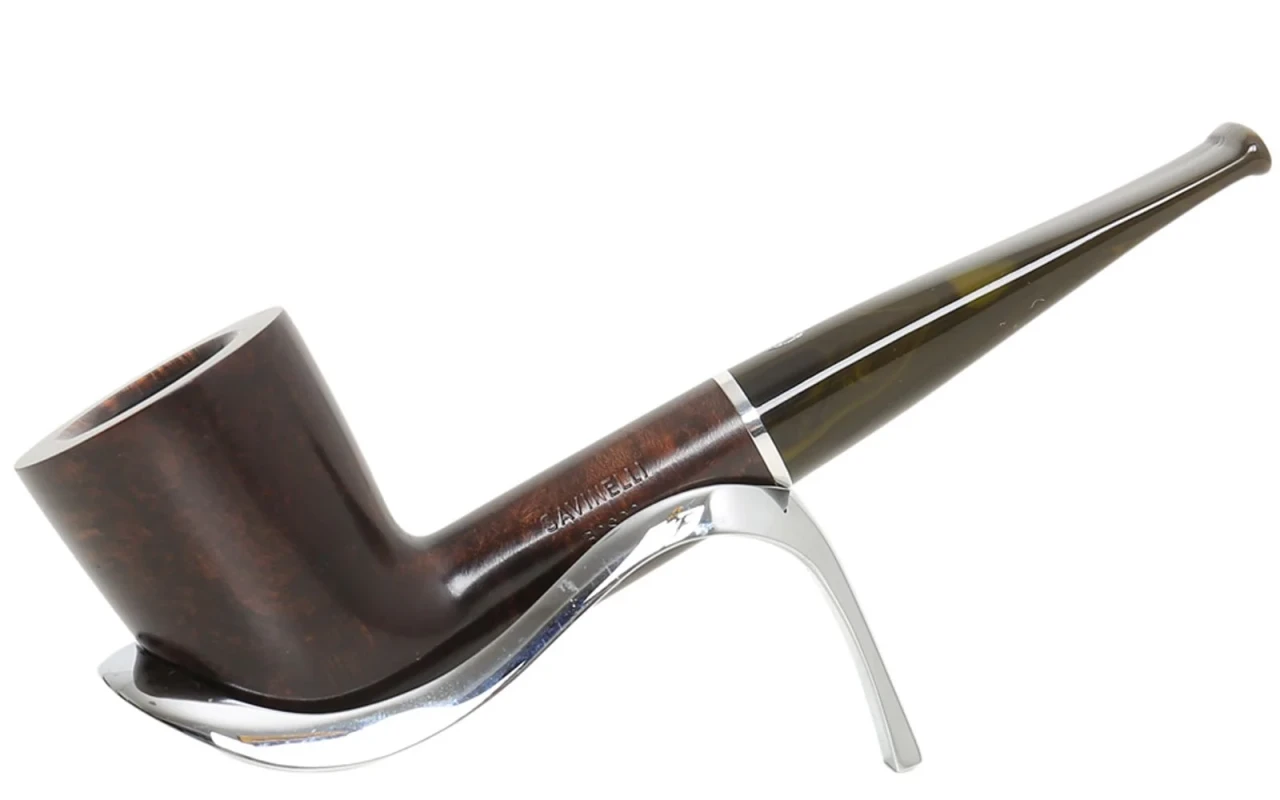
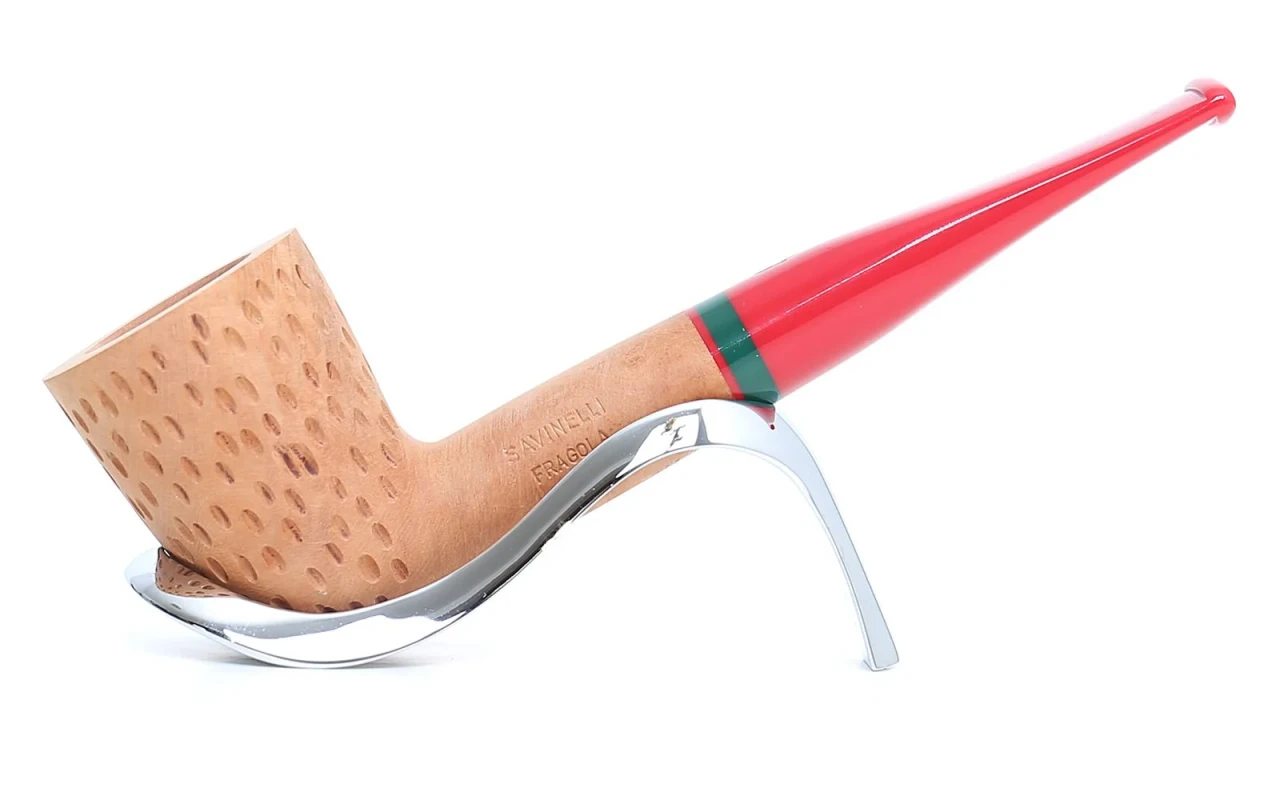
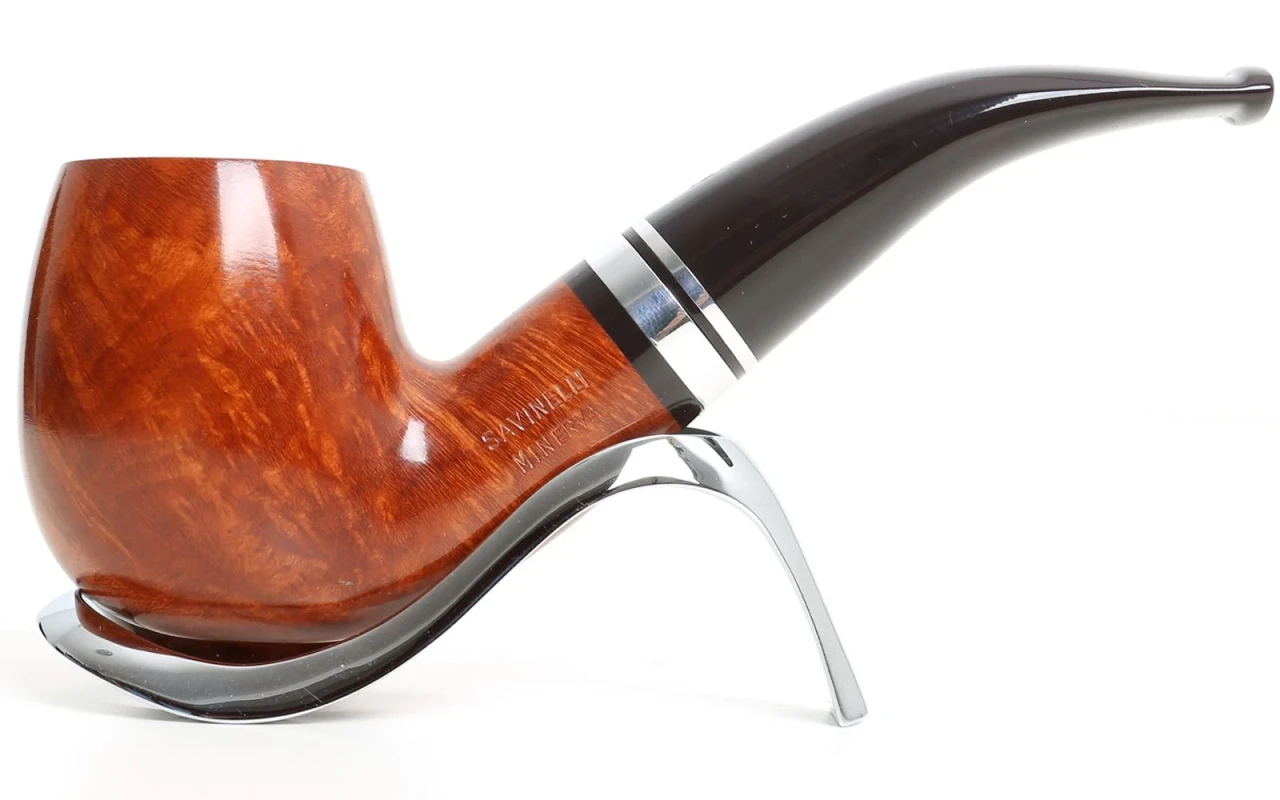
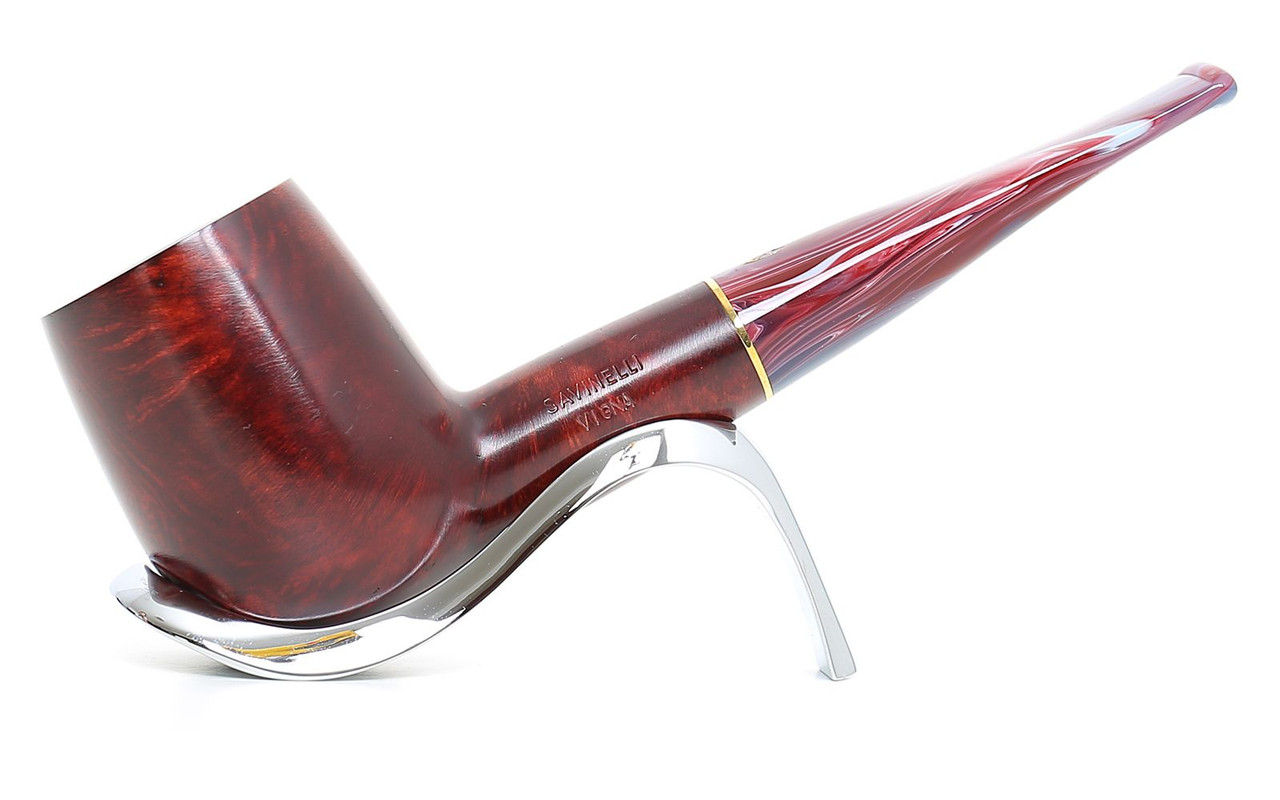
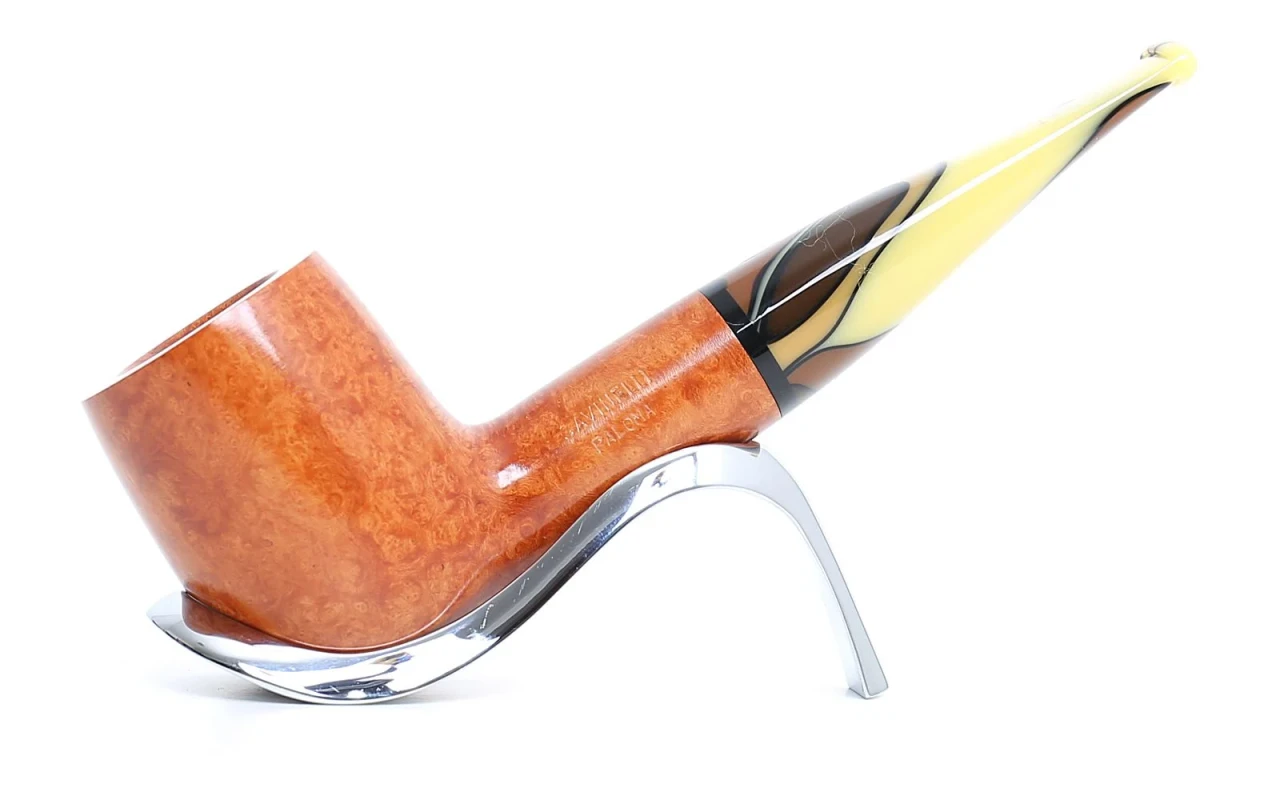
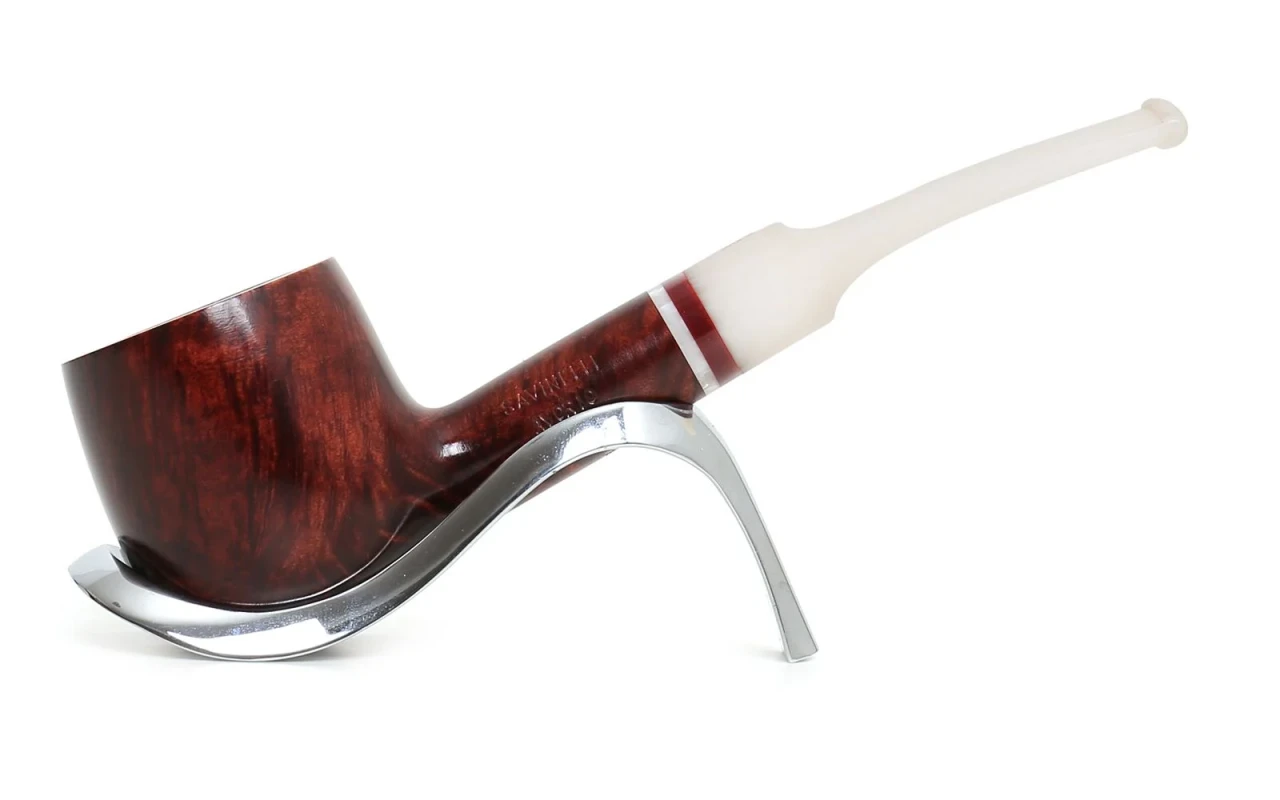
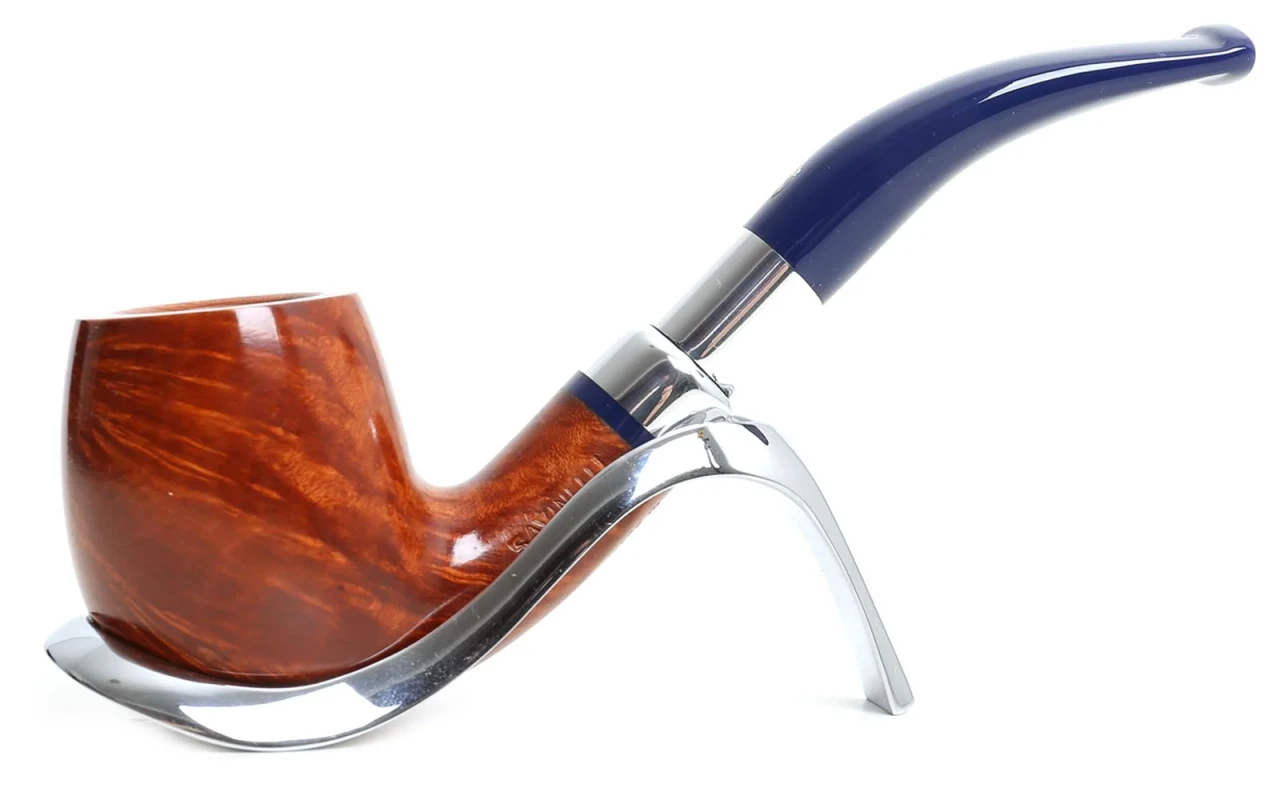
Pipe manufacturing process
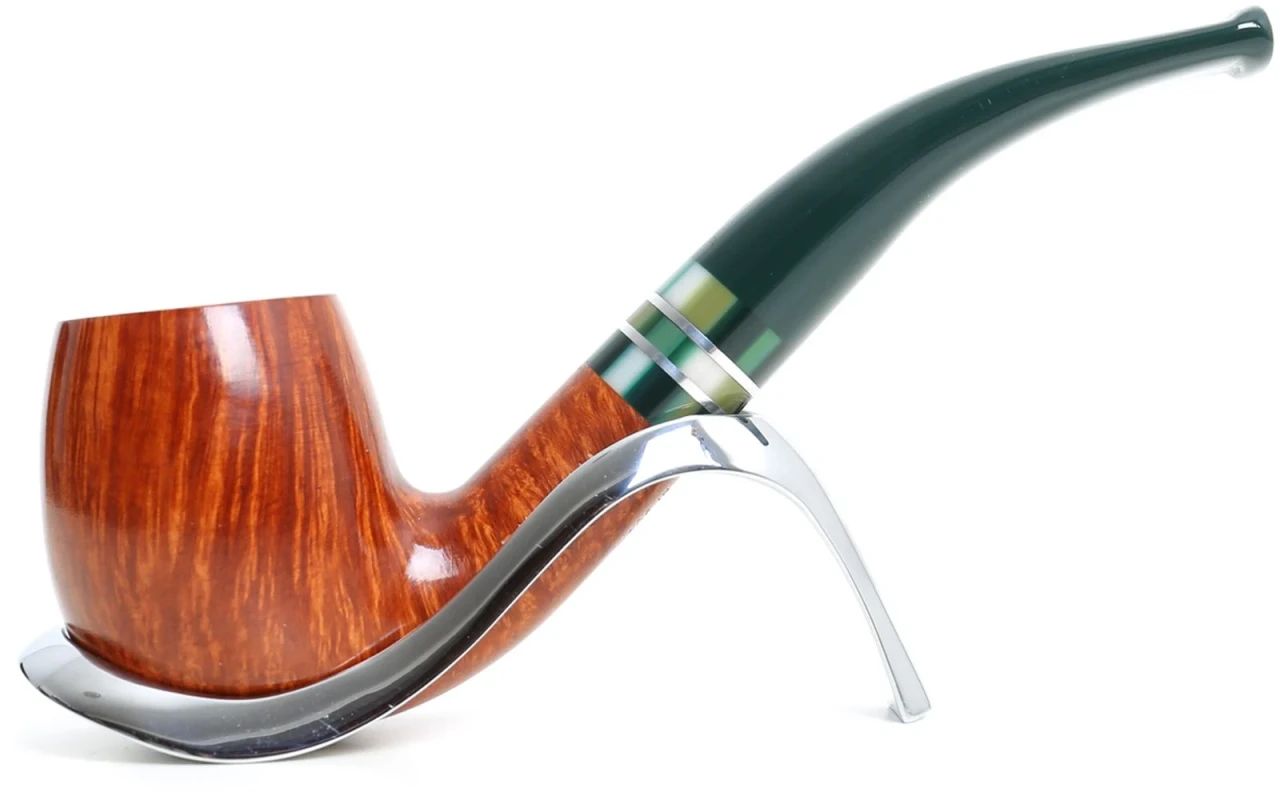
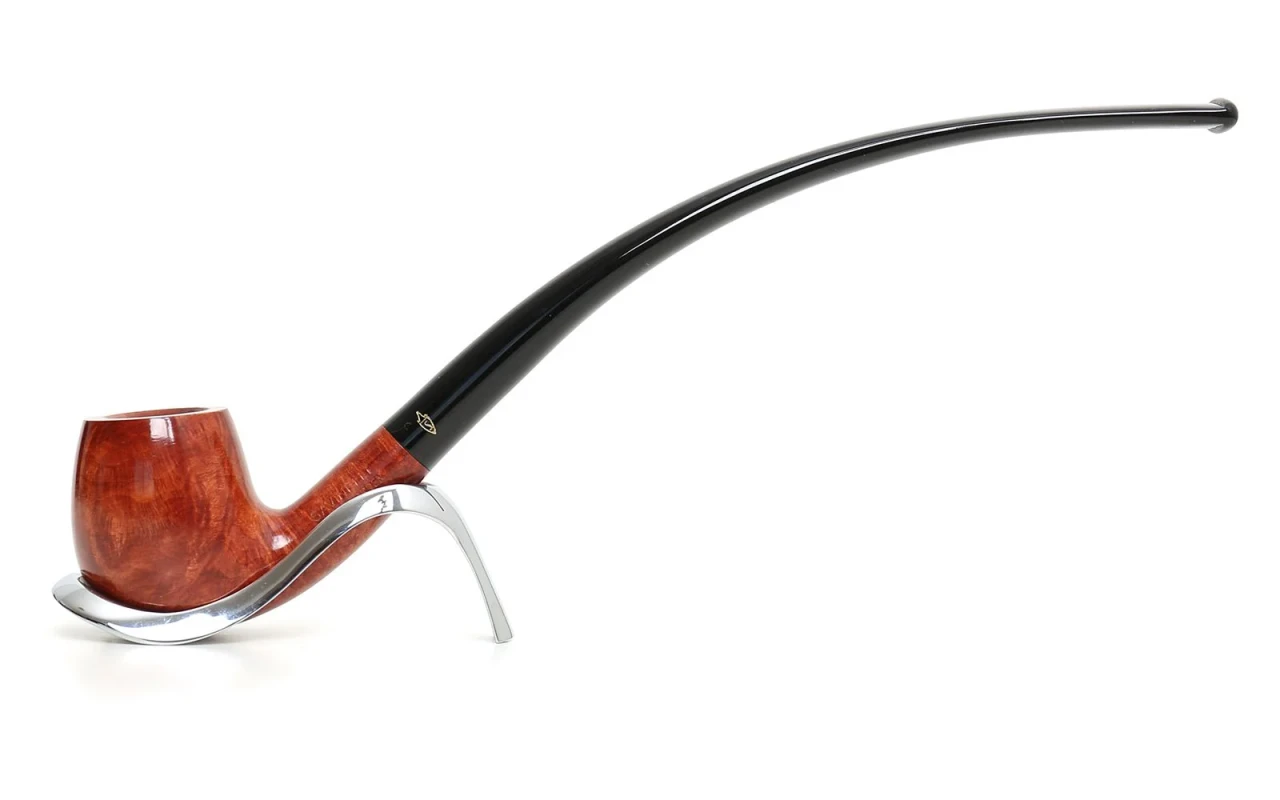
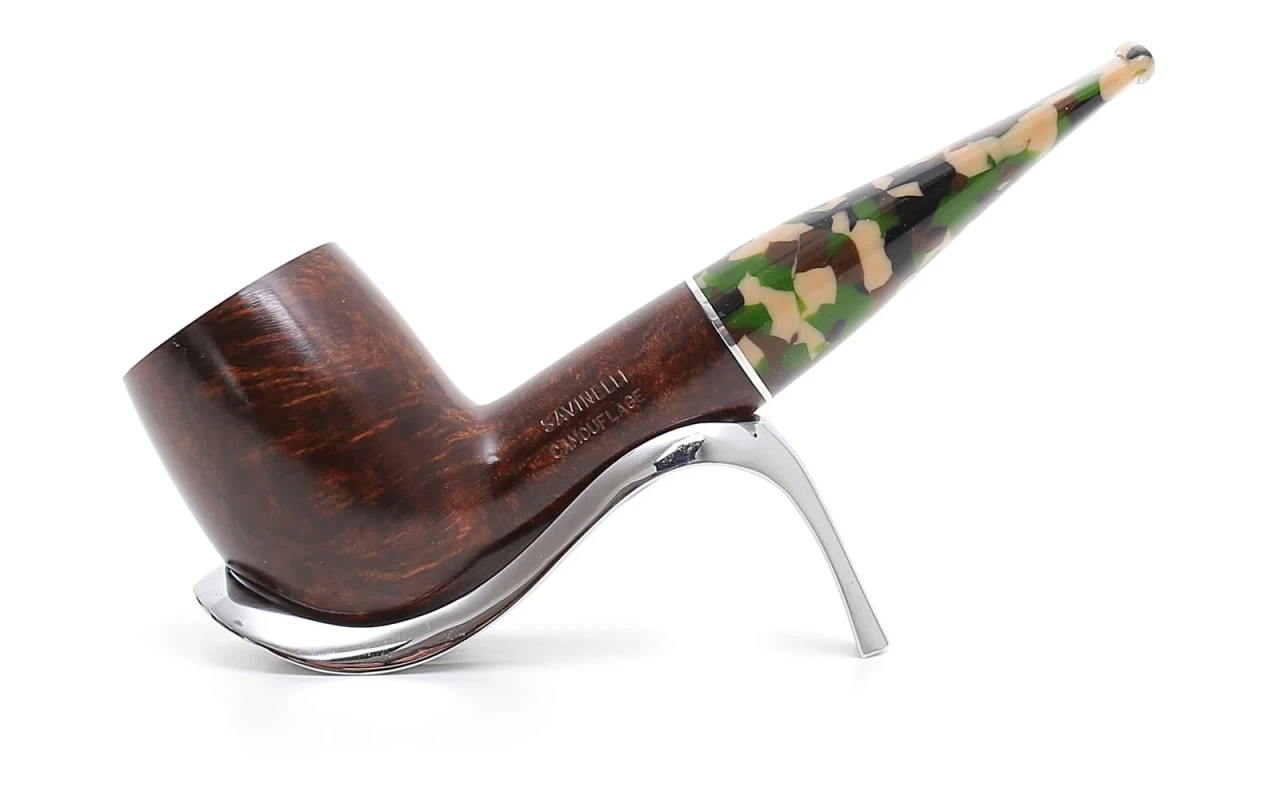
The pipe manufacturing process is a complex artisanal procedure that involves several stages:1. Selection of the raw material, usually high-quality wood or briar.2. Cutting and shaping the wood block according to the desired design.3. Carving out the pipe chamber and smoke passage.4. Smoothing and polishing the external and internal surface of the pipe.5. Finishing with natural oils and waxes to protect and enhance the wood.6. Final assembly by inserting the stem and the ring.7. Quality control to ensure the pipe is functional and aesthetically perfect.This artisanal process requires great skill and attention to detail to create a high-quality and prestigious pipe.
Pipe Manufacturing Techniques
Pipes are crafted using various manufacturing techniques, ensuring the quality and functionality of the final product. The main techniques used include:- Carving: pipes are carved from a single piece of wood or briar, creating unique shapes and designs.- Hand finishing: following carving, pipes are handcrafted to refine the details and ensure a smooth and even surface.- Polishing: pipes are polished using special creams or oils to enhance the beauty of the wood and protect them over time.- Chamber drilling: the pipe chamber is precisely drilled to ensure optimal smoke flow.- Accessory assembly: finally, accessories such as the mouthpiece and filter are added, completing the pipe manufacturing process.
Materials for Pipe Production
The materials for pipe production vary depending on the type of pipe and the preferences of the maker. However, common materials include:- Briarwood: light and durable, widely used for high-quality pipes.- Oakwood: provides a rustic and sturdy finish.- Corn cob: used for inexpensive or decorative pipes.- Clay: traditionally used for oriental pipes.- Meerschaum: a porous stone that absorbs smoke, ensuring a drier smoke.- Bamboo: often used for stems or mouthpieces due to its lightweight and durability.These materials influence the weight, flavor, and final appearance of the pipe.
Artisan Finishes for Pipes
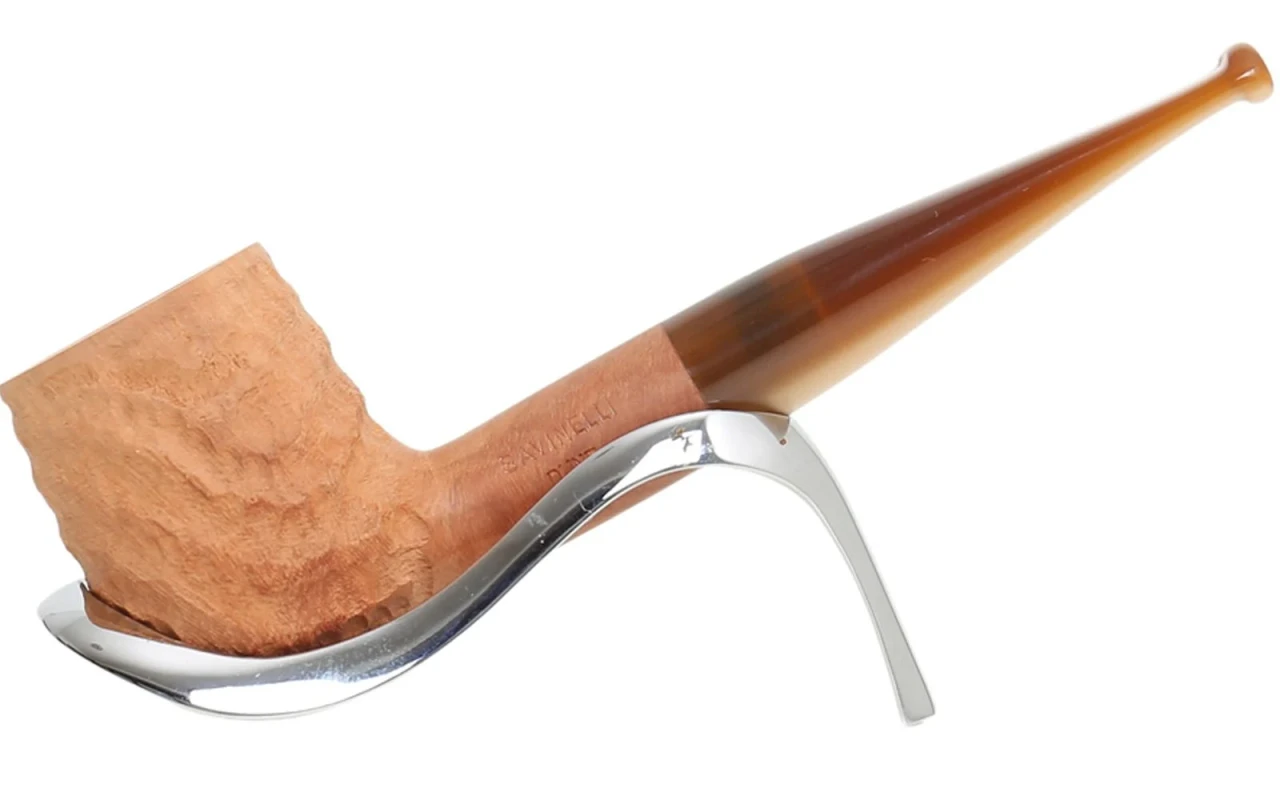
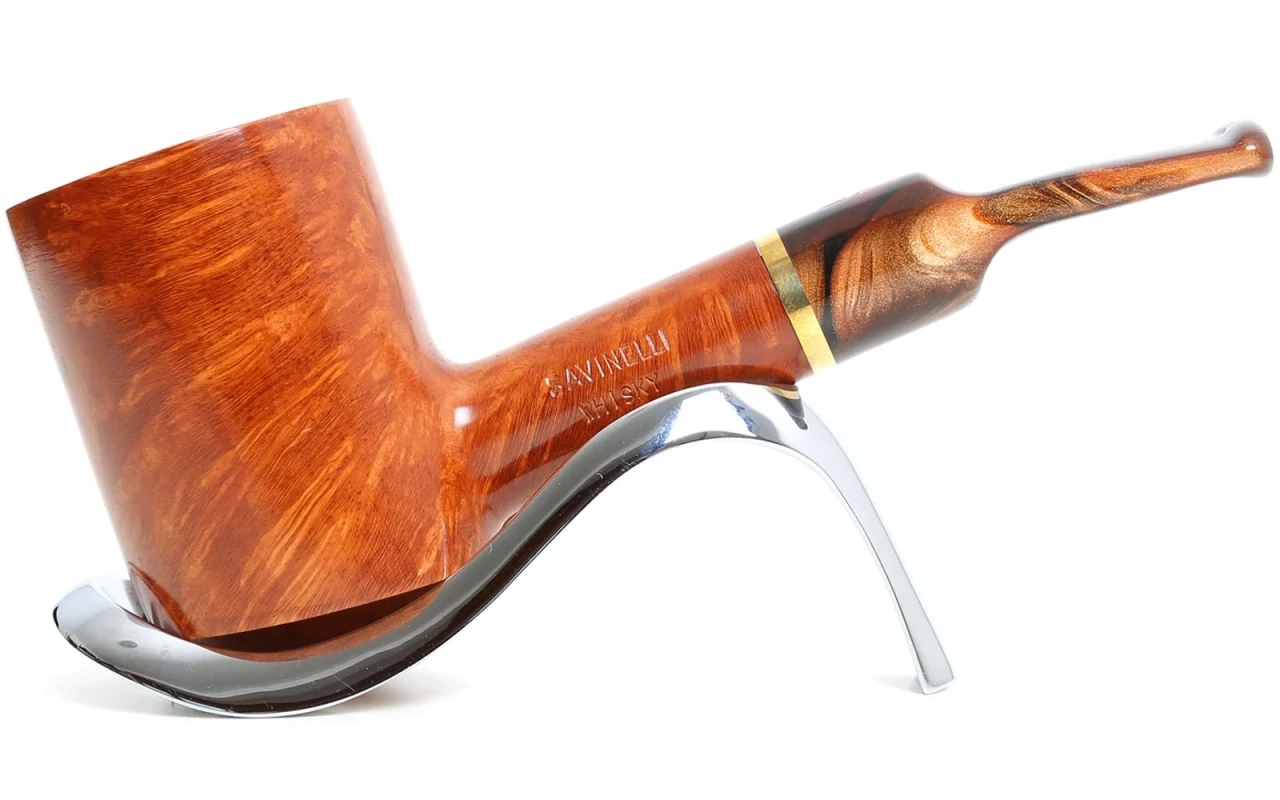
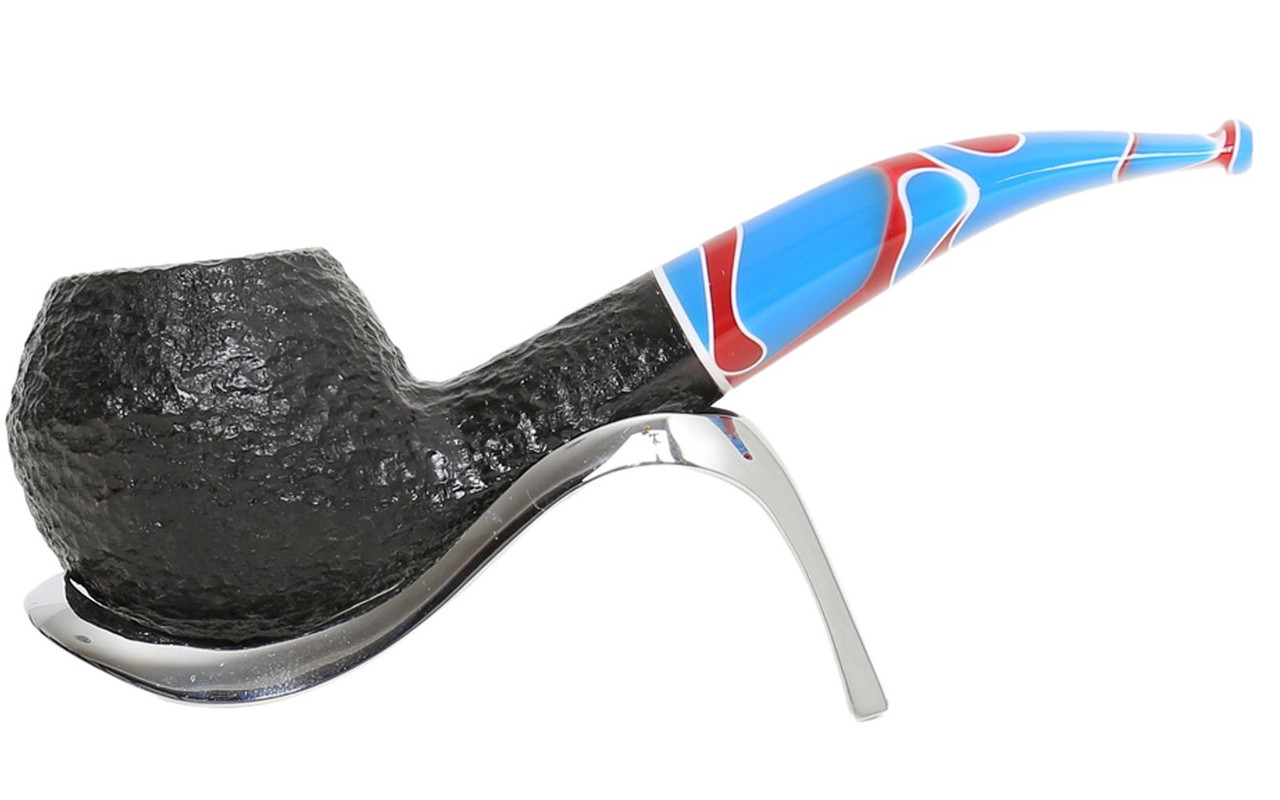
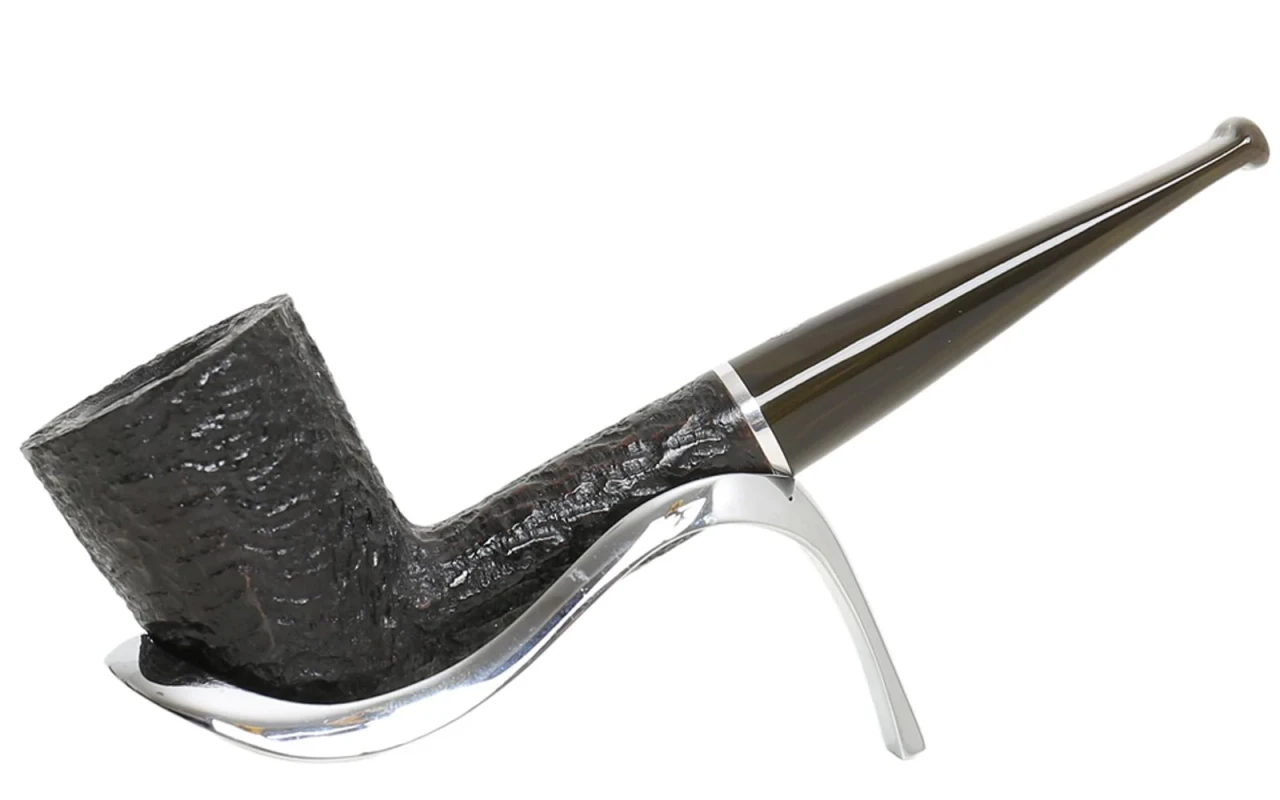
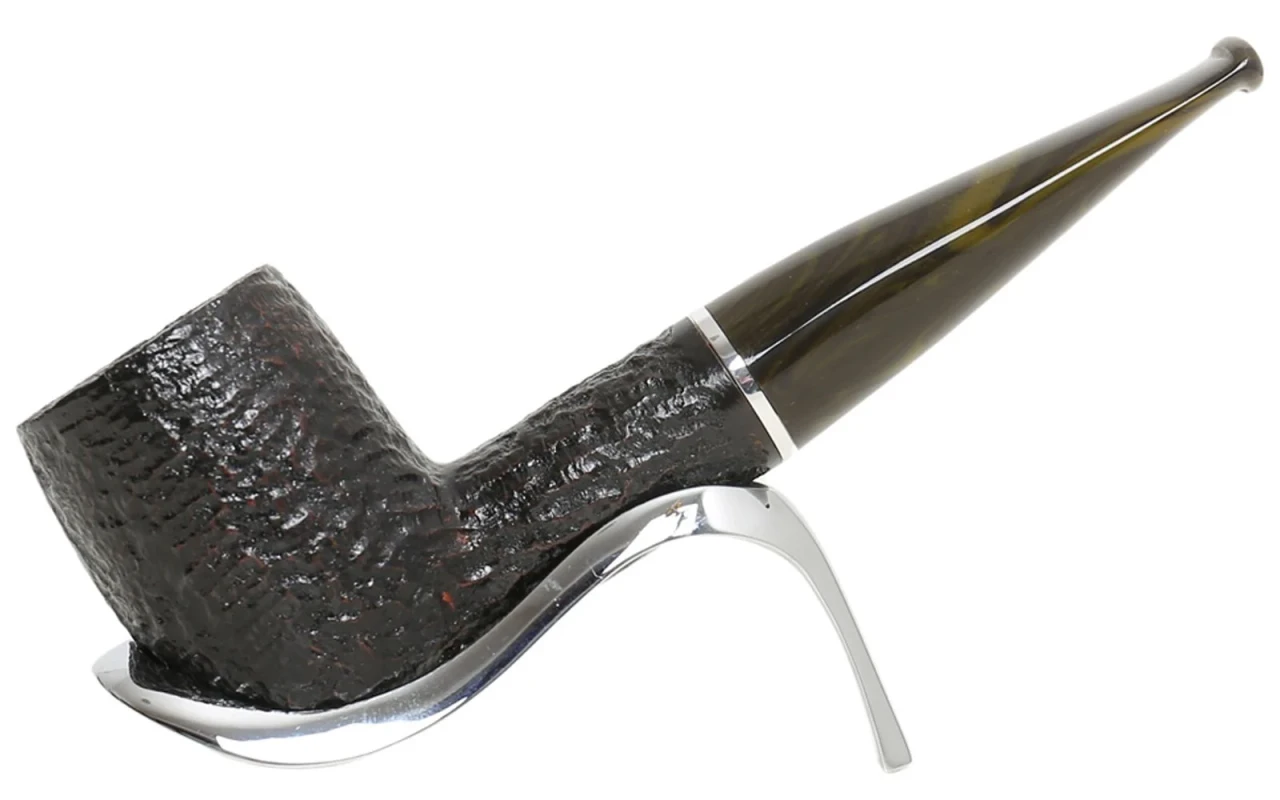
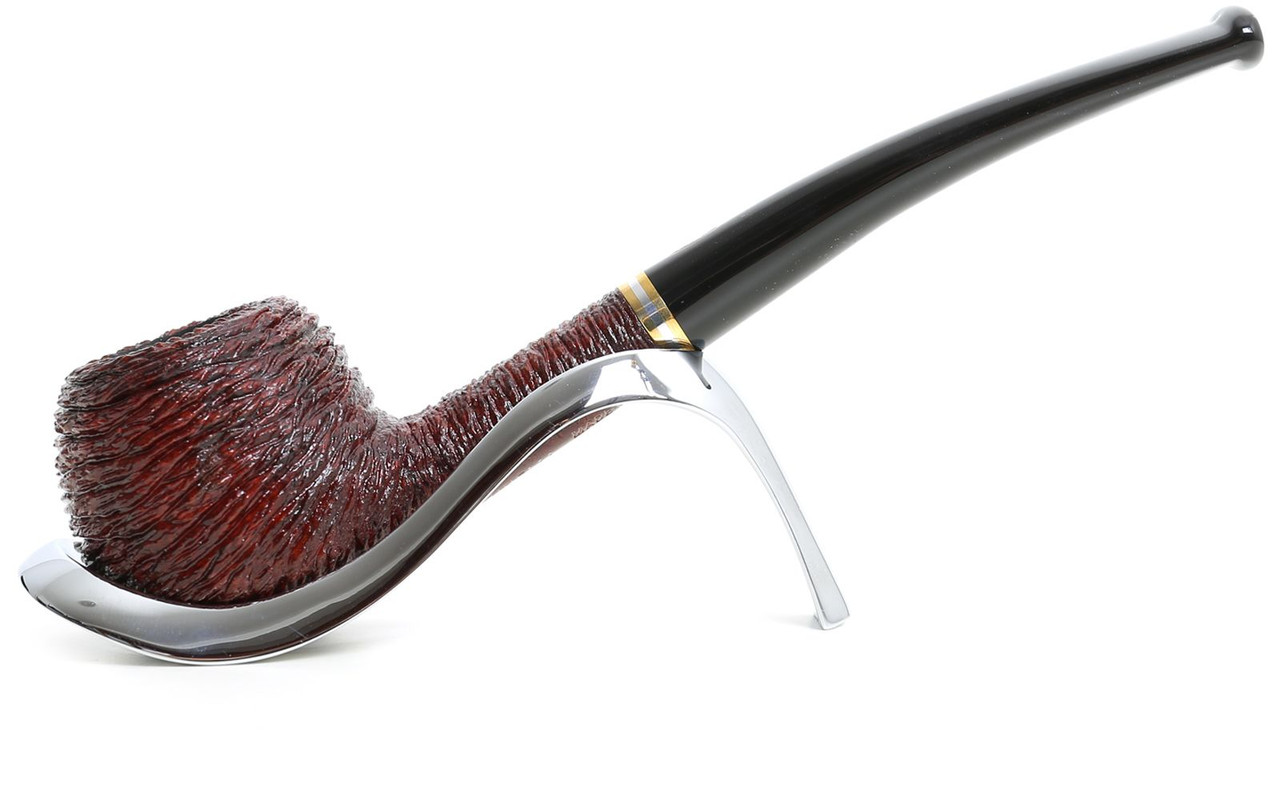
Artisan finishes for pipes are processing techniques that give aesthetic and functional characteristics to the products. These finishes may include polishing, sandblasting, rustication, and lacquering, among others. Polishing makes the surface of the pipe smooth and shiny, while sandblasting creates a rustic and matte effect. Rustication, on the other hand, adds texture and depth to the surface. Finally, lacquering protects and enhances the wood, giving it a glossy and durable appearance. Artisan finishes are essential for customizing and enhancing the final look of a pipe, ensuring quality and style to the product.
'%3e%3cg id='Final-Copy-2_2_' transform='translate(1275.000000, 200.000000)'%3e%3cpath class='st0' d='M7.4,12.8h6.8l3.1-11.6H7.4C4.2,1.2,1.6,3.8,1.6,7S4.2,12.8,7.4,12.8z'/%3e%3c/g%3e%3c/g%3e%3c/g%3e%3cg id='final---dec.11-2020'%3e%3cg id='_x30_208-our-toggle' transform='translate(-1275.000000, -200.000000)'%3e%3cg id='Final-Copy-2' transform='translate(1275.000000, 200.000000)'%3e%3cpath class='st1' d='M22.6,0H7.4c-3.9,0-7,3.1-7,7s3.1,7,7,7h15.2c3.9,0,7-3.1,7-7S26.4,0,22.6,0z M1.6,7c0-3.2,2.6-5.8,5.8-5.8 h9.9l-3.1,11.6H7.4C4.2,12.8,1.6,10.2,1.6,7z'/%3e%3cpath id='x' class='st2' d='M24.6,4c0.2,0.2,0.2,0.6,0,0.8l0,0L22.5,7l2.2,2.2c0.2,0.2,0.2,0.6,0,0.8c-0.2,0.2-0.6,0.2-0.8,0 l0,0l-2.2-2.2L19.5,10c-0.2,0.2-0.6,0.2-0.8,0c-0.2-0.2-0.2-0.6,0-0.8l0,0L20.8,7l-2.2-2.2c-0.2-0.2-0.2-0.6,0-0.8 c0.2-0.2,0.6-0.2,0.8,0l0,0l2.2,2.2L23.8,4C24,3.8,24.4,3.8,24.6,4z'/%3e%3cpath id='y' class='st3' d='M12.7,4.1c0.2,0.2,0.3,0.6,0.1,0.8l0,0L8.6,9.8C8.5,9.9,8.4,10,8.3,10c-0.2,0.1-0.5,0.1-0.7-0.1l0,0 L5.4,7.7c-0.2-0.2-0.2-0.6,0-0.8c0.2-0.2,0.6-0.2,0.8,0l0,0L8,8.6l3.8-4.5C12,3.9,12.4,3.9,12.7,4.1z'/%3e%3c/g%3e%3c/g%3e%3c/g%3e%3c/g%3e%3c/svg%3e) Your Privacy Choices
Your Privacy Choices 


