 ES
ES FR
FR EN
EN IT
IT DE
DE
Sustainable production processes for pipes

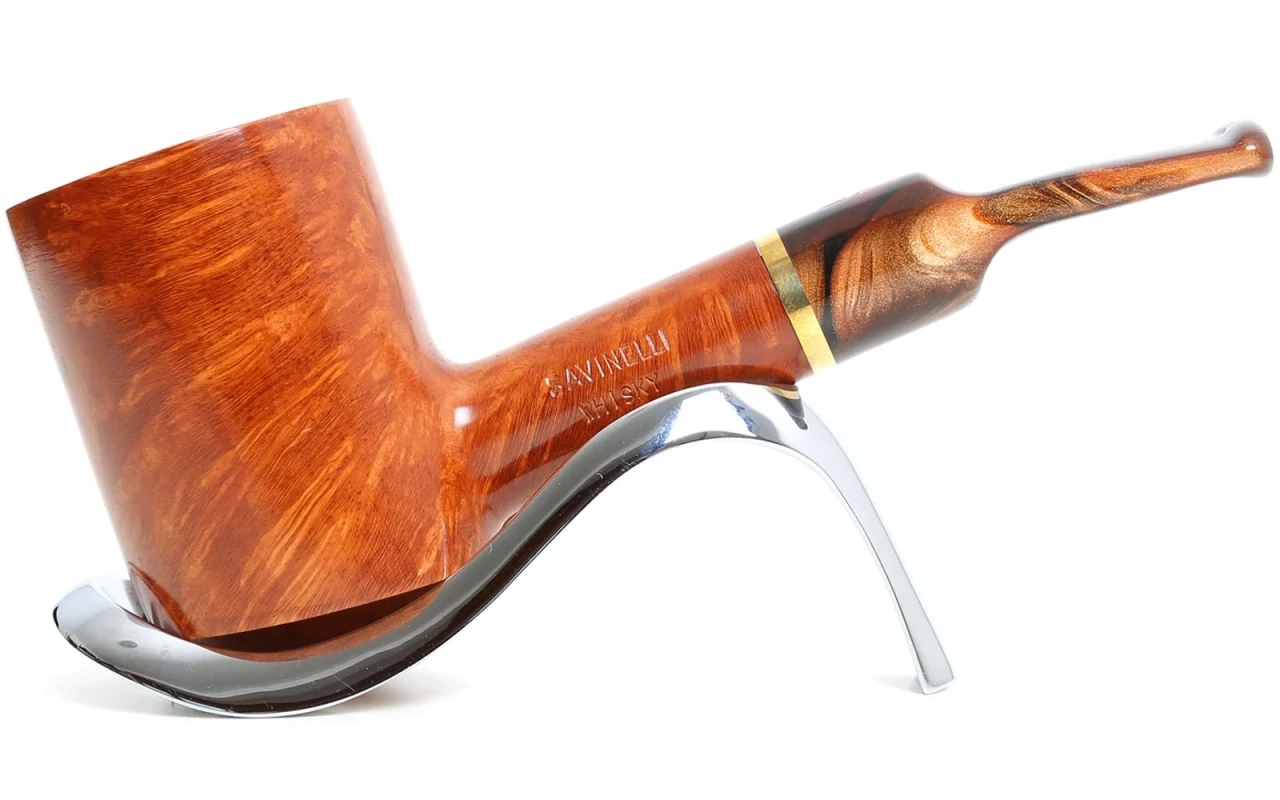
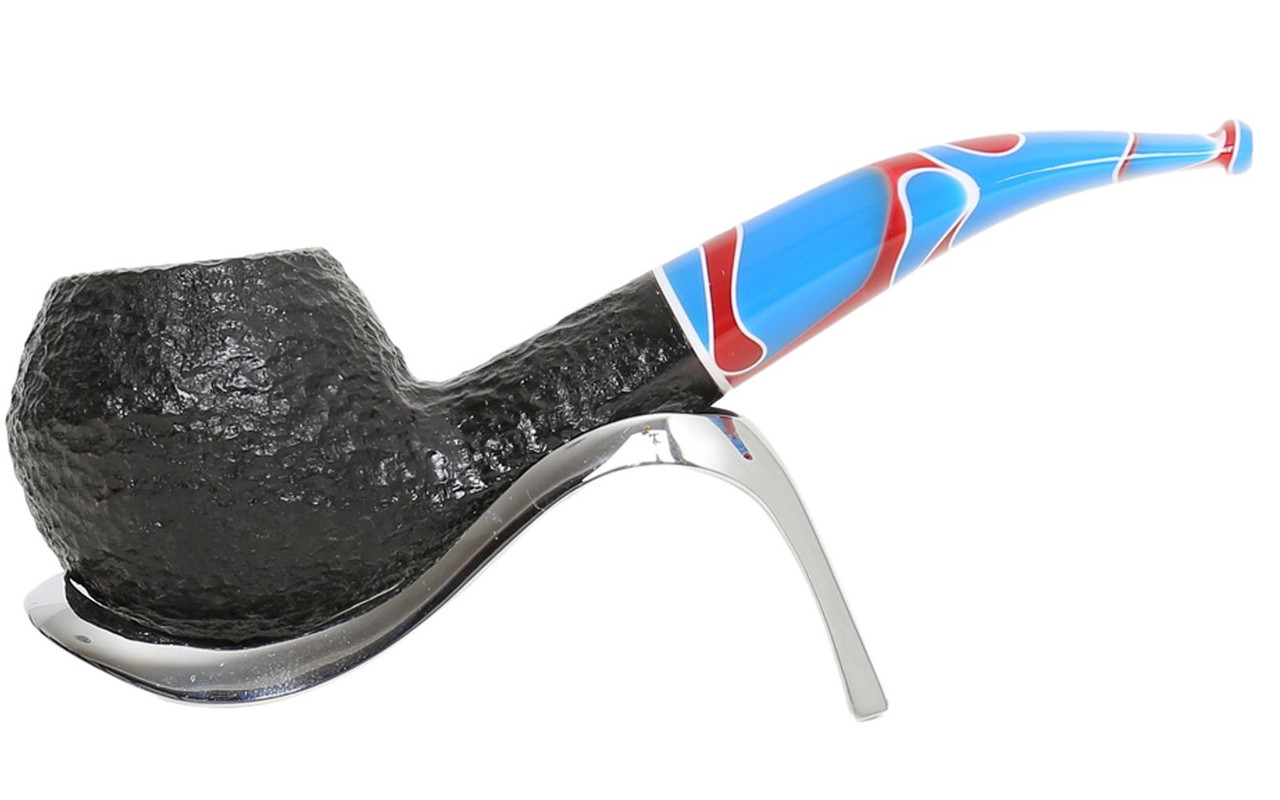
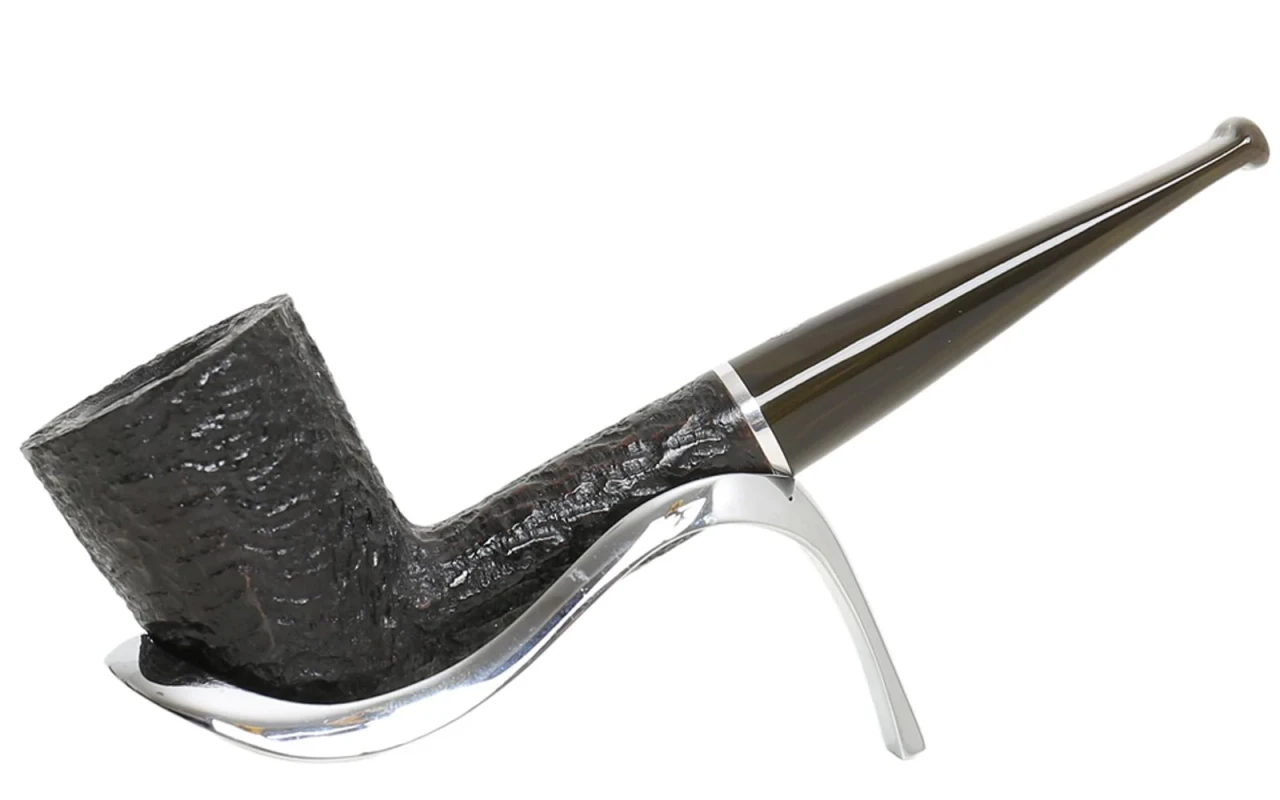
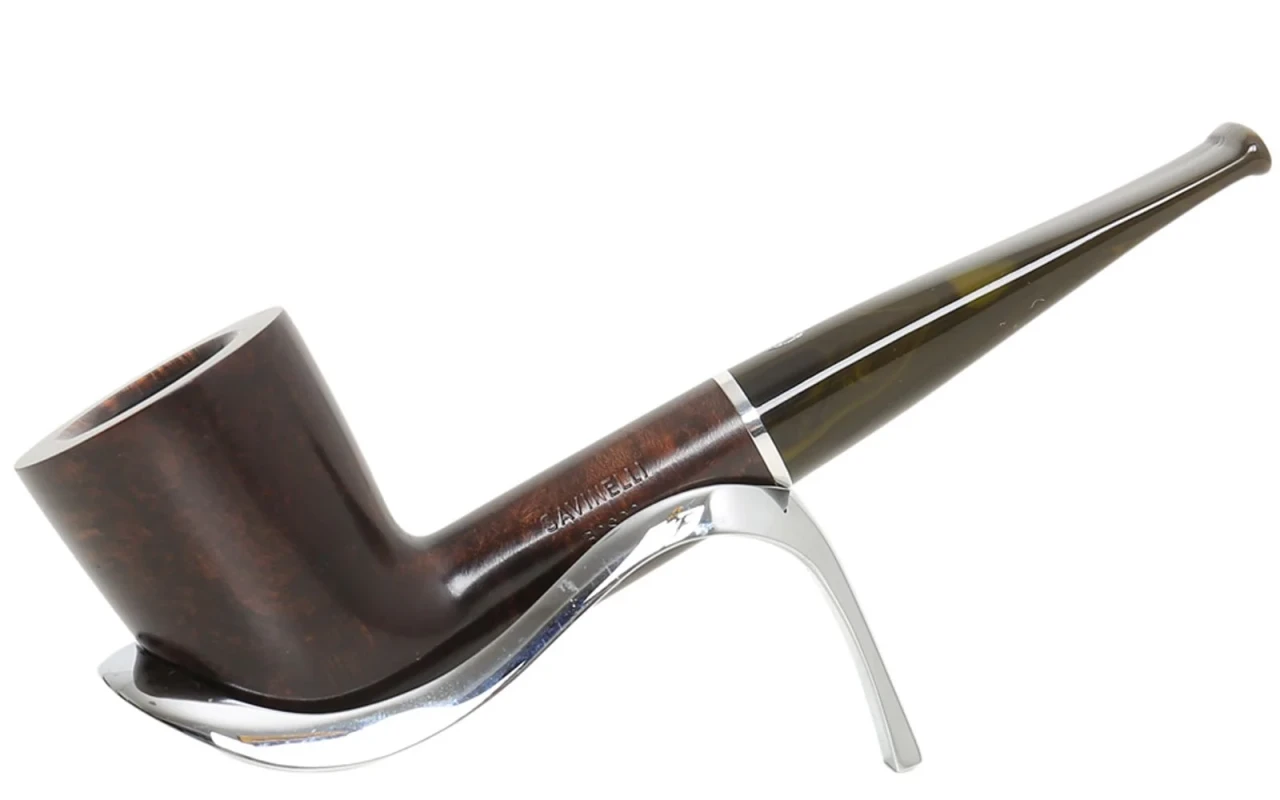

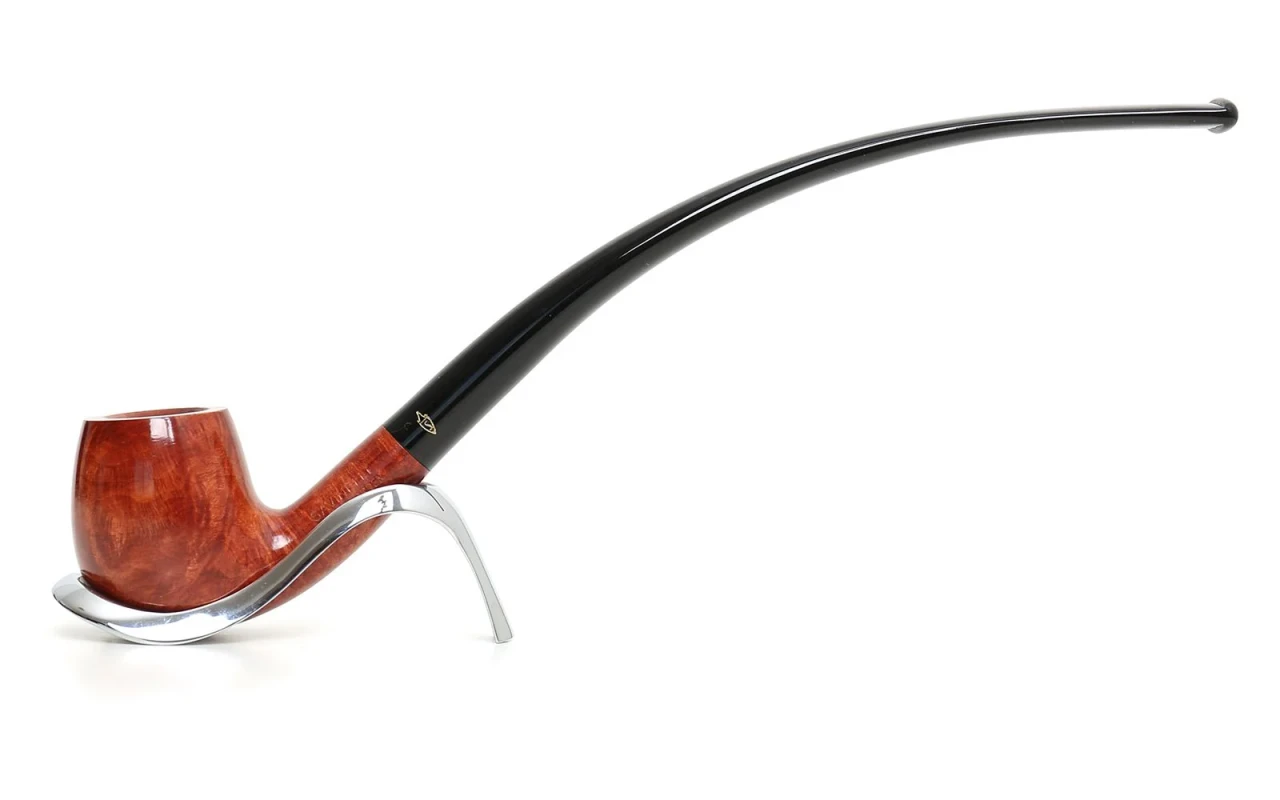

Sustainable production processes for pipes
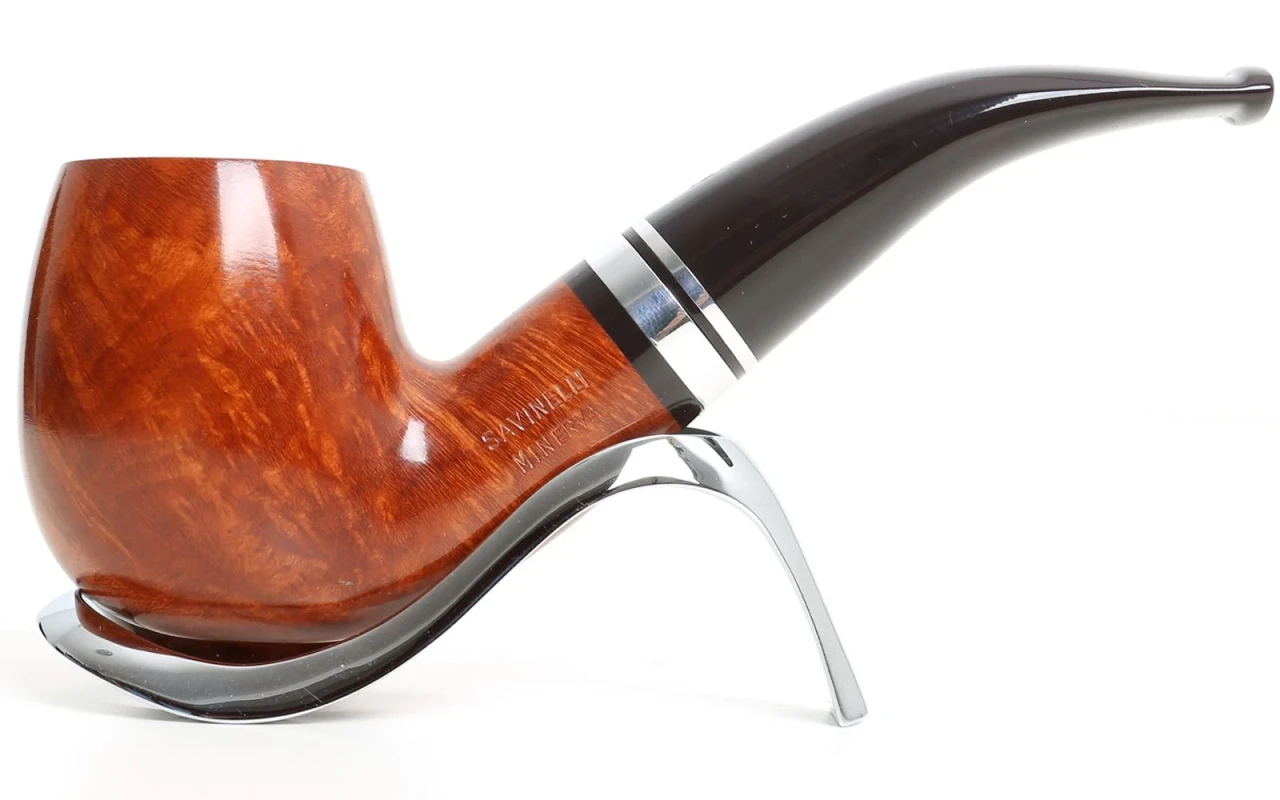
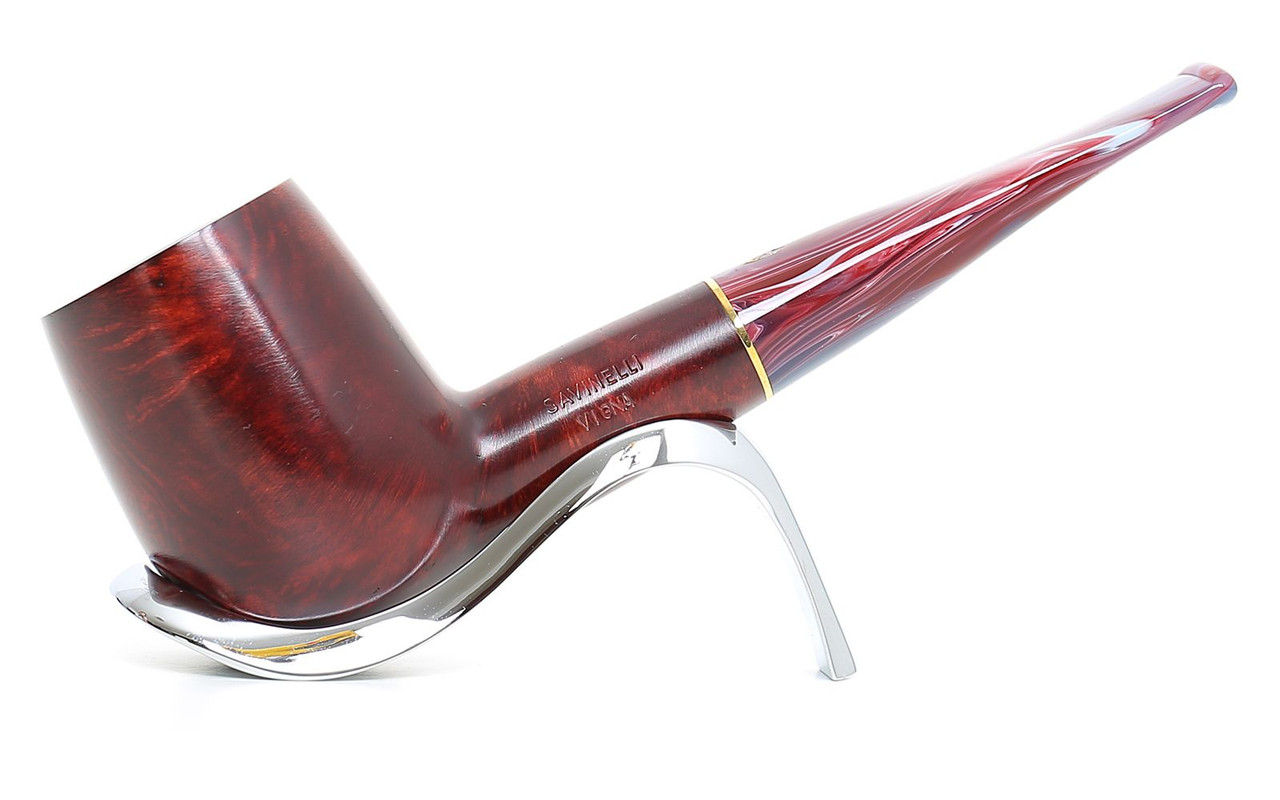
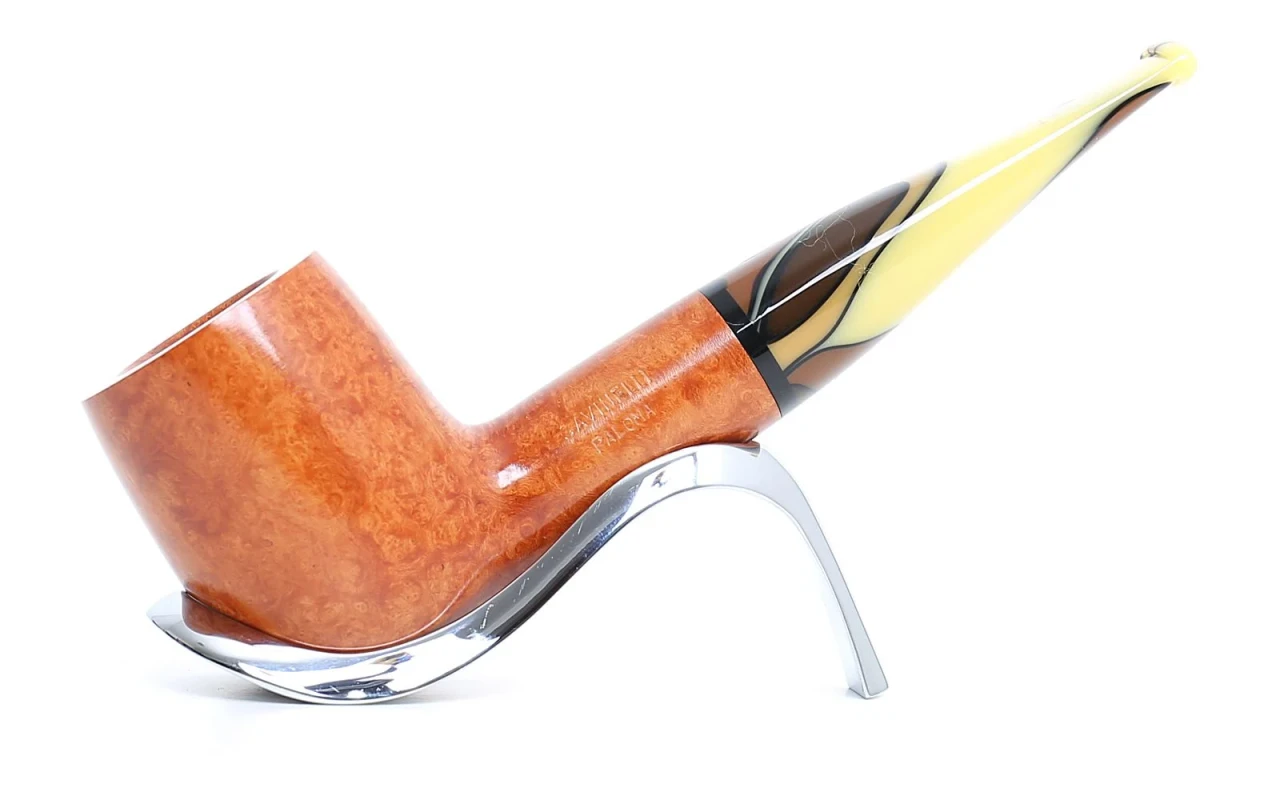
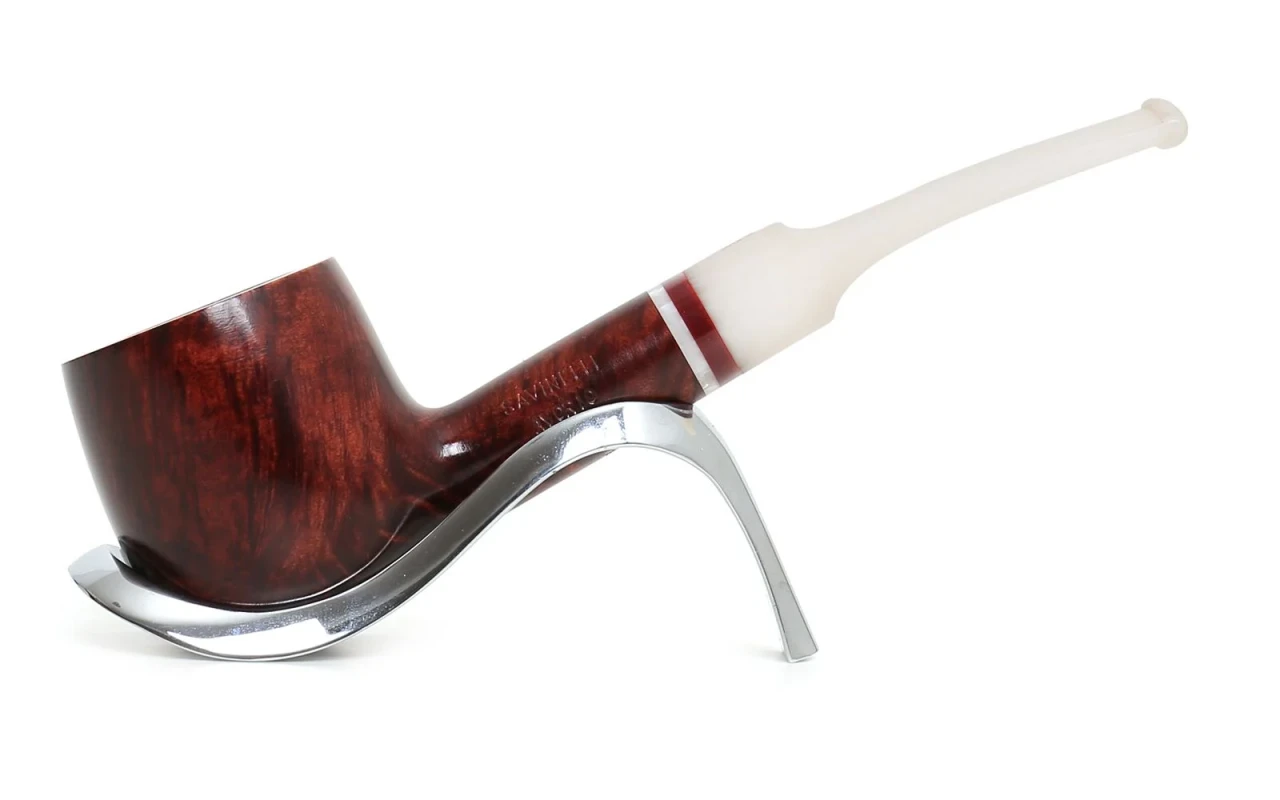
Sustainable production processes for pipes are essential to reduce the environmental impact associated with this sector. Some common practices include the use of recycled or sustainably sourced materials, optimizing the use of water and energy resources, and reducing CO2 emissions. Additionally, companies can adopt more efficient production techniques to reduce waste and promote material recycling. Implementing sustainable production processes not only contributes to environmental protection but can also enhance the company's image and meet the needs of an increasingly eco-conscious customer base.
Eco-Friendly Materials for Smoking Pipes
Eco-friendly materials for smoking pipes are increasingly sought after by enthusiasts. Among the sustainable and low environmental impact options are:- Wood from sustainably managed forests- Corn or corn cob- Clay or terracotta- Briar root (bruyère)- Meerschaum (pierre de mer)- Recycled materials such as glass or aluminumThese materials offer valid alternatives to traditional plastic pipes or other non-biodegradable materials. Choosing an eco-friendly pipe not only reduces environmental impact but can also ensure a better smoking experience.
Green Technologies for Pipe Production
Green technologies for pipe production are sustainable solutions that reduce the environmental impact of the manufacturing process. These technologies include the use of recycled or recyclable materials, optimization of energy consumption, and the adoption of eco-friendly practices. For example, the use of wood from sustainably managed forests, the reduction of CO2 emissions during processing, and the use of low-impact paints and adhesives are just some of the strategies adopted. In this way, companies in the pipe industry can contribute to environmental protection without compromising the quality and aesthetics of their products.
Responsible sourcing for artisan pipes
Responsible sourcing for artisan pipes is essential to ensure the quality of the final product and respect for the environment. This process involves selecting high-quality materials, such as briar root or olive wood, from sustainable sources. Additionally, it is important to ensure that suppliers adhere to ethical and social standards in pipe production, avoiding exploitation and poor working conditions. Responsible sourcing helps preserve the craftsmanship and authenticity of pipes, offering consumers a high-quality and sustainable product.
'%3e%3cg id='Final-Copy-2_2_' transform='translate(1275.000000, 200.000000)'%3e%3cpath class='st0' d='M7.4,12.8h6.8l3.1-11.6H7.4C4.2,1.2,1.6,3.8,1.6,7S4.2,12.8,7.4,12.8z'/%3e%3c/g%3e%3c/g%3e%3c/g%3e%3cg id='final---dec.11-2020'%3e%3cg id='_x30_208-our-toggle' transform='translate(-1275.000000, -200.000000)'%3e%3cg id='Final-Copy-2' transform='translate(1275.000000, 200.000000)'%3e%3cpath class='st1' d='M22.6,0H7.4c-3.9,0-7,3.1-7,7s3.1,7,7,7h15.2c3.9,0,7-3.1,7-7S26.4,0,22.6,0z M1.6,7c0-3.2,2.6-5.8,5.8-5.8 h9.9l-3.1,11.6H7.4C4.2,12.8,1.6,10.2,1.6,7z'/%3e%3cpath id='x' class='st2' d='M24.6,4c0.2,0.2,0.2,0.6,0,0.8l0,0L22.5,7l2.2,2.2c0.2,0.2,0.2,0.6,0,0.8c-0.2,0.2-0.6,0.2-0.8,0 l0,0l-2.2-2.2L19.5,10c-0.2,0.2-0.6,0.2-0.8,0c-0.2-0.2-0.2-0.6,0-0.8l0,0L20.8,7l-2.2-2.2c-0.2-0.2-0.2-0.6,0-0.8 c0.2-0.2,0.6-0.2,0.8,0l0,0l2.2,2.2L23.8,4C24,3.8,24.4,3.8,24.6,4z'/%3e%3cpath id='y' class='st3' d='M12.7,4.1c0.2,0.2,0.3,0.6,0.1,0.8l0,0L8.6,9.8C8.5,9.9,8.4,10,8.3,10c-0.2,0.1-0.5,0.1-0.7-0.1l0,0 L5.4,7.7c-0.2-0.2-0.2-0.6,0-0.8c0.2-0.2,0.6-0.2,0.8,0l0,0L8,8.6l3.8-4.5C12,3.9,12.4,3.9,12.7,4.1z'/%3e%3c/g%3e%3c/g%3e%3c/g%3e%3c/g%3e%3c/svg%3e) Your Privacy Choices
Your Privacy Choices 


