 ES
ES FR
FR EN
EN IT
IT DE
DE
Briar Pipes and Deforestation
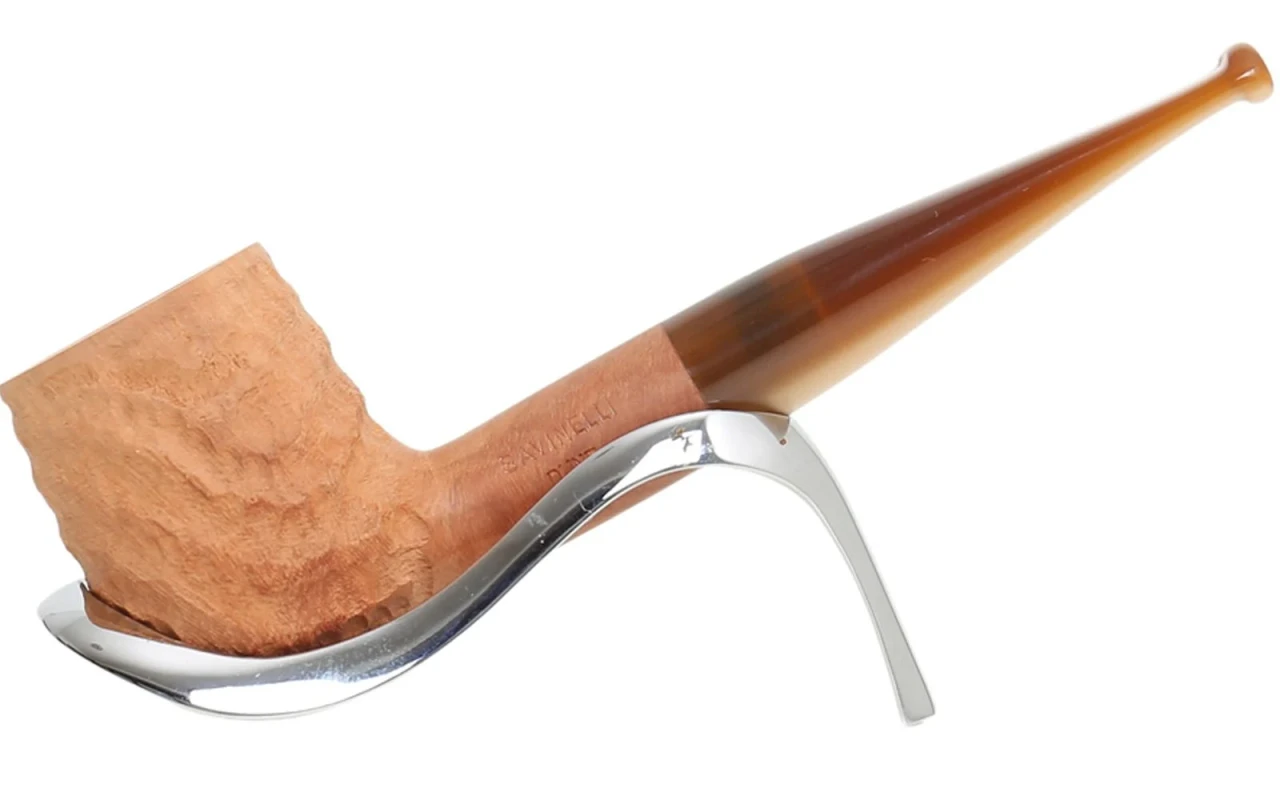
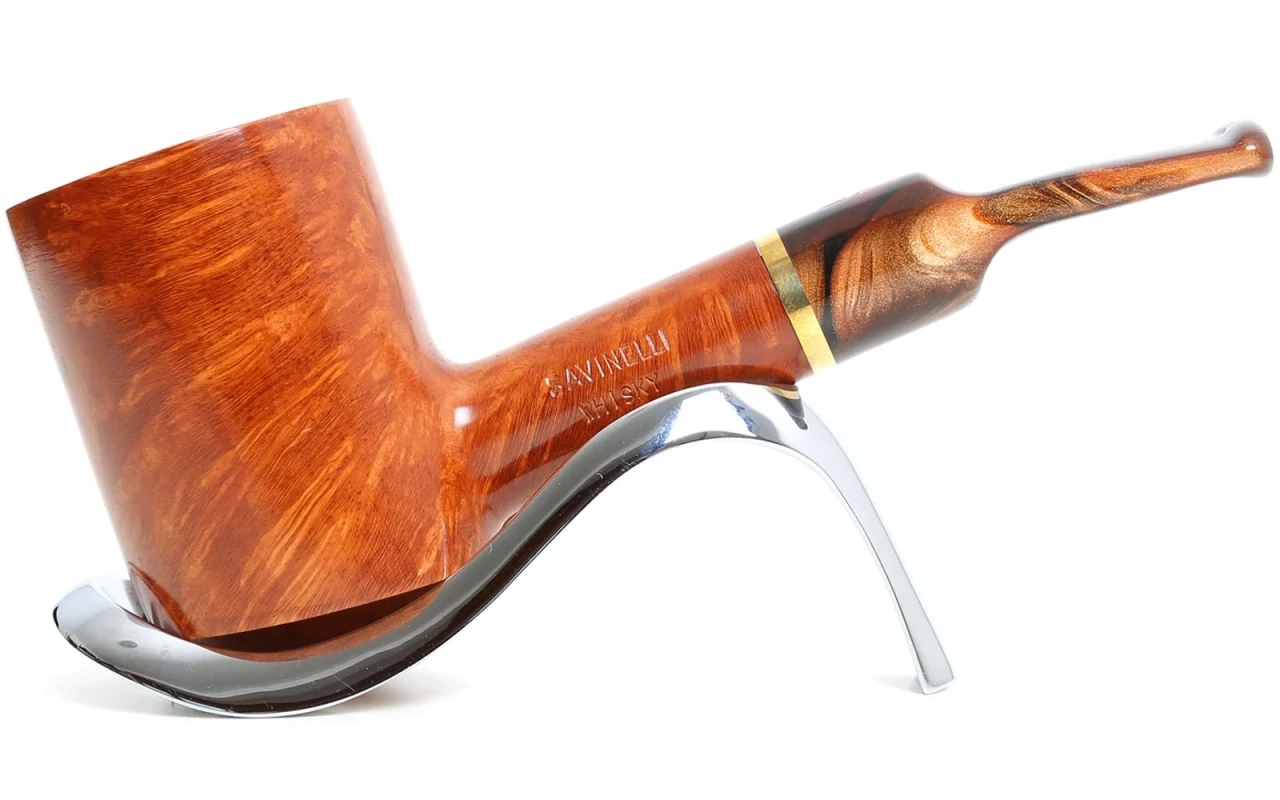
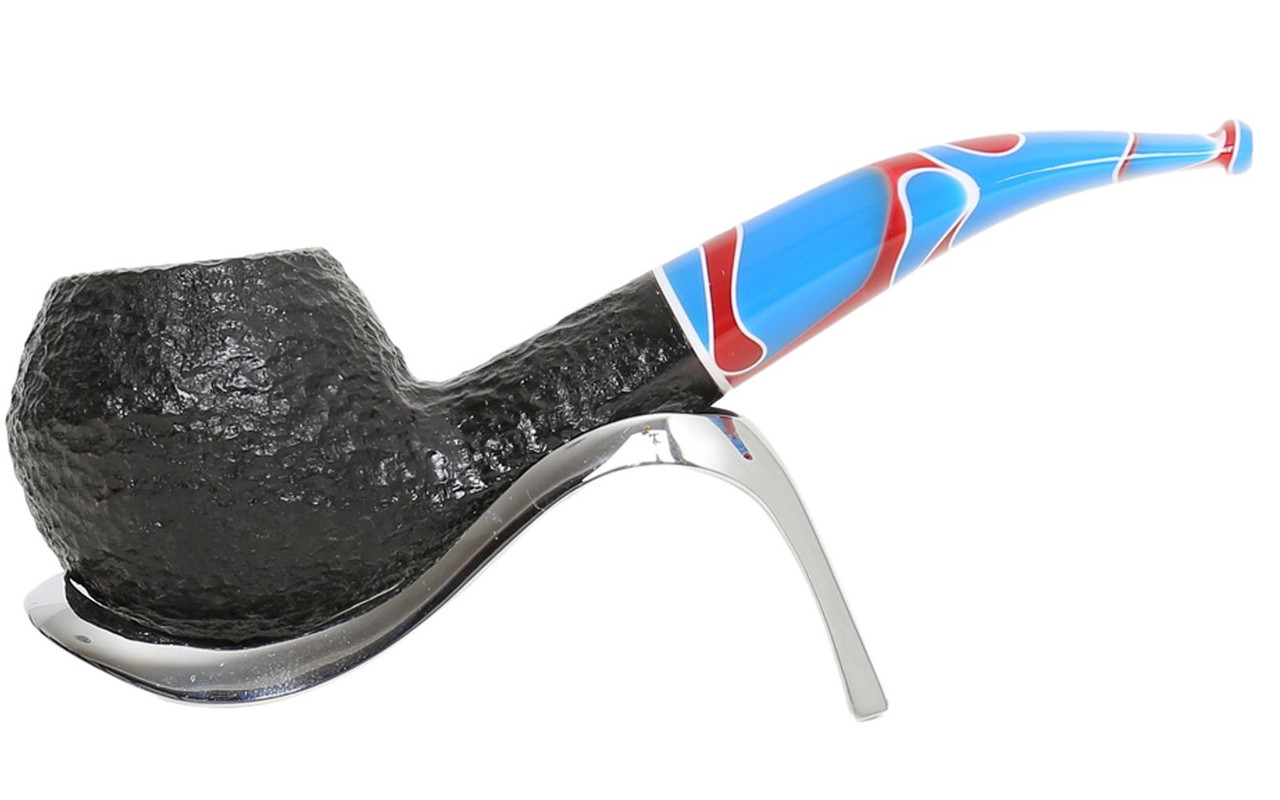
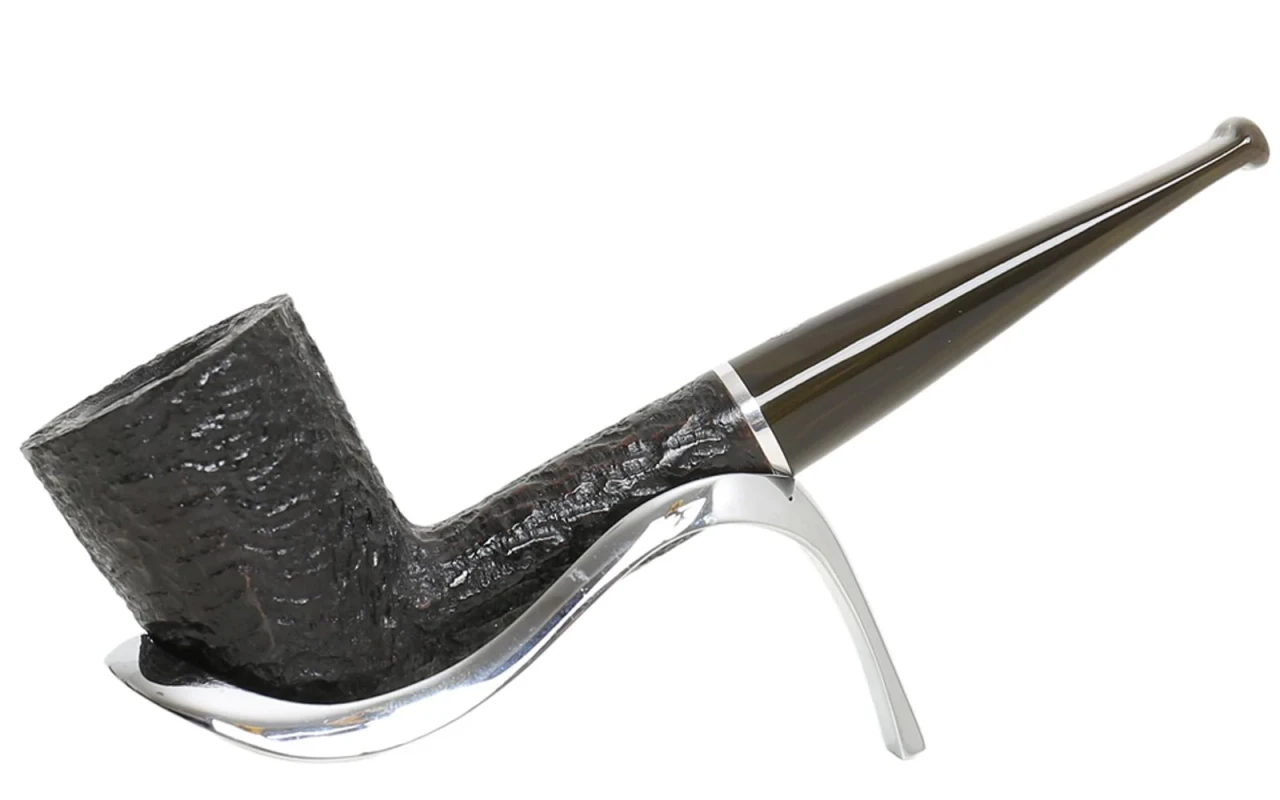
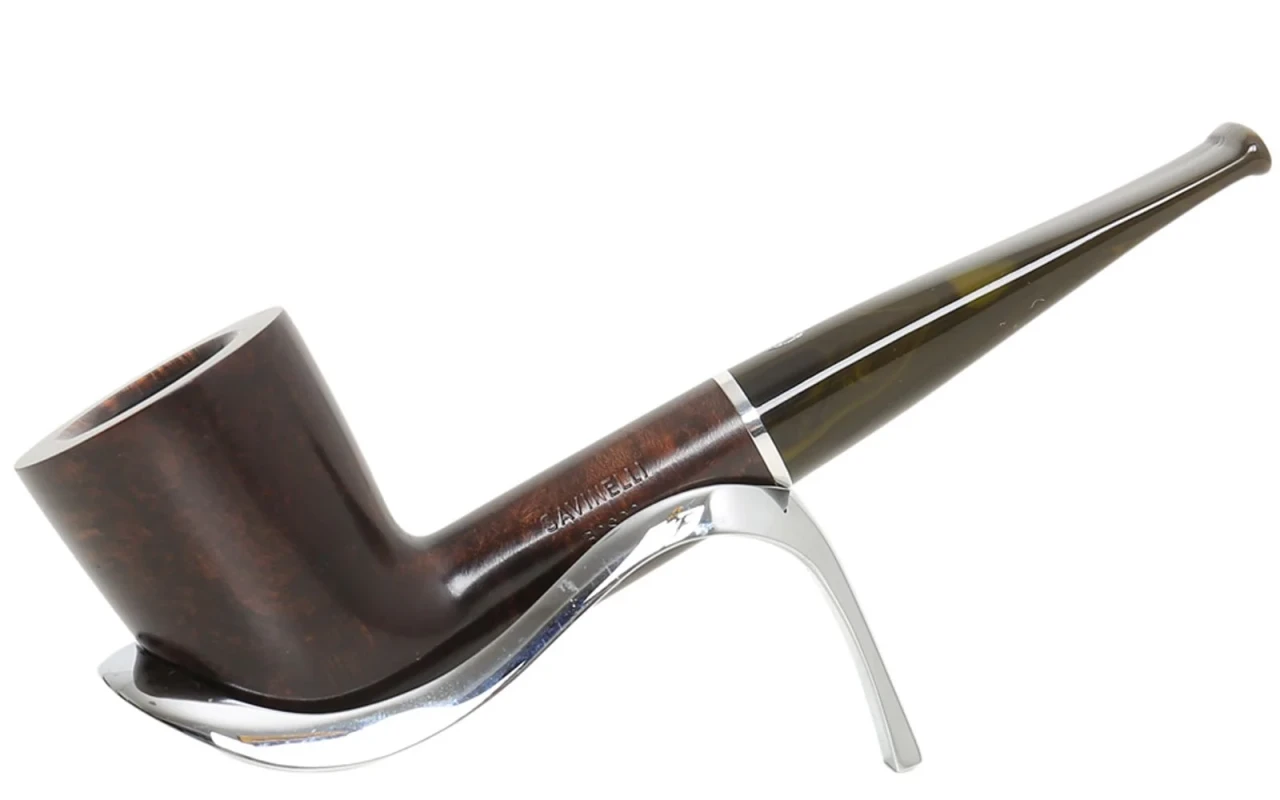
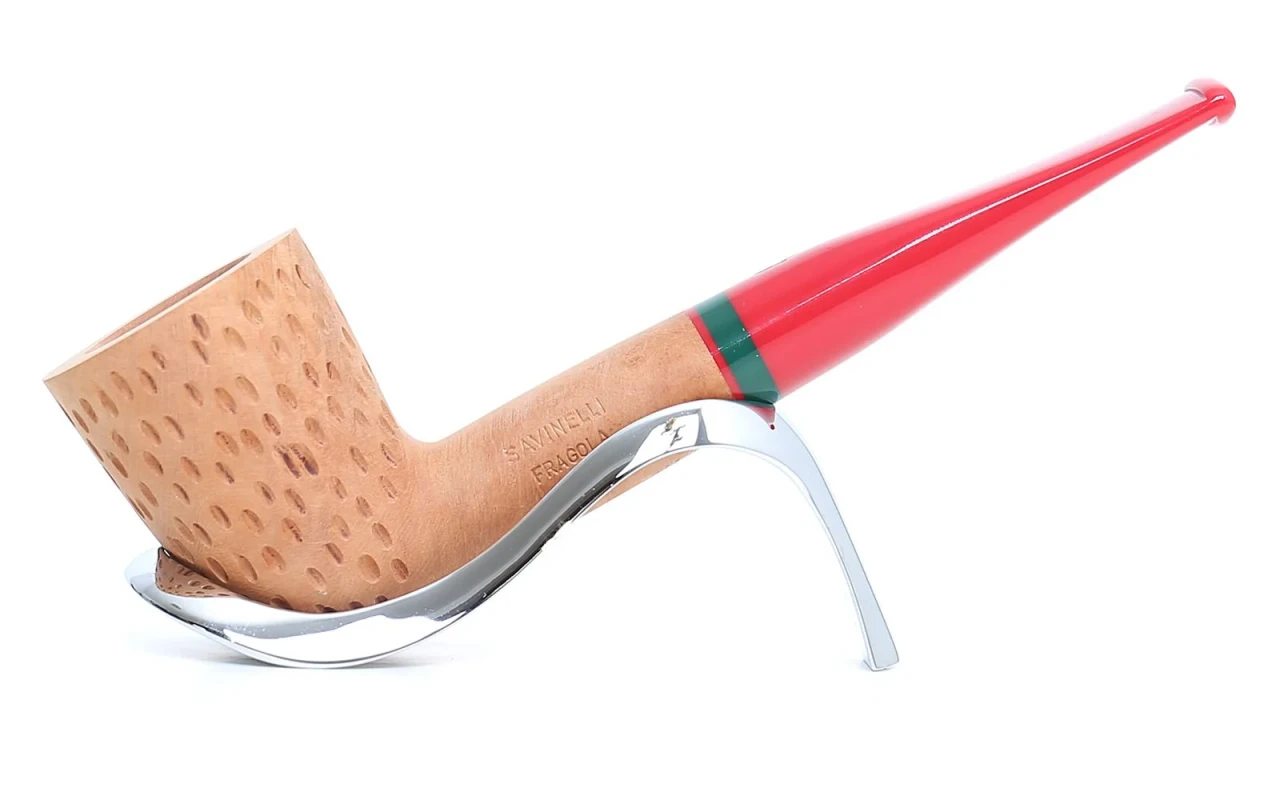
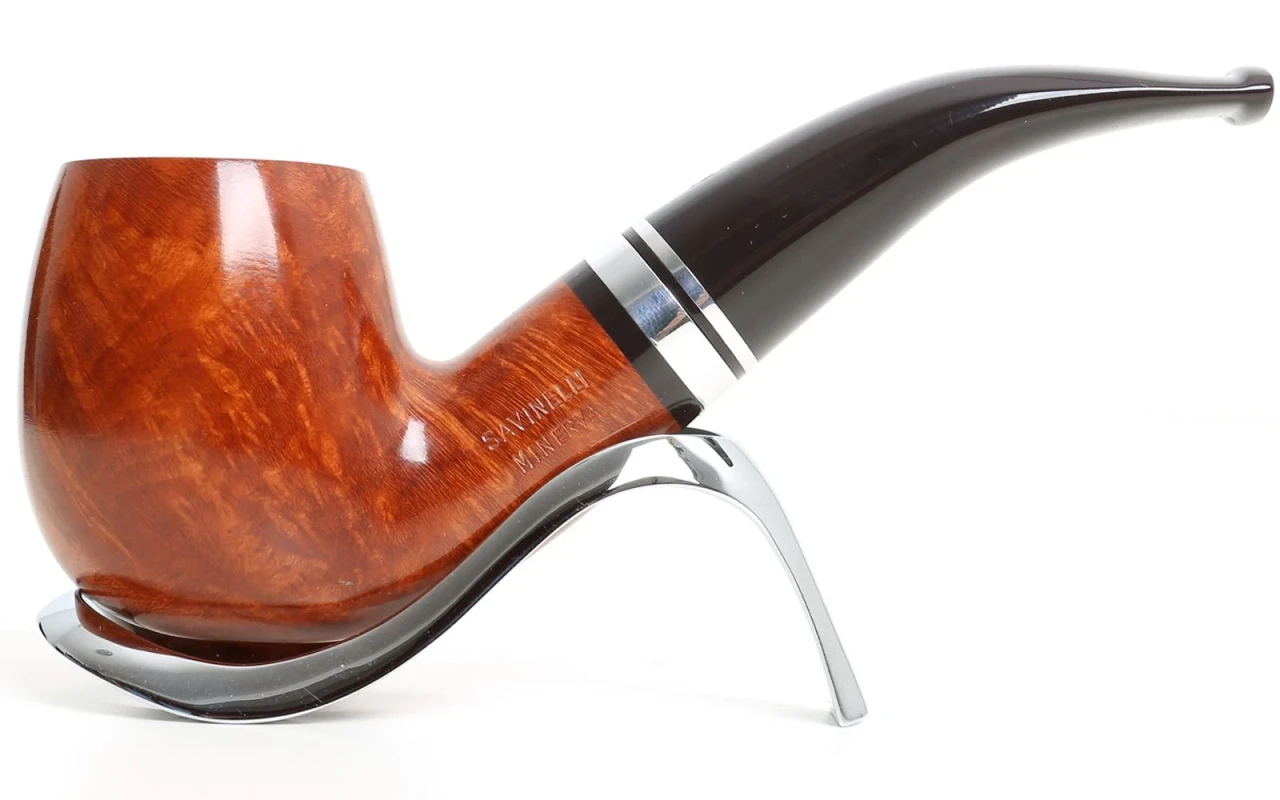
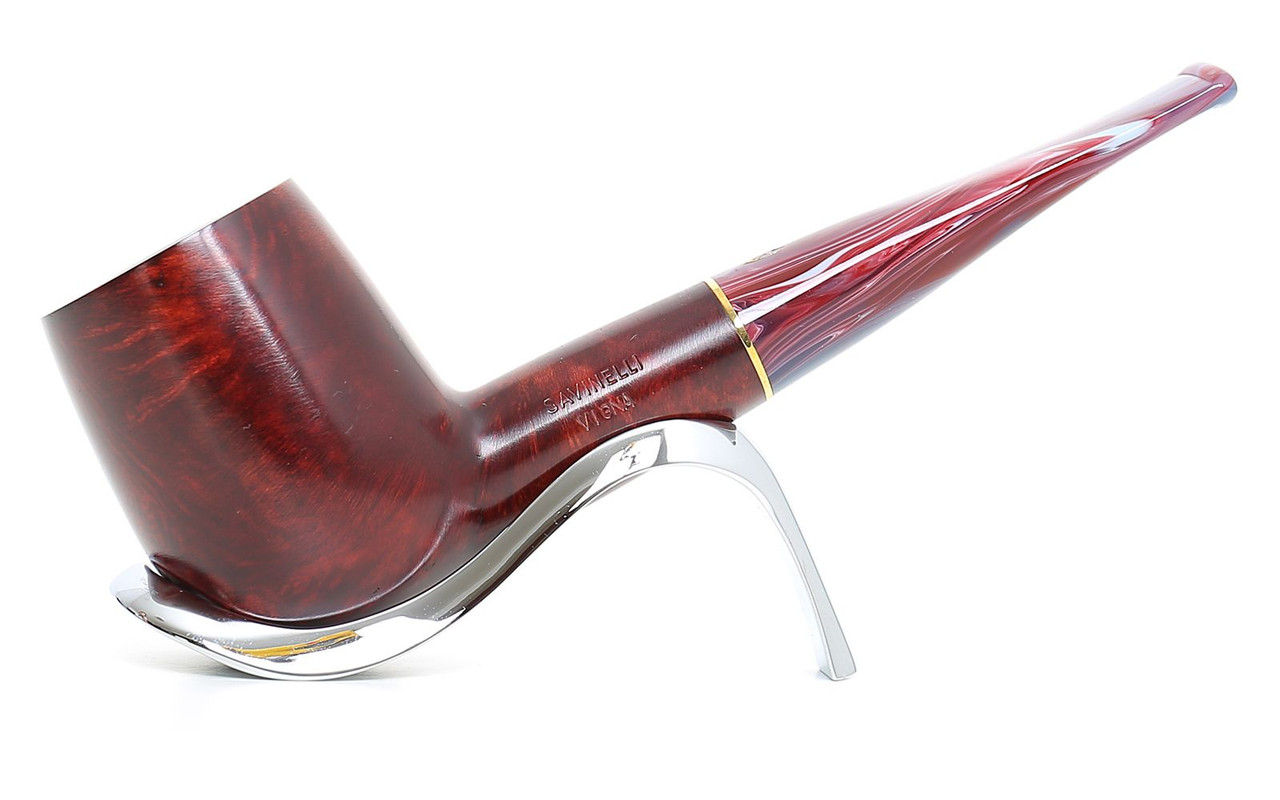
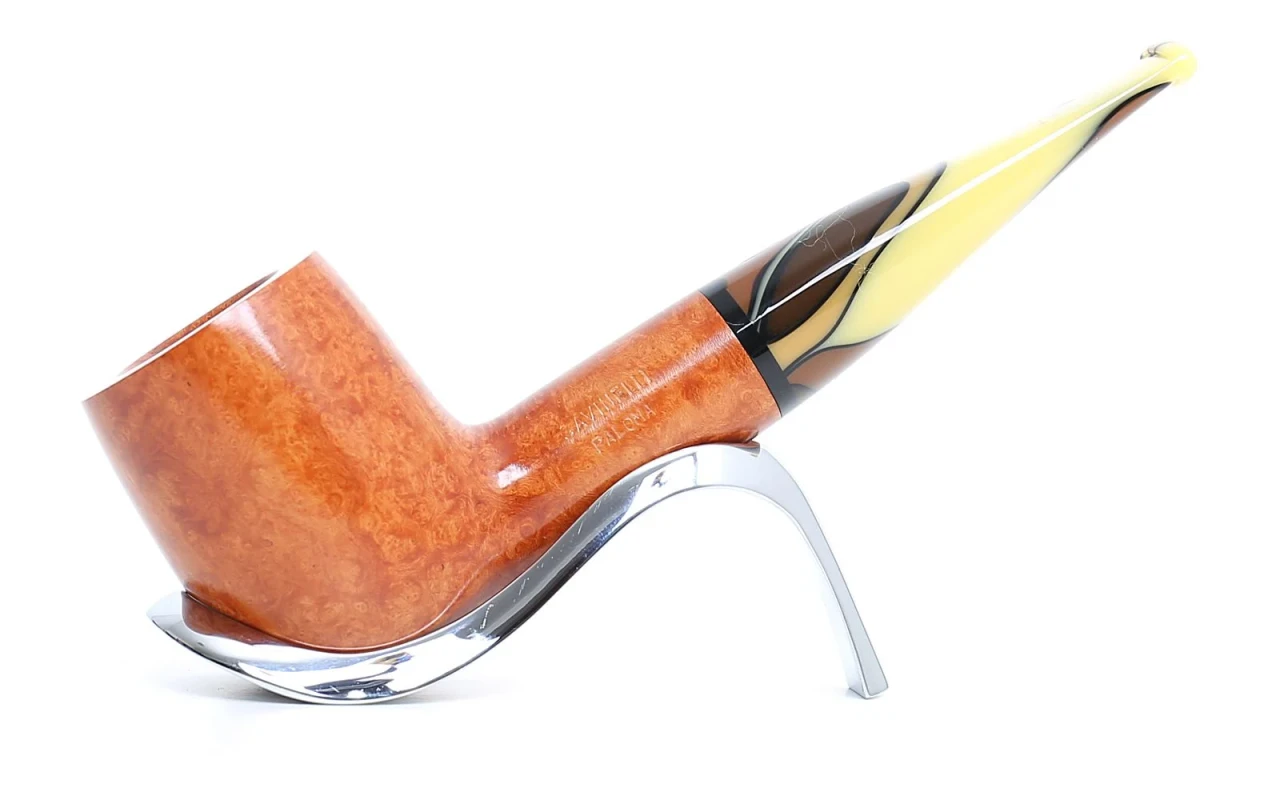
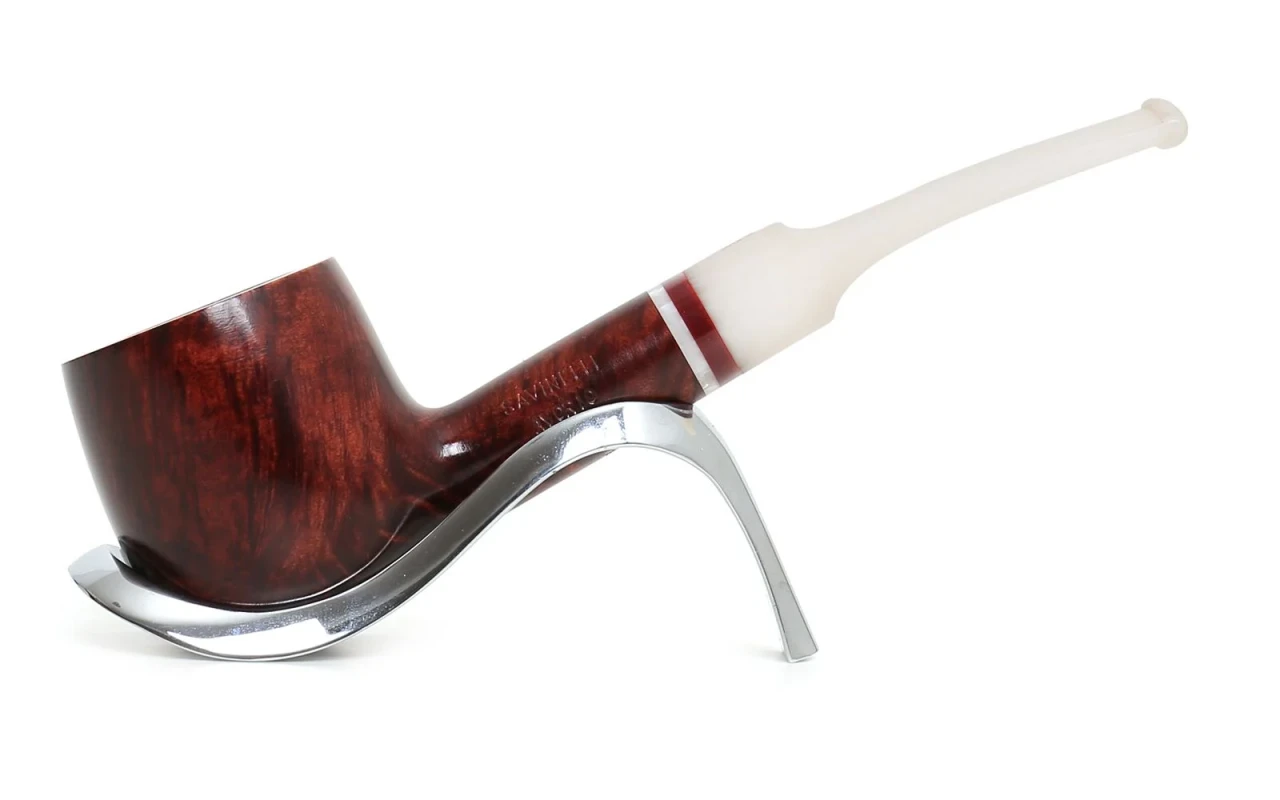
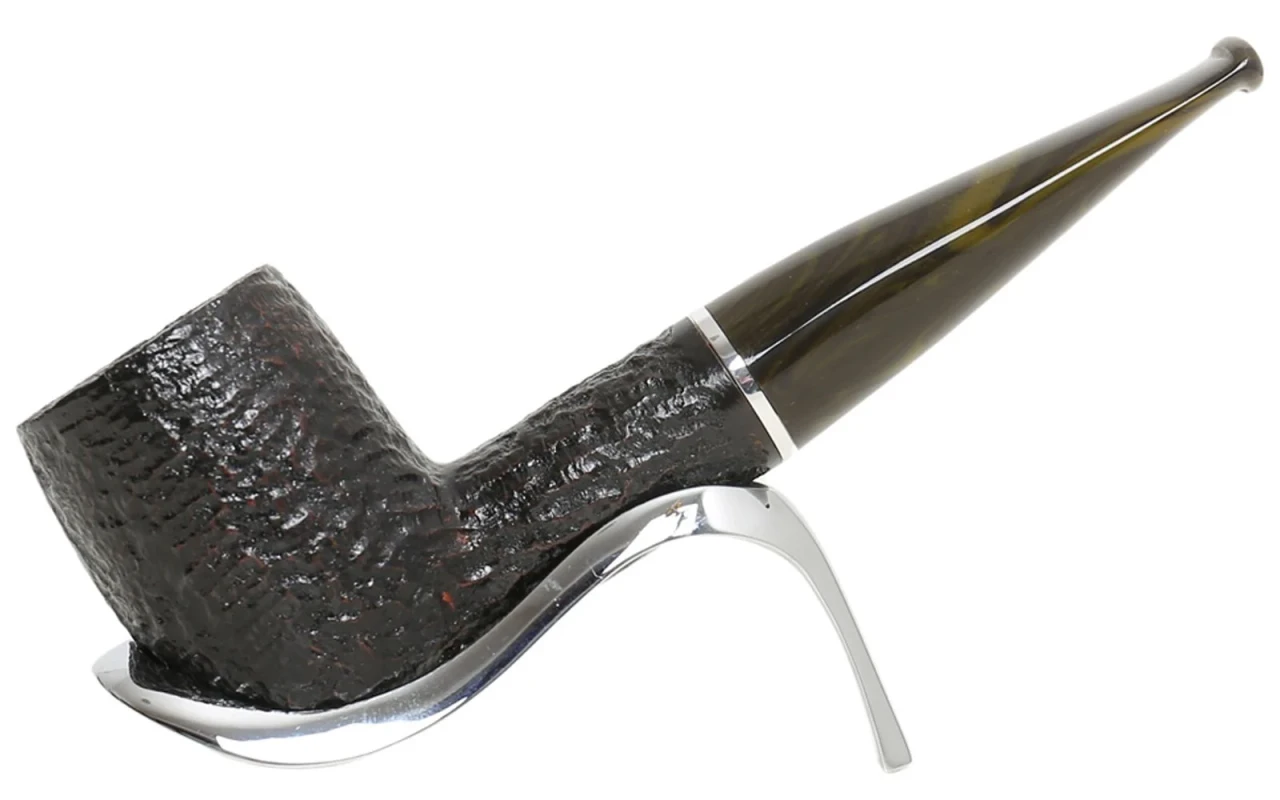
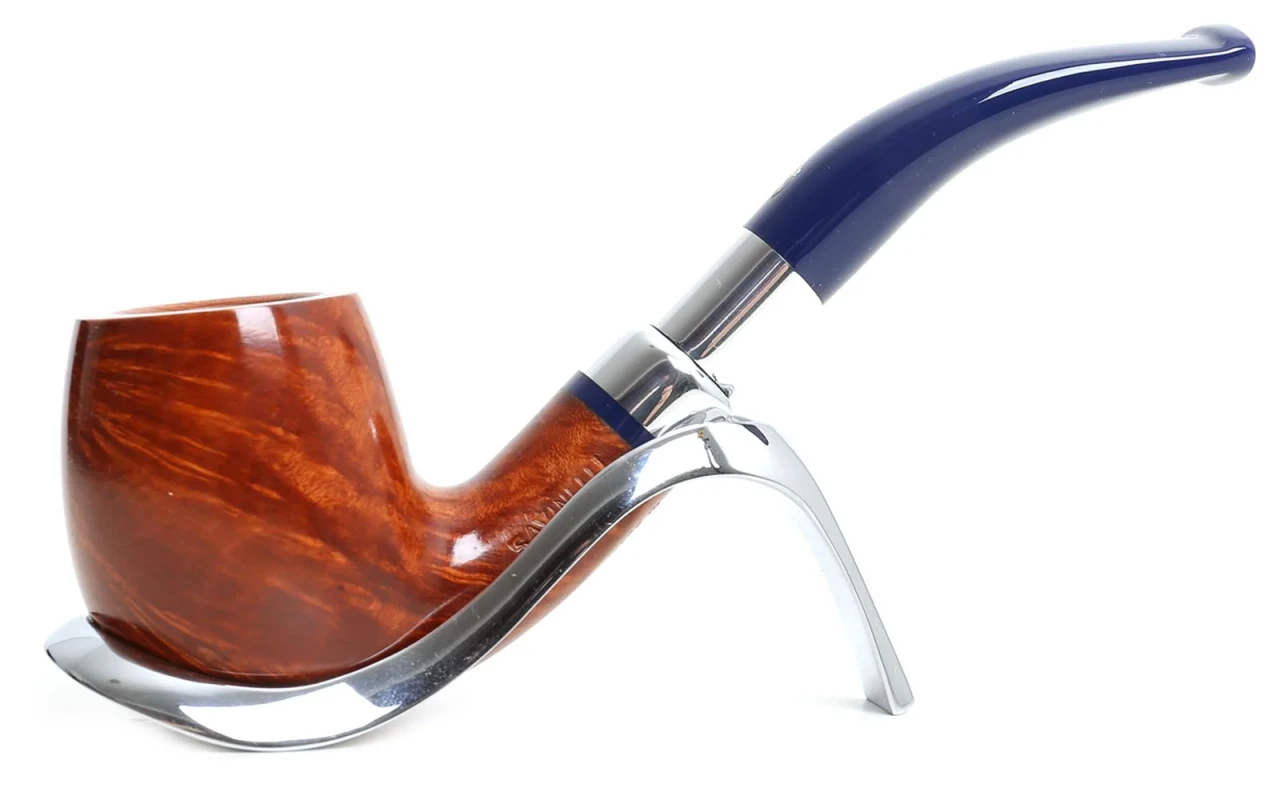
Briar Pipes and Deforestation
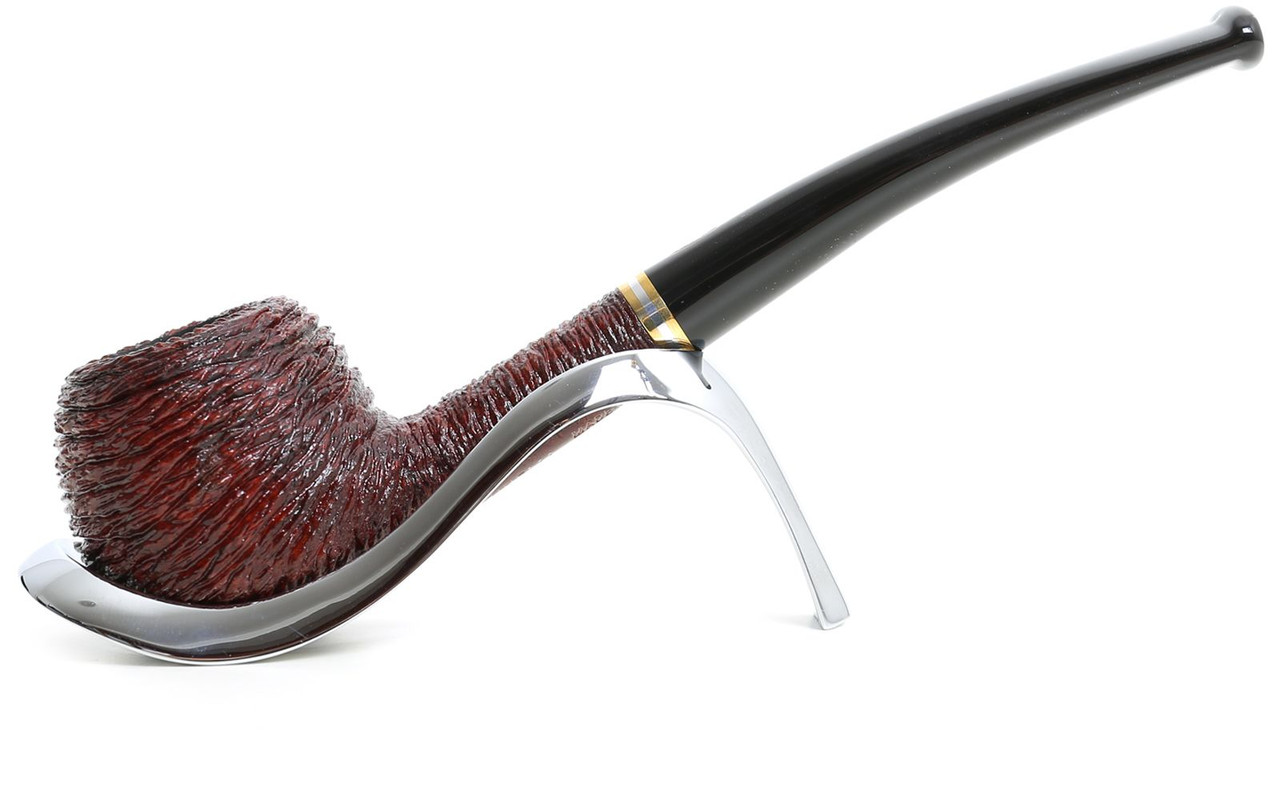
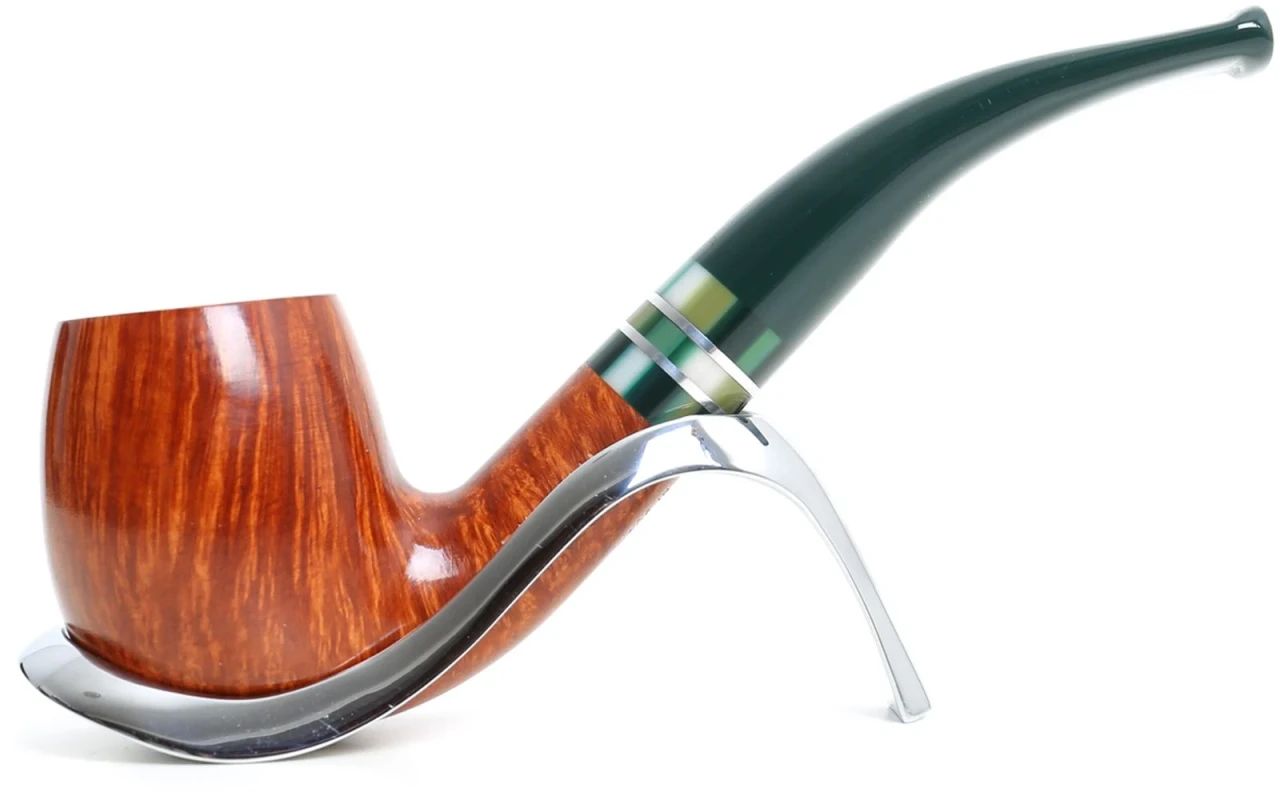
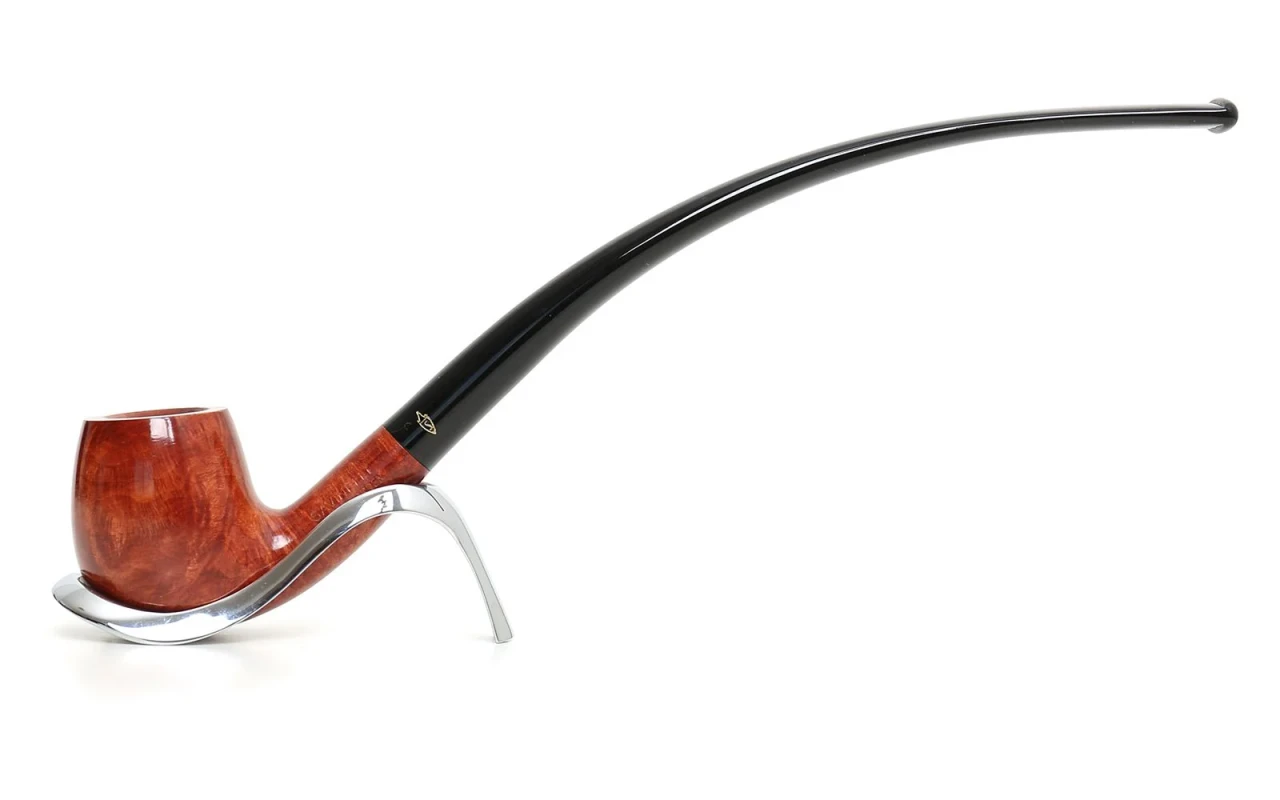
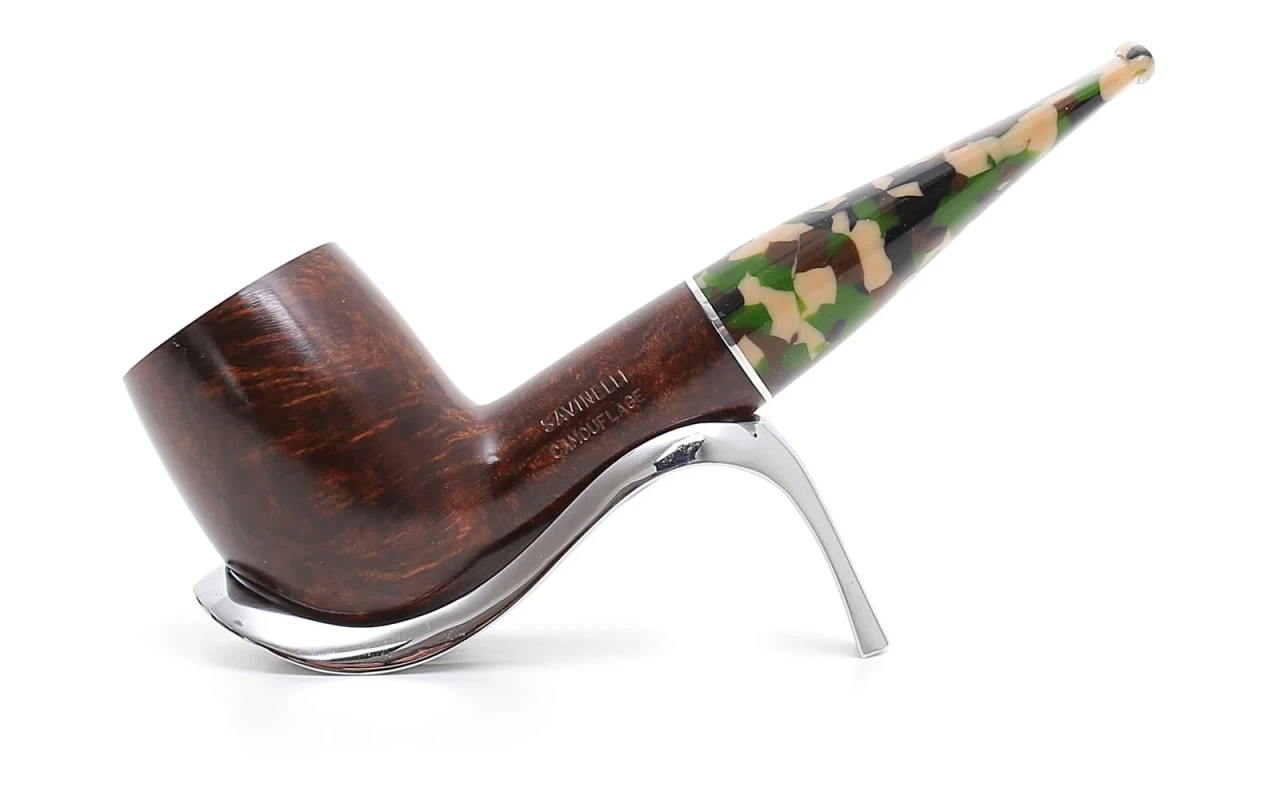
Briar pipes are highly valued items in the world of pipe smoking enthusiasts. However, the production of briar pipes raises concerns related to deforestation. The briar used to create pipes comes from Erica arborea trees, which grow slowly and take many years to reach maturity. This practice can lead to excessive exploitation of natural resources and the destruction of the natural habitats of briar trees. It is important for briar pipe manufacturers to adopt sustainable practices, such as sourcing from certified forests, to contribute to the conservation of forest resources.
Raw Material for Briar Pipes
The main raw material for crafting briar pipes is represented by the briar root itself. Briar is the dried and seasoned wood mainly sourced from the roots of trees such as oak, heath, or briar root. This wood is highly valued in the pipe world for its heat and combustion resistance, as well as its ability to absorb smoke moisture. The briar root is meticulously worked by specialized artisans to create high-quality pipes that provide a superior smoking experience for consumers.
Effects of deforestation on pipes
Deforestation has direct effects on the world of pipes, as the production of high-quality pipes depends on the presence of precious wood. The decrease in forests leads to a reduction in the availability of wood suitable for pipe making, influencing the quality and variety of materials available. Moreover, deforestation can lead to climate changes that affect the growth and quality of the wood itself. This can have consequences on both the production and the aesthetic and functional aspects of pipes, making it important to adopt sustainable and responsible practices in the pipe industry.
Sustainable alternatives to briar for pipes
There are several sustainable alternatives to briar for crafting pipes. One of the most popular options is briar, wood derived from the heather plant. This wood is particularly suitable for pipe crafting due to its heat resistance and ability to absorb smoke moisture. Other alternatives include corn, used for corn cob pipes, and olive wood, which imparts a unique flavor to pipe smoke. These alternatives not only provide an eco-friendly option but also the opportunity to experience unique flavors in pipe smoking.
'%3e%3cg id='Final-Copy-2_2_' transform='translate(1275.000000, 200.000000)'%3e%3cpath class='st0' d='M7.4,12.8h6.8l3.1-11.6H7.4C4.2,1.2,1.6,3.8,1.6,7S4.2,12.8,7.4,12.8z'/%3e%3c/g%3e%3c/g%3e%3c/g%3e%3cg id='final---dec.11-2020'%3e%3cg id='_x30_208-our-toggle' transform='translate(-1275.000000, -200.000000)'%3e%3cg id='Final-Copy-2' transform='translate(1275.000000, 200.000000)'%3e%3cpath class='st1' d='M22.6,0H7.4c-3.9,0-7,3.1-7,7s3.1,7,7,7h15.2c3.9,0,7-3.1,7-7S26.4,0,22.6,0z M1.6,7c0-3.2,2.6-5.8,5.8-5.8 h9.9l-3.1,11.6H7.4C4.2,12.8,1.6,10.2,1.6,7z'/%3e%3cpath id='x' class='st2' d='M24.6,4c0.2,0.2,0.2,0.6,0,0.8l0,0L22.5,7l2.2,2.2c0.2,0.2,0.2,0.6,0,0.8c-0.2,0.2-0.6,0.2-0.8,0 l0,0l-2.2-2.2L19.5,10c-0.2,0.2-0.6,0.2-0.8,0c-0.2-0.2-0.2-0.6,0-0.8l0,0L20.8,7l-2.2-2.2c-0.2-0.2-0.2-0.6,0-0.8 c0.2-0.2,0.6-0.2,0.8,0l0,0l2.2,2.2L23.8,4C24,3.8,24.4,3.8,24.6,4z'/%3e%3cpath id='y' class='st3' d='M12.7,4.1c0.2,0.2,0.3,0.6,0.1,0.8l0,0L8.6,9.8C8.5,9.9,8.4,10,8.3,10c-0.2,0.1-0.5,0.1-0.7-0.1l0,0 L5.4,7.7c-0.2-0.2-0.2-0.6,0-0.8c0.2-0.2,0.6-0.2,0.8,0l0,0L8,8.6l3.8-4.5C12,3.9,12.4,3.9,12.7,4.1z'/%3e%3c/g%3e%3c/g%3e%3c/g%3e%3c/g%3e%3c/svg%3e) Your Privacy Choices
Your Privacy Choices 


