 ES
ES FR
FR EN
EN IT
IT DE
DE
Pipe in Different Cultures
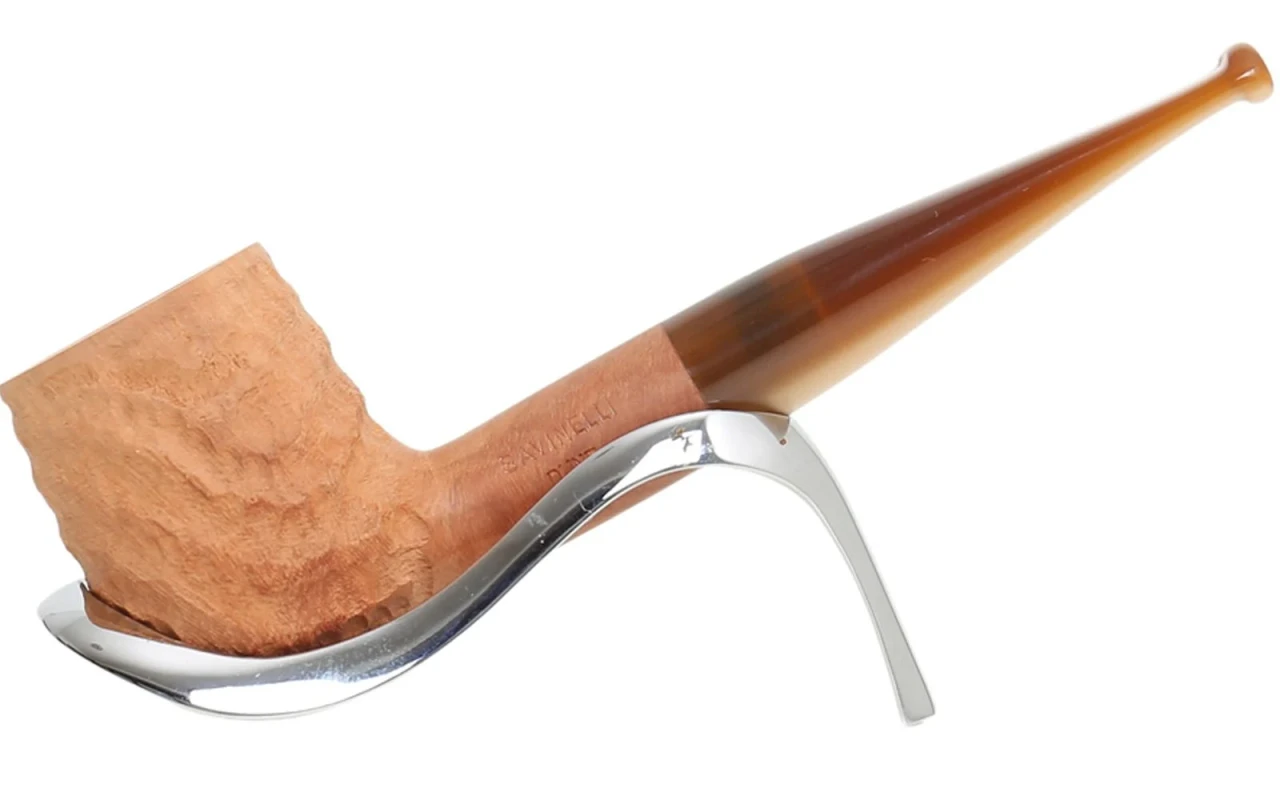
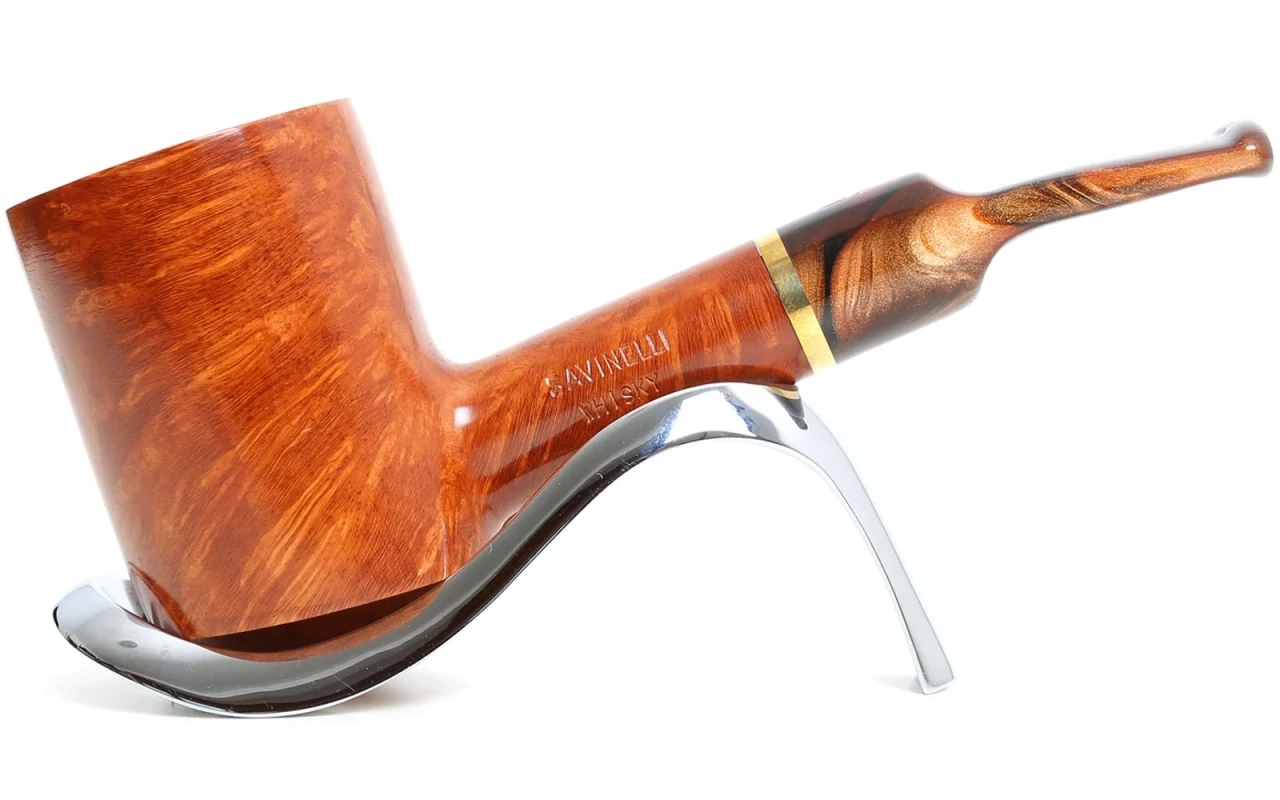
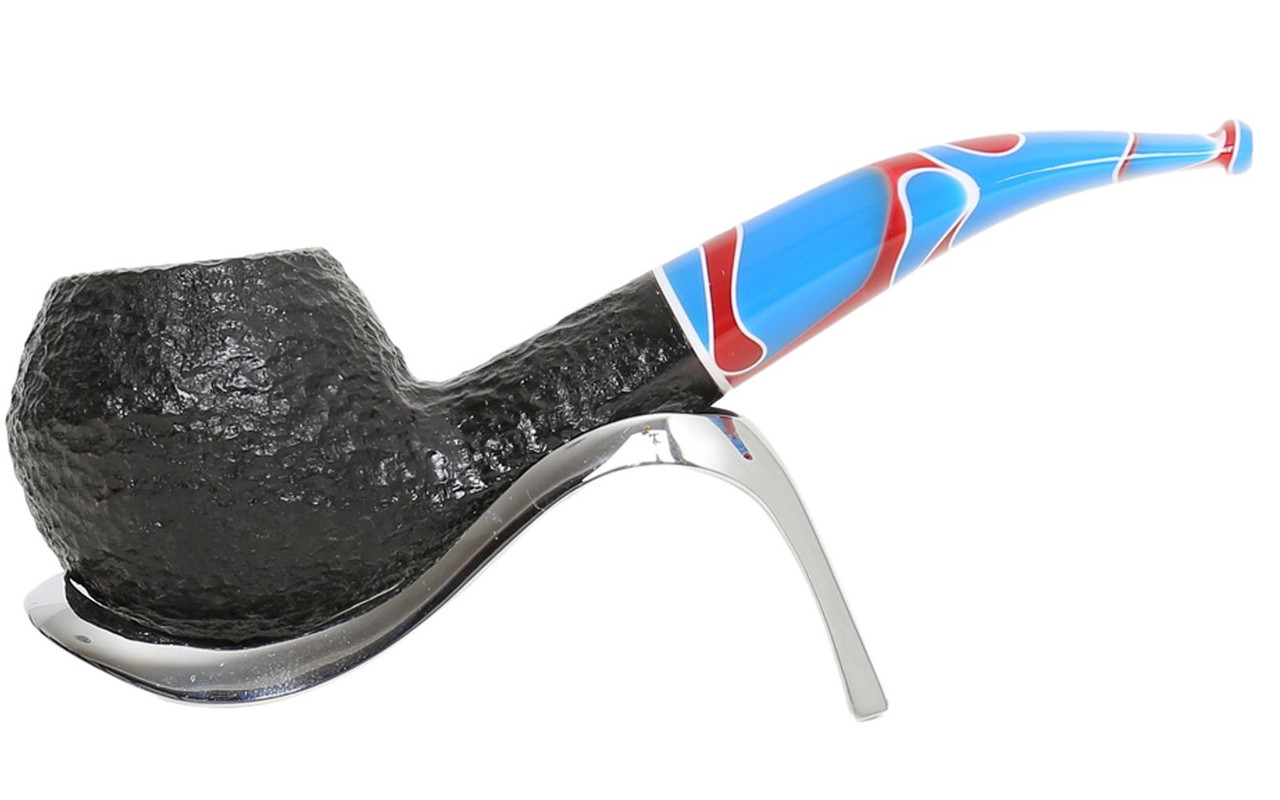
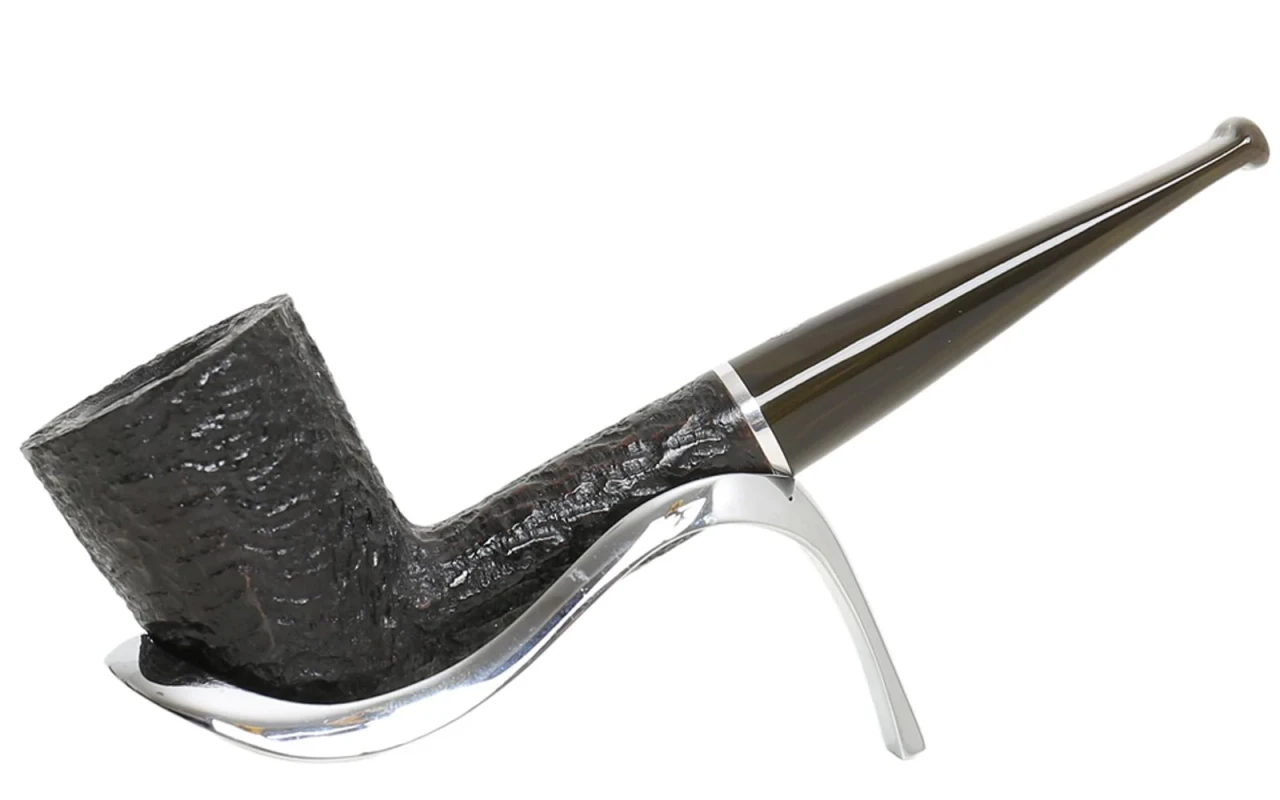
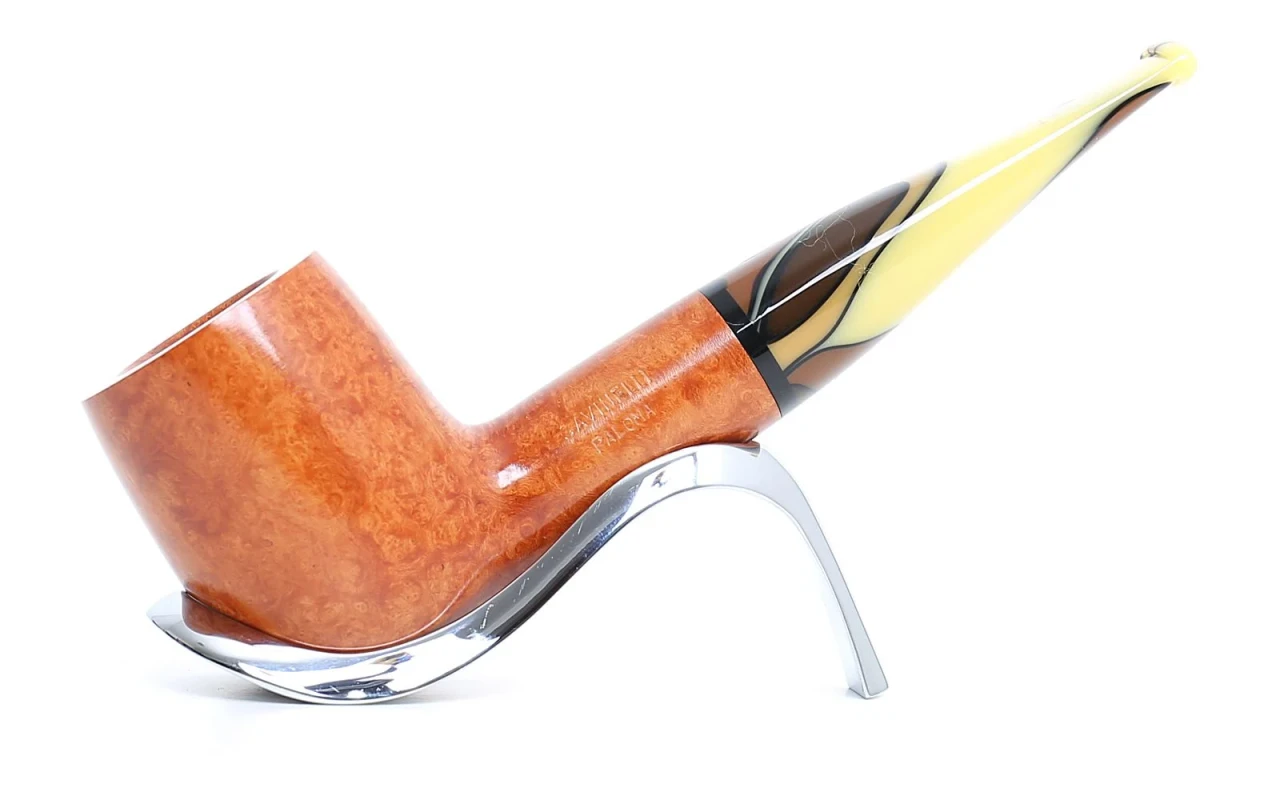
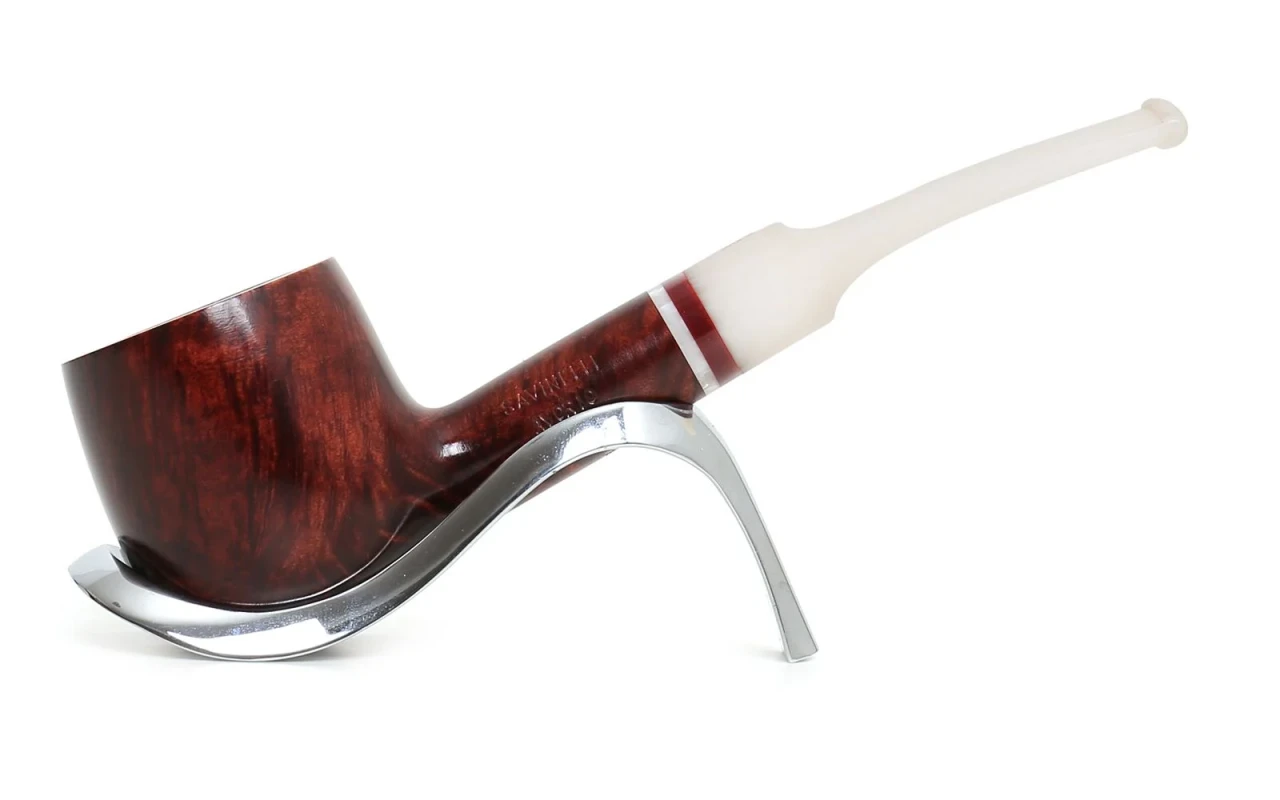
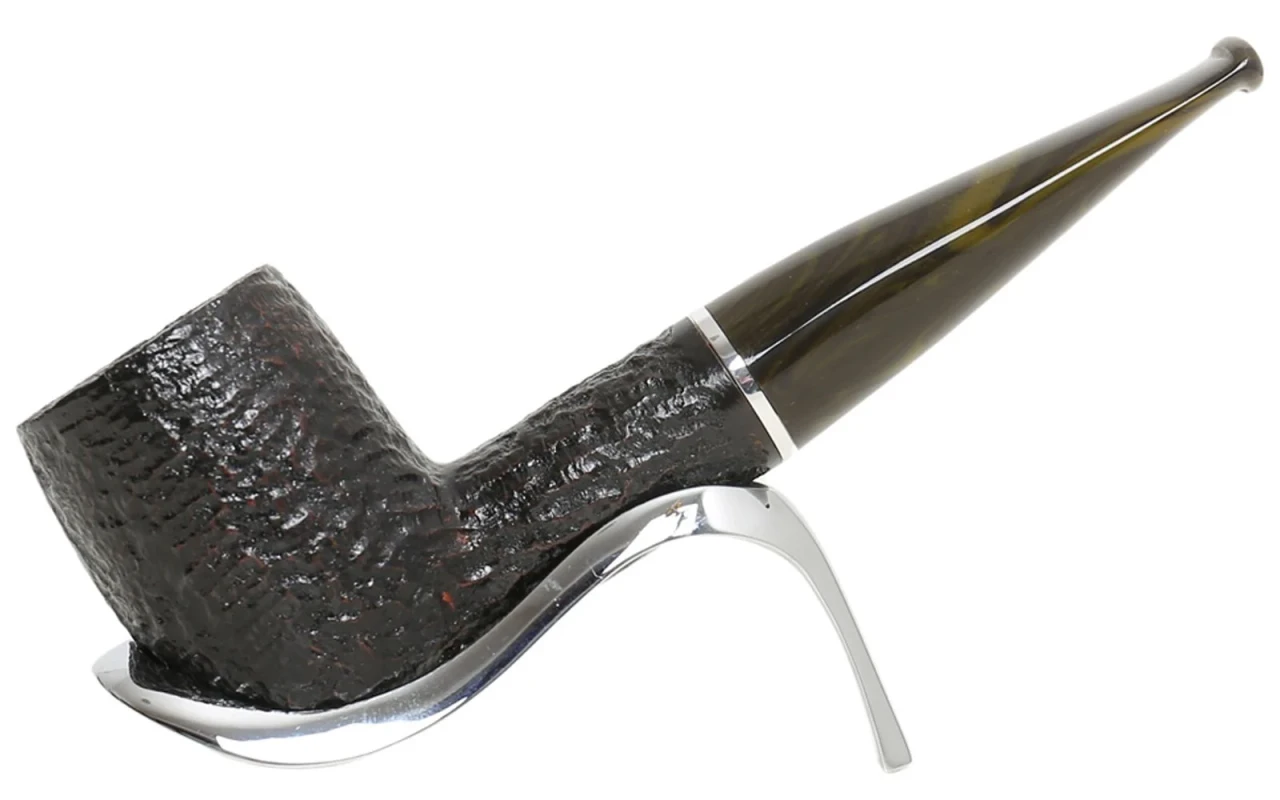
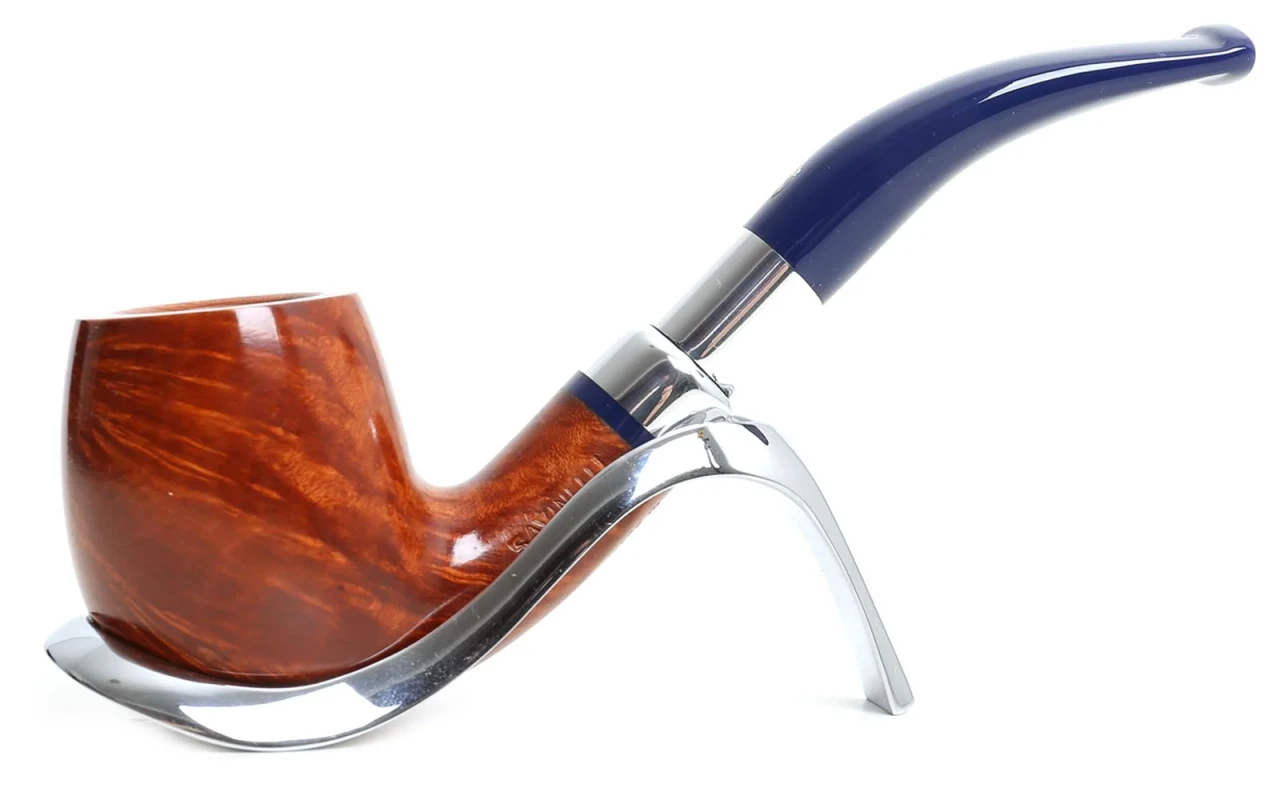
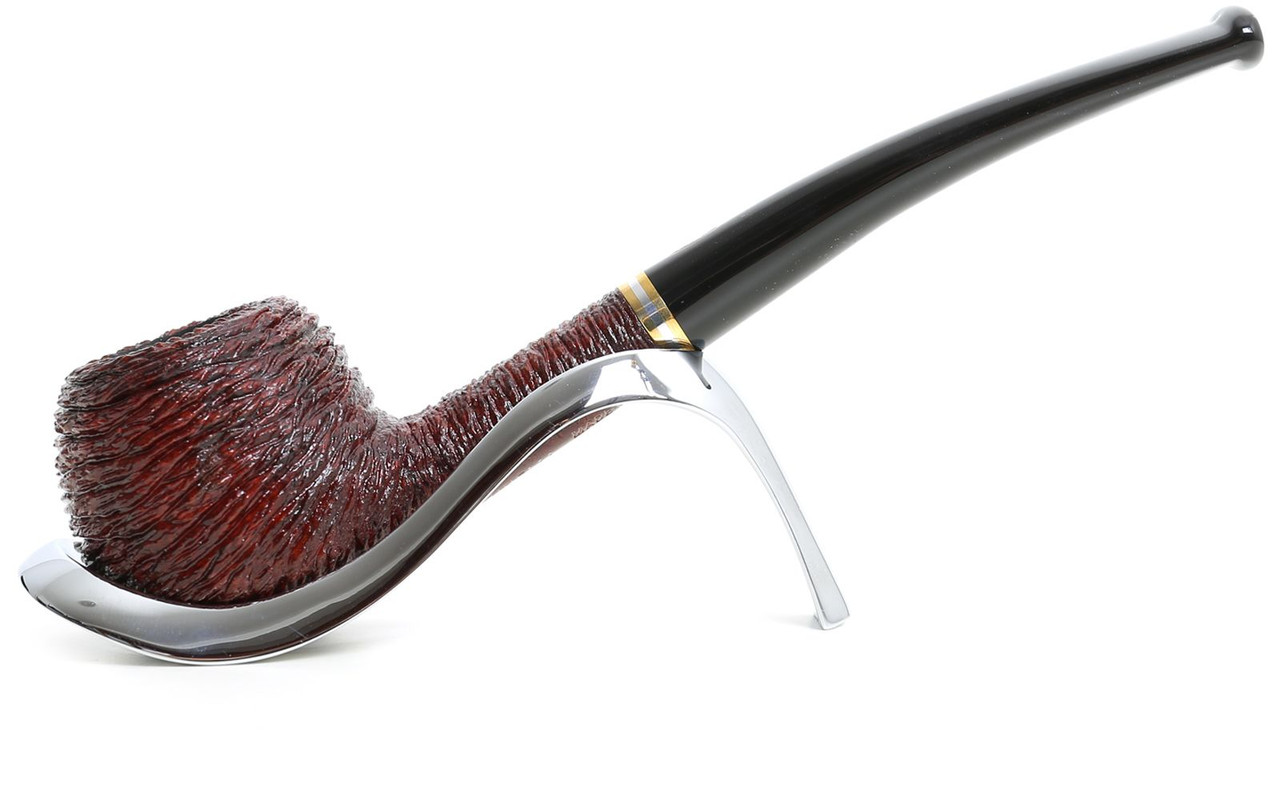
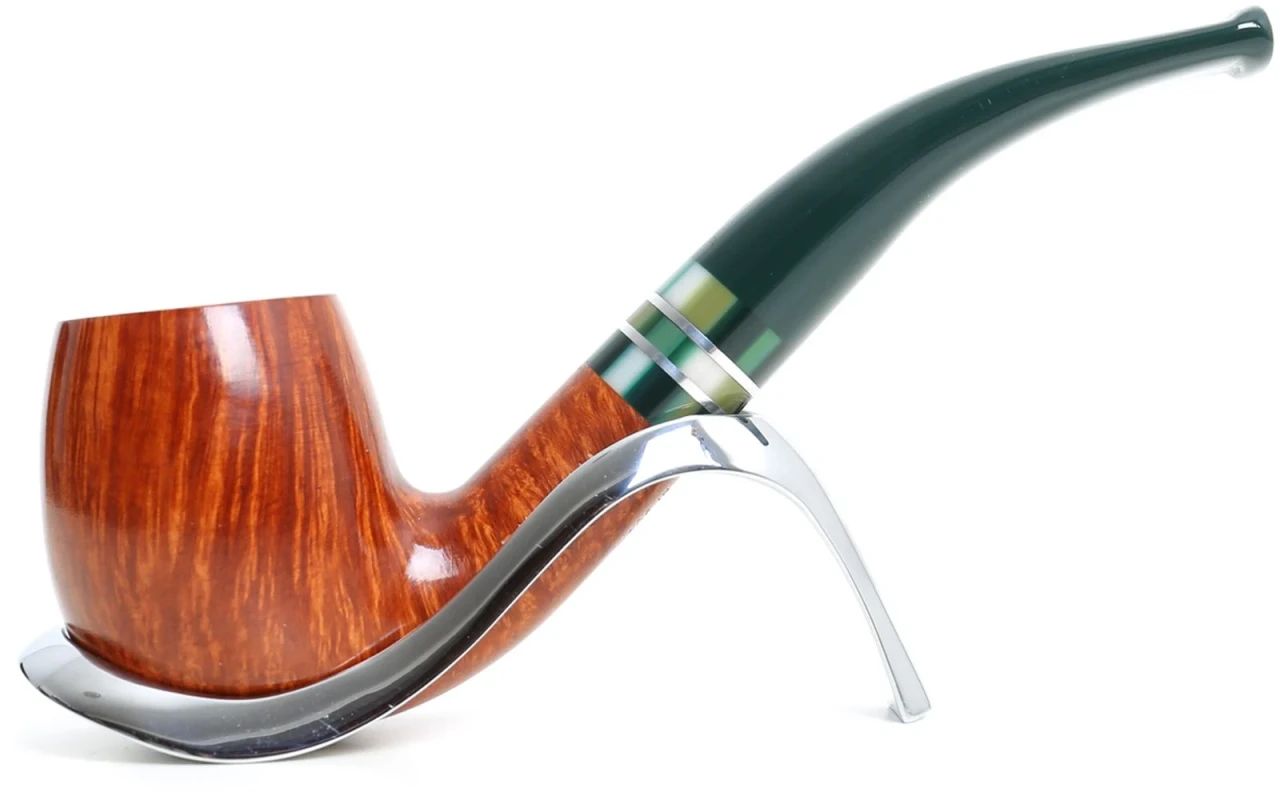
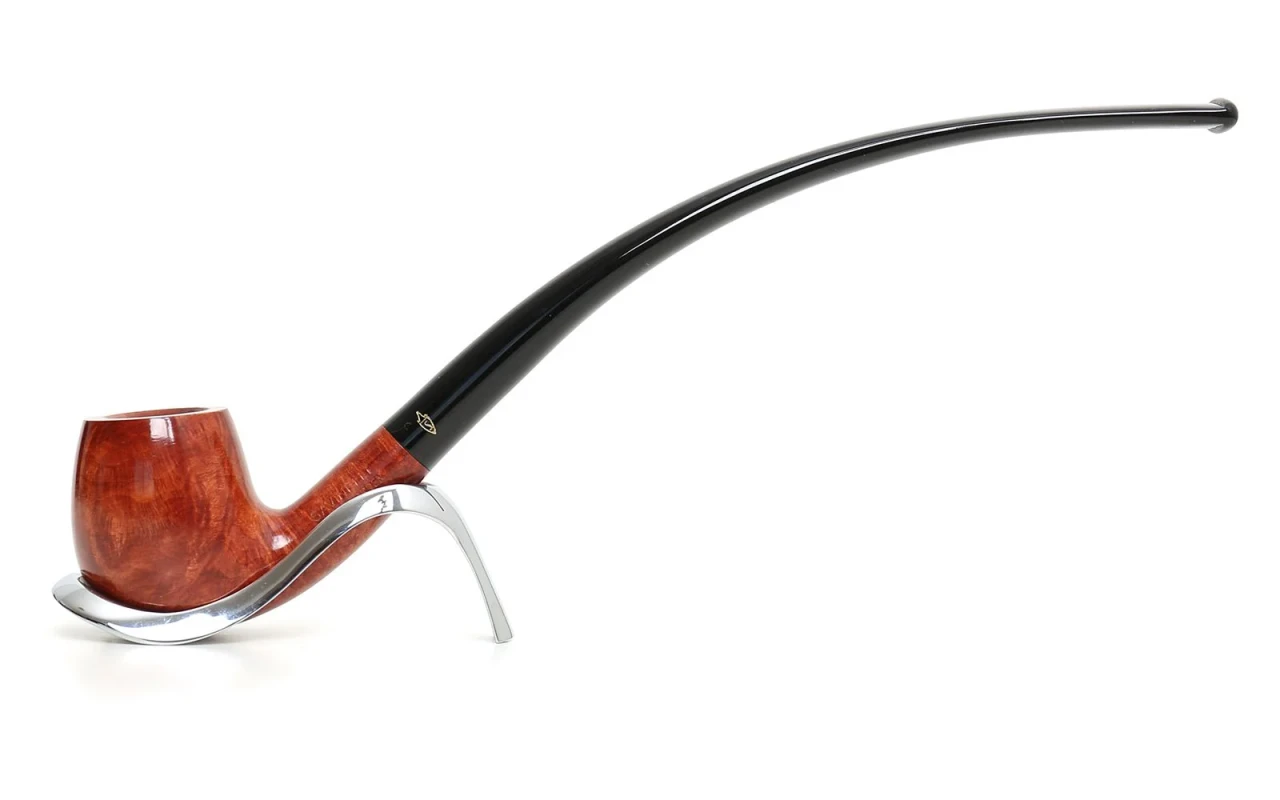

Pipe in Different Cultures
The pipe has a long history and a global diffusion, taking on different meanings in various cultures. In Japan, for example, the "kiseru" is a traditional pipe used for smoking fine tobacco. In Chinese culture, the pipe carries an artistic and spiritual significance, often associated with Taoist philosophy. In North America, Native American pipes are hand-carved works of art, used in sacred ceremonies and as symbols of peace and friendship. In Europe, the pipe has historically been linked to moments of relaxation and contemplation. In each culture, the pipe represents an important expression of tradition, art, and identity.
Pipe traditions around the world
Pipe traditions around the world date back centuries and vary significantly from one culture to another. In many societies, smoking a pipe is a social and spiritual ritual that involves precise and symbolic gestures. For example, in Native American culture, the peace pipe is used to seal agreements and promises between tribes. In Japan, pipe smoking has ancient roots and is practiced with careful ceremony called "kiseru". In different parts of the world, pipes have been decorated with religious or cultural symbols, conveying profound meanings through shapes and materials.
Uses of pipes in different cultures
Pipes have been used in various cultures for centuries as tools for smoking tobacco or herbs. In Japan, for example, the tea ceremony involves the use of traditional pipes called "kiseru". In Nordic culture, horn-shaped pipes were common among the Vikings. Water pipes, such as shisha, are popular in the Middle East and India. Additionally, ceremonial pipes have played an important role in the indigenous cultures of the Americas. Pipes are not only smoking tools, but often also carry symbolic and ritualistic meanings in different cultural traditions.
History of Traditional Pipes
Traditional pipes have a rich and fascinating history that dates back to ancient times. Used for smoking tobacco, pipes have traversed different epochs and cultures, becoming symbols of elegance and sophistication. The earliest traces of pipes can be traced back to civilizations such as the ancient Egyptians and Native Americans. Over the centuries, pipes have taken on different shapes and materials, from hand-carved wooden pipes to more elaborate ones made of briar. Today, traditional pipes continue to be appreciated by collectors and enthusiasts for their beauty and intrinsic history in the world of tobacco.
'%3e%3cg id='Final-Copy-2_2_' transform='translate(1275.000000, 200.000000)'%3e%3cpath class='st0' d='M7.4,12.8h6.8l3.1-11.6H7.4C4.2,1.2,1.6,3.8,1.6,7S4.2,12.8,7.4,12.8z'/%3e%3c/g%3e%3c/g%3e%3c/g%3e%3cg id='final---dec.11-2020'%3e%3cg id='_x30_208-our-toggle' transform='translate(-1275.000000, -200.000000)'%3e%3cg id='Final-Copy-2' transform='translate(1275.000000, 200.000000)'%3e%3cpath class='st1' d='M22.6,0H7.4c-3.9,0-7,3.1-7,7s3.1,7,7,7h15.2c3.9,0,7-3.1,7-7S26.4,0,22.6,0z M1.6,7c0-3.2,2.6-5.8,5.8-5.8 h9.9l-3.1,11.6H7.4C4.2,12.8,1.6,10.2,1.6,7z'/%3e%3cpath id='x' class='st2' d='M24.6,4c0.2,0.2,0.2,0.6,0,0.8l0,0L22.5,7l2.2,2.2c0.2,0.2,0.2,0.6,0,0.8c-0.2,0.2-0.6,0.2-0.8,0 l0,0l-2.2-2.2L19.5,10c-0.2,0.2-0.6,0.2-0.8,0c-0.2-0.2-0.2-0.6,0-0.8l0,0L20.8,7l-2.2-2.2c-0.2-0.2-0.2-0.6,0-0.8 c0.2-0.2,0.6-0.2,0.8,0l0,0l2.2,2.2L23.8,4C24,3.8,24.4,3.8,24.6,4z'/%3e%3cpath id='y' class='st3' d='M12.7,4.1c0.2,0.2,0.3,0.6,0.1,0.8l0,0L8.6,9.8C8.5,9.9,8.4,10,8.3,10c-0.2,0.1-0.5,0.1-0.7-0.1l0,0 L5.4,7.7c-0.2-0.2-0.2-0.6,0-0.8c0.2-0.2,0.6-0.2,0.8,0l0,0L8,8.6l3.8-4.5C12,3.9,12.4,3.9,12.7,4.1z'/%3e%3c/g%3e%3c/g%3e%3c/g%3e%3c/g%3e%3c/svg%3e) Your Privacy Choices
Your Privacy Choices 


