 ES
ES FR
FR EN
EN IT
IT DE
DE
Briar Root Pipes
Briar Root Pipes
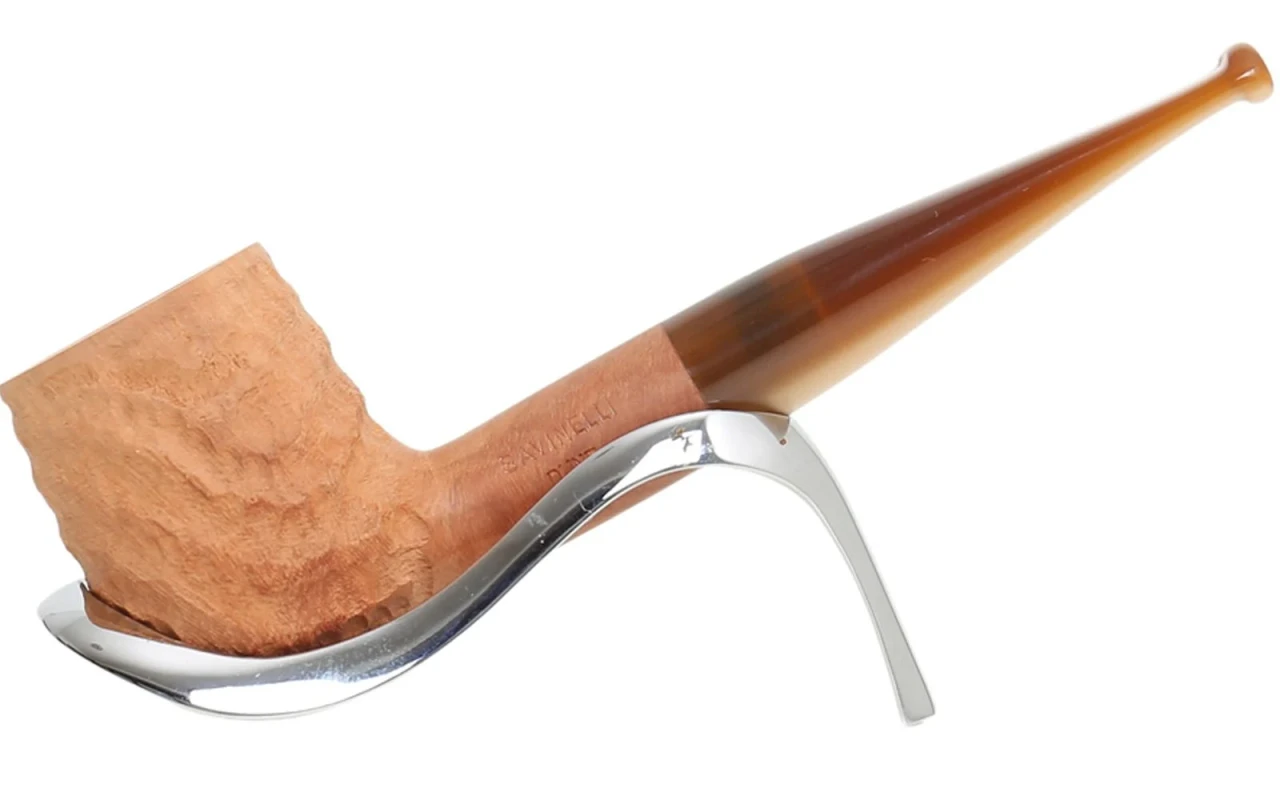
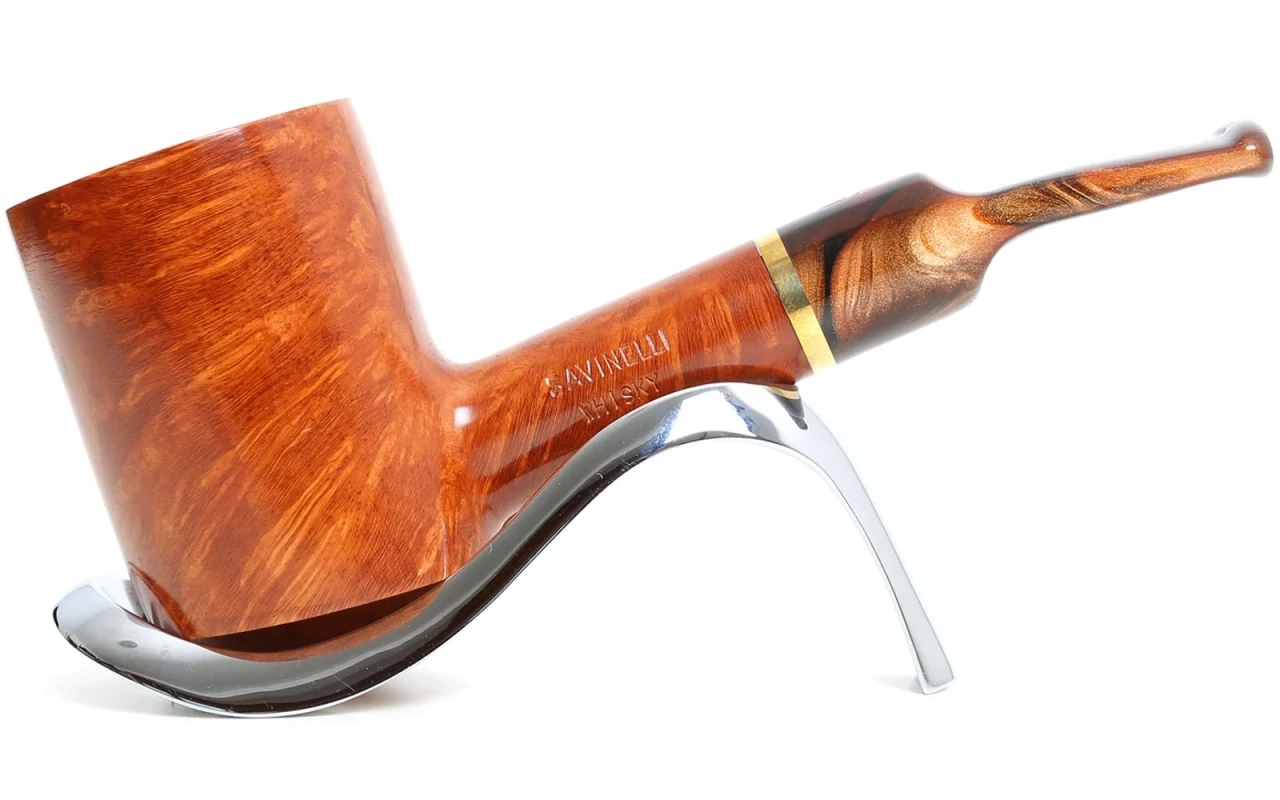
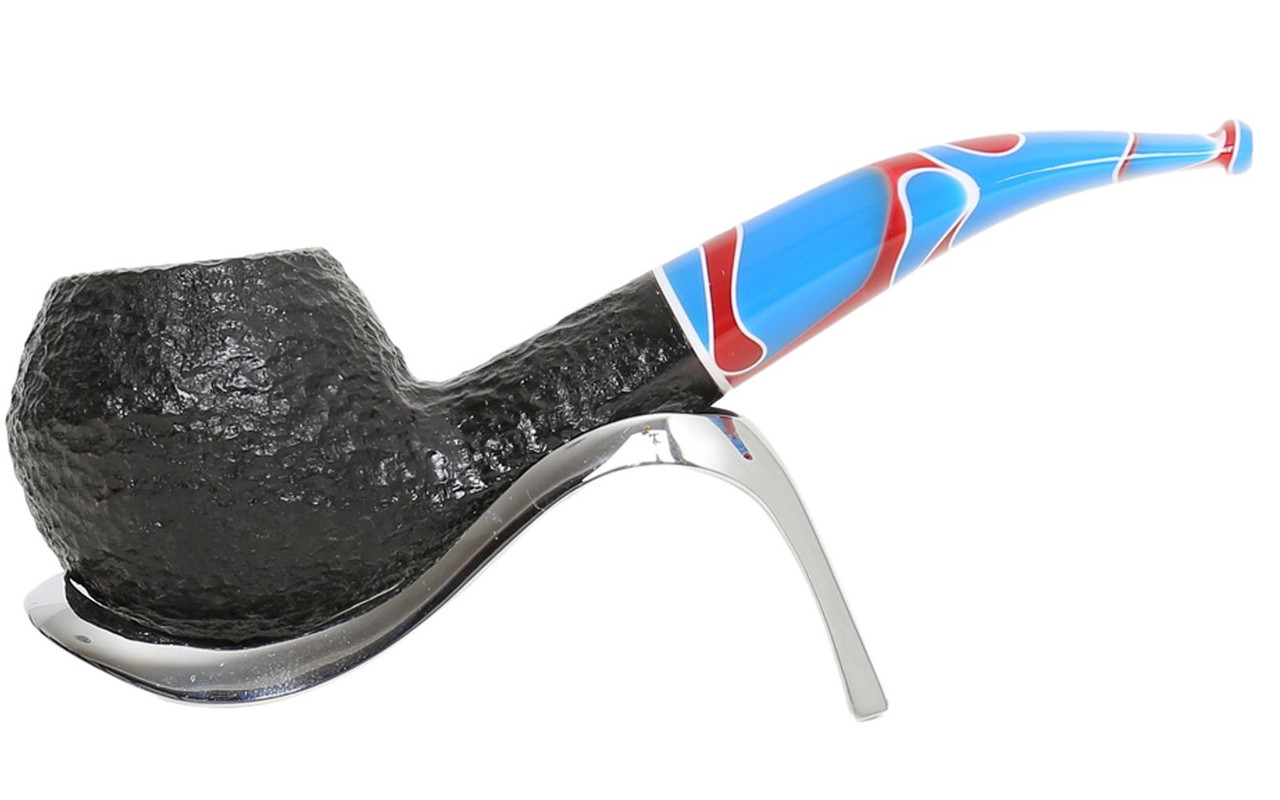
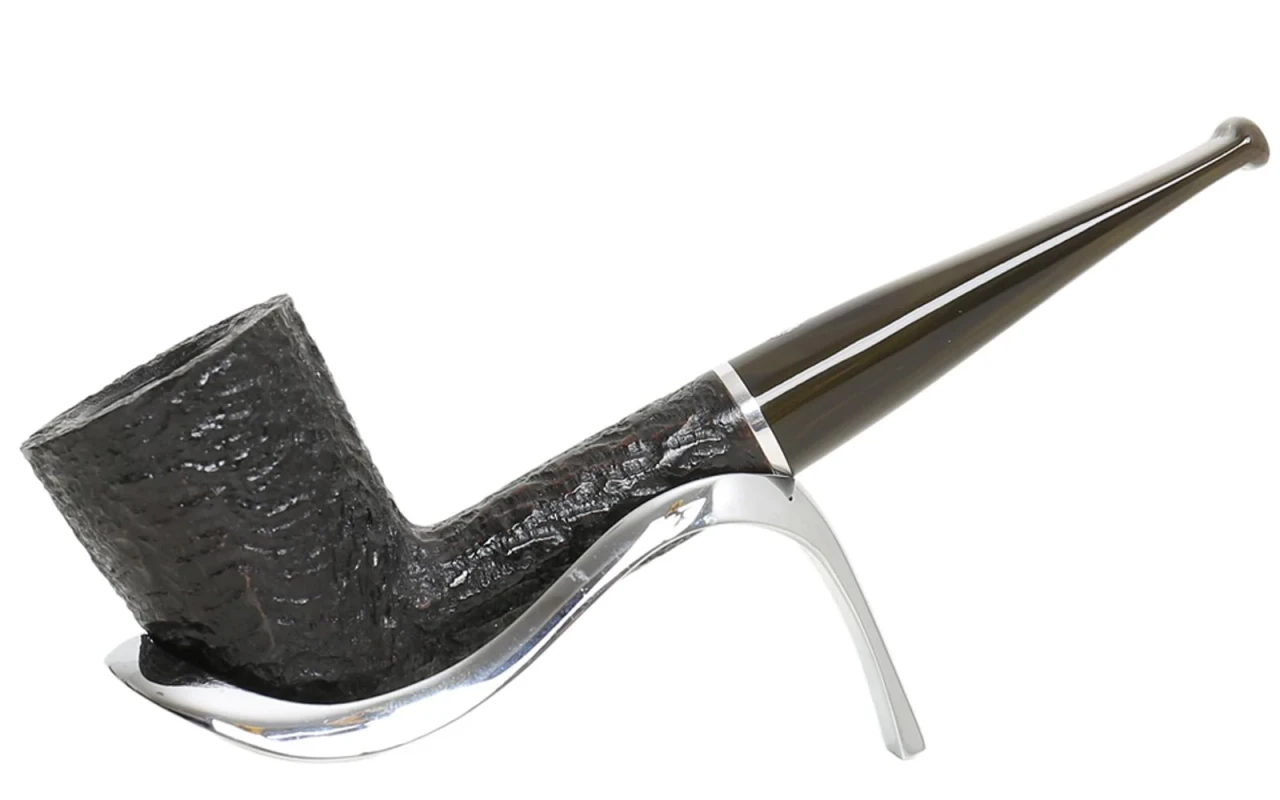
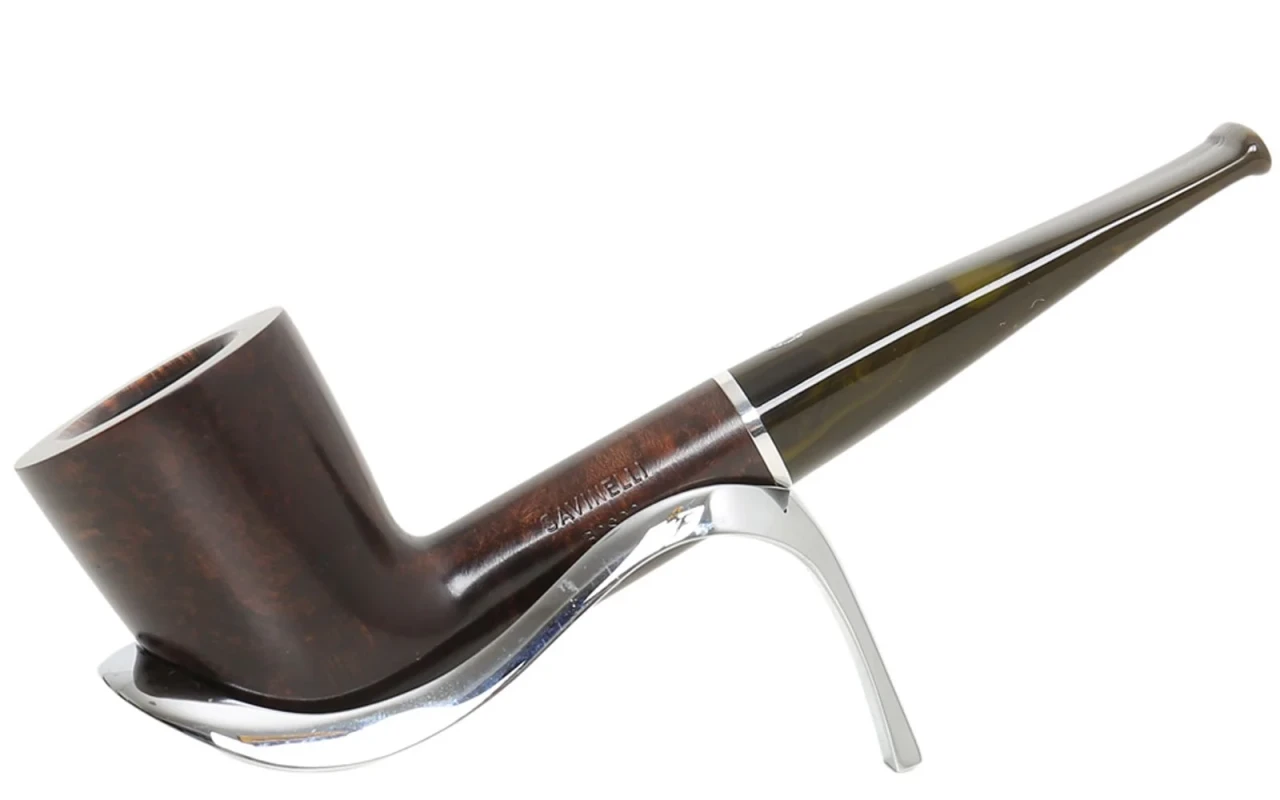
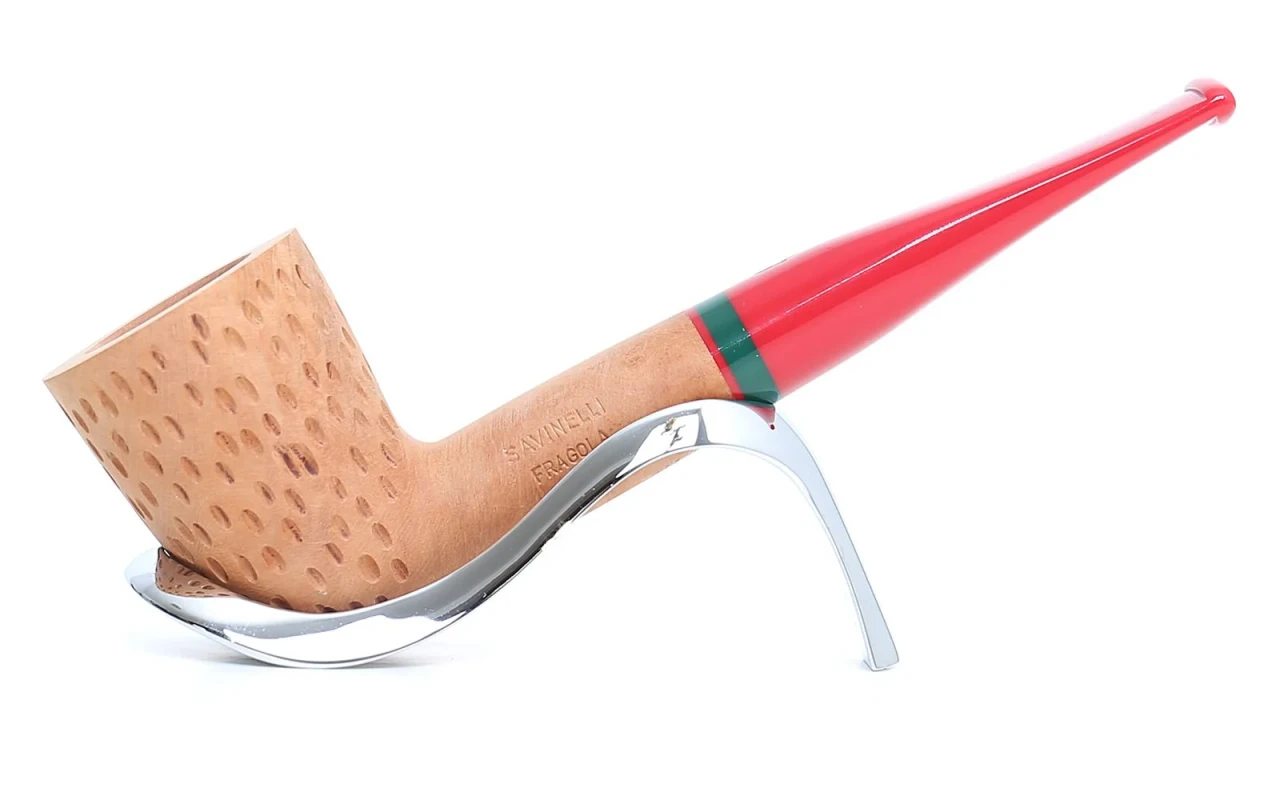
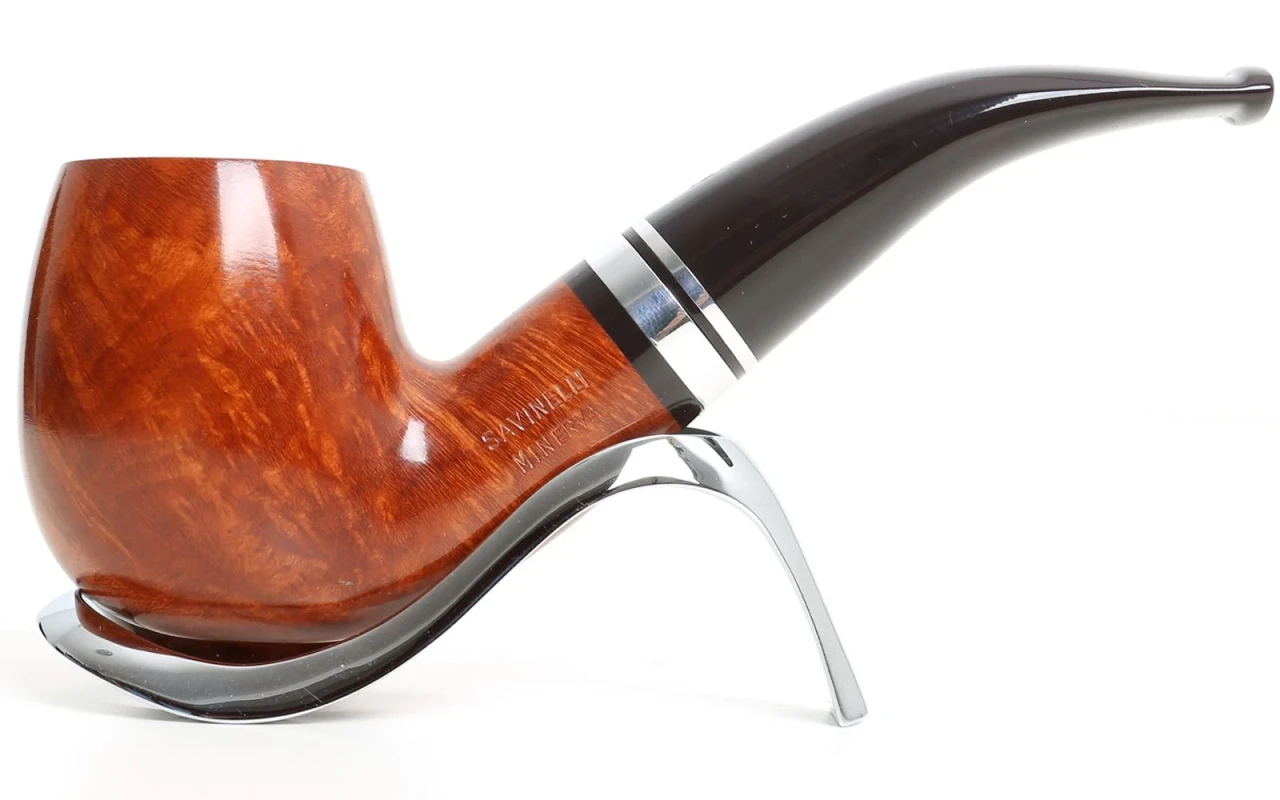
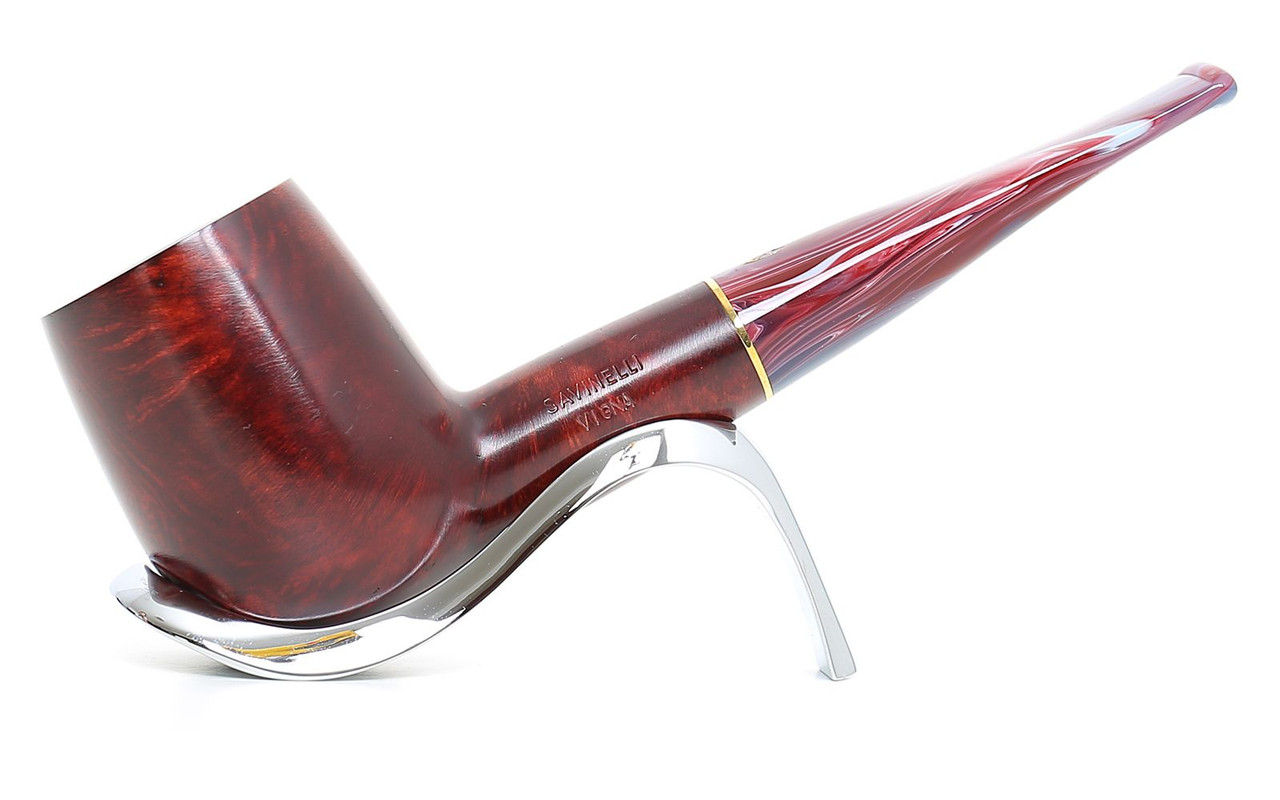
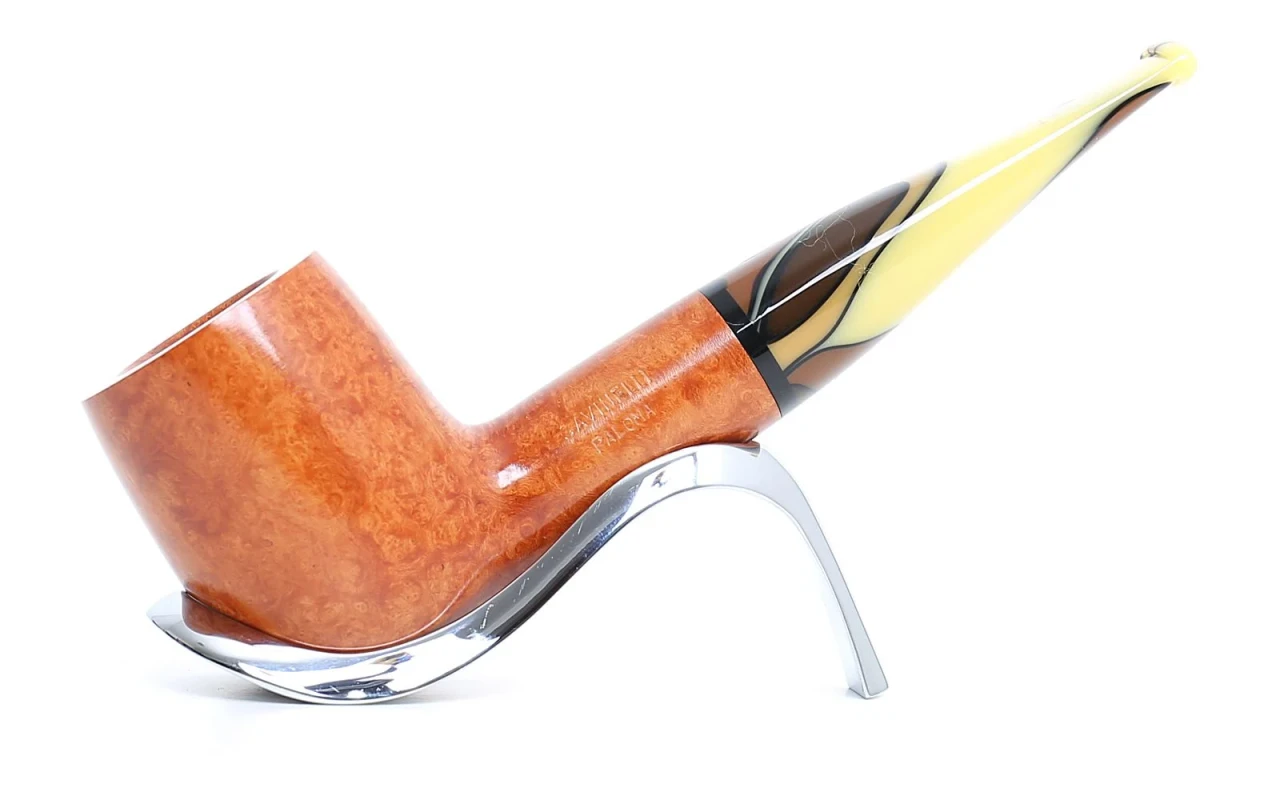
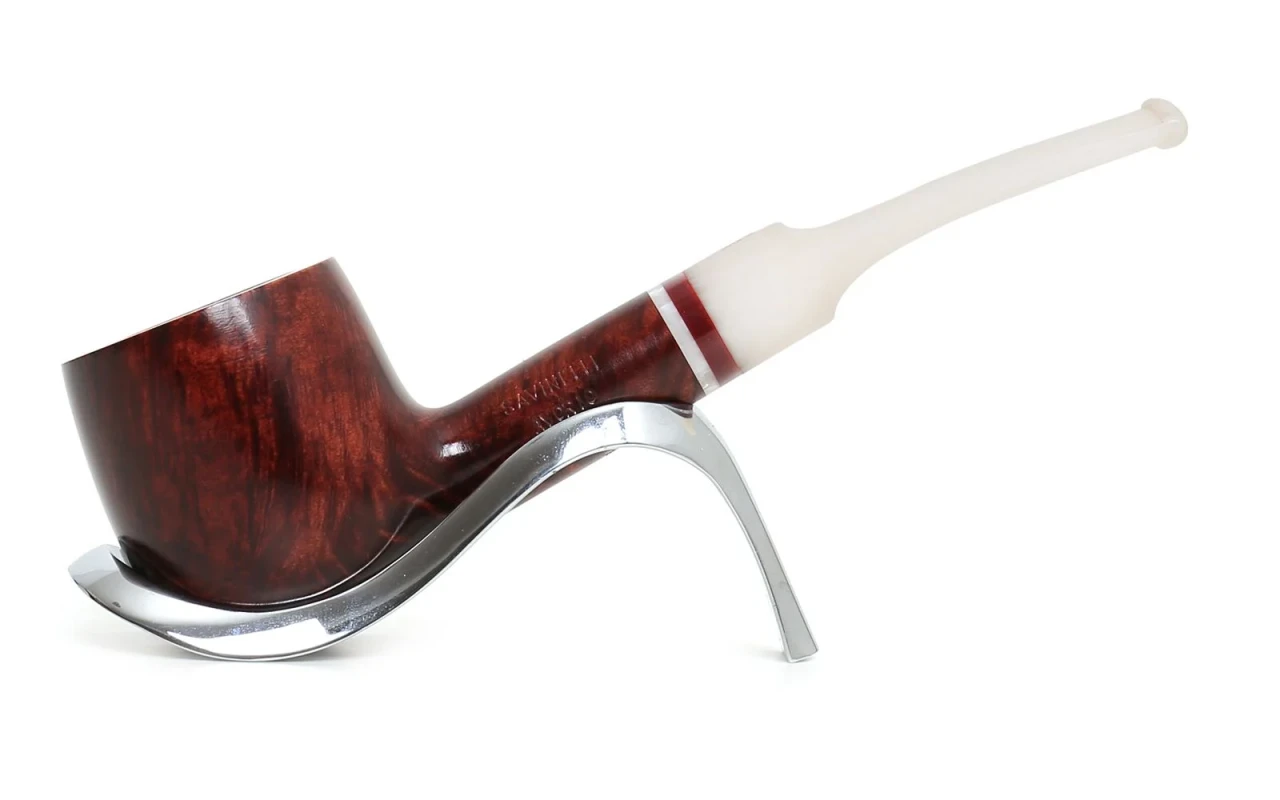
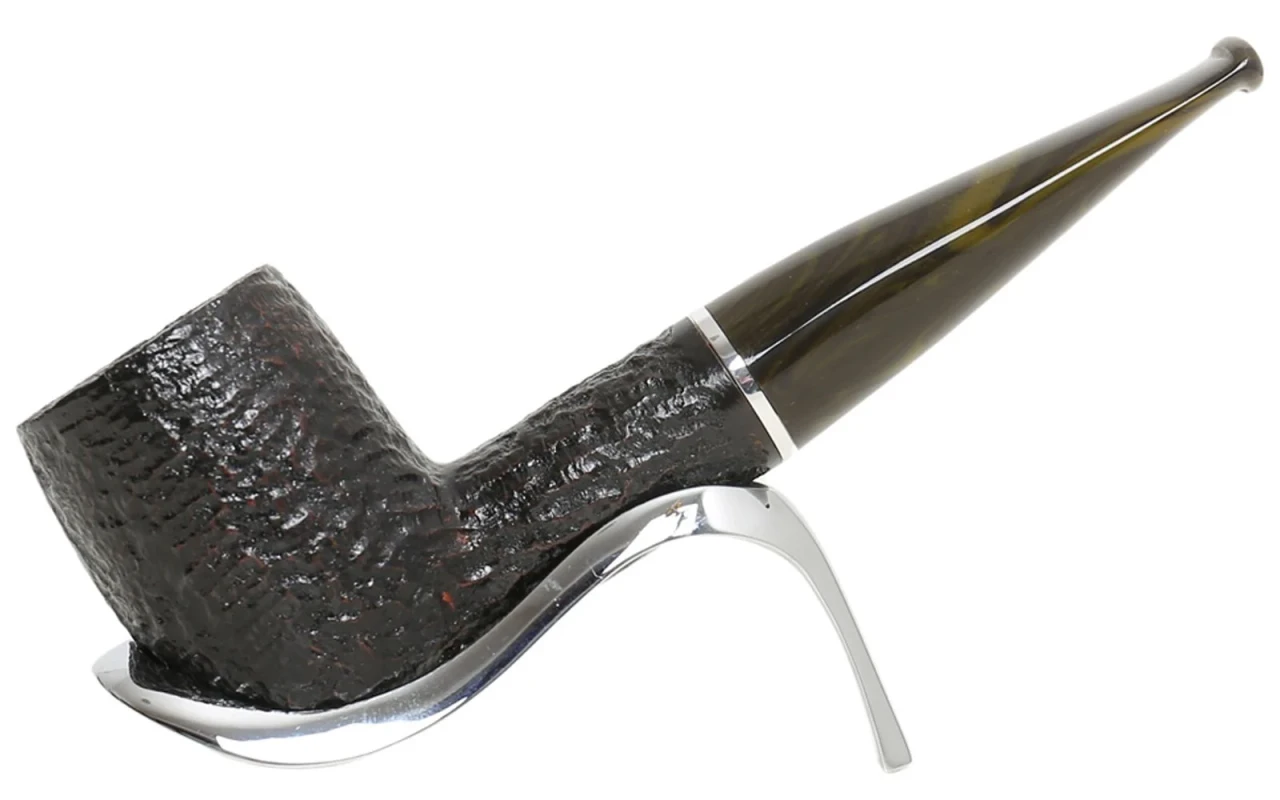
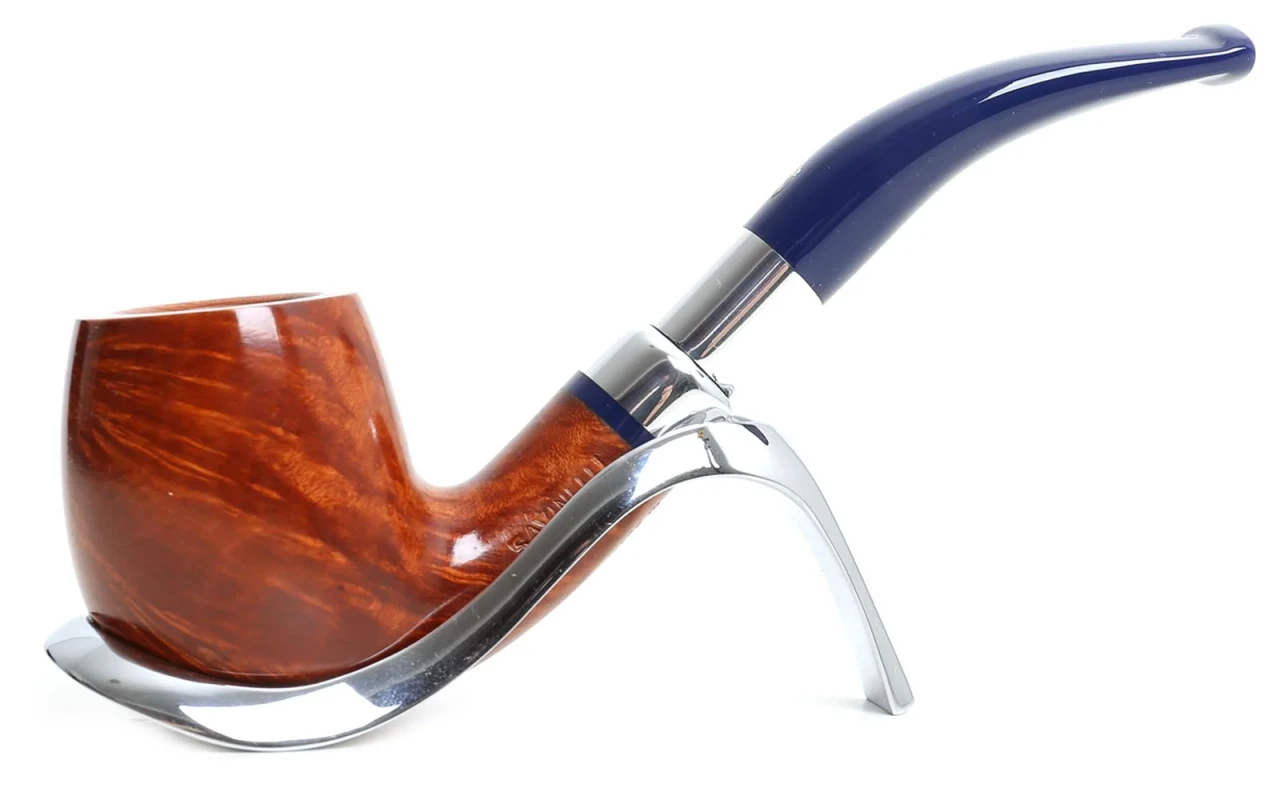
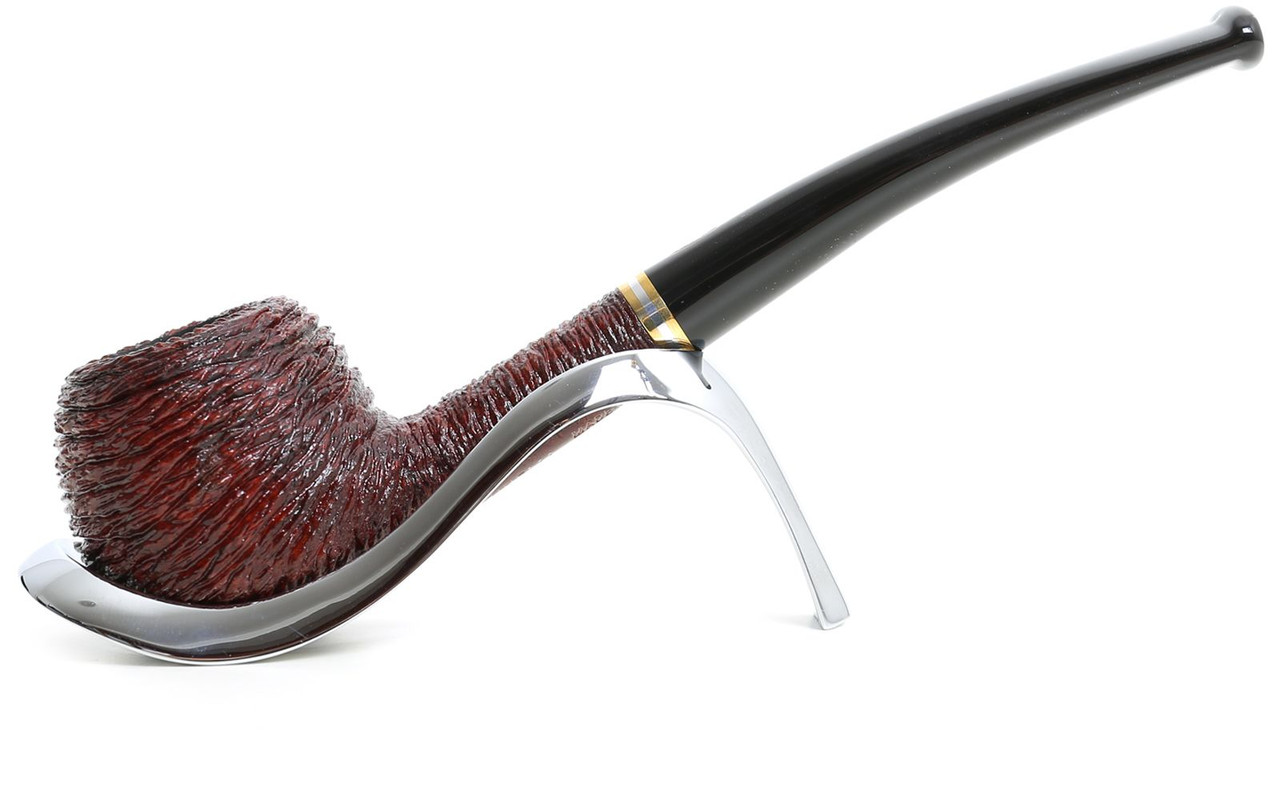
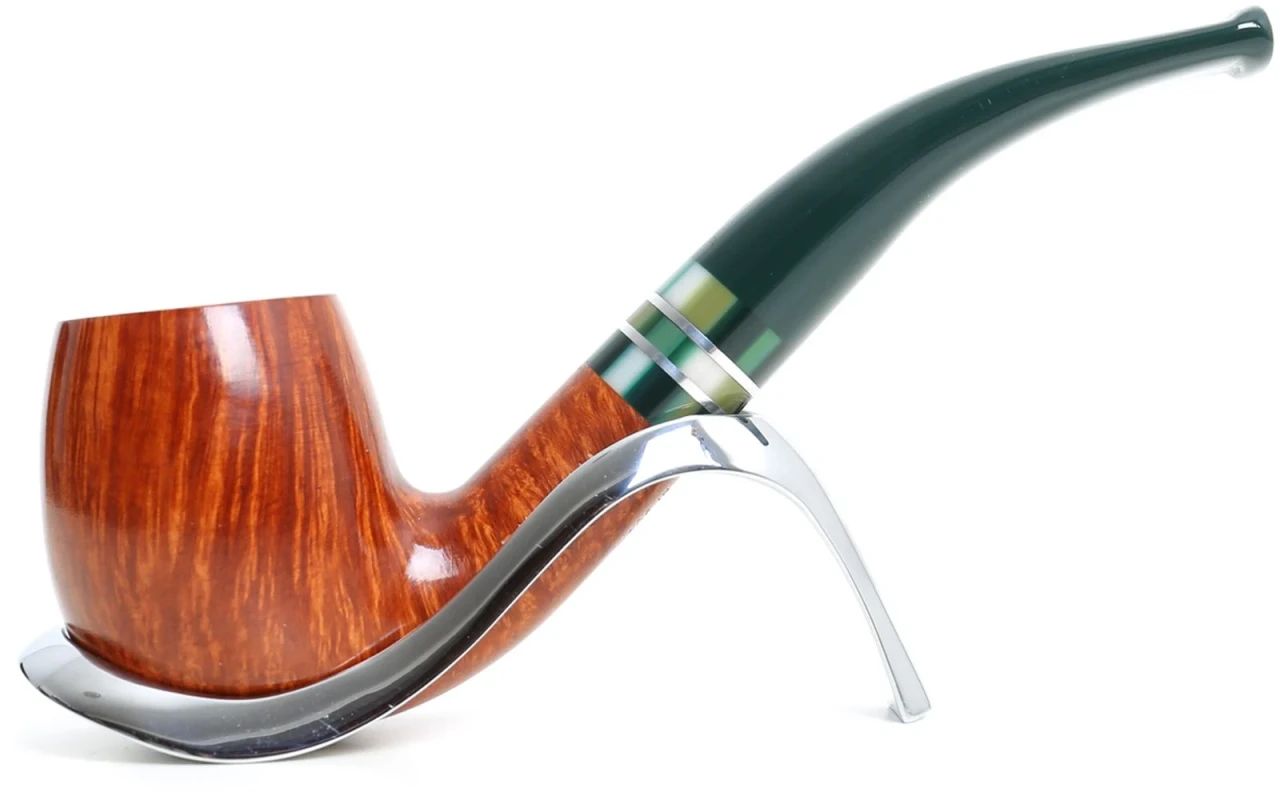
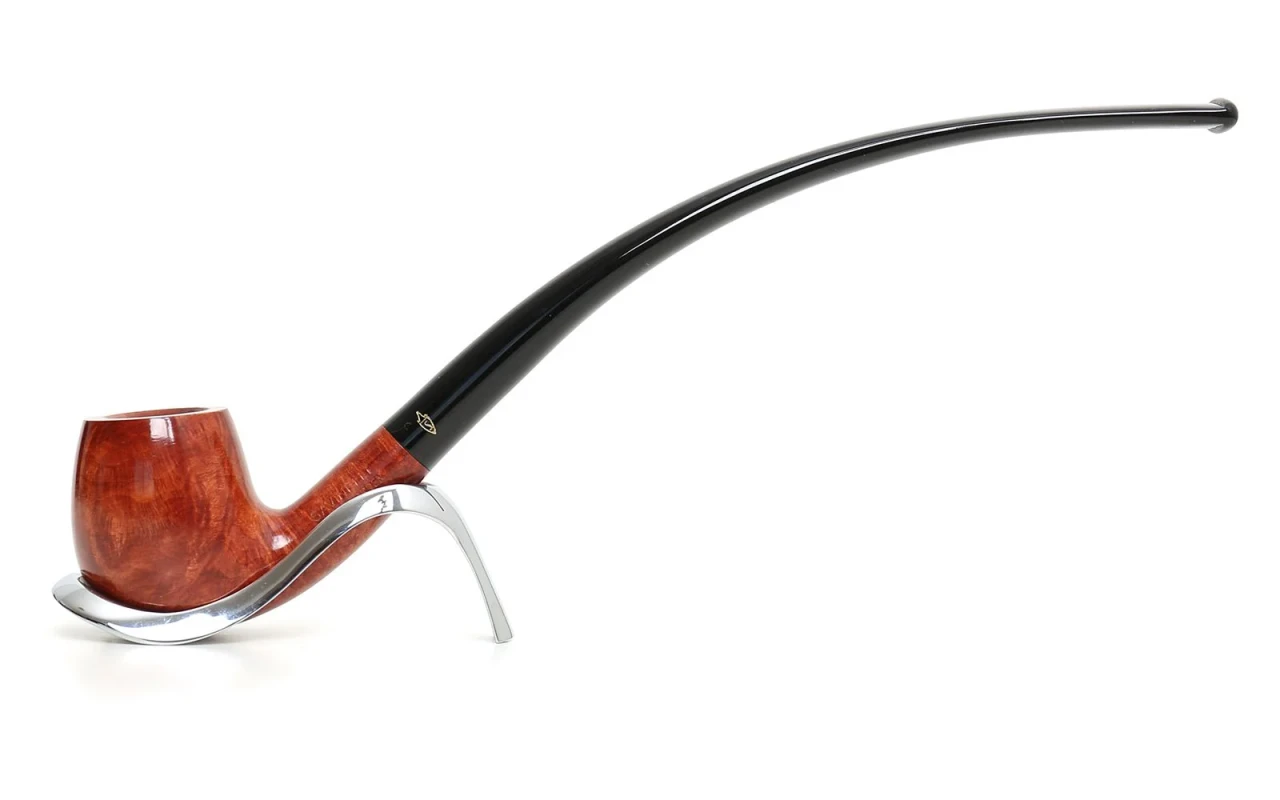
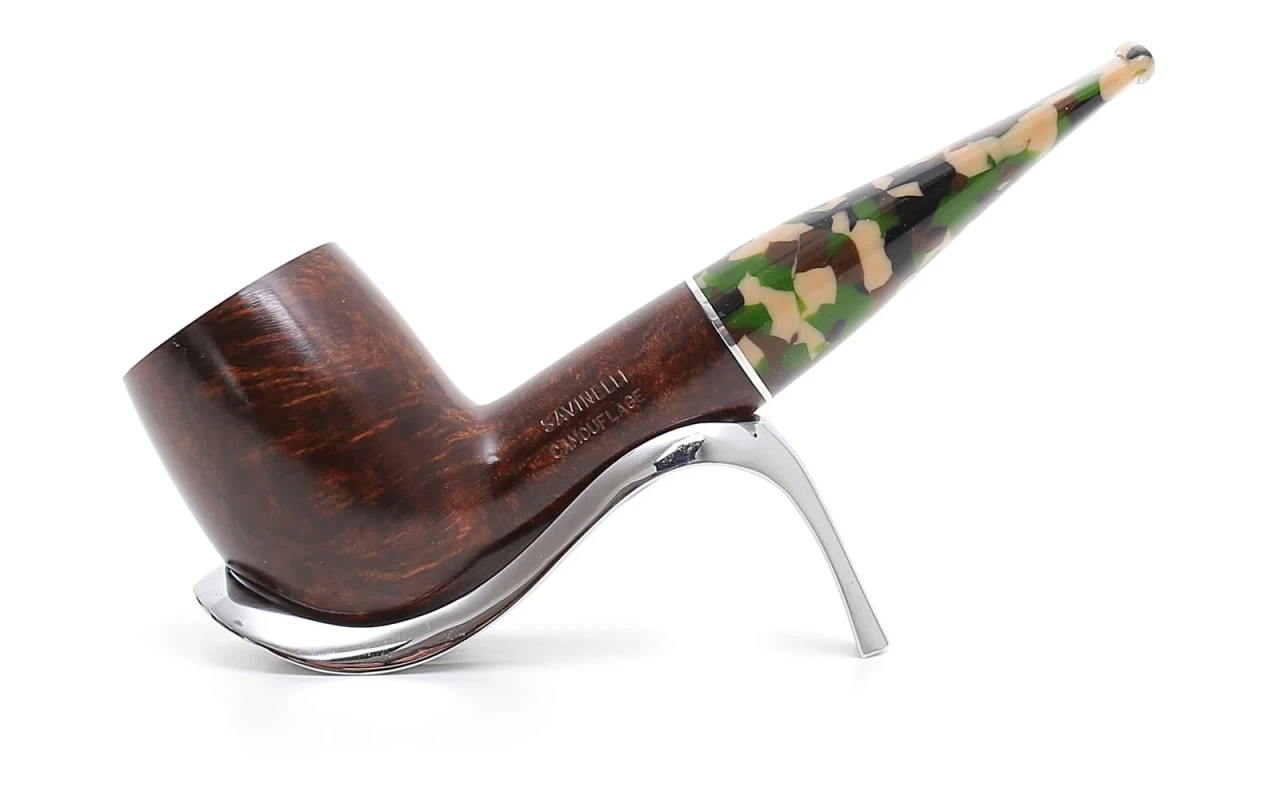
Briar root pipes are appreciated by enthusiasts for their unique characteristics. The briar root, derived from the Erica arborea plant, is particularly durable and ensures a long lifespan for the pipe. This material also imparts a slightly sweet flavor to the smoke, enhancing the smoker's sensory experience. Briar root pipes are often considered elegant and refined, perfect for those seeking an alternative to traditional briar pipes. The craftsmanship of these pipes guarantees unique and high-quality pieces, highly valued by connoisseurs.
High-grade Heather Root Pipe
The high-grade heather root pipe is a sought-after option among pipe enthusiasts. Heather root, sourced from the Erica arborea plant, is renowned for its unique characteristics. This material offers excellent heat resistance and ensures a dry and cool smoke. Pipes made with high-grade heather root are appreciated for their natural beauty and the ability to develop a distinctive patina over time. Skilled artisans maximize the qualities of this precious wood, creating high-quality pipes that meet the highest standards of connoisseurs.
Types of briar for pipes
There are several types of briar used for making pipes, each with distinctive characteristics:- Heather briar: light and durable, it offers a smooth or rustic finish.- Oak briar: hard and heat-resistant, ideal for outdoor pipes.- Walnut briar: with dark veins and warm tones, it is appreciated for elegant pipes.- Olive briar: light with unique veins, it gives a rustic touch to pipes.- Cherry briar: light and easy to work with, suitable for various finishes.Each type of briar imparts specific characteristics to pipes in terms of weight, durability, and aesthetics.
Maintenance of Briar Pipes
Maintaining a briar pipe is essential to ensure optimal performance over time. Here are some useful tips:- Regular cleaning: remove burnt tobacco residues and moisture with a pipe cleaner or a reamer.- Thorough drying: let the pipe air dry for at least 24 hours after use.- Polishing: use specific oil or wax to maintain the shine and protect the briar.- State check: periodically check for any cracks or woodworm in the briar.- Pipe rotation: alternate the use of multiple pipes to avoid overheating and excessive wear of a single pipe.
'%3e%3cg id='Final-Copy-2_2_' transform='translate(1275.000000, 200.000000)'%3e%3cpath class='st0' d='M7.4,12.8h6.8l3.1-11.6H7.4C4.2,1.2,1.6,3.8,1.6,7S4.2,12.8,7.4,12.8z'/%3e%3c/g%3e%3c/g%3e%3c/g%3e%3cg id='final---dec.11-2020'%3e%3cg id='_x30_208-our-toggle' transform='translate(-1275.000000, -200.000000)'%3e%3cg id='Final-Copy-2' transform='translate(1275.000000, 200.000000)'%3e%3cpath class='st1' d='M22.6,0H7.4c-3.9,0-7,3.1-7,7s3.1,7,7,7h15.2c3.9,0,7-3.1,7-7S26.4,0,22.6,0z M1.6,7c0-3.2,2.6-5.8,5.8-5.8 h9.9l-3.1,11.6H7.4C4.2,12.8,1.6,10.2,1.6,7z'/%3e%3cpath id='x' class='st2' d='M24.6,4c0.2,0.2,0.2,0.6,0,0.8l0,0L22.5,7l2.2,2.2c0.2,0.2,0.2,0.6,0,0.8c-0.2,0.2-0.6,0.2-0.8,0 l0,0l-2.2-2.2L19.5,10c-0.2,0.2-0.6,0.2-0.8,0c-0.2-0.2-0.2-0.6,0-0.8l0,0L20.8,7l-2.2-2.2c-0.2-0.2-0.2-0.6,0-0.8 c0.2-0.2,0.6-0.2,0.8,0l0,0l2.2,2.2L23.8,4C24,3.8,24.4,3.8,24.6,4z'/%3e%3cpath id='y' class='st3' d='M12.7,4.1c0.2,0.2,0.3,0.6,0.1,0.8l0,0L8.6,9.8C8.5,9.9,8.4,10,8.3,10c-0.2,0.1-0.5,0.1-0.7-0.1l0,0 L5.4,7.7c-0.2-0.2-0.2-0.6,0-0.8c0.2-0.2,0.6-0.2,0.8,0l0,0L8,8.6l3.8-4.5C12,3.9,12.4,3.9,12.7,4.1z'/%3e%3c/g%3e%3c/g%3e%3c/g%3e%3c/g%3e%3c/svg%3e) Your Privacy Choices
Your Privacy Choices 


