 ES
ES FR
FR EN
EN IT
IT DE
DE
Origin of the Prince pipe 19th century
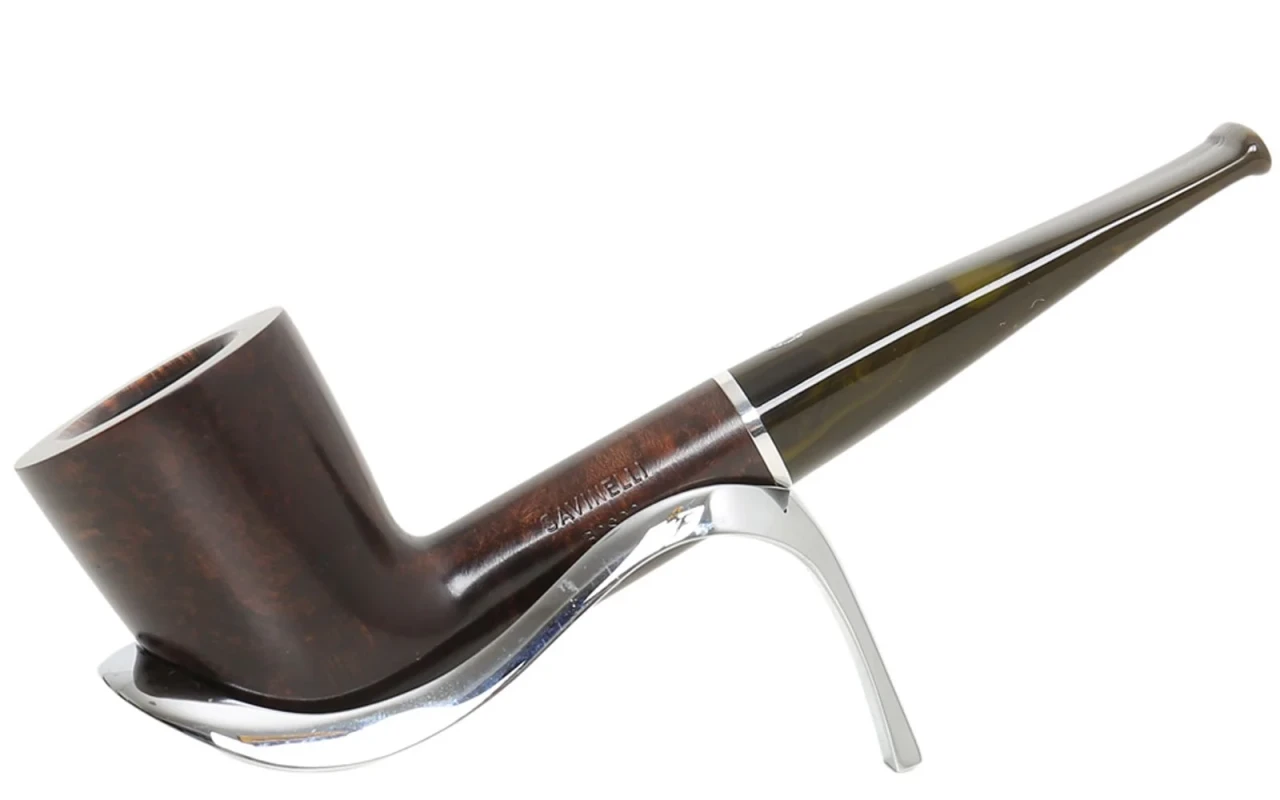
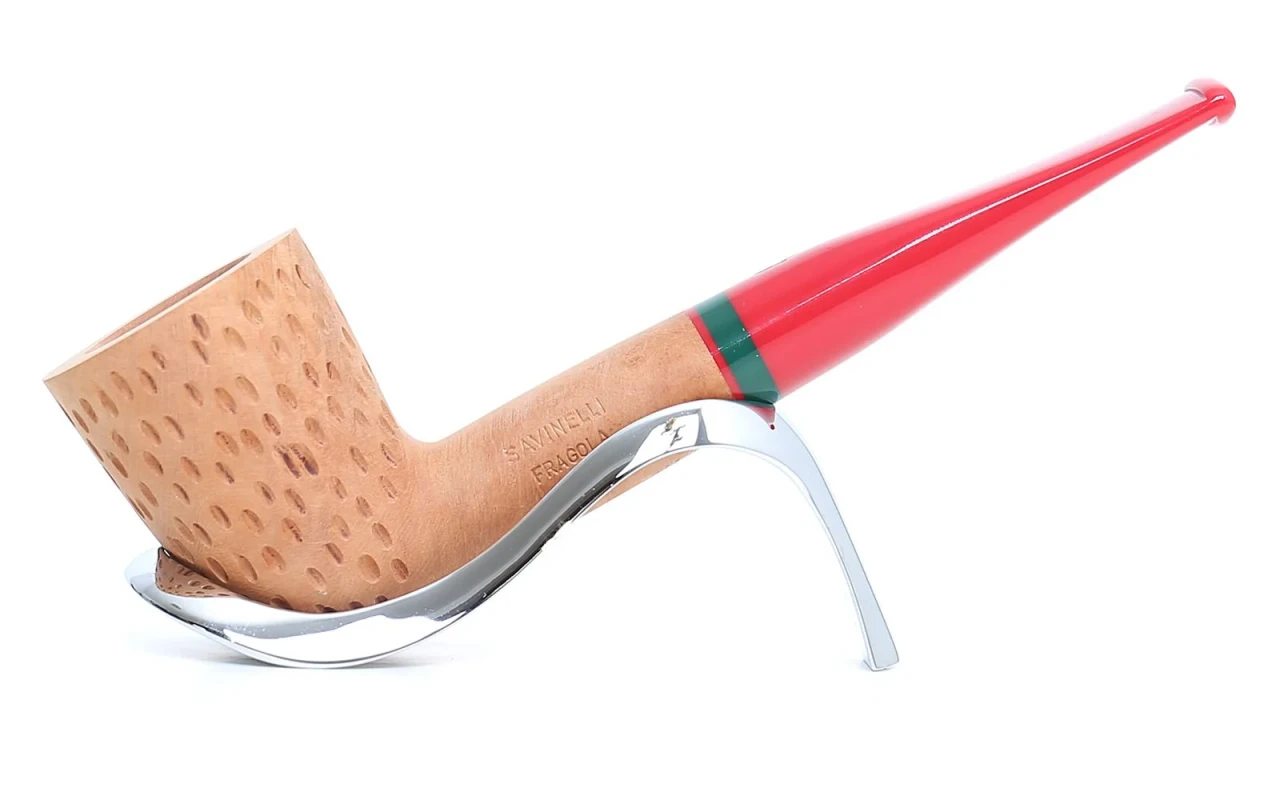
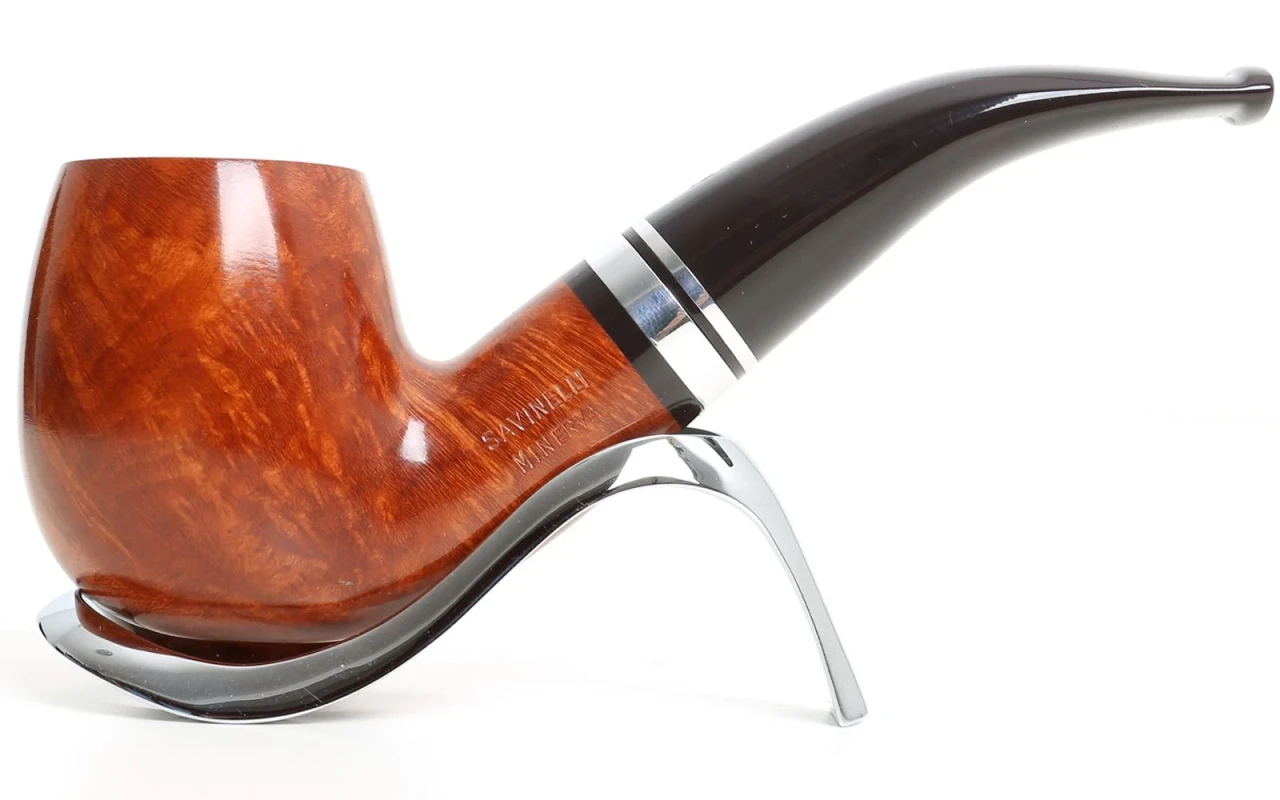
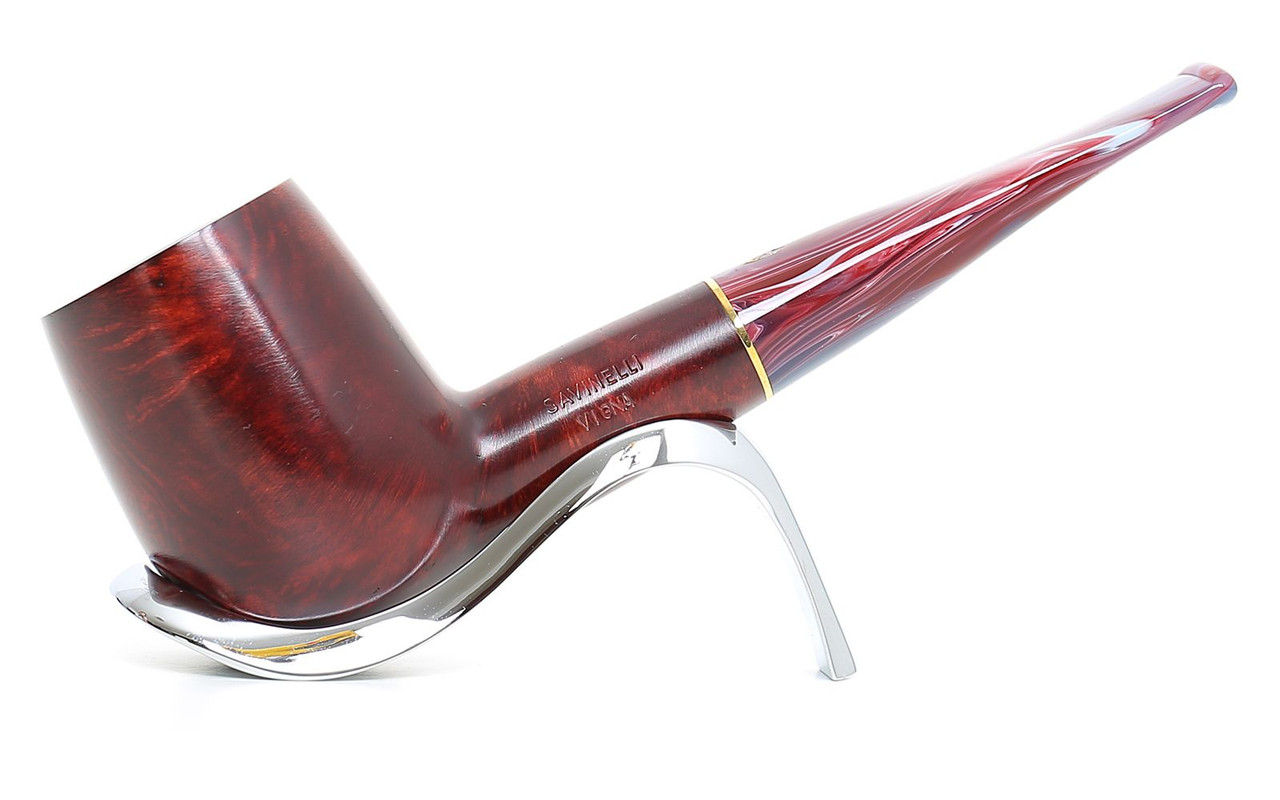
Origin of the Prince pipe 19th century
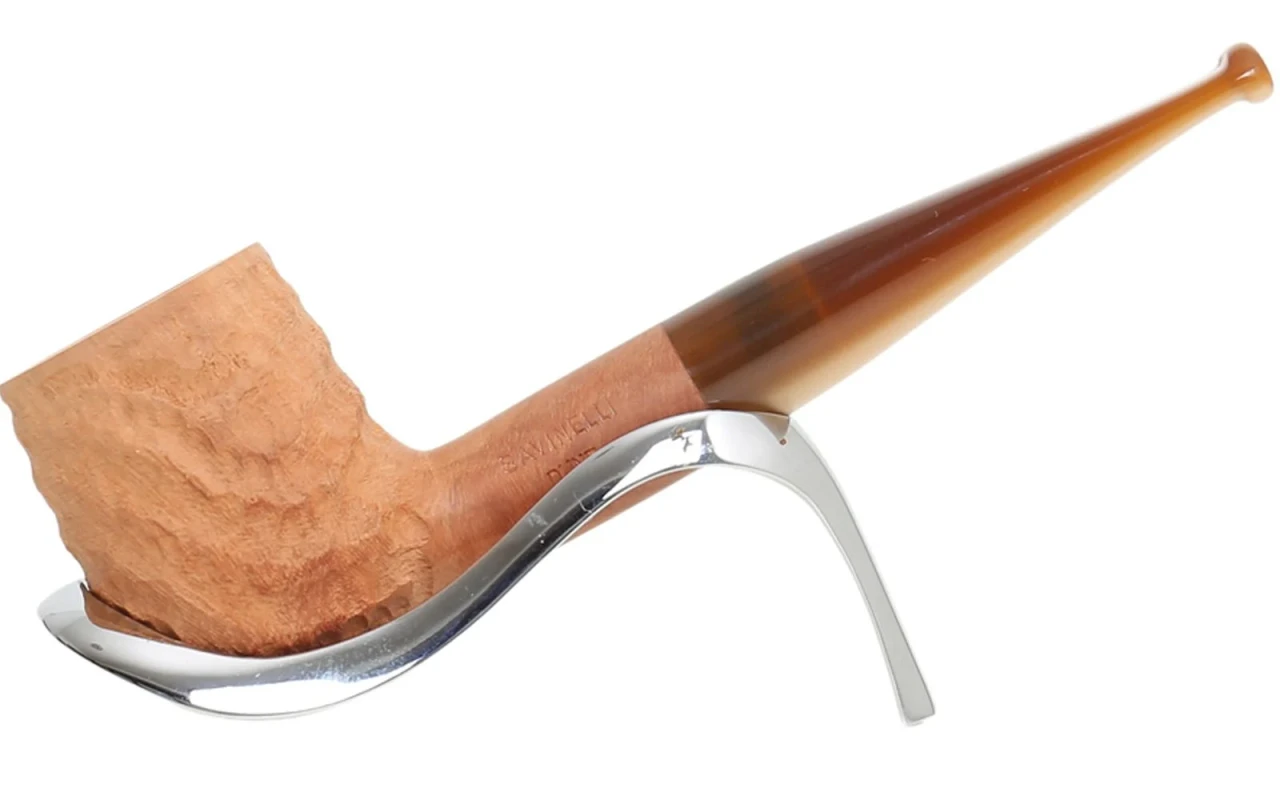
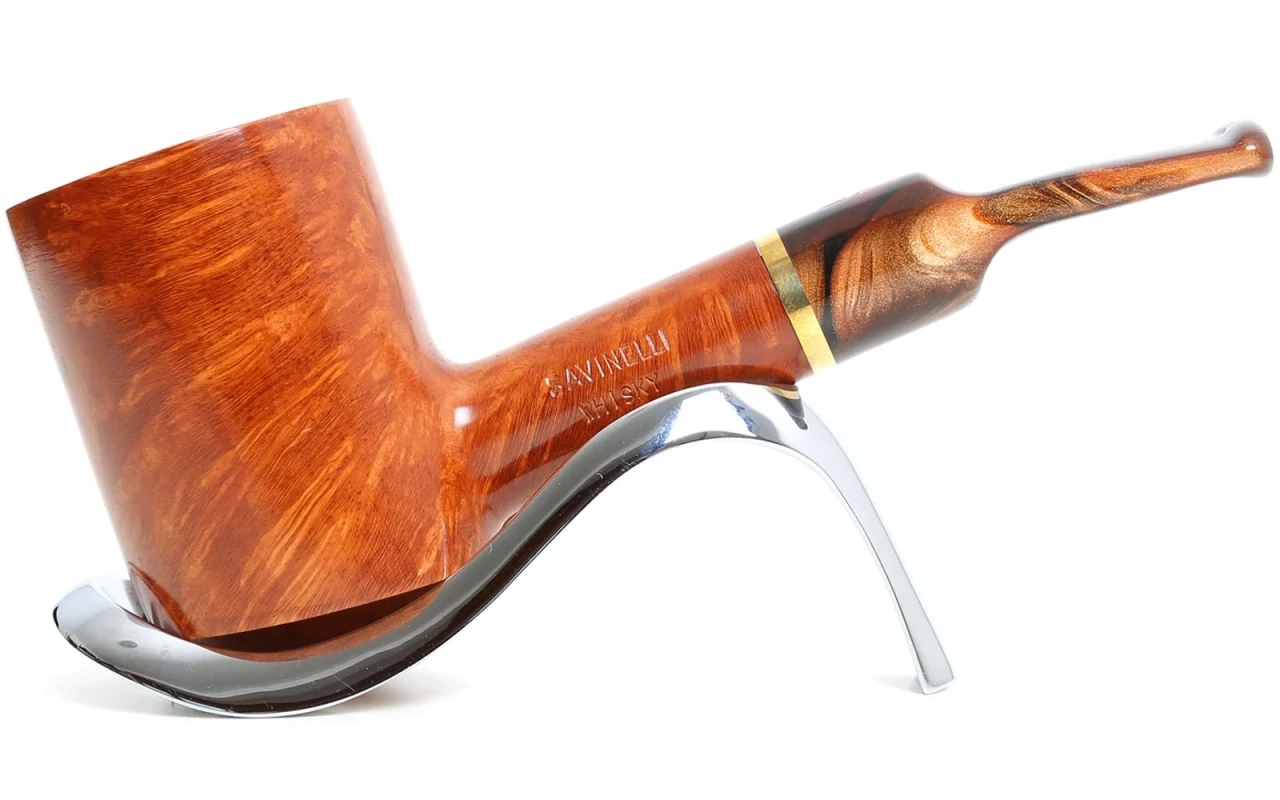
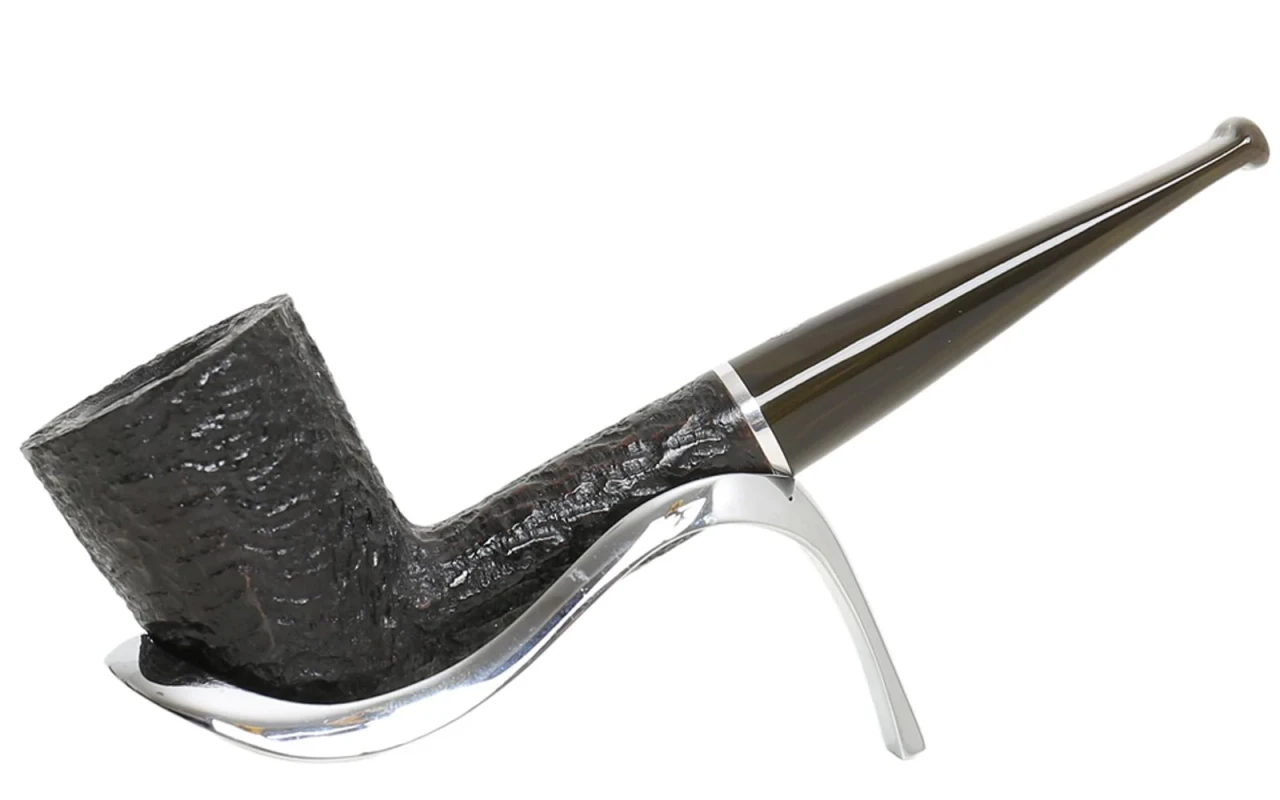
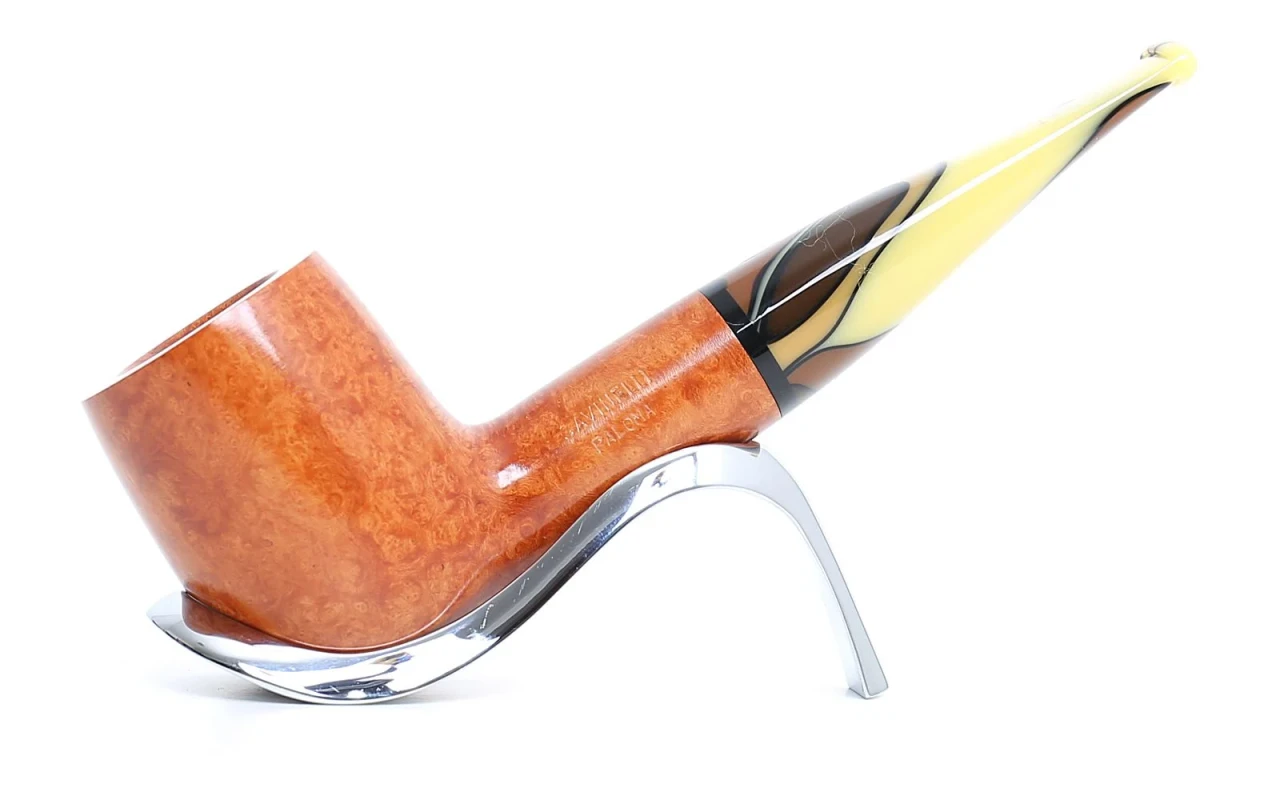
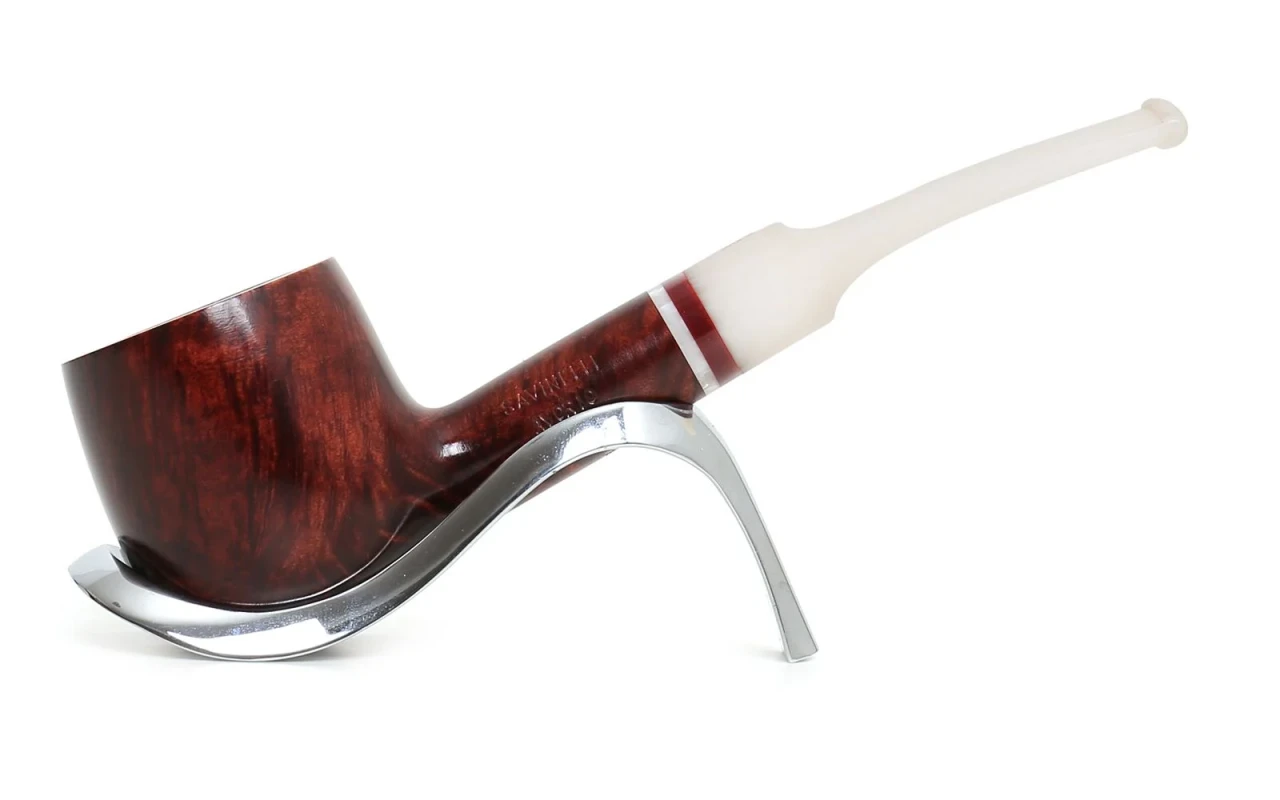
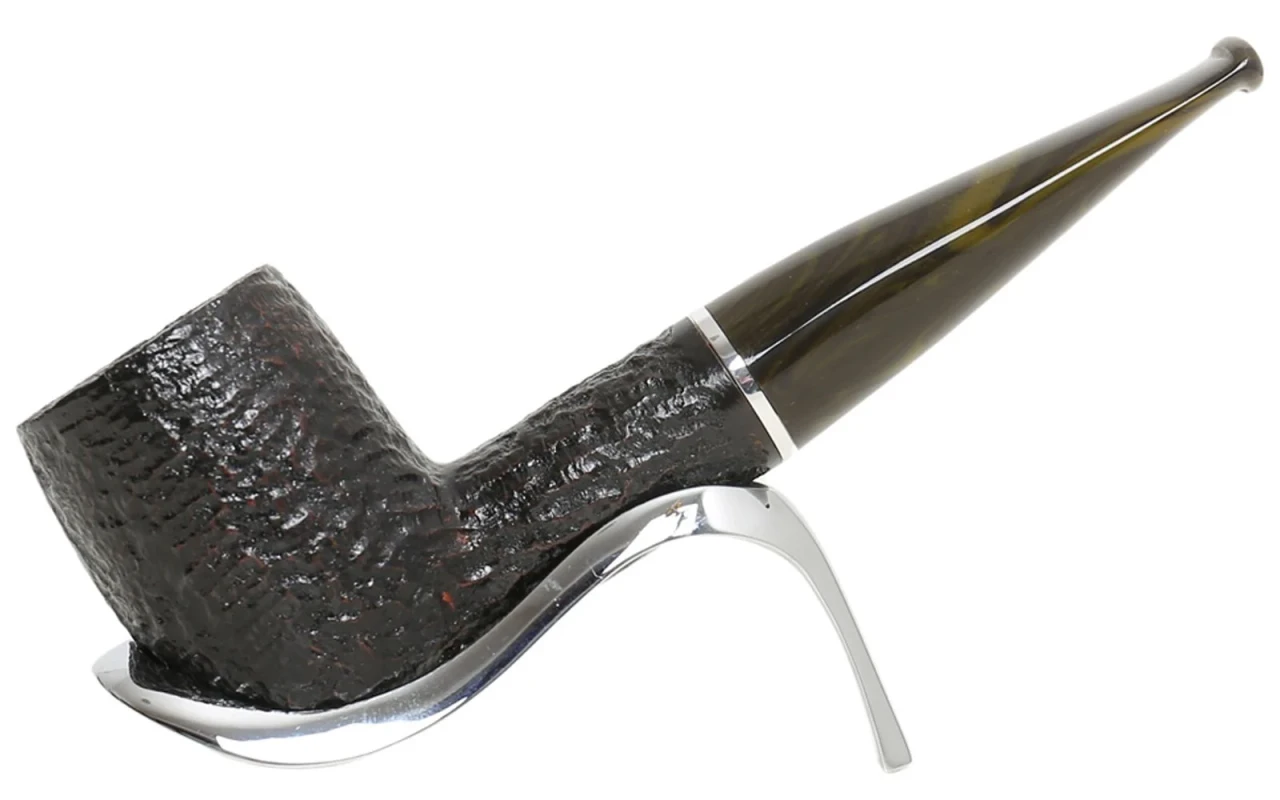
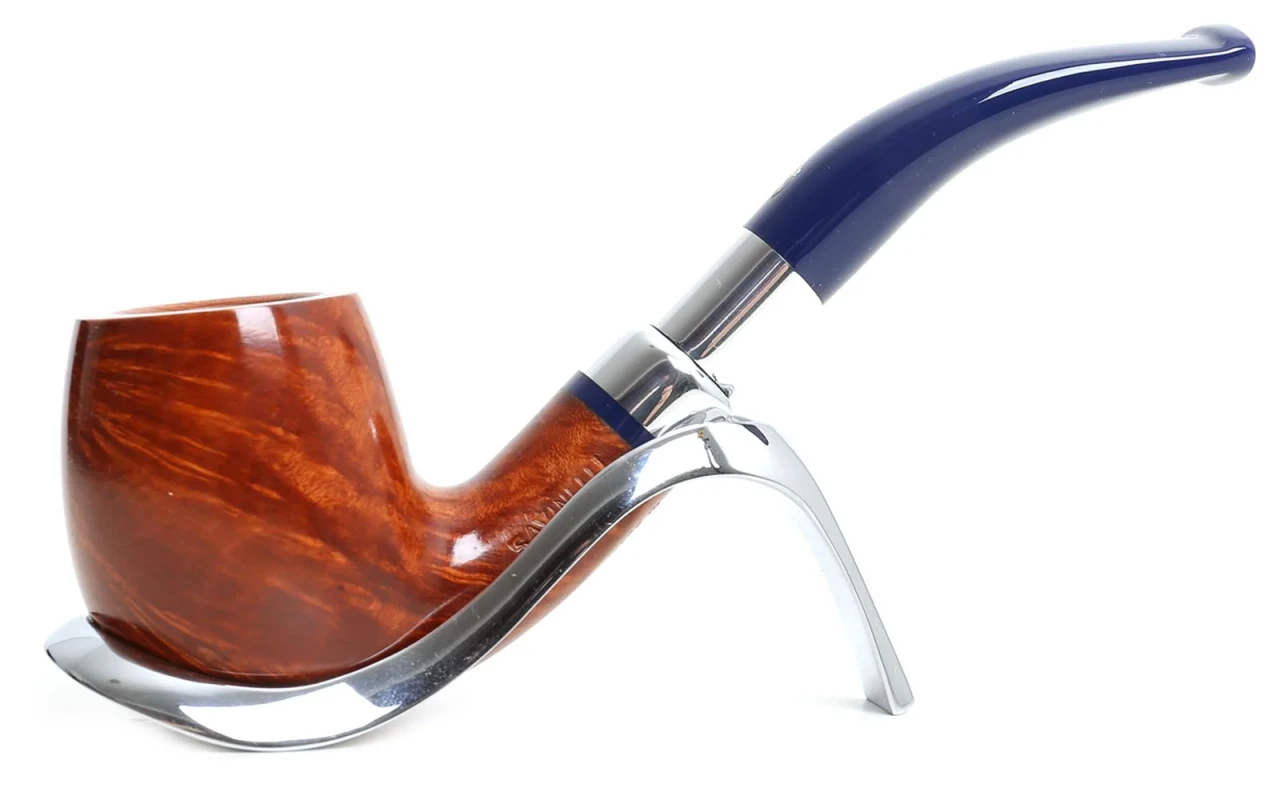
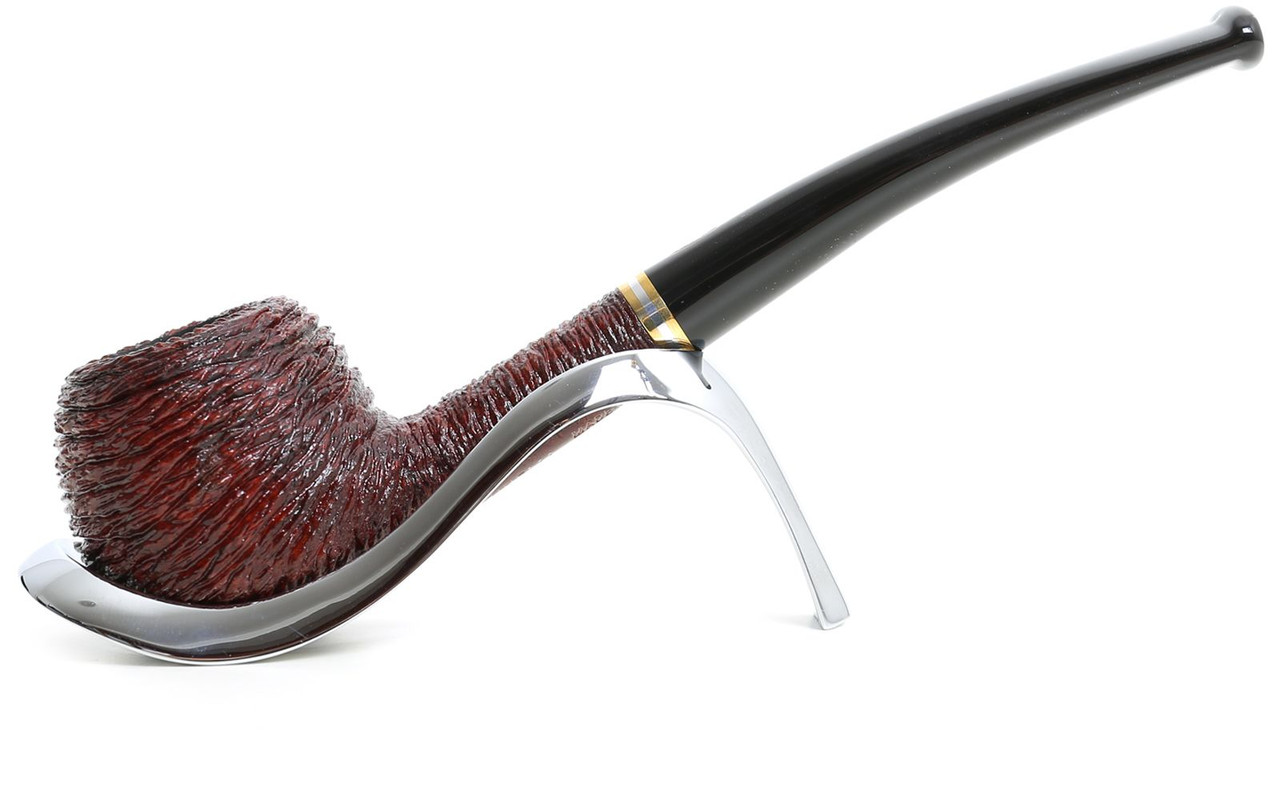
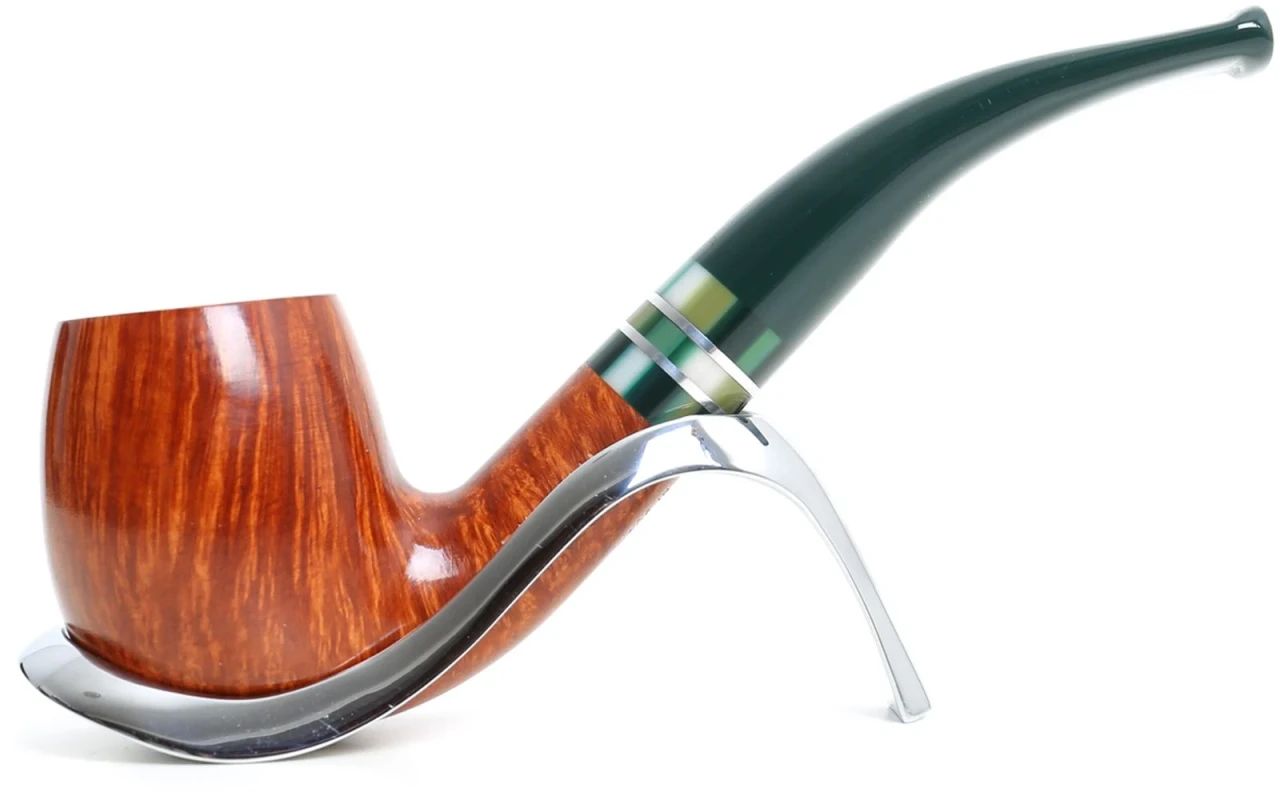
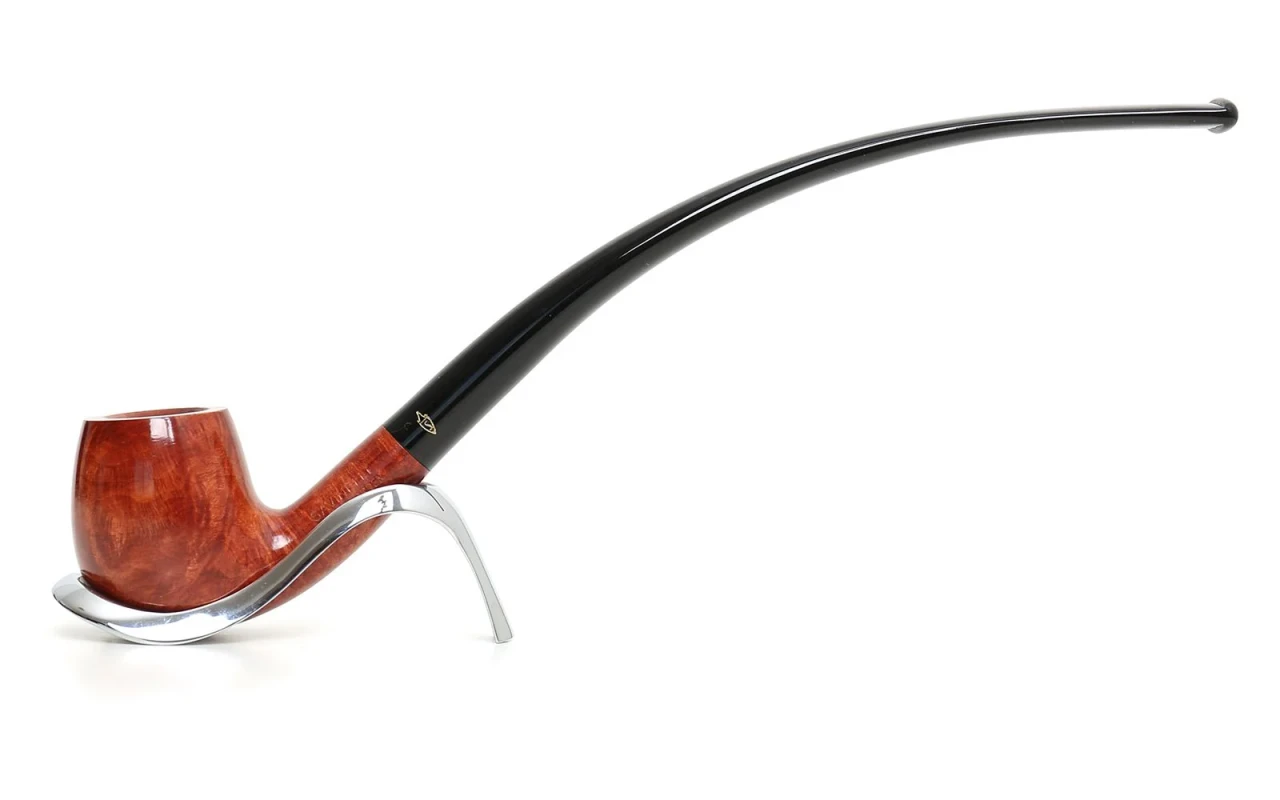
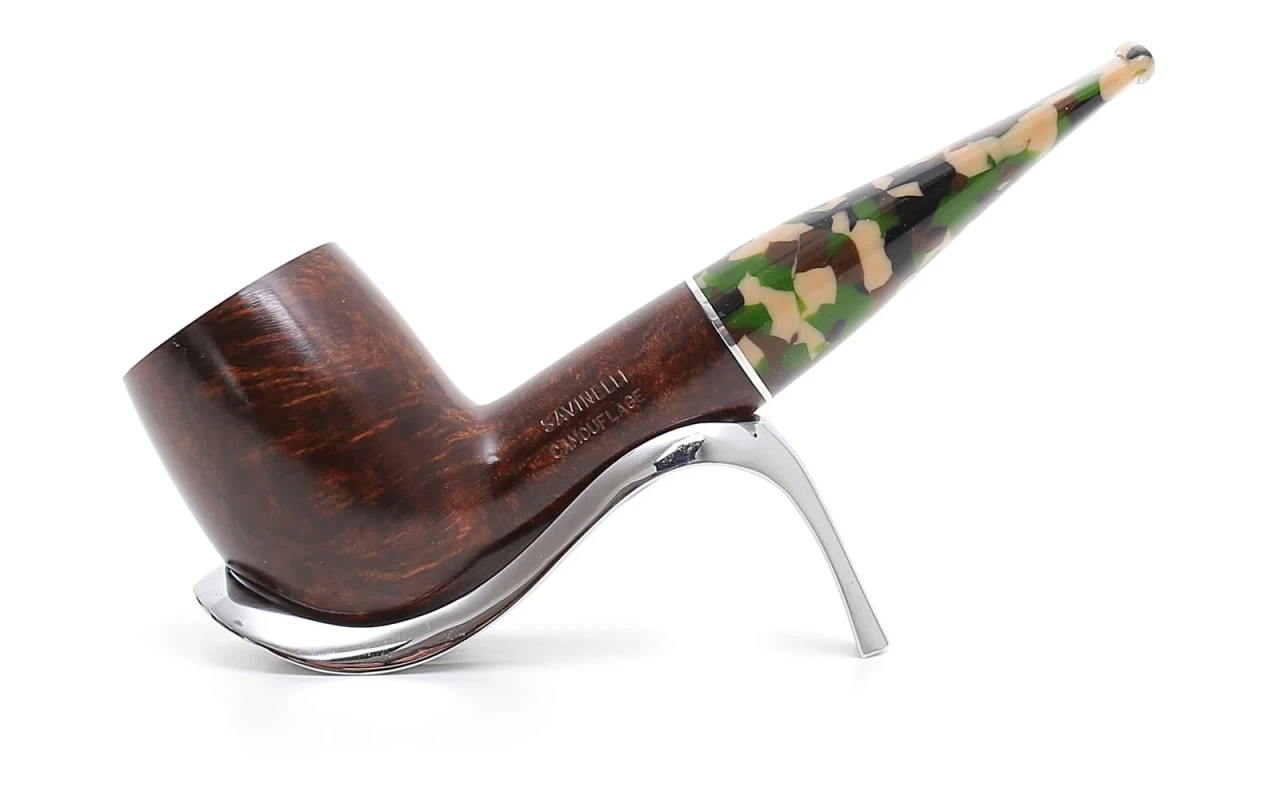
The origins of the Prince pipe date back to the 19th century when it was designed for the Prince of Wales, later King Edward VII of the United Kingdom. This pipe model is characterized by the elegant and slender shape of the stem, which widens at the base of the bowl. The Prince pipe is appreciated by pipe smoking enthusiasts for its refined aesthetics and comfortable grip. Over the years, the Prince pipe has maintained its popularity among collectors and pipe aficionados, remaining an icon in the pipe world.
History of smoking pipes
Smoking pipes have a long and fascinating history that dates back to ancient times. It is believed that the first pipes were used by indigenous populations of the Americas before the arrival of Europeans. Over the centuries, pipes have taken on different styles and materials, becoming a symbol of elegance and sophistication. In the 18th century, terracotta and porcelain pipes were very popular among the European aristocracy. Today, pipes are appreciated both for their aesthetic value and for the ritual associated with smoking them. The pipe smoking culture is rich in traditions and ceremonies that have been passed down for generations.
Evolution of smoking pipes
The evolution of smoking pipes has been an interesting process over the centuries. Initially made from natural materials such as clay, wood, or stone, pipes have undergone various transformations in design and materials used. With the advent of industrial production, pipes have also been made from materials such as briar root and corn cob. In recent decades, pipes have been designed in innovative shapes and styles, using modern materials like metal and glass. This evolution has led to a greater variety and customization in the world of smoking pipes.
Ancient Pipe Models
Ancient pipes, dating back several centuries, showcase a variety of interesting and unique models. Among the most common types of ancient pipe models are:- Pipes shaped like human heads, often made of carved clay or wood.- Pipes shaped like animals, such as eagles, lions, or serpents, symbolizing strength or protection.- Pipes shaped like everyday objects, such as ships or ritual items, carrying symbolic or cultural meanings.These ancient models were not only smoking instruments but often held significant cultural or symbolic importance within the communities where they were used.
'%3e%3cg id='Final-Copy-2_2_' transform='translate(1275.000000, 200.000000)'%3e%3cpath class='st0' d='M7.4,12.8h6.8l3.1-11.6H7.4C4.2,1.2,1.6,3.8,1.6,7S4.2,12.8,7.4,12.8z'/%3e%3c/g%3e%3c/g%3e%3c/g%3e%3cg id='final---dec.11-2020'%3e%3cg id='_x30_208-our-toggle' transform='translate(-1275.000000, -200.000000)'%3e%3cg id='Final-Copy-2' transform='translate(1275.000000, 200.000000)'%3e%3cpath class='st1' d='M22.6,0H7.4c-3.9,0-7,3.1-7,7s3.1,7,7,7h15.2c3.9,0,7-3.1,7-7S26.4,0,22.6,0z M1.6,7c0-3.2,2.6-5.8,5.8-5.8 h9.9l-3.1,11.6H7.4C4.2,12.8,1.6,10.2,1.6,7z'/%3e%3cpath id='x' class='st2' d='M24.6,4c0.2,0.2,0.2,0.6,0,0.8l0,0L22.5,7l2.2,2.2c0.2,0.2,0.2,0.6,0,0.8c-0.2,0.2-0.6,0.2-0.8,0 l0,0l-2.2-2.2L19.5,10c-0.2,0.2-0.6,0.2-0.8,0c-0.2-0.2-0.2-0.6,0-0.8l0,0L20.8,7l-2.2-2.2c-0.2-0.2-0.2-0.6,0-0.8 c0.2-0.2,0.6-0.2,0.8,0l0,0l2.2,2.2L23.8,4C24,3.8,24.4,3.8,24.6,4z'/%3e%3cpath id='y' class='st3' d='M12.7,4.1c0.2,0.2,0.3,0.6,0.1,0.8l0,0L8.6,9.8C8.5,9.9,8.4,10,8.3,10c-0.2,0.1-0.5,0.1-0.7-0.1l0,0 L5.4,7.7c-0.2-0.2-0.2-0.6,0-0.8c0.2-0.2,0.6-0.2,0.8,0l0,0L8,8.6l3.8-4.5C12,3.9,12.4,3.9,12.7,4.1z'/%3e%3c/g%3e%3c/g%3e%3c/g%3e%3c/g%3e%3c/svg%3e) Your Privacy Choices
Your Privacy Choices 


