 ES
ES FR
FR EN
EN IT
IT DE
DE
Origin of the Cutty pipe
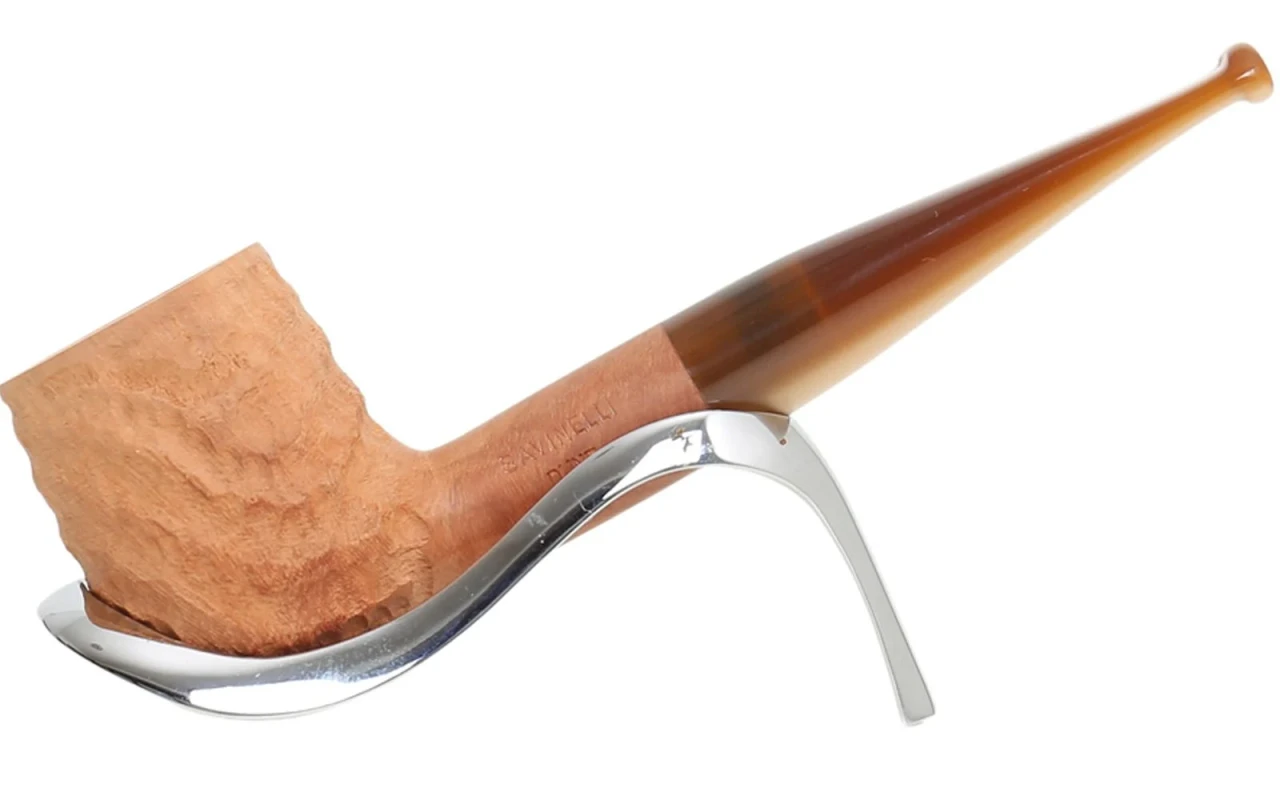

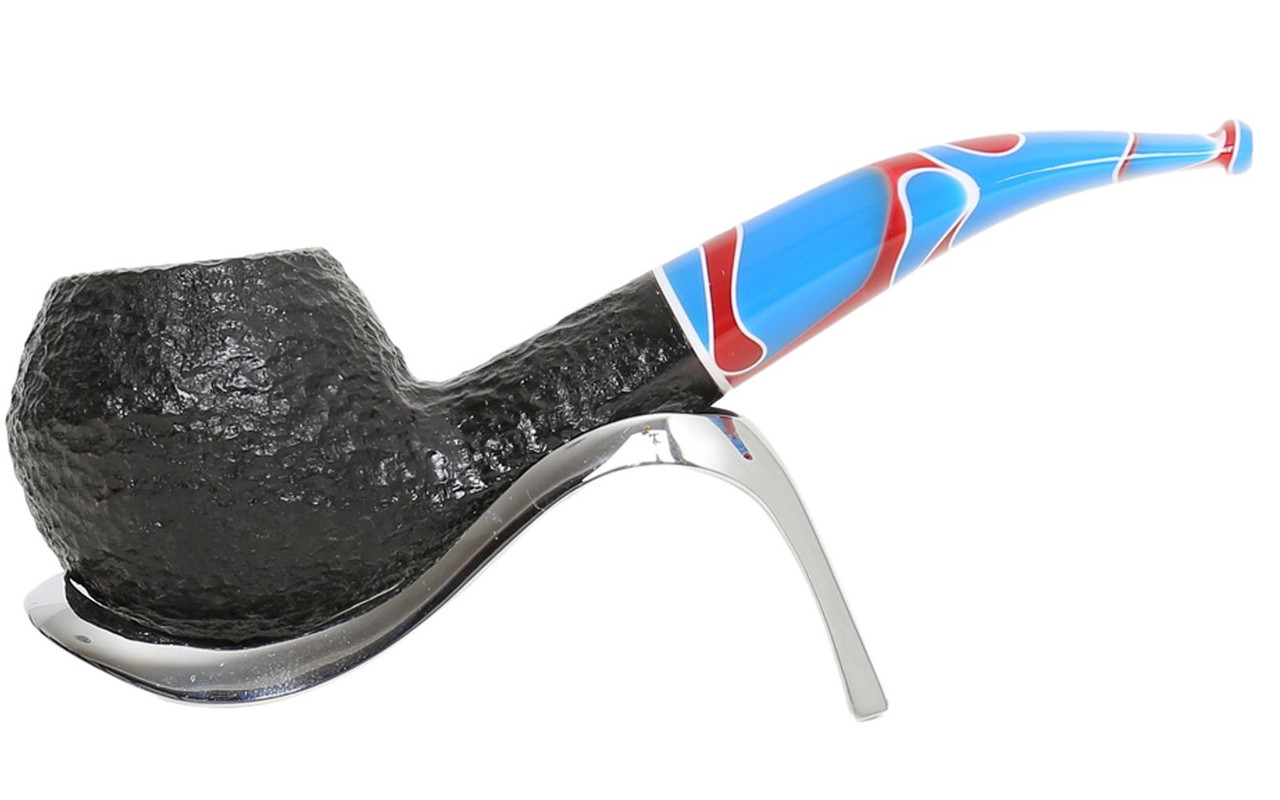
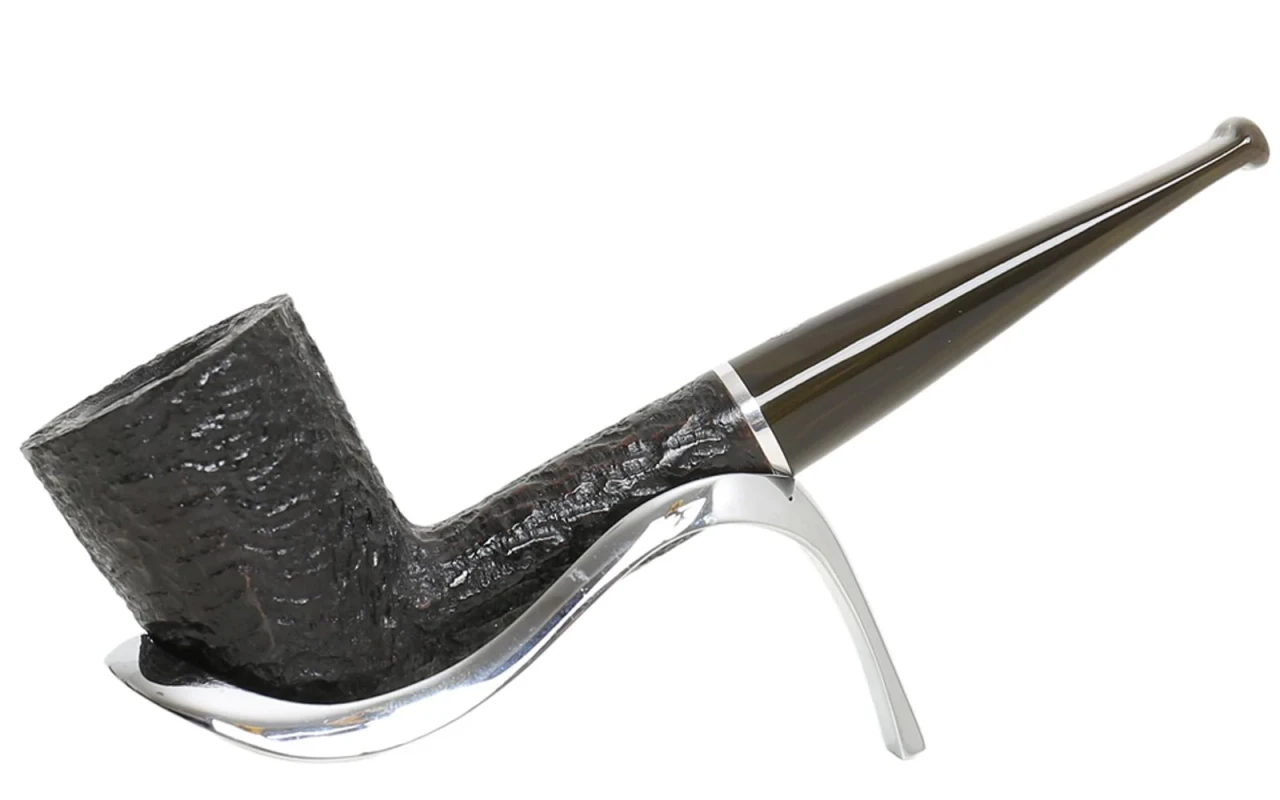
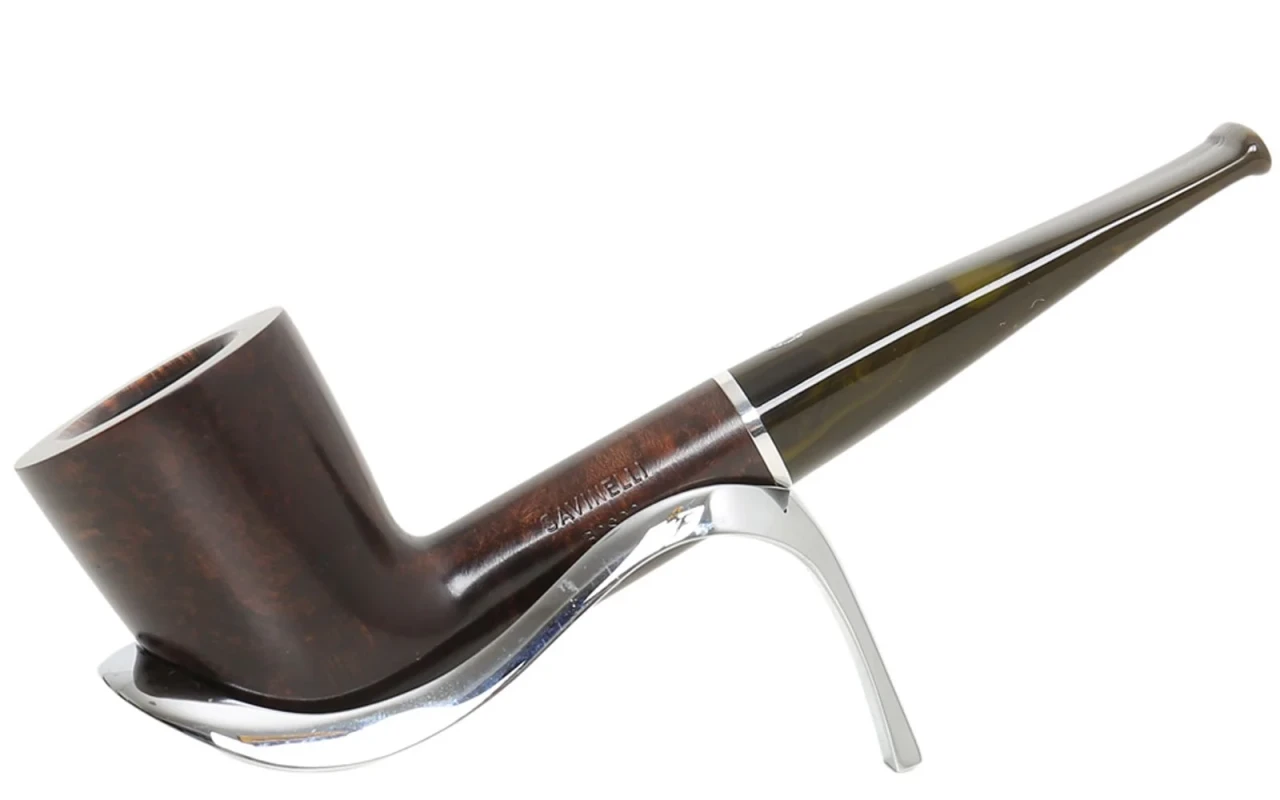
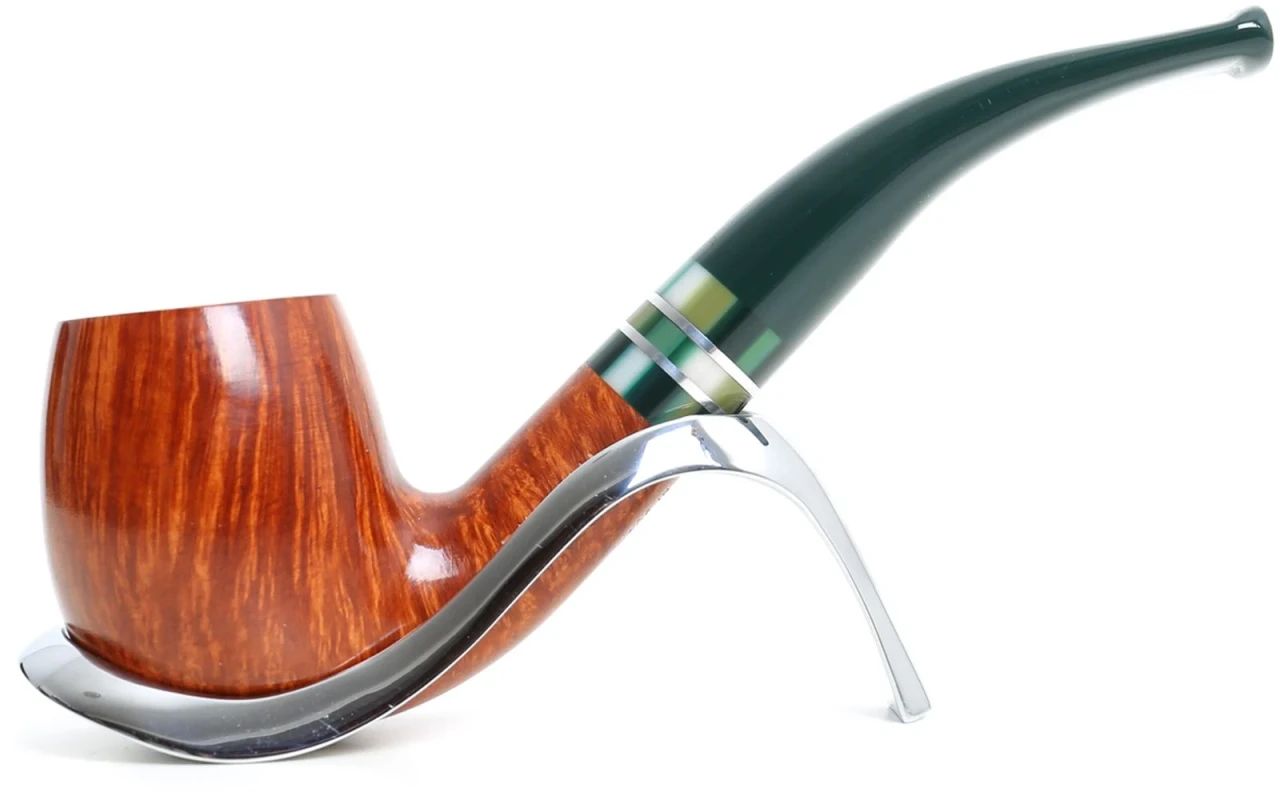
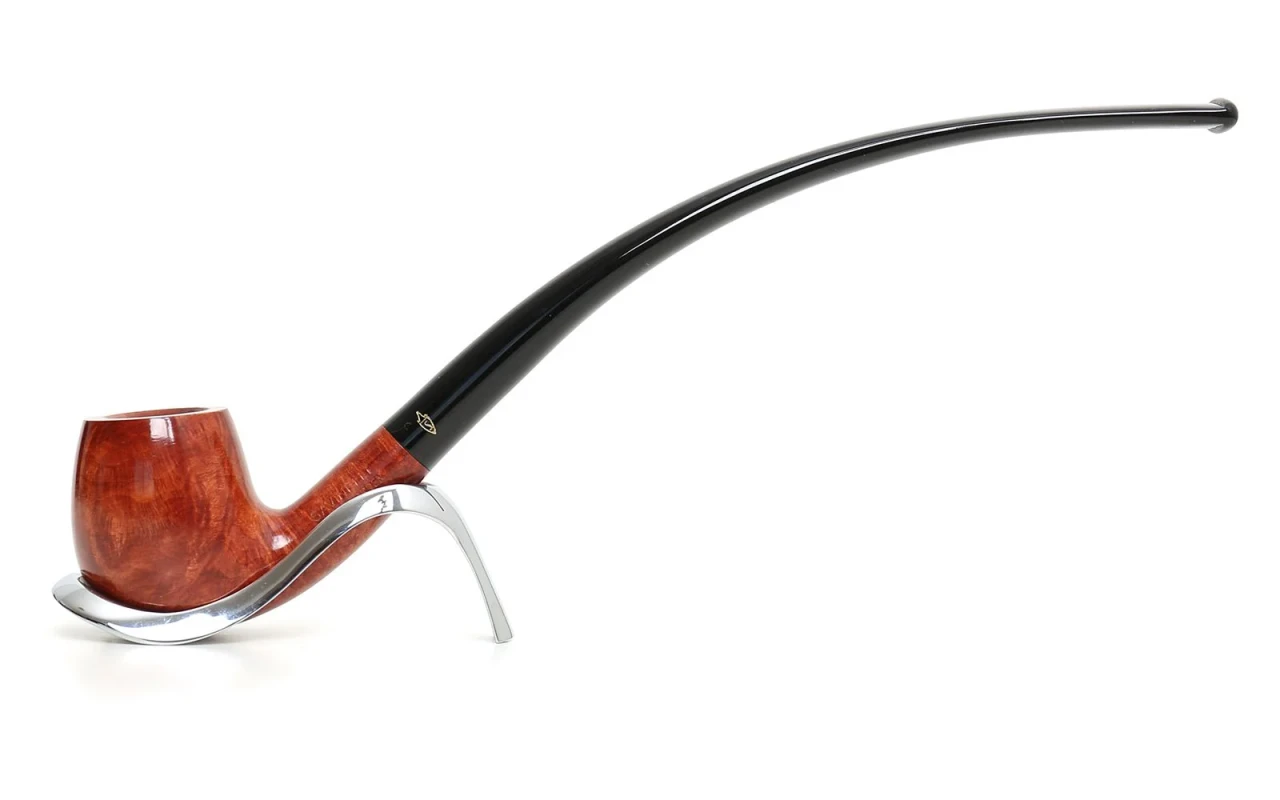

Origin of the Cutty pipe
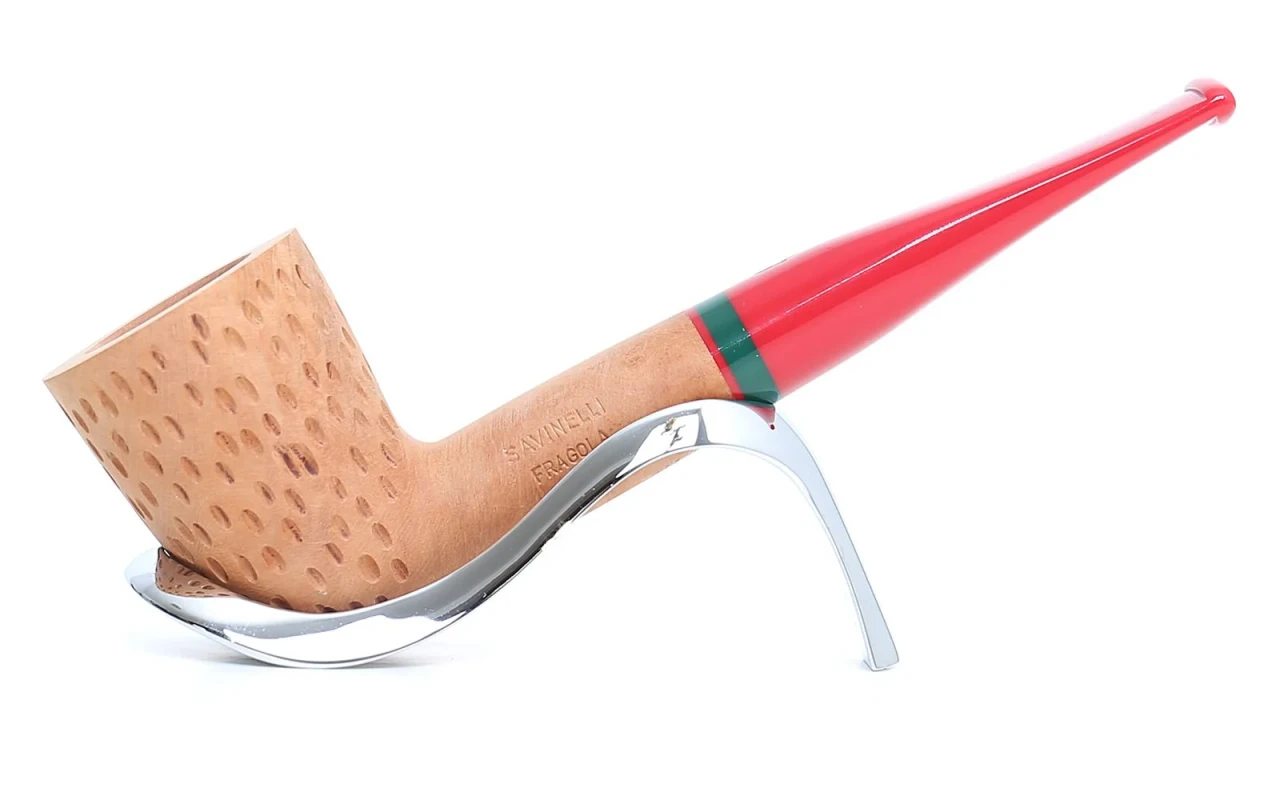
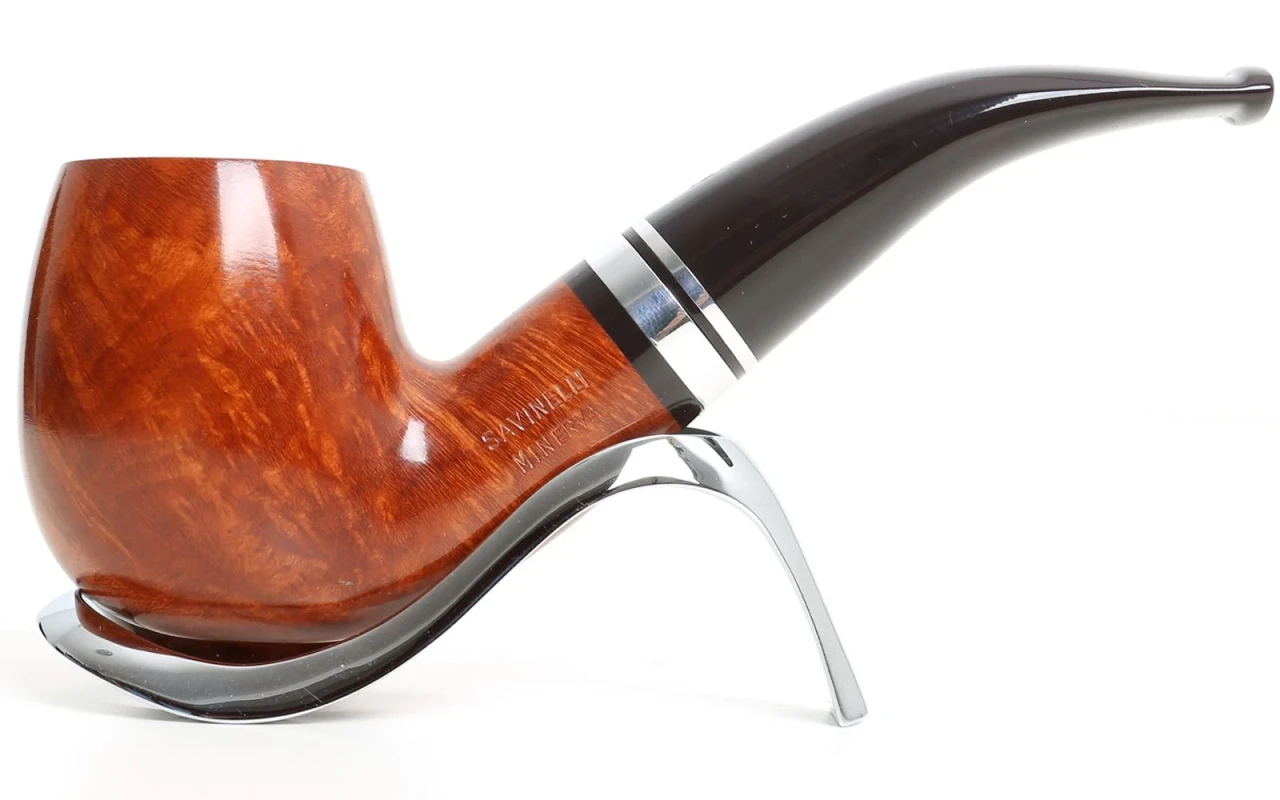
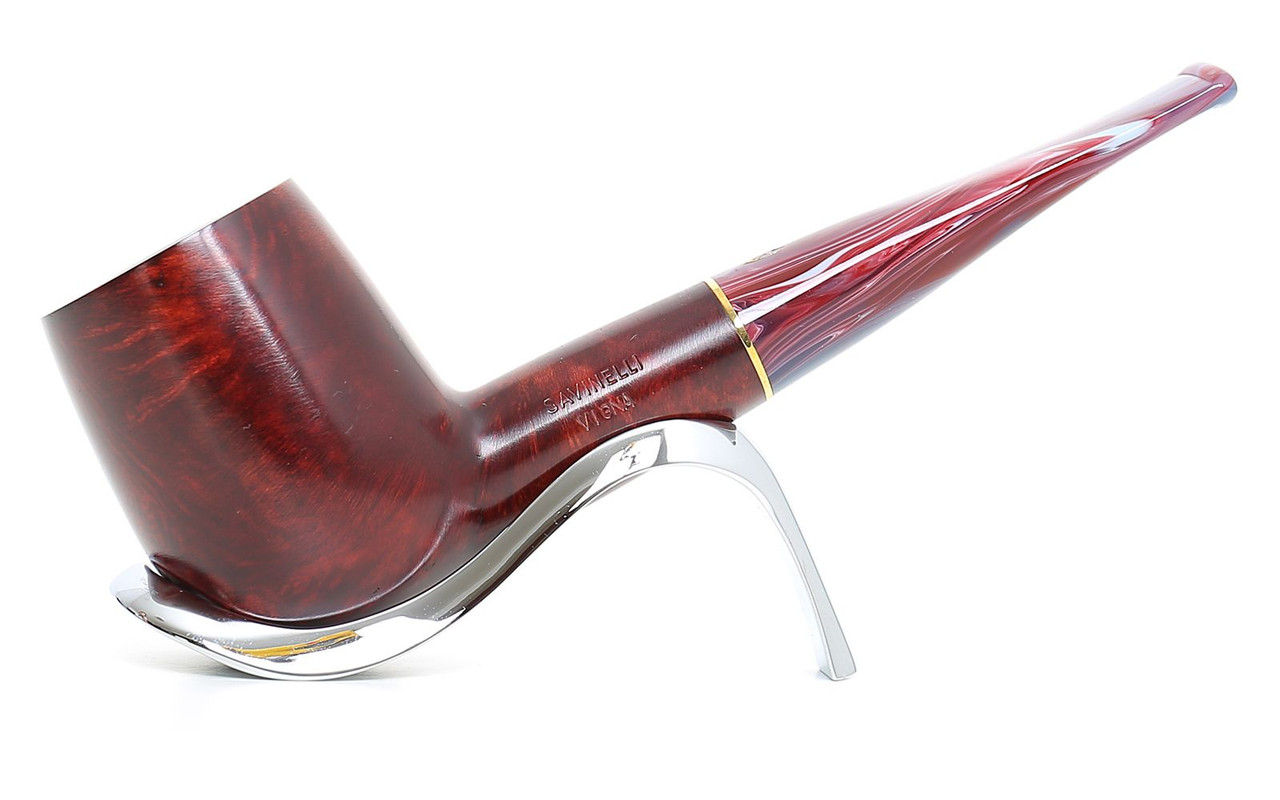
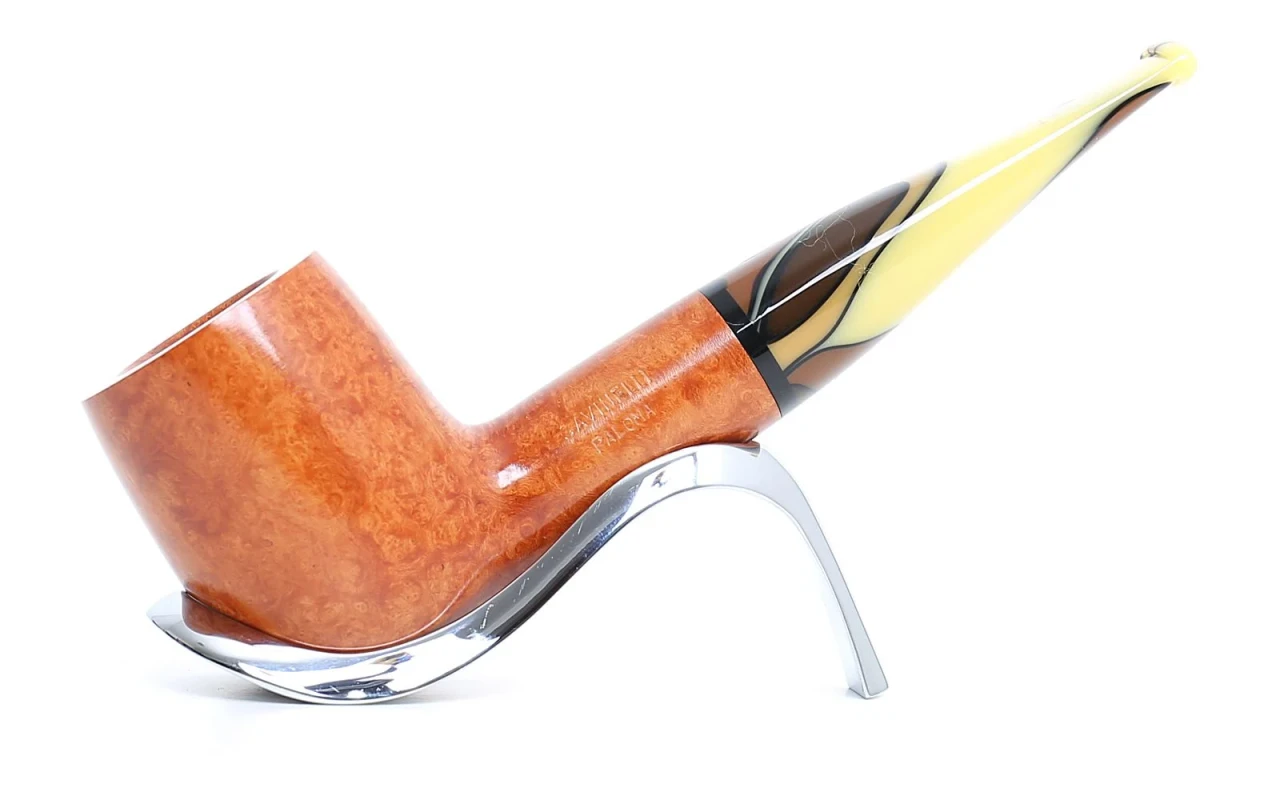
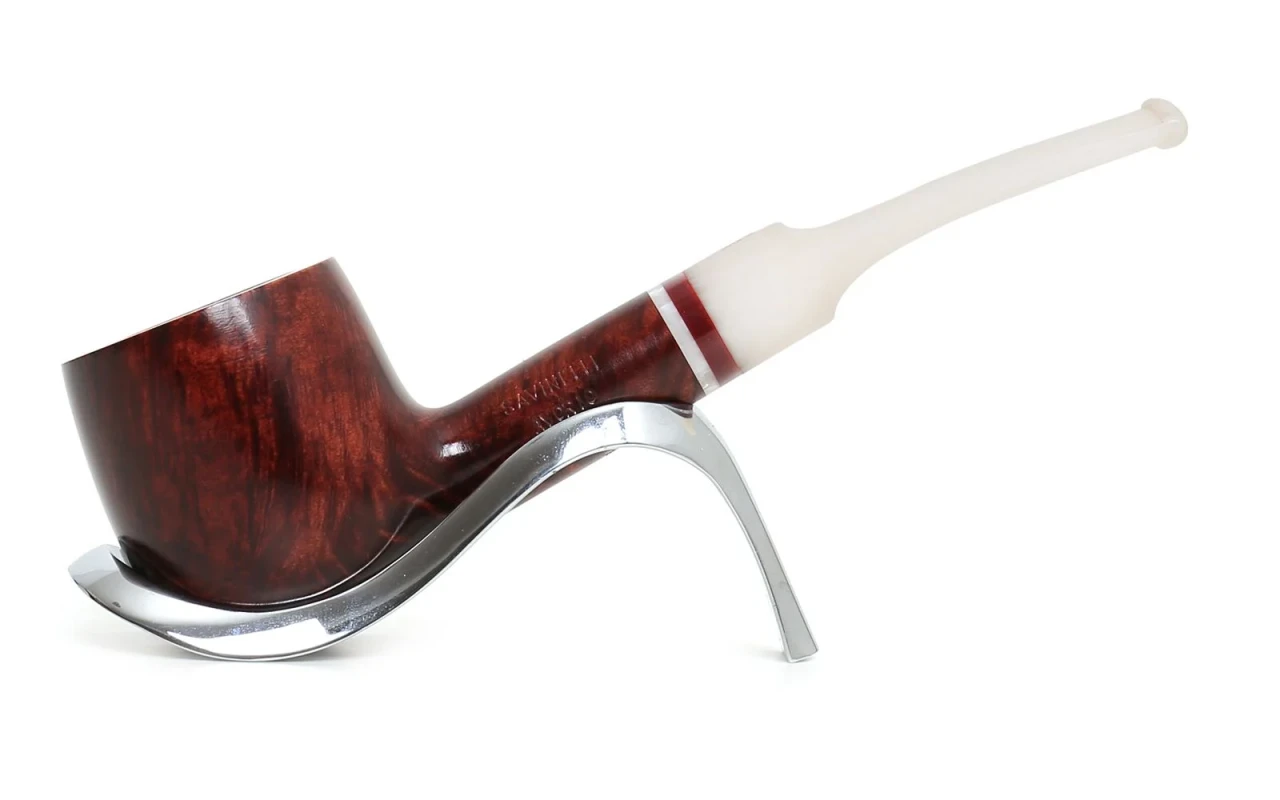
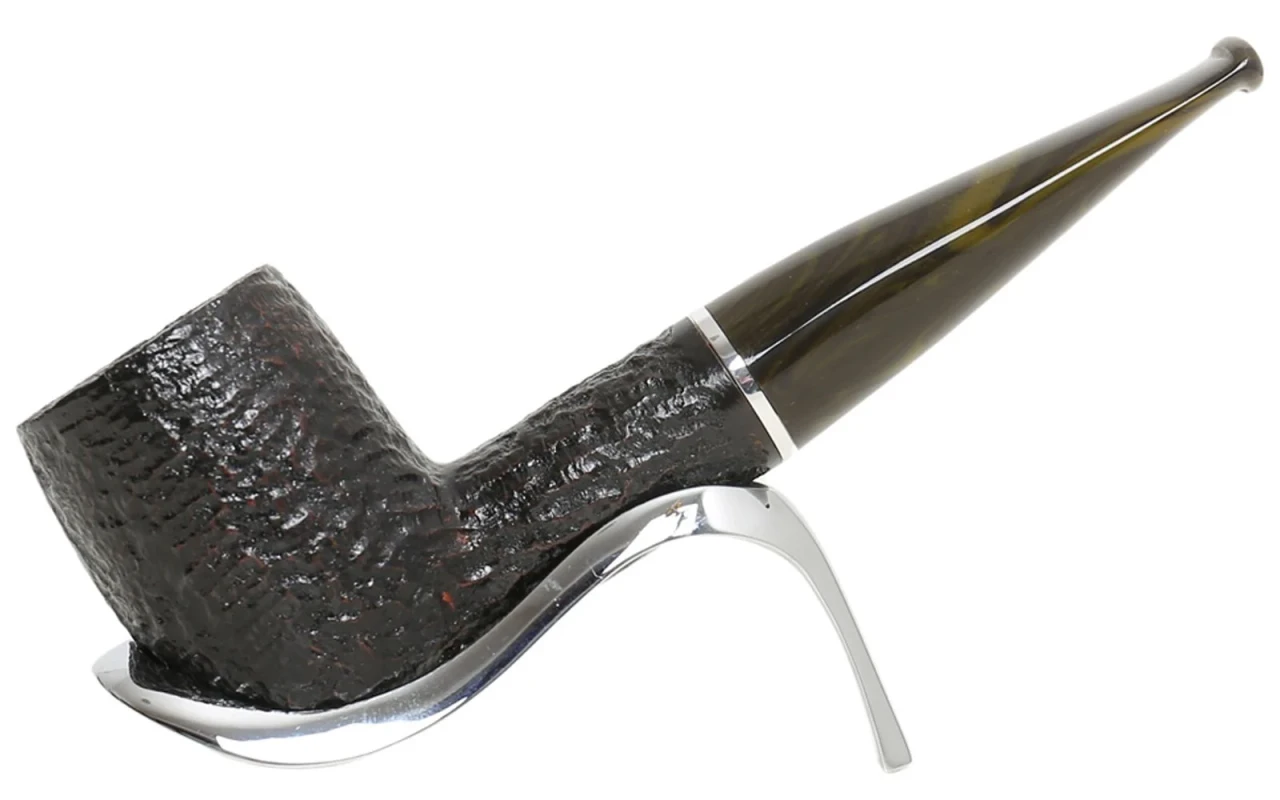
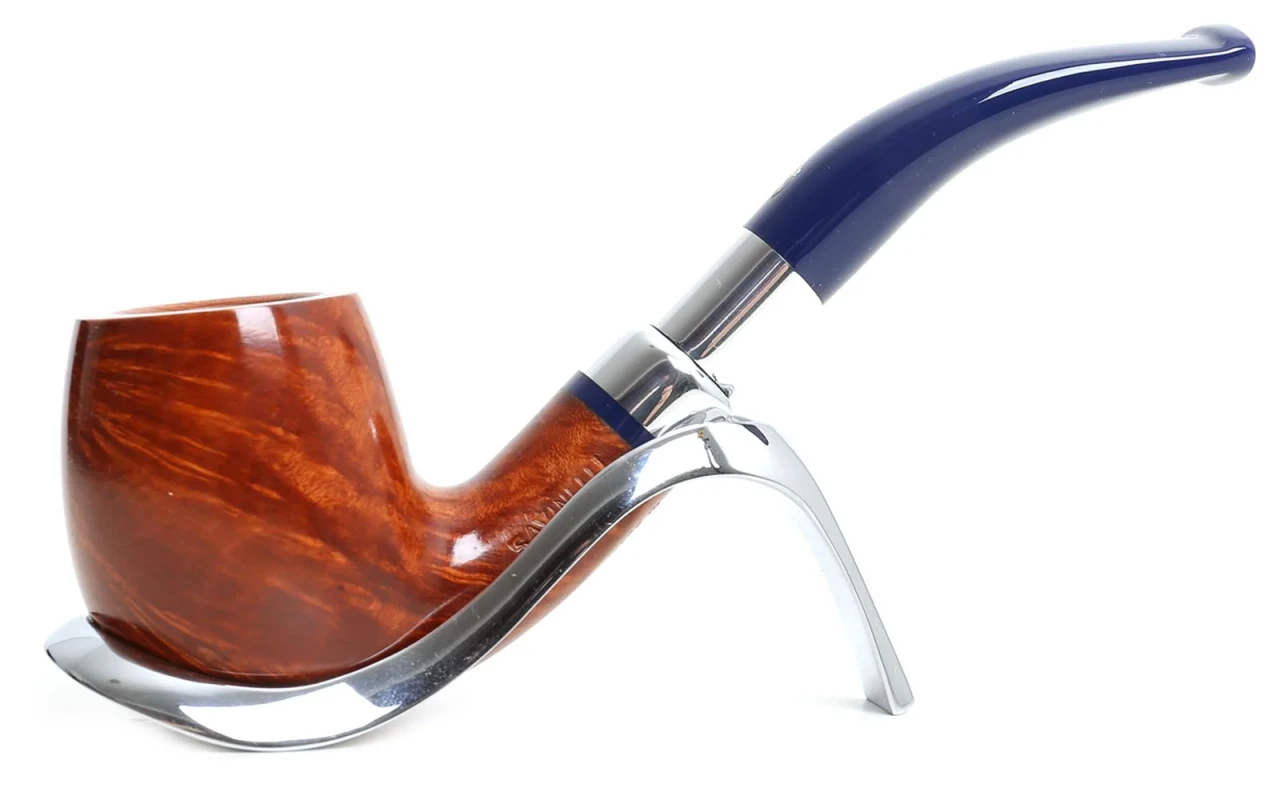
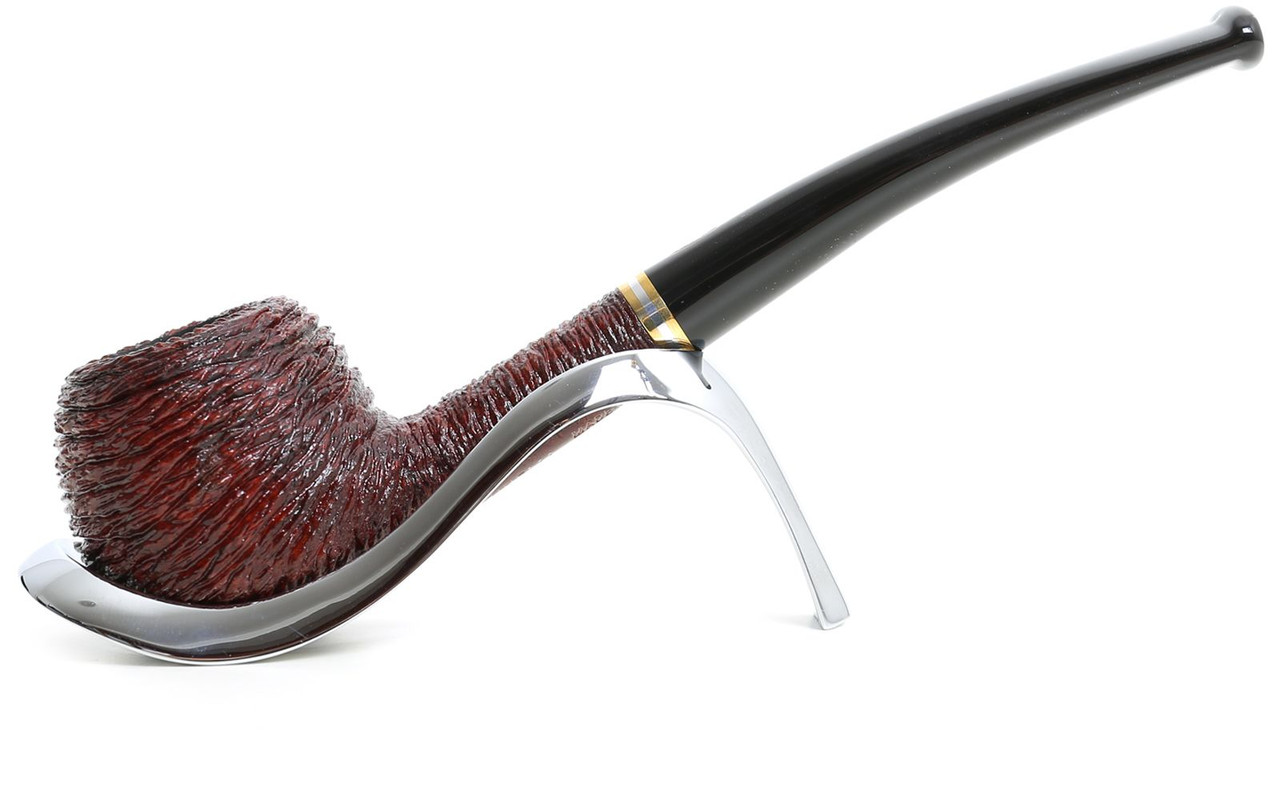
The Cutty pipe originates in England in the 18th century and is characterized by a unique design. This type of pipe stands out for its slender and curved shape, with a long stem and a small bowl. Legend has it that the name "Cutty" comes from a Scottish woman named Nannie Dee, depicted wearing a short skirt, called "cutty sark" in Scottish. The Cutty pipe became popular also thanks to the character of Sherlock Holmes, who loved it. Today, the Cutty pipe is still cherished by enthusiasts for its elegant design and fascinating history.
History of the Cutty pipe
The Cutty pipe is a classic pipe model characterized by a slender shape with a long curved stem and a slightly tilted bowl. This elegant and refined design dates back to the 19th century and has become one of the most iconic models in the world of pipes. The history of the Cutty pipe is linked to its Scottish origin, where it was traditionally used for smoking pipe tobacco. Thanks to its distinctive shape and elegance, the Cutty pipe has become a symbol of class and style in the world of pipe smoking.
Materials for smoking pipes
The materials for smoking pipes can vary, influencing the overall experience of smoking a pipe. Here are some common materials used in the production of smoking pipes:- Briar wood: high-quality wood, heat and combustion resistant, often used for artisan pipes.- Oak wood: hard and durable wood, appreciated for its longevity.- Meerschaum: a soft and porous stone, ideal for absorbing moisture and nicotine residues.- Clay: a traditional material for smoking pipes, lightweight and neutral in taste.The choice of material can influence the taste, smoke temperature, and pipe maintenance.
Tobacco Pipe Maintenance
Maintaining tobacco pipes is crucial to ensure optimal smoking experience and prolong the life of the pipe itself. Here are some useful tips:- Clean the pipe regularly after each use to prevent buildup of tobacco residue and moisture.- Use a pipe cleaner or a specific brush to clean the pipe chamber and smoke passage.- Remove any tar residue or build-up carefully to avoid damaging the wood.- Store the pipe in a dry and well-ventilated environment to prevent mold or bad odors.- Periodically check the overall condition of the pipe and, if necessary, perform a more thorough maintenance.
'%3e%3cg id='Final-Copy-2_2_' transform='translate(1275.000000, 200.000000)'%3e%3cpath class='st0' d='M7.4,12.8h6.8l3.1-11.6H7.4C4.2,1.2,1.6,3.8,1.6,7S4.2,12.8,7.4,12.8z'/%3e%3c/g%3e%3c/g%3e%3c/g%3e%3cg id='final---dec.11-2020'%3e%3cg id='_x30_208-our-toggle' transform='translate(-1275.000000, -200.000000)'%3e%3cg id='Final-Copy-2' transform='translate(1275.000000, 200.000000)'%3e%3cpath class='st1' d='M22.6,0H7.4c-3.9,0-7,3.1-7,7s3.1,7,7,7h15.2c3.9,0,7-3.1,7-7S26.4,0,22.6,0z M1.6,7c0-3.2,2.6-5.8,5.8-5.8 h9.9l-3.1,11.6H7.4C4.2,12.8,1.6,10.2,1.6,7z'/%3e%3cpath id='x' class='st2' d='M24.6,4c0.2,0.2,0.2,0.6,0,0.8l0,0L22.5,7l2.2,2.2c0.2,0.2,0.2,0.6,0,0.8c-0.2,0.2-0.6,0.2-0.8,0 l0,0l-2.2-2.2L19.5,10c-0.2,0.2-0.6,0.2-0.8,0c-0.2-0.2-0.2-0.6,0-0.8l0,0L20.8,7l-2.2-2.2c-0.2-0.2-0.2-0.6,0-0.8 c0.2-0.2,0.6-0.2,0.8,0l0,0l2.2,2.2L23.8,4C24,3.8,24.4,3.8,24.6,4z'/%3e%3cpath id='y' class='st3' d='M12.7,4.1c0.2,0.2,0.3,0.6,0.1,0.8l0,0L8.6,9.8C8.5,9.9,8.4,10,8.3,10c-0.2,0.1-0.5,0.1-0.7-0.1l0,0 L5.4,7.7c-0.2-0.2-0.2-0.6,0-0.8c0.2-0.2,0.6-0.2,0.8,0l0,0L8,8.6l3.8-4.5C12,3.9,12.4,3.9,12.7,4.1z'/%3e%3c/g%3e%3c/g%3e%3c/g%3e%3c/g%3e%3c/svg%3e) Your Privacy Choices
Your Privacy Choices 


