 ES
ES FR
FR EN
EN IT
IT
Materials used to make pipes
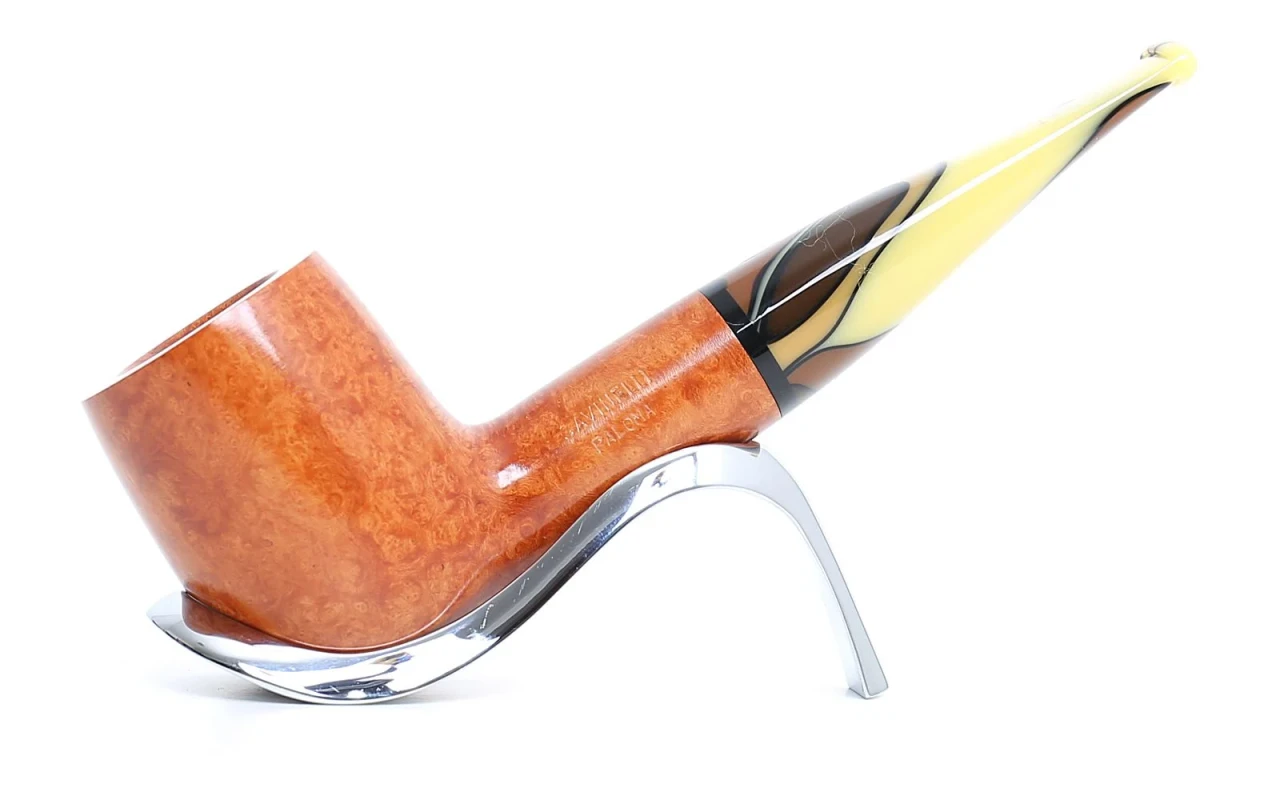
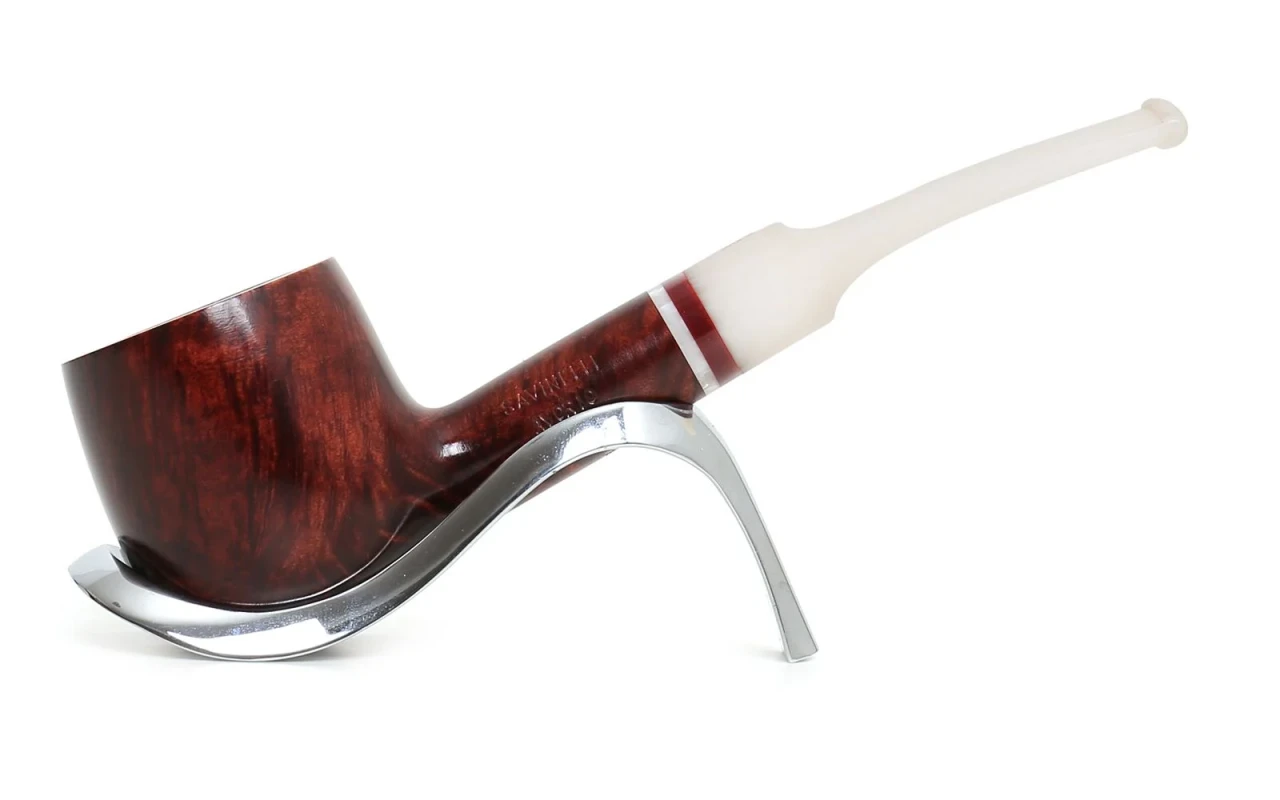
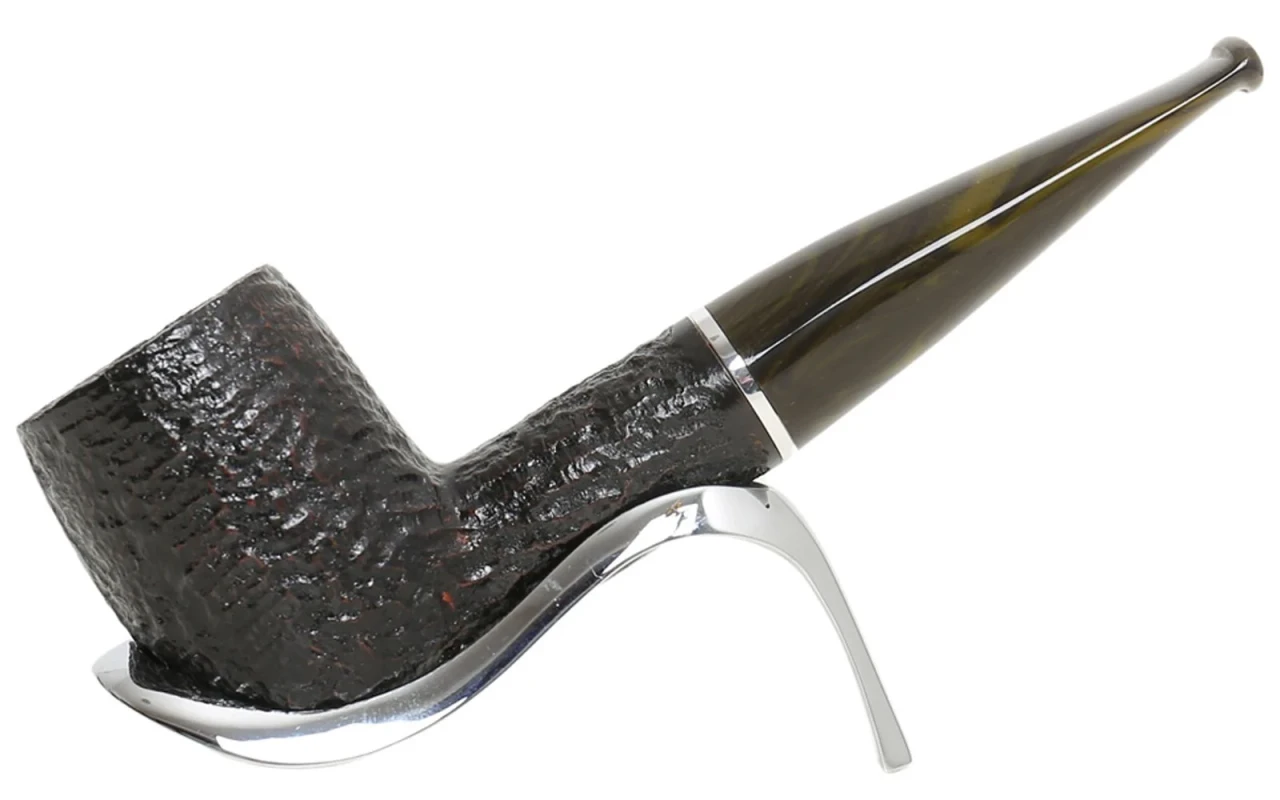
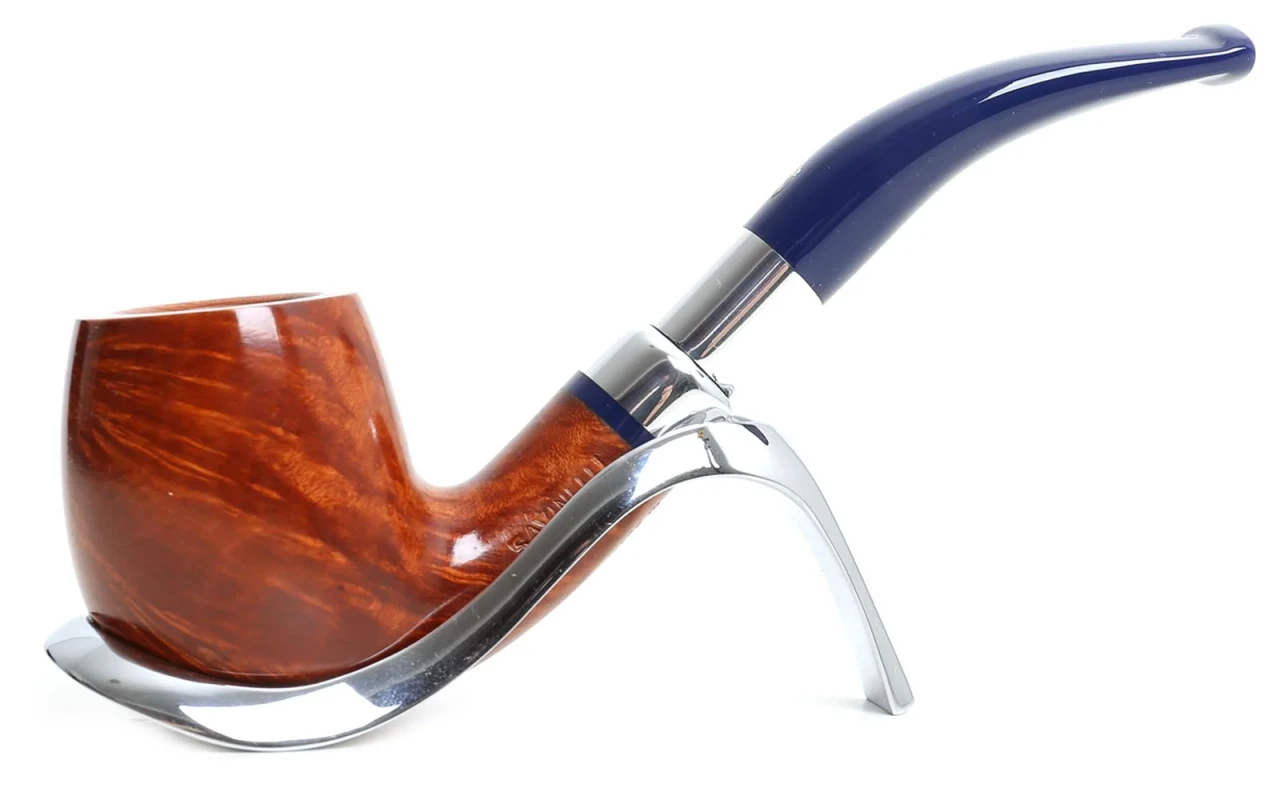
Materials used to make pipes
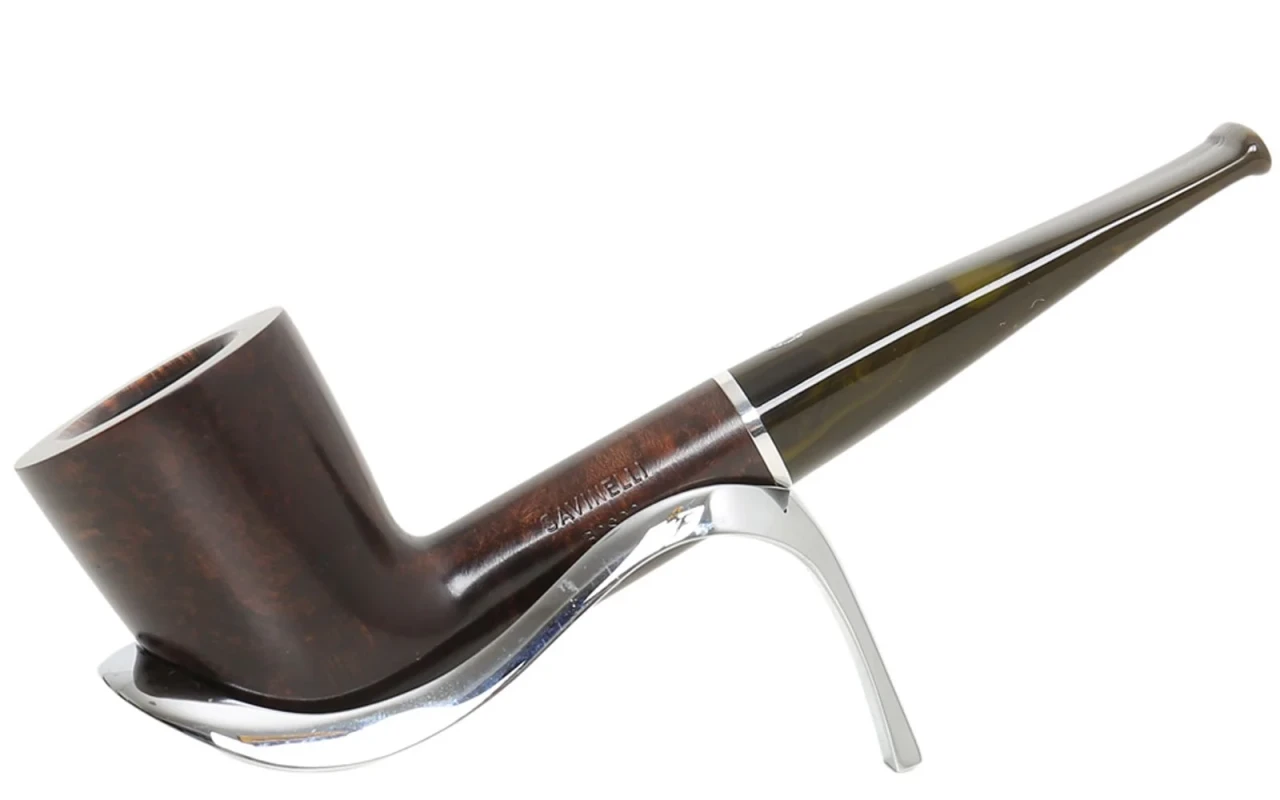
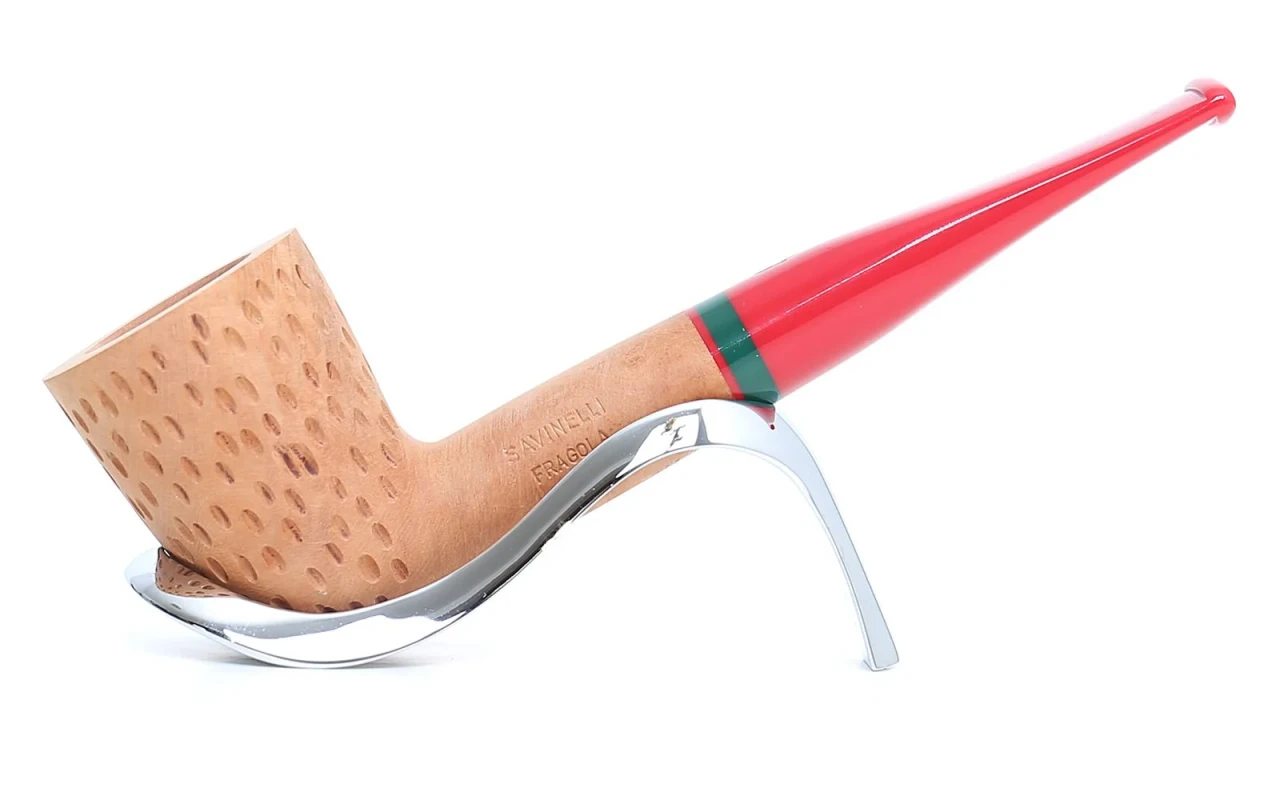
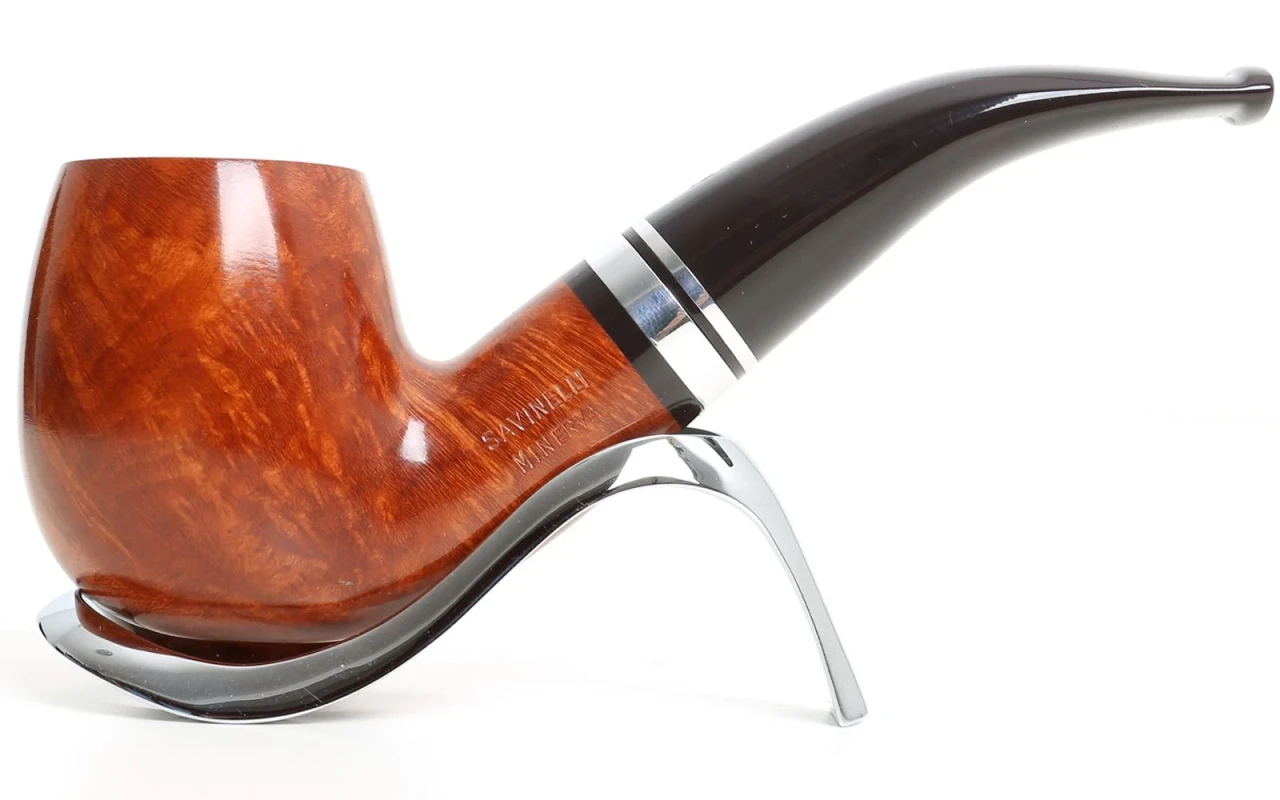
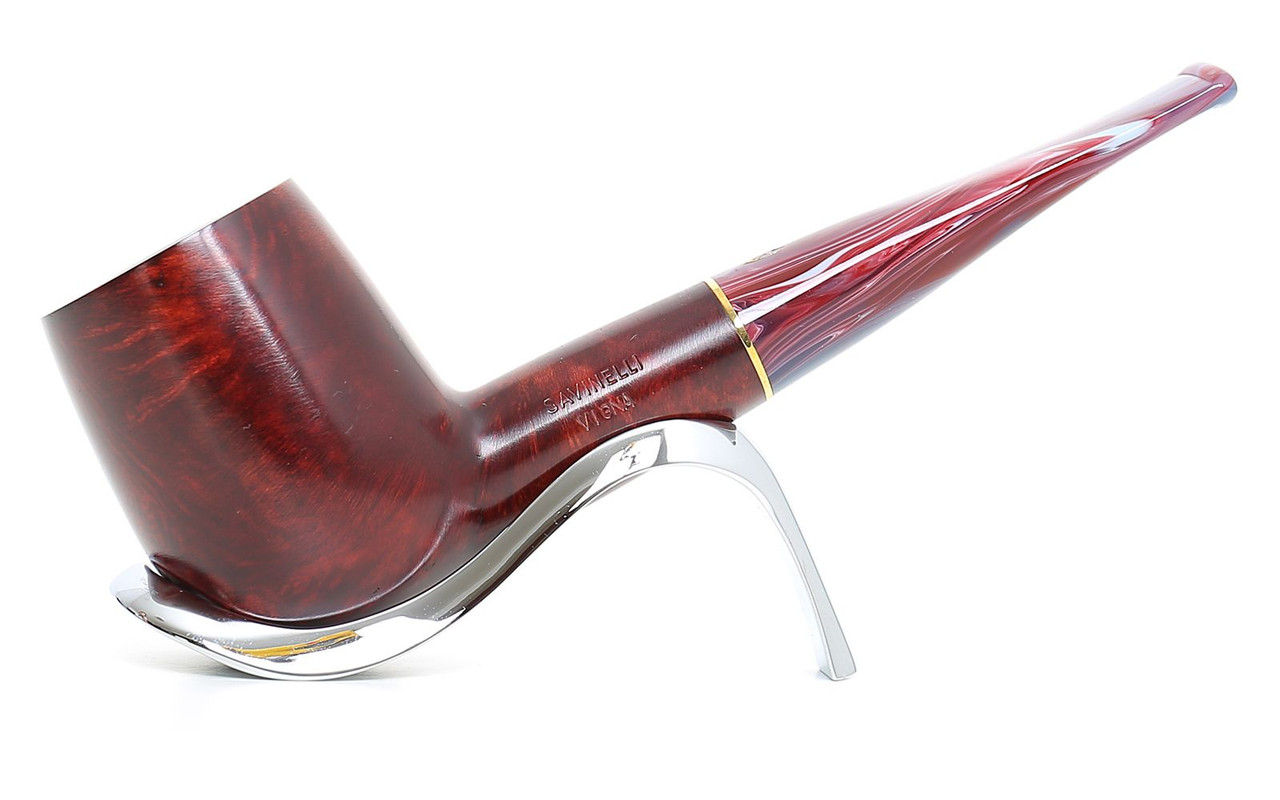
Pipes can be made from a variety of materials, each with unique characteristics. The most common materials include:- Briar wood: light, heat-resistant, and moisture-absorbent.- Oak wood: dense, durable, and tends to darken over time.- Meerschaum: porous stone that absorbs nicotine and colors with use.- Clay: lightweight and porous, offering a clean and neutral smoke.- Corn cob: inexpensive and lightweight, with good moisture-absorbing capacity.Each material offers a different smoking experience and requires specific care to keep the pipe in excellent condition.
Best woods for pipes
The best woods for pipes are those that have ideal characteristics for processing and use in the production of smoking pipes. Among the most renowned woods are:- Briar wood: a hard and durable wood, highly appreciated for its ability to absorb moisture without altering.- Oak wood: wood with a fine and uniform texture, suitable for high-quality pipes.- Cherry wood: light and easy-to-work wood, often used for medium-high range pipes.- Olive wood: precious wood with unique veins that give a distinctive look to the pipes.- Walnut wood: durable and resistant wood, perfect for sturdy and long-lasting pipes.The choice of the right wood depends on personal preferences and the smoker's experience.
Pipe Smoking Maintenance
Maintaining your smoking pipes is essential to ensure optimal smoking experience and prolong the life of your favorite tool. Here are some useful tips:- Regularly clean your pipe after each use to avoid residue build-up.- Use specific brushes and tools for both internal and external pipe cleaning.- Check and replace the filter regularly, if present, to maintain proper airflow.- Avoid overpacking the pipe and excessive burning to prevent damage to the bowl.- Store your pipe in a cool, dry place when not in use to prevent moisture damage.By following these simple steps, you can fully enjoy your smoking pipe for a long time.
Artisanal Pipe Styles
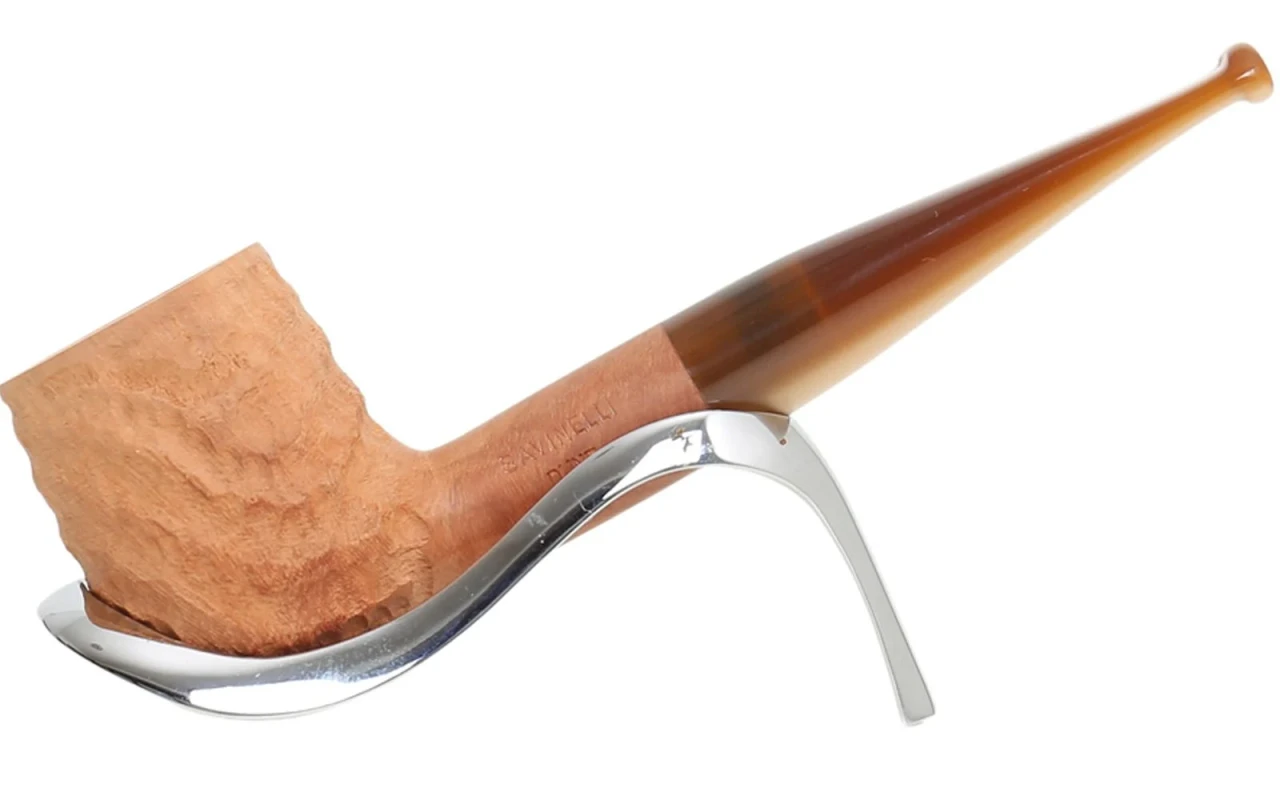
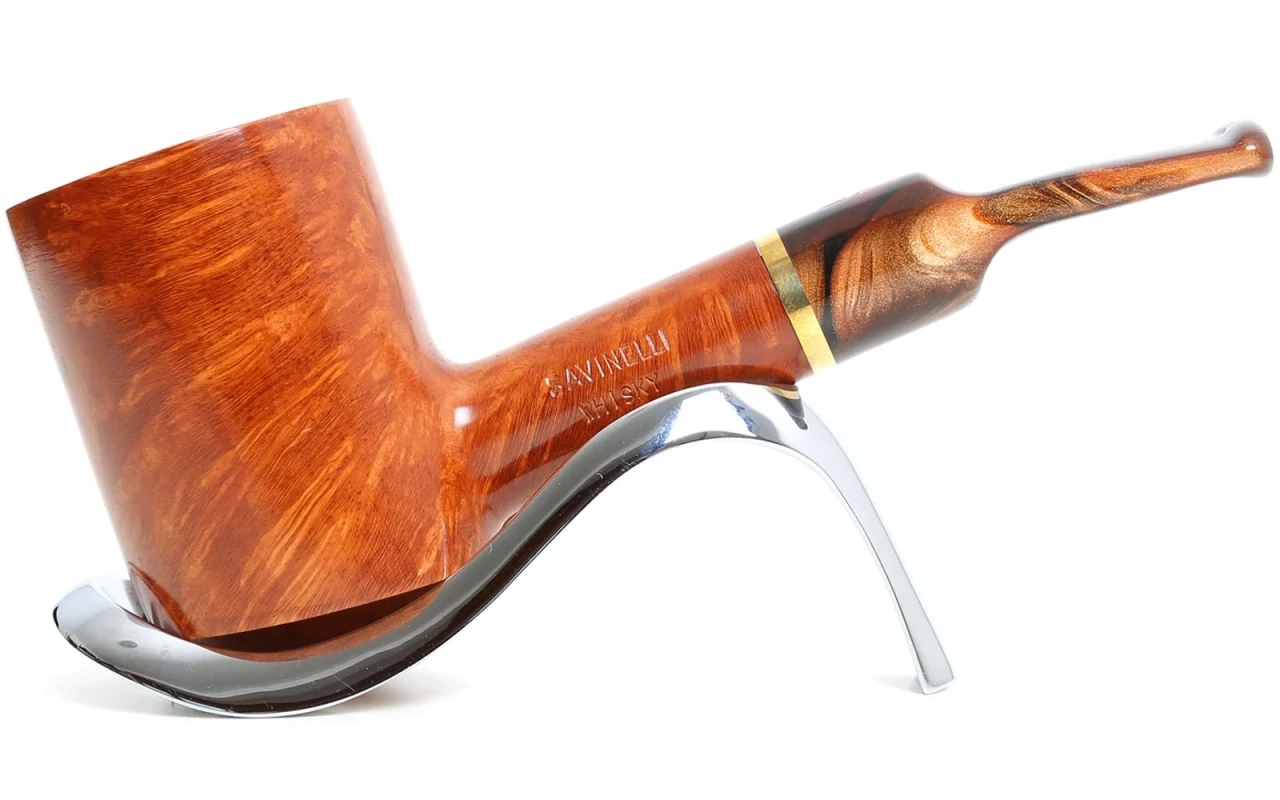
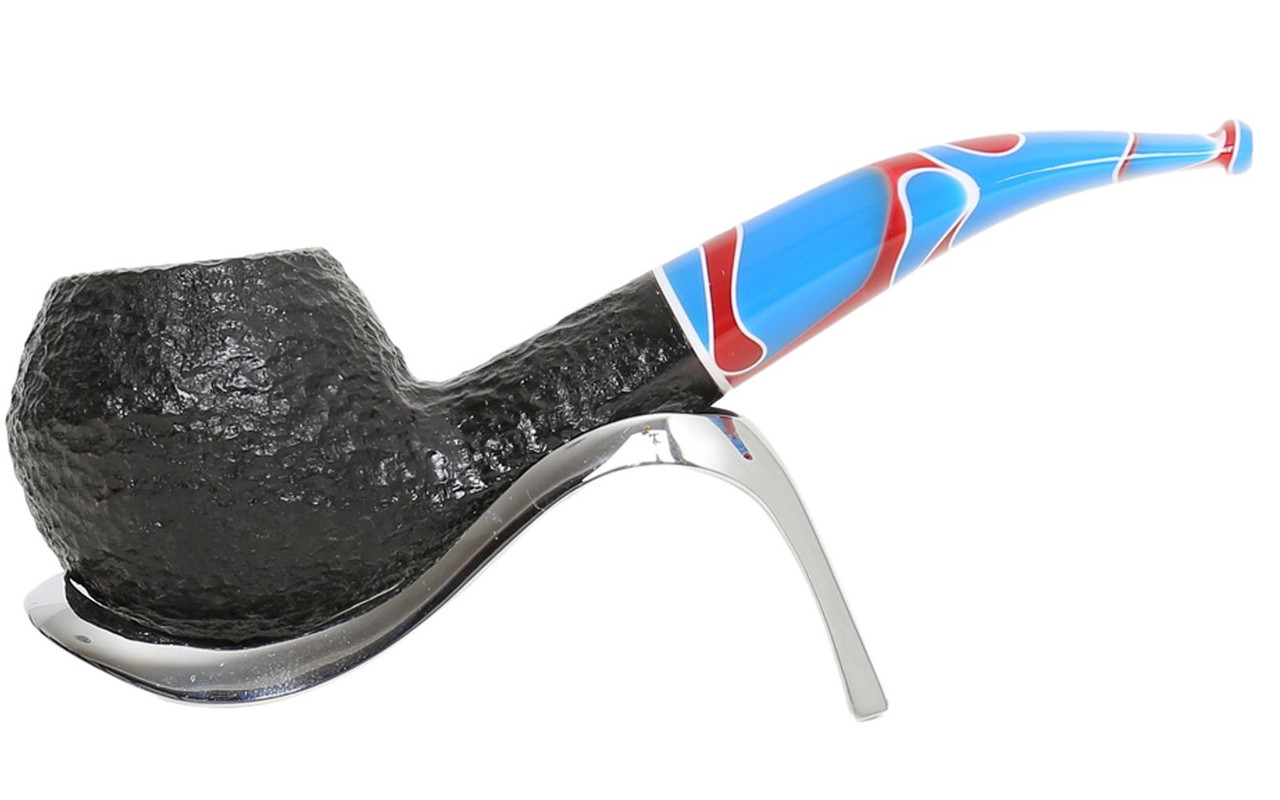
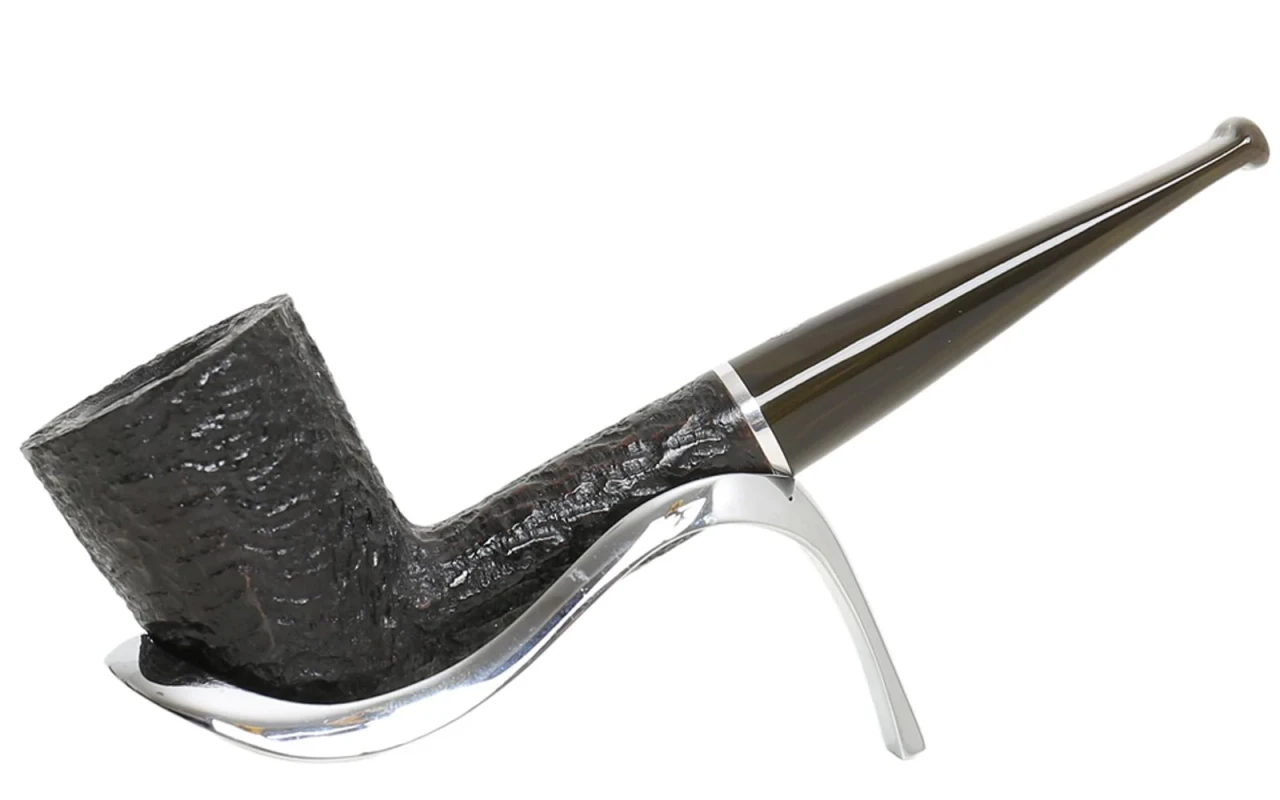
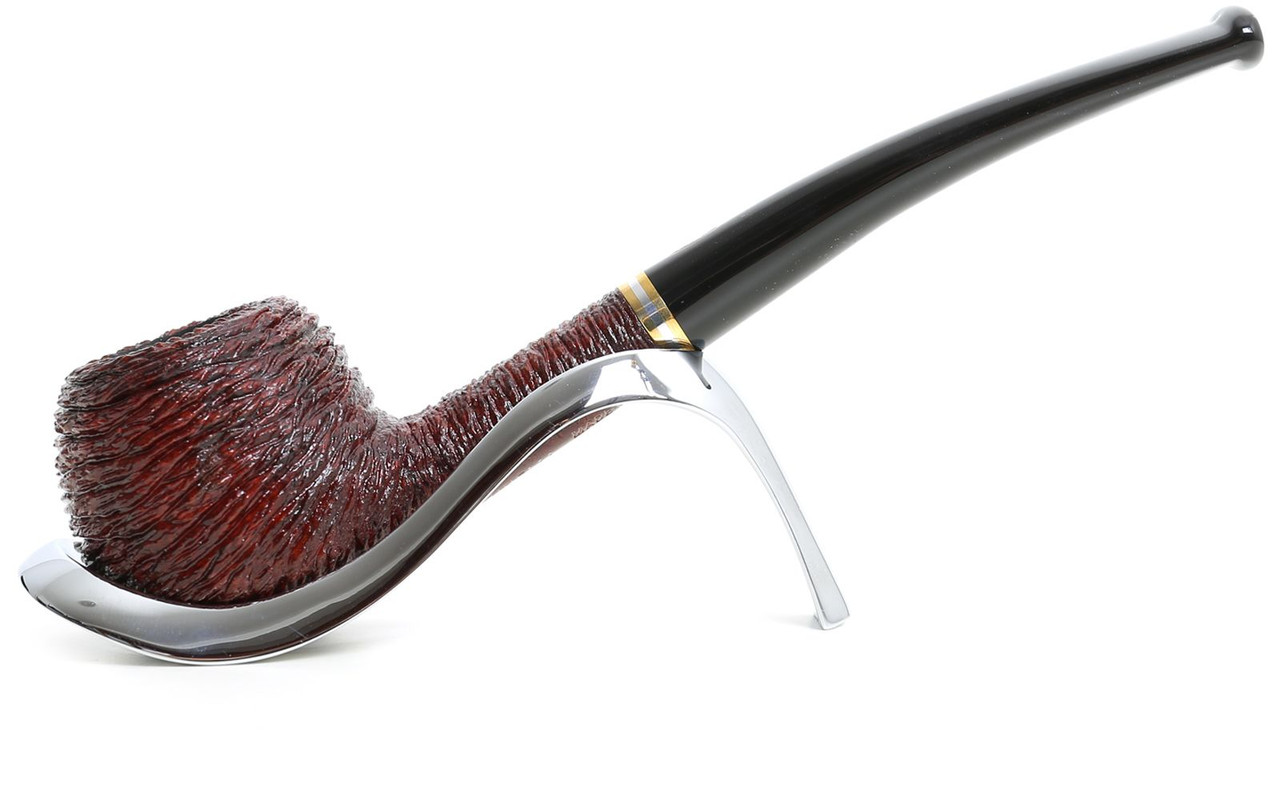
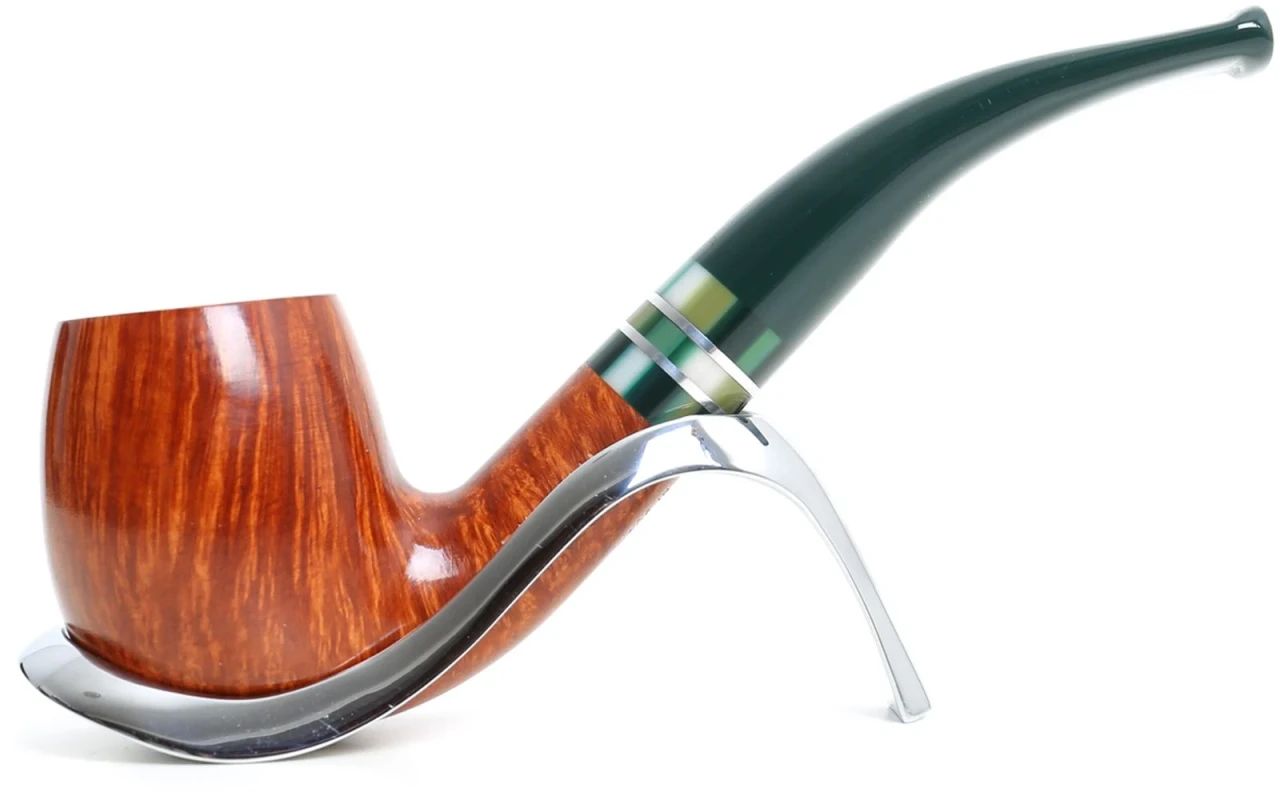
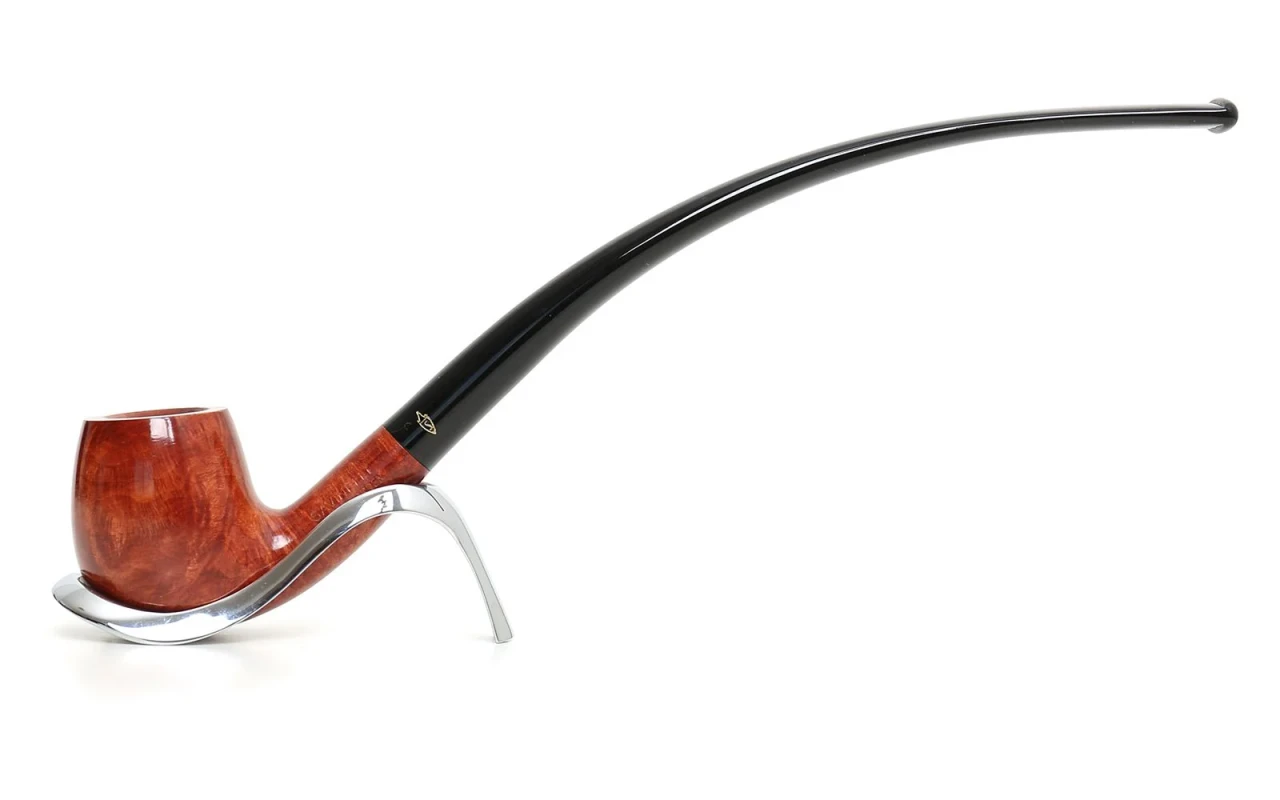
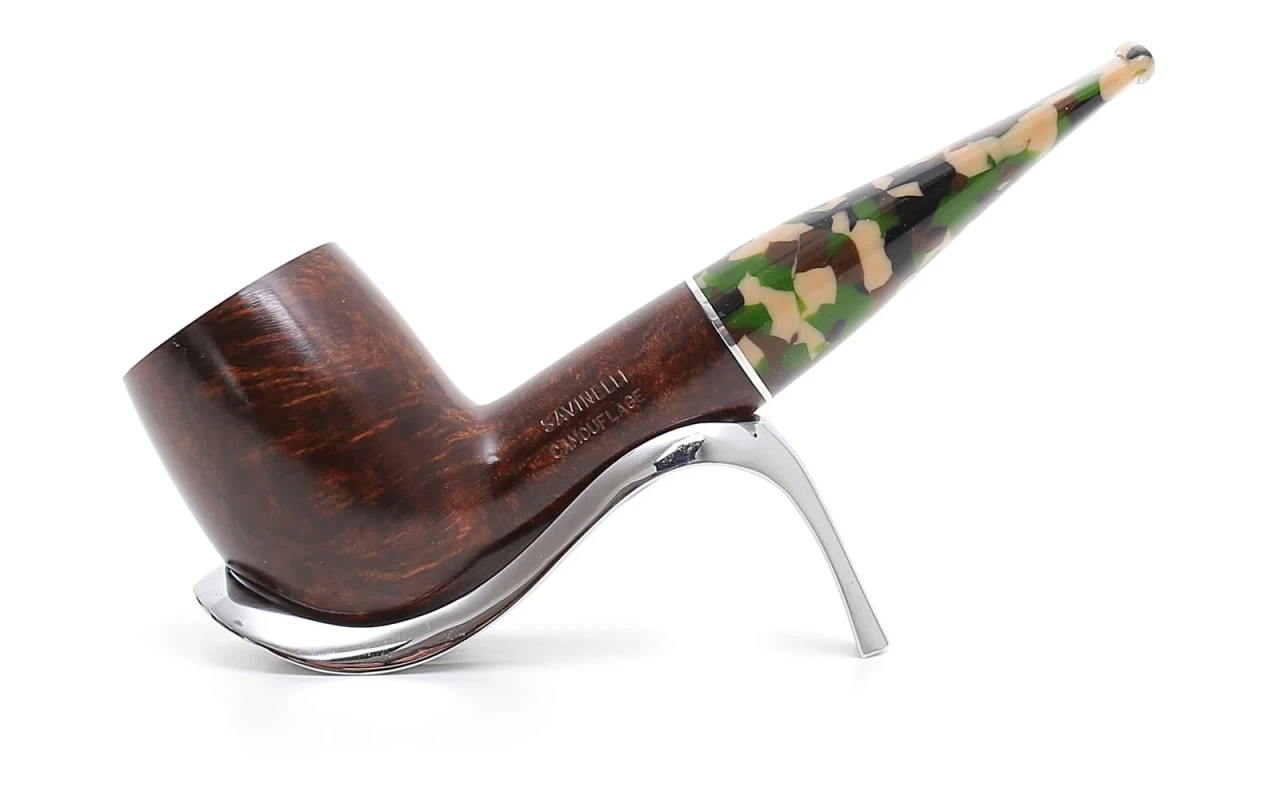
Artisanal pipe styles are diverse and reflect the skill and creativity of the producers. Some examples include:- Classic: pipes with traditional and sober shapes.- Freehand: pipes with more free and original shapes, often hand-carved.- Rustic: pipes characterized by a rough and rustic finish.- Smooth: pipes with a glossy and polished finish.- Churchwarden: pipes with a long stem, similar to those used by Gandalf in "The Lord of the Rings".- Bulldog: pipes with a unique shape resembling a bulldog's head.Each style has its distinctive characteristics that attract pipe smoking enthusiasts.
'%3e%3cg id='Final-Copy-2_2_' transform='translate(1275.000000, 200.000000)'%3e%3cpath class='st0' d='M7.4,12.8h6.8l3.1-11.6H7.4C4.2,1.2,1.6,3.8,1.6,7S4.2,12.8,7.4,12.8z'/%3e%3c/g%3e%3c/g%3e%3c/g%3e%3cg id='final---dec.11-2020'%3e%3cg id='_x30_208-our-toggle' transform='translate(-1275.000000, -200.000000)'%3e%3cg id='Final-Copy-2' transform='translate(1275.000000, 200.000000)'%3e%3cpath class='st1' d='M22.6,0H7.4c-3.9,0-7,3.1-7,7s3.1,7,7,7h15.2c3.9,0,7-3.1,7-7S26.4,0,22.6,0z M1.6,7c0-3.2,2.6-5.8,5.8-5.8 h9.9l-3.1,11.6H7.4C4.2,12.8,1.6,10.2,1.6,7z'/%3e%3cpath id='x' class='st2' d='M24.6,4c0.2,0.2,0.2,0.6,0,0.8l0,0L22.5,7l2.2,2.2c0.2,0.2,0.2,0.6,0,0.8c-0.2,0.2-0.6,0.2-0.8,0 l0,0l-2.2-2.2L19.5,10c-0.2,0.2-0.6,0.2-0.8,0c-0.2-0.2-0.2-0.6,0-0.8l0,0L20.8,7l-2.2-2.2c-0.2-0.2-0.2-0.6,0-0.8 c0.2-0.2,0.6-0.2,0.8,0l0,0l2.2,2.2L23.8,4C24,3.8,24.4,3.8,24.6,4z'/%3e%3cpath id='y' class='st3' d='M12.7,4.1c0.2,0.2,0.3,0.6,0.1,0.8l0,0L8.6,9.8C8.5,9.9,8.4,10,8.3,10c-0.2,0.1-0.5,0.1-0.7-0.1l0,0 L5.4,7.7c-0.2-0.2-0.2-0.6,0-0.8c0.2-0.2,0.6-0.2,0.8,0l0,0L8,8.6l3.8-4.5C12,3.9,12.4,3.9,12.7,4.1z'/%3e%3c/g%3e%3c/g%3e%3c/g%3e%3c/g%3e%3c/svg%3e) Your Privacy Choices
Your Privacy Choices 


