 ES
ES FR
FR EN
EN IT
IT DE
DE
Materials used for pipe with condensation
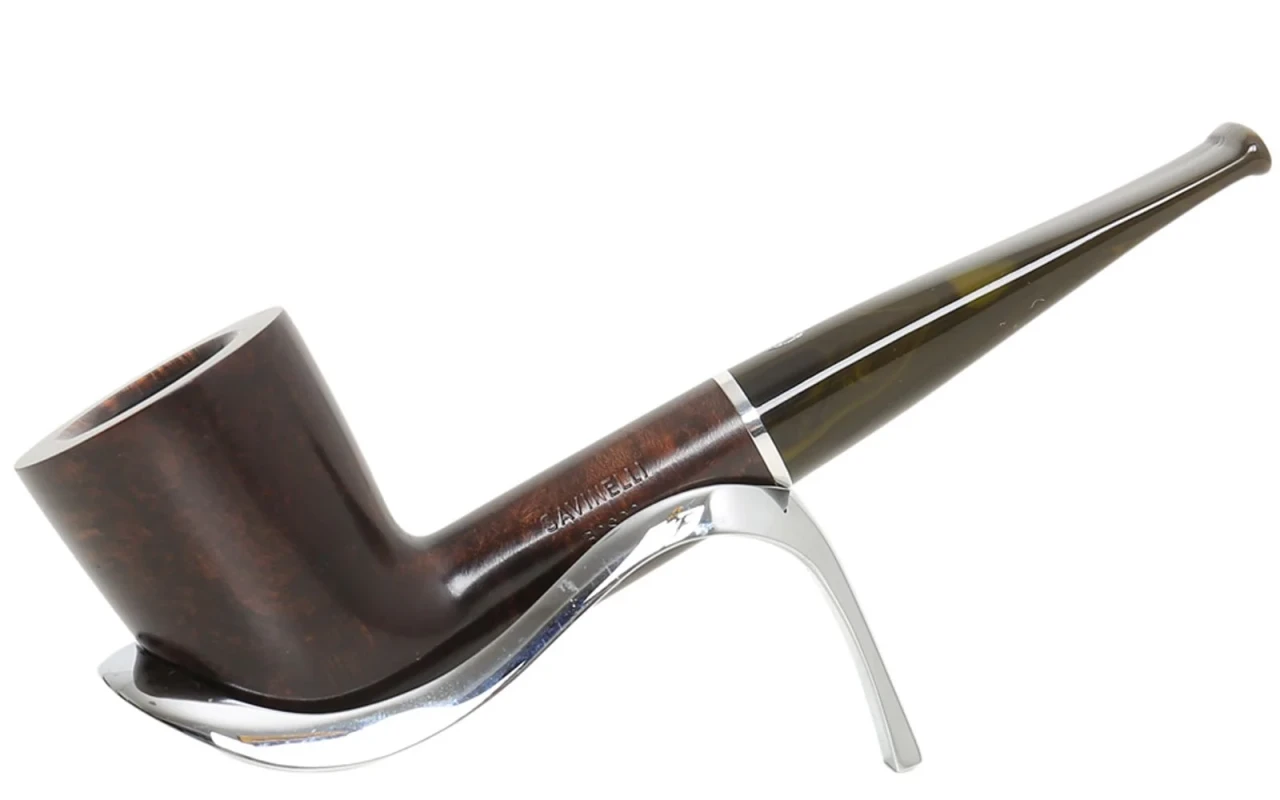
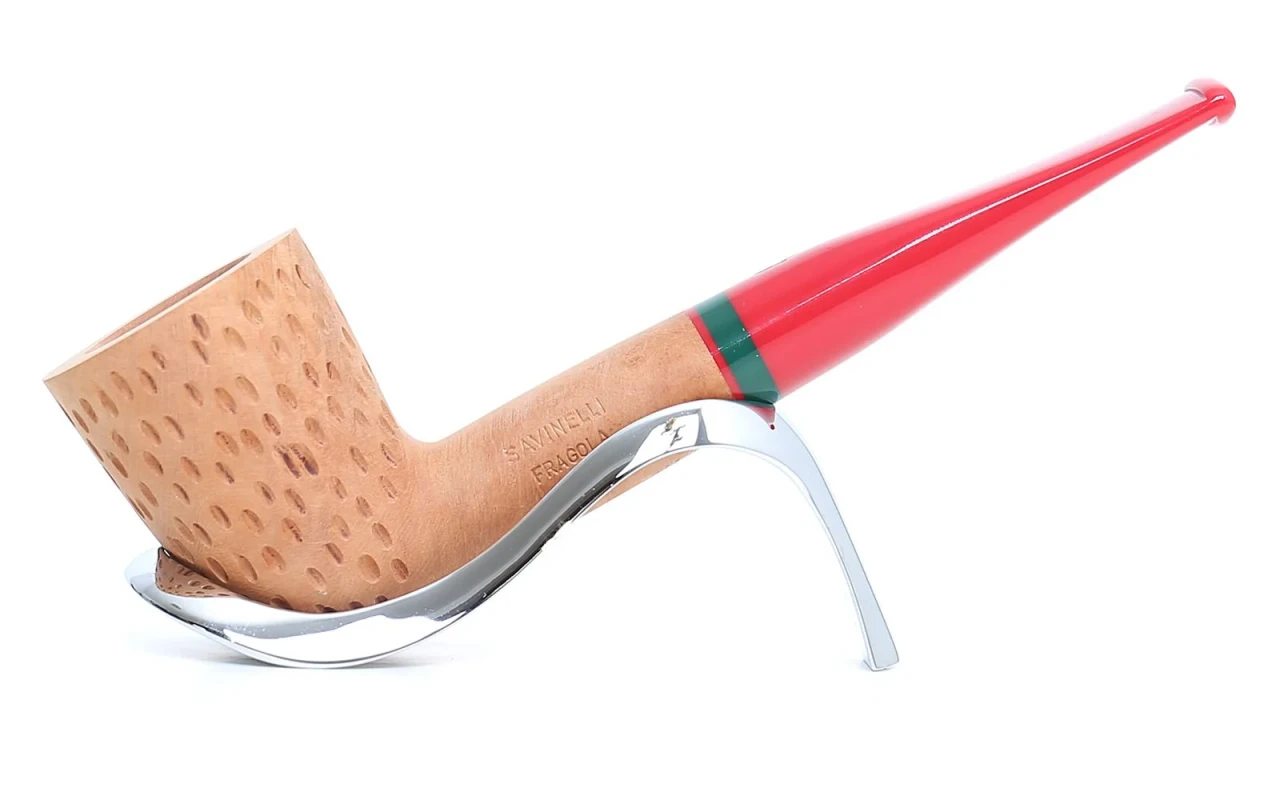
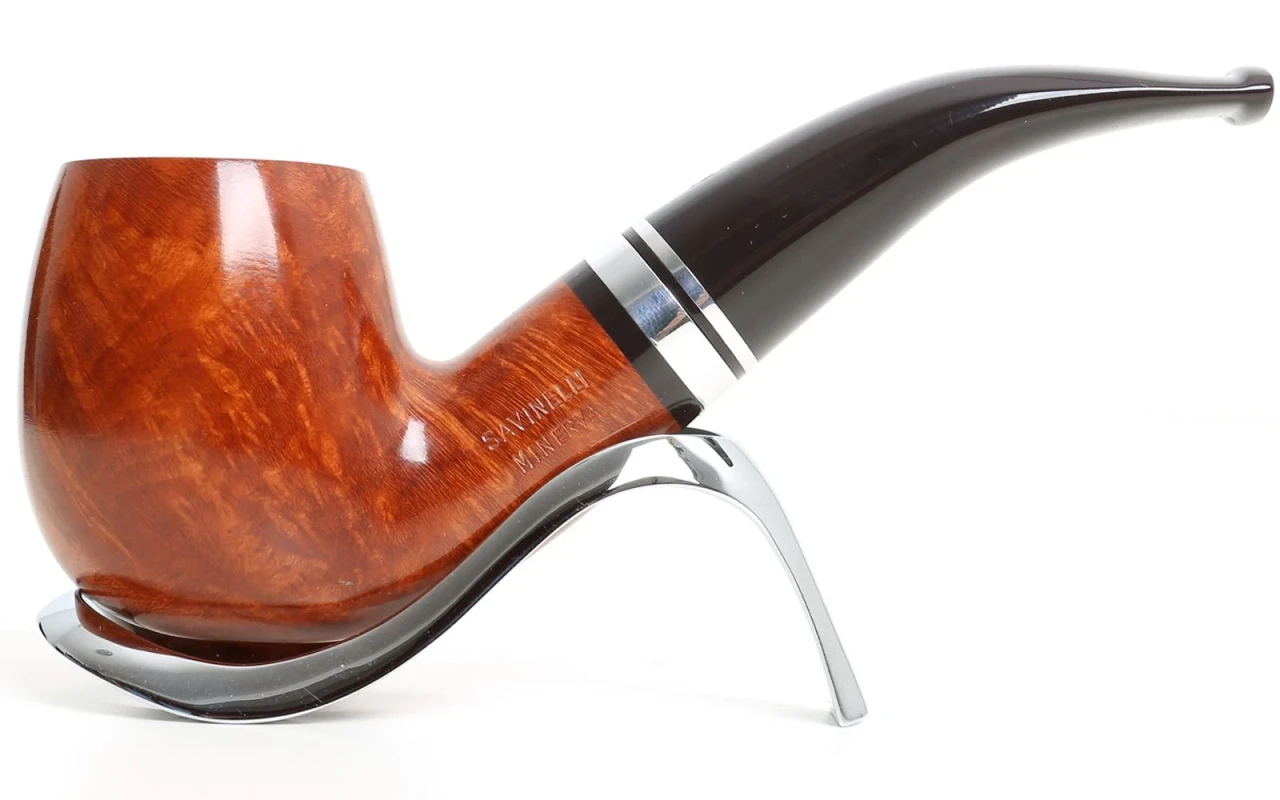
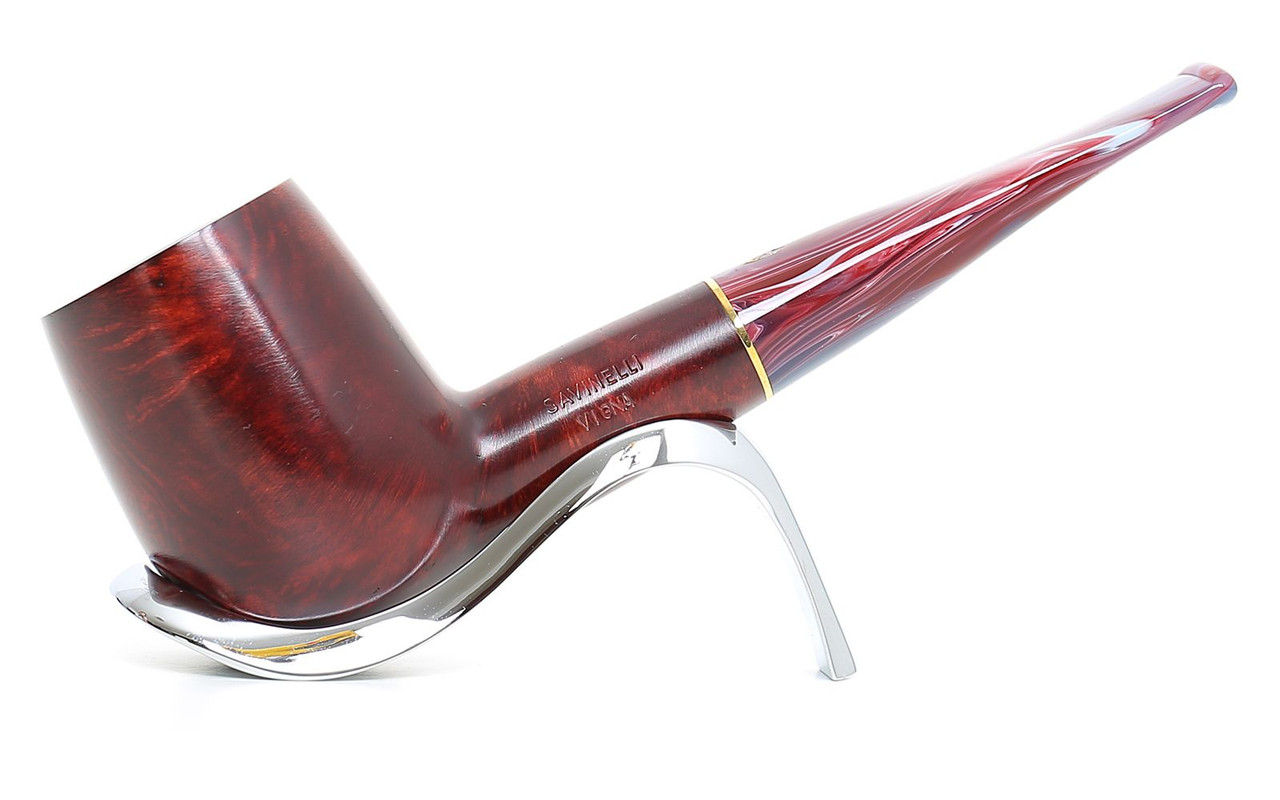
Materials used for pipe with condensation
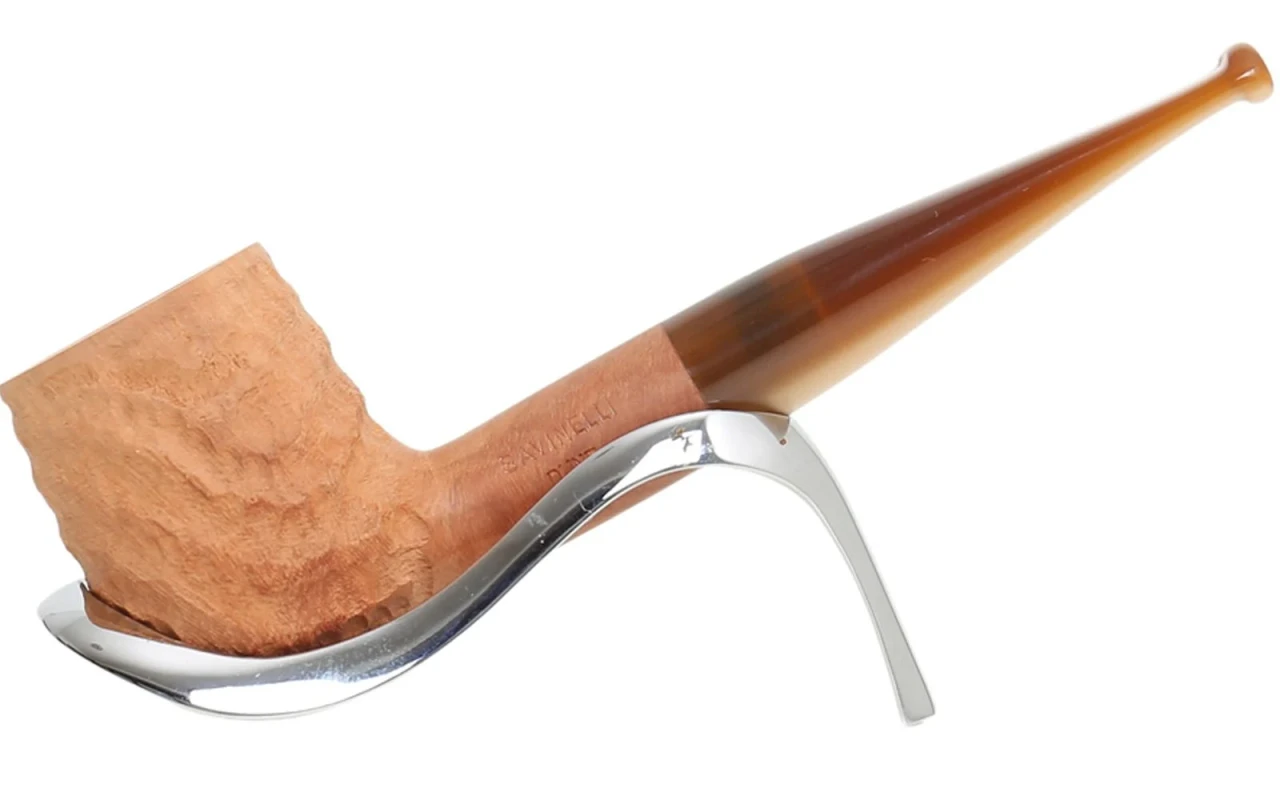
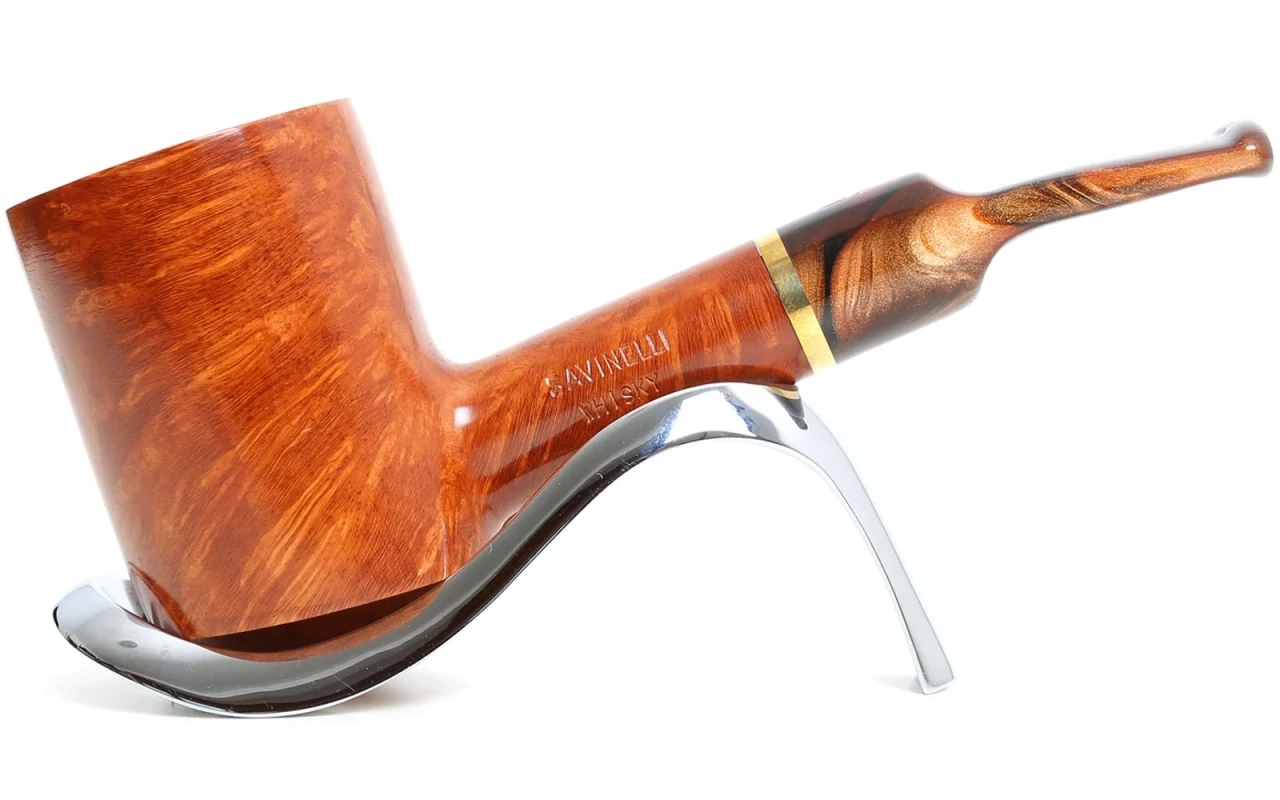
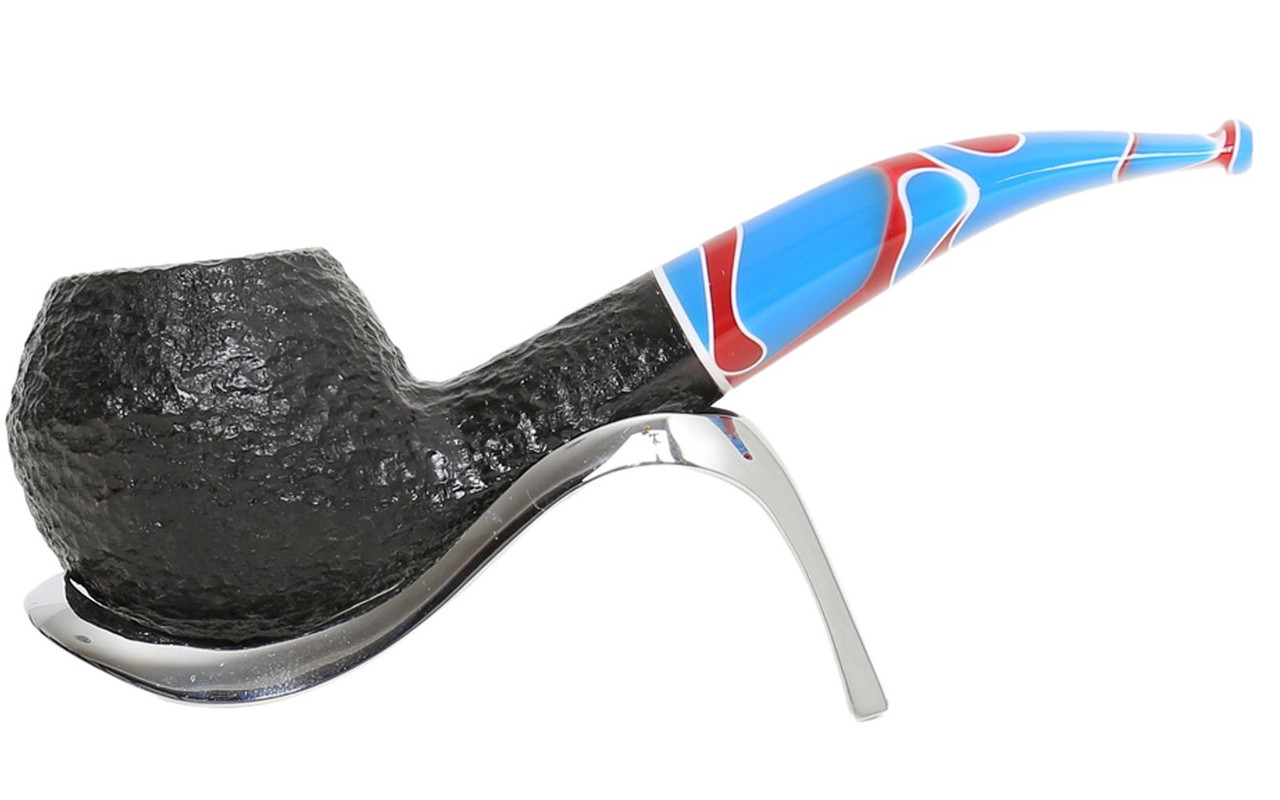
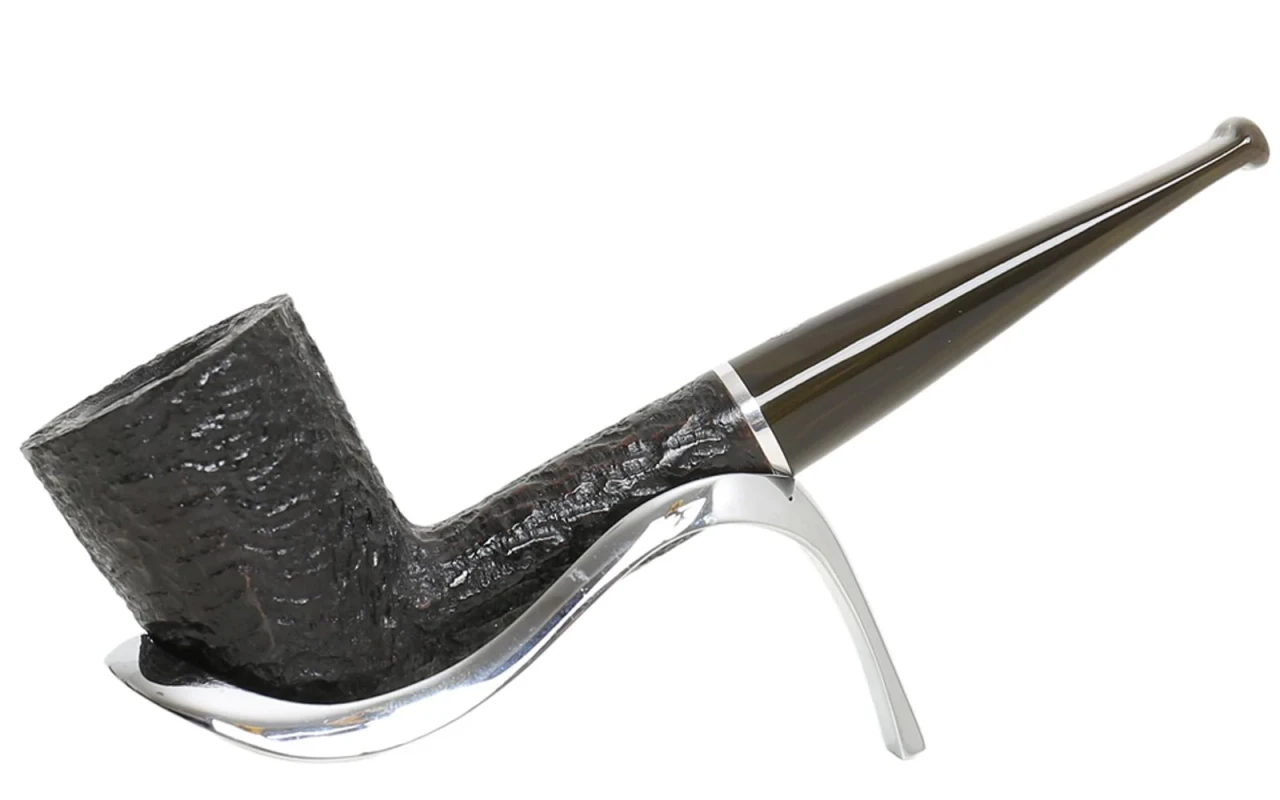
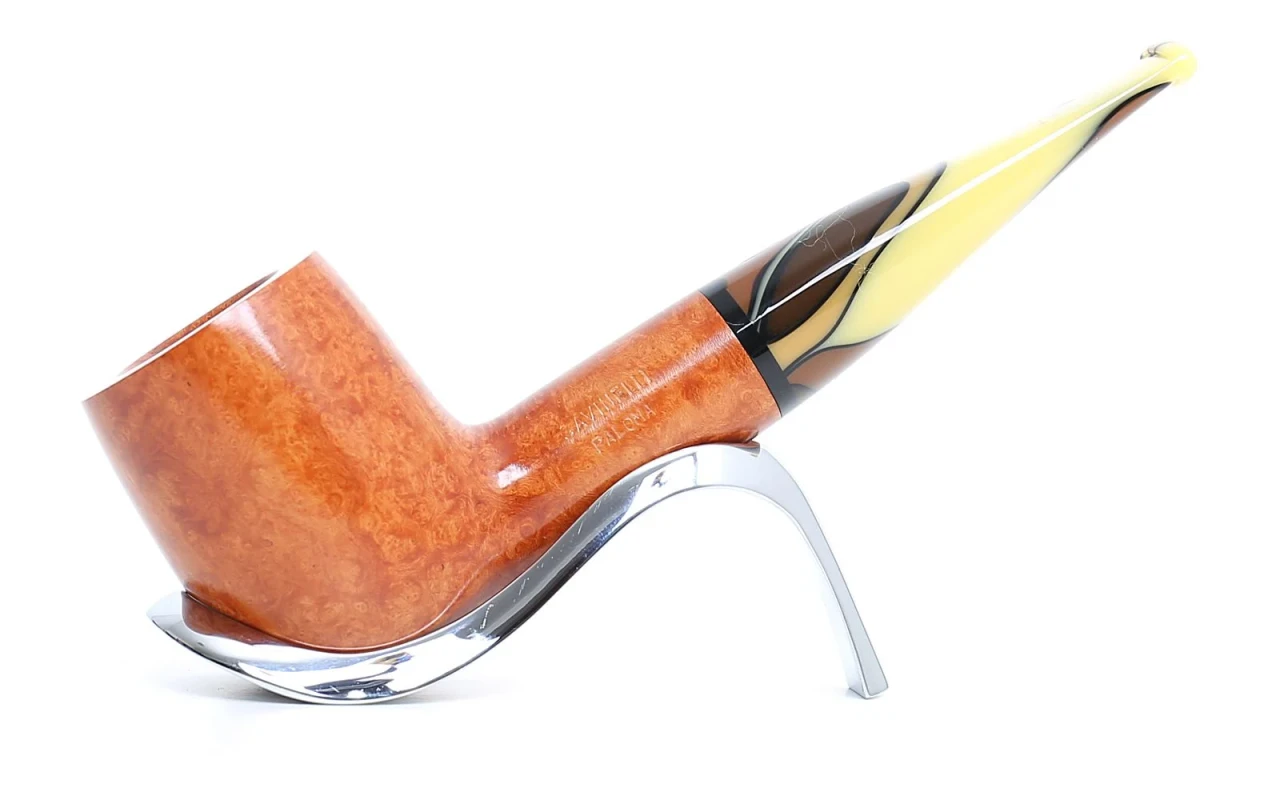
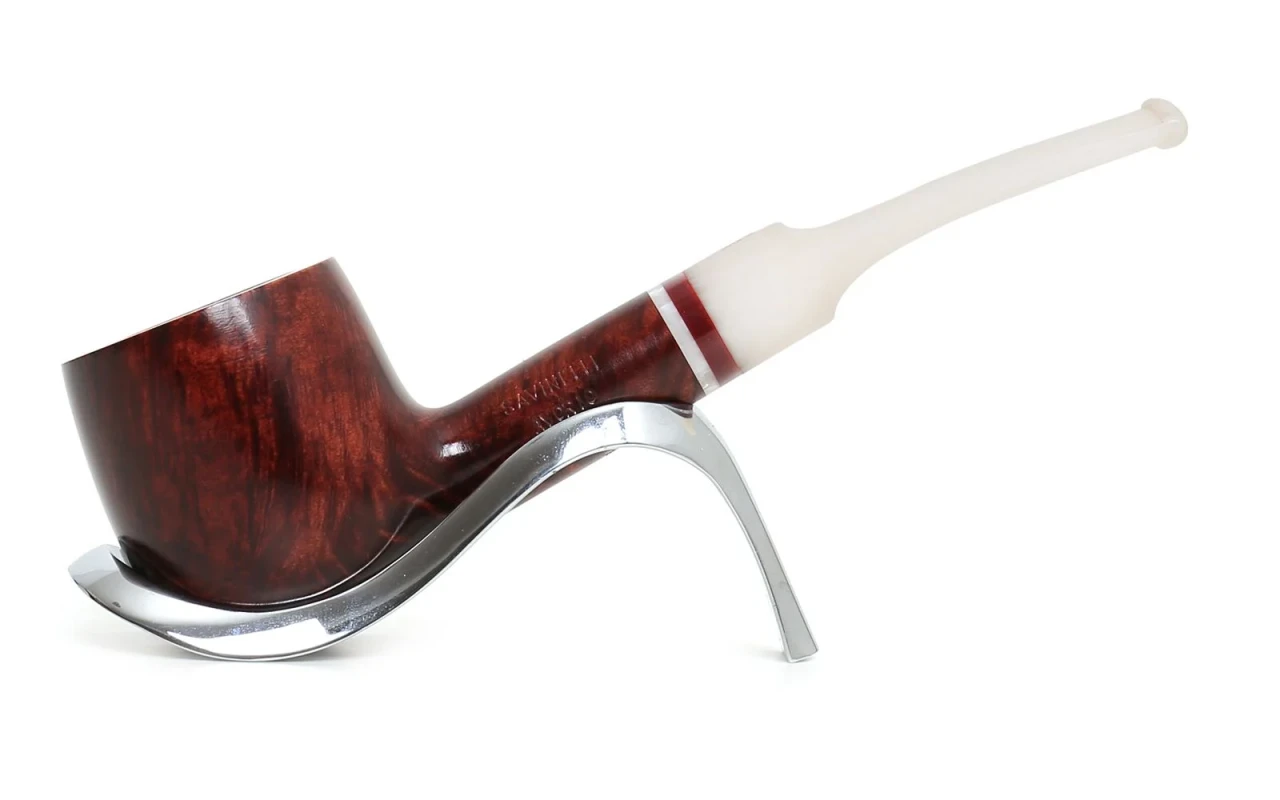
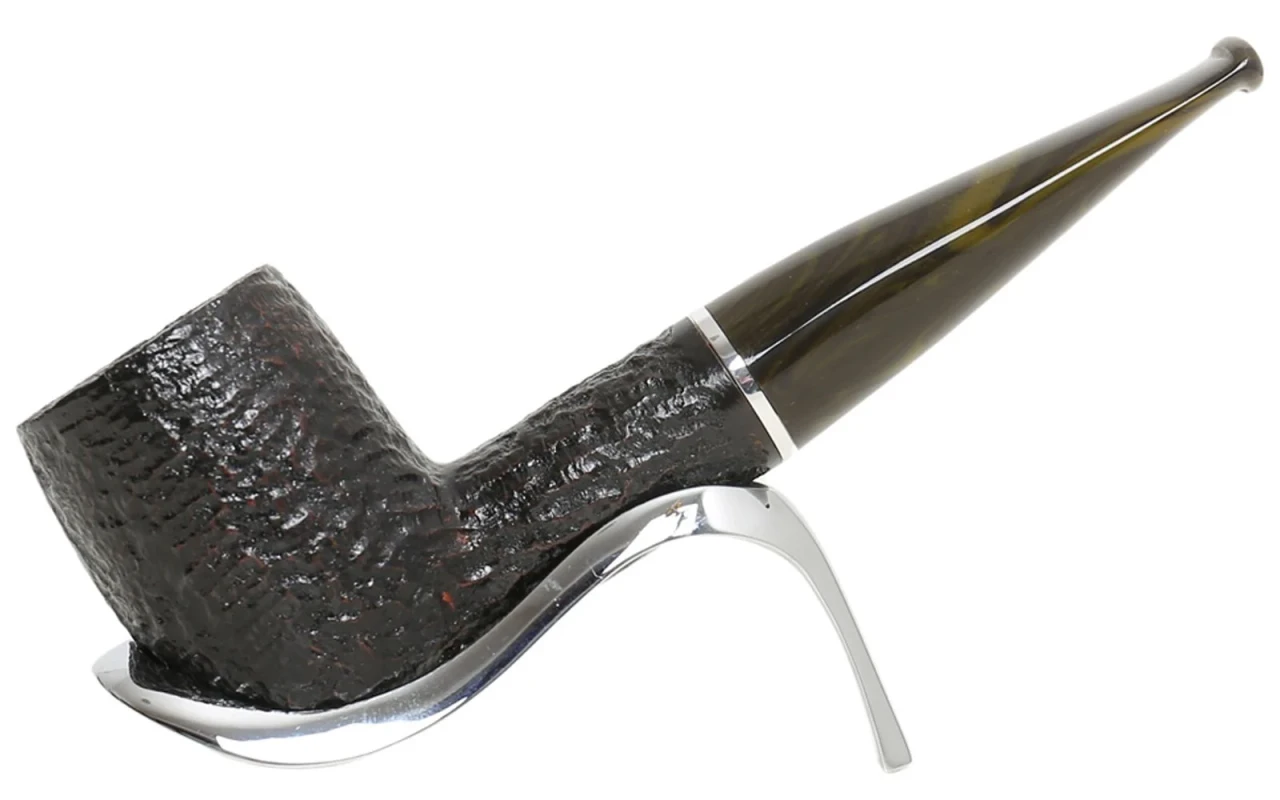
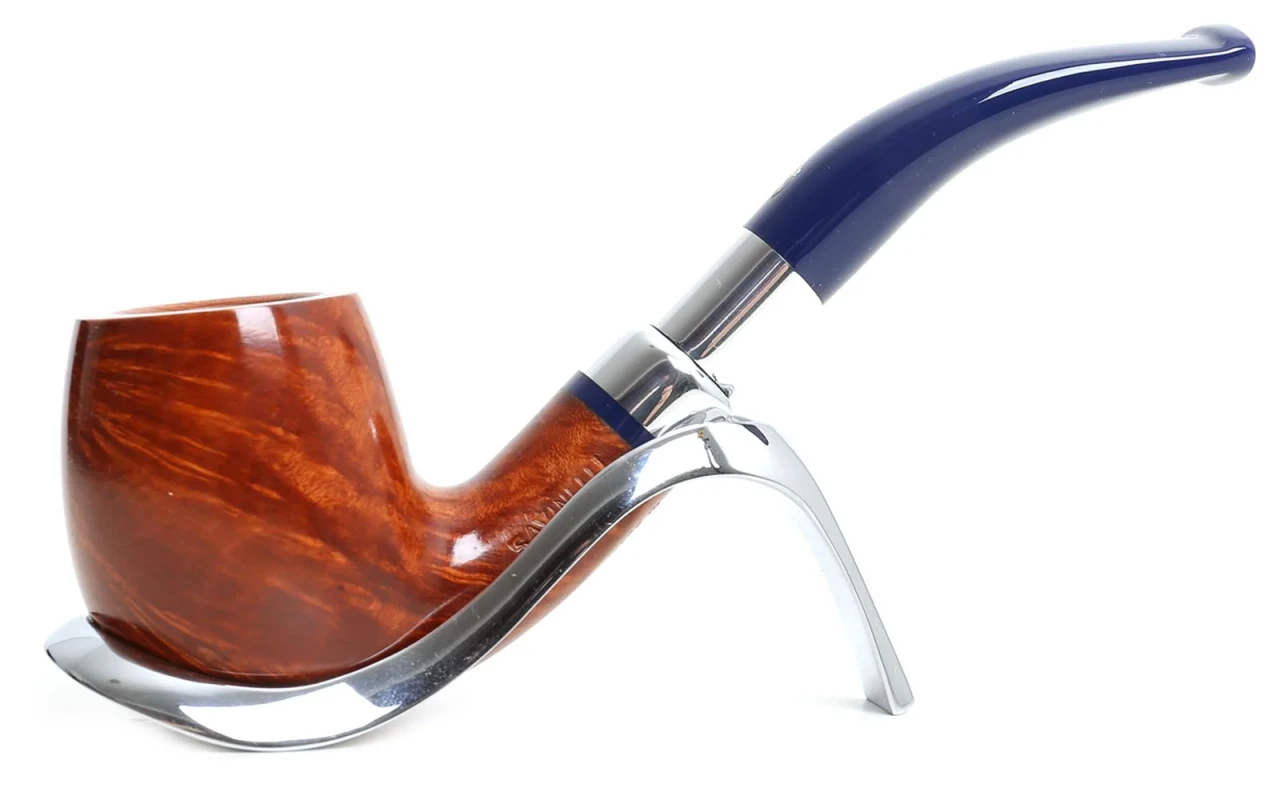
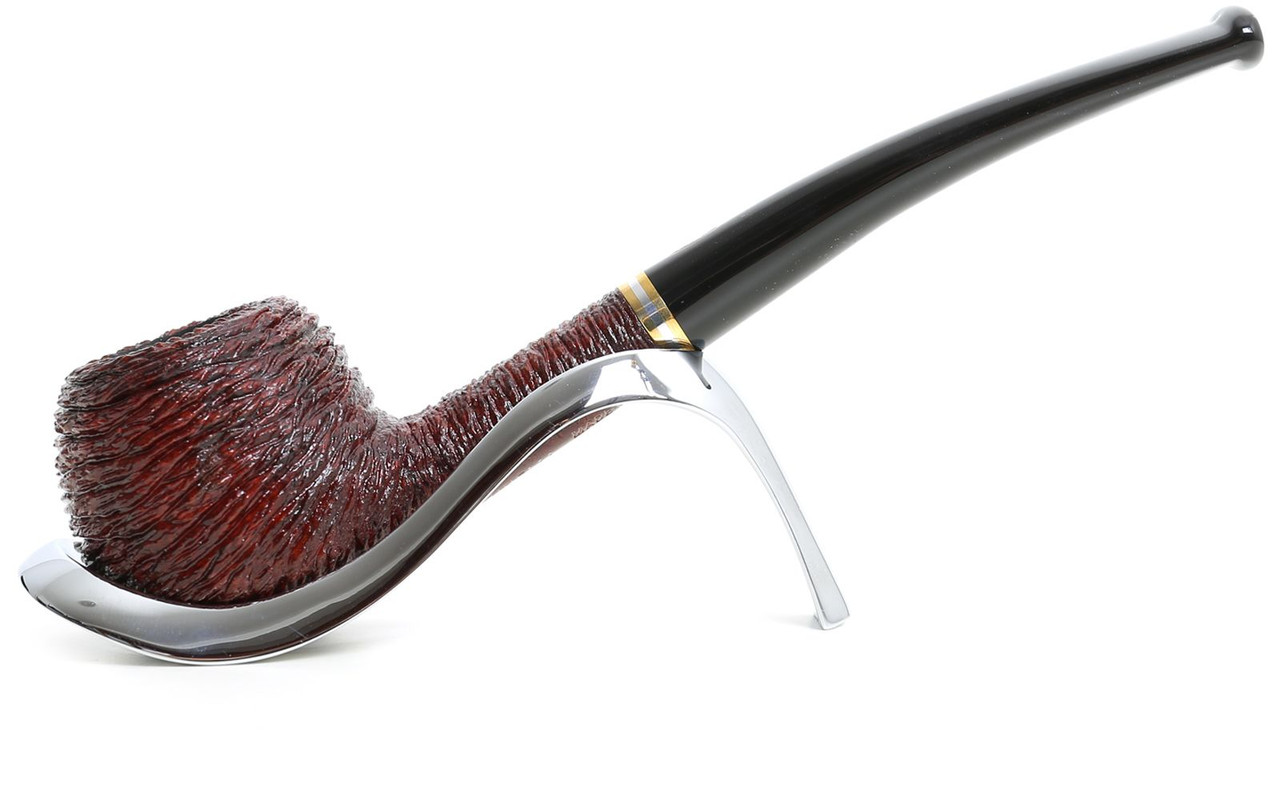
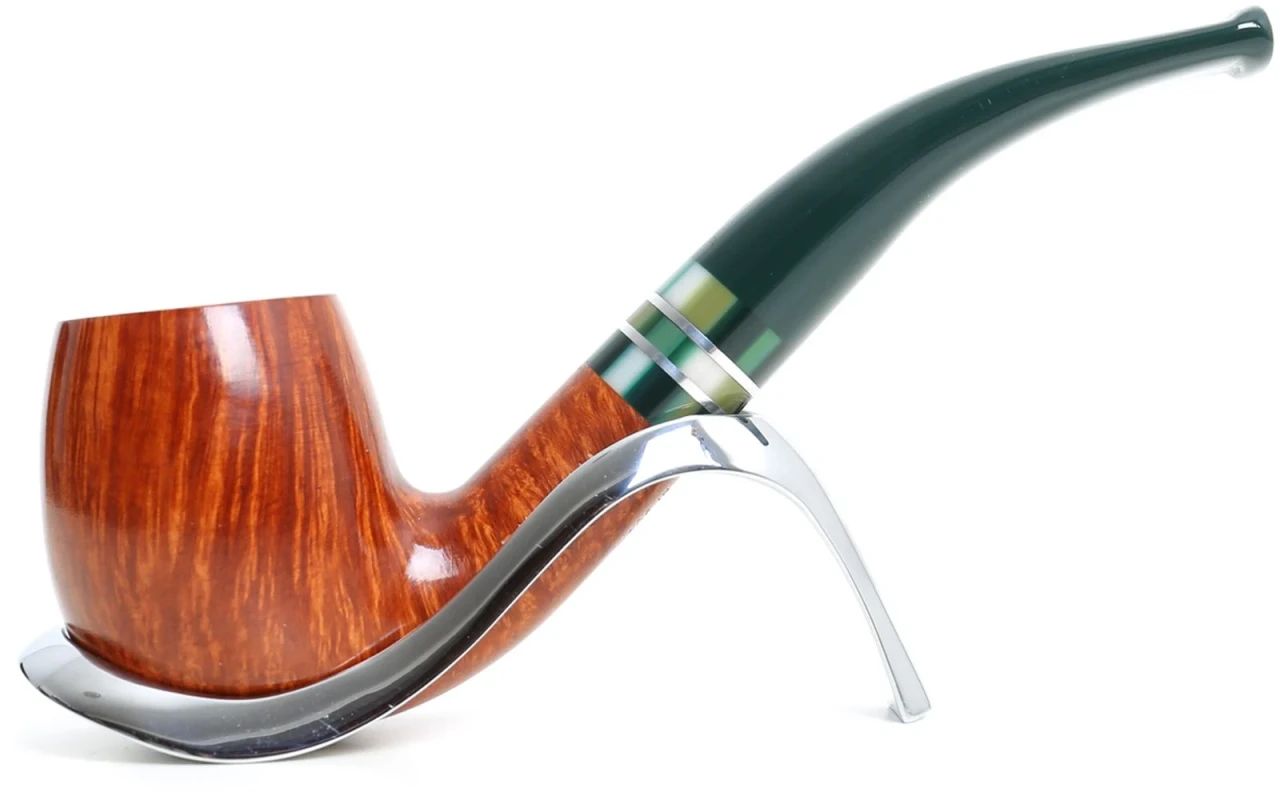
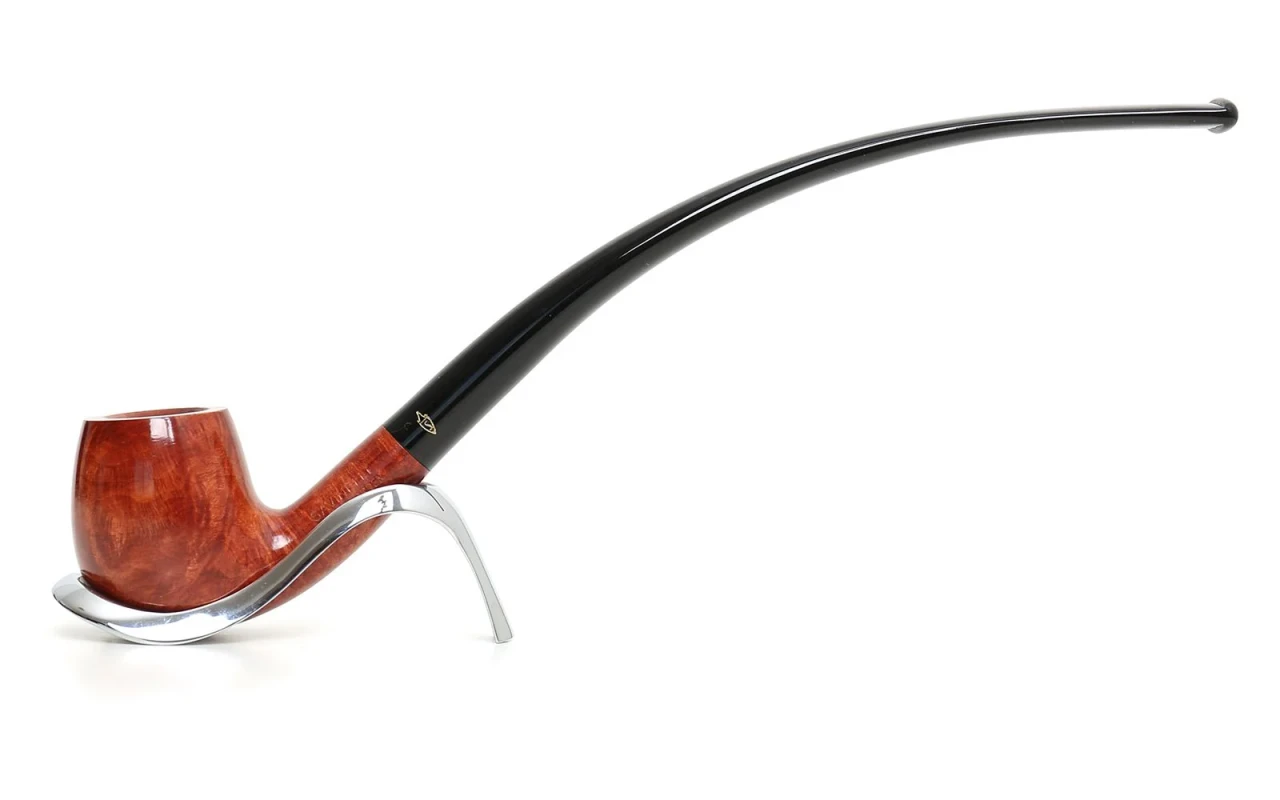
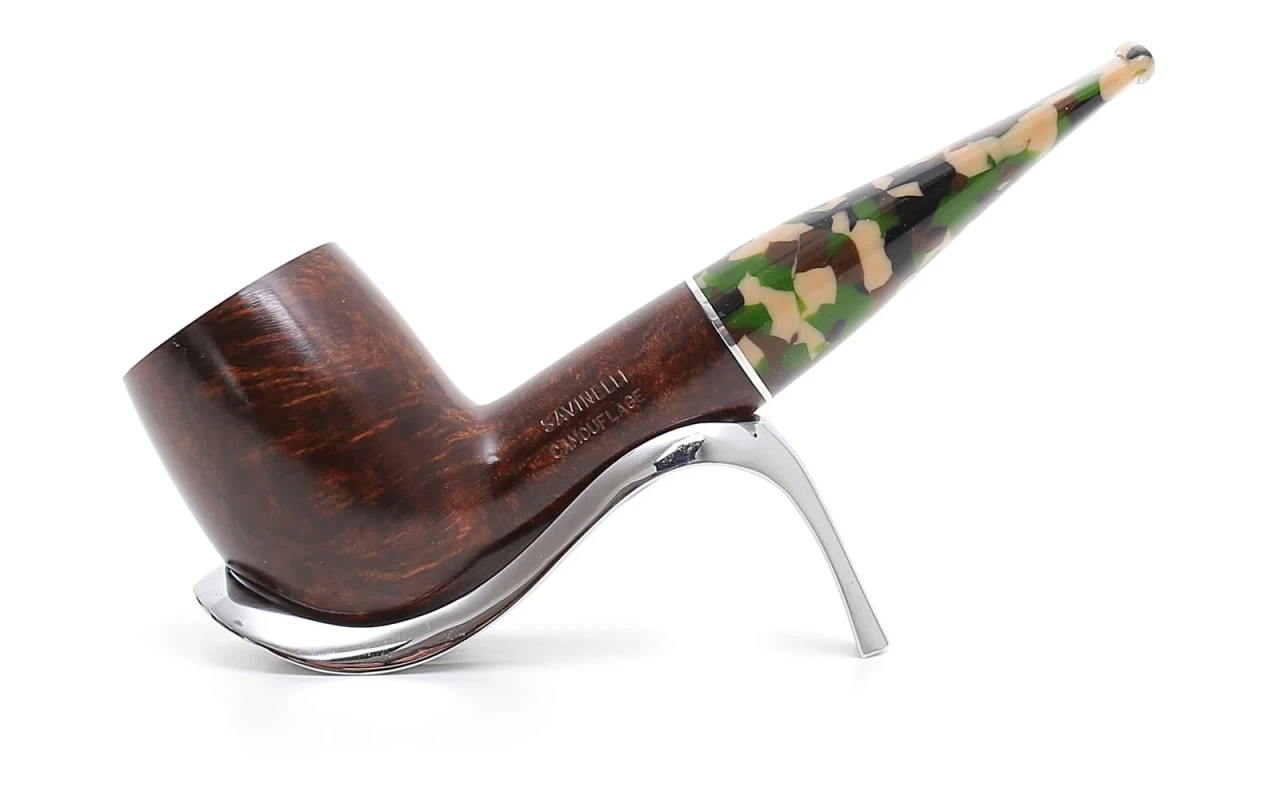
Condensation in the pipe can be reduced by using high-quality materials such as briar, a wood particularly suitable for pipe making. This wood has very fine pores that absorb moisture during smoking, preventing the formation and buildup of condensation. Other common materials for making pipes are clay, corn cob, and ebony. When properly crafted, these materials can offer a cooler and drier smoke, reducing the formation of condensation inside the pipe. It is important to keep your pipe clean and dry after each use to avoid residue build-up that could promote condensation.
Pipe Smoking Materials
The materials used for the production of smoking pipes can vary, but the most common ones are wood, corn cob, clay, briar, and meerschaum. Each material has unique characteristics that influence the taste, smoking experience, and pipe maintenance. Wood, such as briar, is popular for its heat resistance and moisture absorption properties. Corn cob pipes offer a fresh and sweet smoking experience. Clay pipes are lightweight and conduct heat, while briar pipes are sturdy and long-lasting. Meerschaum pipes are valued for their nicotine absorption capacity and tendency to darken with use.
Condenser Pipe Improvements
The condenser pipe is a device used to reduce the accumulation of liquid and condensation inside the pipe during smoking. This small tool is designed to enhance the pipe smoking experience by preventing moisture from building up in the stem and combustion chamber. The presence of condensation can negatively impact the taste and consistency of the smoke, as well as cause difficulties in tobacco combustion. By using a condenser pipe, you can enjoy a drier and more enjoyable smoke, while also preserving the pipe itself from any damage caused by moisture buildup.
Wood pipe condensation
Wooden pipes can accumulate condensation during use. This phenomenon is normal and mainly depends on the temperature difference between the hot smoke and the cooler surface of the pipe. Condensation forms when the smoke cools inside the pipe and deposits along the inner walls. To prevent condensation from affecting the smoking experience, it is advisable to clean the pipe regularly after each use. Furthermore, it is important to keep the pipe in optimal conditions by avoiding puffing too hard or smoking too quickly, in order to reduce condensation formation.
'%3e%3cg id='Final-Copy-2_2_' transform='translate(1275.000000, 200.000000)'%3e%3cpath class='st0' d='M7.4,12.8h6.8l3.1-11.6H7.4C4.2,1.2,1.6,3.8,1.6,7S4.2,12.8,7.4,12.8z'/%3e%3c/g%3e%3c/g%3e%3c/g%3e%3cg id='final---dec.11-2020'%3e%3cg id='_x30_208-our-toggle' transform='translate(-1275.000000, -200.000000)'%3e%3cg id='Final-Copy-2' transform='translate(1275.000000, 200.000000)'%3e%3cpath class='st1' d='M22.6,0H7.4c-3.9,0-7,3.1-7,7s3.1,7,7,7h15.2c3.9,0,7-3.1,7-7S26.4,0,22.6,0z M1.6,7c0-3.2,2.6-5.8,5.8-5.8 h9.9l-3.1,11.6H7.4C4.2,12.8,1.6,10.2,1.6,7z'/%3e%3cpath id='x' class='st2' d='M24.6,4c0.2,0.2,0.2,0.6,0,0.8l0,0L22.5,7l2.2,2.2c0.2,0.2,0.2,0.6,0,0.8c-0.2,0.2-0.6,0.2-0.8,0 l0,0l-2.2-2.2L19.5,10c-0.2,0.2-0.6,0.2-0.8,0c-0.2-0.2-0.2-0.6,0-0.8l0,0L20.8,7l-2.2-2.2c-0.2-0.2-0.2-0.6,0-0.8 c0.2-0.2,0.6-0.2,0.8,0l0,0l2.2,2.2L23.8,4C24,3.8,24.4,3.8,24.6,4z'/%3e%3cpath id='y' class='st3' d='M12.7,4.1c0.2,0.2,0.3,0.6,0.1,0.8l0,0L8.6,9.8C8.5,9.9,8.4,10,8.3,10c-0.2,0.1-0.5,0.1-0.7-0.1l0,0 L5.4,7.7c-0.2-0.2-0.2-0.6,0-0.8c0.2-0.2,0.6-0.2,0.8,0l0,0L8,8.6l3.8-4.5C12,3.9,12.4,3.9,12.7,4.1z'/%3e%3c/g%3e%3c/g%3e%3c/g%3e%3c/g%3e%3c/svg%3e) Your Privacy Choices
Your Privacy Choices 


