 ES
ES FR
FR EN
EN IT
IT DE
DE
Materials used for making the Horn pipe
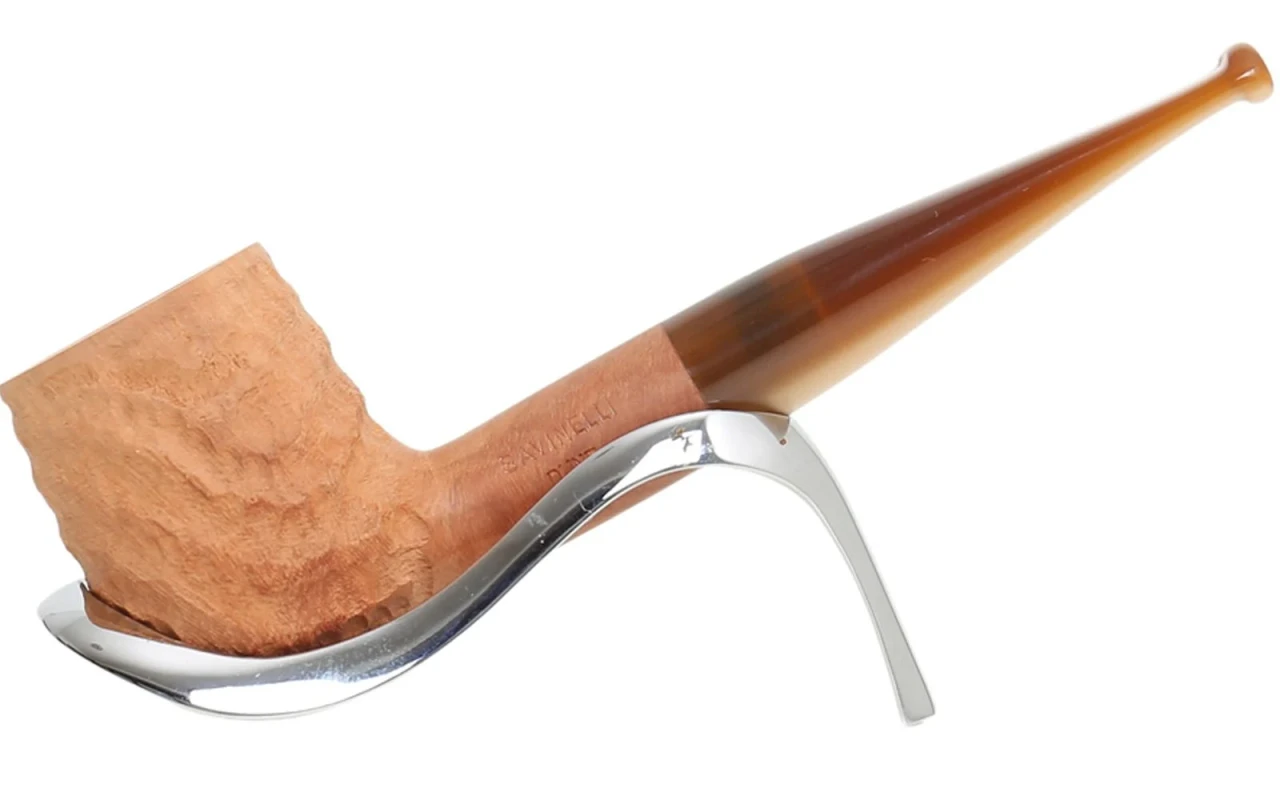
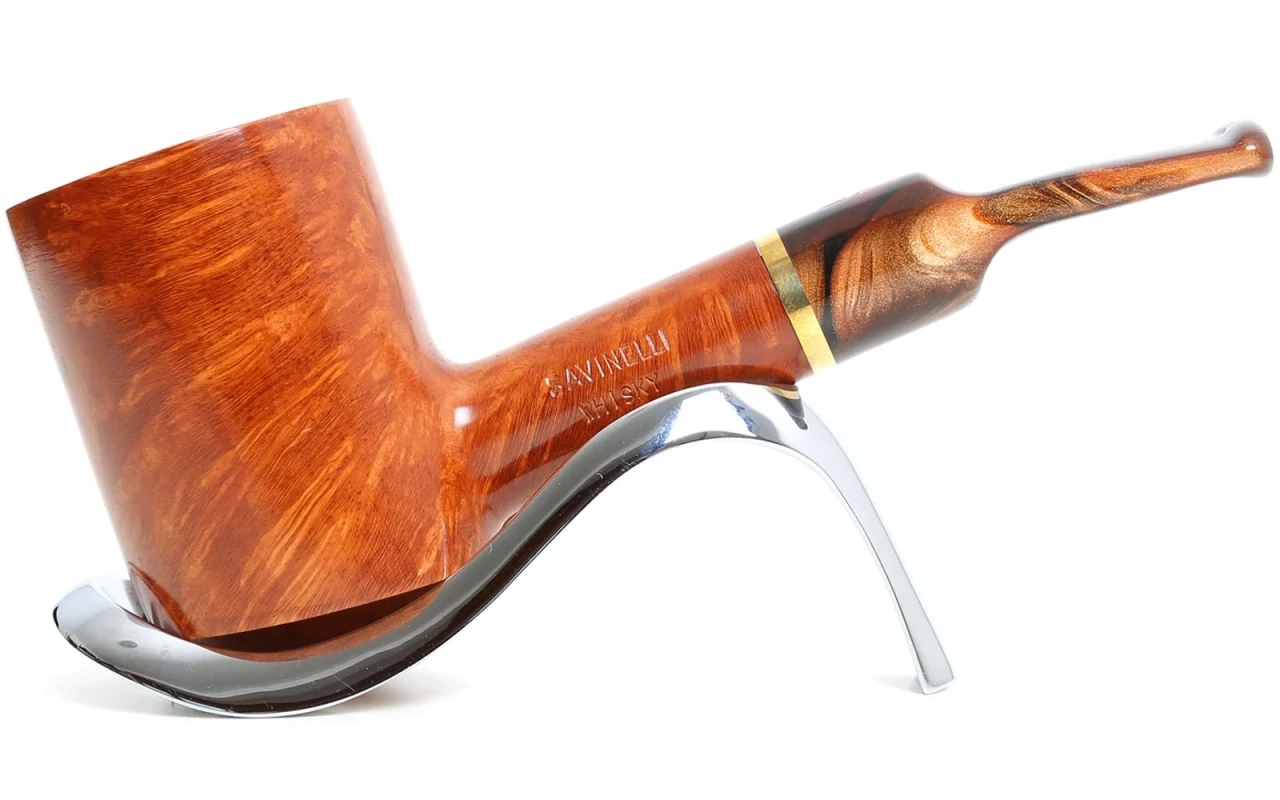
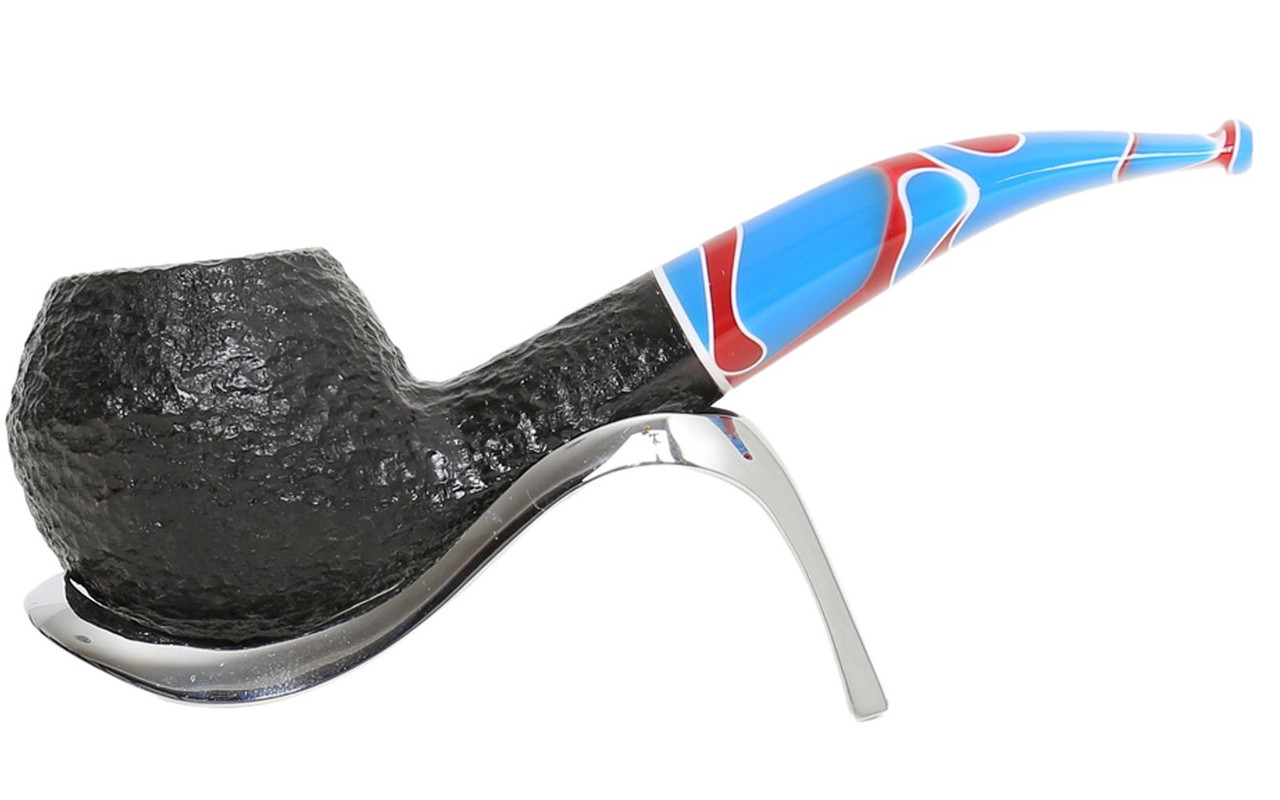
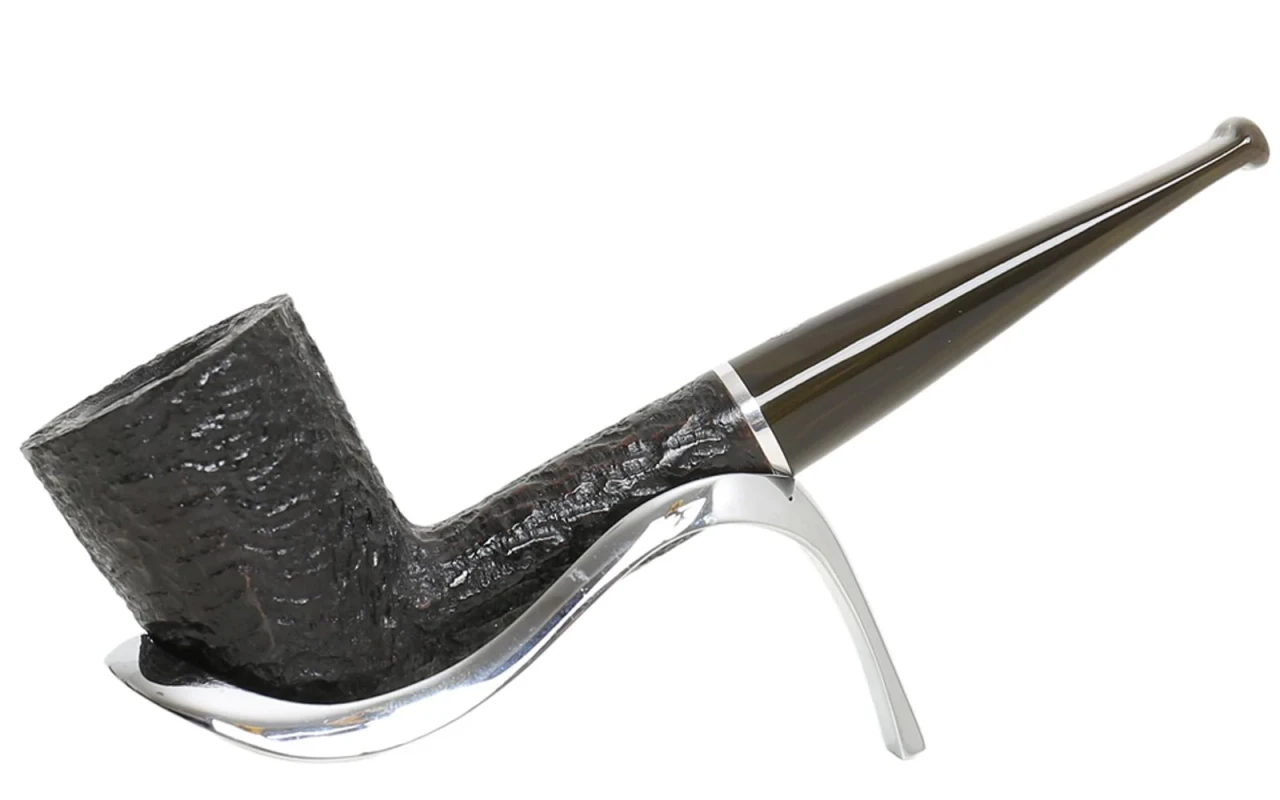
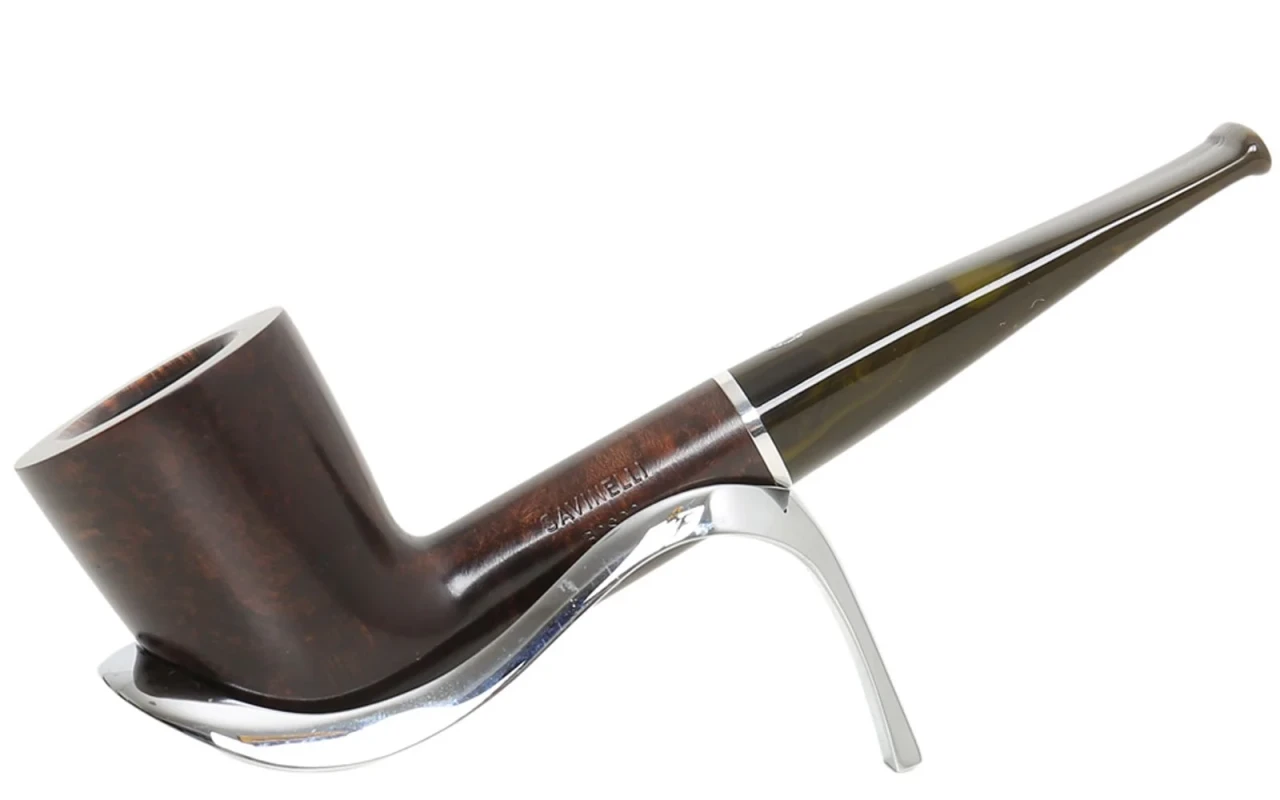
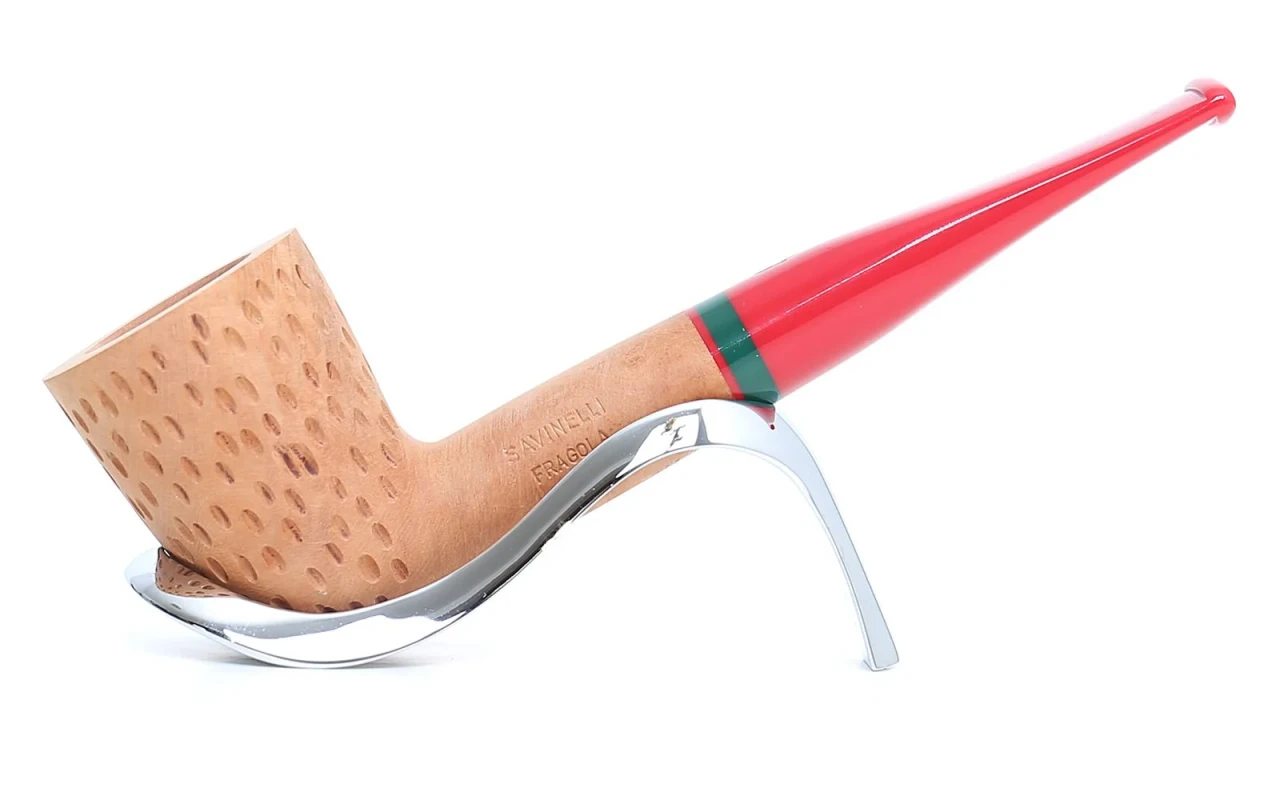
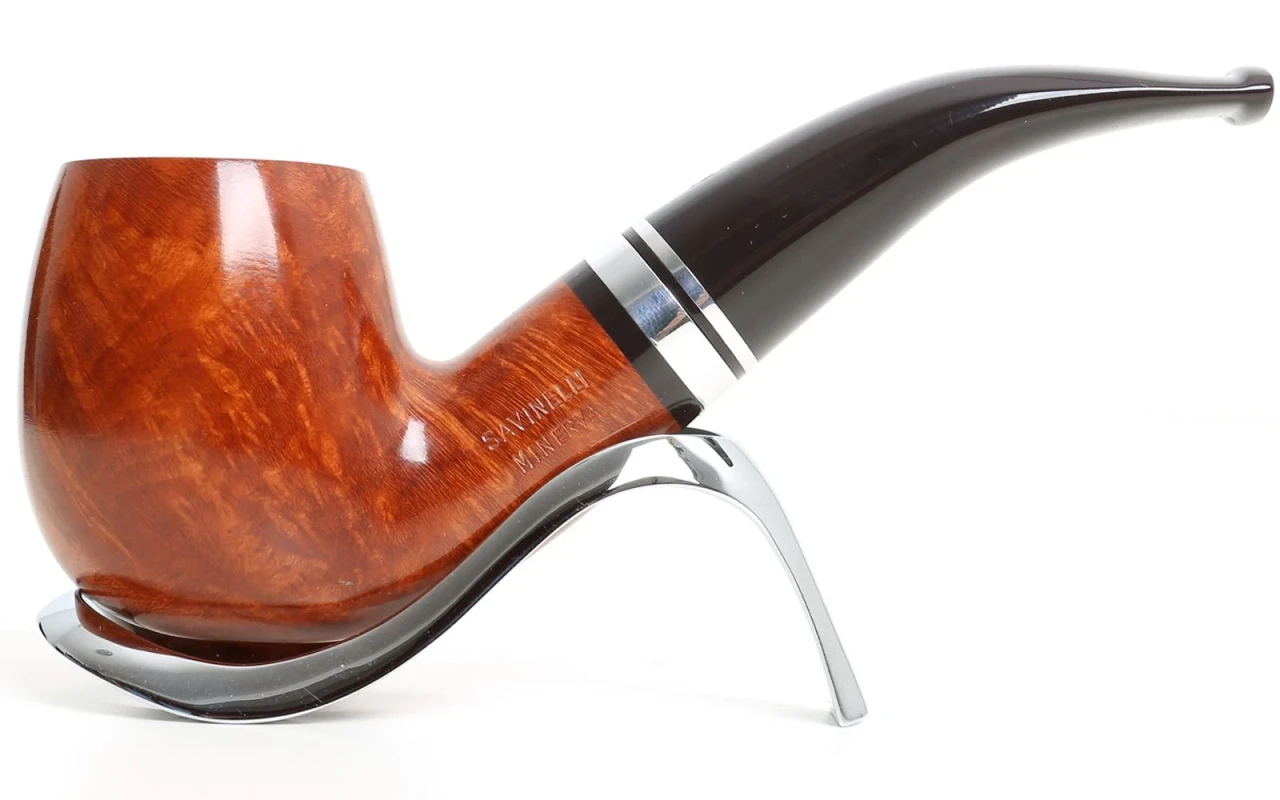
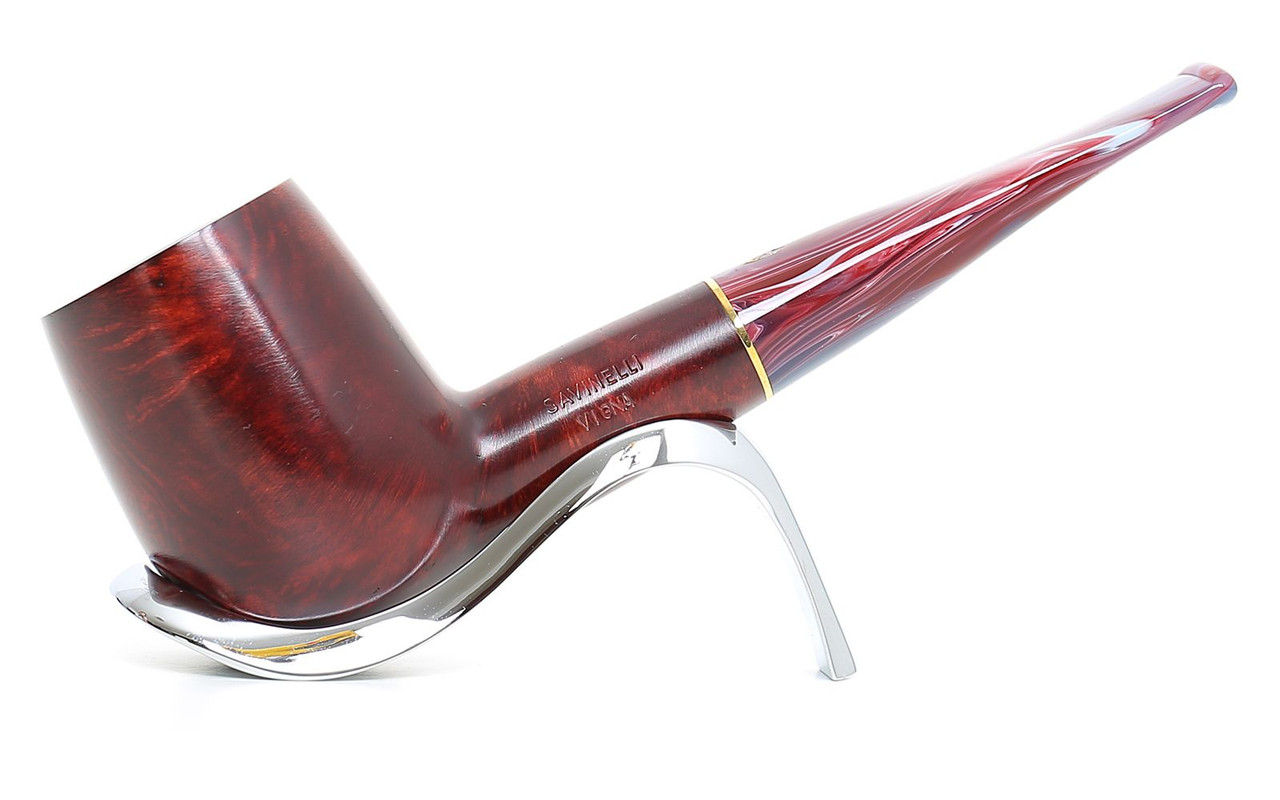
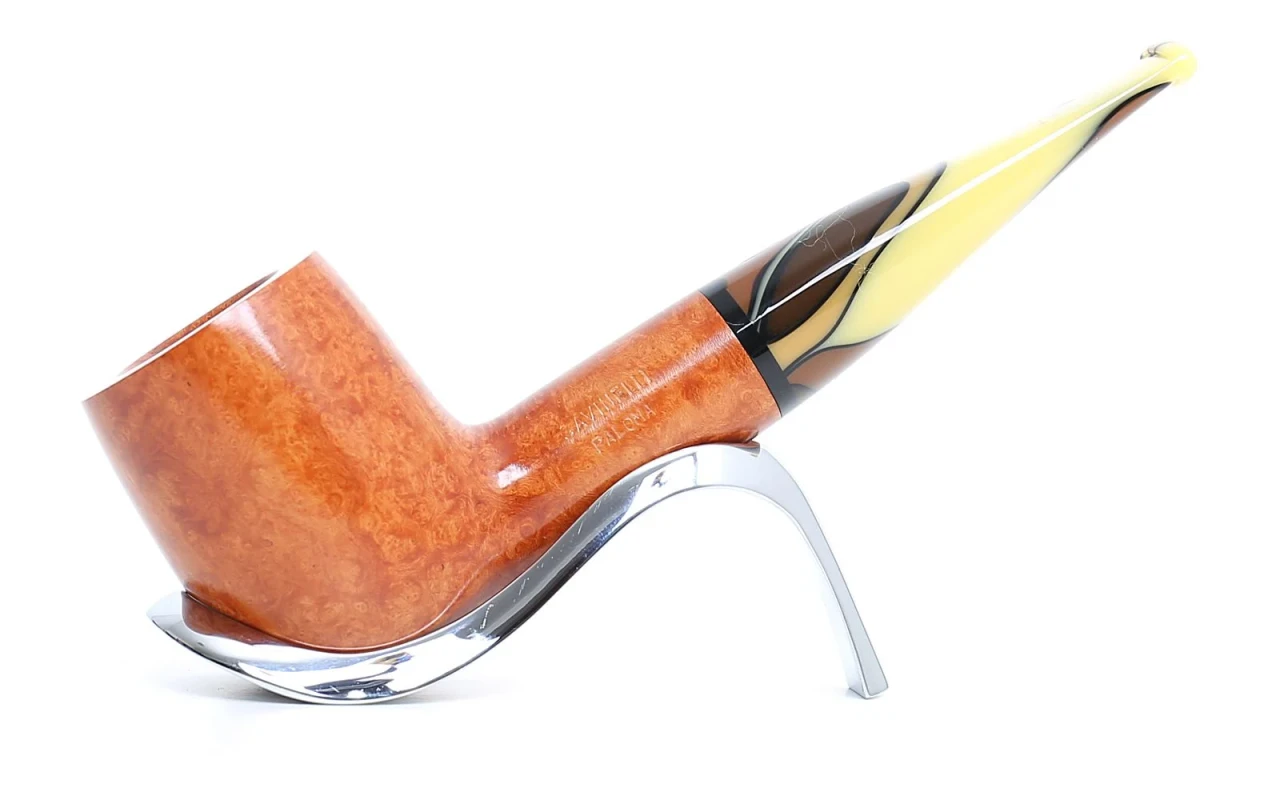
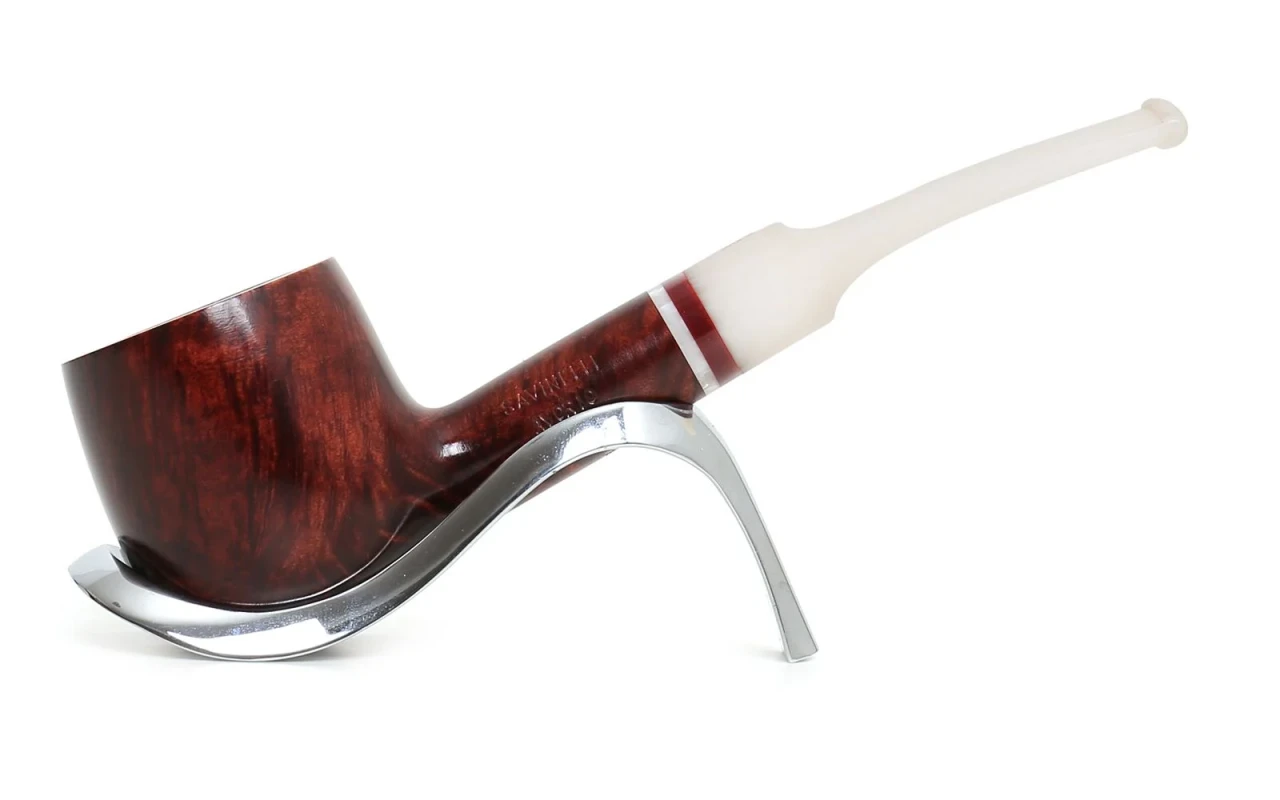
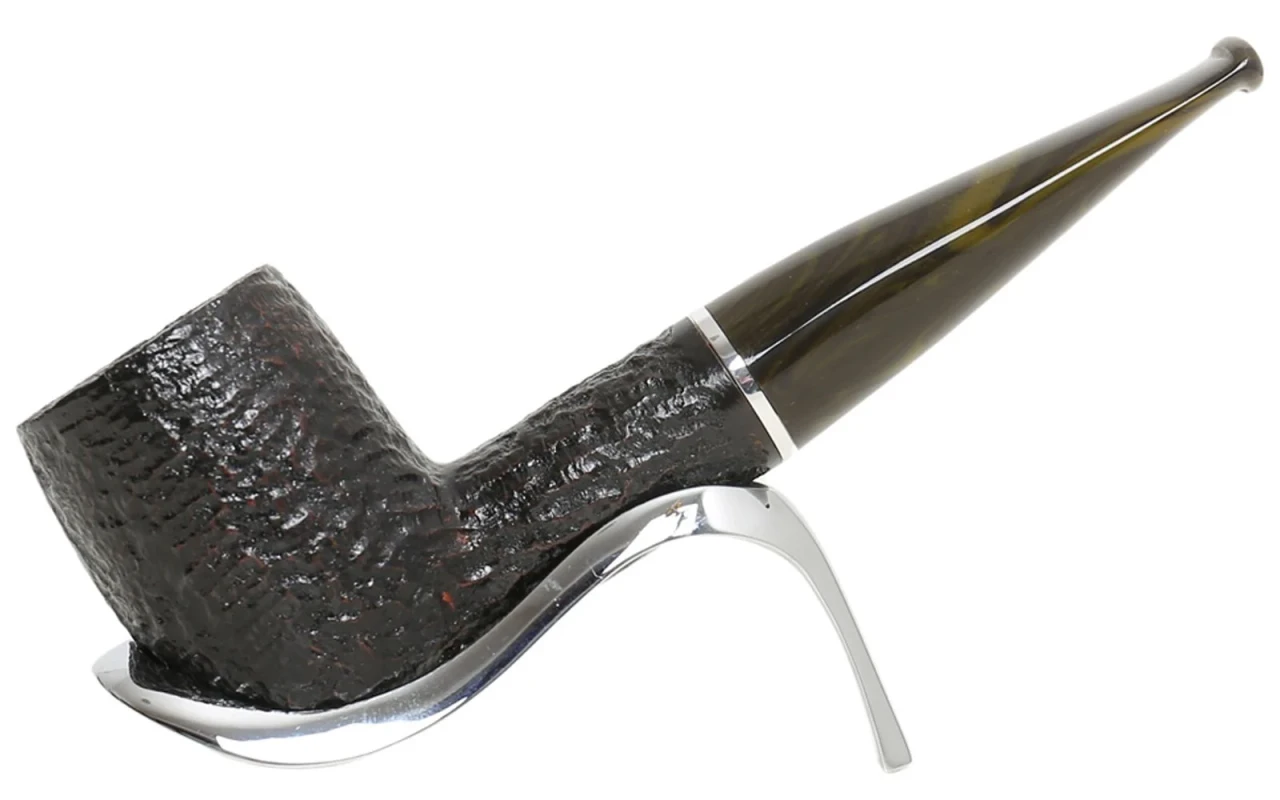
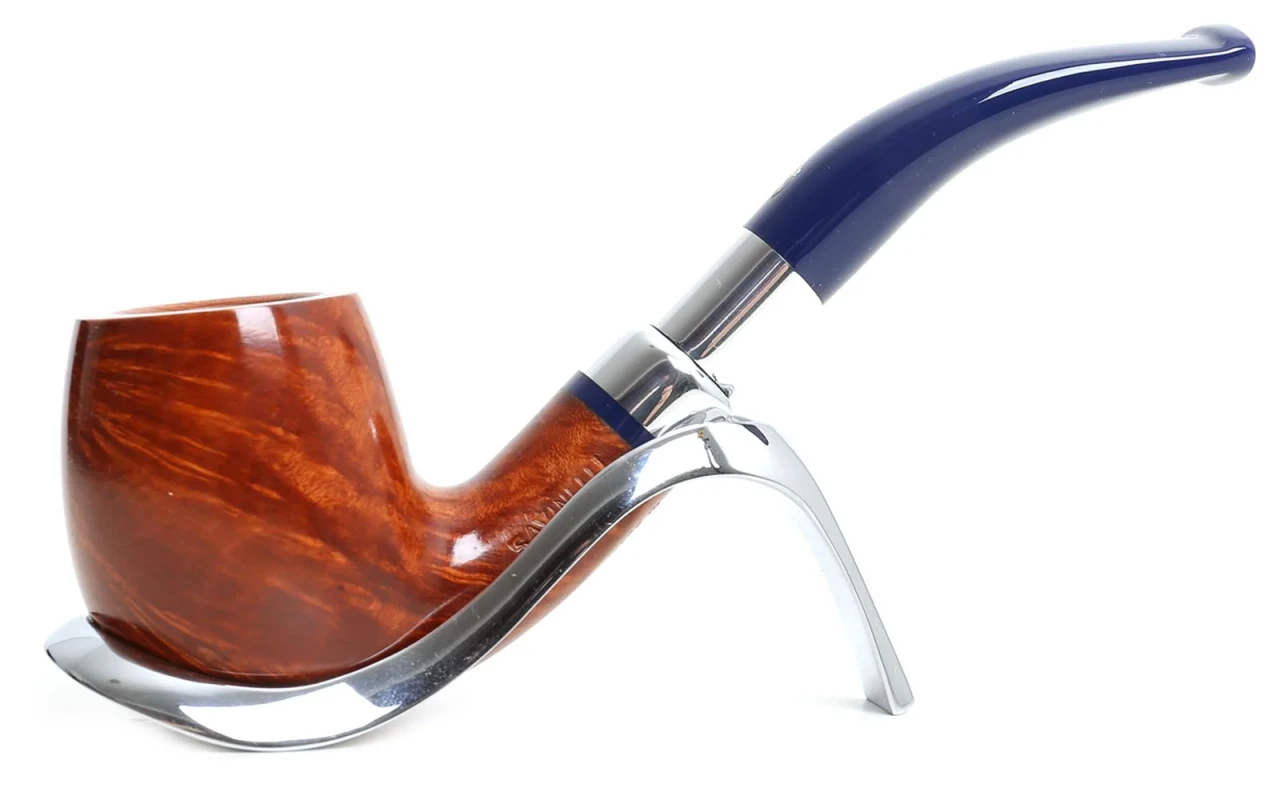
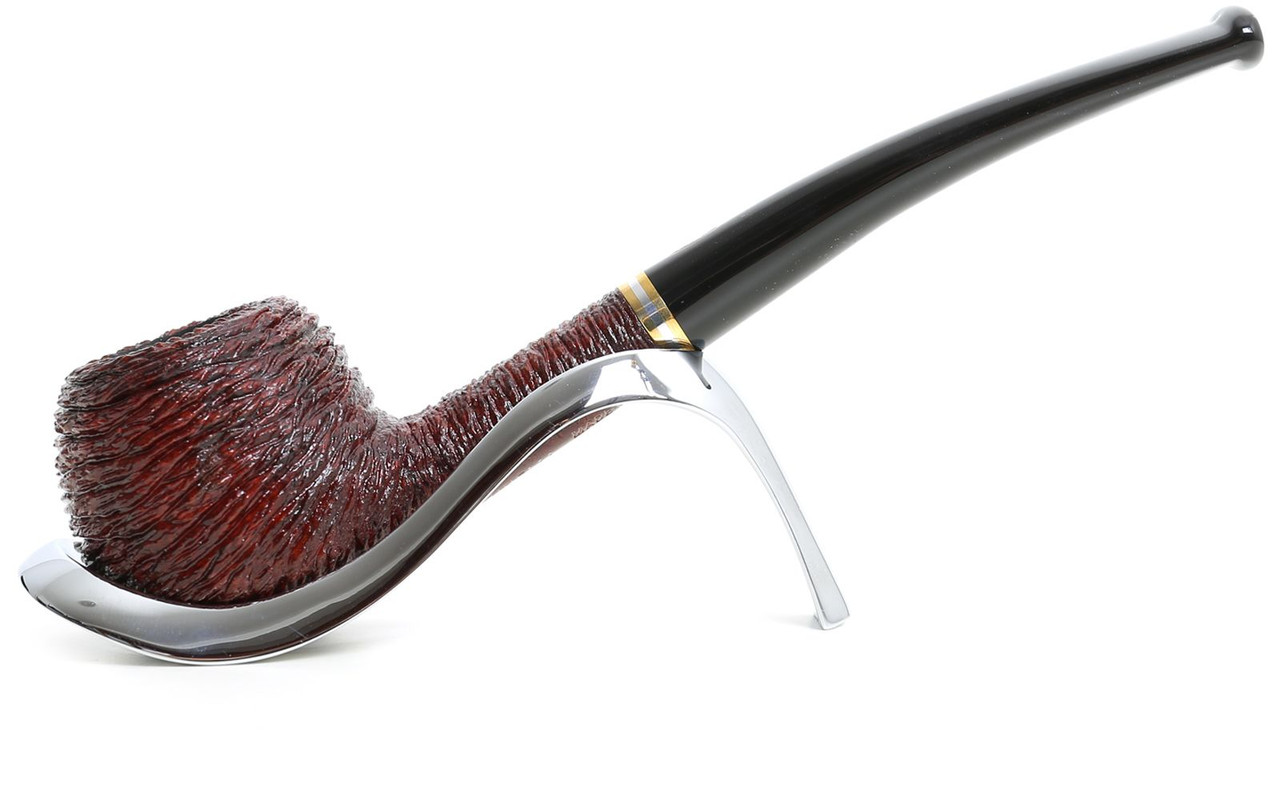
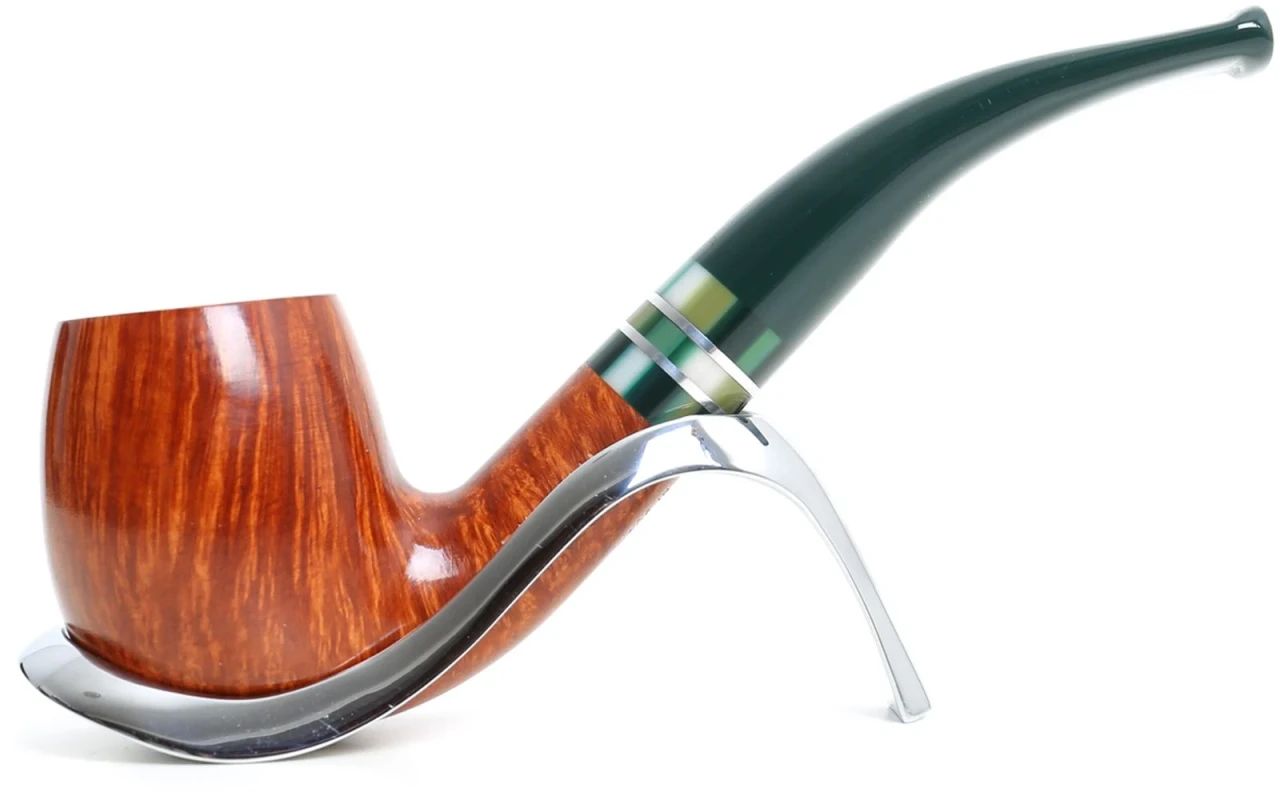
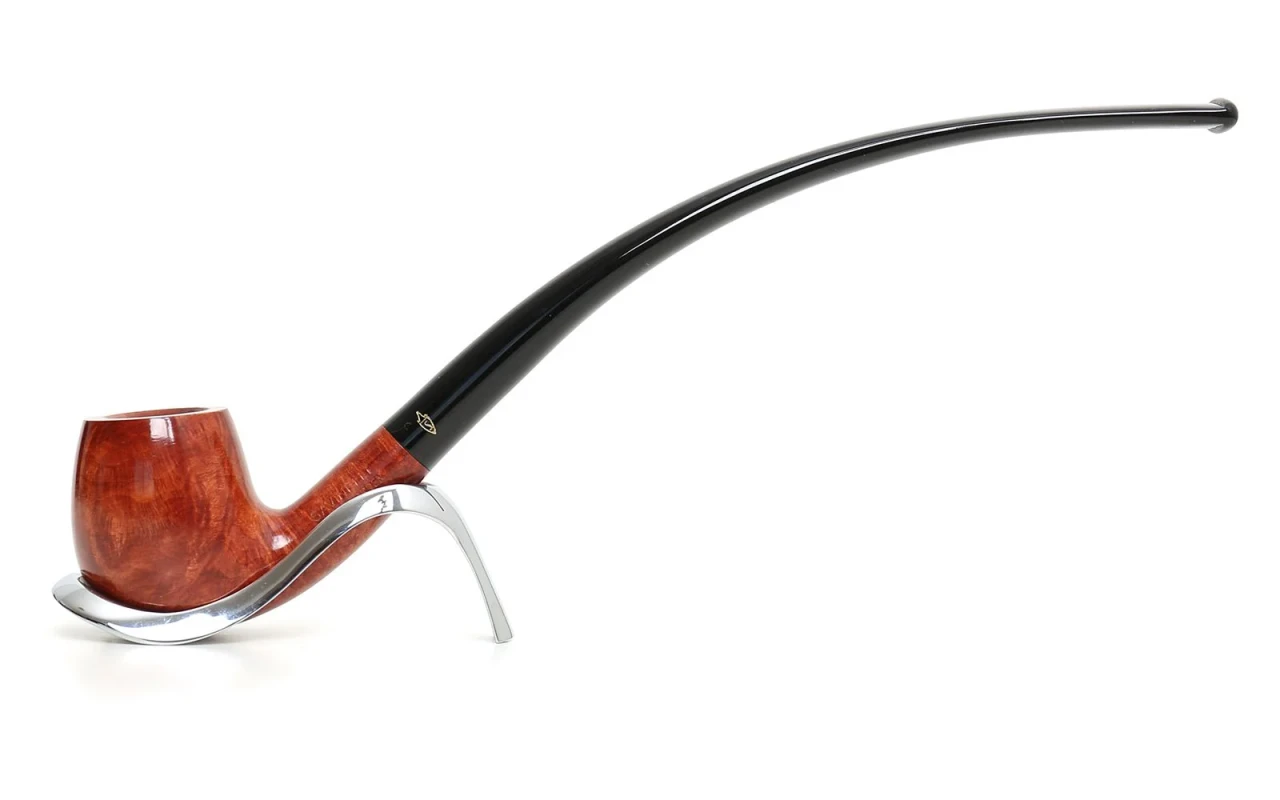
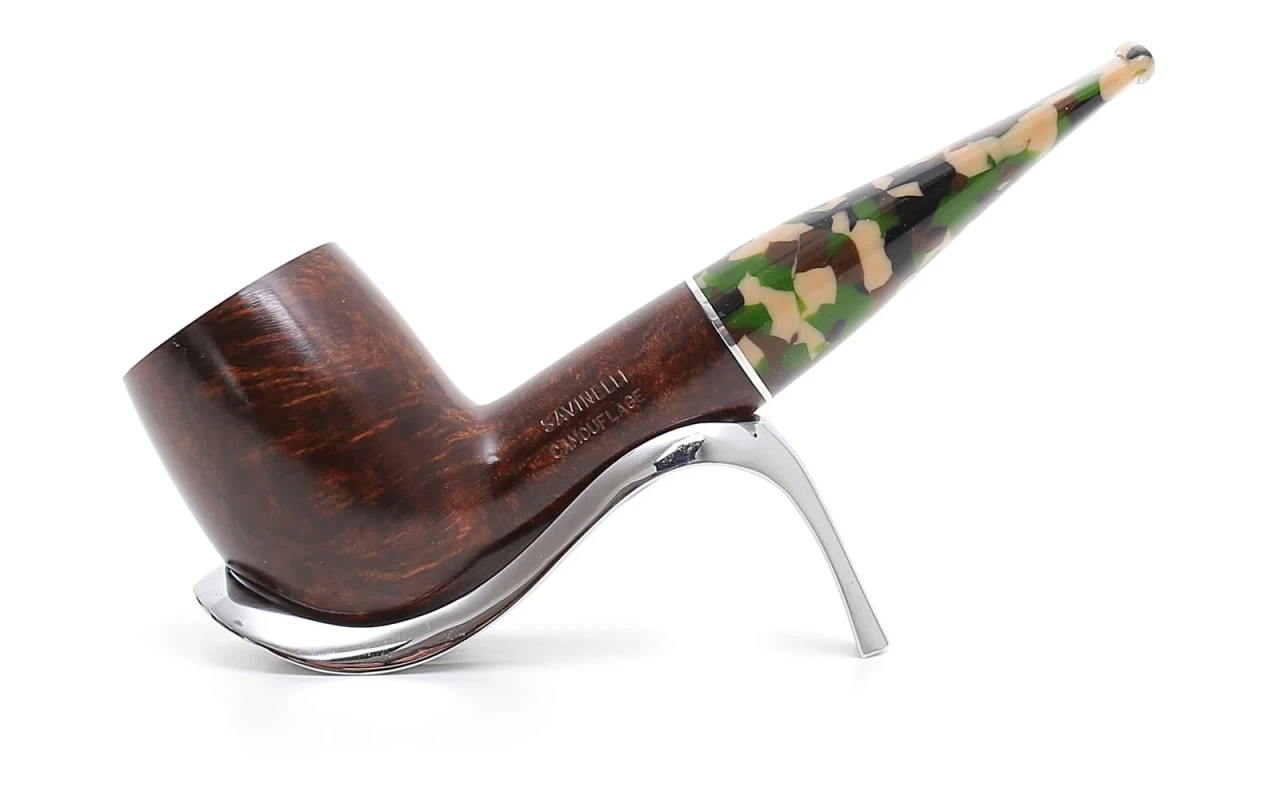
Materials used for making the Horn pipe
The Horn pipe is a type of pipe characterized by the shape of the mouthpiece, resembling a horn. For its crafting, high-quality materials are used, including:- Heather root: a traditional material for pipes, valued for its heat and flame resistance.- Briar root: wood from the Erica arborea tree, particularly suitable for pipes due to its hardness and fire resistance.- Other fine woods: exotic or precious woods are sometimes used for the stem construction.- Metals: for decorative details or structural reinforcements.These materials give the Horn pipe elegance, strength, and long-lasting durability.
Horn Pipe Materials
The most common material for Horn pipes is Erica Arborea briar root, also known as bruyère. This wood features ideal characteristics for crafting high-quality pipes, such as heat resistance, durability, and the ability to absorb smoke moisture. Horn pipes made of Erica Arborea briar root are valued for their natural beauty and the unique patina they develop over time. Other materials used for Horn pipes include acrylic and ebony, which offer different aesthetic and functional features.
Horn pipe features
The Horn pipe is a type of pipe characterized by the "horn" shaped stem, which slightly widens towards the end. This particular design not only gives a distinctive touch to the pipe but also impacts the smoking experience itself. The main features of a Horn pipe include:- Horn-shaped stem that allows for a comfortable grip and facilitates the passage of smoke.- Wide inner chamber that allows for good airflow, enhancing the smoking experience.- Elegant and refined shape that makes the Horn pipe highly appreciated for both its aesthetics and smoking performance.Horn pipes are often crafted from high-quality materials such as briar or other precious woods, offering a unique and satisfying smoking experience for pipe tobacco enthusiasts.
Horn pipe maintenance
Maintaining your Horn pipe is an essential process to ensure optimal performance over time. Here are some useful tips:- Regular cleaning: remove tobacco residues and moisture with a pipe cleaner.- Thorough drying: after each use, leave the pipe to air dry to prevent the accumulation of moisture and mold.- Tobacco rotation: alternate between different types of tobacco to avoid the pipe from overheating.- General condition check: periodically inspect the stem and bowl for any cracks or damages.- Proper storage: store the pipe in a protective case and in a cool, dry environment.By following these guidelines, you can enjoy your Horn pipe for a long time.
Horn Pipe Design
The design of the Horn pipe is characterized by a curved shape reminiscent of animal horns. This type of pipe features a mouthpiece slightly tilted upwards, while the bowl of the pipe gradually widens towards the top, creating an elegant and refined silhouette. The Horn shape not only provides excellent grip during use, but also contributes to better heat and smoke distribution inside the pipe. This particular design is highly appreciated by enthusiasts for its unique aesthetics and optimal performance during pipe tobacco tasting.
'%3e%3cg id='Final-Copy-2_2_' transform='translate(1275.000000, 200.000000)'%3e%3cpath class='st0' d='M7.4,12.8h6.8l3.1-11.6H7.4C4.2,1.2,1.6,3.8,1.6,7S4.2,12.8,7.4,12.8z'/%3e%3c/g%3e%3c/g%3e%3c/g%3e%3cg id='final---dec.11-2020'%3e%3cg id='_x30_208-our-toggle' transform='translate(-1275.000000, -200.000000)'%3e%3cg id='Final-Copy-2' transform='translate(1275.000000, 200.000000)'%3e%3cpath class='st1' d='M22.6,0H7.4c-3.9,0-7,3.1-7,7s3.1,7,7,7h15.2c3.9,0,7-3.1,7-7S26.4,0,22.6,0z M1.6,7c0-3.2,2.6-5.8,5.8-5.8 h9.9l-3.1,11.6H7.4C4.2,12.8,1.6,10.2,1.6,7z'/%3e%3cpath id='x' class='st2' d='M24.6,4c0.2,0.2,0.2,0.6,0,0.8l0,0L22.5,7l2.2,2.2c0.2,0.2,0.2,0.6,0,0.8c-0.2,0.2-0.6,0.2-0.8,0 l0,0l-2.2-2.2L19.5,10c-0.2,0.2-0.6,0.2-0.8,0c-0.2-0.2-0.2-0.6,0-0.8l0,0L20.8,7l-2.2-2.2c-0.2-0.2-0.2-0.6,0-0.8 c0.2-0.2,0.6-0.2,0.8,0l0,0l2.2,2.2L23.8,4C24,3.8,24.4,3.8,24.6,4z'/%3e%3cpath id='y' class='st3' d='M12.7,4.1c0.2,0.2,0.3,0.6,0.1,0.8l0,0L8.6,9.8C8.5,9.9,8.4,10,8.3,10c-0.2,0.1-0.5,0.1-0.7-0.1l0,0 L5.4,7.7c-0.2-0.2-0.2-0.6,0-0.8c0.2-0.2,0.6-0.2,0.8,0l0,0L8,8.6l3.8-4.5C12,3.9,12.4,3.9,12.7,4.1z'/%3e%3c/g%3e%3c/g%3e%3c/g%3e%3c/g%3e%3c/svg%3e) Your Privacy Choices
Your Privacy Choices 


