 ES
ES FR
FR EN
EN IT
IT DE
DE
Traditional materials for smoking pipe production
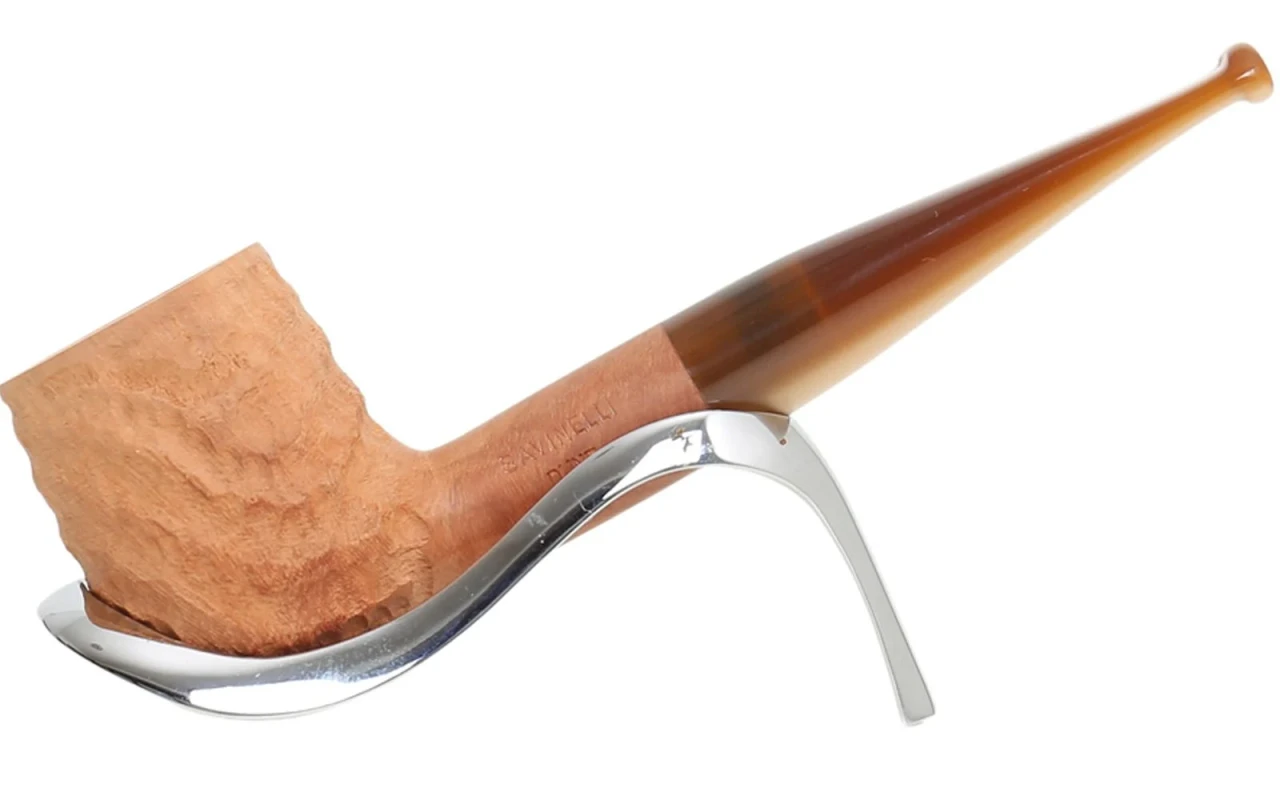
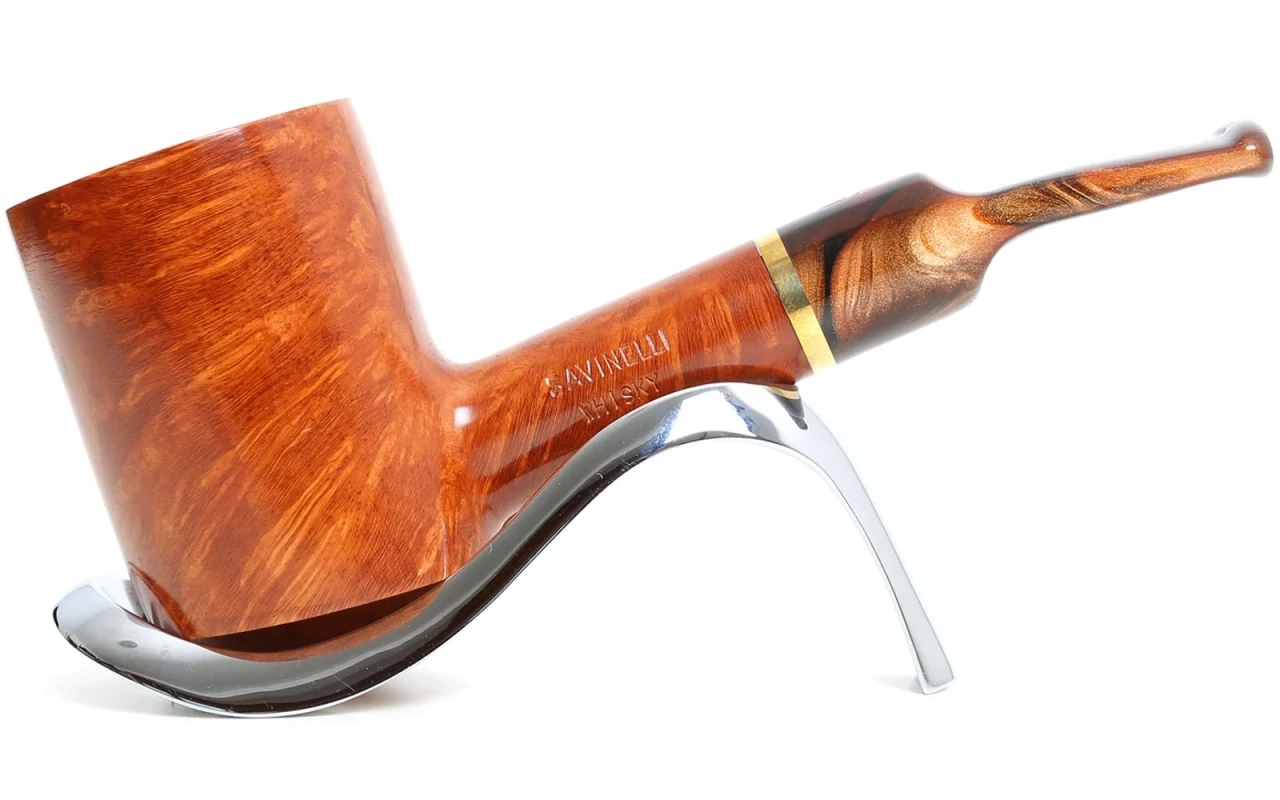
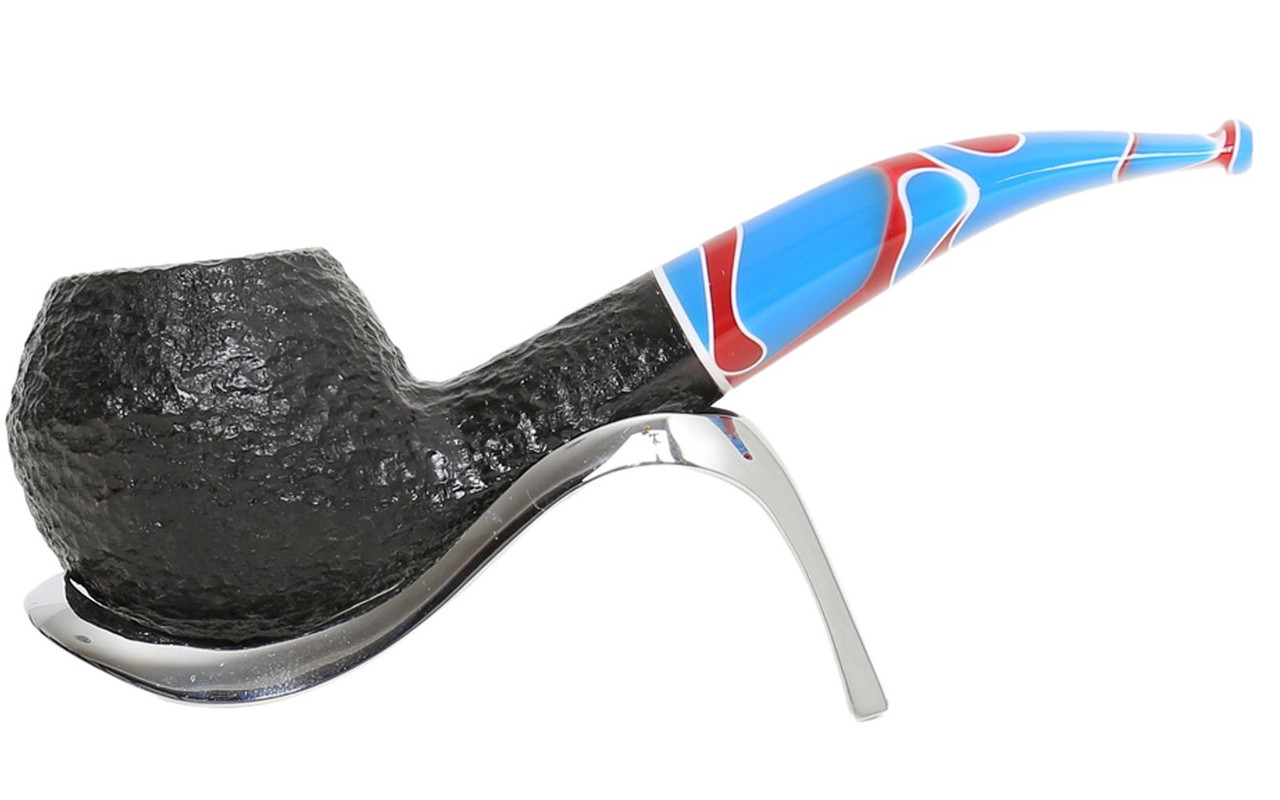
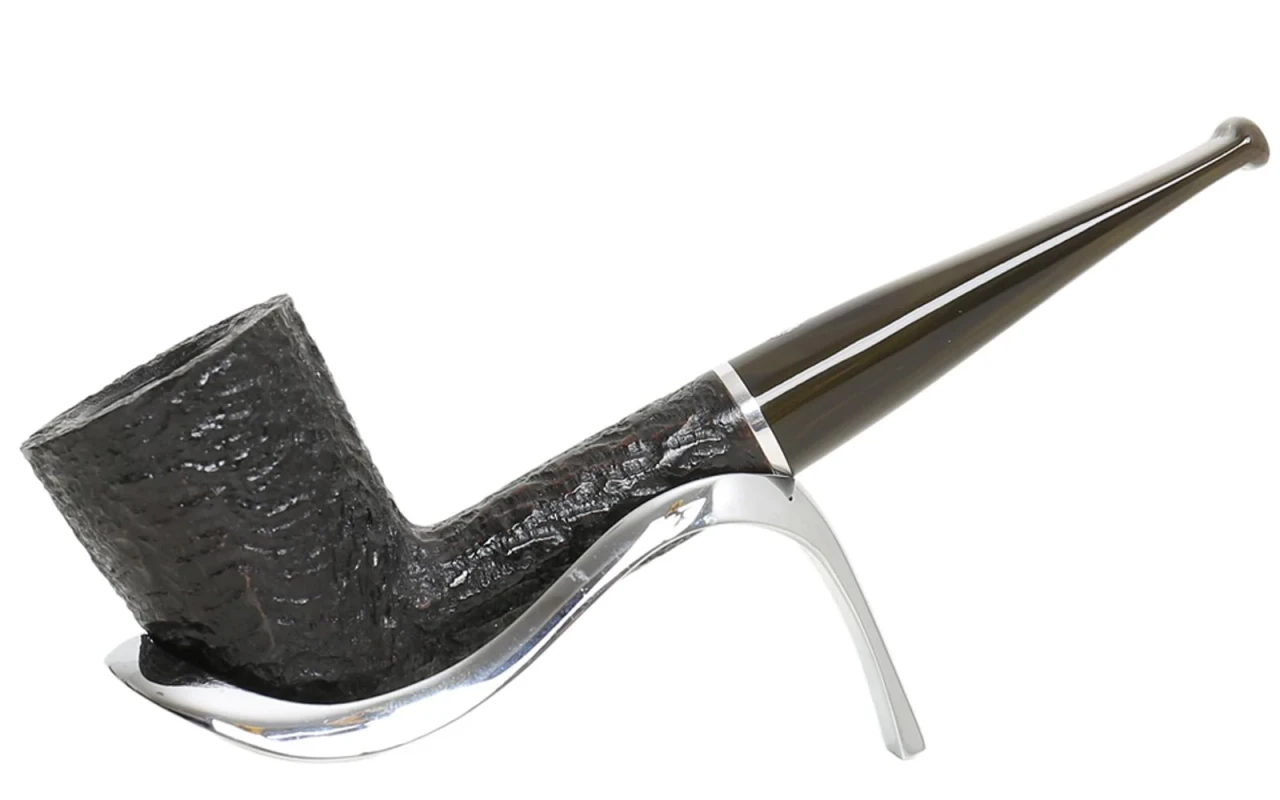
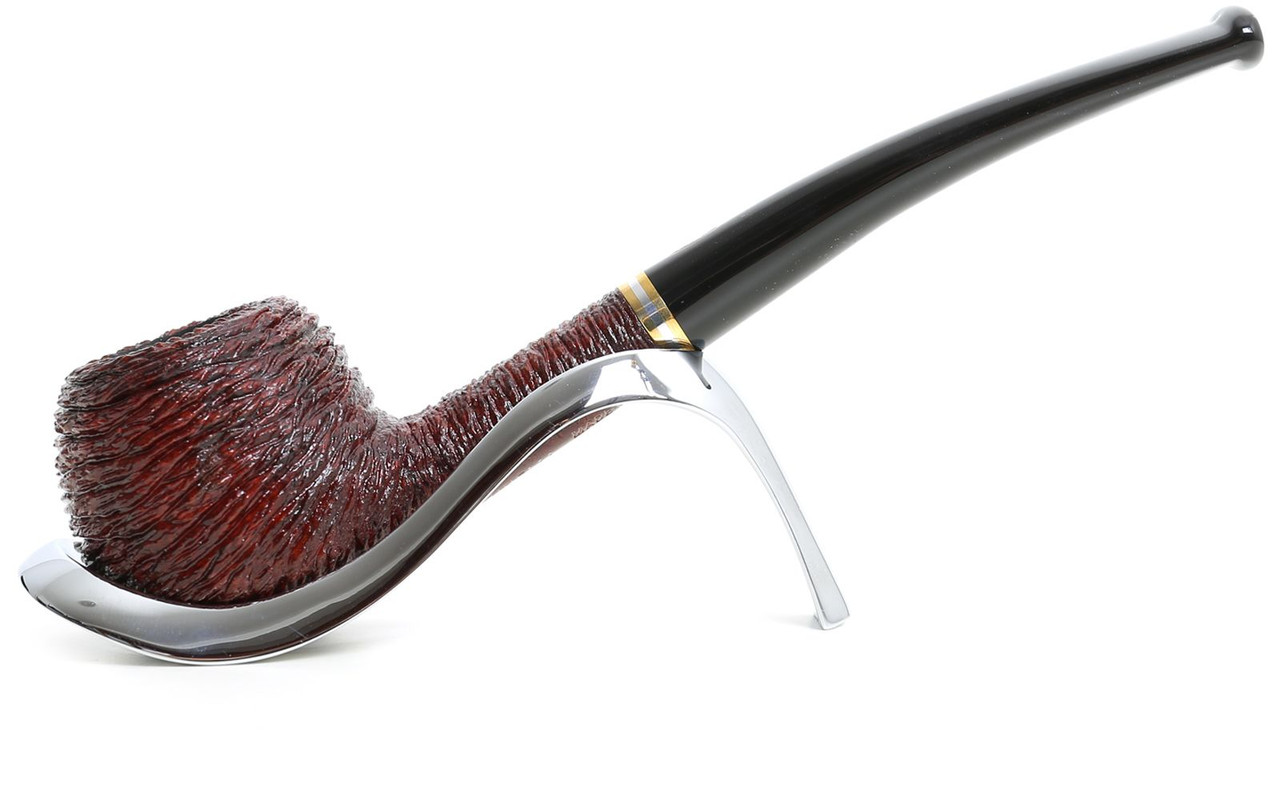
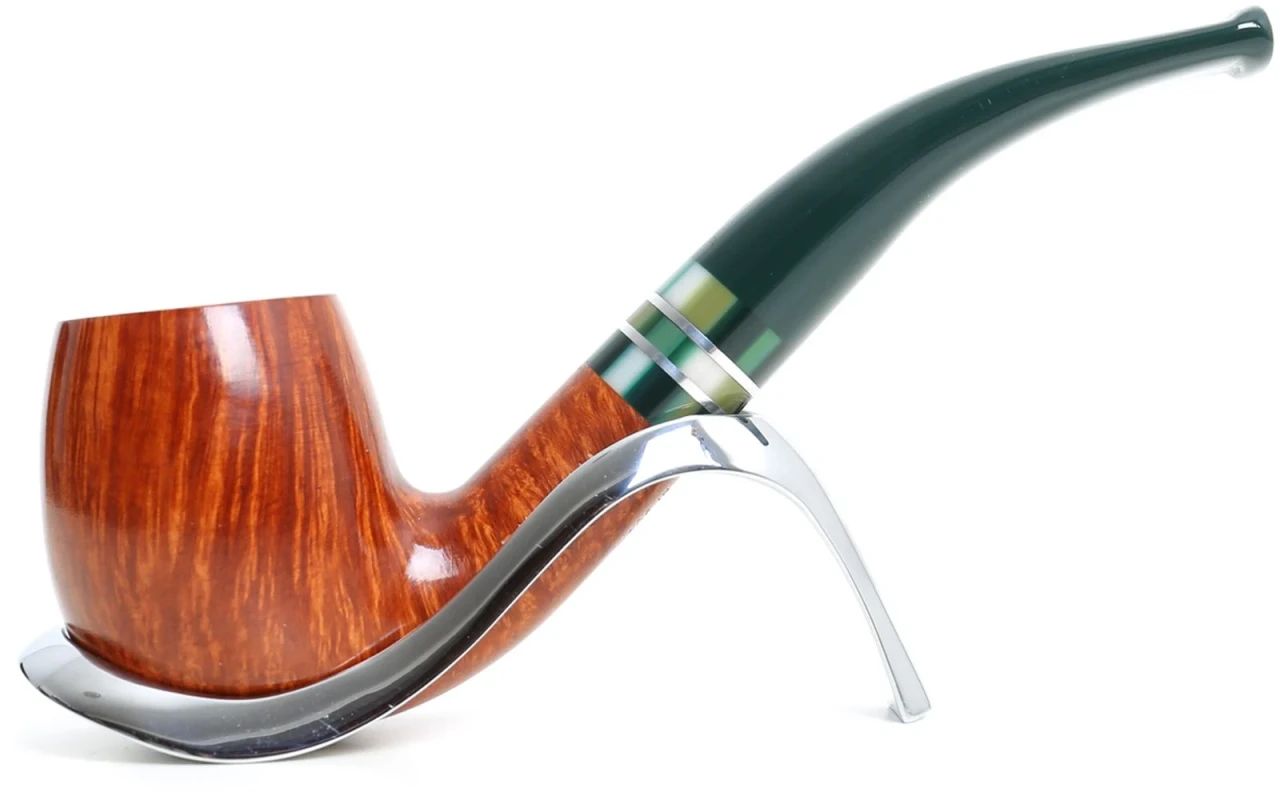
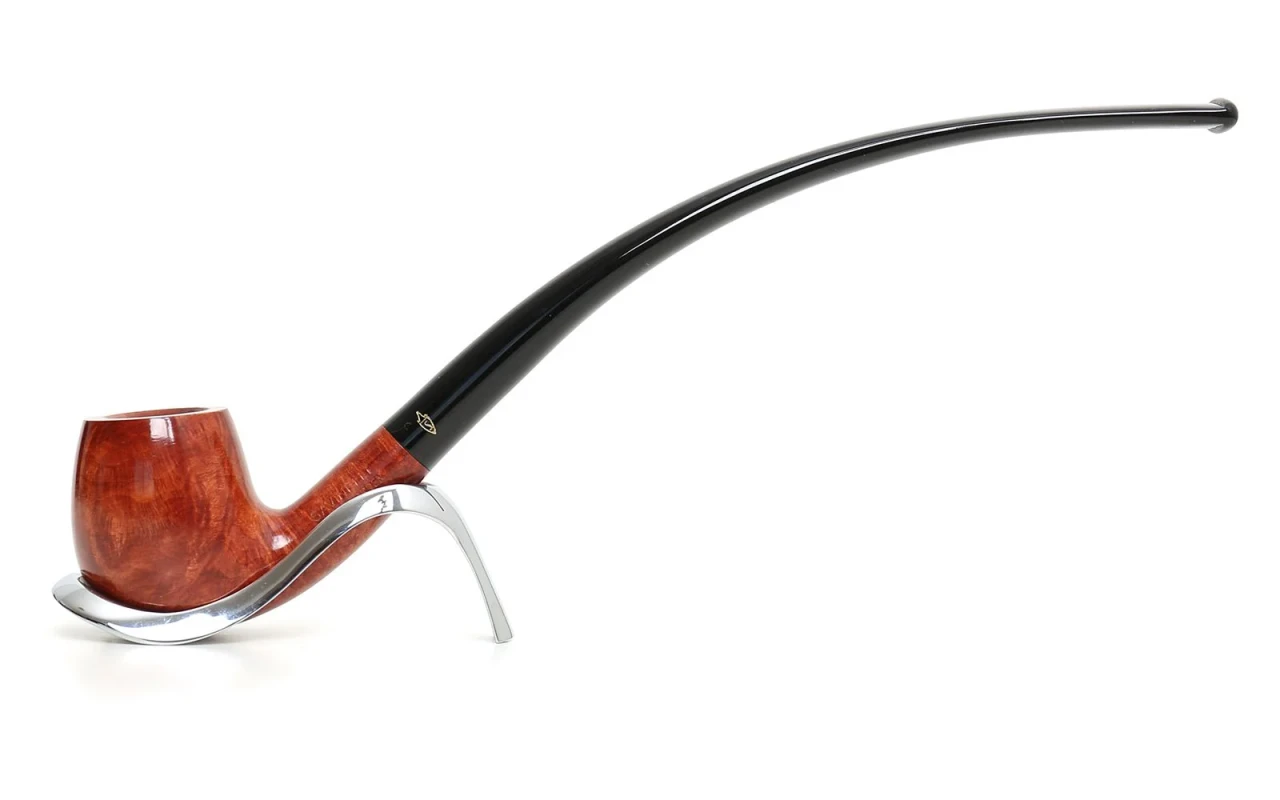
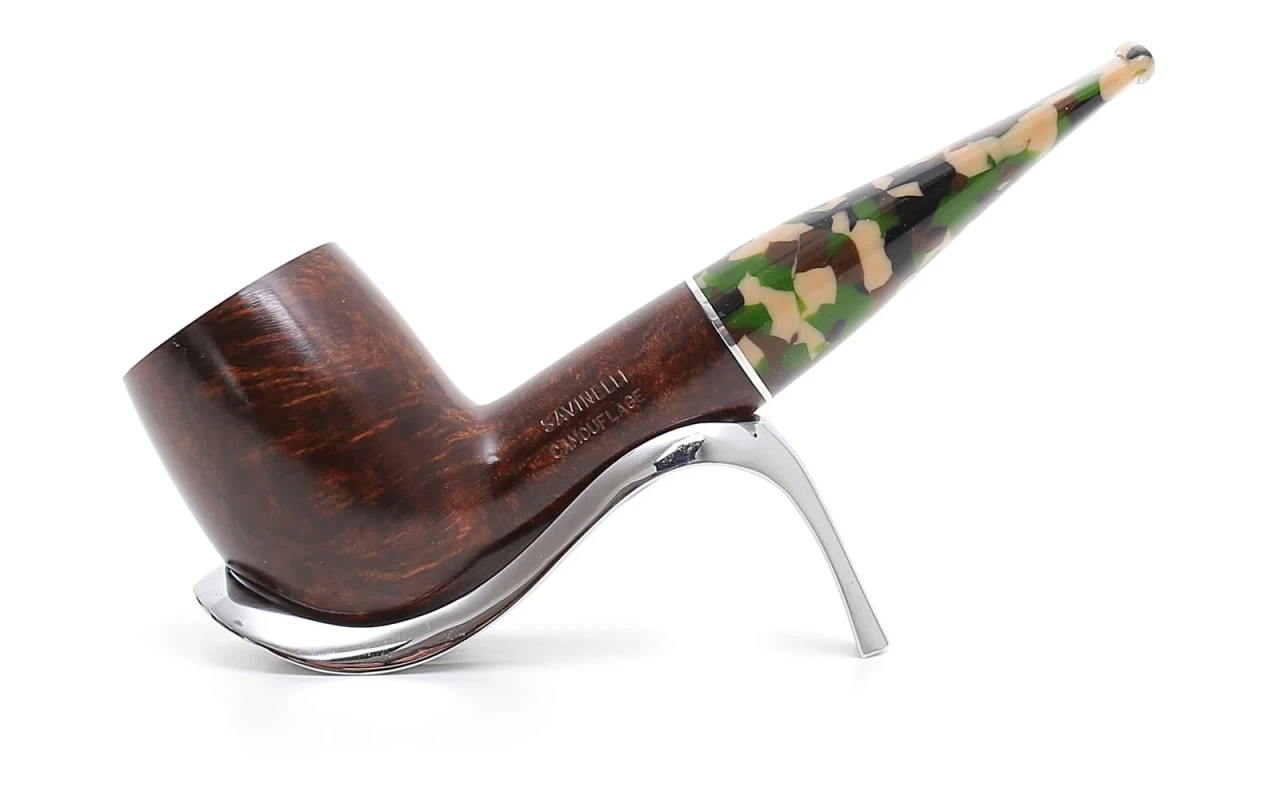
Traditional materials for smoking pipe production
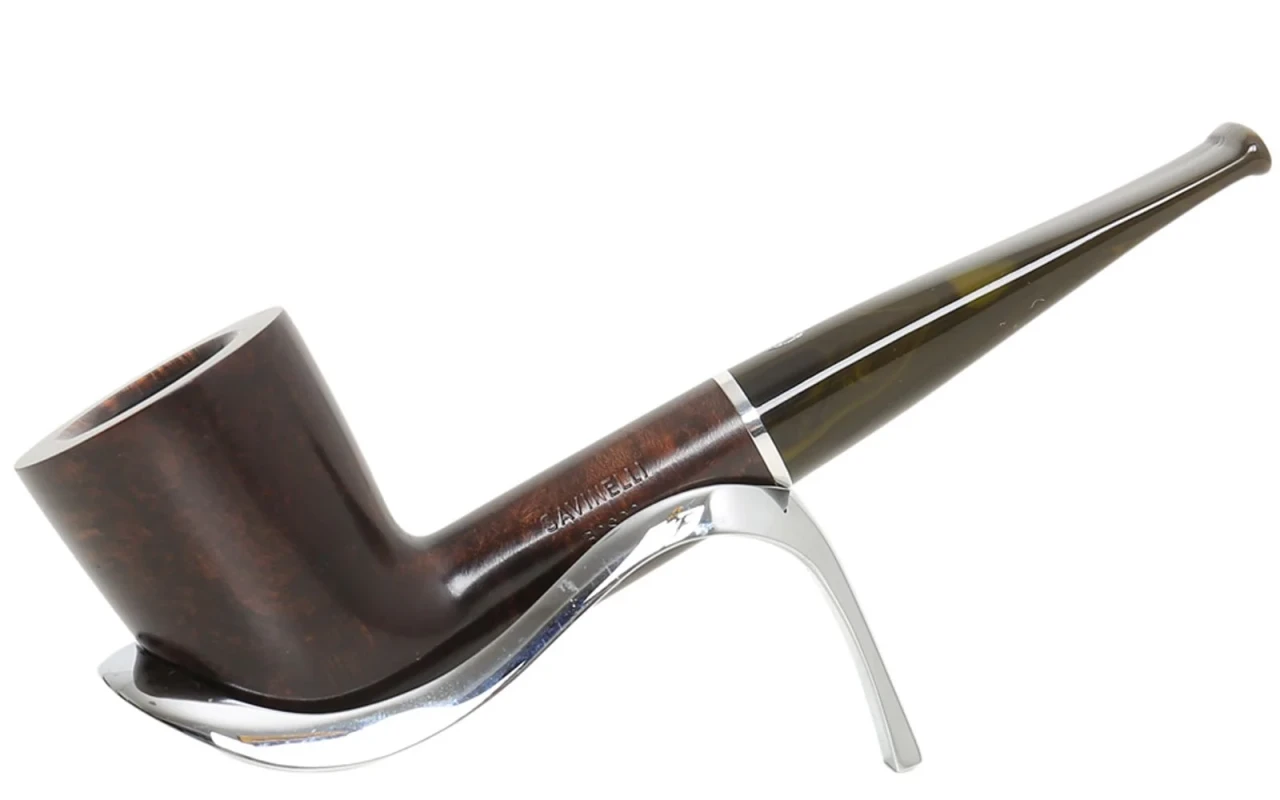
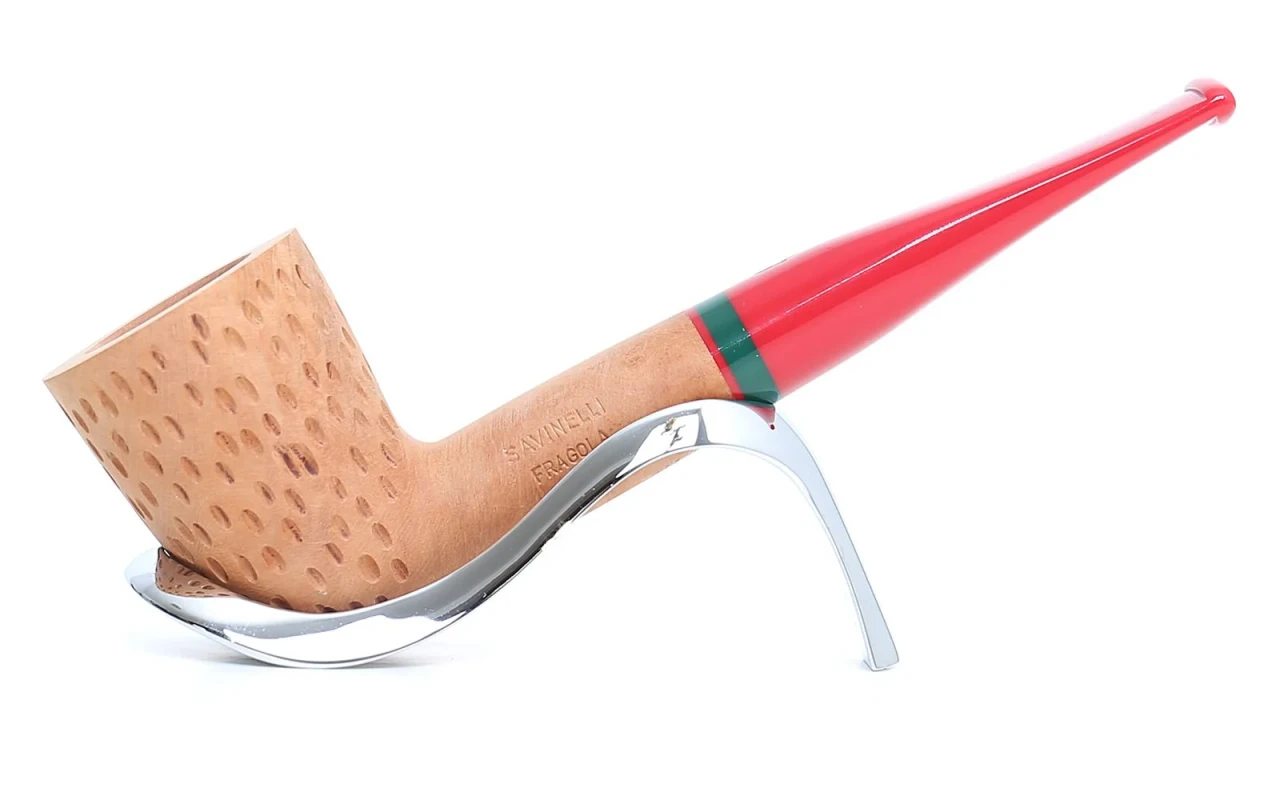
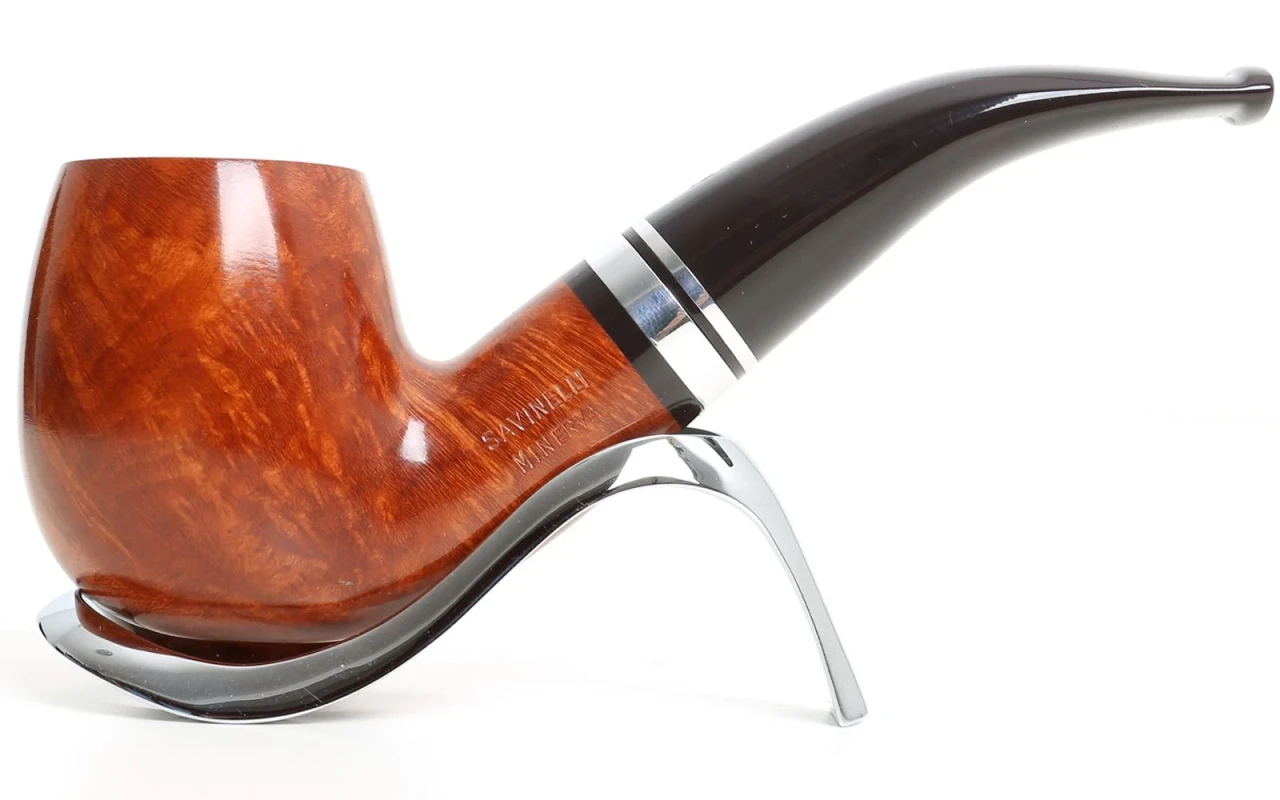
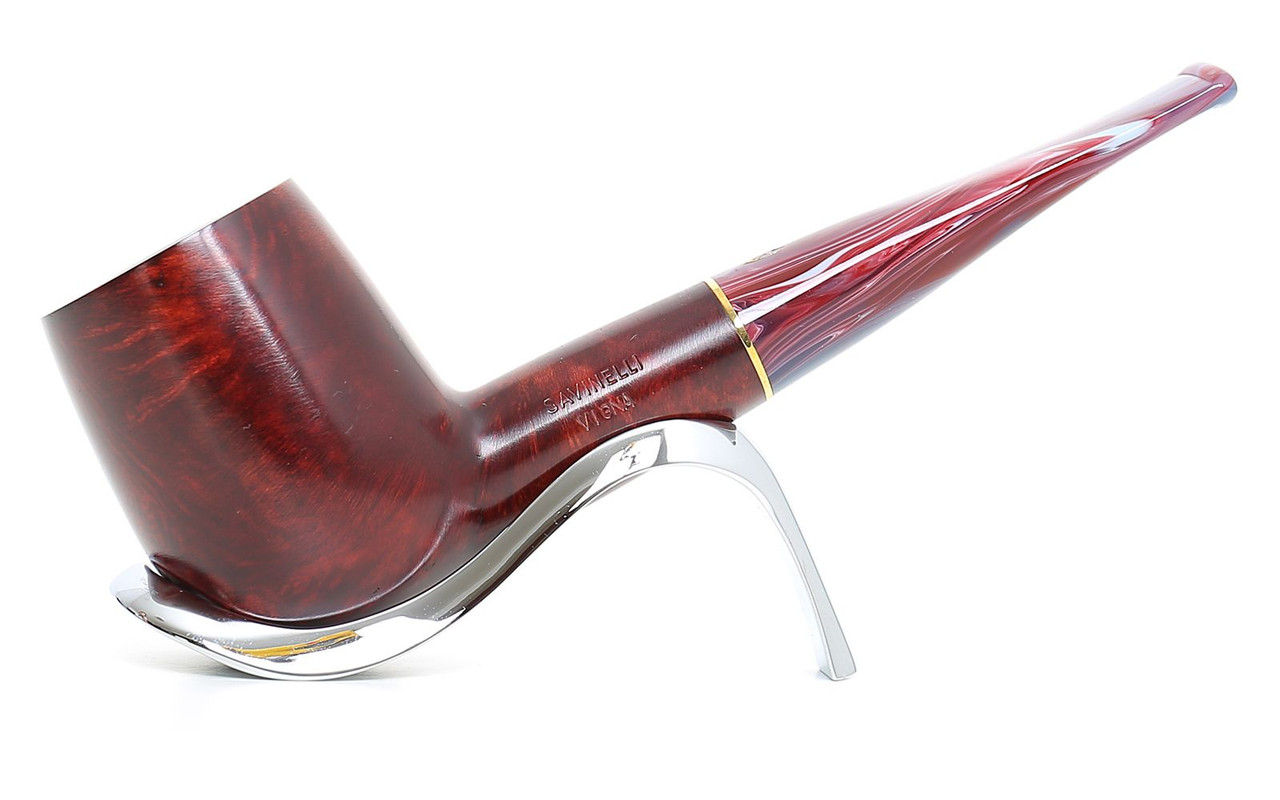
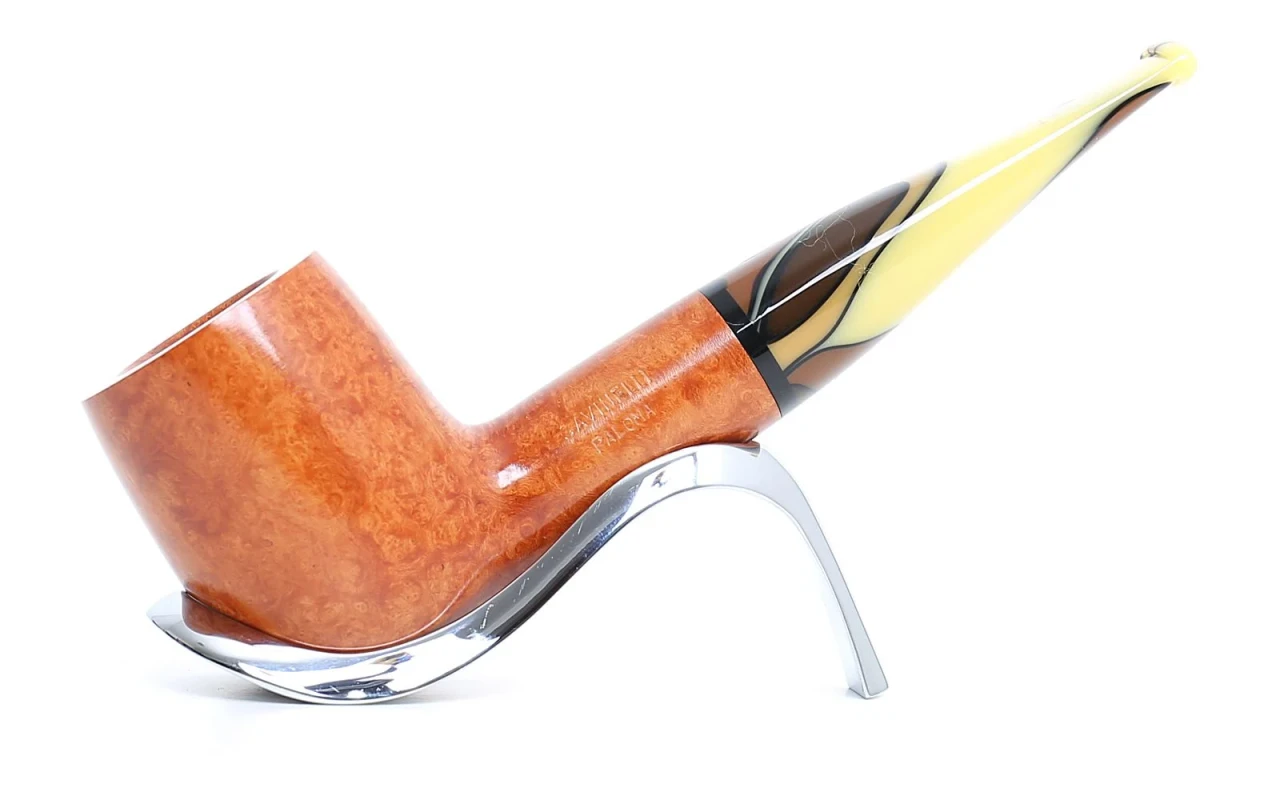
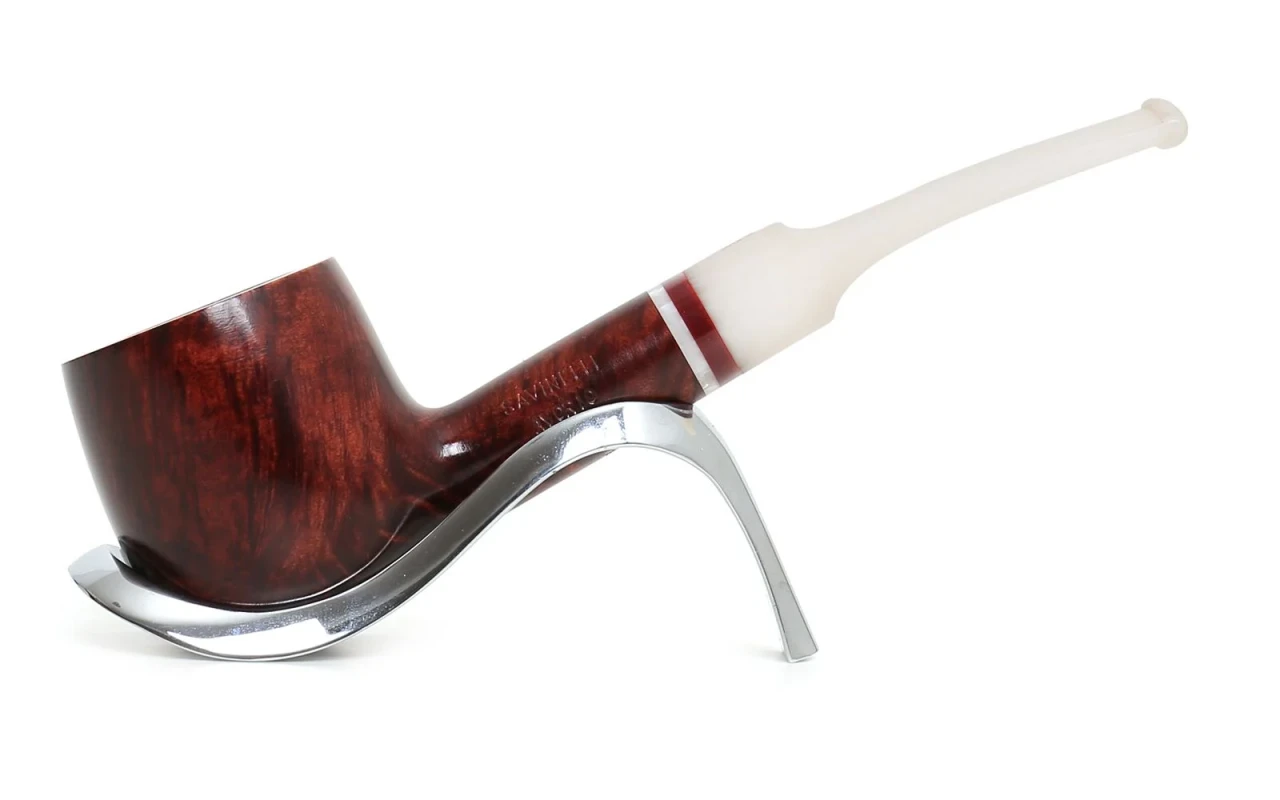
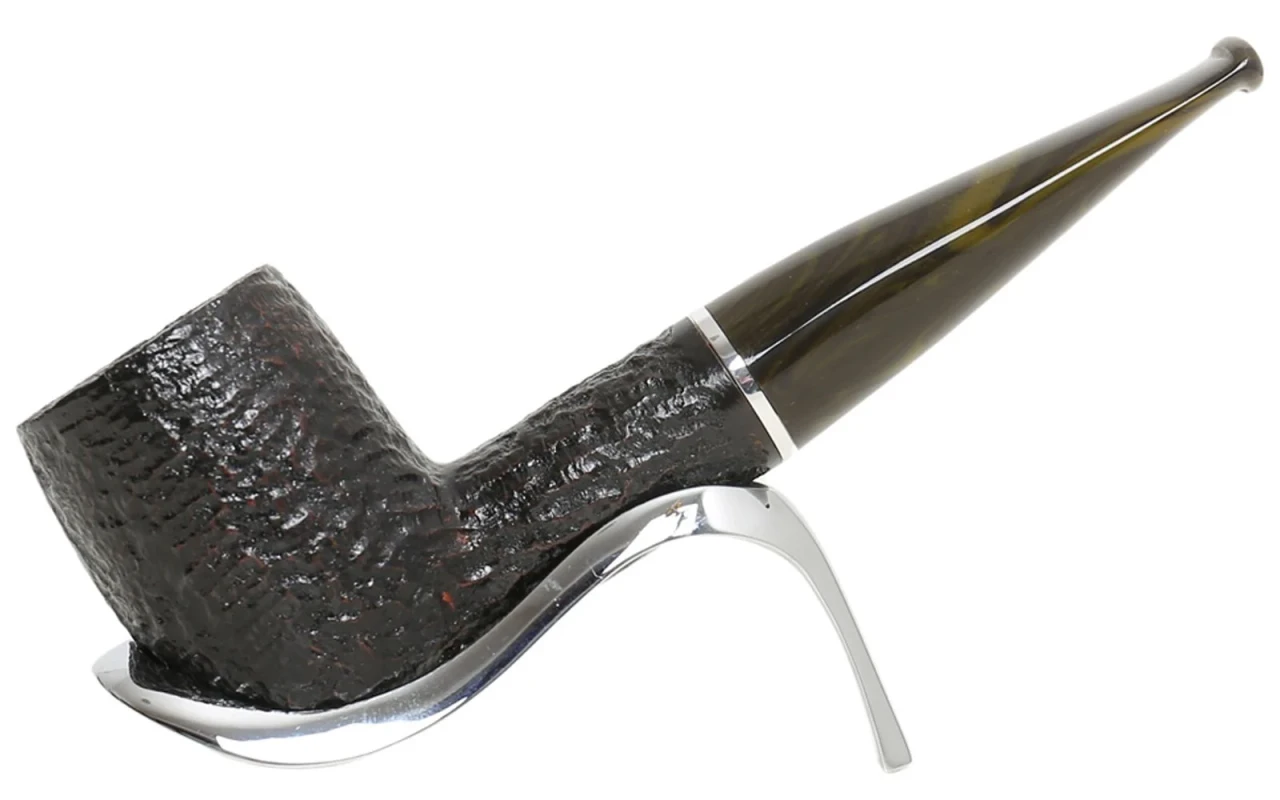
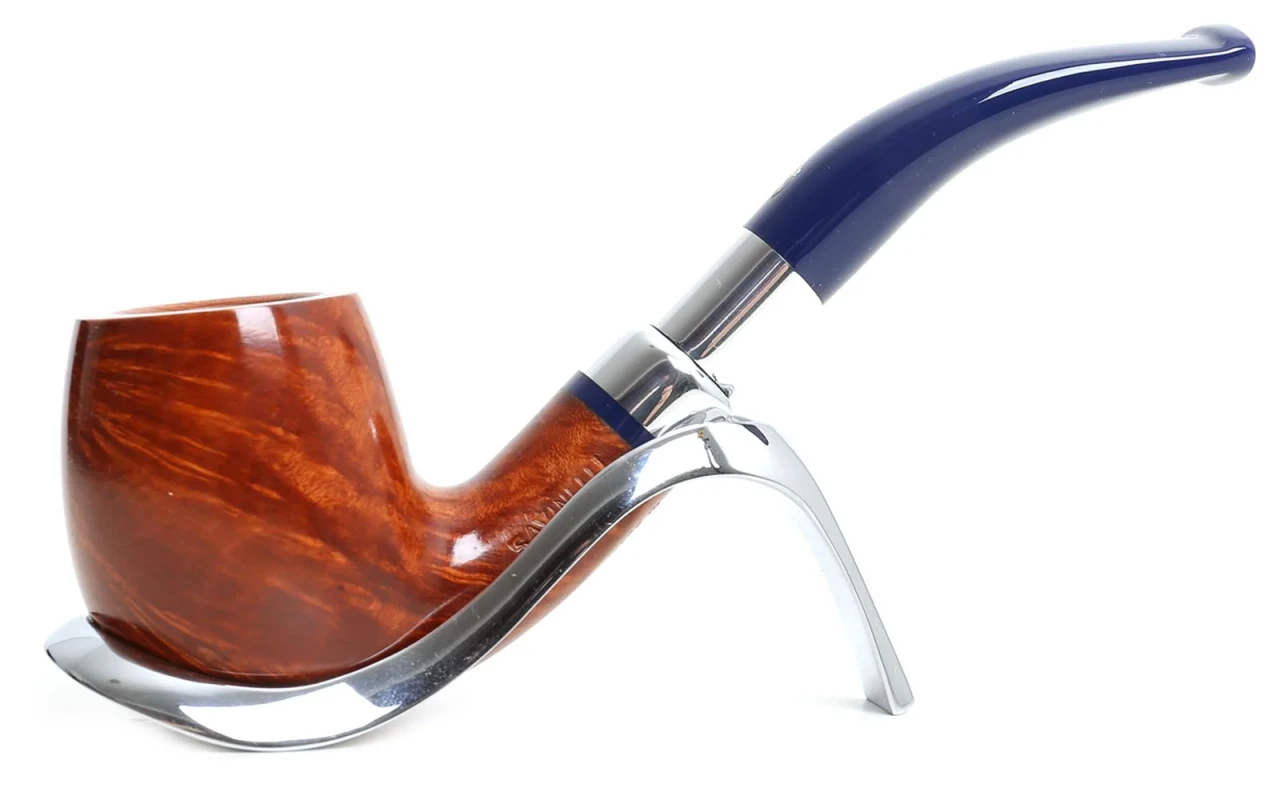
The traditional materials used for the production of smoking pipes include:- Heather root: hard and heat-resistant wood, commonly used for high-quality pipes.- Walnut root: wood suitable for lightweight and durable pipes.- Oak root: sturdy and resistant wood, often used for rustic pipes.- Clay: a traditional material for smoking pipes, known for preserving the tobacco flavor.- Corn cob: used for affordable and lightweight pipes, with good absorbing properties.- Meerschaum: a porous stone used for high-quality pipes that absorb tobacco oils.These materials offer a variety of options for pipe smoking enthusiasts, each with unique characteristics appreciated in the artisanal production of pipes.
Best Materials for Smoking Pipes
The best material for a smoking pipe is briar, a hard and durable wood, renowned for its moisture absorption and heat resistance characteristics. Briar pipes offer a superior smoking experience due to their ability to absorb condensation residues and ensure a purer taste. Other common materials for pipes include corn cob, meerschaum, and clay. However, briar remains the preferred choice among pipe smokers for its quality and long-lasting properties.
Types of Wood for Tobacco Pipes
There are several types of wood used in the crafting of tobacco pipes, each with unique characteristics that impact the smoking experience. Some of the most common woods include:- Briarwood: a durable wood highly appreciated for its ability to absorb moisture, ensuring a cool and dry smoke.- Cherrywood: a lightweight wood with a lively appearance, ideal for decorative pipes.- Oak: a sturdy wood resistant to heat, perfect for outdoor pipes.- Walnut: a dark wood with a pleasant aroma, often used in high-quality pipes.- Olive wood: a wood with interesting grain patterns and moisture resistance, ideal for long-lasting pipes.The choice of wood not only affects the pipe's aesthetics but also influences the flavor and overall smoking experience.
Pipe Smoking Maintenance
Maintaining smoked pipes is essential to ensure a good smoking experience and preserve the lifespan of the pipe itself. Here are some useful tips:- After each smoke, gently clean the pipe with a pipe cleaner to remove tobacco residues and moisture.- Avoid blowing into the pipe to empty it, as you could damage the bowl.- Once a month, wash the pipe with warm water and mild soap, then let it dry completely.- Regularly check the condition of the stem and the pipe itself for any cracks or signs of wear.- Always use high-quality tobaccos to prevent the formation of harmful residues inside the pipe.By following these simple guidelines, you can enjoy your favorite smoked pipes for a long time.
'%3e%3cg id='Final-Copy-2_2_' transform='translate(1275.000000, 200.000000)'%3e%3cpath class='st0' d='M7.4,12.8h6.8l3.1-11.6H7.4C4.2,1.2,1.6,3.8,1.6,7S4.2,12.8,7.4,12.8z'/%3e%3c/g%3e%3c/g%3e%3c/g%3e%3cg id='final---dec.11-2020'%3e%3cg id='_x30_208-our-toggle' transform='translate(-1275.000000, -200.000000)'%3e%3cg id='Final-Copy-2' transform='translate(1275.000000, 200.000000)'%3e%3cpath class='st1' d='M22.6,0H7.4c-3.9,0-7,3.1-7,7s3.1,7,7,7h15.2c3.9,0,7-3.1,7-7S26.4,0,22.6,0z M1.6,7c0-3.2,2.6-5.8,5.8-5.8 h9.9l-3.1,11.6H7.4C4.2,12.8,1.6,10.2,1.6,7z'/%3e%3cpath id='x' class='st2' d='M24.6,4c0.2,0.2,0.2,0.6,0,0.8l0,0L22.5,7l2.2,2.2c0.2,0.2,0.2,0.6,0,0.8c-0.2,0.2-0.6,0.2-0.8,0 l0,0l-2.2-2.2L19.5,10c-0.2,0.2-0.6,0.2-0.8,0c-0.2-0.2-0.2-0.6,0-0.8l0,0L20.8,7l-2.2-2.2c-0.2-0.2-0.2-0.6,0-0.8 c0.2-0.2,0.6-0.2,0.8,0l0,0l2.2,2.2L23.8,4C24,3.8,24.4,3.8,24.6,4z'/%3e%3cpath id='y' class='st3' d='M12.7,4.1c0.2,0.2,0.3,0.6,0.1,0.8l0,0L8.6,9.8C8.5,9.9,8.4,10,8.3,10c-0.2,0.1-0.5,0.1-0.7-0.1l0,0 L5.4,7.7c-0.2-0.2-0.2-0.6,0-0.8c0.2-0.2,0.6-0.2,0.8,0l0,0L8,8.6l3.8-4.5C12,3.9,12.4,3.9,12.7,4.1z'/%3e%3c/g%3e%3c/g%3e%3c/g%3e%3c/g%3e%3c/svg%3e) Your Privacy Choices
Your Privacy Choices 


