 ES
ES FR
FR EN
EN IT
IT DE
DE
Pipe materials for heat resistance
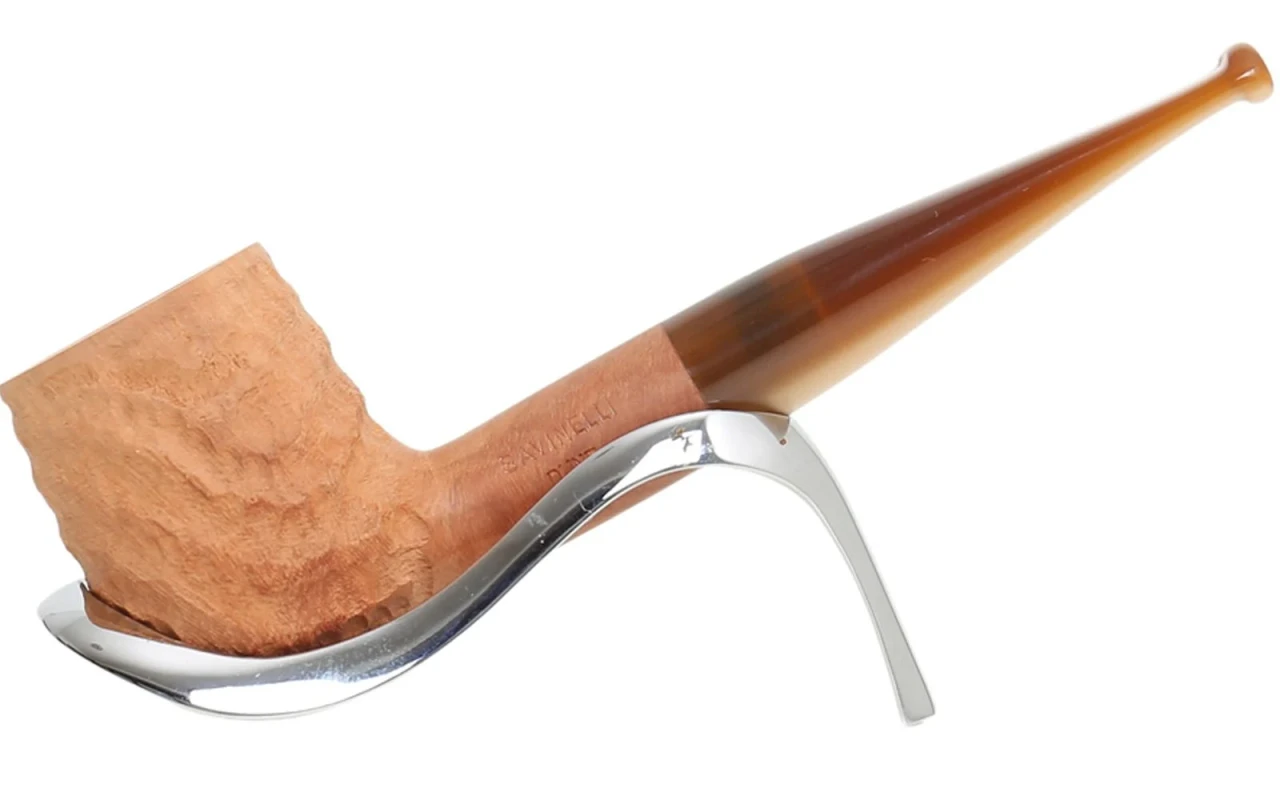
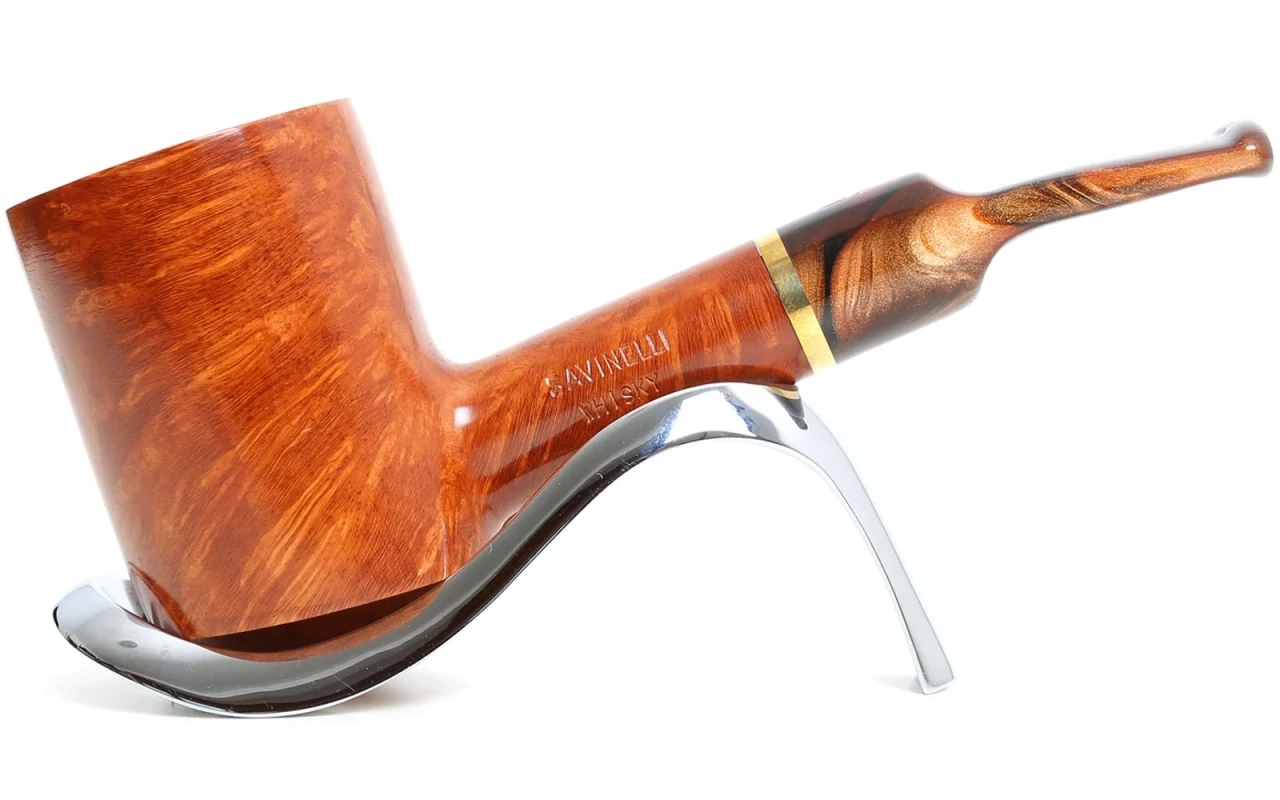
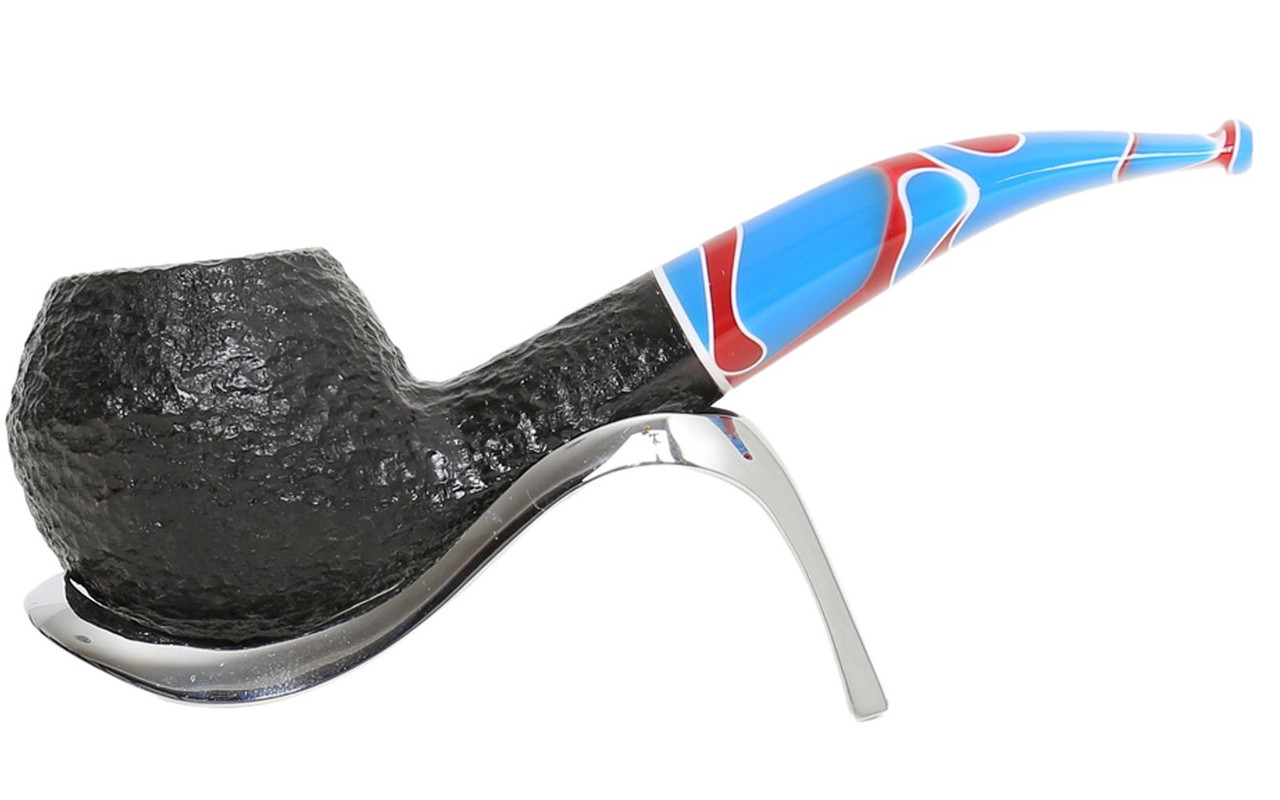
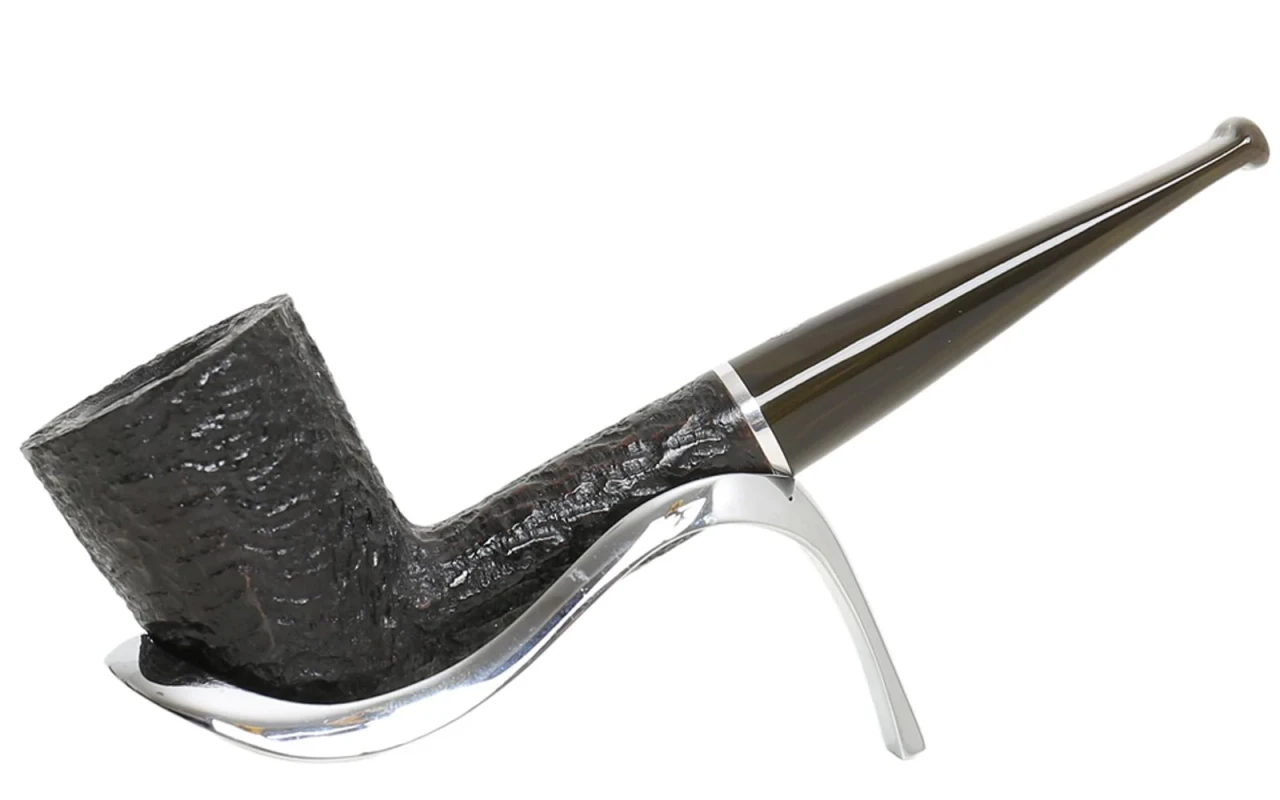
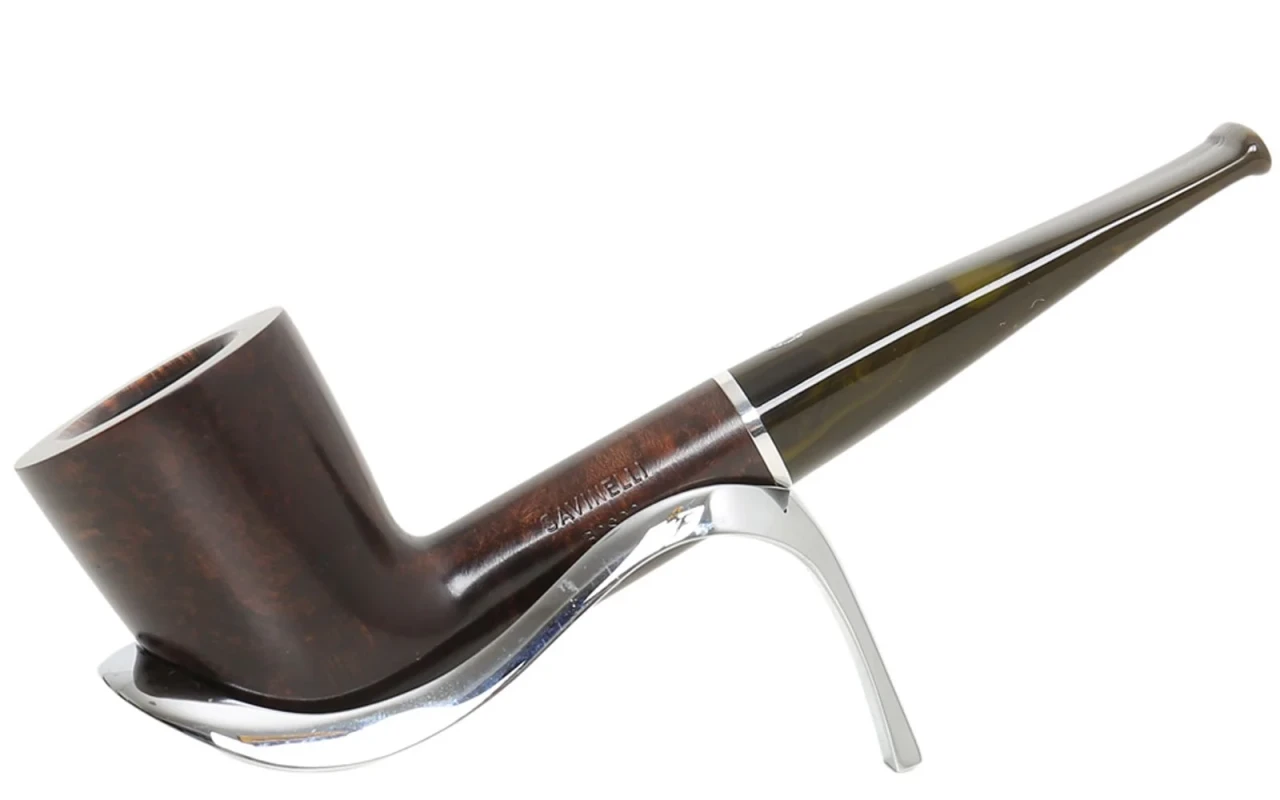
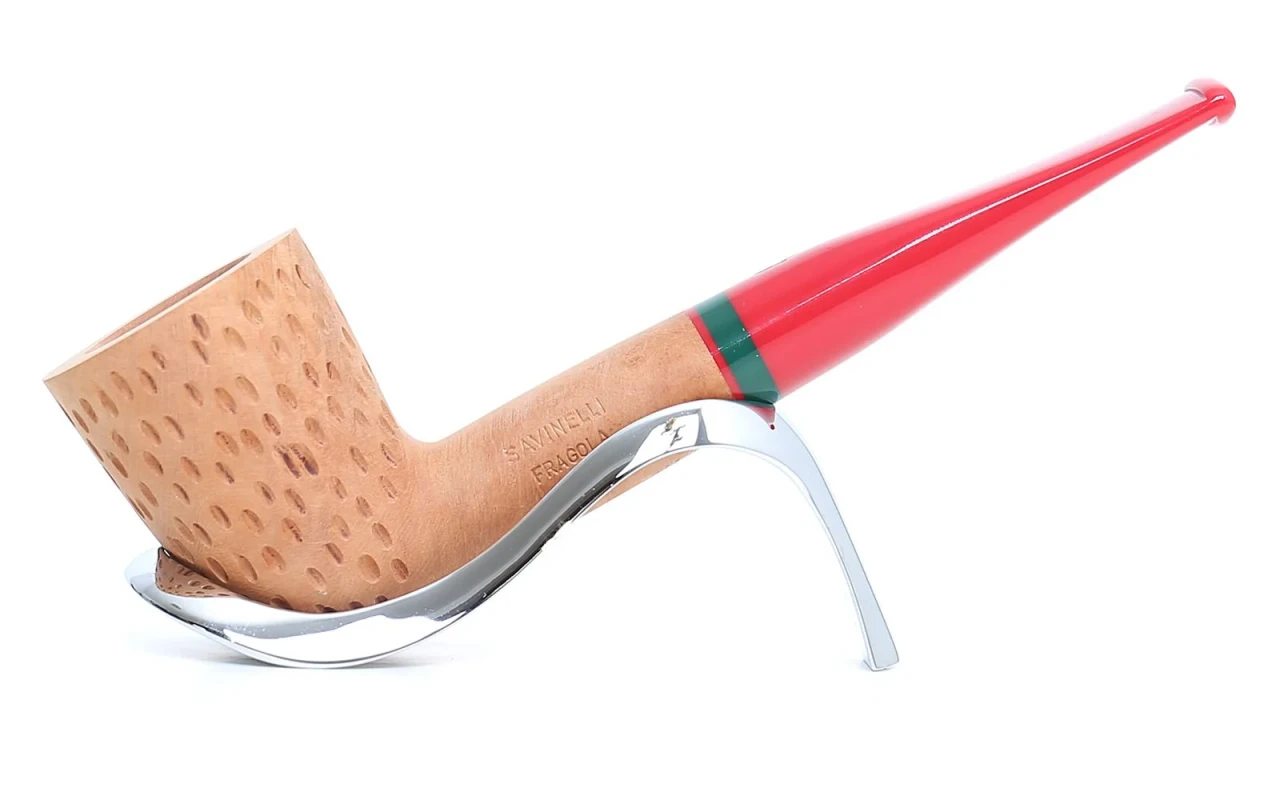
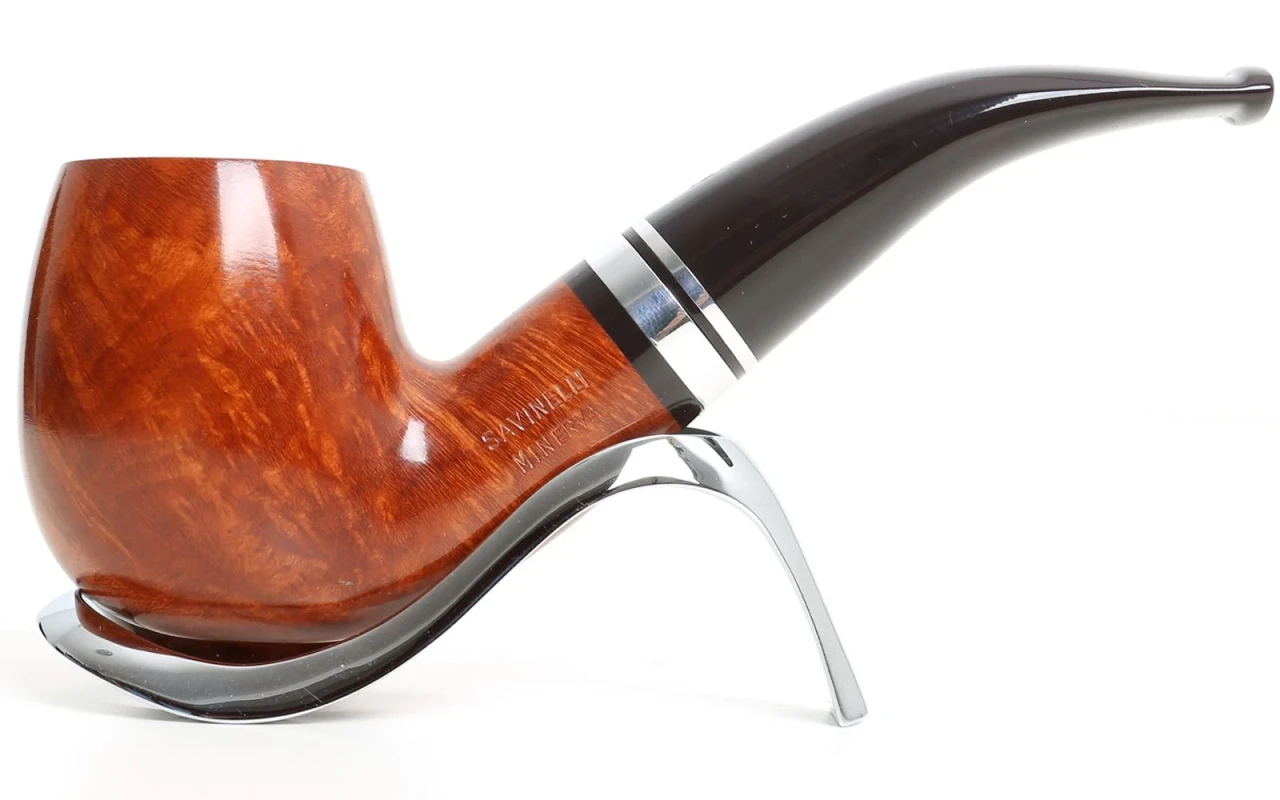
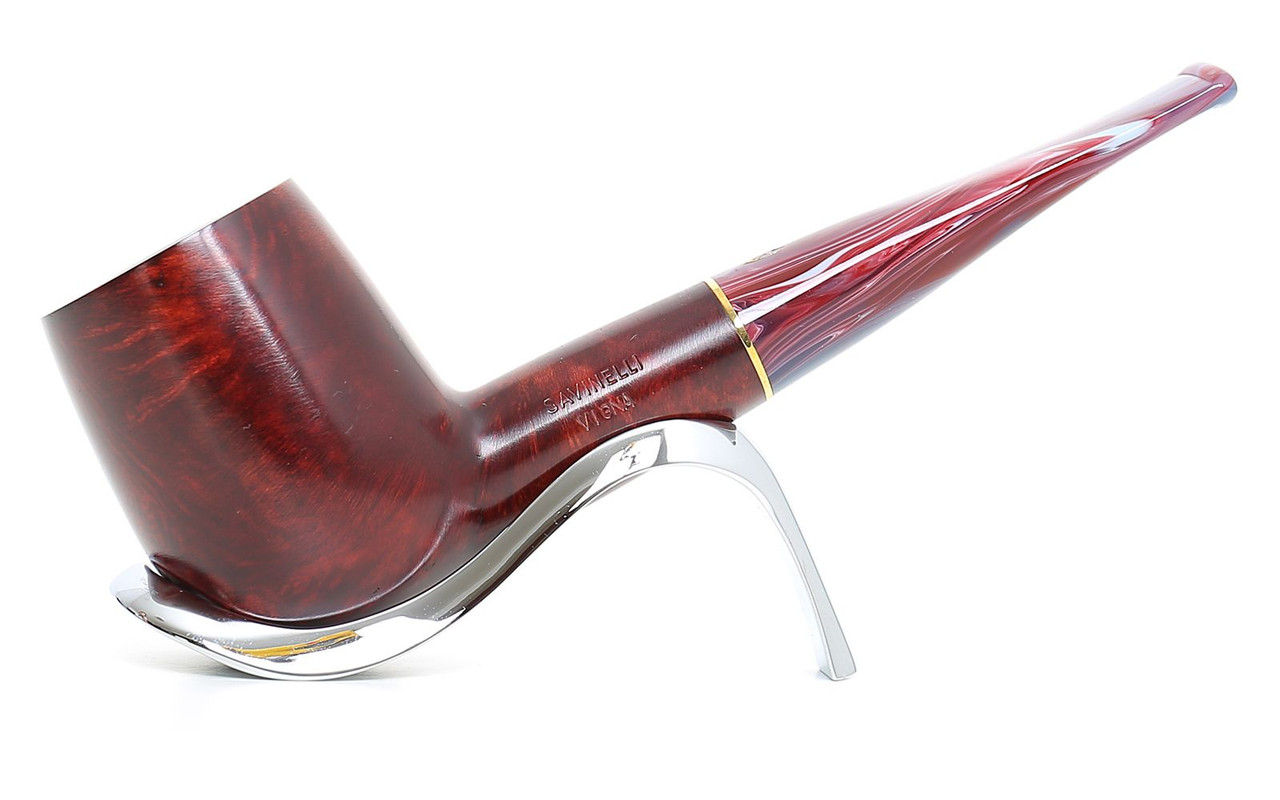
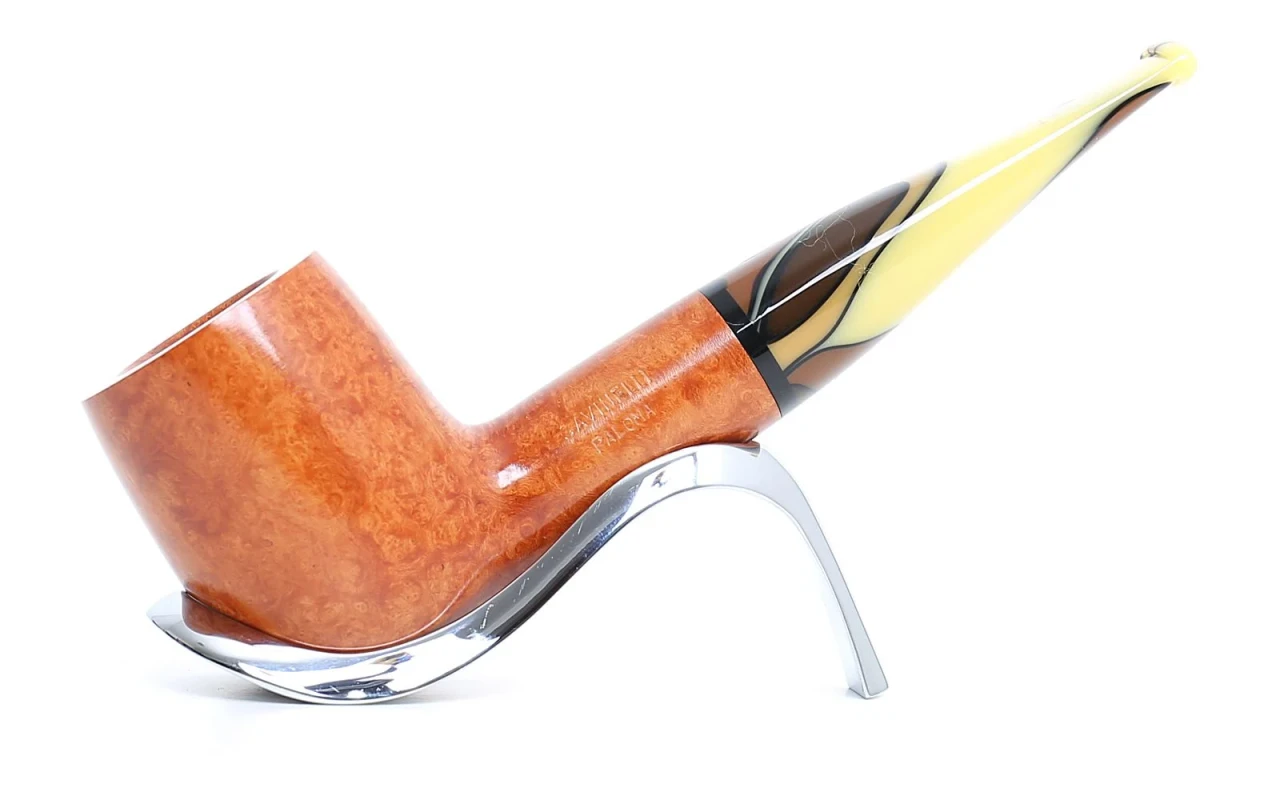
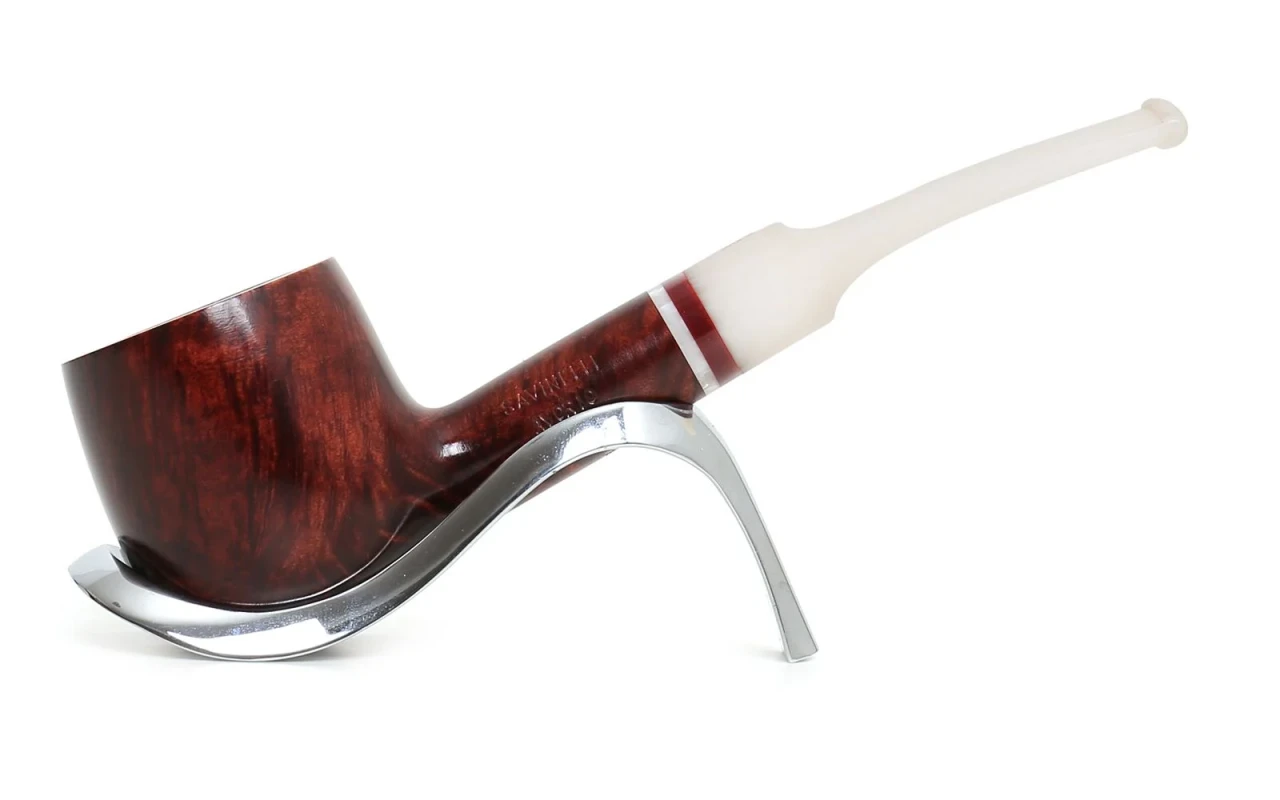
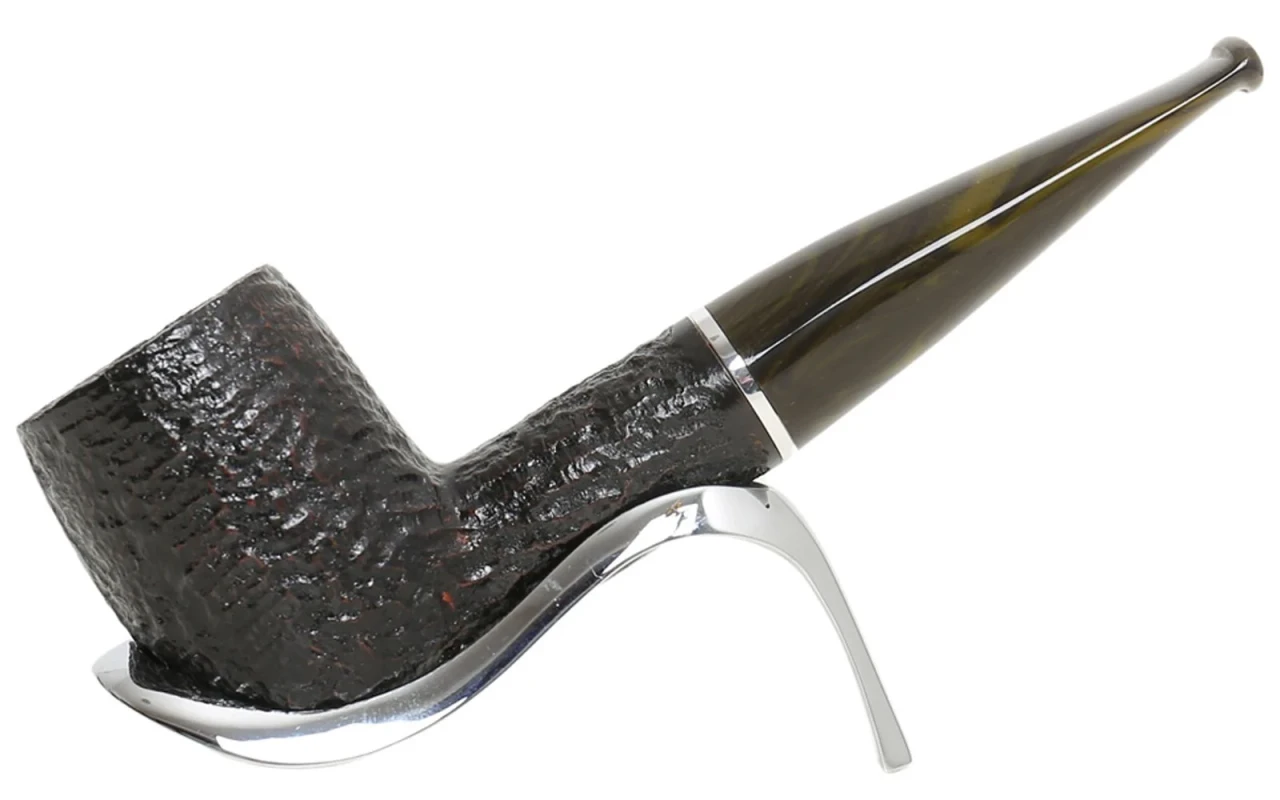
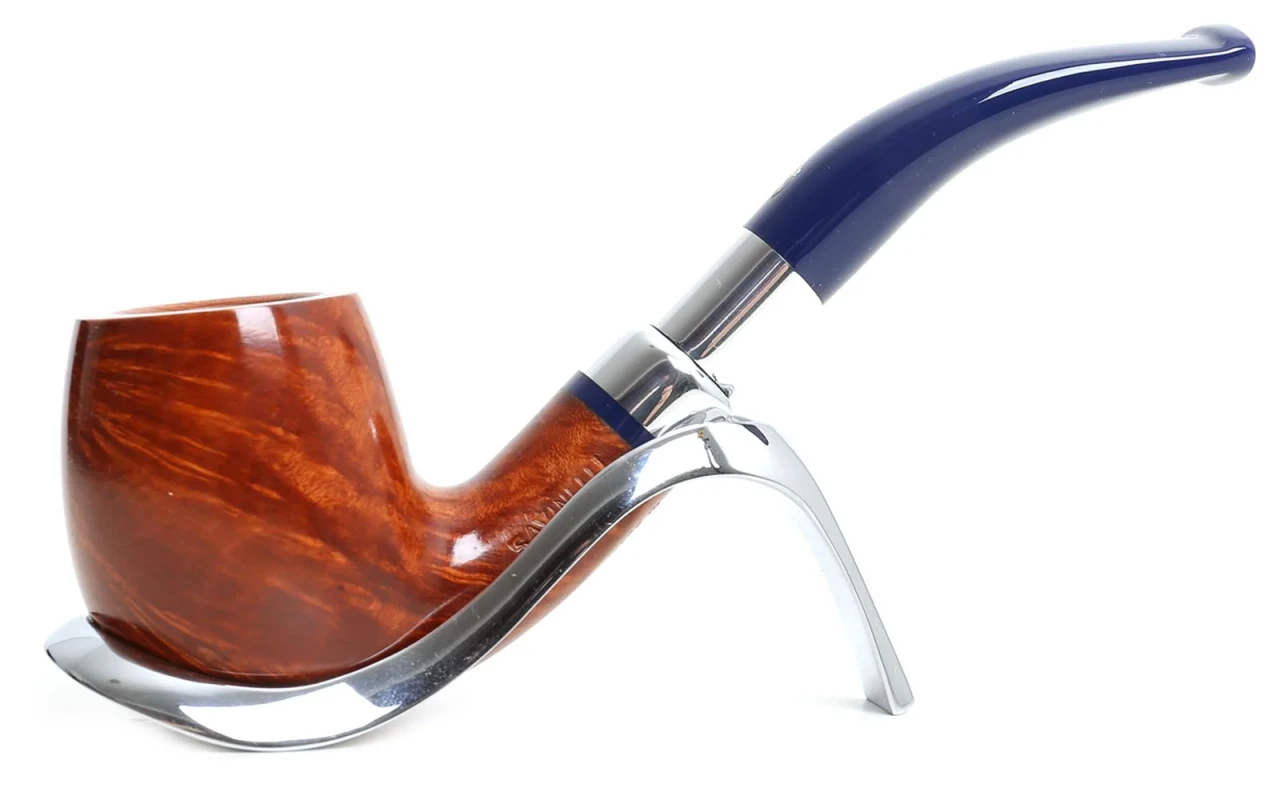
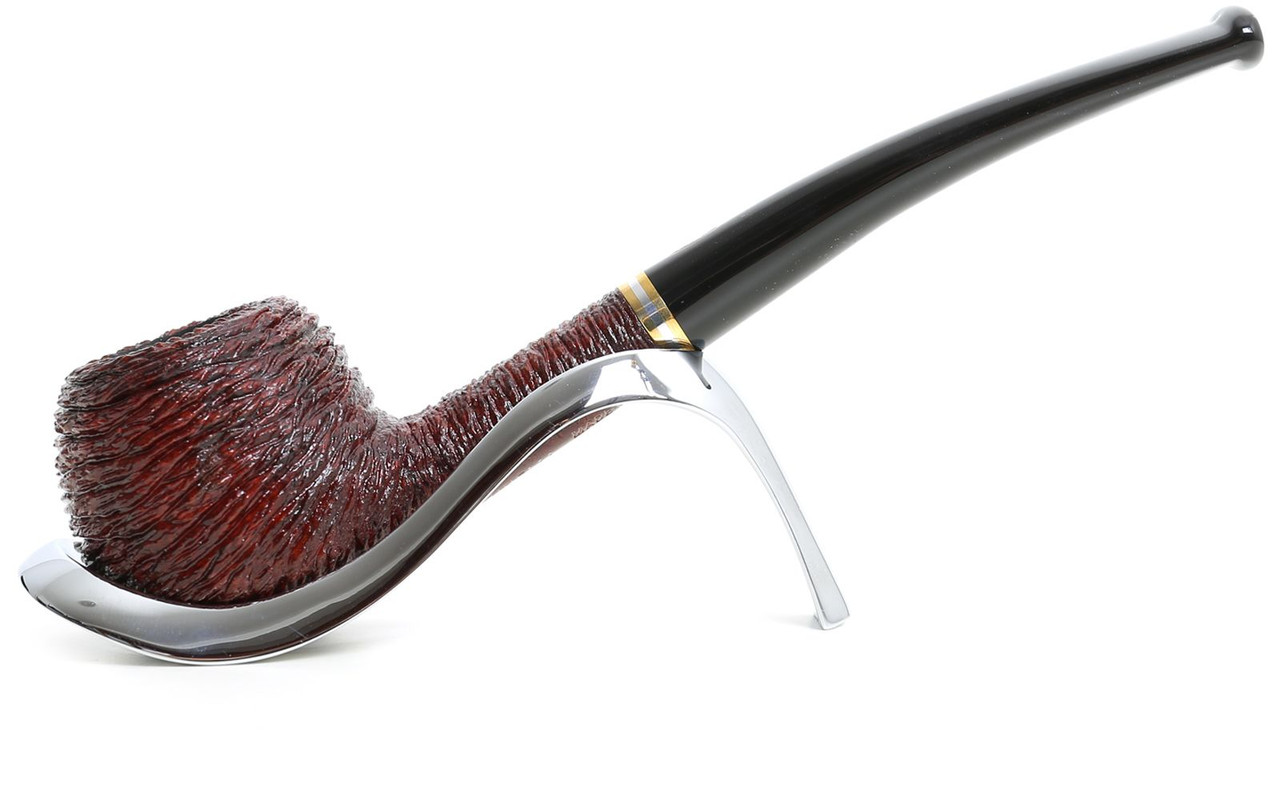
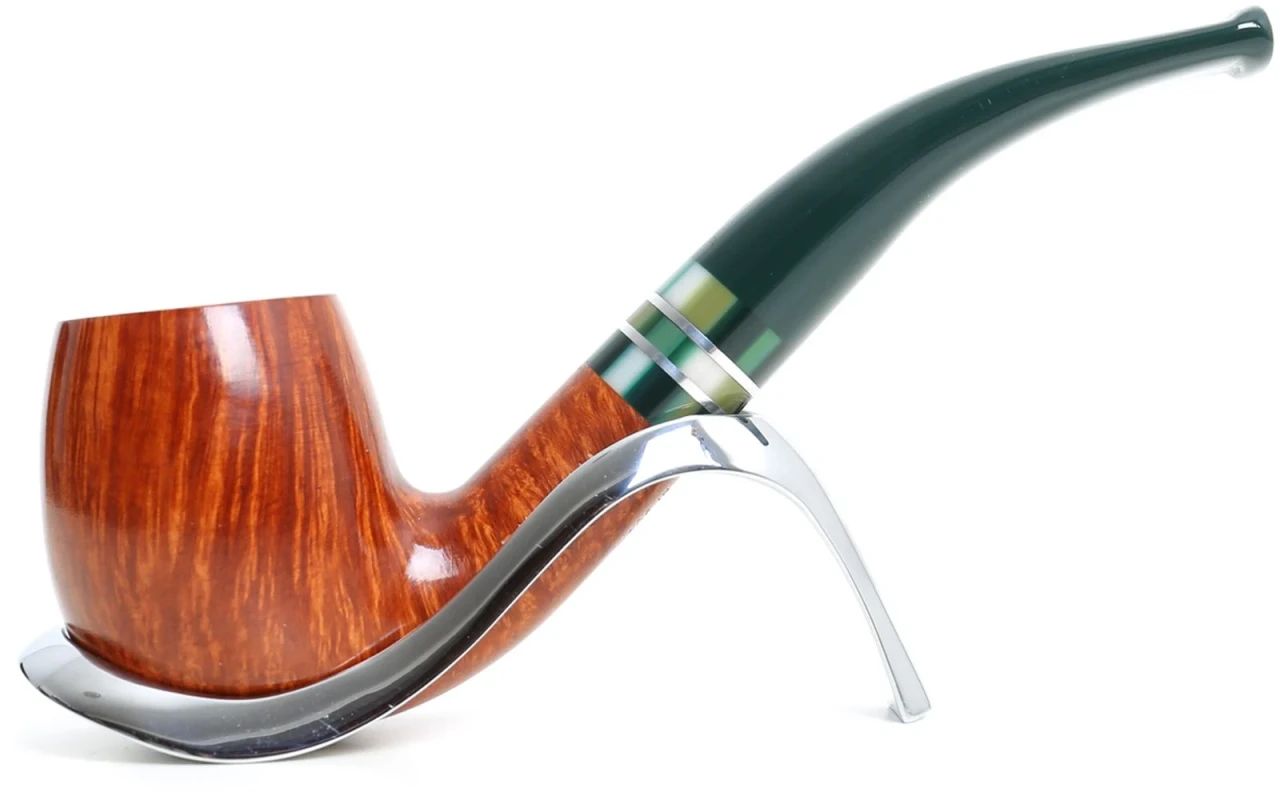
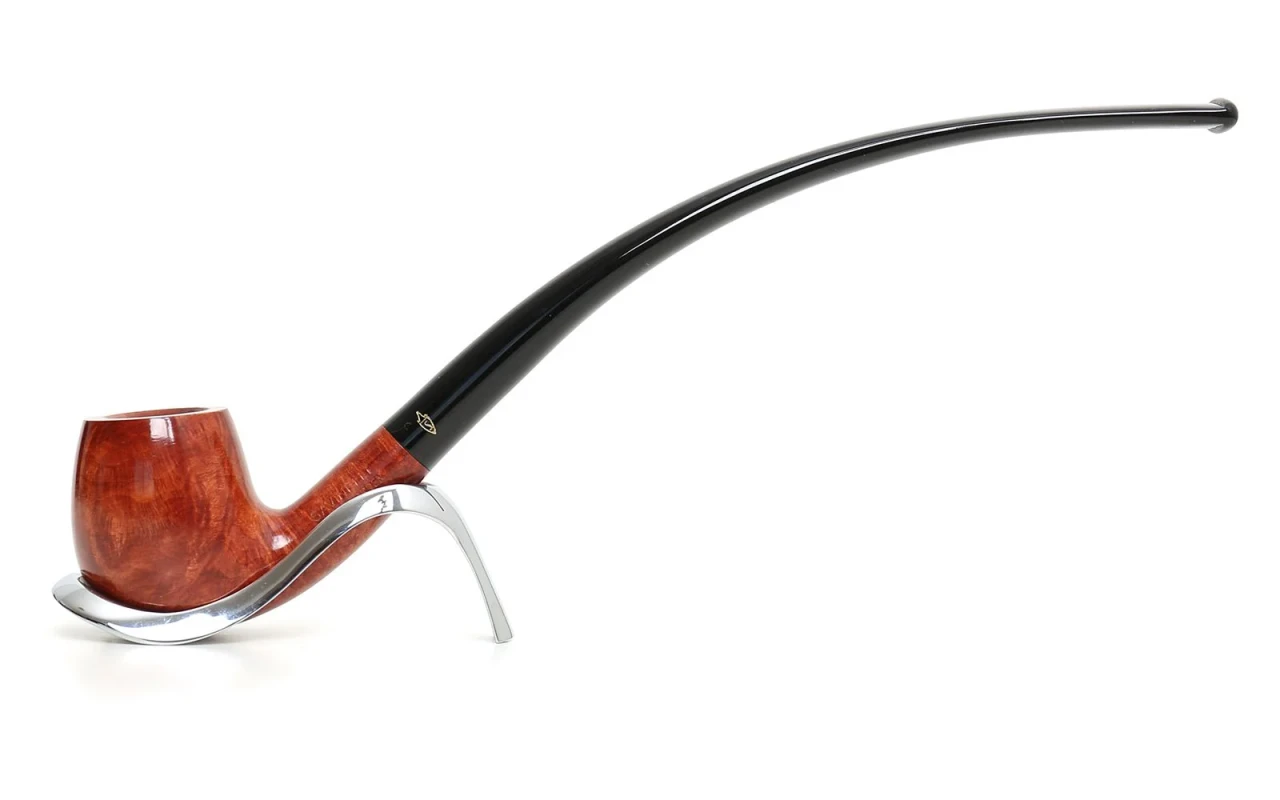
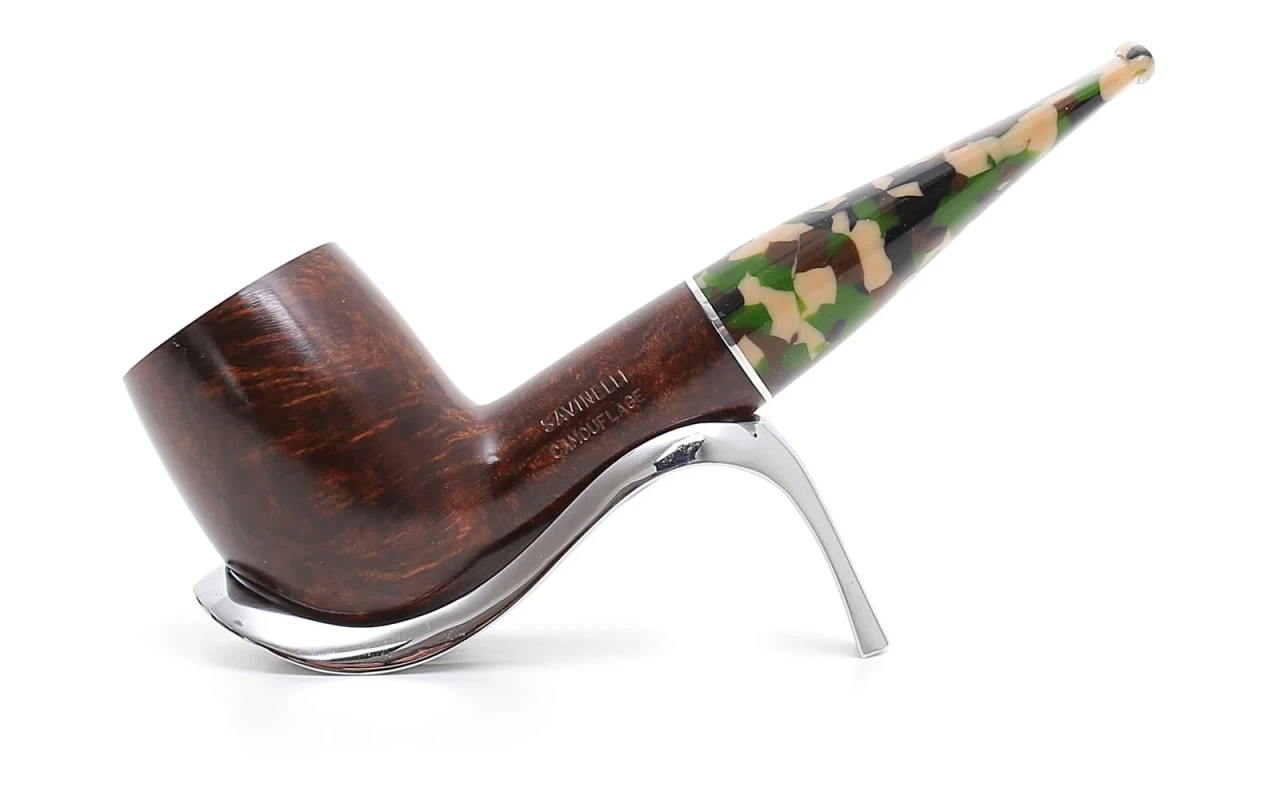
Pipe materials for heat resistance
Pipes can be made from different materials to ensure heat resistance and a better smoking experience. Among the most common materials used for pipes are:- Heather root: lightweight and heat resistant, it provides good heat dissipation during smoking.- Corn cob: lightweight and inexpensive, it has excellent thermal insulation properties.- Briar: hard wood from the root of the briar plant, particularly heat and combustion resistant.- Meerschaum: porous stone that absorbs smoke and keeps the outer surface of the pipe cool.- Clay: a traditional material for pipes, offering excellent heat resistance and potentially enhancing the tobacco flavor.
Materials for Pipe Smokers
The materials used for pipe making vary to meet individual preferences. The most common ones include:- Wood: traditional and provides a natural aroma during smoking.- Corn Cob: lightweight, inexpensive, and excellent moisture absorption properties.- Clay: ensures a pure and fresh taste, but requires special care.- Meerschaum: lightweight and porous, guarantees a neutral taste and colors over time.- Metal: durable and easy to clean, ideal for travel pipes.- Briar: Erica arborea wood, highly valued for its durability and heat-absorbing capability.Choose the material that best suits your smoking needs and preferences.
Best Pipe Materials
The most commonly used materials for pipe production are wood, briar, corn cob, and clay. Each material offers unique characteristics that influence the smoking experience and taste. Wood is popular for its durability and moisture-absorbing properties, while briar is valued for its heat resistance. Corn cob pipes are lightweight and affordable, making them ideal for beginners. Clay pipes are appreciated for their ability to preserve the tobacco's flavor unaltered. The choice of material depends on personal preferences and the smoker's experience.
Heat-resistant pipe materials
Heat-resistant pipes are made with materials specifically designed to withstand high temperatures generated during use. The most common materials used for heat-resistant pipes include:- Briar wood: known for its thermal resistance and ability to reduce heat transmission to the outside.- Acrylic: a transparent and heat-resistant material, ideal for designer pipes.- Clay: clay pipes are renowned for their ability to absorb heat, ensuring a cooler smoke.- Anodized aluminum: lightweight and heat-resistant, perfect for portable pipes.These materials ensure a more pleasant smoking experience and protect the smoker from the high temperatures of tobacco combustion.
'%3e%3cg id='Final-Copy-2_2_' transform='translate(1275.000000, 200.000000)'%3e%3cpath class='st0' d='M7.4,12.8h6.8l3.1-11.6H7.4C4.2,1.2,1.6,3.8,1.6,7S4.2,12.8,7.4,12.8z'/%3e%3c/g%3e%3c/g%3e%3c/g%3e%3cg id='final---dec.11-2020'%3e%3cg id='_x30_208-our-toggle' transform='translate(-1275.000000, -200.000000)'%3e%3cg id='Final-Copy-2' transform='translate(1275.000000, 200.000000)'%3e%3cpath class='st1' d='M22.6,0H7.4c-3.9,0-7,3.1-7,7s3.1,7,7,7h15.2c3.9,0,7-3.1,7-7S26.4,0,22.6,0z M1.6,7c0-3.2,2.6-5.8,5.8-5.8 h9.9l-3.1,11.6H7.4C4.2,12.8,1.6,10.2,1.6,7z'/%3e%3cpath id='x' class='st2' d='M24.6,4c0.2,0.2,0.2,0.6,0,0.8l0,0L22.5,7l2.2,2.2c0.2,0.2,0.2,0.6,0,0.8c-0.2,0.2-0.6,0.2-0.8,0 l0,0l-2.2-2.2L19.5,10c-0.2,0.2-0.6,0.2-0.8,0c-0.2-0.2-0.2-0.6,0-0.8l0,0L20.8,7l-2.2-2.2c-0.2-0.2-0.2-0.6,0-0.8 c0.2-0.2,0.6-0.2,0.8,0l0,0l2.2,2.2L23.8,4C24,3.8,24.4,3.8,24.6,4z'/%3e%3cpath id='y' class='st3' d='M12.7,4.1c0.2,0.2,0.3,0.6,0.1,0.8l0,0L8.6,9.8C8.5,9.9,8.4,10,8.3,10c-0.2,0.1-0.5,0.1-0.7-0.1l0,0 L5.4,7.7c-0.2-0.2-0.2-0.6,0-0.8c0.2-0.2,0.6-0.2,0.8,0l0,0L8,8.6l3.8-4.5C12,3.9,12.4,3.9,12.7,4.1z'/%3e%3c/g%3e%3c/g%3e%3c/g%3e%3c/g%3e%3c/svg%3e) Your Privacy Choices
Your Privacy Choices 


