 EN
EN IT
IT
High-quality materials for pipe making
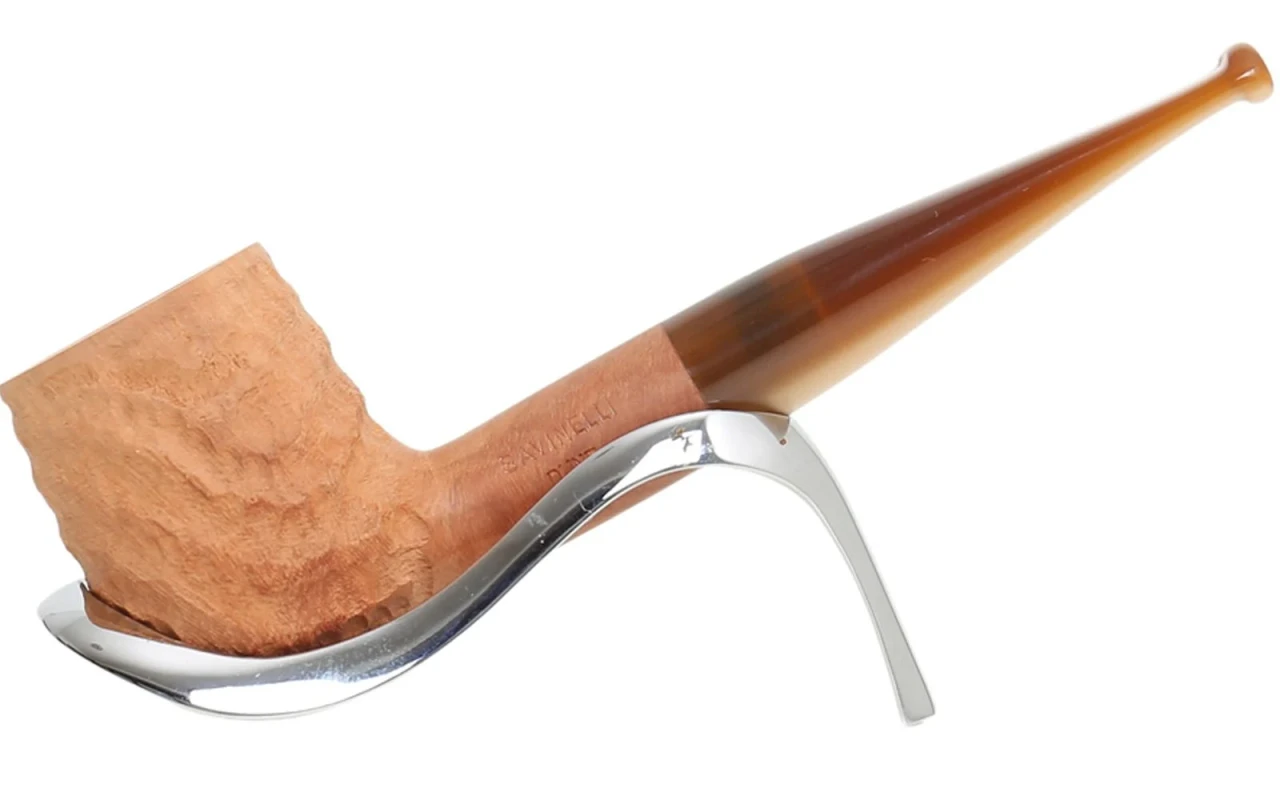
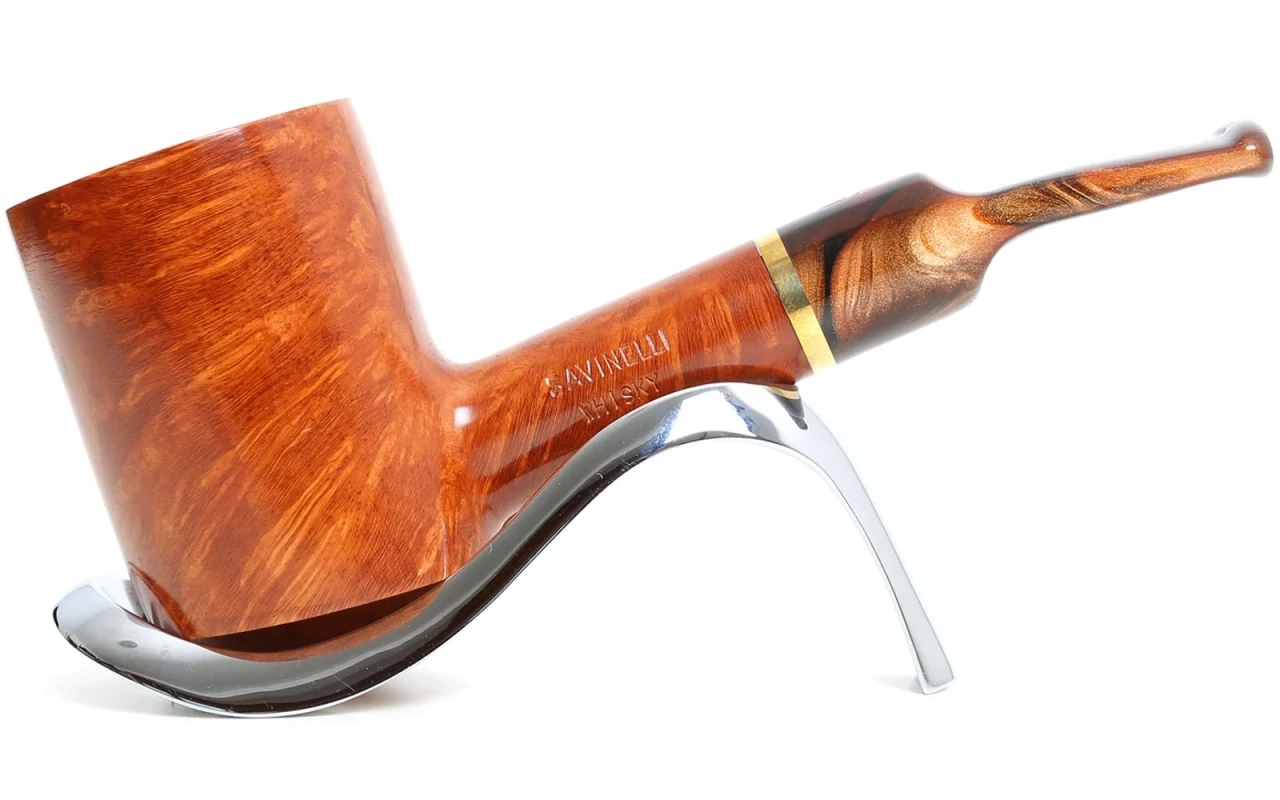
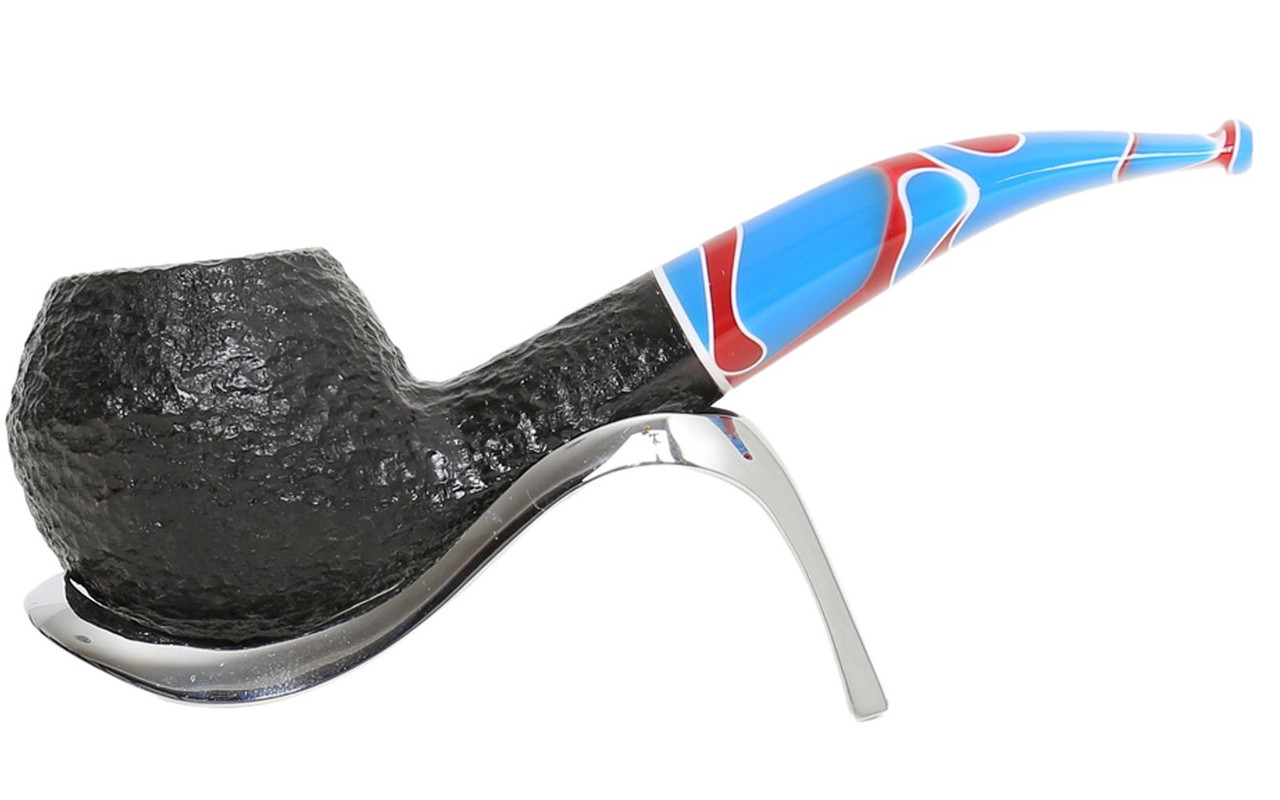
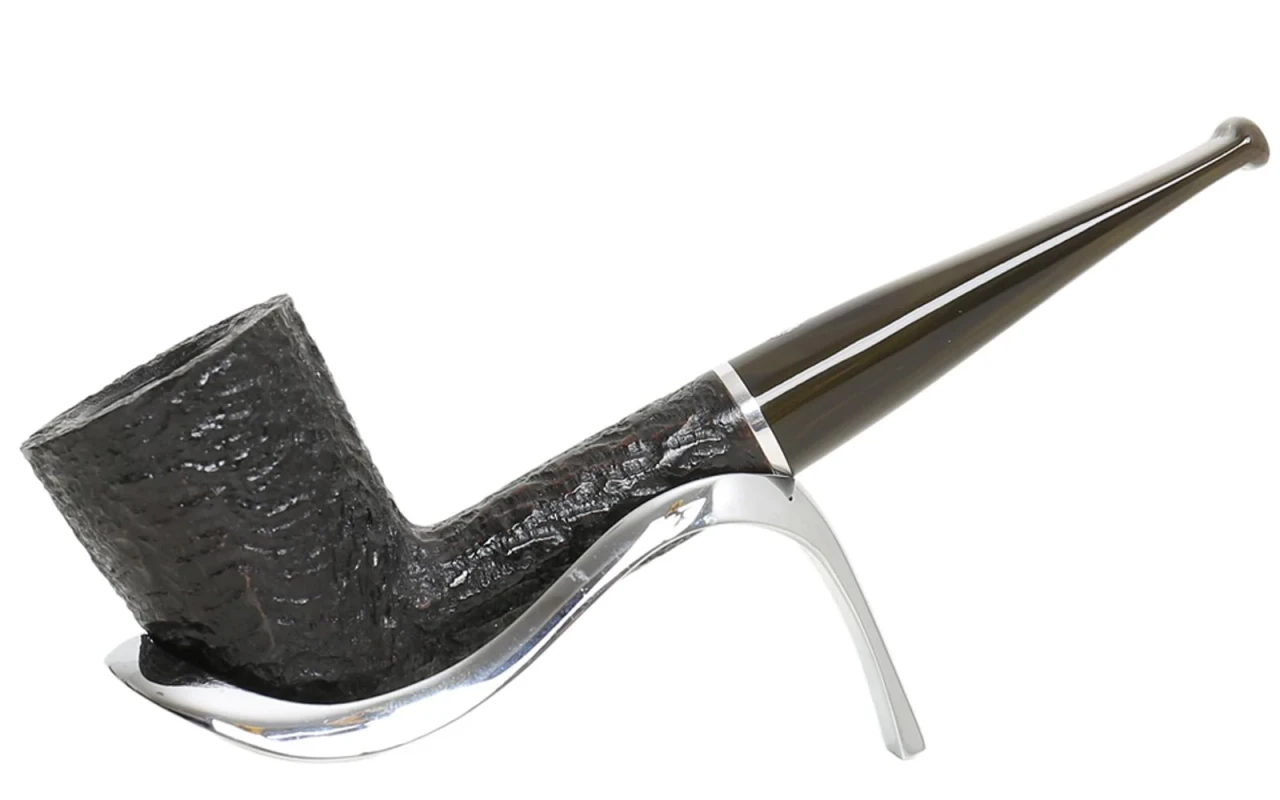
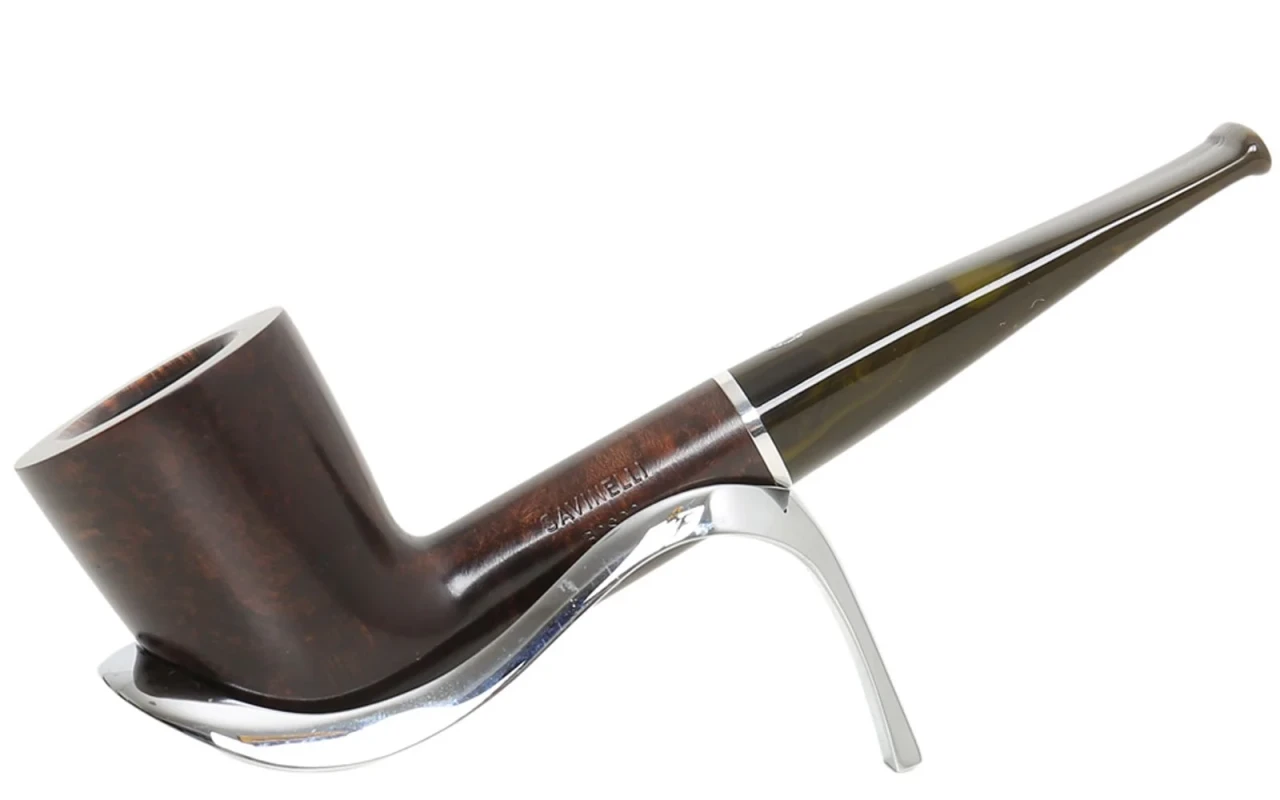
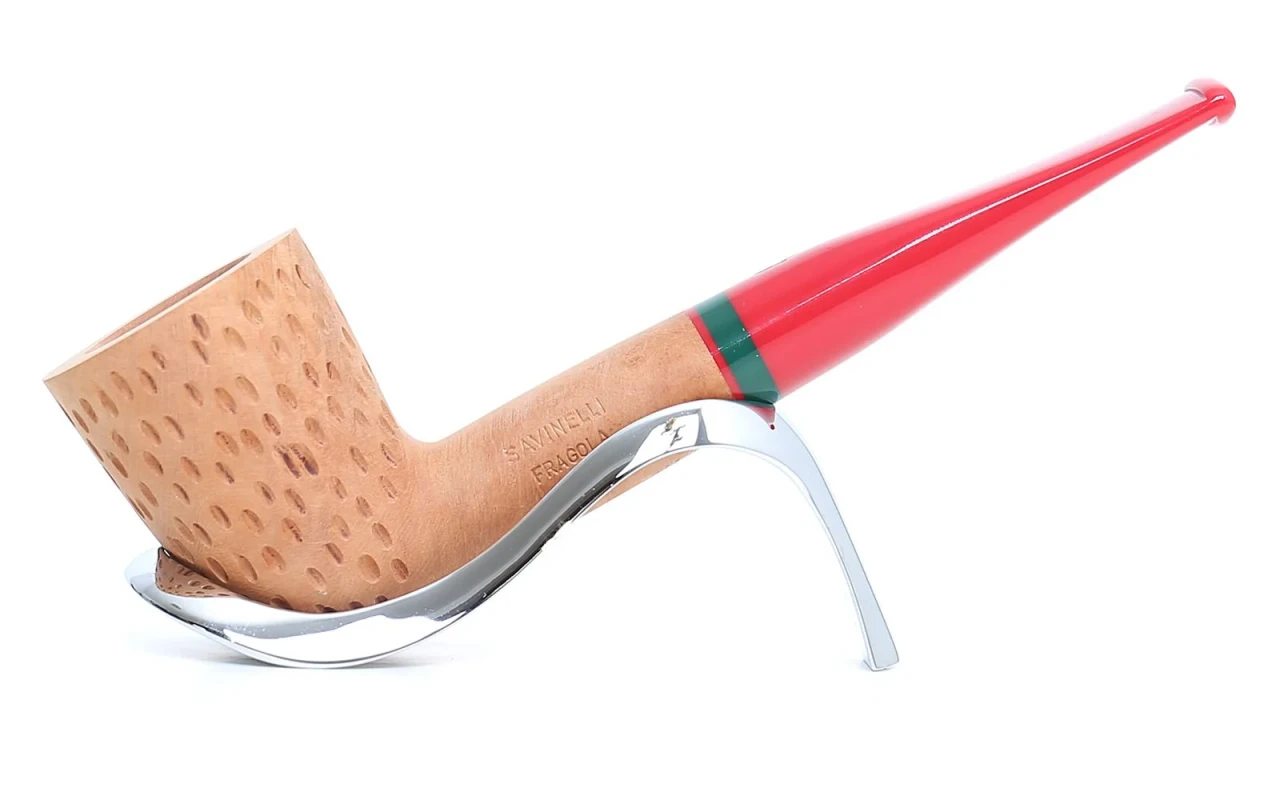
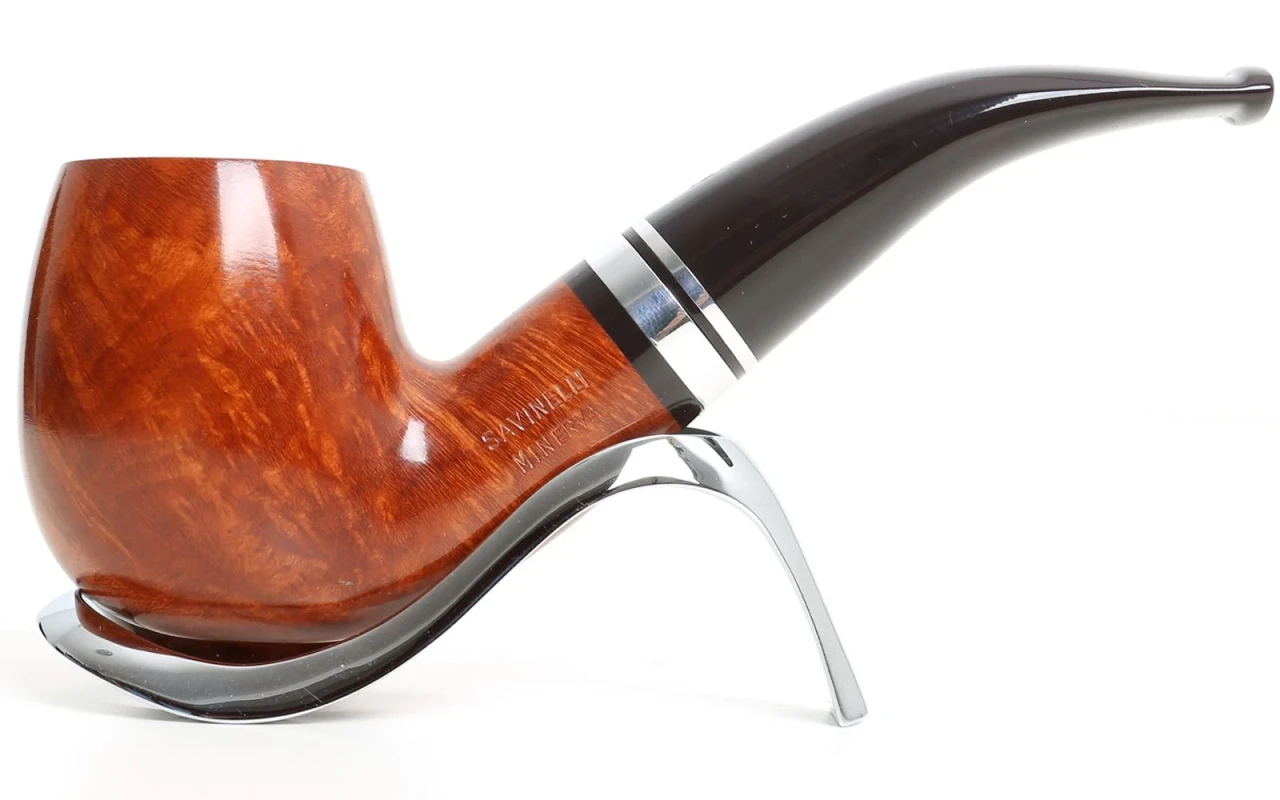
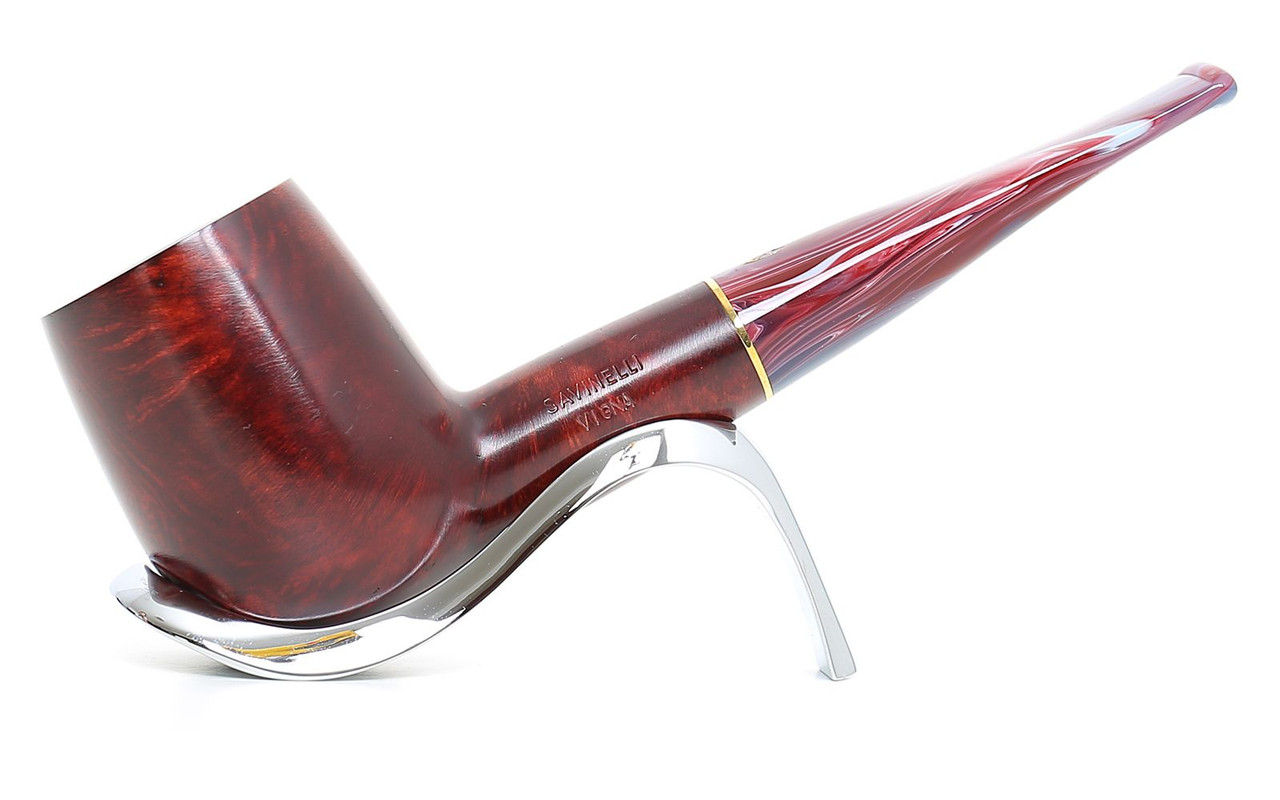
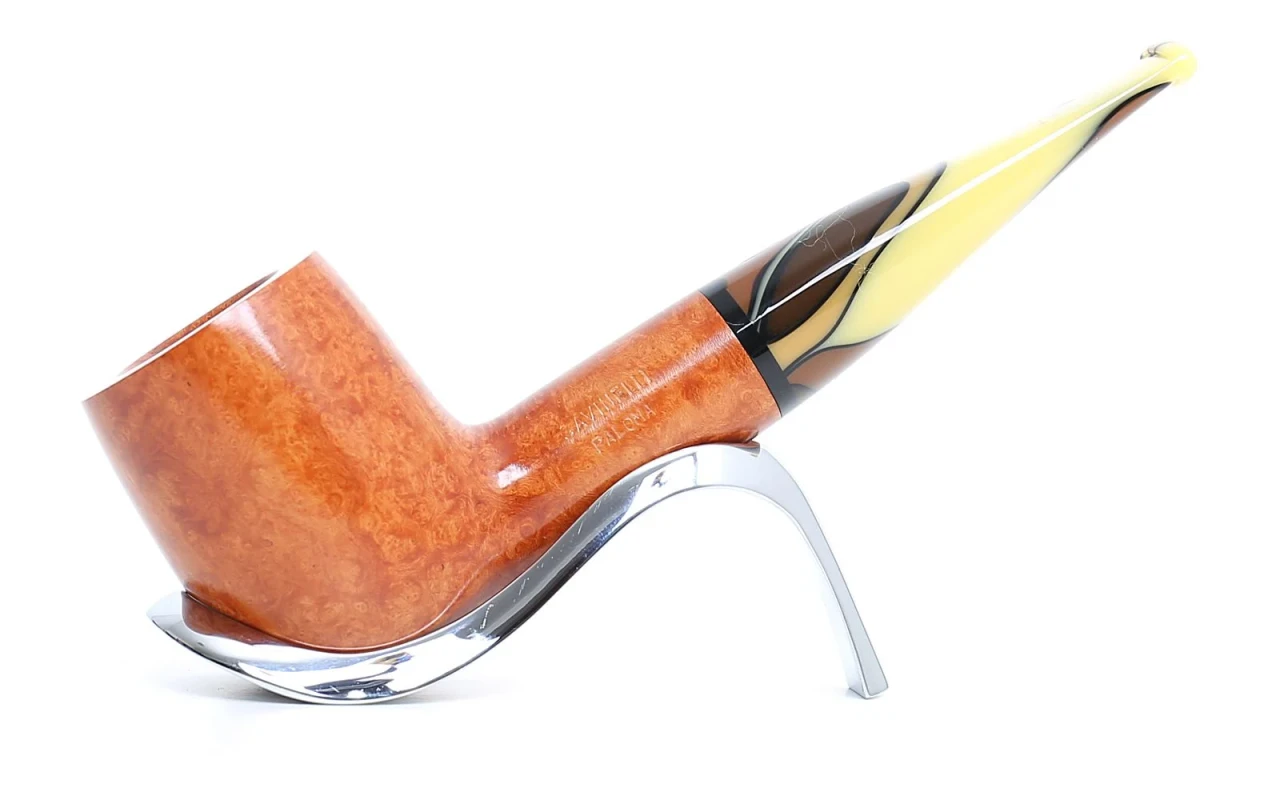
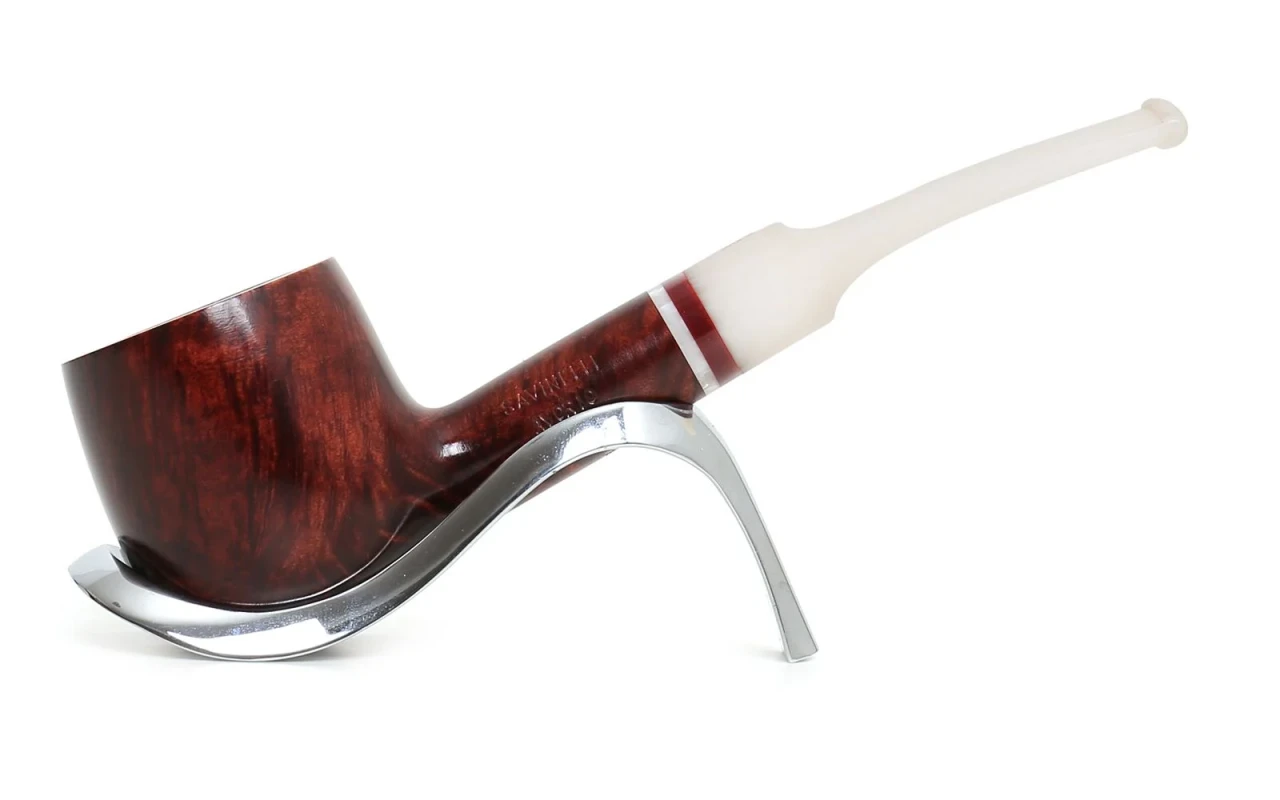
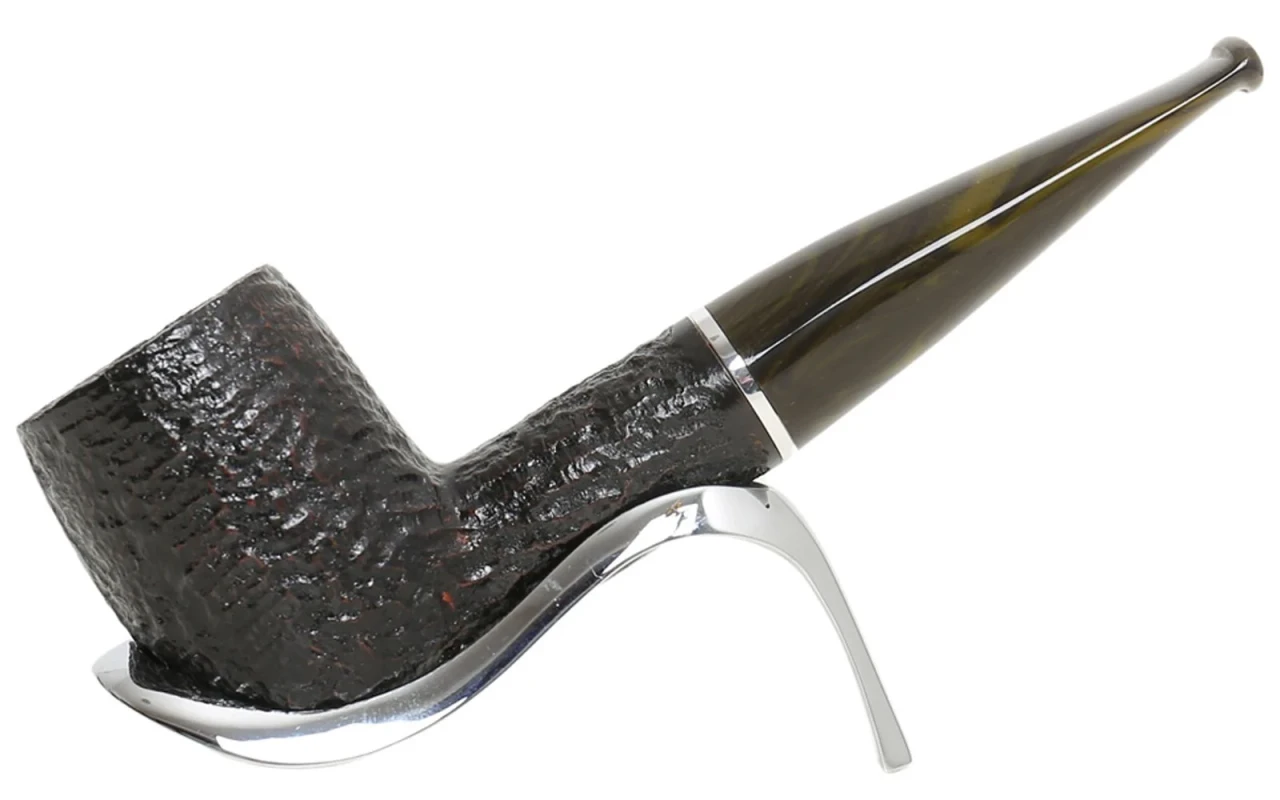
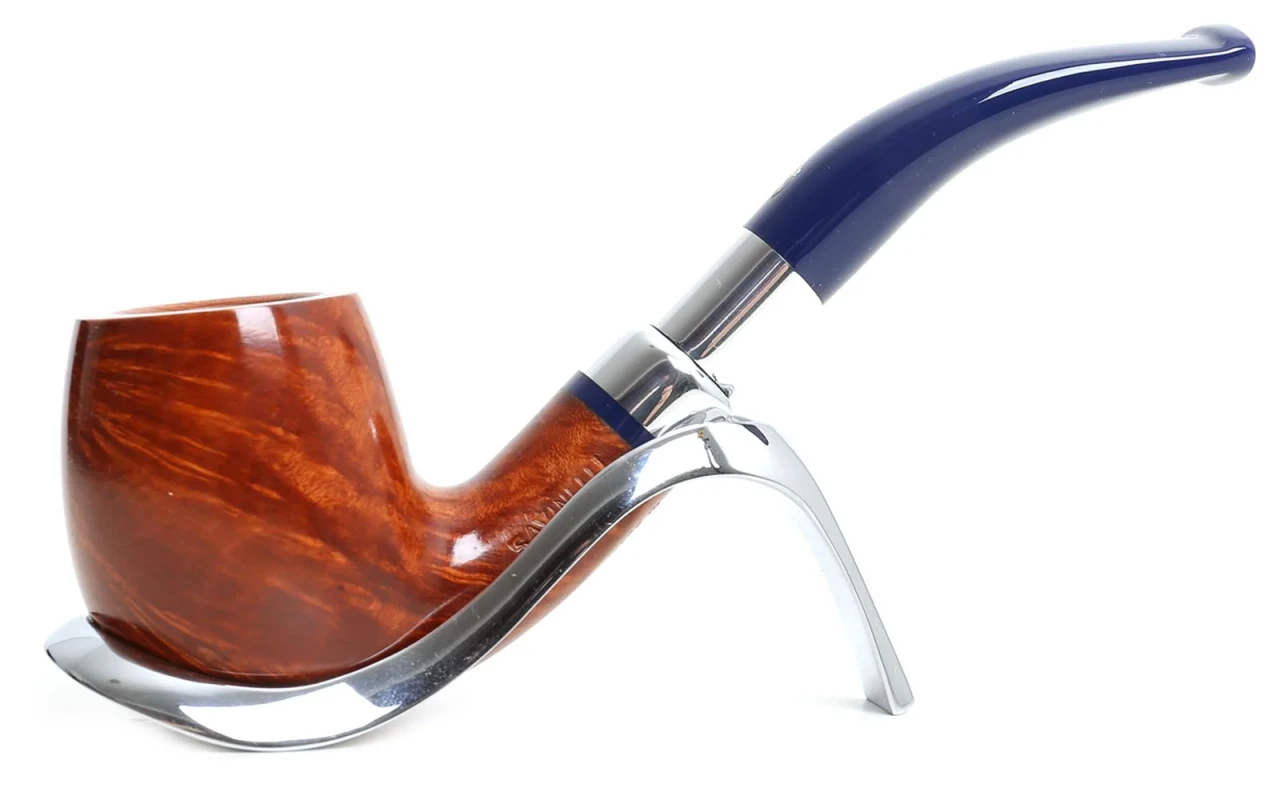
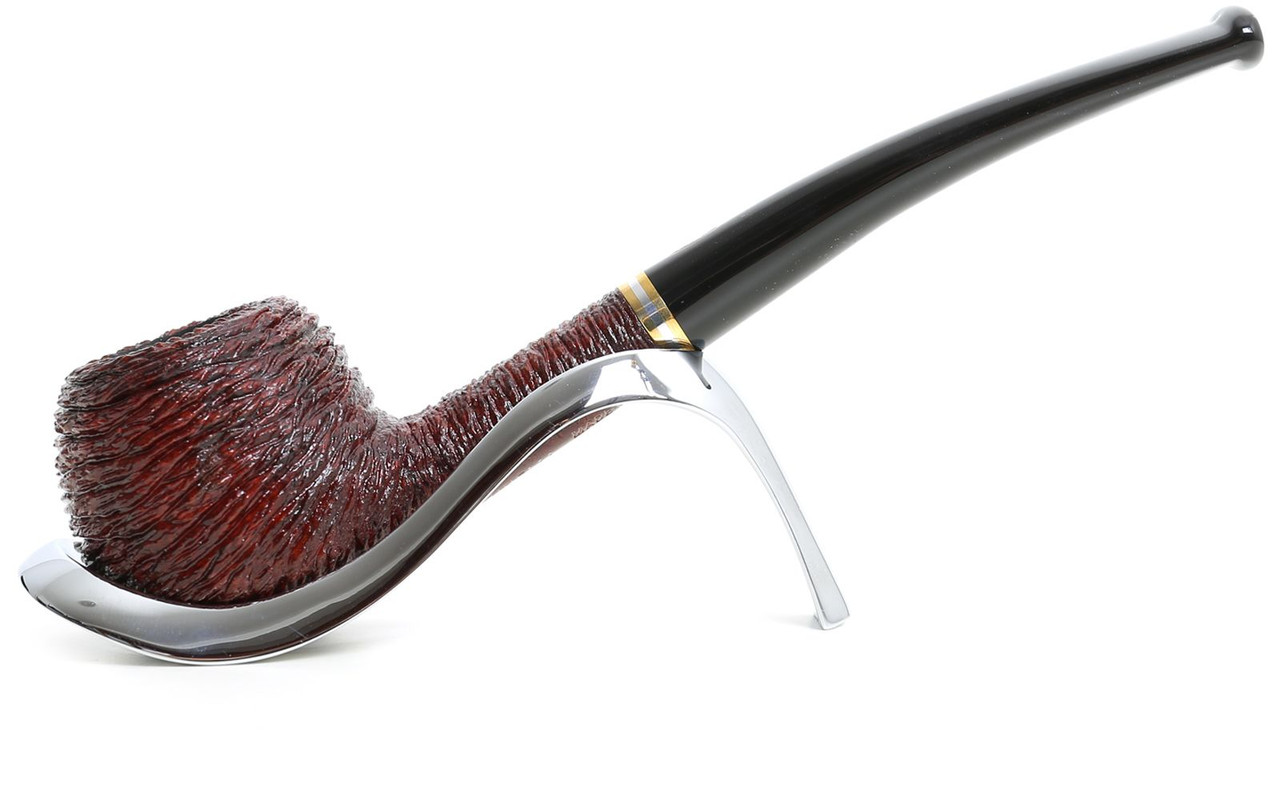
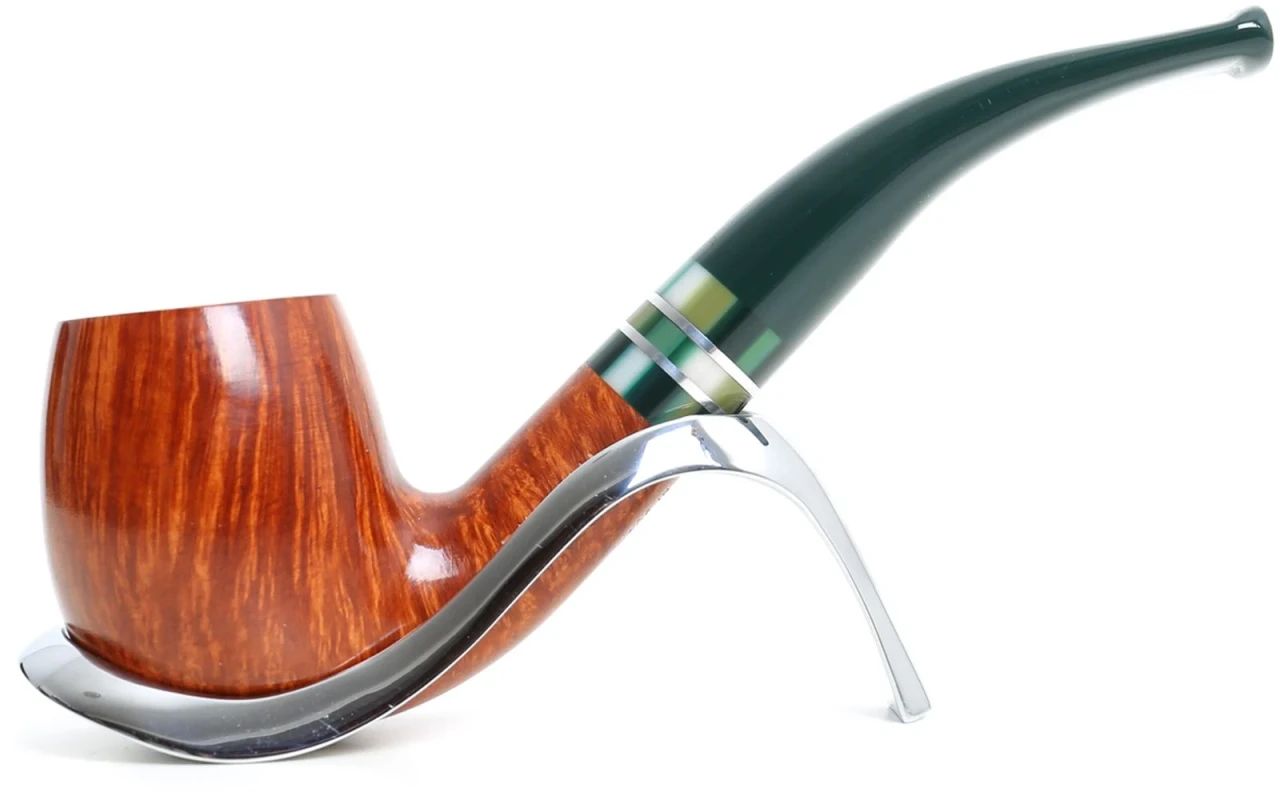
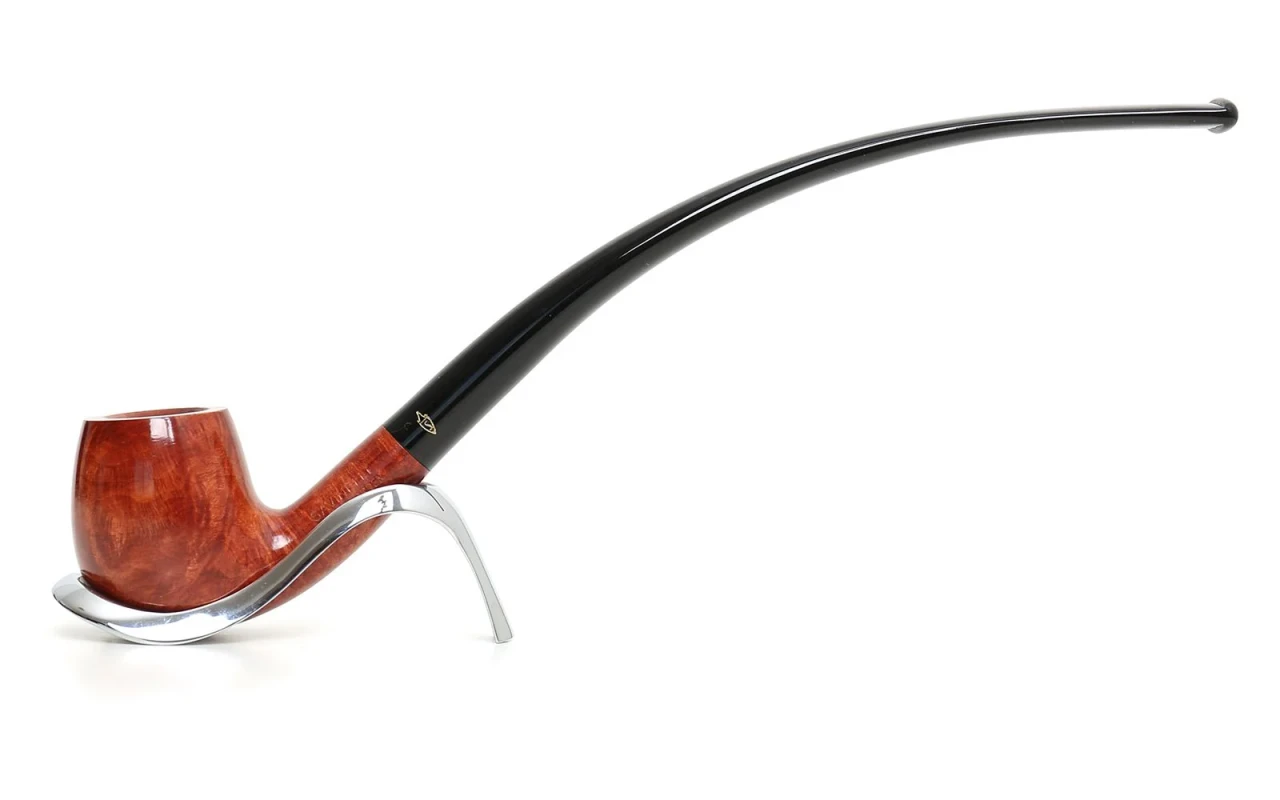
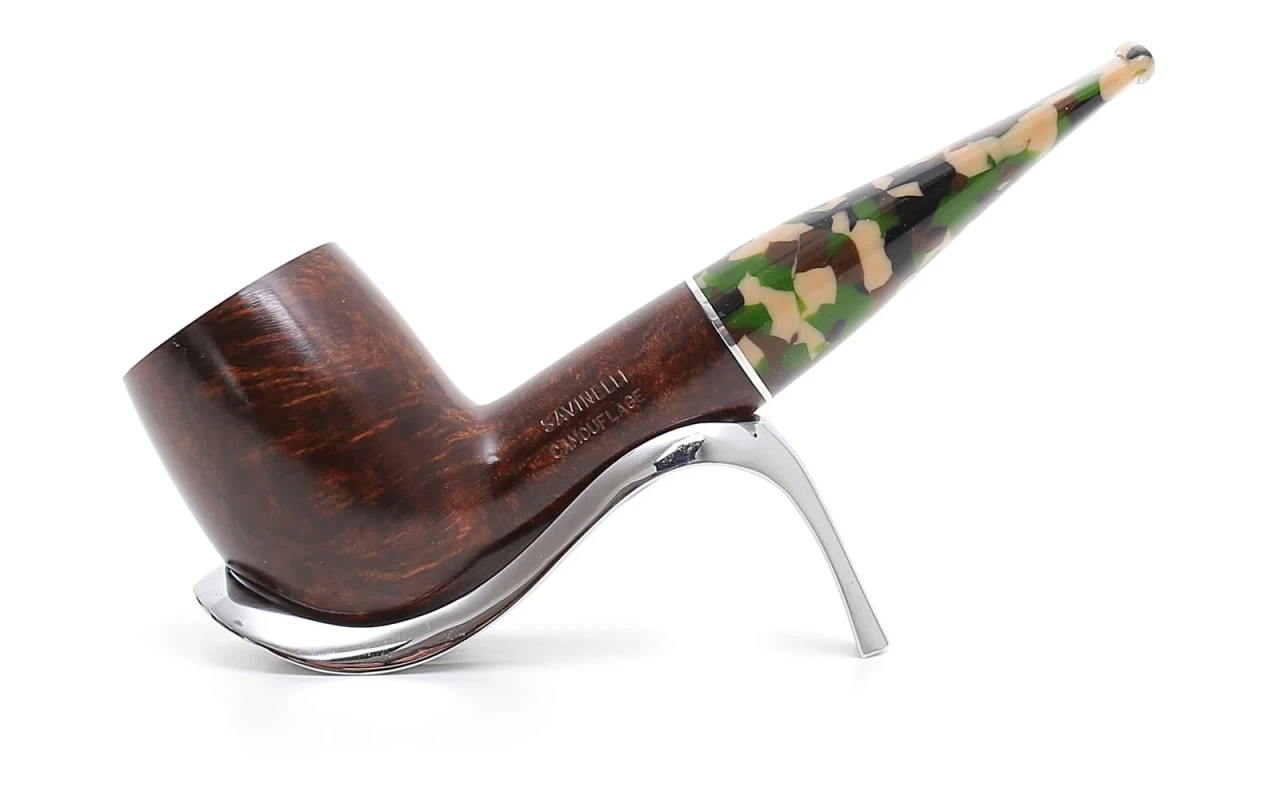
High-quality materials for pipe making
High-quality pipes are made with precious materials that guarantee a better smoking experience. The most common materials include:- Briar wood: lightweight, heat-resistant, and with a neutral taste.- Olive wood: hard and with decorative veins.- Briar: high-quality wood, resistant, and moisture-absorbent.- Morta: fossil wood particularly light and heat-resistant.- Bocote: exotic wood with striking veins.- Meerschaum: porous stone that absorbs smoke impurities.- Silver: used for ornaments and precious finishes.The choice of material influences the aesthetic and functional characteristics of the pipe.
Best Woods for Handcrafted Pipes
The best woods for handcrafted pipes are those that offer an optimal combination of characteristics. Woods such as briar, black walnut, cherry, oak, and olive are particularly appreciated for the making of high-quality pipes. These woods exhibit good resistance to heat and moisture, are easy to work with, and provide a compact and durable structure. Additionally, the natural beauty of the woods enhances the aesthetics of handcrafted pipes. The choice of the ideal wood also depends on the smoker's personal preferences and the features they desire in their pipe.
Pipe Collection Accessories
Pipe collection accessories are essential for maintaining and fully enjoying one's pipes. Among the main accessories, we find:- **Pipe reamers**: to protect the rim of the pipe and prevent wear.- **Brushes and pipe cleaners**: to keep pipes clean from tobacco residue and condensation.- **Pipe tools**: useful for ash removal and cleaning the combustion chamber.- **Filters**: to reduce moisture and enhance the smoking experience.- **Cases and pipe racks**: to protect pipes during transportation and storage.- **Special lighters**: to optimally light the pipe without compromising the tobacco.
Artisanal Techniques for Pipe Crafting
Artisanal techniques for pipe crafting involve several stages to create unique and high-quality pieces. Firstly, the pipe maker carefully selects the briar root from which to carve the pipe itself. Subsequently, the briar root is dried and seasoned to reduce moisture and ensure wood stability. The pipe maker then uses specialized tools, such as lathes and rasps, to shape the desired form of the pipe. Lastly, the surface is smoothed and finished with oils or waxes to protect the wood and give it a glossy appearance. This artisanal process requires great skill and attention to detail to craft high-quality pipes with aesthetic beauty.
'%3e%3cg id='Final-Copy-2_2_' transform='translate(1275.000000, 200.000000)'%3e%3cpath class='st0' d='M7.4,12.8h6.8l3.1-11.6H7.4C4.2,1.2,1.6,3.8,1.6,7S4.2,12.8,7.4,12.8z'/%3e%3c/g%3e%3c/g%3e%3c/g%3e%3cg id='final---dec.11-2020'%3e%3cg id='_x30_208-our-toggle' transform='translate(-1275.000000, -200.000000)'%3e%3cg id='Final-Copy-2' transform='translate(1275.000000, 200.000000)'%3e%3cpath class='st1' d='M22.6,0H7.4c-3.9,0-7,3.1-7,7s3.1,7,7,7h15.2c3.9,0,7-3.1,7-7S26.4,0,22.6,0z M1.6,7c0-3.2,2.6-5.8,5.8-5.8 h9.9l-3.1,11.6H7.4C4.2,12.8,1.6,10.2,1.6,7z'/%3e%3cpath id='x' class='st2' d='M24.6,4c0.2,0.2,0.2,0.6,0,0.8l0,0L22.5,7l2.2,2.2c0.2,0.2,0.2,0.6,0,0.8c-0.2,0.2-0.6,0.2-0.8,0 l0,0l-2.2-2.2L19.5,10c-0.2,0.2-0.6,0.2-0.8,0c-0.2-0.2-0.2-0.6,0-0.8l0,0L20.8,7l-2.2-2.2c-0.2-0.2-0.2-0.6,0-0.8 c0.2-0.2,0.6-0.2,0.8,0l0,0l2.2,2.2L23.8,4C24,3.8,24.4,3.8,24.6,4z'/%3e%3cpath id='y' class='st3' d='M12.7,4.1c0.2,0.2,0.3,0.6,0.1,0.8l0,0L8.6,9.8C8.5,9.9,8.4,10,8.3,10c-0.2,0.1-0.5,0.1-0.7-0.1l0,0 L5.4,7.7c-0.2-0.2-0.2-0.6,0-0.8c0.2-0.2,0.6-0.2,0.8,0l0,0L8,8.6l3.8-4.5C12,3.9,12.4,3.9,12.7,4.1z'/%3e%3c/g%3e%3c/g%3e%3c/g%3e%3c/g%3e%3c/svg%3e) Your Privacy Choices
Your Privacy Choices 


