 ES
ES FR
FR EN
EN IT
IT DE
DE
Pipe materials and their influence on the taste
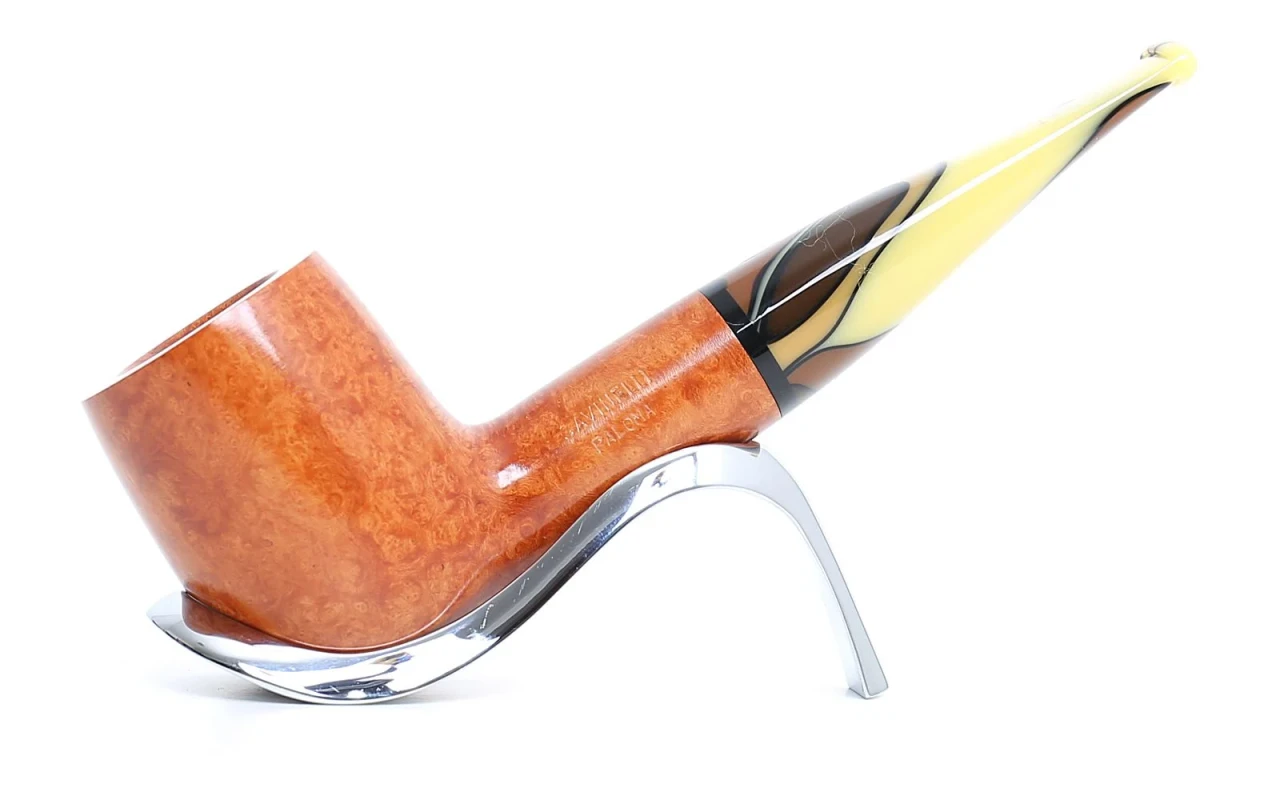
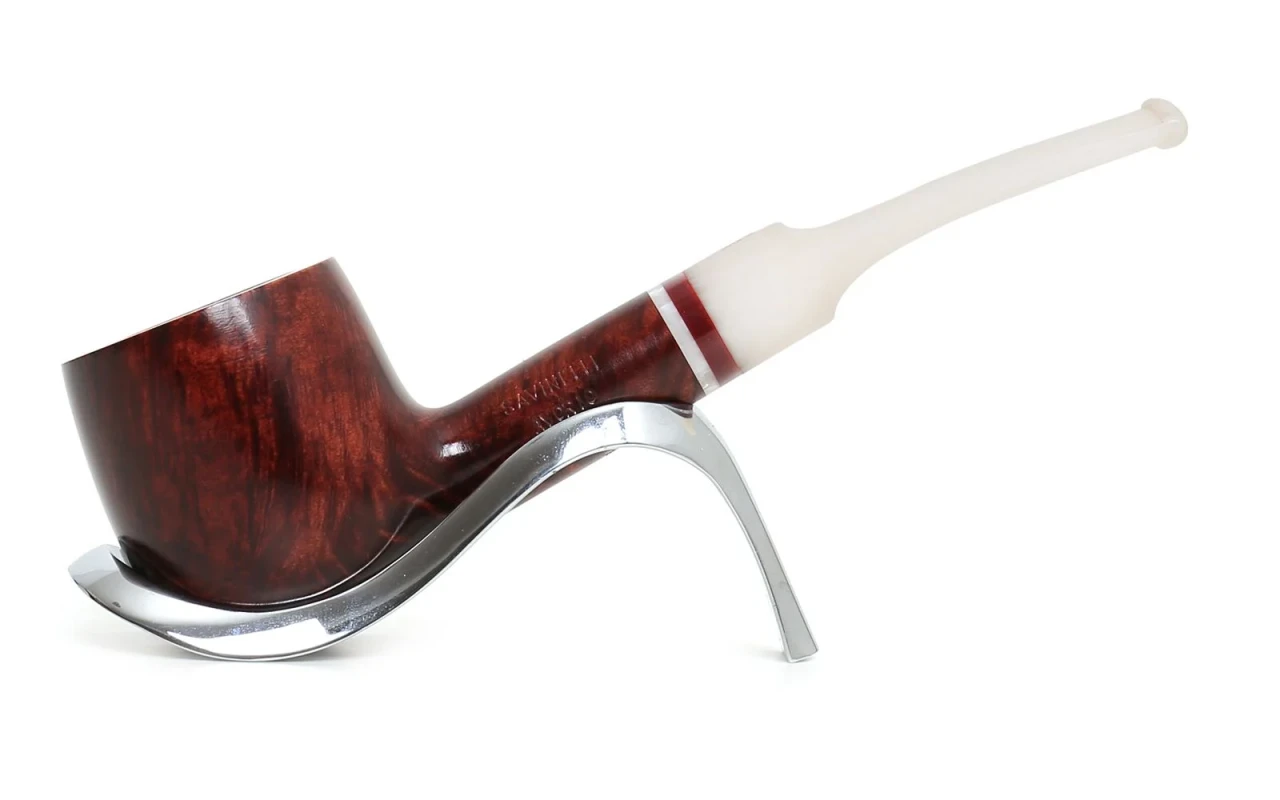
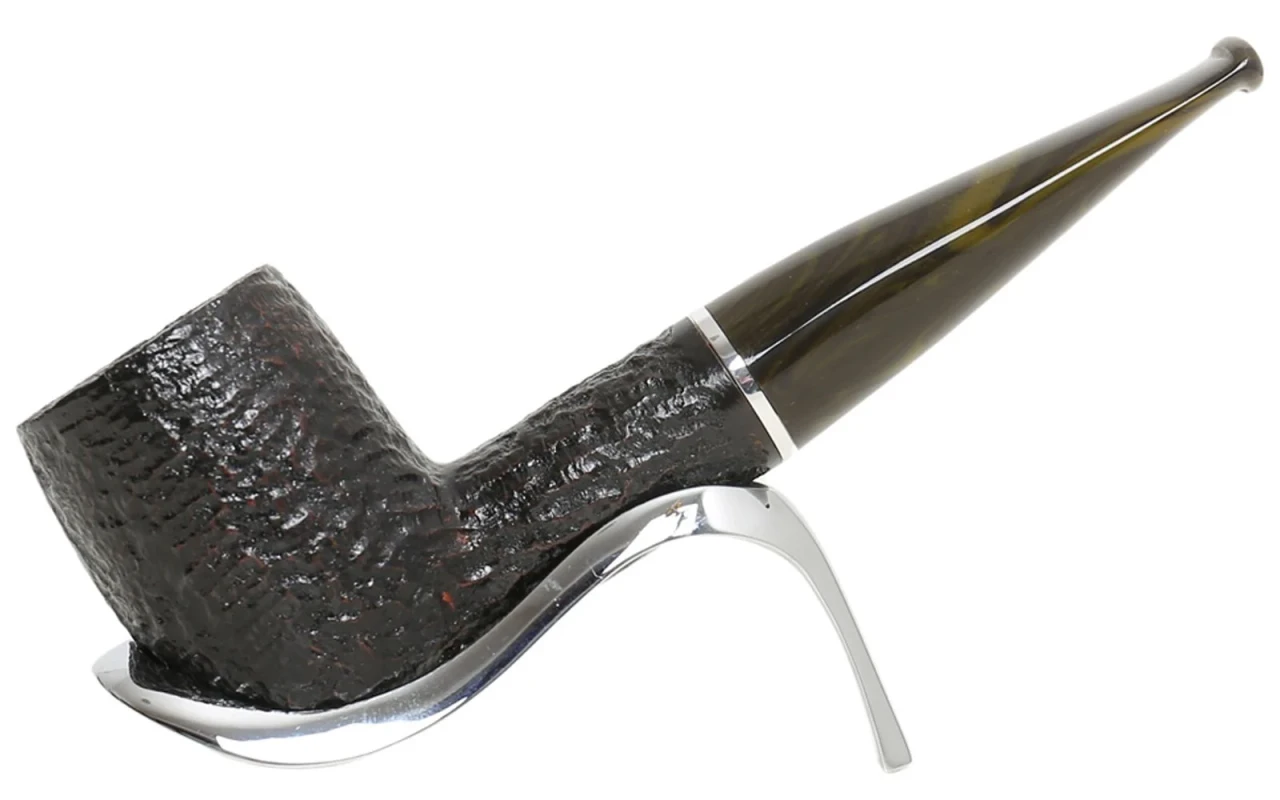
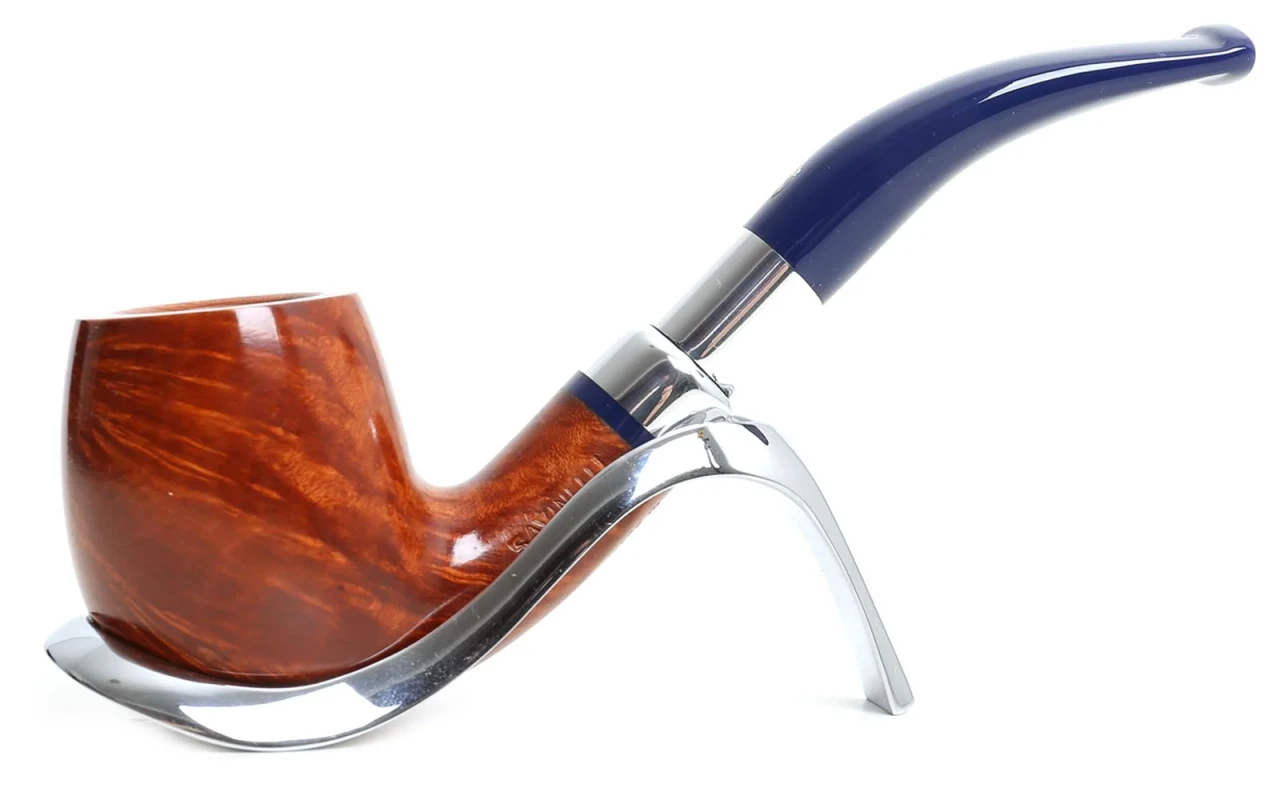
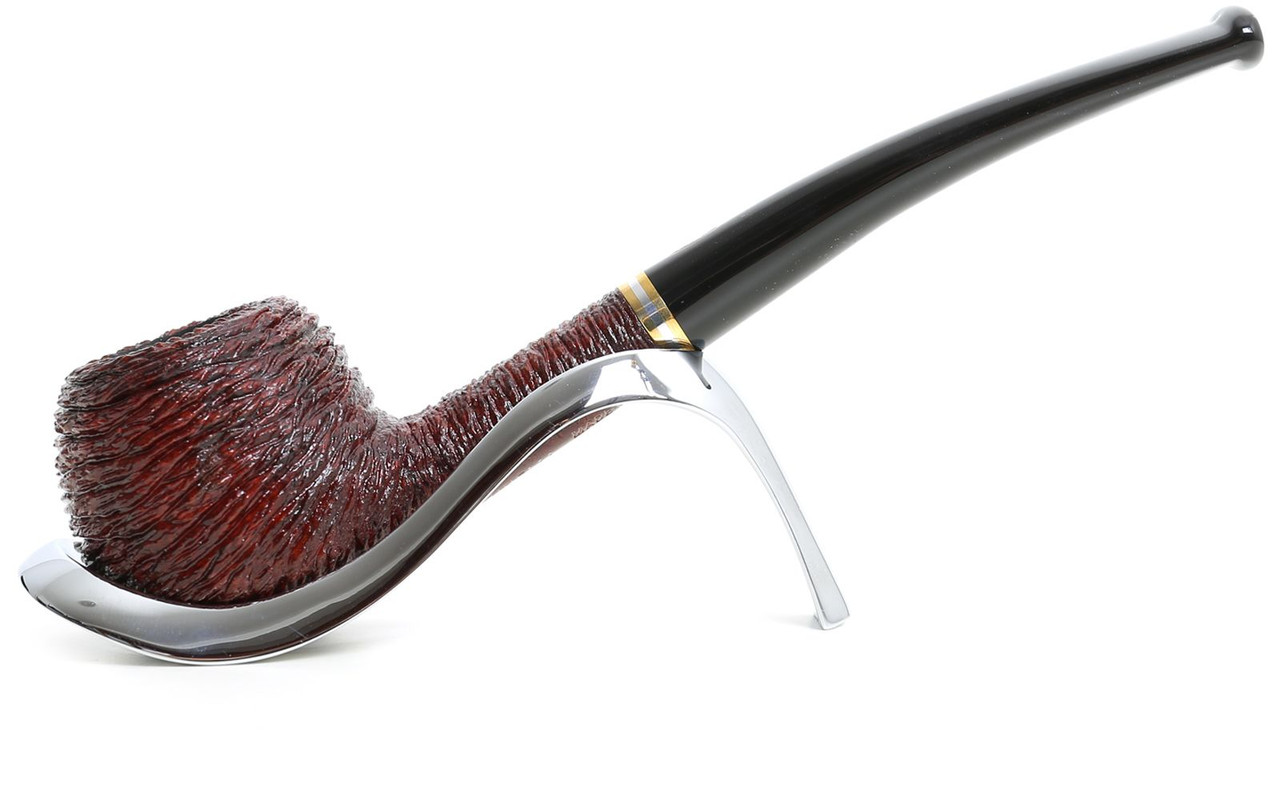
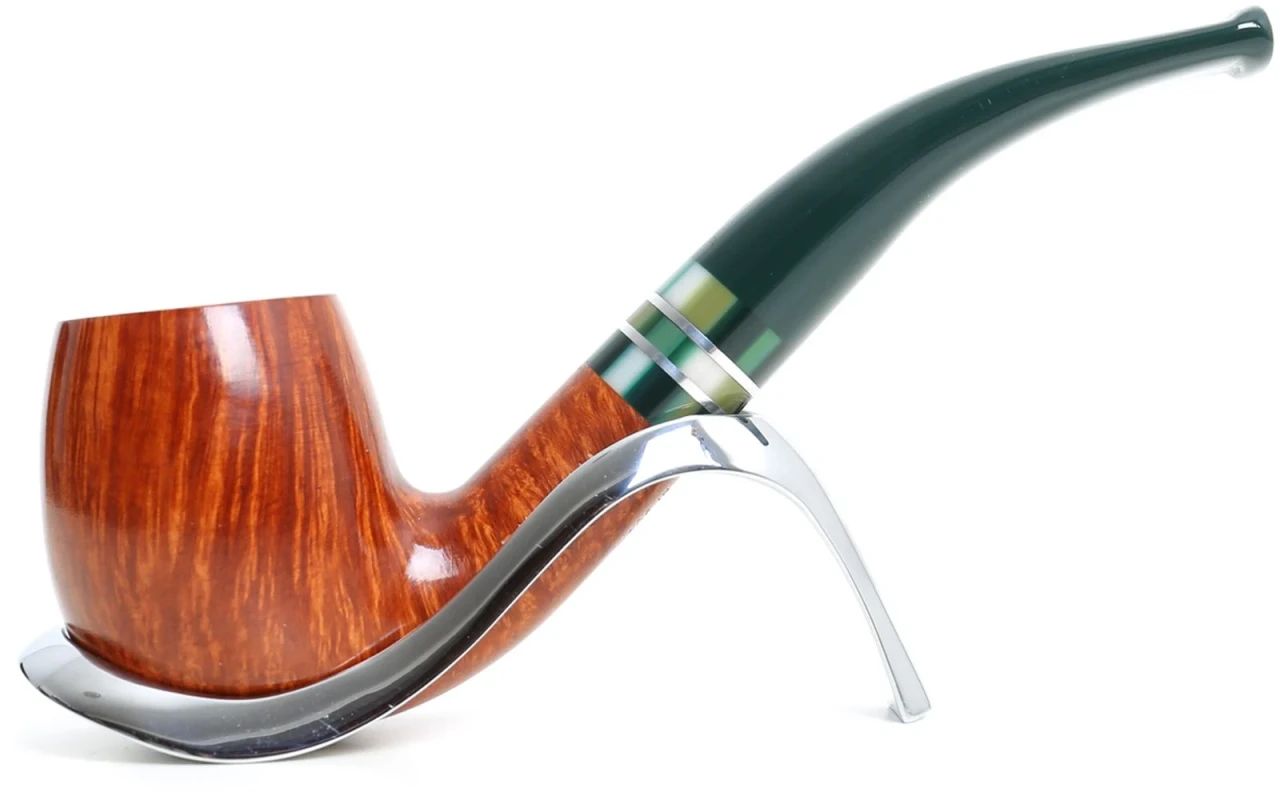
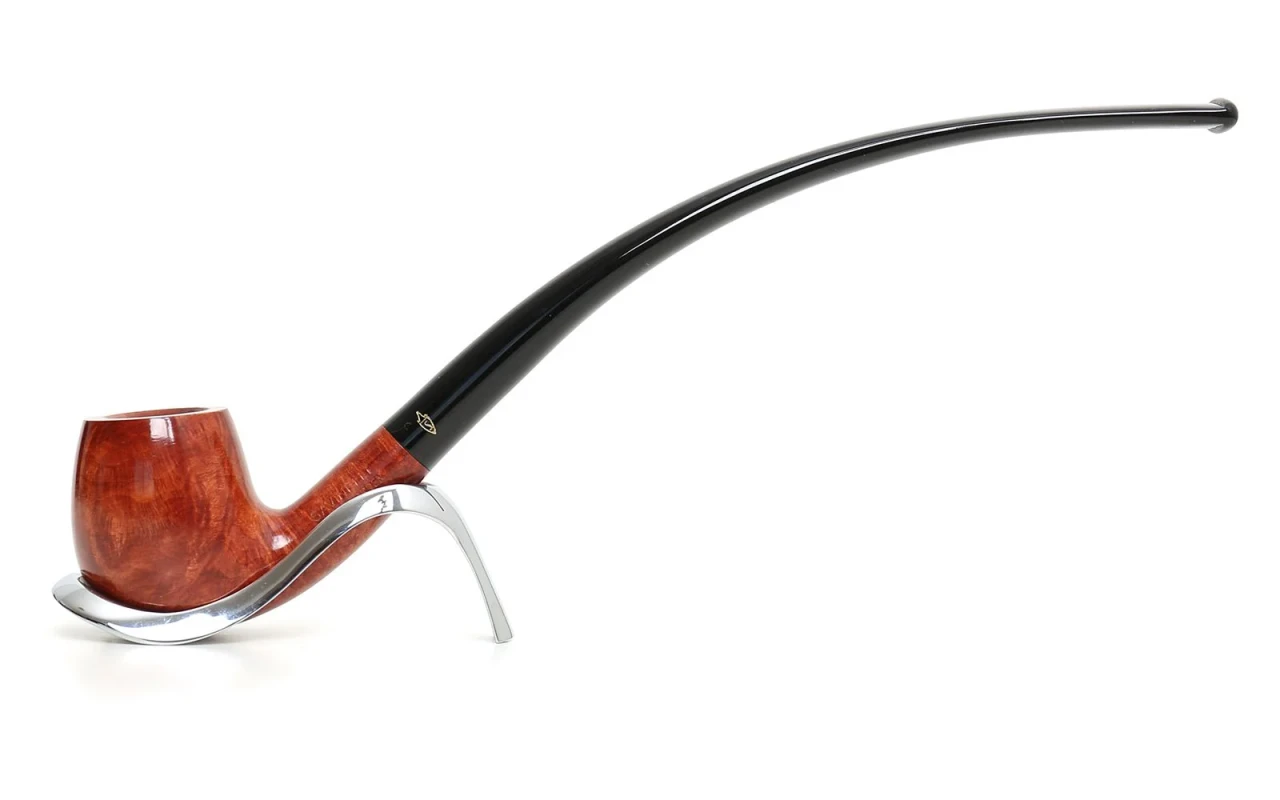
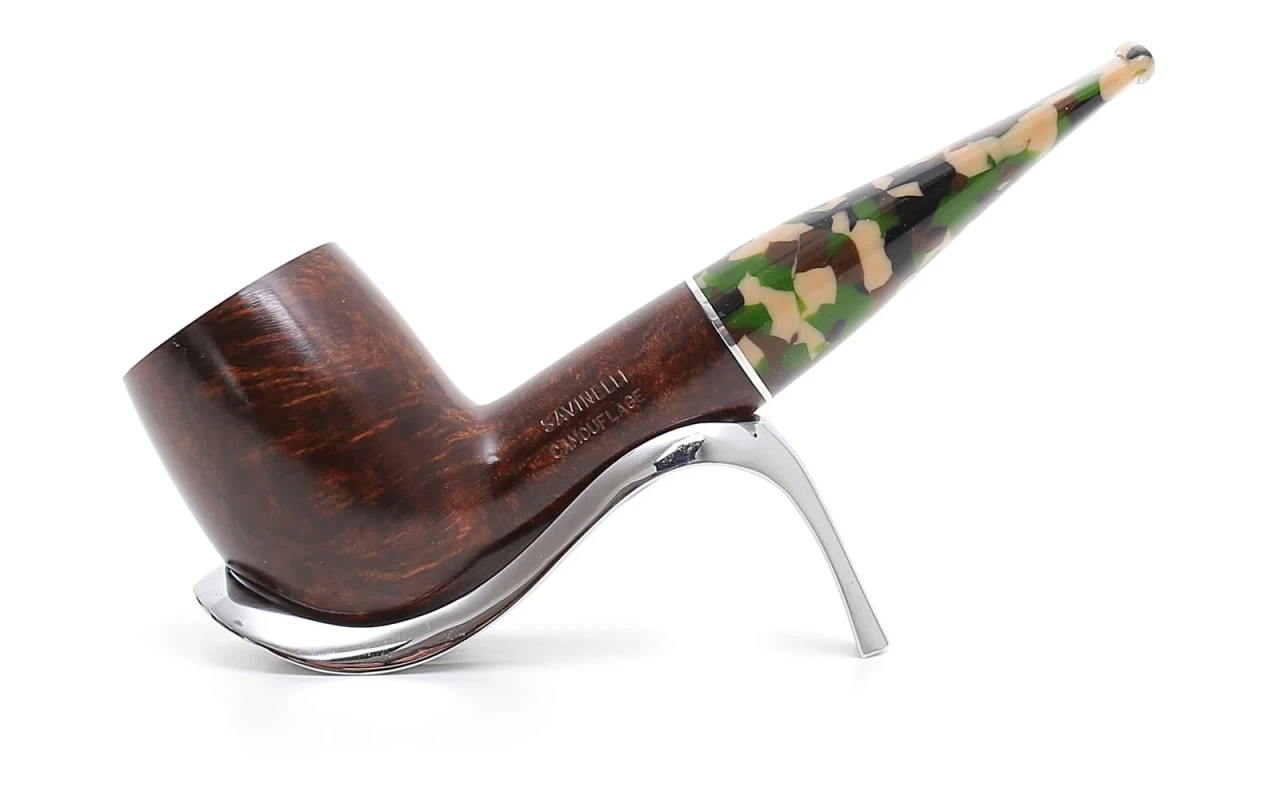
Pipe materials and their influence on the taste
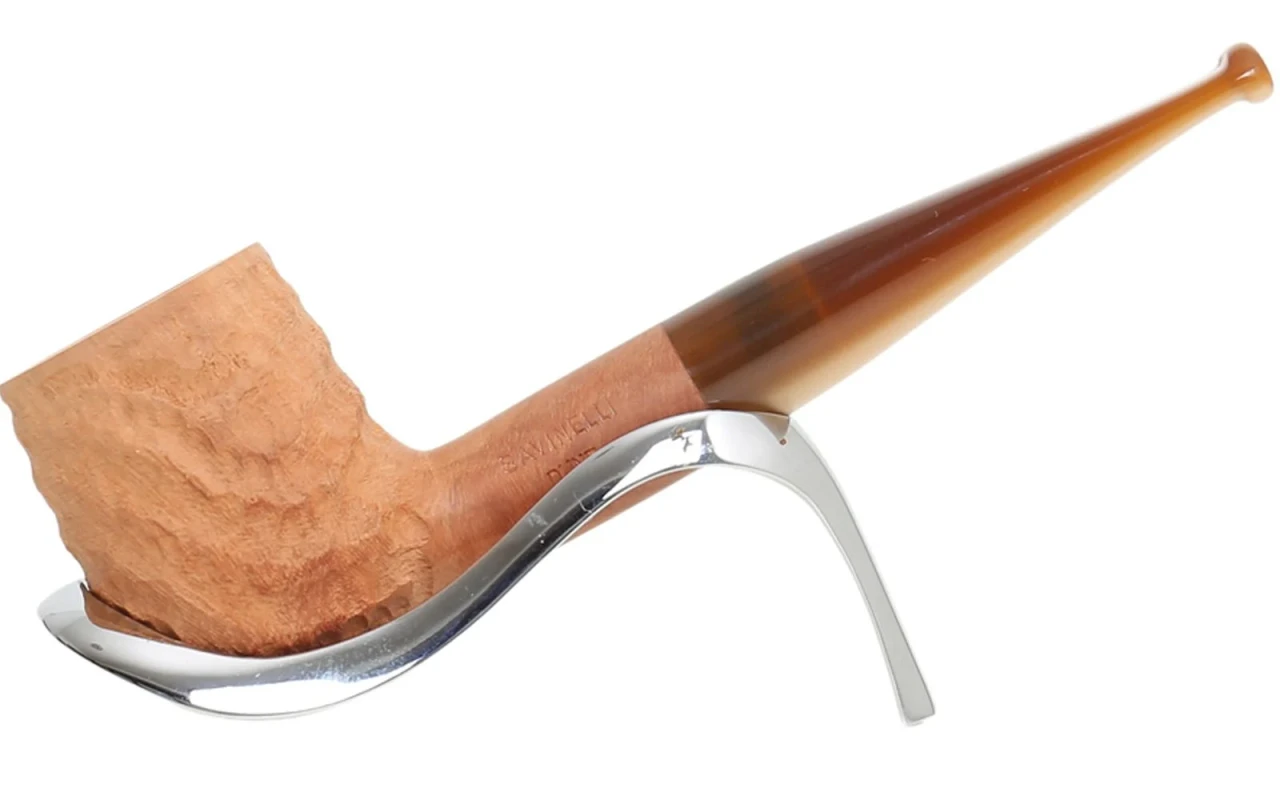
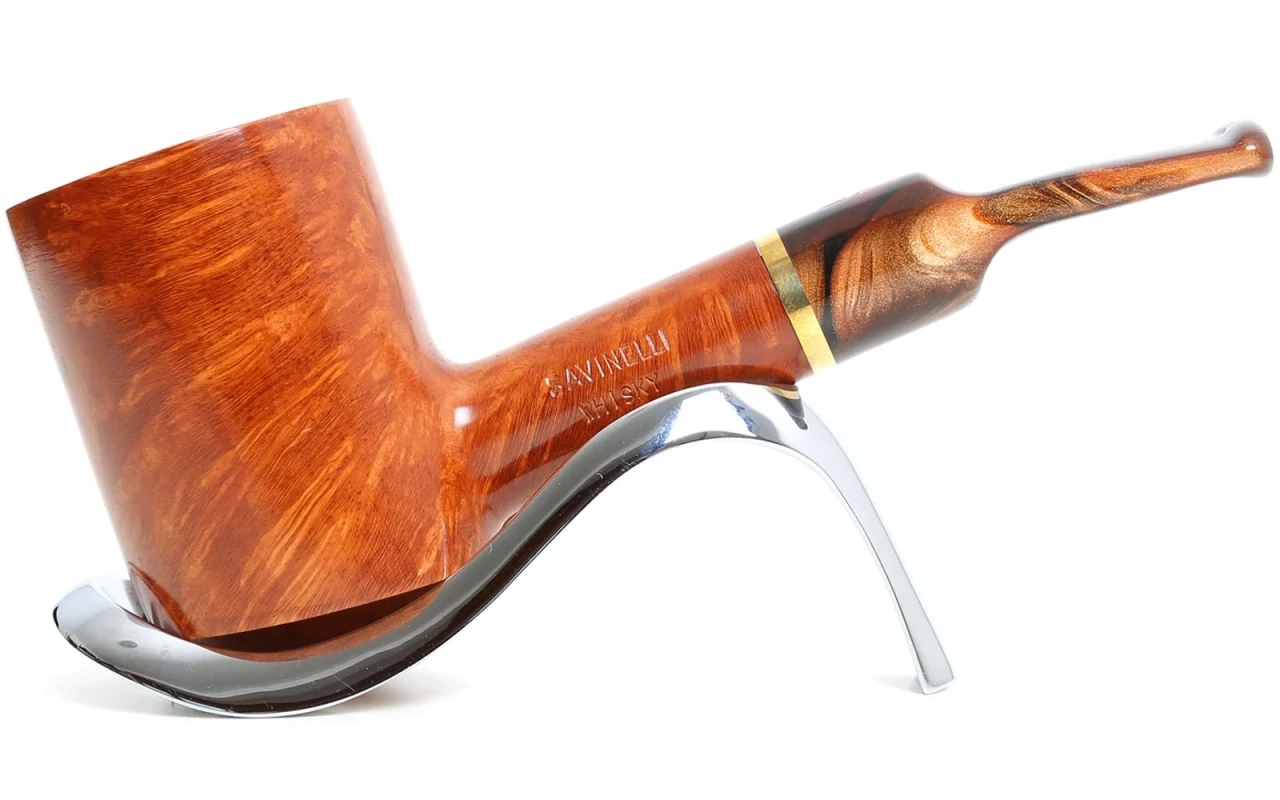
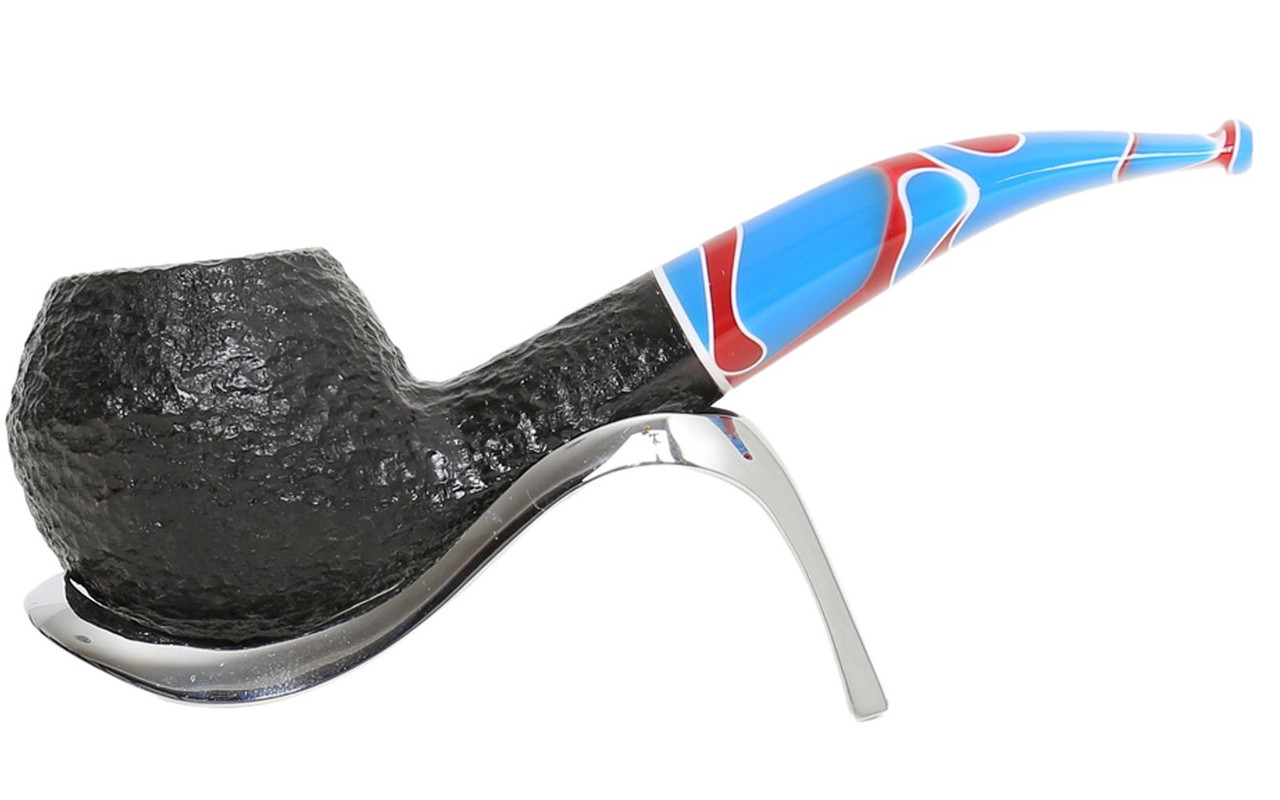
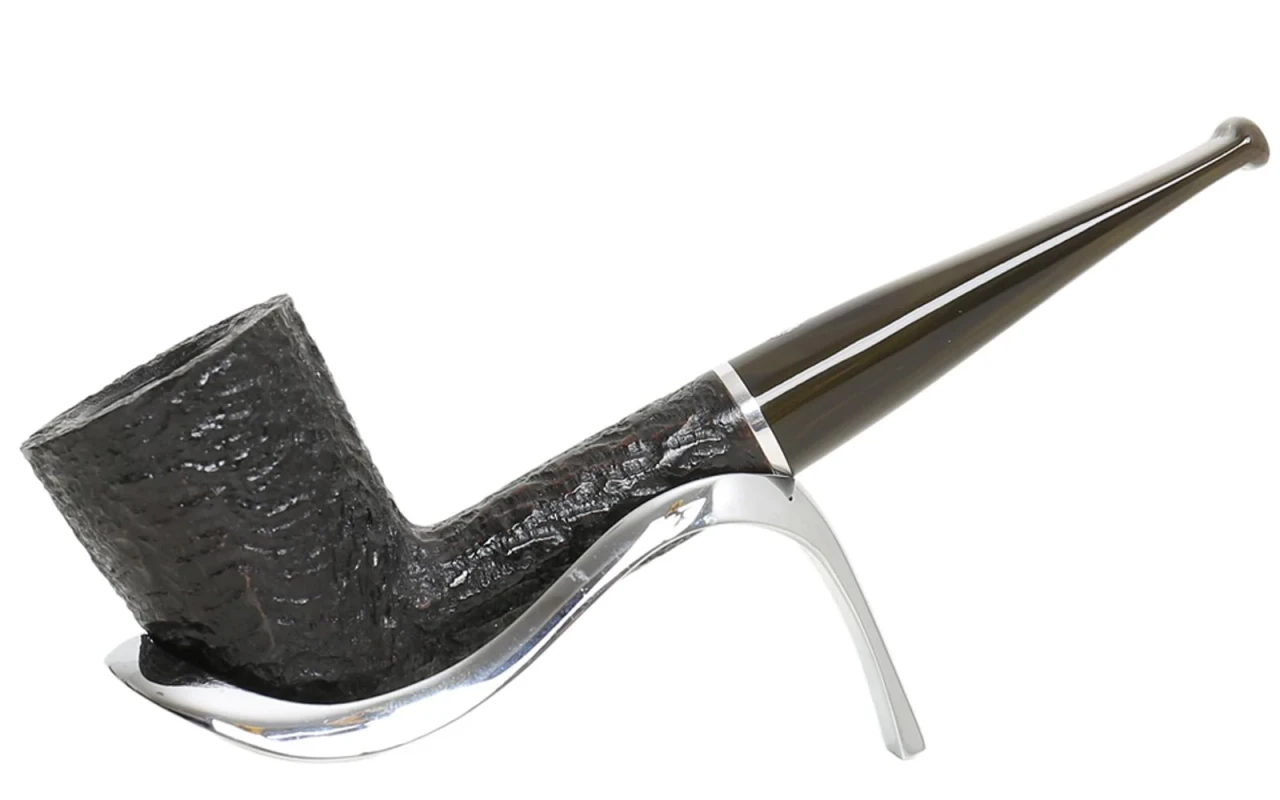
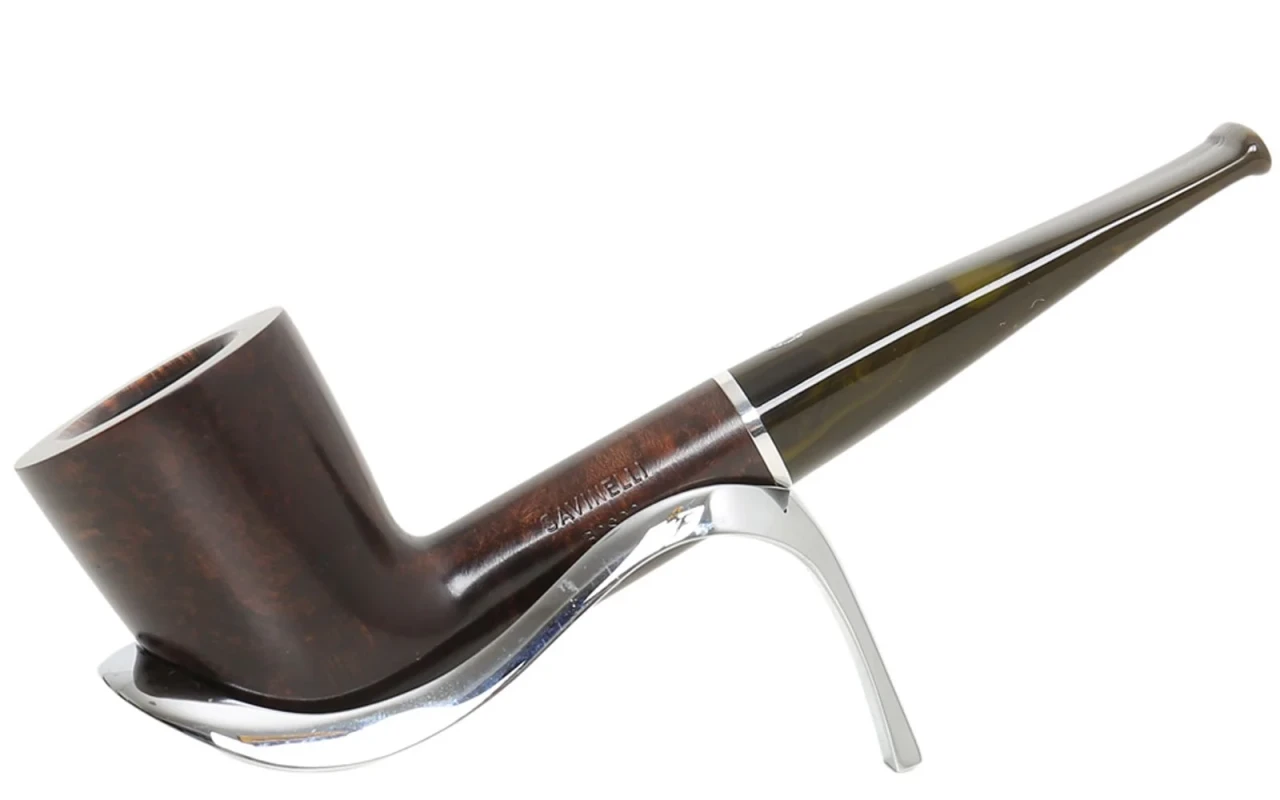
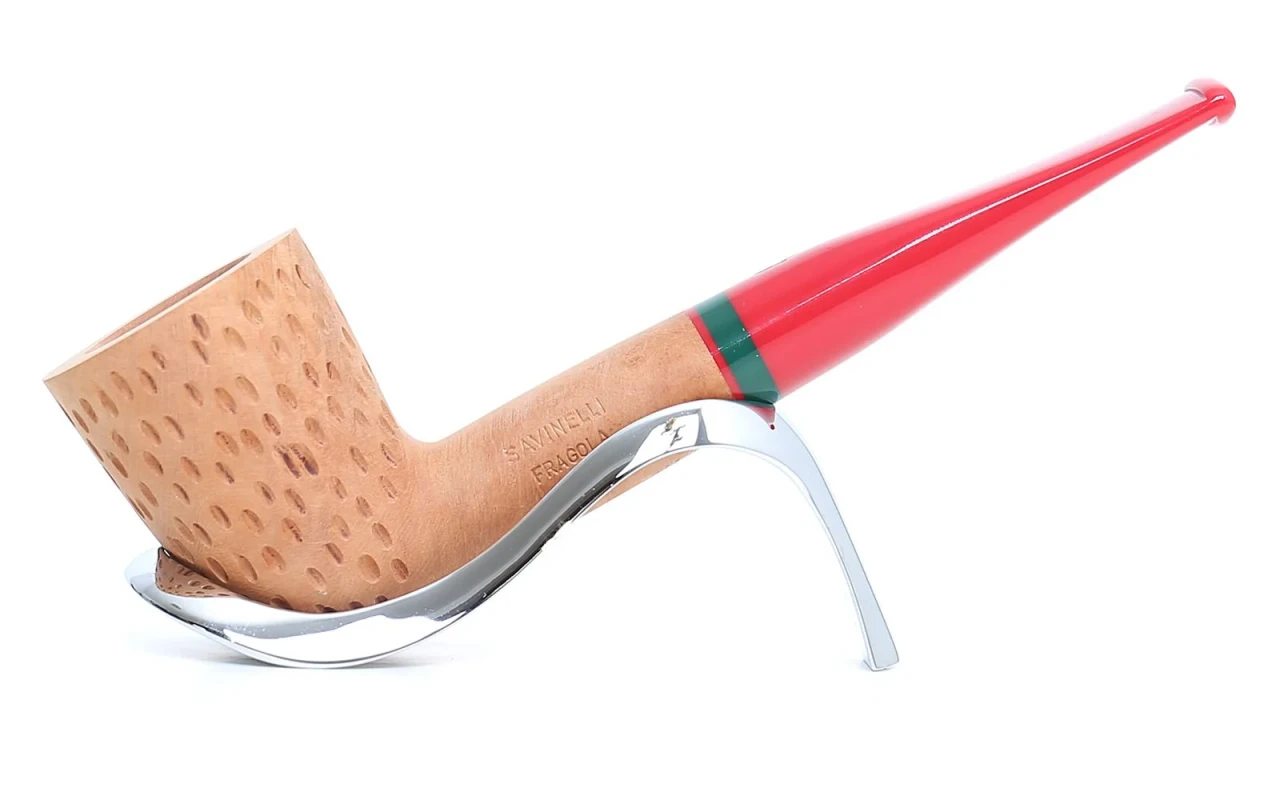
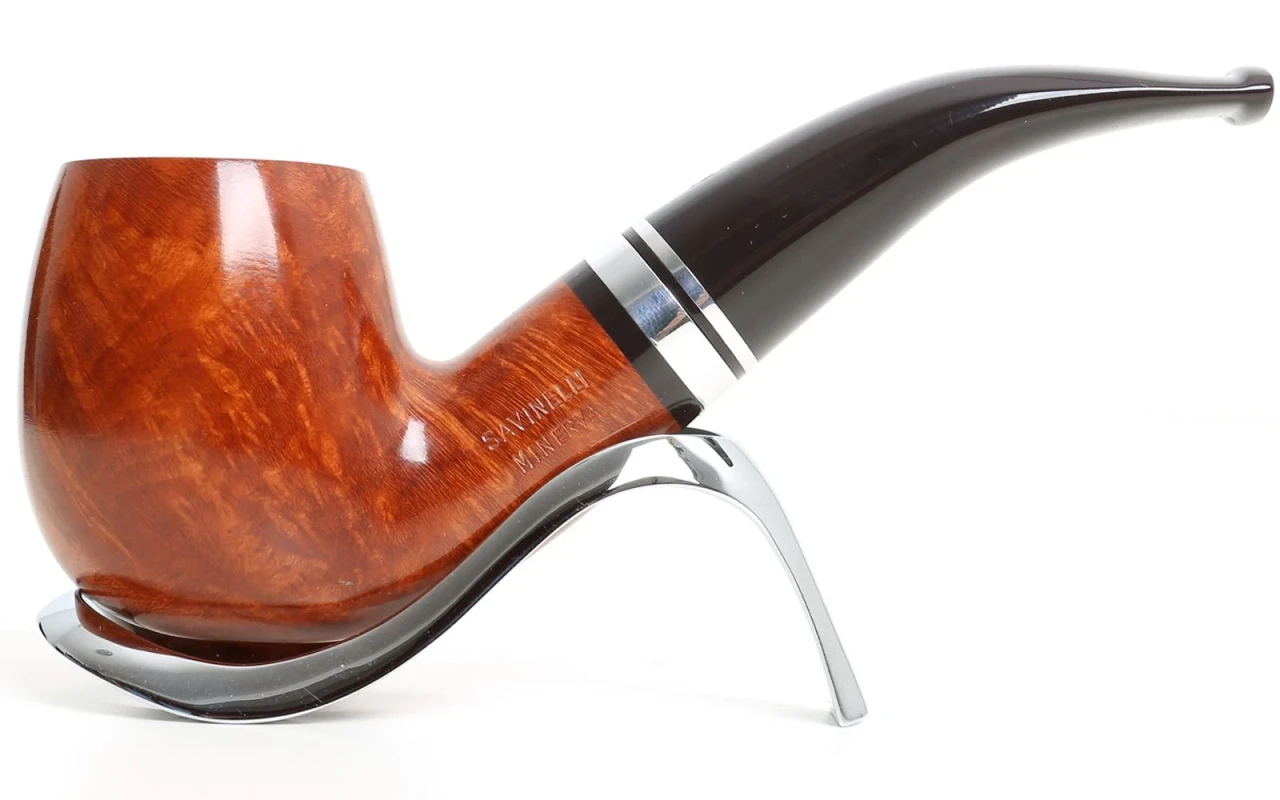
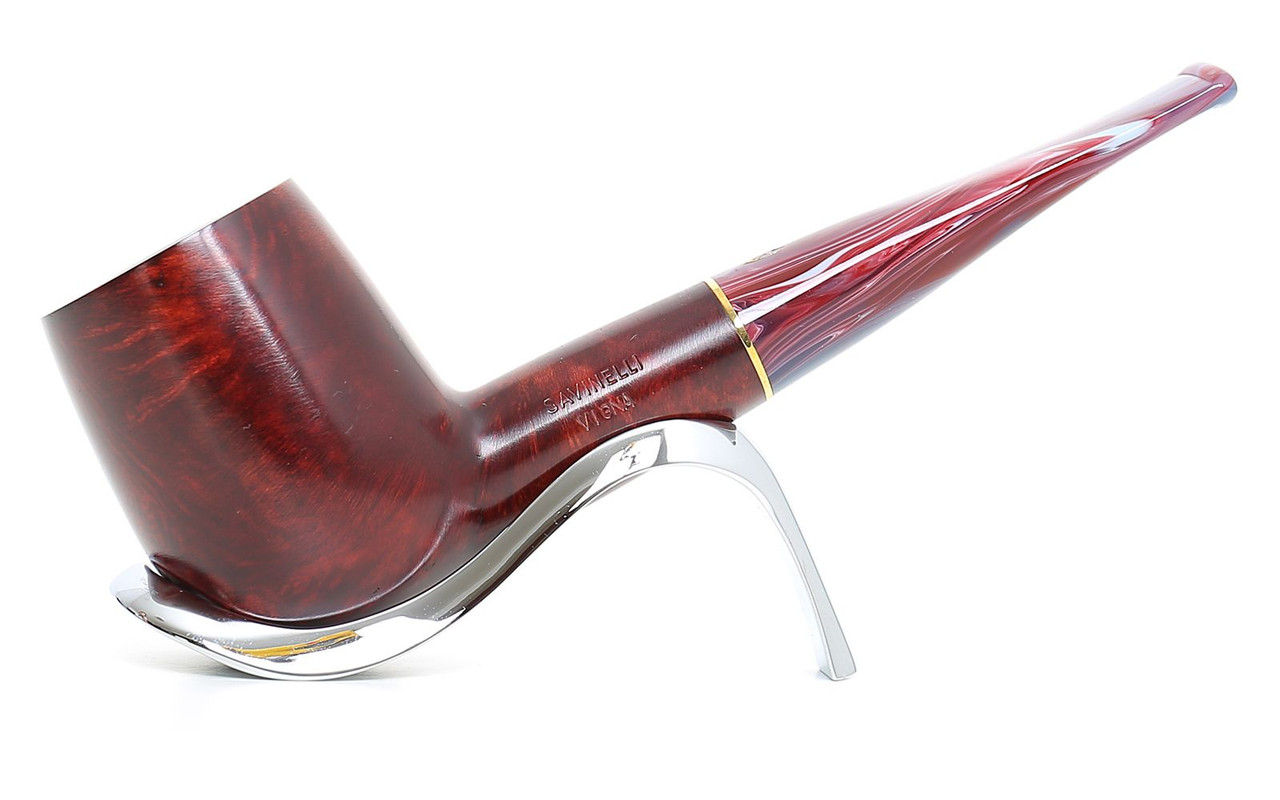
Pipe materials greatly influence the taste of tobacco. Pipes can be made from various materials, including:- Briar wood: considered the best choice for pipe production due to its heat resistance and ability to absorb tobacco moisture, enhancing the flavor over time.- Corn cob: corn cob pipes are lightweight and affordable, but they can absorb moisture and alter the tobacco taste.- Clay: clay pipes offer a pure taste, but they are fragile and require special care.Therefore, the choice of material will impact the taste and overall experience of smoking a pipe.
Pipe Smoking Materials
The materials for smoking pipes are essential to ensure a good smoking experience. The main materials used are:- Heather root: lightweight and durable, promotes a good tobacco combustion.- Oak root: hard and heat-resistant, suitable for high-quality pipes.- Corn cob: economical and lightweight, usually used for budget smoking pipes.- Clay: allows for a cool and dry smoke but requires careful handling.- Meerschaum: a porous material that absorbs tobacco oils, ensuring a delicate and neutral smoke.The choice of material influences the taste and performance of the smoking pipe.
Types of smoking pipes
There are several types of smoking pipes, each with specific characteristics:- Corn cob pipes: light and inexpensive, they provide a fresh and neutral smoking experience.- Briar pipes: solid and durable, they guarantee a rich and intense flavor.- Ceramic pipes: aesthetically pleasing, they retain heat well for a longer smoking session.- Meerschaum pipes: gradually absorb nicotine residues, offering a pure taste.- Briar pipes: very popular, they are made from briar wood and ensure a perfect smoke.Choose the type of pipe that best suits your preferences and enjoy the unique ritual of pipe smoking.
Best materials for pipes
The best materials for pipes are mainly wood, briar root, and corn cob. Wood, such as briar, is highly valued for its heat resistance and ability to withstand tobacco flame. Briar root, with its unique grain pattern, ensures an elegant appearance and a neutral taste. Corn cob pipes, on the other hand, are lightweight, affordable, and absorb moisture from the smoke. Other materials used include clay, which provides a pure aromatic yield, and acrylic, appreciated for its practicality and durability. The choice of material depends on the smoker's personal preferences and the desired smoking experience.
How to Influence Pipe Flavor
Influencing the flavor of pipes is possible through various methods that can enhance the smoking experience. Here are some common strategies used by pipe enthusiasts:- Tobacco selection: Choosing high-quality tobaccos from different regions can significantly influence the flavor of the pipe.- Pipe care: Keeping the pipe clean and dedicating time to its maintenance can help preserve the natural flavor of the tobacco.- Pipe rotation: Alternating the use of different pipes can prevent the flavor from excessively impregnating in a single pipe.- Use of filters: Using specific filters can help reduce moisture and enhance the smoke flavor.By following these practices, it is possible to positively influence the flavor during pipe smoking sessions.
'%3e%3cg id='Final-Copy-2_2_' transform='translate(1275.000000, 200.000000)'%3e%3cpath class='st0' d='M7.4,12.8h6.8l3.1-11.6H7.4C4.2,1.2,1.6,3.8,1.6,7S4.2,12.8,7.4,12.8z'/%3e%3c/g%3e%3c/g%3e%3c/g%3e%3cg id='final---dec.11-2020'%3e%3cg id='_x30_208-our-toggle' transform='translate(-1275.000000, -200.000000)'%3e%3cg id='Final-Copy-2' transform='translate(1275.000000, 200.000000)'%3e%3cpath class='st1' d='M22.6,0H7.4c-3.9,0-7,3.1-7,7s3.1,7,7,7h15.2c3.9,0,7-3.1,7-7S26.4,0,22.6,0z M1.6,7c0-3.2,2.6-5.8,5.8-5.8 h9.9l-3.1,11.6H7.4C4.2,12.8,1.6,10.2,1.6,7z'/%3e%3cpath id='x' class='st2' d='M24.6,4c0.2,0.2,0.2,0.6,0,0.8l0,0L22.5,7l2.2,2.2c0.2,0.2,0.2,0.6,0,0.8c-0.2,0.2-0.6,0.2-0.8,0 l0,0l-2.2-2.2L19.5,10c-0.2,0.2-0.6,0.2-0.8,0c-0.2-0.2-0.2-0.6,0-0.8l0,0L20.8,7l-2.2-2.2c-0.2-0.2-0.2-0.6,0-0.8 c0.2-0.2,0.6-0.2,0.8,0l0,0l2.2,2.2L23.8,4C24,3.8,24.4,3.8,24.6,4z'/%3e%3cpath id='y' class='st3' d='M12.7,4.1c0.2,0.2,0.3,0.6,0.1,0.8l0,0L8.6,9.8C8.5,9.9,8.4,10,8.3,10c-0.2,0.1-0.5,0.1-0.7-0.1l0,0 L5.4,7.7c-0.2-0.2-0.2-0.6,0-0.8c0.2-0.2,0.6-0.2,0.8,0l0,0L8,8.6l3.8-4.5C12,3.9,12.4,3.9,12.7,4.1z'/%3e%3c/g%3e%3c/g%3e%3c/g%3e%3c/g%3e%3c/svg%3e) Your Privacy Choices
Your Privacy Choices 


