 ES
ES FR
FR EN
EN IT
IT DE
DE
Materials and Construction of Pipes
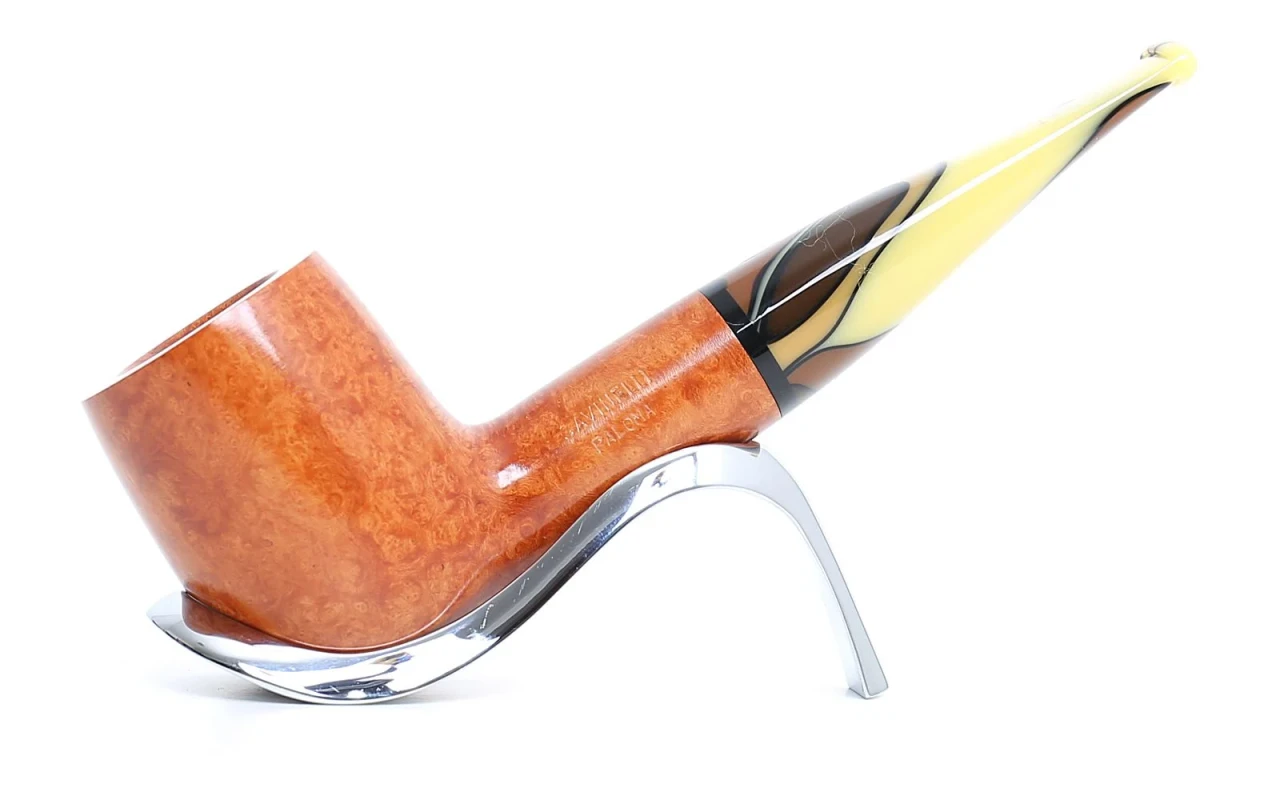
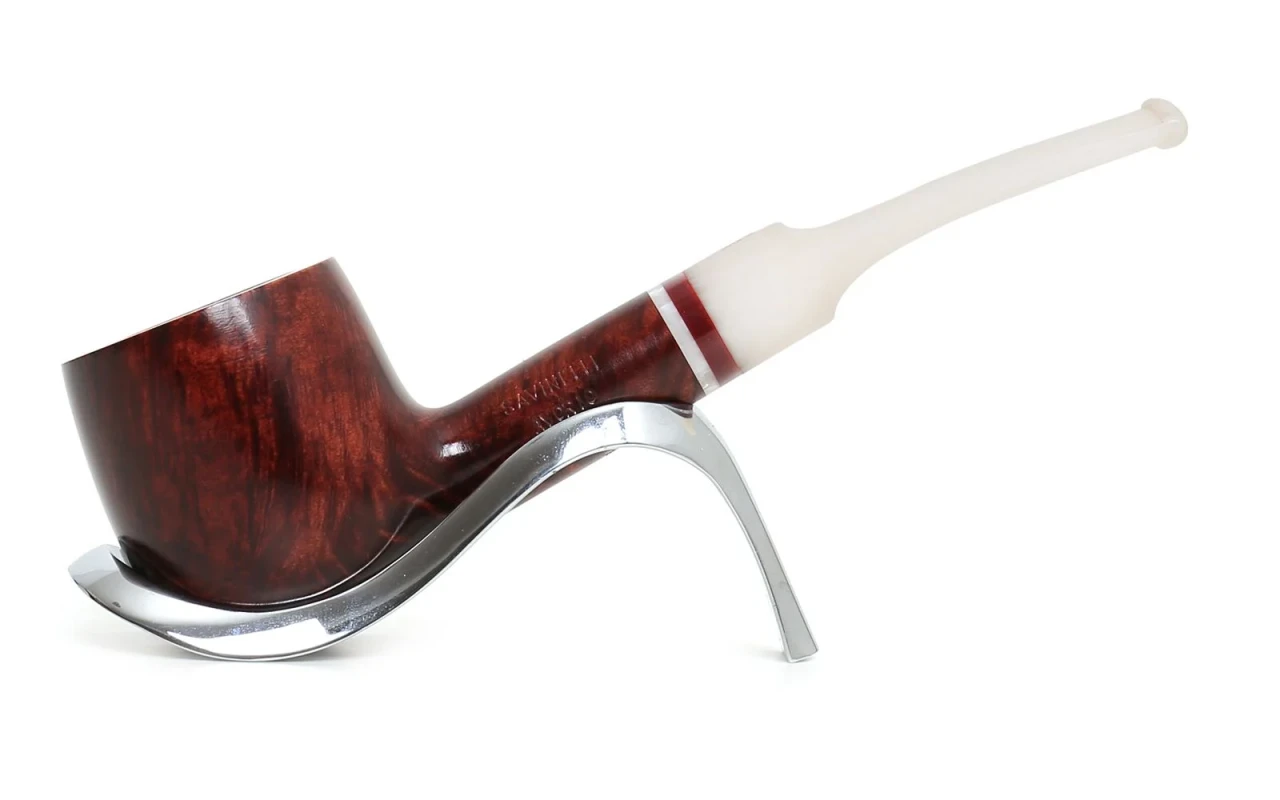
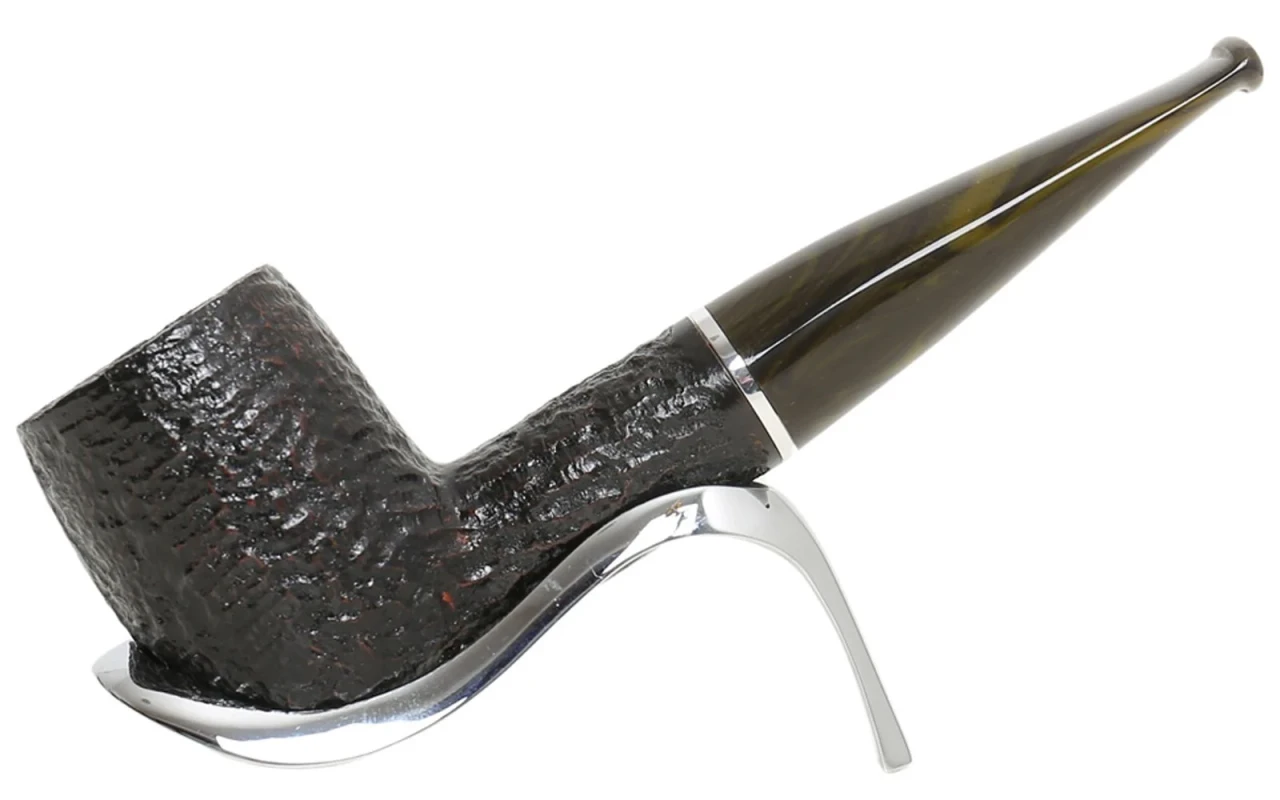
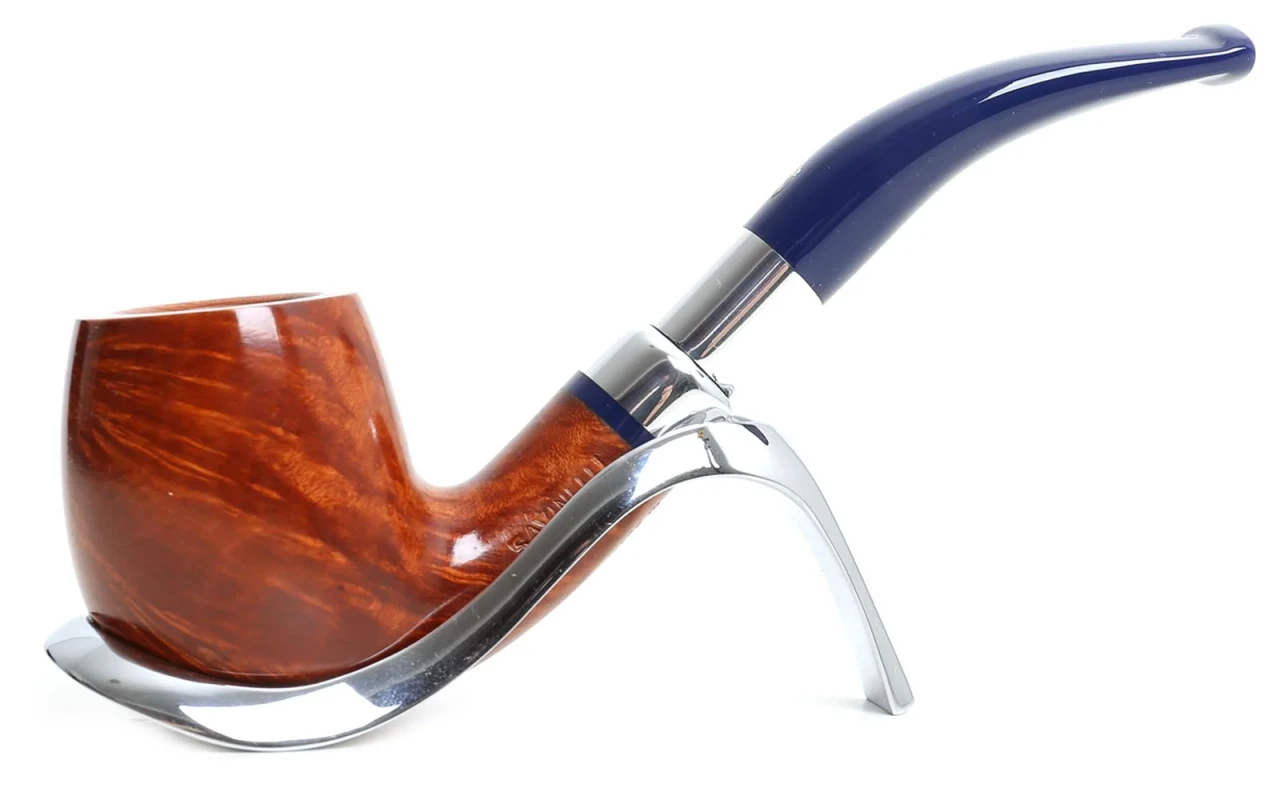
Materials and Construction of Pipes
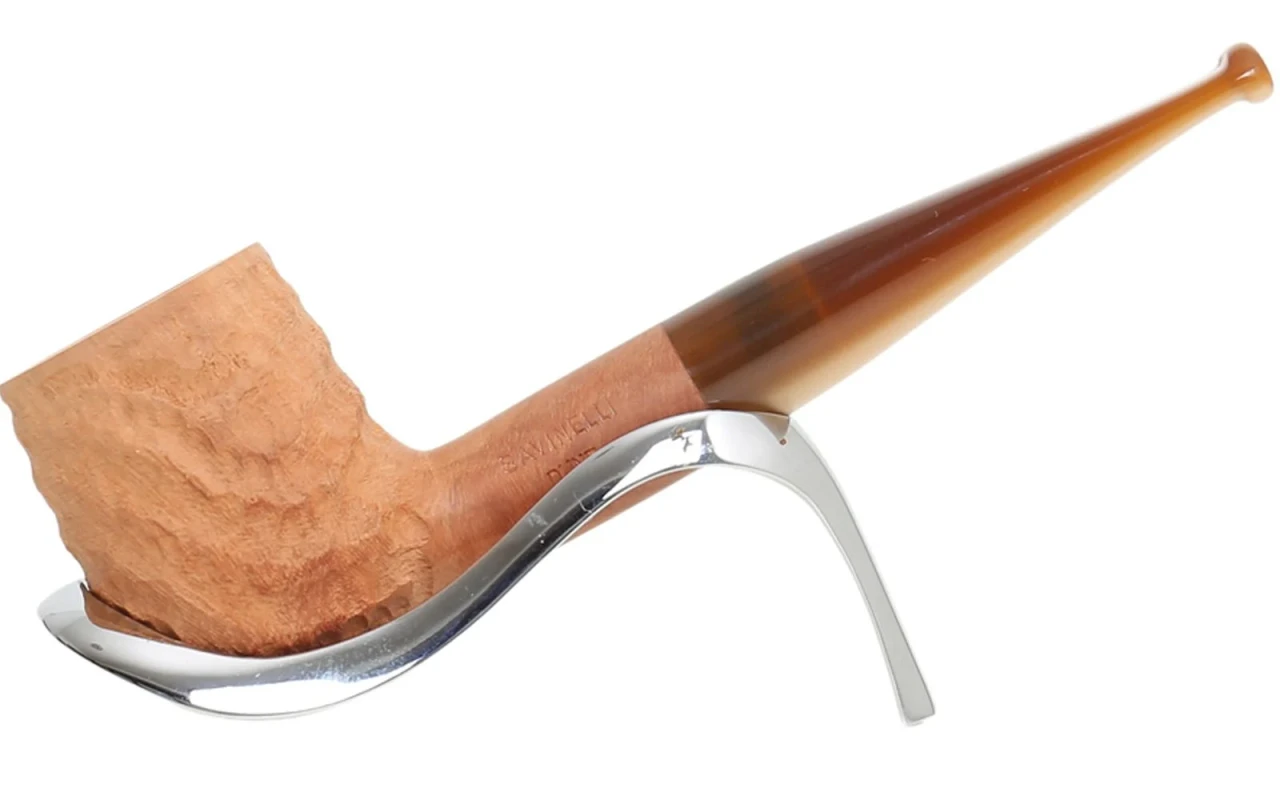
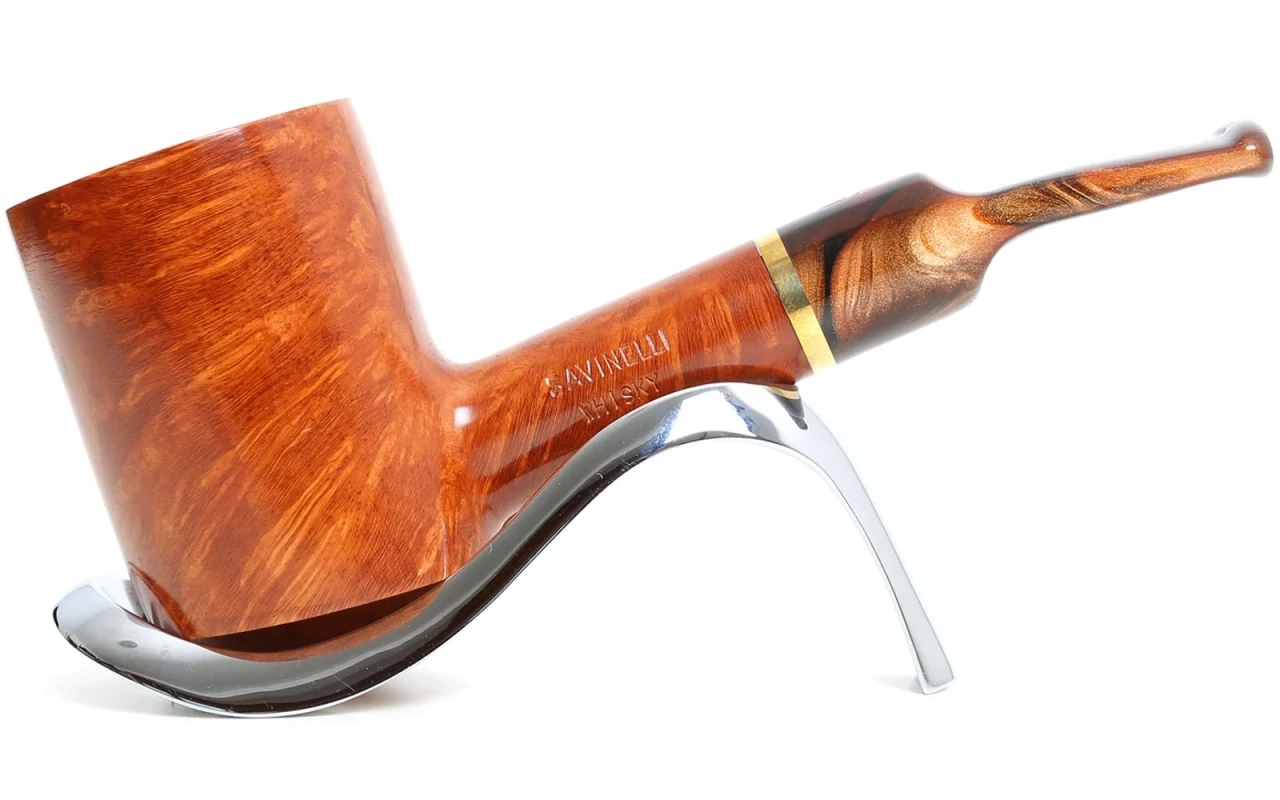
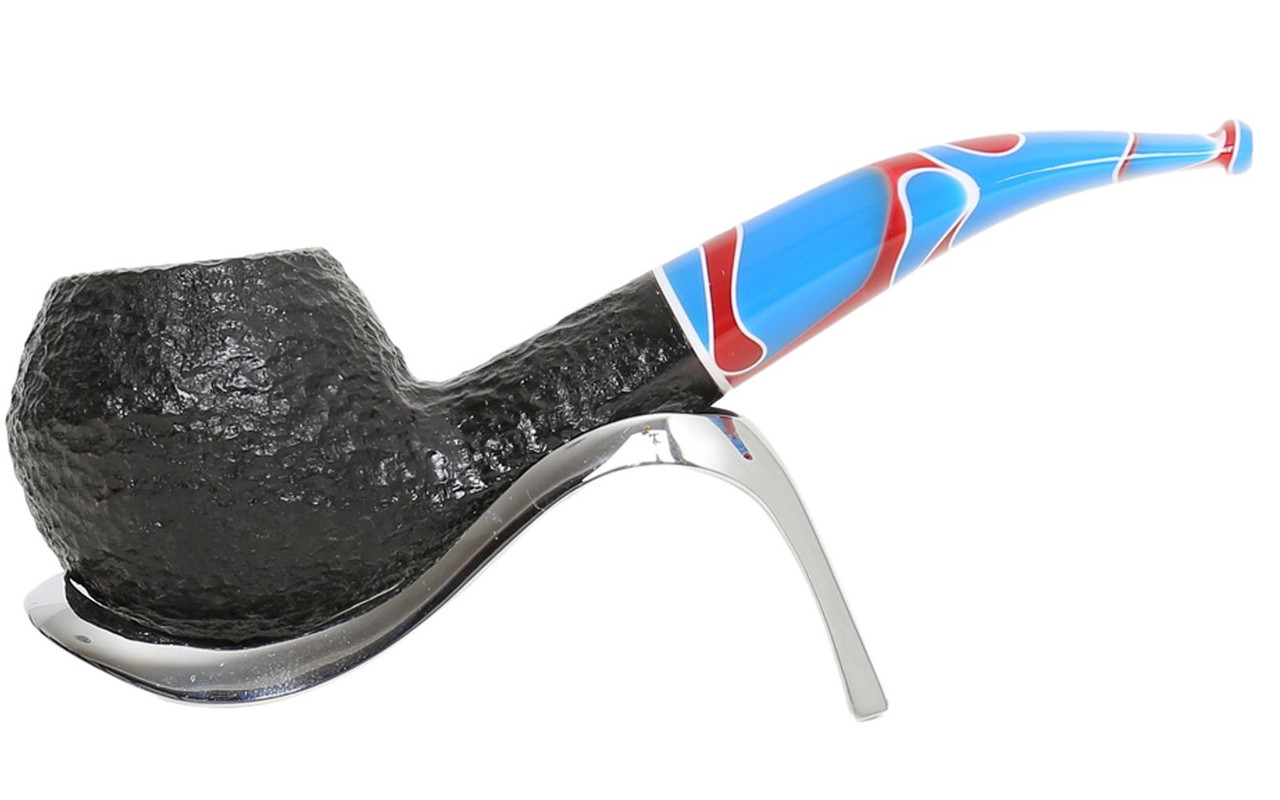
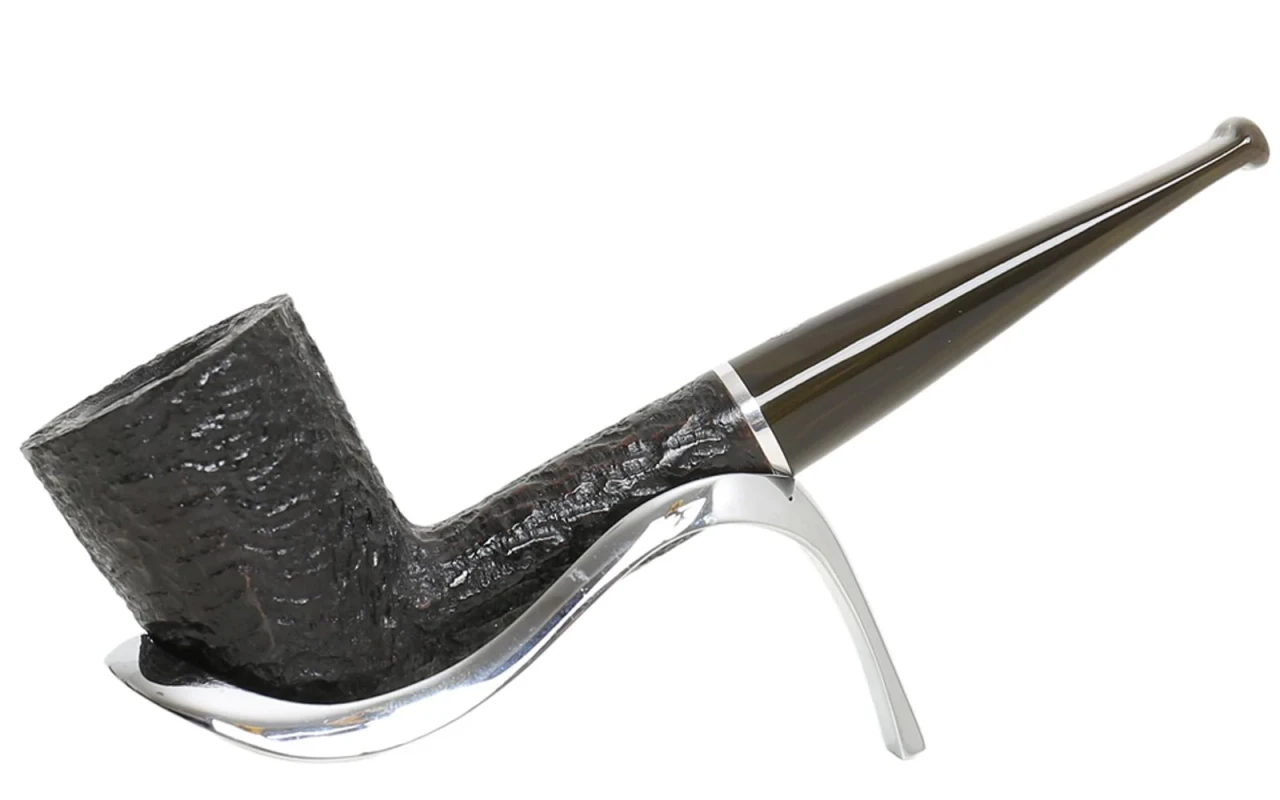
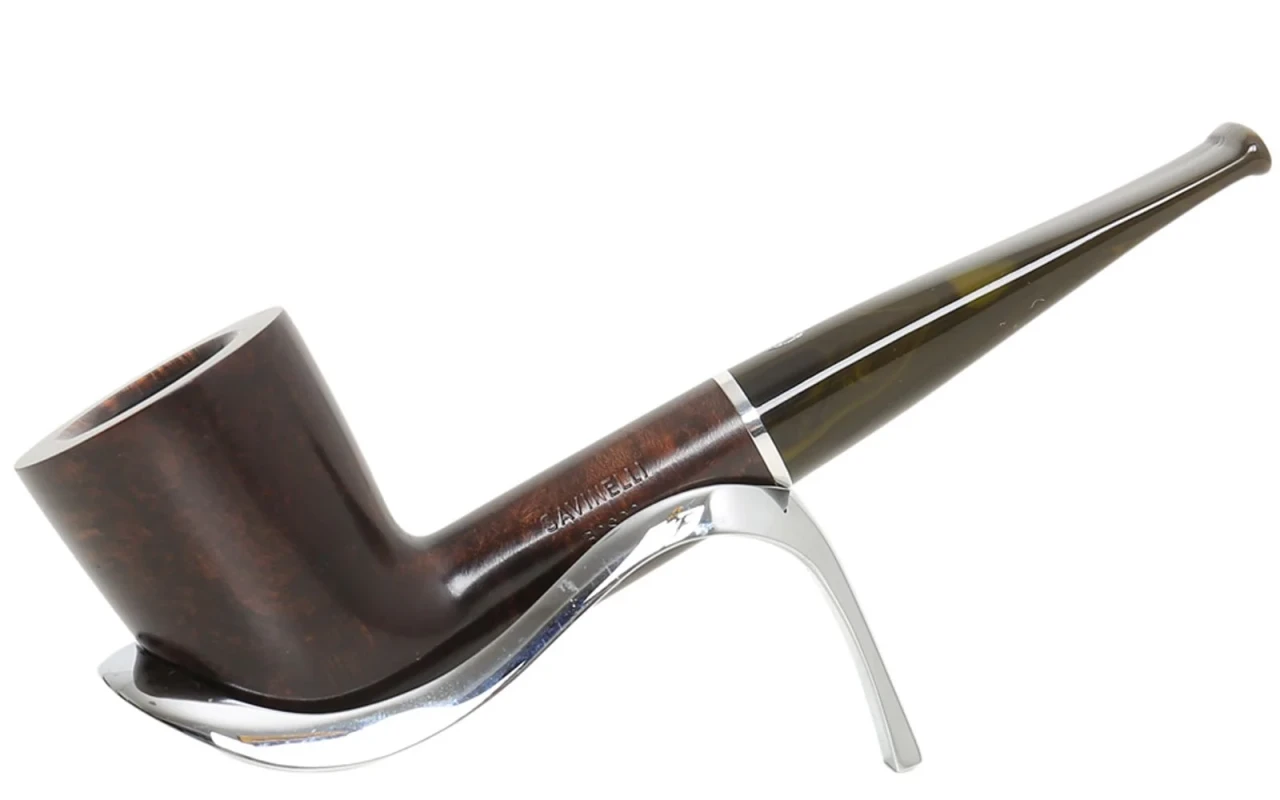
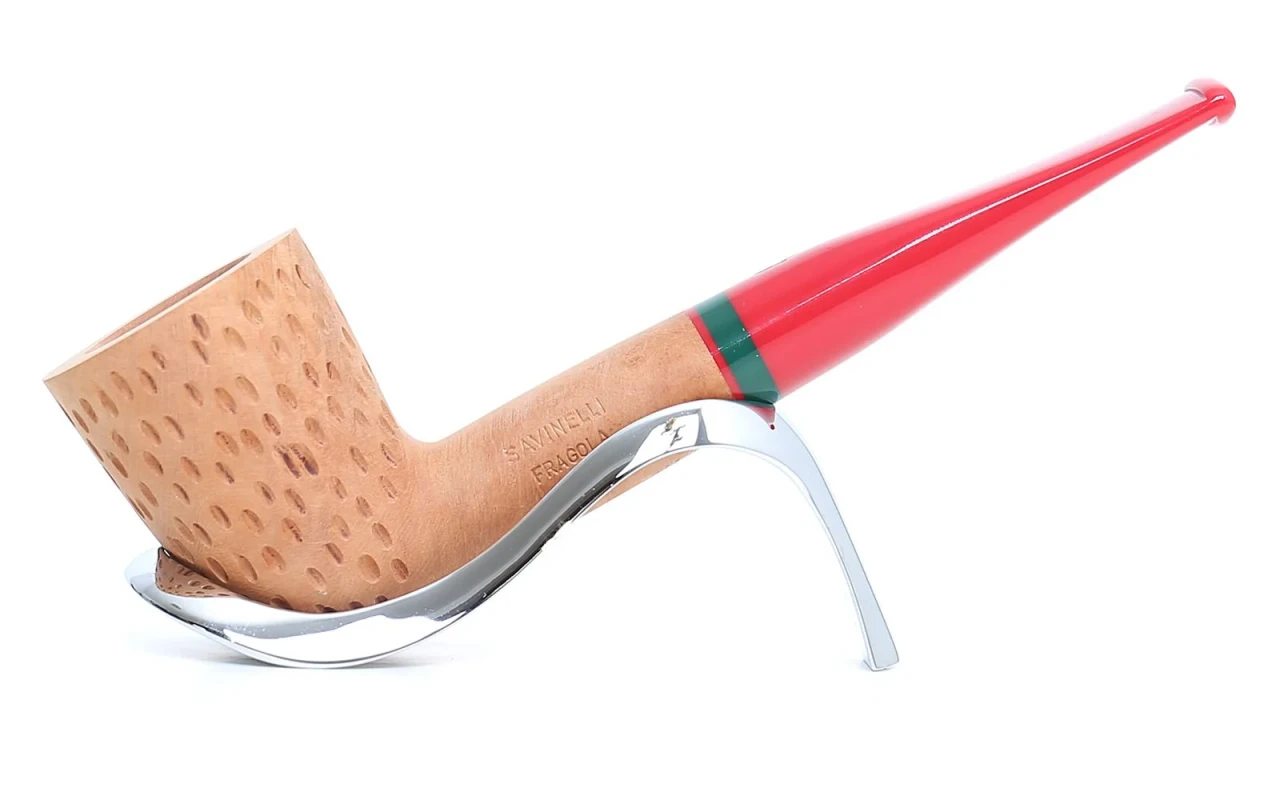
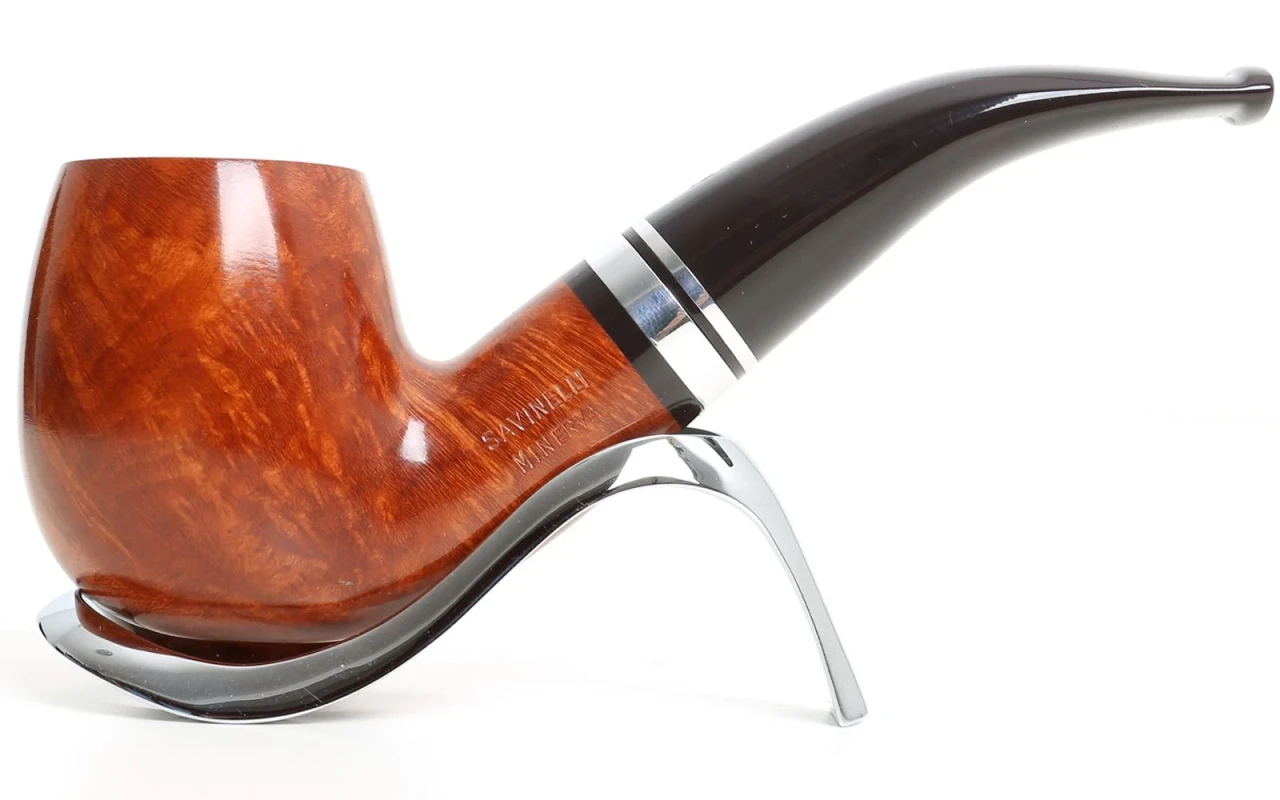
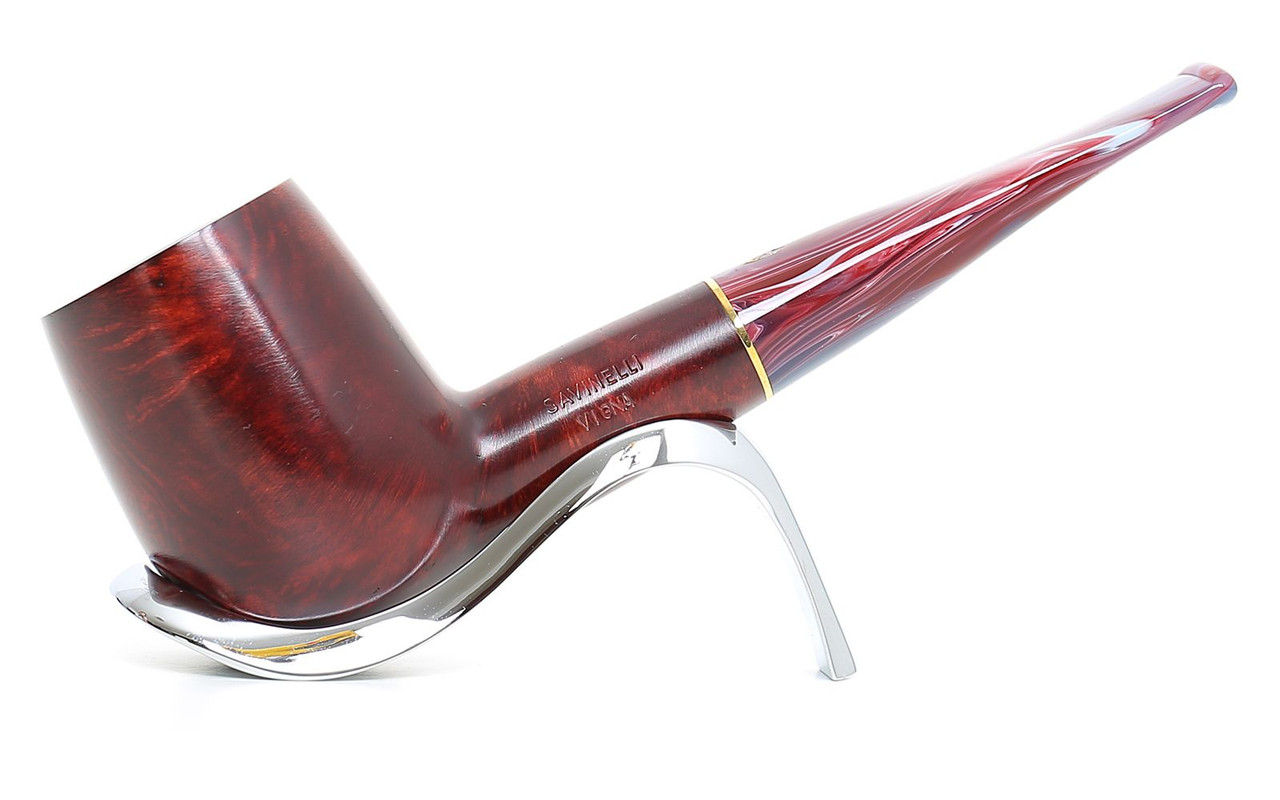
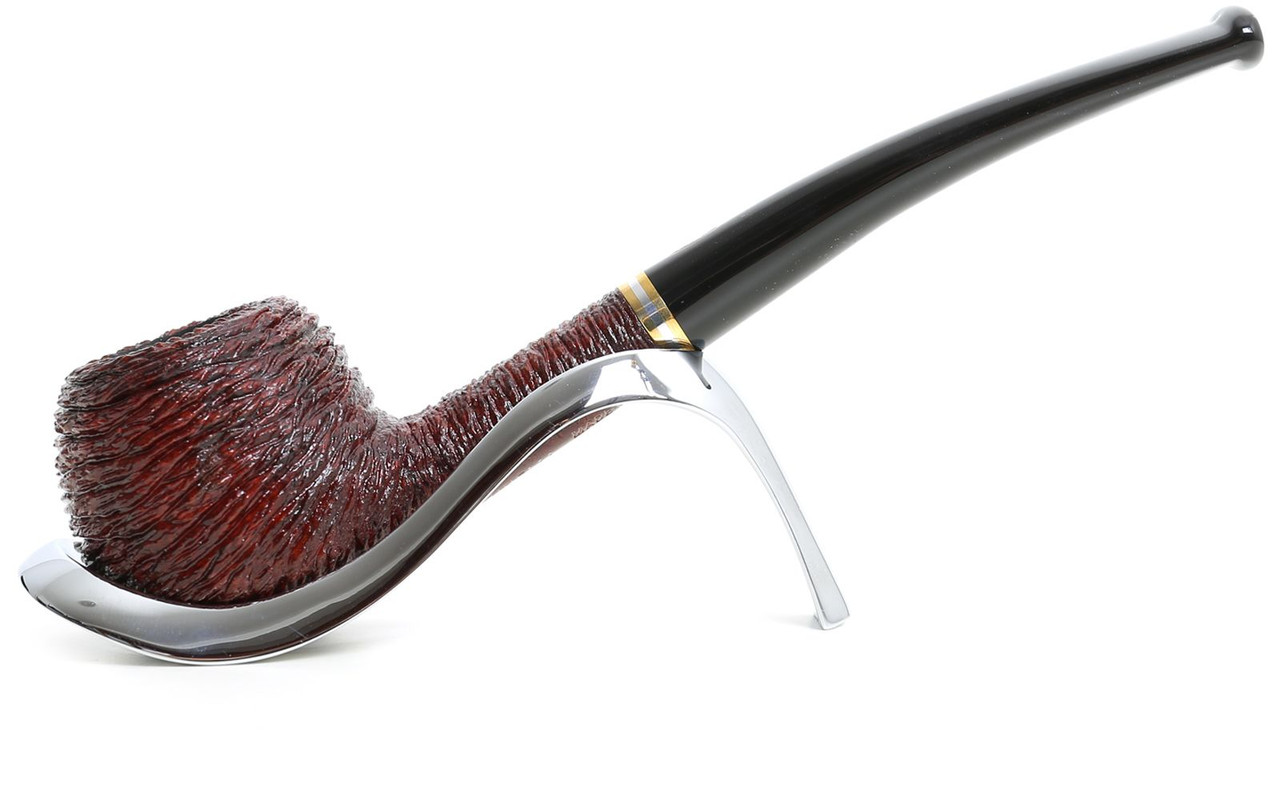
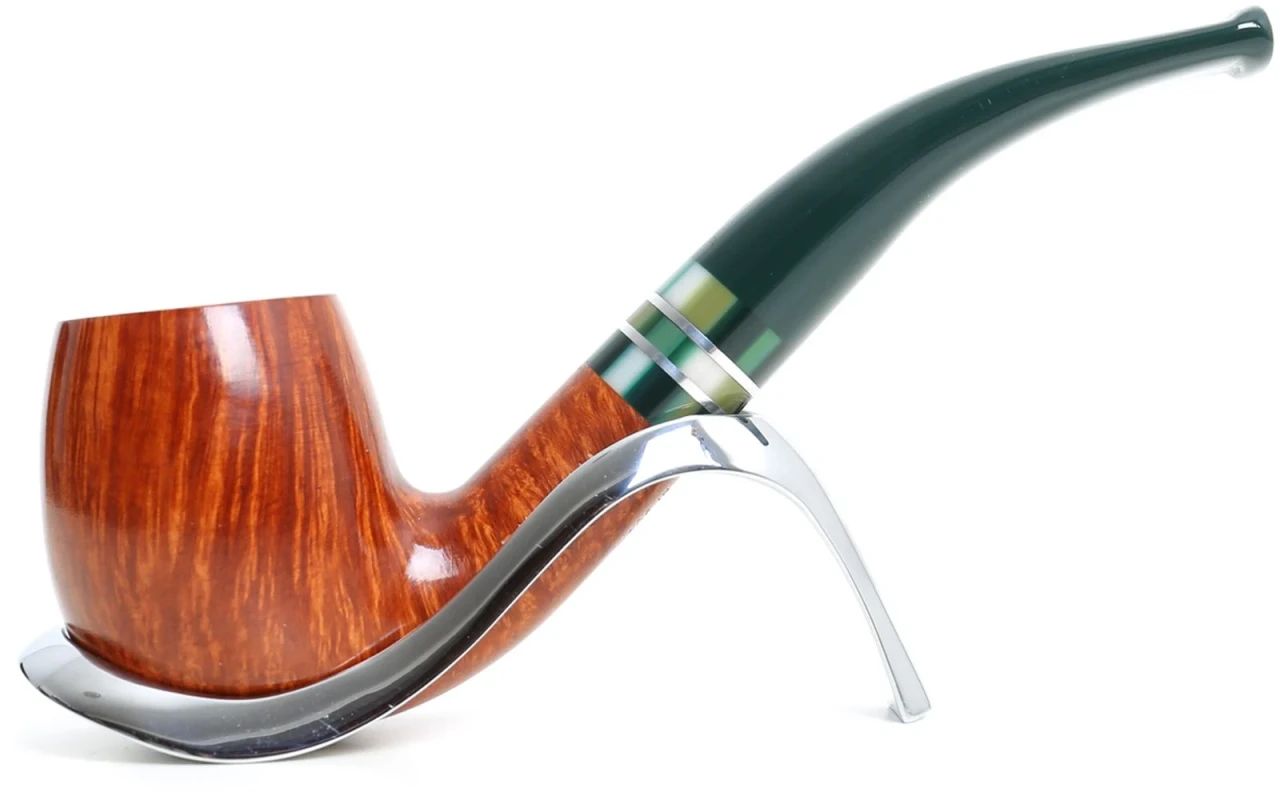
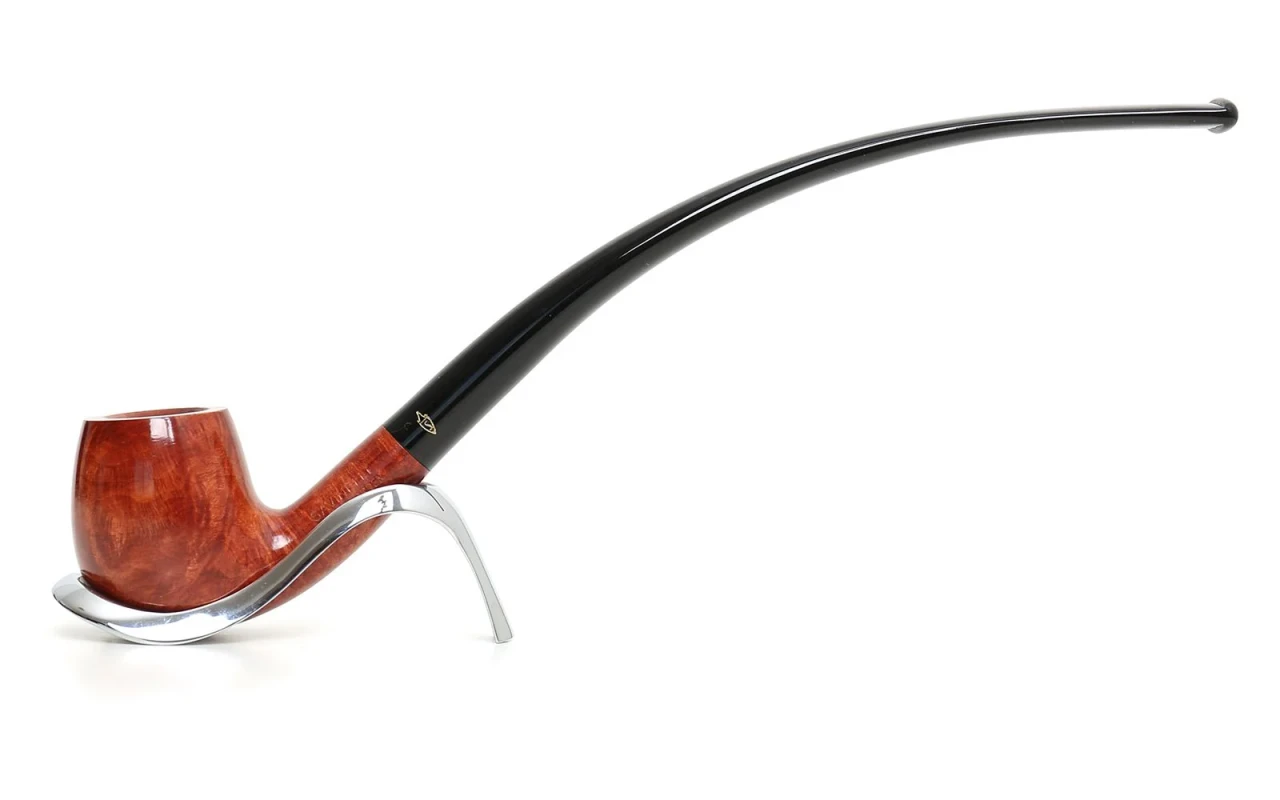
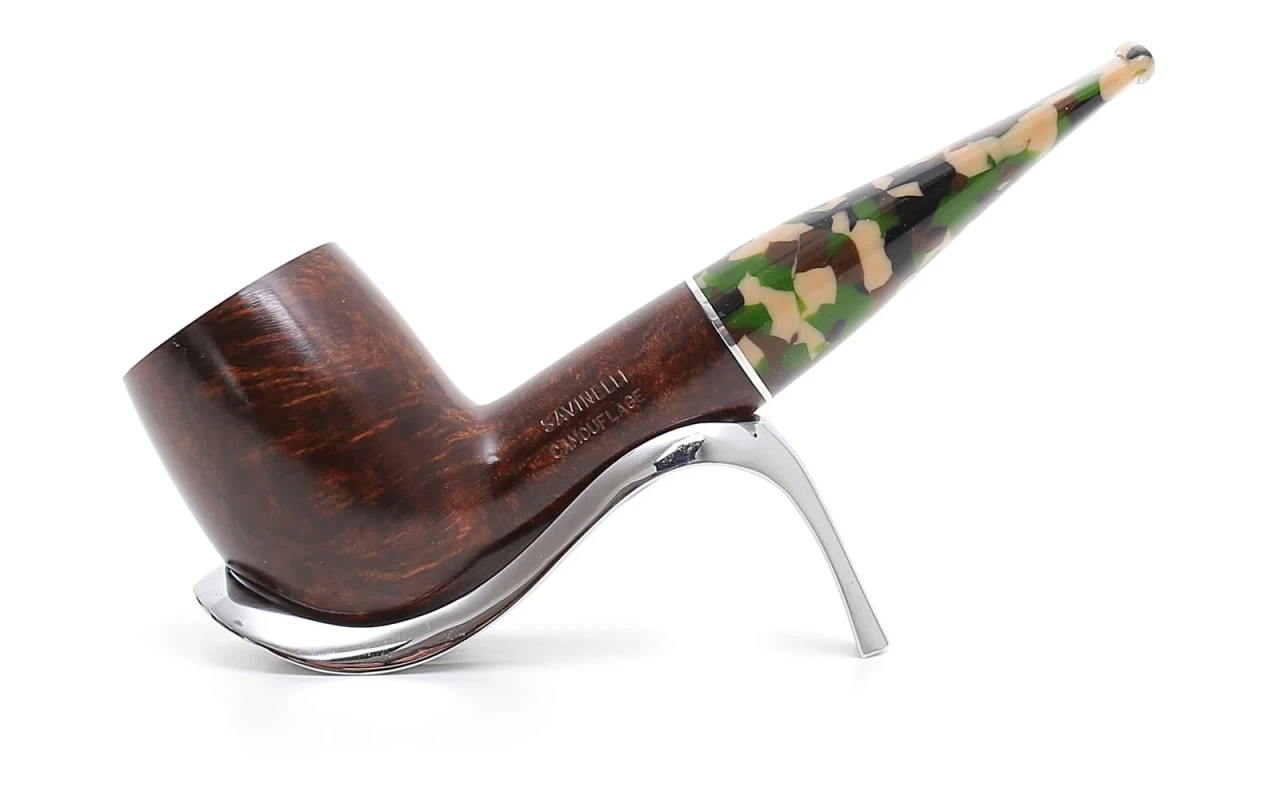
Pipes are commonly made from materials such as briarwood, corn cob, clay, meerschaum, or briar. Briarwood is durable and of high quality, while corn cob pipes are lightweight and affordable. Clay pipes offer a neutral taste, while meerschaum pipes are highly porous and absorb flavors. Briar is considered the best material for tobacco pipes as it is heat-resistant and provides a rich flavor. Pipes are constructed with a bowl, a shank, a stem, and a smoke channel, which can vary in shape and size depending on the style and tradition.
Types of wood for pipes
There are several types of wood used in the production of smoking pipes. Among the most common ones are:- Briar: a hard and durable wood, highly appreciated for its ability to absorb moisture without altering the tobacco flavor.- Mortaio: high-quality wood, characterized by distinctive veins and heat resistance.- Cherry: light and easy-to-work wood, ideal for smaller pipes.- Walnut: dark and sturdy wood, providing a rich flavor to the tobacco.- Elm: heat-resistant wood with an elegant appearance.The choice of wood depends on the smoker's personal preferences and the desired aesthetics for the pipe.
Pipe manufacturing process
The pipe manufacturing process is a craftsmanship operation that requires precision and skill. It starts with selecting the briar root, usually from heather or olive wood, followed by seasoning to ensure the correct wood drying. Subsequently, the briar root is shaped and worked with precision to create the desired pipe shape. The next step involves sanding and finishing the surface to make it smooth and uniform. Finally, the pipe is treated with natural oils or waxes to protect the wood and enhance its beauty. This artisanal process ensures the creation of high-quality, long-lasting pipes.
Materials for pipe construction
The most common materials for pipe construction include:- Heather root: lightweight and durable, it is highly valued for its thermal insulation properties.- Oak root: hard and heat-resistant, it is mainly used for high-quality pipes.- Olive wood: gives a unique aroma to the smoke and is distinguished by its particular veins.- Corn cob: inexpensive and lightweight, it is often chosen for budget tobacco pipes.- Clay: an ancient material for pipe construction, it ensures a cool and neutral smoke.- Meerschaum: a porous stone that absorbs tobacco oils, ensuring a smooth and dry smoke.
'%3e%3cg id='Final-Copy-2_2_' transform='translate(1275.000000, 200.000000)'%3e%3cpath class='st0' d='M7.4,12.8h6.8l3.1-11.6H7.4C4.2,1.2,1.6,3.8,1.6,7S4.2,12.8,7.4,12.8z'/%3e%3c/g%3e%3c/g%3e%3c/g%3e%3cg id='final---dec.11-2020'%3e%3cg id='_x30_208-our-toggle' transform='translate(-1275.000000, -200.000000)'%3e%3cg id='Final-Copy-2' transform='translate(1275.000000, 200.000000)'%3e%3cpath class='st1' d='M22.6,0H7.4c-3.9,0-7,3.1-7,7s3.1,7,7,7h15.2c3.9,0,7-3.1,7-7S26.4,0,22.6,0z M1.6,7c0-3.2,2.6-5.8,5.8-5.8 h9.9l-3.1,11.6H7.4C4.2,12.8,1.6,10.2,1.6,7z'/%3e%3cpath id='x' class='st2' d='M24.6,4c0.2,0.2,0.2,0.6,0,0.8l0,0L22.5,7l2.2,2.2c0.2,0.2,0.2,0.6,0,0.8c-0.2,0.2-0.6,0.2-0.8,0 l0,0l-2.2-2.2L19.5,10c-0.2,0.2-0.6,0.2-0.8,0c-0.2-0.2-0.2-0.6,0-0.8l0,0L20.8,7l-2.2-2.2c-0.2-0.2-0.2-0.6,0-0.8 c0.2-0.2,0.6-0.2,0.8,0l0,0l2.2,2.2L23.8,4C24,3.8,24.4,3.8,24.6,4z'/%3e%3cpath id='y' class='st3' d='M12.7,4.1c0.2,0.2,0.3,0.6,0.1,0.8l0,0L8.6,9.8C8.5,9.9,8.4,10,8.3,10c-0.2,0.1-0.5,0.1-0.7-0.1l0,0 L5.4,7.7c-0.2-0.2-0.2-0.6,0-0.8c0.2-0.2,0.6-0.2,0.8,0l0,0L8,8.6l3.8-4.5C12,3.9,12.4,3.9,12.7,4.1z'/%3e%3c/g%3e%3c/g%3e%3c/g%3e%3c/g%3e%3c/svg%3e) Your Privacy Choices
Your Privacy Choices 


