 ES
ES FR
FR EN
EN IT
IT DE
DE
Polishing a pipe with beeswax or linseed oil
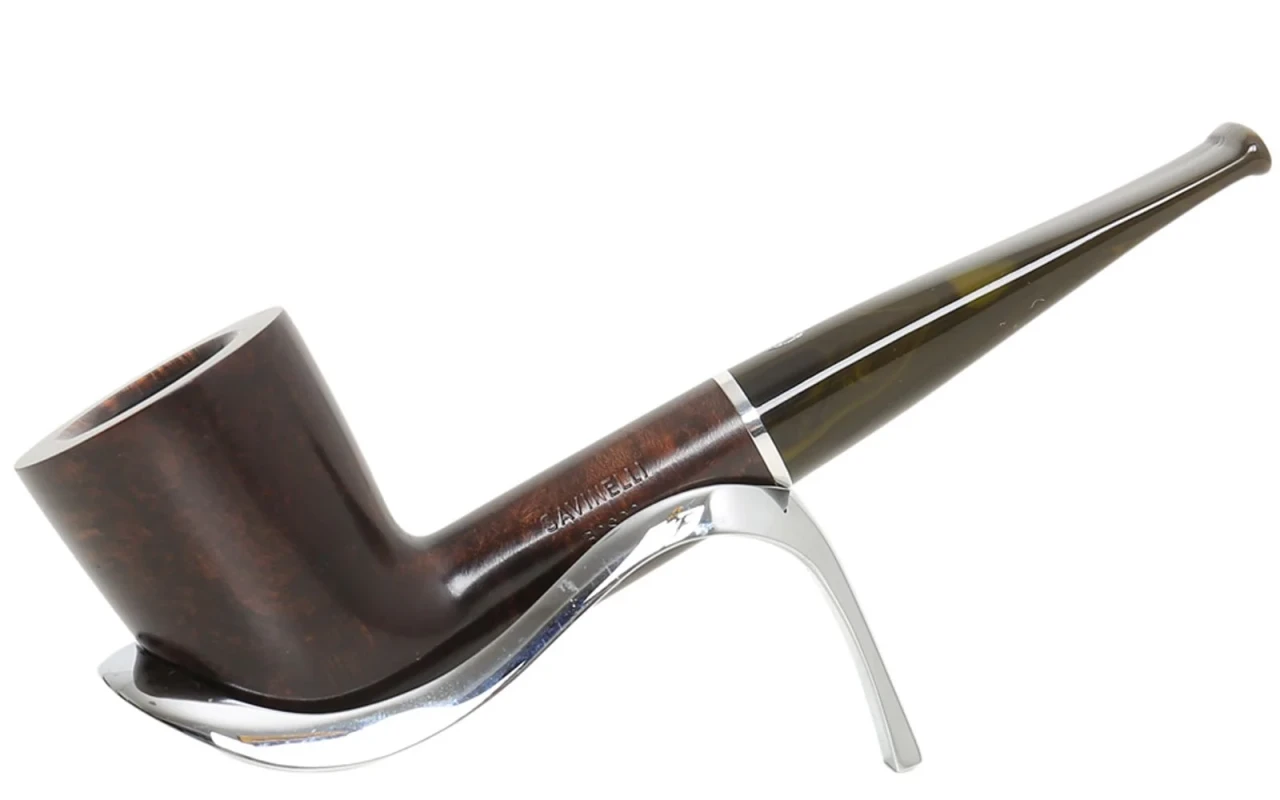
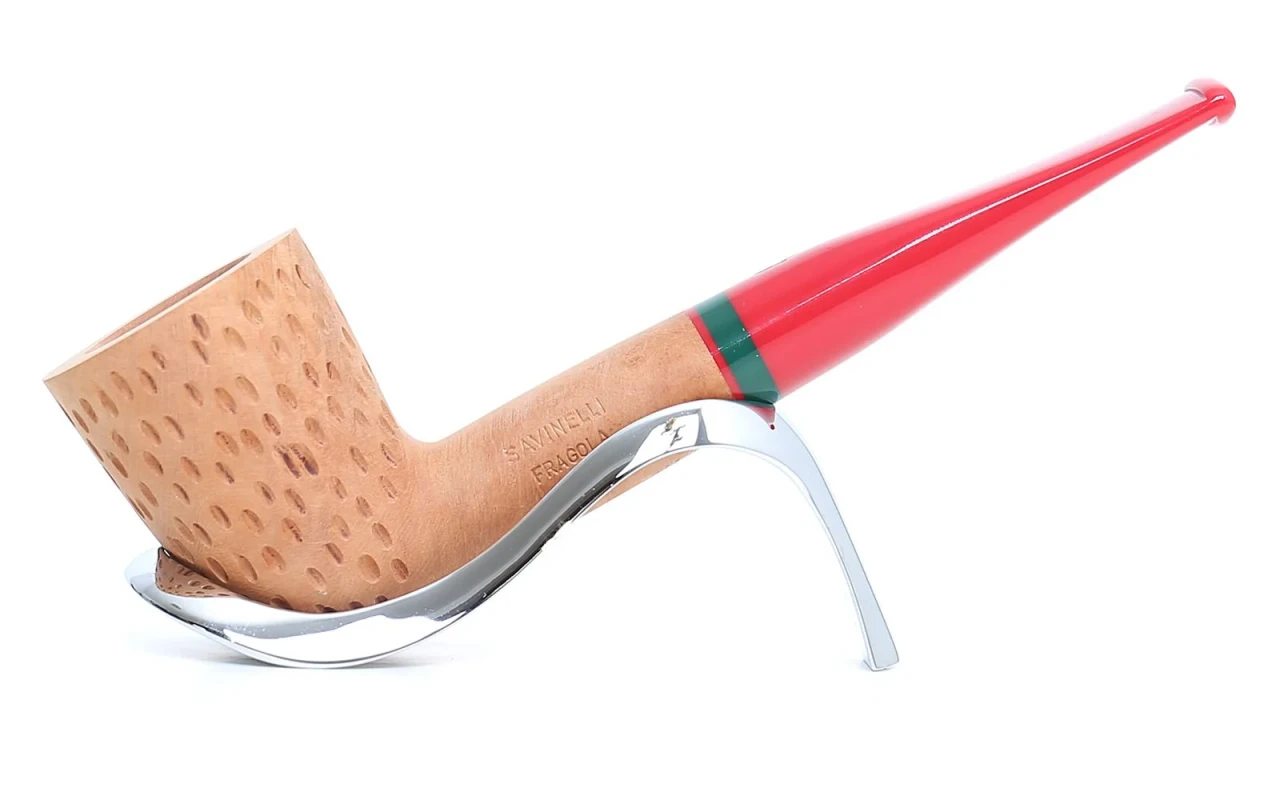
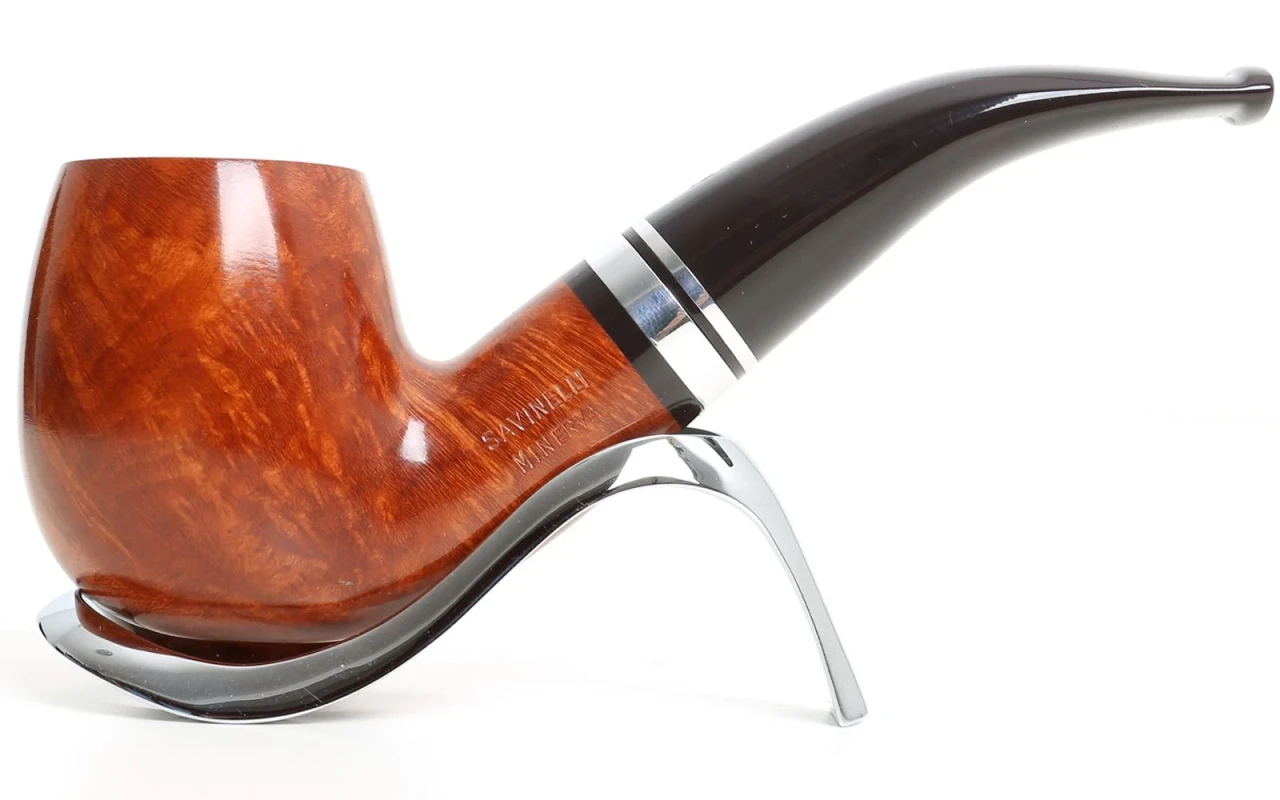
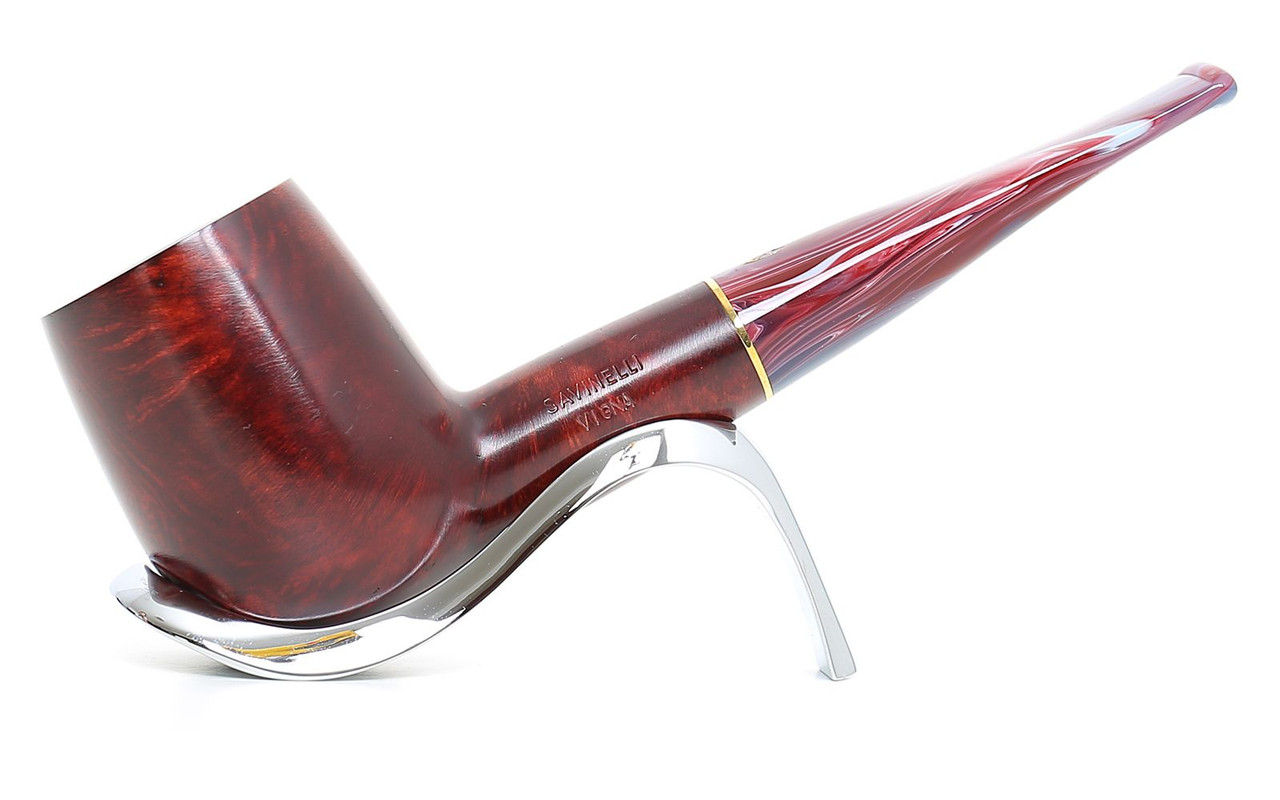
Polishing a pipe with beeswax or linseed oil
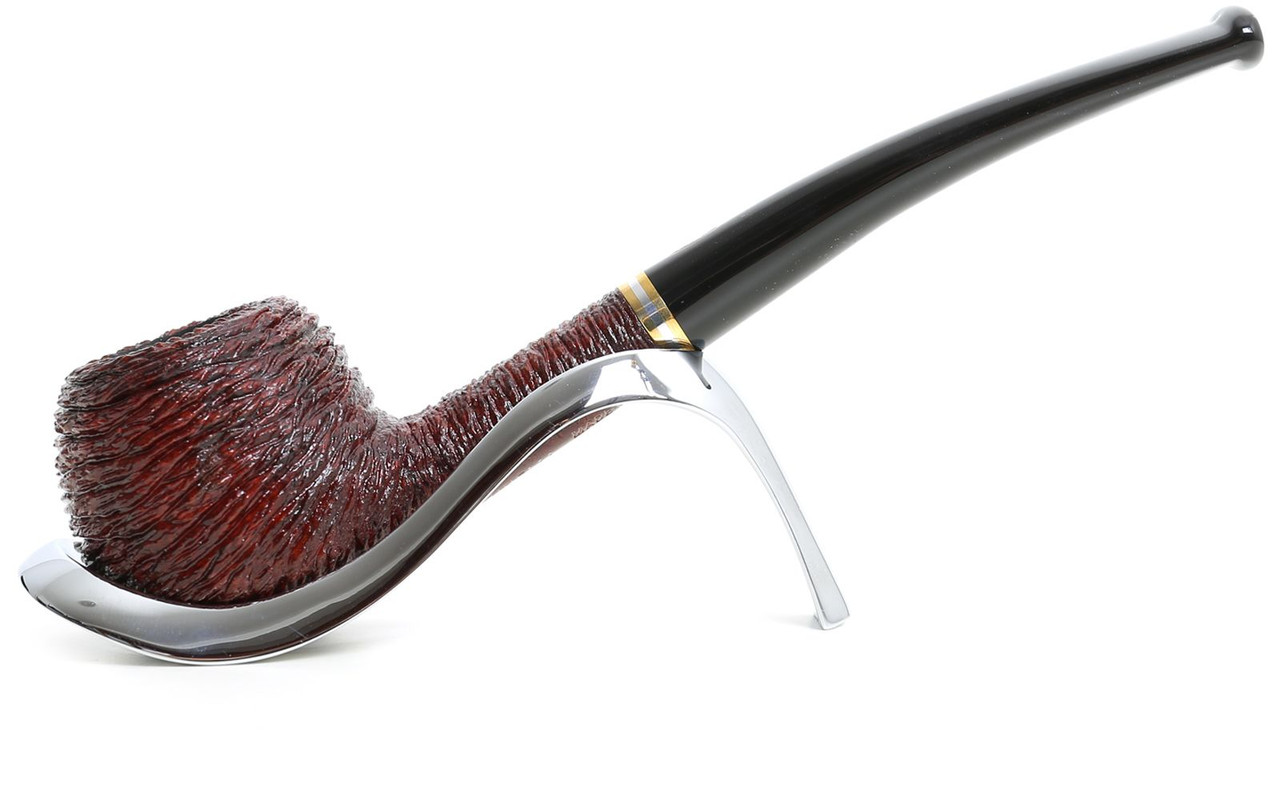
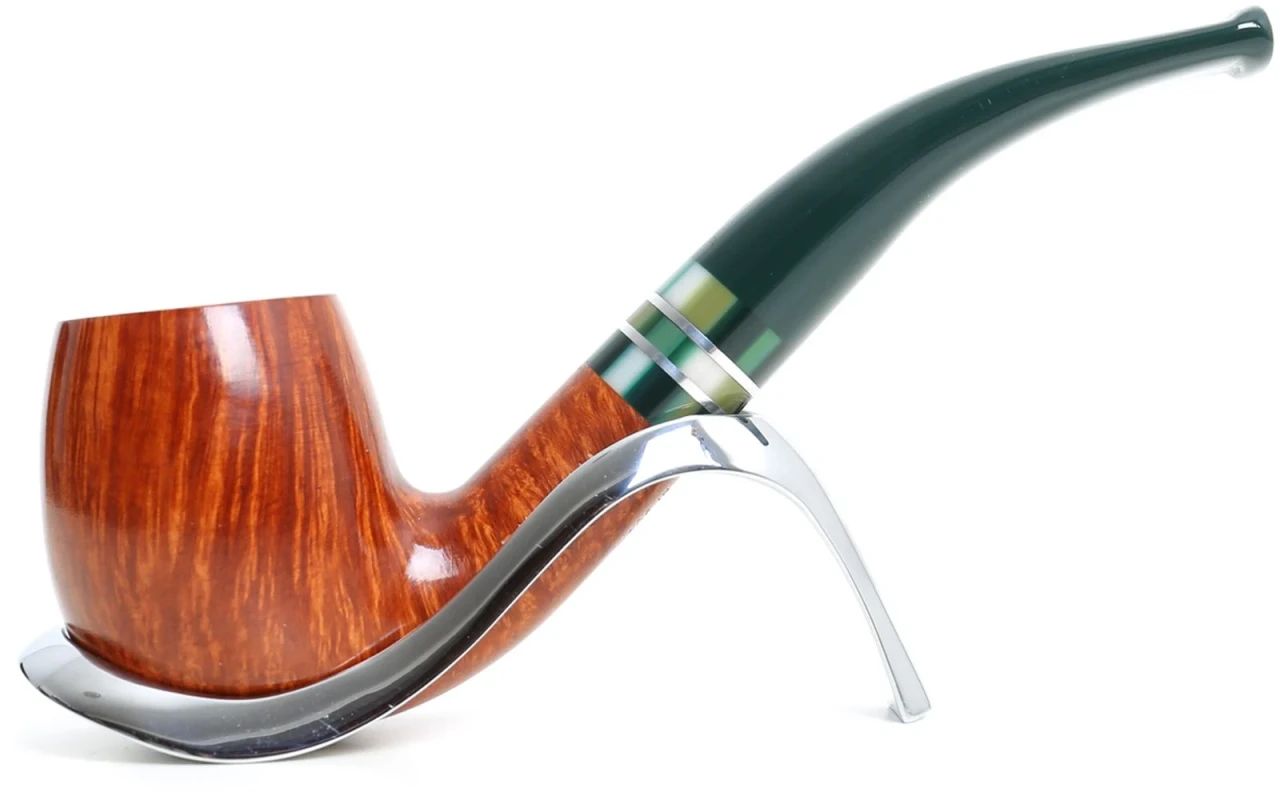
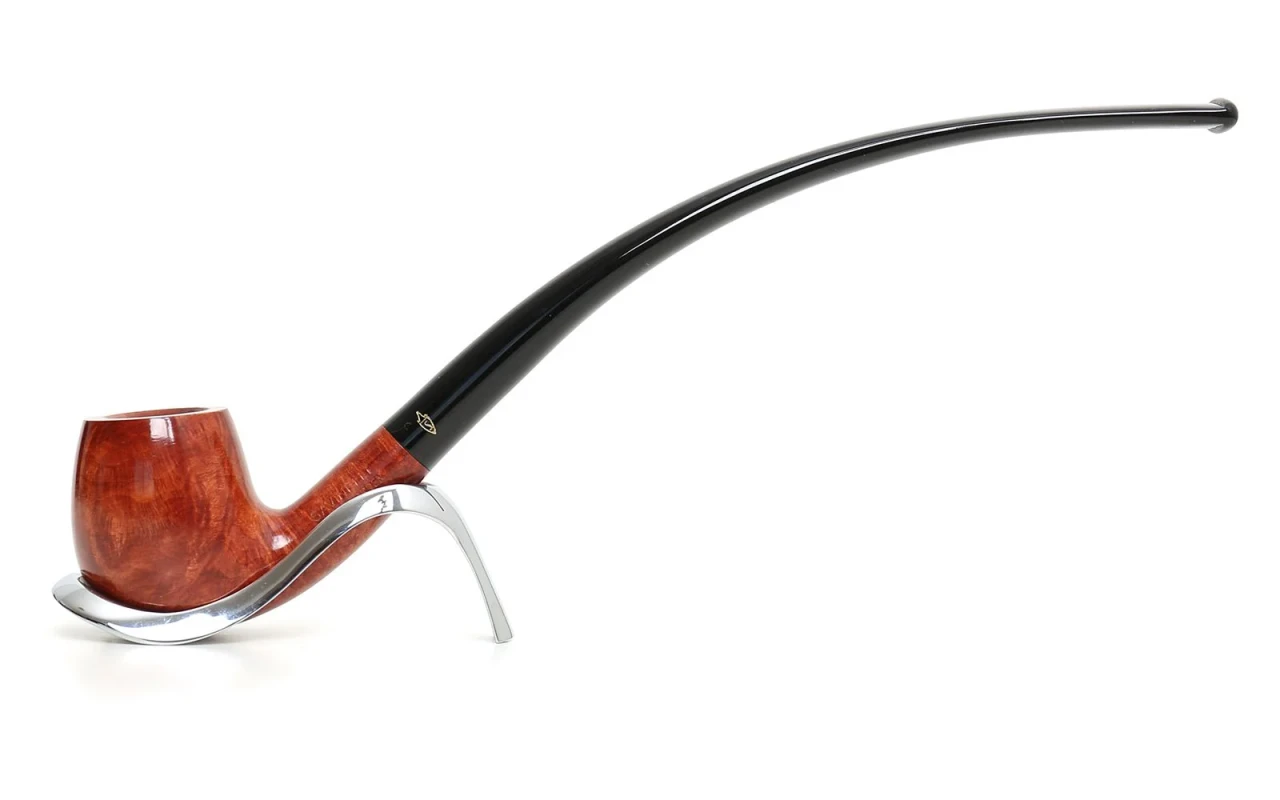
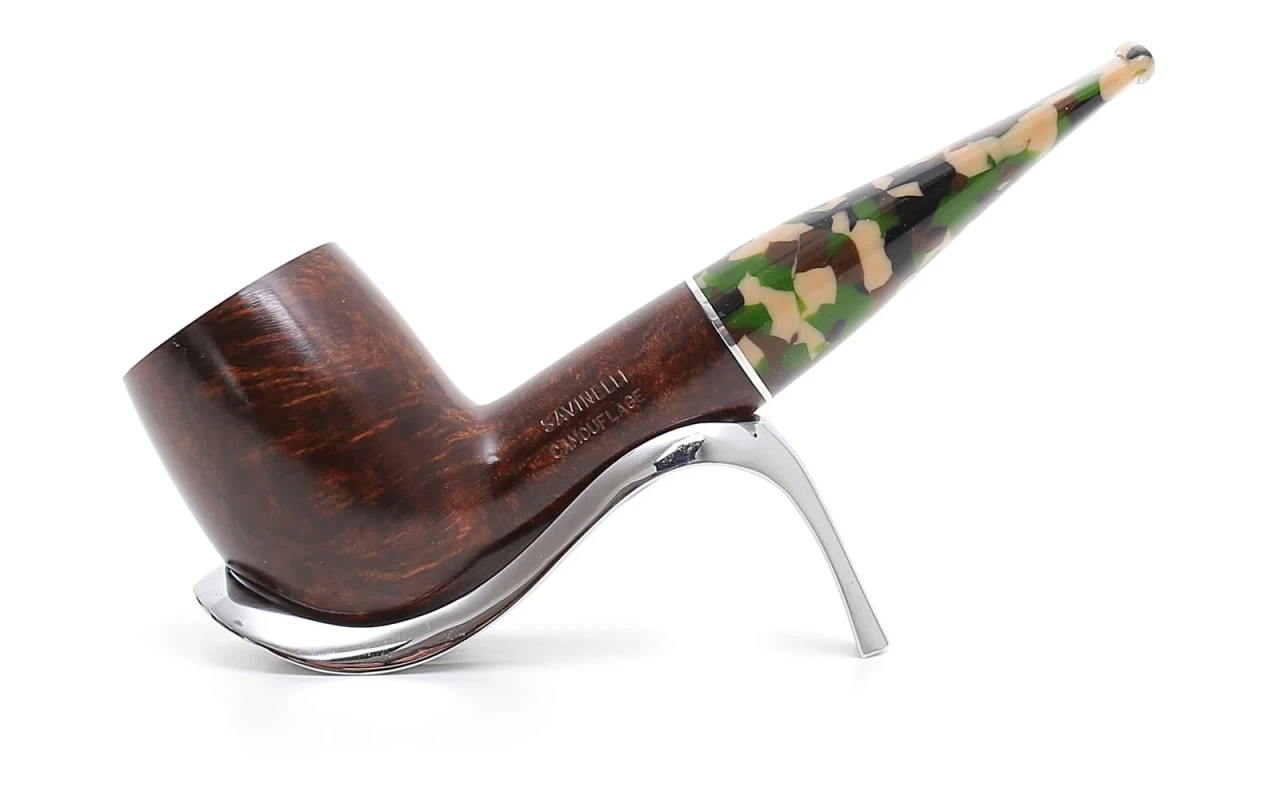
Polishing the pipe with beeswax or linseed oil is a common process to maintain and protect the wood surface over time. Beeswax is appreciated for its ability to create a protective and shiny patina, while linseed oil penetrates the wood, nourishing it and giving it a glossy appearance. Both methods require attention and precision in the application to avoid excess and ensure a uniform finish. Before proceeding with the polishing, it is advisable to thoroughly clean the pipe to remove smoke residues and dirt, ensuring that the surface is dry.
Best waxes for pipe polishing
The best waxes for pipe polishing are those specifically formulated for this purpose. These waxes are designed to protect and enhance the beauty of the wood, while preserving the original finish of the pipe. Typically, pipe polishing waxes are made with natural and non-toxic ingredients to ensure optimal results without damaging the wood or compromising the smoker's experience. It is advisable to apply the wax carefully following the manufacturer's instructions to achieve the best results and preserve the beauty and integrity of your favorite pipe for a long time.
How to polish a pipe naturally
To polish a pipe naturally, you can follow some simple yet effective steps:1. Use a soft cotton or linen cloth to remove the dirt and pipe residue deposited on the surface of the pipe.2. Apply a small amount of flaxseed oil or beeswax to the pipe and gently rub in circular motions to polish and protect the wood.3. Allow the oil or wax to absorb for a few minutes and then further polish with another clean cloth.4. Repeat the polishing process whenever the pipe appears dull or dry to keep it in optimal condition over time.By following these simple tips, you can maintain your pipe shiny and in excellent condition naturally.
Maintenance Techniques for Smoking Pipes
Smoking pipes require regular care and maintenance to ensure optimal performance over time. Here are some fundamental techniques to follow:- Regular cleaning: Remove tobacco residues and condensation after each use.- Break-in period: Before use, break in the pipe to prevent overheating and cracks.- Drying: After cleaning, allow the pipe to dry completely in the air.- Pipe rotation: Alternate the use of different pipes to allow for rest and prevent overheating.- Checking the seals: Make sure the seals are in good condition to prevent smoke leaks.By following these practices, you can keep your smoking pipes in optimal condition over time.
'%3e%3cg id='Final-Copy-2_2_' transform='translate(1275.000000, 200.000000)'%3e%3cpath class='st0' d='M7.4,12.8h6.8l3.1-11.6H7.4C4.2,1.2,1.6,3.8,1.6,7S4.2,12.8,7.4,12.8z'/%3e%3c/g%3e%3c/g%3e%3c/g%3e%3cg id='final---dec.11-2020'%3e%3cg id='_x30_208-our-toggle' transform='translate(-1275.000000, -200.000000)'%3e%3cg id='Final-Copy-2' transform='translate(1275.000000, 200.000000)'%3e%3cpath class='st1' d='M22.6,0H7.4c-3.9,0-7,3.1-7,7s3.1,7,7,7h15.2c3.9,0,7-3.1,7-7S26.4,0,22.6,0z M1.6,7c0-3.2,2.6-5.8,5.8-5.8 h9.9l-3.1,11.6H7.4C4.2,12.8,1.6,10.2,1.6,7z'/%3e%3cpath id='x' class='st2' d='M24.6,4c0.2,0.2,0.2,0.6,0,0.8l0,0L22.5,7l2.2,2.2c0.2,0.2,0.2,0.6,0,0.8c-0.2,0.2-0.6,0.2-0.8,0 l0,0l-2.2-2.2L19.5,10c-0.2,0.2-0.6,0.2-0.8,0c-0.2-0.2-0.2-0.6,0-0.8l0,0L20.8,7l-2.2-2.2c-0.2-0.2-0.2-0.6,0-0.8 c0.2-0.2,0.6-0.2,0.8,0l0,0l2.2,2.2L23.8,4C24,3.8,24.4,3.8,24.6,4z'/%3e%3cpath id='y' class='st3' d='M12.7,4.1c0.2,0.2,0.3,0.6,0.1,0.8l0,0L8.6,9.8C8.5,9.9,8.4,10,8.3,10c-0.2,0.1-0.5,0.1-0.7-0.1l0,0 L5.4,7.7c-0.2-0.2-0.2-0.6,0-0.8c0.2-0.2,0.6-0.2,0.8,0l0,0L8,8.6l3.8-4.5C12,3.9,12.4,3.9,12.7,4.1z'/%3e%3c/g%3e%3c/g%3e%3c/g%3e%3c/g%3e%3c/svg%3e) Your Privacy Choices
Your Privacy Choices 


