 ES
ES FR
FR EN
EN IT
IT DE
DE
Introduction to different materials in pipe production
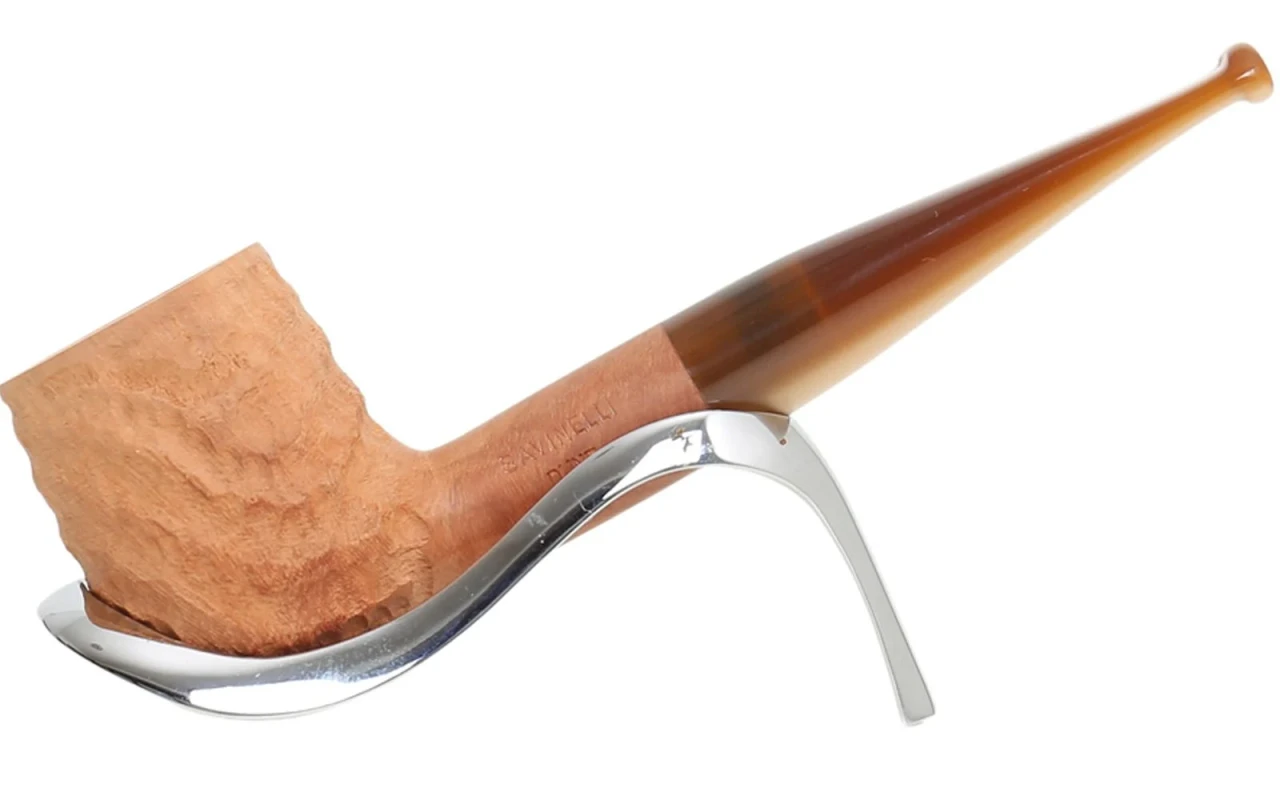
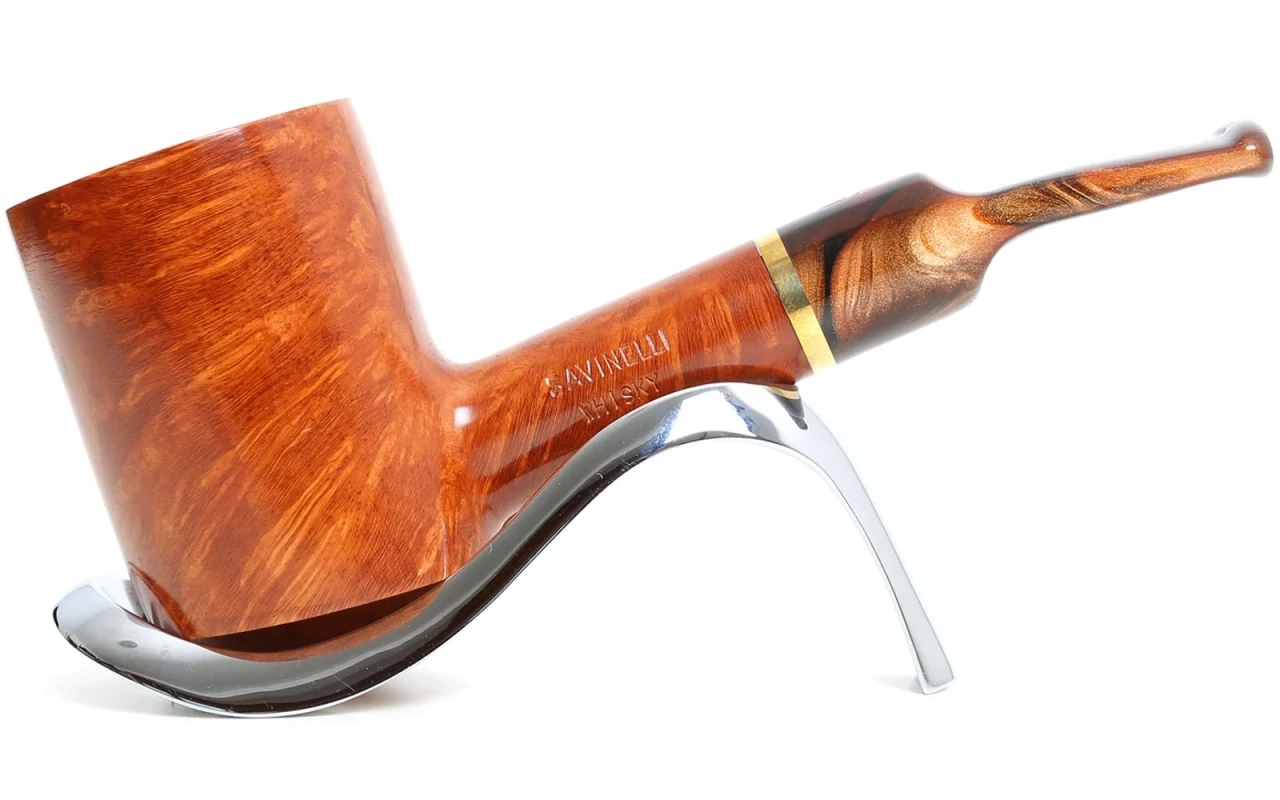
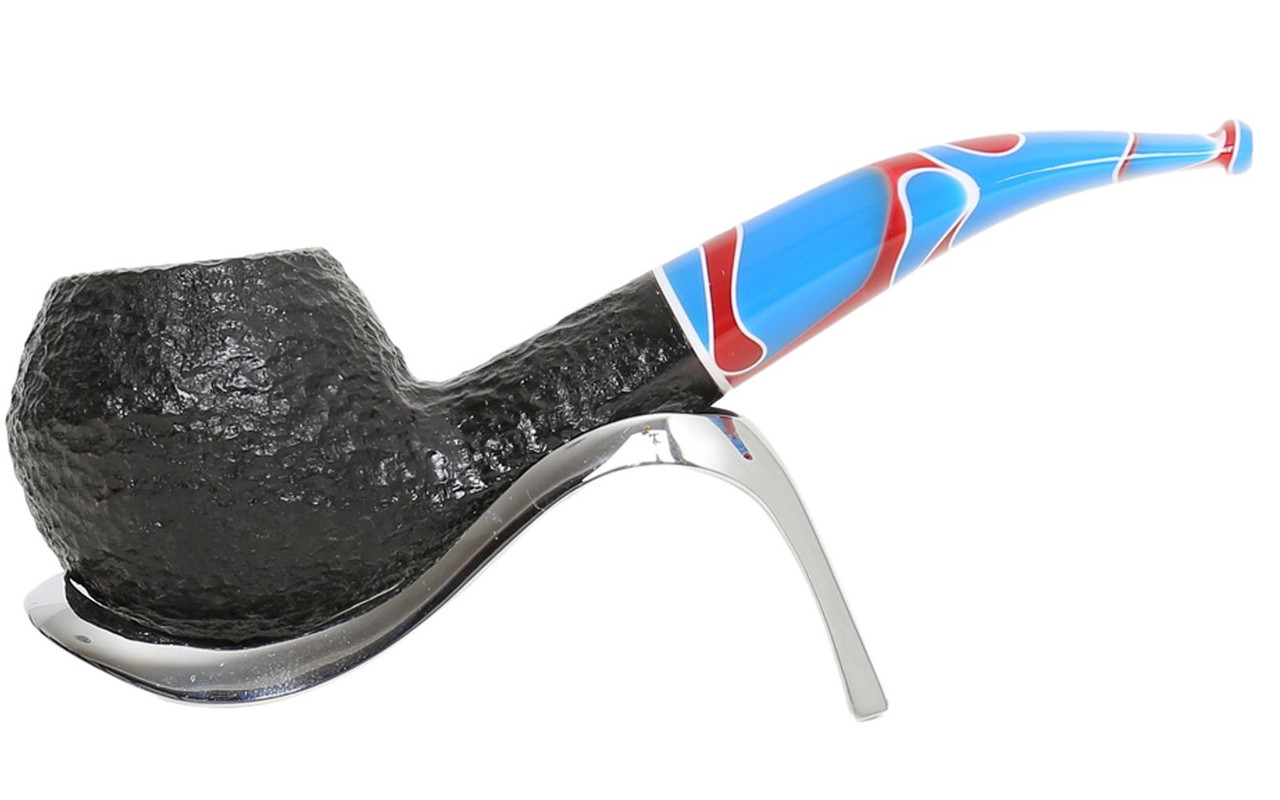
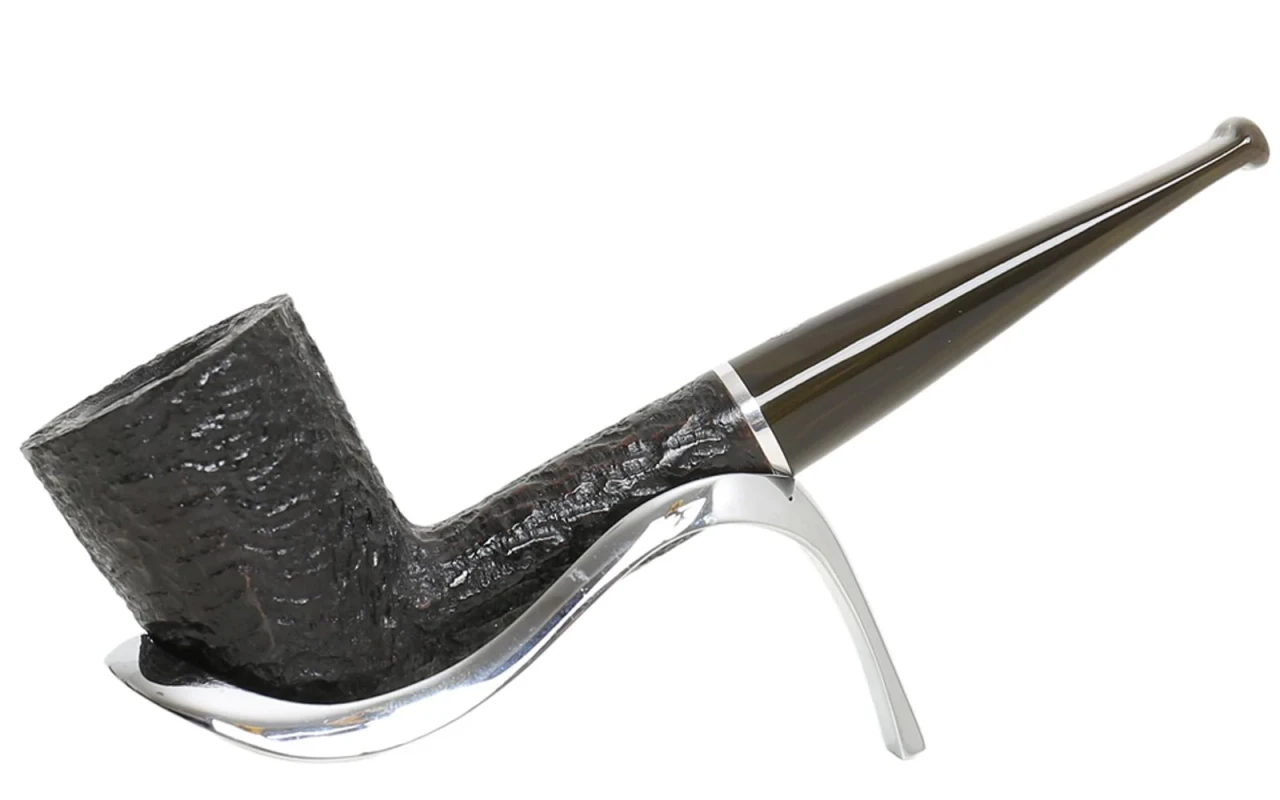
Introduction to different materials in pipe production
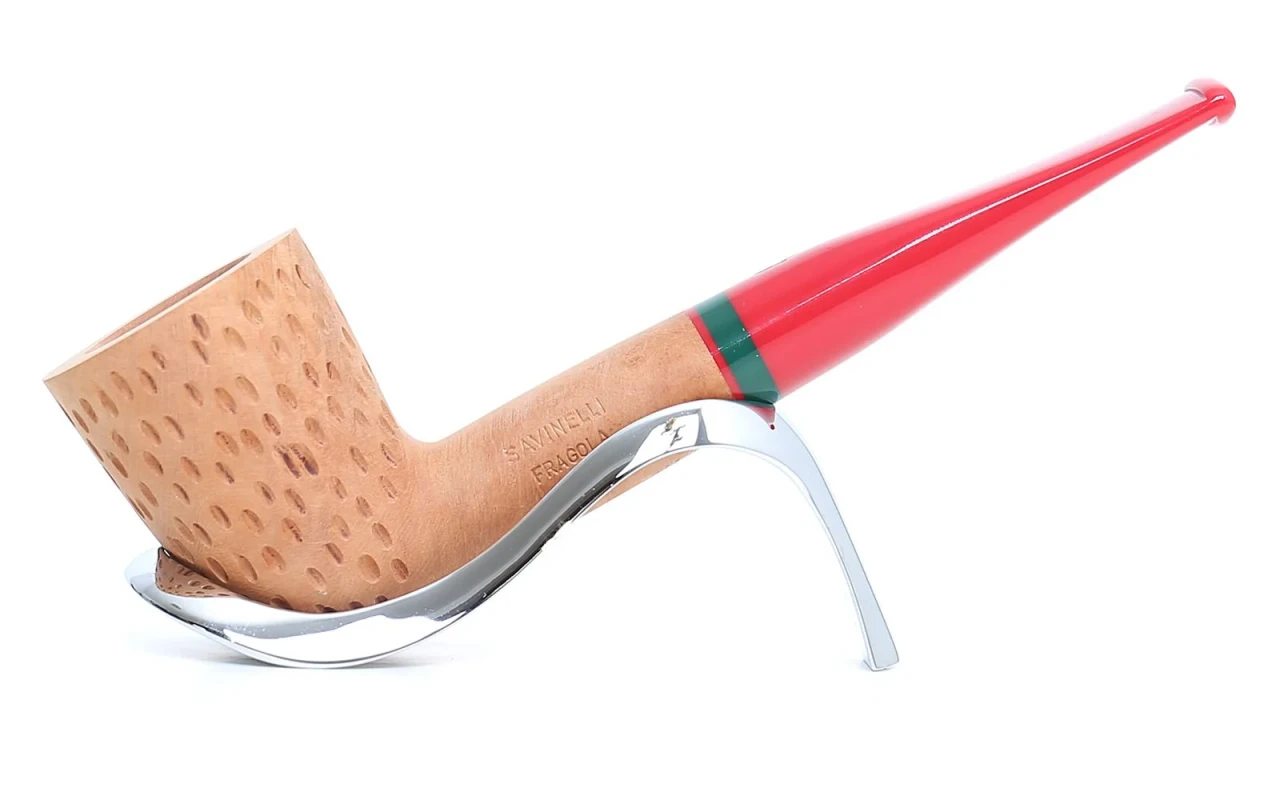
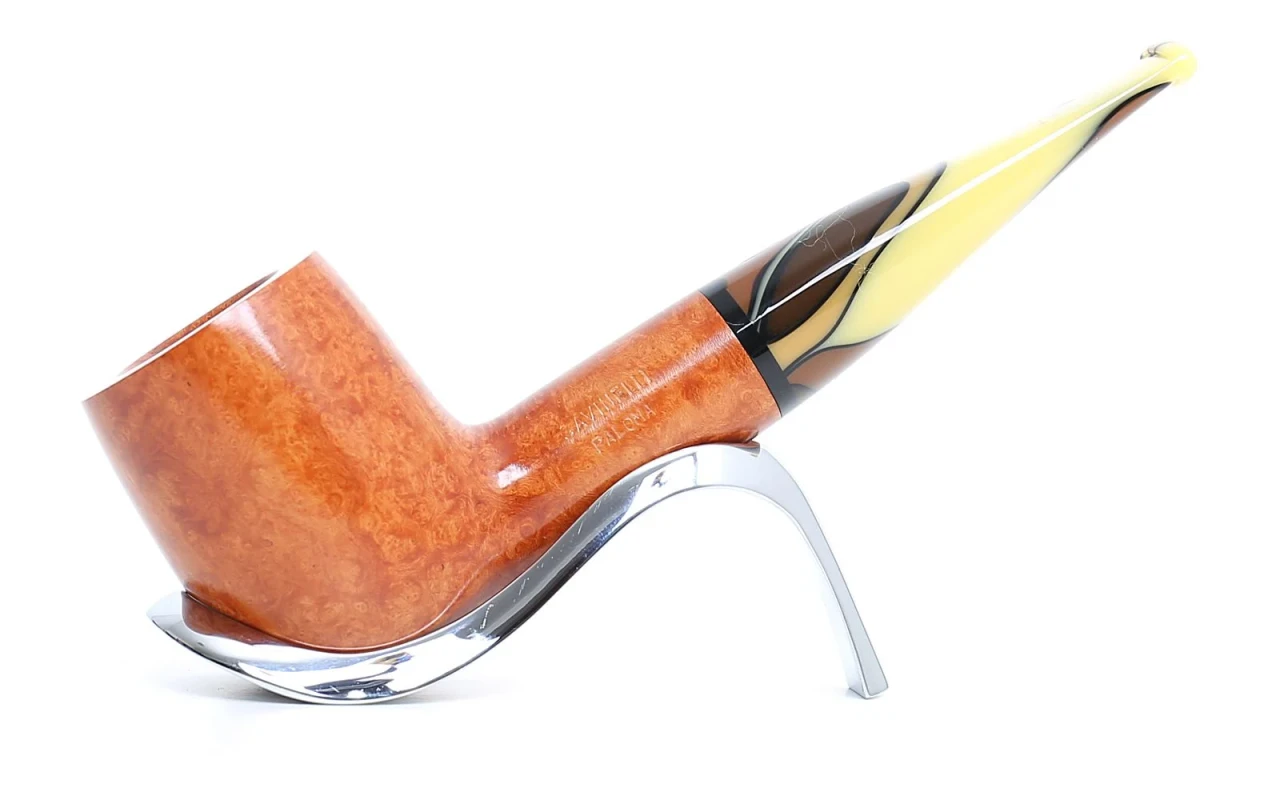
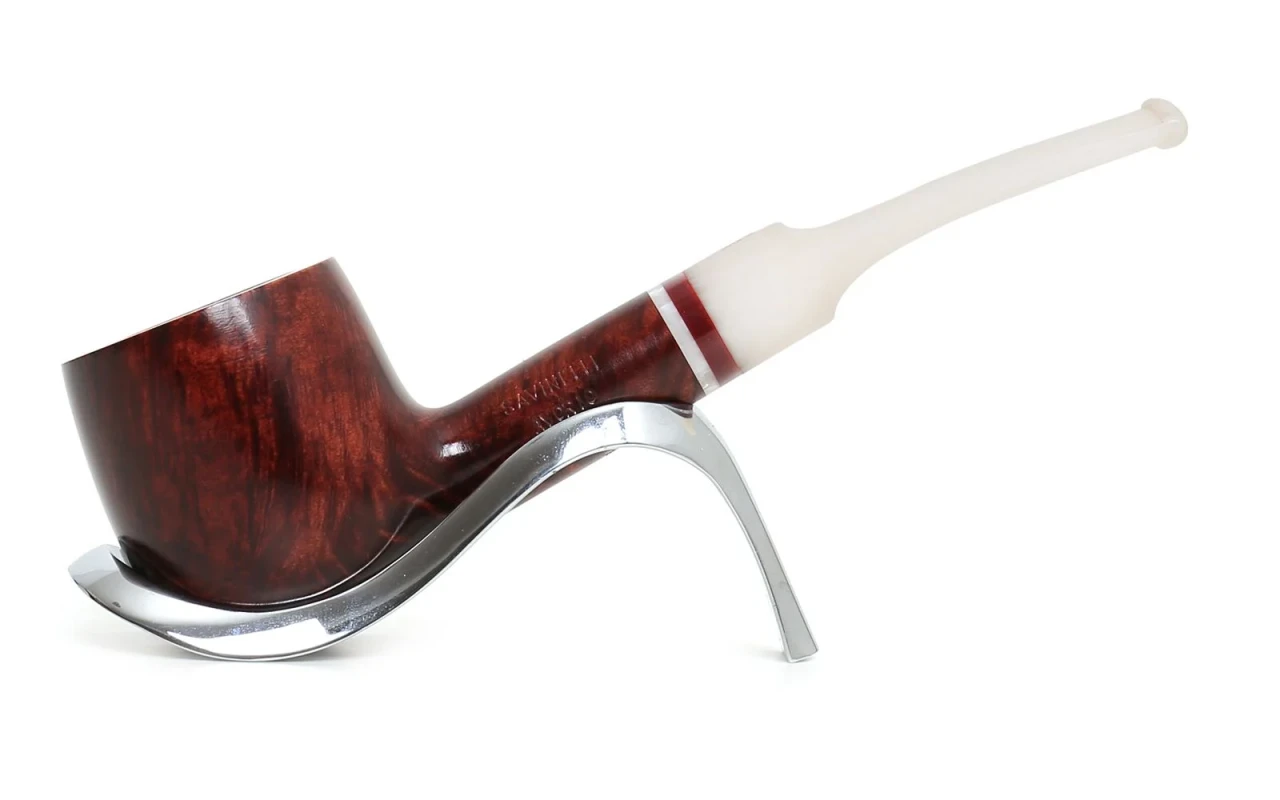
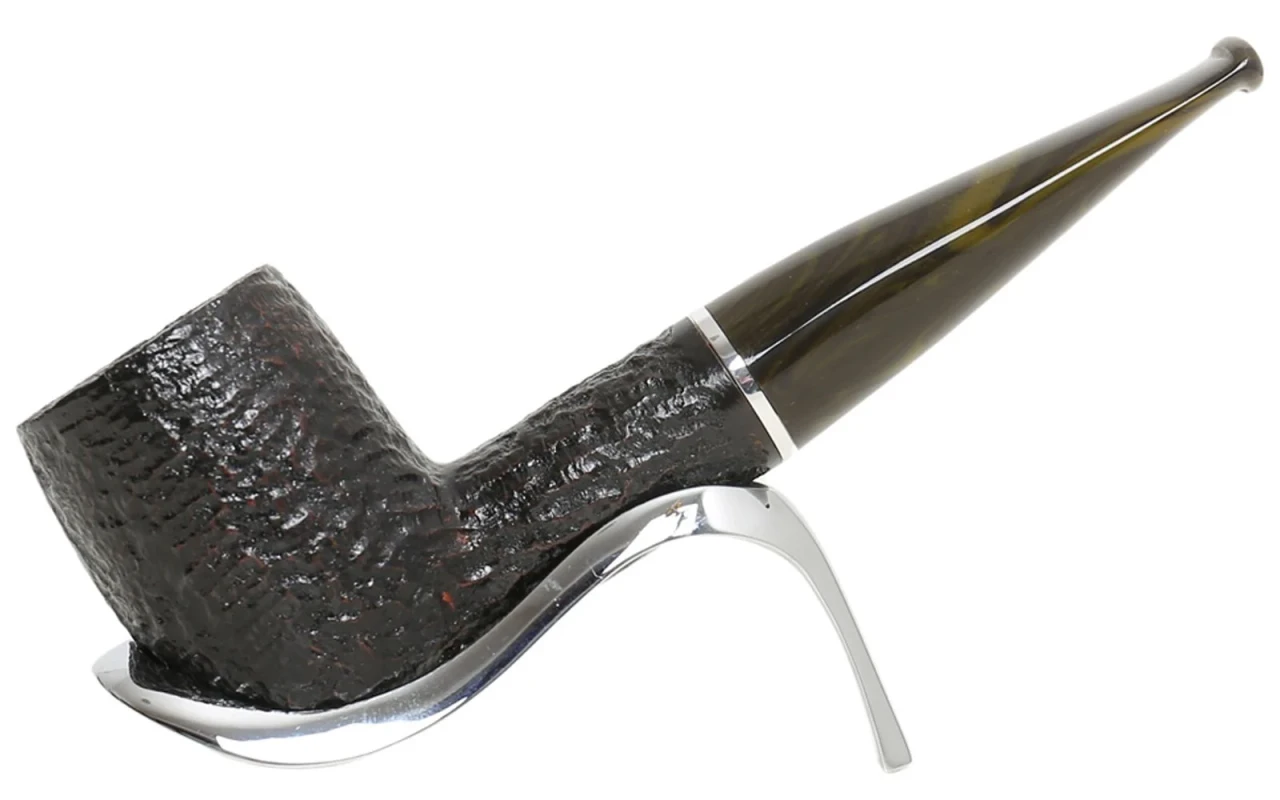
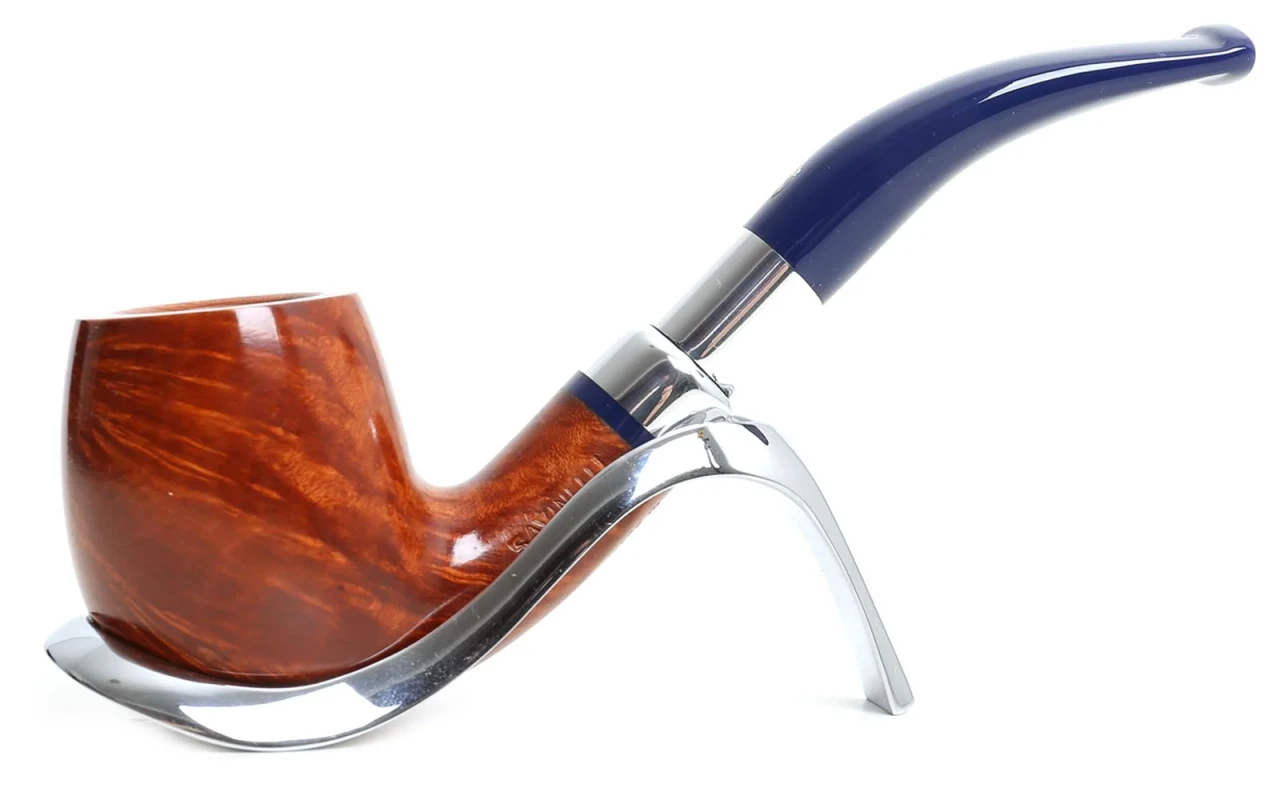
There are several materials used in pipe production, each with unique characteristics. The choice of material can influence not only the aesthetics but also the smoke quality. The most common materials include briarwood, meerschaum, clay, corn cob, and heather root. Briarwood and meerschaum are the most widely used for high-quality pipes, thanks to their heat resistance and moisture-absorbing properties. Corn cob is valued for its lightweight nature and ability to cool the smoke, while clay and meerschaum offer a unique purity of taste. The choice of material depends on the smoker's personal preferences and the desired smoking experience.
PIPE PIPE SMOKING
Pipe smoking is the result of tobacco combustion inside a specially designed pipe. During the process, the generated heat burns the tobacco, releasing vapors that are inhaled through the pipe stem. This smoking method offers a slower and more controlled aromatic experience compared to cigarettes, allowing smokers to fully appreciate the different tastes and scents of pipe tobaccos. Additionally, pipe smoking is often associated with relaxation and meditation rituals, creating a calming and contemplative atmosphere for those who practice this ancient tradition.
Materials for smoking pipes
The most common materials used for the production of smoking pipes are wood, briar, clay, corn cob, and metal. Each material offers unique characteristics that influence the pipe smoking experience. Wood is popular for its heat resistance and ability to absorb tobacco flavors over time. Briar pipes are cherished for their beauty and heat resistance. Clay pipes provide a neutral and clean smoke. Corn cob pipes are lightweight and affordable, while metal pipes are sturdy and easy to clean. The choice of material depends on the smoker's personal preferences.
Types of wood for pipes
There are several types of wood used in the making of smoking pipes. Among the most common are:- Heather root: a wood highly resistant to heat and combustion, used for high-quality pipes.- Walnut burl: a hard wood with an elegant appearance, suitable for premium pipes.- Cherry: a light and easy-to-work wood, often used for affordable pipes.- Olive: wood with a unique grain pattern, appreciated for its aesthetic beauty.- Maple: a light and sturdy wood, used for both affordable pipes and high-end models.The choice of wood influences both the aesthetic characteristics and the performance of the pipe.
Handcrafted Briar Pipes
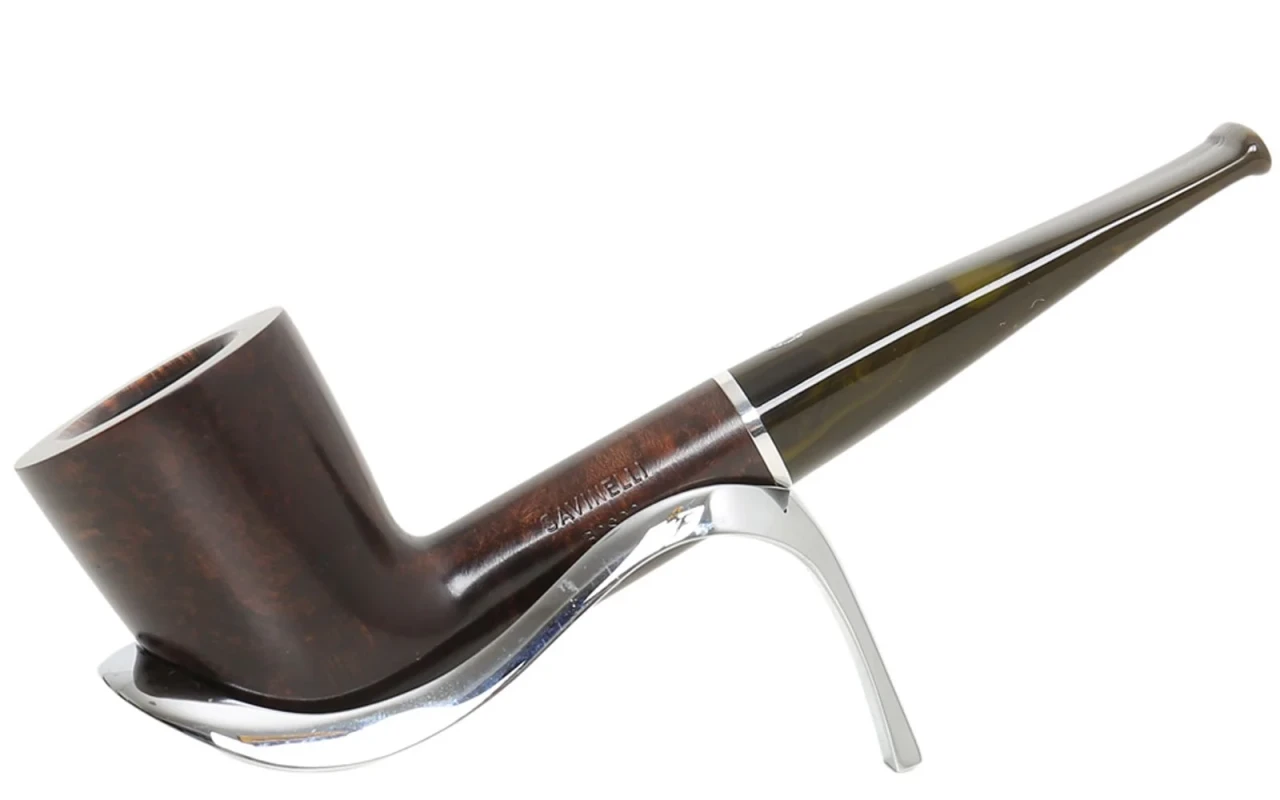
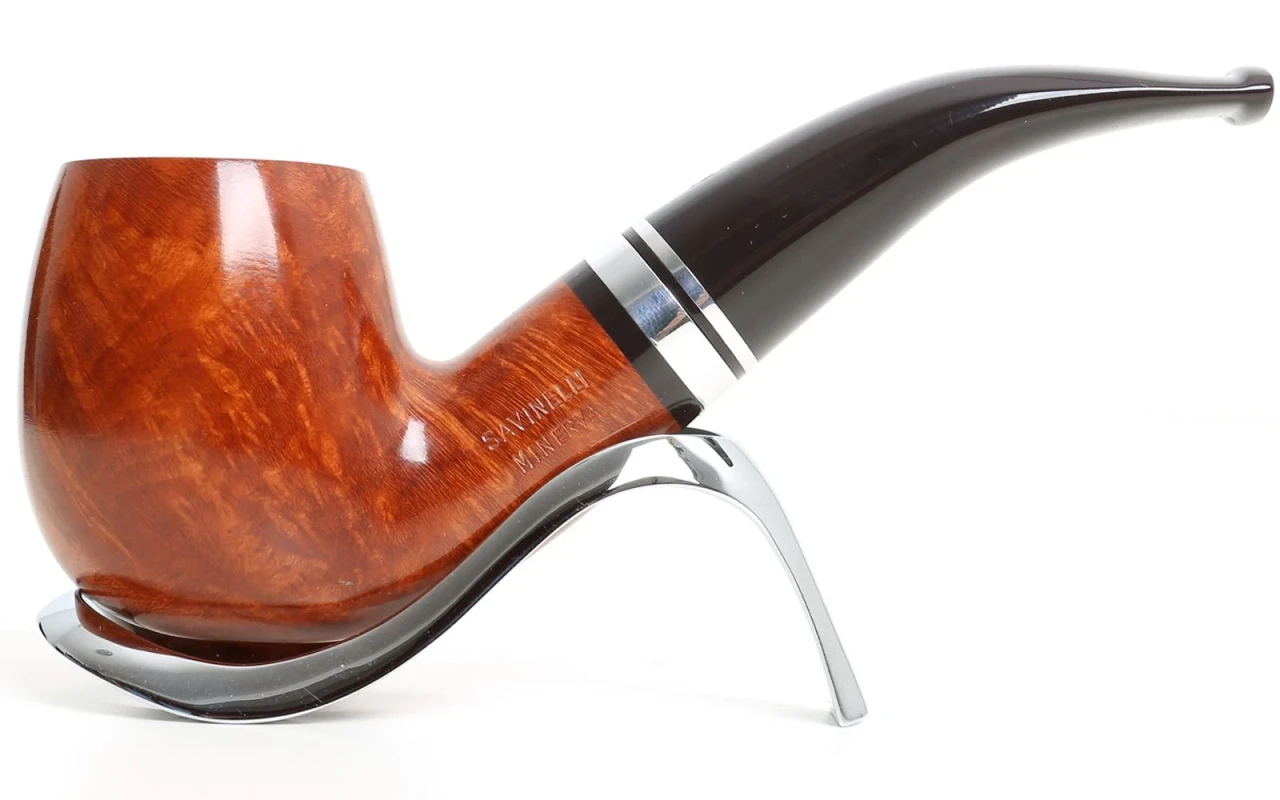
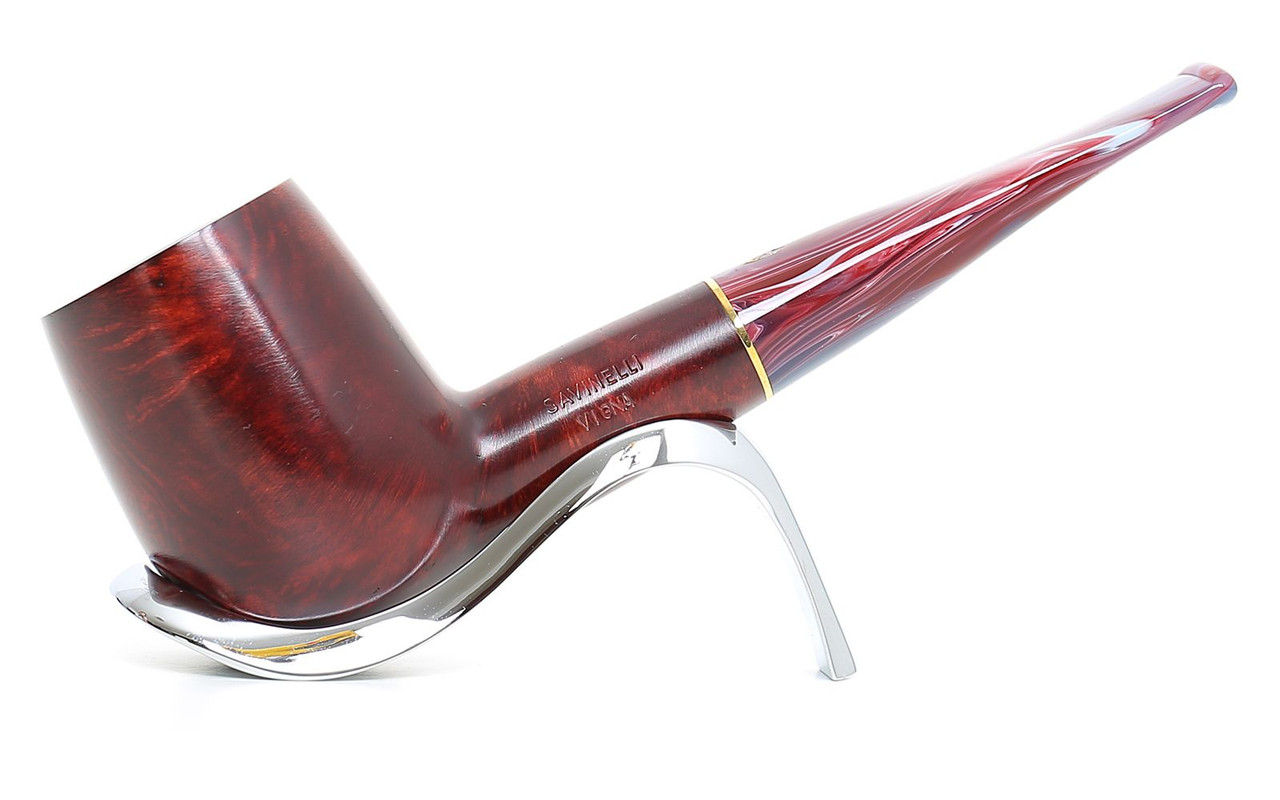
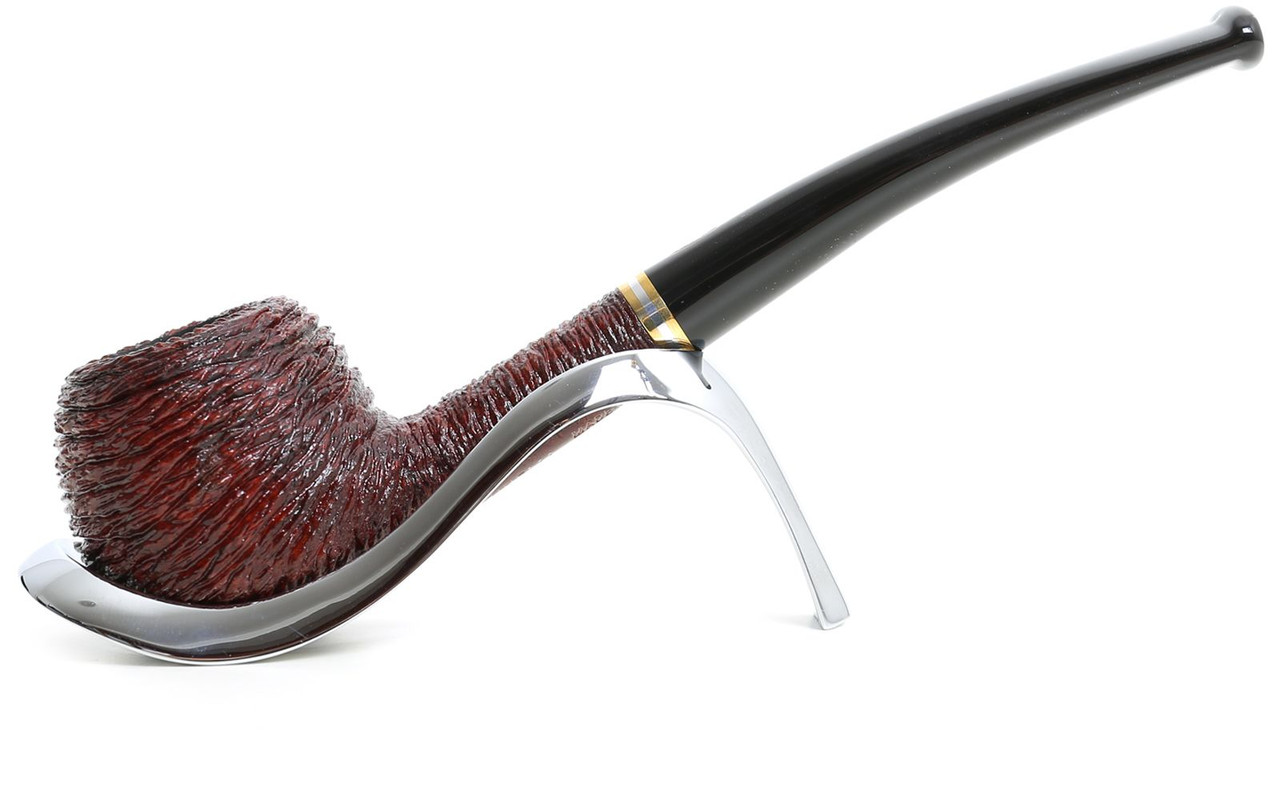
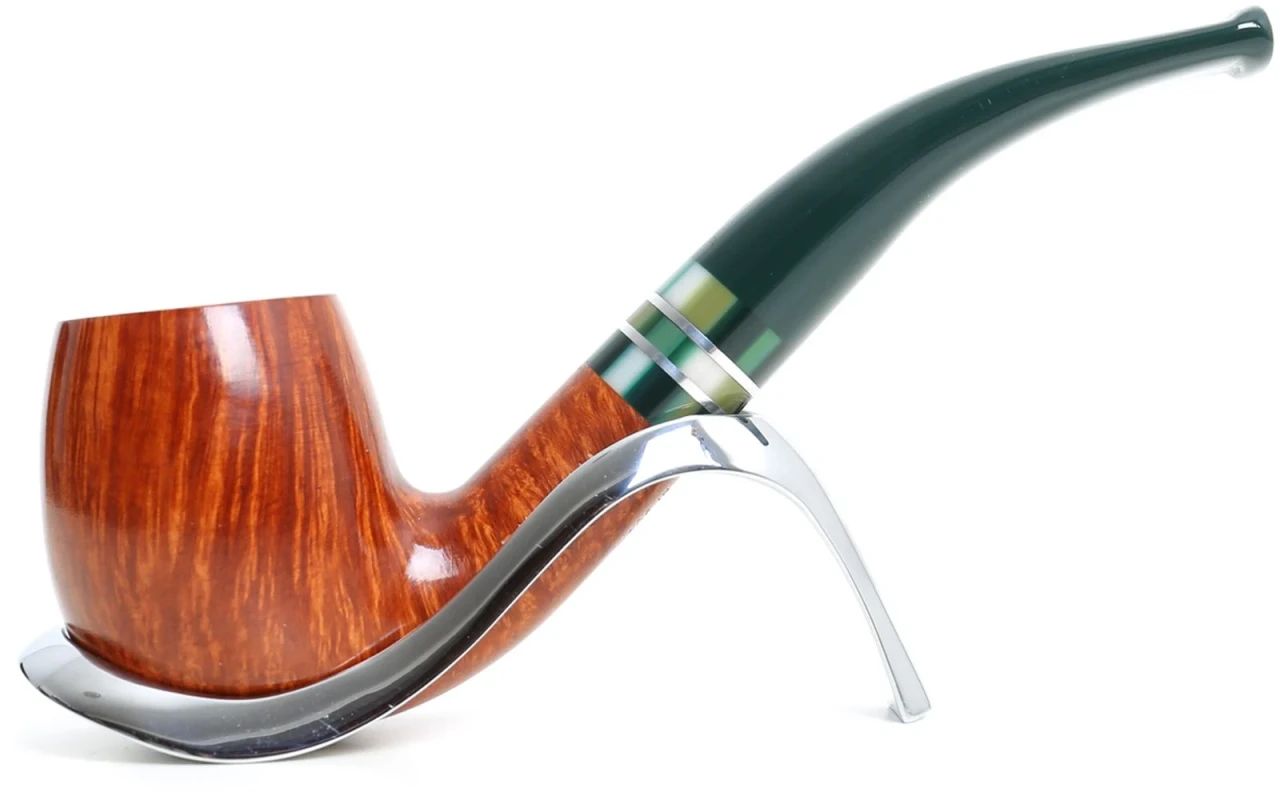
Handcrafted briar pipes are made with high-quality materials that give them a unique and elegant touch. The briar used for making these pipes is carefully selected to ensure resistance and durability over time. Thanks to the craftsmanship involved, each briar pipe is a unique piece, characterized by specific grain patterns and colors. These pipes provide a superior smoking experience, as briar is capable of absorbing tobacco moisture, ensuring a more even burn and a richer aroma. Handcrafted briar pipes are appreciated by both tobacco enthusiasts and connoisseurs of high-quality artisanal products.
'%3e%3cg id='Final-Copy-2_2_' transform='translate(1275.000000, 200.000000)'%3e%3cpath class='st0' d='M7.4,12.8h6.8l3.1-11.6H7.4C4.2,1.2,1.6,3.8,1.6,7S4.2,12.8,7.4,12.8z'/%3e%3c/g%3e%3c/g%3e%3c/g%3e%3cg id='final---dec.11-2020'%3e%3cg id='_x30_208-our-toggle' transform='translate(-1275.000000, -200.000000)'%3e%3cg id='Final-Copy-2' transform='translate(1275.000000, 200.000000)'%3e%3cpath class='st1' d='M22.6,0H7.4c-3.9,0-7,3.1-7,7s3.1,7,7,7h15.2c3.9,0,7-3.1,7-7S26.4,0,22.6,0z M1.6,7c0-3.2,2.6-5.8,5.8-5.8 h9.9l-3.1,11.6H7.4C4.2,12.8,1.6,10.2,1.6,7z'/%3e%3cpath id='x' class='st2' d='M24.6,4c0.2,0.2,0.2,0.6,0,0.8l0,0L22.5,7l2.2,2.2c0.2,0.2,0.2,0.6,0,0.8c-0.2,0.2-0.6,0.2-0.8,0 l0,0l-2.2-2.2L19.5,10c-0.2,0.2-0.6,0.2-0.8,0c-0.2-0.2-0.2-0.6,0-0.8l0,0L20.8,7l-2.2-2.2c-0.2-0.2-0.2-0.6,0-0.8 c0.2-0.2,0.6-0.2,0.8,0l0,0l2.2,2.2L23.8,4C24,3.8,24.4,3.8,24.6,4z'/%3e%3cpath id='y' class='st3' d='M12.7,4.1c0.2,0.2,0.3,0.6,0.1,0.8l0,0L8.6,9.8C8.5,9.9,8.4,10,8.3,10c-0.2,0.1-0.5,0.1-0.7-0.1l0,0 L5.4,7.7c-0.2-0.2-0.2-0.6,0-0.8c0.2-0.2,0.6-0.2,0.8,0l0,0L8,8.6l3.8-4.5C12,3.9,12.4,3.9,12.7,4.1z'/%3e%3c/g%3e%3c/g%3e%3c/g%3e%3c/g%3e%3c/svg%3e) Your Privacy Choices
Your Privacy Choices 


