 ES
ES FR
FR EN
EN IT
IT DE
DE
Innovations in Freehand Pipe Design
Innovations in Freehand Pipe Design
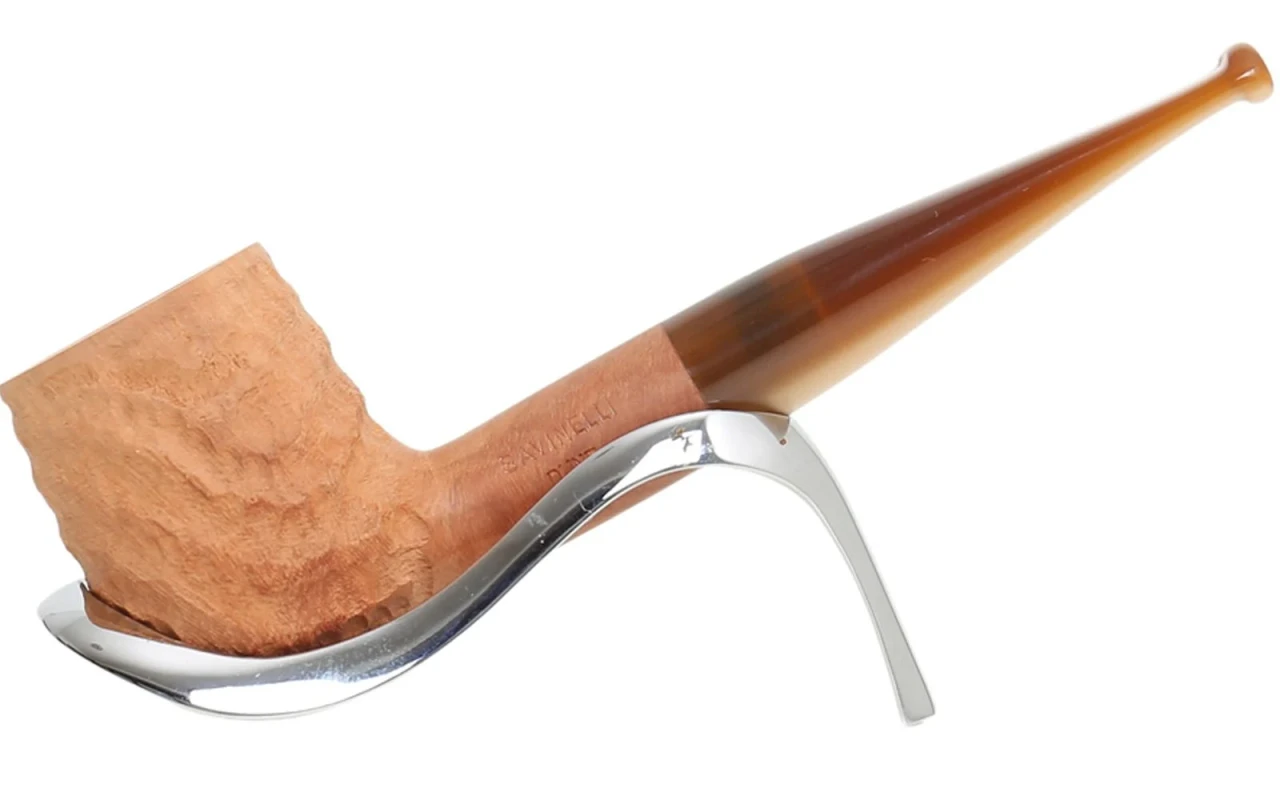
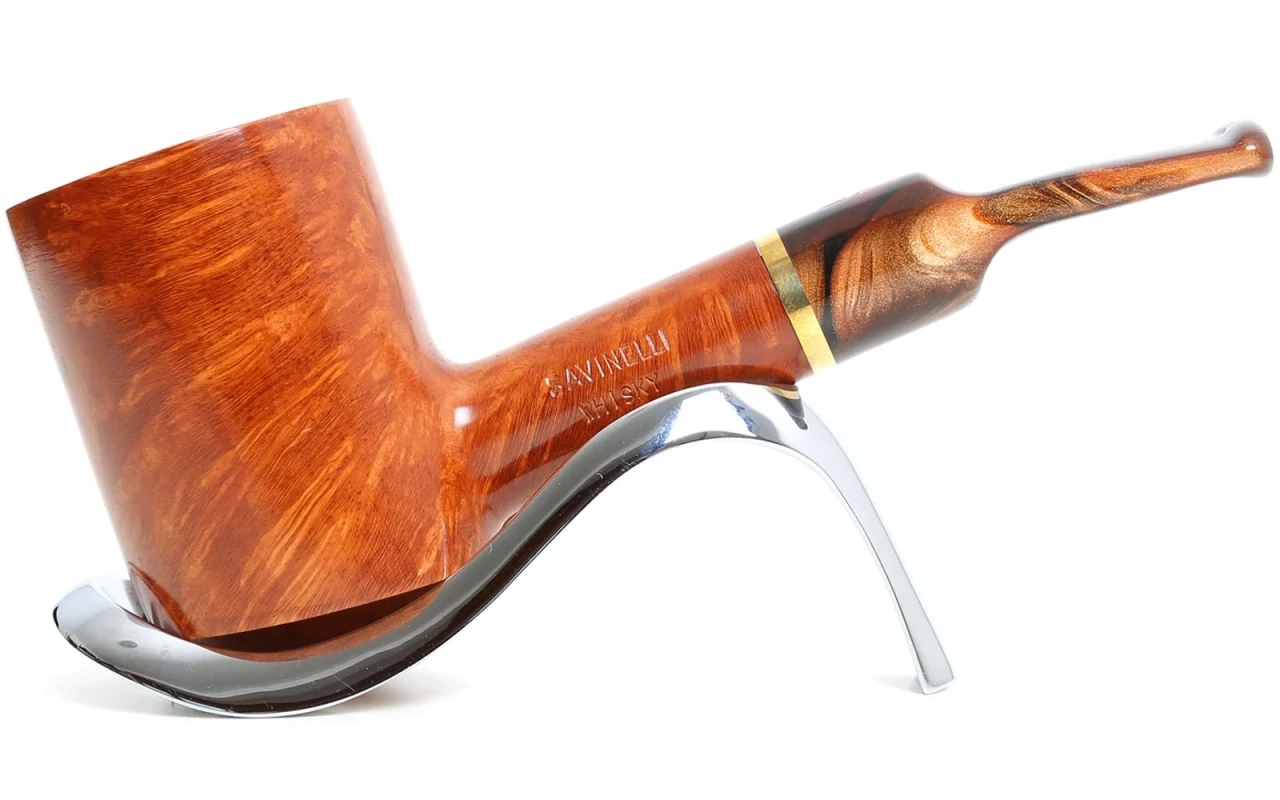
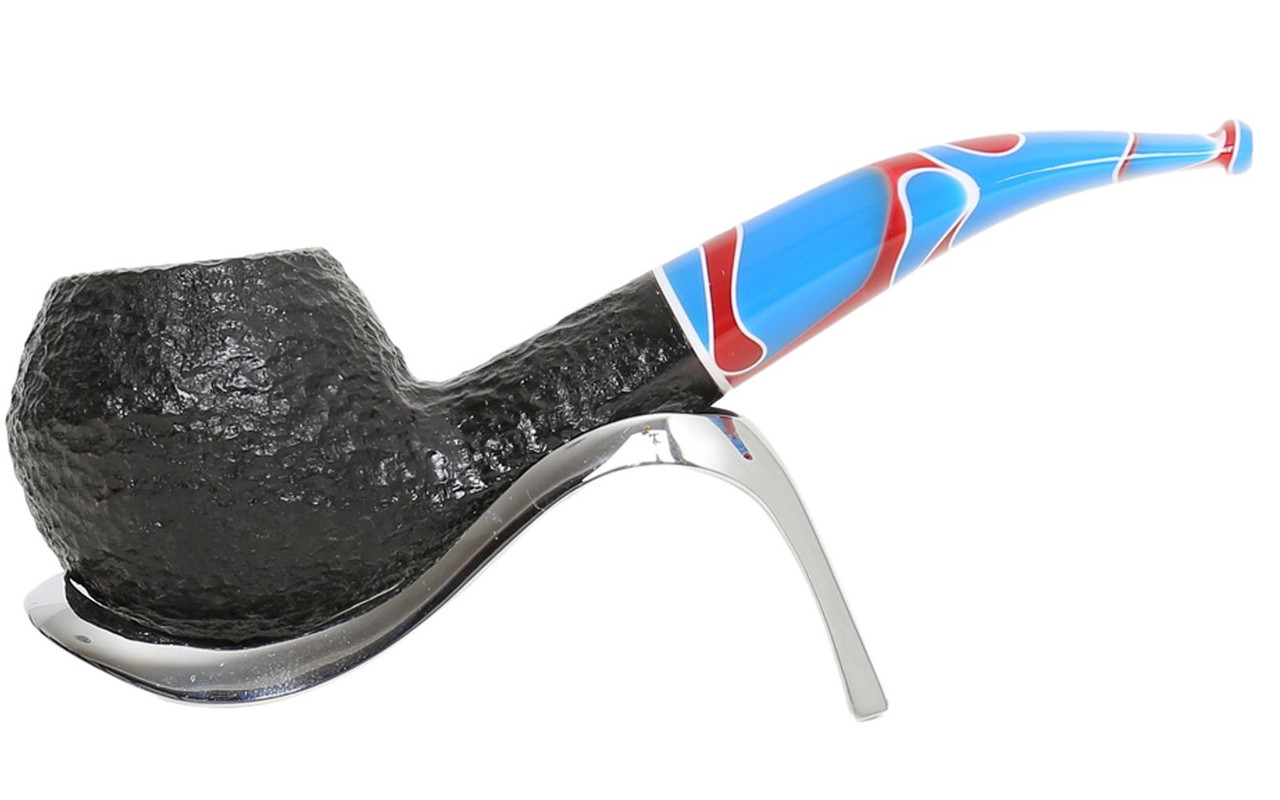
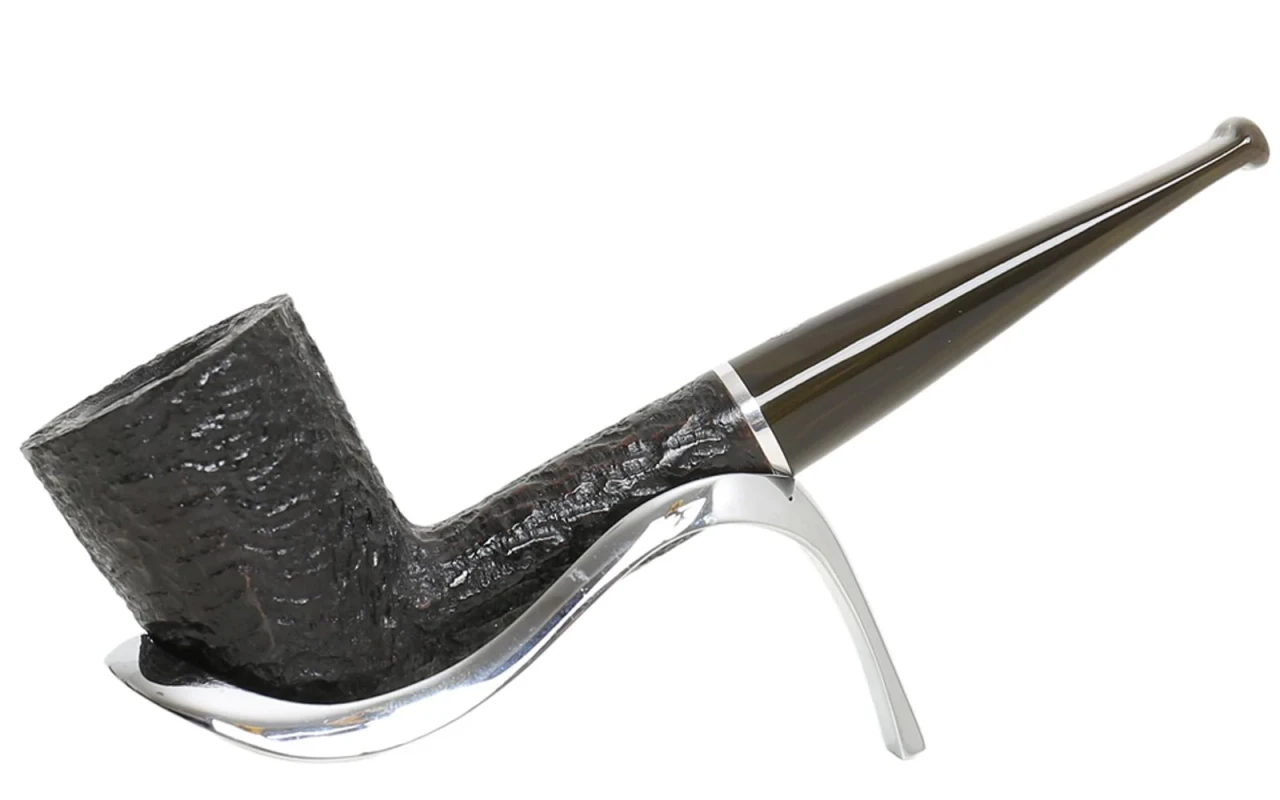
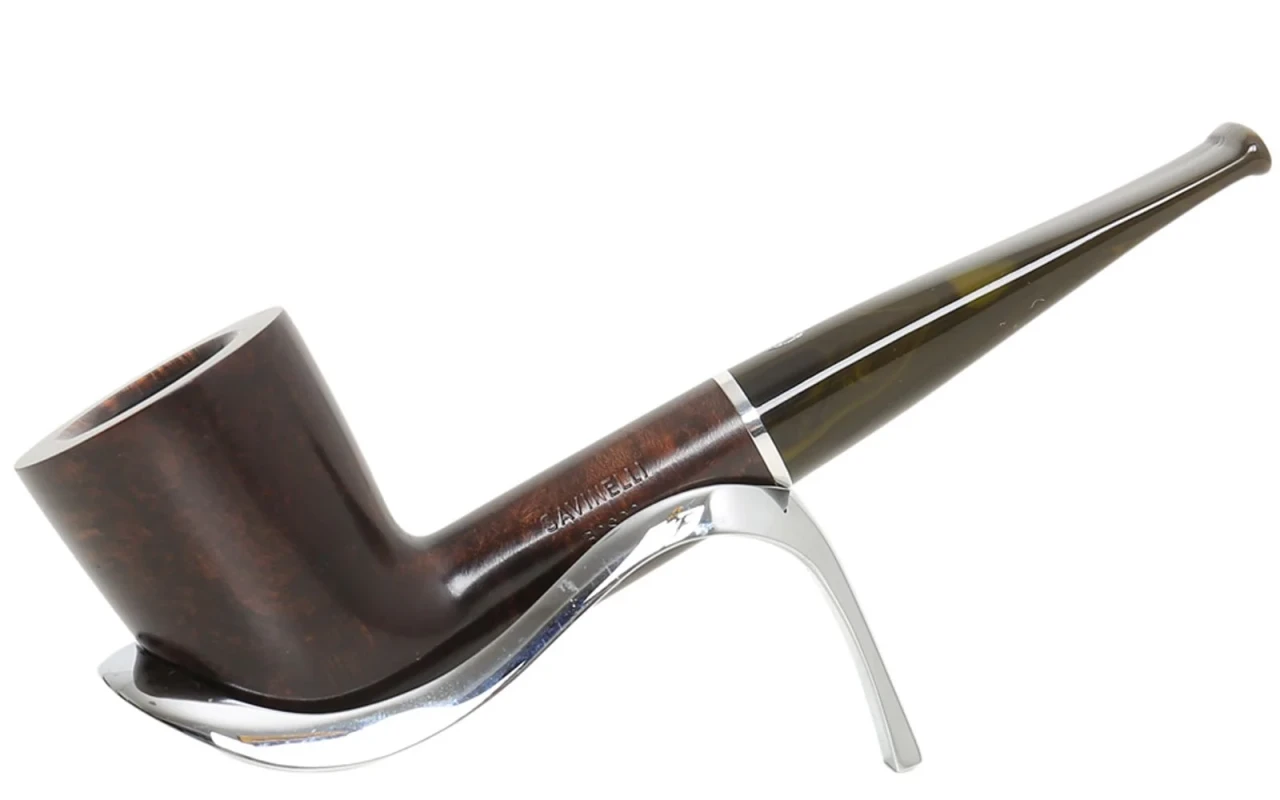
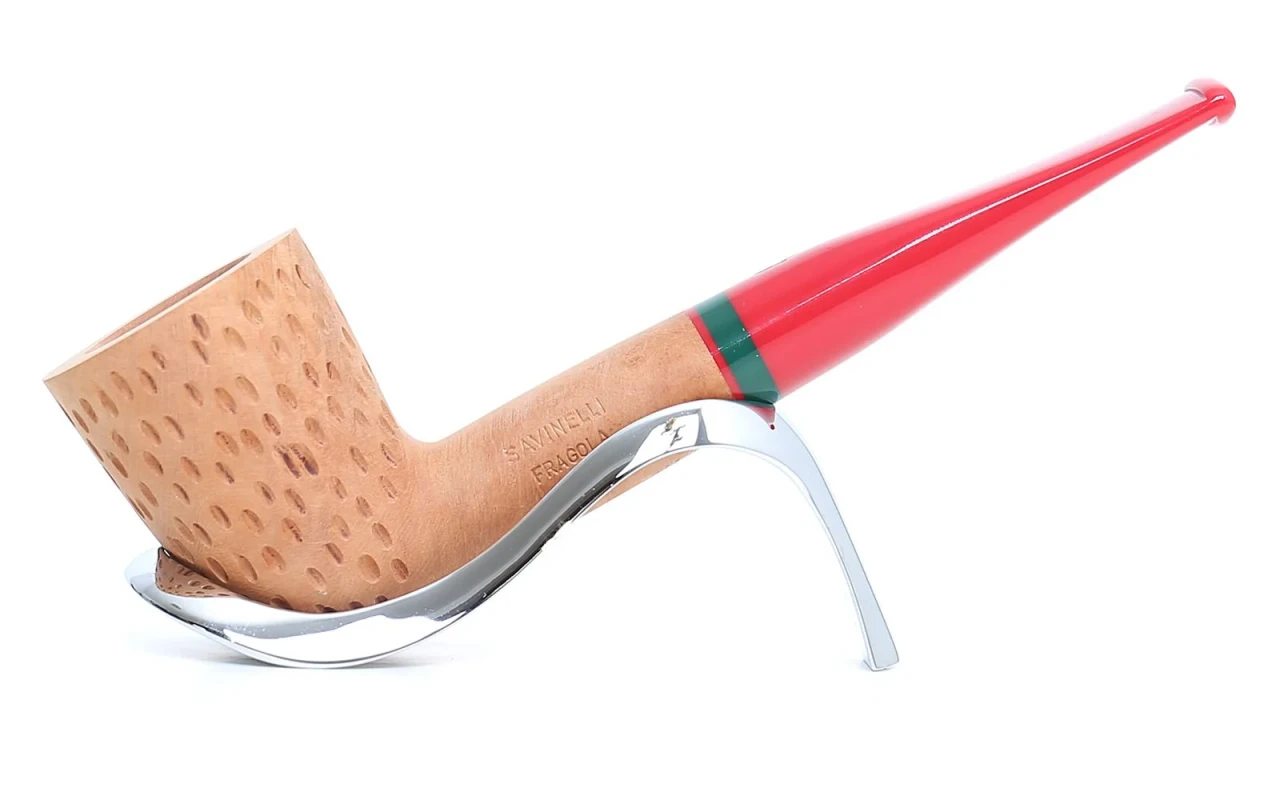
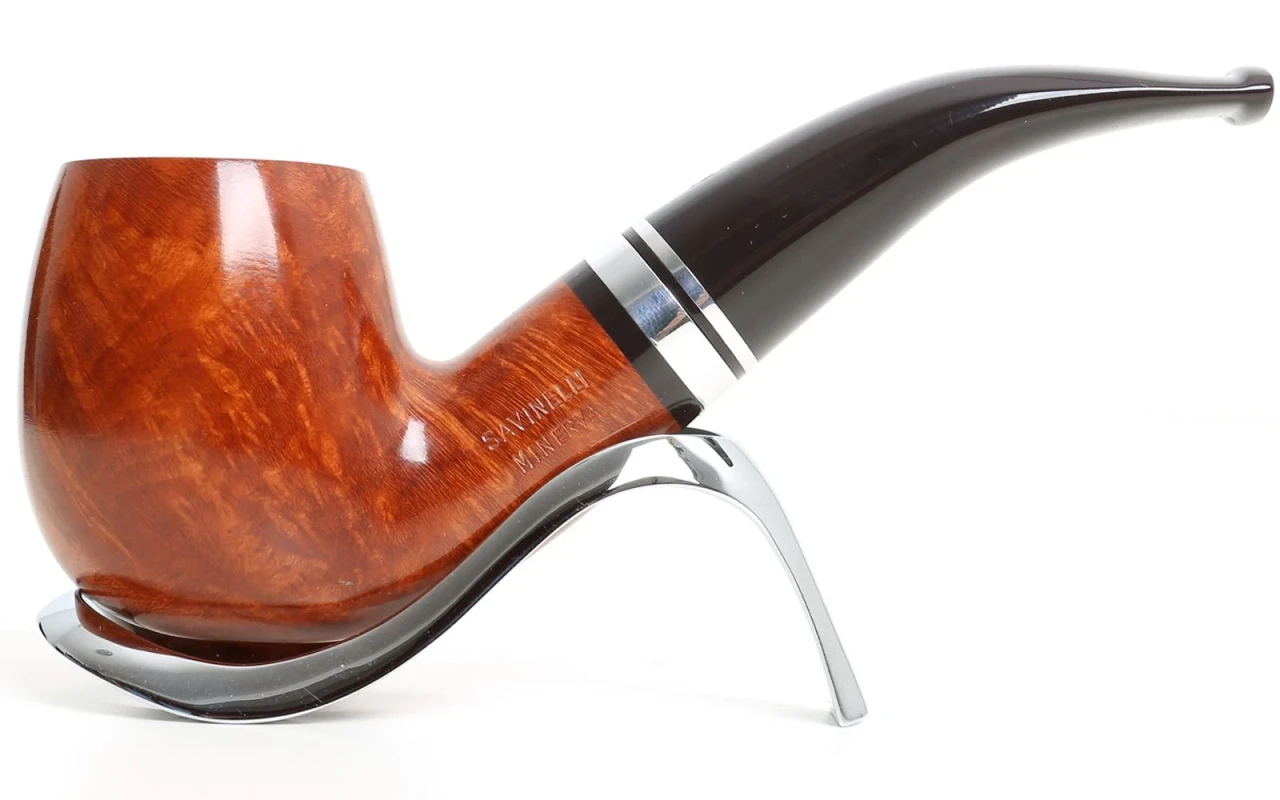
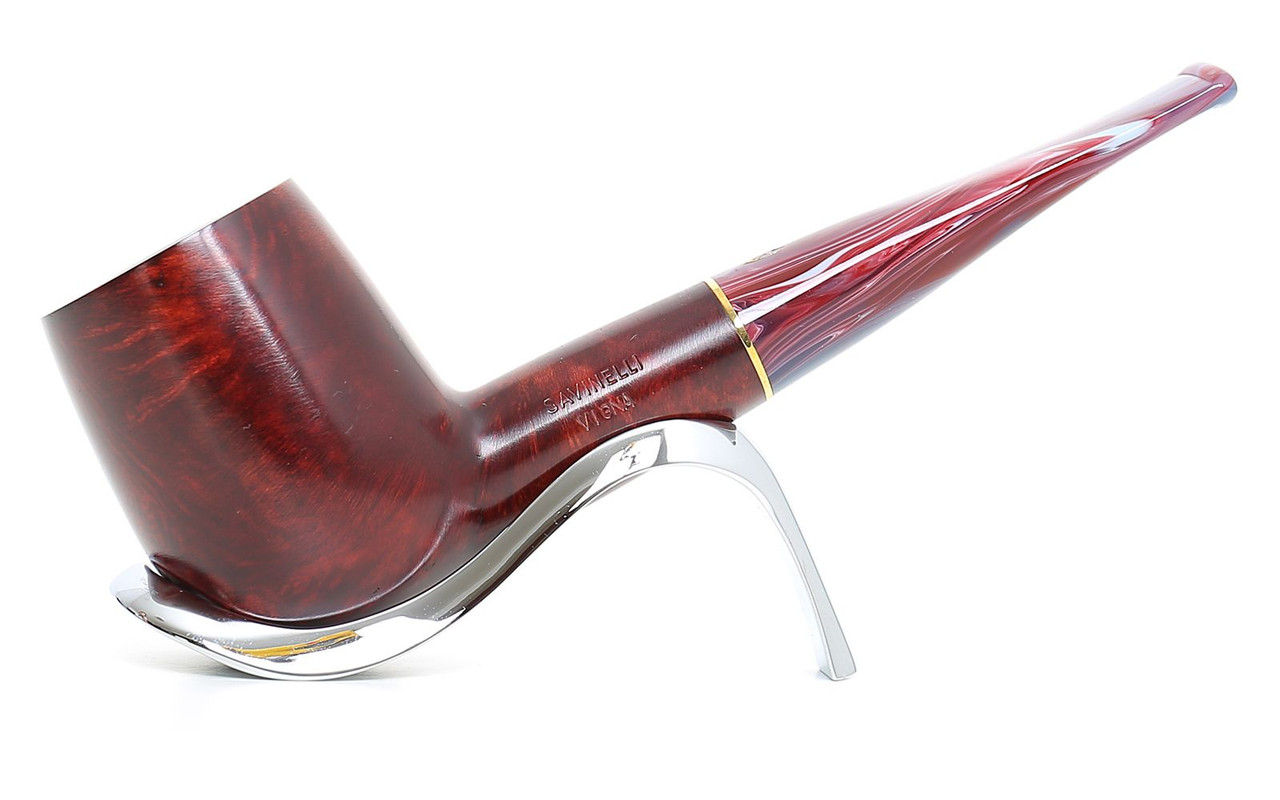
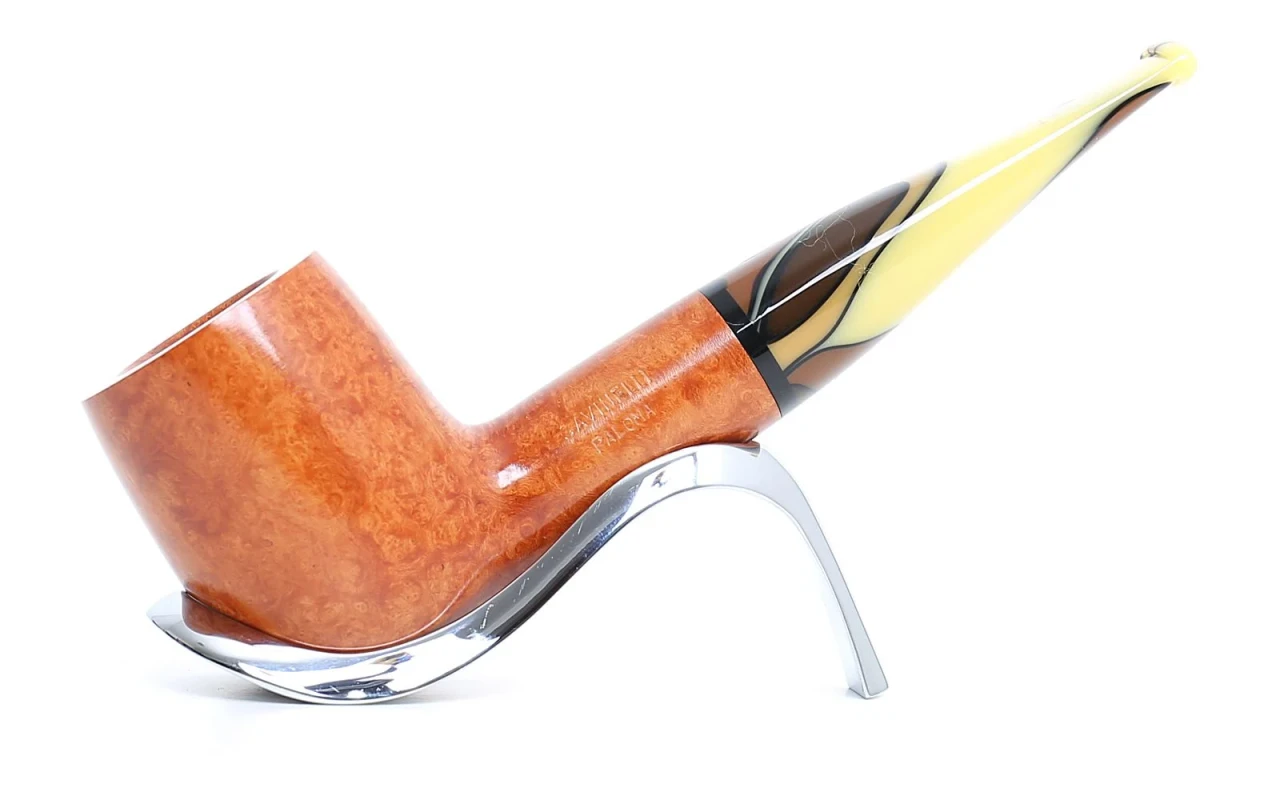
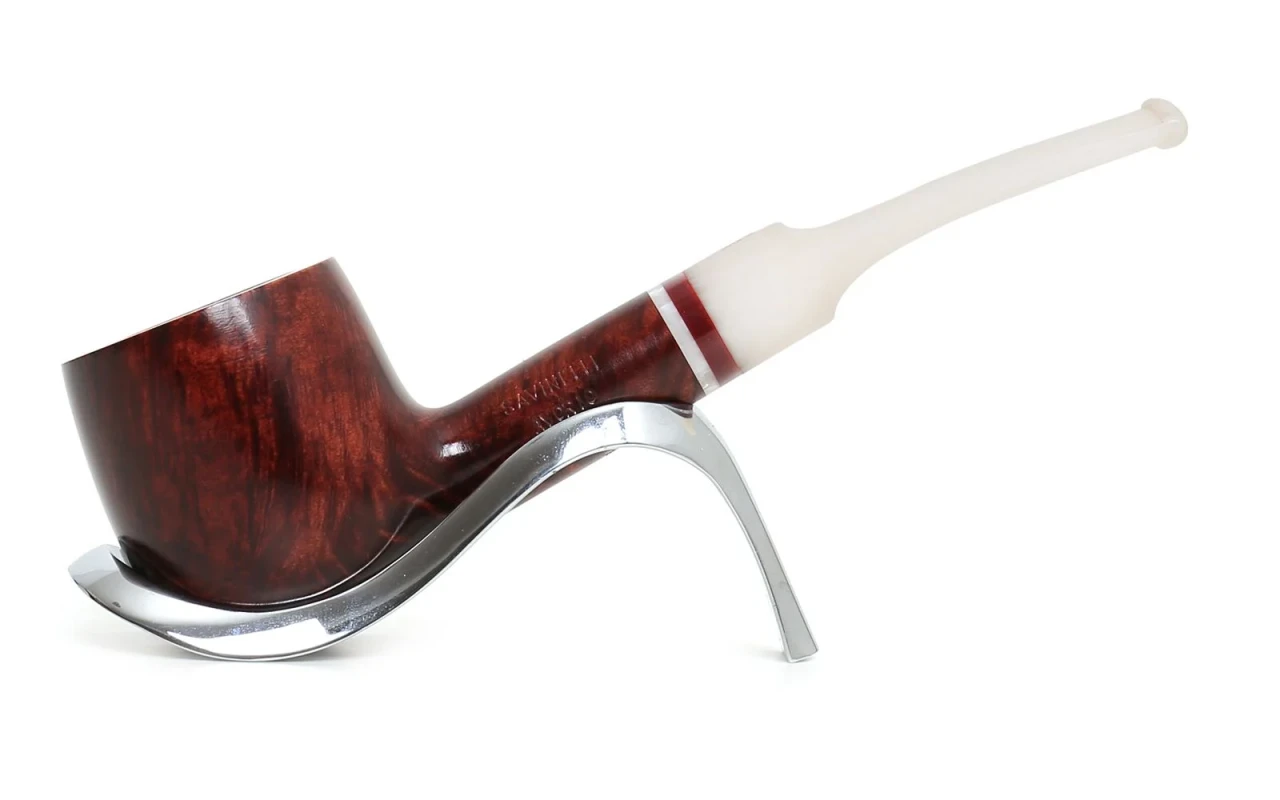
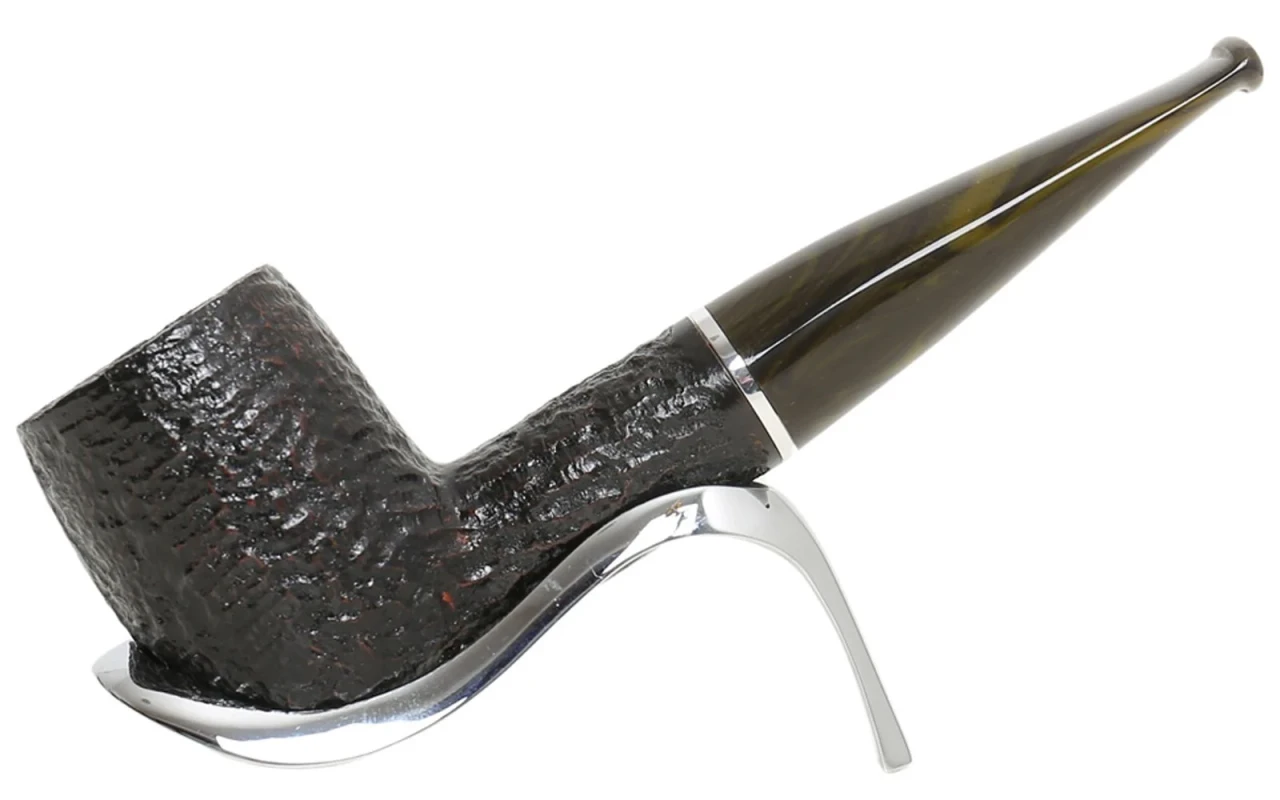
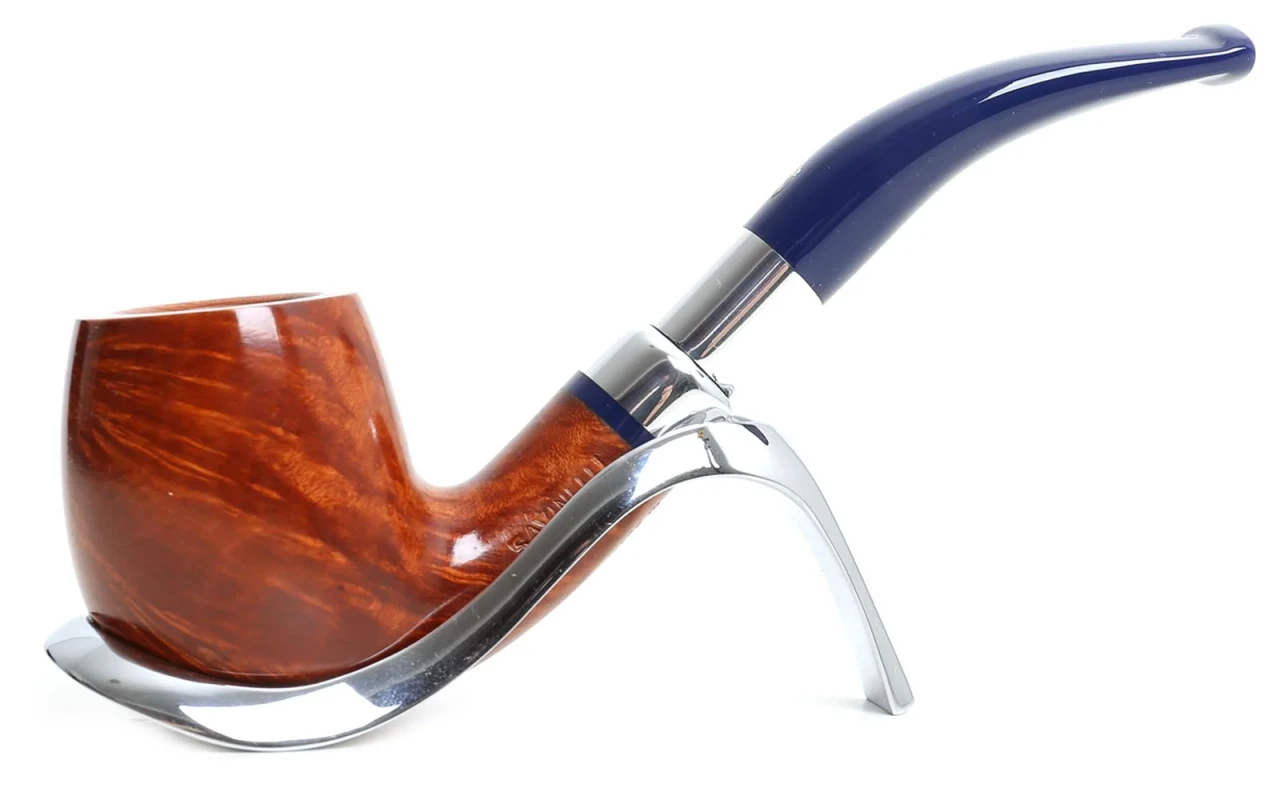
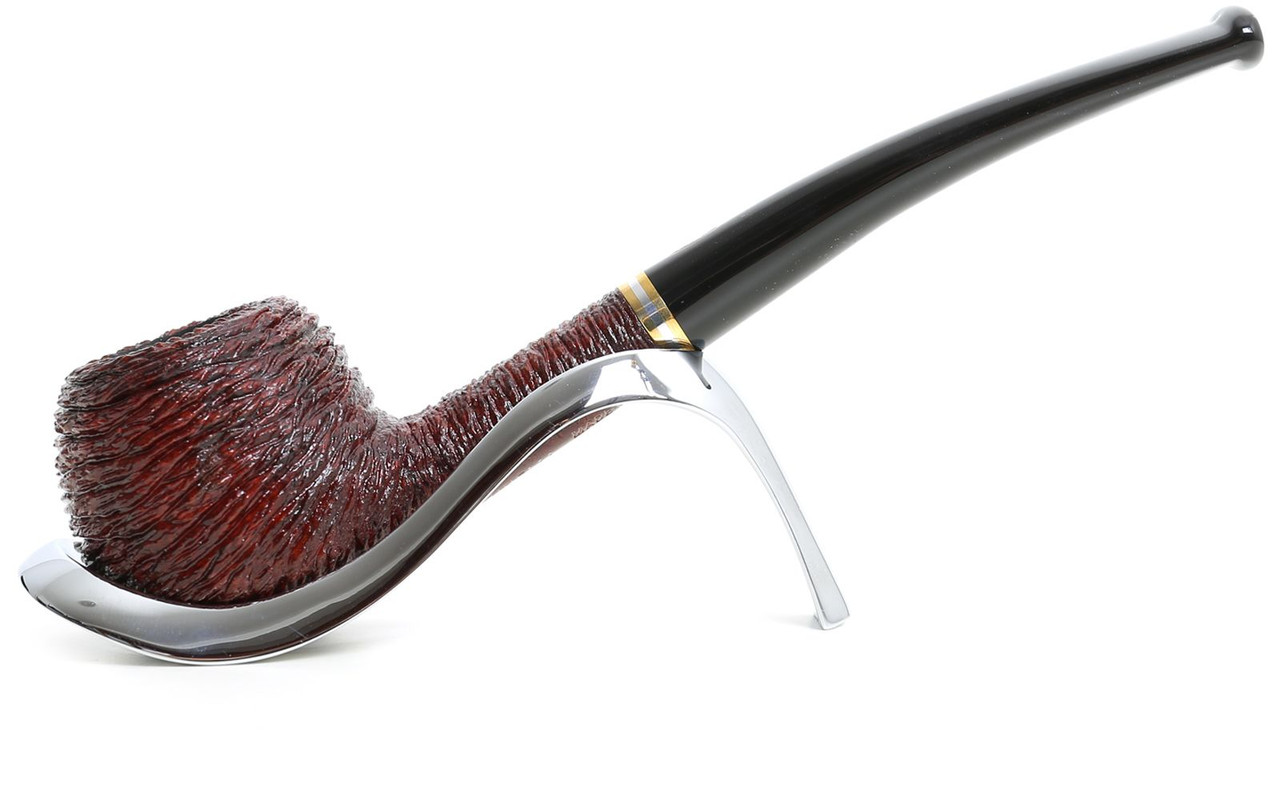
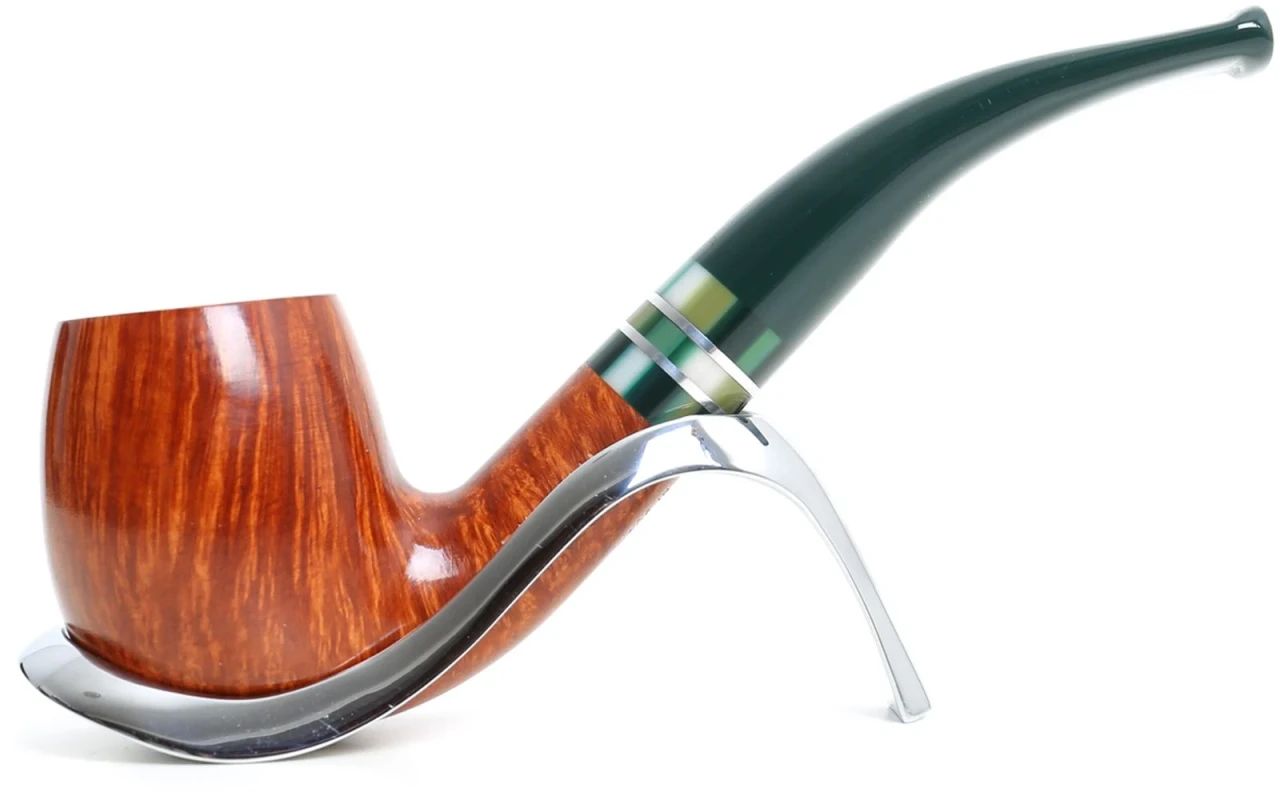
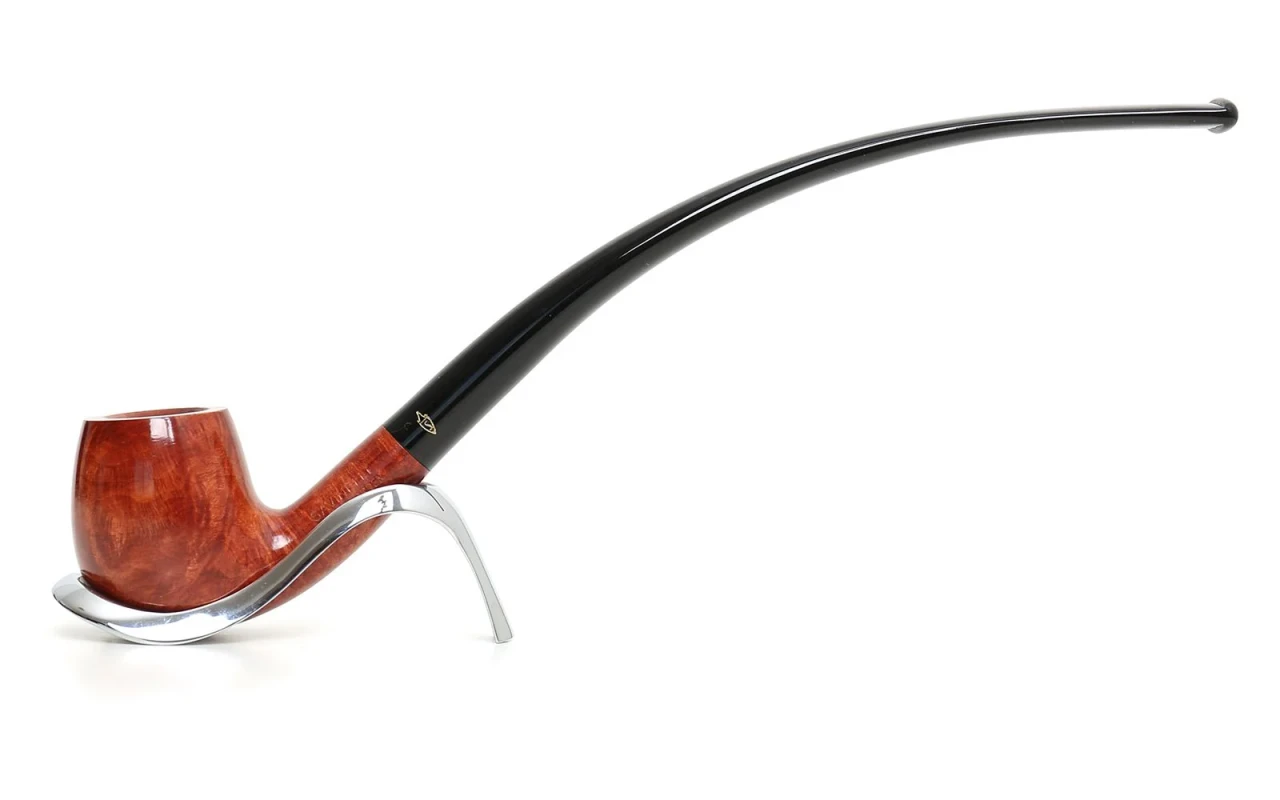
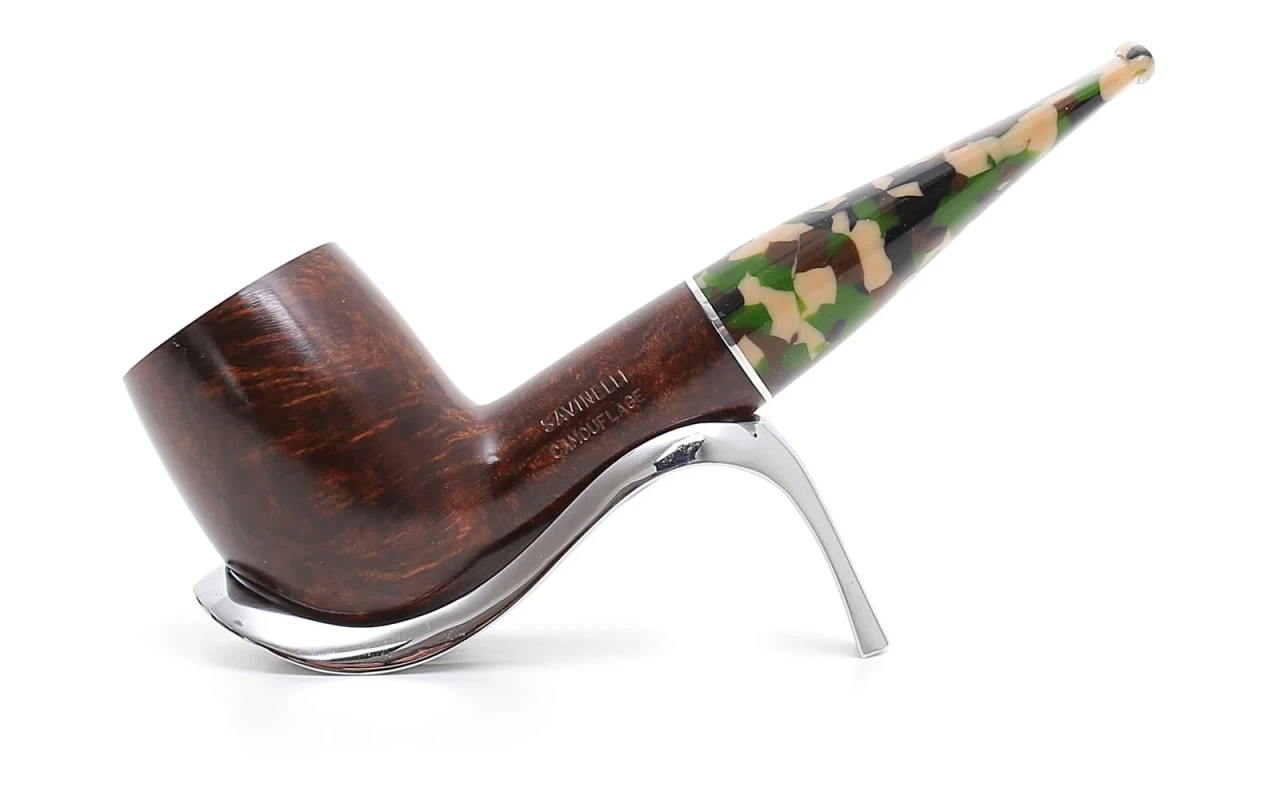
The design of freehand pipes has seen several innovations over the years, aiming to create unique and distinctive pieces. Among the main novelties, the introduction of bolder and more creative shapes stands out, diverging from traditional models. Furthermore, new combinations of high-quality materials have been experimented with, such as briar, morta, and other fine woods, giving freehand pipes a touch of elegance and originality. Lastly, the use of increasingly refined craftsmanship techniques has allowed for the creation of intricate details and impeccable finishes, making freehand pipes true collectible works of art.
Freehand pipe design
The design of a freehand pipe is characterized by an unconventional shape and a craftsmanship that follows the natural grain of the wood. This type of pipe is crafted without the use of templates or guides, allowing the maker to freely express their creativity. Freehand pipes are cherished by tobacco enthusiasts for their originality and uniqueness, as each piece is one of a kind. This style of pipe requires great skill from the pipemaker, who must have a deep understanding of wood and artisanal crafting techniques.
Freehand pipe styles
Freehand pipe styles are characterized by unconventional shapes and detailed craftsmanship. These pipes are handmade, without the use of molds, allowing the master pipemaker to express their creativity. Freehand pipes may feature sinuous lines, irregular surfaces, and unique shapes that conform to the wood grain. This style offers a wide range of innovative and personalized designs, making each Freehand pipe a unique work of art. Pipe enthusiasts often appreciate these creations for their aesthetic beauty and the unique smoking experience they provide.
Freehand pipe materials
Freehand pipes are made with a wide variety of materials, each with unique characteristics. The most common materials include:- Briarwood: lightweight and durable, it offers a natural finish and good heat dissipation.- Olive wood: appreciated for its distinctive veins and long-lasting durability.- Oak wood: hard and sturdy wood, ideal for long-lasting pipes.- Meerschaum: whitish natural stone, known for its ability to absorb oils and liquids, creating a unique patina over time.- Clay: a traditional material for high-quality pipes, offering a neutral and clean smoke.These materials give freehand pipes a variety of aesthetic and functional features.
'%3e%3cg id='Final-Copy-2_2_' transform='translate(1275.000000, 200.000000)'%3e%3cpath class='st0' d='M7.4,12.8h6.8l3.1-11.6H7.4C4.2,1.2,1.6,3.8,1.6,7S4.2,12.8,7.4,12.8z'/%3e%3c/g%3e%3c/g%3e%3c/g%3e%3cg id='final---dec.11-2020'%3e%3cg id='_x30_208-our-toggle' transform='translate(-1275.000000, -200.000000)'%3e%3cg id='Final-Copy-2' transform='translate(1275.000000, 200.000000)'%3e%3cpath class='st1' d='M22.6,0H7.4c-3.9,0-7,3.1-7,7s3.1,7,7,7h15.2c3.9,0,7-3.1,7-7S26.4,0,22.6,0z M1.6,7c0-3.2,2.6-5.8,5.8-5.8 h9.9l-3.1,11.6H7.4C4.2,12.8,1.6,10.2,1.6,7z'/%3e%3cpath id='x' class='st2' d='M24.6,4c0.2,0.2,0.2,0.6,0,0.8l0,0L22.5,7l2.2,2.2c0.2,0.2,0.2,0.6,0,0.8c-0.2,0.2-0.6,0.2-0.8,0 l0,0l-2.2-2.2L19.5,10c-0.2,0.2-0.6,0.2-0.8,0c-0.2-0.2-0.2-0.6,0-0.8l0,0L20.8,7l-2.2-2.2c-0.2-0.2-0.2-0.6,0-0.8 c0.2-0.2,0.6-0.2,0.8,0l0,0l2.2,2.2L23.8,4C24,3.8,24.4,3.8,24.6,4z'/%3e%3cpath id='y' class='st3' d='M12.7,4.1c0.2,0.2,0.3,0.6,0.1,0.8l0,0L8.6,9.8C8.5,9.9,8.4,10,8.3,10c-0.2,0.1-0.5,0.1-0.7-0.1l0,0 L5.4,7.7c-0.2-0.2-0.2-0.6,0-0.8c0.2-0.2,0.6-0.2,0.8,0l0,0L8,8.6l3.8-4.5C12,3.9,12.4,3.9,12.7,4.1z'/%3e%3c/g%3e%3c/g%3e%3c/g%3e%3c/g%3e%3c/svg%3e) Your Privacy Choices
Your Privacy Choices 


