 ES
ES FR
FR EN
EN IT
IT DE
DE
Impact of materials on pipe stability
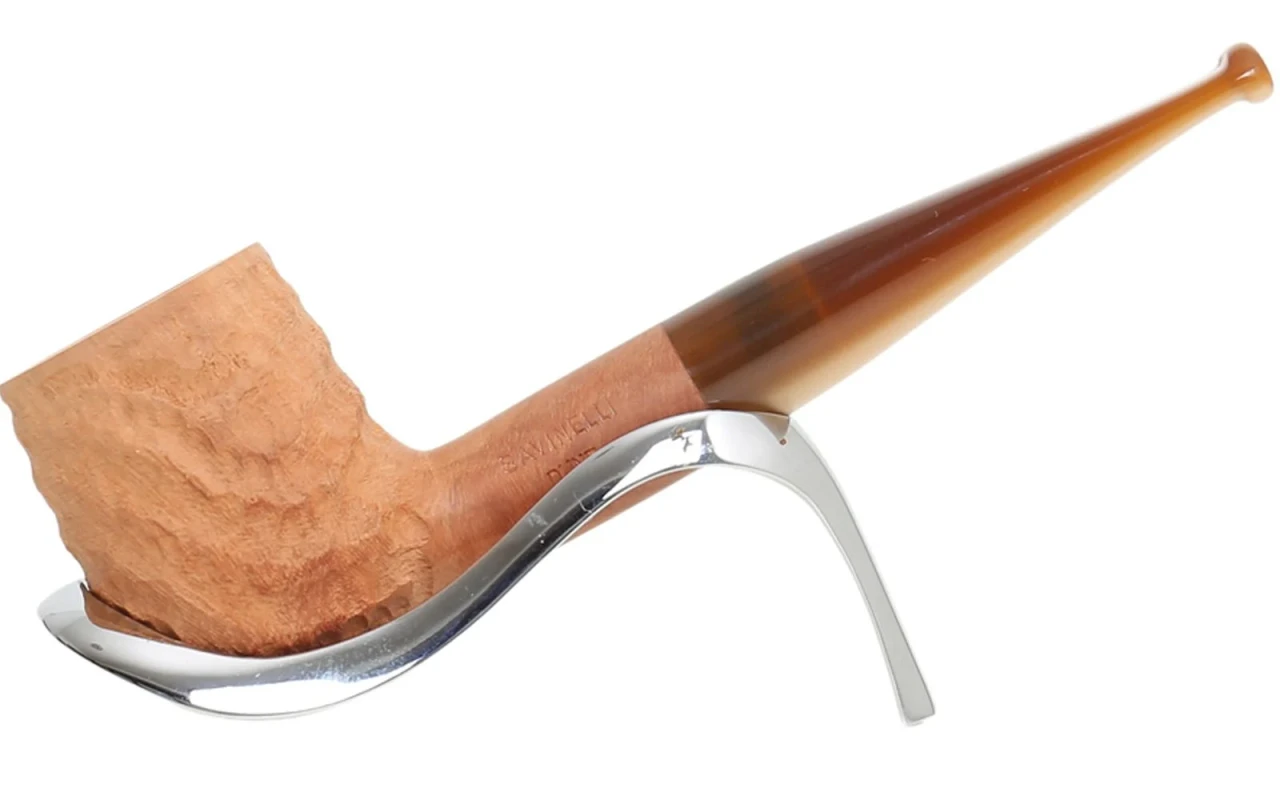
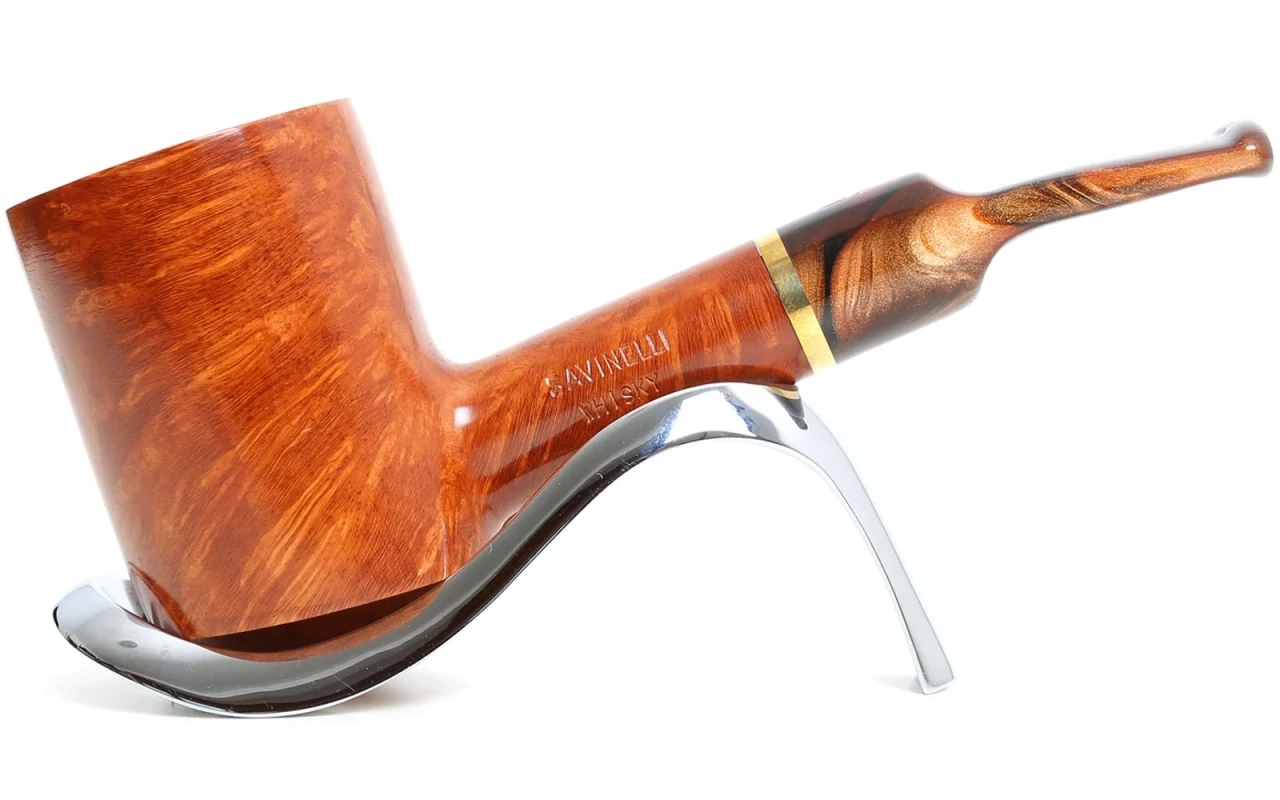
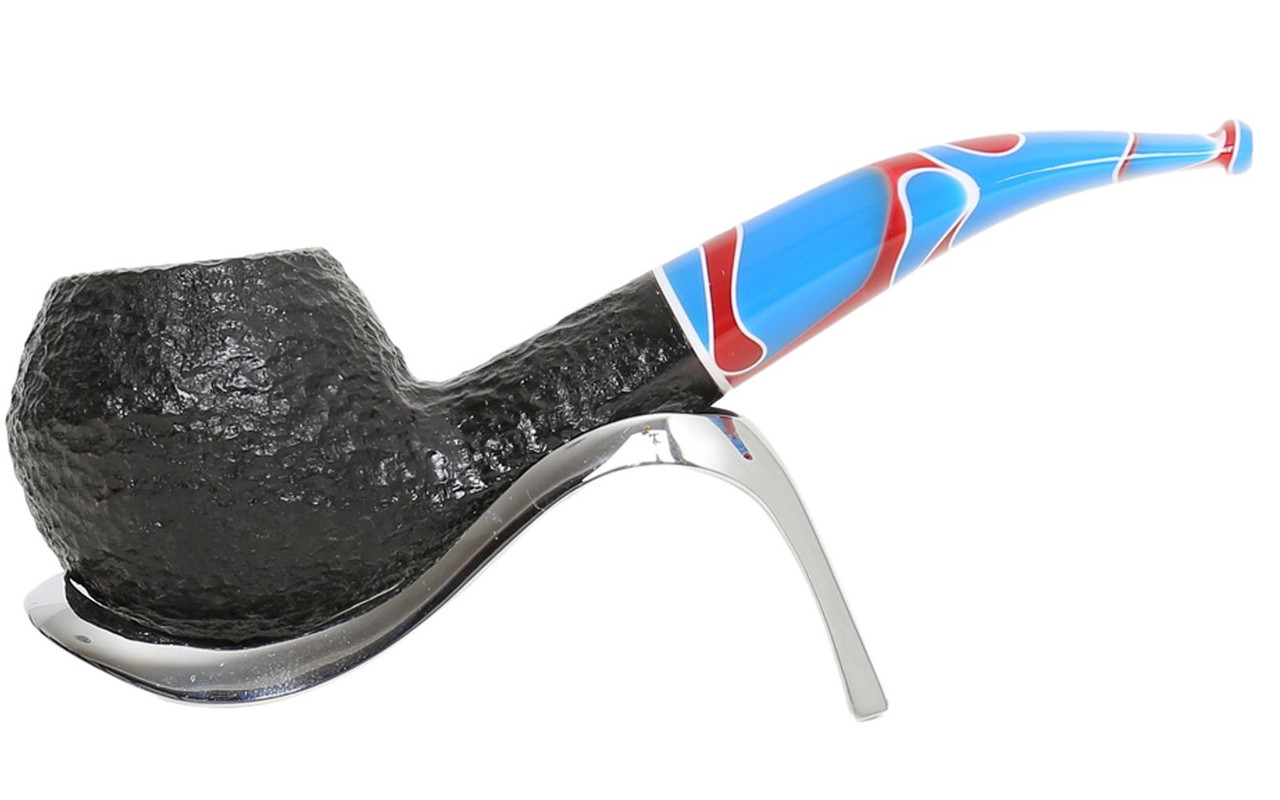
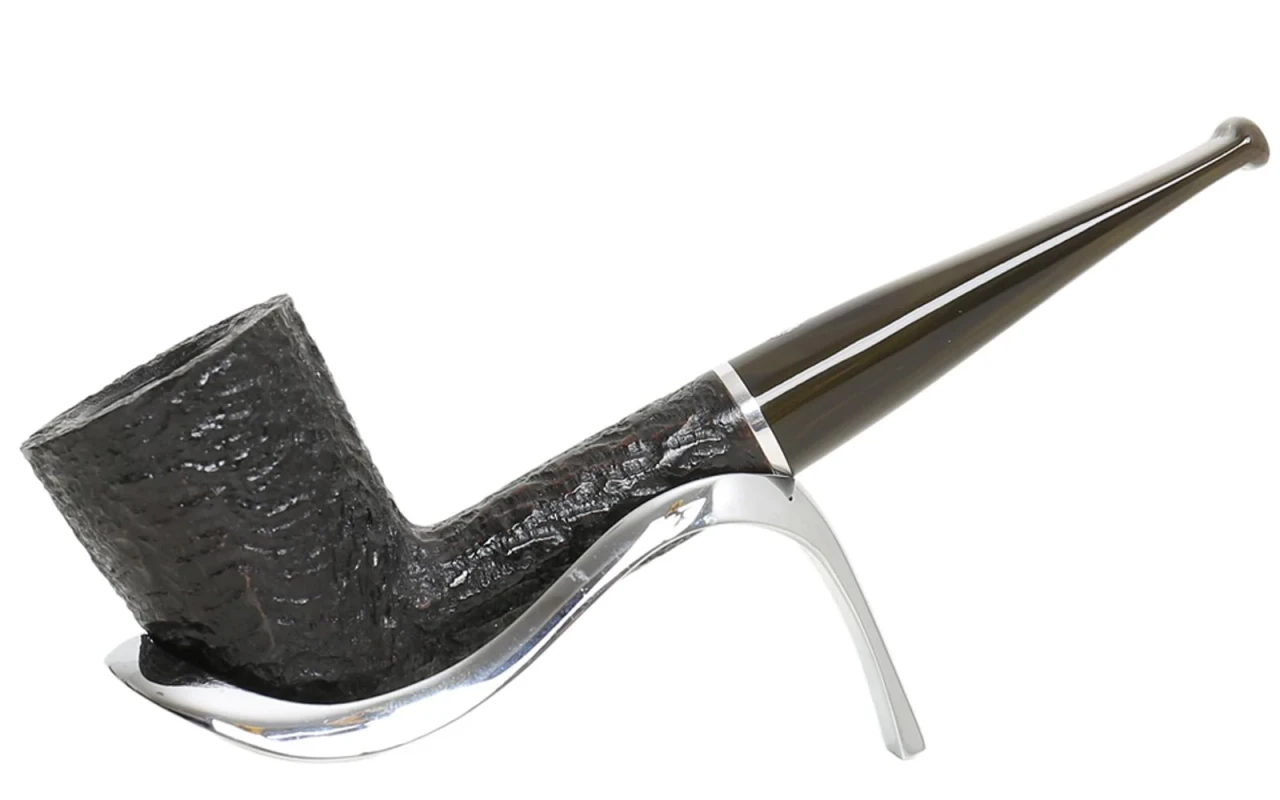
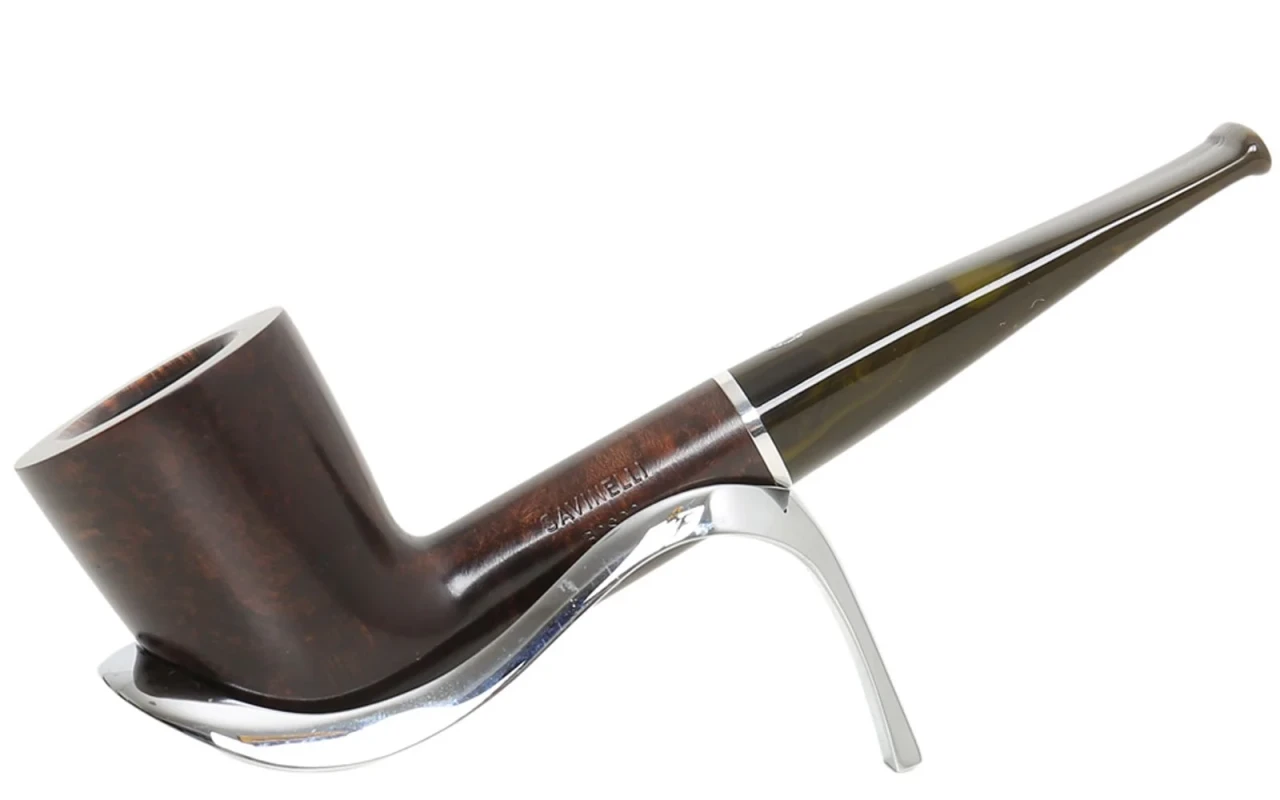
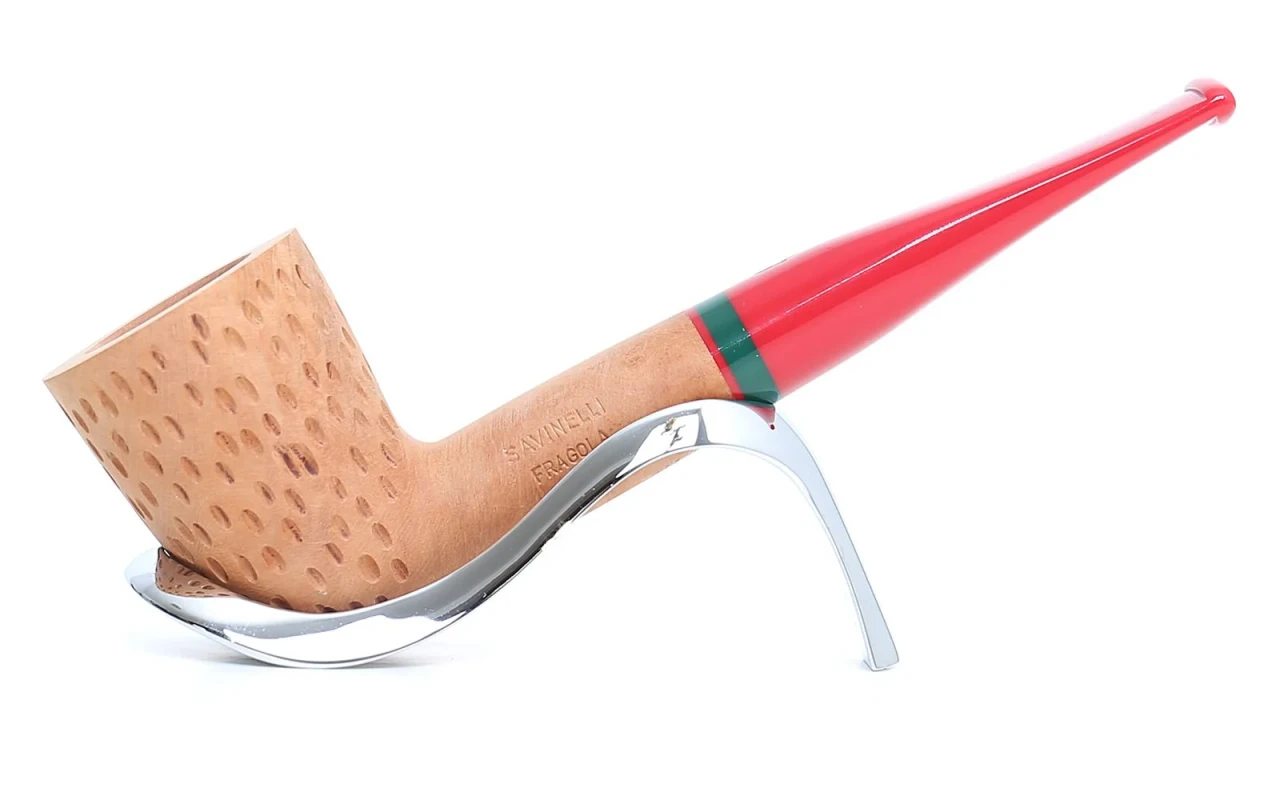
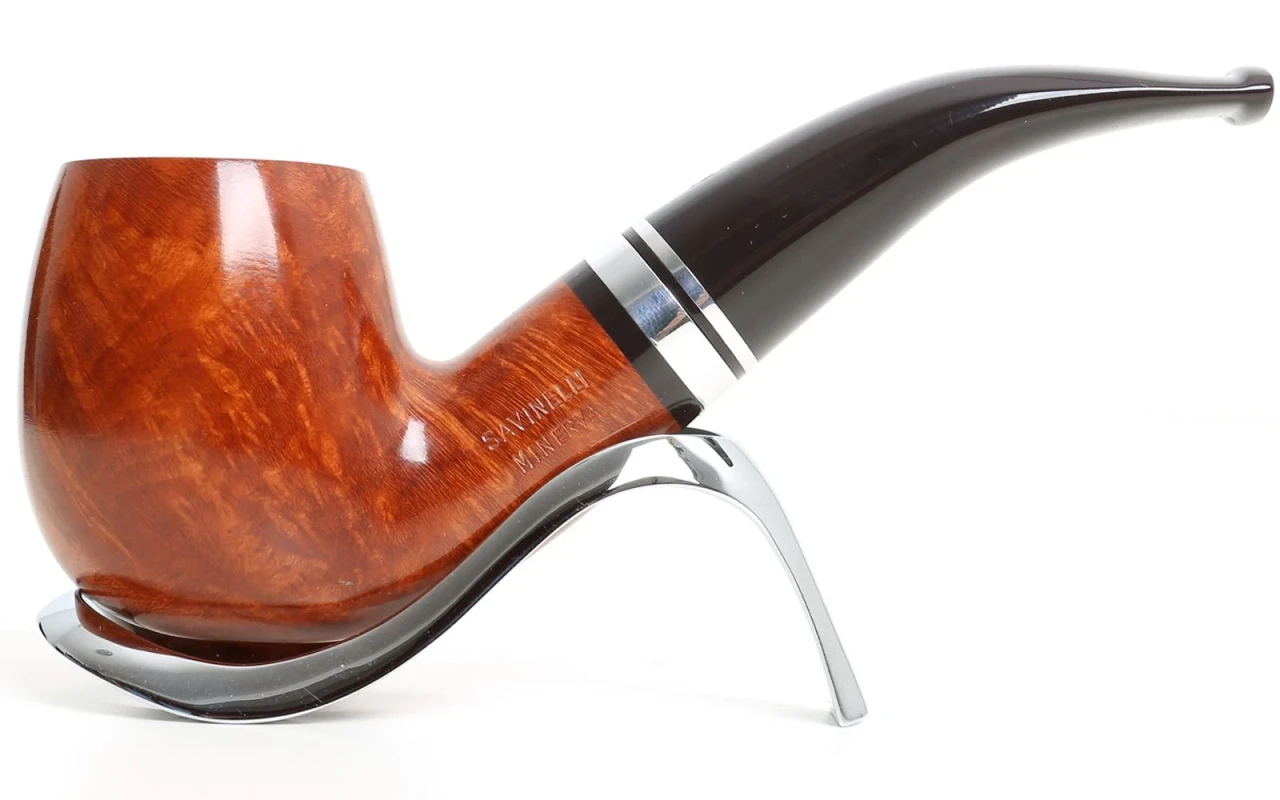
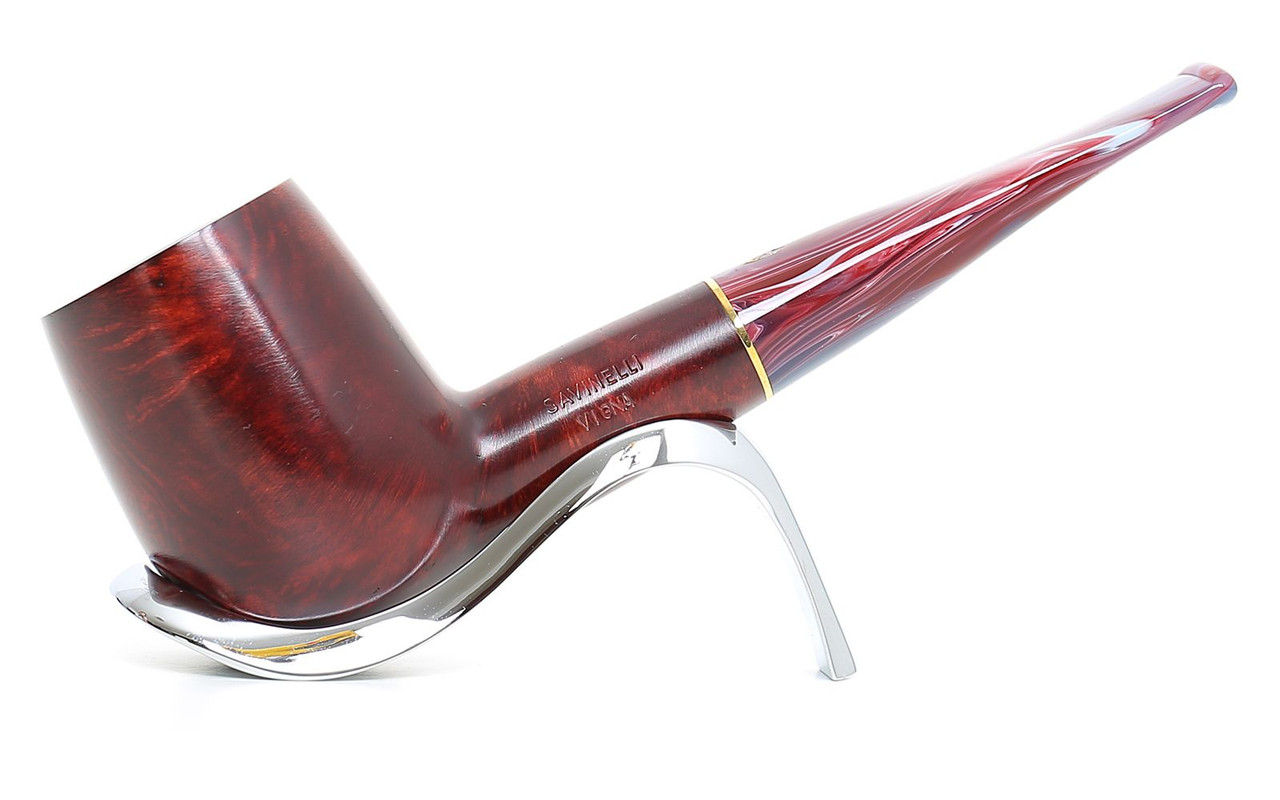
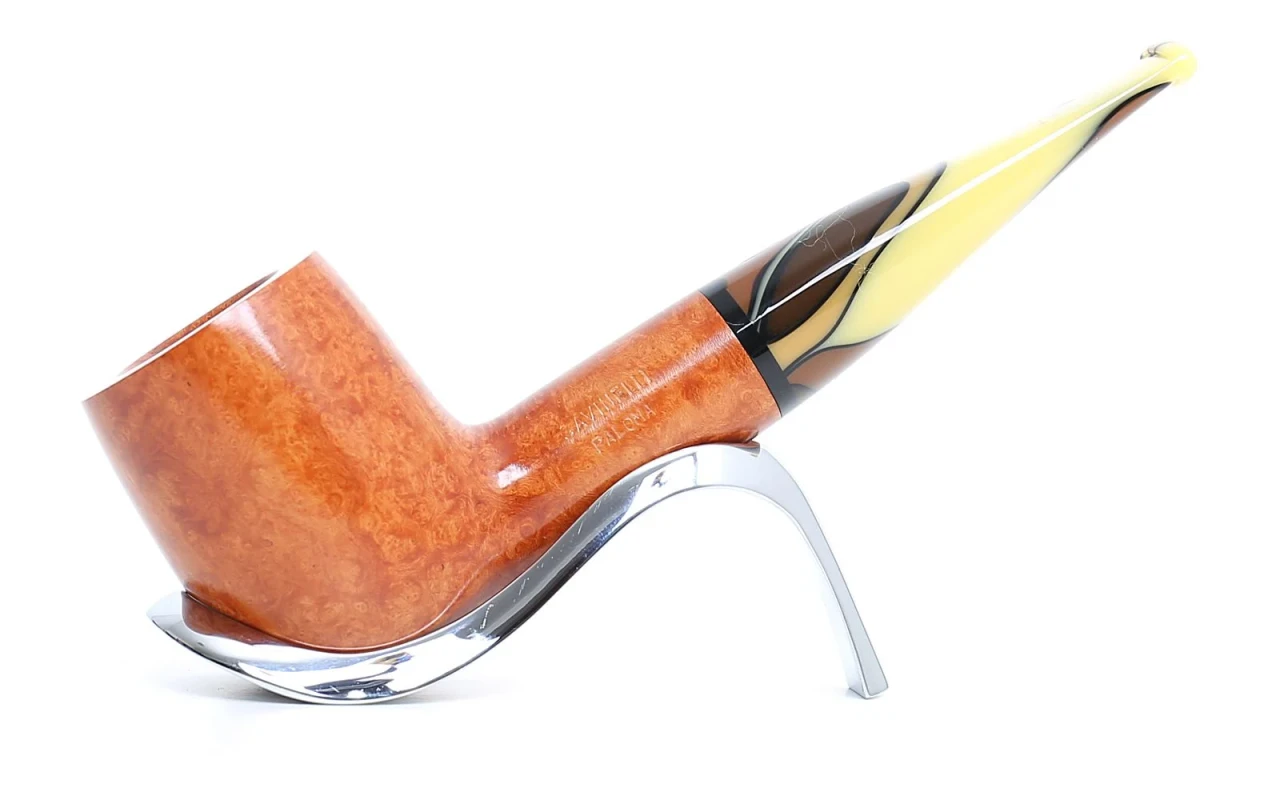
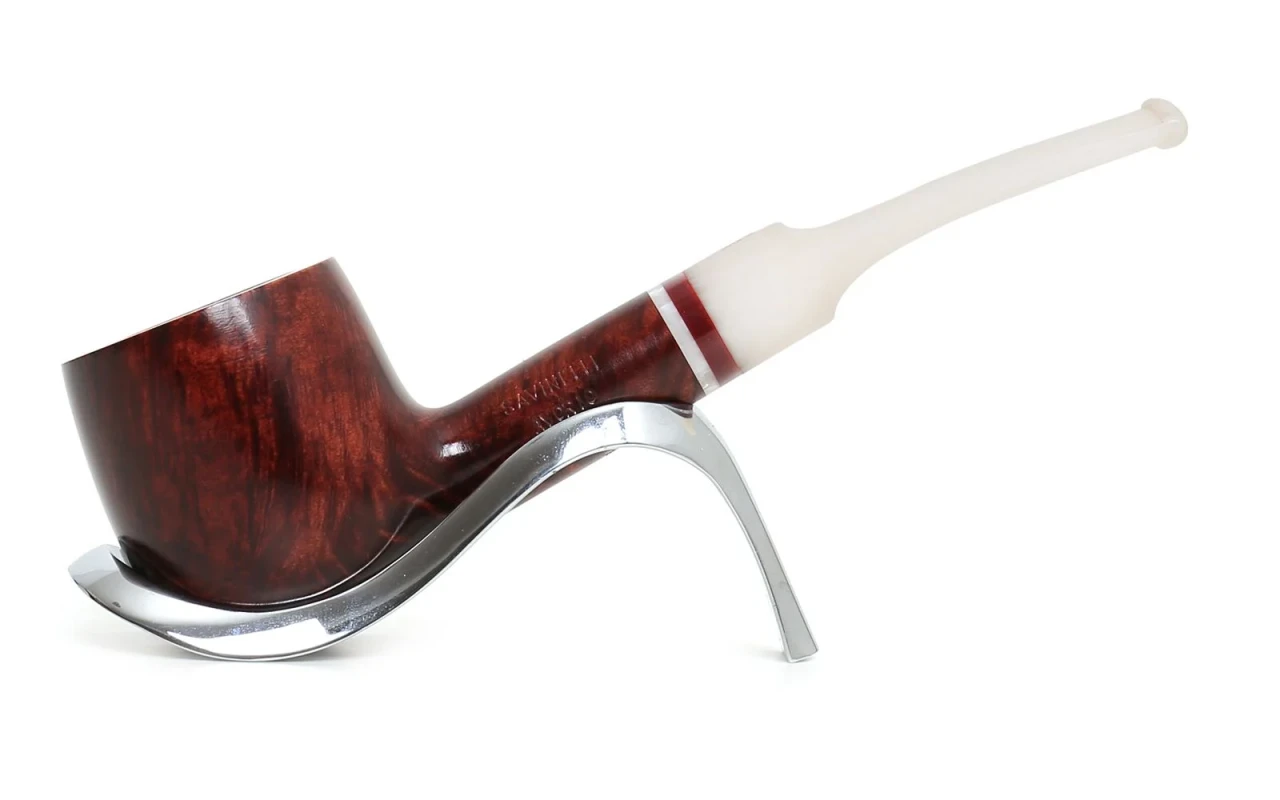
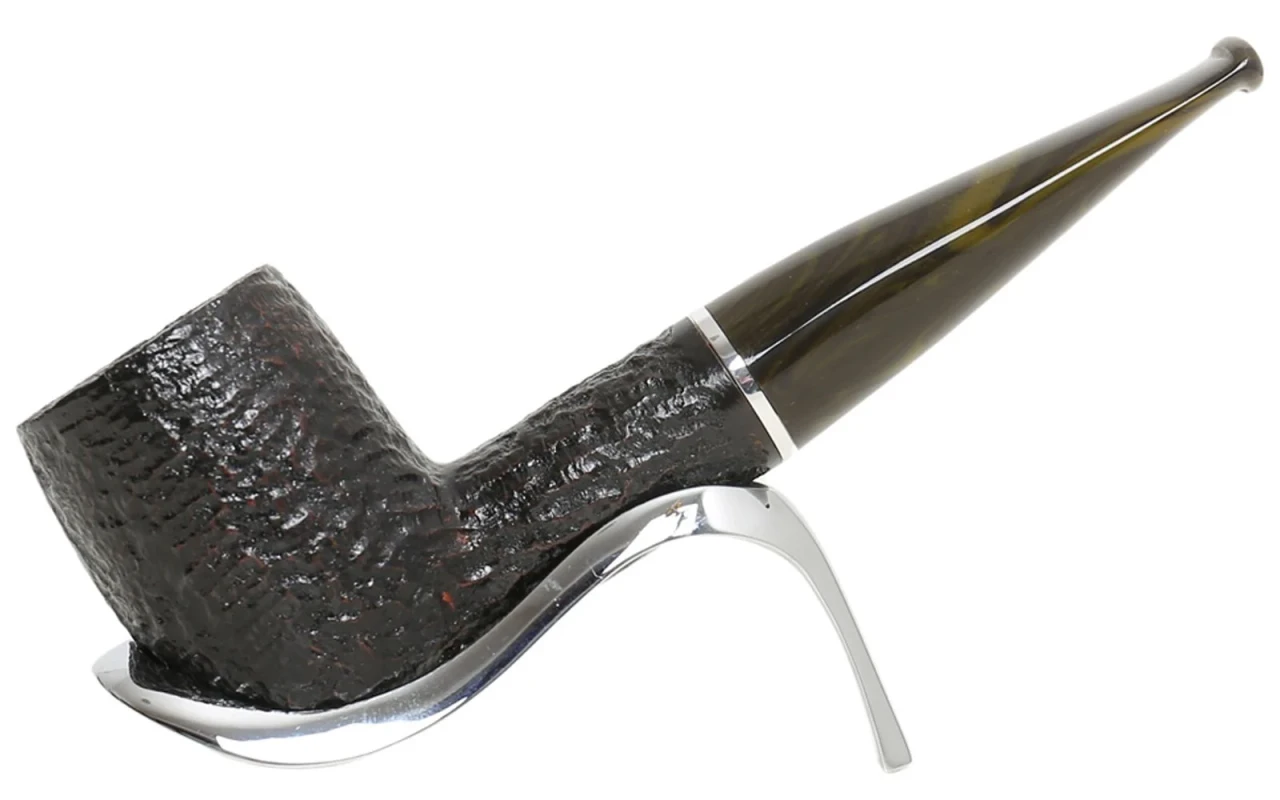
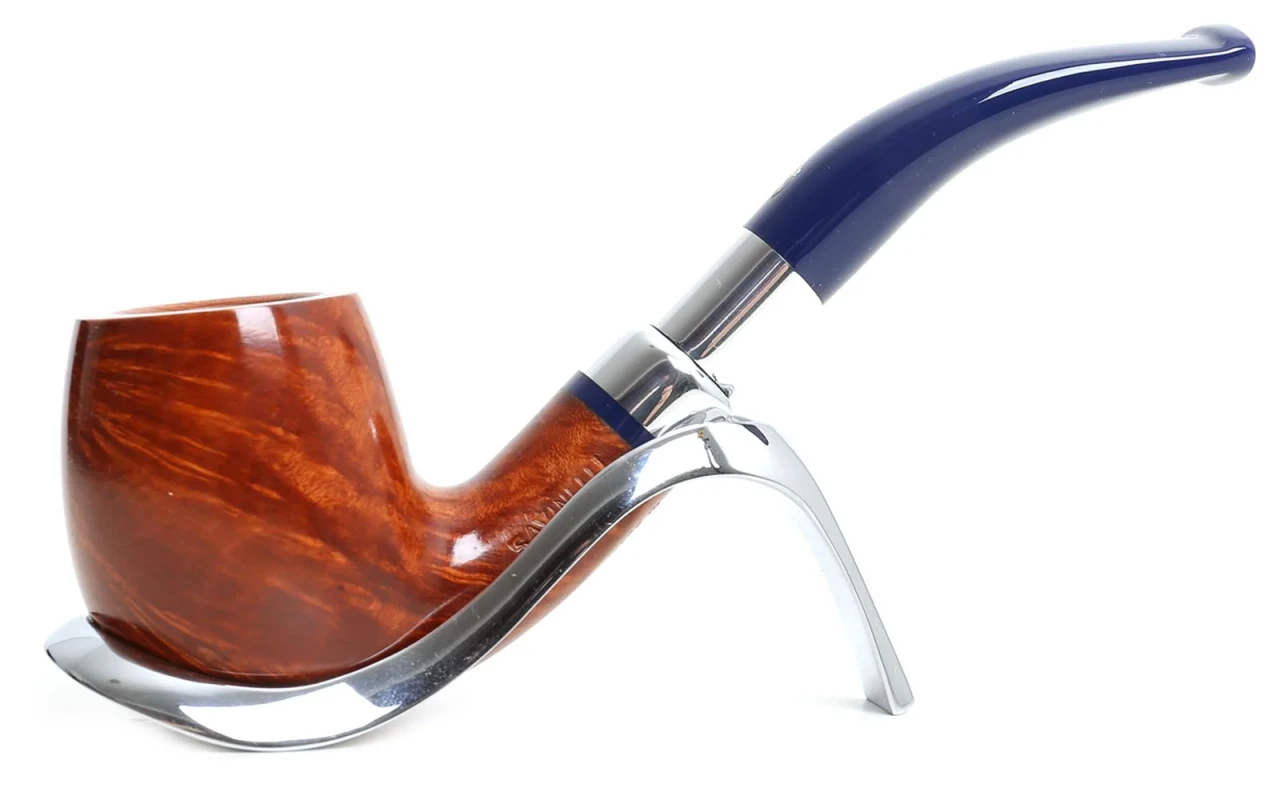
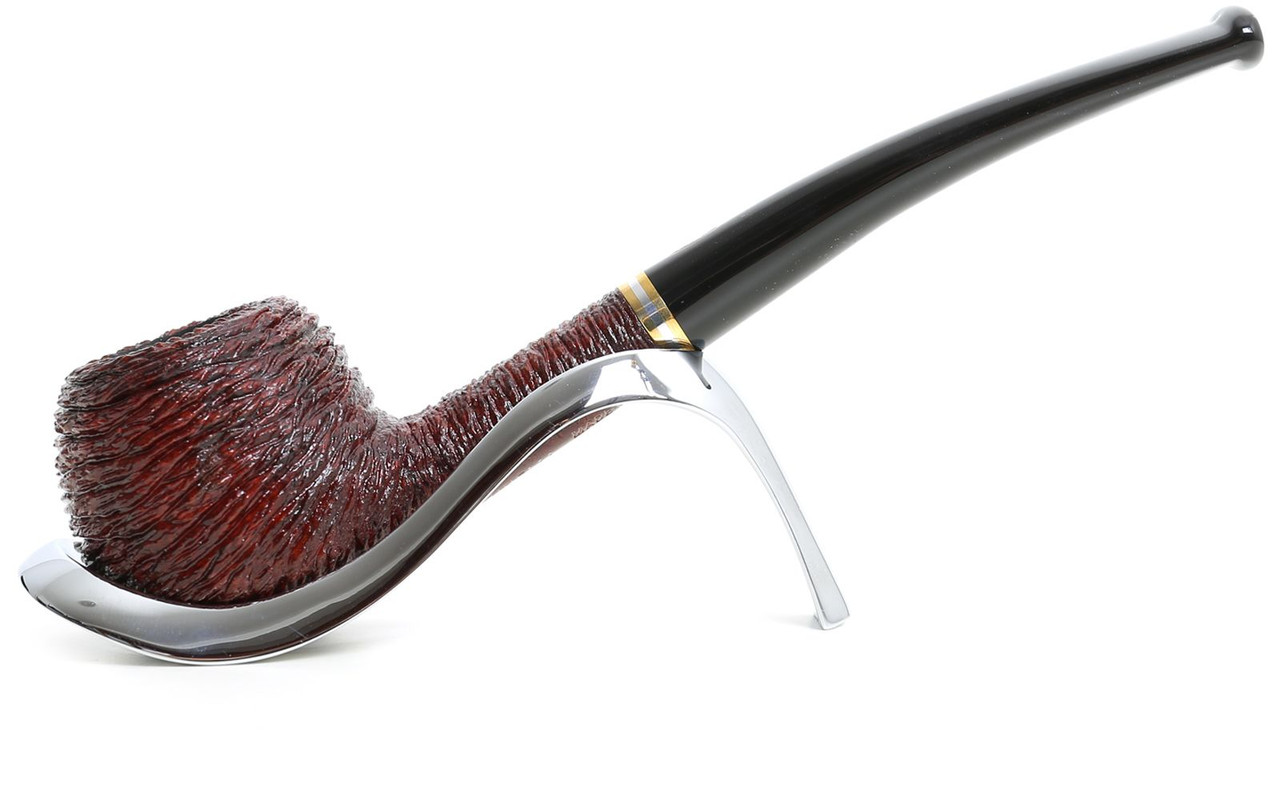
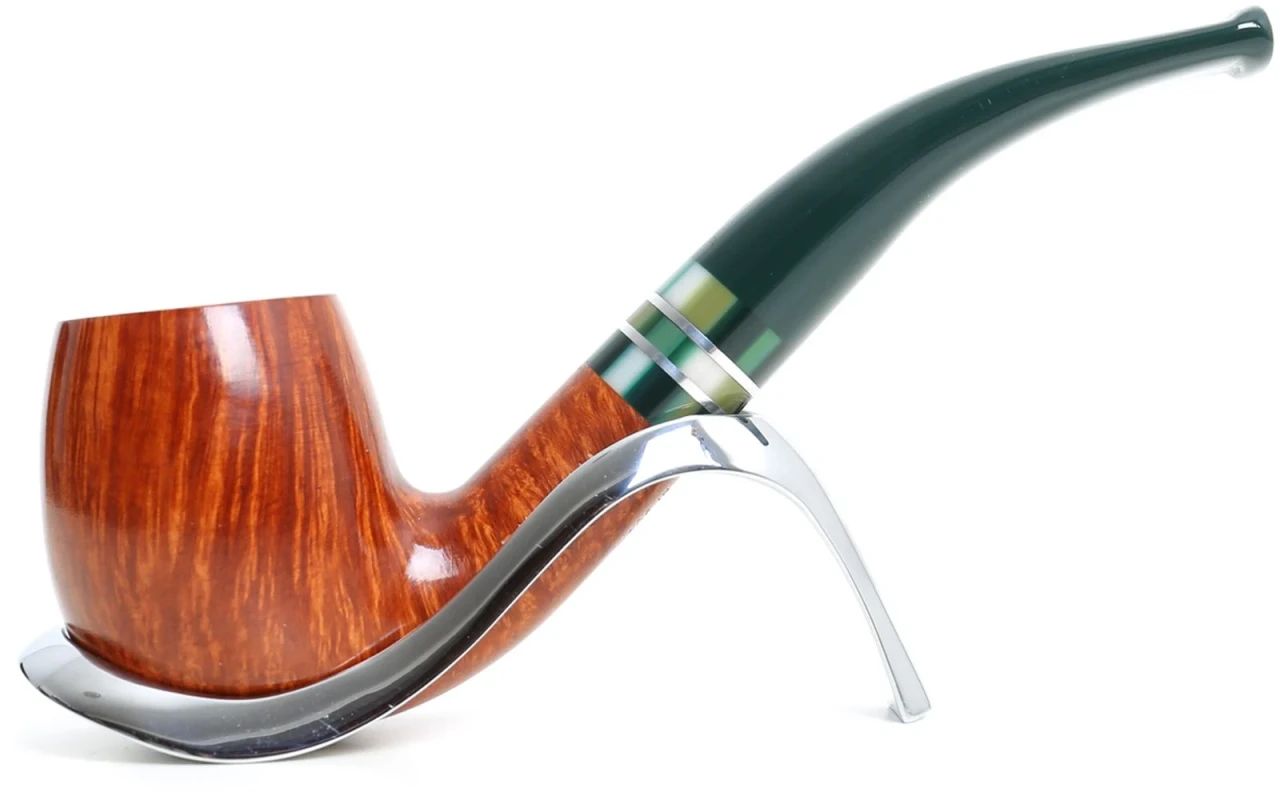
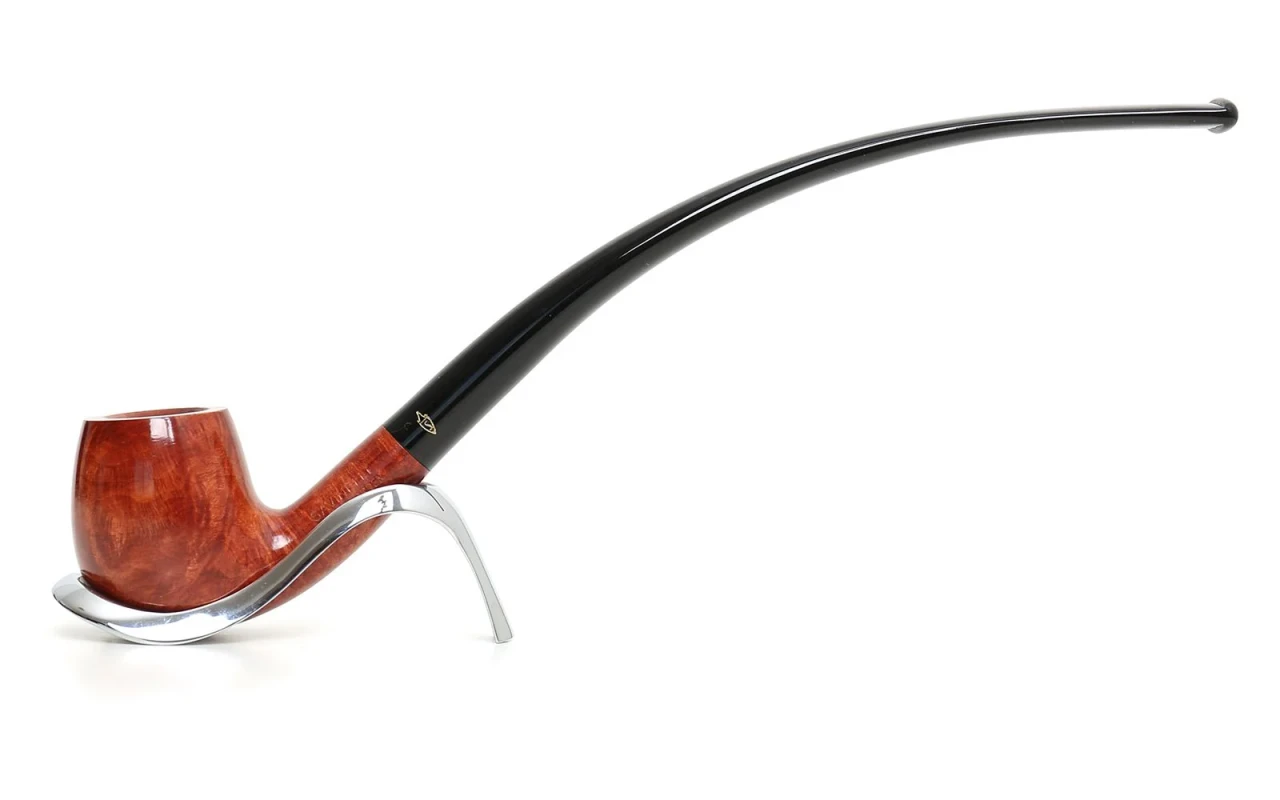
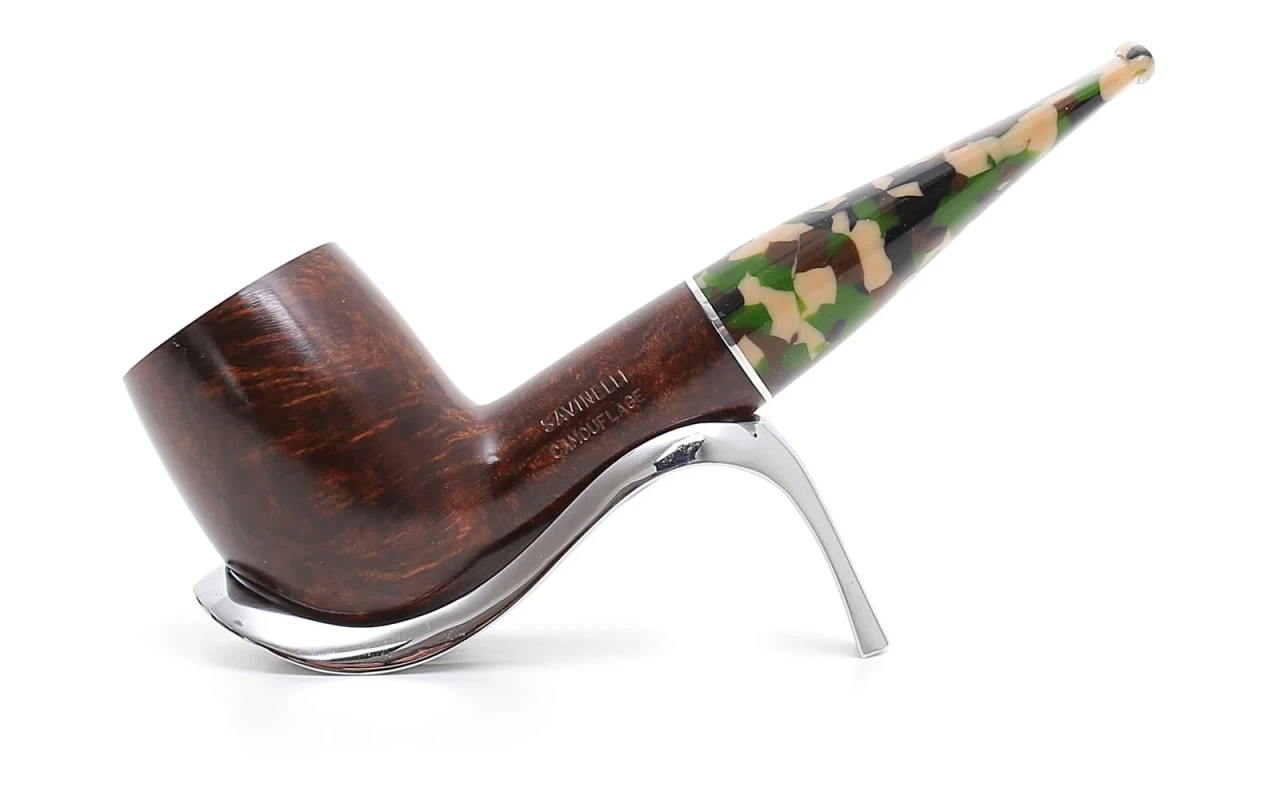
Impact of materials on pipe stability
Materials significantly influence the stability of a pipe. High-quality materials such as briar, meerschaum, or oak wood offer greater resistance to heat and humidity, contributing to the pipe's longevity. The density and porosity of the wood affect its ability to absorb tobacco moisture, preventing excessive overheating during combustion. Moreover, materials like ebony or vegetable ivory are valued for their ability to reduce crack formation in pipe smoke. Choosing the right material can ensure greater stability and durability over time for your favorite pipe.
Best Pipe Materials
The most commonly used materials for pipe production are:- Heather root: light, durable, and darkens over time, influencing the tobacco flavor.- Oak root: gives the pipe a slightly sweet taste.- Olive root: durable with unique veins, providing a distinctive aroma to the smoke.- Meerschaum: a porous stone that absorbs moisture and prevents the pipe from overheating.- Clay: a traditional material that ensures a neutral and cool flavor.- Briar: Mediterranean heather wood, highly valued for its durability and moisture-absorbing properties.
Pipe Materials Resistance
The resistance of pipe materials is a fundamental aspect in the design and construction of piping systems. The materials used must be able to withstand specific loads, pressures, and temperatures without yielding or breaking. Pipes can be made of various materials such as steel, copper, PVC, aluminum, among others, each with different strength characteristics. It is important to carefully evaluate the material's resistance based on the expected working conditions to ensure a reliable and safe operation of the piping system. The correct choice of material ensures the durability and efficiency of pipes over time.
Quality materials for pipes
Quality pipe materials vary according to the preferences of smoking enthusiasts. The most common ones are:- Briar wood: light and durable, it offers good heat dissipation.- Oak wood: sturdy and flame-resistant, suitable for outdoor pipes.- Meerschaum: a porous material that absorbs tobacco oils, ensuring a pure taste.- Clay: light and porous, but fragile.- Horn: elegant and durable, requiring special care.- Metals: such as silver, for more decorative than functional pipes.The choice of material depends on personal preferences and the experience of pipe smokers.
'%3e%3cg id='Final-Copy-2_2_' transform='translate(1275.000000, 200.000000)'%3e%3cpath class='st0' d='M7.4,12.8h6.8l3.1-11.6H7.4C4.2,1.2,1.6,3.8,1.6,7S4.2,12.8,7.4,12.8z'/%3e%3c/g%3e%3c/g%3e%3c/g%3e%3cg id='final---dec.11-2020'%3e%3cg id='_x30_208-our-toggle' transform='translate(-1275.000000, -200.000000)'%3e%3cg id='Final-Copy-2' transform='translate(1275.000000, 200.000000)'%3e%3cpath class='st1' d='M22.6,0H7.4c-3.9,0-7,3.1-7,7s3.1,7,7,7h15.2c3.9,0,7-3.1,7-7S26.4,0,22.6,0z M1.6,7c0-3.2,2.6-5.8,5.8-5.8 h9.9l-3.1,11.6H7.4C4.2,12.8,1.6,10.2,1.6,7z'/%3e%3cpath id='x' class='st2' d='M24.6,4c0.2,0.2,0.2,0.6,0,0.8l0,0L22.5,7l2.2,2.2c0.2,0.2,0.2,0.6,0,0.8c-0.2,0.2-0.6,0.2-0.8,0 l0,0l-2.2-2.2L19.5,10c-0.2,0.2-0.6,0.2-0.8,0c-0.2-0.2-0.2-0.6,0-0.8l0,0L20.8,7l-2.2-2.2c-0.2-0.2-0.2-0.6,0-0.8 c0.2-0.2,0.6-0.2,0.8,0l0,0l2.2,2.2L23.8,4C24,3.8,24.4,3.8,24.6,4z'/%3e%3cpath id='y' class='st3' d='M12.7,4.1c0.2,0.2,0.3,0.6,0.1,0.8l0,0L8.6,9.8C8.5,9.9,8.4,10,8.3,10c-0.2,0.1-0.5,0.1-0.7-0.1l0,0 L5.4,7.7c-0.2-0.2-0.2-0.6,0-0.8c0.2-0.2,0.6-0.2,0.8,0l0,0L8,8.6l3.8-4.5C12,3.9,12.4,3.9,12.7,4.1z'/%3e%3c/g%3e%3c/g%3e%3c/g%3e%3c/g%3e%3c/svg%3e) Your Privacy Choices
Your Privacy Choices 


