 ES
ES FR
FR EN
EN IT
IT DE
DE
Impact of war on pipe craftsmanship

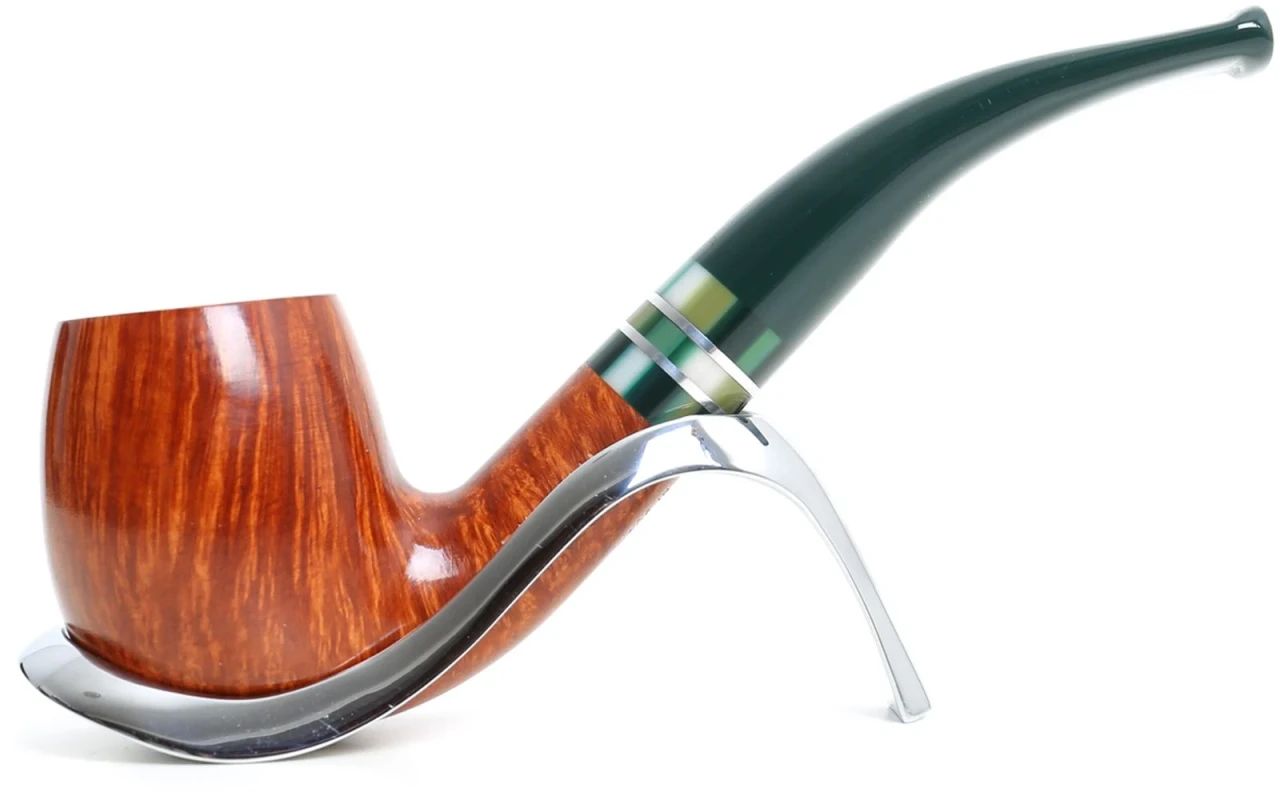
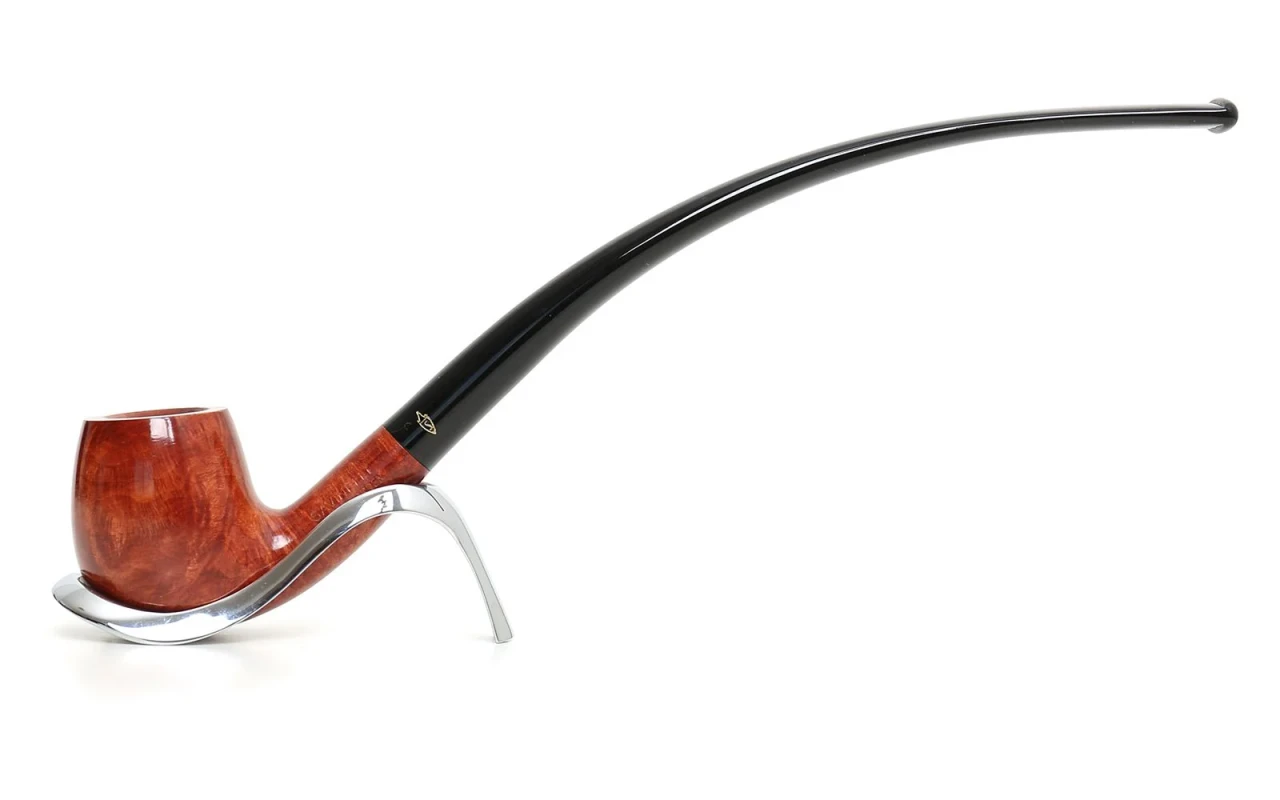

Impact of war on pipe craftsmanship
War has had a significant impact on pipe craftsmanship. During times of conflict, the availability of high-quality materials and skilled artisans can decrease drastically. This can lead to a reduction in the variety and quality of pipes produced, with a greater focus on functionality rather than aesthetics. However, in some cases, the need to adapt to limited resources has stimulated innovation and creativity, leading to new techniques and unique designs. Ultimately, the influence of war on pipe craftsmanship is complex and depends on the specific circumstances of each historical period.
History of pipe production during the war
During the war, the production of pipes underwent significant changes. Pipes, being luxury items and craftsmanship, saw a reduction in the quality of materials used due to the scarcity of resources. Fine wood pipes were replaced by more affordable materials such as briar or faux wood. Moreover, many pipe factories had to interrupt production to focus on manufacturing war materials. However, despite the challenges, pipe production continued to maintain a certain level to meet smokers' demand, although with simpler and less refined products.
Alternative materials for pipe production during the war
During the war, due to the scarcity of traditional materials such as wood and briar, alternative materials were used for pipe production. Some common options included:1. Porcelain: Heat resistant and available in various shapes and colors.2. Metal: Often aluminum or brass, lightweight and durable.3. Clay: Economical material and easily moldable.4. Corn cob: Corn cob pipes were affordable and lightweight.5. Plaster: Used to create temporary pipes.These alternative materials allowed manufacturers to continue meeting the demand for pipes despite restrictions during the wartime period.
Innovations in pipe production during the war
During the war, innovations in pipe production mainly focused on the search for alternative materials and the streamlining of manufacturing processes. Some artisans replaced traditional wood with more affordable and readily available materials, such as corn cob or metal. These solutions allowed for production to continue despite resource shortages. Additionally, more efficient production techniques were introduced to ensure higher productivity and meet the growing demand during the wartime period. These innovations helped to keep the art of pipe-making alive despite the adversities of the time.
'%3e%3cg id='Final-Copy-2_2_' transform='translate(1275.000000, 200.000000)'%3e%3cpath class='st0' d='M7.4,12.8h6.8l3.1-11.6H7.4C4.2,1.2,1.6,3.8,1.6,7S4.2,12.8,7.4,12.8z'/%3e%3c/g%3e%3c/g%3e%3c/g%3e%3cg id='final---dec.11-2020'%3e%3cg id='_x30_208-our-toggle' transform='translate(-1275.000000, -200.000000)'%3e%3cg id='Final-Copy-2' transform='translate(1275.000000, 200.000000)'%3e%3cpath class='st1' d='M22.6,0H7.4c-3.9,0-7,3.1-7,7s3.1,7,7,7h15.2c3.9,0,7-3.1,7-7S26.4,0,22.6,0z M1.6,7c0-3.2,2.6-5.8,5.8-5.8 h9.9l-3.1,11.6H7.4C4.2,12.8,1.6,10.2,1.6,7z'/%3e%3cpath id='x' class='st2' d='M24.6,4c0.2,0.2,0.2,0.6,0,0.8l0,0L22.5,7l2.2,2.2c0.2,0.2,0.2,0.6,0,0.8c-0.2,0.2-0.6,0.2-0.8,0 l0,0l-2.2-2.2L19.5,10c-0.2,0.2-0.6,0.2-0.8,0c-0.2-0.2-0.2-0.6,0-0.8l0,0L20.8,7l-2.2-2.2c-0.2-0.2-0.2-0.6,0-0.8 c0.2-0.2,0.6-0.2,0.8,0l0,0l2.2,2.2L23.8,4C24,3.8,24.4,3.8,24.6,4z'/%3e%3cpath id='y' class='st3' d='M12.7,4.1c0.2,0.2,0.3,0.6,0.1,0.8l0,0L8.6,9.8C8.5,9.9,8.4,10,8.3,10c-0.2,0.1-0.5,0.1-0.7-0.1l0,0 L5.4,7.7c-0.2-0.2-0.2-0.6,0-0.8c0.2-0.2,0.6-0.2,0.8,0l0,0L8,8.6l3.8-4.5C12,3.9,12.4,3.9,12.7,4.1z'/%3e%3c/g%3e%3c/g%3e%3c/g%3e%3c/g%3e%3c/svg%3e) Your Privacy Choices
Your Privacy Choices 


