 ES
ES FR
FR EN
EN IT
IT DE
DE
Impact of globalization on pipe patterns

Impact of globalization on pipe patterns
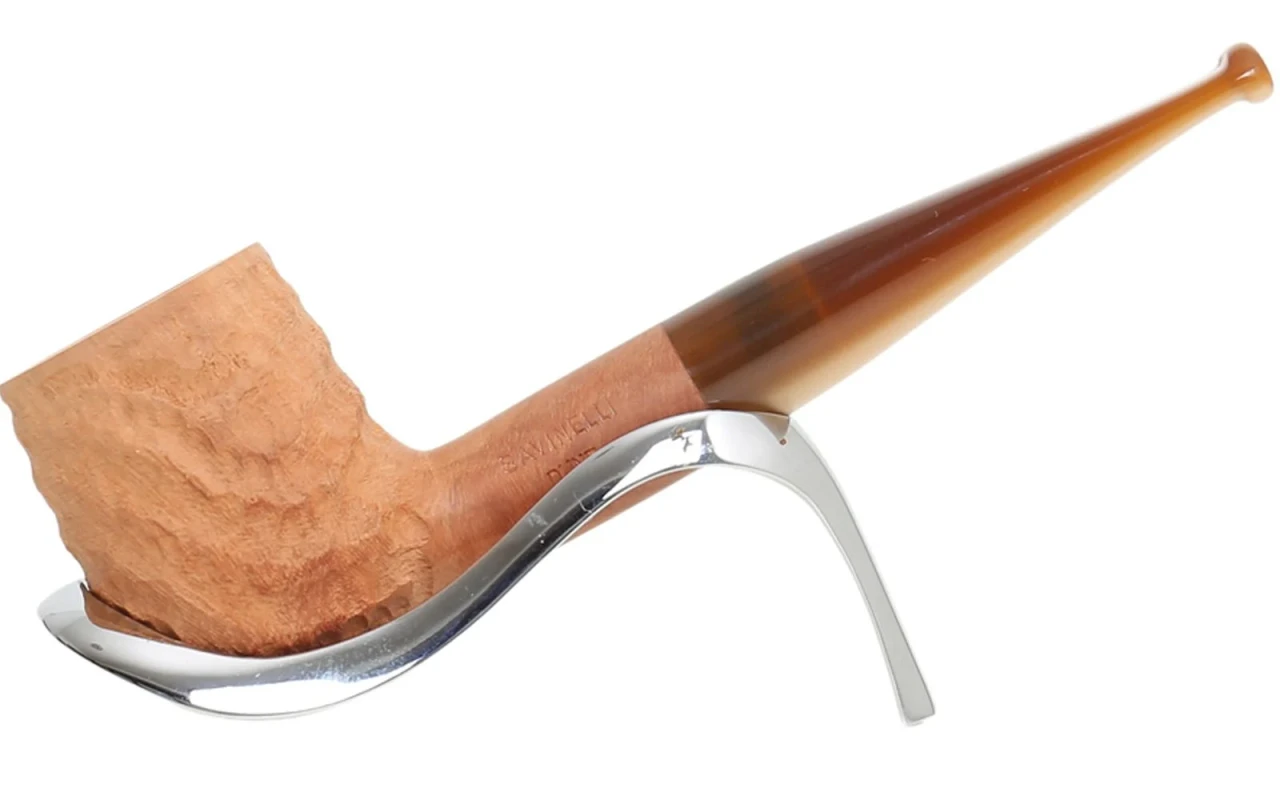
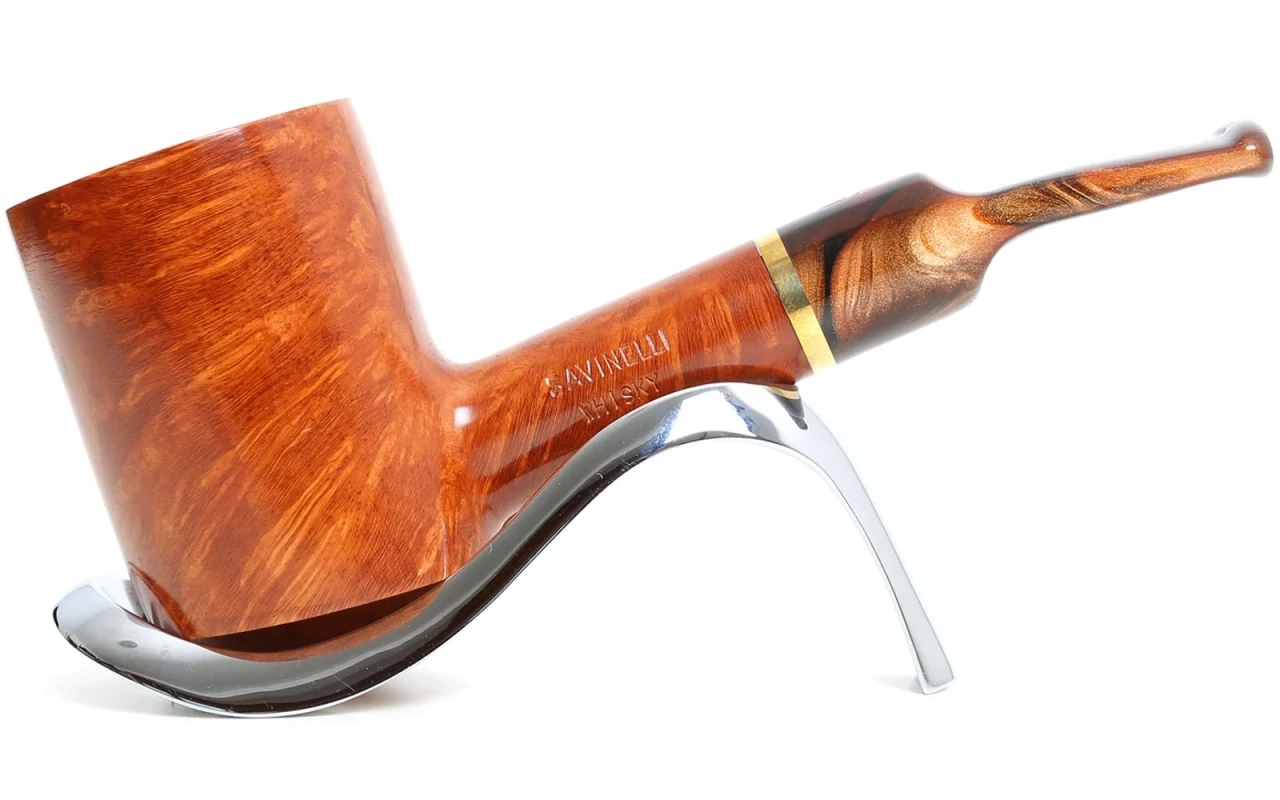
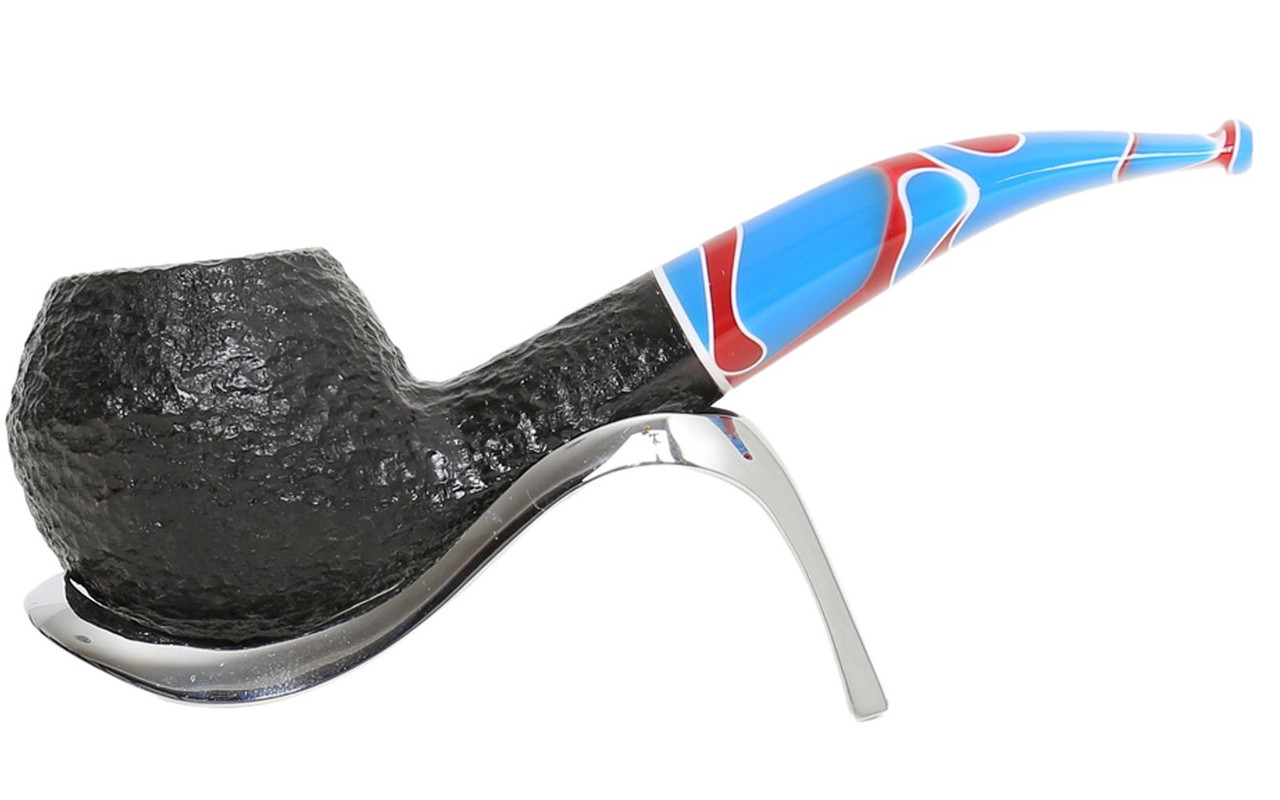
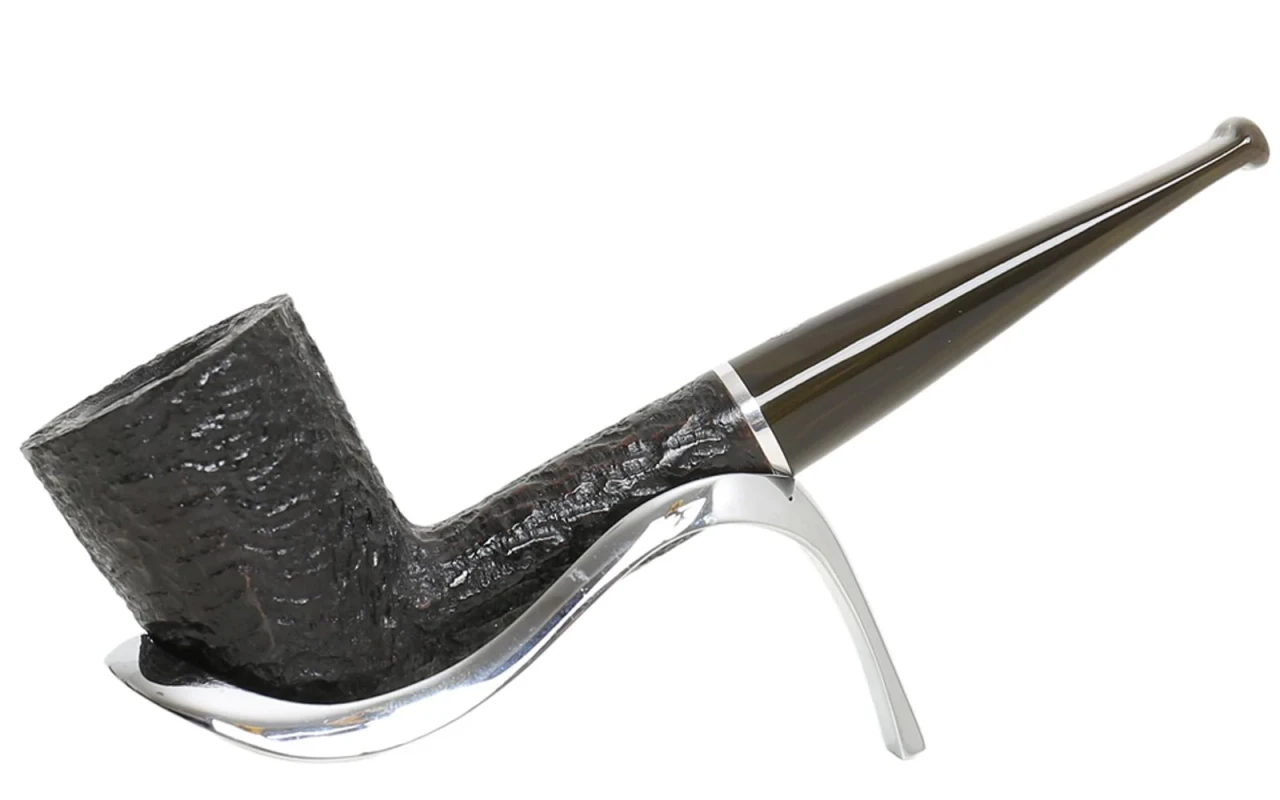
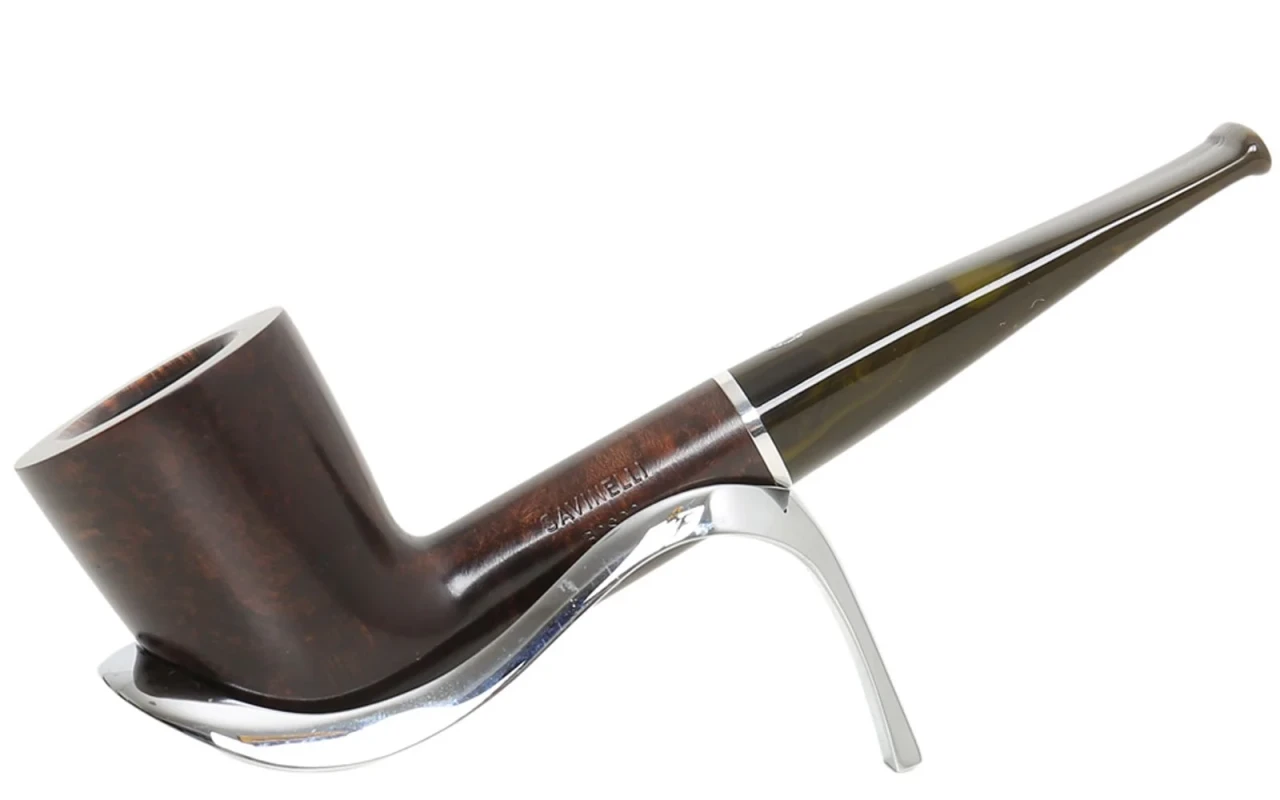
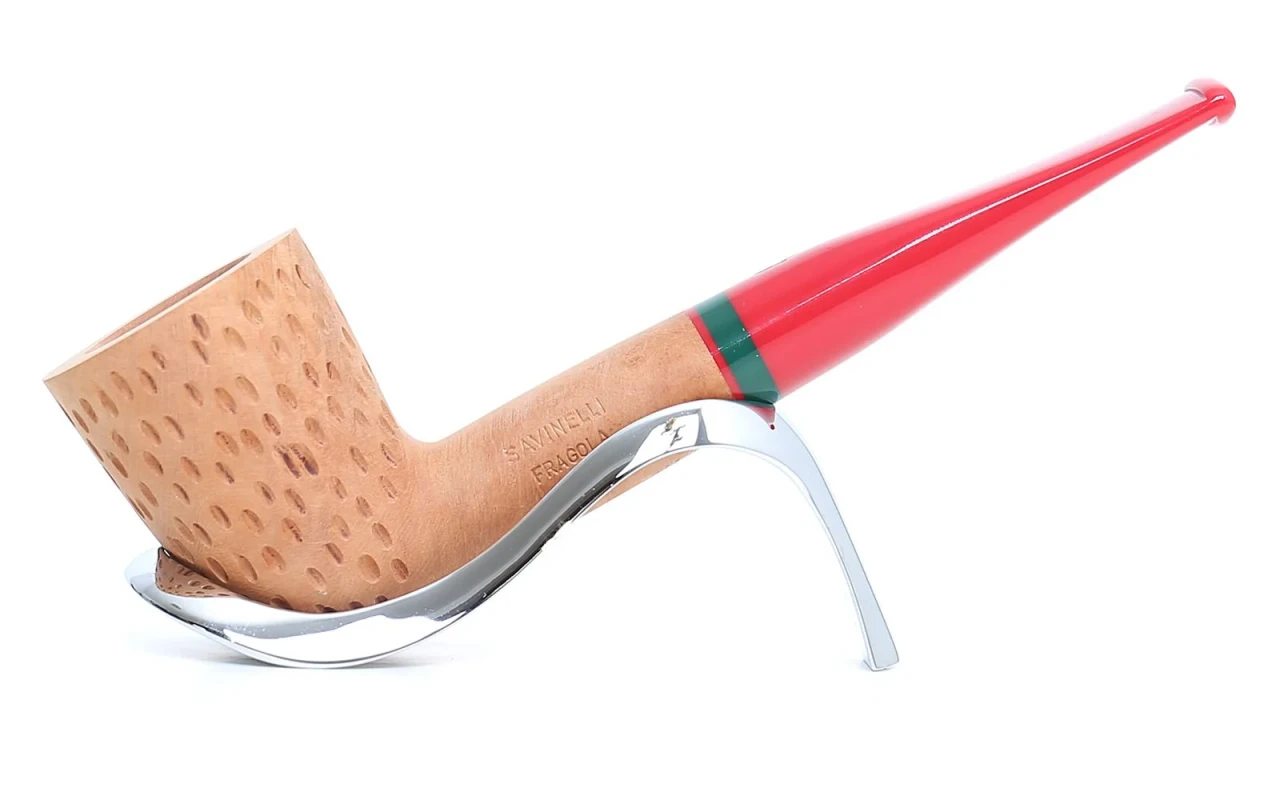
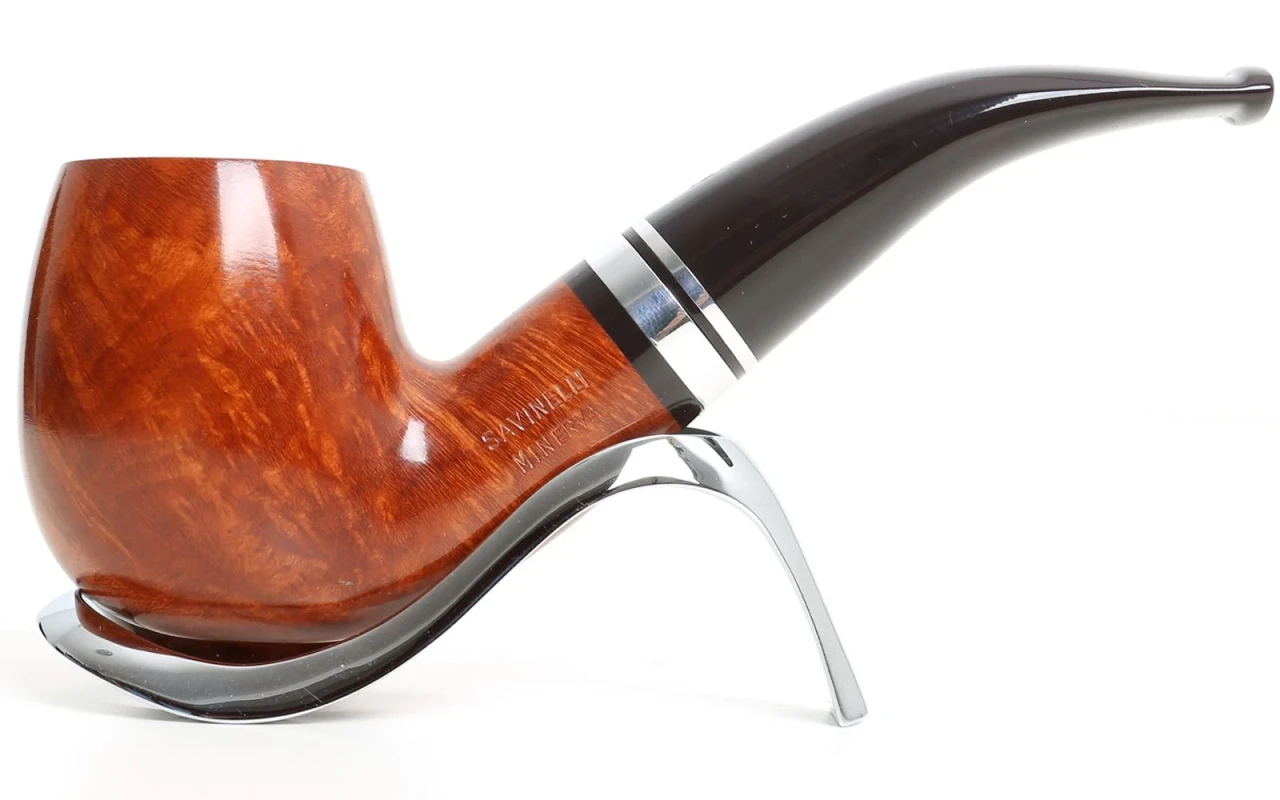
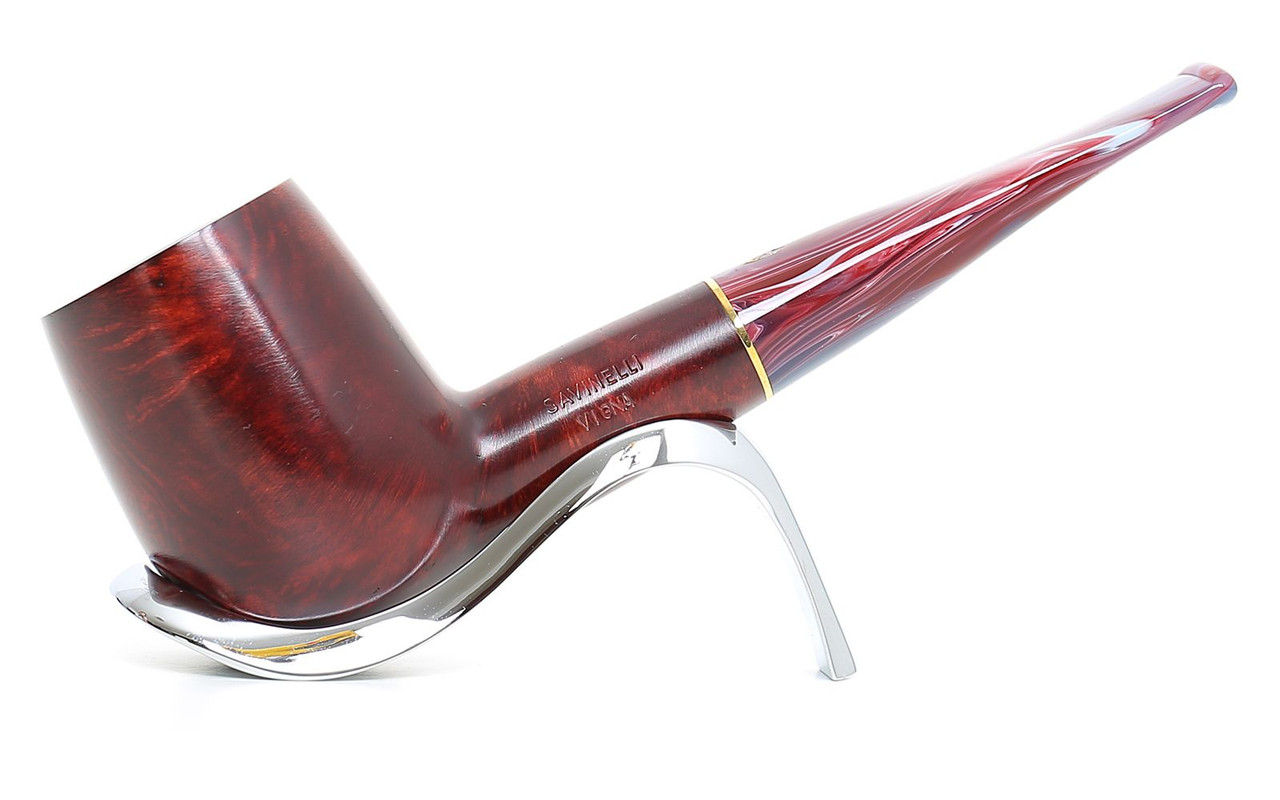
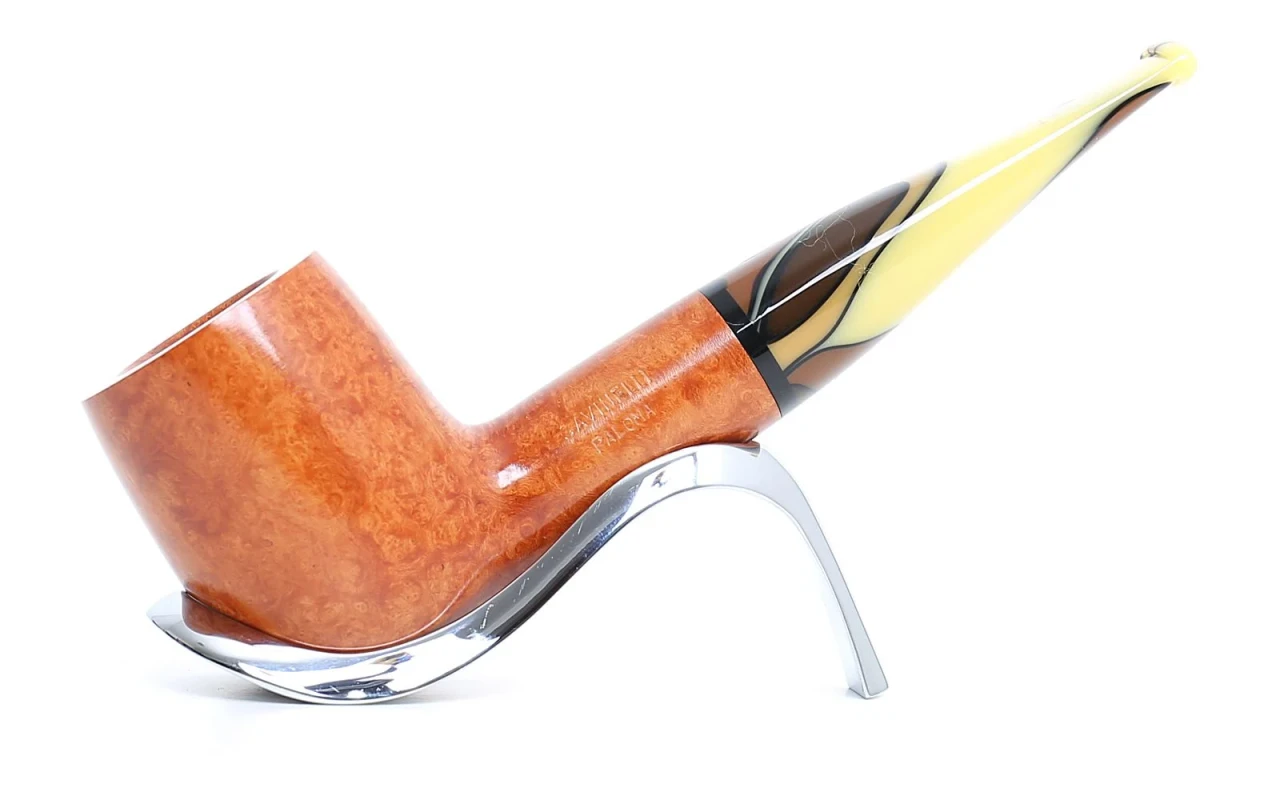
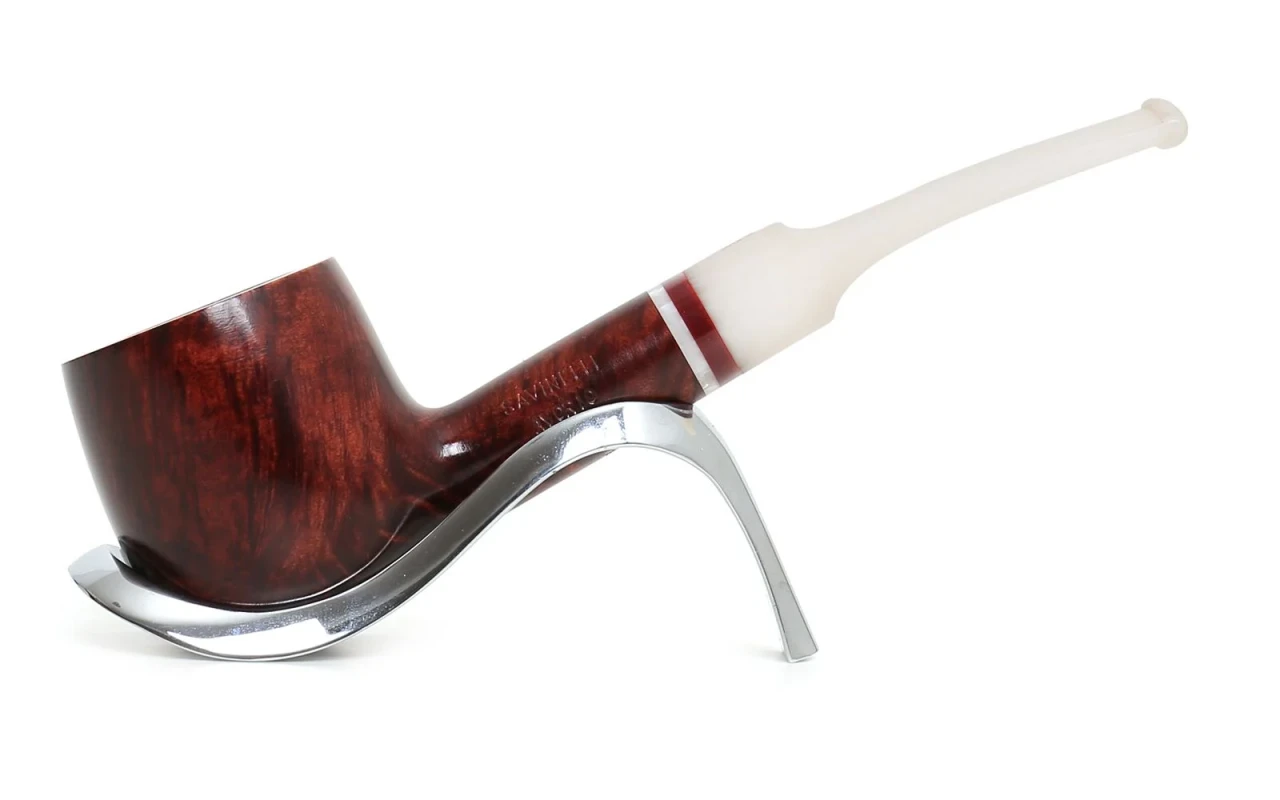
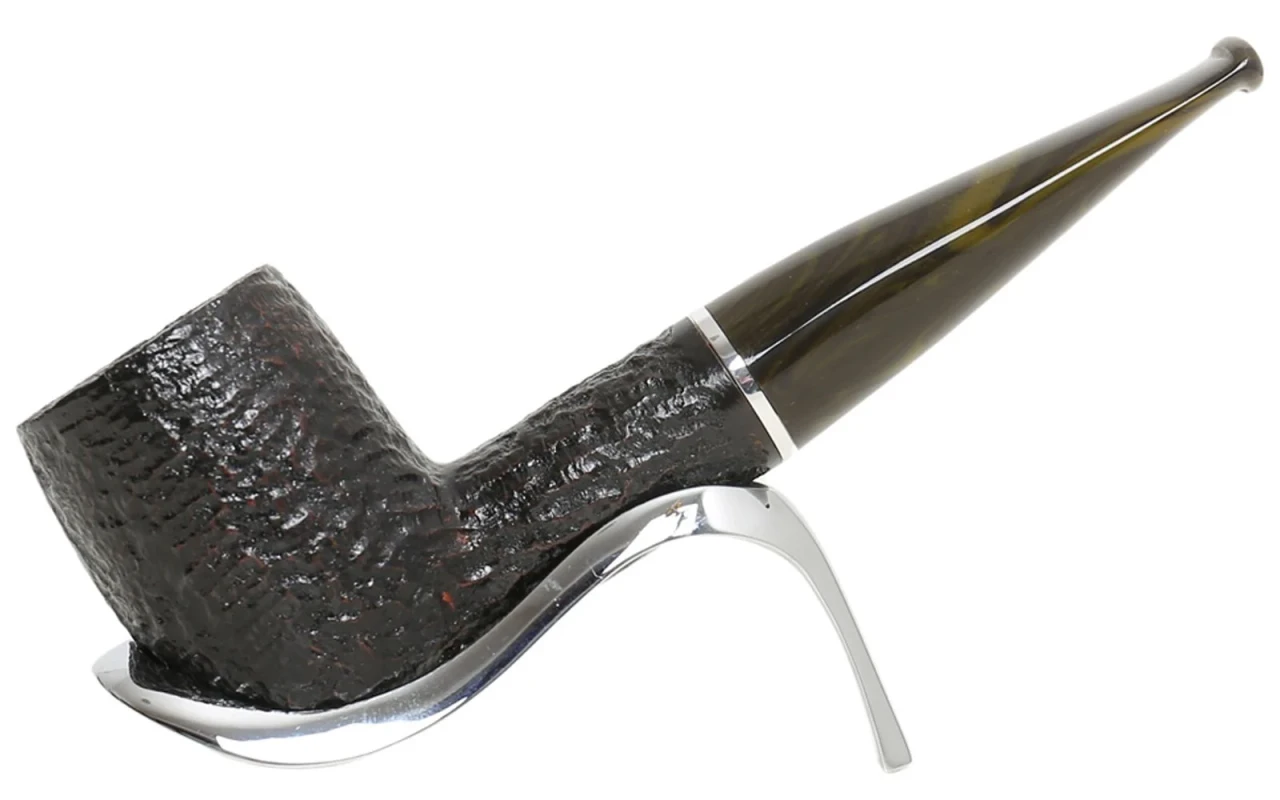
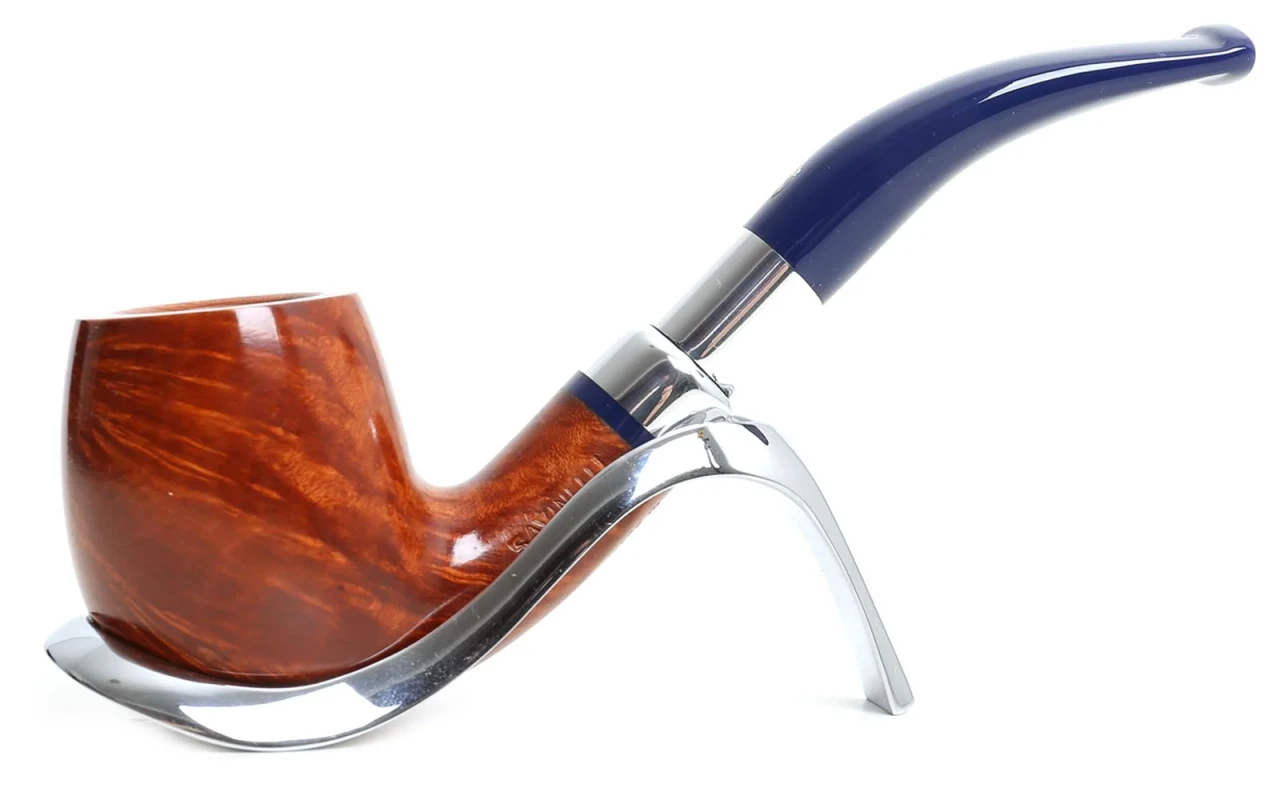
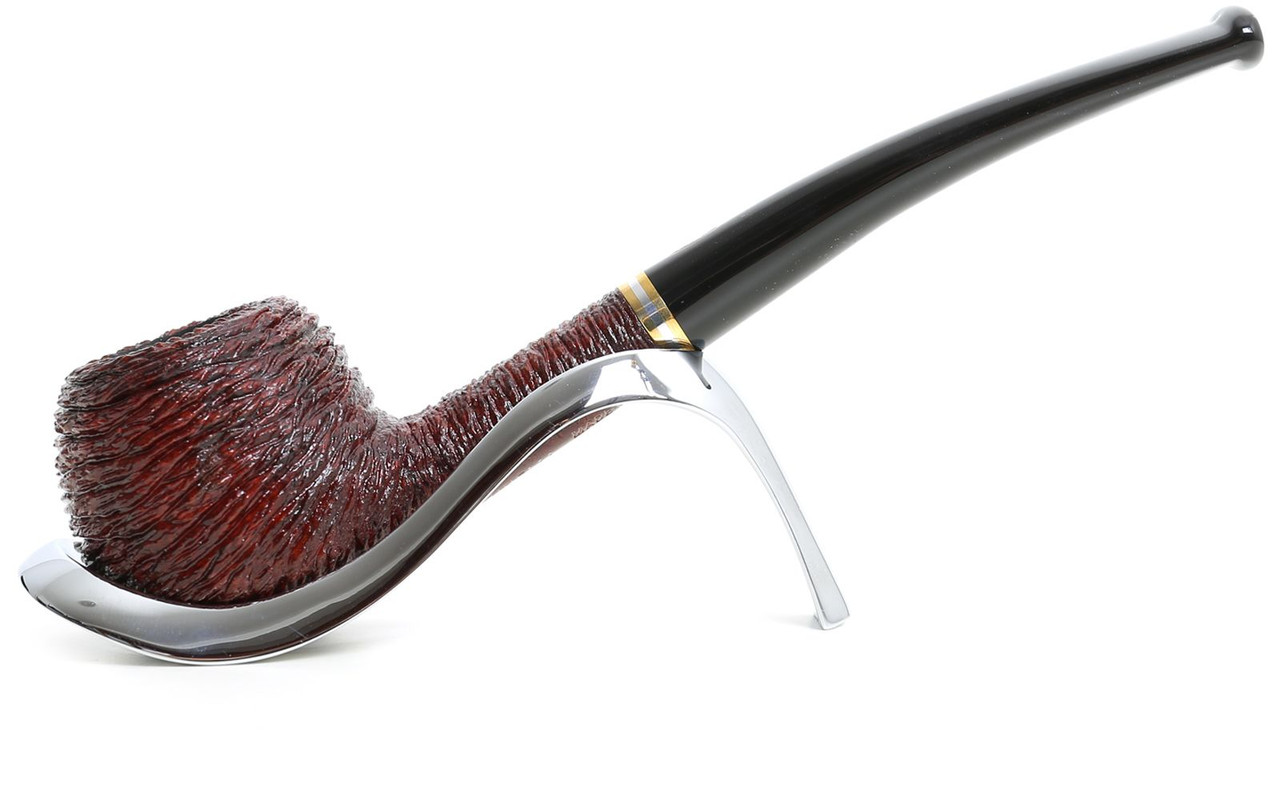
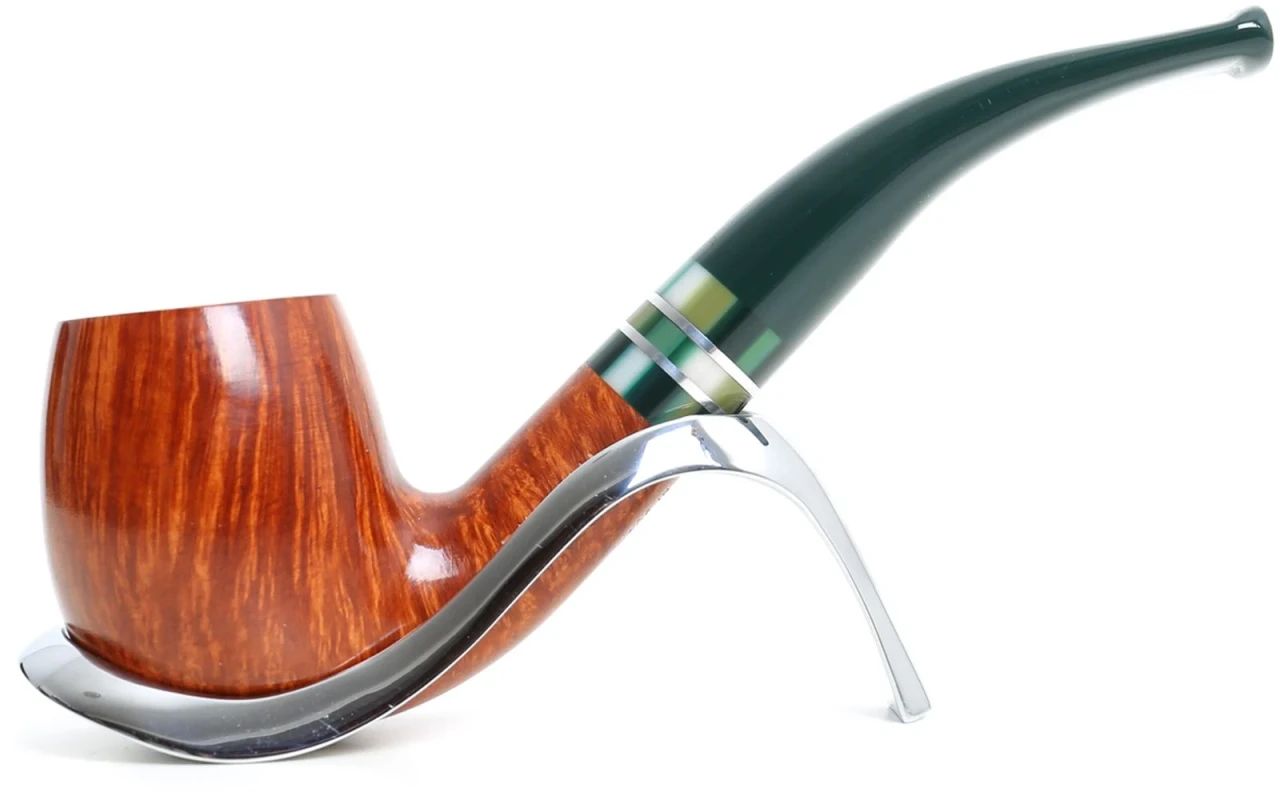
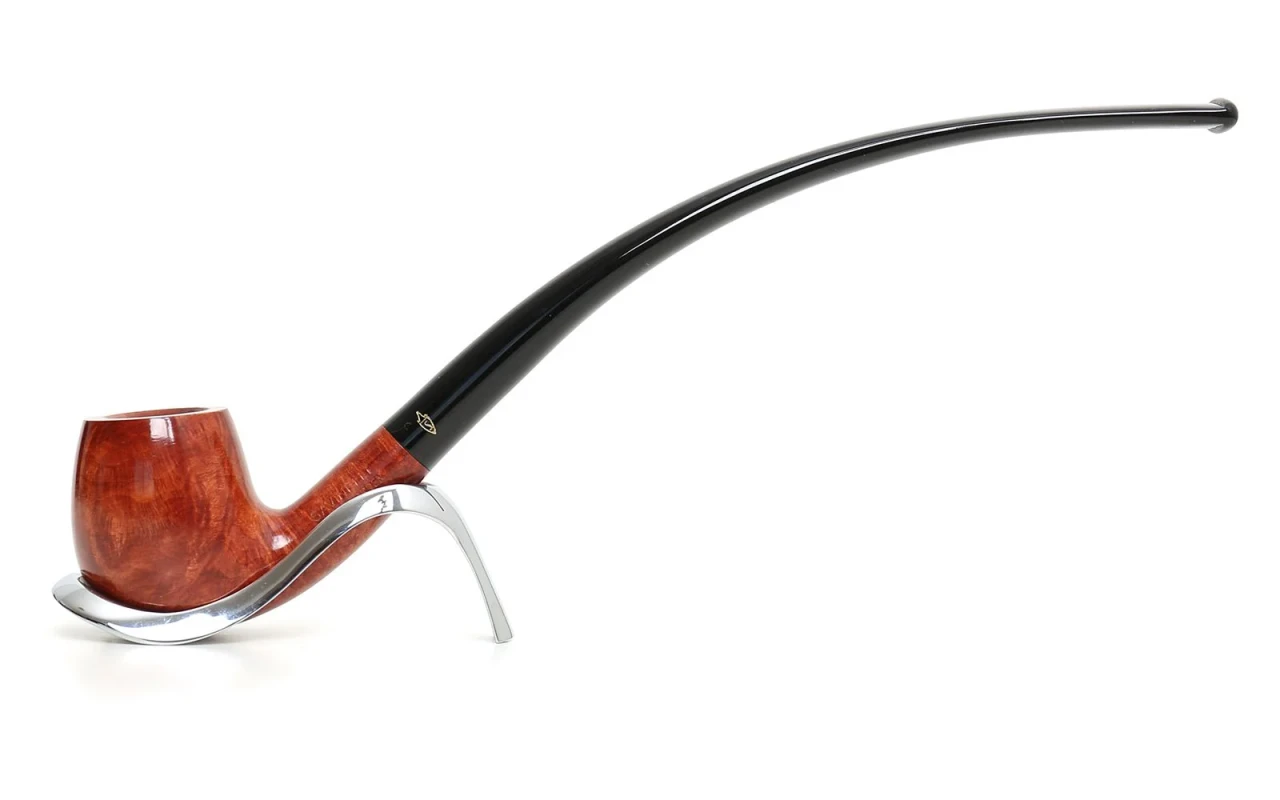
Globalization has had a significant impact on pipe patterns worldwide. Thanks to increased connectivity and cultural exchange, pipe manufacturers have been able to access new production techniques and materials from different parts of the world. This has led to a greater variety of models and styles available on the market, meeting the needs of an increasingly diversified clientele. Furthermore, globalization has promoted the spread of traditions and knowledge related to the art of pipe smoking, allowing consumers to appreciate and collect pipes from distant countries.
Consumer Trends in the Pipe Industry
Consumer trends in the pipe industry are shifting towards more modern and innovative models. Pipe smokers are increasingly looking for original designs and high-quality materials, such as high-grade briar pipes or borosilicate glass pipes. Moreover, there is a growing interest in compact and portable pipes, ideal for those seeking a more discreet and practical smoking experience. At the same time, there is a noticeable increase in demand for artisanal and customized pipes, allowing smokers to express their individuality through unique and original pieces.
Impact of globalization on pipe production
Globalization has had a significant impact on pipe production. Manufacturing techniques have become more sophisticated and accessible thanks to the spread of knowledge and the availability of materials from around the world. Manufacturers can now leverage resources from different regions, offering a greater variety of materials and styles. However, international competition has made it necessary to maintain high quality standards to remain competitive in the global market. Additionally, cultural diversity has led to greater creativity in the design and production of pipes, providing consumers with a wider range of choices.
Evolution of materials used in pipes
Pipes are objects that have undergone a significant evolution in the materials used over time. In the past, pipes were typically made of wood, but today they are available in a wide range of materials, including:- Briar wood: a traditional material, lightweight and heat-resistant.- Clay: used for high-quality pipes, it offers aromatic purity.- Corn cob: inexpensive and lightweight, often chosen for travel pipes.- Meerschaum: a porous stone that absorbs tobacco oils for a cooler smoke.- Metals: such as brass or stainless steel, used for modern pipes with innovative designs.This variety of materials offers pipe enthusiasts the opportunity to choose based on their aesthetic and functional preferences.
'%3e%3cg id='Final-Copy-2_2_' transform='translate(1275.000000, 200.000000)'%3e%3cpath class='st0' d='M7.4,12.8h6.8l3.1-11.6H7.4C4.2,1.2,1.6,3.8,1.6,7S4.2,12.8,7.4,12.8z'/%3e%3c/g%3e%3c/g%3e%3c/g%3e%3cg id='final---dec.11-2020'%3e%3cg id='_x30_208-our-toggle' transform='translate(-1275.000000, -200.000000)'%3e%3cg id='Final-Copy-2' transform='translate(1275.000000, 200.000000)'%3e%3cpath class='st1' d='M22.6,0H7.4c-3.9,0-7,3.1-7,7s3.1,7,7,7h15.2c3.9,0,7-3.1,7-7S26.4,0,22.6,0z M1.6,7c0-3.2,2.6-5.8,5.8-5.8 h9.9l-3.1,11.6H7.4C4.2,12.8,1.6,10.2,1.6,7z'/%3e%3cpath id='x' class='st2' d='M24.6,4c0.2,0.2,0.2,0.6,0,0.8l0,0L22.5,7l2.2,2.2c0.2,0.2,0.2,0.6,0,0.8c-0.2,0.2-0.6,0.2-0.8,0 l0,0l-2.2-2.2L19.5,10c-0.2,0.2-0.6,0.2-0.8,0c-0.2-0.2-0.2-0.6,0-0.8l0,0L20.8,7l-2.2-2.2c-0.2-0.2-0.2-0.6,0-0.8 c0.2-0.2,0.6-0.2,0.8,0l0,0l2.2,2.2L23.8,4C24,3.8,24.4,3.8,24.6,4z'/%3e%3cpath id='y' class='st3' d='M12.7,4.1c0.2,0.2,0.3,0.6,0.1,0.8l0,0L8.6,9.8C8.5,9.9,8.4,10,8.3,10c-0.2,0.1-0.5,0.1-0.7-0.1l0,0 L5.4,7.7c-0.2-0.2-0.2-0.6,0-0.8c0.2-0.2,0.6-0.2,0.8,0l0,0L8,8.6l3.8-4.5C12,3.9,12.4,3.9,12.7,4.1z'/%3e%3c/g%3e%3c/g%3e%3c/g%3e%3c/g%3e%3c/svg%3e) Your Privacy Choices
Your Privacy Choices 


