 FR
FR EN
EN IT
IT DE
DE
Impact of material on pipe smoking experience
Impact of material on pipe smoking experience
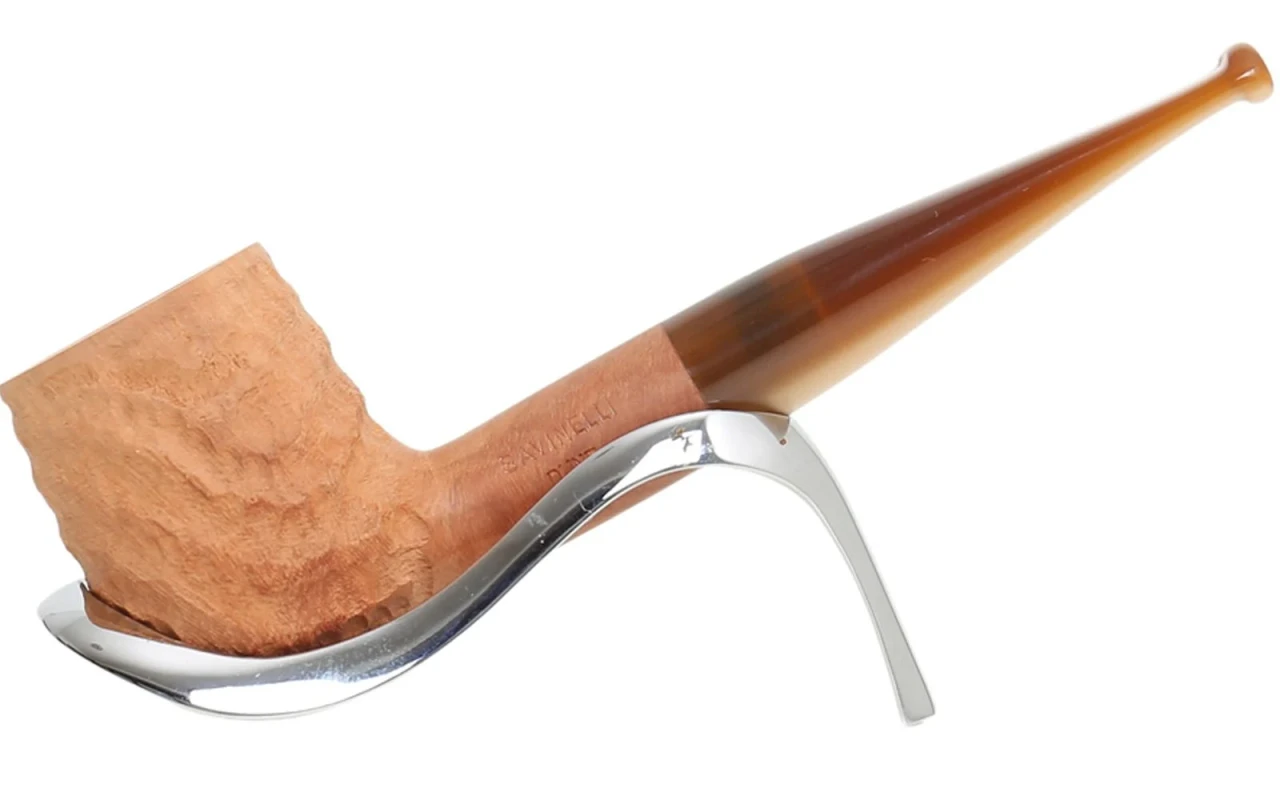
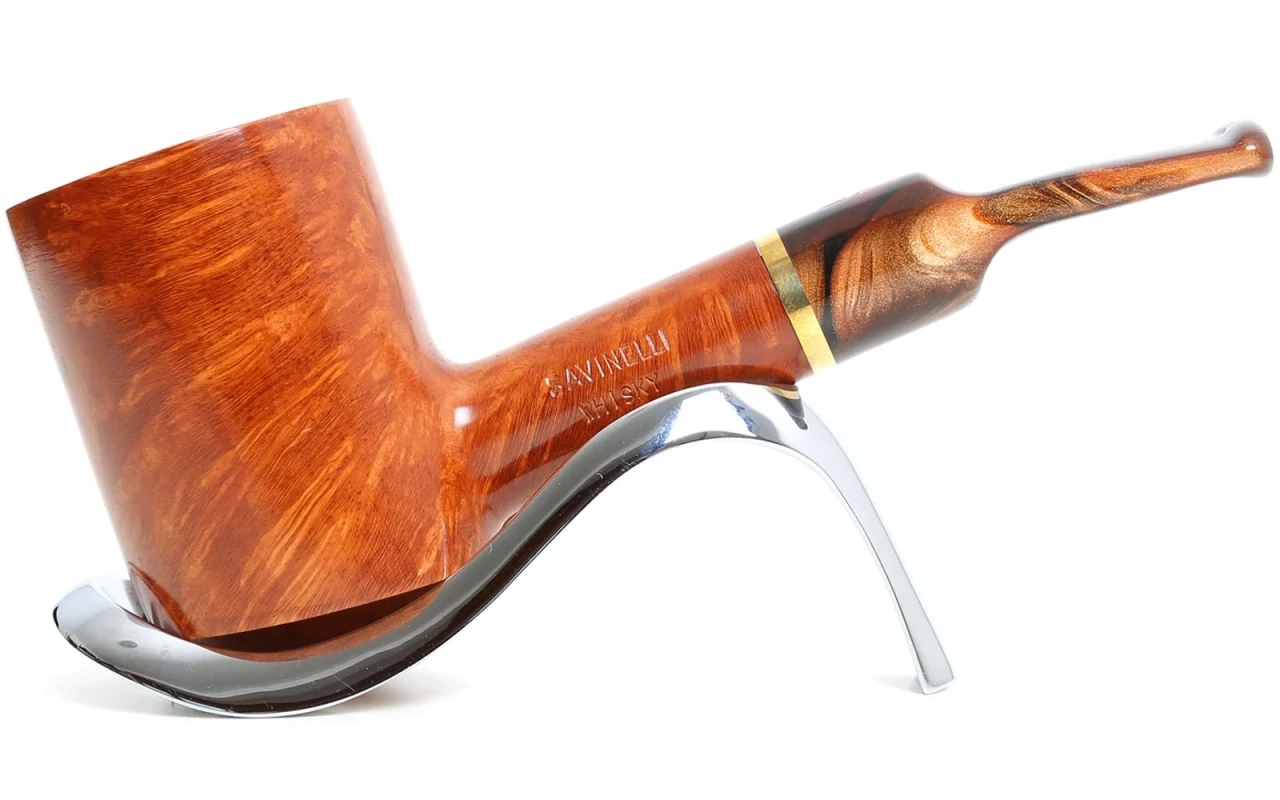
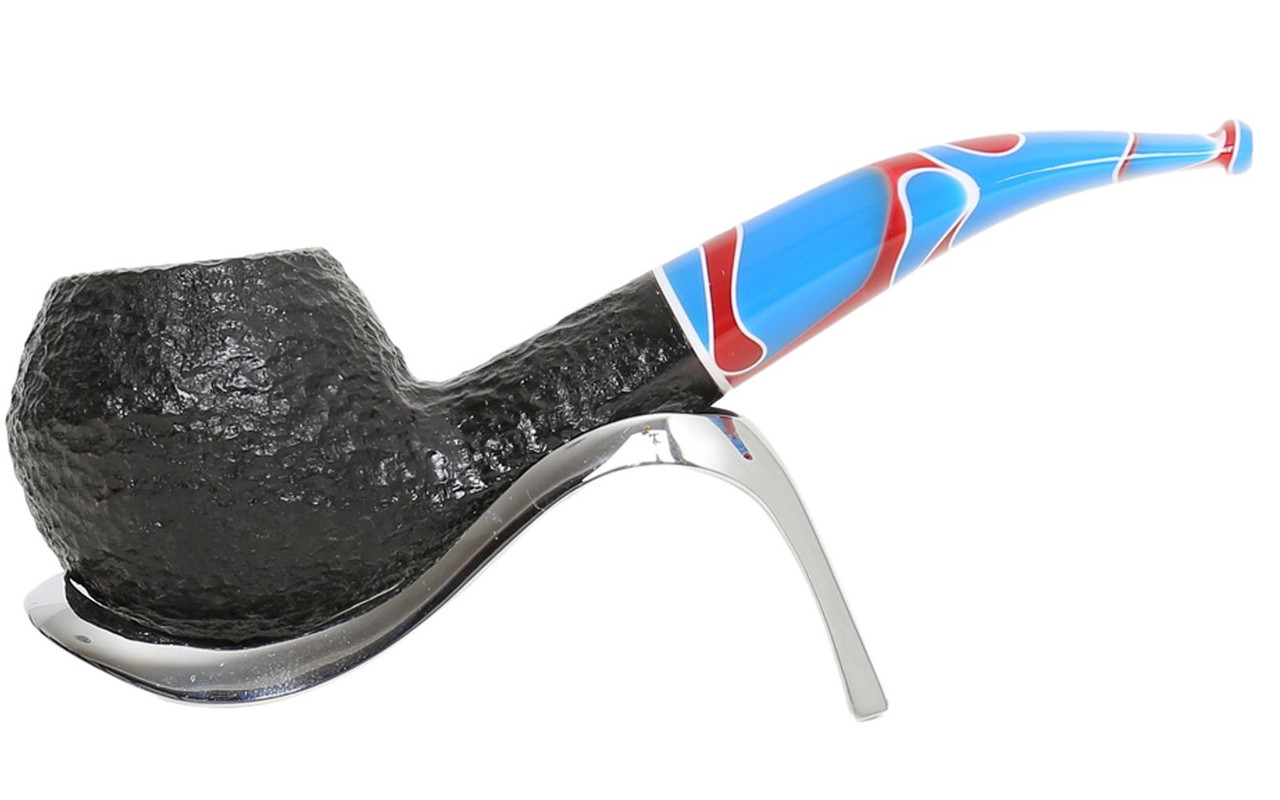
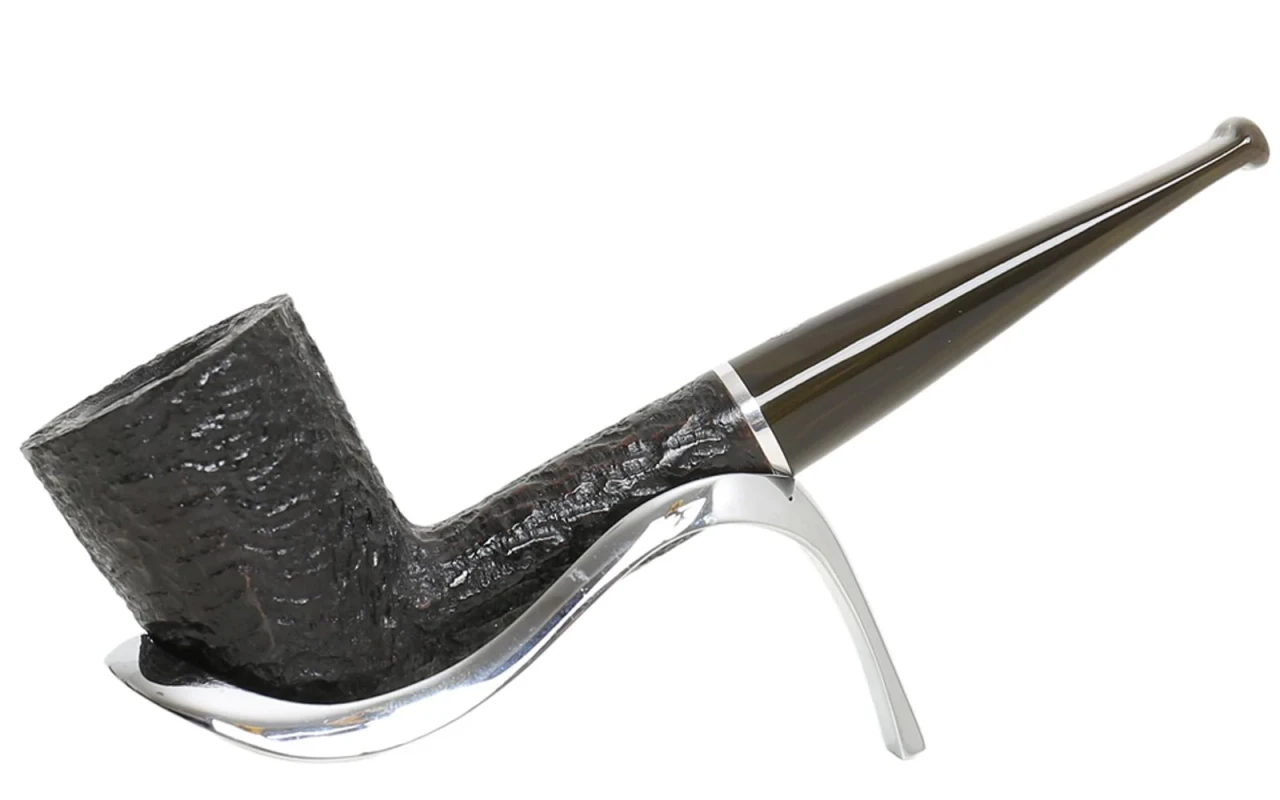
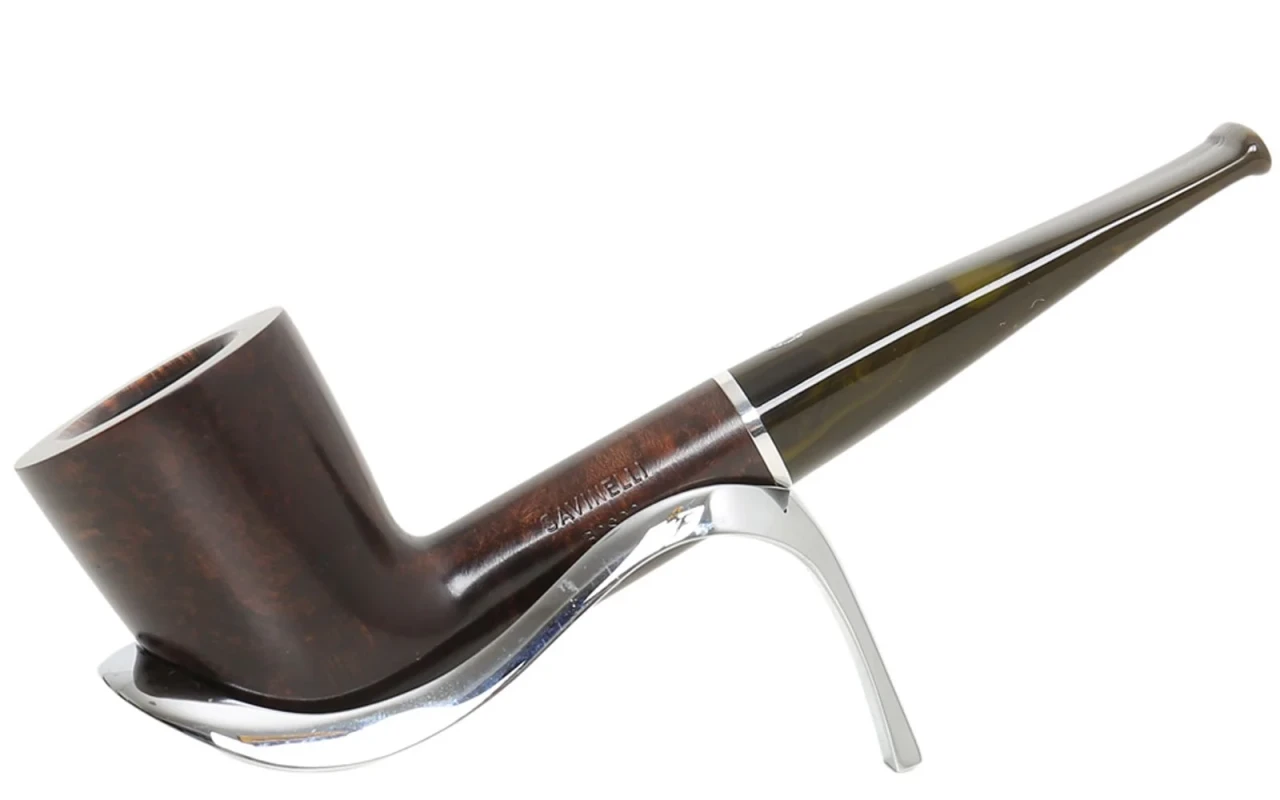
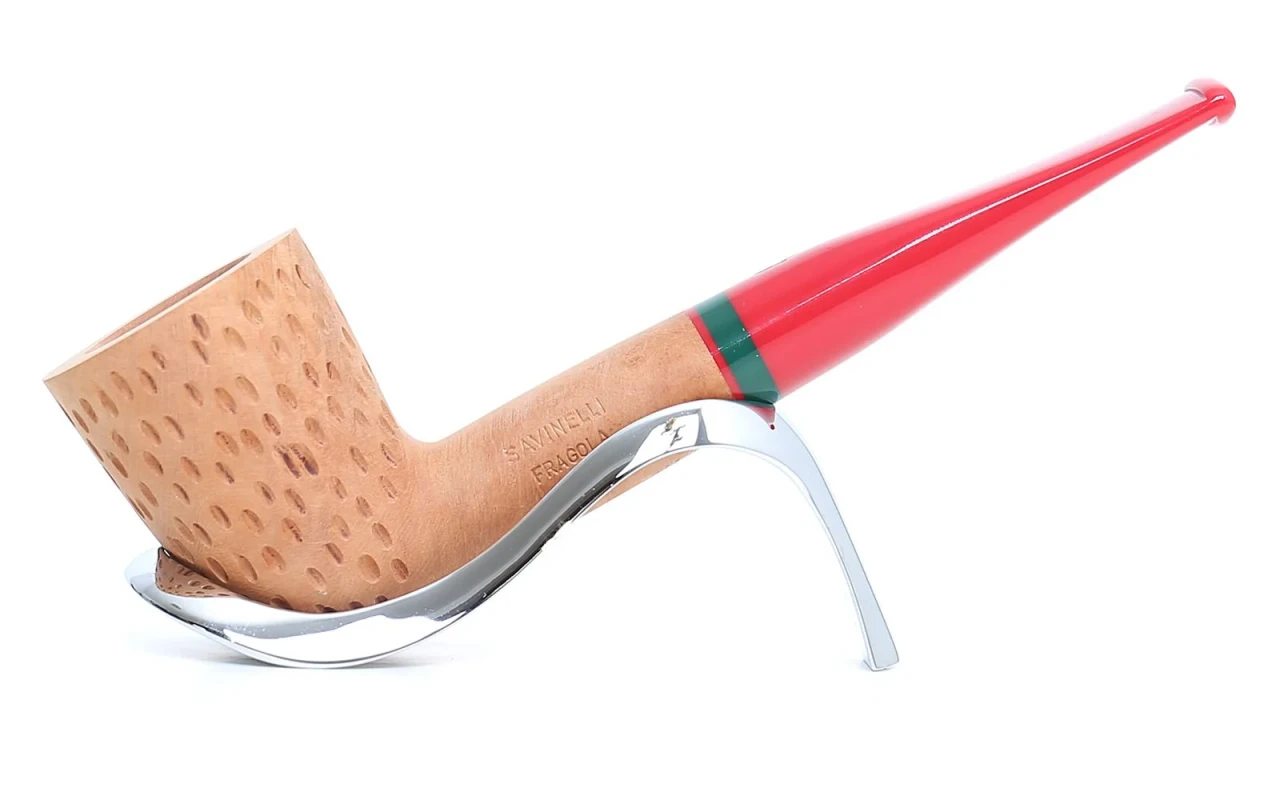
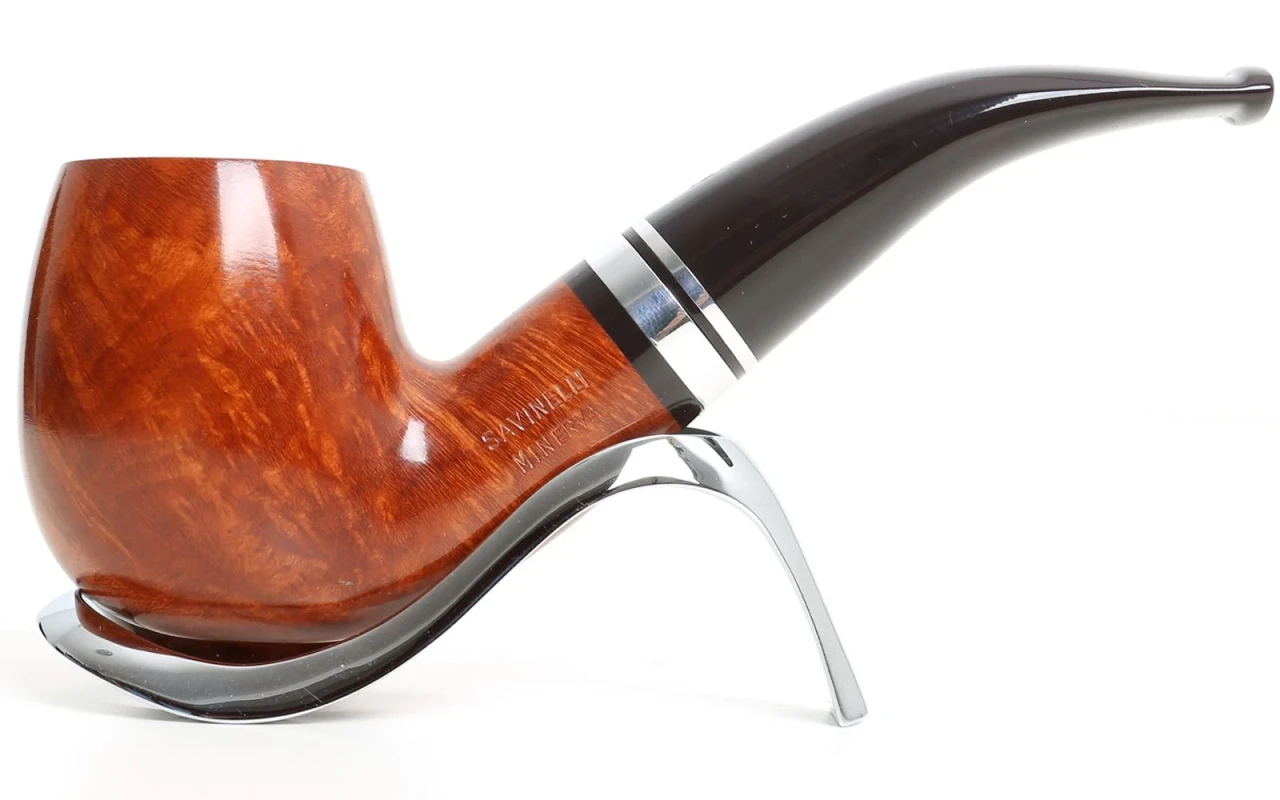
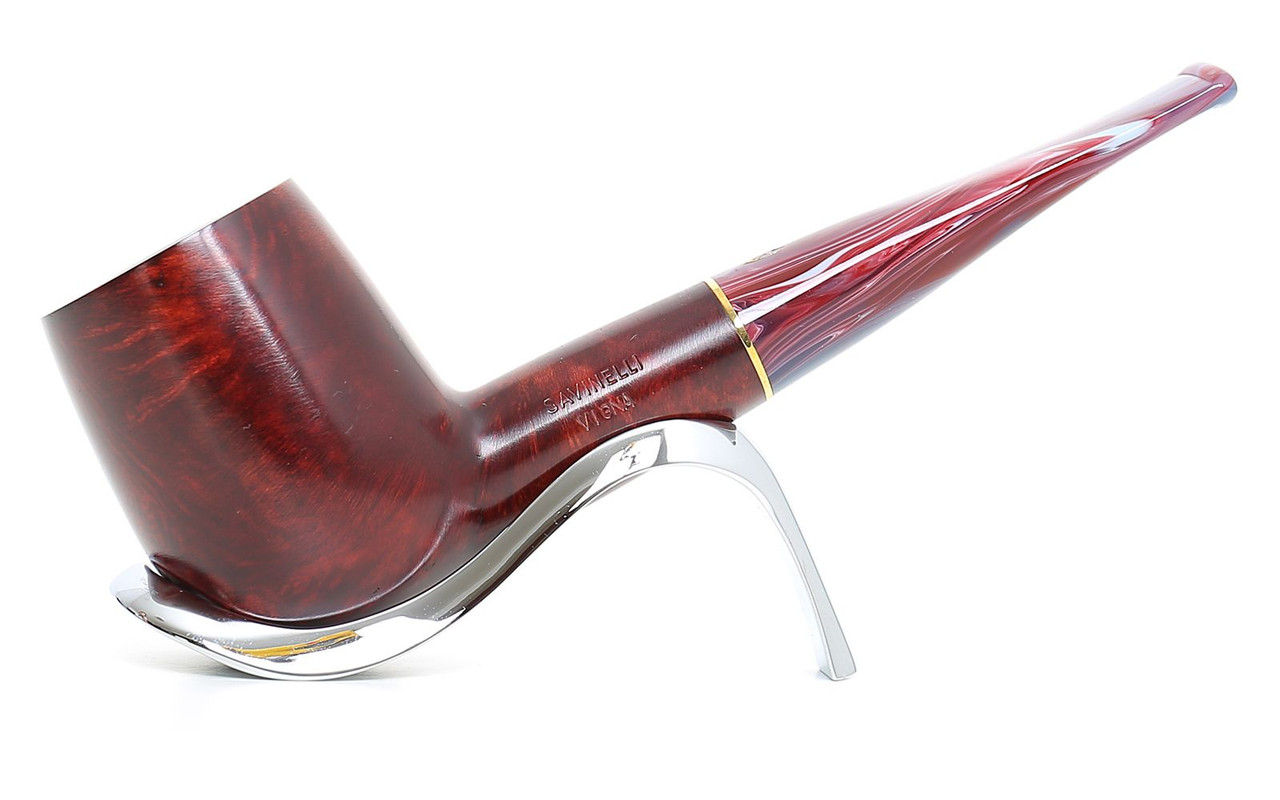
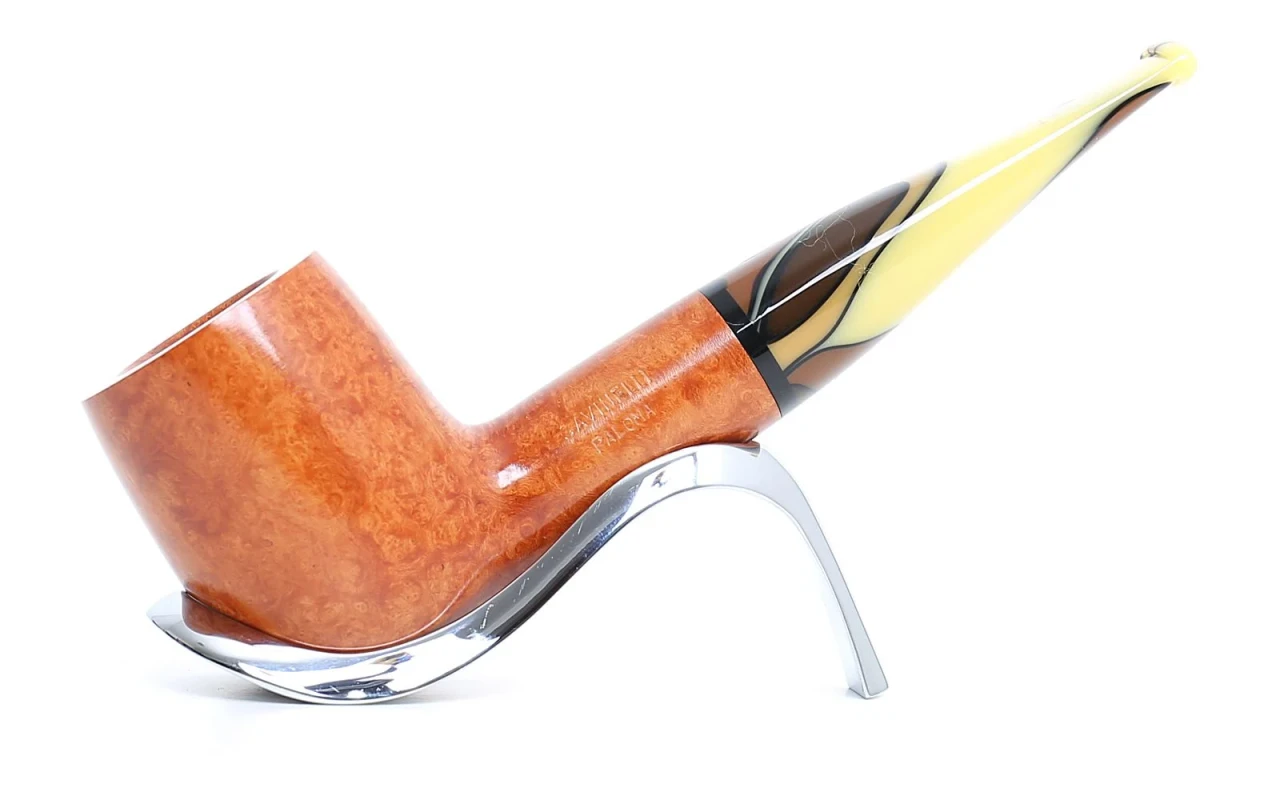
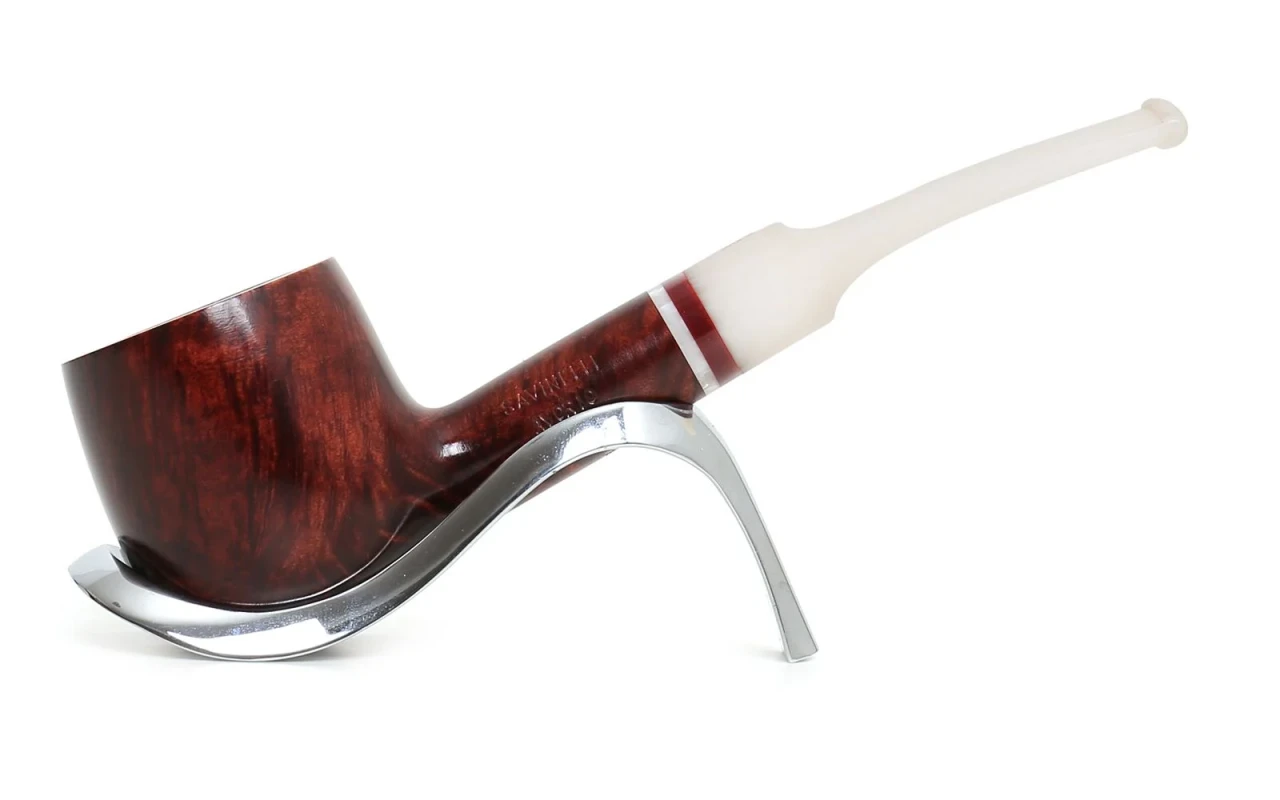
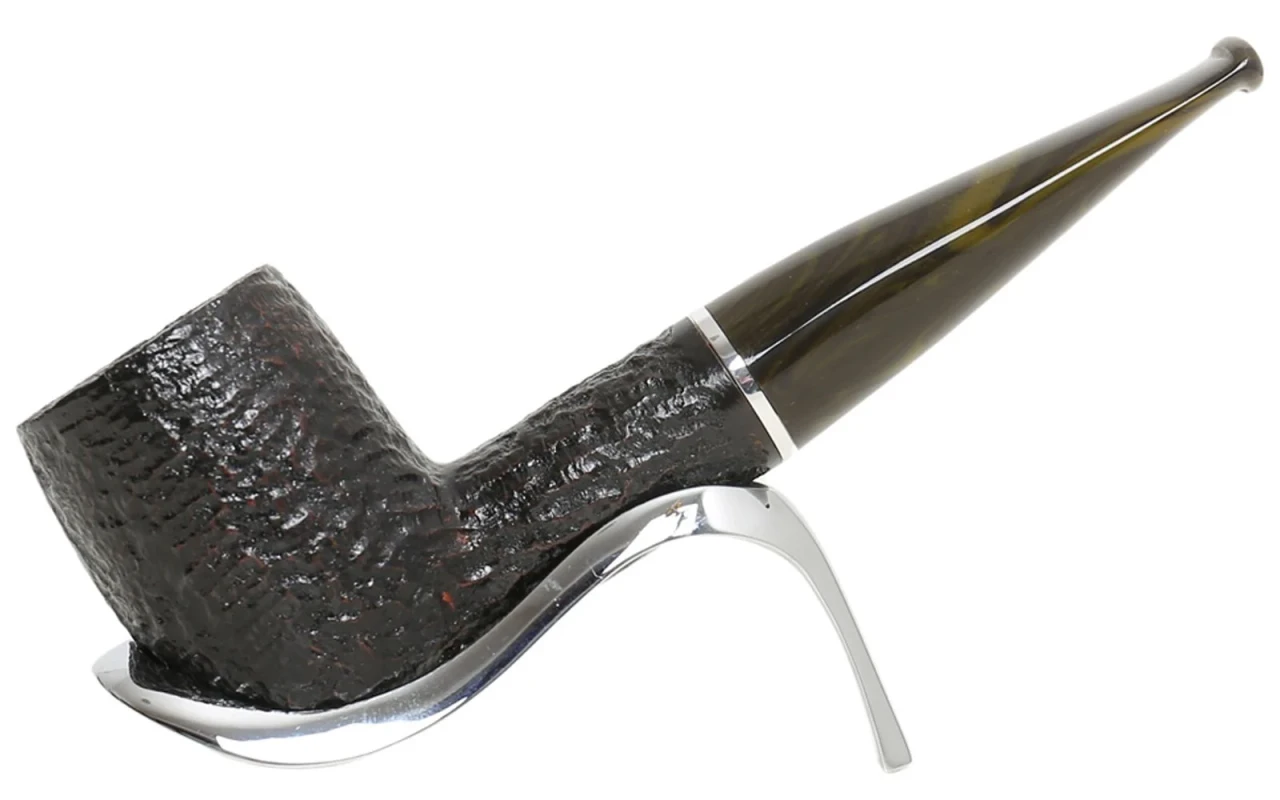
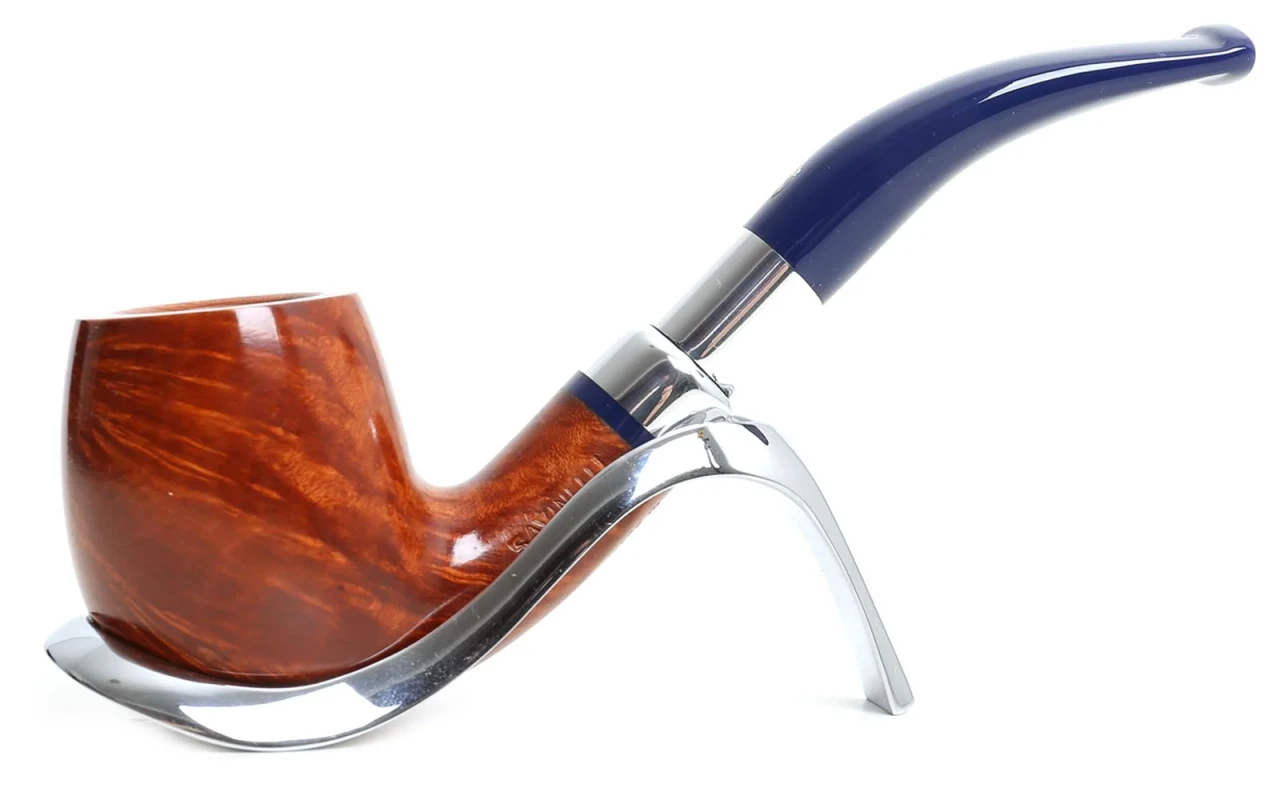
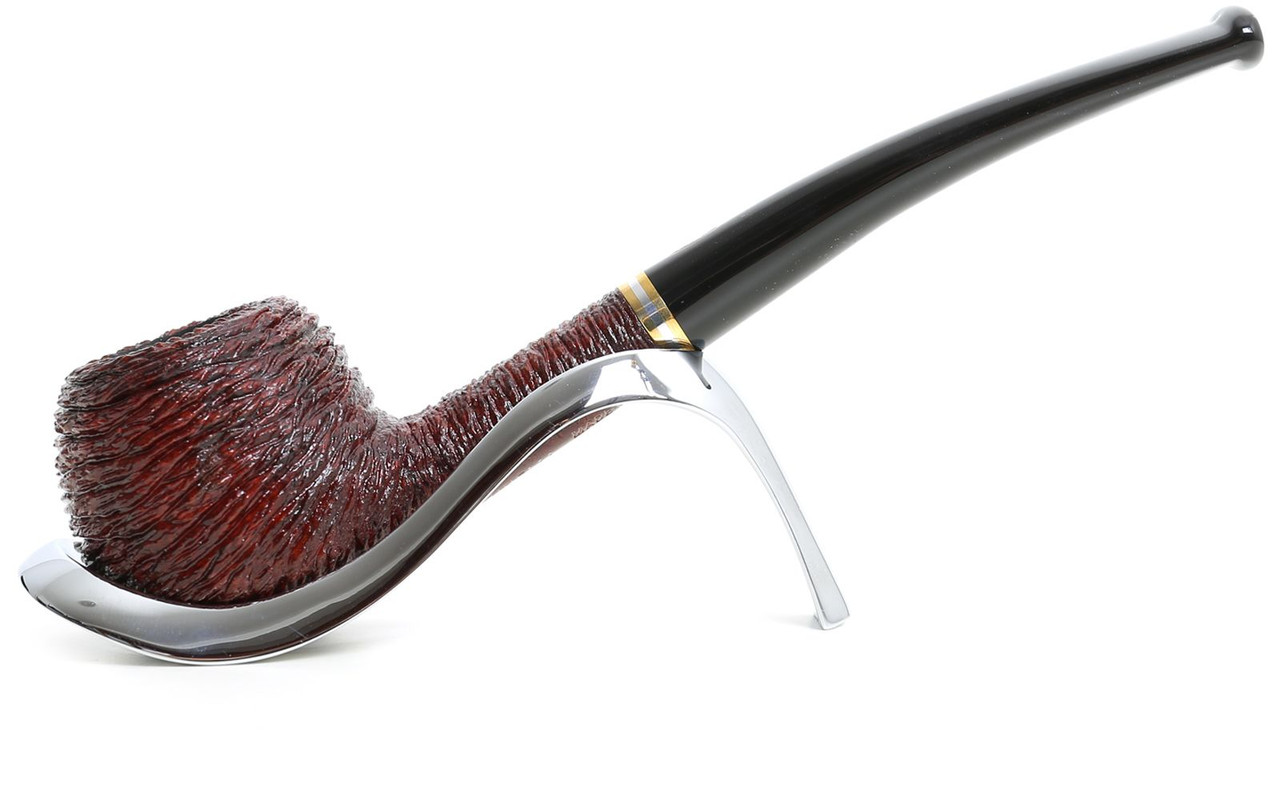
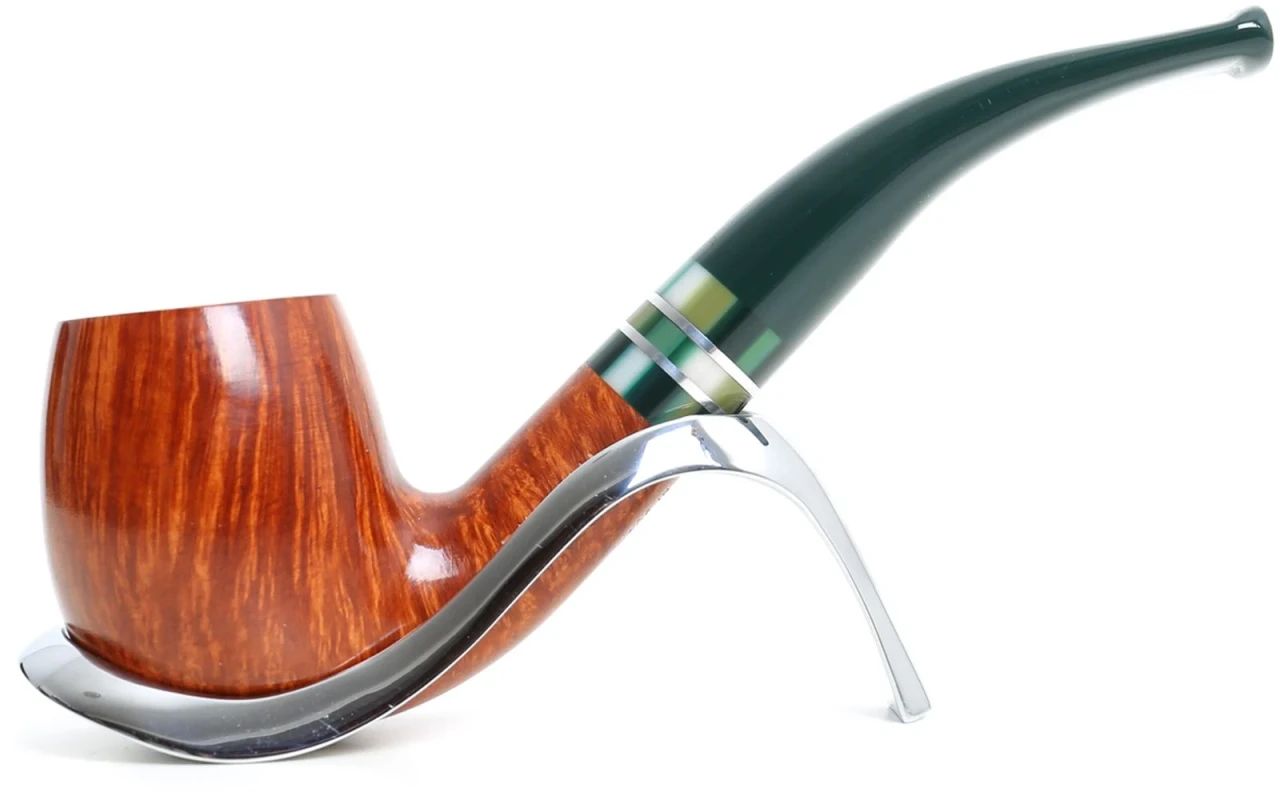
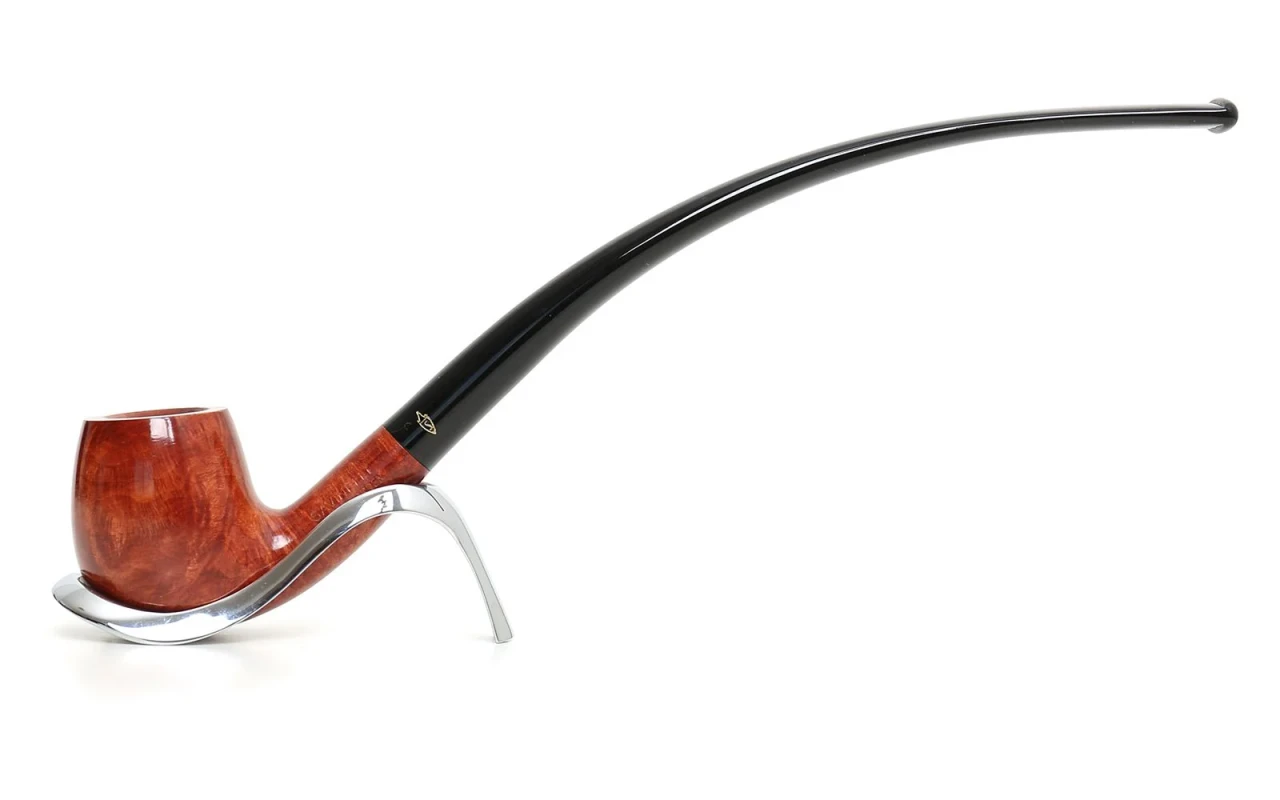
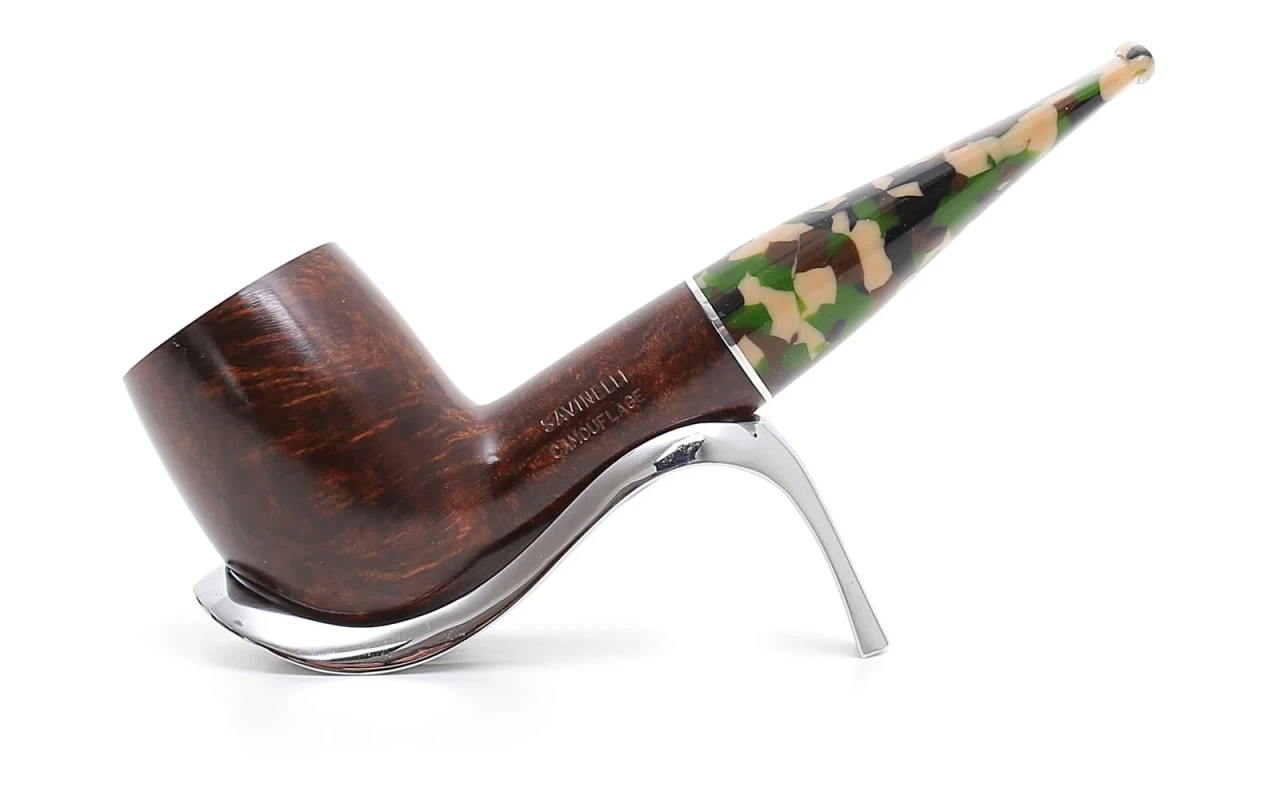
The material of the pipe has a significant impact on the smoking experience. Different materials, such as briarwood, corn cob, or clay, can impart unique characteristics to pipe smoking. For instance, briarwood is valued for its ability to absorb moisture, ensuring a cooler and drier smoke. Corn cob, on the other hand, is lightweight and tends to absorb tobacco oils, providing a sweet smoke. Clay, traditionally used for high-quality pipes, can enhance the perception of tobacco flavors. Therefore, the choice of pipe material can greatly influence the pipe smoking experience.
Best Material for Smoking Pipes
The best material for a smoking pipe is undoubtedly briar wood, also known as heath tree briar. This wood has excellent heat resistance and moisture absorption characteristics, which contribute to a better smoking experience. Additionally, briar wood offers a neutral taste that does not interfere with the tobacco aroma, allowing the full appreciation of its nuances. Thanks to its durability and the ability to improve over time, pipes made with this wood are considered among the best on the market by pipe smoking enthusiasts.
Tobacco Pipe Materials
The most common materials used for making tobacco pipes are wood, briar, clay, corn cob, and meerschaum. Wood, such as walnut, cherry, or ebony, is highly valued for its durability and ability to absorb smoke moisture. Briar, known for its beauty and heat resistance, provides superior aromatic performance. Clay pipes are appreciated for their ability to preserve the tobacco flavor unchanged. Corn cob pipes are lightweight and affordable, while meerschaum pipes, made of a porous stone, are renowned for the freshness and purity of the smoke they produce.
Effects of material on smoke quality
The material of the pipe has a significant impact on the quality of the smoke. Briar pipes, for example, are appreciated for their ability to absorb moisture and cool the smoke, ensuring a smoother smoke. Corn cob pipes, on the other hand, are lightweight and tend to neutralize unwanted flavors. Clay pipes are renowned for enhancing tobacco flavors, while meerschaum pipes offer a dry and cool smoke. Finally, metal pipes are durable but may alter the taste. Therefore, the choice of material will influence the overall smoking experience.
'%3e%3cg id='Final-Copy-2_2_' transform='translate(1275.000000, 200.000000)'%3e%3cpath class='st0' d='M7.4,12.8h6.8l3.1-11.6H7.4C4.2,1.2,1.6,3.8,1.6,7S4.2,12.8,7.4,12.8z'/%3e%3c/g%3e%3c/g%3e%3c/g%3e%3cg id='final---dec.11-2020'%3e%3cg id='_x30_208-our-toggle' transform='translate(-1275.000000, -200.000000)'%3e%3cg id='Final-Copy-2' transform='translate(1275.000000, 200.000000)'%3e%3cpath class='st1' d='M22.6,0H7.4c-3.9,0-7,3.1-7,7s3.1,7,7,7h15.2c3.9,0,7-3.1,7-7S26.4,0,22.6,0z M1.6,7c0-3.2,2.6-5.8,5.8-5.8 h9.9l-3.1,11.6H7.4C4.2,12.8,1.6,10.2,1.6,7z'/%3e%3cpath id='x' class='st2' d='M24.6,4c0.2,0.2,0.2,0.6,0,0.8l0,0L22.5,7l2.2,2.2c0.2,0.2,0.2,0.6,0,0.8c-0.2,0.2-0.6,0.2-0.8,0 l0,0l-2.2-2.2L19.5,10c-0.2,0.2-0.6,0.2-0.8,0c-0.2-0.2-0.2-0.6,0-0.8l0,0L20.8,7l-2.2-2.2c-0.2-0.2-0.2-0.6,0-0.8 c0.2-0.2,0.6-0.2,0.8,0l0,0l2.2,2.2L23.8,4C24,3.8,24.4,3.8,24.6,4z'/%3e%3cpath id='y' class='st3' d='M12.7,4.1c0.2,0.2,0.3,0.6,0.1,0.8l0,0L8.6,9.8C8.5,9.9,8.4,10,8.3,10c-0.2,0.1-0.5,0.1-0.7-0.1l0,0 L5.4,7.7c-0.2-0.2-0.2-0.6,0-0.8c0.2-0.2,0.6-0.2,0.8,0l0,0L8,8.6l3.8-4.5C12,3.9,12.4,3.9,12.7,4.1z'/%3e%3c/g%3e%3c/g%3e%3c/g%3e%3c/g%3e%3c/svg%3e) Your Privacy Choices
Your Privacy Choices 


