 ES
ES FR
FR EN
EN IT
IT DE
DE
Environmental impact of pipe products

Environmental impact of pipe products
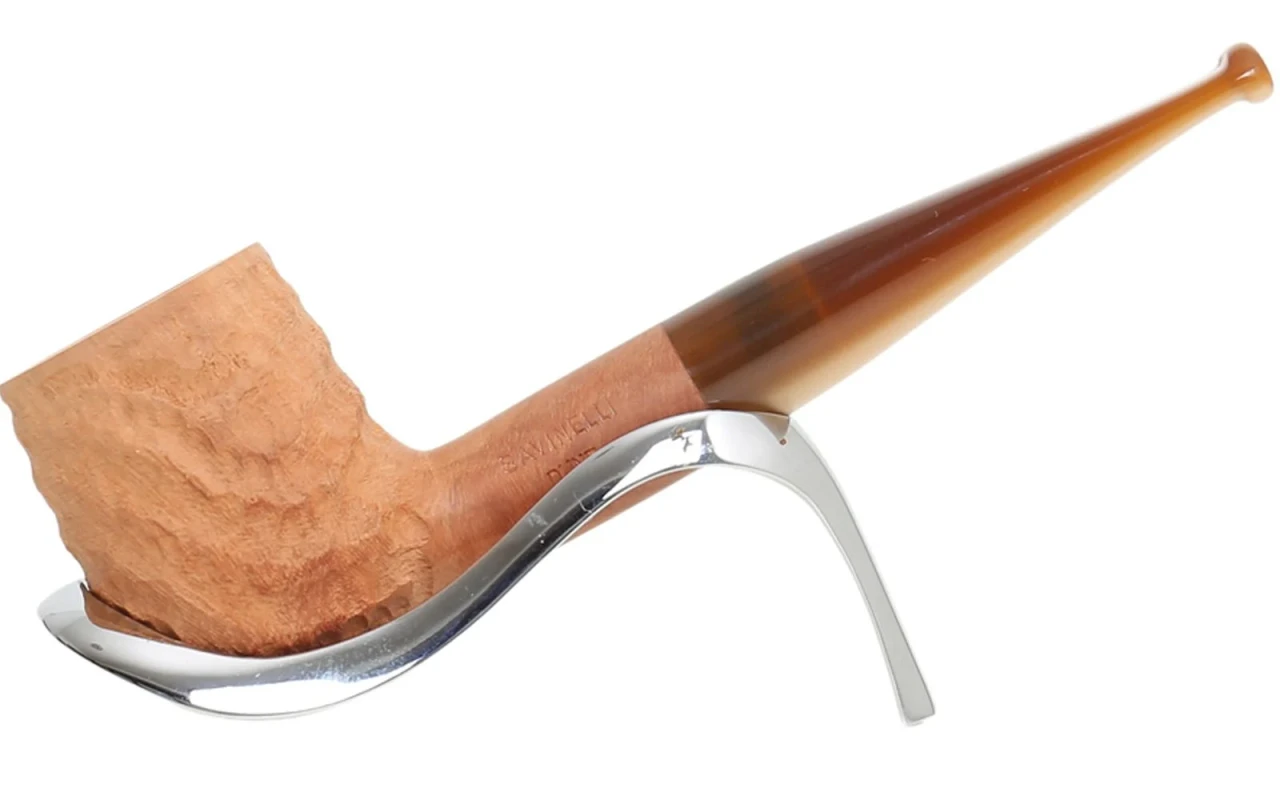
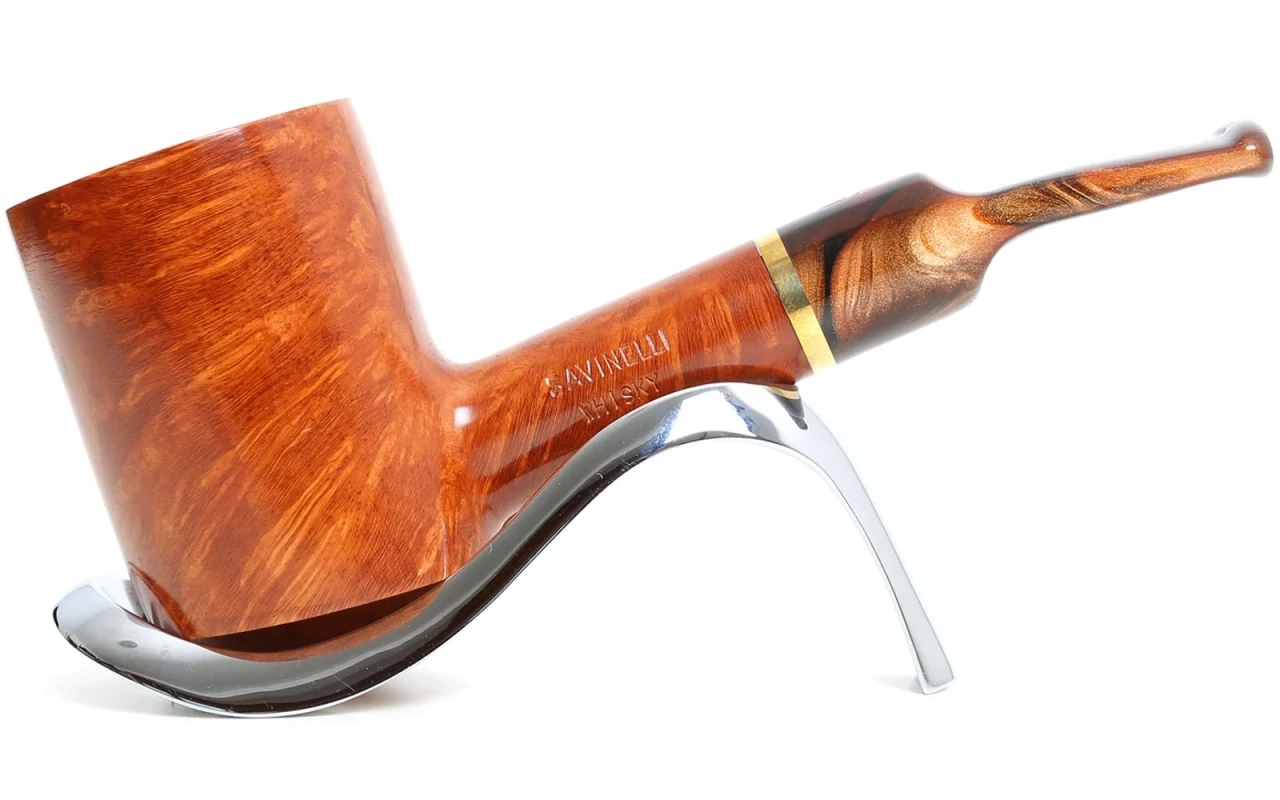
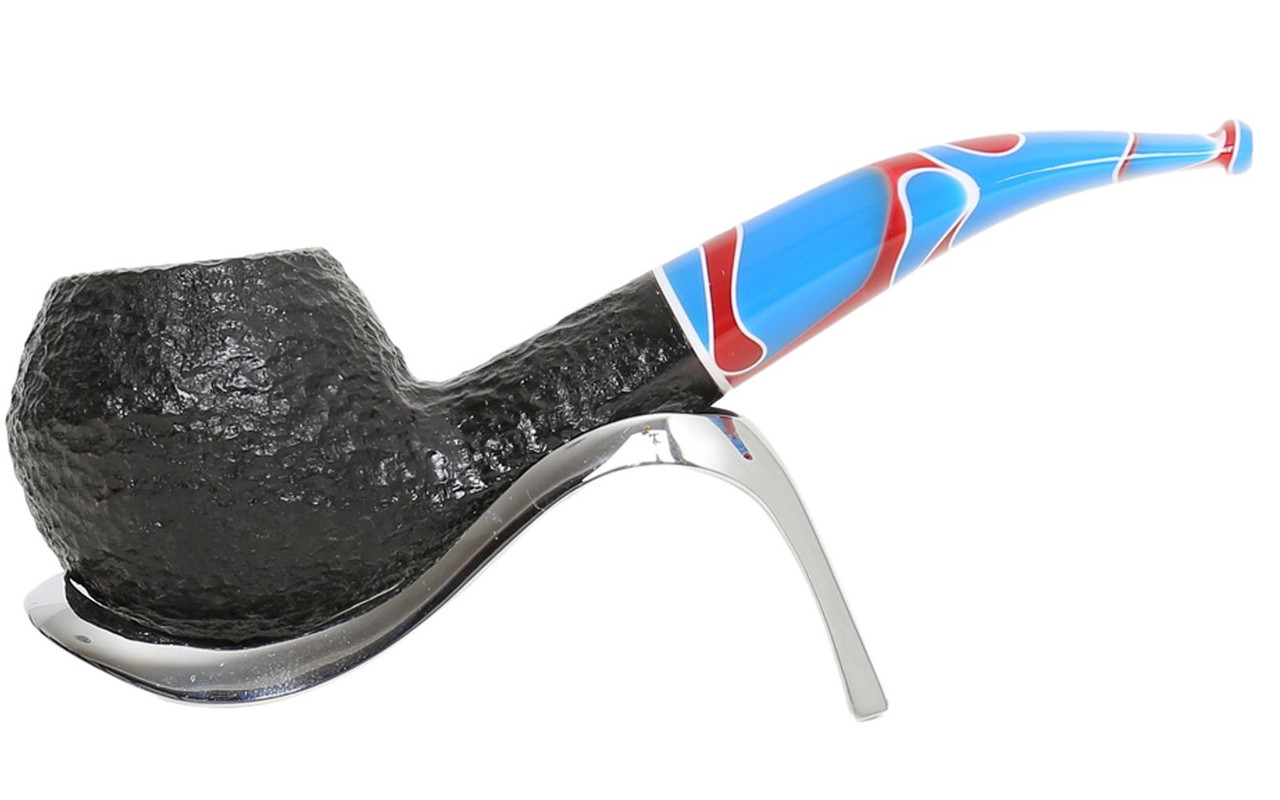
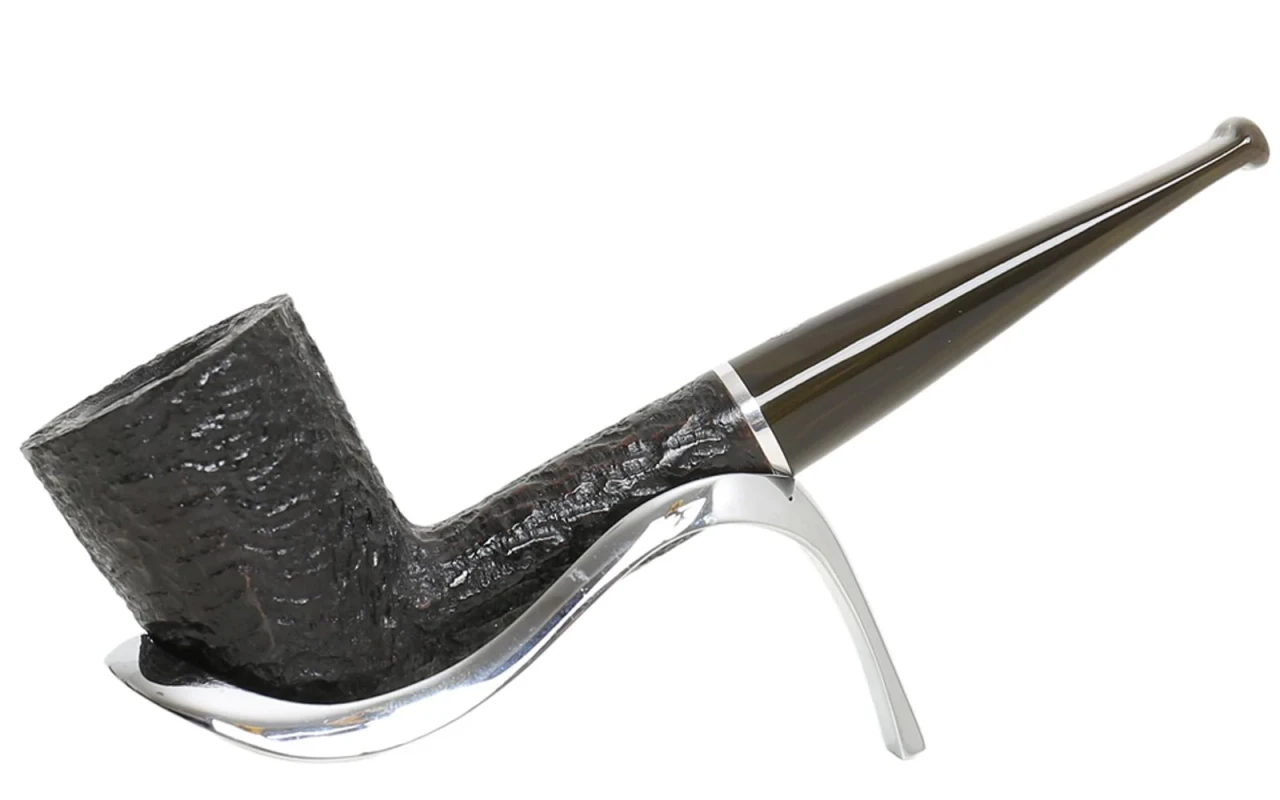
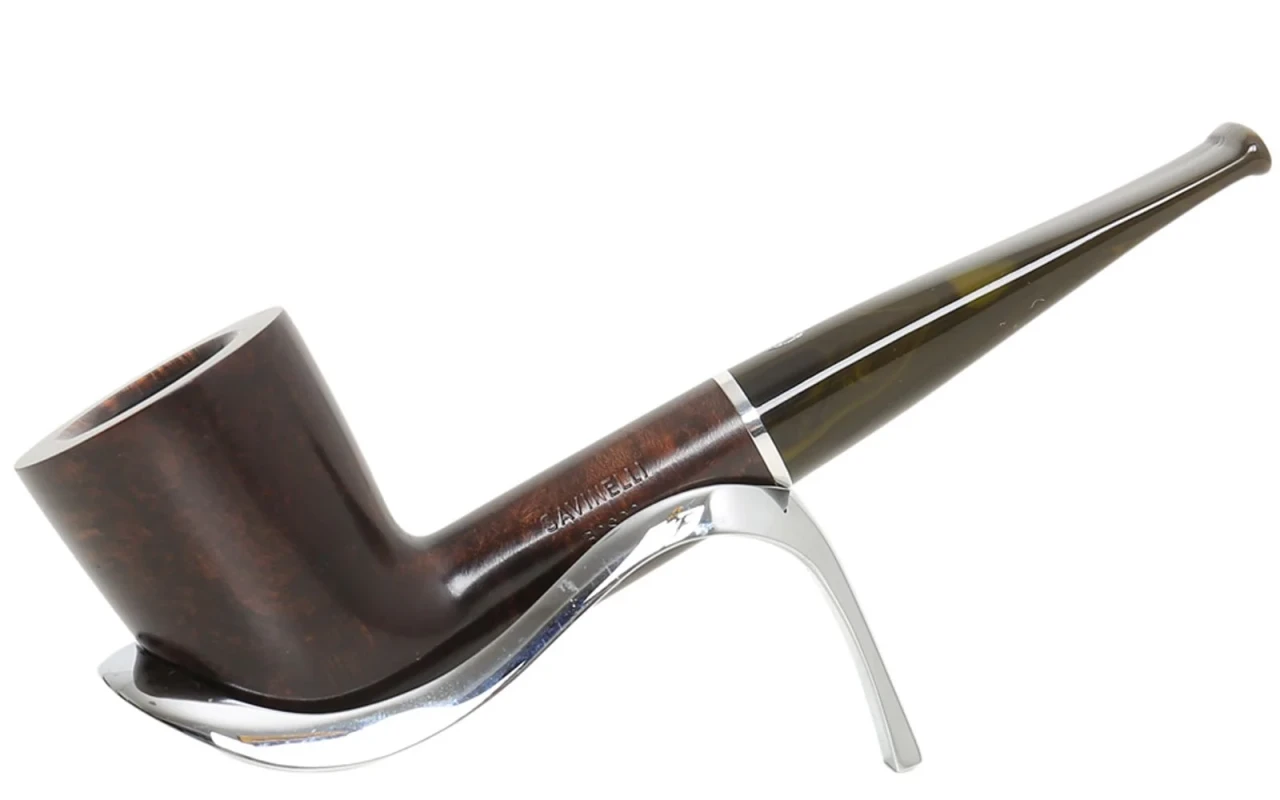
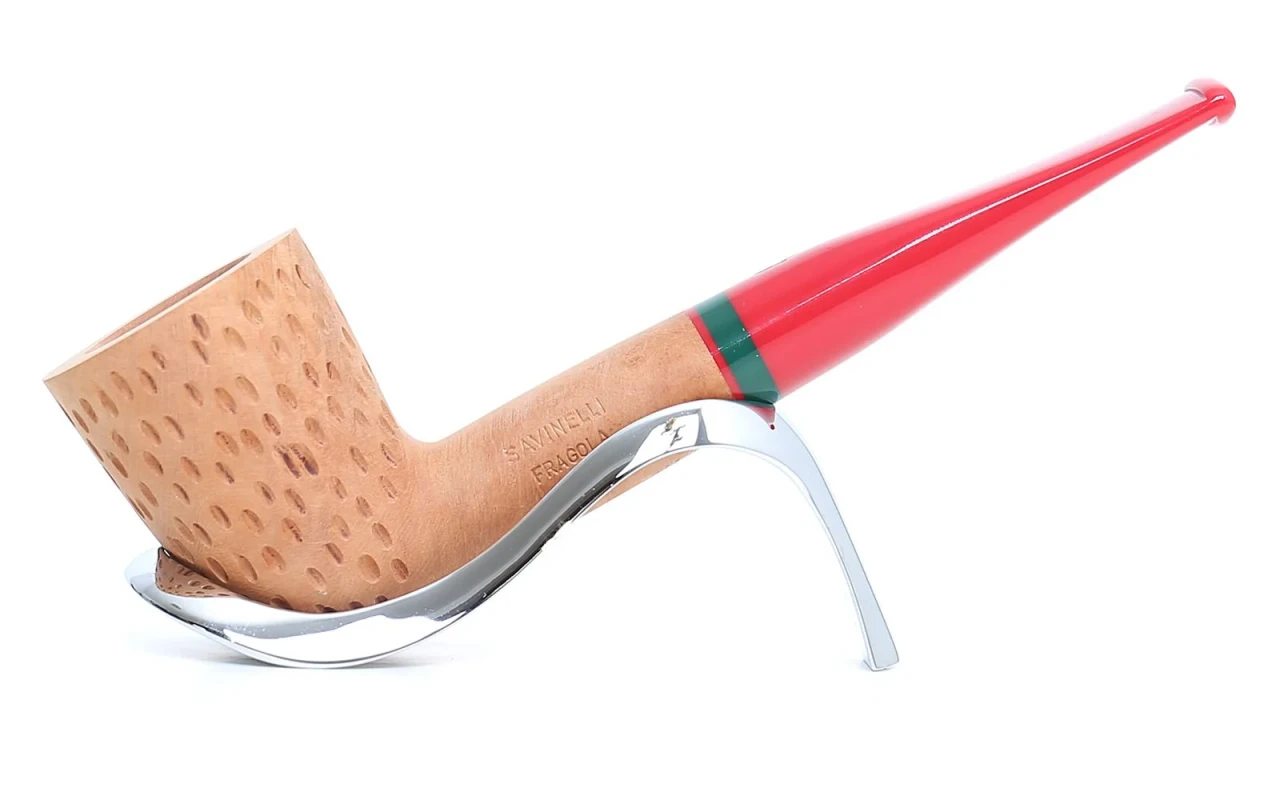
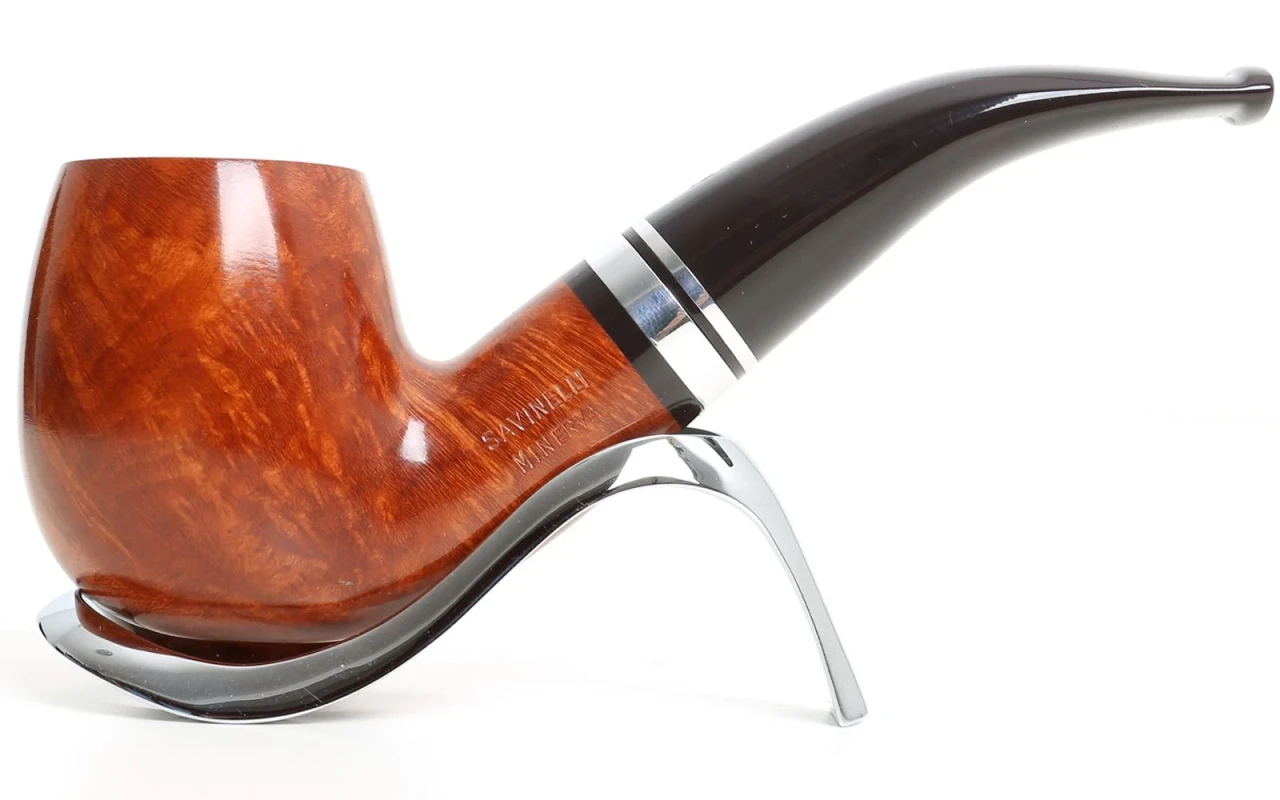
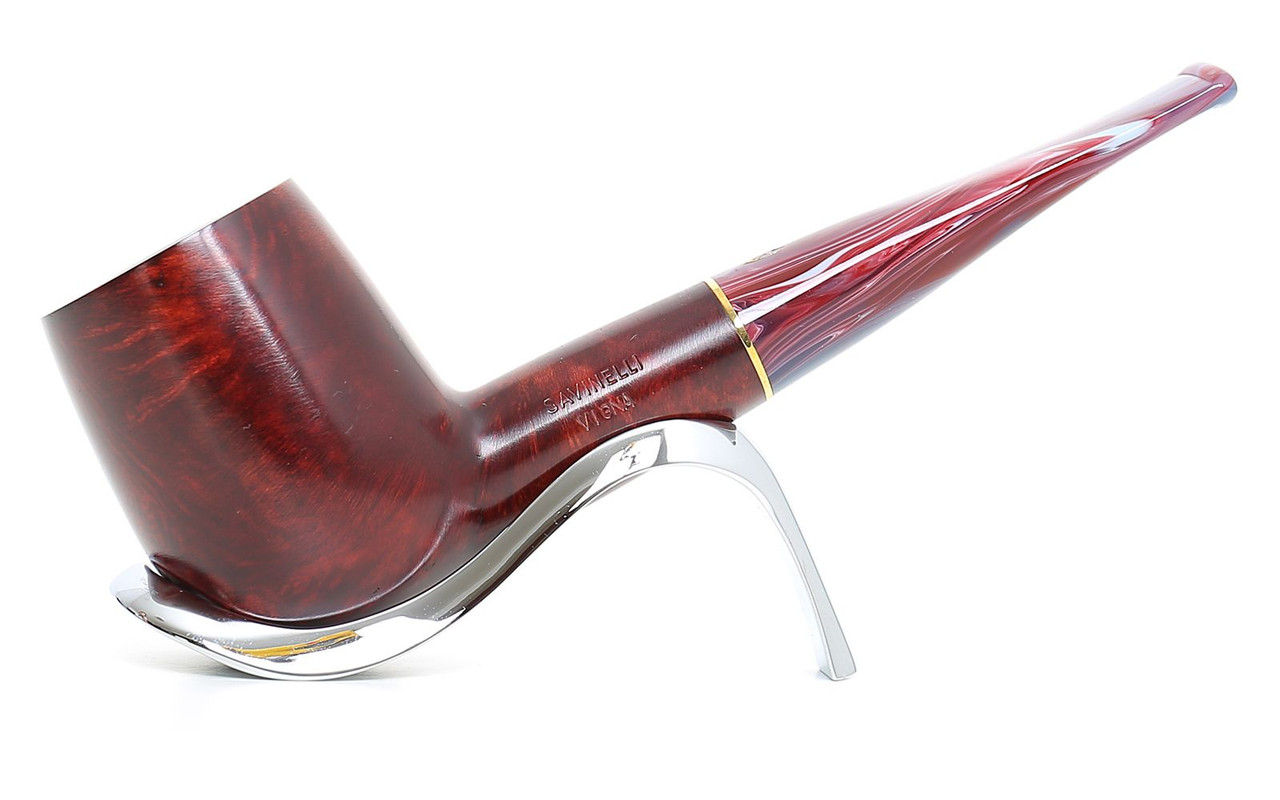
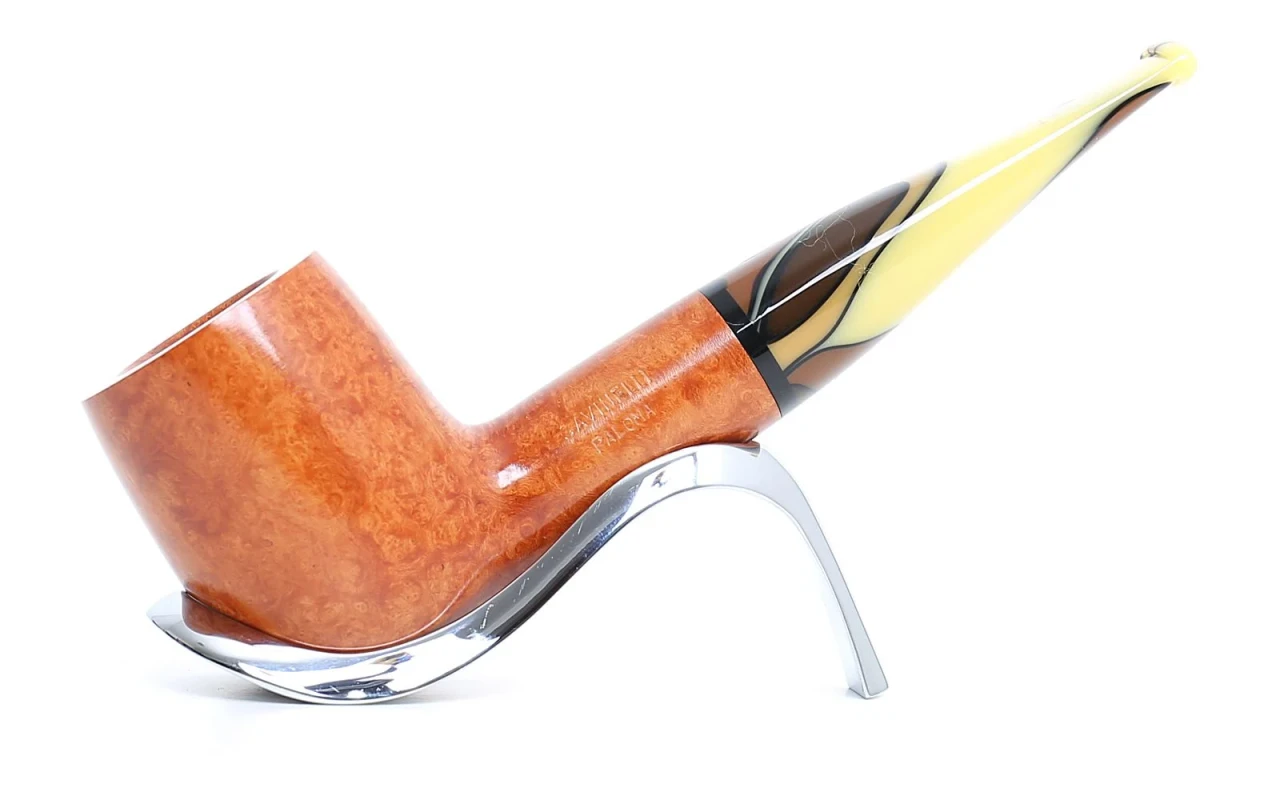
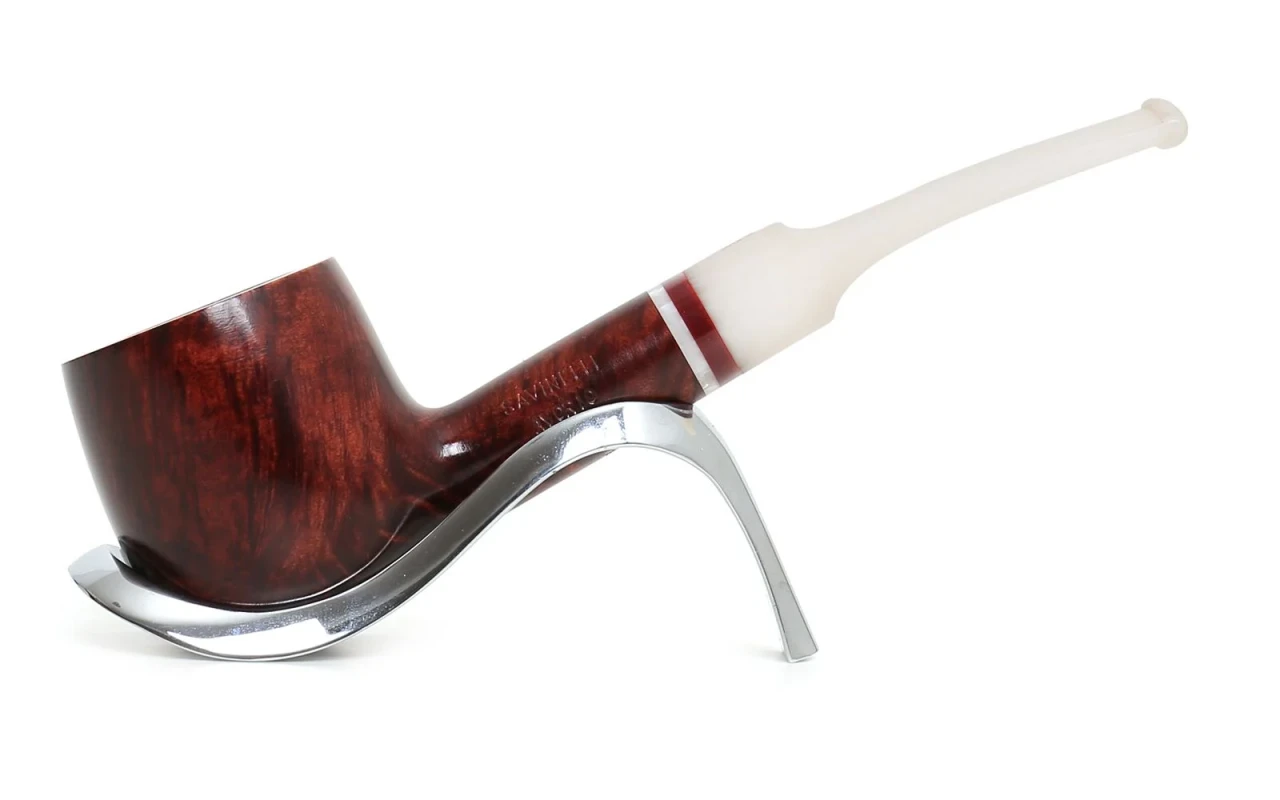
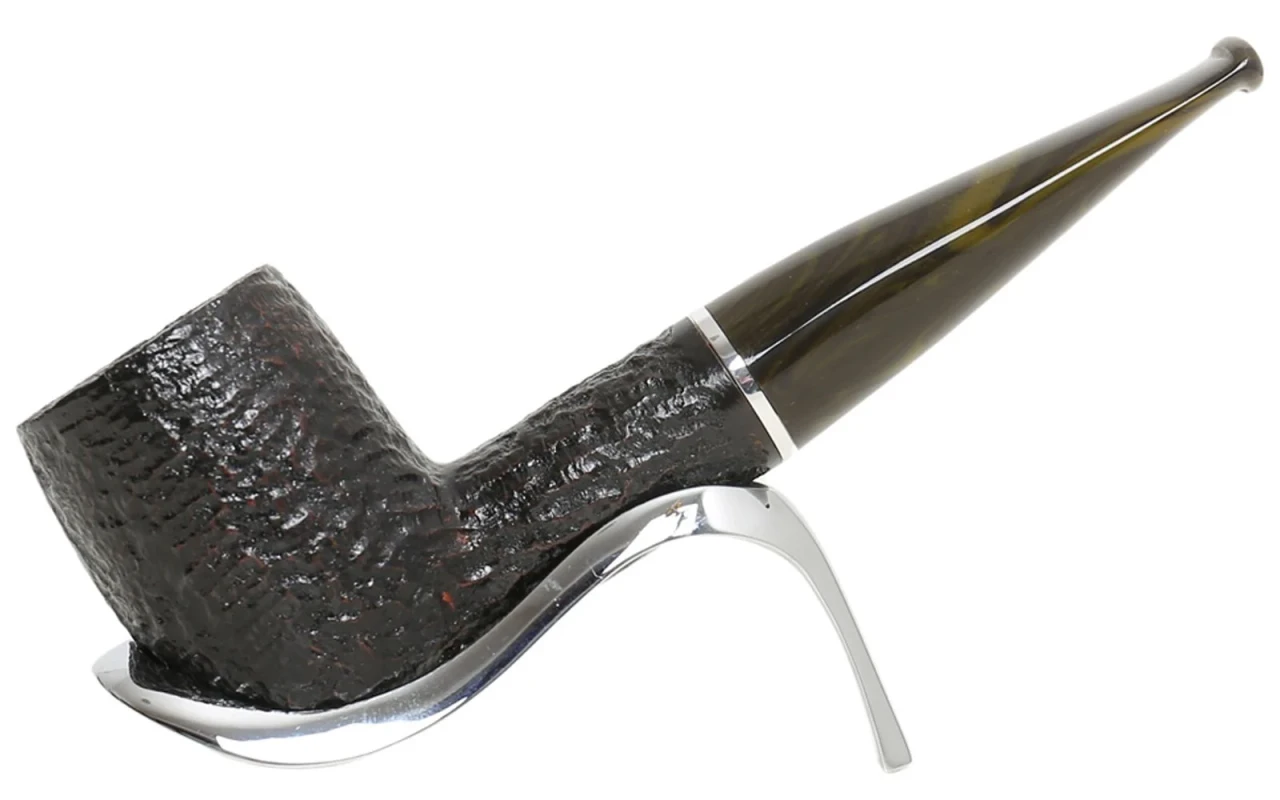
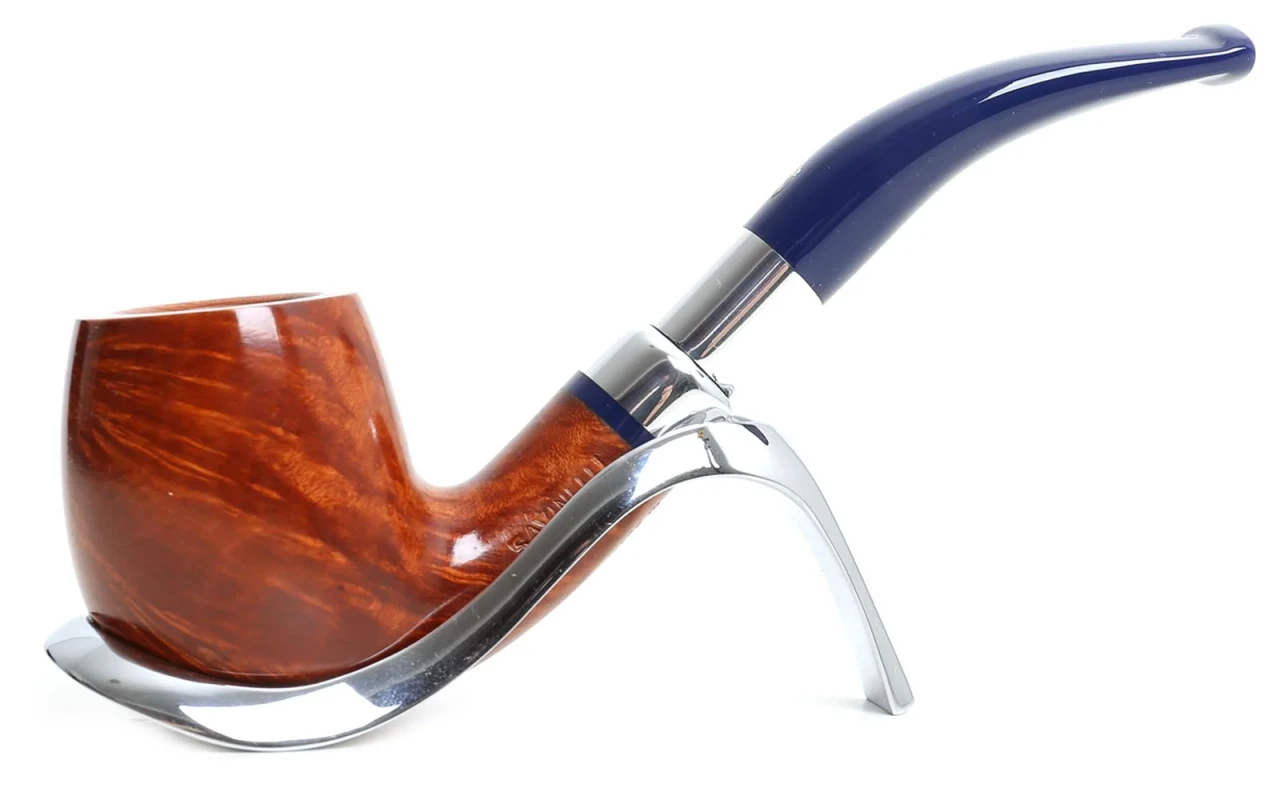
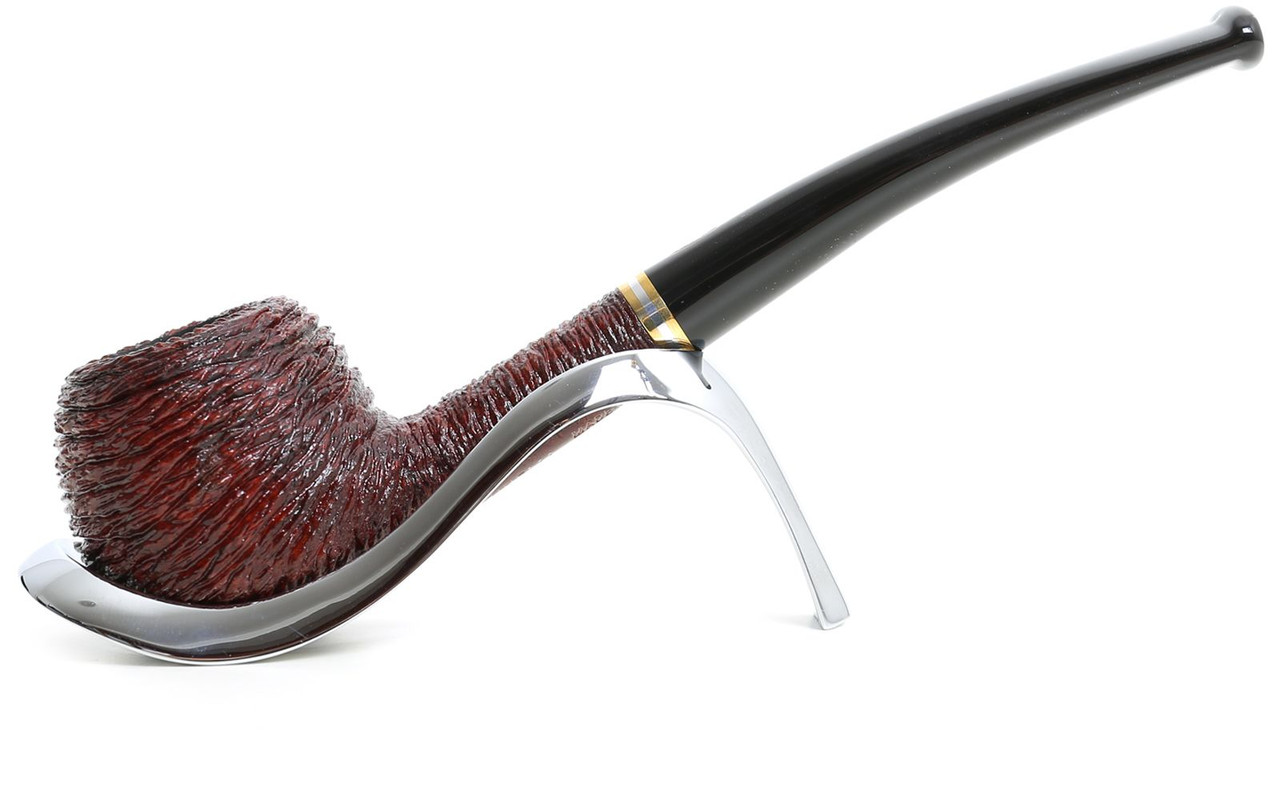
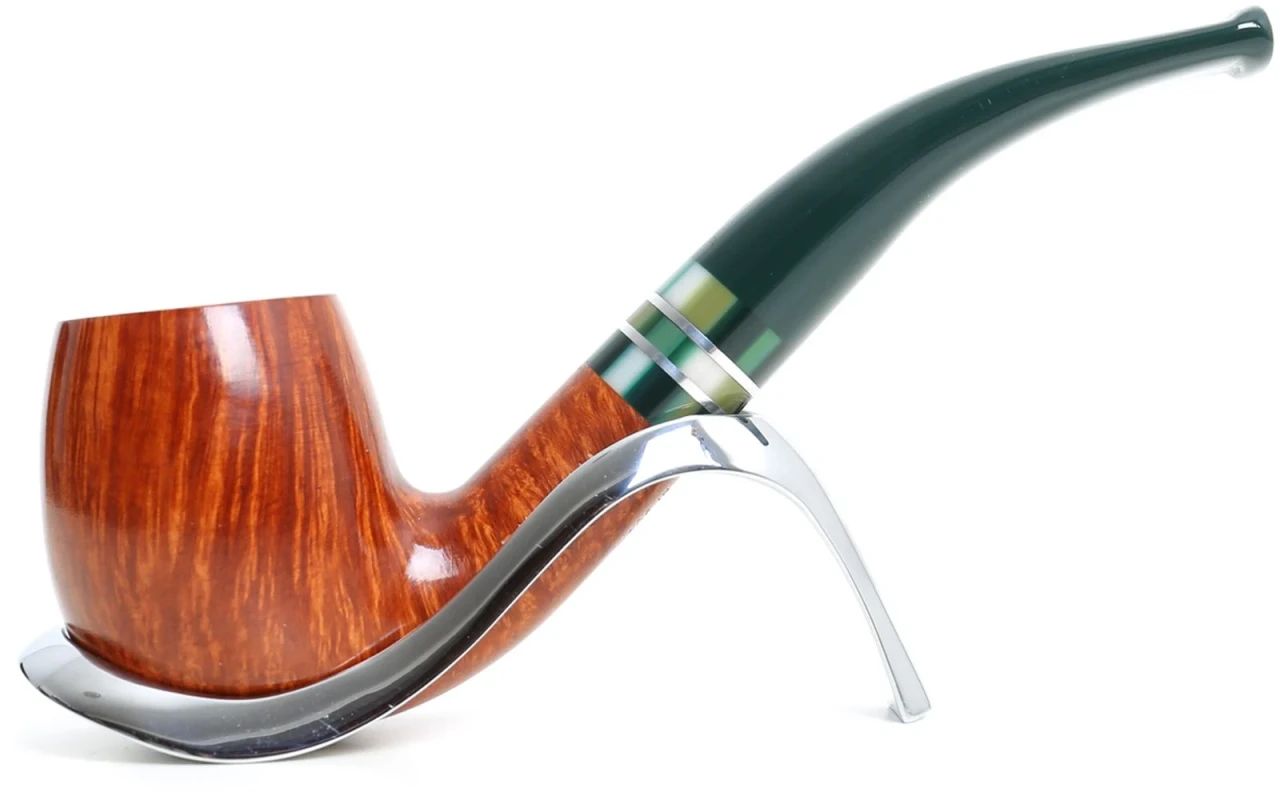
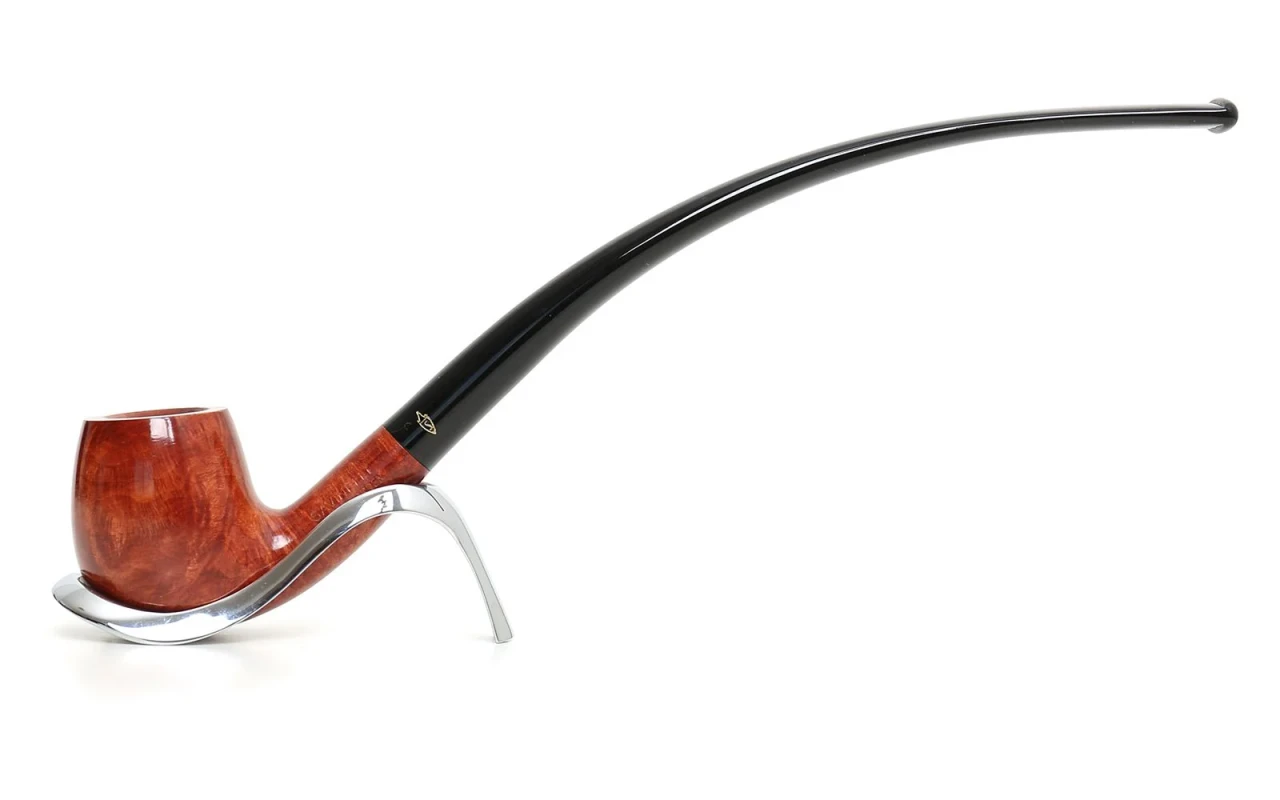
Pipe products, such as wooden or briar pipes, have an environmental impact to consider. The production of wooden pipes can lead to deforestation if not managed sustainably. Additionally, wood processing and chemical treatment can cause air and water pollution. It is important to choose pipes made from wood sourced from sustainably managed forests and with eco-friendly production processes. Alternatively, there are pipes made from materials such as ebony or clay that can reduce the environmental impact compared to wood. Awareness of the origin and production process of pipe products is essential to reduce the environmental impact of this centuries-old tradition.
Eco-friendly materials for pipes
There are several eco-friendly materials suitable for pipe production. Among the most common options are:- Corn cob: lightweight and durable, it is a popular choice for eco-friendly pipes.- Olive wood: sourced from trees not cut down for pipe production, it offers a unique and sustainable aesthetic.- Walnut wood: durable and easy to work with, it is appreciated for its beauty and eco-sustainability.- Oak wood: sturdy and heat-resistant, it is a reliable choice for quality pipes.These eco-friendly materials provide a responsible alternative for pipe enthusiasts looking to reduce the environmental impact of their smoking habits.
Pipe smoke emissions reduction
Reducing pipe smoke emissions is an important goal for smokers who wish to limit environmental impact and the presence of persistent odors. To reduce pipe smoke emissions, it is advisable to follow some effective practices:- Use high-quality and well-preserved tobaccos.- Avoid excessively overheating the tobacco during combustion.- Use good quality and well-cleaned pipes.- Properly ventilate the environment during smoking.- Limit the duration of smoking sessions and properly extinguish the pipe.By following these guidelines, it is possible to significantly reduce pipe smoke emissions and enhance the smoking experience.
Ecological alternatives to tobacco
Ecological alternatives to tobacco include the use of herbs and aromatic plants, such as mint, sage, or lavender, to create blends for smoking in a pipe. Other options are represented by hemp-based products or nicotine-free tobacco. Furthermore, there are also smoking pipes that allow the use of dry herb vaporizers, thus reducing the environmental impact related to tobacco combustion. These alternatives offer a more sustainable option for those who wish to enjoy the pipe ritual without the risks associated with traditional tobacco consumption.
'%3e%3cg id='Final-Copy-2_2_' transform='translate(1275.000000, 200.000000)'%3e%3cpath class='st0' d='M7.4,12.8h6.8l3.1-11.6H7.4C4.2,1.2,1.6,3.8,1.6,7S4.2,12.8,7.4,12.8z'/%3e%3c/g%3e%3c/g%3e%3c/g%3e%3cg id='final---dec.11-2020'%3e%3cg id='_x30_208-our-toggle' transform='translate(-1275.000000, -200.000000)'%3e%3cg id='Final-Copy-2' transform='translate(1275.000000, 200.000000)'%3e%3cpath class='st1' d='M22.6,0H7.4c-3.9,0-7,3.1-7,7s3.1,7,7,7h15.2c3.9,0,7-3.1,7-7S26.4,0,22.6,0z M1.6,7c0-3.2,2.6-5.8,5.8-5.8 h9.9l-3.1,11.6H7.4C4.2,12.8,1.6,10.2,1.6,7z'/%3e%3cpath id='x' class='st2' d='M24.6,4c0.2,0.2,0.2,0.6,0,0.8l0,0L22.5,7l2.2,2.2c0.2,0.2,0.2,0.6,0,0.8c-0.2,0.2-0.6,0.2-0.8,0 l0,0l-2.2-2.2L19.5,10c-0.2,0.2-0.6,0.2-0.8,0c-0.2-0.2-0.2-0.6,0-0.8l0,0L20.8,7l-2.2-2.2c-0.2-0.2-0.2-0.6,0-0.8 c0.2-0.2,0.6-0.2,0.8,0l0,0l2.2,2.2L23.8,4C24,3.8,24.4,3.8,24.6,4z'/%3e%3cpath id='y' class='st3' d='M12.7,4.1c0.2,0.2,0.3,0.6,0.1,0.8l0,0L8.6,9.8C8.5,9.9,8.4,10,8.3,10c-0.2,0.1-0.5,0.1-0.7-0.1l0,0 L5.4,7.7c-0.2-0.2-0.2-0.6,0-0.8c0.2-0.2,0.6-0.2,0.8,0l0,0L8,8.6l3.8-4.5C12,3.9,12.4,3.9,12.7,4.1z'/%3e%3c/g%3e%3c/g%3e%3c/g%3e%3c/g%3e%3c/svg%3e) Your Privacy Choices
Your Privacy Choices 


