 ES
ES FR
FR EN
EN IT
IT DE
DE
Stages of crafting a handmade pipe
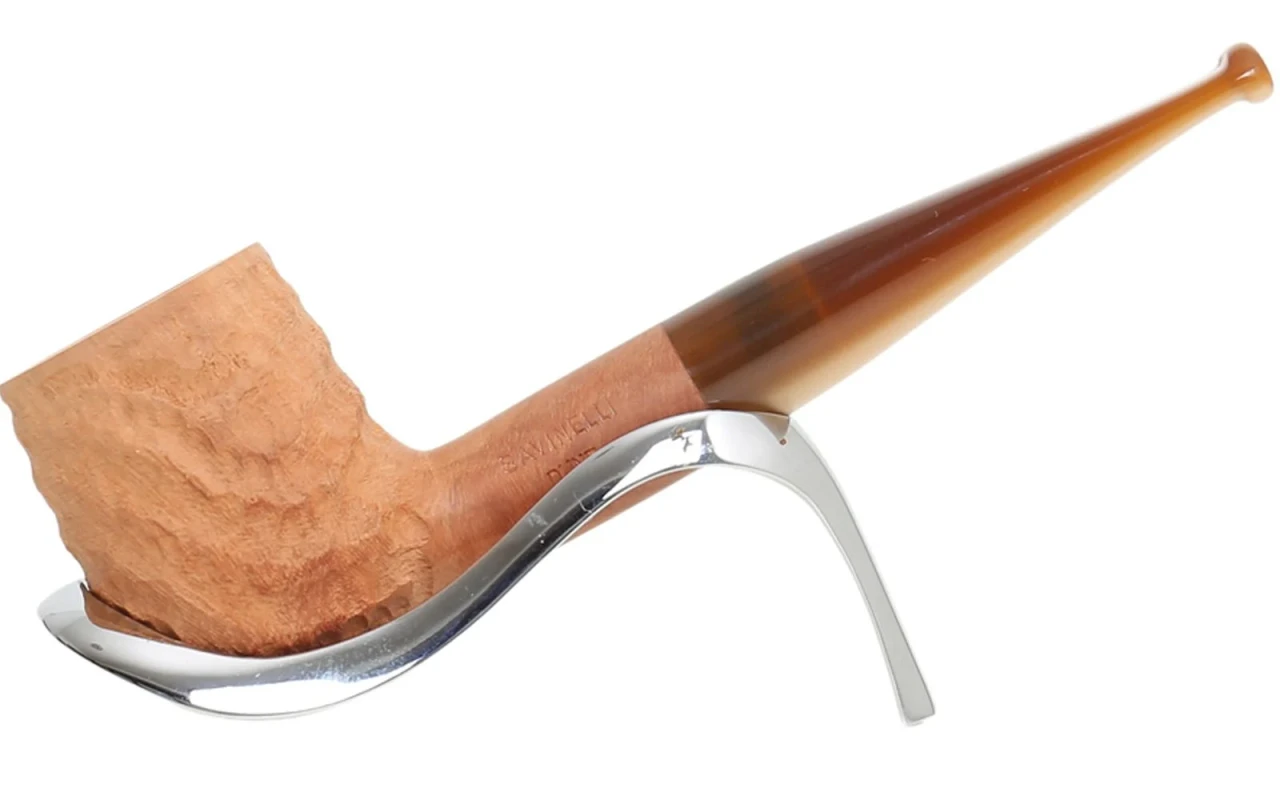
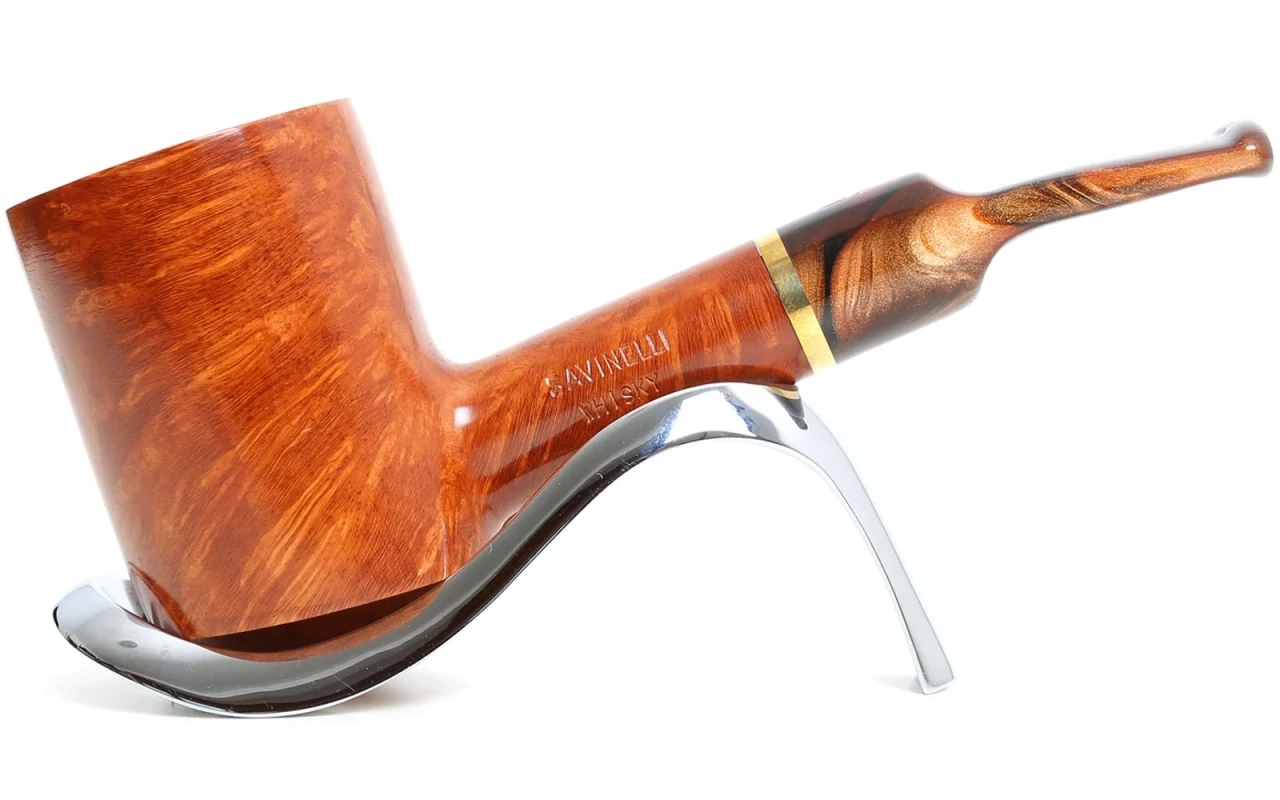
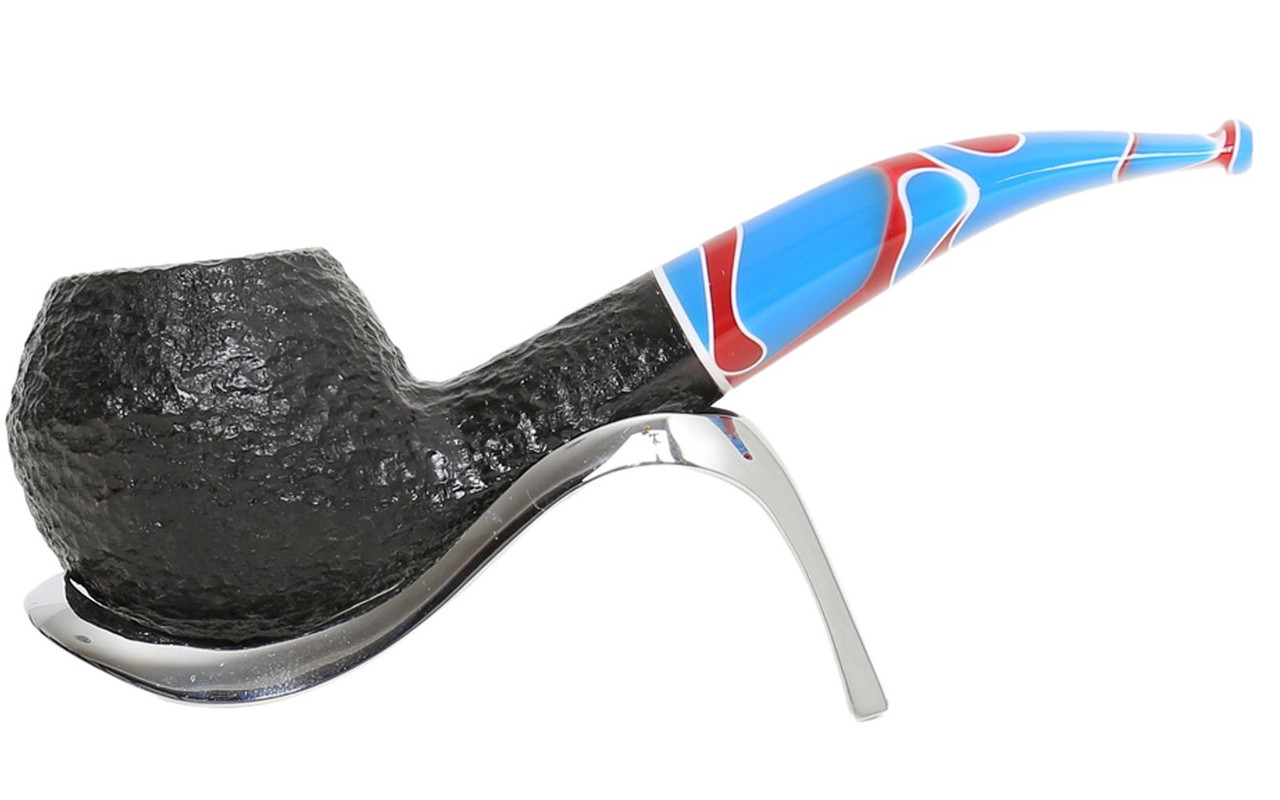
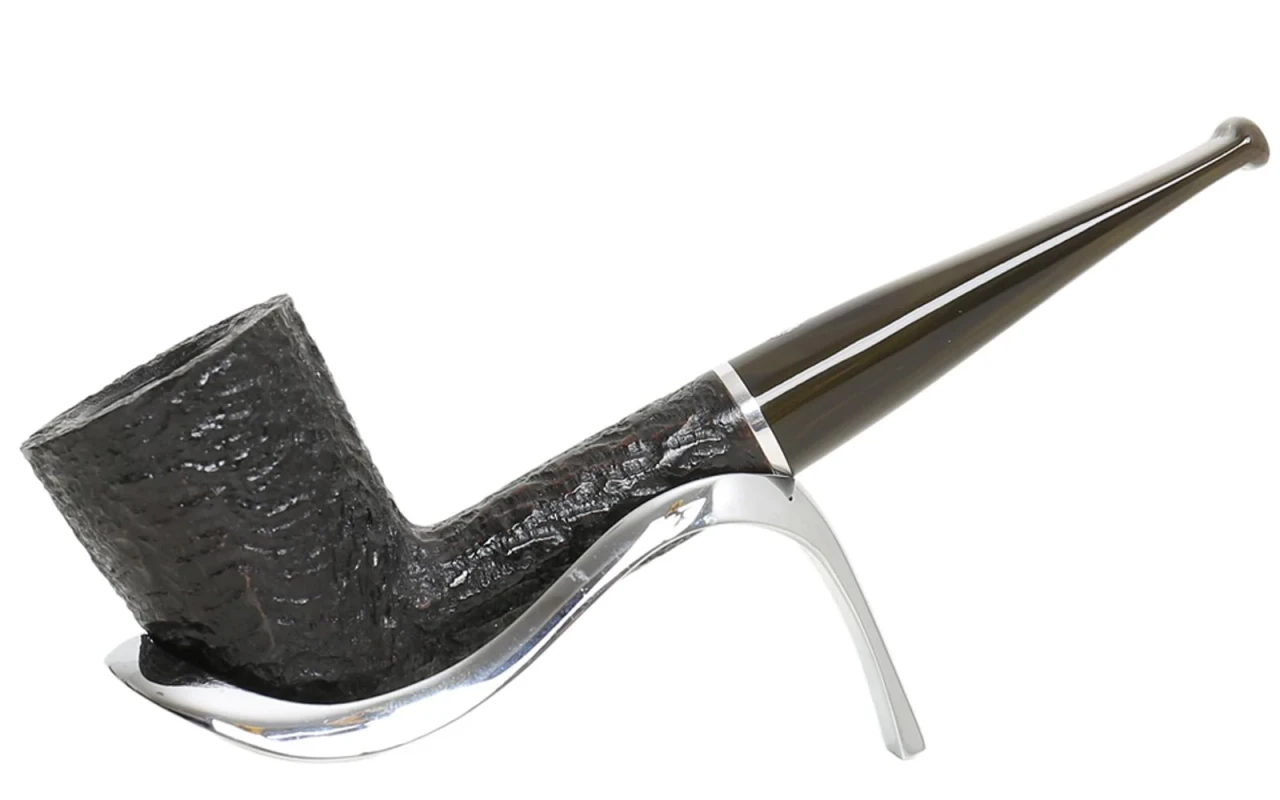
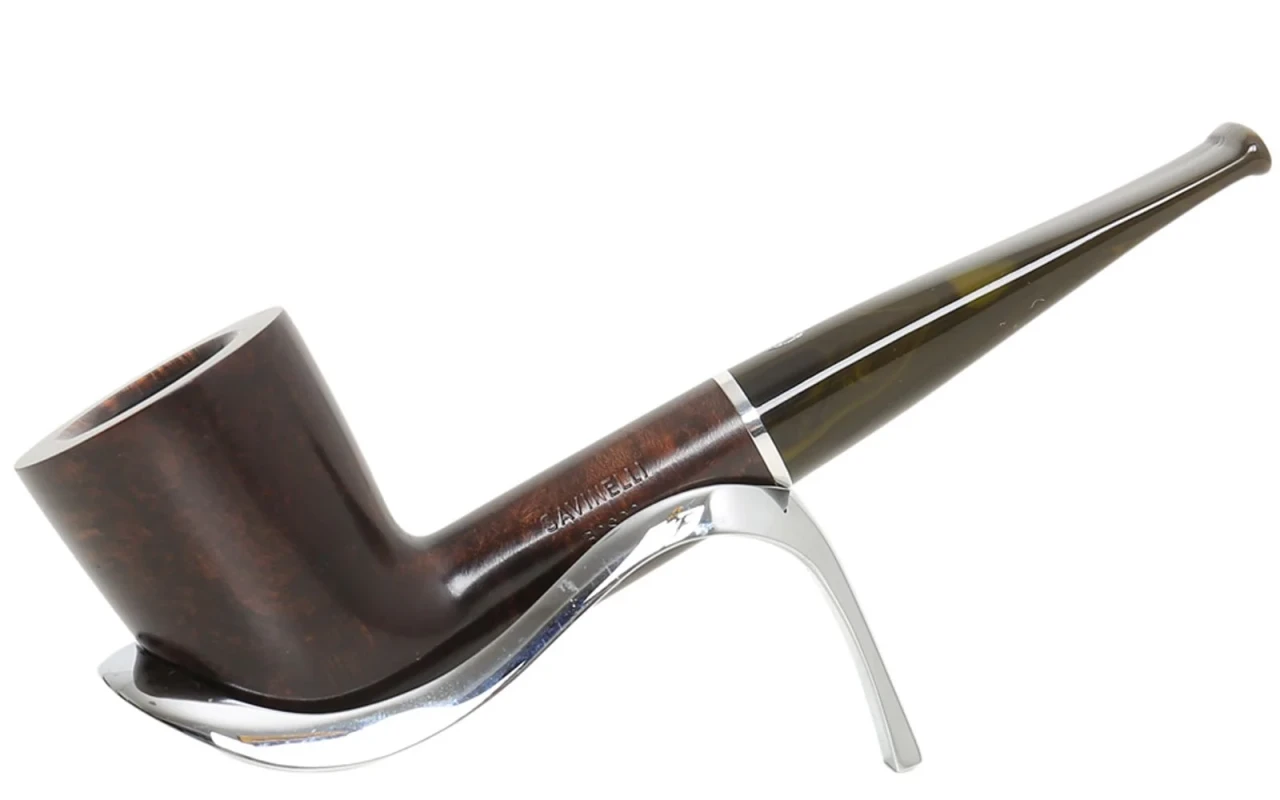
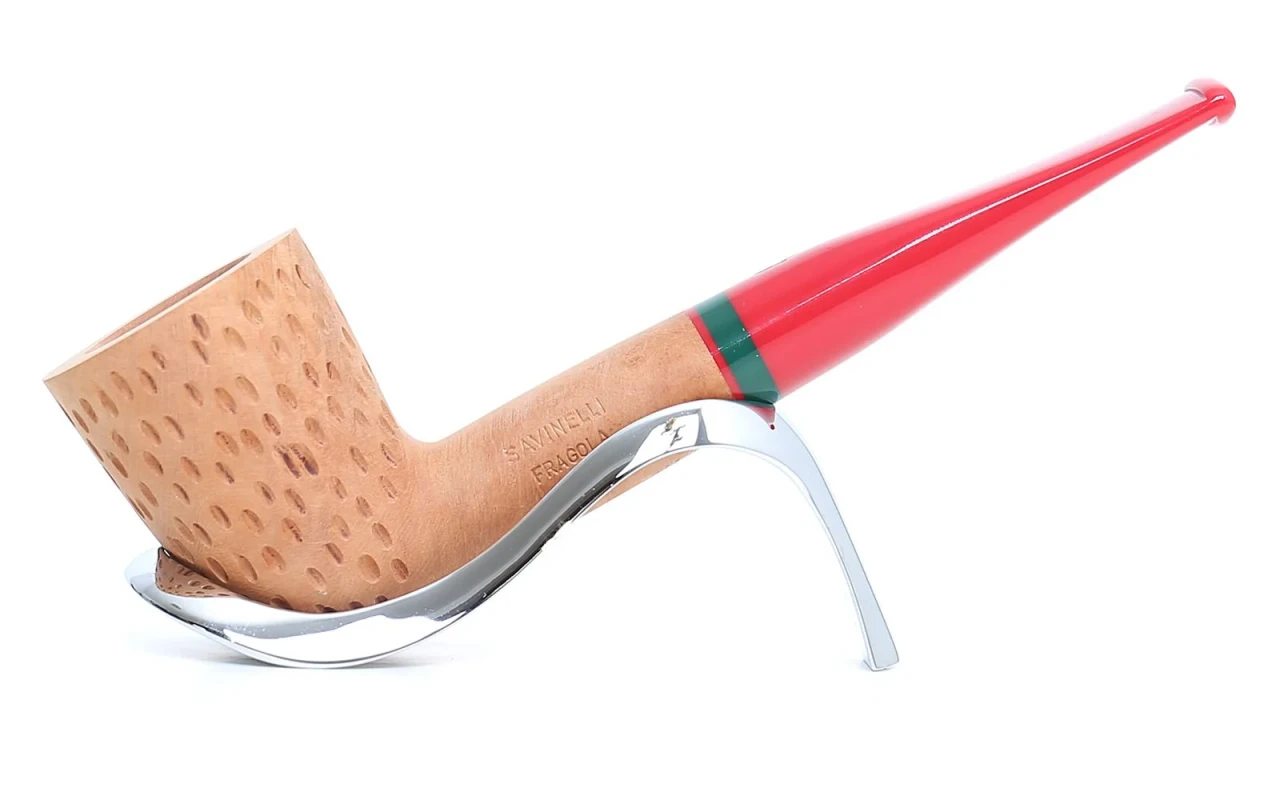
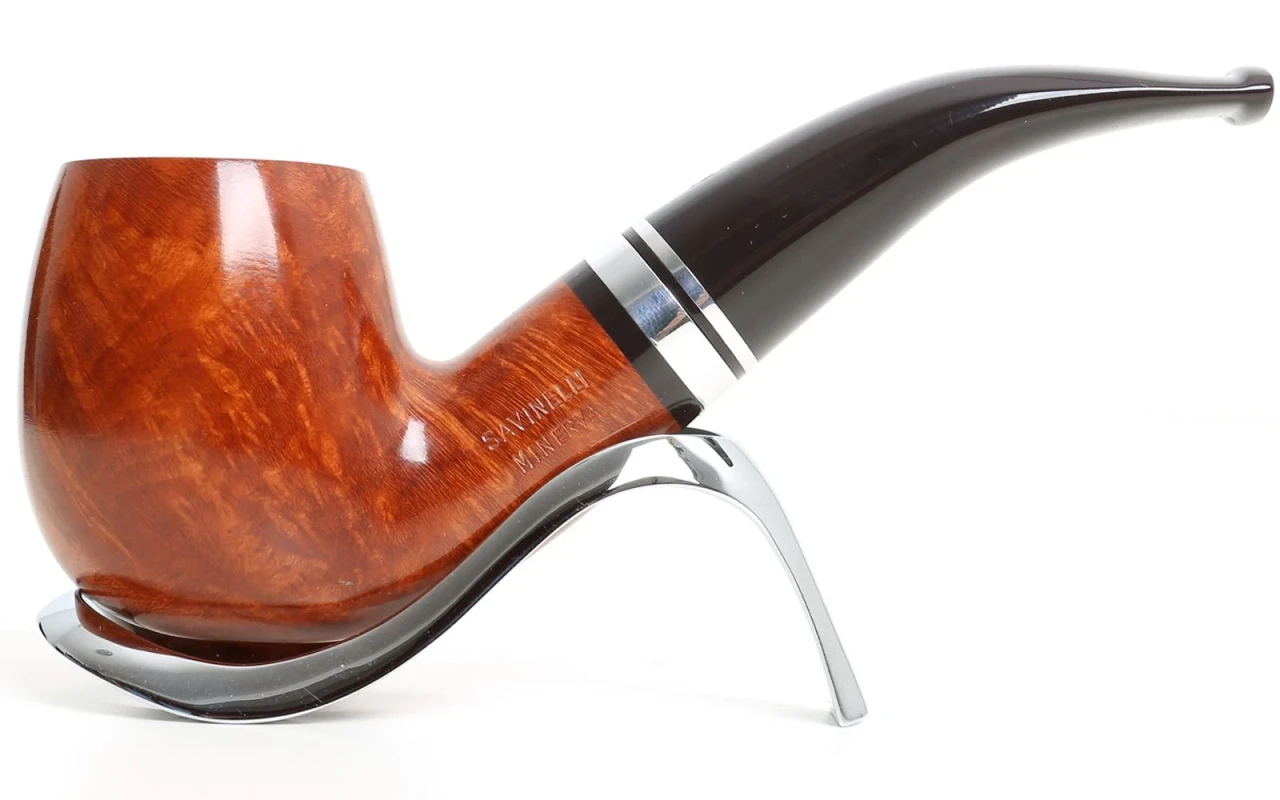
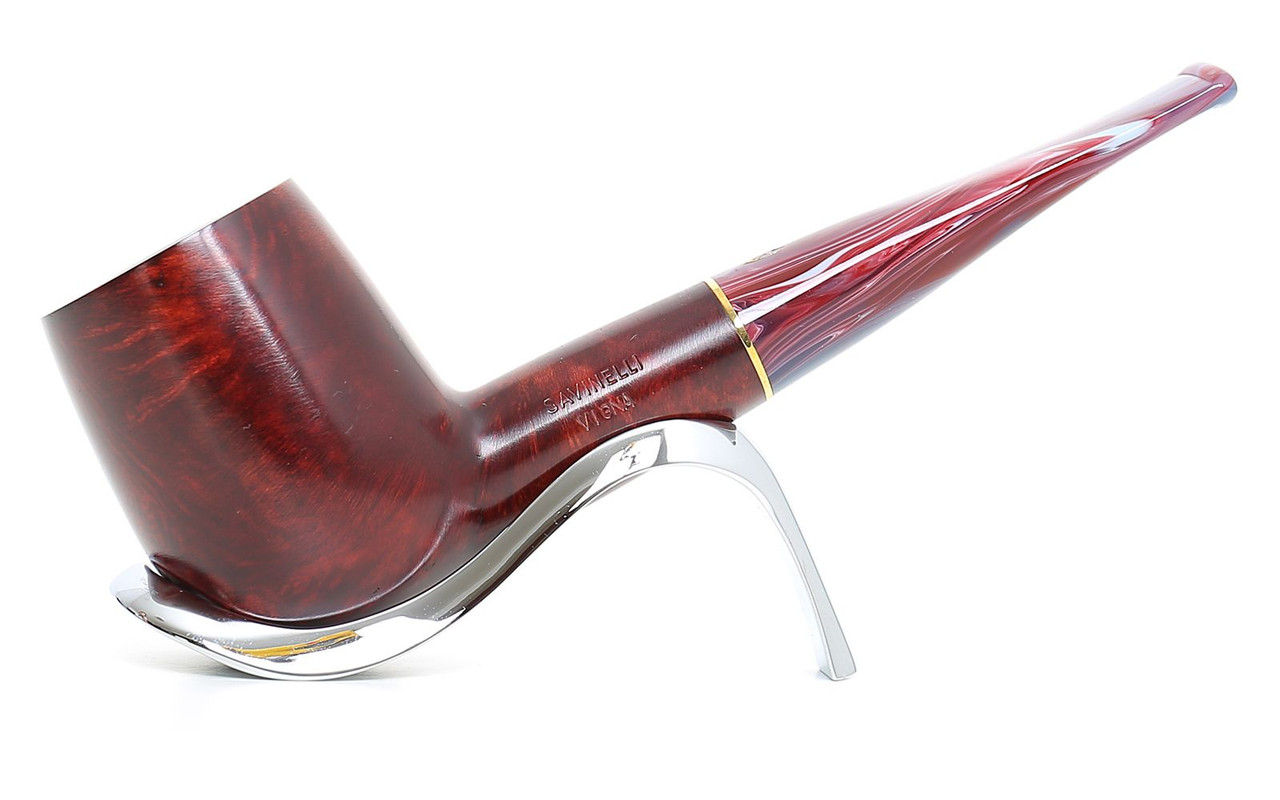
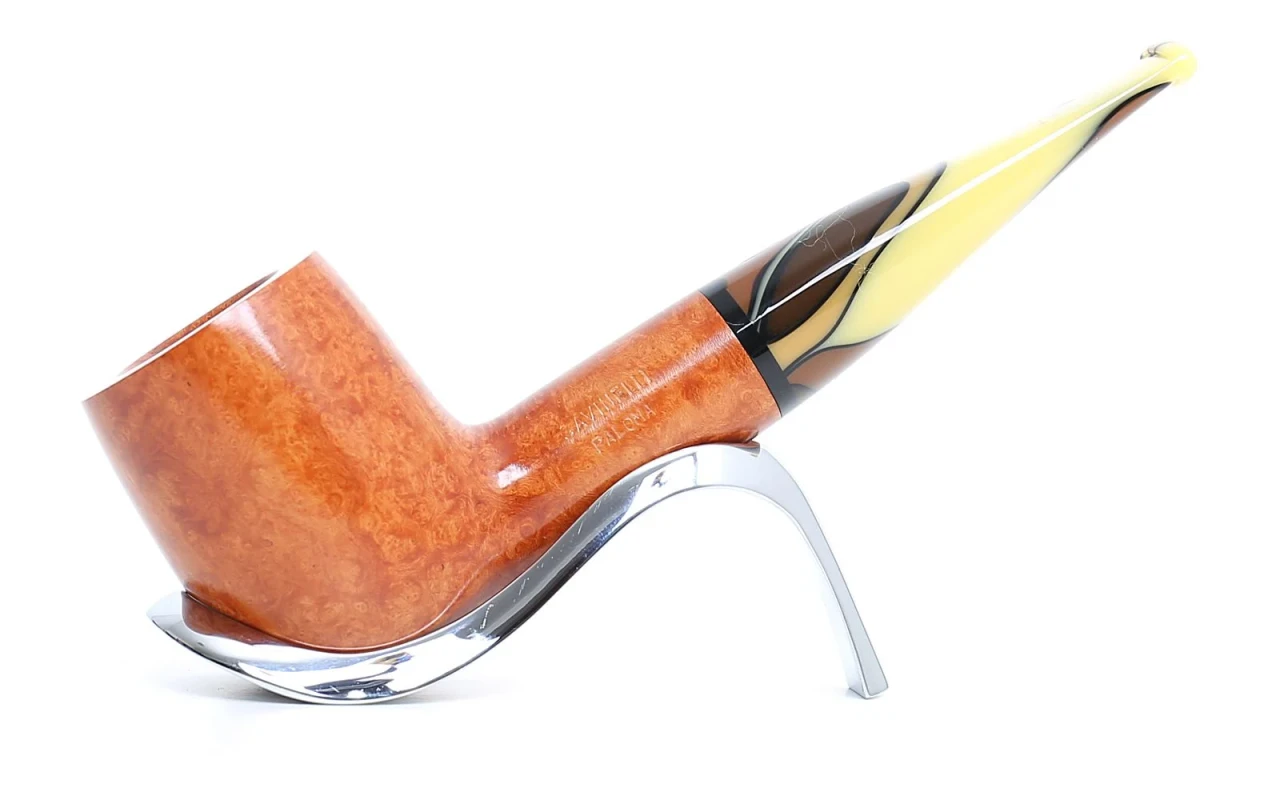
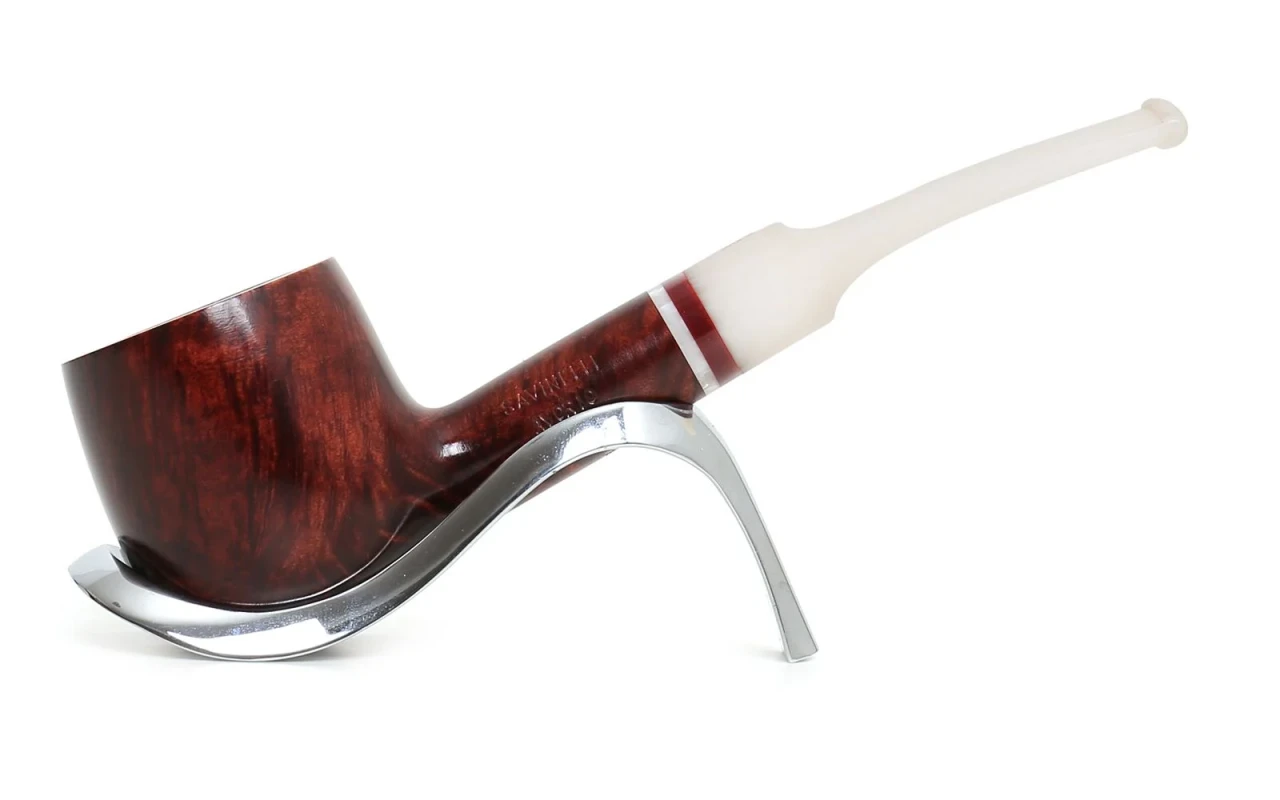
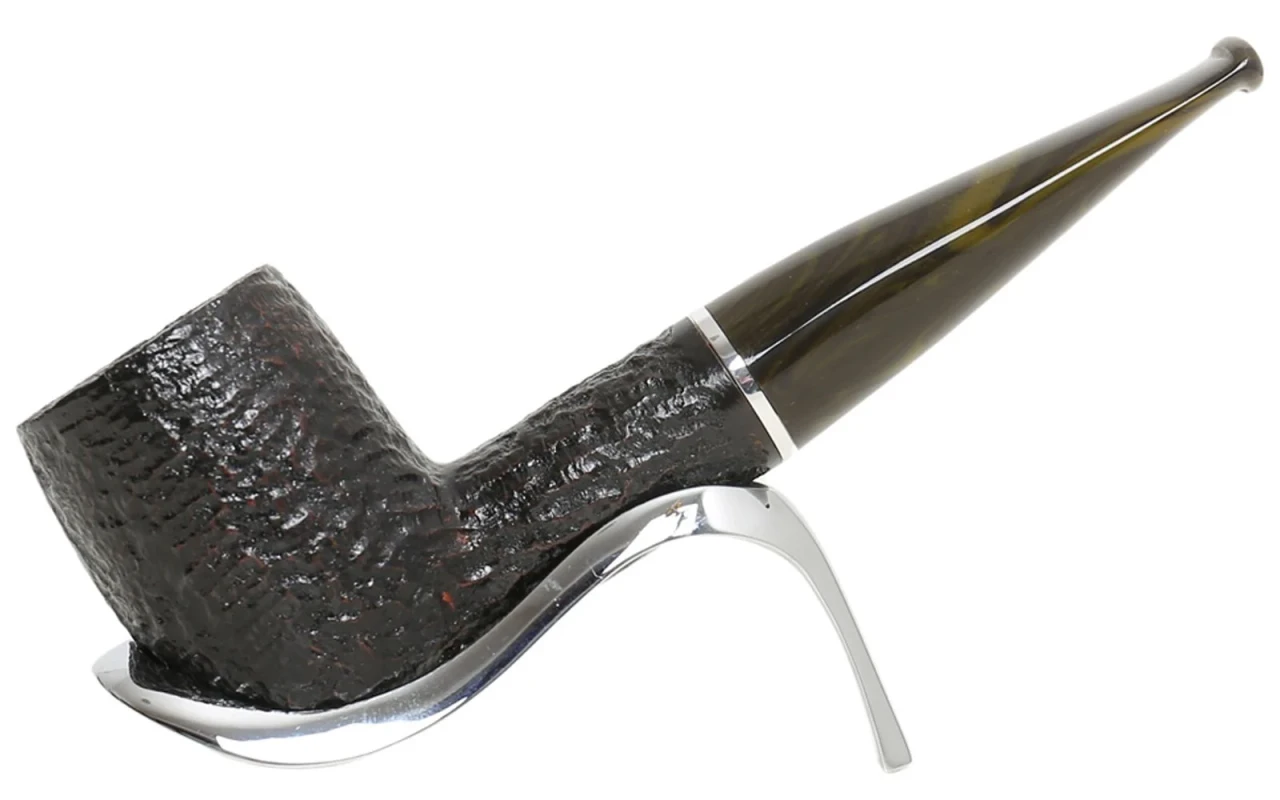
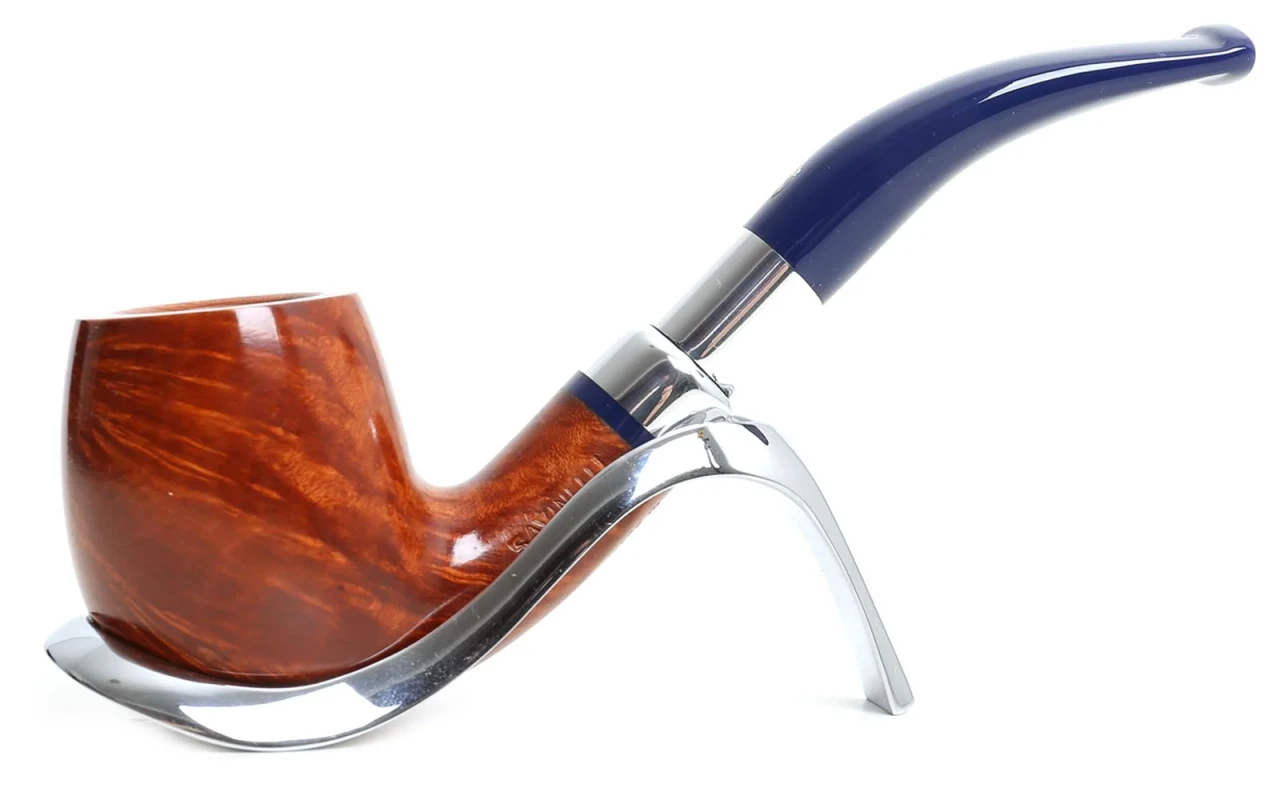
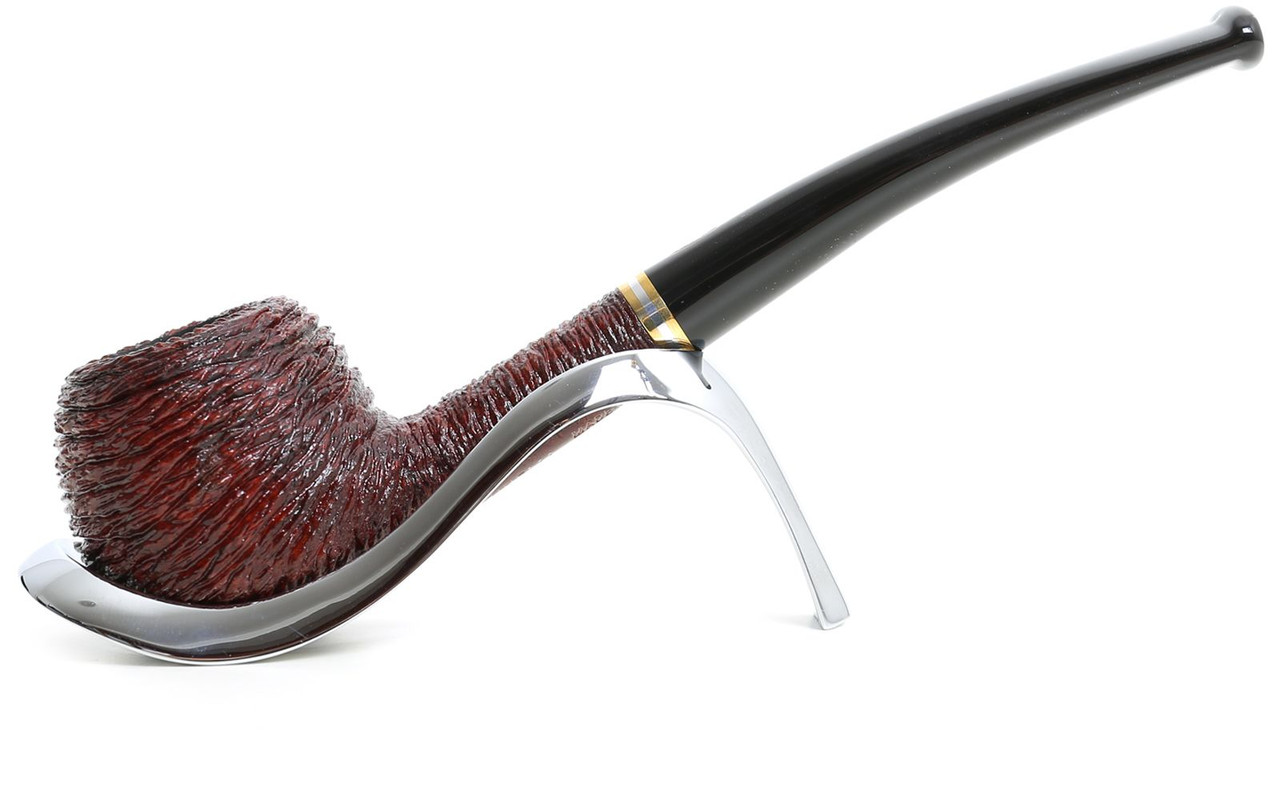
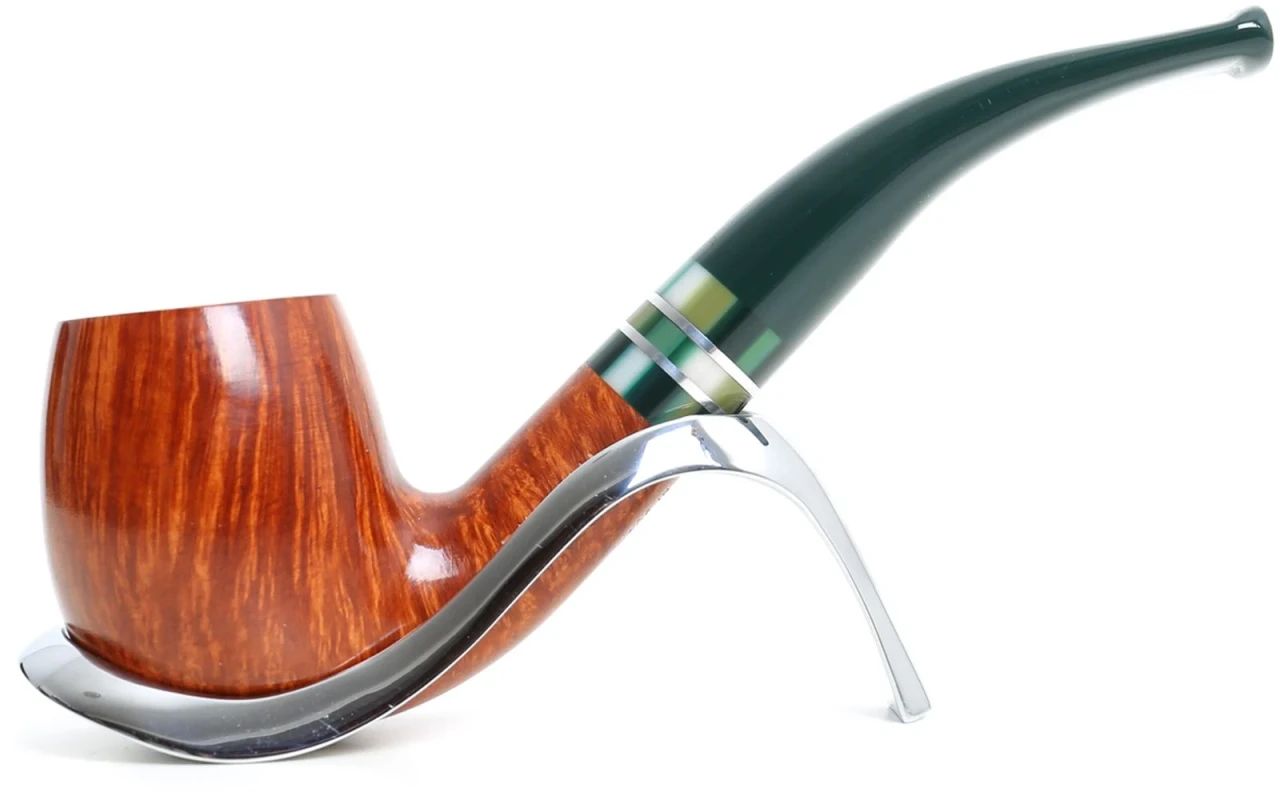
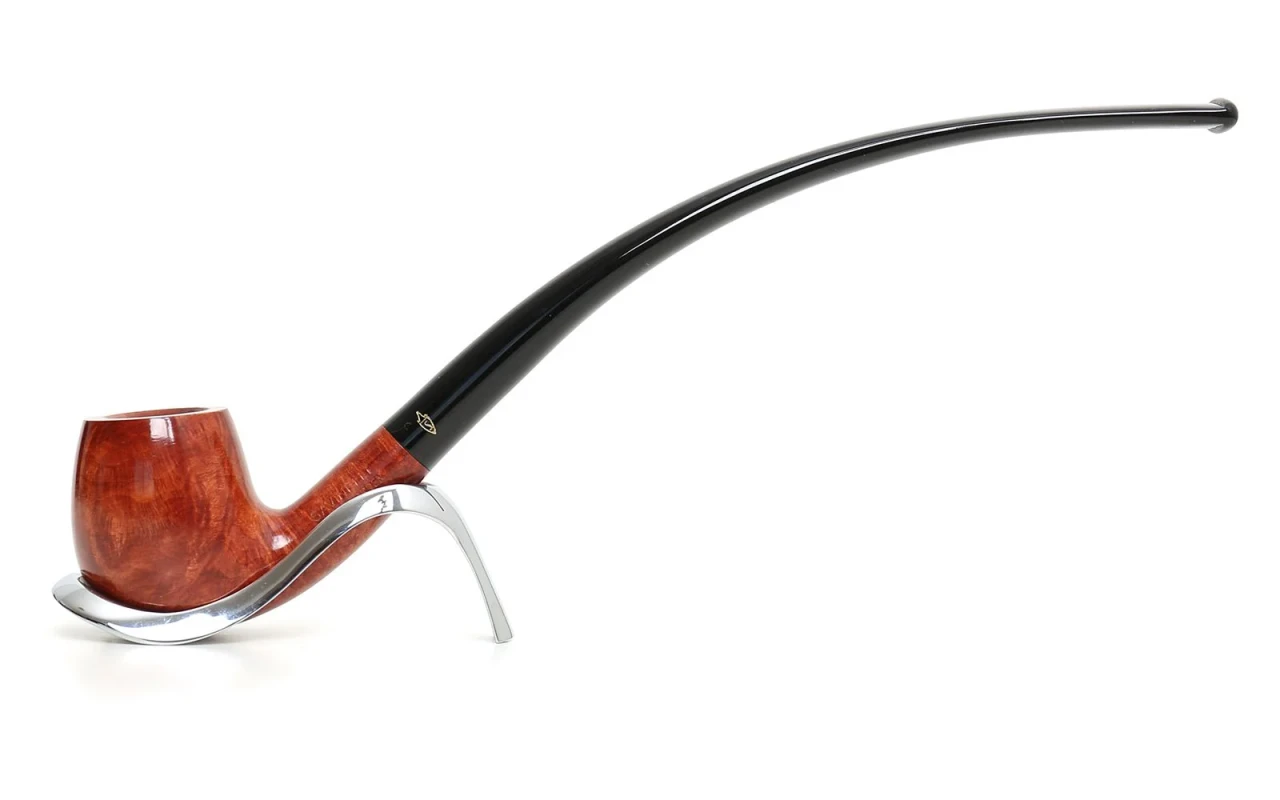
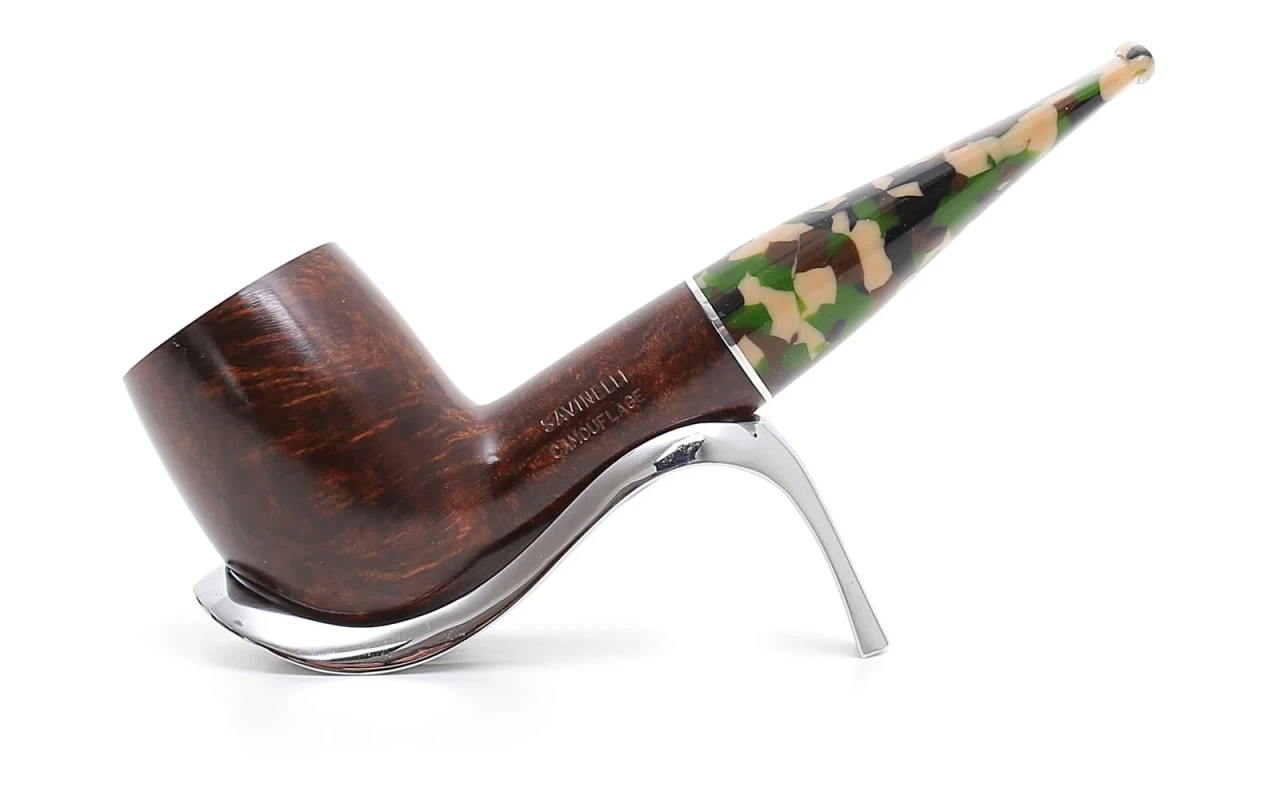
Stages of crafting a handmade pipe
The crafting of a handmade pipe involves several crucial stages to achieve a high-quality product:- Selection of suitable wood, such as briar, olive, or walnut.- Cutting and seasoning the wood to prevent deformations.- Deburring and sanding the interior and exterior of the pipe.- Carving the tobacco chamber and the smoke channel.- Assembling the stem into the pipe block.- Final polishing for a smooth and glossy surface.- Quality control to ensure the functionality of the pipe.- Possible customization or personal finishing touches.By carefully following these stages, a unique and high-quality handmade pipe can be achieved.
Wood carving techniques for pipes
Carving wood for pipes requires precision and skill. Common techniques include:- **Hand carving**: using chisels and rasps to carefully and precisely sculpt the wood.- **Wood turning**: using a lathe to create cylindrical or curved shapes for the pipe body.- **Knife point carving**: for finer and intricate details.- **Deep relief carving**: to create raised motifs on the wood.- **Finishing and sanding**: to give the pipe a polished and smooth appearance.The choice of techniques depends on the desired design and the skill of the craftsman.
Materials for crafting handmade pipes
Materials for crafting handmade pipes include high-quality wood, such as briar or olive wood, which provides strength and beauty to the piece. The bowl can be made of juniper briar or oak mortar, ensuring durability over time. The mouthpiece is often made of acetate or ebony, for a comfortable feel during use. Handmade pipes may feature metal inserts for added robustness, while the inner filter is often made of carbonite for a cleaner and fresher smoking experience. The careful selection of materials is essential to ensure the quality and aesthetics of handmade pipes.
Artisanal Craftsmanship of Smoking Pipes
The artisanal craftsmanship of smoking pipes is a process that requires great skill and precision. Artisans carefully select high-quality woods, such as briar or olive wood, to create unique artifacts. After shaping the desired form, the inner surface of the pipe is meticulously polished to ensure optimal smoking. Subsequently, the pipe is hand-carved to create decorative or rustic details, giving it a distinctive touch. Finally, finishing is done with natural oils to protect the wood and maintain its beauty over time. The artisanal craftsmanship of smoking pipes requires time and skill, but the final result is always a unique and high-quality piece.
'%3e%3cg id='Final-Copy-2_2_' transform='translate(1275.000000, 200.000000)'%3e%3cpath class='st0' d='M7.4,12.8h6.8l3.1-11.6H7.4C4.2,1.2,1.6,3.8,1.6,7S4.2,12.8,7.4,12.8z'/%3e%3c/g%3e%3c/g%3e%3c/g%3e%3cg id='final---dec.11-2020'%3e%3cg id='_x30_208-our-toggle' transform='translate(-1275.000000, -200.000000)'%3e%3cg id='Final-Copy-2' transform='translate(1275.000000, 200.000000)'%3e%3cpath class='st1' d='M22.6,0H7.4c-3.9,0-7,3.1-7,7s3.1,7,7,7h15.2c3.9,0,7-3.1,7-7S26.4,0,22.6,0z M1.6,7c0-3.2,2.6-5.8,5.8-5.8 h9.9l-3.1,11.6H7.4C4.2,12.8,1.6,10.2,1.6,7z'/%3e%3cpath id='x' class='st2' d='M24.6,4c0.2,0.2,0.2,0.6,0,0.8l0,0L22.5,7l2.2,2.2c0.2,0.2,0.2,0.6,0,0.8c-0.2,0.2-0.6,0.2-0.8,0 l0,0l-2.2-2.2L19.5,10c-0.2,0.2-0.6,0.2-0.8,0c-0.2-0.2-0.2-0.6,0-0.8l0,0L20.8,7l-2.2-2.2c-0.2-0.2-0.2-0.6,0-0.8 c0.2-0.2,0.6-0.2,0.8,0l0,0l2.2,2.2L23.8,4C24,3.8,24.4,3.8,24.6,4z'/%3e%3cpath id='y' class='st3' d='M12.7,4.1c0.2,0.2,0.3,0.6,0.1,0.8l0,0L8.6,9.8C8.5,9.9,8.4,10,8.3,10c-0.2,0.1-0.5,0.1-0.7-0.1l0,0 L5.4,7.7c-0.2-0.2-0.2-0.6,0-0.8c0.2-0.2,0.6-0.2,0.8,0l0,0L8,8.6l3.8-4.5C12,3.9,12.4,3.9,12.7,4.1z'/%3e%3c/g%3e%3c/g%3e%3c/g%3e%3c/g%3e%3c/svg%3e) Your Privacy Choices
Your Privacy Choices 


