 ES
ES FR
FR EN
EN IT
IT DE
DE
Evolution of Briar Pipe Production
Evolution of Briar Pipe Production
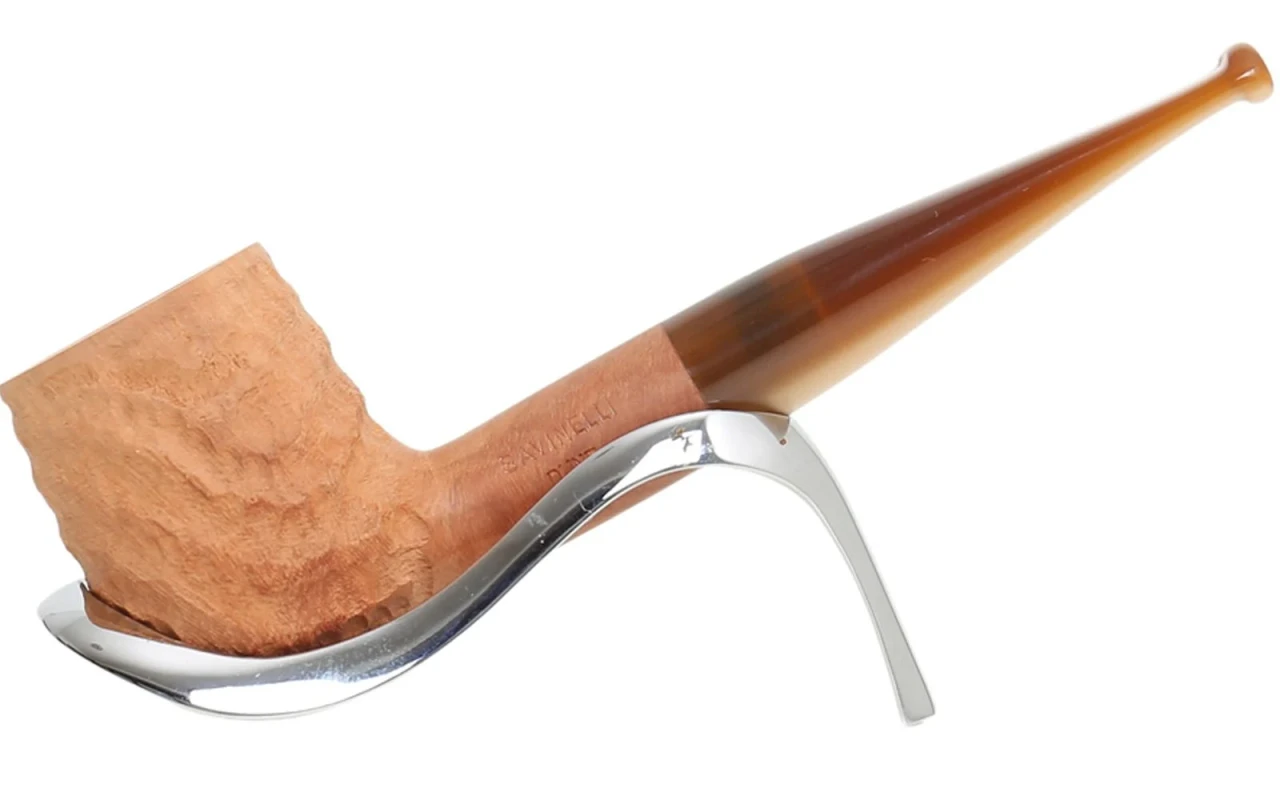
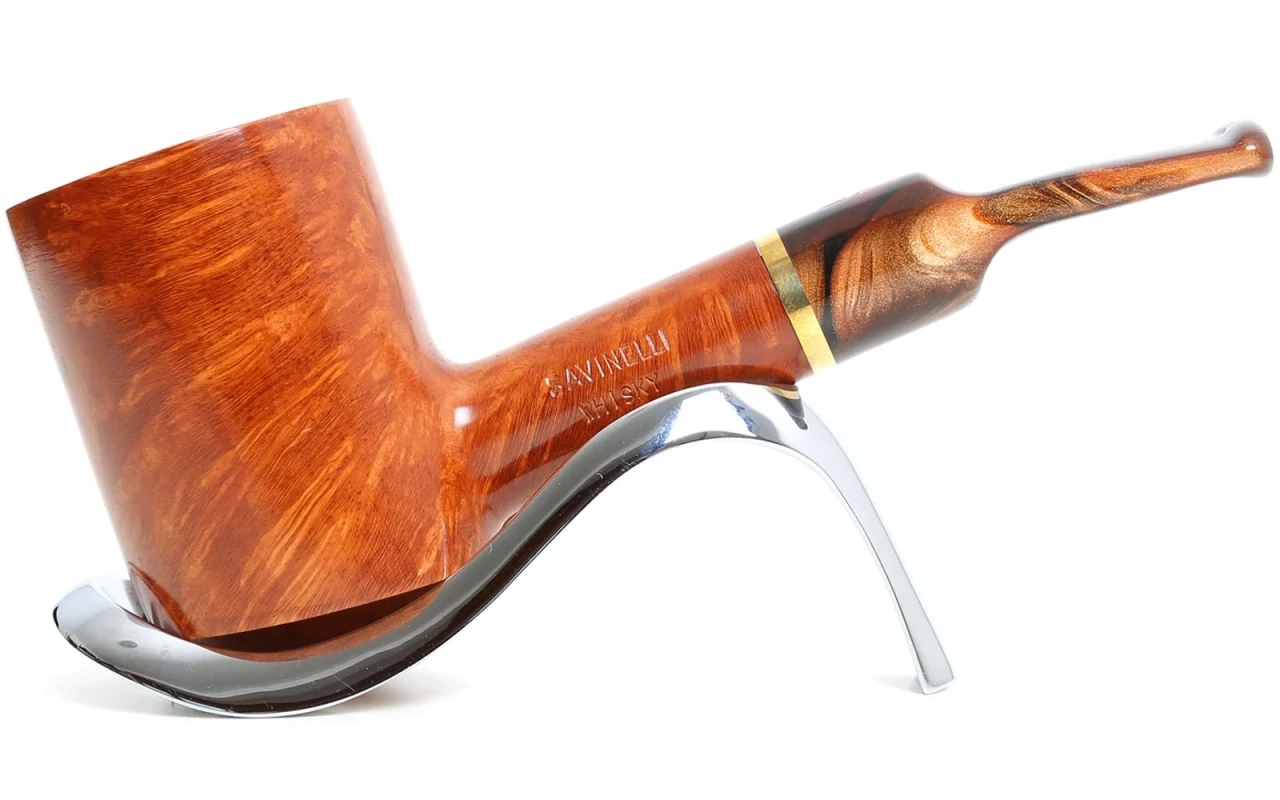
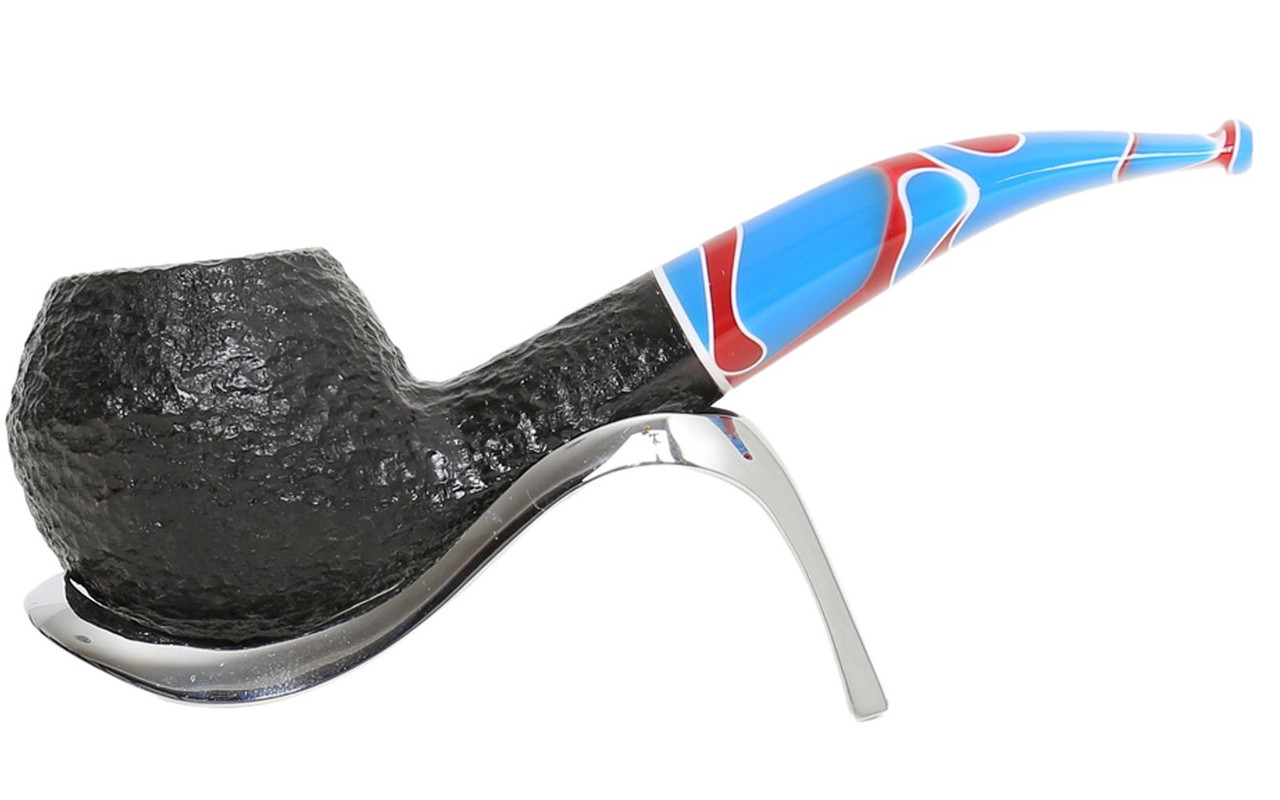
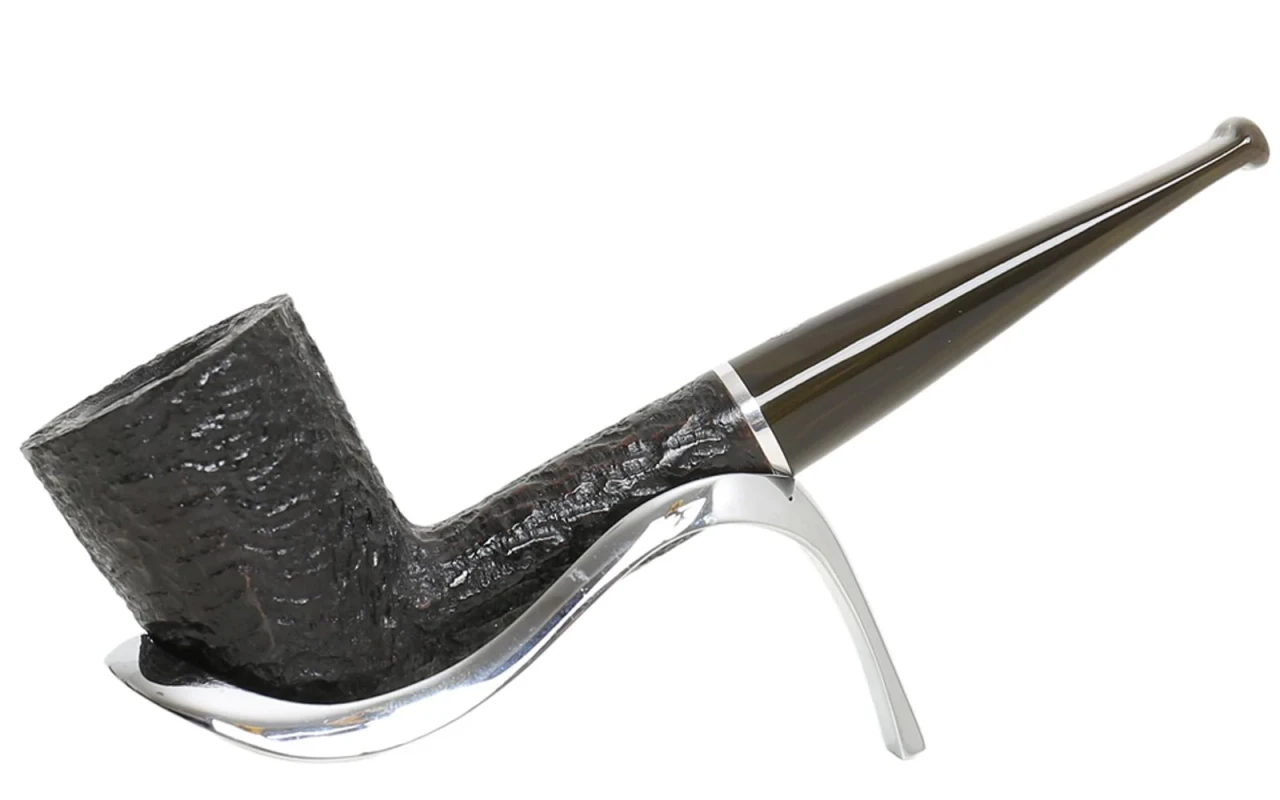
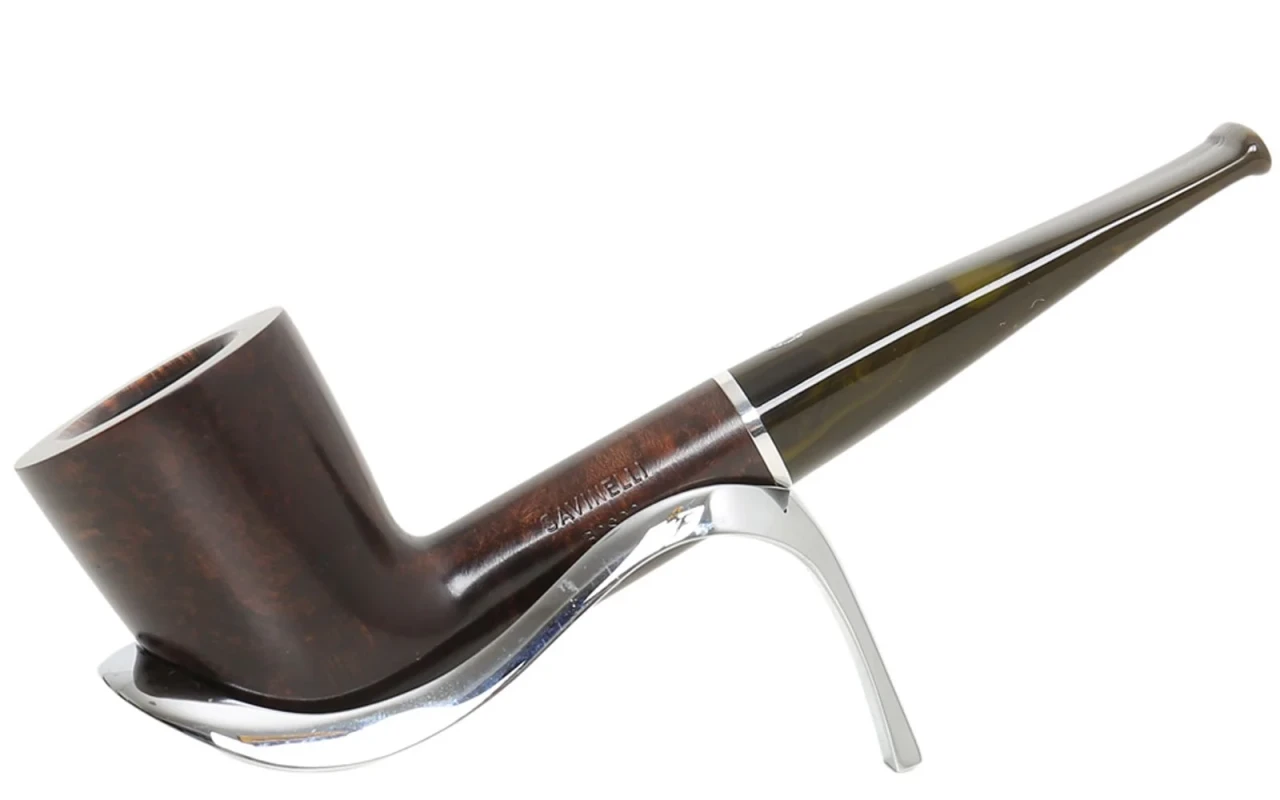
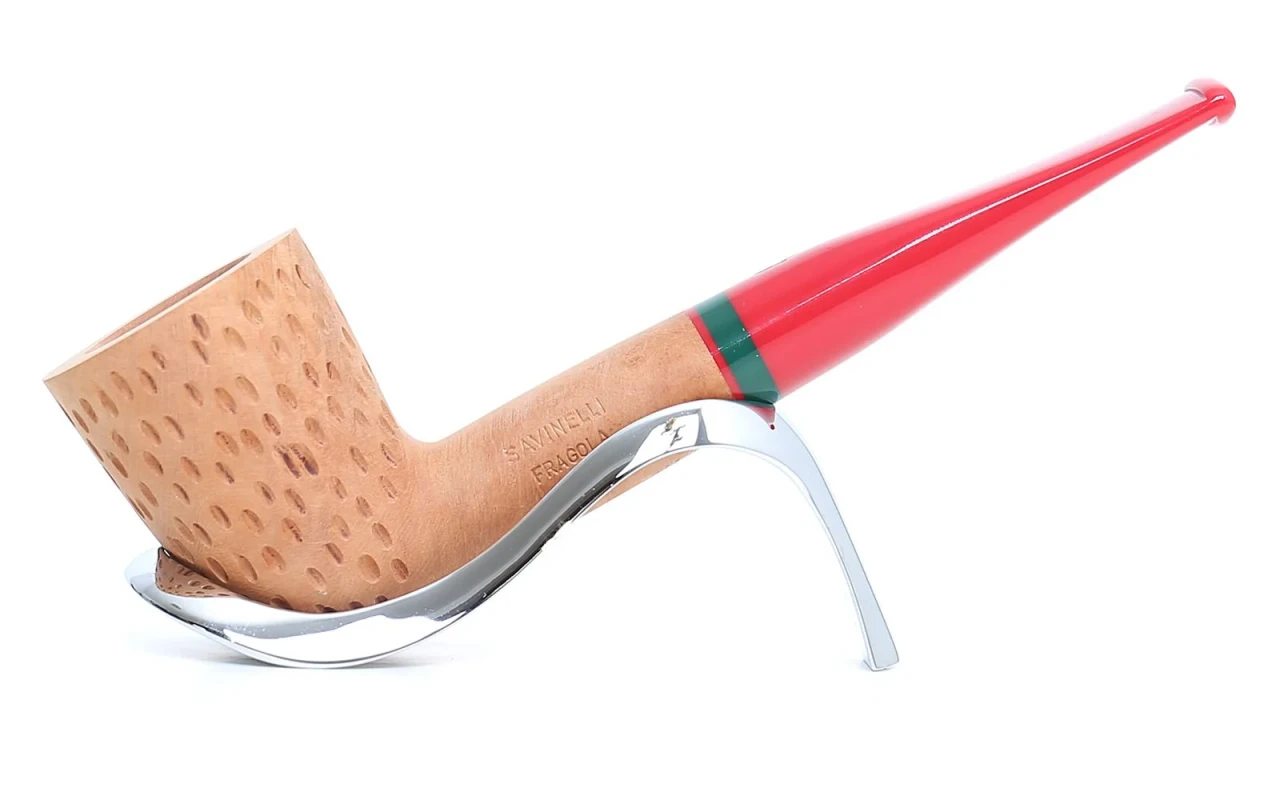
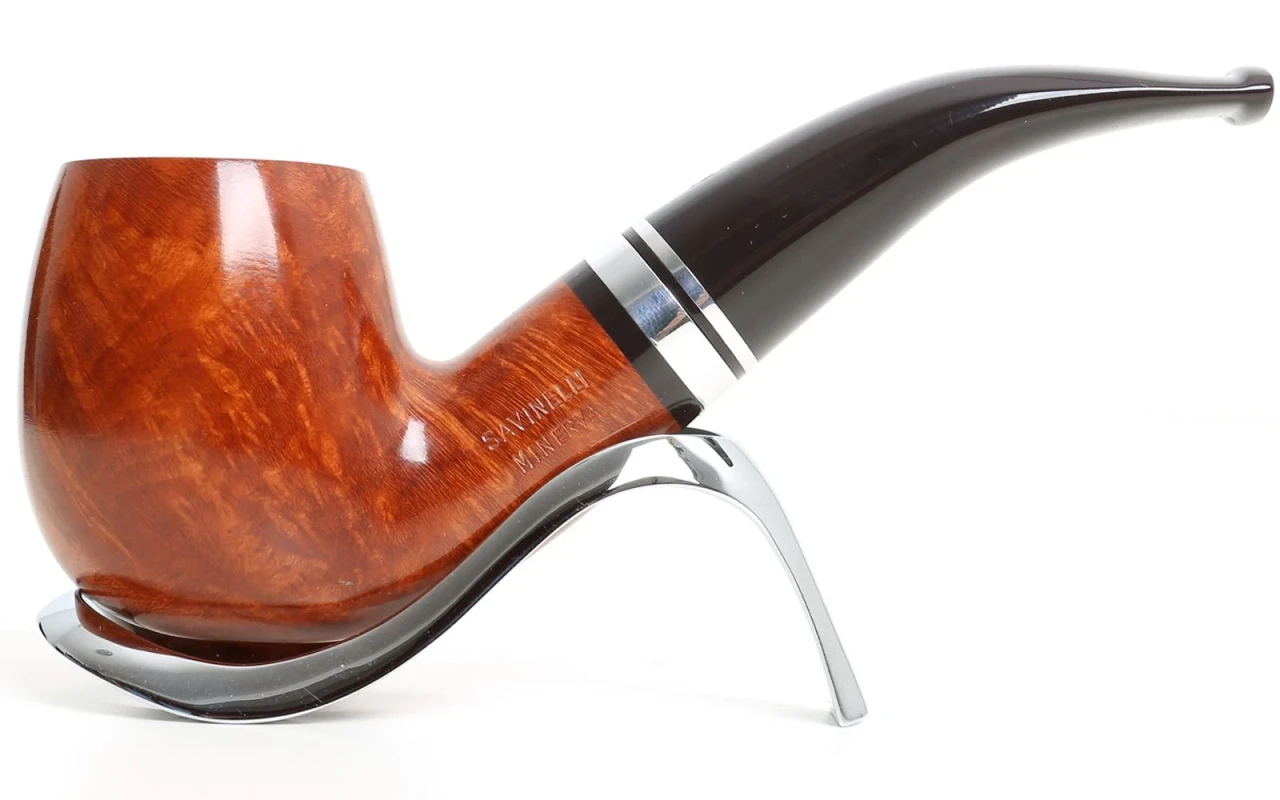
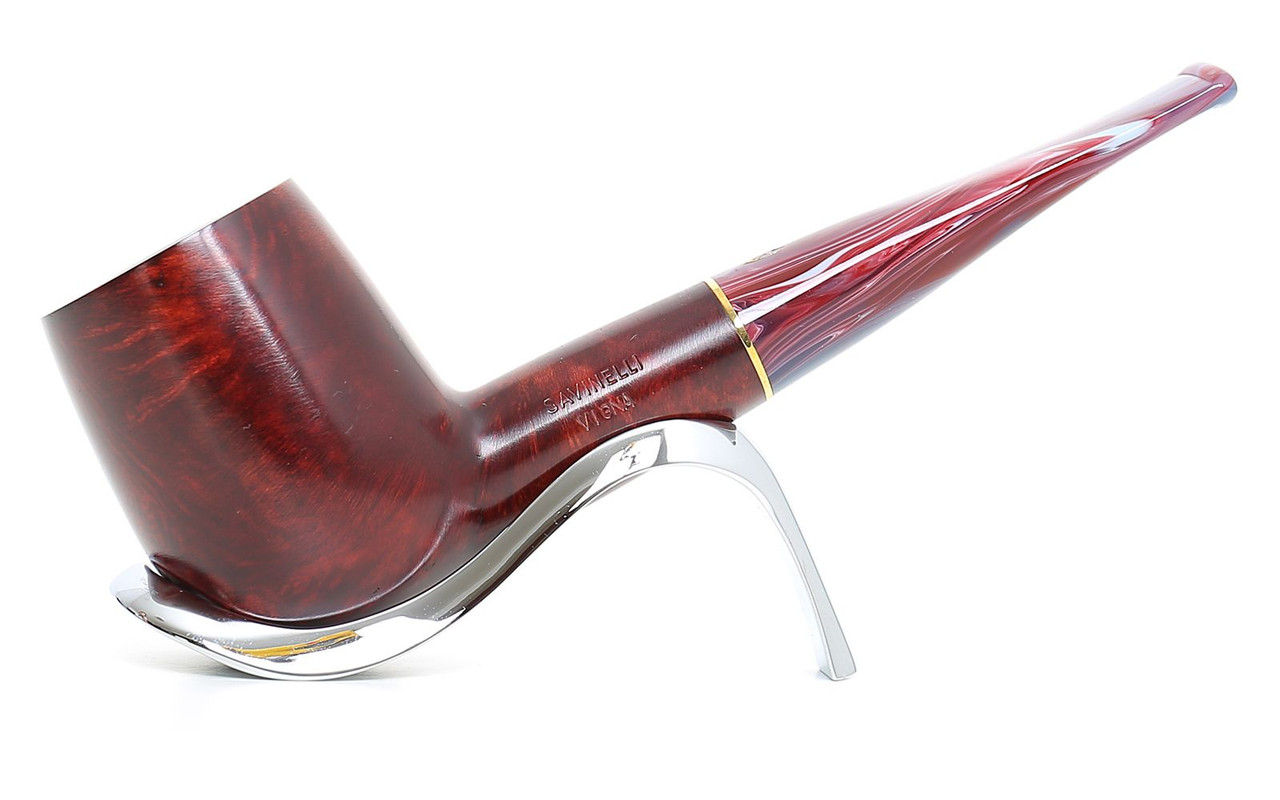
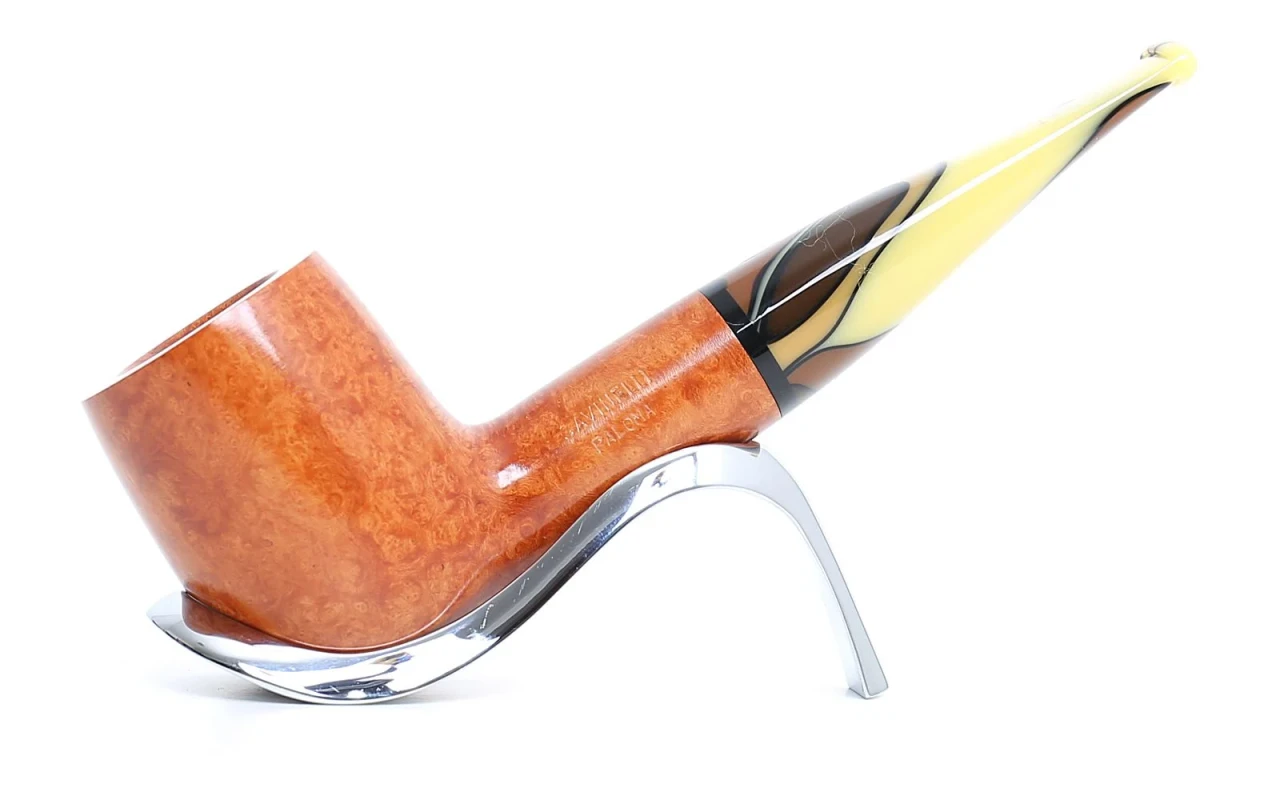
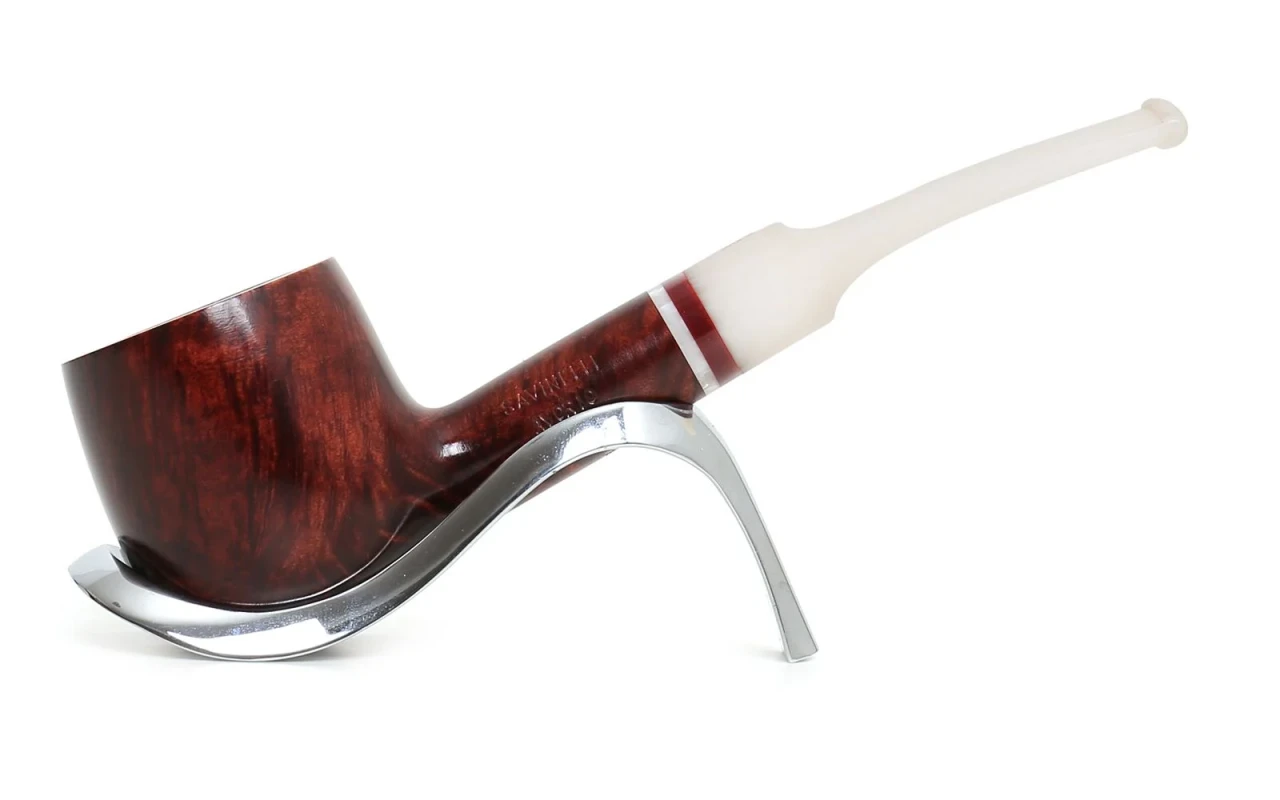
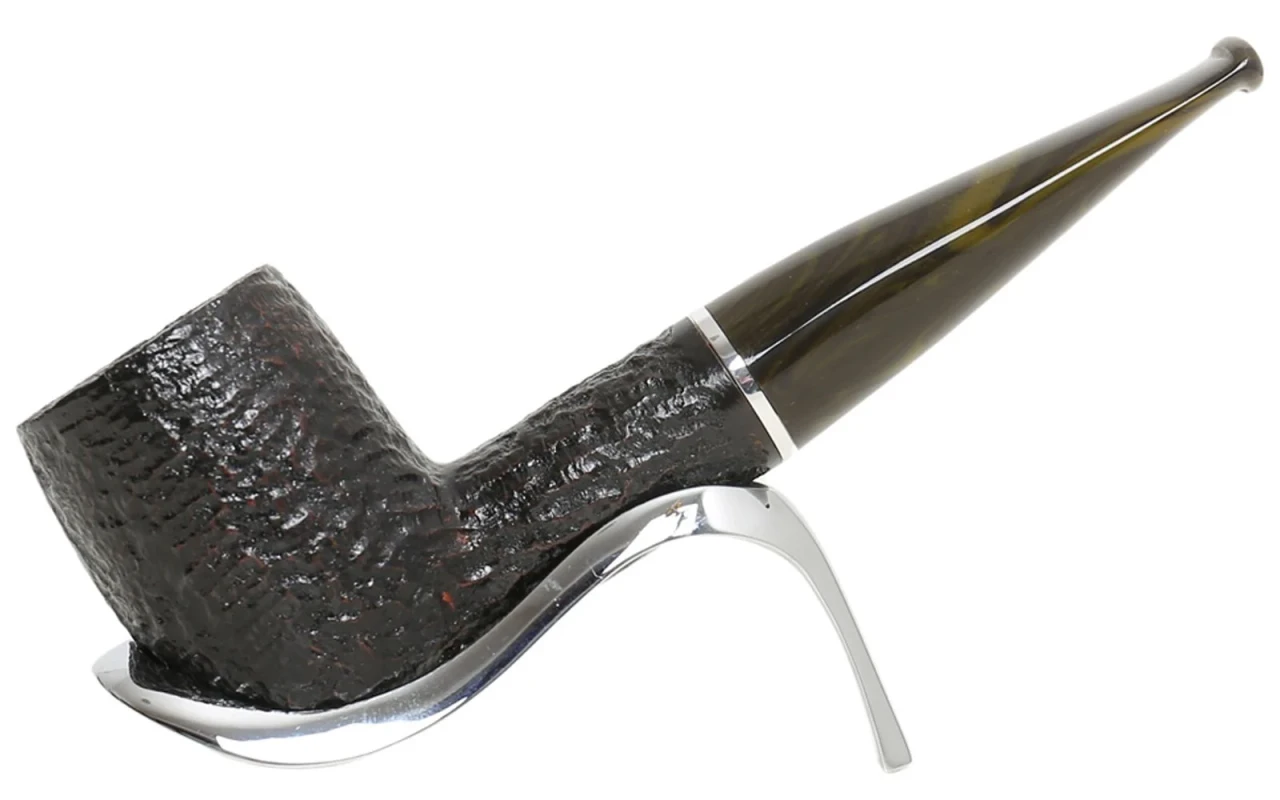
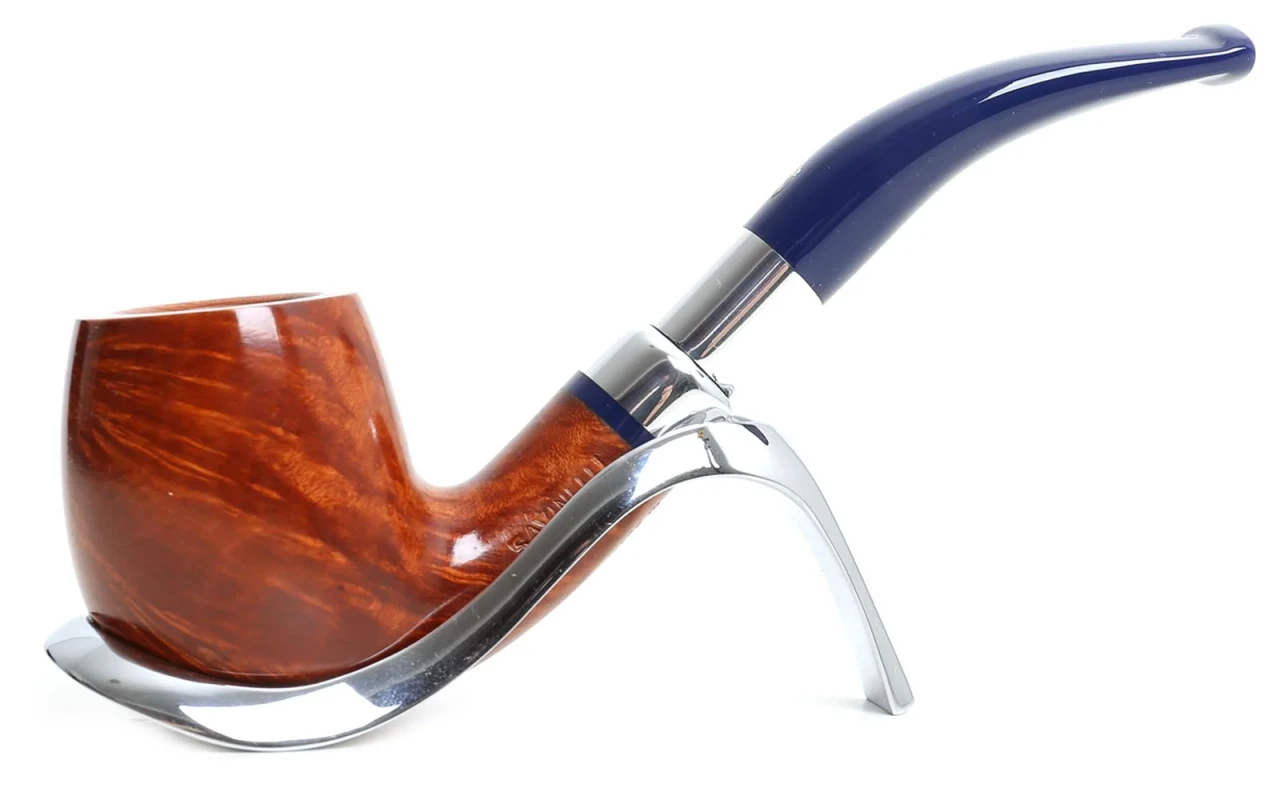
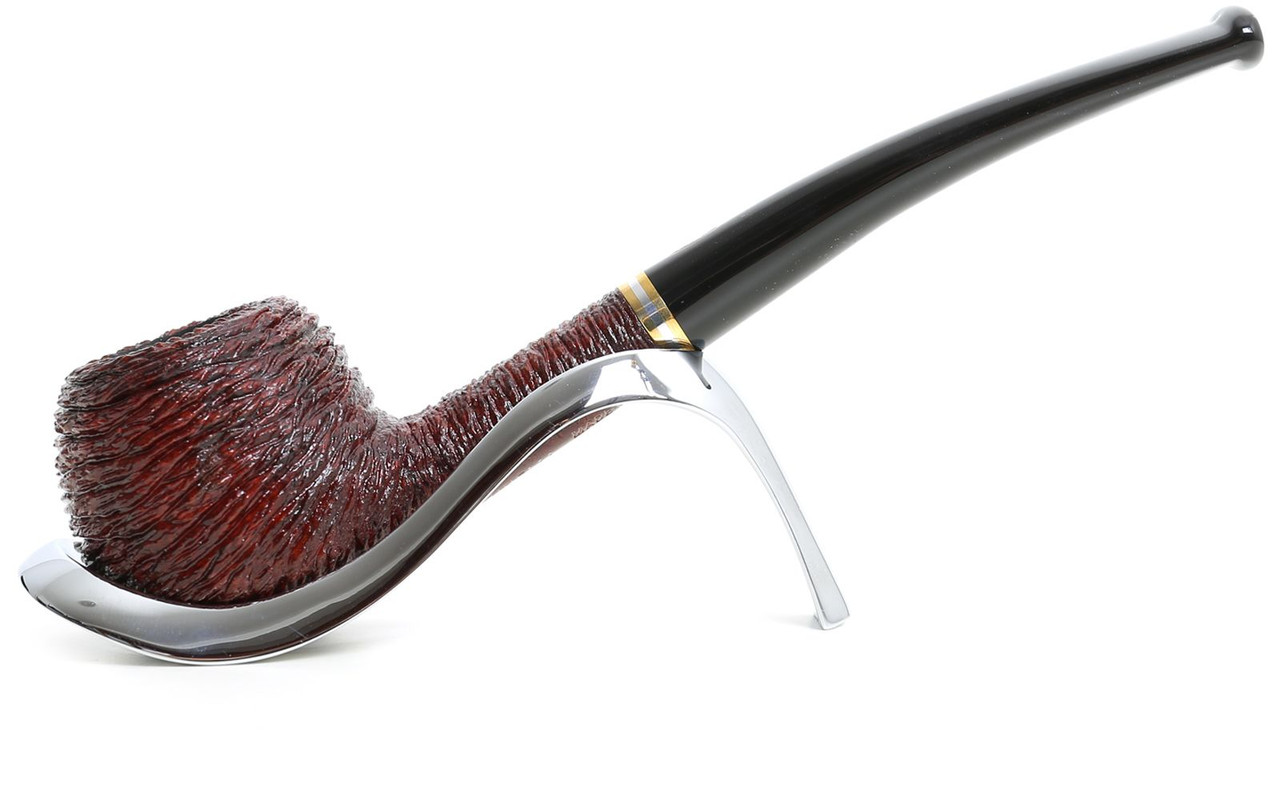
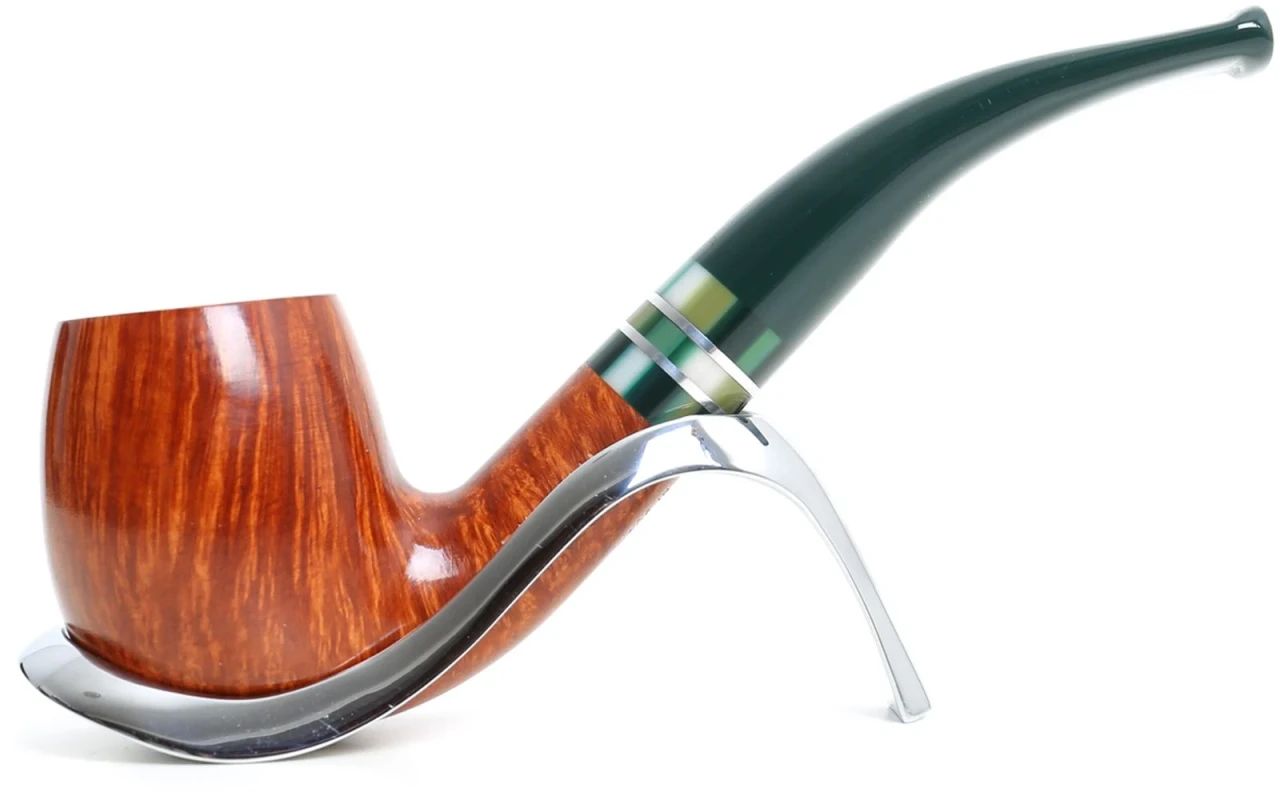
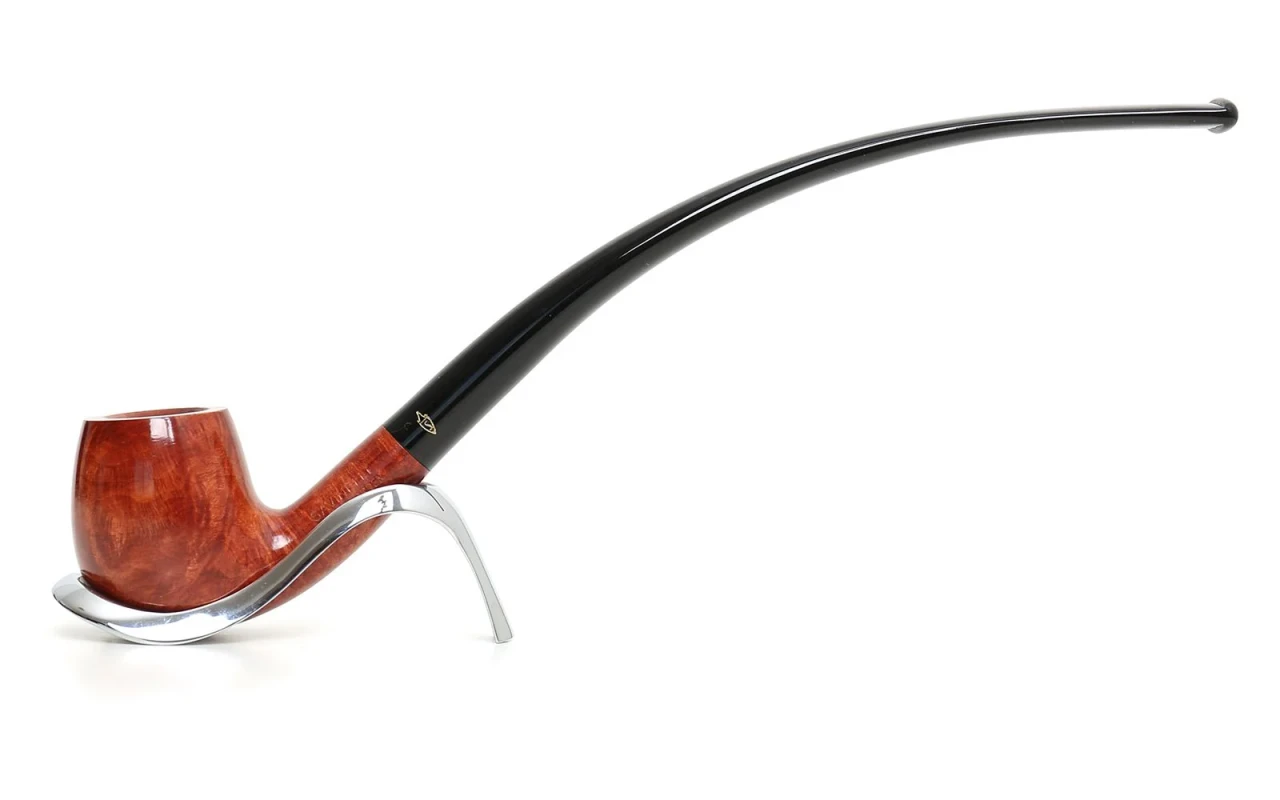
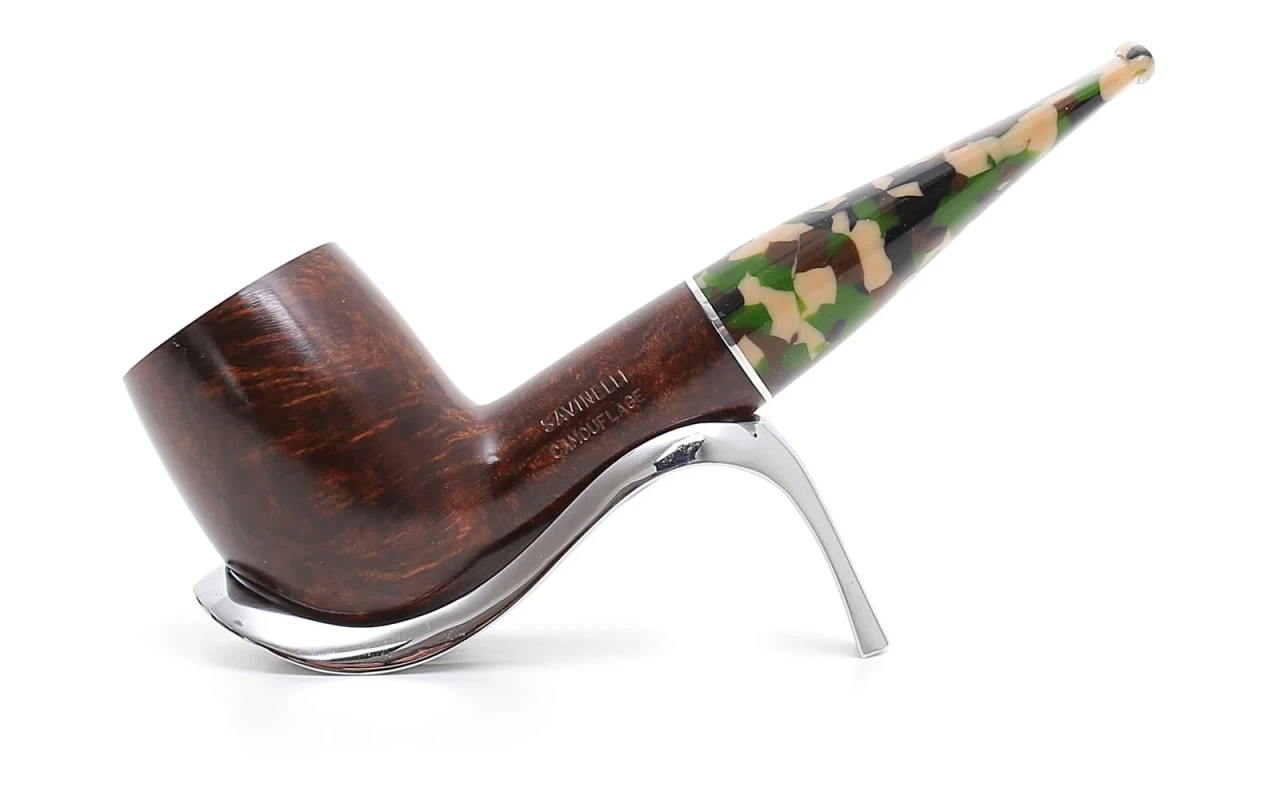
The production of briar pipes has undergone significant evolution over time. Originally handcrafted by skilled artisans, briar pipes are now also produced in series, still maintaining high quality standards. Modern techniques have made it possible to use specialized machinery that allows for greater precision in processing the briar, ensuring a better aesthetic and functional result of the final product. Furthermore, the introduction of new materials and finishes has further enriched the market offer, providing enthusiasts with a wide range of options to choose from.
History of briar pipes
Briar pipes have a long history dating back hundreds of years. Briar, or bruyère, is the most common material used for pipe manufacturing due to its excellent balance between lightness and heat resistance. The first briar pipes date back to the 1800s and have since become a symbol of elegance and sophistication for pipe smoking enthusiasts. Working with briar is an art that requires skill and precision to create high-quality pipes. Today, briar pipes are still highly appreciated for their aesthetics and functional qualities in the world of pipe smoking.
Materials for smoking pipes
There are different materials used for the production of smoking pipes, each with specific characteristics. The main materials are:- Briar wood: high-quality wood, heat-resistant, and moisture-absorbent.- Corn cob: inexpensive and lightweight, often used for affordable smoking pipes.- Clay: a traditional material, offering excellent heat dissipation.- Meerschaum: porous and lightweight stone that absorbs nicotine and colors over time.- Morta pipe: heat-resistant and durable material.- Metals: such as silver, used for decorative parts or internal linings.The choice of material influences the characteristics and performance of the smoking pipe.
Pipe manufacturing techniques
Pipe manufacturing is a craftsmanship process that requires precision and skill. The techniques used include:- Carving: the shape of the pipe is carved from a block of briar or mortar, using specific tools.- Sanding: the surface of the pipe is sanded with sandpaper to make it smooth and uniform.- Polishing: through the use of specific waxes or oils, the pipe is polished to achieve a shiny finish.- Drilling: the pipe chamber is drilled to ensure proper airflow and smoke passage.- Finishing: details such as rings, emblems, or metal inserts are applied to enhance the design.These techniques are essential for creating high-quality pipes with a unique design.
'%3e%3cg id='Final-Copy-2_2_' transform='translate(1275.000000, 200.000000)'%3e%3cpath class='st0' d='M7.4,12.8h6.8l3.1-11.6H7.4C4.2,1.2,1.6,3.8,1.6,7S4.2,12.8,7.4,12.8z'/%3e%3c/g%3e%3c/g%3e%3c/g%3e%3cg id='final---dec.11-2020'%3e%3cg id='_x30_208-our-toggle' transform='translate(-1275.000000, -200.000000)'%3e%3cg id='Final-Copy-2' transform='translate(1275.000000, 200.000000)'%3e%3cpath class='st1' d='M22.6,0H7.4c-3.9,0-7,3.1-7,7s3.1,7,7,7h15.2c3.9,0,7-3.1,7-7S26.4,0,22.6,0z M1.6,7c0-3.2,2.6-5.8,5.8-5.8 h9.9l-3.1,11.6H7.4C4.2,12.8,1.6,10.2,1.6,7z'/%3e%3cpath id='x' class='st2' d='M24.6,4c0.2,0.2,0.2,0.6,0,0.8l0,0L22.5,7l2.2,2.2c0.2,0.2,0.2,0.6,0,0.8c-0.2,0.2-0.6,0.2-0.8,0 l0,0l-2.2-2.2L19.5,10c-0.2,0.2-0.6,0.2-0.8,0c-0.2-0.2-0.2-0.6,0-0.8l0,0L20.8,7l-2.2-2.2c-0.2-0.2-0.2-0.6,0-0.8 c0.2-0.2,0.6-0.2,0.8,0l0,0l2.2,2.2L23.8,4C24,3.8,24.4,3.8,24.6,4z'/%3e%3cpath id='y' class='st3' d='M12.7,4.1c0.2,0.2,0.3,0.6,0.1,0.8l0,0L8.6,9.8C8.5,9.9,8.4,10,8.3,10c-0.2,0.1-0.5,0.1-0.7-0.1l0,0 L5.4,7.7c-0.2-0.2-0.2-0.6,0-0.8c0.2-0.2,0.6-0.2,0.8,0l0,0L8,8.6l3.8-4.5C12,3.9,12.4,3.9,12.7,4.1z'/%3e%3c/g%3e%3c/g%3e%3c/g%3e%3c/g%3e%3c/svg%3e) Your Privacy Choices
Your Privacy Choices 


