 ES
ES FR
FR EN
EN IT
IT DE
DE
Evolution of materials for smoking pipe production
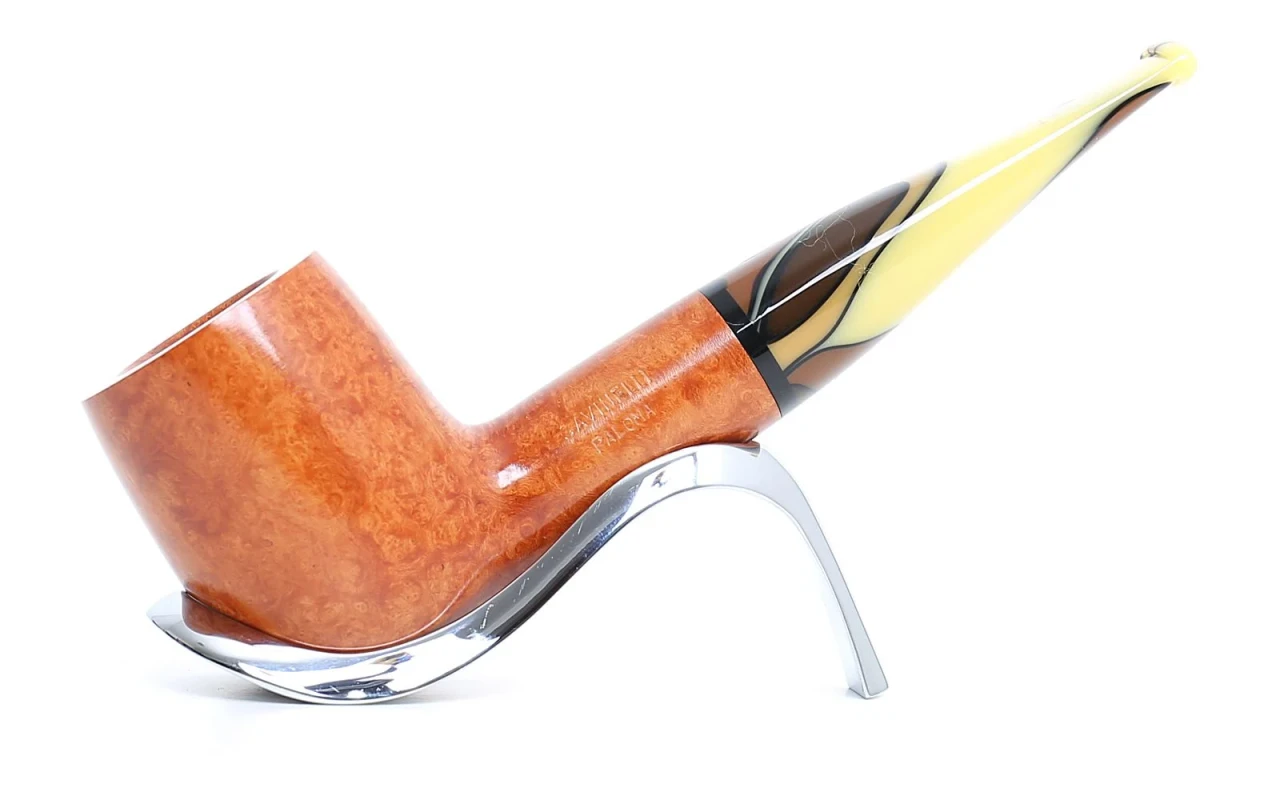
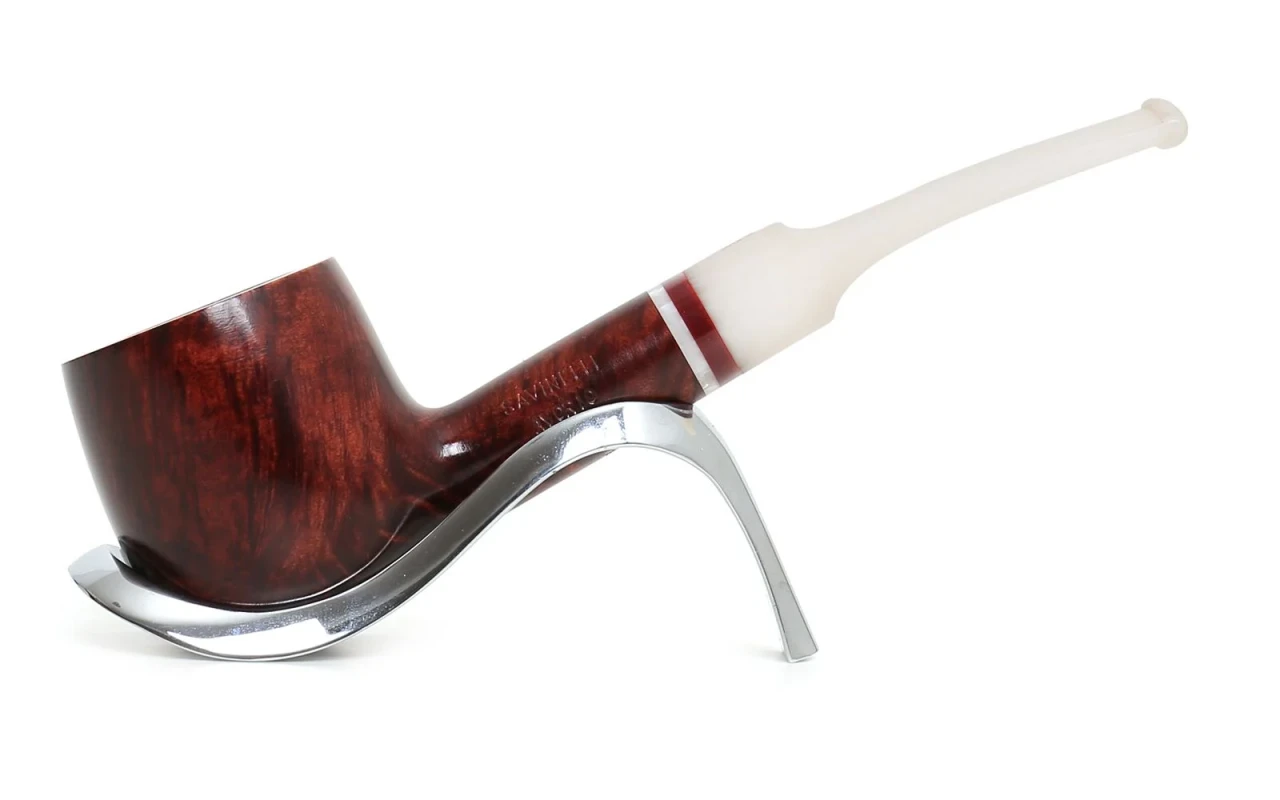
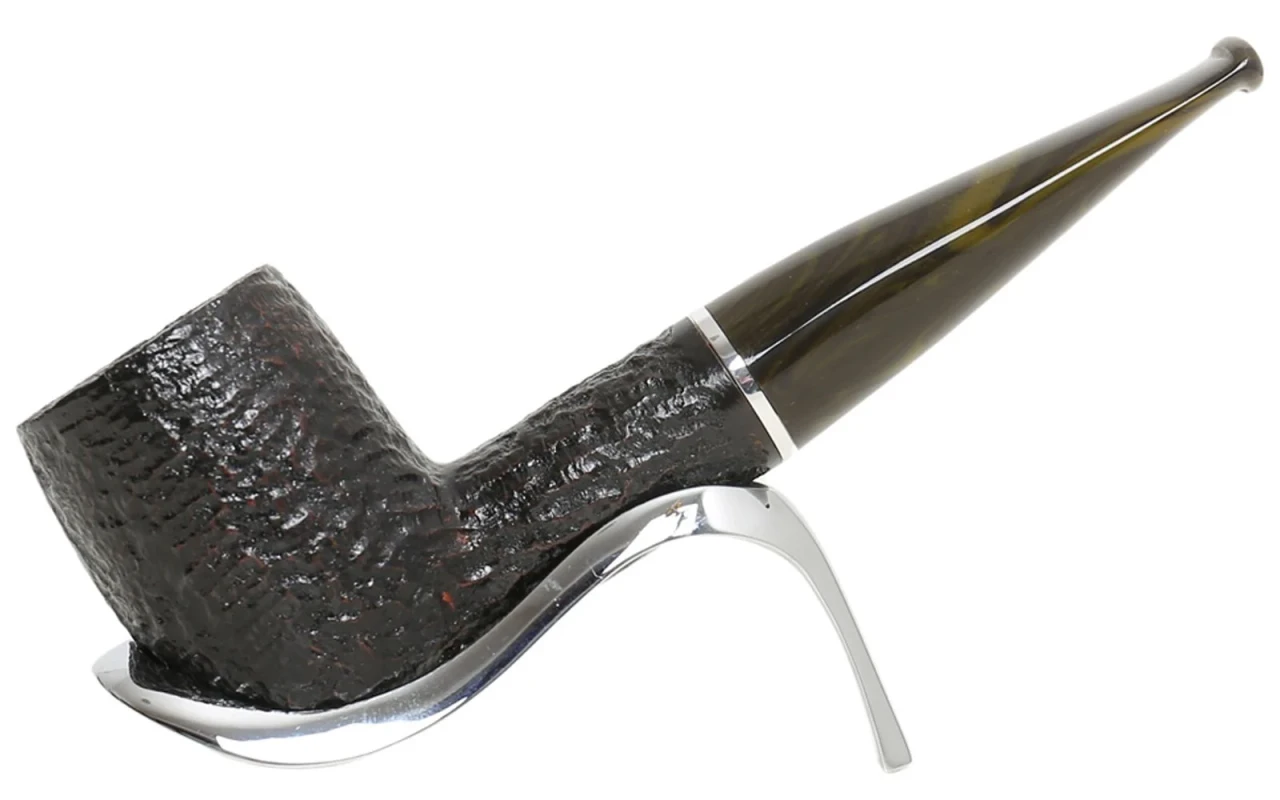
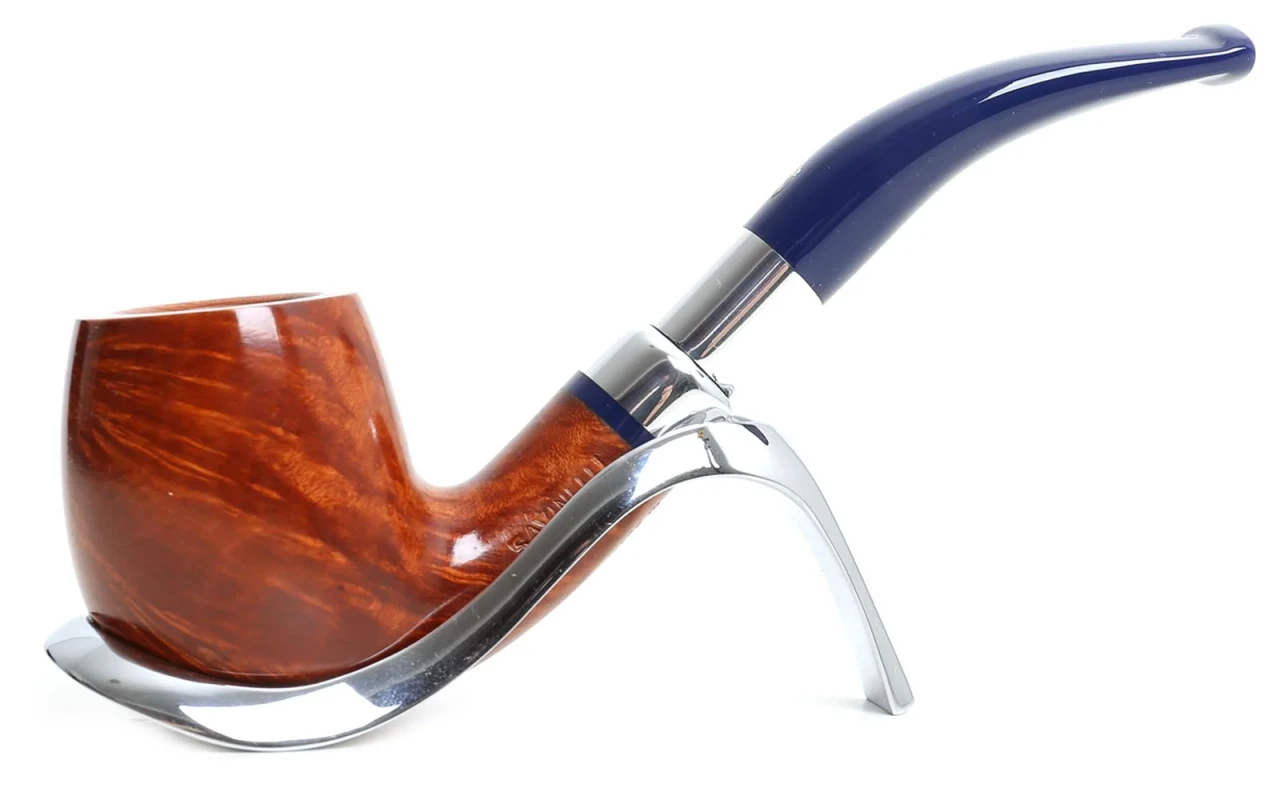
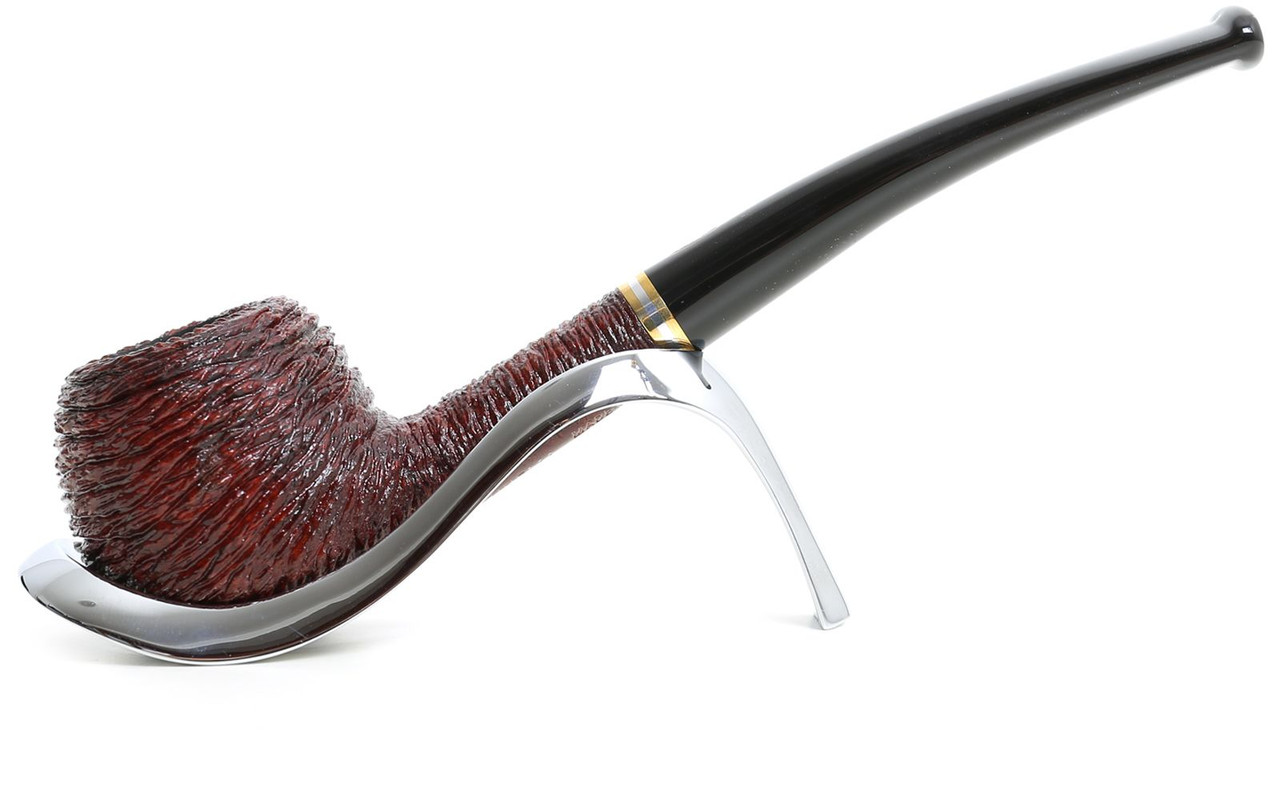
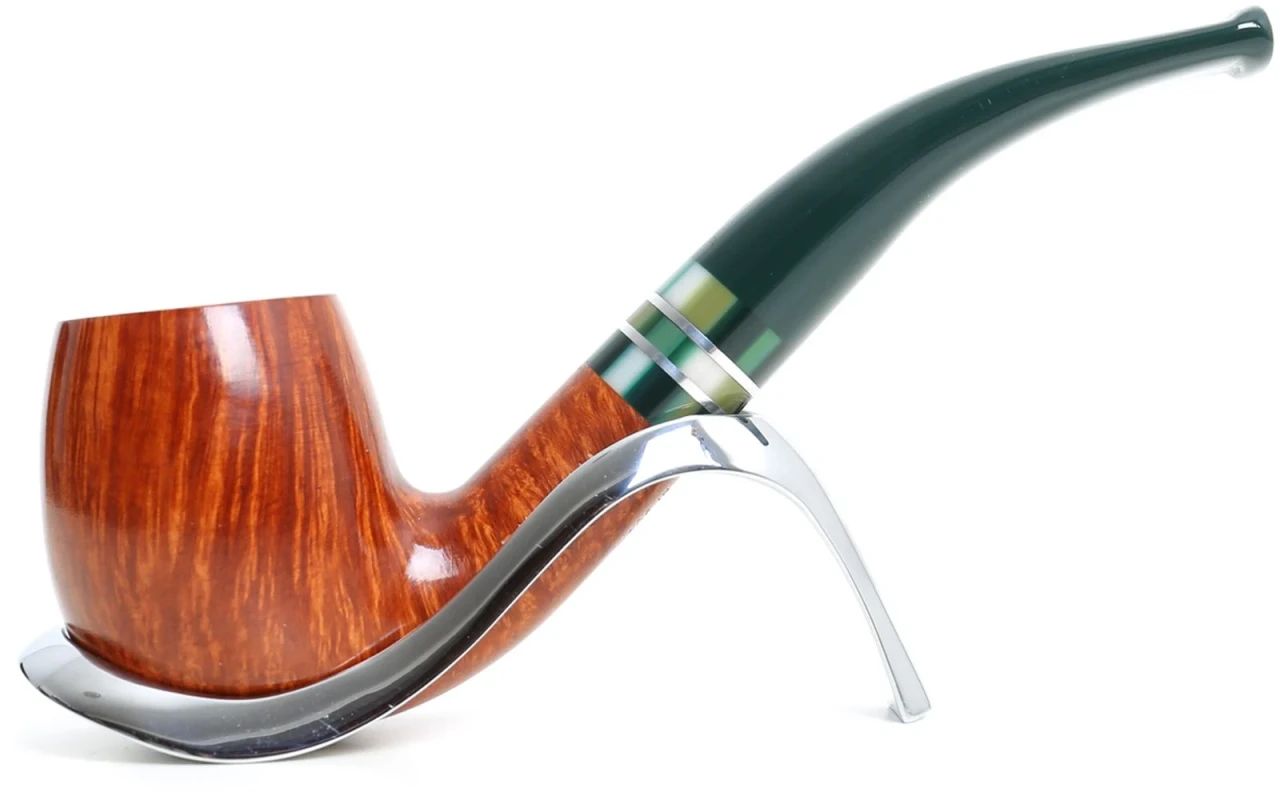
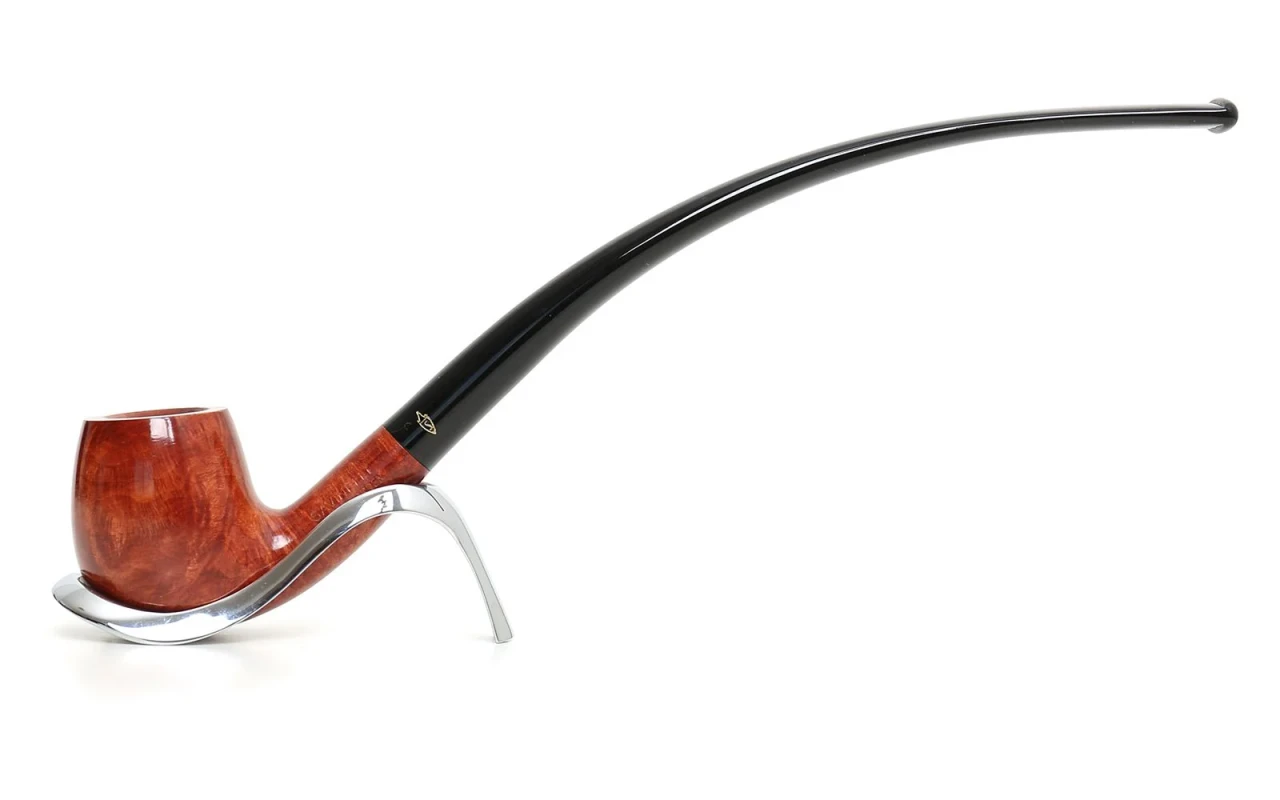
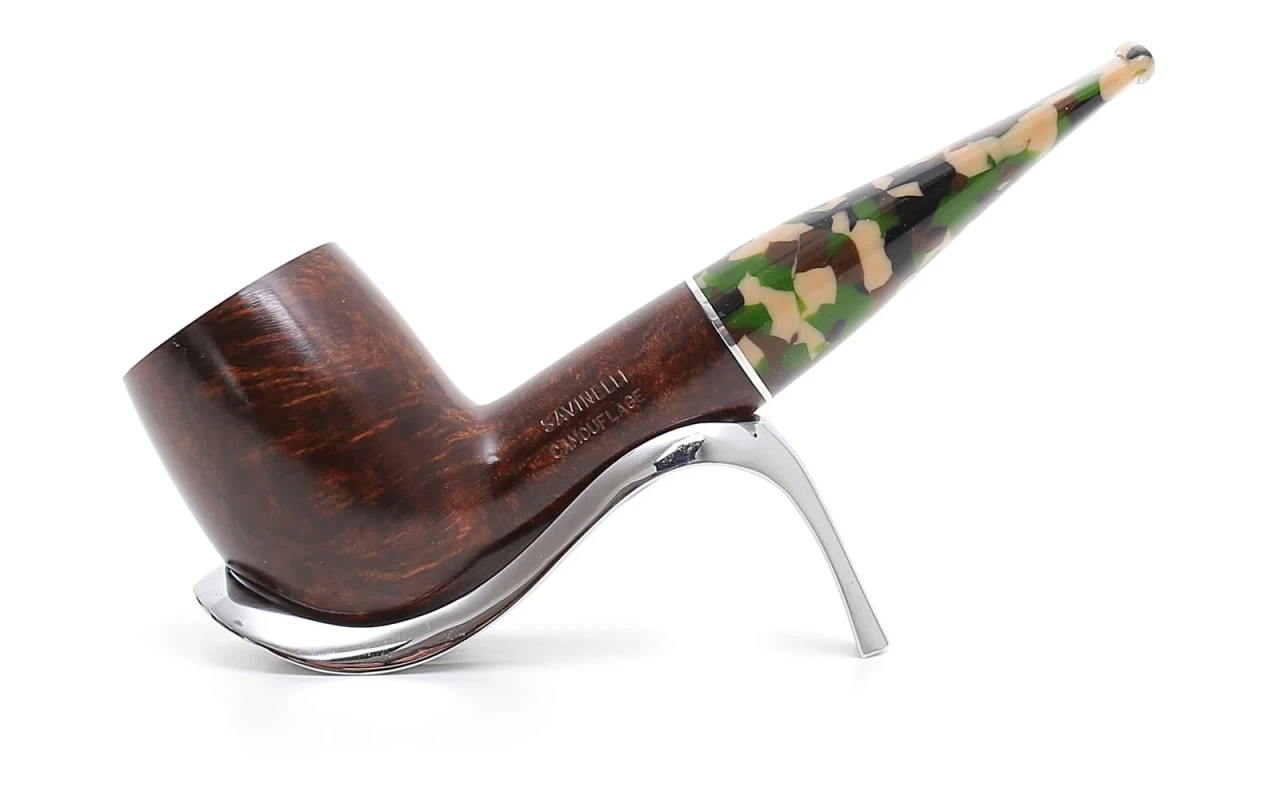
Evolution of materials for smoking pipe production
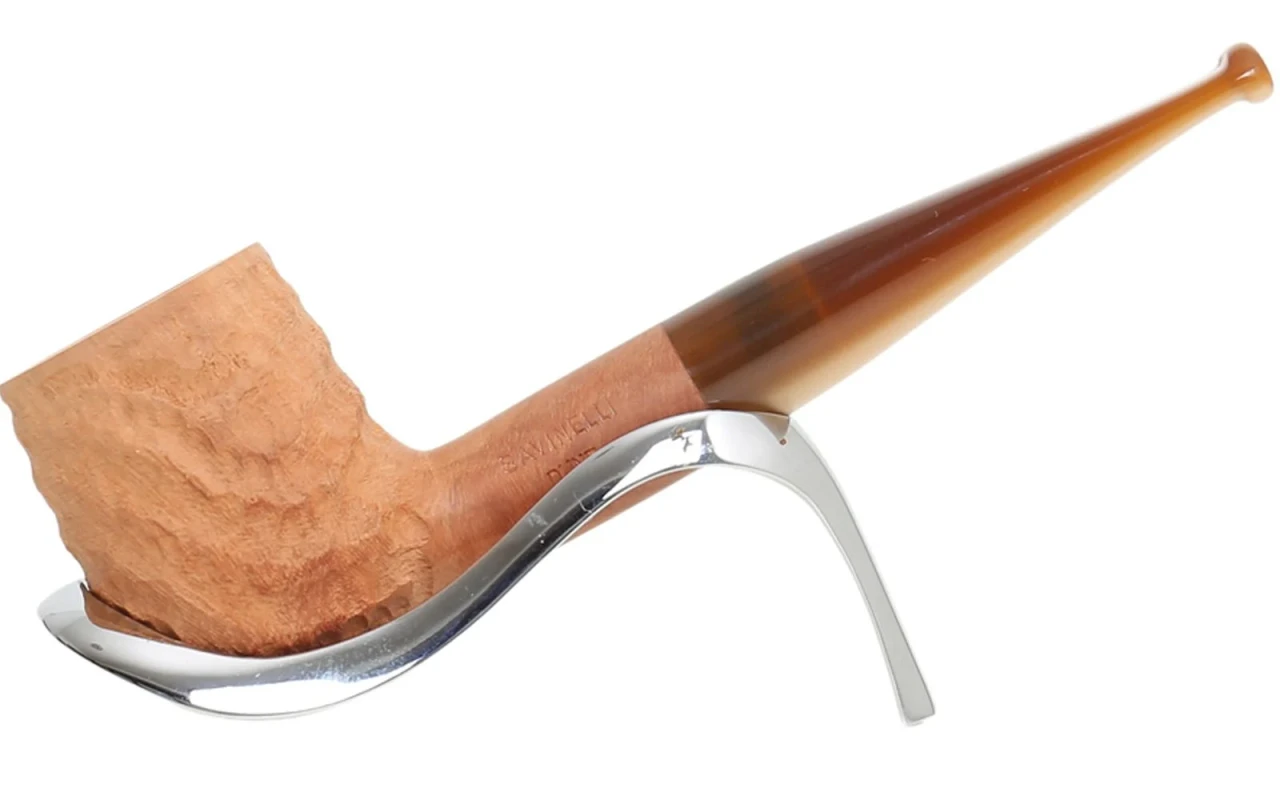
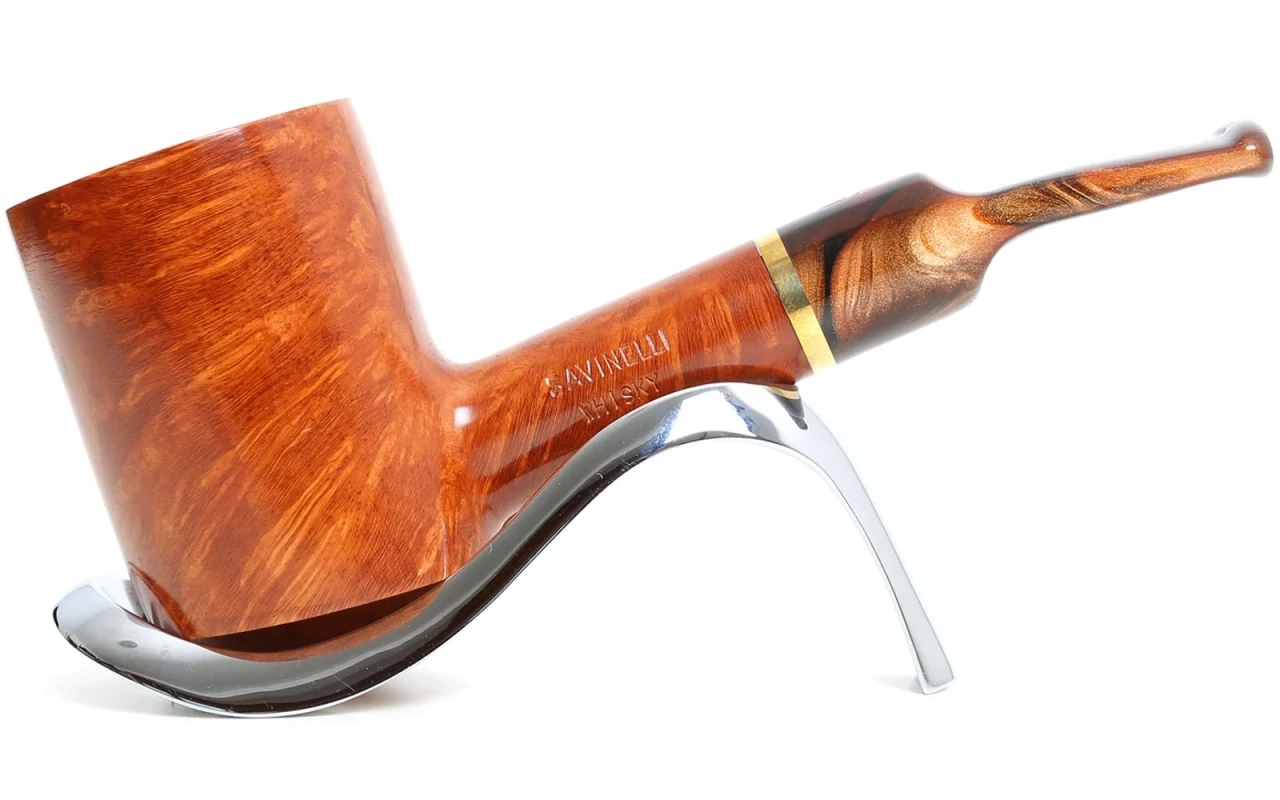
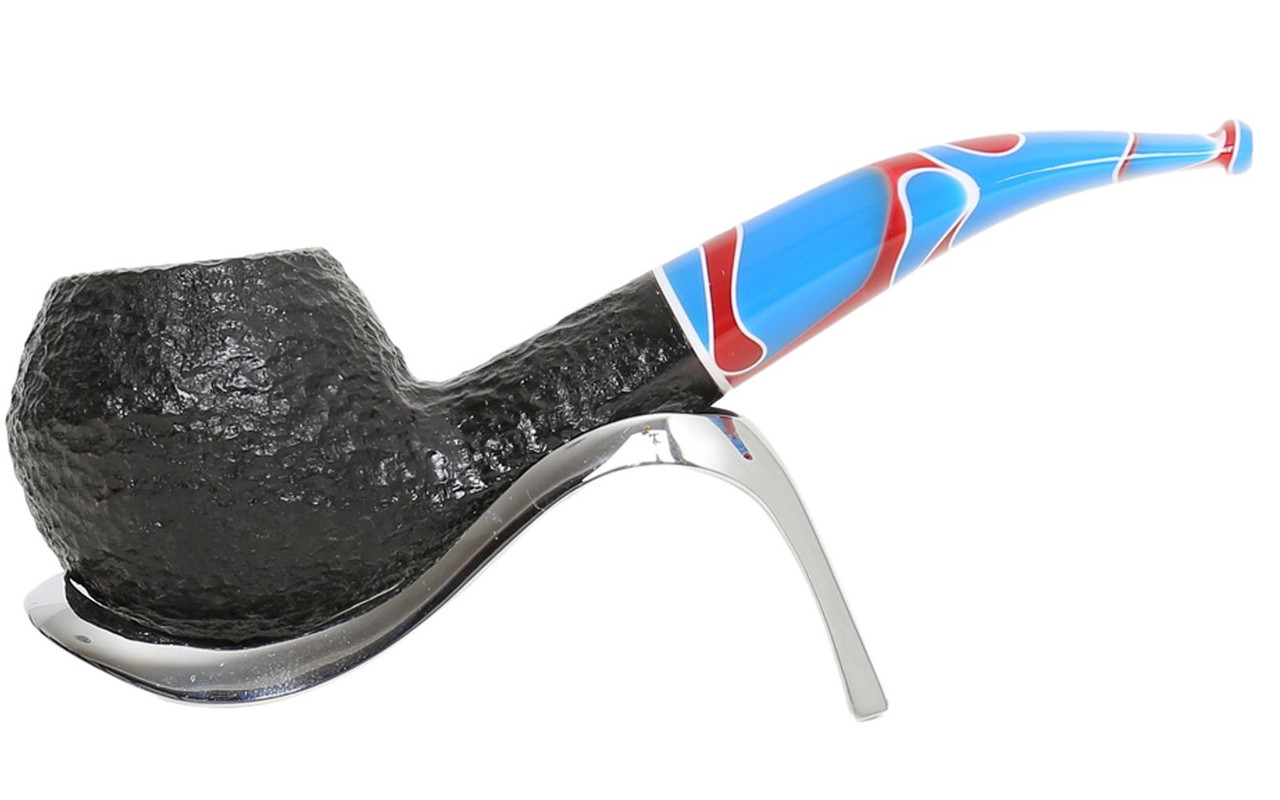
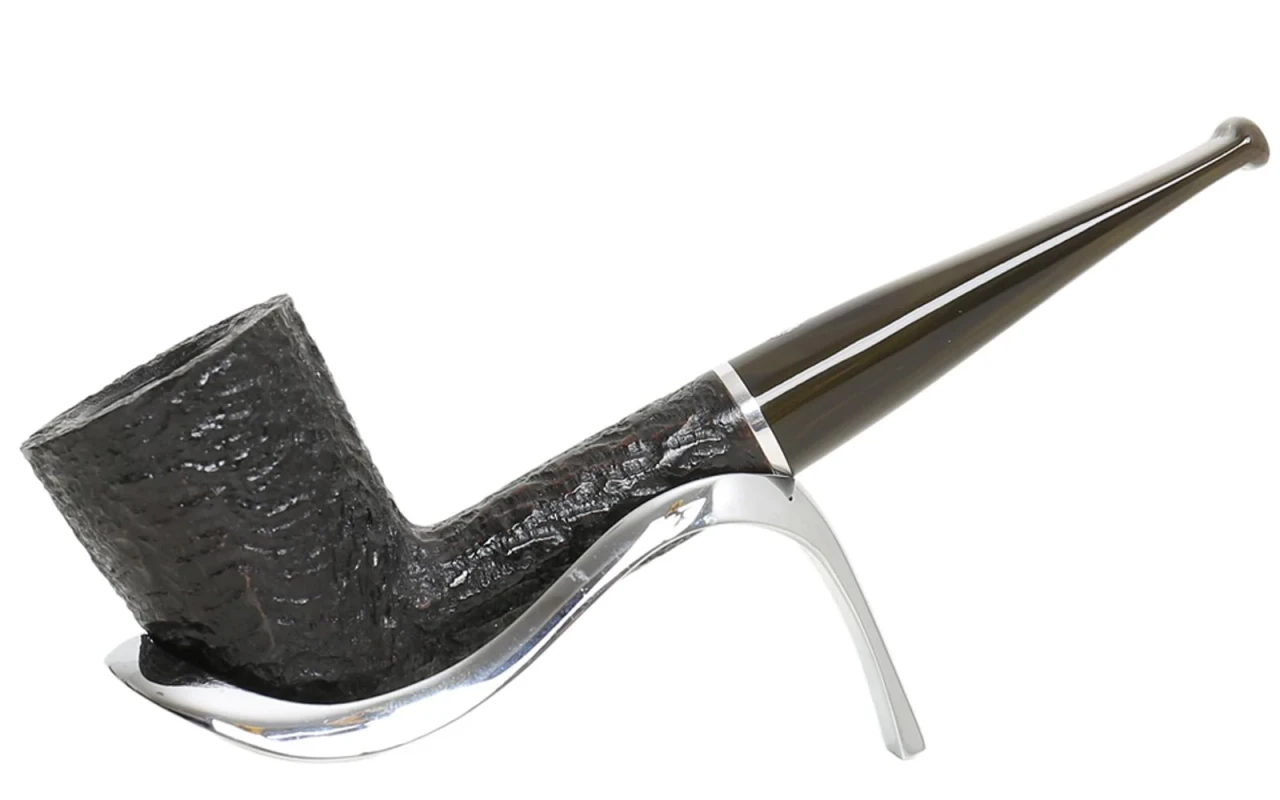
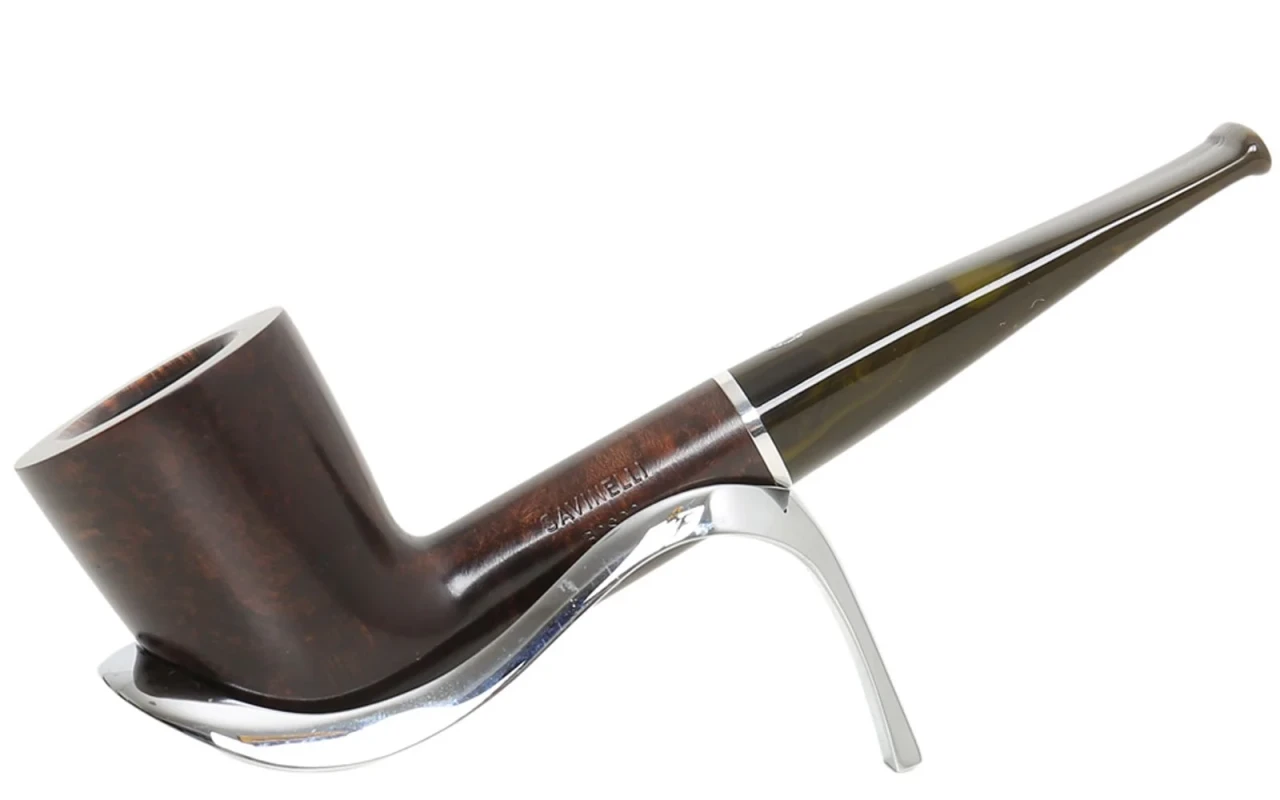
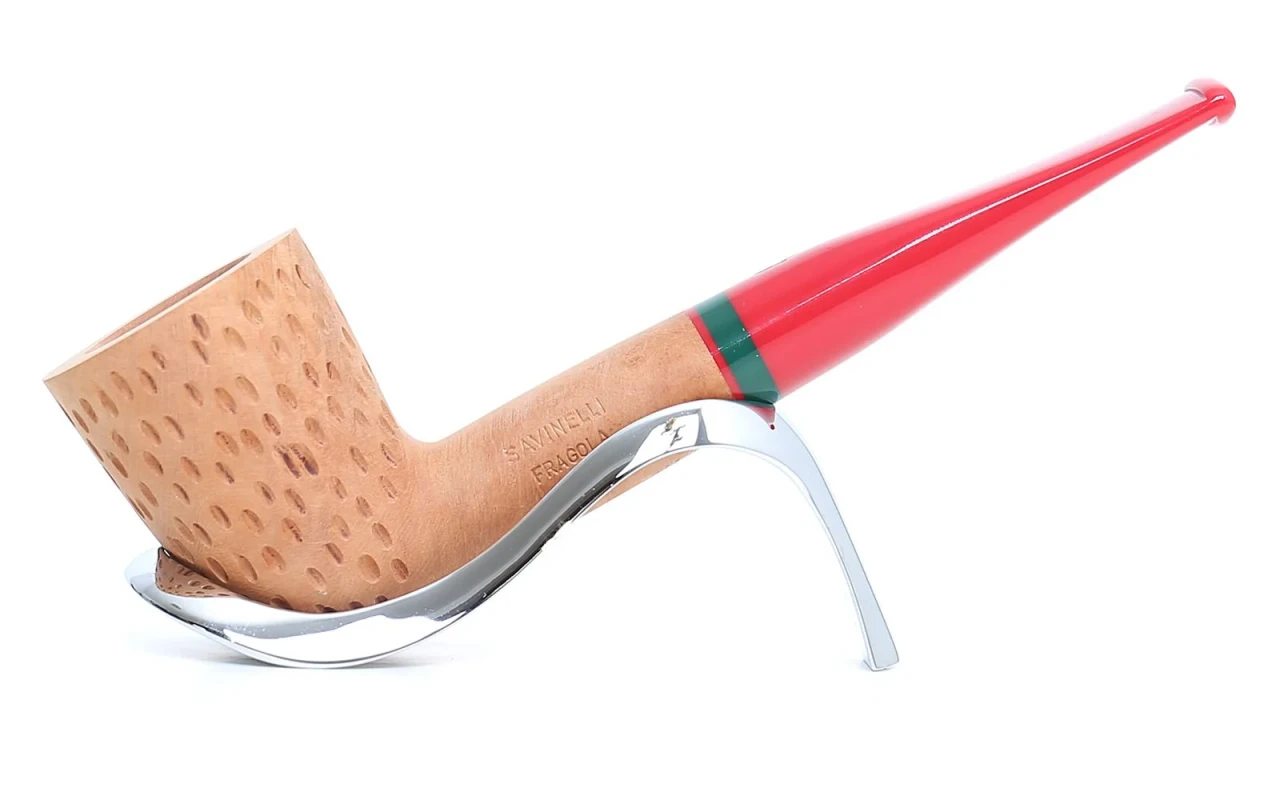
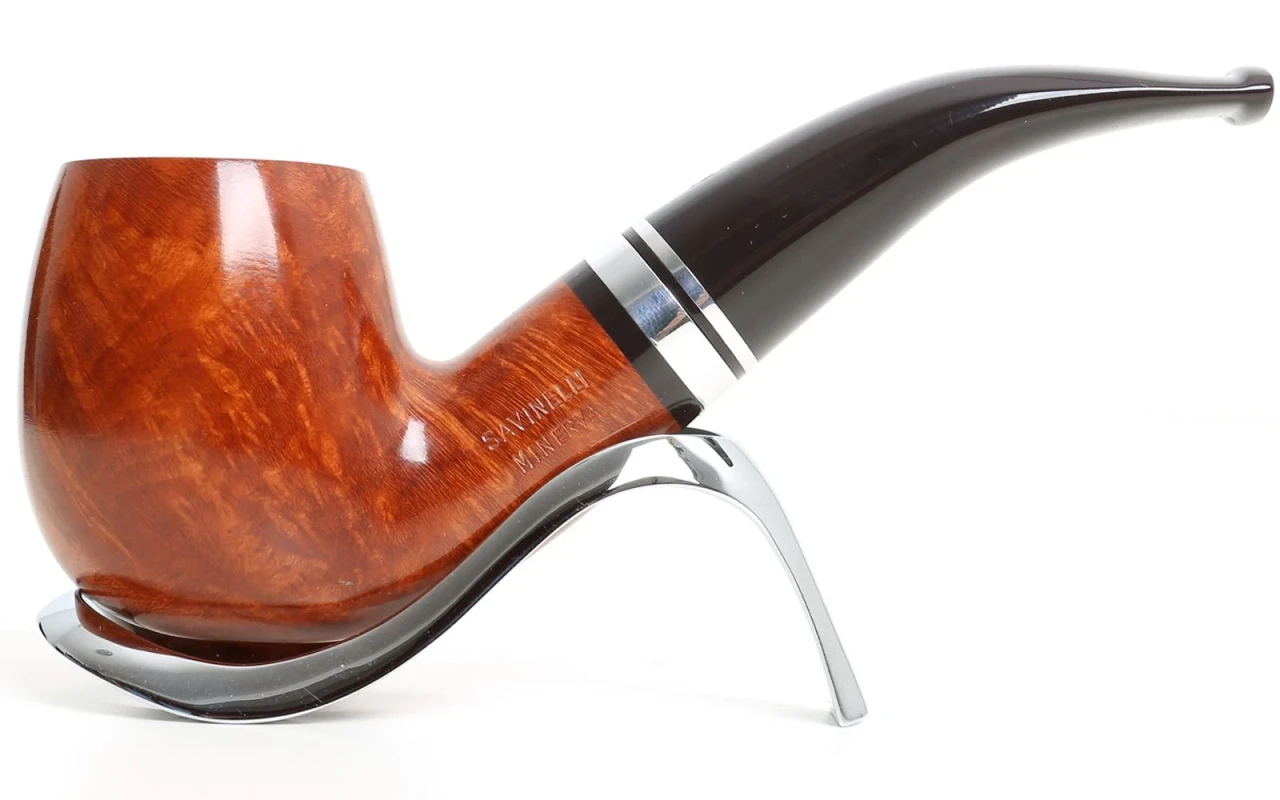
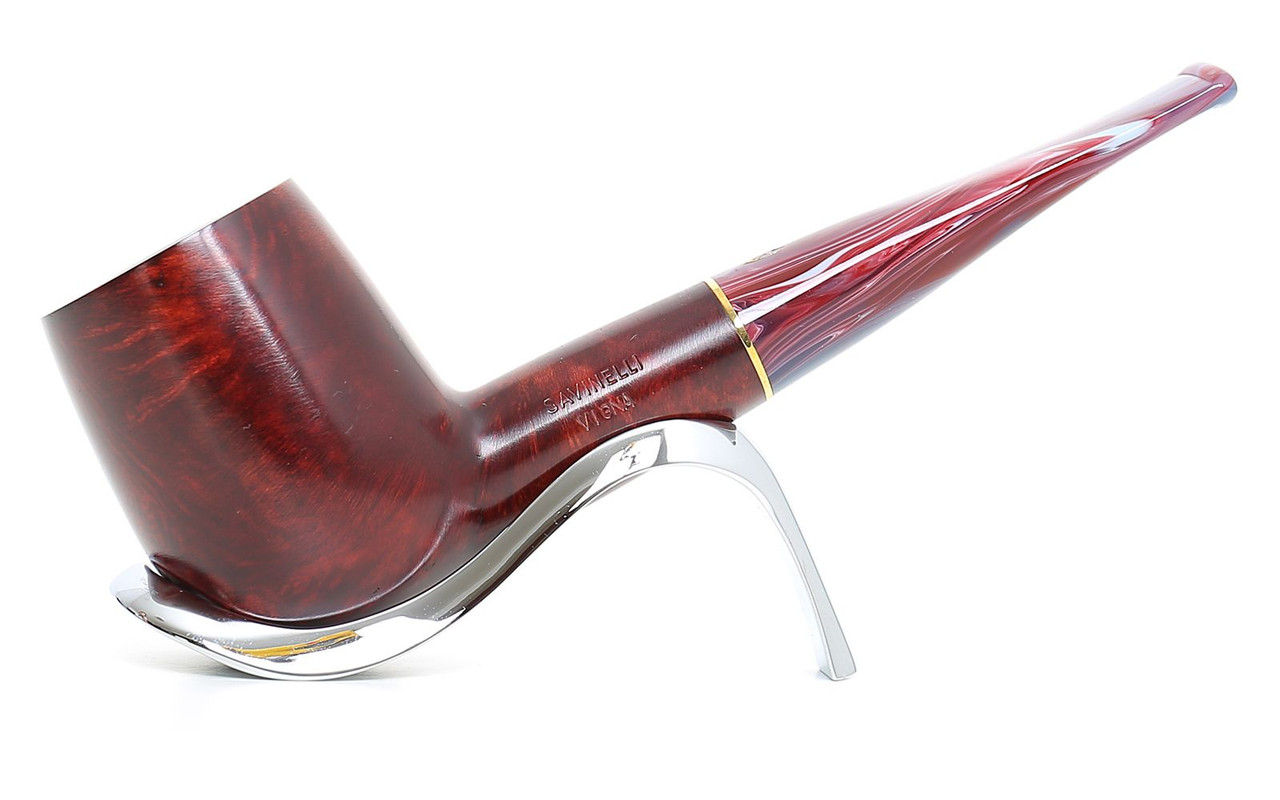
The materials used for the production of smoking pipes have undergone a significant evolution over time. The first pipes were made of natural materials such as stone, clay, and wood. Over the years, more modern and resistant materials have been introduced, such as corn cob, ebony, briar, and meerschaum. These materials offer greater durability over time and enhance the aromatic experience during smoking. Additionally, advanced processing techniques have been developed to create lighter, ergonomic pipes with innovative designs, meeting the needs and preferences of discerning smokers.
Traditional Materials for Smoking Pipes
Traditional smoking pipes are made with carefully selected materials to ensure a good smoking experience. The most common materials include:- Briar wood: lightweight and durable, it is widely appreciated for its ability to absorb moisture from the smoke.- Meerschaum: a porous material that oxidizes over time, enhancing the flavor of the tobacco.- Clay: used for high-quality smoking pipes, it offers excellent absorption of tobacco oils and impurities.- Corn cob: light and inexpensive, it is often chosen for more casual smoking pipes.The choice of material influences the characteristics and taste of the smoke.
Innovations in the production of smoking pipes
Innovations in the production of smoking pipes are revolutionizing the industry, offering smokers increasingly personalized and high-quality experiences. Modern manufacturing techniques allow the creation of lightweight yet sturdy pipes, made with materials such as briar wood, corn cob, and stems in acrylic or ebonite. Computer-aided design enables creative and ergonomic designs, while artisanal craftsmanship ensures impeccable finishes. Some pipes are equipped with integrated smoke cooling systems, for a cooler and more enjoyable smoke. Furthermore, the constant search for sustainable materials and attention to detail are redefining quality standards in the world of smoking pipes.
Ecological Materials for Smoking Pipes
Smoking pipes made with ecological materials are becoming increasingly popular among enthusiasts. Some commonly used sustainable materials include:- Corn cob: lightweight and durable, it offers a neutral aromatic yield.- Olive wood: durable with unique veins, perfect for elegant pipes.- Bamboo: lightweight and biodegradable, ideal for pipes with a natural design.- Clay: a traditional material that provides a pure and clean aromatic yield.- Meerschaum: a porous stone that absorbs moisture, ensuring a cool smoke.Choosing pipes made with ecological materials not only reduces environmental impact but can also enhance the smoking experience.
'%3e%3cg id='Final-Copy-2_2_' transform='translate(1275.000000, 200.000000)'%3e%3cpath class='st0' d='M7.4,12.8h6.8l3.1-11.6H7.4C4.2,1.2,1.6,3.8,1.6,7S4.2,12.8,7.4,12.8z'/%3e%3c/g%3e%3c/g%3e%3c/g%3e%3cg id='final---dec.11-2020'%3e%3cg id='_x30_208-our-toggle' transform='translate(-1275.000000, -200.000000)'%3e%3cg id='Final-Copy-2' transform='translate(1275.000000, 200.000000)'%3e%3cpath class='st1' d='M22.6,0H7.4c-3.9,0-7,3.1-7,7s3.1,7,7,7h15.2c3.9,0,7-3.1,7-7S26.4,0,22.6,0z M1.6,7c0-3.2,2.6-5.8,5.8-5.8 h9.9l-3.1,11.6H7.4C4.2,12.8,1.6,10.2,1.6,7z'/%3e%3cpath id='x' class='st2' d='M24.6,4c0.2,0.2,0.2,0.6,0,0.8l0,0L22.5,7l2.2,2.2c0.2,0.2,0.2,0.6,0,0.8c-0.2,0.2-0.6,0.2-0.8,0 l0,0l-2.2-2.2L19.5,10c-0.2,0.2-0.6,0.2-0.8,0c-0.2-0.2-0.2-0.6,0-0.8l0,0L20.8,7l-2.2-2.2c-0.2-0.2-0.2-0.6,0-0.8 c0.2-0.2,0.6-0.2,0.8,0l0,0l2.2,2.2L23.8,4C24,3.8,24.4,3.8,24.6,4z'/%3e%3cpath id='y' class='st3' d='M12.7,4.1c0.2,0.2,0.3,0.6,0.1,0.8l0,0L8.6,9.8C8.5,9.9,8.4,10,8.3,10c-0.2,0.1-0.5,0.1-0.7-0.1l0,0 L5.4,7.7c-0.2-0.2-0.2-0.6,0-0.8c0.2-0.2,0.6-0.2,0.8,0l0,0L8,8.6l3.8-4.5C12,3.9,12.4,3.9,12.7,4.1z'/%3e%3c/g%3e%3c/g%3e%3c/g%3e%3c/g%3e%3c/svg%3e) Your Privacy Choices
Your Privacy Choices 


