 ES
ES FR
FR EN
EN IT
IT DE
DE
Evolution of ‘freehand’ pipe design over time
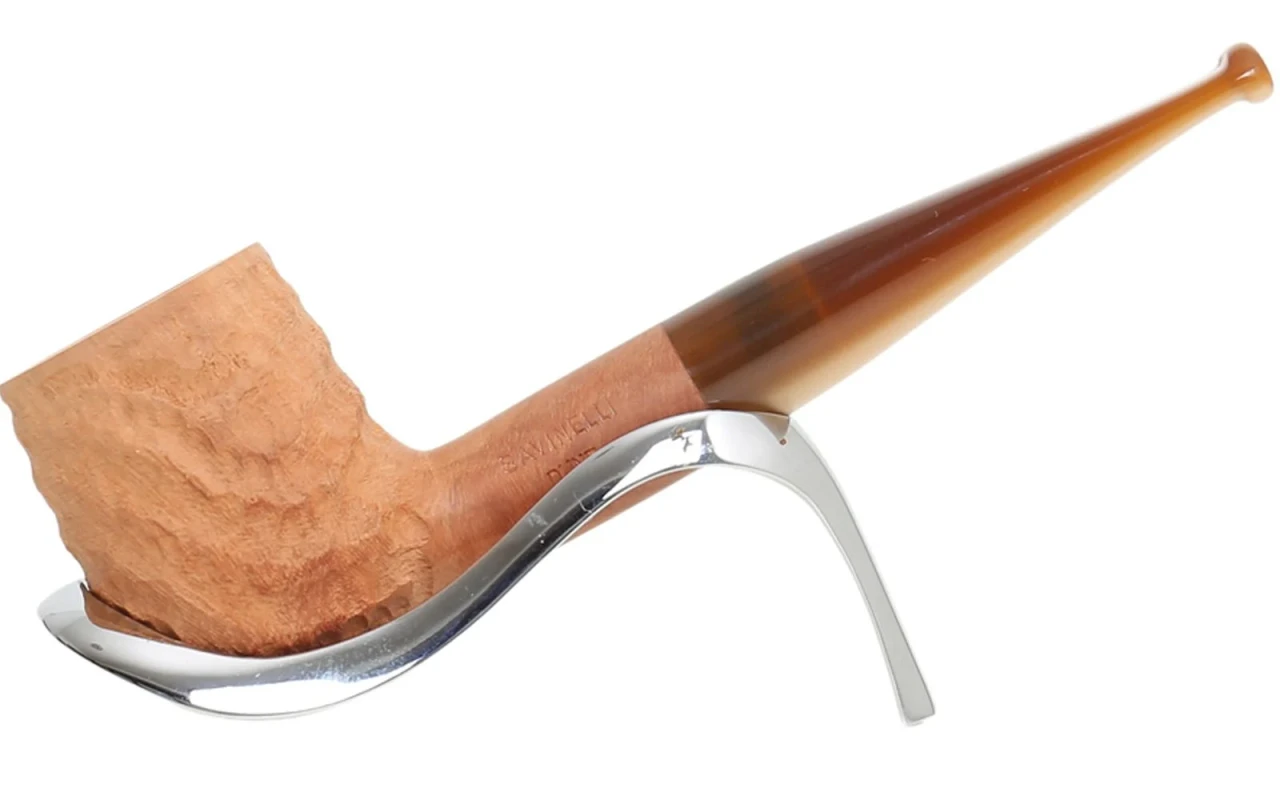
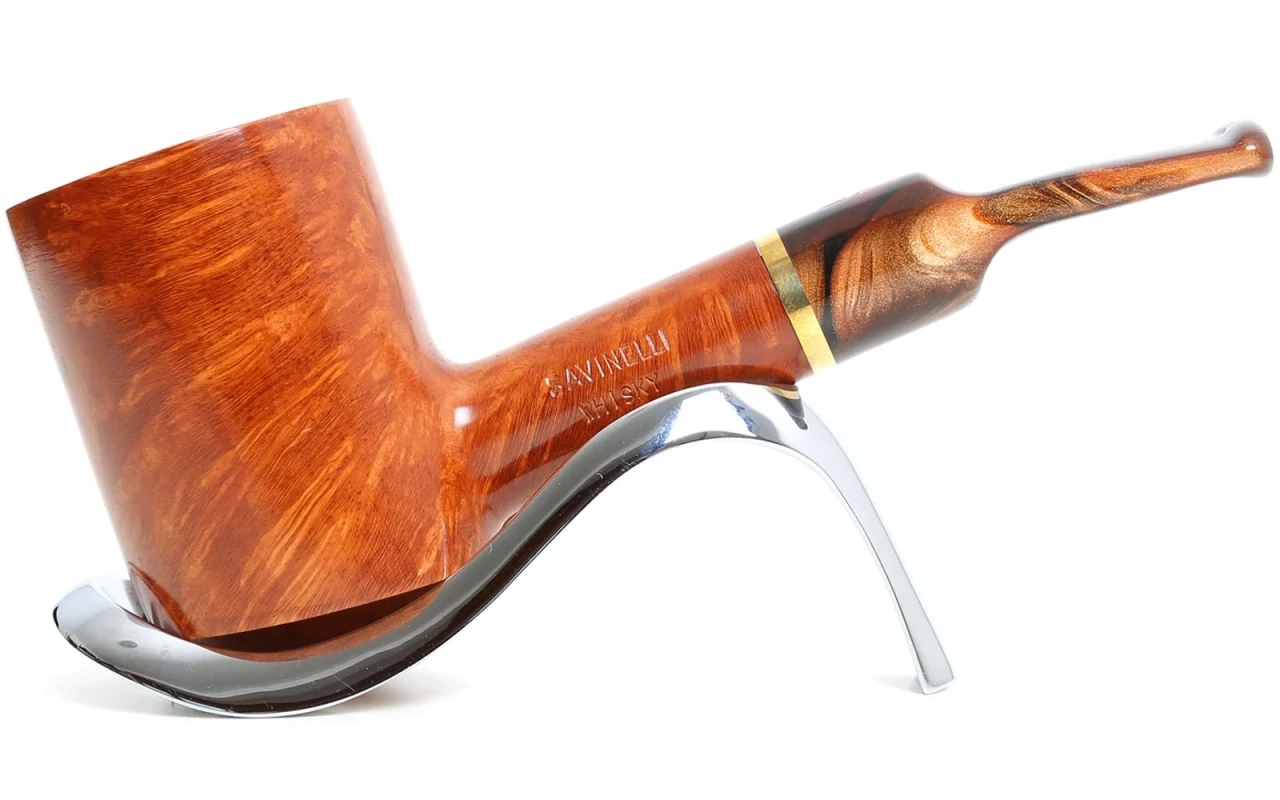
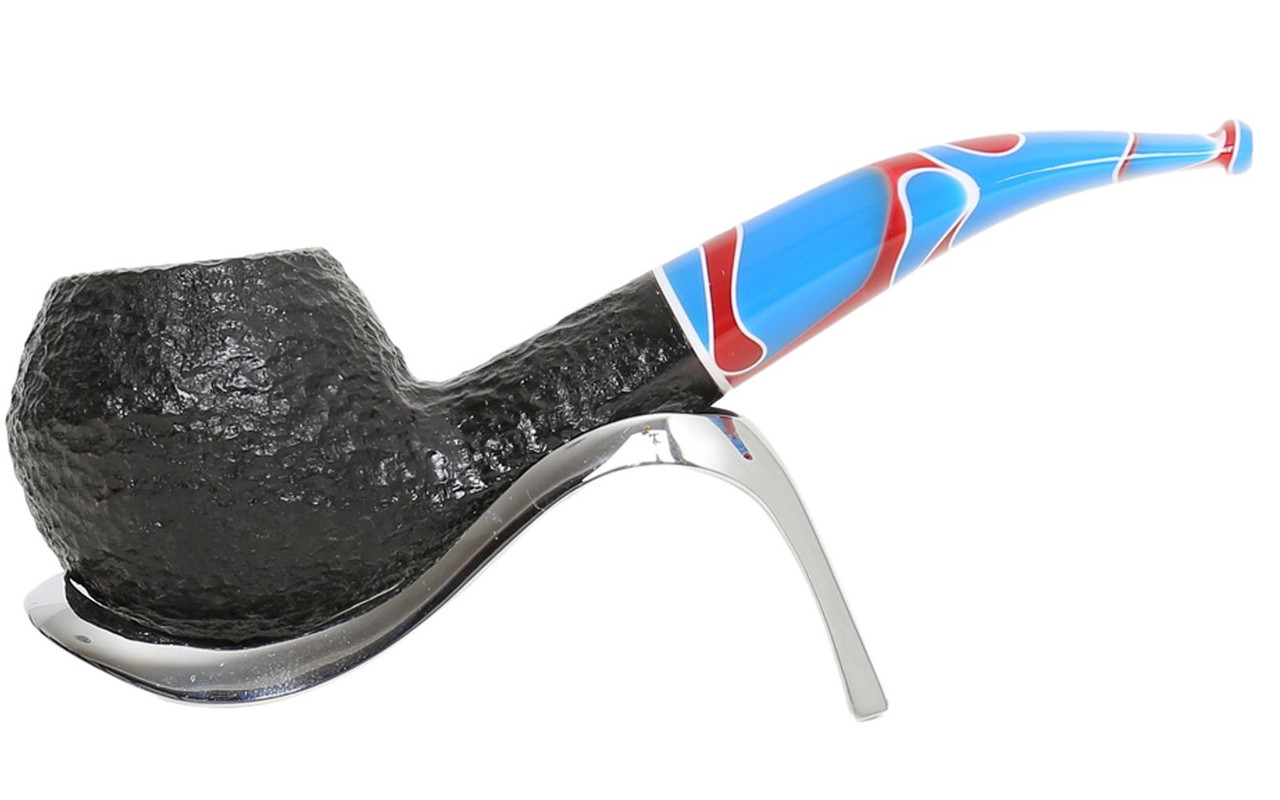
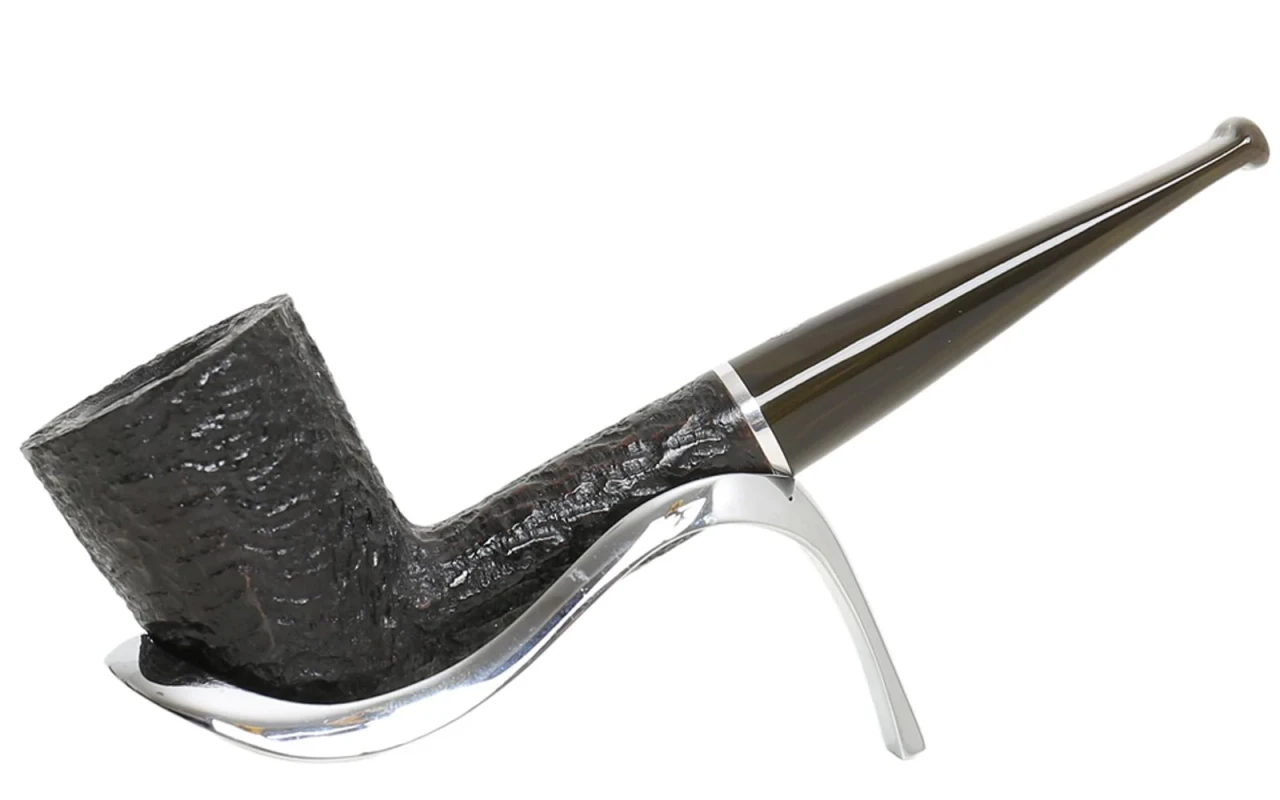
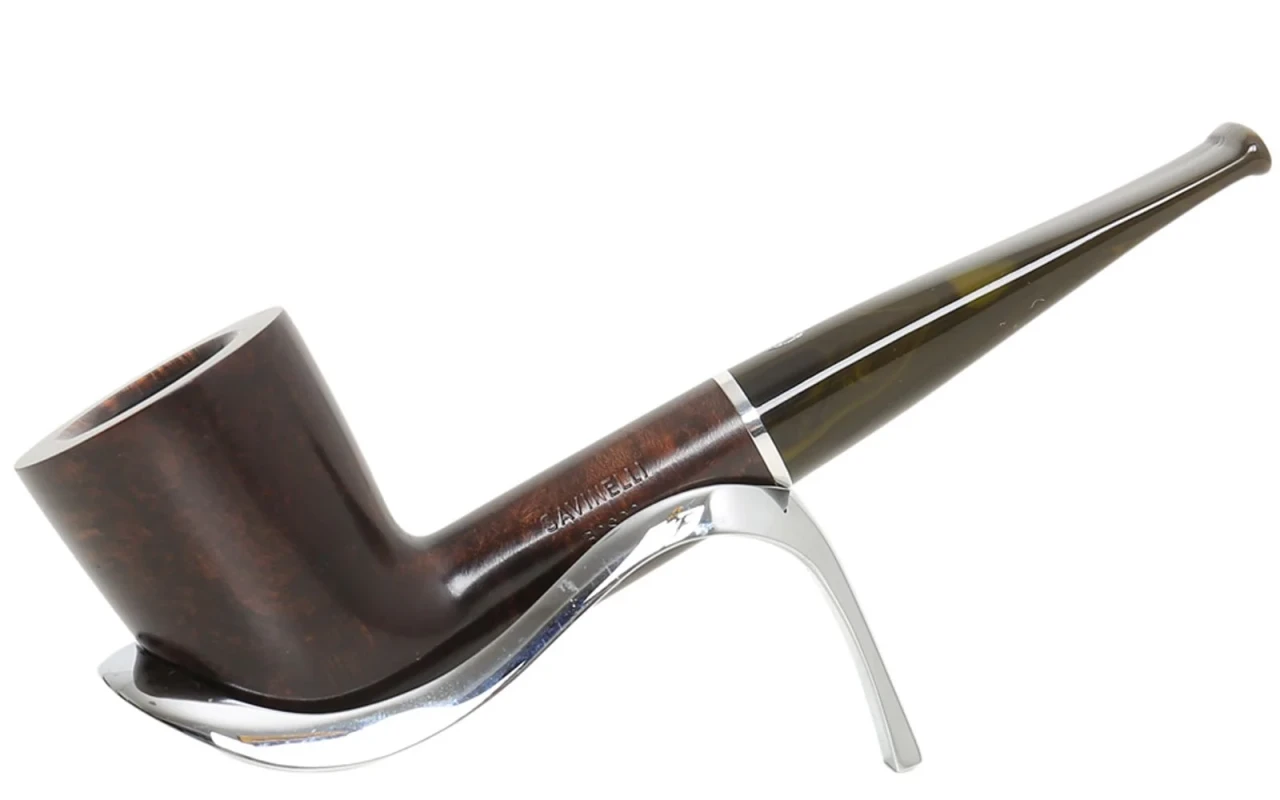
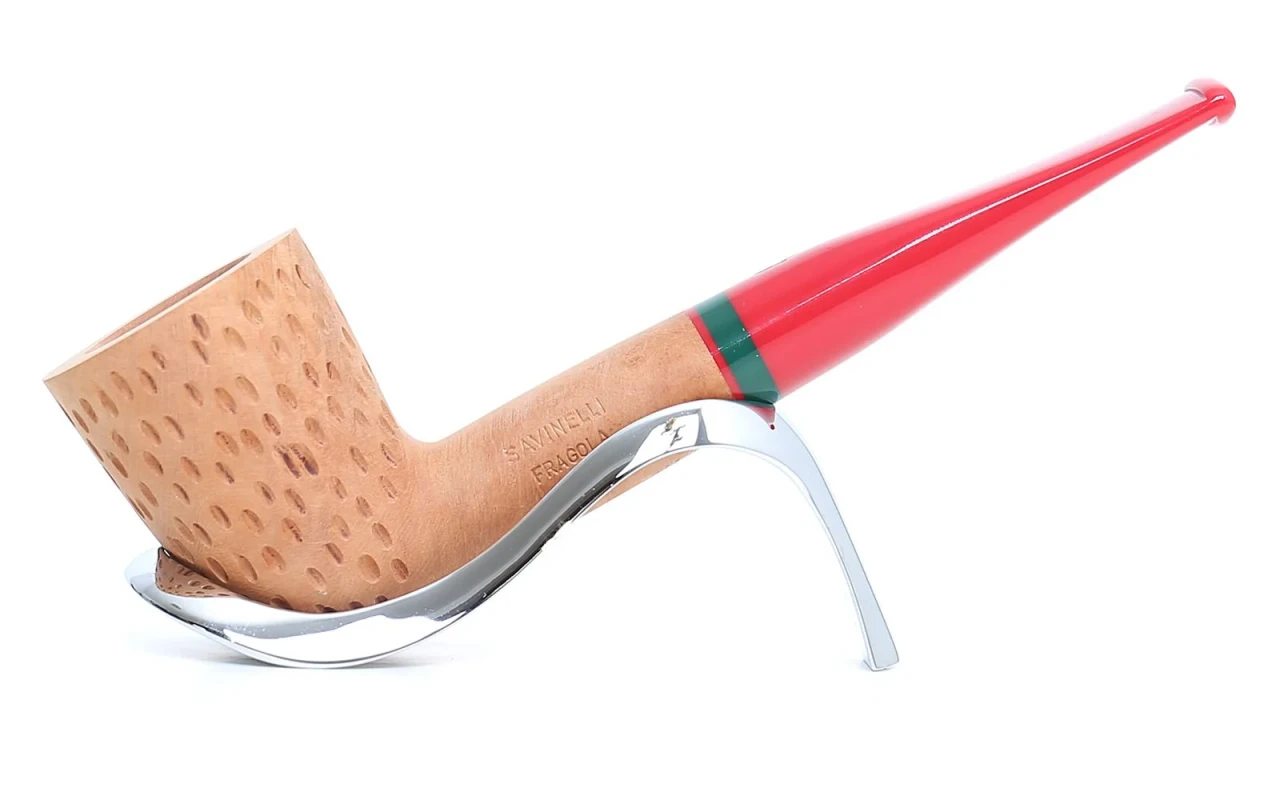
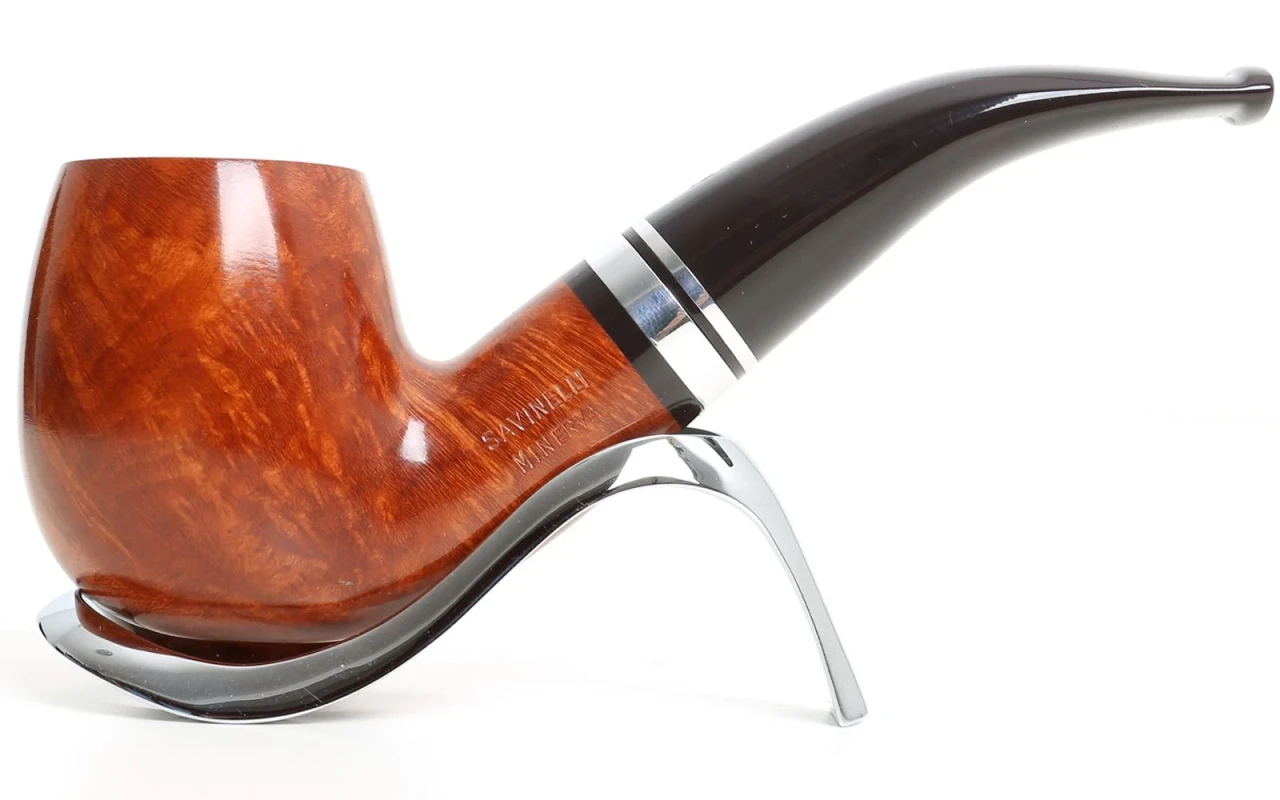
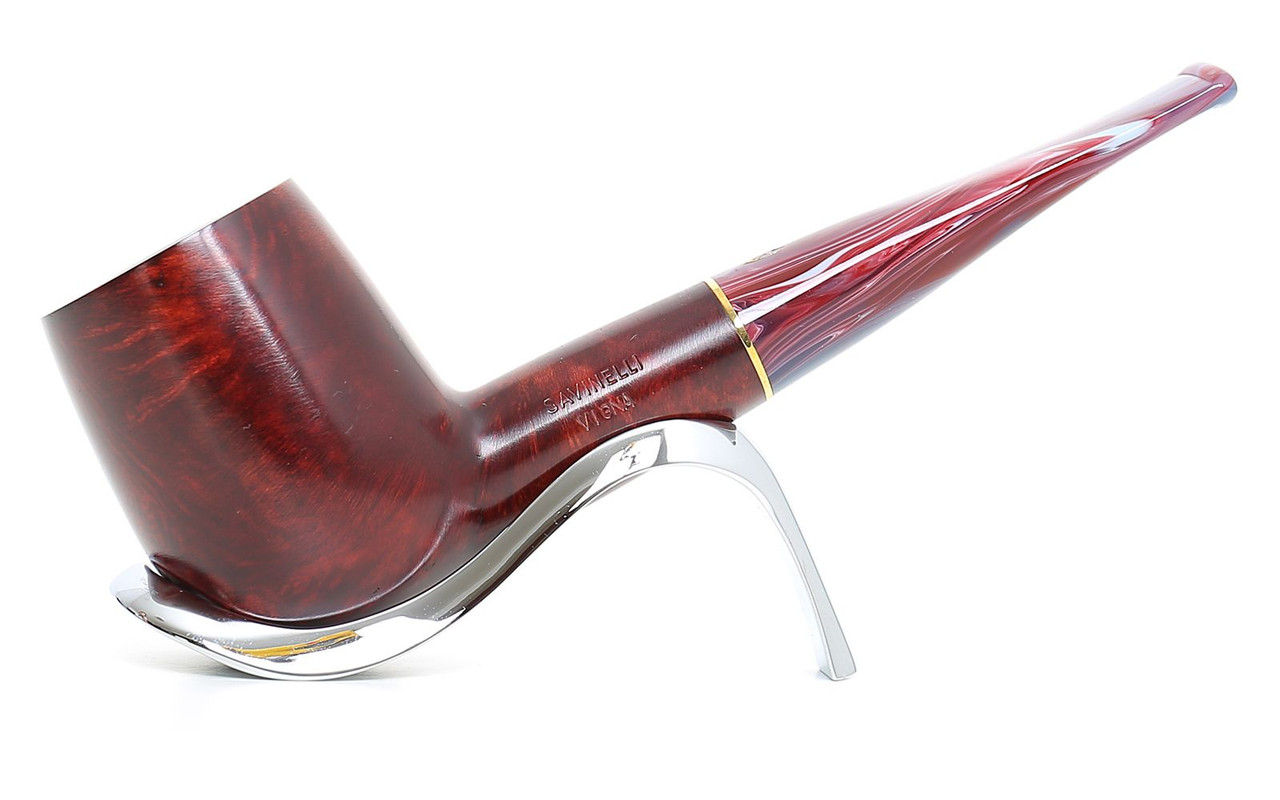
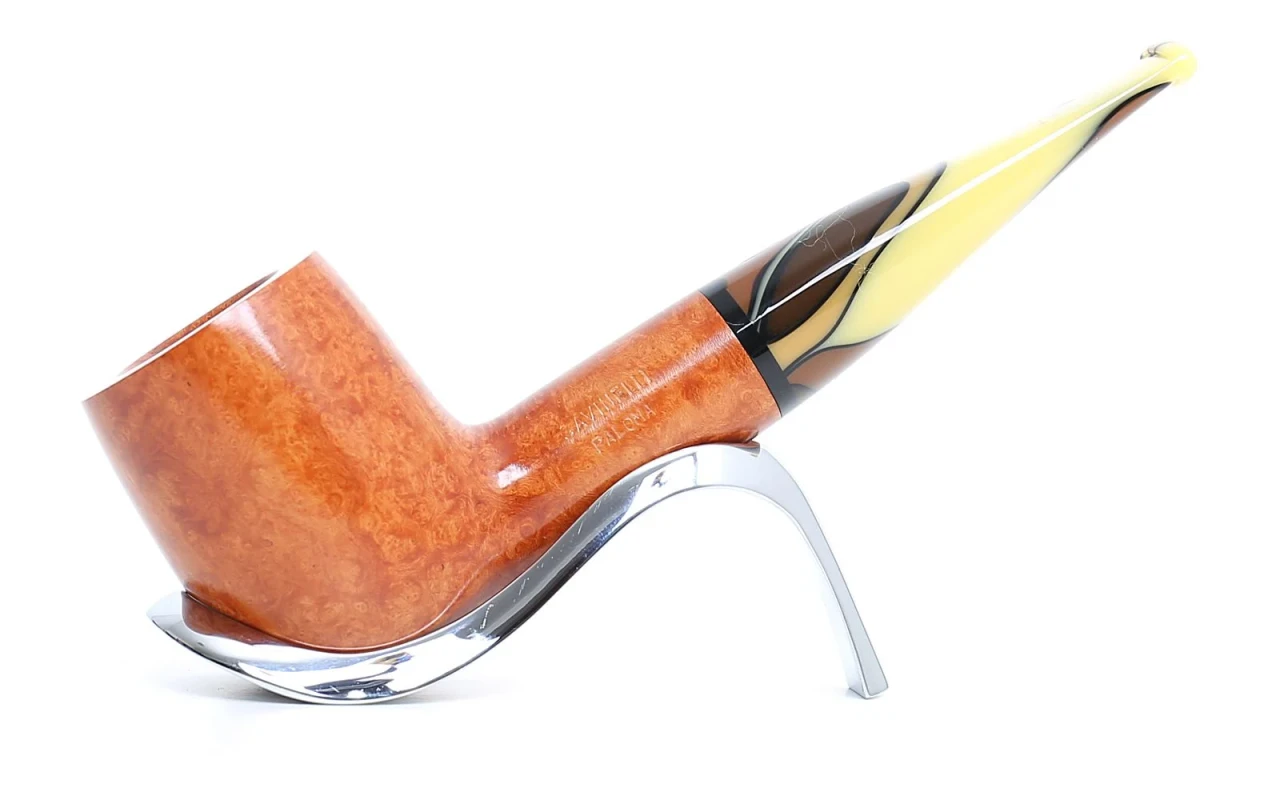
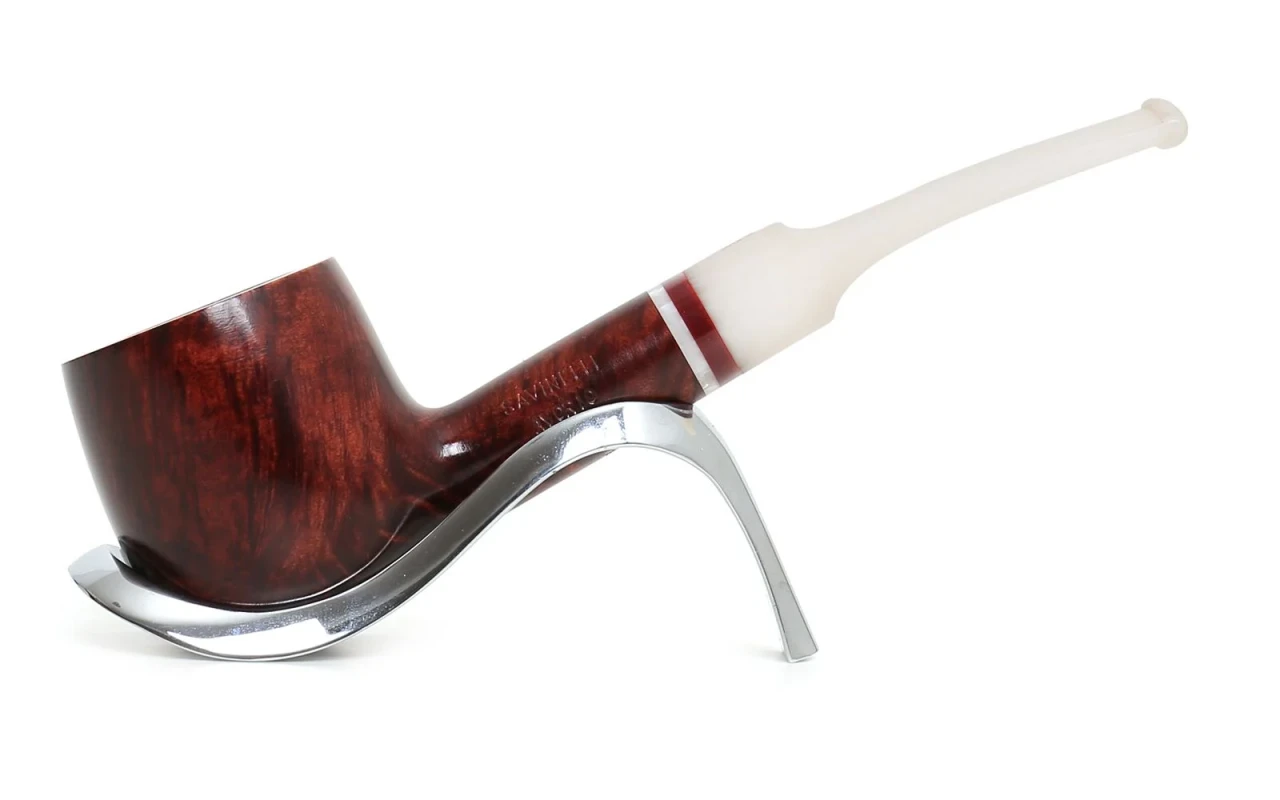
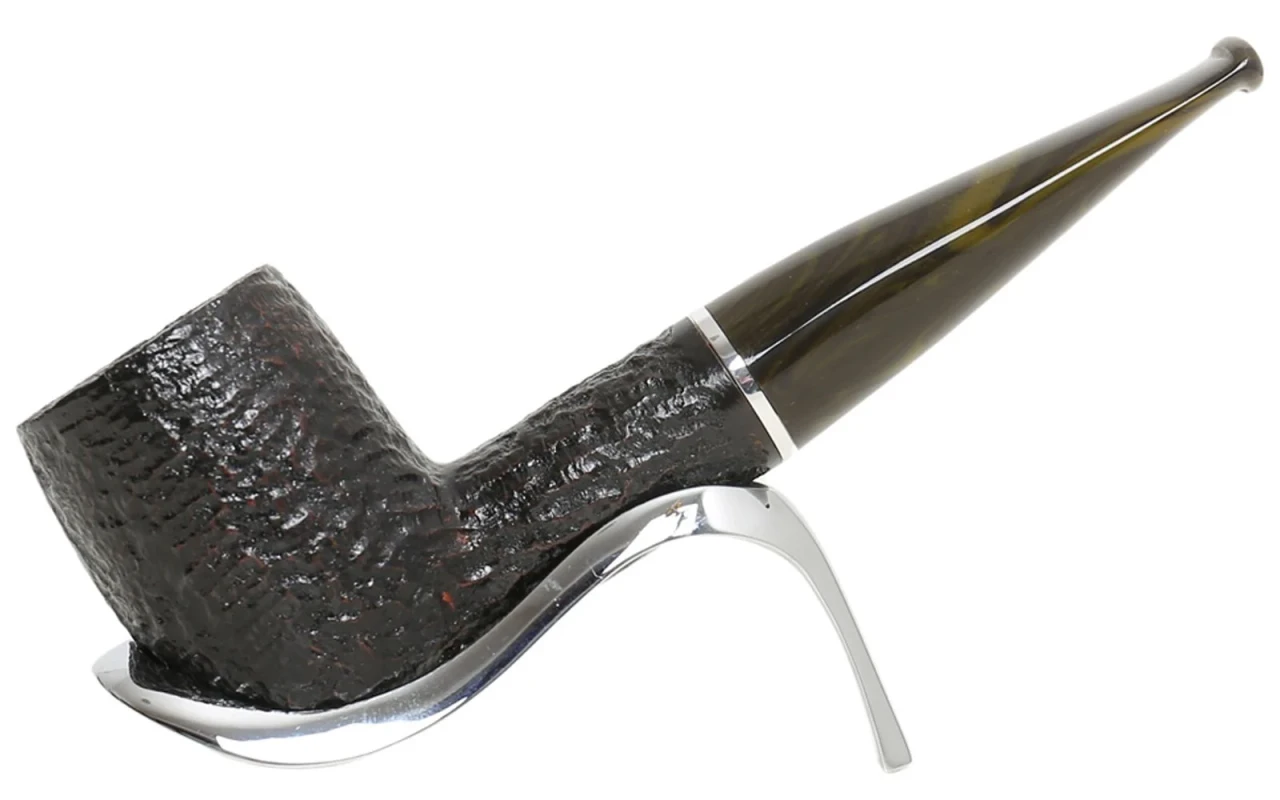
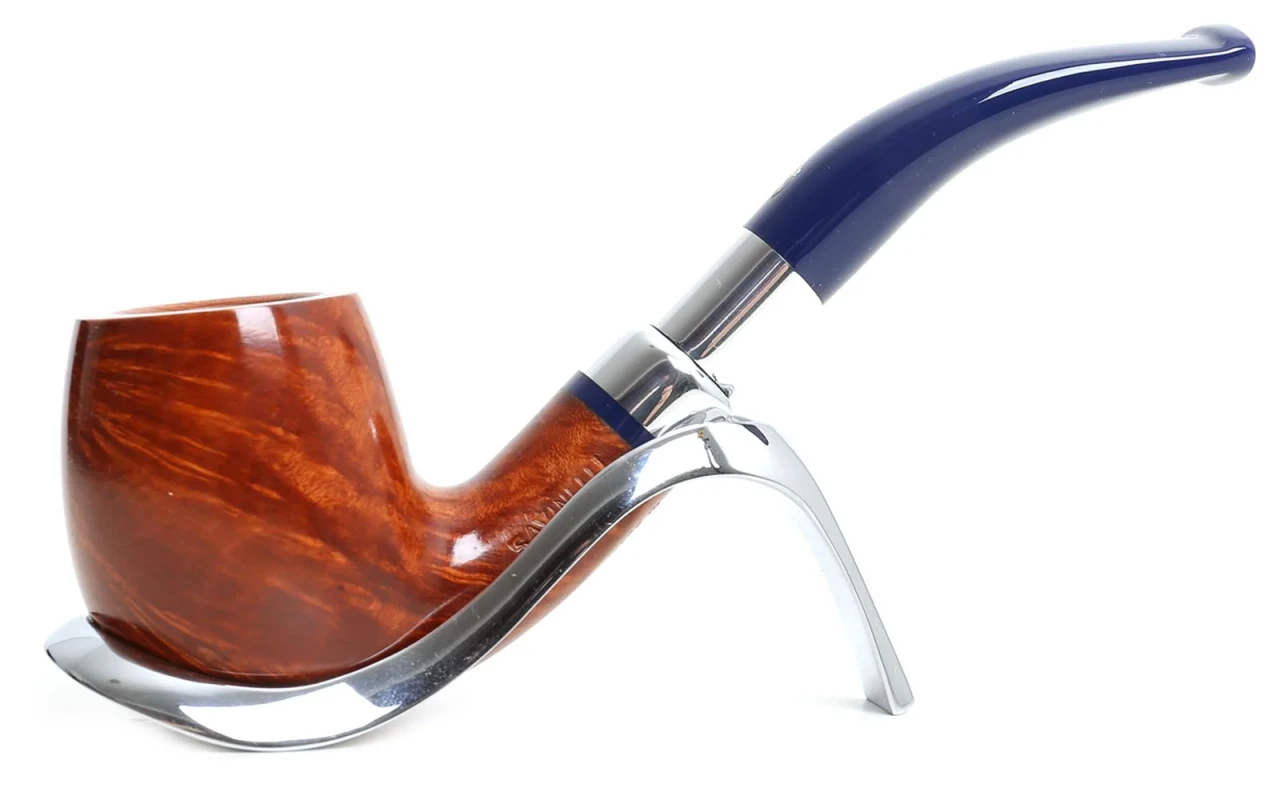
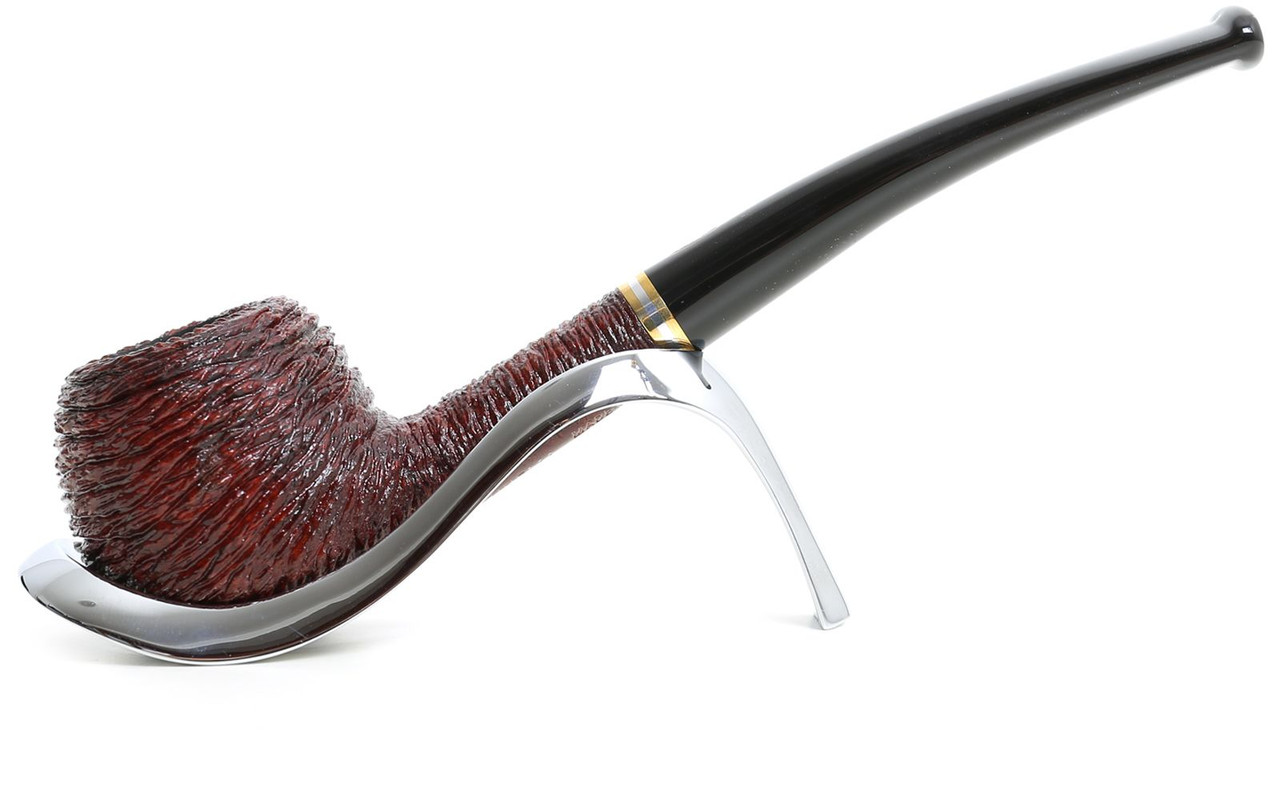
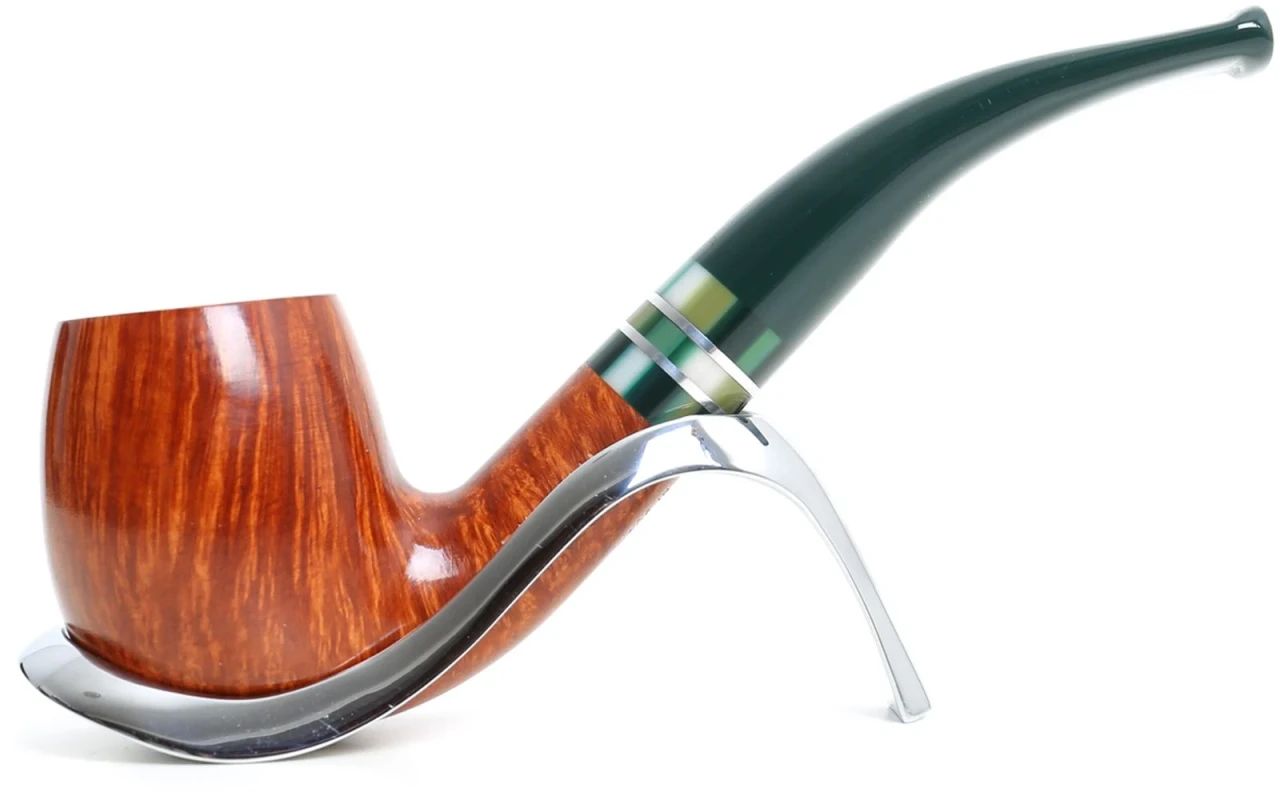
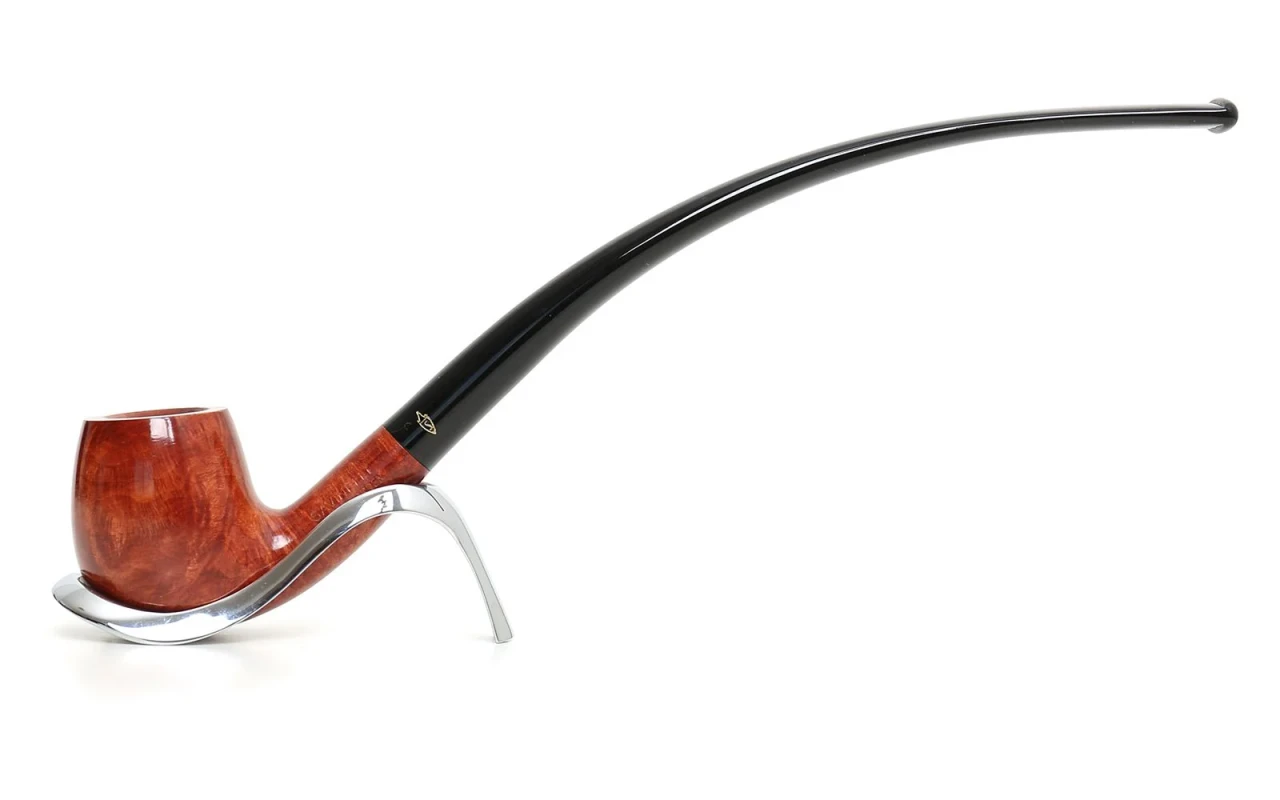
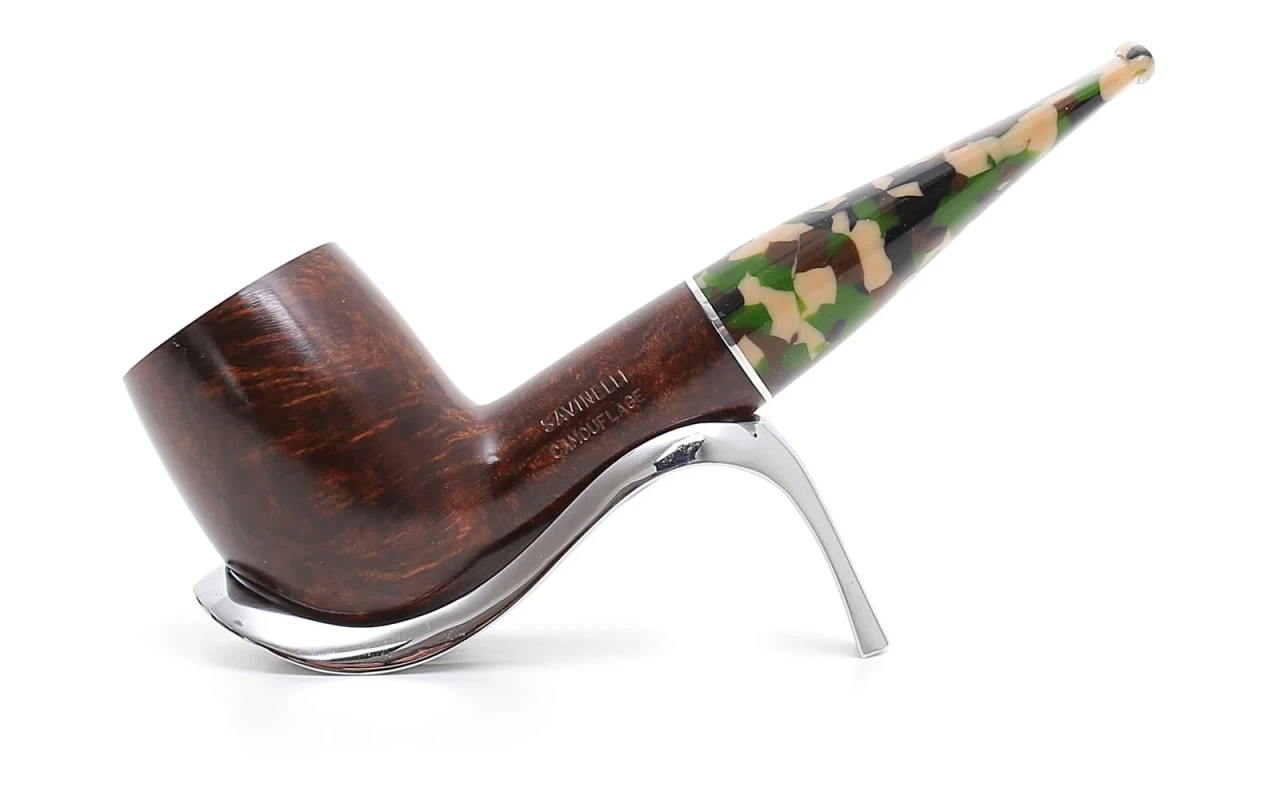
Evolution of 'freehand' pipe design over time
The design of 'freehand' pipes has undergone significant evolution over time. Originally introduced in the 1960s, 'freehand' pipes were characterized by unconventional shapes and craftsmanship. Over the years, master pipemakers have refined their crafting techniques, creating increasingly creative and innovative pipes. Today, 'freehand' pipes are distinguished by fluid lines, organic shapes, and intricate details that highlight the beauty of the wood and craftsmanship. This style of pipes is highly appreciated by tobacco enthusiasts for its unique aesthetics and particularly enjoyable smoking experiences.
KEYWORD:
Pipe smoking: everything you need to knowPipe smoking is an ancient and traditional practice that involves using a pipe to consume tobacco. Pipes are made of various materials such as wood, clay, or briar, each of which influences the taste and overall smoking experience. To achieve good combustion and a pleasant aroma, it is essential to properly prepare the tobacco and fill the pipe carefully. During smoking, it is important to puff slowly to avoid overheating and fully enjoy the aromatic nuances of the tobacco. Pipe smoking is appreciated by many for its ritualistic nature and the wide range of tobaccos available.
Evolution of 'Freehand' Pipe Design Over Time
The design of "freehand" pipes has undergone significant evolution over time. Initially, freehand pipes were characterized by irregular and organic shapes, inspired by nature and often handmade. Over the years, master pipemakers have refined their crafting techniques, creating increasingly elaborate and artistic freehand pipes. Modern freehand pipes feature innovative designs, with smooth lines, elegant curves, and detailed finishes. This style of pipes has become popular among collectors and enthusiasts, who appreciate the uniqueness and craftsmanship of each piece.
New KEYWORDS:
Smoking pipes are tools used to consume tobacco or other herbs. There are different types of pipes, including clay pipes, corn cob pipes, and briar pipes. Smoking pipes consist of three main parts: the combustion chamber, the stem, and the bowl. To fully enjoy the pipe smoking experience, it is important to choose the right tobacco and learn filling and lighting techniques. Regularly cleaning the pipe is also essential to ensure optimal flavor and prevent material overheating.
History of 'freehand' pipe shapes
"Freehand" pipes have an interesting history in the world of pipe tobacco. This type of pipe, born in the 1960s, stands out for its irregular and artistic shape, often handcrafted by master pipemakers. The idea behind these creations is to give free rein to creativity and imagination, without constraints of predetermined shapes. Freehand pipes are appreciated both for their aesthetic beauty and functional characteristics, offering a particularly enjoyable smoking experience. Thanks to their originality and the craftsmanship with which they are made, freehand pipes have become highly coveted collectible items among pipe enthusiasts.
'%3e%3cg id='Final-Copy-2_2_' transform='translate(1275.000000, 200.000000)'%3e%3cpath class='st0' d='M7.4,12.8h6.8l3.1-11.6H7.4C4.2,1.2,1.6,3.8,1.6,7S4.2,12.8,7.4,12.8z'/%3e%3c/g%3e%3c/g%3e%3c/g%3e%3cg id='final---dec.11-2020'%3e%3cg id='_x30_208-our-toggle' transform='translate(-1275.000000, -200.000000)'%3e%3cg id='Final-Copy-2' transform='translate(1275.000000, 200.000000)'%3e%3cpath class='st1' d='M22.6,0H7.4c-3.9,0-7,3.1-7,7s3.1,7,7,7h15.2c3.9,0,7-3.1,7-7S26.4,0,22.6,0z M1.6,7c0-3.2,2.6-5.8,5.8-5.8 h9.9l-3.1,11.6H7.4C4.2,12.8,1.6,10.2,1.6,7z'/%3e%3cpath id='x' class='st2' d='M24.6,4c0.2,0.2,0.2,0.6,0,0.8l0,0L22.5,7l2.2,2.2c0.2,0.2,0.2,0.6,0,0.8c-0.2,0.2-0.6,0.2-0.8,0 l0,0l-2.2-2.2L19.5,10c-0.2,0.2-0.6,0.2-0.8,0c-0.2-0.2-0.2-0.6,0-0.8l0,0L20.8,7l-2.2-2.2c-0.2-0.2-0.2-0.6,0-0.8 c0.2-0.2,0.6-0.2,0.8,0l0,0l2.2,2.2L23.8,4C24,3.8,24.4,3.8,24.6,4z'/%3e%3cpath id='y' class='st3' d='M12.7,4.1c0.2,0.2,0.3,0.6,0.1,0.8l0,0L8.6,9.8C8.5,9.9,8.4,10,8.3,10c-0.2,0.1-0.5,0.1-0.7-0.1l0,0 L5.4,7.7c-0.2-0.2-0.2-0.6,0-0.8c0.2-0.2,0.6-0.2,0.8,0l0,0L8,8.6l3.8-4.5C12,3.9,12.4,3.9,12.7,4.1z'/%3e%3c/g%3e%3c/g%3e%3c/g%3e%3c/g%3e%3c/svg%3e) Your Privacy Choices
Your Privacy Choices 


