 ES
ES FR
FR EN
EN IT
IT DE
DE
Evolution of pipes over the centuries
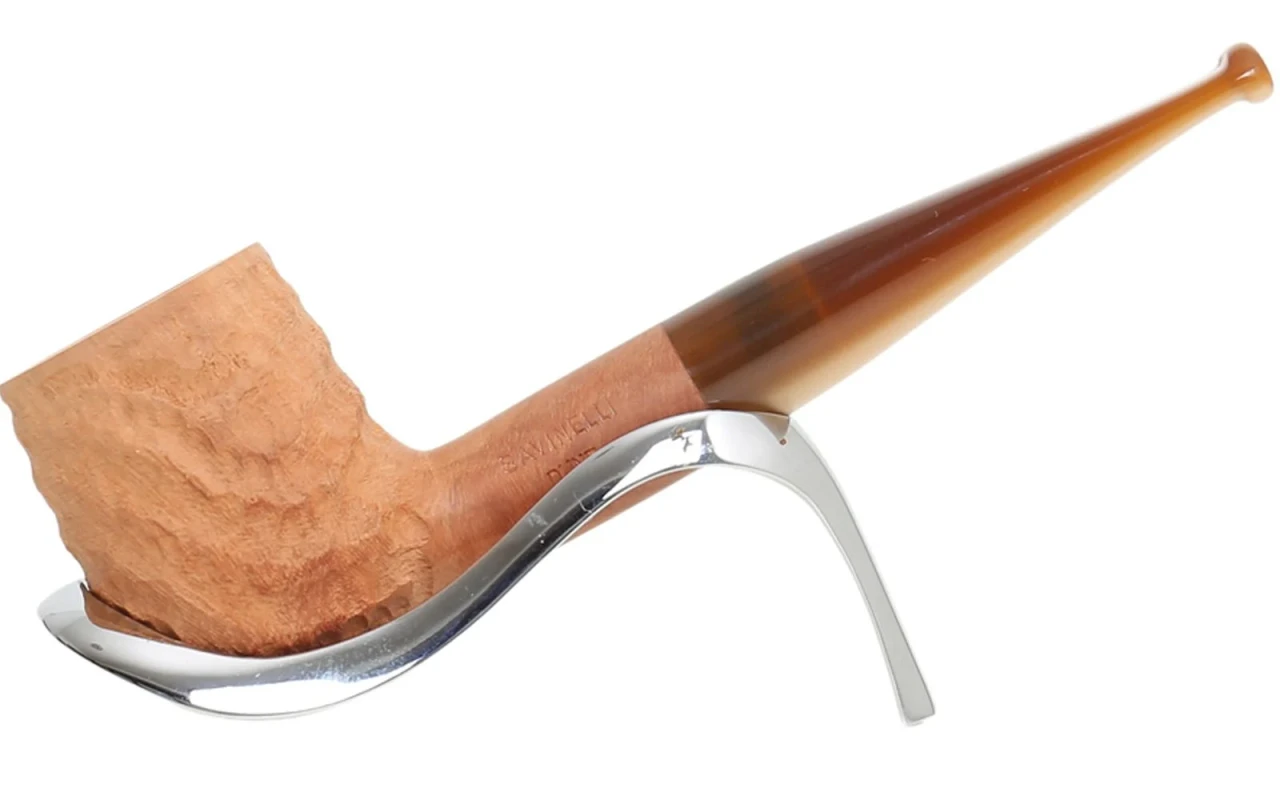
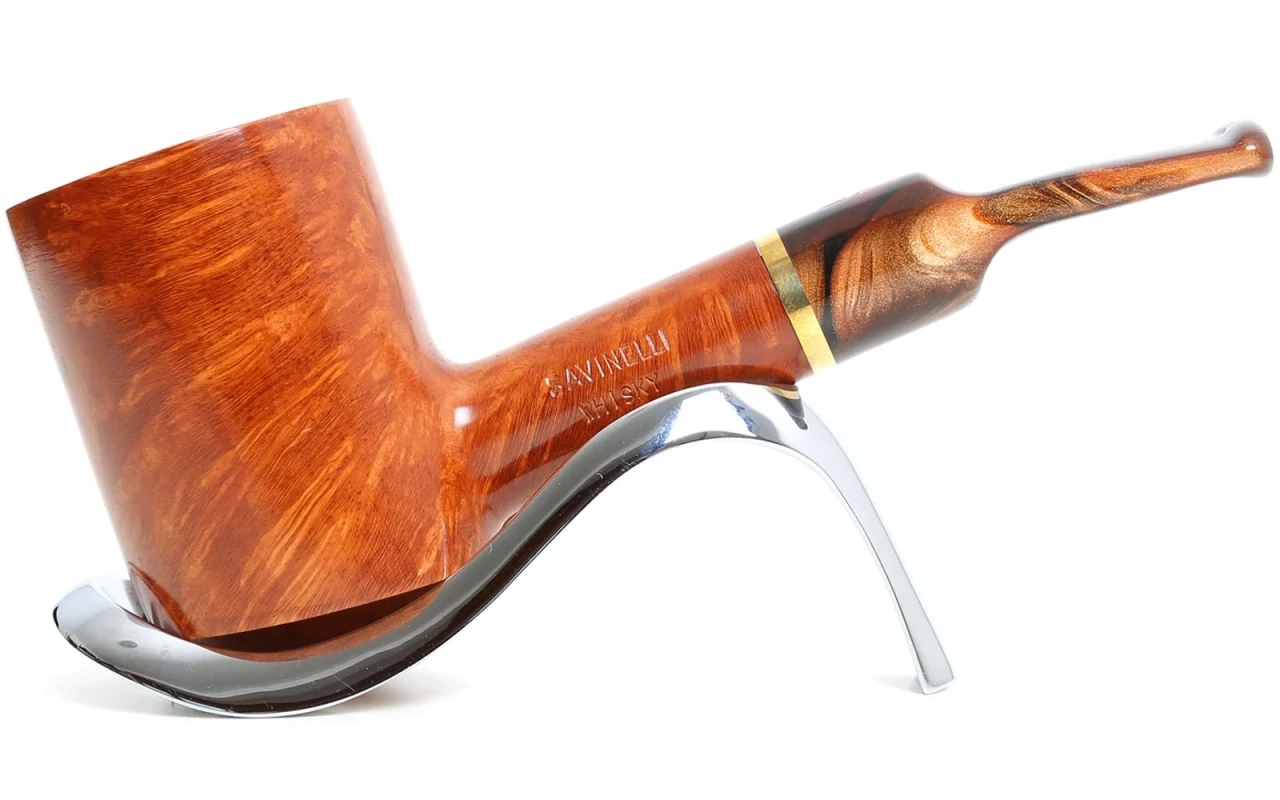
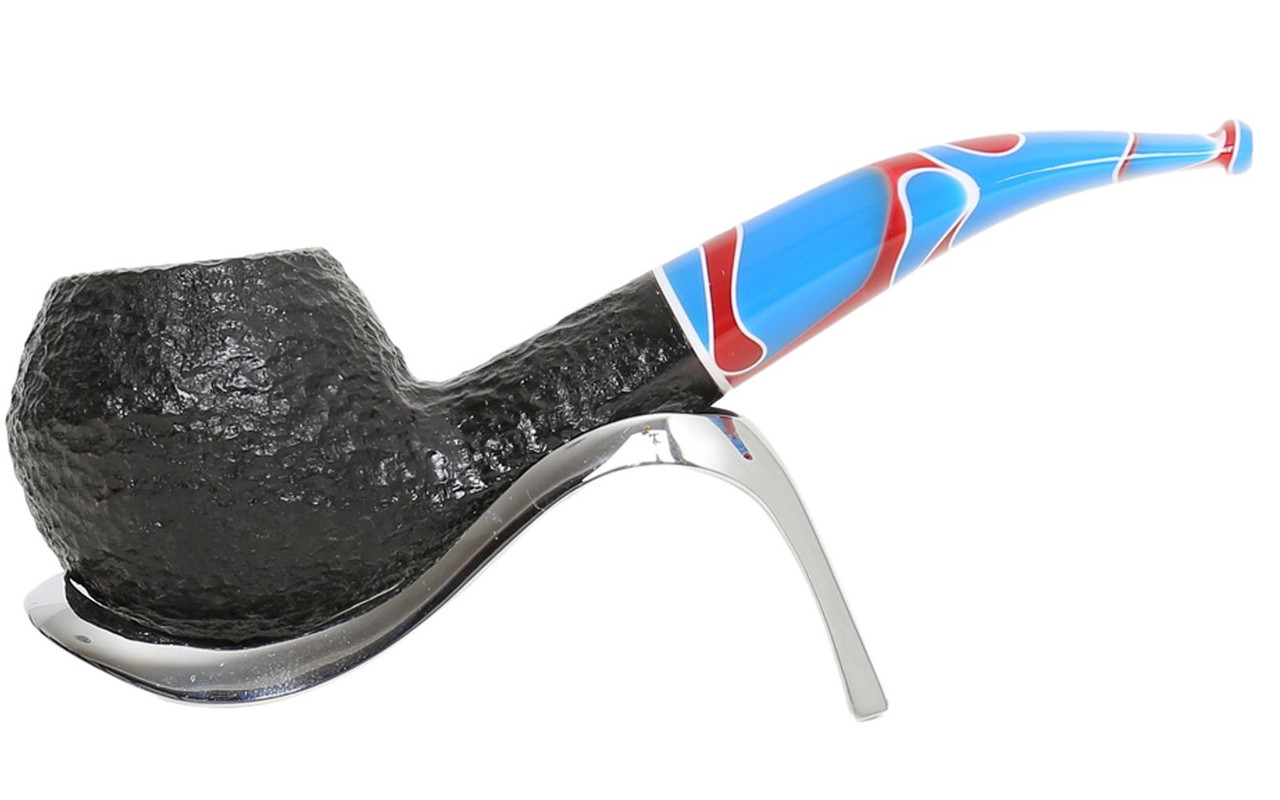
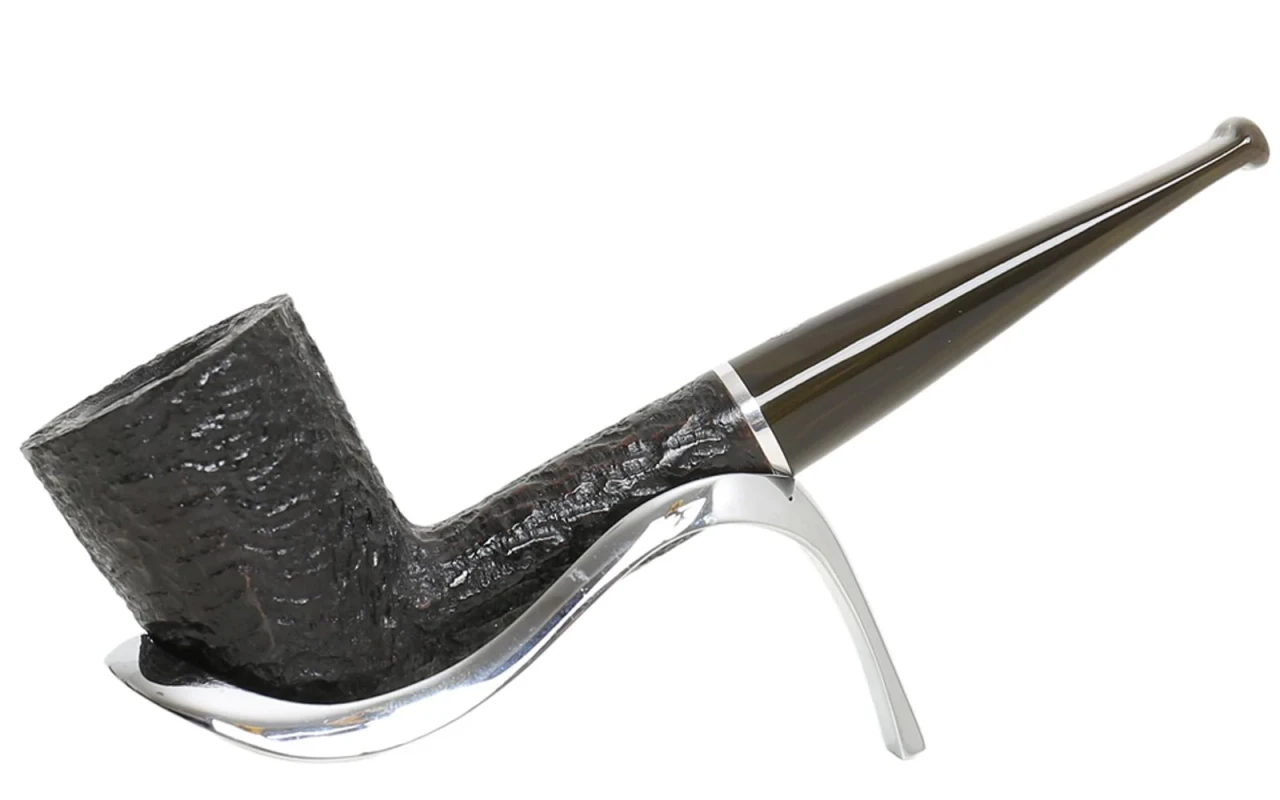
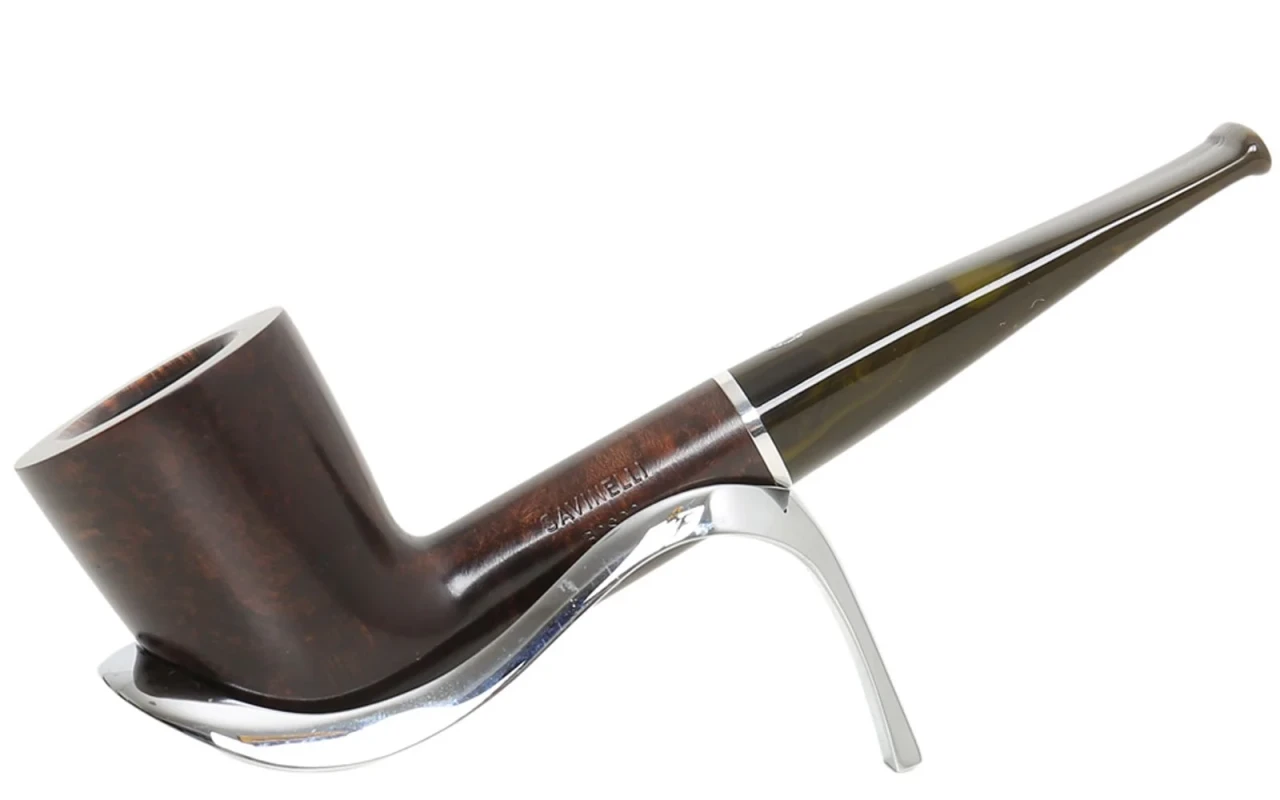
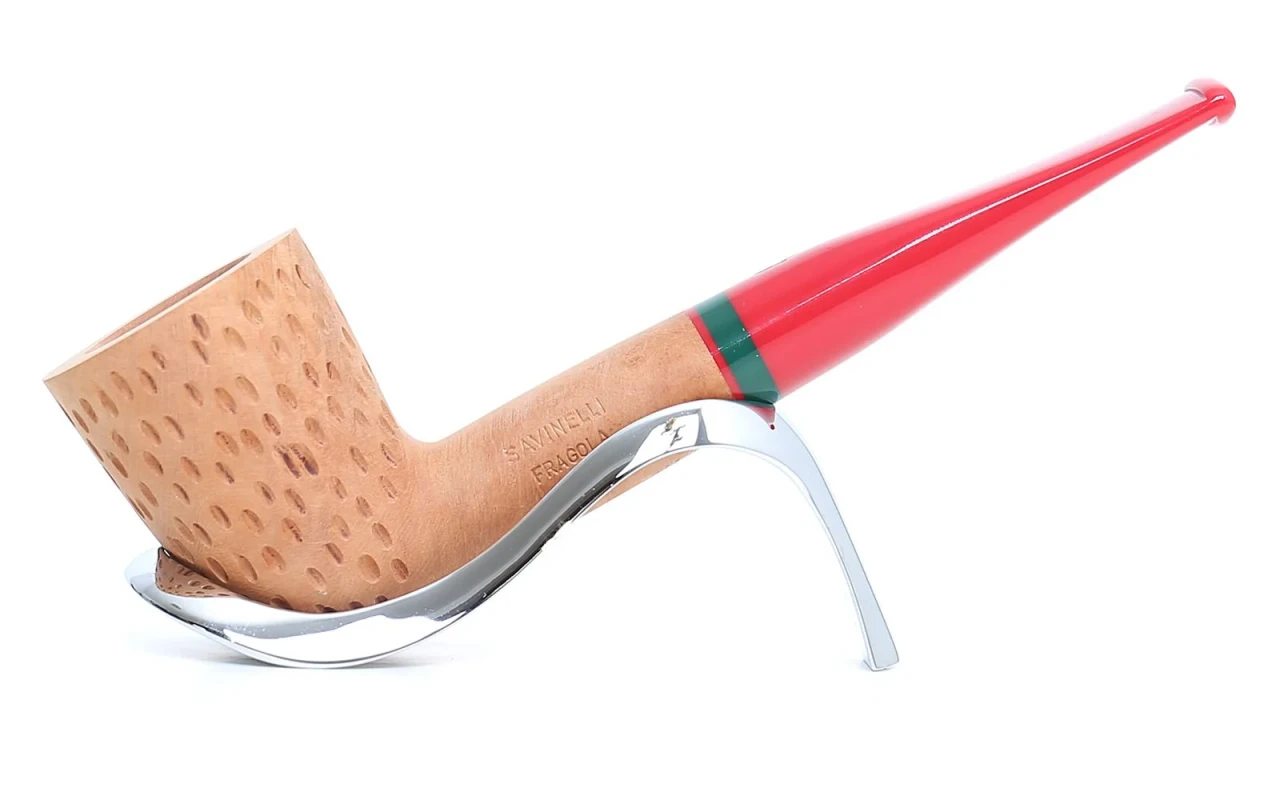
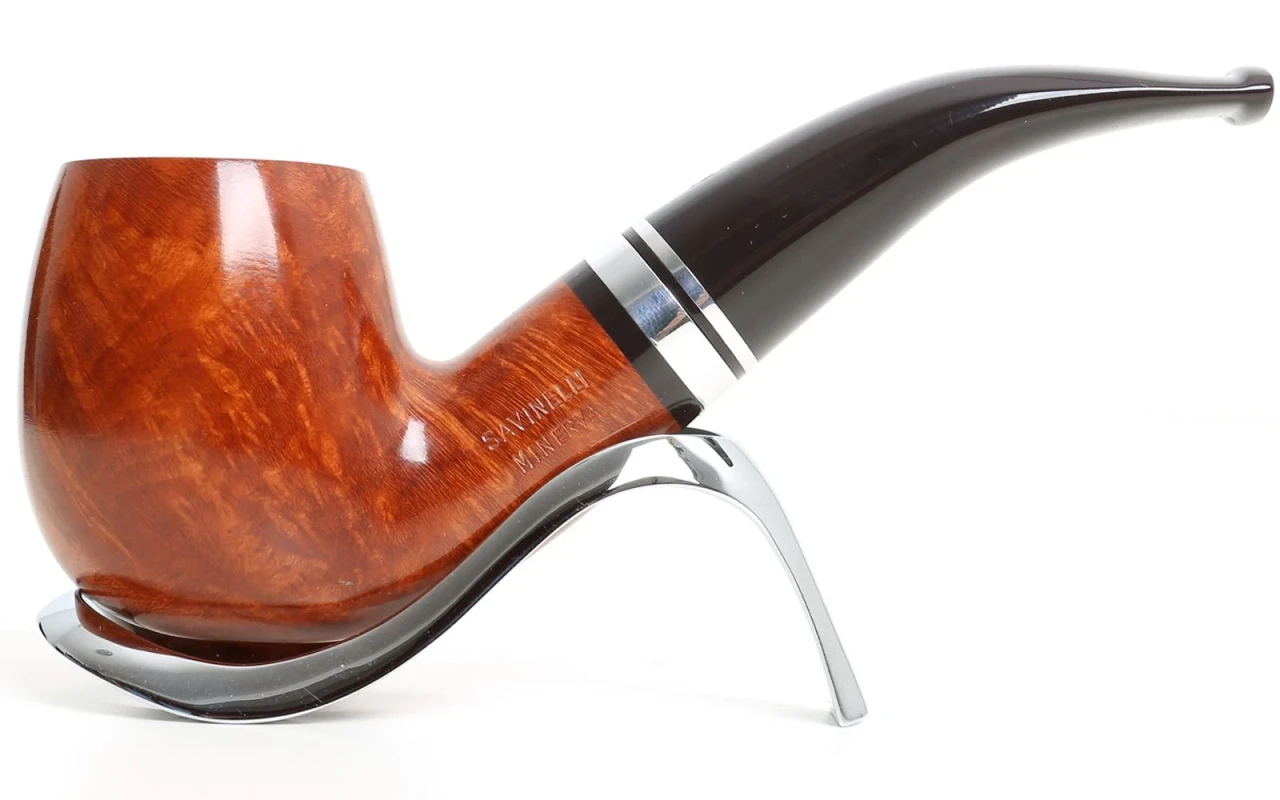
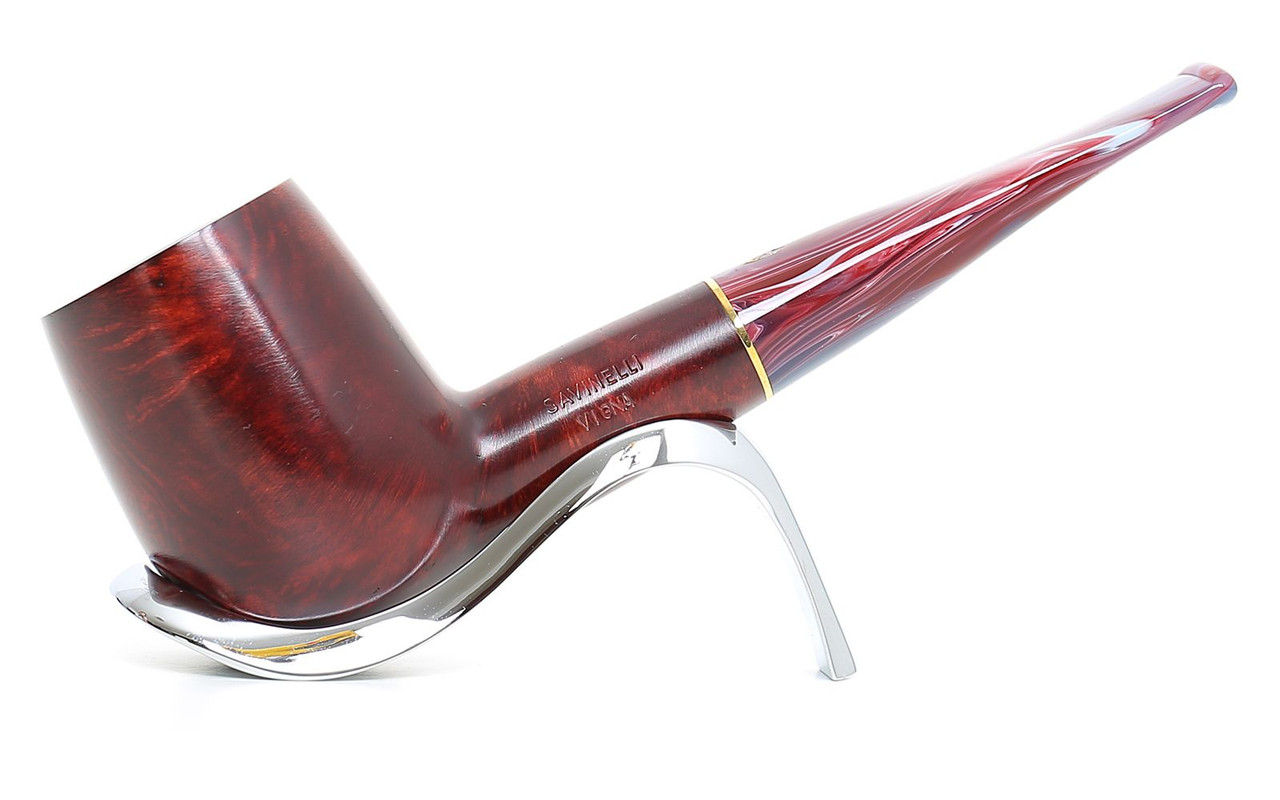
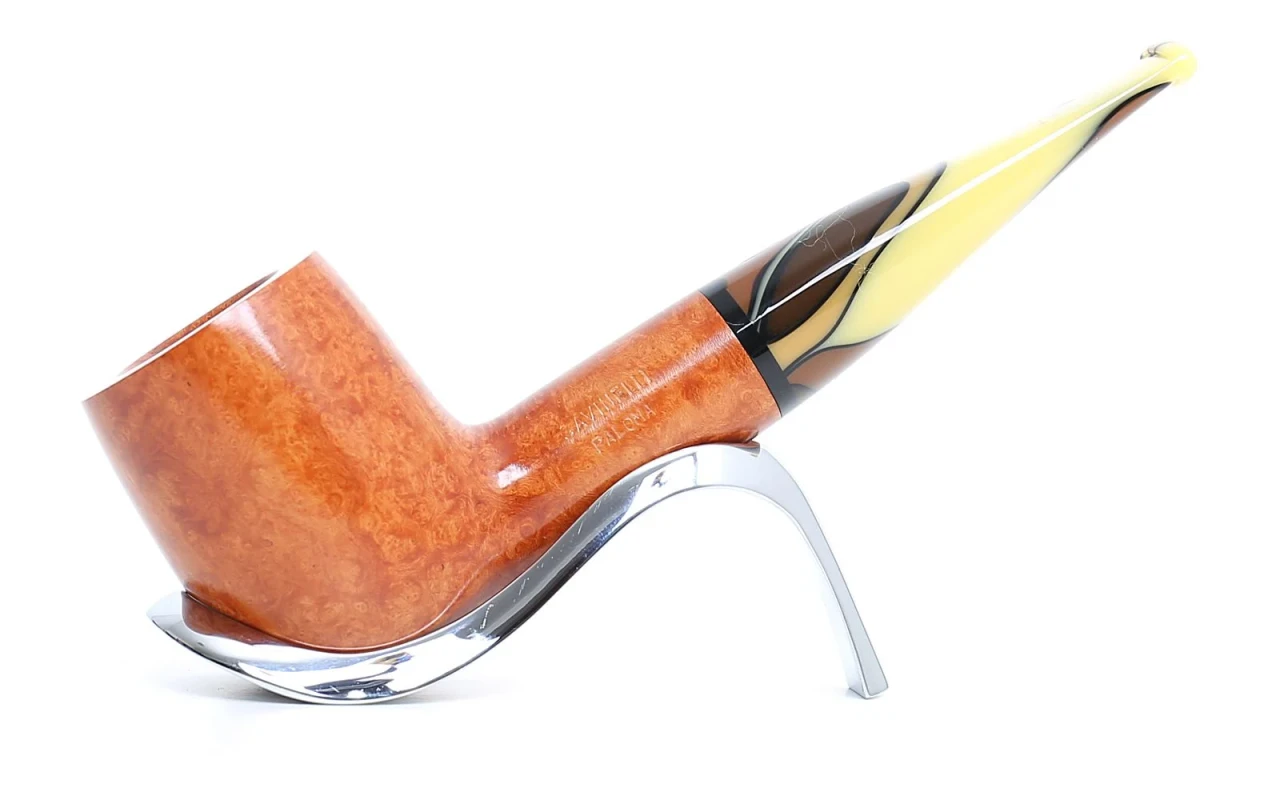
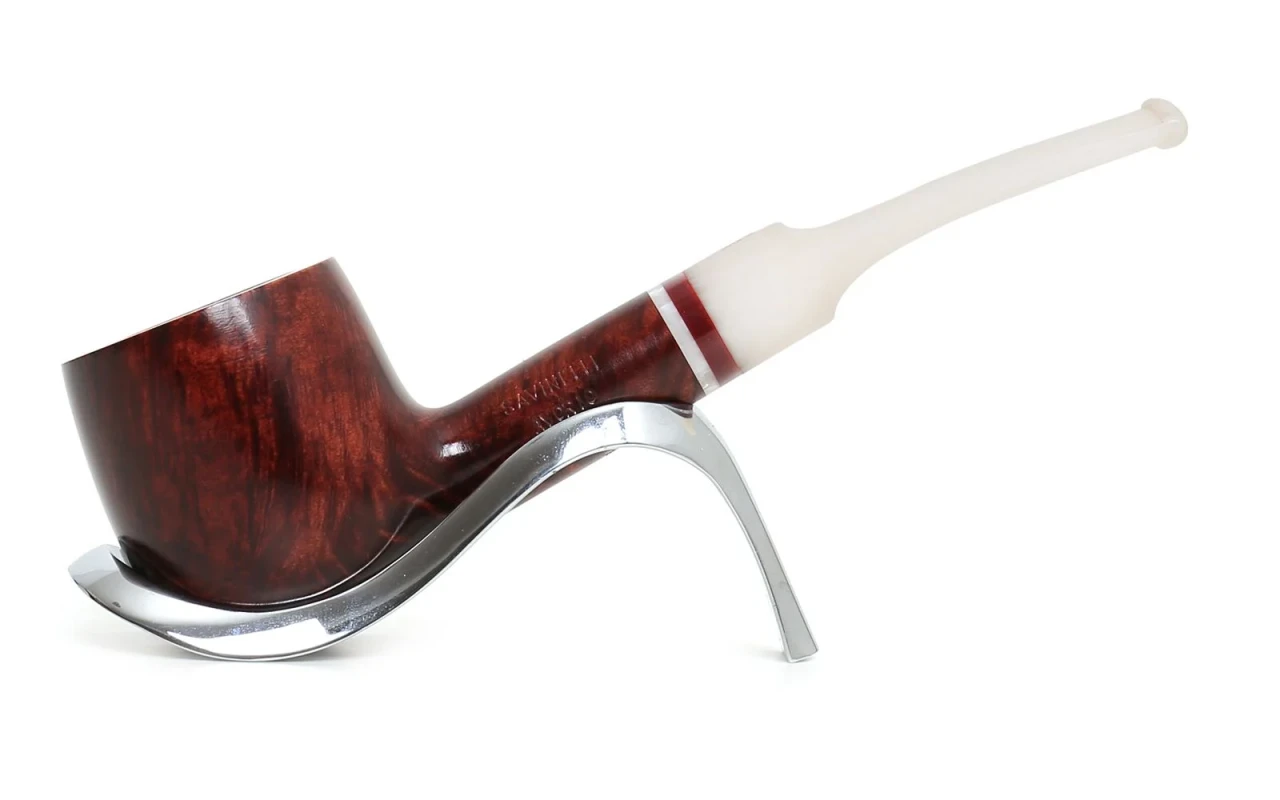
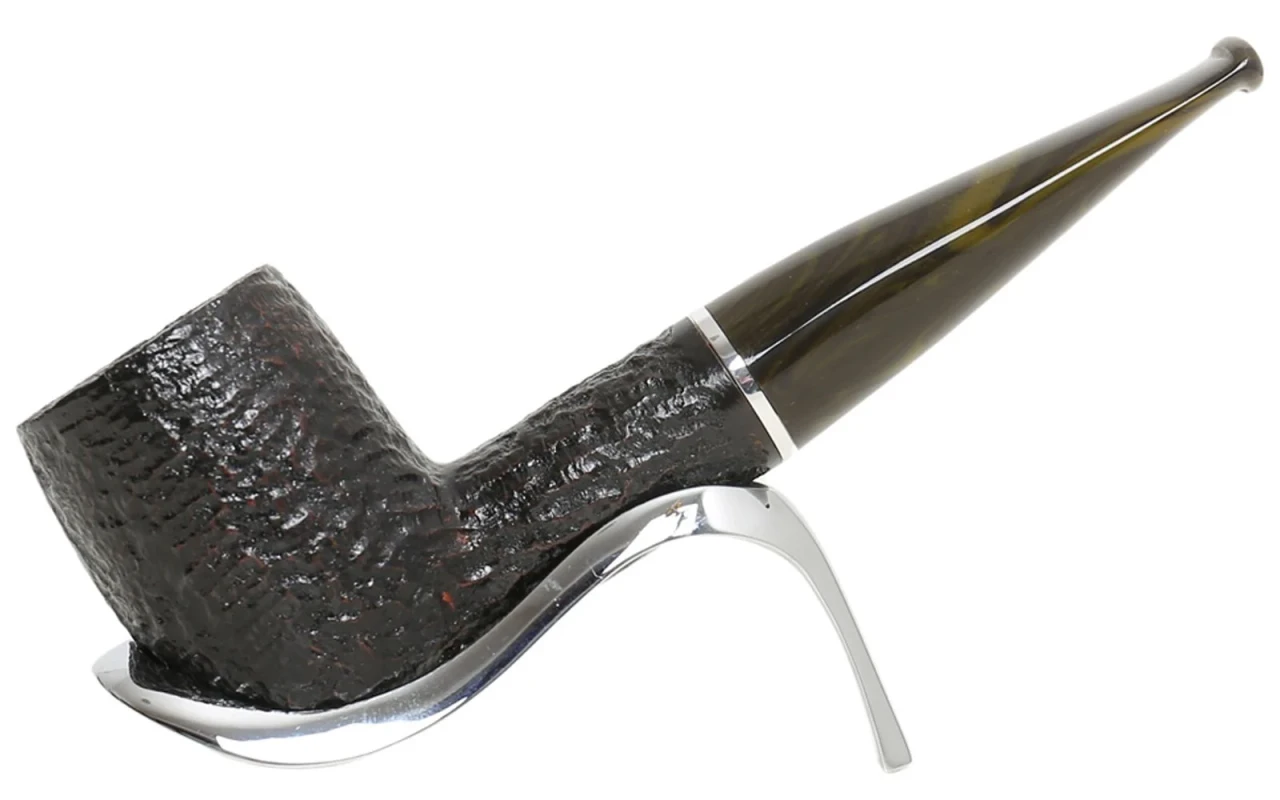
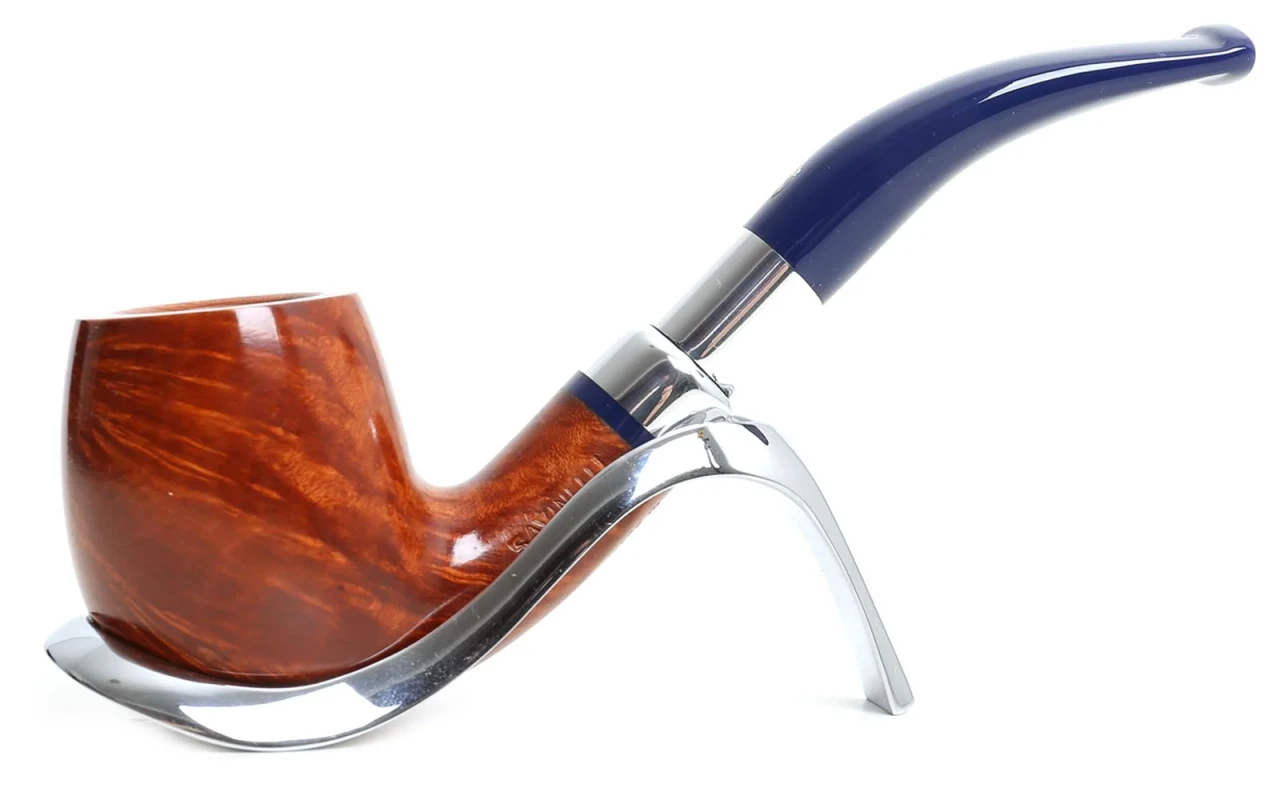
Evolution of pipes over the centuries
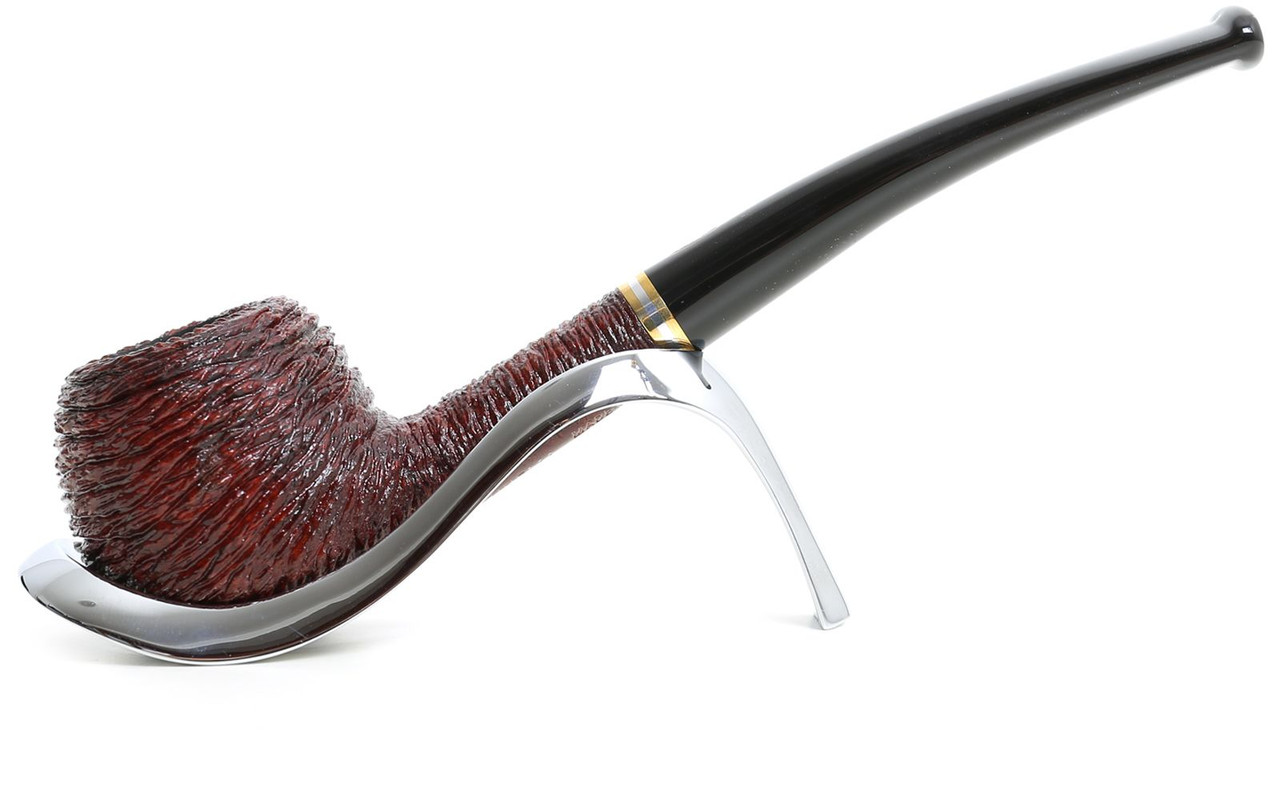
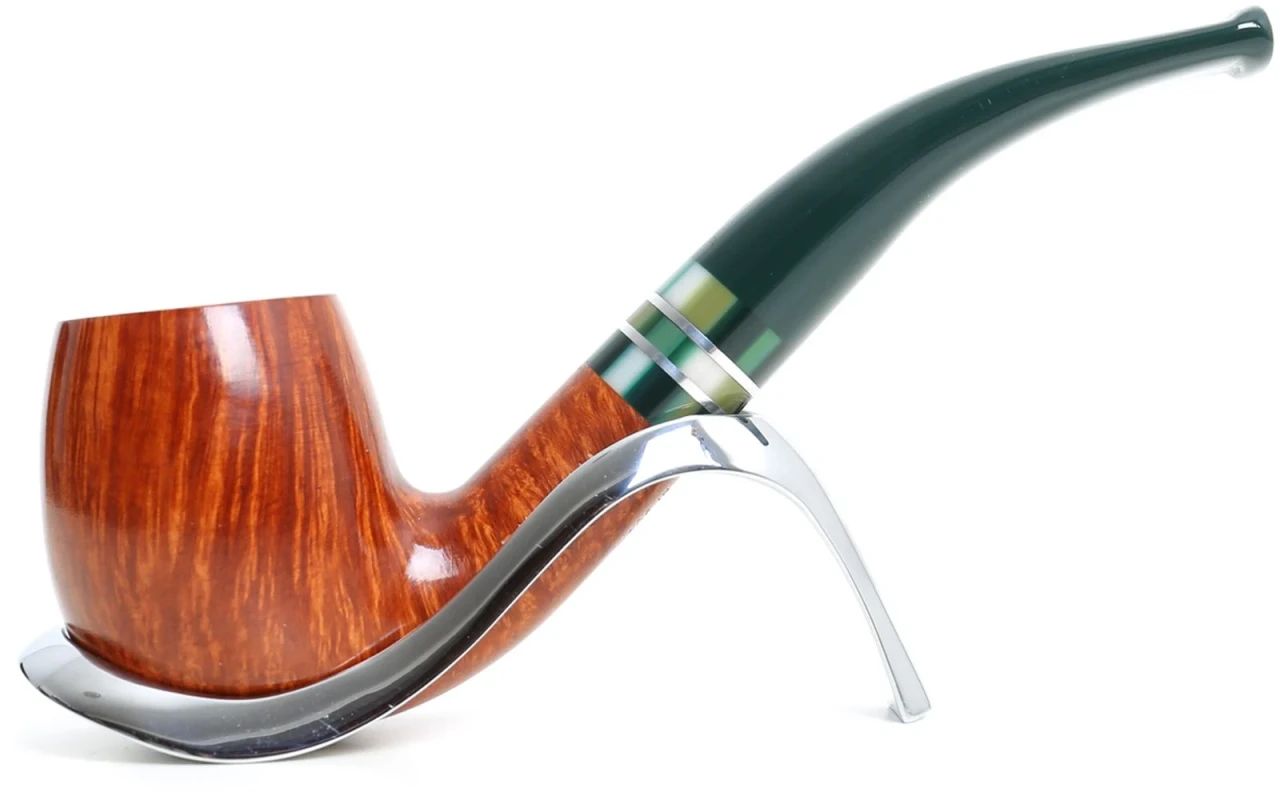
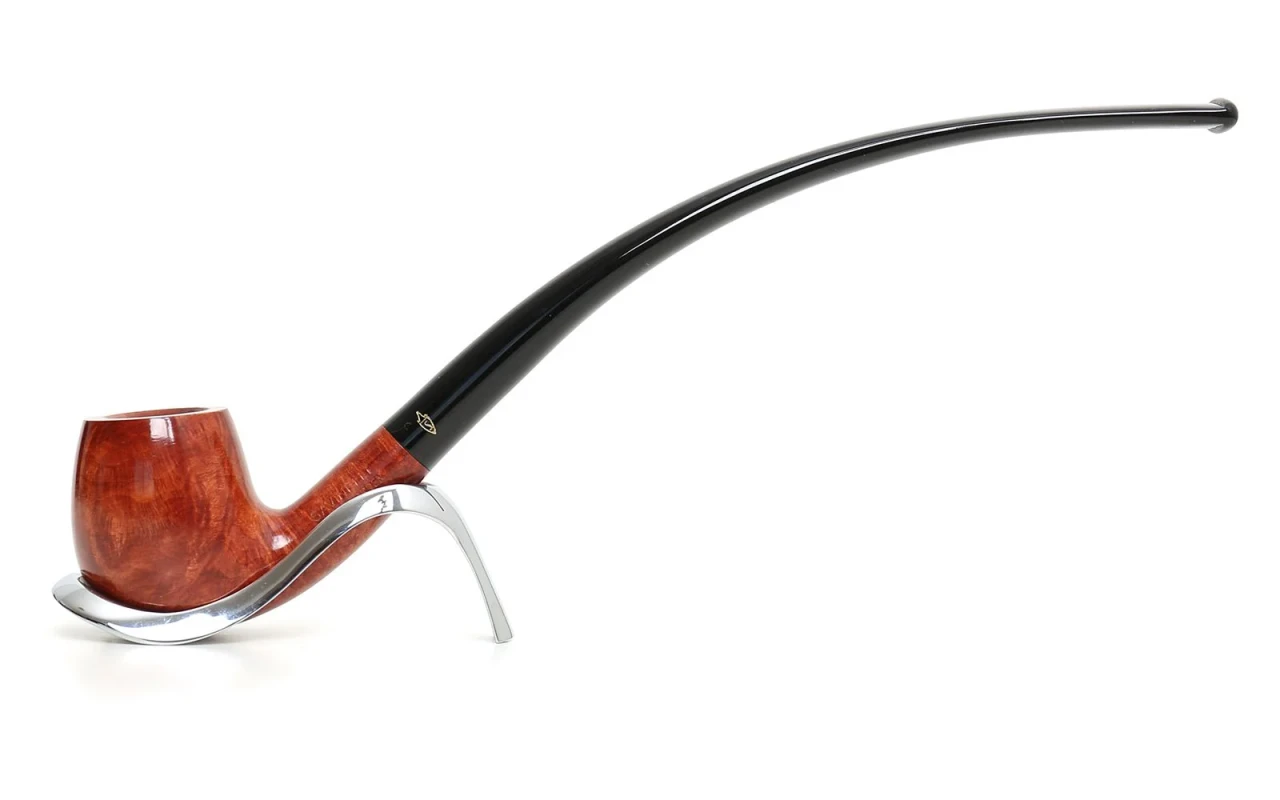
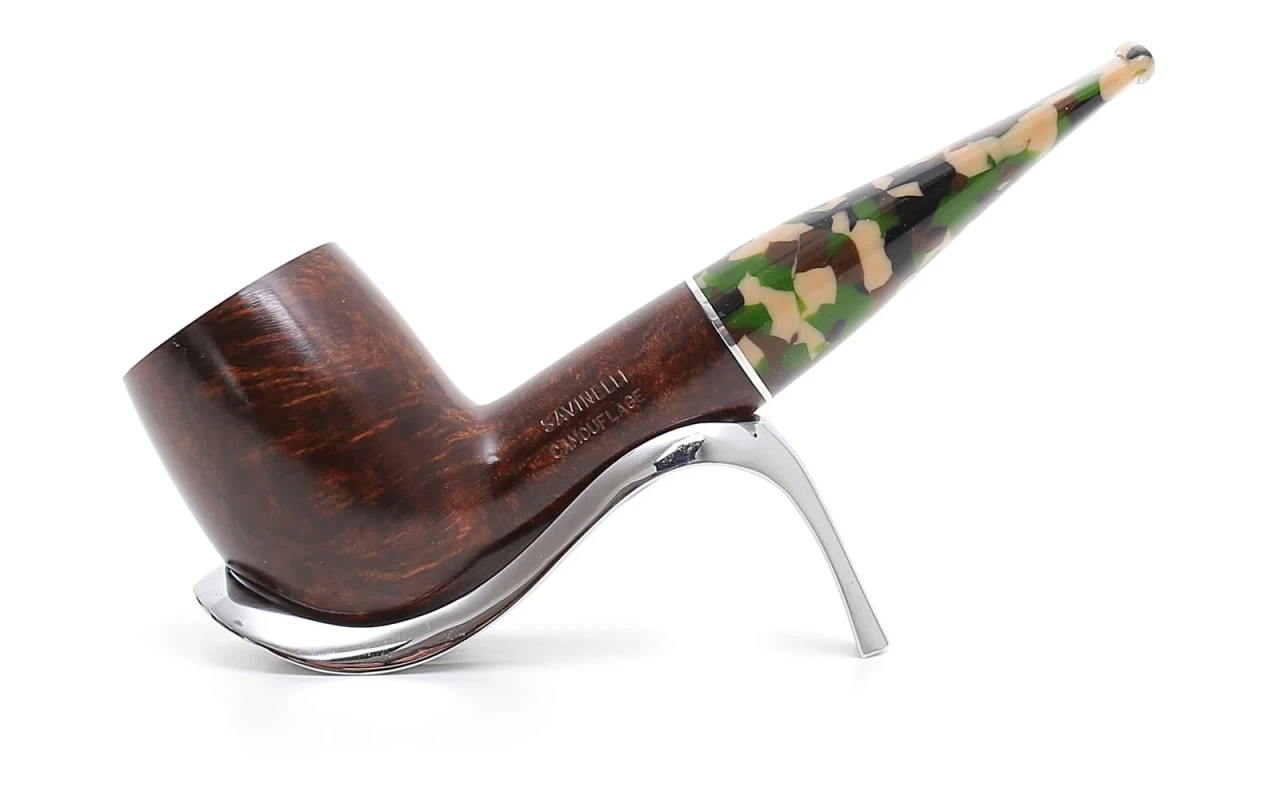
Pipes have undergone a significant evolution over the centuries. Initially made of natural materials such as clay, wood, or briar, pipes have transformed over time. In the 19th century, with the advent of industrialization, pipes began to be mass-produced using materials such as briar or corn cob. In the 20th century, with the advancement of technology, pipes made of modern materials like bakelite and acrylic were introduced. Today, pipes can be crafted from a wide range of materials, offering smokers variety and customization.
History of smoking pipes
Smoking pipes have a long history that dates back centuries. The earliest traces of pipes can be found in the pre-Columbian cultures of the Americas and later spread to Europe in the 16th century. Initially crafted from materials such as stone, wood, and clay, pipes soon became objects of great artistic value, made from precious materials like ivory, amber, and briar root. Over the centuries, pipes have been associated with moments of relaxation and contemplation, becoming symbols of elegance and sophistication. Today, pipes continue to be appreciated by collectors and enthusiasts worldwide for their history and craftsmanship beauty.
Materials used for pipes
Pipes are commonly made with high-quality materials, ideal for ensuring a good smoking experience. The main materials used are:- Heather root: lightweight and durable, offering a neutral flavor that does not alter the taste of tobacco.- Oak root: hard and heat-resistant, it is an excellent choice for outdoor pipes.- Corn cob: inexpensive and lightweight, it is often used for travel pipes.- Clay: a porous material that absorbs moisture, contributing to a cooler and drier smoke.- Meerschaum: a soft stone that absorbs flavors, preserving the tobacco taste.- Briar: Mediterranean heather wood, highly appreciated for its heat and flame resistance.These materials offer various characteristics and advantages, allowing smokers to choose the pipe that best suits their preferences.
Production techniques of pipes
Pipes are produced through various artisanal techniques that require skill and precision. Typical steps include the accurate selection of high-quality wood, cutting and shaping the briar into specific forms, sanding to achieve a smooth surface, drilling to create the draft hole and the combustion chamber. Subsequently, protective and decorative coatings are applied. Some craftsmen also use special techniques such as sandblasting or carving to create unique designs on the pipes. Finally, the pipes are polished to achieve a shiny and long-lasting appearance.
'%3e%3cg id='Final-Copy-2_2_' transform='translate(1275.000000, 200.000000)'%3e%3cpath class='st0' d='M7.4,12.8h6.8l3.1-11.6H7.4C4.2,1.2,1.6,3.8,1.6,7S4.2,12.8,7.4,12.8z'/%3e%3c/g%3e%3c/g%3e%3c/g%3e%3cg id='final---dec.11-2020'%3e%3cg id='_x30_208-our-toggle' transform='translate(-1275.000000, -200.000000)'%3e%3cg id='Final-Copy-2' transform='translate(1275.000000, 200.000000)'%3e%3cpath class='st1' d='M22.6,0H7.4c-3.9,0-7,3.1-7,7s3.1,7,7,7h15.2c3.9,0,7-3.1,7-7S26.4,0,22.6,0z M1.6,7c0-3.2,2.6-5.8,5.8-5.8 h9.9l-3.1,11.6H7.4C4.2,12.8,1.6,10.2,1.6,7z'/%3e%3cpath id='x' class='st2' d='M24.6,4c0.2,0.2,0.2,0.6,0,0.8l0,0L22.5,7l2.2,2.2c0.2,0.2,0.2,0.6,0,0.8c-0.2,0.2-0.6,0.2-0.8,0 l0,0l-2.2-2.2L19.5,10c-0.2,0.2-0.6,0.2-0.8,0c-0.2-0.2-0.2-0.6,0-0.8l0,0L20.8,7l-2.2-2.2c-0.2-0.2-0.2-0.6,0-0.8 c0.2-0.2,0.6-0.2,0.8,0l0,0l2.2,2.2L23.8,4C24,3.8,24.4,3.8,24.6,4z'/%3e%3cpath id='y' class='st3' d='M12.7,4.1c0.2,0.2,0.3,0.6,0.1,0.8l0,0L8.6,9.8C8.5,9.9,8.4,10,8.3,10c-0.2,0.1-0.5,0.1-0.7-0.1l0,0 L5.4,7.7c-0.2-0.2-0.2-0.6,0-0.8c0.2-0.2,0.6-0.2,0.8,0l0,0L8,8.6l3.8-4.5C12,3.9,12.4,3.9,12.7,4.1z'/%3e%3c/g%3e%3c/g%3e%3c/g%3e%3c/g%3e%3c/svg%3e) Your Privacy Choices
Your Privacy Choices 


